By Chuck Price | Published March 12, 2026 | Last Updated March 12, 2026<! –>
Quick Answer: Facebook Gurus say your RV can “pay for itself.” Some even suggest you could earn $20,000 or more per year. Here’s what they leave out: platform fees take 20%, your personal insurance probably won’t cover rental use, renters have no idea how to handle your lithium batteries or composting toilet, and the accelerated depreciation often eats the income. For owners of custom boondocking rigs, renting out rarely makes financial sense. If you must try it, delivery-only is the least-bad option.
Every RV Facebook group runs the same cycle. Someone posts about renting their rig on Outdoorsy or RVshare. The comments fill with “I made $2,500 last month!” and “It pays for itself!” Then three months later, the same owner is posting about a denied insurance claim or a renter who cooked the lithium batteries.
We’ve spent 35+ years and 150,000+ miles living this lifestyle. We run a custom-built boondocking rig with rooftop solar, lithium batteries, a composting toilet, and 4×4 MIMO antennas. Everything we teach in our boondocking guide is built around self-reliance and protecting these systems. The idea of handing the keys to a stranger who doesn’t know the difference between a charge controller and a light switch makes us physically uncomfortable. But this isn’t about feelings. It’s about math.
So we ran the numbers. What follows is the financial reality of renting out an RV, with specific attention to why boondocking rigs carry risks that the rental platforms never mention.
The Real Math: What RV Rental Income Actually Looks Like
Peer-to-peer platforms like Outdoorsy and RVshare take approximately 20% of each booking as a service fee. That means a $200/night listing puts $160 in your pocket before any other costs.
Platforms like Outdoorsy and RVshare suggest owners can earn anywhere from a few thousand to $30,000 or more per year. Third-party sites push the range even higher, up to $50,000 for driveable motorhomes. Those numbers assume occupancy rates of 40 to 50%, which industry benchmarks treat as a rough target, not a guarantee. Your location, season, rig type, and pricing all affect real-world bookings.
Here’s a worked example for a Class B motorhome listed at $175/night:
That $14,000 headline number becomes $1,800 after real costs. And we haven’t accounted for accelerated depreciation from rental mileage, your time managing bookings, or the one bad rental that puts your rig in a body shop for three weeks.
This does not mean nobody earns money renting RVs. Owners of newer Class A or Class C rigs in high-demand tourist markets can do better. But the math changes dramatically for custom, off-grid-equipped rigs where replacement costs for specialty systems are high and renter inexperience creates unique risk.
Constraint: These numbers are estimates based on published platform fee structures and reported owner experiences. Your actual results depend on location, rig type, occupancy, and operating costs. Do not treat this table as a guarantee of income or loss.
Depreciation and Maintenance: The Costs Nobody Advertises
RVs depreciate fast. According to Progressive Insurance, most lose 15 to 20% of their value in the first year alone, with an additional 5 to 10% per year over the next four years. After five years, the curve flattens, but by then a $100,000 rig may be worth $50,000 to $60,000 regardless of how carefully you’ve maintained it.
Rental use accelerates both depreciation and maintenance in ways that compound:
Mileage accumulation. A renter on a week-long trip can put 1,000+ miles on your rig. At 80 rental nights, that’s easily 5,000 to 8,000 additional miles per year. Used RV buyers shop for low mileage. Every rental mile moves you further from the “lightly used” category that holds resale value.
Wear pattern differences. Renters use your rig differently than you do. They run the generator harder, cycle the slides more frequently, stress the awning in wind, and treat the drivetrain like a rental car. Components that would last 10 years under your care may need replacement in 5.
Warranty risk. RV manufacturers have taken the position that commercial use, including peer-to-peer rental, can void the factory warranty. If your rig is still under warranty, rental use could eliminate that coverage entirely. Extended warranties carry similar exclusions.
The core problem: the income from 80 rental nights might net $1,800, but the accelerated depreciation from those 80 nights could reduce your resale value by $2,000 to $5,000. You can end up losing money on a venture that looks profitable on the surface. This is one of the hidden costs of RV living that rarely shows up in the rental pitch.
Constraint: Depreciation rates vary by RV type, brand, condition, and market. Class B motorhomes from brands like Winnebago and Airstream tend to hold value better than average. These figures represent general industry patterns, not a prediction for any specific rig.
Insurance and Liability Gaps That Could Sink You
Most personal RV insurance policies contain a commercial exclusion clause. Once you accept money for rental use, even one weekend per year, your personal policy may no longer cover your rig. Insurers have denied claims and canceled policies after discovering undisclosed rental activity.
The platforms offer their own coverage. According to Roamly’s owner insurance guide, Outdoorsy provides up to $1 million in liability and up to $300,000 in comprehensive and collision protection during the rental period. RVshare offers similar coverage through their insurance partner Crum and Forster. That sounds comprehensive until you read the details.
Here’s what falls through the gaps:
Between-rental coverage. Platform insurance only applies during active bookings. Between rentals, you need a personal policy that explicitly allows rental use. Most standard insurers don’t offer this. Specialty insurers like Roamly do, but the premiums are higher. One insurance professional quoted by Insurance.com estimated the difference between personal and commercial RV coverage at roughly 800%, meaning a $500/year personal policy could jump to $4,000 or more for commercial use. Even if the actual increase is smaller, it cuts directly into rental margins.
Claims processing reality. One RV owner documented a $1,700 body damage claim on Winnebago’s blog. He described the process as tedious at best, involving multiple phone calls and emails over weeks. The final payout came minus the $750 security deposit, which he had to claim separately. During that time, he had to send out the rig for another rental in less-than-perfect condition because he couldn’t afford the downtime.
Deductible gaps. Platform coverage often has deductibles of $500 to $1,500. For minor damage, a renter’s deposit and the deductible may not cover the full repair. You eat the difference.
Loan and financing conflicts. If you’re financing your RV, your loan agreement likely specifies personal use. Commercial rental use may breach that agreement. As one legal analysis from the law firm Hudson Cook noted, RV manufacturers and lenders may view peer-to-peer rental as a breach of the retail installment sales contract.
The core question this article answers: Should you rent out your RV if it’s equipped for boondocking? The math shows that platform fees, insurance gaps, accelerated depreciation, and off-grid system damage risk combine to make rental income far less attractive than the headline numbers suggest. For owners of custom rigs with solar, lithium, composting, or other off-grid systems, the risk-adjusted return is often negative. The decision framework comes down to three variables: your rig’s replacement cost, your personal risk tolerance, and whether you can realistically use the rig more days per year yourself.
Why Renters Destroy Off-Grid Systems
A weekend RV renter and a boondocker operate in fundamentally different contexts. The renter expects the rig to work like a hotel room on wheels. The boondocker understands it’s a self-contained power and water system that requires active management. This mismatch is where expensive damage happens.
Lithium battery mismanagement. Lithium iron phosphate (LiFePO4) batteries are the standard for serious boondocking rigs. They require charge controllers programmed to the correct battery chemistry. A renter who doesn’t understand the system might plug into shore power with incompatible settings, run the batteries below their low-voltage disconnect threshold, or leave high-draw appliances running overnight. One experienced RV solar installer documented a case where incorrect charge controller settings were actively damaging lead acid batteries, causing them to bubble hydrogen gas and corrode. Lithium systems are more forgiving but not renter-proof.
Solar panel damage. Rooftop solar panels require periodic cleaning and awareness of shade management. A renter who parks under trees for the shade won’t realize they’re cutting solar production by 40% or more and over-discharging batteries. Worse, renters who climb on the roof to “check the panels” risk cracking cells or damaging mounting hardware. Dirty panels alone lose 15 to 25% efficiency, and a renter won’t know to clean them.
Composting toilet misuse. If your rig runs a composting toilet like a Nature’s Head or Airhead, you already know the learning curve. A renter who treats it like a flush toilet will destroy the composting medium, create odor problems, and potentially damage the agitator mechanism. Most rental platforms have no process for training renters on composting toilets, and most renters have never seen one. If you want to learn more about managing waste systems effectively, see our waste disposal and management guide.
Water system overuse. Boondocking rigs are designed for water conservation. A 30-gallon fresh tank might last a boondocker 5 to 7 days. A renter will empty it in 2. They’ll leave the water pump running, take long showers if the rig has one, and overfill the gray tank. If your rig has a water management system tuned for off-grid use, rental use will stress every component.
4×4 MIMO and connectivity equipment. External antenna systems for Starlink and cellular boosters involve roof-mounted hardware, cable routing, and configuration. A renter who doesn’t understand the system won’t use it properly and may try to “fix” things by unplugging cables or adjusting mounts. The replacement cost for a damaged Starlink dish or a weBoost antenna system can easily exceed $500.
Constraint: Not every rental results in system damage. But for rigs with off-grid systems totaling $5,000 to $15,000 in upgrades, a single bad rental can wipe out a full season of income. Platform insurance typically covers collision and liability, not improper use of specialty equipment.
Why Delivery-Only Is the Least-Bad Option
If you’ve read this far and still want to try renting, delivery-only is the approach that minimizes the most destructive risks.
Delivery-only means you drive or tow the rig to a campground or event, set it up for the renter, and retrieve it when they’re done. The renter never drives your vehicle. They use it as a stationary accommodation.
This eliminates several of the worst problems:
No driving damage. The number one source of major RV rental damage is driving incidents. Renters clip awnings on gas station overhangs, sideswipe trees on narrow campground roads, and misjudge clearance heights. If the renter never drives, these risks disappear.
Reduced mileage impact. You control the miles. A delivery within 50 miles of home adds minimal depreciation compared to a renter taking your rig on a 500-mile road trip.
Lower insurance complexity. Some delivery-only platforms like RVPlusYou charge as little as 3% of rental fees to the owner, compared to 20% at the major peer-to-peer platforms. The insurance model is also simpler because the rig is stationary during the rental.
You can control setup. You set up the solar, configure the power system, demonstrate the toilet, fill the water tank, and explain the systems. This dramatically reduces the chance of renter misuse.
The trade-off: delivery-only requires more of your time per rental and limits your market to your local area. You’re earning less per booking but protecting more of your investment.
Constraint: Delivery-only is not risk-free. Renters can still damage interiors, misuse water systems, and break appliances. It simply removes the driving risk and gives you more control. Platform coverage terms still apply and should be reviewed carefully before listing.
Who Should Not Rent Out Their RV
Based on the evidence, the following owners should not rent out their rigs:
Owners of custom boondocking rigs. If you’ve invested $5,000 to $15,000 in solar, lithium batteries, composting toilets, water filtration, or connectivity equipment, the replacement risk from renter misuse exceeds the likely rental income. These systems require operator knowledge that a typical renter doesn’t have.
Owners still under warranty. RV manufacturers can void factory warranties for commercial use, including peer-to-peer rental. Extended warranties carry similar exclusions. The real cost of Class B maintenance without warranty coverage adds significant financial exposure.
Owners who finance their RV. Loan agreements typically restrict use to personal, family, or household purposes. Rental use may constitute a breach. If your lender discovers rental activity, they may have grounds to declare default, depending on the contract terms.
Owners with standard personal insurance. If your insurer doesn’t know you’re renting, you have a coverage gap that could cost you everything in a serious incident. Switching to rental-friendly insurance adds cost that erodes already thin margins.
Full-time RVers. If your RV is your home, renting it out means you have nowhere to live during the rental period. The logistics rarely work, and the insurance complexity of a full-time policy that also allows rental is significant.
Who might make it work: Owners of newer, stock Class A or Class C rigs in high-demand tourist markets who don’t use the rig more than a few weeks per year, who carry rental-friendly insurance, and who treat rental income as a partial offset to storage and depreciation costs rather than a profit center. That’s a narrow audience.
The Better Math: Using Your Rig More Strategically
The best way to improve your RV’s economic return isn’t renting it to strangers. It’s using it more yourself and reducing your cost per night of ownership.
Here’s the math that actually matters for boondocking rig owners:
If you own a rig that costs $800/month in loan, insurance, and maintenance, and you use it 30 nights per year, your cost per night is about $320. Use it 100 nights per year, and that drops to $96/night. Use it 150 nights and you’re at $64/night.
Compare that to the rental math: after all costs, you might net about $22.50 per rental night ($1,800 across 80 nights) while accepting depreciation, insurance, and damage risk. Or you can use the rig yourself, pay nothing per additional night of use, and keep your systems intact.
If your rig sits unused 300+ days per year and you’re paying for storage, the calculus shifts slightly. But the solution isn’t necessarily renting. It might be:
Selling the rig and buying when you need it. If you use your RV fewer than 30 nights per year, the depreciation alone may exceed what you’d spend on renting someone else’s rig for those trips.
Extending your boondocking season. Longer trips to free or low-cost public land reduce your per-night cost without adding any rental risk.
Reducing fixed costs. Dropping comprehensive coverage to liability-only on older rigs, eliminating storage by boondocking more often, and doing your own maintenance all lower the denominator in the cost-per-night equation.
The boondocking lifestyle is fundamentally about cost control, not income generation. The best RV financial strategy for most of our readers is the same as our core thesis: spend less by camping smarter, not by turning your home into a side hustle.
Frequently Asked Questions
Answers to the most common questions about renting out an RV, insurance risks, and alternatives for boondocking rig owners.
How much can you realistically make renting out an RV?
After platform fees (20%), cleaning, insurance, maintenance, and minor damage, most owners of custom or off-grid rigs net far less than the platforms suggest. A realistic worked example for a Class B listed at $175/night with 80 rental nights shows roughly $1,800 in net income before taxes and depreciation.
Does renting out your RV void the warranty?
It can. RV manufacturers have stated that commercial use, including peer-to-peer rental, may void factory and extended warranties. Check your specific warranty terms before listing. The legal analysis firm Hudson Cook has identified warranty voiding as a known issue in peer-to-peer RV rental.
Will my insurance cover my RV if I rent it out?
Most standard personal RV insurance policies exclude commercial use. Renting your RV without disclosing it to your insurer can result in denied claims and policy cancellation. You need either a rental-friendly personal policy from a specialty insurer or separate commercial coverage. Platform-provided insurance only covers the active rental period.
What is delivery-only RV rental?
Delivery-only means you transport the RV to a campground or event, set it up, and the renter uses it as stationary accommodation. The renter never drives the vehicle. This eliminates driving damage risk, reduces mileage impact, and gives you control over system setup. Platforms like RVPlusYou specialize in this model and charge lower commission rates than peer-to-peer driving platforms.
Is renting out a boondocking rig different from renting a standard RV?
Yes. Boondocking rigs typically have solar panels, lithium batteries, composting toilets, external antennas, and water conservation systems that require operator knowledge. A typical renter lacks this knowledge and can damage systems that cost thousands to replace. Platform insurance generally covers collision and liability, not improper use of specialty equipment.
Is the Most Marketed Camping App Still Worth the Price?
Quick Answer: Is Allstays Worth It for Boondockers?
Database depth: 60,000+ location pins covering BLM land, dispersed sites, free overnights, dump stations, and commercial parks — one of the largest available in a single app.
Key 2025 update: Android access restored after a 3-year gap — confirmed via AllStays LLC App Store changelog and independently reported by TheRVGeeks (November 2025). Significant filter and map redesign rolled out under AllStays LLC.
Pricing shift: No longer a one-time purchase. Subscription pricing varies by platform and account. Public 2026 sources list conflicting annual prices of $34.99 and $49.99, so verify the official app or checkout before subscribing. Verify current price at allstays.com.
Boondocking verdict: Strong for finding free overnight spots, filtering by hookup type and RV size, and scouting Walmart/rest area overnights. Not a substitute for BLM Motor Vehicle Use Maps (MVUMs) on rough terrain.
Allstays Camp & RV sits on more phones than nearly any other RV app — but the version most people are running is out of date. The app sold to new ownership in 2022, shifted to a subscription model, lost Android support for several years, and rolled out a significant platform overhaul in October 2025. If you haven’t reviewed what changed, this is the update you need before your next trip.
Last updated: March 2026 by Chuck Price. Price has documented 300+ boondocking trips in a 2018 Hymer Aktiv Class B. This review reflects field use and publicly available app-store data. Verify current pricing directly with AllStays LLC before subscribing.
What Changed Since Allstays Sold in 2022
Allstays Camp & RV was created in 2000 by RVer Adam Longfellow and sold to AllStays LLC in 2022. The ownership change triggered a series of significant shifts that caught longtime users off guard. Understanding what changed helps you set the right expectations before you open the app on your next trip.
The most disruptive change: the pricing model moved from a one-time purchase to a recurring subscription. Users who had paid $9.99 for the app years earlier found themselves hit with a subscription prompt after an app update. AllStays LLC grandfathered in many previous paid users, but that process required contacting support directly at apps@allstays.com and reinstalling the app in some cases.
The second major shift: Android users lost access entirely for several years while AllStays LLC rebuilt the platform — a gap documented by TheRVGeeks in their October 2025 platform review. That gap ended in October 2025 (confirmed via AllStays LLC platform notes and App Store changelog) when a rebuilt app launched for Android alongside significant updates to filtering and map infrastructure. If you’re an Android user who gave up on Allstays, it’s worth re-evaluating.
Allstays: Before vs. After 2022 Ownership Change
Feature
Pre-2022 (Adam Longfellow)
2025–2026 (AllStays LLC)
Pricing
One-time purchase (~$9.99)
Subscription price shown at checkout; 2026 public sources conflict ($34.99 vs. $49.99 annually)
Android Support
Available
Restored October 2025 after multi-year gap
Database Size
~40,000 pins
60,000+ pins
Filters
50+ standard filters
50+ standard + expanded advanced filters, Favorite Filters, Top Picks
Maps
Standard / Hybrid / Satellite
Redesigned map layer, improved performance
Offline Mode
Available (map download required)
Available — GPS still requires cell signal
User Community
Active
1,000,000+ users contributing reviews and updates
Sources: AllStays.com; TheRVgeeks.com (November 2025 update); Google Play Store user reviews (February 2026). Pricing — verify directly at allstays.com before subscribing.
What Allstays Actually Does for Boondockers
Allstays earns its place in the toolkit because of what it covers that most camping apps don’t. The Public Lands filter is the most relevant feature for dispersed campers — it surfaces BLM and National Forest sites that don’t appear on Google Maps or standard campground directories. For a Class B van or truck camper scouting free stays in the Southwest, that filter alone covers most use cases.
Beyond dispersed sites, Allstays maps free overnight parking options at Walmarts, Cracker Barrels, Cabela’s, Bass Pro Shops, casinos, Elk and Moose lodges, and interstate rest areas. Each location includes user-submitted reports — so you’ll see notes like “this Walmart revoked overnight parking” or “road noise at this rest area is brutal.” That crowd-sourced layer is more current than any static database.
For RV-specific safety, the bridge height and road grade filters are underrated. Open the app and your current location automatically shows overhead clearance for nearby bridges. For a 10-foot Class B like the Hymer Aktiv, this is a quick pre-drive sanity check on unfamiliar routes.
Where Allstays Falls Short for Remote Boondocking
Allstays is a locator and aggregator — it is not a navigation tool for rough BLM roads. A few real-world limitations to keep in mind:
No Motor Vehicle Use Map (MVUM) data. BLM and Forest Service roads that require motorized vehicle authorization are not systematically flagged in Allstays. Always cross-reference the official BLM MVUM for your destination.
GPS requires cell service. Offline mode downloads the base map layer, but live location tracking needs a signal. In true dead zones, Allstays is a reference tool, not a GPS navigator. Supplement with GAIA GPS or downloaded USGS topos.
Accuracy gaps persist. Fees, hours, and overnight-parking policies change faster than any volunteer-maintained database can track. Free overnight spots at retail chains are disappearing faster than the app can reflect. Treat in-app data as a starting point, not a final answer. Verify current conditions with the relevant land manager before committing to a remote campsite.
Subscription friction for lapsed users. Android users and anyone who stepped away from the app during the ownership transition may face account and access issues. Contact apps@allstays.com before subscribing to sort out grandfathering status.
The October 2025 platform update added and refined several features beyond the Android re-launch. Here’s what matters for practical trip planning:
Filtering: 50+ Standard, Unlimited Combinations
Allstays has always led on filters. The 2025 update added Favorite Filters (save your most-used filter combinations) and Top Picks (curated location sets). For boondockers, the most useful filters are: Public Lands (dispersed), Free Camping, RV Size restrictions, Hookup type (30A/50A/water/sewer/none), and Pet Friendly. Advanced filters access amenity-level detail — firewood, boat launch, age restrictions, club discounts.
Community Reviews: 1,000,000+ Users Contributing
The crowd-sourced reporting layer is Allstays’ most defensible competitive advantage. App users update overnight-parking status at commercial locations in near-real-time. When a Walmart revokes overnight parking, someone in the app community typically reports it within days. This is more reliable than any static list — including the lists on this site. Read the most recent comments on any location before you rely on it. For a critical look at how commercial overnight parking networks compare, see our RV Overnights review.
Offline Mode: Download Before You Lose Signal
Allstays requires an internet connection to load fresh map data. The offline download option lets you cache the map layer for a defined area before leaving cell range. This is especially relevant for Southwest desert and mountain Forest Service routes. Download your region the night before you head out — not in the parking lot where you still have signal.
RV-Specific Safety Data
Bridge height clearances, road grade warnings, and tunnel data are built into the standard map view — no filter needed. Your current location auto-displays nearby clearances. For a high-roofed Class A or a slide-out-equipped rig, this is worth the subscription price on its own.
Allstays Pricing in 2026: What You Need to Know
The one-time-purchase model that made Allstays a community favorite is gone. AllStays LLC moved to a subscription model after the 2022 acquisition. As of March 2026, in-app pricing shows three tiers:
Plan
Price
Per Week
Label
1 Month
$9.99
$2.50
—
3 Months
$19.99
$1.67
Most Popular
1 Year
Verify checkout
Varies
2026 sources conflict
The table reflects a March 2026 in-app screen, but later 2026 public sources conflict, including annual prices of $34.99 and $49.99. The official app or checkout price controls.
Verify before you buy: Subscription pricing and trial terms can change without notice. Check current pricing at allstays.com or directly in the App Store or Google Play listing before subscribing.
If you previously purchased a paid version of the app, you may be grandfathered in for free access. The process is not automatic for all users — some need to delete and reinstall the app, others need to contact AllStays support directly. Before subscribing, send an email to apps@allstays.com with your original purchase details.
Is the current annual price worth it? For full-time RVers and frequent boondockers who use the free overnight database, public lands filters, and road clearance data regularly: yes — no close single-app alternative matches the database depth. For weekend campers who primarily book reservations in advance: probably not — freecampsites.net covers the free-camping slice at no cost. A shorter subscription can make sense for seasonal campers who are active spring through fall but not paying year-round.
How to Use Allstays to Plan a Boondocking Trip
Most users open Allstays and start tapping pins without using the filter system. That’s the wrong approach for boondocking. Here’s a more useful workflow:
Set your target region before leaving cell range. Open the app while connected and navigate to your intended travel area. Download the offline map for that region. This caches the base layer — you won’t be able to refresh pin data offline, but you’ll have the map.
Apply Public Lands + Free Camping filters simultaneously. This narrows pins to dispersed and free sites. Cross-reference any promising site with the official BLM map for your state to confirm road access and the 14-day stay limit rules.
Read the user comments — not just the pin data. The static campground record may be years old. The user comments section often has entries from the past few weeks. Look for notes on road conditions, fee changes, and whether overnight parking is still permitted.
Use the bridge and road grade filter on your route. Before committing to a road you haven’t driven, check clearances along the route. Useful for National Forest roads with low-clearance bridges.
Flag a backup site before you commit to the primary. Remote sites fill or close without notice. Identify a backup within 20–30 miles before you leave pavement. Allstays makes this fast — mark your primary, then scan surrounding pins for alternates.
Allstays vs. Other Camping Apps: Honest Comparison
No single app covers everything. Allstays is strongest on breadth — commercial parks, free overnights, RV services, and public lands all in one map. Here’s how it compares for specific boondocking needs:
Camping App Comparison: Key Boondocking Features
App
Free Sites Focus
BLM / Dispersed
Commercial Parks
RV-Specific Safety
Cost
Allstays Camp & RV
Strong
Good (filter required)
Excellent (60,000+ pins)
Best-in-class (clearances, grades)
Verify official checkout; 2026 prices conflict
Freecampsites.net
Excellent
Strong
Limited
None
Free
The Dyrt
Good
Good
Good
Limited
Free tier + Pro subscription
iOverlander
Strong
Good (overlanding focus)
Minimal
None
Free
Campendium
Good
Good
Good
None
Free
Feature ratings are based on publicly documented capabilities as of March 2026. Verify current pricing and features before subscribing to any app. See our full dispersed camping app comparison for a deeper breakdown.
The honest takeaway: for boondockers who also mix in commercial RV parks, rest areas, and free overnight stops at retail chains, Allstays is the most efficient single-app solution. If you camp exclusively on BLM and Forest Service land and want the best free-site database, freecampsites.net plus the BLM’s own map portal gives you equivalent coverage at no cost.
Frequently Asked Questions
Is the Allstays Camp & RV app free?
Allstays Camp & RV is free to download on iOS and Android with a 3-day free trial. Full access requires a paid subscription. Public 2026 sources conflict on current pricing, including annual prices of $34.99 and $49.99. Verify the price shown in the official app or checkout before subscribing. Users who purchased a paid version before the 2022 ownership change may be grandfathered in — contact apps@allstays.com to check. Verify current pricing at allstays.com before subscribing.
Is Allstays Camp & RV available on Android in 2026?
Yes. As of October 2025, Allstays Camp & RV is available for both iOS and Android. The app was iOS-only for several years following the 2022 ownership change. The Android re-launch was part of a broader October 2025 platform overhaul under AllStays LLC.
Does Allstays show BLM dispersed camping and boondocking sites?
Yes. The Public Lands filter displays dispersed camping options on BLM and National Forest land. It does not replace official BLM Motor Vehicle Use Maps (MVUMs) for road-access verification. Use Allstays alongside the BLM national map portal and freecampsites.net for full dispersed-site coverage.
How accurate is the Allstays database?
Allstays combines staff updates with reports from 1,000,000+ app users. Accuracy varies by location. Campground fees, hours, and overnight-parking policies change frequently. Always verify current conditions directly with the campground or land manager — especially before heading to a remote BLM or National Forest site where a wrong turn costs you hours.
What is the best alternative to Allstays for boondockers?
For free and dispersed camping specifically, freecampsites.net and iOverlander are commonly used alongside Allstays. For deeper user reviews, The Dyrt and Campendium are worth bookmarking. For authoritative land access data, the BLM’s Recreation.gov and MVUM maps are the primary source. See our dispersed camping app guide for a full side-by-side breakdown.
Does Allstays work offline?
Allstays offers offline map downloads, but GPS tracking requires cell service. Download the map for your travel region before leaving cell range — not in the parking lot at the trailhead. For true off-grid navigation, pair Allstays with GAIA GPS or downloaded USGS topos as a backup.
Last updated March 25, 2026. 25+ adult-only and adult-oriented motorcycle rallies across the U.S. Dates verified directly with organizers for 22 events. Remaining dates are based on historical patterns and third-party sources. Always confirm before booking.Missing an event? Spot an error? Email: chuck@boondockorbust.com
Estimated read time: 13 minutes
ℹ Planning Disclaimer: This guide provides general event information for planning purposes only. Dates, age policies, entry requirements, and event details are subject to change by organizers at any time. Always verify all information directly on official event websites before booking travel, purchasing tickets, or making any commitments. Motorcycle riding and rally attendance involve inherent risks. You are solely responsible for your safety, legal compliance, insurance coverage, and due diligence in confirming event details. This guide is not affiliated with any of the events listed.
⚠ Date Verification Notice: 20 events in this guide are confirmed directly from official organizer websites as of March 25, 2026. Others are sourced from third-party rally calendars or historical patterns. Always verify dates on official event websites 2–4 weeks before you travel.
Quick Reference
This guide covers 36+ listed adult-only and adult-oriented motorcycle rallies in 2026 across Illinois, Maine, Tennessee, Kentucky, Ohio, Indiana, Iowa, Pennsylvania, Maryland, New York, Texas, Oklahoma, West Virginia, and Florida — plus the world’s only motorcycle rally on a cruise ship. Of the events listed, 20 have dates confirmed from official organizer websites as of March 25, 2026. The remaining events are sourced from third-party rally calendars or projected from historical patterns. Most events require 21+ entry. Book camping 3–6 months early for popular rallies.
Age verification: Most adult-gated rallies require ID verification at the gate. Confirm entry policy directly with each organizer. A government-issued photo ID is standard — don’t travel without one.
Booking priority: Camping sells out first. Lock in sites by March–April for summer rallies.
Safety first: Plan for sober riding, secure parking, and weather changes at every event.
2026 Rally Season Planning Timeline
25+ adult-only motorcycle rallies listed by date — 22 Confirmed from official sites, remainder sourced from third-party calendars or historical patterns. Status as of March 25, 2026.
This section covers: Early-season rallies in Texas and Oklahoma, running March through April. Both events are Confirmed from official organizer websites. All events in this section require 21+ entry. Dates are subject to change; verify on official organizer sites before booking travel.
Route 66 Biker Rallies — Full 2026 Season (Depew, Oklahoma)
Five separate adult-only rallies run at the same venue in Depew, Oklahoma across the 2026 calendar year. Each event is gated at 21+ and carries a distinct theme. All five dates are confirmed directly on the official Route 66 Biker Rallies website (route66rallies.com). The full 2026 lineup: Cabin Fever Rally (March 12–15), BikeStock OK (April 30–May 3), Route 66 Bike Week (June 18–24), Sturgis After Party (August 20–23), and Fall Rally — Halloween Edition (October 15–18). This makes Route 66 Biker Rallies one of the most flexible options for riders who want a gated adult rally without crossing multiple time zones.
The Sturgis After Party is the best-known of the five — designed specifically for riders returning from the South Dakota rally who want to keep the season going. The Halloween Edition in October adds themed contests and costume competition to the standard party format.
A 21+ adult rally held in Bandera, Texas — the self-described “Cowboy Capital of the World.” March 26–29, 2026, confirmed on the official organizer site (bikerralliesoftx.com). Hill Country terrain makes for strong riding, and the late-March timing attracts riders looking to kick off the season in warm weather before northern rallies open. Adult stage shows, live music, camping, and vendor rows are standard at this event.
This section covers four May events — one in Oklahoma, one in Texas, two in the midwest. The Crater Rally Spring is Confirmed from the official organizer site. BikeStock OK is Confirmed on the Route 66 official site. Hawg Valley and Redneck Revival Memorial Day are Listed on third-party calendars. Confirm dates and ticketing directly before booking.
Route 66 — BikeStock OK (Depew, Oklahoma)
The second event in the Route 66 Biker Rallies 2026 season. 21+ entry required. April 30–May 3, 2026 in Depew, Oklahoma. BikeStock runs the same adult-party format as the other Route 66 events — live bands, contests, camping — with a late-April/early-May timing that positions it as a warm-up before the main Midwest rally season opens. Riders who attended Cabin Fever in March have the option to return to the same venue for a second run before heading north for summer. Confirmed on the official Route 66 site.
21+ event near Lake Somerville in Texas. May 14–17, 2026, confirmed on the official organizer site. Texas-based riders get another spring option here before the main summer season kicks in. Live bands, adult contests, camping.
A true old-school biker rally in western Kentucky, Hawg Valley has been running for more than two decades. May 11–16, 2026 at 501 Corley Chapel Rd in Graham, KY. 18+ entry required.
Expect live bands Thursday through Saturday — Fretful, Restless X, and U-Turn are on the 2026 lineup — plus nightly after-parties with a DJ in the Boogie Barn. Standard rally contests include field events, bike show, and classic adult games. The venue runs all-blacktop internal roads and has a new Boogie Barn with indoor and outdoor stages. A pond with a 110-foot water slide gives riders a way to cool off in the afternoon before the evening entertainment ramps up.
Approximately 90 power-and-water sites are available plus open primitive camping. Weekend entry runs around $40 and includes free primitive camping. Electric hookups are approximately $30 per night. Must be 18+ to enter.
Status: Listed on CycleFish and other rally calendars. No dedicated official website. The organizer maintains a Facebook group — verify current details there or via current-year event flyers before booking travel.
Redneck Revival — Memorial Day (Conesville, Iowa)
21+ rally over Memorial Day weekend in Conesville, Iowa. May 21–24, 2026. Known for drag races, camping, adult contests, and old-school rally energy with minimal frills. Expect loud music, campground partying, and a crowd that has been coming back for years. The same venue runs a Labor Day edition in September. Listed on third-party calendars; confirm directly before booking.
Check: Rally calendar sites for current-year ticket and camping links.
Early Summer Rallies (June)
This section covers: Four June events in Illinois, Oklahoma, Tennessee, and New York. All four are Confirmed from official sites: Hogrock River Rally, Route 66 Bike Week, JuneBug Boogie Spring, and Harley Rendezvous Classic. Age gates: 21+ per the Hogrock site (its meta description still says 18+), 21+ (all others). Note: JuneBug Boogie Spring has a minor start-date discrepancy between sources — see that listing for details.
Hogrock Main Stage
Hogrock River Rally (Cave-In-Rock, Illinois)
One of the largest adult-only rallies in the Midwest, Hogrock’s site says you must be 21+ to enter with a valid ID, although its meta description still calls it an 18+ river rally. June 10–14, 2026, along the Ohio River in Cave-In-Rock, Illinois. 2026 is the 30th Annual Hogrock River Rally. Multiple stages, late-night contests, and large camping areas spread along the river. Confirm the age gate with Hogrock before you bring anyone under 21.
The same venue runs its fall event, listed on the Hogrock site as HOG’TOBER and Pardi Gras in the Fall, September 30 to October 4, 2026.
The third event in the Route 66 Biker Rallies 2026 season and the longest of the five — running June 18–24, 2026 in Depew, Oklahoma. Seven days at the same gated 21+ venue. The extended format gives riders flexibility to arrive and depart on their own schedule without being locked into a four-day weekend. Live entertainment, adult contests, vendors, and campground activity throughout the week. Confirmed on the official Route 66 site.
JuneBug Boogie — Spring Rally (Cookeville, Tennessee)
21+ event in Cookeville, Tennessee. Two sources list slightly different start dates — the event runs either June 18–21 or June 19–21. Confirm the exact start date on the official site before booking travel. Camping-focused with live bands, biker games, and adult contests. The same event runs a fall edition (Boogie Too) in late September.
Harley Rendezvous Classic (Pattersonville, New York)
Often called the “Great American Biker Party,” the Harley Rendezvous Classic is a 21+ Northeast institution (age policy confirmed at harleyrendezvous.com) held at Indian Lookout Country Club in Pattersonville, New York. June 25–28, 2026. Known for strict no-kids enforcement and high-energy biker rodeo format — invitational bike games, live music, campground culture, and a crowd that comes specifically because children aren’t present. Strong regional attendance from New England and Mid-Atlantic riders.
This section covers: Four July events in Iowa, Kentucky, Indiana, and Ohio. Source status: All four events are Confirmed from official sites (ABATE Iowa Freedom Rally, ABATE Indiana Boogie, Wetzelland Ohio, and Sturgis Kentucky Bike Rally). Age gates: 18+ (ABATE Iowa, ABATE Indiana), 21+ (Kentucky Bike Rally, Wetzelland Ohio).
ABATE of Iowa Freedom Rally (Iowa)
Adults-only with no one under 18 admitted. July 2–4, 2026, at ABATE Freedom Park in Iowa — timed to run over Independence Day weekend. ABATE (A Brotherhood Aimed Towards Education) is a motorcycle rights organization with chapters across the country; their Iowa Freedom Rally is one of the flagship events on their calendar. The holiday timing makes for a festive atmosphere with fireworks and patriotic programming on top of the standard rally format.
✓ Confirmed: July 15–19, 2026. Dates and 21+ age policy confirmed on the official organizer website.
Don’t confuse this with the South Dakota Sturgis Motorcycle Rally. Sturgis, Kentucky is a separate town with its own annual biker event, gated at 21+ and held at the Union County Fairgrounds. Highly condensed format with everything from pro drag racing to adult stage contests. Billed as Kentucky’s biggest rally. Live bands, large vendor presence, bike games, and an air-conditioned bike show are standard features.
ABATE of Indiana — The Boogie (Springville, Indiana)
18+ with ID required. July 16–19, 2026 in Springville, Indiana. Indiana’s major motorcycle rights organization rally. The 18+ gate (rather than 21+) reflects ABATE’s broader membership demographics. Camping, live music, vendors, and biker culture throughout the weekend.
No one under 21 admitted. July 23–26, 2026, in Grover Hill, Ohio. Party atmosphere with camping, bike games, and adult stage contests throughout the weekend. Known for strong Midwest rally energy and campground camaraderie.
This section covers: Six events in Maryland, Pennsylvania, Oklahoma, Ohio, Iowa, and Maine running late July through early September. Reading MC 112th Anniversary Bash, Route 66 Sturgis After Party, and Easyriders Rodeo are Confirmed. East Coast Sturgis is Listed (Eventbrite). Redneck Revival Labor Day is Listed. UBM Maine is Pending. All events are 21+ except Easyriders Rodeo (18+). Do not book non-refundable travel on Listed events without independent verification.
✓ Confirmed: August 6–9, 2026. Dates confirmed on the official Reading MC website (readingmc.com). Earlier third-party listings showed July 23–25 — those dates are incorrect. Use August 6–9.
Must be 21 years old to enter. Historic Pennsylvania motorcycle club event with deep roots in the regional biker community. Live bands, beverages, invitational drags, and strong club culture throughout the weekend.
21+ week-long event at 25800 Everhart Lane SE in Oldtown, Maryland. August 3–9, 2026 — official rally dates are August 5–9, but early entry is available starting August 3. Positioned as the East Coast answer for riders who want the Sturgis experience without the cross-country haul to South Dakota. The week-long format gives flexibility to come for a few days or stay the full run. Multiple days of riding, vendors, entertainment, and camping throughout. Strong Mid-Atlantic attendance with day-trip range covering Pennsylvania, Virginia, West Virginia, and the DC metro area.
21+ event in Depew, Oklahoma. August 20–23, 2026. Confirmed on the official Route 66 Biker Rallies site. Designed for riders returning from South Dakota who aren’t ready for the season to end. Bands, contests, vendors, and campground party atmosphere. One of five Route 66 Biker Rallies events at the same venue across the 2026 calendar year.
Easyriders Rodeo (Bloomville, Ohio)
✓ Confirmed: August 28–September 1, 2026. Dates and 18+ age policy confirmed on the official Easyriders Events website (easyridersevents.com).
Adult-only 18+ event at Smokin’ Cole Farms in Bloomville, Ohio — Labor Day weekend format. Camping, live entertainment, biker rodeo, vendors, food, ride-in bike show, poker crawl, bar stool races, and tattoo gallery. This is the third year at the Bloomville location.
21+ rally over Labor Day weekend. September 3–6, 2026, in Conesville, Iowa — same venue as the Memorial Day edition. Note the dates: this runs September 3–6, not late August as some older listings show. Season-closing party energy with drag races, adult stage shows, and heavy campground atmosphere. Listed on CycleFish and other third-party calendars; confirm directly before booking.
United Bikers of Maine — Statewide (New Portland, Maine)
Status: No 2026 date posted as of March 25, 2026. Historically held mid-August at the New Portland Fair Grounds. Members-only entry and 21+ age policy.
UBM’s Statewide is a membership-gated rally at the New Portland Fair Grounds. Admission typically includes camping, and membership can be purchased at the gate. Monitor the official UBM event listing and the UBM Statewide Facebook events page for the 2026 dates before booking travel.
This section covers: Four fall events in New York, Tennessee, Oklahoma, and Illinois running September through October. Catskill Mountain Thunder, JuneBug Boogie Fall, and Route 66 Halloween Edition are all Confirmed from official sites. Hogrock’s fall event is listed for September 30 to October 4, 2026. Age gates: Catskill Mountain Thunder is open to all ages but operates strong 21+ venue areas; Hogrock’s site says 21+ to enter (its meta description says 18+), and all others are 21+. Note: Catskill Mountain Thunder is not a gated adult-only event — families are permitted.
Chuck & Cindy at Catskill Mountain Thunder
Catskill Mountain Thunder Motorcycle Festival (East Durham, New York)
Large Northeast festival at Blackthorne Resort in East Durham, New York. September 15–20, 2026. This event is not strictly gated as adult-only — families are technically permitted — but the strong 21+ vibe throughout makes it function like an adult rally in practice. On-site camping and resort rooms, vendor expo, stunt shows, bike games, live entertainment, and multiple bar areas across the property. One of the largest motorcycle festivals in the Northeast and a destination event for New England and Mid-Atlantic riders.
JuneBug Boogie — Fall Rally “Boogie Too” (Cookeville, Tennessee)
21+ fall rally in Cookeville, Tennessee. September 24–27, 2026. Same format as the spring edition — camping, live bands, contests, bike games — but with fall temperatures and foliage as a backdrop. A solid season-closing option for riders who couldn’t make the June event, or who want a second run at it.
Route 66 — Fall Rally, Halloween Edition (Depew, Oklahoma)
The fifth and final Route 66 Biker Rallies event of the year. October 15–18, 2026. Confirmed on the official Route 66 site. Halloween theming adds costume contests and themed entertainment to the standard adult rally format. 21+ like all Route 66 events.
Hogrocktoberfest (Cave-In-Rock, Illinois)
Adult-only fall rally in Cave-In-Rock, Illinois. The Hogrock site lists the fall event as HOG’TOBER and Pardi Gras in the Fall, September 30 to October 4, 2026. Age gate: the site says 21+ to enter with a valid ID, but its meta description says 18+. Confirm before you go.
This section covers: The High Seas Rally cruise ship event and Roscoe’s Chili Challenge in Florida. High Seas Rally’s 2026 sailing is Canceled per the official site (highseasrally.com), checked September 30, 2026. Roscoe’s Chili Challenge is Pending — the 21+ gate policy is confirmed but no 2026 date has been announced.
High Seas Rally — The World’s Only Cruise Ship Motorcycle Rally (Miami, Florida)
Canceled: The 2026 sailing is canceled. High Seas Rally says reservation levels did not allow it to continue as a cruise event, and all amounts paid toward cruise reservations will be fully refunded. Source: highseasrally.com, checked September 30, 2026.
High Seas Rally was a motorcycle rally held on a cruise ship. Its organizers say it has raised nearly $4 million for the High Seas Rally Dialysis Fund and Wounded Warrior Project since it began. Do not book travel around a November 2026 sailing. Watch the official site for any future announcement.
This section covers: One Florida event with a confirmed 21+ age gate but no 2026 date announced as of March 25, 2026. Source status: Pending. Do not attempt to book travel for this event until an official date is posted. Monitor the official event site for announcements.
Roscoe’s Chili Challenge (Lakeland, Florida)
Adults only, must be 21 to enter. The official event page confirms the 21+ gate policy, but no 2026 date has been posted as of this writing. Florida-based riders should monitor the official event site for the announcement. Given the Florida winter timing typical of this event, a date in late fall or early winter is likely.
Safety first: Adult-only rallies combine heavy traffic, unfamiliar roads, late-night activity, and concentrated alcohol service. That combination creates real risk. Ride sober, wear protective gear at all times, keep your bike mechanically sound, and avoid late-night campground riding. Use shuttle services when offered — most large rallies provide them specifically to reduce impaired riding incidents.
Pre-rally checklist:
Complete bike maintenance 1–2 weeks before departure — don’t wait until the day before
Test your packing configuration on a short local ride to confirm stability and clearance
Share your route and check-in schedule with someone at home
Verify your insurance covers out-of-state riding and confirm coverage limits
Download offline maps for the rally area — cell service is unreliable at rural campgrounds
Pack a tire repair kit, basic tools, and spare fuses
At the rally:
Lock valuables in secure storage or leave them at the hotel — campground theft exists
Keep your ID and essential cash on your person, not in your tent
Hydrate aggressively in summer heat — dehydration accelerates the effects of alcohol
Use sunscreen even on overcast days, especially on multi-day outdoor events
Know the location of first aid stations and security before you need them
Arrange sober riding or use shuttle services; plan this before you start drinking, not after
Rally Gear and Luggage Strategy
Multi-day rallies mean hauling gear between your bike, campsite, and event areas throughout the weekend. Experienced rally riders use dedicated adventure touring luggage — saddlebags, tail bags, tank bags — designed to handle tools, camping gear, spare parts, and rally merchandise without compromising ride stability. Quality adventure motorcycle luggage bags protect gear from weather changes and rough campground conditions common at events like Hogrock, Wetzelland, and JuneBug Boogie.
Pack essentials first: Tool kit, tire repair kit, rain gear, extra layers. Add comfort items based on remaining capacity. A useful rule of thumb: if you can’t carry it 100 yards comfortably, you packed too much. Rally camping prioritizes mobility over luxury, and you’ll be hauling your gear more than you expect.
Pro Tips for Adult Rallies
1. ID is expected — don’t leave home without it. Most adult-gated rallies scan or visually check IDs at the gate. No ID typically means no entry, regardless of how old you look or how far you drove. Confirm the specific entry policy with each event before you go, and keep your ID on your person throughout — not in your saddlebag or tent.
2. Camping is where the real rally happens. Most of these are “field rallies” where the best action happens in the campgrounds after dark. The main stage and vendor areas close, but campgrounds run through the night. Book your RV spot or primitive tent site early — camping often sells out months before ticket sales close.
3. Watch the “adult-only zones” distinction at larger rallies. Events like the main Sturgis, SD rally and Daytona Bike Week are all-ages in the public areas, but operate specific adult-only campgrounds that function under separate gate rules. Buffalo Chip, Broken Spoke, Loud American Roadhouse (Sturgis), and Cabbage Patch (Daytona) each have their own age policies and hours.
4. Verify before you book. Several 2026 events appear with different dates in different sources. When in doubt, go directly to the official event website or email the organizer. Third-party rally calendars are useful for discovery but are not always updated promptly when organizers change dates.
5. Weather changes your plans. Most rallies run rain or shine, but Ohio, Indiana, Iowa, and Illinois in July-August can produce sudden severe thunderstorms. Have a waterproof storage plan for electronics and sleeping gear before you need it.
Regional Rally Clusters: Plan Multiple Stops
Midwest concentration (Illinois, Iowa, Ohio, Indiana): The highest density of adult-only rallies in the country runs through the Midwest. Hogrock and Hogrocktoberfest (Cave-In-Rock, IL), Wetzelland Ohio (Grover Hill, OH), Easyriders Rodeo (Bloomville, OH), both Redneck Revival dates (Conesville, IA), and ABATE Indiana’s Boogie (Springville, IN) are all within a 3–4 hour riding radius. Riders with flexible schedules can chain multiple events across a season without major highway miles between them.
Kentucky double-dip: Two Kentucky adult rallies in spring 2026. Hawg Valley Bike Rally (Graham, KY, May 11–16) gives western Kentucky riders a full week of camping and music before Sturgis Kentucky Bike Rally (Sturgis, KY, July 15–19) kicks off two months later in the western part of the state. Back-to-back options for riders who don’t want to leave the Bluegrass State.
Tennessee double-dip: JuneBug Boogie runs both spring (June) and fall (September) editions in Cookeville. Two chances at the same venue, same vibe, different weather. Riders who miss the spring date can pivot to the fall edition, or make it a season bookend and attend both.
Northeast corridor: Harley Rendezvous Classic (Pattersonville, NY), Reading MC Anniversary Bash (PA), Catskill Mountain Thunder (East Durham, NY), and East Coast Sturgis (Oldtown, MD) create a solid Northeast rally season for Mid-Atlantic and New England riders. These four events spread from June through August, covering the full riding season.
Texas / Oklahoma pairing: Thunder in the Hill Country (Bandera, TX) in late March and the Route 66 Biker Rallies spring events (Depew, OK) offer southern options for riders who want warm-weather rallies before the Midwest season opens. The Route 66 venue in Depew runs five events across the year, providing multiple return visits.
If you’re planning to hit multiple stops this season, don’t waste time backtracking. I’ve mapped out a 12,000-mile clockwise loop that connects 20 of these rallies into a single, non-stop itinerary — see the Endless Rally 2026 Route Guide on this site.
About the Author
Chuck Price operates Boondock or Bust and tracks motorcycle rally calendars, organizer announcements, and official event websites. With 35+ years of RV camping experience and active involvement in RV and motorcycle communities, Price maintains current rally information to help riders plan their season.
Where You Can Still Park an RV Overnight for Free in 2026
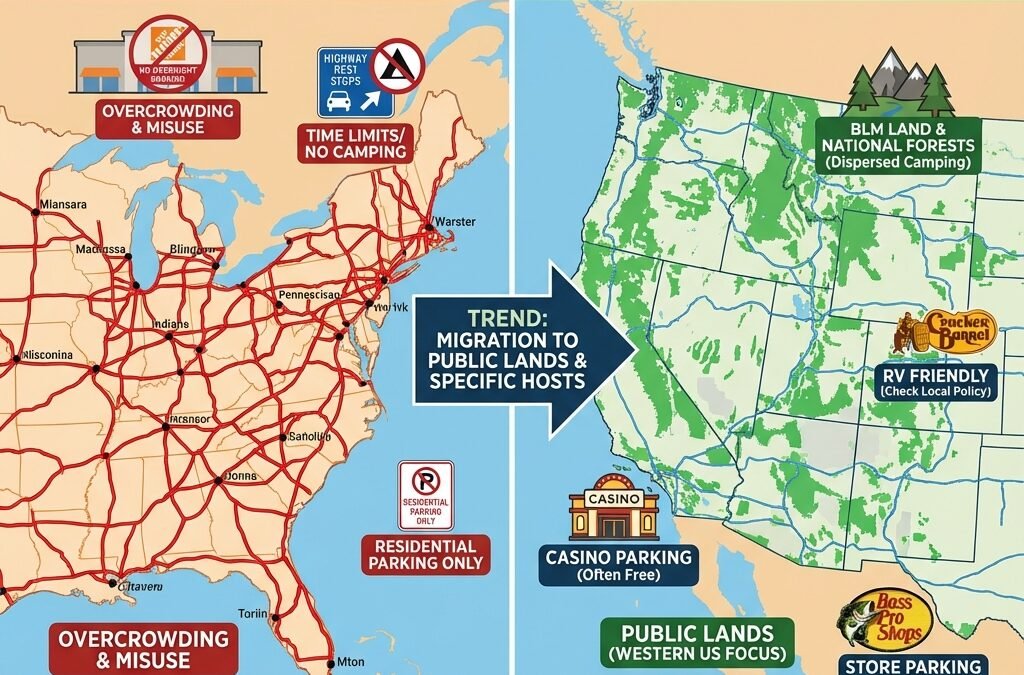
Free overnight RV parking is harder to find than it used to be, but there are still places you can try tonight without paying campground rates. This page skips the backstory and gives you the five location types that still matter in 2026, plus how to use each one without wasting time.
Start with truck stops if you are arriving late and just need a clean, simple overnight.
Try Cracker Barrel if you want a calmer lot and plan to buy dinner or breakfast.
Use Walmart when you also need groceries, supplies, or an easy resupply stop.
Check casino lots when you want a large paved backup with security on-site.
Leave Home Depot and Lowe’s for last-resort overnights only.
List of Verified Free RV Parking Locations for 2026
These are not blanket guarantees. They are the location types still worth checking first. In every case, call the exact property the same day, ask where RVs should park, and treat the stay as one night only.
Location Type
Best For
What to Ask
Biggest Risk
Truck Stops
Late arrivals, fuel, fast overnight stops
Where should RVs park at this location?
Ending up in truck-only spaces
Cracker Barrel
Dinner stop plus simple overnight
Do you allow one-night RV parking tonight?
Tight lots and tourist-corridor restrictions
Walmart
Groceries, resupply, paved overnight
Does the manager allow one-night RV parking?
Local rules or no-overnight signage
Casino Lots
Large backup lots with security nearby
Do I need to register with security?
Paid RV areas or event-night restrictions
Home Depot / Lowe’s
Emergency fallback only
Can I park one night, and where?
Contractor traffic and loading conflicts
1. Truck Stops
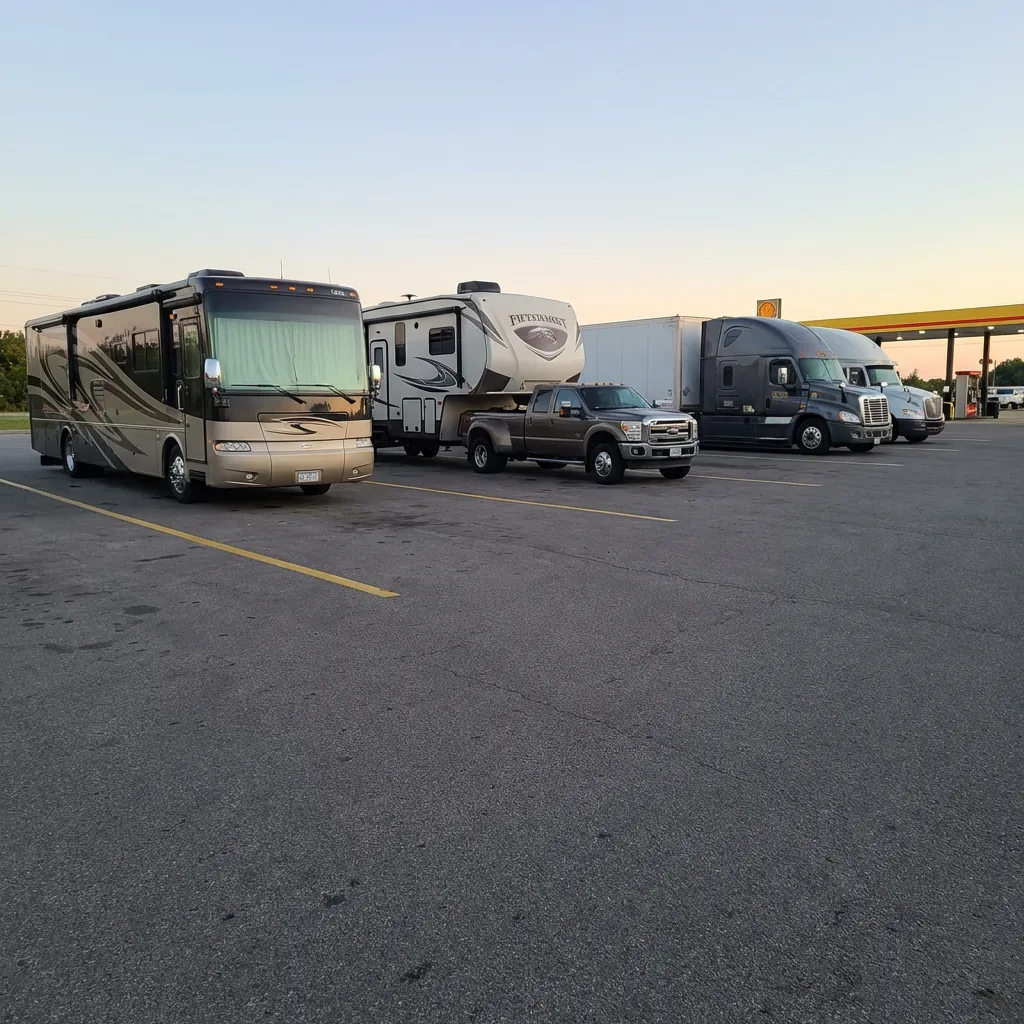
If your goal is the easiest legal overnight with the fewest surprises, start here. Pilot Flying J, Love’s, and TA/Petro remain the most practical first call when you are rolling in late, need fuel, or just want a bright, active place to stop for a few hours of sleep.
The key is using the lot correctly. Ask staff where RVs belong. Some locations have dedicated RV spaces. Some expect you to use standard vehicle parking. What you do not want is to guess and end up in spaces needed by commercial drivers.
Best for: Same-night stops, fuel-and-sleep overnights, long interstate travel days
Works best when: You arrive late, keep your stay short, and leave early
Ask this: “I’m traveling in a self-contained RV. Do you allow overnight parking here, and where should I park?”
Skip it if: The lot is already jammed, the layout is tight, or staff tell you RV parking is not available
2. Cracker Barrel
Cracker Barrel is still one of the better retail overnights because the format often works in your favor. Many locations are built for highway travelers, and some list bus/RV accessibility right on the location page. That does not mean automatic permission to stay overnight, but it does make Cracker Barrel one of the first retail calls worth making. :contentReference[oaicite:1]{index=1}
This is a strong option when you want a simpler lot than Walmart and plan to go inside for dinner or breakfast anyway. The best fits are highway-adjacent stores with longer side rows or clearly marked bus or RV parking.
Best for: A meal stop that turns into a one-night overnight
Works best when: The lot has visible long-vehicle spaces and you keep the stay low-profile
Ask this: “Do you allow one-night RV parking tonight, and do you want us in the bus or RV spaces?”
Skip it if: The lot is tight, crowded, or attached to a larger retail center with shared parking rules
3. Walmart
Walmart is still useful, but only when you treat it as a manager-approved, location-by-location option. Walmart’s own guidance is clear: RV parking is allowed only where the individual store manager permits it, space is available, and local laws do not block it. That is why Walmart belongs on the list, but never as a blind arrival. :contentReference[oaicite:2]{index=2}
The real value here is convenience. If you need groceries, water, dog supplies, or a last-minute resupply, Walmart can combine that errand stop with an overnight. Smaller-city and suburban stores usually give you better odds than dense metro locations.
Best for: Resupply nights, grocery stops, and practical overnight parking on travel days
Works best when: You call ahead, get the manager’s approval, and park where they tell you
Ask this: “Does the manager allow one-night RV parking here tonight, and where would you like me to park?”
Skip it if: You see posted no-overnight signs, local restrictions, or staff sound hesitant on the phone
4. Casino Lots
Casino lots are one of the best backup plays when retail options fall through. The big advantage is lot size. You are more likely to find room for a larger rig, and you usually have security nearby. The trade-off is that rules vary a lot by property. Some casinos still allow a free overnight. Some want you to register. Some have shifted to paid RV parking.
This option gets better the farther you are from dense urban cores and the closer you are to highway or resort-travel corridors. If you call and they say yes, ask whether you need to stop at security first. That one question saves a lot of friction.
Best for: Large-rig parking, paved backup options, and nights when you want more room than a retail lot offers
Works best when: You check in on arrival and follow the exact parking instructions
Ask this: “Do you allow free overnight RV parking, and do I need to register with security?”
Skip it if: They direct RVs to a paid area and you are specifically trying to keep the stop free
5. Home Depot and Lowe’s
These are not first-choice overnights. They are fallback options when the better-known stops are not available. The right use case is simple: you need one short overnight, you have direct permission from the manager on duty, and you will be gone before business traffic ramps up.
The reason to keep these on the list is not reliability. It is coverage. Big-box home improvement stores sit near a lot of highway corridors and suburban commercial zones, which means they sometimes become the least-bad option when everything else says no.
Best for: Last-resort overnight stops only
Works best when: You ask permission, use the far edge of the lot, and stay clear of loading zones
Ask this: “Can I park one night in my RV, and where would you like me to park?”
Skip it if: The store is busy, the lot is shared, or staff do not sound fully comfortable saying yes
Best order to try these tonight
Truck stops first. Cracker Barrel second. Walmart third. Casino lots fourth. Home Depot and Lowe’s last.
That order gives you the best mix of permission, lot practicality, and same-night convenience.
By Chuck Price | Last Updated: February, 2026 | 11 min read
Chuck Price is the founder of Boondock or Bust and has spent 35+ years camping across 47 U.S. states, including hundreds of nights of urban and wilderness stealth camping in a Class B van.
What It Is and How to Do It Right
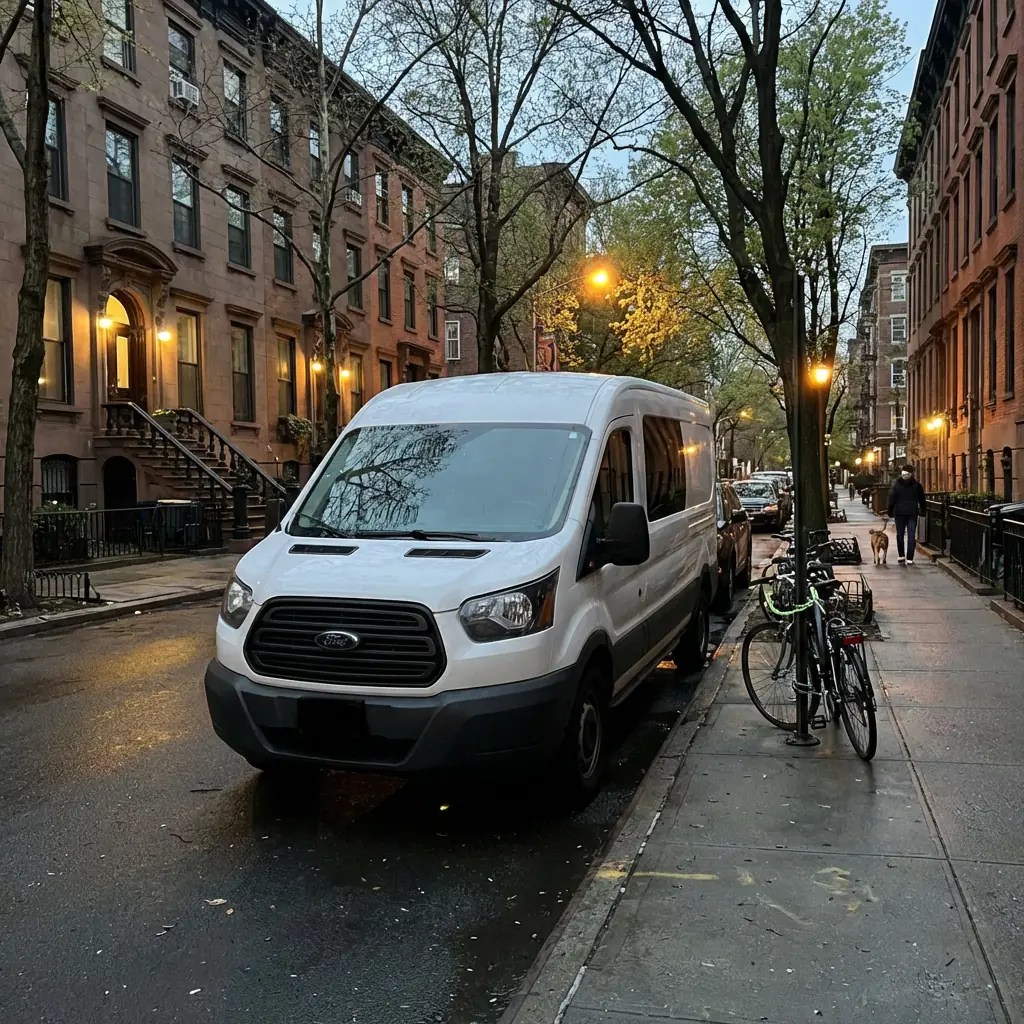
Stealth camping means parking your van or RV in an urban or suburban area overnight without drawing attention. You arrive late, leave early, and leave no trace. It costs nothing when done in legal spots and puts you within walking distance of city attractions where RV parks rarely exist.
Quick Answer
Stealth camping = overnight vehicle parking designed to go unnoticed. It is not the same as boondocking on public land.
Legality varies by city and state. Check local overnight parking ordinances before you park anywhere.
Most reliable spots: Walmart, truck stops, 24-hour businesses, and metered streets after pay hours end.
The rule of 3: arrive after 9 p.m., leave before 7 a.m., leave zero trace behind.
A plain, unmarked van is the most reliable vehicle for urban stealth camping. Class A motorhomes and travel trailers are far harder to conceal.
Stealth Camping vs. Boondocking: What Is the Difference?
Stealth camping and boondocking are related but not interchangeable terms. Stealth camping means spending the night in your vehicle in an urban or suburban location where camping is not explicitly permitted, relying on discretion to avoid notice. Boondocking means dry camping at a legally accessible site, typically on Bureau of Land Management (BLM) land, where overnight stays are allowed without hookups. The key distinction is permission: boondocking carries it, stealth camping typically does not. This matters because the consequences of each are very different if you get it wrong.
Urban stealth campers in a van on a city street face potential parking citations or a request to move. A boondocker who overstays the 14-day BLM limit faces federal enforcement. Knowing which situation you’re in prevents surprises.
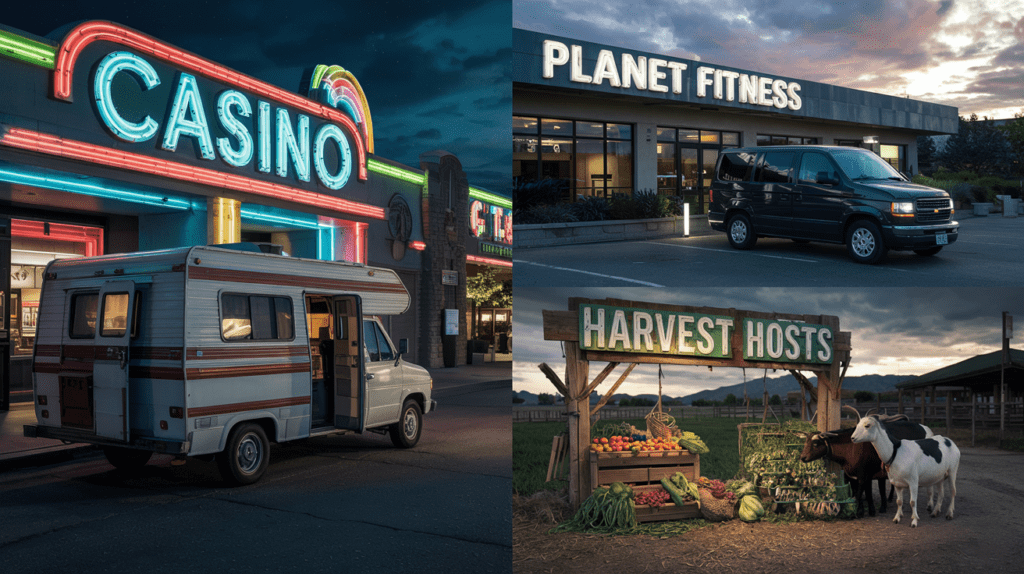
Where they overlap: Some Harvest Hosts and Boondockers Welcome locations are technically “stealth” in feel but carry explicit host permission. That makes them boondocking. If you need permission to stay somewhere, get it in writing or verbally confirmed — it changes your legal standing entirely.
Is Stealth Camping Legal?
Legality depends on where you park, not what you are doing inside the vehicle. Most U.S. cities regulate overnight parking through local municipal ordinances, not state law. In cities like Denver, Colorado, an ordinance prohibits sleeping in vehicles on public streets — an enforcement mechanism originally targeting homeless encampments that applies equally to van lifers. Los Angeles and San Francisco have similar restrictions. Smaller towns and rural areas tend to be more permissive. The same van parked overnight on a side street in Bozeman, Montana, may draw zero attention; the same spot in Santa Monica, California, could result in a citation before sunrise.
Before you park anywhere unfamiliar, check the city or county municipal code for overnight parking or vehicle habitation restrictions. Apps like iOverlander, Campendium, and Freecampsites.net include community-verified spots with notes on enforcement frequency. When in doubt, asking a business owner for permission is faster and safer than hoping to go unnoticed.
On federally managed public land — BLM, national forests, and national grasslands — dispersed overnight camping is generally legal and free for up to 14 days. The BLM’s Recreation and Visitor Services guidelines require campsites to be at least 200 feet from roads and 100 feet from water sources. That is the legal version of stealth camping in the wilderness, and it carries none of the risk of urban overnight parking.
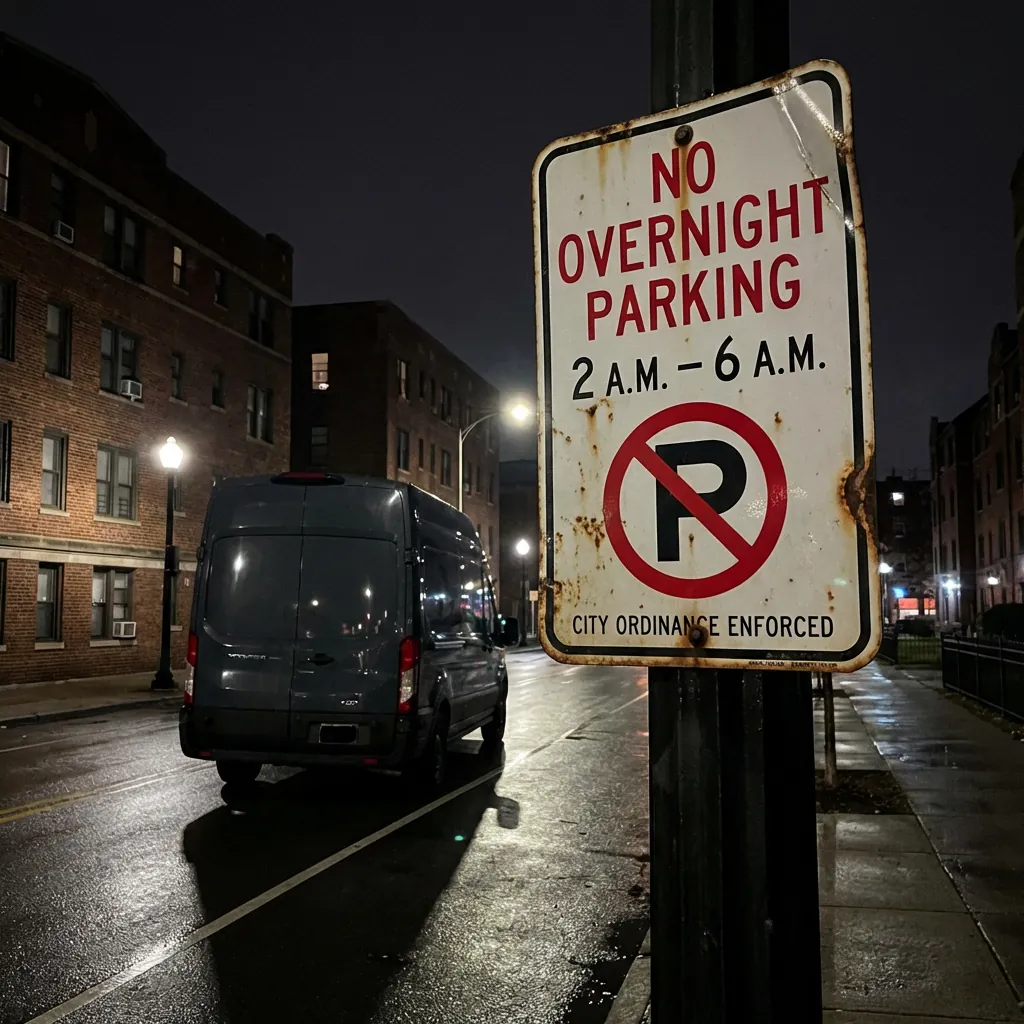
Posted parking restriction signs are the fastest indicator of overnight camping legality. Absence of a sign does not equal permission — always check the municipal code.
How to Prepare Your Van or RV for Stealth Camping
Your vehicle does most of the work before you even park. A low-profile setup reduces attention from neighbors, security patrols, and law enforcement, and makes a quick departure possible if you need to move at 2 a.m. The preparation that matters most happens before your first night out. These modifications apply most directly to vans and Class B motorhomes; Class A coaches and travel trailers are difficult to conceal in urban settings regardless of modifications.
Window coverings: Blackout curtains or Reflectix cut-to-fit panels block interior light from leaking out. Light is the single biggest giveaway that someone is inside a parked vehicle after midnight. Install coverings that go up fast — a stick-and-peel magnetic system works better than curtain rods when you need speed.
Window tint: Legal tint limits vary by state. Tint your rear and side windows to the maximum legal level for your state. Tinting below legal limits draws traffic stops that defeat the purpose entirely. Confirm your state’s Visible Light Transmission (VLT) percentage before installing.
Roof vent fan: Running an engine or cracking a window to manage heat signals occupancy. A low-draw roof vent fan (Maxxair and Fan-Tastic Vent are two well-reviewed options) moves air quietly without external noise.
Solar power: Running a generator in a parking lot ends your stealth immediately. A roof-mounted solar array with a battery bank powers a 12V fan, phone charging, and LED lighting with no noise and no exhaust.
Vehicle appearance: Plain white or gray vans blend into commercial and residential areas. Roof racks, bike mounts, exterior storage boxes, and stickers signal van life to anyone looking. Remove or minimize exterior gear when stealth is the goal.
Location quality for stealth camping depends on three factors: lighting, traffic pattern, and enforcement frequency. A well-lit lot with consistent overnight foot traffic and no posted restrictions is more reliable than a dark, quiet street that might trigger a neighbor’s call to police. The 10 locations below are ranked by general reliability based on community reports across RV forums and apps like Campendium and iOverlander. Check conditions for your specific city before relying on any of them.
Location
Reliability
Best Use Case
Watch Out For
Walmart parking lots
High — corporate policy generally permits overnight RV parking where local law allows
Single night transit stops; availability across most regions
Individual store managers can restrict it; check with store management first
Truck stops (Pilot, Love’s, Flying J)
High — designed for extended vehicle stays
Long-haul travel nights; access to bathrooms, showers, food
Stay out of designated semi-truck lanes; noise from idling trucks
24-hour gym parking lots
High — constant traffic masks overnight presence
Urban areas; bonus if you hold a membership for shower access
Some locations use camera monitoring or patrol; rotate spots
Metered street parking after hours
Moderate-high — legal once pay period ends
City centers near attractions; early departure required
Confirm meter hours; some streets switch to street cleaning before 7 a.m.
Hotel overflow lots
Moderate — high turnover means vans blend in
Short one-night stays near attractions
Gated or patrolled lots are a hard stop; verify before committing
Big-box store lots (Home Depot, Lowe’s)
Moderate — policy varies by store and state
Suburban locations with minimal overnight foot traffic
Some state laws override store permission; call ahead
Cabela’s and Bass Pro lots
Moderate — many locations actively welcome RVs
Look for trailer parking areas as a positive signal
Rules differ by store; confirm with staff on arrival
Casino parking lots
Moderate — 24-hour operations, high traffic
Single nights in areas near tribal or commercial casinos
Some casinos require registration or purchase; check policy
Metered street parking after hours
Moderate — legal once pay period ends
City centers near attractions; early departure required
Confirm meter hours and street cleaning schedules
Church lots (with permission)
Low-moderate — permission changes everything
Best when you call ahead and offer a small donation
Parking without permission is trespassing; do not assume
Locations to avoid: Government buildings (heavy surveillance, zero tolerance), residential neighborhoods (unfamiliar vehicles draw police calls), and airport parking (fees, noise, and active security make it impractical for overnight stays).
Core Stealth Camping Tactics That Prevent Knock Scenarios
Experienced stealth campers are rarely asked to move because they follow a consistent set of behaviors that eliminate the cues that trigger complaints or enforcement. The tactics below apply most directly to urban overnight parking; wilderness stealth camping has its own separate considerations. For vehicle-based urban stealth, these five behaviors account for most of the difference between a peaceful night and a 2 a.m. knock.
Arrive after 9 p.m., leave before 7 a.m. Arriving while a neighborhood is still active draws attention. Leaving before the morning dog-walking crowd keeps your spot off the neighborhood’s radar.
No light after dark. Cover all windows before turning on any interior light. A blackout curtain that takes 30 seconds to install is worth the effort.
No noise at all. No music, no phone calls on speaker, no generator. Noise is the primary reason stealth campers get reported to authorities.
Keep external gear inside. Folding chairs, bikes, and cooking equipment left outside a parked van announce habitation. Everything goes inside before you sleep.
Have 2 to 3 backup spots pre-scouted. If your first choice falls through — full lot, posted restrictions, bad gut feeling — drive to your backup without wasting time. Spot research happens before dark, not after.
Escape route planning: Keep the path to your driver’s seat clear. Store the ignition key in the same spot every night. If you need to move at 2 a.m., you need to be rolling within 90 seconds — not searching for keys.
Blackout curtains installed on all windows are the single highest-impact modification for urban stealth camping. Interior light is the top giveaway that a vehicle is occupied.
What to Do When Someone Knocks
A knock on your van at night does not automatically mean you are in trouble, but how you respond determines how the situation ends. Security guards, police officers, and curious strangers each warrant a different response. In all cases, your first priority is your own safety, and your second is staying calm enough to communicate clearly. Arguing or stalling escalates every situation faster than compliance does. In most U.S. jurisdictions, a first encounter ends with a verbal request to move, not a citation — as long as you cooperate promptly.
If law enforcement knocks: Crack a window before opening the door. Confirm it is an officer. Open the door, acknowledge the officer politely, and say you will move right away. Do not explain at length or debate the situation. Note the location and avoid returning.
If it is a security guard: Same approach. Security guards cannot detain you; they can only ask you to leave private property. Thank them and move.
If the identity is unclear: Do not open the door. Crack a window a few inches and ask who it is. For an unknown individual in an isolated area at night, drive away if the exchange feels wrong. Your safety takes priority over courtesy.
Log every location where you are asked to leave. Returning to a known enforcement location increases your risk of a citation on a second visit. A rotating list of 8 to 10 vetted spots in any metro area gives you enough variety to avoid repeat visits and reduces the chance of any single location banning you.
Wilderness Stealth Camping: What Changes in Remote Areas
Wilderness stealth camping operates under different rules than urban overnight parking. On Bureau of Land Management (BLM) land, dispersed camping is federally legal for up to 14 consecutive days per location, after which you must move at least 25 miles before returning. This makes wilderness stealth camping the lowest-risk form of the practice — you have legal permission to be there, no one is patrolling the lot, and the primary concerns shift from enforcement to safety and Leave No Trace ethics. The risks that matter in the wilderness are navigation, wildlife, and self-rescue capability, not noise complaints.
Navigation: Download offline maps before you lose cell coverage. Apps like Gaia GPS and OnX Offroad work without a signal. Note landmarks and the route back to pavement before you get out of the vehicle.
Leave No Trace: BLM guidelines require camping at least 200 feet from roads, trails, and water sources. Pack out all waste including food scraps. Fire rings are acceptable where fires are permitted; leave them intact for the next camper.
Bear and wildlife awareness: Store food in hard-sided containers or bear canisters, not in coolers left outside the vehicle. The National Park Service and BLM both publish region-specific guidance on bear encounters. Black bear and brown/grizzly bear protocols differ — know which species is present before you set up camp.
Safety first: Keep cell coverage status in mind. If you are in a coverage dead zone and something goes wrong — a medical issue, a vehicle problem — you need a plan to reach help. A SPOT or Garmin inReach satellite communicator resolves this entirely for extended remote trips.
BLM dispersed camping is the most legal and low-risk form of stealth-style camping. Stays are limited to 14 consecutive days per location under federal regulations.
FAQ: Stealth Camping Questions Answered
What is stealth camping?
Stealth camping is the practice of parking a van or RV overnight in an urban or suburban location without drawing attention. The goal is to leave no trace you were there. Campers typically arrive after dark and leave before business hours to avoid notice and, in some locations, legal consequences for sleeping in a vehicle on public or private property.
Is stealth camping legal in the United States?
Legality depends entirely on location. Many U.S. cities have overnight parking or vehicle habitation ordinances that prohibit sleeping in vehicles on public streets. Denver, Los Angeles, and San Francisco have active enforcement. Rural areas and private business lots (such as Walmart, where corporate policy generally permits overnight RV parking where local law allows) are more permissive. Always check local municipal codes before you park.
What is the difference between stealth camping and boondocking?
Boondocking means dry camping on legally accessible public land, such as Bureau of Land Management (BLM) areas, where overnight stays are permitted for up to 14 days. Stealth camping refers to overnight parking in urban or suburban spots where camping is not explicitly allowed. Boondocking carries implicit legal permission; stealth camping generally does not.
What vehicle is best for stealth camping?
Compact, non-descript vans work best for urban stealth camping. Cargo vans and Class B motorhomes blend into parking lots better than Class A coaches or travel trailers. A plain white or gray van with no exterior gear racks, roof boxes, or branding attracts the least attention in most urban and suburban environments. The Hymer Aktiv and similar Class B vans are a good example of the ideal profile.
How do you find good stealth camping spots?
Apps built for van lifers are the fastest method. iOverlander, Campendium, and Freecampsites.net include community-verified urban overnight spots with notes on enforcement history. Google Maps satellite view lets you scout parking areas before arrival. For any business lot, calling ahead to ask permission is both safer and more reliable than hoping to go unnoticed.
Can you stealth camp at Walmart?
Walmart’s corporate policy permits overnight RV parking in store lots where local laws allow it. Individual store managers have discretion to restrict it, and some municipalities ban overnight parking regardless of business policy. Before assuming a Walmart lot is available, check for posted signs and confirm with store management when you arrive — it takes 90 seconds and prevents a 2 a.m. knock.
What should you do if you are asked to leave while stealth camping?
Comply promptly and without argument. If law enforcement or security knocks, open a window, confirm their identity, speak politely, and say you will move immediately. Do not open the door fully to an unidentified person at night. Log the location so you avoid returning. In most jurisdictions, a first encounter results in a request to move, not a citation, as long as you cooperate.
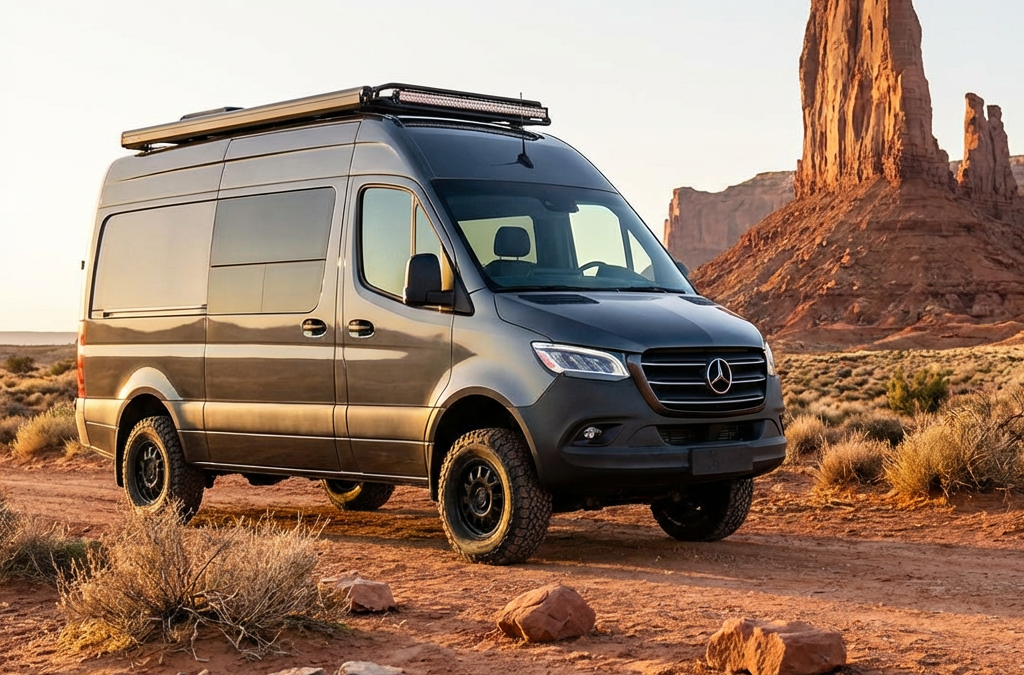


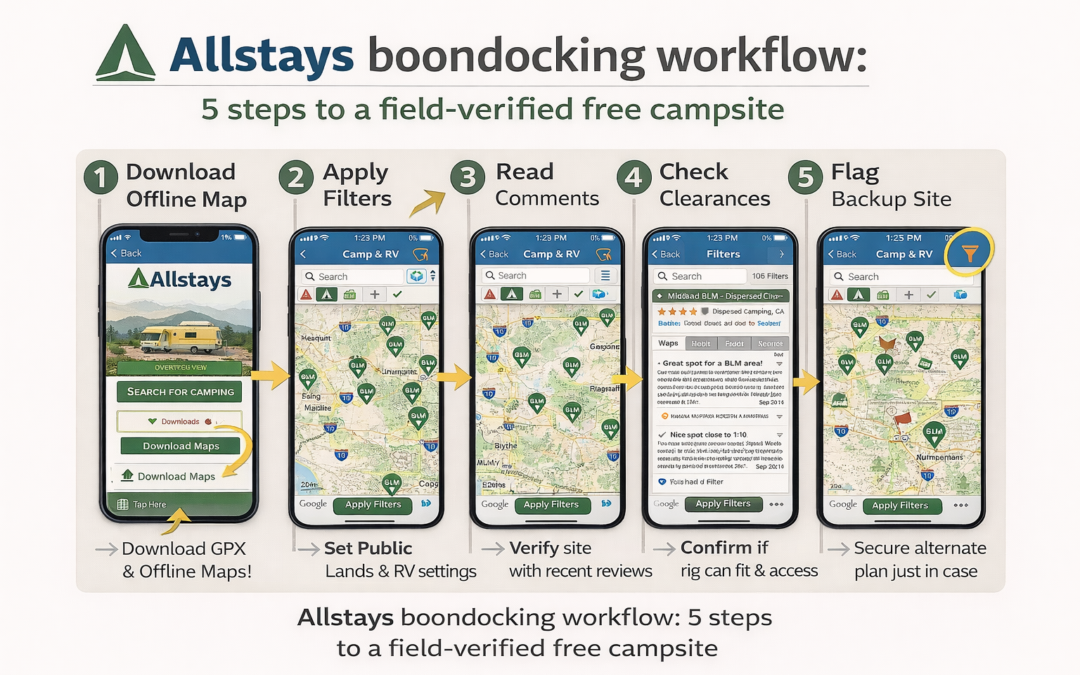




 Hogrock Main Stage
 Chuck & Cindy at Catskill Mountain Thunder