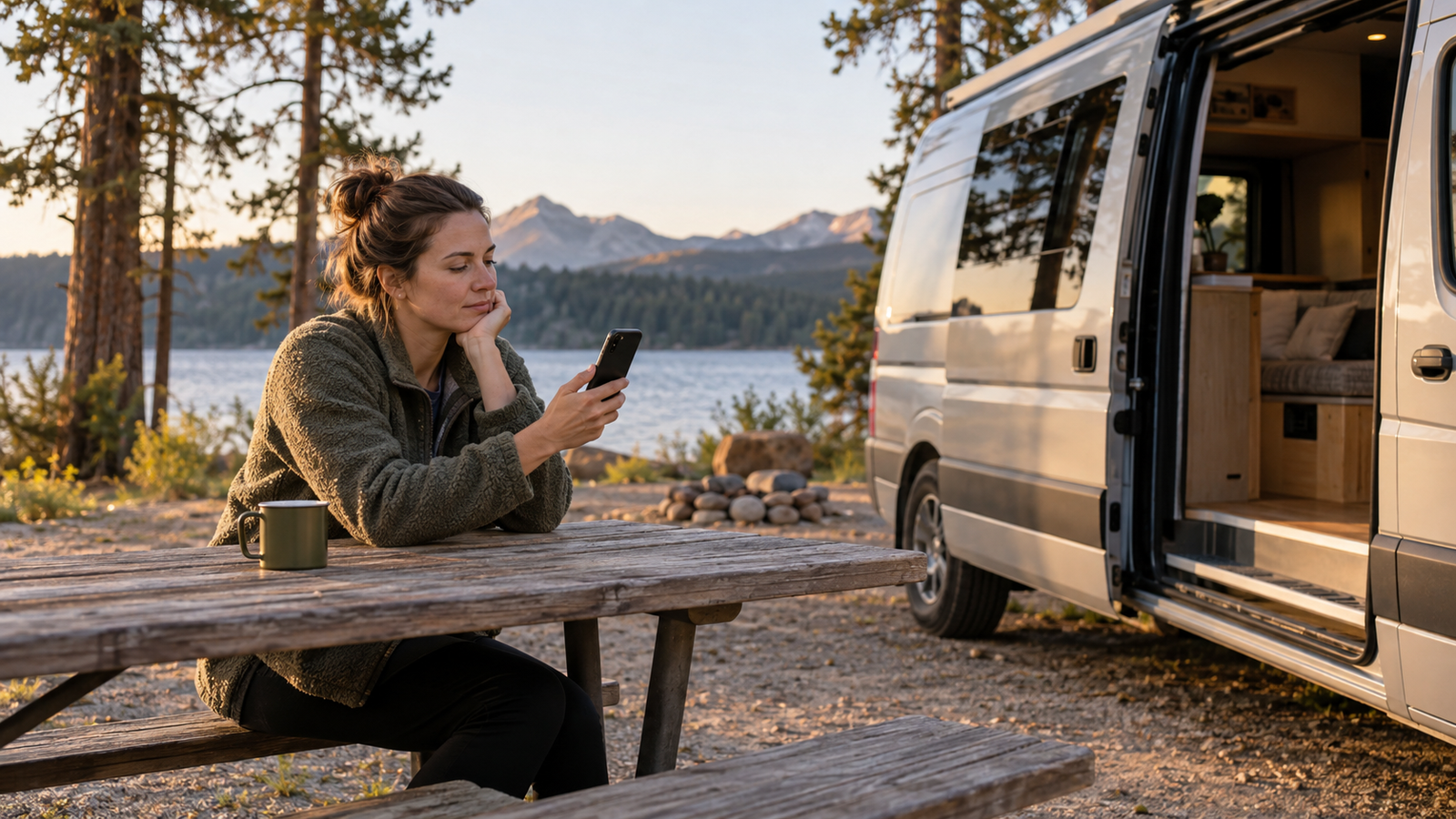
Essential Gear, Gadgets, and Tips for a Successful Adventure
Boondocking, or free camping without hookups, is an increasingly popular way to explore the great outdoors with the comfort and convenience of an RV. To make the most of your boondocking experience, it’s crucial to have the right gear, gadgets, and accessories. This ultimate guide will provide you with a comprehensive list of essentials to help you maximize your RV boondocking adventure.
Crucial RV Gadgets for Boondocking
A. Harnessing solar power: panels and systems
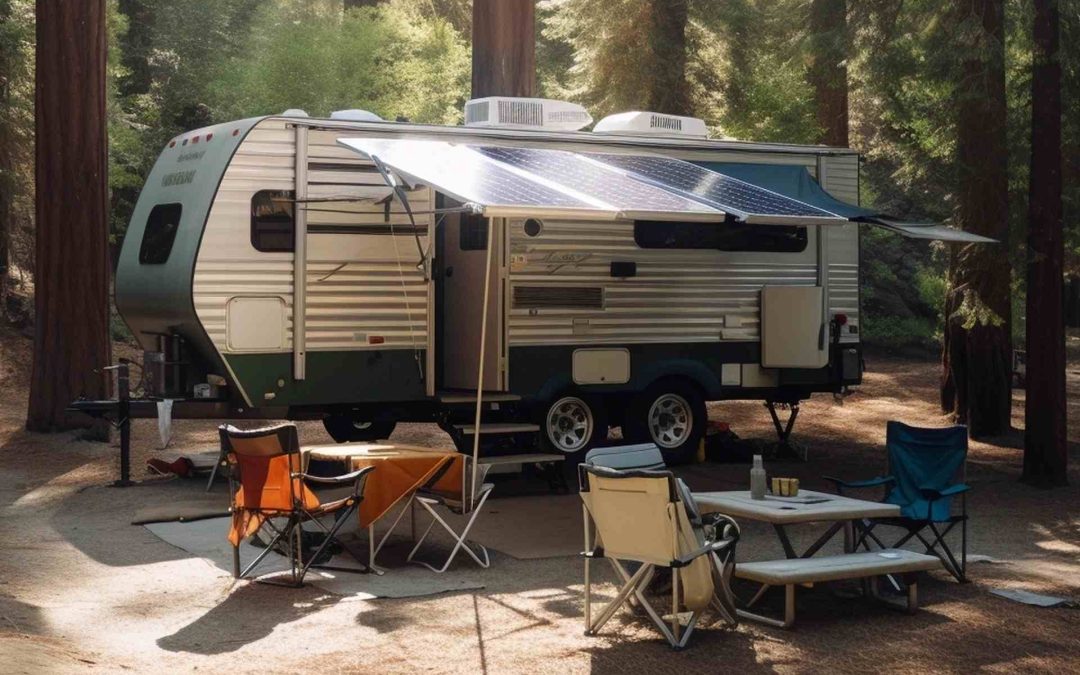
Solar panels and systems are invaluable tools for boondockers, as they provide a reliable, renewable energy source. High-quality solar panels will keep your RV’s batteries charged and your appliances running without the need for noisy generators or frequent visits to a campground for hookups.
B. Ensuring clean water: filtration systems
A quality water filtration system is essential to ensure clean, safe drinking water while boondocking. Portable and inline water filters can remove contaminants from your water supply, making it safer and better tasting.
C. Staying connected: portable WiFi boosters and antennas
A portable WiFi booster or antenna is essential for maintaining a reliable internet connection while boondocking. These devices can significantly increase the range and strength of WiFi signals, allowing you to stay connected for work, entertainment, or emergency communication purposes.
D. Monitoring tire pressure: tire pressure systems
Tire pressure monitoring systems (TPMS) are crucial for RV boondocking, as they help you maintain optimal tire pressure and avoid potential blowouts. A well-functioning TPMS will alert you to any irregularities in tire pressure, allowing you to address issues before they become dangerous.
E. Navigating with ease: RV GPS navigation systems
An RV-specific GPS navigation system is invaluable for finding your way to remote boondocking locations. These devices are designed to take into account the unique dimensions and weight of your RV, ensuring that you’re directed along safe and accessible routes.
F. Protecting your RV: surge protectors and voltage regulators
Surge protectors and voltage regulators are essential to protect your RV’s electrical system from power fluctuations and potential damage. These devices help ensure that your RV’s appliances and electronics operate safely and efficiently.
Boondocking Gear to Enhance Your Trip
A. Power on-the-go
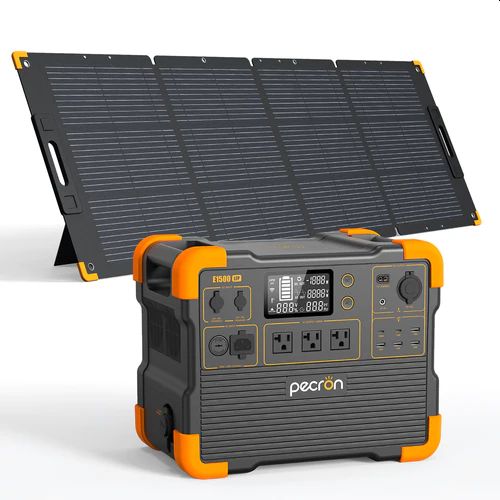
Portable power stations and generators provide additional power sources for boondockers, ensuring that you have a backup when solar power isn’t enough. Choose a quiet, fuel-efficient model to minimize noise and environmental impact while maximizing power output. (PECRON E1500LFP Solar Generator Kit is illustrated)
B. Temperature control
Efficient heating and cooling systems are vital for maintaining a comfortable RV environment while boondocking. Options like propane heaters, portable air conditioners, and vent fans can help regulate temperature and conserve energy.
C. Illuminating your space
LED lighting and lanterns are perfect for boondocking, as they provide energy-efficient, long-lasting illumination both inside and outside your RV. Invest in a variety of lights, including solar-powered options, to ensure optimal visibility and ambiance.
D. Comfort outdoors
Comfortable camping chairs and outdoor furniture can significantly enhance your boondocking experience, allowing you to relax and enjoy your surroundings. Opt for compact, lightweight, and durable options that are easy to transport and store.
E. Outdoor cooking essentials: equipment and utensils
A well-equipped outdoor cooking setup is essential for preparing meals while boondocking. Portable grills, stoves, and utensils make it easy to cook delicious meals without relying on your RV’s kitchen appliances.
F. Gear for outdoor activities: compact and lightweight options
To make the most of your boondocking adventure, invest in compact, lightweight gear for your favorite outdoor activities. Bikes, kayaks, and hiking equipment are just a ew examples of gear that can help you explore your surroundings and enjoy your time in nature.
Necessities for RV Boondocking
A. Managing water and waste
Proper water and waste management is crucial for a successful boondocking experience. Ensure you have adequate fresh water storage and a dependable waste disposal system, such as portable waste tanks or composting toilets, to maintain cleanliness and hygiene.
B. Preparing meals
Efficient food storage and cooking equipment are essential for boondocking. Invest in high-quality coolers or portable refrigerators to keep perishables fresh, and choose compact, versatile cooking appliances that can run on propane or electricity.
C. Preparedness
Always be prepared for emergencies while boondocking. Carry a well-stocked first aid kit, a fire extinguisher, and essential tools like a tire repair kit, jumper cables, and a portable air compressor. Also, keep essential supplies such as extra fuel, water, and non-perishable food on hand.
D. Staying clean
Maintaining personal hygiene is crucial while boondocking. Stock up on biodegradable soap, shampoo, and wet wipes, as well as compact, portable showers and toilets to help you stay clean and fresh during your trip.
E. Weather-ready
Prepare for various weather conditions by packing appropriate outdoor clothing and gear. Include waterproof jackets, moisture-wicking layers, and comfortable footwear to ensure you stay warm, dry, and comfortable, regardless of the elements.
F. Fun and entertainment
Don’t forget to pack entertainment options for your downtime while boondocking. Books, board games, portable speakers, and devices for streaming movies and shows can help you relax and enjoy your time away from the daily grind.
Top RV Accessories for Optimal Boondocking Comfort
A. Stability and balance: RV leveling and stabilization systems
RV leveling and stabilization systems are crucial for ensuring a comfortable, stable living environment while boondocking. Invest in quality leveling blocks, jacks, and wheel chocks to keep your RV secure and stable on uneven terrain.
B. Fresh air flow: ventilation and air circulation accessories
Proper ventilation and air circulation are essential for maintaining a healthy, comfortable RV interior. Invest in vent fans, window screens, and air purifiers to keep fresh air flowing and minimize condensation and odors.
C. Creating shade: awning and shade solutions
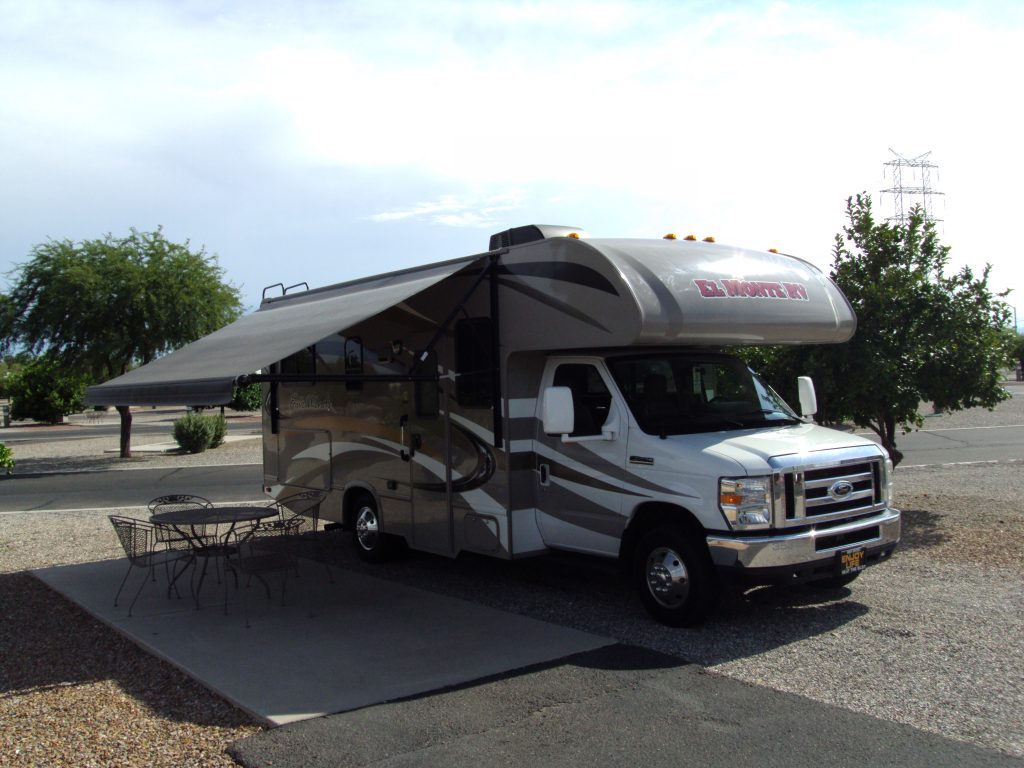
Awnings and shade solutions provide valuable protection from the sun and rain, allowing you to enjoy outdoor living spaces comfortably. Choose durable, easy-to-install options that provide ample coverage and withstand various weather conditions.
D. Outdoor living spaces: RV outdoor rugs and mats
RV outdoor rugs and mats can transform the area around your RV into a comfortable, welcoming space. Look for durable, weather-resistant options that are easy to clean and store when not in use.
E. Organization: exterior storage solutions
Exterior storage solutions, such as cargo carriers, bike racks, and rooftop storage containers, can help you maximize space and keep your gear organized while boondocking. Choose versatile, durable options that can accommodate your specific needs and equipment.
F. Ensuring security: RV security systems and locks
Investing in a reliable RV security system and high-quality locks is crucial for protecting your belongings and ensuring your safety while boondocking. Look for systems that offer remote monitoring, motion detection, and alarm features for optimal security.
A. Destination research: planning your boondocking adventure
Thoroughly research potential boondocking destinations to find the perfect spot for your adventure. Consider factors such as accessibility, local regulations, and nearby attractions when choosing your location.
B. Resource conservation: managing water, power, and more
Develop strategies for conserving water, power, and other resources while boondocking. This includes practicing efficient water usage, monitoring your energy consumption, and minimizing waste production to ensure a sustainable and enjoyable experience.
C. Safety first: staying secure in remote locations
Prioritize safety while boondocking by choosing well-researched locations, maintaining communication with friends or family, and staying aware of your surroundings. Also, ensure your RV is equipped with safety features like smoke and carbon monoxide detectors.
D. Cleanliness is key: maintaining a tidy RV
Maintaining a clean and organized RV is essential for a comfortable boondocking experience. Regularly clean your living space, properly dispose of waste, and practice good hygiene to keep your RV in top condition.
E. Environmental responsibility: adhering to Leave No Trace principles
Practice responsible boondocking by adhering to Leave No Trace principles. Minimize your impact on the environment by packing out all trash, respecting wildlife, and leaving your campsite in better condition than you found it.
F. Building connections: engaging with fellow boondockers & sharing stories
Take advantage of opportunities to connect with other boondockers, either in person or online. Share stories, tips, and experiences to build a supportive community and enhance your boondocking adventures
Resources
Renogy’s Solar Power for RV Boondocking: This blog post explores the use of solar power for boondocking, covering different types of solar panels, systems, and installation tips. (https://www.renogy.com/blog/solar-power-for-rv-boondocking/)
Top RV WiFi Boosters by RV Web: This guide compares the best RV WiFi boosters and antennas on the market, providing detailed information on their features and capabilities for maintaining a reliable internet connection. (https://www.rvweb.net/best-rv-wifi-boosters-reviewed/)
RVshare’s Top Tire Pressure Monitoring Systems: This article highlights the importance of TPMS for boondocking and presents a list of top-rated products along with a buyer’s guide for informed decision-making. (https://rvshare.com/blog/best-rv-tire-pressure-monitoring-systems/)
Conclusion
Boondocking is an incredible way to experience the great outdoors while enjoying the comforts of your RV. By equipping yourself with the essential gear, gadgets, and accessories outlined in this guide, you’ll be well-prepared to embark on a memorable boondocking adventure. So go ahead, venture into the wilderness, and discover the joys of off-grid living.
Options, Challenges, and Choosing the Right Coverage
Trading brick-and-mortar for boundless horizons, the RVing lifestyle beckons with freedom, exploration, and the unique rhythm of an untethered existence. But beneath the sun-kissed vistas and open roads lies a crucial, often overlooked aspect: health insurance.
Unlike settled homeowners or renters, RVers traverse diverse landscapes, facing a distinct set of challenges when it comes to securing health coverage. Finding a plan that’s both comprehensive and flexible enough to adapt to their nomadic journey can feel like navigating a winding mountain road.
For RVers, picking the right health insurance isn’t like packing your essentials – it’s more like charting a course across diverse landscapes. Several key factors become your compass, guiding you towards the plan that fits your unique journey.
The Wide-Open Frontier: Coverage Area
As a nomad, state lines are mere suggestions, so nationwide coverage is a must. Imagine cruising along the Pacific Coast Highway, only to discover your plan doesn’t cover that sudden earache in Oregon. Nationwide coverage ensures peace of mind and access to care wherever your wheels take you.
Finding Your Tribe: Provider Network
Imagine needing a doctor in a remote Wyoming town – will your plan’s network be there for you? A broad provider network is crucial, offering access to quality care across different states. Think of it as having a network of trusted doctors and hospitals readily available, no matter where you park your RV.
Budgeting for the Journey: Financial Considerations
Let’s not sugarcoat it – health insurance costs can be a bumpy road. Factor in your budget when making your choice. Consider premiums, deductibles (the amount you pay before insurance kicks in), and out-of-pocket expenses to find a plan that fits your financial landscape.
Navigating Pre-Existing Conditions: Don’t Get Sidetracked
For many RVers, pre-existing conditions can be a roadblock on the insurance journey. Research each plan’s coverage carefully and understand how they handle your specific conditions. Don’t hesitate to seek professional guidance to ensure you choose a plan that provides the necessary coverage.
Exploring Your Options: A Diverse Insurance Landscape
Much like the varied terrain RVers encounter, health insurance comes in different forms:
Traditional plans: Think comprehensive coverage, but potentially higher costs and limited network options.
Catastrophic plans: Ideal for those in good health seeking basic coverage for major emergencies. Lower premiums, but hefty deductibles.
Short-term plans: A temporary solution for those in transition, offering flexibility but limited duration and coverage.
Health sharing plans: Not technically insurance, these plans share healthcare costs among members. Consider them an alternative for specific needs or beliefs.
Remember, choosing the right plan is as personal as customizing your RV. Carefully consider these factors and research your options to ensure a smooth, well-covered journey on the open road.
Demystifying the Maze: Finding Your Perfect Health Insurance
Sifting through health insurance plans can feel like navigating a labyrinth, but worry not, intrepid RVers! Here are some tools to help you chart your course:
Become a Savvy Explorer: Online Resources and Comparison Tools
Embrace the internet’s vast landscape of resources! Government websites like HealthCare.gov, insurance company websites, and independent comparison tools like NerdWallet or Policygenius can be invaluable allies. These platforms allow you to filter plans based on your needs, budget, and coverage area, saving you time and effort.
Telemedicine: Your Virtual Oasis in the Healthcare Desert
Imagine: feeling under the weather in a remote location, miles from the nearest doctor. Telemedicine becomes your oasis, offering convenient access to healthcare professionals through video or phone consultations. Perfect for minor illnesses, medication refills, or even mental health consultations, telemedicine keeps you connected to care wherever you roam.
Remember:
Research early: Start researching plans well before your current coverage expires.
Read the fine print: Don’t just compare premiums, delve into deductibles, out-of-pocket expenses, and covered services.
Consult a professional: Consider seeking guidance from an insurance broker or navigator for personalized advice.
By utilizing these tools and staying informed, you can navigate the insurance landscape with confidence and find the plan that keeps you healthy and worry-free on your RV adventures.
Hitting the open road in your RV doesn’t mean leaving your health behind. In fact, maintaining good health is even more important for nomadic adventurers. Here’s how you can thrive on your journey:
Prevention is Key: Prioritize Check-ups and Screenings
Think of your primary care doctor as your trusted pit crew. Regular check-ups and screenings can identify potential issues early on, saving you hassle and stress down the road. Even if you feel great, scheduling appointments before you embark on your journey ensures you start with a clean bill of health.
Medications Made Easy: Conquering Prescription Management
Don’t let refilling prescriptions become a roadblock. Mail-order pharmacies deliver medications directly to your doorstep, no matter where you park. Alternatively, nationwide pharmacy chains like CVS or Walgreens offer convenient refill options across the country. Remember, consistency is key – don’t wait until your medication runs out!
Fueling Your Body and Mind: The Power of Healthy Habits
The open road beckons with scenic wonders, but don’t neglect your physical well-being. Embrace outdoor activities like hiking or biking, or find local gyms to keep your body moving. Pack nutritious snacks and plan meals to avoid relying on unhealthy roadside options. Finally, prioritize quality sleep – a well-rested mind and body are essential for enjoying your adventures to the fullest.
Remember:
Pack a first-aid kit: Be prepared for minor injuries with essential supplies.
Learn basic first aid: Knowing CPR and basic first-aid techniques can be invaluable in any situation.
Stay informed: Research healthcare options in your planned destinations and keep important medical documents readily accessible.
By prioritizing preventative care, managing medications efficiently, and embracing healthy habits, you can ensure your RV journey is an experience filled with vibrant health and lasting memories.
Frequently Asked Questions:
Cost & Availability:
Q: I’m on a tight budget. Are there affordable health insurance options for RVers?
A: Yes, several options can suit different budgets. Consider catastrophic plans for basic coverage, short-term plans for temporary needs, or health sharing ministries for alternative approaches. Remember, premiums are just one factor; compare deductibles and out-of-pocket costs as well.
Q: Will my current health insurance plan work while I’m traveling across state lines?
A: It depends on your plan. Traditional plans often offer nationwide coverage, while others may have limitations. Contact your insurer to confirm coverage details and potential out-of-network costs.
Being In-Network:
Q: How can I find doctors and hospitals within my plan’s network while traveling?
A: Many insurance companies provide online tools to search for in-network providers. Websites like Zocdoc or Healthgrades can also help you find doctors based on location and insurance acceptance. Utilize these tools before venturing out and consider contacting providers in advance to confirm.
Q: What happens if I need emergency care outside my network?
A: Emergency care is typically covered regardless of network status. However, be prepared for higher out-of-pocket expenses. Consider obtaining supplemental travel insurance for broader coverage options outside your regular plan.
Additional Questions:
Q: How can I manage pre-existing conditions while RVing?
A: Research plans carefully and understand their coverage for your specific conditions. Consider seeking guidance from an insurance broker or navigator who specializes in RVing needs.
Q: What about telemedicine for RVing?
A: Telemedicine can be a lifesaver for RVers, offering remote consultations with healthcare professionals. Look for plans that cover telemedicine and research providers offering virtual appointments.
Q: I’m planning international travel in my RV. How does that affect my health insurance?
A: Most health insurance plans don’t extend coverage outside the US. Explore travel insurance options specifically designed for international coverage, including medical expenses and potential emergency repatriation.
Conclusion
Embarking on the RVing adventure of a lifetime shouldn’t involve navigating a healthcare maze. By understanding your needs, exploring your options, and taking proactive steps towards managing your health, you can ensure “open road” truly means having the freedom to explore with peace of mind. Ready to hit the road with confidence? Start your health insurance journey today and discover the perfect plan to fuel your nomadic adventures!
As the official site for the Health Insurance Marketplace, HealthCare.gov offers comprehensive information on health insurance options, including state-specific guidance which is crucial for RVers traversing various states.
CMS is a federal agency within the United States Department of Health and Human Services (HHS) that administers the nation’s major healthcare programs like Medicare, Medicaid, and the Children’s Health Insurance Program (CHIP). Their insights on health coverage are invaluable for those considering various insurance options.
NAIC provides expertise, data, and analysis for insurance commissioners to effectively regulate the industry and protect consumers. Their resources can help RVers understand insurance regulations and find the right coverage.
NerdWallet offers comparative tools and expert advice on choosing the best health insurance plan. Their guides and comparisons can help RVers make informed decisions about their health insurance needs.
Given the importance of telemedicine for RVers, the ATA website provides resources and information on telehealth practices and policies. It’s a valuable resource for understanding how telemedicine can fit into a nomadic lifestyle.
Embarking on an RV adventure promises a life filled with breathtaking landscapes and boundless freedom. Yet, the thrill of exploring the open road comes with its set of logistical challenges, notably managing mail and packages. This guide is your compass to navigating these challenges, offering strategies to efficiently handle your postal needs. From selecting the ideal mail forwarding service to ensuring your packages reach you wherever you may roam, we provide all the tools you need. Prepare to turn what seems like a logistical nightmare into a seamless aspect of your adventure, allowing you to fully immerse yourself in the joys of RV living.
Key Takeaways:
RVing brings unique challenges in managing mail and packages.
Efficient strategies exist for handling postal needs on the road.
This guide offers comprehensive tools to streamline your mail and package management.
Conquering the Mail Maze
The essence of RV living is freedom and adventure. However, without a permanent address, navigating mail and package delivery can quickly become overwhelming. This section demystifies the process, ensuring you stay connected to essential services, loved ones, and important documents. We’ll guide you through selecting a mail forwarding service that suits your nomadic lifestyle, ensuring you never miss a beat.
Staying Connected on the Road
In the heart of RV travel is the need to maintain connections—financial, personal, and legal. Effective mail management is the cornerstone of this connection, allowing you to manage bills, stay on top of legal notices, and keep in touch with loved ones. This guide simplifies the process, ensuring that even amidst constant movement, your postal logistics are seamless and stress-free.
Key Takeaways:
The absence of a permanent address presents unique challenges for RVers.
Staying connected is crucial for managing financial, personal, and legal matters.
Selecting the right mail forwarding service is essential for seamless mail management.
Finding Your Perfect Mail Forwarding Match
Selecting a mail forwarding service that aligns with your nomadic lifestyle is a pivotal step towards seamless RV living. The ideal service should cater to your unique needs, considering factors like the length of your travels, the volume of mail you receive, and your specific package handling requirements. Let’s explore the top choices for RVers seeking reliable mail forwarding solutions:
Mail Forwarding Service Comparison for RVers
Escapees RV Club: Offers comprehensive services tailored for long-term travelers, including online mail management, making it an ideal choice for those seeking a blend of reliability and convenience. Escapees RV Club Mail Service
MyDakotaAddress: This former service closed, so its old $5-per-month pricing and forum link are not current options. DakotaPost is a current South Dakota alternative; its My DakotaMail Premium plan starts at $199 per year. Verify plan features and forwarding charges directly.
St. Brendan’s Isle: For those prioritizing security and privacy, St. Brendan’s Isle provides enhanced options like mail shredding and secure forwarding, ensuring your sensitive information remains protected. St. Brendan’s Isle Mail Service
Feature
Escapees RV Club
DakotaPost
St. Brendan’s Isle
Target Audience
Long-term RVers
RVers and travelers needing a South Dakota address
Privacy-focused RVers
Pricing
Tiered pricing based on features and mail volume
My DakotaMail Premium starts at $199/year
Travelers Special $13.99/month; Cruiser Home Port $15.99/month
Additional Considerations for Choosing a Mail Forwarding Service
Residency Assistance: Escapees RV Club is renowned for assisting with establishing residency in certain states, offering invaluable support for RVers looking to navigate this complex process.
Security: For those prioritizing security in their mail handling, St. Brendan’s Isle emphasizes secure mail handling with features like shredding and secure forwarding to protect your sensitive information.
Contract Length: Flexibility is key for many RVers, and MyDakotaAddress caters to this need with month-to-month plans, offering a contrast to the longer commitments required by Escapees RV Club and St. Brendan’s Isle.
International Mail: It’s important to check with each service regarding their international mail forwarding options and fees to ensure they meet your global travel needs.
Disclaimer: This comparison is for informational purposes only and does not constitute an endorsement of any particular service. Always conduct your own research, comparing features, pricing, and customer reviews before making a decision.
Given the structure and requirements of your request, let’s proceed with formatting and adding relevant hyperlinks where helpful to the sections provided, ensuring a clear, concise, and informative guide for RV mail and package management.
Gear Up for Seamless Mail Handling
After pinpointing the service that aligns with your RV lifestyle, embark on setting up your account. This process involves choosing between digital and physical mail handling options, ensuring your important documents and communications are always within reach.
Key Takeaways:
Evaluate your needs to select the most fitting mail forwarding service.
Key considerations include the duration of your travels, volume of mail, and specific security needs.
Begin by registering with your chosen service, opting for the address that best suits your requirements, and customizing your mail handling preferences for maximum convenience
Package Prowess: Secure and Convenient Deliveries
Anticipating package arrivals necessitates strategic planning. When expecting deliveries, assess the size, weight, and most practical pick-up locations. Services like UPS My Choice or Amazon Locker can significantly enhance the security and convenience of your package deliveries.
Key Takeaways:
Plan your package deliveries focusing on security and convenience.
Use digital tools to stay connected with your community and loved ones.
Leverage technology to foster communication and enrich your RVing experience.
Given the structure and requirements of your request, let’s proceed with formatting and adding relevant hyperlinks where helpful to the sections provided, ensuring a clear, concise, and informative guide for RV mail and package management.
Conquer Paper Clutter in Your RV Oasis
Managing paperwork efficiently is essential in a compact RV space. Implement a system for sorting mail as soon as it arrives, prioritizing items that require immediate attention. Transitioning to digital formats for bills, statements, and subscriptions helps minimize physical clutter. Utilize technology, such as portable scanners or smartphone apps, to digitize and easily access essential documents. Apps like Evernote or Adobe Scan can transform your paperwork into organized digital files, making them easily retrievable and reducing the need for physical storage.
Key Takeaways:
Immediately sort incoming mail to prevent clutter.
Shift to digital formats to lessen physical paperwork.
Digitize crucial documents for organized, easy access during your travels.
Reimagine Your Nomadic Journey: Legal & Practical Essentials
Embracing RV freedom involves understanding and managing legal and practical matters. From selecting a domicile state to consulting with tax professionals, preparation is key. Ensure your mail forwarding service is up-to-date with your location and preferences, and digitize important documents for emergency access. Websites like LegalZoom or Rocket Lawyer can provide guidance on legal matters related to RV living, including establishing residency and handling taxes.
Key Takeaways:
Understand residency and tax implications in your chosen domicile state.
Keep your mail forwarding service informed for emergency preparedness.
Digitally store important documents for secure, easy access.
Mastering RV Mail and Package Management
By integrating these strategies, you’re well-equipped to manage mail and package logistics, freeing you to fully enjoy the RV lifestyle. With proactive planning and the right services, you can navigate postal challenges confidently.
Embrace RV Freedom: Confidence in Mail Management
Armed with this comprehensive guide, you’re ready to tackle the intricacies of mail and package management as an RVer. By adopting these strategies and embracing organization and technology, you can embark on your journey knowing your postal needs are handled, allowing you to focus on the adventures that lie ahead.
Additional Resources
Family RV Association (FRVA), formerly Family Motor Coach Association (FMCA) – As an internationally recognized organization that supports RV lifestyles, FRVA can offer valuable information on RVing essentials, including mail forwarding services for travelers.
AARP – Given its broad audience, AARP provides advice that can benefit RVers, especially older adults who are exploring the RV lifestyle. They may offer articles or resources on managing mail or staying connected while traveling.
Consumer Affairs – A platform that offers reviews and comparisons of various services, including mail forwarding services. This could provide your readers with third-party evaluations of the services you mention.
US Global Mail – A service that offers mail forwarding with a focus on international travelers, providing solutions for those with global mail forwarding needs. This could be particularly relevant for the section on international mail.
Digital Nomad Communities (such as Nomad List) – While not a single URL, linking to discussions or resources within digital nomad communities can provide real-life insights and tips on managing mail and packages from a community actively living a nomadic lifestyle.
Hit the road with confidence and peace of mind! RV travel offers the freedom to explore breathtaking destinations and create lasting memories. But venturing out in your mobile home also necessitates careful preparation to ensure a safe and enjoyable journey. Whether you’re a seasoned RV enthusiast or a curious first-timer, being equipped with the right knowledge and gear can significantly enhance your travel experience.
This article delves into three crucial aspects of RV travel safety and preparedness:
Emergency Kits and Tools: We’ll guide you on assembling essential supplies to handle unexpected situations, from minor mishaps to potential emergencies.
RV Maintenance and Inspections: Learn how to properly maintain your RV to minimize the risk of breakdowns and ensure your vehicle is in top condition for your adventures.
Weather and Road Conditions: Discover resources and tips to stay informed about weather forecasts and road closures, so you can navigate the elements and potential hazards with confidence.
By following these comprehensive tips and insights, you can transform your RV trip into a worry-free adventure, allowing you to fully embrace the excitement of exploring the open road.
Hitting the road in your RV is an exciting adventure, but being prepared for unexpected situations is crucial for a safe and enjoyable journey. Assembling a well-stocked emergency kit is your first line of defense against minor mishaps or emergencies.
Essential Items:
These core items should form the foundation of your RV emergency kit:
First-Aid Kit: A well-stocked first-aid kit is vital for addressing minor injuries and illnesses on the road. Ensure it contains bandages, antiseptic wipes, pain relievers, and any personal medications you or your travel companions require. Labeling the contents of your kit can save precious time in an emergency when finding specific supplies is critical.
Flashlights and Extra Batteries: Reliable light is essential in emergencies. Pack a flashlight and plenty of extra batteries to navigate darkness or unexpected breakdowns.
Non-Perishable Food and Water: Having a supply of non-perishable food and water can sustain you if you become stranded or encounter delays. A general guideline is to pack one gallon of water per person, per day, and enough non-perishable food to last for at least 3 days.
Portable Phone Charger: A portable phone charger ensures you can stay connected and call for help if your vehicle’s battery dies or you’re unable to access a power source.
Maps and Compass: Technology can fail, so having a physical map and compass as a backup is essential. Knowing how to use a map and compass can be a valuable skill, especially in remote areas.
Additional Tools and Equipment:
Consider adding these versatile items to your emergency kit for increased preparedness:
Jumper Cables: Jumper cables can revive a dead battery and get you back on the road quickly.
Tire Repair Kit and Inflator: Flat tires are a common occurrence. A tire repair kit and inflator allow you to address minor punctures and get back on your journey.
Multi-Tool: A multi-tool is a compact and versatile problem-solver. It can handle various tasks, from tightening loose screws to opening cans.
Emergency Blankets: These lightweight, heat-reflective blankets can help retain body heat and keep you warm in case of an unexpected night outdoors.
Customizing Your Kit:
Tailor your emergency kit to your specific travel needs and destination:
Destination Considerations: If traveling to areas with extreme temperatures, pack additional items like sunscreen, insect repellent, or hand warmers.
Family and Pet Needs: For families with young children, include diapers, baby wipes, and any necessary medications. Traveling with pets? Don’t forget pet food and a pet first-aid kit.
By assembling a comprehensive emergency kit and considering these customization tips, you can venture out with confidence, knowing you’re prepared to handle a wide range of situations on the road.
Just like any vehicle, regular maintenance is essential for keeping your RV in top shape and preventing unexpected breakdowns on the road. Here’s a breakdown of key maintenance checks and pre-trip inspections to ensure a smooth and safe journey:
Regular Maintenance:
Engine and transmission: Maintenance intervals for oil changes, fluid checks, and filter replacements vary by chassis, engine, and RV model. Follow the vehicle and RV manufacturers’ owner’s manuals for the correct service schedule. Following a consistent maintenance schedule can help prevent costly repairs down the road.
Brakes and tires: Regularly inspect your brakes and tires for signs of wear and tear. Ensure proper tire inflation according to the manufacturer’s recommendations on the placard typically located on the driver’s door jamb. Replace any worn or damaged brake pads, rotors, or tires promptly.
Battery and electrical systems: Check your battery’s charge and clean any corrosion from the terminals. Inspect your electrical system for any damaged wiring or malfunctioning components. Addressing minor electrical issues early can prevent more extensive problems later.
Pre-trip Inspections:
Before hitting the road, take some time to thoroughly inspect your RV and ensure everything is in working order:
Check for leaks and damage: Look for any visible cracks in the exterior walls or roof, soft spots on the floor or walls that might indicate water damage, and discoloration on ceilings or walls that could be signs of leaks. Early detection of water leaks is crucial to prevent costly repairs.
Verify all lights and signals are functional: Test your headlights, brake lights, turn signals, running lights, and any other exterior lights to ensure they’re working properly. Replace any burnt-out bulbs to maintain optimal visibility and safety on the road.
Inspect and secure all doors, windows, and hatches: Make sure all doors, windows, and hatches are securely closed and locked to prevent them from bouncing open while driving. Double-check all latches and locking mechanisms to ensure everything is secure.
Importance of Routine Professional Inspections:
While regular self-inspections are crucial, having your RV professionally inspected by a qualified technician at least once a year is highly recommended. A professional inspection can:
Identify potential issues early: A trained technician can identify minor problems before they become major issues, saving you time, money, and potential headaches on the road.
Ensure your RV remains in optimal condition: Routine professional inspections can help maintain your RV’s performance, safety, and overall value for years to come.
By following these maintenance and inspection tips, you can ensure your RV is in top condition and ready for your next adventure!
The text for “Weather and Road Conditions” is well-written and informative. Here are some minor suggestions for improvement:
Visual Aid: Consider adding an image depicting weather apps or traffic monitoring websites to illustrate the concept of using real-time resources.
Expand on Tips: The section on “Tips for driving in various weather conditions” could be expanded slightly to include one or two additional tips for each weather condition (rain, snow/ice, fog). For example, for rain, you could mention using windshield wipers effectively and avoiding using cruise control on wet roads.
Here’s the revised section incorporating these suggestions:
Mastering the Elements
Being prepared for the ever-changing weather is crucial for a smooth and enjoyable RV adventure. This guide equips you with the knowledge to plan, adapt, and navigate the elements confidently.
Planning for Weather Challenges:
Know Your Destination’s Climate: Research typical weather patterns at your stops. Pack layers for fluctuating temperatures, rain gear for wet seasons, sun protection for hot climates, and winter gear for snowy regions.
Identify Potential Hazards: Be aware of weather threats like flooding, high winds, or snowstorms along your route. Plan your travel schedule accordingly and adjust your route if necessary to avoid them.
Staying Informed on the Road:
Real-time Resources: Utilize traffic apps, websites, or local radio stations to stay updated on current conditions. Be aware of potential delays, accidents, or road closures that might impact your travel time.
Adapt Your Route: Be prepared to adjust your itinerary if you encounter unexpected road closures, detours, or hazardous conditions. Prioritize safety; don’t hesitate to change your plans to avoid potential risks.
Conquering Different Weather Conditions:
Rain: Slow down significantly and increase following distance. Use windshield wipers effectively to maintain visibility. Avoid cruise control on wet roads, as it can limit your ability to react quickly.
Snow/Ice: Reduce speed even further and be extra cautious on slippery surfaces. Utilize low-beam headlights for better visibility in falling snow. Avoid sudden braking or sharp turns, which can cause skidding.
Fog: Reduce speed drastically and turn on low-beam headlights and fog lights (if equipped) to improve visibility for yourself and others. Maintain a safe following distance and avoid using high beams, which can reflect off fog and worsen visibility.
Knowing When to Pull Over: In severe weather with limited visibility or treacherous road conditions, prioritize safety over reaching your destination on time. Pull over to a safe location and wait for the weather to improve before continuing your journey.
By following these tips and staying informed about weather and road conditions, you can navigate the elements with confidence and make your RV adventure a truly memorable experience.
Conclusion
By following the tips and best practices outlined in this guide, you can ensure your RV trip is not only enjoyable but also safe and secure. From assembling a comprehensive emergency kit to staying informed about weather conditions, a little preparation goes a long way in creating lasting memories on the open road.
Now that you’re equipped with this valuable knowledge, it’s time to chart your course, pack your bags, and embark on the RV adventure of your dreams! Explore breathtaking landscapes, discover hidden gems, and create lasting experiences with your loved ones. Remember, the journey itself is part of the adventure, so relax, savor the moment, and enjoy the freedom and flexibility that RV travel offers.
Ready.gov – Emergency Kit Checklist: The Emergency Kit Checklist from Ready.gov is a valuable resource for assembling an emergency kit for your travels. It offers a detailed list of essential items, additional tools, and equipment, as well as suggestions for customizing your kit based on your specific travel needs. URL: https://www.ready.gov/kit
National Highway Traffic Safety Administration (NHTSA) – Vehicle Maintenance: The NHTSA’s Vehicle Maintenance page provides valuable information on regular RV maintenance, including engine and transmission, brakes and tires, and battery and electrical systems. It highlights the importance of regular inspections to ensure optimal performance and safety. URL: https://www.nhtsa.gov/vehicle-maintenance
National Weather Service – Road and Weather Safety: This Road and Weather Safety page from the National Weather Service offers tips and advice for planning and adapting to various weather conditions during your travels. It covers topics such as researching regional weather patterns, monitoring road conditions, and driving safely in different conditions. URL: https://www.weather.gov/safety/road
Federal Emergency Management Agency (FEMA) – Pet Preparedness: FEMA’s Pet Preparedness webpage provides essential information for travelers with pets, including tips on assembling a pet-specific emergency kit and considerations for pet safety during emergencies. It ensures that your furry companions are well-prepared for any travel situation. URL: https://www.ready.gov/pets
In conclusion, travel safety and preparedness are vital for a secure and enjoyable journey. By assembling a well-stocked emergency kit, performing regular RV maintenance and inspections, and staying informed about weather and road conditions, you can minimize risks and protect yourself and your travel companions from potential hazards. The resources provided above offer valuable information and guidance to help you stay safe and prepared on the road.
Ah, the RV toilet. Not the most glamorous topic, but undeniably crucial for a comfortable and hygienic RV experience. Whether you’re a seasoned nomad or a first-time camper, mastering the intricacies of your RV toilet system can make all the difference. That’s where this comprehensive guide comes in!
Written by Chuck Price, a passionate RV enthusiast with over 30 years of RV experience, this guide will equip you with the knowledge and confidence to navigate the world of RV toilets. We’ll cover everything from choosing the right type for your needs to mastering proper operation and maintenance, all while keeping sustainability and responsible waste management in mind.
So buckle up (or should we say, sit down?) and get ready to learn:
The different types of RV toilets and their pros and cons: Gravity flush, vacuum flush, cassette, macerating…we’ll explore them all to help you find the perfect fit.
Essential operating tips: Learn the flushing mechanisms, discover the power of RV-specific toilet paper, and understand what’s a definite “no-no” when it comes to flushing.
Maintenance made easy: From regular cleaning to black tank care and valve maintenance, we’ll provide practical steps and helpful tips to keep your system running smoothly.
Upgrade options for a personalized experience: Sprayers, macerator pumps, larger holding tanks…explore the possibilities to enhance your comfort and convenience.
Strategic considerations: Learn about valve placement, discover handy dump station locator apps, and find resources for sustainable waste management practices.
Remember: This guide can’t replace professional advice. If you have specific questions or concerns, consult a qualified RV technician. But with the information and insights provided here, you’ll be well on your way to conquering the RV toilet and enjoying a worry-free adventure.
Choosing the Right RV Toilet: Your Personalized Throne Awaits
The RV toilet might not be the first thing you think of when planning your adventures, but choosing the right one can significantly impact your comfort and experience. With various options available, understanding your needs and priorities is key. Let’s explore the common types and their pros and cons to help you find your perfect match:
RV Toilet Comparison Table
Feature
Gravity Flush
Vacuum Flush
Cassette
Macerating
Composting
Pros
Simple, affordable, widely available, easy to maintain
Eco-conscious RVers, off-grid camping, minimizing water usage
Water Usage:
High
Low
Medium
Medium
Low
Power Source:
Manual
Electric
Manual
Electric
Varies (manual or solar)
Cost:
Low
High
Medium
High
High
Maintenance:
Simple
Complex
Moderate
Moderate
Moderate
Weight:
Light
Heavy
Light
Heavy
Varies
Space Requirements:
Standard
Larger
Compact
Larger
1. Gravity Flush Toilets:
Pros: Simple, affordable, and easy to maintain. Widely available and compatible with most RVs.
Cons: Require more water and larger holding tanks, leading to more frequent dumping. May not feel as powerful as other options.
Ideal for: Budget-conscious RVers, first-time owners, or those with ample water access and large holding tanks.
2. Vacuum Flush Toilets:
Pros: Powerful flush using less water, quieter operation, and a more residential feel.
Cons: More expensive, require professional installation, and might be complex to maintain.
Ideal for: RVers prioritizing water conservation, desiring a luxurious feel, or needing a powerful flush for specific needs.
3. Cassette Toilets:
Pros: Compact and portable, perfect for smaller RVs or vans. Easy to empty and clean directly.
Cons: Limited waste storage, requiring frequent emptying. May have odor concerns if not properly maintained.
Ideal for: Solo travelers, vanlifers, or those with limited space or infrequent use.
4. Macerating Flush Toilets:
Pros: Powerful flush, grinds waste for efficient tank usage, and offers a residential feel.
Cons: Requires electricity, expensive, and installation might involve professional help.
Ideal for: RVers with larger budgets seeking maximum convenience, powerful flushing, and a home-like experience.
Remember: Consider your RV size, water availability, budget, and personal preferences when making your choice. Consulting an RV expert or reading user reviews can also provide valuable insights.
Bonus Tip: For eco-conscious RVers, consider exploring sustainable options like composting toilets for a natural waste breakdown, water conservation, and even garden-nourishing compost! Remember, the perfect toilet balances your budget, convenience, and environmental footprint, so explore all options before choosing your throne.
RV Toilet Operation: Your Guide to a Smooth Flush
Operating your RV toilet isn’t rocket science, but understanding the basics goes a long way in ensuring its smooth functioning and your comfort. Let’s break it down:
Flushing Mechanisms:
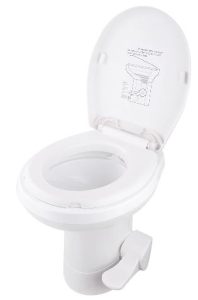
Gravity Flush: Stomp on that foot pedal or press the lever! This releases water and opens the valve, whisking your waste away.
Vacuum Flush: Simply press the button, and the powerful vacuum system takes care of the rest. Remember, these might be more sensitive to paper quantity, so be mindful.
Video Tutorial: Want a visual guide? Check out this helpful video on “How to Properly Flush Your RV Toilet” (link here).
Toilet Paper Talk:
Amount: Resist the urge to use excessive paper, even if it’s RV-specific. Less is more to avoid clogs.
Type: Ditch the regular stuff! Opt for specially designed RV toilet paper that dissolves easily to prevent blockages.
What’s a No-No:
Treat your RV toilet like royalty – flush only waste and RV-specific toilet paper. Wipes, hygiene products, or even paper towels can wreak havoc on the system, causing clogs and unpleasant surprises.
Bonus Tip: Invest in a handy RV toilet brush to keep your porcelain throne sparkling clean without damaging its surface.
Additional Considerations:
Double flush: If you have a gravity flush toilet and things seem stuck, a second flush with a bit more water might do the trick.
Water conservation: For those precious water drops, consider using a water-saving showerhead or collecting rainwater for flushing.
Remember, proper operation is key to a happy RV toilet and a happy you!
Maintaining your RV toilet system is like keeping your car happy – it prevents future headaches and keeps things flowing smoothly (literally!). Here’s your guide to essential maintenance tasks and troubleshooting tips:
Regular Cleaning:
Frequency: Give your porcelain throne some TLC at least once a week using RV-safe cleaning products. Harsh chemicals can damage the seals and components.
Method: Invest in a toilet brush designed for RV toilets, as its softer bristles won’t scratch the surface.
Bonus Tip: Regularly wipe down the exterior and surrounding area with a disinfectant wipe for added hygiene.
Black Water Tank:
Emptying: Don’t wait until disaster strikes! Empty your tank before it reaches 75% capacity, especially before long trips. This prevents overflows and keeps odors at bay.
Cleaning: Use specialized tank cleaning chemicals designed to break down waste and prevent odors. Follow the manufacturer’s instructions carefully for dosage and safety.
Bonus Tip: Consider adding RV-safe tank deodorizers for extra freshness between cleanings.
Valve Seals:
Inspection: Once a month, take a peek at your valve seals for signs of wear or damage like cracks, tears, or leaks.
Replacement: If you notice anything suspicious, replace the worn-out seals promptly. This prevents leaks, odors, and messy surprises.
Winterizing Your RV Toilet:
While the allure of cozy RV adventures may extend year-round, preparing your trusty throne for winter isn’t always top of mind. Fear not, fellow RVers! With a few simple steps, you can ensure your toilet survives the frosty months unscathed and ready for spring flushes.
Case Study: Don’t Be a Brand New Clogger!
Meet Tacromano, a fellow RVer whose brand new RV toilet clogged after just three days of use! Despite diligent draining and snaking, the culprit? A notorious foe – the “Pyramid of Doom.” This buildup of solids occurs when the black tank valve is left open during use, allowing waste to solidify and block the toilet’s entry point.
Forest River Forums: Help!!! Brand new RV Toilet clogged
Don’t let your RV toilet become a brand new nightmare! By understanding common pitfalls like the “Pyramid of Doom” and following proper maintenance routines, you can ensure your toilet flushes smoothly for years to come. This guide equips you with the knowledge to avoid costly mistakes and enjoy a worry-free RVing experience.
Additional Tips:
Always close your black tank valve after use and before traveling.
Use only RV-specific toilet paper that breaks down easily.
Avoid flushing anything besides waste and toilet paper.
Regularly clean your tank and use appropriate tank treatment products.
Troubleshooting Tips: Conquer Your RV Toilet Woes!
Even the best-maintained RV toilet can encounter hiccups. Here’s how to tackle common issues and keep things flowing smoothly:
Clogged Chaos:
First Line of Defense: Try a plunger designed for RV toilets. They have smaller cups and stronger pumps to handle the unique plumbing.
Snake it Out: If plunging fails, invest in an RV toilet snake. These long, flexible cables can dislodge stubborn clogs.
Call in the Pros: For complex clogs or peace of mind, seek help from a qualified RV technician.
Leaking Woes:
Be a Leak Detective: Identify the source of the leak. Check connections, seals, and valves for cracks or loose fittings.
Tighten Up: Use wrenches to tighten any loose connections.
Seal the Deal: Replace worn-out or damaged seals with RV-specific ones to prevent future leaks.
Seek Professional Help: If the leak persists, don’t hesitate to consult an RV technician for proper diagnosis and repair.
Odor Outrage:
Cleanliness is Key: Regularly clean your black tank using specialized RV tank cleaning chemicals.
Embrace the Deodorizers: Use RV-safe tank deodorizers to neutralize unpleasant smells.
Air it Out: Ensure proper ventilation in your RV bathroom to prevent odor buildup.
Pro Tip: Pour a small amount of baking soda down the toilet after each use to help control odors naturally.
Remember: Consistent maintenance is crucial for a happy and healthy RV toilet system. By addressing issues promptly and following our tips, you can enjoy smooth sailing and a more pleasant RVing experience.
Bonus Tips:
Winterize Wisely: If you plan on RVing in cold climates, properly winterize your toilet system to prevent freezing and damage.
Conserve Water: Consider using water-saving methods like a low-flow showerhead or collecting rainwater to reduce the frequency of tank emptying.
Additional Resources:
For troubleshooting and fixing common RV toilet problems, you can refer to detailed guides and discussions that provide a variety of solutions, from simple fixes to more involved repairs. Here’s a summary of useful tips and resources:
Common Problems and Fixes: RV toilets may experience issues like bubbling when flushed, indicating a blockage, or difficulties dissolving toilet paper. Solutions can range from checking and clearing vent blockages, using specific chemicals to dissolve clogs, or employing DIY fixes like boiling water or a mixture of baking soda and vinegar. Proper maintenance, such as using RV-approved toilet paper and regular tank cleaning, can prevent many of these issues. For more details, visit OuterSquad.
DIY Repairs and Preventative Maintenance: For those willing to tackle repairs themselves, understanding the primary components of your RV toilet and regular preventative maintenance are key. This includes replacing worn seals, ensuring smooth operation of water valves, and occasionally lubricating seals to prevent leaks. Regular maintenance and timely repairs can extend the lifespan of your RV toilet and prevent disruptive issues while on the road. Check out the guide at Getaway Couple.
Detailed Repair Guides: For more specific repair instructions, such as dealing with leaking toilets or replacing faulty components, comprehensive guides are available. These guides offer step-by-step instructions for diagnosing problems, performing repairs, and when necessary, replacing the entire toilet. They emphasize the importance of having the right parts on hand and taking preventive steps to avoid common issues. For step-by-step repair instructions, visit RVing Guide.
These resources cover everything from common issues and their solutions to step-by-step repair instructions, ensuring you’re well-equipped to handle any toilet troubles in your RV.
Gearing Up for Success: Must-Have RV Toilet Products
Choosing the right products is like having a pit crew for your RV toilet, ensuring smooth operation and happy travels. Here’s your essential gear list:
1. RV-Specific Toilet Paper:
Why: Ditch the regular stuff! This specially designed paper dissolves quickly and easily, preventing clogs and nasty surprises in your holding tank.
Where to Buy: Look for dedicated RV sections in supermarkets, camping stores, or online retailers like Amazon, Camping World, and Walmart. Brands like Scott Rapid-Dissolving, AmazonBasics RV Toilet Paper, and Thetford Aqua-Soft are popular choices.
2. Tank Cleaning Chemicals:
Why: These hardworking chemicals are your black water tank’s best friend. They break down waste, control odors, and keep things flowing smoothly.
Where to Buy: Find them alongside RV toilet supplies at supermarkets, camping stores, and online retailers. Opt for brands like Valterra Tank Freshener, Camco TST Plus, or Unique Tank Treatment, following dosage instructions carefully.
3. Valve Lubricants:
Why: Keeping your valve seals lubricated is like pampering your RV’s plumbing. It prevents leaks, extends seal life, and ensures a tight, odor-free system.
Where to Buy: Look for silicone-based RV valve lubricants at RV parts stores, camping stores, or online retailers. Thetford RV Valve Lubricant, Super Lube O-Ring Grease, and Camco RV Valve Lubricant are popular options.
Bonus Tip: Invest in a handy RV toilet brush with soft bristles to clean your porcelain throne without scratching the surface.
Additional Considerations:
Biodegradability: When choosing products, prioritize biodegradable options to minimize environmental impact.
Fragrance: Opt for unscented or lightly scented products to avoid overpowering fragrances in your RV.
Reviews: Read online reviews and compare prices before making your purchase.
By equipping yourself with these essential RV toilet products, you’ll be well on your way to a happy and hassle-free RVing experience!
Level Up Your RV Toilet: Consider These Upgrades
While your basic RV toilet might do the job, why settle for just functional when you can have fantastic? Consider these upgrades to transform your bathroom experience:
1. Embrace the Sprayer:
Why: Ditch the toilet brush and hello to a sprayer attachment. This handy tool lets you clean the bowl more efficiently, using less water and reaching those hard-to-get spots. Plus, it’s a hygienic bonus for some!
Where to Buy: Find sprayer attachments online at Amazon, Camping World, or RV parts stores. Look for brands like Thetford, Dometic, or Valterra. Prices vary depending on features and materials.
2. Unleash the Power of a Macerator:
Why: If you crave convenience on extended trips, a macerator pump is your friend. This powerhouse grinds waste into a slurry, making it easier to pump into the holding tank and reducing the risk of clogs. Ideal for larger RVs or frequent boondocking.
Where to Buy: Macerator pumps require professional installation, so consult qualified RV technicians or dealerships for options and pricing. Popular brands include Sanibest, Sealand, and Thetford.
3. Expand Your Holding Tank Territory:
Why: Say goodbye to frequent dump station runs with a larger holding tank. This upgrade provides more freedom and convenience, especially for longer journeys or full-time RVing.
Where to Buy: Installing a larger tank usually requires professional expertise. Discuss options and feasibility with RV technicians or dealerships. Consider the additional weight and potential modifications needed for your specific RV model.
Bonus Tip: Invest in a heated toilet seat for ultimate comfort during chilly weather. Many models are available with adjustable temperature settings and even built-in bidets for added luxury.
Remember: Before diving into upgrades, assess your needs and budget. Consider the size and usage of your RV, frequency of travel, and desired level of comfort. With the right choices, you can transform your RV toilet experience into a throne fit for royalty!
Additional Considerations:
Compatibility: Ensure any upgrade is compatible with your existing RV toilet system and plumbing.
Installation: Some upgrades require professional installation, so factor in labor costs.
Weight and Space: Consider the added weight and potential space requirements of larger tanks or macerator pumps.
By carefully evaluating your needs and exploring these exciting upgrades, you can create a truly enjoyable and convenient RV toilet experience!
AI-generated trip-planning illustration; not an app screenshot.
Location Considerations: Dumping Made Easy
The black tank valve’s location can significantly impact your RV toilet experience. Here’s what to know:
Valve Placement:
Correct Side: Most dump stations have hoses on a specific side. Ensure your black tank valve is positioned on the same side to avoid awkward maneuvering.
Accessibility: Choose an easily accessible valve location for quick and hassle-free dumping. Consider valves mounted on the bumper, side, or underneath, depending on your RV model.
Multiple Tanks: Some RVs have separate black tanks for different areas, offering waste management flexibility on longer trips. Check your RV’s layout and valve configuration.
Dump Station Savvy:
Apps for Convenience: Download an RV dump station locator app like “RV Dump Station Locator” to find nearby facilities and plan your route efficiently.
Pre-Dump Check: Before dumping, ensure all connections are secure and tighten any loose fittings to prevent leaks.
Responsible Disposal: Always follow dump station regulations and dispose of waste responsibly. Remember, what goes down the drain matters!
Your Next Steps:
Managing your RV toilet system is key to a comfortable and hygienic RVing experience. From choosing the right toilet type to strategic planning and responsible disposal, each step contributes to a smooth journey.
Key Takeaways:
Choose Wisely: Select the right toilet type based on needs and budget.
Operate Correctly: Master proper flushing and avoid flushing anything harmful.
Maintain Regularly: Stick to a maintenance schedule for trouble-free operation.
Use RV-Safe Products: Opt for products specifically designed for RV toilets.
Consider Upgrades: Enhance your system with useful features if needed.
Be Strategic: Pay attention to valve placement and utilize dump station locator apps.
Dump Responsibly: Follow regulations and dispose of waste ethically.
Bonus Resources:
Composting Toilets: Explore eco-friendly alternatives for waste disposal.
By considering these aspects and following best practices, you can ensure your RV toilet system functions optimally, making your RV adventures even more enjoyable!
Frequently Asked Questions
Can I use regular toilet paper in my RV toilet?
Answer: No, it’s best to use RV-specific toilet paper, as it breaks down more easily and helps prevent clogs in your holding tank.
Is it safe to use household cleaning products in my RV toilet?
Answer: It’s advisable to use RV-specific cleaning products to avoid damaging the seals or other components of your RV toilet system.
Can I use biodegradable toilet chemicals? Are they effective?
Answer: Biodegradable toilet chemicals are an eco-friendly option and can be effective, but it’s essential to ensure they are compatible with your specific RV toilet system.
How do I clean and sanitize my black water tank?
Answer: Use a specialized RV tank cleaning wand and appropriate tank cleaning chemicals to clean and sanitize your black water tank. Always follow the manufacturer’s instructions and guidelines.
What are the signs that my RV toilet system needs immediate maintenance?
Answer: Frequent clogs, persistent odors, and visible leaks are indicators that your system may need immediate attention.
What should I do if my RV toilet is clogged?
Answer: First, try using a plunger to clear the clog. If that doesn’t work, consider using a specialized RV toilet snake or seek professional assistance to avoid damaging your system.
How do different altitudes or temperatures affect my RV toilet system?
Answer: Changes in altitude can affect the air pressure in your holding tanks, while extreme temperatures can impact the effectiveness of cleaning chemicals and the flexibility of seals and hoses.
Is it possible to retrofit my existing RV toilet for a more advanced system?
Answer: Yes, many RV owners upgrade from a basic gravity flush system to more advanced options like macerating or vacuum flush systems. However, these upgrades may require professional installation and additional power sources
Resources
Thetford Corporation’s official website: https://www.thetford.com/ Thetford is a leading manufacturer of RV toilets and accessories, offering valuable information and product recommendations for various needs and preferences.
Dometic’s official website: https://www.dometic.com/ Dometic is another well-known brand in the RV industry, offering high-quality toilets, sanitation products, and resources designed for the mobile lifestyle.
The RV Geeks’ YouTube channel: https://www.youtube.com/c/RVgeeks The RV Geeks provide helpful video tutorials, tips, and tricks for RV maintenance, including information on installing and maintaining RV toilets.
The Leave No Trace Center for Outdoor Ethics website: https://lnt.org/ The Leave No Trace Center for Outdoor Ethics provides guidelines on responsible waste management and minimizing environmental impact when camping or boondocking.
The National Park Service’s camping guidelines: https://www.nps.gov/subjects/camping/index.htm The National Park Service offers guidelines for RV camping, including information on waste disposal and environmentally-friendly practices in national parks and public lands.
 A. Power on-the-go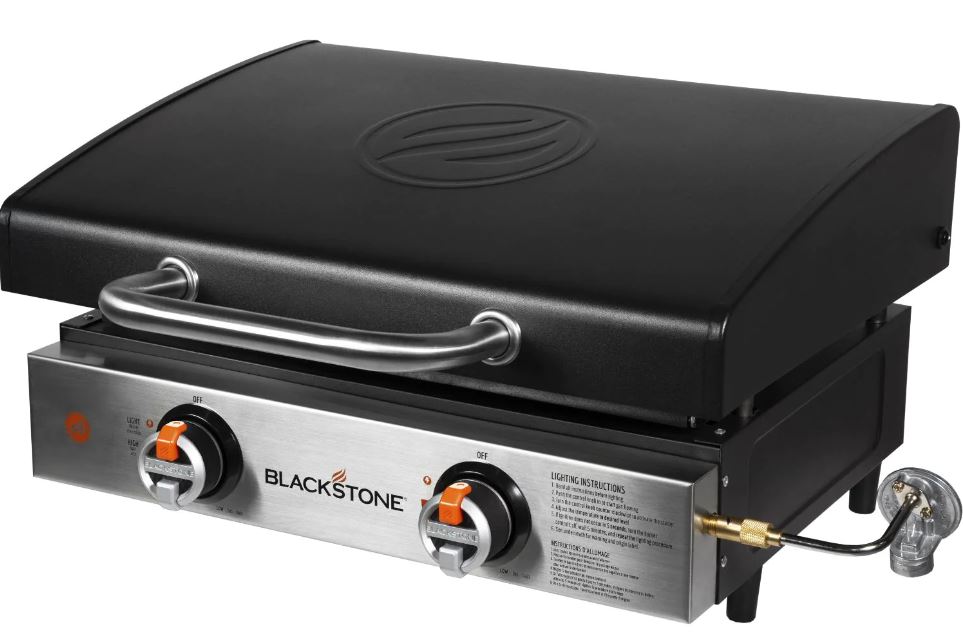
 CJ Calva, CC BY-SA 4.0, via Wikimedia Commons
 Photo by KoolShooters
 Image by
  Image by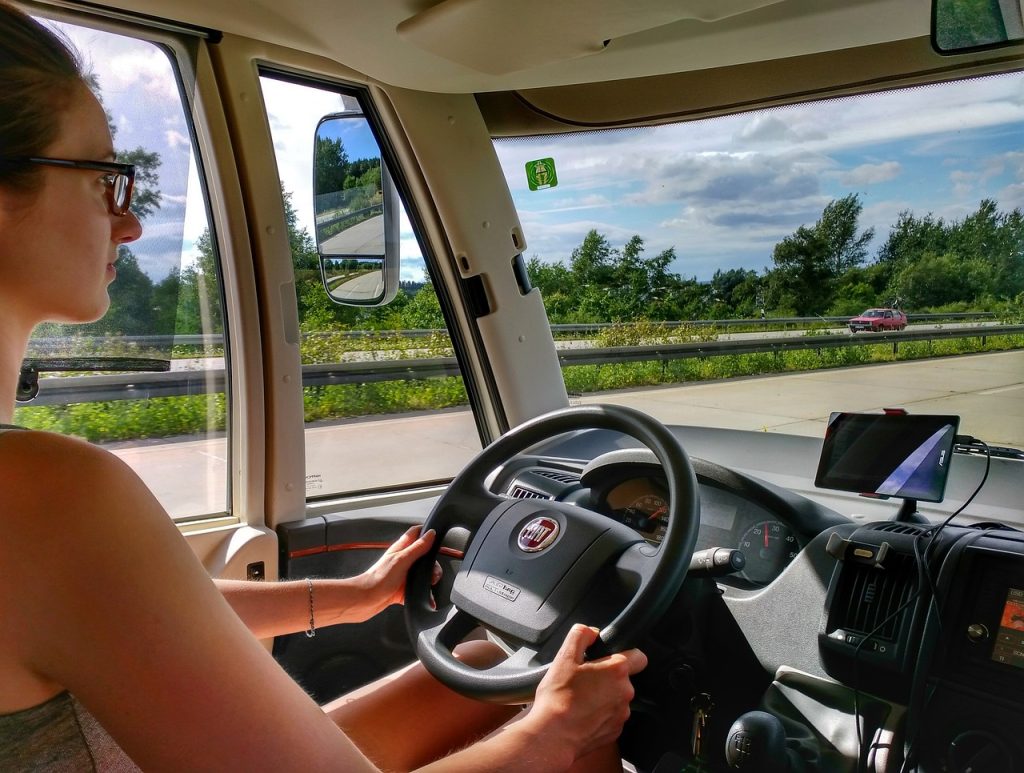
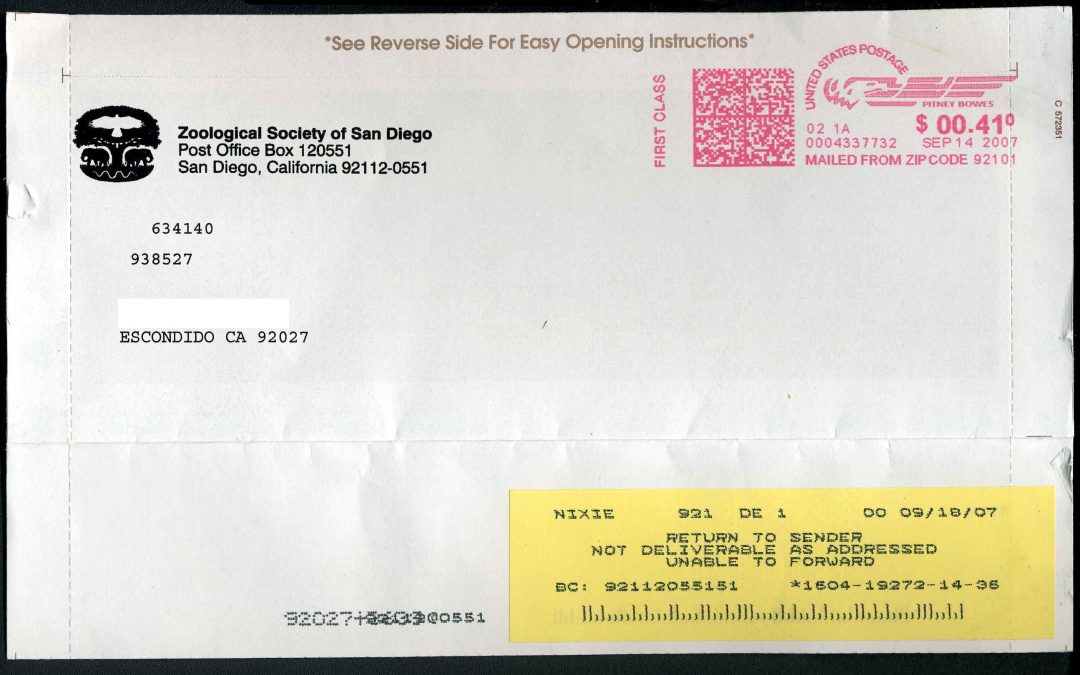

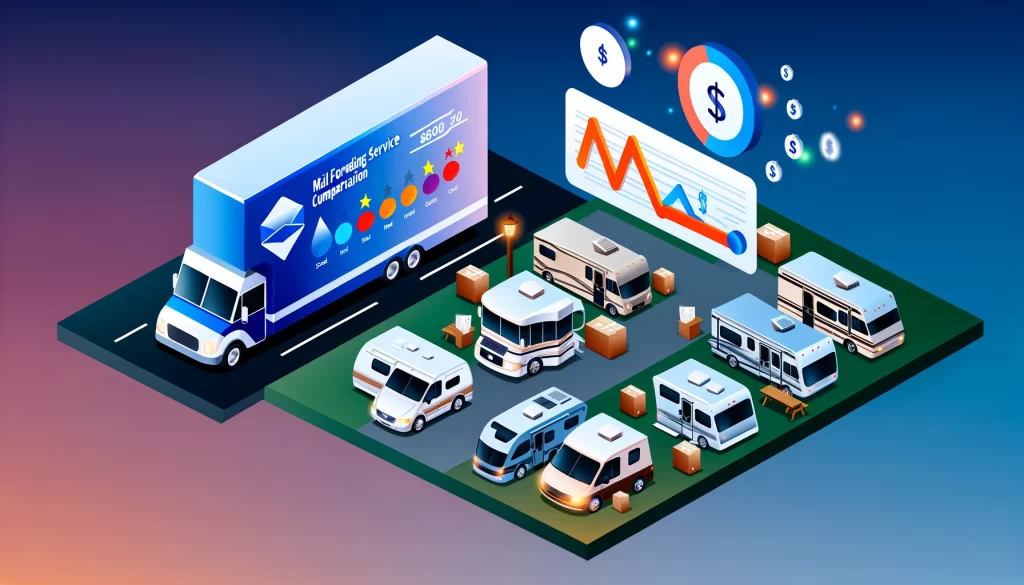
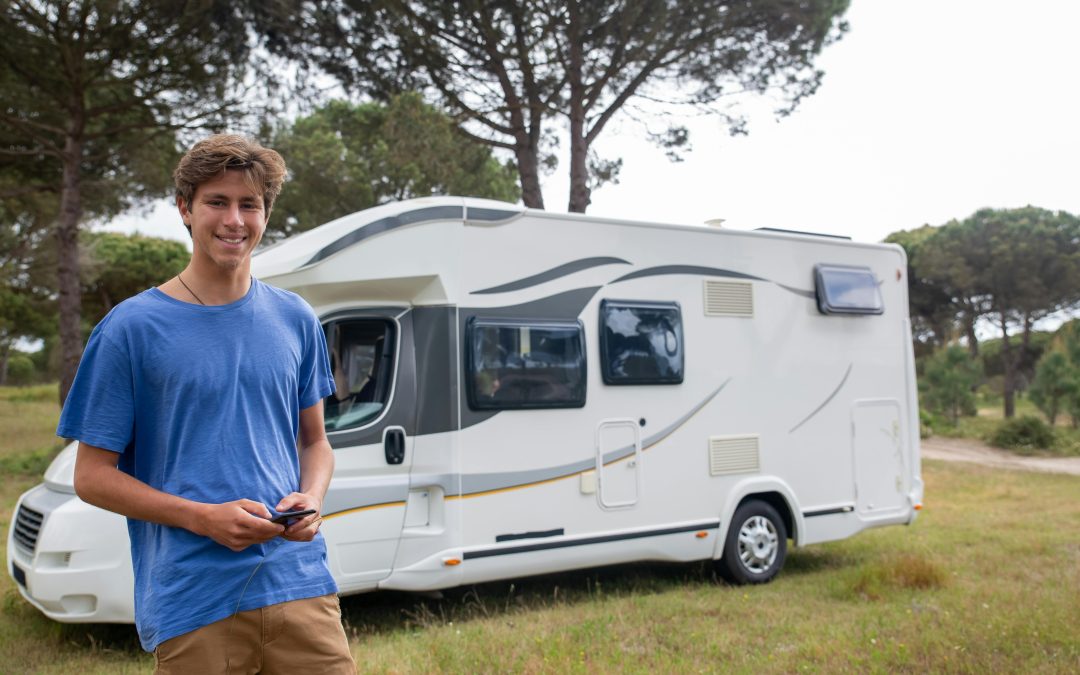
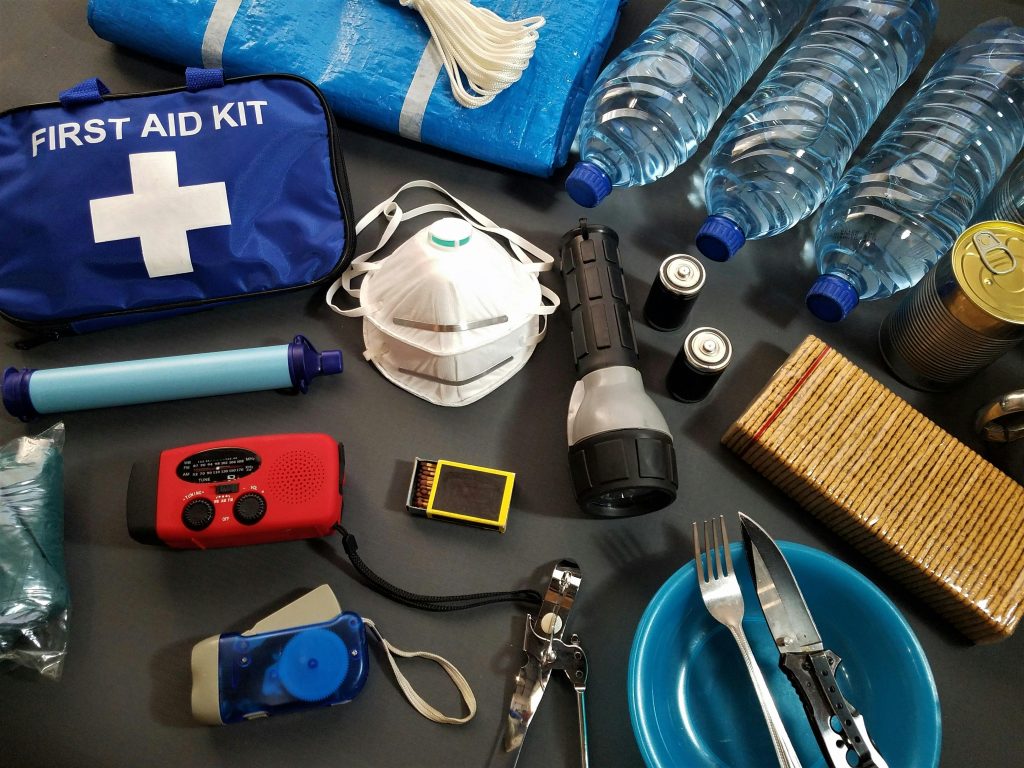 Photo by
 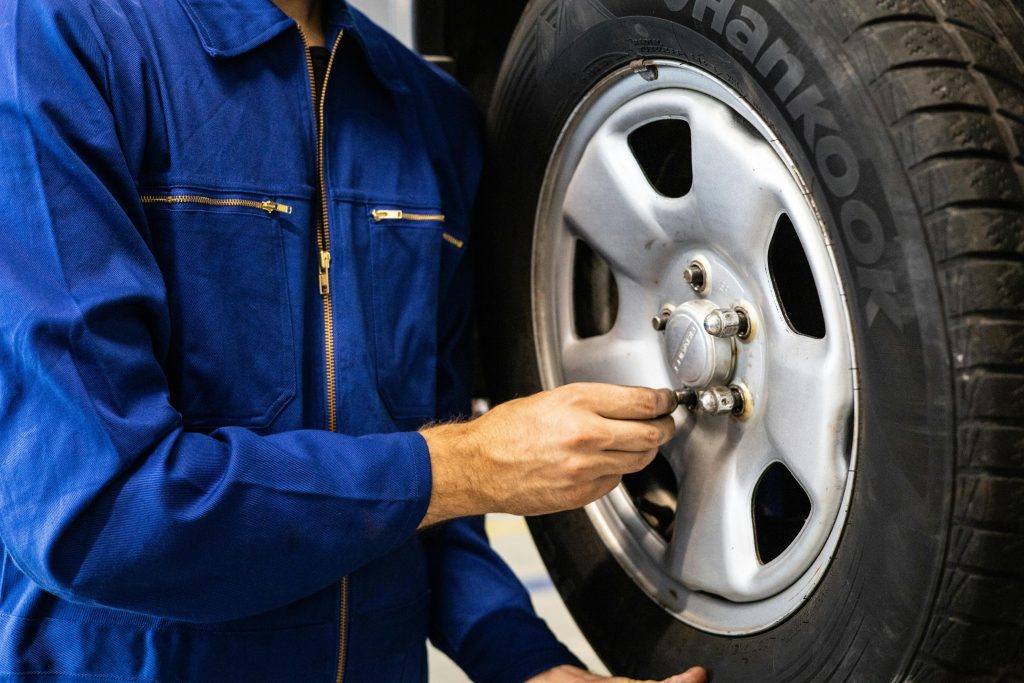 Photo by
  Photo by
 Operating your RV toilet isn’t rocket science, but understanding the basics goes a long way in ensuring its smooth functioning and your comfort. Let’s break it down: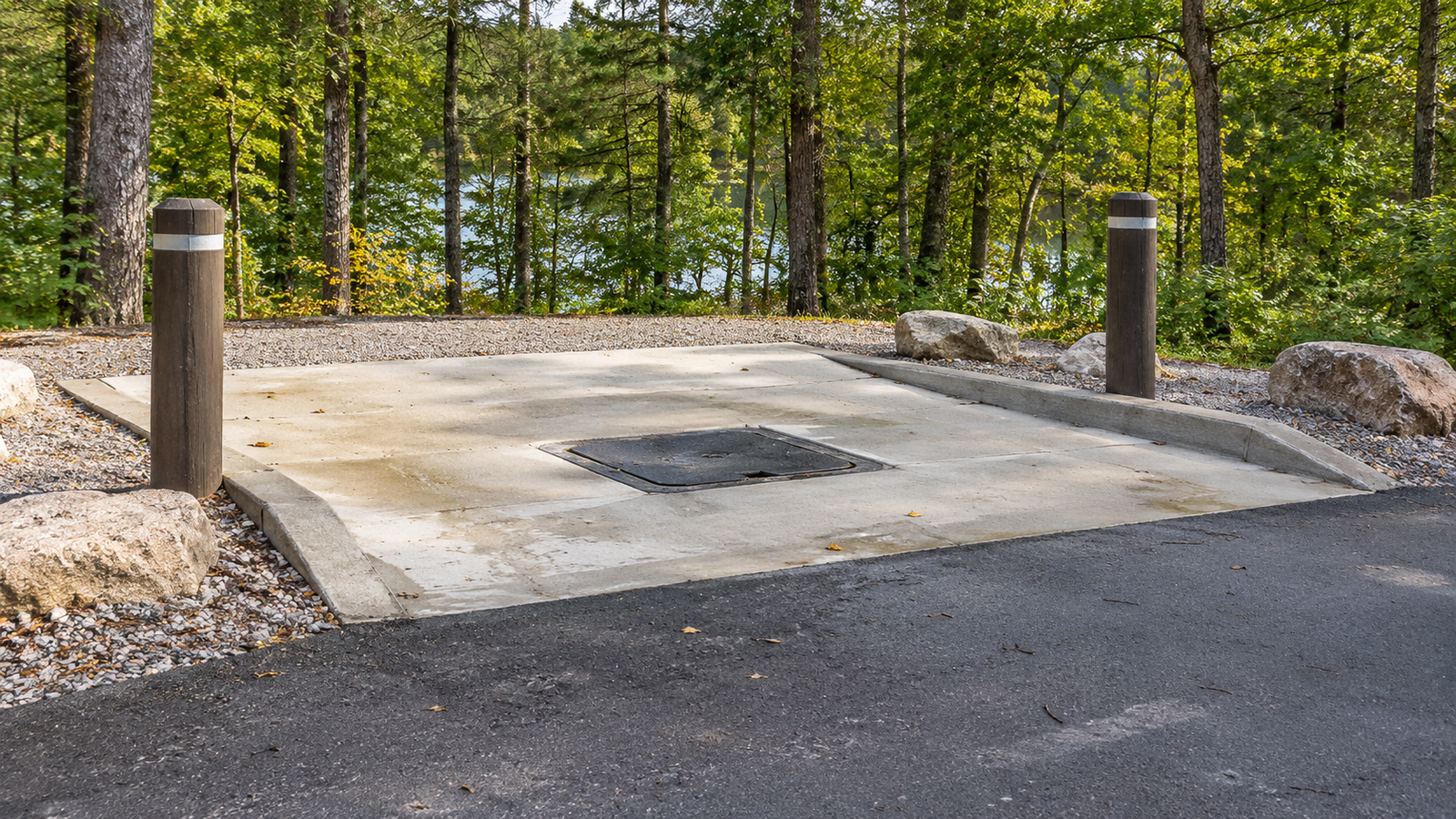
 Even the best-maintained RV toilet can encounter hiccups. Here’s how to tackle common issues and keep things flowing smoothly: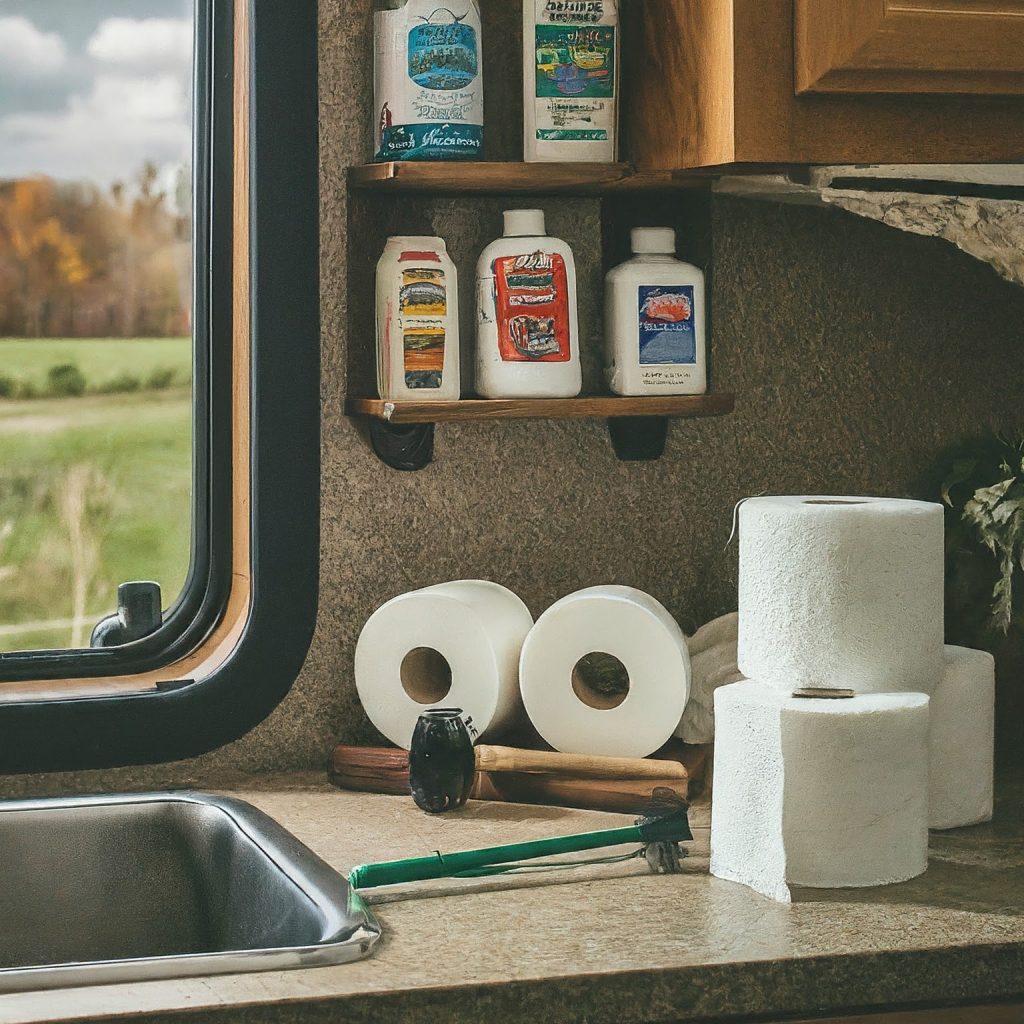
 1. Embrace the Sprayer: