What are the Pros and Cons of Owning a Class B RV?
Class B RVs are unique recreational vehicles offering the allure of travel and camping without sacrificing comfort. These RVs are built on a van chassis, boasting smaller size and greater fuel efficiency than larger RVs, making them a desirable choice for many travel enthusiasts.
Defining a Class B RV
Class B RVs, often referred to as camper vans, are more than just compact and fuel-efficient. These vehicles bring versatility to the table, doubling as your everyday ride while being equipped for your weekend getaways or extended road trips. Despite their size, they can accommodate up to four people, providing essential amenities like a kitchenette, bathroom, and sleeping area.
The Pros of Owning a Class B RV
Maneuverability and Ease of Driving
Class B RVs are designed to be easy to drive, making them the ideal vehicle for city driving and navigating tight spots. This feature sets them apart from larger RVs and opens up more possibilities for your adventures.
Fuel Efficiency and Lower Ownership Costs
Their fuel efficiency can save you considerable money on fuel costs, especially over long journeys. Furthermore, Class B RVs typically have lower purchase, insurance, and maintenance costs than larger RVs, making them a more affordable choice for many.
Versatility
Class B RVs are the perfect blend of a recreational vehicle and a daily driver. This dual-purpose functionality makes them appealing to those who wish to travel and live on the go without the need for a separate vehicle.
The Cons of Owning a Class B RV
Limited Living and Storage Space
The compact design of Class B RVs limits the living and storage space. This could prove challenging for larger families or groups, or for those who prefer to bring along many belongings on their trips.
Limited Amenities
In comparison to larger RVs, Class B RVs may lack some amenities. For instance, you may not find a full-sized kitchen or bathroom in many Class B RVs.
Not Suitable for Everyone
It’s important to remember that Class B RVs may not be suitable for everyone. Their smaller size and limited amenities may not meet the needs of larger families or groups, or those seeking more luxury features.
Making the Decision: Is a Class B RV Right for You?
Your personal needs and preferences will ultimately dictate whether a Class B RV is the right choice for you. Consider your needs, budget, and the number of people who will use the RV. Compare the size, features, and prices of different models. It’s also advisable to test drive a few models before making your decision. Always purchase from a reputable dealer who can provide good service and support.
Conclusion
Buying a Class B RV can be an exciting entry into the world of mobile living, but it’s not a decision to be taken lightly. Consider all aspects – the pros, the cons, and your own personal needs – before making the choice.
FAQs
How much do Class B RVs cost?
The cost of a Class B RV can vary greatly depending on the make, model, and features. For 2026, many new Class B RVs list from roughly $150,000 to $270,000 or more, with popular models such as the Winnebago Travato carrying a base MSRP above $180,000. Dealer discounts, chassis, options, and model year can materially change the sale price; used models can cost substantially less.
How many people can sleep in a Class B RV?
Class B RVs are typically designed to sleep up to four people comfortably. However, this can depend on the specific layout and design of the RV.
Where can Class B RVs be parked?
One of the benefits of Class B RVs is their versatility in parking. They can fit into standard parking spaces, making them suitable for city driving and parking. For overnight stays, they can be parked at RV parks, campgrounds, and even some large store parking lots that allow overnight RV parking. However, always check local rules and regulations.
What are the insurance costs for a Class B RV?
Insurance costs for Class B RVs can vary based on factors such as the value of the RV, where you live, and how often you use it. On average, you can expect to pay between $500 to $1,000 per year for Class B RV insurance.
What are the maintenance costs for a Class B RV?
Maintenance costs can depend on how often you use your RV and how well you take care of it. Typical annual maintenance can range from $1,000 to $2,000, but this can be higher if major repairs are needed. Regular maintenance includes things like oil changes, tire checks, brake inspections, and the upkeep of appliances and systems inside the RV.
Class B RVs, also known as camper vans, are compact, versatile, and perfect for the open road. They are built on a standard van chassis with a raised roof to accommodate comfortable living and sleeping spaces. Despite their smaller size compared to Class A and Class C RVs, many models include amenities such as the following, although ovens, showers, toilets, and sleeping capacity vary by floor plan:
A kitchen with a stove, oven, and refrigerator
A bathroom with a toilet and shower
A sleeping area for two to four people
Class B RVs are a great option for people who want the freedom of RV travel without the size and complexity of a larger RV. They are generally easier to drive and park than larger motorhomes. A Class B is a motorized camper van, so it is not itself towable by a car or truck, although properly equipped models may tow a small trailer. If you’re looking for a small, affordable, and easy-to-use RV, a Class B is a great option.
Why is it important to know your Class B RV?
To handle unexpected situations. If you’re on the road and something goes wrong with your RV, you’ll need to know how to fix it or at least get it to a safe place. If you don’t know your RV well, you’ll be at the mercy of roadside assistance or a tow truck.
To maintain your RV in top condition. RVs require regular maintenance, just like any other vehicle. If you don’t know how to maintain your RV, you could end up with costly repairs or even a breakdown.
To maximize the benefits of your RV lifestyle. There are many ways to enjoy your RV, but you won’t be able to do them all if you don’t know how to use your RV properly. For example, if you want to go off-roading, you’ll need to know how to raise and lower your suspension.
Here are some specific things you should know about your Class B RV:
The layout of your RV. This includes the location of the kitchen, bathroom, sleeping areas, and storage compartments.
The operation of your RV’s systems. This includes the electrical system, water system, and waste system.
The maintenance requirements for your RV. This includes what fluids to check and when, as well as how to change the oil, filters, and other parts.
If you’re not sure how to do something, don’t be afraid to ask for help. There are many resources available to help you learn about your RV, including online forums, RV magazines, and RV dealerships.
By taking the time to learn about your Class B RV, you’ll be well on your way to enjoying a smooth and enjoyable RV journey.
Compact size. Class B RVs are the smallest type of RV, making them easy to drive, park, and maneuver. This makes them a good option for people who want the freedom of RV travel without the size and complexity of a larger RV.
Maneuverability. Class B RVs are very maneuverable, thanks to their compact size and short wheelbase. This makes them easy to drive in tight spaces, such as city streets and parking lots.
Efficiency. Class B RVs are typically more fuel-efficient than larger RVs. This is because they have a smaller engine and less weight to move.
Convertible furniture. Class B RVs often have convertible furniture, which helps to maximize space. For example, beds can often be converted into dining areas or sofas.
All the necessities. Despite their small size, Class B RVs come equipped with all the necessities for comfortable living on the road. This includes a kitchen, bathroom, and sleeping area.
Here are some additional features that you may find on some Class B RVs:
Slide-outs. Some Class B RVs have slide-outs, which extend the living space when they are deployed. This can be helpful for creating more space for dining, sleeping, or relaxing.
Off-road features. Some Class B RVs are designed for off-road travel. These RVs typically have features such as four-wheel drive, raised suspension, and skid plates.
Solar panels. Some Class B RVs have solar panels, which can provide power for the RV’s electrical system. This can be helpful for boondocking, or camping off the grid.
If you’re looking for a small, easy-to-drive RV that comes with all the necessities, a Class B RV is a great option. They are perfect for people who want the freedom of RV travel without the size and complexity of a larger RV.
The pros and cons of owning a Class B RV
Pros:
Compact size. Class B RVs are the smallest type of RV, making them easy to drive, park, and maneuver. This makes them a good option for people who want the freedom of RV travel without the size and complexity of a larger RV.
Maneuverability. Class B RVs are very maneuverable, thanks to their compact size and short wheelbase. This makes them easy to drive in tight spaces, such as city streets and parking lots.
Efficiency. Class B RVs are typically more fuel-efficient than larger RVs. This is because they have a smaller engine and less weight to move.
Convertible furniture. Class B RVs often have convertible furniture, which helps to maximize space. For example, beds can often be converted into dining areas or sofas.
All the necessities. Despite their small size, Class B RVs come equipped with all the necessities for comfortable living on the road. This includes a kitchen, bathroom, and sleeping area.
Versatile. Class B RVs are versatile vehicles that can be used for a variety of purposes. They can be used for camping, road trips, or even as a second vehicle.
Cons:
Small living space. Class B RVs are small, so they may not be suitable for larger families or those who prefer more room.
Limited amenities. Class B RVs typically have fewer amenities than larger RVs. For example, they may not have a shower, a washer and dryer, or a large entertainment system.
Price. Class B RVs can be expensive, especially if you want one with all the bells and whistles.
Maintenance. Class B RVs require regular maintenance, just like any other vehicle. This can be time-consuming and expensive.
Overall, Class B RVs are a good option for people who want a small, easy-to-drive RV that comes with all the necessities. However, they may not be suitable for everyone. If you’re considering buying a Class B RV, it’s important to weigh the pros and cons carefully to decide if it’s the right RV for you.
Essential Knowledge for Class B RV Owners
Understanding your RV’s systems
Your Class B RV has a number of different systems that need to be understood and maintained in order to keep it running smoothly. These systems include:
Electrical system: This system powers everything from your lights to your refrigerator. It typically includes a battery for DC power, a converter for turning AC power into DC power, and an inverter for the reverse. Understanding how to maintain and troubleshoot this system is crucial.
Water system: This system provides fresh water for drinking, cooking, and bathing. It also includes a wastewater system for disposing of graywater and blackwater. Understanding how to maintain and troubleshoot this system is also important.
Waste system: This system collects and disposes of human waste. It typically includes a toilet, a graywater tank, and a blackwater tank. Understanding how to use and maintain this system is essential for keeping your RV clean and sanitary.
Heating and cooling system: This system keeps your RV warm in the winter and cool in the summer. It typically includes an air conditioner, a heater, and a furnace. Understanding how to use and maintain this system is important for staying comfortable on the road.
Chassis: This is the frame of your RV and includes the wheels, axles, and suspension. Understanding how to maintain and troubleshoot the chassis is important for keeping your RV safe on the road.
Other essential knowledge
In addition to understanding your RV’s systems, there are a few other essential pieces of knowledge that you should have as a Class B RV owner. These include:
How to drive an RV: RVs are different from cars, so it’s important to know how to drive one safely. You should also be familiar with the rules and regulations for driving an RV in different areas.
How to camp: If you’re going to be camping in your RV, you’ll need to know how to set up camp and use the different camping amenities. You should also be familiar with the rules and regulations for camping in different areas.
How to troubleshoot common problems: RVs can be prone to certain problems, so it’s important to know how to troubleshoot them. This will help you to avoid costly repairs and keep your RV on the road.
By understanding these essential pieces of knowledge, you’ll be well on your way to enjoying your Class B RV to the fullest.
Maintenance Basics
Regular check-ups
Just like any vehicle, your Class B RV needs regular check-ups to ensure it remains in good working condition. This includes checking the engine, tires, brakes, and all RV systems.
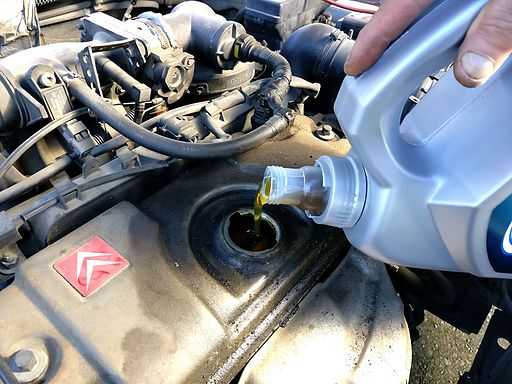
Engine: The engine is the heart of your RV, so it’s important to keep it well-maintained. This includes changing the oil and filter regularly, as well as checking the fluids and belts.
Tires: The tires are another important part of your RV, and they need to be properly inflated and rotated at regular intervals. You should also inspect the tires for any signs of wear or damage.
Brakes: The brakes are essential for safe driving, so it’s important to have them inspected and repaired regularly. You should also check the brake fluid level and make sure that the brakes are working properly.
RV systems: In addition to the engine, tires, and brakes, you also need to check the other systems in your RV on a regular basis. This includes the electrical system, water system, waste system, and heating and cooling system.
Here are some additional tips for maintaining your Class B RV:
Read your owner’s manual. This is the best source of information on how to maintain your specific RV.
Find a qualified RV mechanic. This is someone who is familiar with the specific needs of RVs.
Don’t be afraid to ask for help. There are many resources available to help you learn about RV maintenance.
By following these tips, you can help to keep your Class B RV in good working condition and enjoy it for many years to come.
Preventative Maintenance
Preventative maintenance is essential for keeping your RV in good condition and preventing costly repairs down the road. Here are some of the most important preventative maintenance tasks to perform on your RV:
Change the air filters: Air filters help to keep the air in your RV clean and free of contaminants. Engine air-filter intervals vary by chassis and driving conditions; inspect and replace the filter according to the chassis manufacturer’s schedule.
Clean the water filters: Water filters help to remove contaminants from the water in your RV. They should be cleaned every 3 months or more often if you’re using your RV in areas with poor water quality.
Lubricate the moving parts: Moving parts in your RV, such as the hinges and door latches, should be lubricated regularly to prevent them from sticking or wearing out.
Inspect the seals and gaskets: Seals and gaskets help to keep water and air out of your RV. They should be inspected regularly for signs of wear or damage.
Check the tire pressure: Tire pressure is important for both safety and fuel efficiency. Tire pressure should be checked every month and adjusted as needed.
Inspect the roof: The roof is one of the most important parts of your RV. It should be inspected regularly for signs of damage, such as leaks or cracks.
Winterize your RV: If you’re storing your RV in cold weather, it’s important to winterize it to prevent damage from freezing. This involves draining the water system and treating the plumbing with antifreeze.
By performing these preventative maintenance tasks regularly, you can help to keep your RV in good condition and extend its lifespan.
Here are some additional tips for performing preventative maintenance on your RV:
Use the manufacturer’s recommendations: The manufacturer’s manual will have a recommended maintenance schedule for your specific RV.
Use the right tools and fluids: Make sure you have the right tools and fluids for the job. This will help you to do the job correctly and safely.
Be careful: When working on your RV, be careful not to damage any of the components.
Ask for help: If you’re not comfortable performing a maintenance task yourself, ask for help from a qualified RV mechanic.
By following these tips, you can help to ensure that your RV is properly maintained and that you’re prepared for any unexpected problems.
DIY maintenance tips
Regular DIY maintenance can save you money and help you understand your RV better. Here are some DIY maintenance tips for Class B RVs:
Check tire pressure: Tire pressure is important for both safety and fuel efficiency. You should check the tire pressure regularly, and make sure that it is at the recommended level.
Clean and replace air filters: Air filters help to keep the air in your RV clean. You should clean or replace the air filters regularly, depending on the manufacturer’s recommendations.
Check the condition of your batteries: Batteries power your RV’s electrical system. You should check the condition of your batteries regularly, and make sure that they are properly charged.
Clean the water system: The water system in your RV can become contaminated, so it’s important to clean it regularly. You should also flush the water system before and after each use.
Check the waste system: The waste system in your RV collects human waste. You should check the waste system regularly, and make sure that it is working properly.
Lubricate the moving parts: RVs have many moving parts, and it’s important to lubricate them regularly. This will help to keep the parts working smoothly and prevent them from wearing out prematurely.
By following these DIY maintenance tips, you can help to keep your Class B RV in good working condition and enjoy it for many years to come.
Here are some additional tips for DIY maintenance:
Use the right tools. There are many specialized tools available for RV maintenance. Make sure you have the right tools for the job.
Be careful. RVs can be heavy and dangerous. Be careful when working on your RV, and always follow the manufacturer’s instructions.
Take your time. Don’t rush when doing DIY maintenance. Take your time and do the job right.
By following these tips, you can help to ensure that your DIY maintenance is safe and effective.
Storage
When you’re not using your RV, it’s important to store it properly. Here are some tips for storing your RV:
Choose a safe location: The storage location should be level and well-drained. It should also be protected from the elements, such as rain, snow, and wind.
Clean and dry the RV: Before you store your RV, it’s important to clean it inside and out. This will help to prevent mold and mildew growth.
Disconnect the battery: The battery should be disconnected to prevent it from draining.
Empty the water system: The water system should be emptied to prevent freezing.
Cover the RV: The RV should be covered to protect it from the elements.
Inspect the RV regularly: The RV should be inspected regularly to make sure that it’s in good condition.
By following these tips, you can help to keep your RV in good condition while it’s in storage.
Here are some additional tips for storing your RV:
If you’re storing your RV outside, choose a location that’s shaded and protected from the wind.
If you’re storing your RV in a garage, make sure that the garage is well-ventilated.
If you’re storing your RV for an extended period of time, you may want to consider renting a storage space specifically designed for RVs.
By following these tips, you can help to protect your RV from the elements and ensure that it’s in good condition when you’re ready to use it again.
Safety Measures
Fire safety
Have working smoke detectors. Smoke detectors are essential for detecting fires early on, giving you time to escape. Test your smoke detectors regularly and replace the batteries as needed.
Have a fire extinguisher. A fire extinguisher can help you put out a small fire before it gets out of control. Make sure you have a fire extinguisher that is rated for Class A fires (wood, paper, and other common household materials), Class B fires (flammable liquids), and Class C fires (electrical fires).
Have an escape plan. In the event of a fire, it’s important to have a plan for how you and your family will escape from the RV. Make sure everyone knows where the exits are and how to get to them quickly.
Road safety
Understand how to drive your RV safely. RVs are different from cars, so it’s important to understand how to drive one safely. This includes knowing how to handle the size and weight of the RV, how to brake and accelerate properly, and how to maneuver in tight spaces.
Ensure your RV is roadworthy. Before each trip, make sure your RV is roadworthy. This includes checking the tires, brakes, lights, and other important systems.
Be aware of the weather conditions. RVs can be difficult to control in bad weather, so it’s important to be aware of the weather conditions before you start driving. If the weather is bad, it’s best to stay home or find a safe place to pull over.
Other safety measures
Be aware of your surroundings. When you’re camping or parked in an RV park, be aware of your surroundings and take steps to protect yourself from potential dangers. This includes locking your doors and windows, keeping valuables out of sight, and being aware of your surroundings at night.
Have a first-aid kit. A first-aid kit is essential for treating minor injuries that may occur while you’re on the road. Make sure you have a first-aid kit that is stocked with the essentials, such as bandages, antibiotic ointment, pain relievers, and tweezers.
Be prepared for emergencies. It’s always a good idea to be prepared for emergencies, such as a flat tire or a breakdown. Make sure you have a plan for how you will handle these situations.
By following these safety measures, you can help to ensure that your Class B RV travels are safe and enjoyable.
Efficient packing and storage
Maximizing space
Use under-bed storage. This is a great way to store bulky items that you don’t use often.
Hanging organizers. These are a great way to store clothes and other items that you need to keep organized.
Multi-purpose furniture. This type of furniture can serve multiple purposes, which can help to save space. For example, a sofa bed can be used as a sofa during the day and a bed at night.
Pack light but smart. When packing for your RV, it’s important to pack light but smart. This means packing only the essentials and making sure that everything you pack is essential.
Essential items to pack
Tools for quick fixes. It’s always a good idea to pack a few tools in case you need to make a quick fix on the road.
First-aid kit. A first-aid kit is essential for treating minor injuries that may occur while you’re on the road.
Cooking essentials. If you plan on cooking in your RV, make sure you pack the essentials, such as pots, pans, utensils, and food.
Personal items. Pack the personal items that you need, such as clothes, toiletries, and medications.
Other tips
Label everything. This will help you to find things quickly and easily.
Take inventory. Before you leave, take an inventory of everything you’ve packed. This will help you to make sure that you haven’t forgotten anything.
Be flexible. Things don’t always go according to plan, so be prepared to be flexible with your packing and storage.
By following these tips, you can help to ensure that your packing and storage in your Class B RV is efficient and organized.
Planning and preparation: Before you go boondocking, you need to carefully plan and prepare. This includes:
Choosing a campsite: Boondocking spots can be found in national forests, BLM land, and other public lands. When choosing a campsite, make sure it has enough space for your RV and that it is not in an area that is prone to flooding or other hazards.
Checking the weather: The weather can be unpredictable, so it is important to check the weather forecast before you go boondocking. If the weather is expected to be bad, you may want to reconsider your plans.
Packing the essentials: When packing for boondocking, you need to make sure you have the essentials, including:
Water: You will need to bring enough water for drinking, cooking, and bathing.
Power: You will need to bring a generator or solar panels to power your RV.
Waste storage: You will need to bring a waste tank for your RV’s black and gray water.
Being respectful of the environment: When boondocking, it is important to be respectful of the environment. This means packing out all of your trash and leaving no trace of your stay.
Conserving resources: When boondocking, it is important to conserve resources. This means using water sparingly, only running your generator when necessary, and disposing of waste properly.
Being prepared for emergencies: It is always a good idea to be prepared for emergencies when boondocking. This means having a first-aid kit, a fire extinguisher, and a plan for what to do in case of a breakdown or other emergency.
By following these tips, you can help to ensure that your boondocking experience is safe, enjoyable, and respectful of the environment.
Here are some additional tips for Boondocking:
Do your research. Before you go boondocking, it’s a good idea to do some research to find out the best places to go. There are many websites and forums that can help you with this.
Be prepared to rough it. Boondocking is not for everyone. If you’re not comfortable roughing it, then it’s probably not the right activity for you.
Have fun! Boondocking can be a great way to experience the outdoors and get away from it all. So relax, enjoy the peace and quiet, and have fun!
Navigating Campgrounds and RV Parks
How to choose the right campground
When choosing a campground, there are a few factors you’ll want to consider:
Location: Where do you want to go? Consider the type of scenery you’re looking for, as well as the distance from major attractions or cities.
Amenities: What amenities are important to you? Some campgrounds have pools, hot tubs, laundry facilities, or even restaurants on-site.
Size of RV spaces: How big is your RV? Make sure you choose a campground with spaces that are big enough for your rig.
Cost: How much are you willing to spend? Campgrounds can range in price from very affordable to quite expensive.
Here are a few resources that can help you find the right campground:
Online campgrounds directories: There are many websites that list campgrounds all over the country. These directories often include reviews from other campers, which can be helpful in making your decision.
Campground review websites: There are also websites that specialize in reviews of campgrounds. These websites often include detailed information about each campground, such as the amenities offered, the size of the RV spaces, and the cost.
Campground Etiquette
Once you’ve found the perfect campground, it’s important to be mindful of campground etiquette. This means respecting quiet hours, cleaning up after yourself, and being considerate of other campers.
Respect quiet hours: Most campgrounds have quiet hours in place, typically from 10pm to 8am. This means keeping noise levels down during these hours.
Clean up after yourself: This includes picking up after your pets and disposing of your trash properly.
Be considerate of other campers: This means being respectful of their space and their privacy. It also means being mindful of noise levels, especially late at night.
By following these simple tips, you can help to ensure that everyone has a pleasant camping experience.
Here are some additional tips for campground etiquette:
Be aware of your surroundings. When you’re camping, it’s important to be aware of your surroundings and take steps to protect yourself from potential dangers. This includes locking your doors and windows, keeping valuables out of sight, and being aware of your surroundings at night.
Be respectful of the environment. When you’re camping, it’s important to be respectful of the environment. This means packing out all of your trash and leaving no trace of your stay.
Have fun! Camping is a great way to relax and enjoy the outdoors. So relax, enjoy the peace and quiet, and have fun!
Understanding RV Insurance
Why you need RV insurance
RV insurance protects you from financial loss in case of accidents, theft, or damage. It’s not just a good idea – it’s a necessity.
RVs are expensive vehicles, and they can be easily damaged in an accident. If your RV is damaged in an accident, you’ll need to pay for the repairs out of your own pocket unless you have insurance.
RVs are also a target for thieves. If your RV is stolen, you’ll need to pay for a replacement out of your own pocket unless you have insurance.
Choosing the right insurance policy
When choosing an RV insurance policy, there are a few factors you’ll want to consider:
Coverage: The coverage you need will depend on your individual needs and budget. Some policies offer comprehensive coverage, which includes both liability and physical damage coverage. Other policies offer liability-only coverage, which only covers damage you cause to others.
Cost: RV insurance can be expensive, so it’s important to shop around and compare rates before you buy a policy.
Reputation of the insurance provider: You’ll want to choose an insurance provider with a good reputation. This means a company that is financially stable and has a good track record of paying claims.
It’s important to read the fine print and understand what is and isn’t covered.
Not all RV insurance policies are created equal. Some policies may have exclusions that mean you’re not covered for certain types of damage. It’s important to read the fine print and understand what is and isn’t covered before you buy a policy.
Here are some additional tips for choosing the right RV insurance policy:
Get quotes from multiple companies. This will help you compare rates and find the best policy for your needs.
Ask about discounts. Many insurance companies offer discounts for things like good driving records, anti-theft devices, and RV safety courses.
Review your policy annually. Your needs may change over time, so it’s important to review your policy annually to make sure it still meets your needs.
By following these tips, you can help to ensure that you’re properly insured for your RV.
Troubleshooting Common Issues
Mechanical issues:
Engine problems: Engine problems can be caused by a variety of factors, such as low oil levels, dirty air filters, or a bad spark plug. If you’re having engine problems, the first thing you should do is check the oil levels and make sure the air filters are clean. If the problem persists, you may need to take your RV to a mechanic.
Brake issues: Brake problems can be caused by a variety of factors, such as low brake fluid levels, worn brake pads, or a bad brake caliper. If you’re having brake problems, the first thing you should do is check the brake fluid levels. If the brake fluid levels are low, you’ll need to add more brake fluid. If the problem persists, you may need to take your RV to a mechanic.
Tire troubles: Tire troubles can be caused by a variety of factors, such as low tire pressure, worn tires, or a flat tire. If you’re having tire troubles, the first thing you should do is check the tire pressure. If the tire pressure is low, you’ll need to add air to the tires. If the problem persists, you may need to replace the tires.
Electrical issues:
Battery problems: Battery problems can be caused by a variety of factors, such as low battery voltage, a bad battery, or a loose connection. If you’re having battery problems, the first thing you should do is check the battery voltage. If the battery voltage is low, you’ll need to charge the battery. If the problem persists, you may need to replace the battery.
Lighting system problems: Lighting system problems can be caused by a variety of factors, such as a blown fuse, a bad light bulb, or a loose connection. If you’re having lighting system problems, the first thing you should do is check the fuses. If the fuses are good, you’ll need to check the light bulbs and the connections. If the problem persists, you may need to take your RV to a mechanic.
By following these troubleshooting tips, you can help to identify and fix common mechanical and electrical issues in your Class B RV.
Here are some additional tips for troubleshooting RV problems:
Check the owner’s manual. The owner’s manual will usually have a troubleshooting section that can help you diagnose the problem.
Search online forums. There are many online forums where RV owners can share tips and advice on troubleshooting problems.
Take your RV to a mechanic. If you’re unable to troubleshoot the problem yourself, you may need to take your RV to a mechanic.
By following these tips, you can help to ensure that you’re able to troubleshoot and fix common RV problems.
Winterizing Your RV
Why winterizing is important
Reasons why winterizing your RV is important
Prevents water damage. When water freezes, it expands. This can cause pipes to burst and other damage to your RV’s plumbing system. Winterizing your RV prevents this damage by draining all of the water from the system.
Protects your RV’s appliances. Many RV appliances, such as the water heater and the refrigerator, contain water. If this water freezes, it can damage the appliances. Winterizing your RV prevents this damage by draining the water from these appliances.
Protects your RV’s seals and gaskets. The seals and gaskets in your RV help to keep water out. If these seals and gaskets are damaged by freezing temperatures, they can leak. Winterizing your RV prevents this damage by protecting the seals and gaskets from freezing.
How to winterize your RV
There are a few different ways to winterize your RV. The best way for you will depend on the type of RV you have and the climate you live in.
Here are some general steps on how to winterize your RV:
Drain all of the water from the system. This includes the fresh water tank, the gray water tank, and the black water tank. You can do this by opening the drain valves and letting the water run out.
Blow out the water lines. This will help to remove any remaining water from the lines. You can do this with a water hose or a compressed air hose.
Drain the water heater. There is usually a drain valve on the bottom of the water heater. Open the valve and let the water drain out.
Drain the refrigerator. There is usually a drain plug on the bottom of the refrigerator. Open the plug and let the water drain out.
Protect the seals and gaskets. You can do this by applying a protectant, such as RV antifreeze, to the seals and gaskets.
Store your RV in a warm, dry place. This will help to prevent the pipes from freezing.
By following these steps, you can help to winterize your RV and protect it from damage due to freezing temperatures.
Here are some additional tips for winterizing your RV:
Read the owner’s manual. The owner’s manual will usually have specific instructions on how to winterize your RV.
Get professional help. If you’re not comfortable winterizing your RV yourself, you can hire a professional to do it for you.
Start early. It’s best to start winterizing your RV before the cold weather arrives. This will give you plenty of time to do it properly.
By following these tips, you can help to ensure that your RV is properly winterized and protected from damage.
Enhancing Your RV Lifestyle
Making your RV feel like home
Add personal touches. This could include photos of your family and friends, comfortable bedding, or your favorite kitchen gadgets.
Decorate with your favorite colors and patterns. This will help to make your RV feel more like your own personal space.
Create a cozy atmosphere. This could involve using candles, soft lighting, or comfortable seating.
Make sure you have everything you need. This includes things like food, drinks, toiletries, and entertainment.
Staying connected on the road
Get a mobile data plan.
This will give you access to the internet even when you’re not in range of a WiFi network.
Invest in a WiFi booster.
This will help to improve the signal strength of your mobile data plan.
Download RV-friendly apps.
There are many apps that can help you with things like finding campgrounds, planning your route, and staying safe on the road.
By following these tips, you can help to enhance your RV lifestyle and make your RV feel more like home.
Here are some additional tips for staying connected on the road:
Check your signal strength before you leave. This will help you to make sure that you have a good signal in the areas you’ll be traveling to.
Use a portable hotspot. This is a great way to share your mobile data plan with other devices.
Connect to WiFi networks when you can. This will help to save your mobile data plan.
Be mindful of your data usage. This will help you to avoid going over your data limit.
By following these tips, you can help to ensure that you stay connected on the road and don’t run out of data.
Takeaway
RVing can be a great way to travel and see the country. It’s a unique experience that allows you to be more self-sufficient and enjoy the outdoors.
There are many different types of RVs to choose from, so you can find one that’s right for you. Whether you’re looking for a small camper van or a large motorhome, there’s an RV out there that’s perfect for you.
RVing can be a great way to save money on travel. You can cook your own meals, stay in campgrounds, and avoid expensive hotels.
RVing can be a great way to connect with nature. You can go hiking, camping, and fishing right from your RV.
RVing can be a great way to meet new people. You’ll meet other RVers at campgrounds and RV parks, and you can make new friends along the way.
If you’re thinking about getting into RVing, I encourage you to do your research and find the right RV for you. It’s an amazing way to see the country and experience the great outdoors.
Here are some additional tips for RVing:
Plan your trip carefully. This includes deciding where you want to go, how long you want to stay, and what you want to do.
Be prepared for anything. This includes packing for all types of weather and having a plan in case of an emergency.
Stay safe. This includes following the rules of the road and being aware of your surroundings.
Have fun! RVing is a great way to relax and enjoy the outdoors.
Frequently Asked Questions
What are the best resources for new Class B RV owners?
There are many online forums, blogs, and YouTube channels dedicated to RV living. Manufacturer’s manuals and RV maintenance books are also valuable resources. Some of the most popular resources for new Class B RV owners include:
RVillage: This website has a forum where you can ask questions and get advice from other RVers.
The RV Geeks: This YouTube channel has videos on everything from how to operate your RV to how to make repairs.
RV LifeStyle Magazine: This magazine has articles on RVing topics, as well as reviews of RVs and RV gear.
How often should I perform maintenance on my Class B RV?
Service intervals vary by chassis, engine, and manufacturer, with many modern vans using oil-life monitors or intervals of 7,500 to 10,000 miles or more. Follow the chassis and RV manufacturers’ manuals, and inspect components such as the roof and seals more frequently.
What are some common mistakes new Class B RV owners make?
Common mistakes include not understanding how systems work, neglecting regular maintenance, overpacking, and not properly planning for boondocking.
Not understanding how systems work: Many Class B RVs have complex systems, such as the water and electrical systems. It’s important to understand how these systems work so that you can troubleshoot problems and make repairs if necessary.
Neglecting regular maintenance: RVs need regular maintenance to keep them in good condition. This includes things like changing the oil, checking the tire pressure, and inspecting the seals and gaskets.
Overpacking: It’s easy to overpack an RV, especially if you’re not used to living in one. However, it’s important to pack only the essentials so that you have enough space to move around and enjoy your trip.
Not properly planning for boondocking: Boondocking is camping without hookups for water, electricity, or sewage. It’s important to plan ahead if you’re going to be boondocking, so that you have enough water and fuel for your trip.
How can I make my Class B RV more energy efficient? Using LED lights, solar panels, and energy-efficient appliances can help make your RV more energy efficient. You can also save energy by turning off appliances when you’re not using them and by opening the windows and doors when the weather is nice.
What are some tips for traveling with pets in a Class B RV? Ensure your pet has a safe space to ride, keep their vaccinations up to date, and always have a leash for when you’re in public places. You should also bring plenty of food and water for your pet, as well as toys and bedding.
CampersCard, sometimes searched as Campers Card, was a campground discount card program from Harvest Hosts. It is no longer available as a standalone membership, per the official CampersCard site. Starting in early March 2025, its members, locations and benefits moved to Harvest Hosts Campground Partners, according to Harvest Hosts. That program combined CampersCard locations with Escapees Discount Parks. You now find its discounts on HarvestHosts.com or the Harvest Hosts app.
Last updated: September 27, 2026
Chuck Price has 35+ years of RV camping experience and owns a 2018 Hymer Aktiv Class B.
Disclosure: Boondock or Bust is a Harvest Hosts affiliate. If you join Harvest Hosts through a link on this page, we may earn a commission at no extra cost to you. That relationship does not change the information below.
What CampersCard was
CampersCard was a campground discounts and benefits program that Harvest Hosts launched on January 31, 2023, per its launch news release. The release said the program would support campgrounds and RVers looking for stays across North America. These were 2023 launch terms, and CampersCard is no longer a standalone membership. Because it no longer sells memberships, this page carries no CampersCard user reviews or ratings.
Member benefits were described as possible, not guaranteed. The release said benefits “may include a nightly discount, early check-in and late check-out, free firewood bundles, site upgrades, and more.” Harvest Hosts CEO Joel Holland said in the release that “CampersCard combines two of my biggest passions: my love for the camping community and my commitment to small businesses.”
Campgrounds listed for free, with no annual fee or commission, according to the same release.
Camper memberships were due to become available in spring 2023.
When and why CampersCard was retired
Harvest Hosts announced the change on January 31, 2025, in a post on its company blog. The post said Harvest Hosts was “rebranding CampersCard and integrating the Escapees Campground Discount Program into the new Harvest Hosts Campground Partners Program.” The switch took effect in early March 2025, per the Harvest Hosts transition page. The CampersCard site says only “beginning of March” and gives no year.
Harvest Hosts had already bought the Escapees RV Club membership platform, including memberships, events, education and community services, per its August 13, 2024 acquisition release. The same release listed CampersCard in the Harvest Hosts portfolio. Our report on the Harvest Hosts purchase of Escapees RV Club covers that deal.
What happened to existing CampersCard members
Harvest Hosts handled existing CampersCard members in two ways, per its transition page.
Harvest Hosts members: “Any remaining time on your CampersCard membership will be credited to your Harvest Hosts account.”
Standalone CampersCard members: “You’ve been upgraded to an Escapees membership at the same $39 price!”
The $39 price applied to converted CampersCard members only. As of September 27, 2026, the Harvest Hosts plans page values an Escapees RV Club membership at $49.95.
How Campground Partners works now
Campground Partners are campgrounds that offer discounts to Harvest Hosts and Escapees members, per Harvest Hosts support. You browse them by turning on the Campground Partners layer on the Harvest Hosts map, where each one shows a price tag icon, per a Harvest Hosts support article on the map.
Who gets access
Harvest Hosts says Campground Partners is free for Harvest Hosts and Escapees members, per its support article on Campground Partners. All three Harvest Hosts plans list Campground Partners on the plans page, as of September 27, 2026.
Harvest Hosts Classic: $99 a year list price.
Harvest Hosts + Boondockers Welcome: $169 a year list price.
All Access: $179 a year list price, including an Escapees RV Club membership valued at $49.95.
On September 27, 2026, the plans page also showed sale prices 15% below these list prices. Prices may change. To get access this way, you join a Harvest Hosts plan.
Partner campgrounds must offer members at least a 10% discount, per Harvest Hosts support. Each campground may set its own restrictions or blackout dates. Another Harvest Hosts support article says “The most common discount is 10%, with some ranging up to 25%.” Other campgrounds give a second or third night free, or $5 to $10 off per night, per the same article. The Escapees Discount Parks page advertises a wider range of 15 to 50% savings. Check each campground’s listing for its exact discount.
How to find and book a partner campground
You find and redeem partner discounts on HarvestHosts.com or in the Harvest Hosts app, per Harvest Hosts. Harvest Hosts calls the program “a marketing tool, not a booking system” in its January 2025 announcement. To book, contact the campground directly, as the CampersCard site advises.
How many campgrounds
Official pages give different counts, from 1,000+ to more than 1,500 campgrounds. Each figure below is quoted as the page states it.
Campground Partners size as stated by each official page, checked September 27, 2026.
Before you go, confirm the discount, any blackout dates and current plan prices with Harvest Hosts and the campground.
Frequently asked questions
Is CampersCard still available?
No. CampersCard is no longer a standalone membership, according to the CampersCard site. Starting in early March 2025, its members, locations and benefits moved to Harvest Hosts Campground Partners. As of September 27, 2026, you find those campground discounts on HarvestHosts.com or the Harvest Hosts app. Verify current status before you travel.
What replaced CampersCard?
Harvest Hosts Campground Partners replaced CampersCard. Harvest Hosts combined CampersCard locations with the Escapees Discount Parks program to create it, per Harvest Hosts. The company announced the rebrand on January 31, 2025. Campground Partners lists campgrounds that give members a discount, and Harvest Hosts calls it a marketing tool, not a booking system.
How much does Campground Partners cost?
There is no separate fee. Harvest Hosts says Campground Partners is free for Harvest Hosts and Escapees members, per Harvest Hosts support. As of September 27, 2026, the Harvest Hosts plans that include it list at $99, $169 and $179 a year. Prices may change, so confirm current details with Harvest Hosts.
How big is the Campground Partners discount?
Partner campgrounds must offer at least 10%, per Harvest Hosts support. Harvest Hosts says 10% is the most common discount, with some up to 25%. Escapees advertises 15 to 50% savings. Each campground may set restrictions or blackout dates, so check its listing before you book.
What happened to my CampersCard membership?
That depends on how you joined, per Harvest Hosts. Harvest Hosts members had any remaining CampersCard time credited to their Harvest Hosts account. Standalone CampersCard members were upgraded to an Escapees membership at the same $39 price. That price applied to converted members only. As of September 27, 2026, Harvest Hosts values Escapees at $49.95.
Can I book through Harvest Hosts?
No. Harvest Hosts calls Campground Partners “a marketing tool, not a booking system” in its January 2025 announcement. You find the discount on HarvestHosts.com or the Harvest Hosts app, then contact the campground directly to book. Ask about restrictions or blackout dates when you call.
RVs, or recreational vehicles, are a popular option for individuals and businesses alike who want a versatile and affordable way to travel and enjoy the great outdoors. Whether you’re planning a cross-country road trip or simply looking for a comfortable and convenient way to spend your weekends, an RV can be a great investment. But to make the most of your RV, you’ll need to invest in some essential accessories. In this article, we’ll discuss some of the most popular and useful RV accessories on the market, including parts and supplies that will help you get the most out of your vehicle.
One of the biggest advantages of owning an RV is the ability to customize it to meet your specific needs and preferences. From comfortable bedding and furniture to essential cooking and storage equipment, there are countless accessories available that can help you turn your RV into a home away from home. Whether you’re a seasoned RV enthusiast or a first-time buyer, it’s important to carefully consider the accessories you’ll need to make the most of your investment.
One of the most essential RV accessories is a high-quality set of tires. Your RV’s tires are its primary source of support and stability, and they play a critical role in ensuring a safe and comfortable ride. When shopping for tires, be sure to choose a reputable brand that offers durable construction and a good warranty. You’ll also want to consider the specific type of terrain you’ll be driving on, as well as the weight and size of your RV, to ensure you choose the right tires for your needs.
Another important accessory for your RV is a reliable generator. Whether you’re camping in a remote location or simply want to have a backup power source in case of an emergency, a generator can be a lifesaver. Look for a model that offers quiet operation and a high output to ensure you have enough power to run your RV’s appliances and electronics.
In addition to these essential accessories, there are many other parts and supplies that can make your RV experience more enjoyable and convenient. For example, a water filter can help you access clean drinking water on the go, while a solar panel kit can provide a sustainable source of energy for your RV. And for those who love to cook and eat outdoors, a portable grill or stove can be a great addition to your RV’s kitchen.
Whether you’re a business owner looking for a mobile office solution or an individual who loves to explore the great outdoors, investing in the right RV accessories can make all the difference. From essential parts like tires and generators to convenient supplies like water filters and solar panels, there are countless options available to help you get the most out of your RV. With a little research and careful planning, you can find affordable and high-quality accessories that will help you make the most of your investment.
Essential RV Parts for Camping and Travel
When it comes to RV accessories and supplies, it’s important to invest in high-quality parts that will help you get the most out of your vehicle. From essential components like tires and generators to convenient accessories like water filters and solar panels, there are countless options available to help you make the most of your RV. Whether you’re a business owner looking for a mobile office solution or an individual who loves to explore the great outdoors, there are affordable and effective parts available to meet your needs.
One of the most essential parts for any RV is a good set of tires. Your RV’s tires provide its primary source of support and stability, and they play a critical role in ensuring a safe and comfortable ride. When shopping for tires, be sure to choose a reputable brand that offers durable construction and a good warranty. You’ll also want to consider the specific type of terrain you’ll be driving on, as well as the weight and size of your RV, to ensure you choose the right tires for your needs.
Another important part for your RV is a reliable generator. Whether you’re camping in a remote location or simply want to have a backup power source in case of an emergency, a generator can be a lifesaver. Look for a model that offers quiet operation and a high output to ensure you have enough power to run your RV’s appliances and electronics.
In addition to these essential parts, there are many other accessories and supplies that can make your RV experience more enjoyable and convenient. For example, a water filter can help you access clean drinking water on the go, while a solar panel kit can provide a sustainable source of energy for your RV. And for those who love to cook and eat outdoors, a portable grill or stove can be a great addition to your RV’s kitchen.
Whether you’re a seasoned RV enthusiast or a first-time buyer, investing in the right parts and accessories can make all the difference in your camping and travel experience. With a little research and careful planning, you can find affordable and high-quality parts that will help you get the most out of your RV.
RV Accessories: Essential Supplies to have on Hand
In addition to essential parts like tires and generators, there are many other accessories and supplies that can help you get the most out of your RV. From comfortable bedding and furniture to essential cooking and storage equipment, there are countless options available that can help you turn your RV into a home away from home. Whether you’re a business owner looking for a mobile office solution or an individual who loves to explore the great outdoors, it’s important to carefully consider the accessories you’ll need to make the most of your investment.
One of the most popular and useful RV accessories is a high-quality set of bedding and furniture. Your RV’s bedding and furniture provide the foundation for a comfortable and convenient living space, and they play a critical role in ensuring a good night’s sleep and a pleasant travel experience. When shopping for bedding and furniture, be sure to choose a reputable brand that offers durable construction and a good warranty. You’ll also want to consider the specific size and layout of your RV, as well as your personal preferences and needs, to ensure you choose the right accessories for your vehicle.
Another important accessory for your RV is a reliable set of cooking and storage equipment. Whether you’re camping in a remote location or simply want to have a convenient and efficient way to prepare and store your food, the right equipment can make all the difference. Look for a complete set that includes pots, pans, utensils, and containers, as well as a compact and efficient stove or grill.
In addition to these essential accessories, there are many other supplies that can make your RV experience more enjoyable and convenient. For example, a water filter can help you access clean drinking water on the go, while a solar panel kit can provide a sustainable source of energy for your RV. And for those who love to cook and eat outdoors, a portable cooler or fridge can be a great addition to your RV’s kitchen.
Whether you’re a seasoned RV enthusiast or a first-time buyer, investing in the right accessories and supplies can make all the difference in your camping and travel experience. With a little research and careful planning, you can find affordable and high-quality accessories that will help you get the most out of your RV. And by building a well-stocked inventory, you can be prepared for any situation and enjoy a comfortable and convenient experience on the road.
Takeaway
Owning an RV can be a great investment for individuals and businesses alike who want a versatile and affordable way to travel and enjoy the great outdoors. However, to make the most of your RV, it’s important to invest in essential parts and accessories that will help you get the most out of your vehicle. By carefully considering your needs and preferences, and doing some research to find affordable and high-quality options, you can create a comfortable and convenient living space on the road.
The allure of hitting the open road in an RV can be irresistible, but with average prices startingaround $100,000, it’s an investment not everyone can make. Fortunately, exploring the freedom of RV life doesn’t require ownership! To help you navigate your first RV rental adventure, we’ve created a comprehensive guide filled with insights from seasoned travelers and helpful resources like the informative guide from Go RV Rentals, explaining how much it costs to rent an RV in the US. Beyond that, we’ll delve into different RV types, cost considerations, crucial tips, and common pitfalls to avoid, drawing on expertise from various blogs, forums, and RV rental companies. Get ready to unlock the secrets of a memorable RV adventure!
Benefits of renting an RV
Renting a camper or motorhome is a great way to experience the RV lifestyle without having to invest much cash.
Renting also allows you to try out the different types of RVs, ensuring you find the right one for your lifestyle.
RV rentals are often more affordable than traditional accommodations, such as hotels and motels.
RVs offer a great deal of flexibility, as you can travel to places that are not accessible by car or train.
RVing is a great way to connect with nature and experience the outdoors.
Types of RVs – Select the Right RV to Rent
If you don’t need a 45-foot RV, or aren’t comfortable driving one, you might consider something smaller. Below we’ll explore the different types of RVs to help you pick the best option for your needs.
Class A
Class A motorhomes are the largest RV type, which makes them a popular choice for long-term travelers and families. Usually built on a commercial truck chassis, and measuring between 30 and 45 feet, Class A RVs may be spacious, but they’re also difficult to drive if you aren’t experienced.
Class B
Class B motorhomes are usually between 16 and 21 feet long, making them a lot easier to maneuver than larger models. Regardless, many find Class B to be more than sufficient, thanks to clever features, like seats that convert to beds, toilets that swivel, or sinks that fold away.
Class C
The middle class of motorized RVs is Class C. These RVs are built on truck cutaway chassis that range in length from 20 to 38 feet, normally with a cab-over for storage and an extra bed. Many Class C motorhomes offer the same amenities as a Class A motorhome, simply on a smaller scale.
Towable RVs
Pop-up, teardrop, and travel campers are very lightweight and easy to tow by any vehicle. As a result of their compact size, they can easily be stored. Even though pop-up campers require some set-up and take-down time, camping enthusiasts shouldn’t have any problems.”
Fifth-wheel campers
These RVs require trucks with high towing capacity, they also have special hitches that won’t attach to just any truck. Just like a class A motorhome, most fifth wheels are spacious and include a full-sized kitchen with all its appliances.
Image Credit: Depositphotos_335604326
License Requirements for RV Rental
Do license requirements vary depending on the type of RV? Surprisingly, no special license is required for these RVs. If your RV weighs less than 26000 pounds or towed vehicles under 10,000 pounds, which most are, you are good to go with just your regular driver’s license.
Do you need insurance for an RV rental?
One of the key aspects to consider when renting an RV is the insurance requirements. Yes, RV rental insurance is mandatory in every state. Some states also necessitate uninsured and under-insured motorist coverage. All states demand a minimum amount of liability insurance. This is an important part of understanding RV rental insurance requirements.
Insurance for the RV you’re renting may be available directly through the RV dealer or rental business, you even might be able to get coverage through your home or auto insurance provider.
How much does it cost to rent an RV?
The cost to rent an RV can vary based on several factors, including the season, the location of the rental, the size of the RV, and its luxury level. We’ll delve into these factors to give you a clearer understanding of what you can expect to pay
In general, pop-up camper rentals cost around $50, while large trailer rentals cost around $125 per night. For more luxurious RVs, such as a class A, expect to pay more than $275 per night, keep in mind prices will vary depending on the size and age of the RV.
Some rentals include unlimited mileage. While others may charge a fee for each mile driven over the agreed-upon limit.
Some additional fees to look out for include:
Security deposits
Extra amenity fees, for kitchen essentials like pots, and pans.
Use of propane
Dumping fees
Insurance
20 Important Questions to Ask Before Renting an RV
When it comes to budgeting for your RV vacation, one of the most important questions to ask before signing on the dotted rental-contract line is how much mileage is included with the rental fee you’re paying. With all the sightseeing you plan to be doing, unexpected extra mileage fees can add up quickly. It’s best to know what you’re getting into. “Absolutely ensure there’s a reasonable amount of mileage included with your base rate,” says travel writer Chez Chesak, board member of the Family Travel Association, who just returned from an RV vacation to some of America’s top national parks. “We had 1,000 miles included and used 849 of that. Additional miles would have been 45 cents per mile and would have certainly added up, if we weren’t careful.”
Savings Tip: RV listings through Outdoorsy specifically mention if there are any mileage charges associated with your rental, and many are unlimited.
Minimum fuel requirements can be yet another unexpected cost associated with RV rental, because some rental companies require at least mid-grade fuel, explained Chesak. “We spent about $340 just on gas, in part because we found out when picking the vehicle up that they require mid-grade fuel, 88+ octane,” said Chesak. Don’t let yourself be caught off-guard by this cost either, ask ahead of time if there are such requirements.
It goes without saying that operating an RV is far more complex than driving your car. There are tanks to be emptied, generators, awnings to be raised and lowered, and more. Some rental companies will provide an orientation or familiarization tour. If this is your first time renting, it can be worthwhile to find a company that does. In addition, there are countless online videos that provide information about operating an RV. YouTube is a great place to start.
One more consideration when it comes to the overall cost of your RV getaway: cleaning fees. While many rental companies will allow you to return the vehicle with a normal amount of dirt, some will charge you if cleaning is required after you return the rental. “We were pretty disappointed about this,” said Chesak. “You wouldn’t have such a fee with a hotel room or cabin upon the completion of your stay. But we managed to avoid it by really cleaning the vehicle before we turned it in.”
Generators are not a necessary item if you plan on staying at campsites that provide power hookups. However, those camping without hookups, will need a generator in order to use such things as appliances and air conditioning, said Russ Lovell, co-founder and managing partner at RVPlusYou.com, an online travel agency for RV rentals. Most RVs come with them. And often, RV rental companies charge a fee for their use (which is monitored by a meter on the unit). The cost is typically a few dollars per hour.
Savings Tip: For the avid RV traveler, investing in a quality generator might be a smart move. That way, you can avoid rental companies’ surcharges and always have one handy.
The specific size of the RV you’re renting is important information to have handy. Why? For one, many campsites don’t allow RVs over a certain length, says Lovell. “RVs that are 25 feet or longer may not fit in some campsites,” explained Lovell. “And the campsites that accommodate larger RVs are usually booked up first.” Similarly, it is important to know width of the vehicle (including with slides out) because campsites can be tight. Being familiar with the length and width will allow you to book the appropriate size campsite.
Not all rental companies allow the RV to be used to tow another vehicle (for those who may be hoping to take their car along on the vacation, a boat or a trailer carrying bikes and other recreational equipment). So be sure to ask what the rules are. “Towing a vehicle comes with risks — the first being that not every vehicle can safely be towed,” explained Jody Halsted, creator of the site Camping Tips for Everyone, “And not all RVs have a large towing capacity, so if you tow a vehicle that is too heavy, you could blow out an engine. Towing also increases the likelihood of accident if renters have never towed a vehicle.”
Many prospective renters fail to consider the cost of the rental deposit when planning an RV vacation, says Halsted. Deposits typically range from $500 to $1000, on average. “Usually it’s equal to the RV owner’s insurance deductible,” Halsted explained. Be sure to ask how much it is, so that you have the full understanding of the true price tag of your RV getaway.
Traveling with an RV is one of the best ways to take a pet on vacation. It allows pets to be comfortable in their environment and still travel, says Amy Burkert the founder of GoPetFriendly.com. But before you pack up Rover or Fido to go on your trip, find out whether pets are even allowed in the RV and how much the pet deposit is, Burkert advises. You’ll also want to ask what the charges are if the RV is returned with pet hair.
Often when renting a car, you’re allowed to use your own automobile insurance to cover the vehicle. When renting an RV however, that may not necessarily be the case. Ask what sort of insurance coverage is required and whether you can use your own insurance. You may be required to buy additional insurance from the rental company. If that is the case, you’ll want to know how much it costs and what it covers. “The chances of using the insurance are high, so plan ahead,” says Lovell of RVPlusYou.com. “Most RV renters aren’t familiar with driving a big box. In addition, the vehicle is not familiar to the driver, nor is backing up and maneuvering in a tight campground with trees, rocks, and other hazards.” For all of these reasons and more, it’s wise to have rental insurance. Also, consider checking with your insurance agent to find out whether your auto policy even covers RV rental.
Planning a family getaway in that RV? Make sure you know just how many people are allowed in the vehicle so that you can rent the appropriate size. For instance, compact motorhomes can handle a family of three, while a large motorhome can typically handle seven people. There are also intermediate-size motor homes that can hold about six people. If you want to have an enjoyable and safe vacation, get the right size vehicle to meet your needs.
One nice feature of an RV is the ability to cook your own meals in them. However, be sure the vehicle has cooking equipment. Not all rental companies provide it. Some charge extra for kits that include basic necessities. At Cruise America, for instance, the Vehicle Provisioning Kit costs $100 per vehicle and includes such items as a can opener, broom, spatula, cooking spoon, cooking fork, coffee cups, plates, soup bowls, silverware, and more. The company also offers a Personal Kit, which costs $55 per person and provides a sleeping bag or comforter, pillow, pillowcase, flat sheet, bath towel, washcloth, and dish towel.
If it’s your first time driving and caring for an RV, it’s a good idea to ask the rental company where you can purchase items for the vehicle, such as propane, cooking equipment, and more. You’ll also want to know where you are allowed to dispose of the waste that accumulates in the vehicle’s holding tanks. If you can’t find a motorhome specialty store, keep in mind that even Walmart sells RV supplies these days.
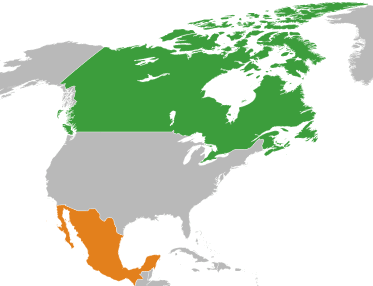
While the possibilities may seem endless once you get behind the wheel of an RV and hit the open road, be sure to find out where you are truly allowed to take the vehicle. For instance, some rental companies prohibit taking their vehicles to Mexico altogether. And the policy on driving into Canada varies based on the rental contract and citizenship of the renter in some cases.
Cruise America recommends against drinking water from your RV’s tank. It can be difficult to know if the water in the RV tank is potable when you’re filling it at various locations. There are places to fill the water tank from a water supply known to contain clean drinking water, such as campgrounds and tested well-water sources, but it may be best to use bottled water. Getting sick from drinking contaminated water can very quickly ruin a vacation. At the very least, ask the company you are renting from about this issue.
When considering renting an RV, read the proposed contract carefully and understand its terms and conditions. In some cases, the renter is solely responsible for the condition for the RV, including the interior and exterior, and will be held liable for any damage that cannot be proven to have existed prior to the rental period. Know exactly what you are getting into.
Understanding who to call in the event of an emergency with the RV is critical ground to cover before renting. Some rental companies provide around-the-clock travelers assistance to help get you back on the road. Still, other rental companies, such as Outdoorsy, will assist you with a breakdown even if you did not opt for this type of coverage, allowing you to request a “pay-as-you-go” service at a higher premium if you contact them at the time of a breakdown. See the Outdoorsy complaints to know before booking.
Aside from all-out breakdowns and damage to the vehicle, routine maintenance is another topic to cover. Often, the renter is responsible for such things as checking the oil and coolant levels, and reporting mechanical failures. In addition, you could be held responsible for mechanical damage tied to negligence while renting the vehicle.
It is worth asking about the sort of accommodations that can be made to assist those with disabilities who are interested in renting a motorhome. While the options may be limited given an RV’s design, Cruise America offers controls that enable drivers to accelerate or brake using a hand-controlled device.
Like any other vehicle rental, there are often fees for not returning a motorhome on time or by the deadline specified in the contract. Some rental companies provide a short grace period for being late and then begin charging by the hour after that. They may also charge an administrative fee on top of the hourly rental rate when the vehicle is past due. In addition, if your late return impacts or disrupts another individual’s rental of that same vehicle, expect the fees to be even higher in some cases.
The best websites to rent an RV
Outdoorsy matches you with private RV nearby owners wanting to rent out their vehicles. This is very convenient and gives customers a lot more choices.
RVshare helps you search through thousands of options in your area, including Luxury Class A, B, and C Motorhomes as well as Travel Trailers that you can rent straight from the owner.
Cruise America is a corporate rental company that owns its own fleet. Its locations, available RV types, one-way options, and inventory can change, so check the company’s current location finder before planning a trip.
El Monte RV is another fleet-based rental company. Available vehicle classes, locations, and one-way routes vary, so confirm the current options for your dates directly with the company.
Helpful apps while RVing
GasBuddy helps you find the lowest gas prices in the area. You can even search for specific brands or types of gas. They even have fun challenges on the app that give you a chance to win free gas.
Coverage? provides a coverage map for cellular carriers across the United States. they also integrated Speedtest.net onto the coverage map which tests the speed of your internet connection.
Free Zone is a simple application that locates all nearby free Wi-Fi networks so you can continue to access the Internet. You can even set it to give notifications whenever you are near a Wi-Fi connection you can use.
FreeRoam This app provides you with free locations you can park overnight in, also shares information on regular RV campgrounds like safety, ease of access, and how crowded they are in real-time.
What you need to know about campgrounds
Now that you rented your RV, the first thing to do is make sure that RV fits in the campsite you are headed to. Most campgrounds list the maximum size of RV they can accommodate.
Secondly, check if the campground is primitive, partial, or fully hooked up.
Primitive campsites typically don’t have water or electricity available, while partial hookup sites do.
Full hookup campsites have electricity, water, and sewer connections, some even have free Wi-Fi and cable television.
Just like hotels, the service varies from one campsite to another, and the price can change especially in the high season.
Mapping your route
Planning your RV trip from start to finish is the secret to making the most out of your RV rental.
Choose destinations on your bucket list, or maybe a festival or an event, even a hobby that can only take place in a specific place like fishing for example.
Trip duration is crucial, the actual time you spend on the road will determine the distance you can cover, this will also help you set the pace for the whole trip.
Choosing a destination after deciding all the spots you want to take your RV will help you draw your route easier knowing where the journey ends.
Now that you know the places you want to go and where the destination is, you can start putting pins down on the map.
Determining how long you will stay at a site, and how long it will take you to reach the next is key, not everyone can drive for 10 hours straight, so be sure to keep that in mind.
Avoid common RV rental mistakes
Before you hit the road, take the time to thoroughly inspect the RV. This will help you avoid paying for any pre-existing damage and ensure a smooth journey ahead
Practice maneuvering, backing up and parking before hitting the road most RVs can take some getting used to.
Make reservations if you plan to stay at a campground and not in the wild, remember you’re not the only RV on the road.
Secure everything inside your RV, you don’t want things shifting all around while you drive.
Walk around before leaving a campsite and secure the baggage doors, stairs, and cords failing to do so can cause serious damage.
Common questions about RV rentals
What are the different types of RVs? There are three main types of RVs: motorhomes, travel trailers, and fifth wheels. Motorhomes are self-contained vehicles that have everything you need for a comfortable stay, including a kitchen, bathroom, and sleeping quarters. Travel trailers are towed behind a car or truck, and fifth wheels are towed behind a pickup truck.
How much does it cost to rent an RV? The cost of renting an RV varies depending on the type of RV, the length of your rental, and the time of year. Daily rates vary widely by vehicle, location, season, mileage allowance, fees, and insurance. Compare dated, all-in quotes for your specific trip rather than relying on a national price range.
What kind of insurance do I need for an RV rental? Most RV rental companies require you to purchase liability insurance. This insurance will protect you in the event of an accident. You may also want to consider purchasing collision and comprehensive insurance, which will protect your RV in the event of a collision or other damage.
Do I need a special license to drive an RV? In most cases, you do not need a special license to drive an RV. However, some states do require a commercial driver’s license for RVs that are over a certain weight.
Conclusion
RV life is not for everyone, but a well-planned RV vacation is hard to disappoint, it’s a great way for friends and family to bond and spend quality time together.
In general, you shouldn’t have too many issues. With all the available apps and websites, finding the perfect place and activities along the way is easier than ever.
We may earn a commission if you click a link on this page and make a purchase, at no additional cost to you. We only recommend products or services that we believe in and that we think would be of value to you.

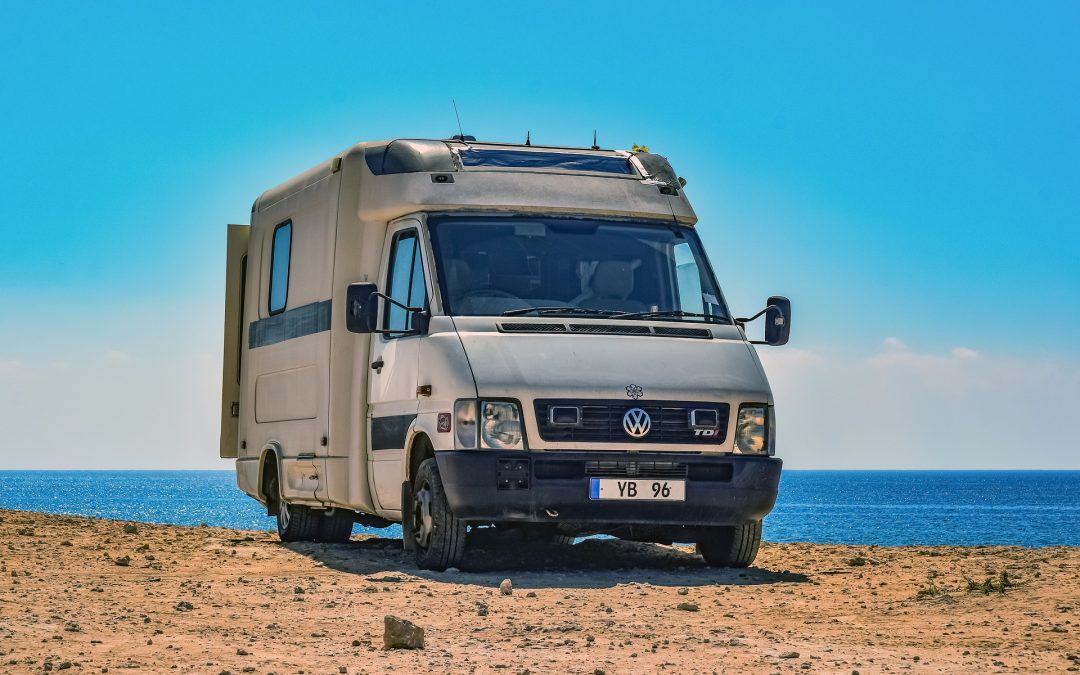
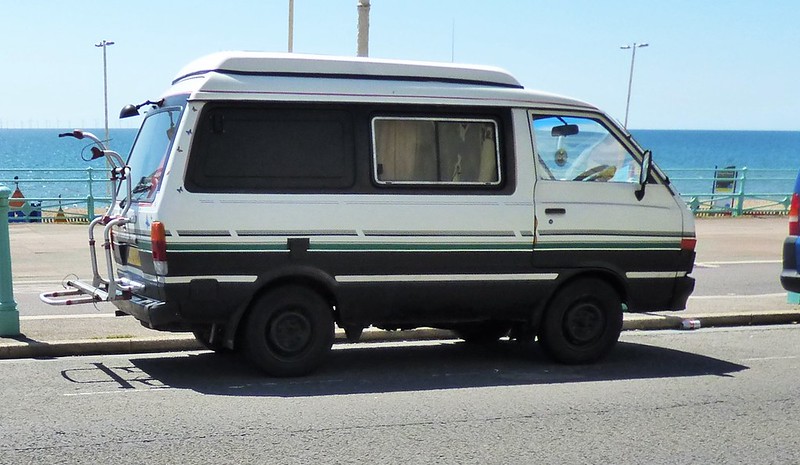

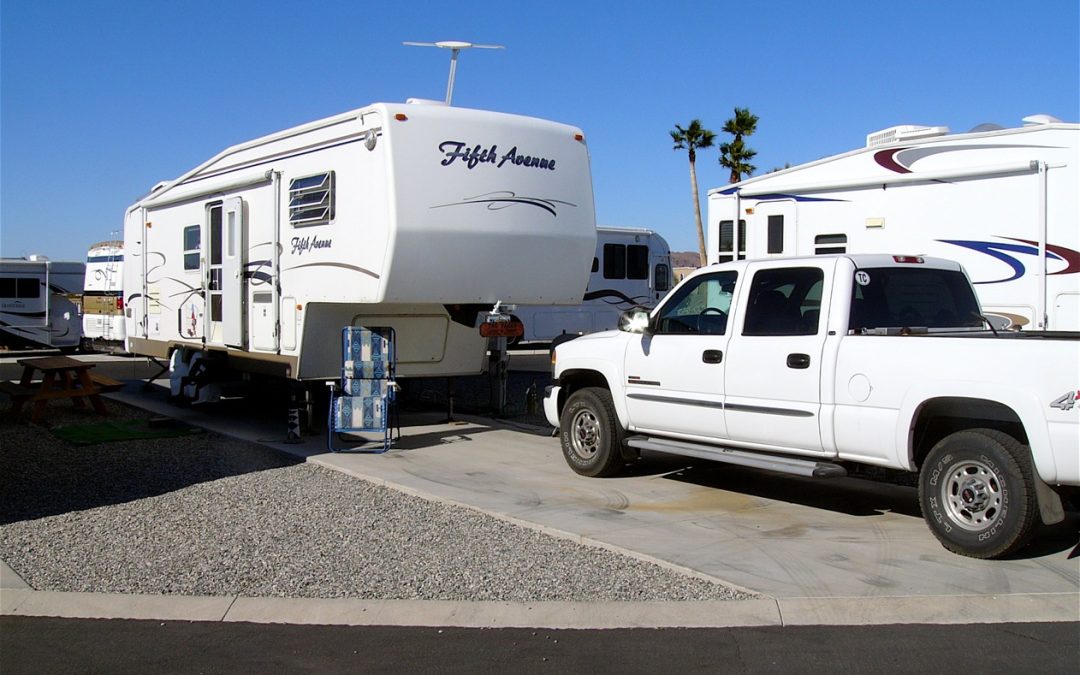
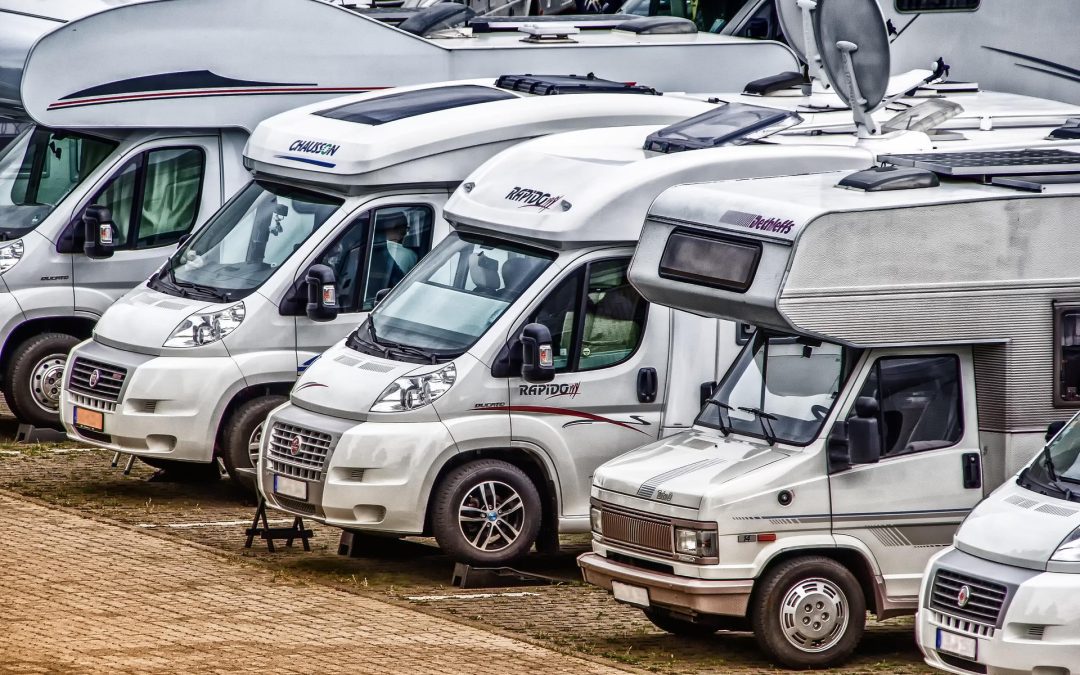
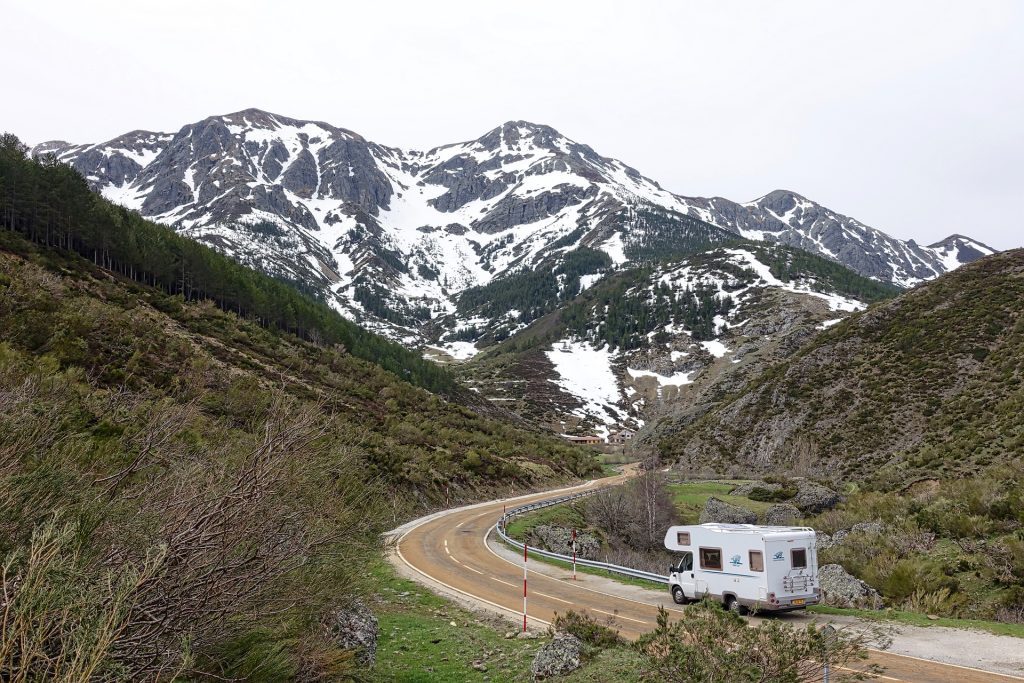
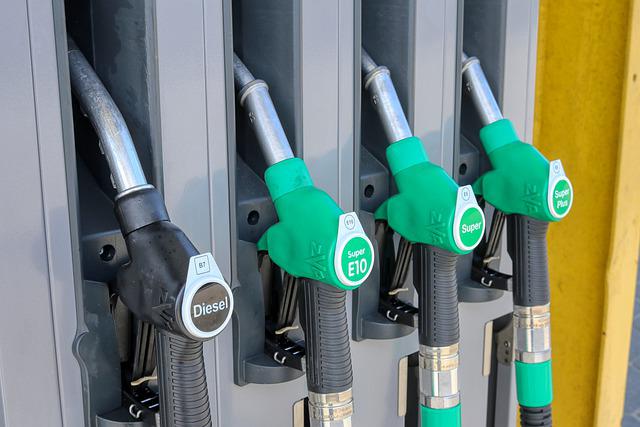 Image Credit: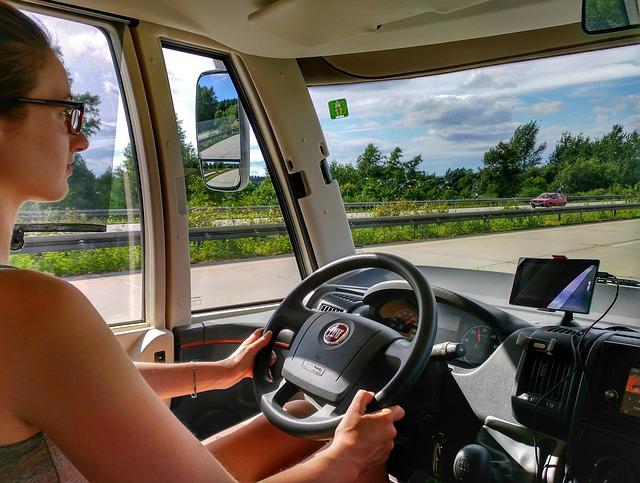
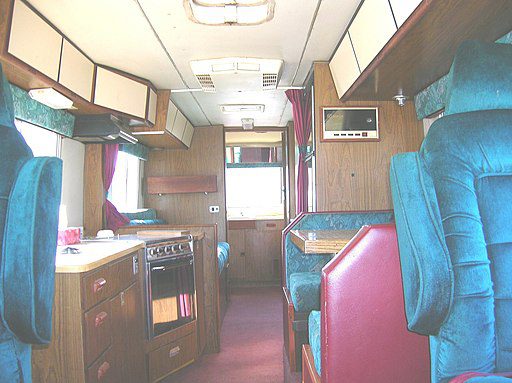
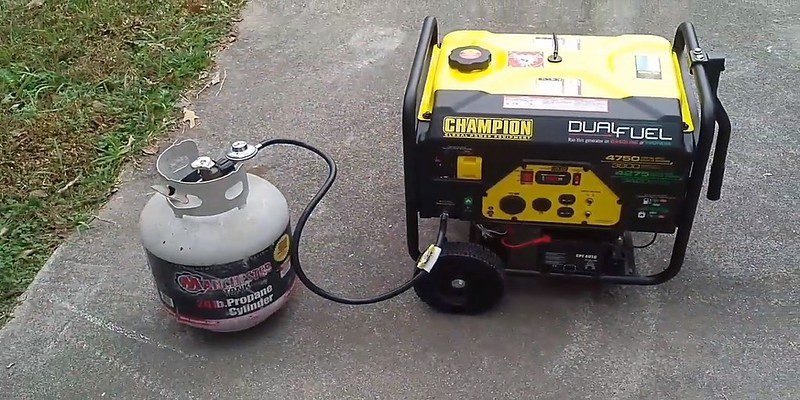
 Image Credit: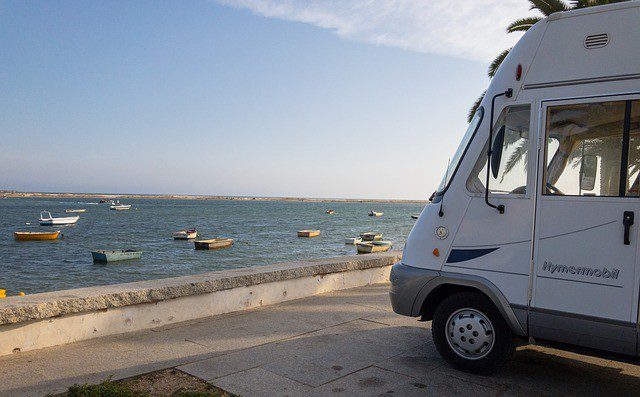
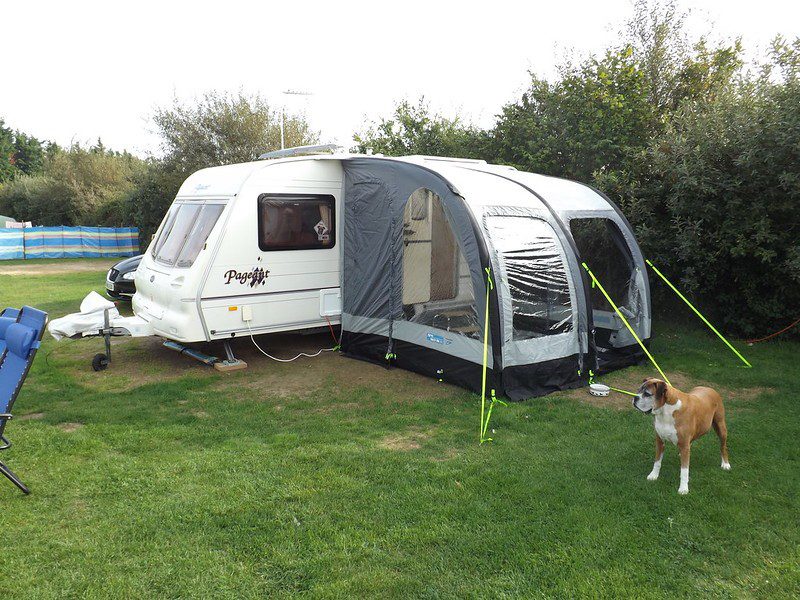 Image Credit: Andrew Bone / flickr
 Image Credit: Sammy-Sander / Pixabay
 Image Credit: Ben_Frieden / Pixabay
 Image Credit: GlacierNPS / flickr