The outdoorsy lifestyle, often characterized by adventurous activities, camping, hiking, and van life, has gained immense popularity over recent years. Unfortunately, alongside the growth of this lifestyle trend, there has also been a surge in outdoorsy scams. These scams prey on the adventurous spirits of those looking to explore the great outdoors, often resulting in significant monetary loss and, worse still, a tarnished enthusiasm for outdoor adventures.
Outdoor enthusiasts are increasingly being targeted by scams, which can be costly and inconvenient. Here are some of the most common types of outdoorsy scams, along with some tips on how to avoid them:
Rental scams: Scammers may offer to rent out equipment or vehicles that they do not actually own. Victims may pay a deposit or full rent, but never receive the equipment or vehicle. To avoid this scam, always rent from a reputable company that has a good track record. Do your research and read online reviews before making a reservation.
Fake gear: Scammers may sell counterfeit or fake outdoor gear online. This gear may be poorly made or even dangerous, and it may not meet the safety standards of genuine gear. To avoid this scam, only buy from reputable retailers. Be wary of prices that seem too good to be true.
Travel scams: Scammers may offer to plan or book outdoor trips for victims. Victims may pay a deposit or full fee, but the trip may never happen. To avoid this scam, only book trips through reputable companies. Do your research and read online reviews before making a reservation.
Gift card scams: Scammers may send emails or text messages offering free gift cards to outdoor retailers. Victims may be asked to provide personal information or click on a link, which may infect their computer with malware. To avoid this scam, never click on links in emails or text messages from unknown senders.
Nonexistent adventure trips and outdoorsy experiences: Scammers may sell tickets for adventure trips or experiences that never take place. Victims may lose money on bookings and associated travel costs. To avoid this scam, only book trips through reputable companies. Do your research and read online reviews before making a reservation.
Fraudulent outdoorsy rental services: Scammers may list nonexistent campers, RVs, or even campsites for rent. Victims may pay for rentals that they cannot use because they do not exist. To avoid this scam, only rent from a reputable company that has a good track record. Do your research and read online reviews before making a reservation.
AI-generated travel illustration; not an app screenshot or a documented customer experience.
Red Flags to Look Out For
When renting an RV, it is essential to stay vigilant and be aware of the signs of a scam. Some common red flags to look out for include:
Prices that are too good to be true: If an RV rental seems too good to be true, it probably is. Scammers often offer discounts or free gifts to lure victims in.
Incomplete or sketchy information: If the listing for an RV rental is missing important information, such as the owner’s contact information or the RV’s condition, it could be a scam.
Pressure tactics: Scammers may try to pressure you into making a decision quickly. If you feel pressured to rent an RV, it is best to walk away.
Platforms or services with poor reviews or no online presence: If an RV rental platform or service has poor reviews or no online presence, it is best to avoid it.
Verifying Information and Credentials
Before making any purchases or bookings, it is important to verify the credentials of the sellers or service providers. Here are some things you can do to verify their credentials:
Check for legitimate physical addresses and contact information: Scammers often use fake addresses and contact information. Make sure to check the seller’s or service provider’s contact information to make sure it is legitimate.
Read online reviews: Online reviews can be a helpful way to get an idea of other people’s experiences with a particular RV rental platform or service provider.
Use a credit card: If you do end up making a payment, use a credit card. This will give you more protection if you are scammed.
By following these tips, you can help to protect yourself from outdoorsy scams and make informed RV rental decisions.
How to Protect Yourself from Outdoorsy Scams
here are a number of things that you can do to protect yourself from outdoorsy scams, especially when renting an RV.
Do your research: Before you rent any equipment or vehicles, or book any outdoor trips, do your research and make sure that the company or person you are dealing with is legitimate. Read online reviews and check the company’s reputation with the Better Business Bureau.
Be wary of deals that seem too good to be true: If an offer sounds too good to be true, it probably is. Scammers often offer discounts or free gifts to lure victims in.
Pay with a credit card: If you do end up making a payment, use a credit card. This will give you more protection if you are scammed. Credit card companies typically offer fraud protection, which means they will reimburse you for unauthorized charges.
Be careful what personal information you share: Scammers often try to get victims to share personal information, such as their credit card number or Social Security number. Don’t give out this information unless you are sure that you are dealing with a legitimate company.
Use reputable websites and apps: When booking outdoor trips or renting equipment, use reputable websites and apps that have good reviews.
Trust your gut: If something doesn’t feel right, it probably isn’t. Don’t be afraid to walk away from a deal if you have any doubts.
Additional tips for renting an RV:
Ensure reliable transactions: When renting an RV, it is important to ensure that your transactions are reliable. This means using secure methods of payment that offer buyer protection, like credit cards or verified online payment systems. Avoid wire transfers or other untraceable methods.
Use reputable platforms: It is also important to use reputable platforms when renting an RV. These platforms will typically have policies in place to protect their users from scams. Research and check the authenticity of any platform or seller before purchasing.
Ask questions: If you have any questions about the RV rental, don’t hesitate to ask the seller or platform. A legitimate company will be happy to answer your questions and provide you with all the information you need.
Inspect the RV: Before you finalize the rental, make sure to inspect the RV carefully. Look for any damage or defects. If you see anything that concerns you, be sure to document it.
By following these tips, you can help to protect yourself from outdoorsy scams and make safe RV rentals.
AI-generated travel illustration; not an app screenshot or a documented customer experience.
How to Spot Fake Reviews of Outdoorsy Products and Services
Outdoor gear and services are big business, and with that comes the opportunity for scammers to create fake reviews to boost their products or services. Here are some tips on how to spot fake reviews:
Look for reviews that are too good to be true. If a product or service has a lot of five-star reviews, but they all sound the same, that’s a red flag. Real reviews are often more mixed, with some positive and some negative feedback.
Check the reviewer’s profile. Look for reviewers who have only written a few reviews, or who only write positive reviews. These are often fake accounts created by scammers.
Look for reviews that are grammatically incorrect or poorly written. Scammers often don’t take the time to write quality reviews, so their reviews may have errors.
Look for reviews that are posted on the same day or within a short period of time. This is a common tactic used by scammers to inflate their ratings.
Use a review verification service. There are a number of websites that can help you verify the authenticity of reviews.
Read the reviews carefully. Don’t just look at the star rating. Read the actual reviews and see what people are saying about the product or service.
Be skeptical of reviews that are all positive. No product or service is perfect, so if you see a product with only positive reviews, it’s probably a fake.
Trust your gut. If something doesn’t seem right, it probably isn’t. If you have any doubts about a review, it’s best to err on the side of caution and avoid the product or service.
By following these tips, you can help to spot fake reviews and make informed decisions about outdoor gear and services.
AI-generated travel illustration; not an app screenshot or a documented customer experience.
How to Protect Your Personal Information
When you rent outdoorsy gear or book outdoor trips, you may be asked to provide personal information, such as your name, address, credit card number, and Social Security number. This information can be used by scammers to commit identity theft or other crimes. Here are some tips on how to protect your personal information:
Only provide personal information when necessary. Don’t give out your personal information unless you are sure that you are dealing with a legitimate company.
Be wary of companies that ask for more personal information than you think is necessary. For example, if you are renting a tent, there is no reason why a company should need your Social Security number.
Use a credit card instead of a debit card. Credit cards offer more fraud protection than debit cards.
Be careful about what websites you enter your personal information on. Only enter your personal information on secure websites.
Keep an eye on your credit report for any unauthorized activity. If you see any suspicious activity, report it to the credit bureaus immediately.
Use a password manager to keep track of your passwords. This will help you to create strong passwords and keep them safe.
Be careful about what information you share on social media. Scammers can use information that you share on social media to target you.
Be aware of phishing scams. Phishing scams are emails or text messages that appear to be from a legitimate company, but are actually from scammers. These emails or text messages may ask you to provide personal information or click on a link that will take you to a fake website.
By following these tips, you can help to protect your personal information when renting outdoorsy gear or booking outdoor trips.
Tips for Staying Safe Outdoors
Plan your trip carefully. This includes knowing the area you will be visiting, the weather forecast, and the gear you will need.
Let someone know where you are going and when you expect to be back. This will help people know where to look for you if you get lost or injured.
Be prepared for the weather. Check the forecast before you go and dress appropriately.
Bring the necessary gear. This includes a map and compass, a first-aid kit, and plenty of food and water.
Be aware of your surroundings. This includes watching out for wildlife, staying on trails, and avoiding dangerous areas.
Take breaks. This is especially important if you are hiking or backpacking.
Listen to your body. If you are feeling tired, sore, or dizzy, take a break or turn back.
Don’t be afraid to ask for help. If you get lost or injured, don’t hesitate to ask for help from other hikers, park rangers, or emergency services.
By following these tips, you can help to stay safe outdoors and enjoy your adventures.
How to Deal with Unexpected Problems
Even the most well-planned outdoor adventures can have unexpected problems. Here are some tips on how to deal with them:
Stay calm. It’s easy to panic when things go wrong, but it’s important to stay calm and think clearly.
Assess the situation. What is the problem? How serious is it? What are your options?
Take action. Once you have assessed the situation, take action to solve the problem. If you need help, don’t hesitate to ask for it.
Learn from your experience. Once the problem is resolved, take some time to reflect on what happened. What could you have done differently to prevent the problem? What did you learn from the experience?
Here are some specific tips for dealing with common unexpected problems:
Getting lost: If you get lost, stay calm and don’t panic. Try to retrace your steps or find a landmark that you recognize. If you can’t find your way back, stay put and wait for help.
Getting injured: If you get injured, first assess the severity of the injury. If it is serious, call for help immediately. If it is not serious, take steps to treat the injury and make yourself comfortable.
Running out of food or water: If you run out of food or water, it is important to conserve what you have. Look for food and water sources in the area. If you cannot find any, you may need to signal for help.
Getting caught in bad weather: If you get caught in bad weather, find shelter and stay warm. If you cannot find shelter, try to stay dry and avoid exposure to the elements.
By following these tips, you can help to deal with unexpected problems that arise during an outdoor adventure.
How to Get Help If You Are Injured or Lost
If you are injured or lost during an outdoor adventure, it is important to get help as soon as possible. Here are some tips:
Stay calm. It’s easy to panic when things go wrong, but it’s important to stay calm and think clearly.
Assess the situation. What is the problem? How serious is it? What are your options?
Signal for help. If you are in an area where people are likely to be, wave your arms or shout for help. You can also use a mirror to reflect sunlight or a whistle to make a loud noise.
Use your phone. If you have a cell phone, call 911 or the local emergency number.
Use a personal locator beacon (PLB). A PLB is a small device that sends a distress signal to rescuers.
Stay put. If you are injured, it is important to stay put and wait for help. Moving around could make your injury worse.
Let someone know where you are going and when you expect to be back. This will help people know where to look for you if you get lost or injured.
Bring a map and compass. This will help you find your way back if you get lost.
Bring a first-aid kit. This will help you treat minor injuries.
Be prepared for the weather. Check the forecast before you go and dress appropriately.
Tell someone if you are going to change your plans. If you are going to be late or you are going to a different location, let someone know.
By following these tips, you can help to ensure that you get help if you are injured or lost during an outdoor adventure.
What to Do if You’ve Been Scammed or Had a Problem
If you’ve been scammed or had a problem with a rental, there are a few things you can do to get help.
1. Report the scam to local law enforcement. This will help them to track down the scammers and bring them to justice.
2. Contact your bank. If you paid for the rental with a credit card, your bank may be able to help you dispute the charge.
3. Contact the platform through which the transaction occurred. This platform may have policies in place to help you resolve the issue.
4. List your complaint with trusted platforms like the BBB. This will help other potential renters to avoid the same problem.
Here are some additional tips:
Keep detailed records of all communications with the scammer or rental company. This includes emails, text messages, and any other documentation.
Take screenshots of any relevant websites or social media pages. This will help you to provide evidence of the scam or problems with the rental.
Be patient. It may take some time to resolve the issue, but don’t give up.
By following these steps, you can help to protect yourself from scams and get the help you need if you’ve been scammed or disgruntled with a rental.
Understanding Complaints Against Outdoorsy Inc.
A Commitment to Customer Satisfaction
Outdoorsy Inc., a company based in Austin, Texas, that specializes in RV rentals, has received an A+ rating from the Better Business Bureau (BBB). While the company has received some complaints, it has consistently demonstrated a commitment to addressing areas of concern and enhancing its customer service experience.
Addressing Billing Concerns
One of the most common complaints against Outdoorsy Inc. concerns billing disputes. Some customers have reported being charged for unexpected items. In these cases, Outdoorsy Inc. has been willing to work with customers to resolve the issue.
To help avoid billing disputes, it is important to have a clear understanding of your contract with Outdoorsy Inc. This includes knowing what is included in the rental price and what additional fees may apply. It is also important to read the contract carefully before signing it.
If you do have a billing dispute, be sure to contact Outdoorsy Inc. as soon as possible. The company is more likely to be able to resolve the issue if you contact them promptly.
Enhancing Product and Service Quality
Other customers have reported dissatisfaction with the products/services provided by Outdoorsy Inc. Some customers have reported issues with the quality and maintenance of the rented RVs. In these cases, Outdoorsy Inc. has taken steps to improve the quality of its RVs and the maintenance process. For example, the company has implemented a new inspection process that ensures that all RVs are in good condition before they are rented out.
Takeaway
While Outdoorsy Inc. has received some complaints, the company has taken steps to address these complaints and improve its customer service. The company is committed to providing its customers with a positive rental experience.
Conclusion
Outdoor scams can be a major setback for enthusiasts. However, by understanding the common types of scams, knowing how to identify them, and taking proactive measures, you can protect yourself and continue to enjoy your outdoor adventures.
Here are some key takeaways from this article:
Be aware of the common types of outdoorsy scams. These include rental scams, fake gear scams, and travel scams.
Know how to identify these scams. Look for red flags such as prices that are too good to be true, incomplete or sketchy information, and pressure tactics.
Take proactive measures to protect yourself. Use reputable platforms, ensure reliable transactions, and be careful what personal information you share.
Be aware of complaints against companies like Outdoorsy Inc. While this company does offer substantial options for RV rentals, it is important to be aware of the complaints and make informed decisions.
Staying safe doesn’t mean stifling your adventurous spirit. It means being smart and informed so you can continue exploring with peace of mind.
Regular maintenance plays a crucial role in keeping your Class B RV in optimal condition. By implementing a practical maintenance routine, you can ensure the safety of your travels, extend the longevity of your vehicle, and save significant costs in the long run.
When it comes to Class B RVs, neglecting maintenance can lead to various safety issues, including mechanical failures and breakdowns on the road. By conducting regular inspections and servicing, you can identify potential problems early on and address them before they escalate, providing you with peace of mind during your adventures.
In addition to safety, proper maintenance also extends the lifespan of your Class B RV. Regularly checking and maintaining essential components such as the engine, electrical systems, tires, and plumbing ensures that your vehicle continues to perform at its best for many years to come.
One of the most significant benefits of maintaining your Class B RV is the potential cost savings. By investing in routine upkeep and following manufacturer guidelines, you can avoid costly damages that occur due to neglect. Preventative measures such as oil changes, filter replacements, and regular inspections are generally more affordable than dealing with unexpected breakdowns and major repairs.
Overall, a practical maintenance guide for your Class B RV is an indispensable resource that emphasizes the importance of regular servicing. By prioritizing maintenance, you can enhance the safety of your travels, extend the lifespan of your vehicle, and save significant costs in the long run.
Safety and Emergency Preparedness
Ensuring the safety of yourself and your loved ones should always be a top priority when it comes to owning and maintaining your Class B RV. Implementing proper safety measures and being prepared for emergencies can make a significant difference in avoiding accidents or dealing with unforeseen situations on the road. Here are some essential safety and emergency preparedness tips for your Class B RV:
1. Maintaining and Testing Fire Extinguishers
A fire extinguisher is a crucial safety device that should always be present in your RV. Regularly inspect your fire extinguisher to ensure it is in good working condition and not expired. Follow the manufacturer’s instructions on how to perform the inspection and testing. Make sure everyone on board knows where the fire extinguisher is located and how to use it properly in case of an emergency.
2. Installation and Regular Maintenance of Carbon Monoxide Detectors
Carbon monoxide (CO) is an odorless and colorless gas that can be fatal if inhaled in high concentrations. Install carbon monoxide detectors in your RV, especially near sleeping areas. Test them regularly to ensure they are functioning correctly. Replace the batteries as needed and replace the detectors as recommended by the manufacturer.
3. Keeping a Well-Stocked First Aid Kit for RV Trips
A first aid kit is essential for any RV trip. It should contain basic medical supplies such as bandages, antiseptic wipes, adhesive tape, pain relievers, tweezers, and emergency contact information. Check your first aid kit regularly to restock any missing or expired items. Be familiar with the contents and how to use them.
4. Emergency Procedures While on the Road
Before hitting the road, familiarize yourself with emergency procedures specific to your Class B RV. Know how to safely pull over and secure your RV in case of a breakdown or mechanical issue. Keep a list of emergency contact numbers, including roadside assistance services. In the event of an emergency, remain calm and follow the necessary steps to ensure your safety and the safety of others.
Remember, practicing safety measures and being well-prepared for emergencies can significantly minimize the risks and enhance your overall RVing experience. Stay vigilant and prioritize safety to fully enjoy your Class B RV adventures!
Understanding the components of the RV’s engine & vehicle systems
When it comes to maintaining your Class B RV, it’s important to have a good understanding of its engine and vehicle systems. By familiarizing yourself with these components, you can easily identify any potential issues and address them before they become major problems. Let’s take a closer look at some key components you should know about:
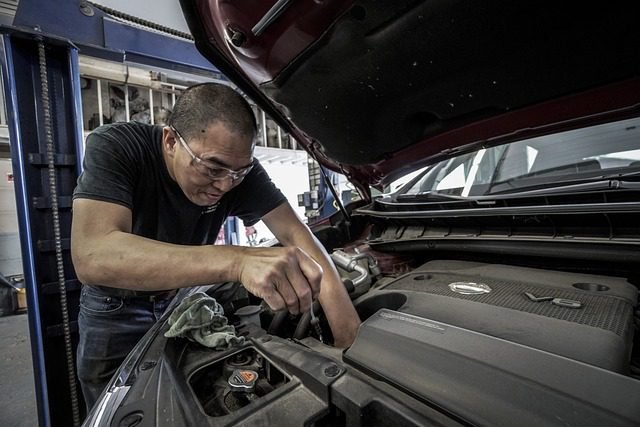
Engine: The heart of your RV, the engine powers your vehicle and runs on either gasoline or diesel fuel. It’s crucial to regularly check the oil level, change oil and oil filters as recommended by the manufacturer, and keep an eye on the engine temperature.
Transmission: Responsible for transferring power from the engine to the wheels, the transmission needs regular maintenance, including fluid checks and changes.
Brakes: Your RV’s braking system is essential for safety. Regularly inspect the brake pads, rotors, and brake fluid levels to ensure optimal performance.
Suspension: The suspension system helps provide a smooth ride. Periodically inspect the shocks, struts, and other suspension components for any signs of wear or damage.
Tires: Proper tire maintenance is crucial for safety and fuel efficiency. Check the tire pressure regularly, rotate the tires as recommended, and make sure they are properly aligned.
Cooling system maintenance procedures & coolant replacement
Maintaining a healthy cooling system is vital to prevent overheating and engine damage. Here are some maintenance procedures to follow:
Regularly check the coolant levels and top-up if necessary.
Inspect the radiator and hoses for leaks or damage.
Flush and replace the coolant as per the manufacturer’s guidelines.
Ensure the radiator fan is functioning properly.
Fuel system maintenance, including fuel filters and additives
To ensure optimal performance of your RV’s fuel system, follow these maintenance tips:
Regularly inspect and replace fuel filters as recommended by the manufacturer.
Add fuel additives periodically to keep the fuel system clean and prevent issues caused by ethanol and other contaminants.
Keep an eye on fuel tank ventilation to prevent vapor lock issues.
Electrical system inspection and troubleshooting techniques
The electrical system plays a crucial role in your RV’s functionality. Here’s how you can keep it in top shape:
Regularly inspect the battery terminals and clean them if necessary.
Check the battery voltage and charge it if needed.
Inspect and tighten all electrical connections.
Use a multimeter for troubleshooting electrical issues.
Exhaust system maintenance and emissions testing requirements
The exhaust system not only helps with the performance of your RV but also ensures compliance with emissions regulations. Here’s how to maintain it:
Inspect the exhaust system regularly for leaks, rust, or damage.
Replace any worn-out or damaged components.
Ensure that your RV meets the emissions standards specific to your area by getting it tested
Interior Maintenance
Cleaning and preserving amenities, appliances, and furniture: Keeping the interior of your Class B RV clean and preserved helps maintain its condition and prolong its lifespan. To ensure effective cleaning and preservation, consider the following:
Use mild, non-abrasive cleaners appropriate for the materials in your RV.
Regularly dust and vacuum to remove dirt and debris.
Wipe surfaces with a damp cloth to eliminate stains and spills.
Apply protective coatings, such as fabric or leather protectants, to upholstery and furniture to prevent staining and cracking.
Occasionally deep clean carpets and upholstery using a steam cleaner or professional cleaning service.
Clean and maintain appliances as per the manufacturer’s instructions.
Exterior Maintenance
Cleaning, repairing damages, and weather protection: Proper exterior maintenance is vital for maintaining your Class B RV’s integrity and longevity. Here are some crucial maintenance tasks:
Regularly wash and wax the exterior to protect the paint from fading and damage.
Inspect windows, doors, roof, awning, slide-outs, and leveling systems for any signs of wear or damage. Promptly repair or replace as necessary.
Maintain the seals around windows, doors, vents, and hatches to prevent water leakage.
Use a gentle cleanser recommended for RV use and follow the manufacturer’s guidelines for cleaning the exterior, paying special attention to areas prone to mold and mildew.
Repair any common exterior damages like scratches, dents, or cracks using suitable methods and materials.
Use RV-specific covers when storing your Class B RV for extended periods to shield it from rain, snow, and UV rays.
Apply UV protectant to the exterior surfaces to prevent fading and cracking due to sun exposure.
Park in shaded areas whenever possible to minimize heat damage.
By performing these maintenance tasks regularly, you can ensure that your Class B RV remains in excellent condition and lasts for many years, providing you with countless enjoyable adventures.
Plumbing and Water Systems
Maintenance requirements for the RV’s plumbing system
Maintaining the plumbing system in your Class B RV is essential to ensure a smooth and hassle-free trip. Regular upkeep will prevent potential issues and keep everything in working order.
Regular inspection of water tanks, fixtures, and pipes
Inspecting your water tanks, fixtures, and pipes on a regular basis will help you identify any signs of wear and tear or potential leaks. Look for cracks, loose fittings, or any other visible damage that could lead to bigger problems down the road.
Check the water tanks for any leaks or signs of corrosion.
Inspect the faucets, showers, and toilets for proper functioning and any leaks.
Examine the pipes for any signs of leaks, punctures, or loose connections.
Ensure that all valves, including the water pump, are working correctly.
Winterizing the plumbing system and preventing freeze-ups
During the colder months, it is crucial to winterize your RV’s plumbing system to prevent freeze-ups. Freezing temperatures can cause significant damage to your pipes and fixtures.
Drain all water from the tanks, pipes, and water heater.
Use an RV antifreeze to protect the plumbing system from freezing.
Insulate any exposed pipes or hoses to prevent them from freezing.
Tips for preventing leaks and troubleshooting common issues
Water leaks can be a common issue in RVs. Being proactive in preventing leaks and knowing how to troubleshoot common problems can save you time and money.
Regularly check for leaks around faucets, toilets, and water lines.
Ensure all connections are tight and secure.
Use plumbing sealant or tape to fix any small leaks.
If you encounter a major leak or plumbing issue, consult a professional to avoid causing further damage.
Keeping your Class B RV’s electrical system and appliances in top shape is crucial for a comfortable and hassle-free travel experience. From battery maintenance to ensuring optimal performance of your appliances, here are some key maintenance tips:
Battery Maintenance, Charging Techniques, and Replacement
Your RV’s battery is the lifeline of your electrical system. Regular maintenance and proper charging techniques are essential to keep it in good condition.
Inspect the battery regularly for any signs of corrosion, leakage, or damage. Clean the terminals if needed.
Follow the manufacturer’s instructions for charging the battery. Overcharging or undercharging can lead to battery failure.
If your battery is not holding a charge or is more than a few years old, consider replacing it with a new one.
Inspecting and Properly Securing Wiring Connections
Properly inspecting and securing wiring connections ensures a safe and reliable electrical system in your RV.
Regularly inspect all wiring connections for any signs of wear, loose connections, or damage. Fix or replace any faulty wiring.
Secure all wiring connections tightly to prevent them from coming loose during travel.
Generator Maintenance, Troubleshooting, and Fuel Considerations
Your RV’s generator provides power when you’re not connected to shore power. Here are some tips to keep it in good working condition:
Follow the manufacturer’s maintenance schedule for your generator. Regularly check the oil, air filter, and fuel filter.
If your generator is not starting or is running rough, consult the troubleshooting section of your RV’s manual or seek professional help.
Use the recommended fuel type and consider adding a fuel stabilizer to prevent fuel-related issues.
Ensuring Optimal Performance of Appliances
Appliances like the refrigerator, air conditioner, microwave, and entertainment systems enhance your RV lifestyle. Here’s how you can keep them running smoothly:
Regularly clean and defrost your refrigerator to ensure efficient cooling and prevent odors.
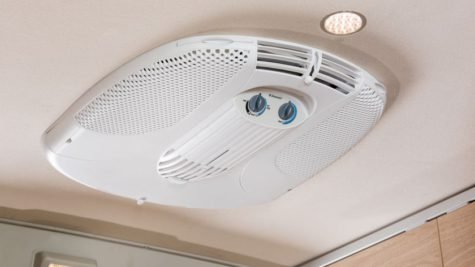
Clean or replace air conditioner filters for optimal airflow and cooling efficiency.
Inspect and clean the microwave, making sure it operates safely and efficiently.
Regularly test and maintain your entertainment systems, including TVs, speakers, and satellite or cable connections.
Maintenance of Solar Panels and their Benefits for RVers
If your Class B RV is equipped with solar panels, proper maintenance can maximize their benefits:
Clean the solar panels regularly to remove dust, debris, and any shading objects that can decrease their efficiency.
Inspect the wiring connections and ensure they are secure and free from any damage.
Take advantage of solar power to reduce your dependence on electrical hookups and save energy while enjoying the freedom of off-grid camping.
Heating, Ventilation, and Air Conditioning (HVAC)
In order to keep your Class B RV comfortable year-round, it’s essential to properly maintain the heating, ventilation, and air conditioning (HVAC) system. Here are some key maintenance tasks to keep in mind:
Maintaining the Furnace, Air Conditioning Unit, and Vents
Regular maintenance of your RV’s furnace, air conditioning unit, and vents is crucial for optimal performance. Make sure to:
Clean the furnace regularly to remove any debris or dirt that could hinder its functionality.
Inspect the air conditioning unit’s coils and fins to ensure they are clear of dust and debris, and clean as necessary.
Check the vents for any blockages or obstructions that may restrict airflow, and clean them if needed.
Cleaning and Replacing Air Filters Regularly
Properly functioning air filters are essential for maintaining good indoor air quality and maximizing the efficiency of your HVAC system. Follow these steps:
Regularly clean and inspect the air filters to remove any dirt or debris.
If the filters are damaged or excessively dirty, replace them with new ones. It’s recommended to replace them at least once every three months.
Troubleshooting HVAC Issues & Knowing When to Seek Professional Help
While regular maintenance can prevent many HVAC problems, issues may still arise. Here’s what you can do:
If you encounter any problems with your furnace, air conditioning unit, or vents, consult your RV owner’s manual for troubleshooting tips.
If the issue persists or if you’re unsure about performing repairs, it’s best to seek professional help from an HVAC technician who specializes in RV systems.
By following these maintenance tips and staying vigilant about the health of your HVAC system, you can ensure a comfortable and enjoyable experience in your Class B RV, no matter the season.
When it comes to maintaining your Class B RV, you have two options: DIY maintenance or professional servicing. Both have their advantages and disadvantages, and it’s important to consider various factors before making a decision.
Pros and Cons of DIY Maintenance Tasks
DIY maintenance tasks offer several benefits. Firstly, they are often more cost-effective compared to hiring a professional. By performing regular maintenance on your own, you can save money in the long run.
Additionally, DIY maintenance allows you to have full control over the process. You can ensure that the tasks are done to your satisfaction and according to your specific needs.
However, there are some downsides to consider as well. DIY maintenance requires knowledge, skills, and experience. If you’re not confident in your abilities, you may end up causing more harm than good. It’s important to thoroughly research and understand the task before attempting it.
Identifying Maintenance Tasks Best Left to Professionals
While many maintenance tasks can be done by RV owners themselves, there are certain aspects that are best left to professionals. These tasks include complicated engine repairs, electrical system diagnostics, and major plumbing repairs.
Professional RV technicians have the expertise and specialized tools to handle complex maintenance tasks. They can diagnose issues accurately and provide effective solutions, giving you peace of mind knowing that your RV is in capable hands.
Factors to Consider When Choosing Between DIY and Professional Servicing
When deciding between DIY and professional servicing, consider the following factors:
Time and availability: DIY maintenance requires time and effort. If you have a busy schedule or limited availability, professional servicing may be a better option.
Skills and experience: Evaluate your own skills and experience in RV maintenance. If you’re confident and knowledgeable, DIY may be suitable. Otherwise, it’s best to rely on professionals.
Budget: Consider your budget for maintenance. DIY tasks may save money, but complex problems may require professional intervention.
Warranty and insurance: Check your RV’s warranty and insurance policies. Some warranties may require professional servicing to remain valid.
Ultimately, the decision between DIY and professional servicing depends on your comfort level, availability, budget, and the specific maintenance task at hand.
Common issues faced by Class B RV owners and their solutions
1. Problem: Water leaks in the RV Solution: Check for loose or damaged seals around windows, roof vents, and plumbing connections. Use appropriate sealant or repair products to fix any leaks.
2. Problem: Electrical issues Solution: Start by checking if the circuit breaker has tripped. If not, inspect the wiring for any damage or loose connections. Consider seeking professional help if the problem persists.
3. Problem: RV battery not charging Solution: Check the battery connections and terminals for corrosion. Clean or replace them if necessary. Also, ensure that the battery charger or converter is working properly.
4. Problem: Refrigerator not cooling Solution: Make sure the RV is level, as an unlevel surface can affect the fridge’s efficiency. Check if the fridge’s ventilation is blocked or if there are any obstructions in the cooling system. Clean the fridge’s coils and vents regularly.
5. Problem: Awning won’t retract Solution: Examine the awning for any obstructions or debris. Check the tension on the awning arms and make sure they are properly aligned. If needed, apply lubrication to the awning parts.
Step-by-step troubleshooting guide for addressing common problems
When faced with common issues in your Class B RV, follow these steps to troubleshoot and resolve them:
Identify the problem by observing and understanding the symptoms.
Consult the RV owner’s manual for any specific troubleshooting instructions related to the issue.
Check the relevant systems or components for any visible damage, loose connections, or other issues.
Perform basic maintenance tasks such as cleaning, lubricating, or tightening connections as needed.
If the problem persists, conduct further research online or seek help from RV forums and communities.
Consider contacting a professional RV technician if you are unable to resolve the problem on your own.
Frequently asked questions related to Class B RV maintenance
Q: How often should I change the engine oil in my Class B RV?
A: It is generally recommended to change the engine oil every 3,000 to 5,000 miles or as advised by the vehicle manufacturer.
Q: Can I use regular household cleaning products for my RV’s interior?
A: It is best to use RV-specific cleaning products to avoid damage to the surfaces and materials in your Class B RV.
Q: How often should I flush and sanitize the RV’s water system?
A: It is recommended to flush and sanitize the water system at least once a year or whenever you notice an odor or taste issue.
Q: Do I need to winterize my Class B RV?
A: Yes, winterizing your RV is crucial to prevent damage from freezing temperatures. Follow the manufacturer’s instructions or consult a professional for the correct winterization procedure.
Q: Can I perform DIY repairs on my RV’s electrical system?
A: Unless you have experience and knowledge in working with electrical systems, it is safer to leave electrical repairs to a professional RV technician.
Conclusion
Regular RV maintenance is essential for keeping your rig in top condition and ensuring safe and enjoyable travels. By following the tips and advice in this post, you can learn how to perform basic maintenance tasks yourself, or you can hire a professional to do it for you. No matter which route you choose, regular maintenance will help you extend the life of your RV and avoid costly repairs down the road.
The open road, the freedom to roam, the allure of new experiences around every bend—these are the siren calls of the RV nomad. But what does it really mean to adopt this lifestyle, particularly in a Class B RV?
In this article, we will explore the pros and cons of living as a Class B RV nomad. We will discuss the freedom and flexibility that this lifestyle offers, as well as the challenges and limitations. We will also provide some tips for those who are considering this lifestyle.
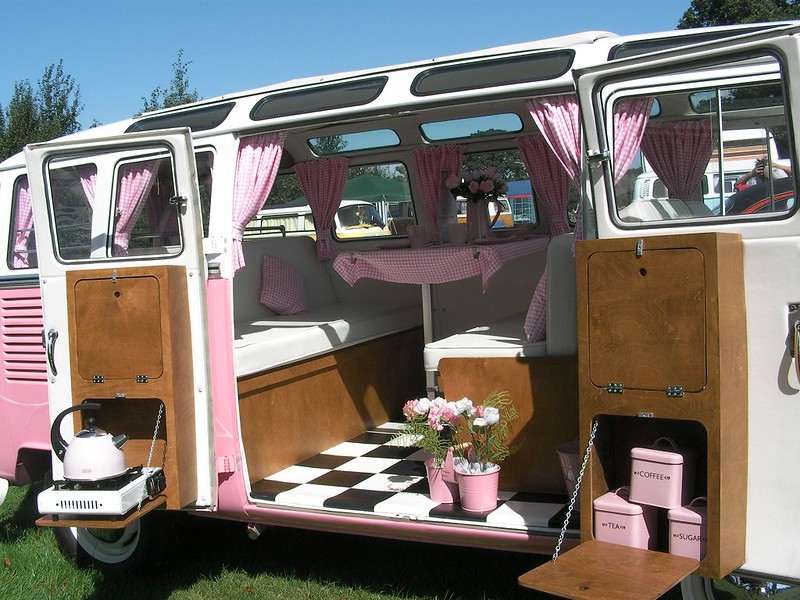
A Class B RV, often referred to as a “camper van,” is the smallest of the motorized RV classes. Despite their compact size, these vehicles are fully self-contained with a kitchen, bathroom, and sleeping area. They offer a balance between comfort and mobility, making them a popular choice among solo travelers and couples.
Here are some of the benefits of living in a Class B RV:
Freedom and flexibility: You can go wherever you want, whenever you want. You’re not tied down to a lease or a mortgage, and you can easily change your plans if you need to.
Experiencing new places: You’ll get to see new places and meet new people. You’ll have the opportunity to explore different cultures and learn about different ways of life.
Affordability: Class B RVs are generally more affordable than larger RVs. This makes them a good option for people who are on a budget.
However, there are also some challenges to living in a Class B RV:
Limited space: Class B RVs are small, so you’ll have to be organized and efficient with your space.
Lack of privacy: If you’re traveling with other people, you may find that you have to share a small space.
Maintenance: Class B RVs require regular maintenance, so you’ll need to be prepared to do some work on your own.
Overall, living in a Class B RV can be a great way to experience the freedom and flexibility of the open road. However, it’s important to be aware of the challenges before you make the decision to live this lifestyle.
The nomadic lifestyle is about embracing freedom and flexibility. It’s about breaking free from the conventional 9-to-5 routine and exploring the world at your own pace. For some, it’s a temporary adventure; for others, it’s a lifelong commitment.
There are many different ways to live a nomadic lifestyle. Some people choose to travel full-time in an RV or van. Others choose to work remotely from different locations around the world. And still others choose to live a more transient lifestyle, moving from place to place as they see fit.
No matter how you choose to live it, the nomadic lifestyle offers a unique set of challenges and rewards. On the one hand, you’ll have the freedom to experience new places and cultures, meet new people, and make new friends. On the other hand, you’ll also have to deal with the challenges of living in a small space, finding work, and maintaining a sense of community.
If you’re considering living a nomadic lifestyle, there are a few things you should keep in mind. First, make sure you have a plan. What are your goals? What are your resources? How will you make money? Second, be prepared for change. Things will not always go according to plan, so you need to be flexible and adaptable. Third, enjoy the journey! The nomadic lifestyle can be an amazing adventure, so make sure you savor every moment.
Here are some of the benefits of living a nomadic lifestyle:
Freedom and flexibility: You can go wherever you want, whenever you want. You’re not tied down to a lease or a mortgage, and you can easily change your plans if you need to.
Experiencing new places: You’ll get to see new places and meet new people. You’ll have the opportunity to explore different cultures and learn about different ways of life.
Affordability: Living a nomadic lifestyle can be more affordable than living a traditional lifestyle. You can save money on rent, utilities, and transportation.
Personal growth: Living a nomadic lifestyle can help you to grow as a person. You’ll learn to be more independent and resourceful. You’ll also learn to appreciate the simple things in life.
Here are some of the challenges of living a nomadic lifestyle:
Limited space: If you’re living in a small space, you’ll have to be organized and efficient with your belongings.
Lack of privacy: If you’re traveling with other people, you may find that you have to share a small space.
Homesickness: It can be difficult to be away from your friends and family for extended periods of time.
Loneliness: If you’re traveling alone, you may find that you feel lonely at times.
Maintenance: RVs and vans require regular maintenance, so you’ll need to be prepared to do some work on your own.
Overall, the nomadic lifestyle can be a great way to experience the freedom and flexibility of the open road. However, it’s important to be aware of the challenges before you make the decision to live this lifestyle.
One of the biggest advantages of being a Class B RV nomad is the unparalleled freedom and flexibility. You can travel wherever you want, whenever you want. You’re not tied down to a specific location or schedule.
If you don’t like your current surroundings, you can simply start the engine and drive to a new destination. This can be a great way to escape the hustle and bustle of everyday life and explore new places and cultures.
Experiencing New Places
Another great advantage of living as a Class B RV nomad is the opportunity to experience new places. You’ll get to see some of the most beautiful and interesting places in the world, from national parks to small towns to big cities. You’ll also have the chance to meet new people and learn about different cultures.
Affordability
Living as a Class B RV nomad can also be more affordable than living a traditional lifestyle. You can save money on rent, utilities, and transportation. You can also cook your own meals, which can save you even more money.
Personal Growth
Living as a Class B RV nomad can also be a great way to grow as a person. You’ll learn to be more independent and resourceful. You’ll also learn to appreciate the simple things in life.
Overall, there are many great advantages to living as a Class B RV nomad. If you’re looking for a lifestyle that offers freedom, flexibility, and adventure, then this may be the perfect option for you.
Minimalistic Living
Living in a Class B RV encourages a minimalist lifestyle. With limited space, you learn to prioritize needs over wants, which can lead to a more mindful and sustainable way of living.
Here are some of the benefits of minimalist living:
Less clutter: When you have less stuff, your space feels more open and airy. You’re also less likely to feel overwhelmed or stressed by clutter.
More focus: When you have less stuff, you’re forced to focus on the things that are truly important to you. This can lead to a more fulfilling and meaningful life.
More sustainability: When you have less stuff, you consume fewer resources. This is good for the environment and for your wallet.
More freedom: When you have less stuff, you’re more mobile. You can easily pack up and move to a new location, which gives you a sense of freedom and adventure.
Of course, there are also some challenges to minimalist living:
It can be difficult to let go of things. When you’ve been attached to something for a long time, it can be hard to let it go, even if you don’t need it anymore.
It can be expensive to get rid of things. If you have a lot of stuff, it can be expensive to get rid of it all. You may have to pay for junk removal or donation fees.
It can be lonely. If you’re used to having a lot of stuff, you may feel lonely when you first start living a minimalist lifestyle. You may have to learn to find new ways to connect with people and make friends.
Overall, there are both benefits and challenges to minimalist living. If you’re considering this lifestyle, it’s important to weigh the pros and cons carefully.
Connection with Nature
Being an RV nomad often means spending a lot of time in nature. Whether you’re parked by a serene lake or nestled in a forest , you get to enjoy the beauty of the natural world right outside your door.
Here are some of the benefits of connecting with nature:
Reduced stress: Spending time in nature has been shown to reduce stress levels and improve mental health.
Improved mood: Being surrounded by nature can boost your mood and make you feel more positive.
Increased creativity: Nature can inspire creativity and help you to think outside the box.
Better sleep: Studies have shown that people who sleep in nature get better sleep than those who sleep in urban areas.
Enhanced immune system: Exposure to nature can help to boost your immune system and protect you from disease.
Of course, there are also some challenges to connecting with nature:
Weather: You may have to deal with extreme weather conditions, such as rain, snow, or heat.
Wildlife: You may encounter wildlife, such as bears, snakes, or insects.
Loneliness: If you’re traveling alone, you may feel lonely at times.
Overall, there are both benefits and challenges to connecting with nature. If you’re considering this lifestyle, it’s important to weigh the pros and cons carefully.
One of the main drawbacks of a Class B RV is the limited space. While it’s enough for basic living, there’s not much room for extras. This can be challenging for those who enjoy having a lot of personal belongings or for those who need a separate workspace.
Here are some tips for dealing with limited space in a Class B RV:
Be selective about your belongings. Only bring the things that you absolutely need.
Get creative with your storage solutions. Use vertical space, under-bed storage, and even the walls to store your belongings.
Declutter regularly. Get rid of anything that you don’t use or need.
Be prepared to downsize. If you’re not willing to give up some of your belongings, then a Class B RV may not be the right choice for you.
Overall, limited space is one of the biggest challenges of living in a Class B RV. However, it’s not impossible to make it work. With a little planning and creativity, you can learn to live comfortably in a small space.
Maintenance and Repair
Like any vehicle, a Class B RV requires regular maintenance and occasional repairs. These can be costly and inconvenient, especially when you’re on the road.
Here are some tips for minimizing maintenance and repair costs:
Get regular oil changes and tune-ups. This will help to keep your RV running smoothly and prevent major problems down the road.
Inspect your RV regularly for signs of wear and tear. This will help you to catch small problems before they become big ones.
Do your own maintenance and repairs whenever possible. This will save you money on labor costs.
Carry a tool kit and basic spare parts with you. This will help you to make minor repairs on the road.
Even if you follow these tips, there will still be times when you need to take your RV to a mechanic. Be sure to get estimates from several mechanics before you have any work done. This will help you to find the best price for the services you need.
Overall, maintenance and repair costs are one of the biggest challenges of owning a Class B RV. However, by following these tips, you can minimize these costs and keep your RV running smoothly for years to come.
Lack of Stability
While the nomadic lifestyle offers freedom, it also lacks stability. Things like healthcare, mail service, and social connections can be more challenging to manage.
Here are some of the challenges of living a nomadic lifestyle without stability:
Healthcare: It can be difficult to find and maintain health insurance when you’re constantly on the move. You may also have to travel long distances to see a doctor or specialist.
Mail service: If you’re not living in a permanent address, it can be difficult to receive mail. You may have to use a mail forwarding service or a PO Box.
Social connections: It can be difficult to maintain social connections when you’re constantly moving. You may have to make new friends every time you move to a new place.
There are a few things you can do to mitigate the challenges of living a nomadic lifestyle without stability:
Plan ahead. Before you hit the road, make sure you have a plan for healthcare, mail service, and social connections.
Be flexible. Things don’t always go according to plan, so be prepared to be flexible.
Be resourceful. There are a lot of resources available to help nomads, so be sure to take advantage of them.
Overall, the lack of stability is one of the biggest challenges of living a nomadic lifestyle. However, it’s not impossible to overcome these challenges. With a little planning and flexibility, you can learn to live a stable and fulfilling life on the road.
Conclusion
Living as a Class B RV nomad is a unique experience filled with both rewards and challenges. It offers an unparalleled sense of freedom and a deep connection with nature, but it also requires a willingness to live minimally and handle the occasional bumps on the road. Ultimately, whether this lifestyle is right for you depends on your personal preferences and circumstances.
Here are some things to consider when deciding if living as a Class B RV nomad is right for you:
Your personality: Are you someone who enjoys being on the go and exploring new places? Or do you prefer a more stable and predictable lifestyle?
Your financial situation: Can you afford the upfront cost of an RV and the ongoing costs of maintenance, fuel, and campground fees?
Your lifestyle: Do you have a job that you can do remotely? Or will you need to find a new way to make a living?
Your family: If you have children or pets, are you prepared to homeschool them or find a new place for them to go to school?
If you’re considering living as a Class B RV nomad, I encourage you to do your research and talk to other people who have lived this lifestyle. There are many resources available to help you make the decision that’s right for you.
FAQs
Q: What are the pros and cons of living in a Class B RV?
Pros:
Freedom: Living in a Class B RV gives you the freedom to travel wherever you want, whenever you want.
Connection with nature: You’ll be able to spend more time in nature and explore new places.
Minimalism: Living in a small space forces you to be more minimalist and only bring the things that you really need.
Adventure: Living in a Class B RV is an adventure in itself. You’ll never know what you’ll experience next.
Cons:
Limited space: Class B RVs are small, so you’ll have to be creative with your storage space.
Maintenance: Class B RVs require regular maintenance, so you’ll need to be prepared to do some work.
Cost: Living in a Class B RV can be expensive, especially if you’re traveling to high-cost areas.
Lack of stability: You may not have a permanent address, so it can be difficult to maintain social connections and keep track of your mail.
Q: What are some of the things to consider when choosing a Class B RV?
The size of your vehicle: Class B RVs come in a variety of sizes, so you’ll need to choose one that’s big enough for your needs but not too big that it’s difficult to drive or park.
The amenities you need: Consider what amenities are important to you, such as a kitchen, bathroom, and sleeping area.
Your budget: Class B RVs can range in price from a few thousand dollars to over $100,000, so it’s important to set a budget before you start shopping.
Your lifestyle: If you have children or pets, you’ll need to choose an RV that’s big enough to accommodate them.
Q: What are some of the best places to live in a Class B RV?
A: The beauty of living in a Class B RV is that you can choose your surroundings. Depending on your preferences, here are some of the best places to park your RV:
National Parks: The United States is home to 63 stunning national parks, each offering unique landscapes and outdoor activities. From the geysers of Yellowstone to the majestic mountains of Yosemite, national parks provide a wonderful backdrop for RV living.
Small Towns: Small towns often offer a warm welcome to RVers. They provide a sense of community and are generally more affordable than larger cities. Plus, you’ll often find unique local attractions and experiences.
Beaches: For those who love the sound of waves and the feel of sand between their toes, beachside living is ideal. There are numerous RV parks located along both the east and west coasts of the U.S., such as Myrtle Beach in South Carolina or Huntington Beach in California.
Wine Country: Regions known for their vineyards, like Napa Valley in California or the Finger Lakes in New York, often have RV-friendly accommodations. You can spend your days touring wineries and your evenings enjoying a glass of local wine at your campsite.
Mountains: If you’re a fan of hiking, skiing, or just love the mountain air, consider parking your RV in mountainous areas. The Rocky Mountains, the Smoky Mountains, and the Sierra Nevada are just a few examples of mountain ranges with RV-friendly accommodations.
Remember, wherever you choose to park your RV, always ensure you’re following local laws and regulations, and respect the environment around you.
Q: How do I find jobs that I can do remotely?
A: In today’s digital age, finding remote work has become increasingly accessible. There are numerous websites dedicated to listing remote jobs across various industries. Here are some of the top websites where you can find remote work:
Remote.co: This platform offers a wide range of remote jobs from companies around the world. They also provide useful resources and insights for remote workers and digital nomads.
WeWorkRemotely: As one of the largest remote work communities in the world, WeWorkRemotely offers a vast selection of jobs that span across many fields.
FlexJobs: FlexJobs offers a curated list of remote jobs. While it requires a subscription, the quality of jobs and the amount of scam-free listings can make it worth the investment.
Working Nomads: This site curates lists of the most interesting remote job offers in many professional career areas.
RemoteOK: RemoteOK offers a variety of remote jobs for digital nomads, with the ability to filter by job type, experience level, and more.
Other notable mentions include Virtual Vocations, Dribbble, Upwork, and Freelancer. These platforms cater to a wide range of professions and skill sets. Remember, when applying for remote jobs, it’s important to demonstrate your ability to work independently and communicate effectively. You can also search for remote jobs on job boards like Indeed and Monster.
Q: How do I stay connected with friends and family while I’m on the road?
A: Maintaining connections with loved ones while on the road is crucial, especially for those living a nomadic lifestyle. Thankfully, technology has made it easier than ever to stay in touch, no matter where you are. Here are some strategies you can use:
Using Social Media: Platforms like Facebook, Instagram, and Twitter allow you to share updates about your travels and stay updated on what’s happening in the lives of your friends and family.
Calling and Texting: Traditional phone calls and text messages are still a reliable way to communicate. Just make sure you have a mobile plan that supports long-distance communication.
Video Chatting: Apps like Skype, Zoom, WhatsApp, and FaceTime (for Apple users) offer video calling features that can make conversations more personal.
Visiting in Person: If your travel route and schedule allow, plan visits with friends and family along the way. This can be a great way to break up long stretches of travel and spend quality time with loved ones.
Email: Don’t underestimate the power of a well-written email. It’s a great way to share more detailed updates about your travels and feelings.
Blogging or Vlogging: Starting a blog or vlog about your travels can be a fun way to share your experiences. Platforms like YouTube for vlogging and WordPress for blogging are popular choices.
Remember, while these tools can help maintain connections, they also require internet access. So, make sure to plan for reliable internet connectivity during your travels.
Class B camper vans remain popular with travelers who value compact dimensions and built-in living space. RVIA publishes shipment data, but no matching source supports the previously cited claim that Class B ownership grew by more than 15% in 2023. These “camper vans” are gaining popularity for their ability to combine the comforts of home with the freedom of the open road.However, while the allure of Class B RVs is undeniable, the hidden costs of ownership often surprise even seasoned RVers. Maintenance, unexpected repairs, and operational expenses can add up quickly, making budgeting a critical aspect of RV ownership.Consider MWeiner from the iRV2 forums, who reported spending over $10,000 on unexpected repairs in a single year. These expenses included generator replacement, refrigerator repair, and other maintenance tasks that caught them off guard. Understanding these hidden costs is essential for anyone considering a Class B RV.This guide explores all aspects of the hidden costs of Class B RV ownership, equipping you with the insights and strategies needed to budget effectively and enjoy a stress-free RV lifestyle.
What Are Class B RVs?
Class B RVs, often referred to as camper vans, are compact motorhomes built on a van chassis. Despite their small size, they are equipped with essential amenities, including kitchens, bathrooms, and sleeping areas. These features make them an excellent choice for solo travelers, couples, or small families seeking freedom and flexibility on the road.
One of the key advantages of Class B RVs is their maneuverability. Their smaller size allows for easier navigation on narrow roads and in urban areas, making them ideal for both city explorations and remote adventures. Learn more about Class B RV features from the RV Industry Association.
Compared to their larger counterparts, Class A and Class C motorhomes, Class B RVs are typically more fuel-efficient. However, smaller doesn’t always mean cheaper. While Class A motorhomes are known for their luxury and Class C motorhomes strike a balance between size and cost, Class B RVs often carry premium price tags due to their compact and versatile designs. For a comprehensive comparison of RV classes, check out Consumer Reports.
In short, Class B RVs offer an appealing blend of comfort, efficiency, and versatility, but understanding their maintenance needs and associated costs is essential for long-term satisfaction.
The True Cost of Class B RV Ownership
Owning a Class B RV is about more than just the initial purchase price. Beyond the sticker cost, there are recurring expenses for maintenance, repairs, insurance, fuel, and storage. For prospective owners, it’s essential to anticipate these ongoing costs to avoid financial surprises.
For budgeting, some owners use $1,000 to $3,000 per year as a rough maintenance allowance, but no RV Dealers Association publication was found supporting that range. Actual costs vary widely by chassis, mileage, age, condition, labor rates, and repairs. Operational costs, such as insurance and storage, can vary widely based on factors like your region and the size of your RV.
Another significant cost to consider is depreciation. The Bureau of Transportation Statistics reports that vehicles, including RVs, lose a substantial portion of their value within the first few years. This depreciation can affect resale value and long-term cost calculations.
Build a maintenance reserve from the chassis and RV manufacturers’ schedules, local labor rates, known wear items, and the unit’s repair history. Keep a separate emergency fund for failures that do not fit the routine schedule. For example, if your RV costs $100,000, budgeting $10,000 per year can help ensure you’re financially prepared for any surprises.
Routine Maintenance: A Breakdown of Costs
Keeping your Class B RV in excellent condition starts with routine maintenance. These tasks are essential to avoid breakdowns and extend the lifespan of your vehicle. Here’s a breakdown of key maintenance activities and their estimated costs:
Oil Changes: Required every 3,000–5,000 miles; costs $50–$100 per service.
Tire Rotations: Recommended every 6,000–10,000 miles; costs $20–$50 per rotation.
Brake Inspections: Performed every 12,000–15,000 miles; costs $30–$50. Replacements cost significantly more.
HVAC, Plumbing, and Electrical Checks: Annual system inspections typically add $200–$500 to your maintenance budget.
For specific guidance tailored to your RV model, consult your owner’s manual or the ASE directory for certified professionals.
Factors Influencing Maintenance Costs
Beyond routine tasks, several factors significantly impact the overall cost of maintaining a Class B RV. Here are the key variables to consider:
Age and Condition: Older RVs generally require more repairs and part replacements compared to newer models. Regular inspections can help catch issues early.
Mileage: Higher mileage leads to increased wear and tear, particularly on tires, brakes, and suspension components.
Frequency of Use: Full-time RV living puts more strain on systems than occasional vacations. Over time, this increases maintenance costs.
Type of Usage: Activities like boondocking, which relies on onboard systems like plumbing and electrical, often result in faster wear and higher maintenance needs.
Climate and Environment: RVs exposed to harsh weather conditions (e.g., extreme heat, cold, or moisture) experience accelerated deterioration. Conversely, RVs stored in garages or under covers benefit from reduced exposure.
Understanding these factors helps you anticipate potential maintenance costs based on how and where you use your RV. For additional tips, visit the RV Dealers Association.
Beyond Routine Maintenance
While routine maintenance addresses the basics, your Class B RV also contains specialized systems that require attention. Neglecting these can lead to costly repairs down the line. Below are some key systems and their maintenance needs:
Plumbing: Regularly check for leaks, replace water filters, and drain the gray and black water tanks. Professional inspections may cost $100–$200 annually.
Electrical: Inspect wiring connections for wear or damage, replace blown fuses, and ensure all systems are operating efficiently. Repairs or upgrades can cost $200–$500 depending on the complexity.
Propane: Test propane systems for leaks and safety annually. Portable DOT propane cylinders generally require requalification 10 years after manufacture and at the applicable interval thereafter. Permanently mounted ASME tanks follow different rules; have the system inspected according to the tank type, manufacturer, and applicable code.
HVAC: To keep your RV comfortable in all seasons, clean air filters, inspect ductwork, and schedule annual servicing with a qualified technician. HVAC maintenance can cost $200–$300 per year.
Ensuring these systems are in good condition not only prevents costly breakdowns but also enhances your overall travel experience. Consult the ASE directory for certified RV technicians who can assist with these tasks.
Case Study: Budgeting for Adventures
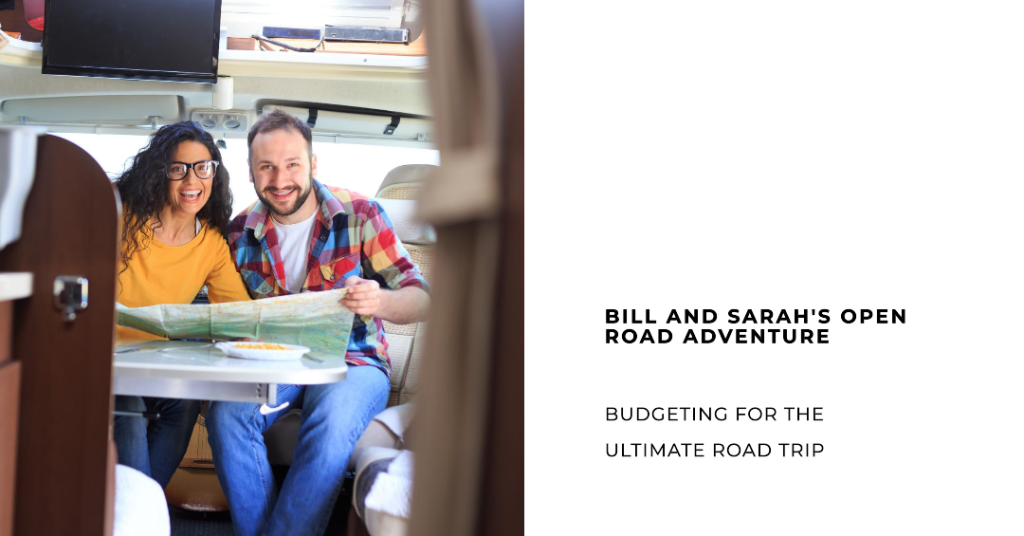
Meet Sarah and Bill, a couple nearing retirement with plans to explore North America’s breathtaking national parks in a Class B RV. Alongside their one-year-old dog, they’ve mapped out an ambitious travel schedule and created a detailed budget to prepare for the financial demands of RV ownership.
Here’s a breakdown of their projected annual expenses:
Regular Maintenance: Oil changes, tire rotations, and brake inspections add up to $2,500–$3,000 per year.
Specific System Maintenance: Plumbing, electrical, HVAC, and propane systems require an additional $100–$300 annually.
Insurance and Storage: Coverage and storage fees vary by location but cost $1,000–$2,000 per year.
Unexpected Repairs: To cover unforeseen expenses like generator or transmission issues, they’ve set aside a buffer of $10,000, equivalent to 10% of their RV’s purchase price.
By planning ahead and sticking to their budget, Sarah and Michael can embark on their RV adventures with confidence, knowing they’re financially prepared for whatever challenges may arise.
Tips to Minimize Costs and Maximize Longevity
Keeping your Class B RV in excellent condition doesn’t have to be expensive. With a proactive approach, you can minimize costs while extending the life of your RV. Here are some practical tips:
Follow a Regular Maintenance Schedule: Sticking to routine maintenance prevents small issues from escalating into costly repairs. Create a checklist based on your RV’s manual.
Invest in Seasonal Care: Proper winterization protects against freezing damage, while moisture management during humid months prevents mold and mildew. The RV Dealers Association offers detailed seasonal care guides.
Handle Basic DIY Repairs: Tasks like replacing air filters, checking tire pressure, and cleaning interior systems can save hundreds of dollars annually. For advanced repairs, rely on certified professionals from the ASE directory.
Shop Around for Insurance and Storage: Compare quotes from multiple providers to secure competitive rates. Reevaluate policies annually to ensure they meet your needs.
Use High-Quality Parts: Opt for OEM (Original Equipment Manufacturer) parts for repairs. While pricier upfront, they offer better durability and compatibility than generic alternatives.
By following these tips, you can enjoy stress-free travels and reduce the financial burden of RV ownership. A little effort goes a long way in preserving the value and reliability of your Class B RV.
Comparing Costs: Class B vs. Class A and C Motorhomes
When deciding which type of RV to purchase, understanding the differences in costs between Class B, Class A, and Class C motorhomes is essential. Each type offers unique advantages and trade-offs, depending on your travel needs and budget.
Class A Motorhomes: These large, bus-like vehicles are the epitome of luxury, with spacious interiors and high-end features. Starting prices exceed $100,000, and premium models can cost upwards of $500,000. Their size and complexity result in higher maintenance costs and lower fuel efficiency. Learn more about Class A motorhomes from the RV Industry Association.
Class C Motorhomes: Built on a truck or van chassis, Class C motorhomes offer a balance between size and affordability. They typically start at around $81,000 and are easier to maintain compared to Class A models. However, they lack the maneuverability of Class B RVs, making them less suitable for urban travel. For an in-depth comparison, refer to Consumer Reports.
Class B Motorhomes: Despite their smaller size, Class B RVs often come with higher upfront costs due to their compact and versatile designs. For 2026, many new Class B RVs list from roughly $150,000 to $270,000 or more; the Winnebago Travato alone carries a base MSRP above $180,000. Dealer discounts and used inventory can be lower. Their appeal lies in their fuel efficiency, ease of driving, and suitability for both city and remote adventures. However, as highlighted in the iRV2 community, maintenance for compact systems like refrigerators and plumbing can still be expensive.
Each motorhome class caters to different needs, and the best choice depends on factors like group size, travel frequency, and willingness to manage maintenance demands. Weighing the operational and maintenance costs alongside purchase prices is critical to making an informed decision.
FAQ: Common Questions About Class B RV Maintenance
Whether you’re a prospective owner or a seasoned traveler, understanding the maintenance requirements of a Class B RV is vital. Below are answers to some frequently asked questions:
How much does it cost to maintain a Class B RV annually?
Maintenance costs typically range from $1,000 to $3,000 annually, depending on usage and condition. For more details, refer to the RV Industry Association.
What are the most common repairs for Class B RVs?
Common repairs include generator replacements, plumbing fixes, and HVAC servicing. These repairs can range from $500 to $5,000, as noted by Consumer Reports.
Can I perform maintenance tasks myself, or should I hire a professional?
While minor tasks like replacing air filters or checking tire pressure can be done at home, more complex issues should be handled by a certified technician. The ASE directory offers a list of qualified professionals.
How often should I perform routine maintenance?
Oil changes should be done every 3,000–5,000 miles, tire rotations every 6,000–10,000 miles, and brake inspections every 12,000–15,000 miles. Follow your RV’s owner’s manual for detailed schedules.
What should I budget for unexpected repairs?
Experts recommend setting aside 10% of your RV’s purchase price annually as a buffer for unexpected expenses. For example, if your RV costs $100,000, allocate $10,000 for unforeseen repairs. Learn more about budgeting from the Consumer Financial Protection Bureau.
Staying informed about these common concerns ensures you’re better prepared for the financial responsibilities of RV ownership.
Conclusion
Owning a Class B RV offers unmatched freedom and versatility, but understanding and planning for the hidden costs of ownership is crucial for a stress-free experience. From routine maintenance to unexpected repairs, operational expenses to system-specific care, budgeting proactively ensures you’re financially prepared for life on the road.
By following expert advice, like setting aside 10% of your RV’s purchase price annually, investing in high-quality parts, and adopting seasonal care practices, you can extend the life of your RV while minimizing expenses. Whether you’re a first-time buyer or a seasoned adventurer, these strategies pave the way for more enjoyable and worry-free travels.
Ready to learn more? Subscribe to our newsletter for RV maintenance tips, budget-friendly travel ideas, and the latest industry updates. Have questions or experiences to share? Join the conversation on iRV2 forums and connect with other Class B RV enthusiasts!
When it comes to RVing, Class B RVs have gained a reputation for their convenient and comfortable compact design. These vehicles, often called camper vans, provide the mobility of a standard-sized van combined with the functionality of a fully-equipped motorhome.
Different Types of Class B RVs
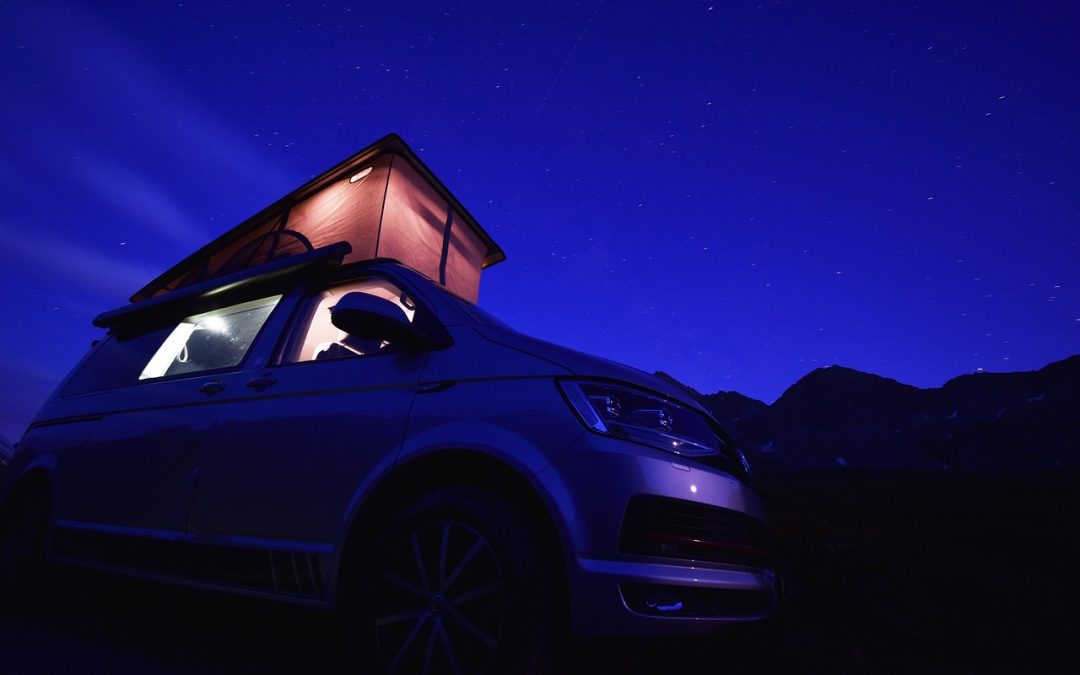
Class B RVs come in various models, each with unique characteristics. Some popular types include the standard van camper, the high-top van, and the pop-top van, which includes a retractable roof section to increase standing space when parked. The variation in models allows potential owners to choose an RV that best suits their specific travel needs and comfort preferences.
Every Class B RV owner should have a clear understanding of their vehicle’s unique capabilities. Vehicle Weight, Towing Capacity, and Fuel Efficiency play vital roles in how the vehicle performs on the road, how much it can haul, and how far it can travel on a single tank of fuel.
Next is understanding the RV’s various Operating Systems. This includes knowing how to manage the RV’s water system, maneuver the electrical wiring, and handle waste disposal, which contributes significantly to a smooth RVing experience.
2. Get Familiar with the Rules of the Road
As an RV driver, it is important to acknowledge that you will be subject to different rules and Special Regulations for RVs. This can include unique parking restrictions, speed limits, and even certain road access restrictions based on the size and weight of your RV.
3. Plan Your Route Carefully
When setting out on an adventure in your Class B RV, the journey is as important as the destination. Careful planning of your route is essential. Considering your RV’s Size and Weight will help you avoid roads unsuitable for your vehicle, while also Finding Parking and Camping Spots along the way ensures you have safe and legal places to stop and rest.
4. Pack Light
The way you pack can drastically affect the way your RV performs. The Impact of Weight on Performance and Fuel Efficiency is significant – the lighter the load, the better the fuel economy and overall handling. As Class B RVs have limited storage, prioritizing essentials will make your journey smoother.
5. Be Prepared for Emergencies
Regardless of how carefully you plan, unexpected issues can arise. Being prepared for emergencies by having Essential Emergency Supplies can make all the difference. This includes a well-stocked first-aid kit, extra food, water, and essential tools.
6. Stay Connected
Even while enjoying the solitude of the open road, it’s vital to Stay Connected. This can mean having reliable access to internet services, being able to communicate with others, and keeping updated with weather forecasts.
7. Respect the Environment
Part of the allure of RVing is being able to immerse yourself in nature. Ensuring you follow Environmentally Friendly RV Practices helps preserve these spaces for future visitors. Always dispose of waste properly, stick to designated roads and trails, and aim to reduce your overall environmental footprint.
8. Be a Good Neighbor
Campgrounds often bring people from different walks of life together. Therefore, it’s crucial to Respect Fellow Campers and Campground Rules. Maintain reasonable noise levels, respect others’ space, and follow all campground regulations.
9. Regular Maintenance and Care
To keep your Class B RV running smoothly and to avoid unexpected breakdowns, Regular Maintenance and Care is paramount. This can include periodic oil changes, checking tire pressure, inspecting for leaks, and ensuring your battery is in good condition. It’s also important to clean and check the various systems in your RV regularly, such as the water, electrical, and waste systems, to ensure they are functioning properly.
10. Have Fun!
Despite the responsibilities and challenges that come with it, RVing is fundamentally about enjoying the freedom of the road. Embrace the Joy of the RV Lifestyle, explore new places, meet new people, and create unforgettable memories.
The Different Types of RV Parks
Just as there are various types of Class B RVs, there are also numerous types of RV parks. These range from luxury RV resorts offering amenities like swimming pools and gyms, to basic campgrounds with minimal facilities. Choosing the right type depends on your personal needs, preferences, and budget.
Conclusion
Owning a Class B RV is both a responsibility and a joy. By understanding and adhering to these ten basics, you can ensure a smooth, memorable, and rewarding RVing experience. Always remember: safety, respect, and preparedness pave the way for great adventures.
Frequently Asked Questions
1. What kind of maintenance does a Class B RV require?
Regular maintenance for a Class B RV involves both mechanical and interior care. Mechanically, you should regularly check and maintain engine fluids, tire pressure, and brake systems. It’s also important to check for any leaks in the roof and windows and to keep the undercarriage clean, especially if you’ve driven on salted roads. Interior care involves cleaning and checking the functionality of appliances, water systems, and waste systems. It’s recommended to have a professional RV service to inspect your RV annually.
2. How do I prepare my Class B RV for a long trip?
To prepare your Class B RV for a long trip, start by checking all mechanical aspects of your RV, including fluid levels, tire pressure, brakes, and lights. You should also ensure your appliances, air conditioning, water, and waste systems are working correctly. Plan your route carefully, taking into consideration the size and capabilities of your RV. Pack essential items, but remember to keep the weight limit in mind. Lastly, ensure you have an emergency kit, including first-aid supplies, spare tires, extra food and water, and necessary tools.
3. What’s the average gas mileage for a Class B RV?
The gas mileage for Class B RVs can vary greatly depending on the specific model, weight of the RV, speed, and driving conditions. Many gasoline Class B vans return roughly 14–18 miles per gallon, while efficient diesel models may reach about 17–20 mpg in favorable conditions. Keep in mind that towing a vehicle, driving at high speeds, or going uphill can significantly decrease fuel efficiency.
4. Can I park my Class B RV anywhere?
No, you cannot park your Class B RV just anywhere. Different cities, states, and countries have specific laws and regulations regarding where RVs can be parked. Some residential areas, city streets, and even some commercial areas like shopping centers may have restrictions against RV parking. It’s essential to research and abide by local laws and regulations. When in doubt, campgrounds and RV parks are typically safe and legal options for parking your RV.
5. Do all Class B RVs come with a bathroom?
Most Class B RVs come equipped with a bathroom. This usually includes a toilet and a shower, although in some models, the toilet and shower may be combined into a single “wet bath” due to space limitations. However, there are some models, usually older or more basic ones, that may not have a bathroom, so it’s always best to check the specific features of an RV before purchasing or renting.

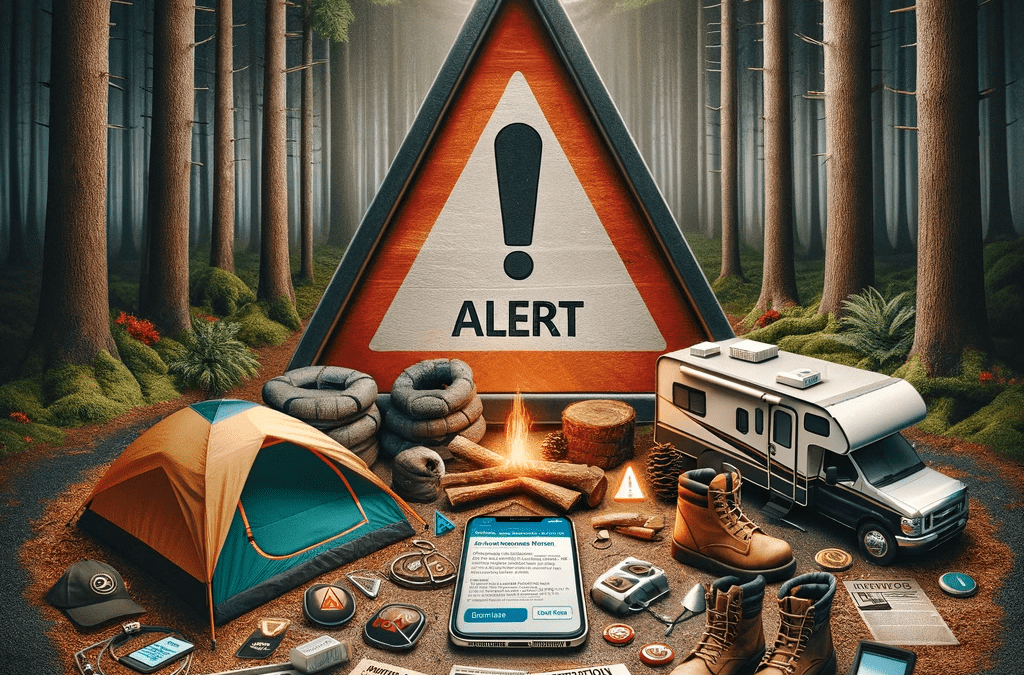
 Image by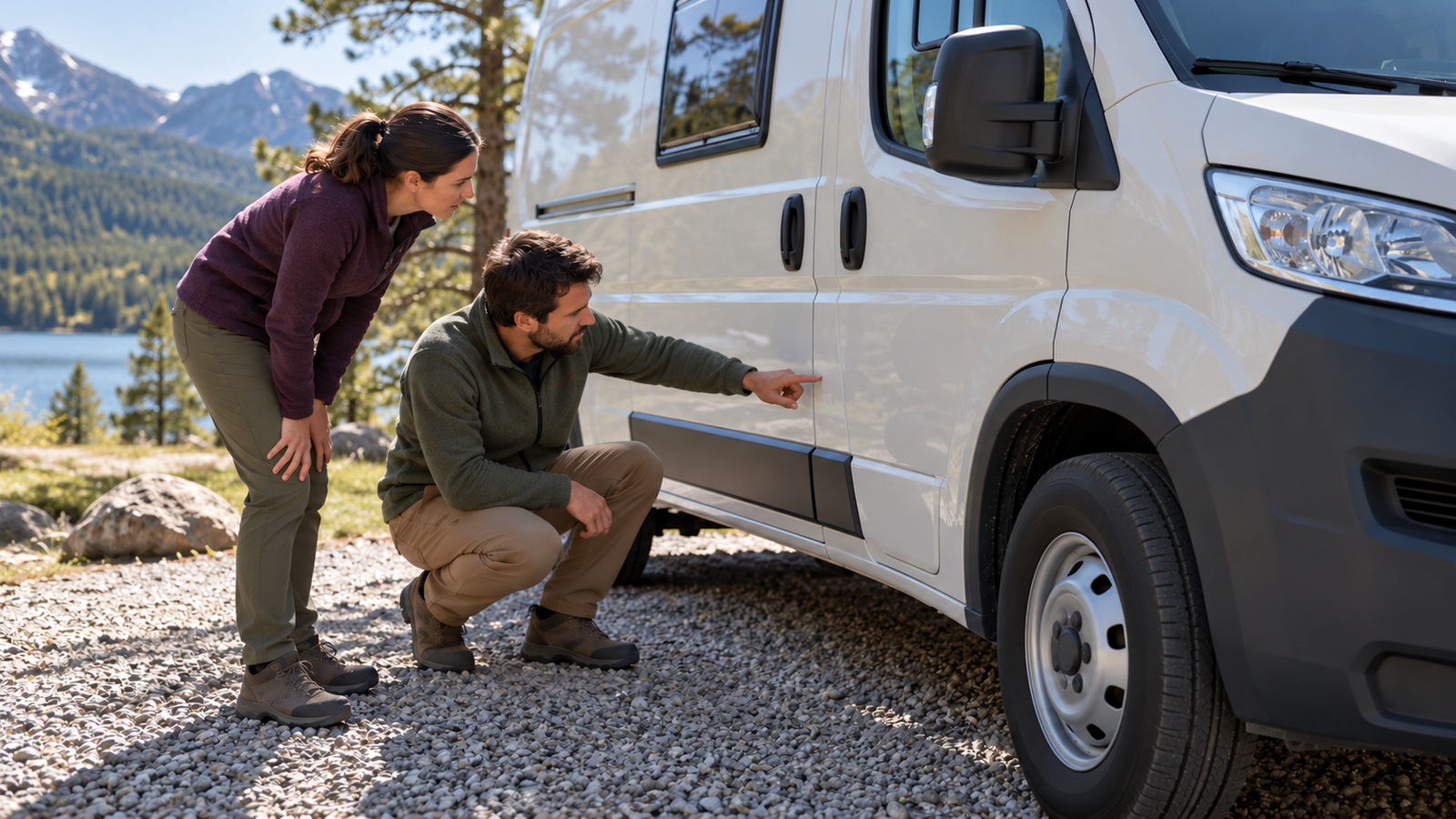
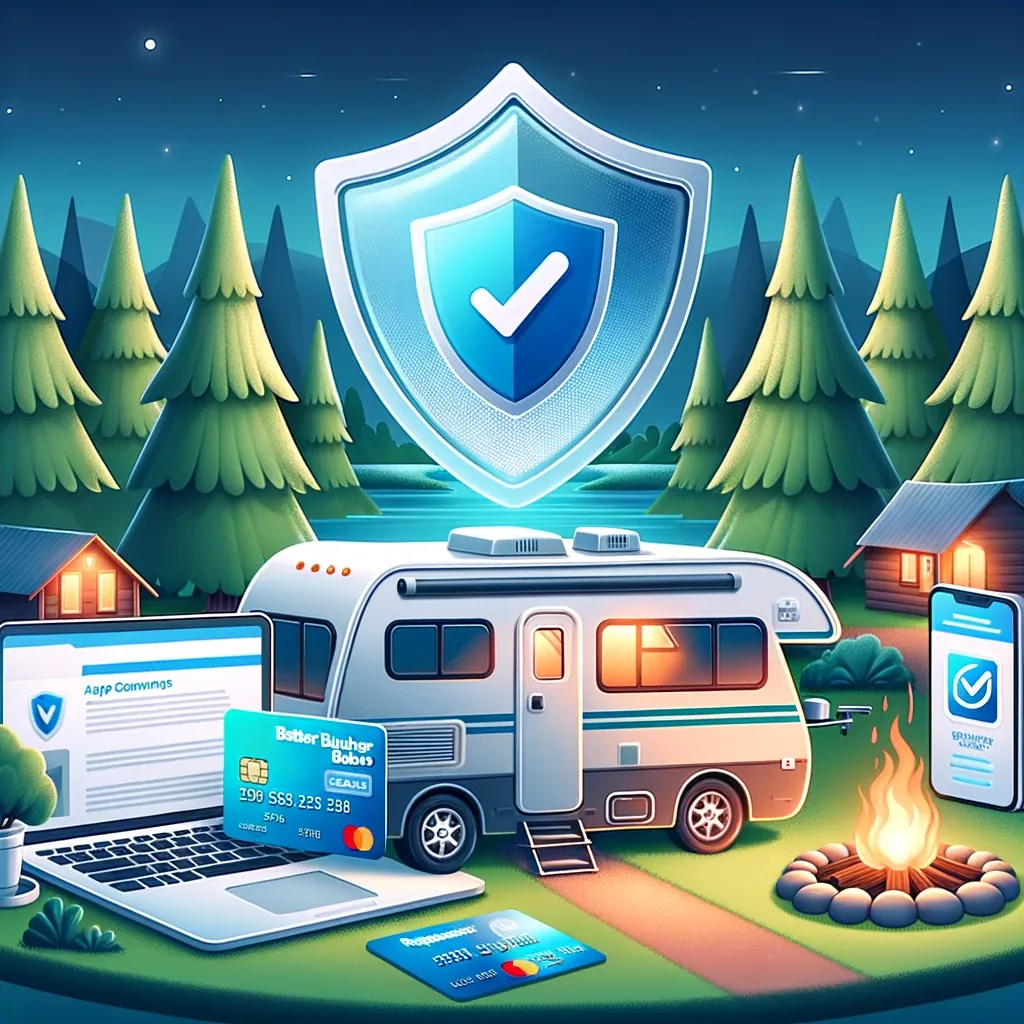
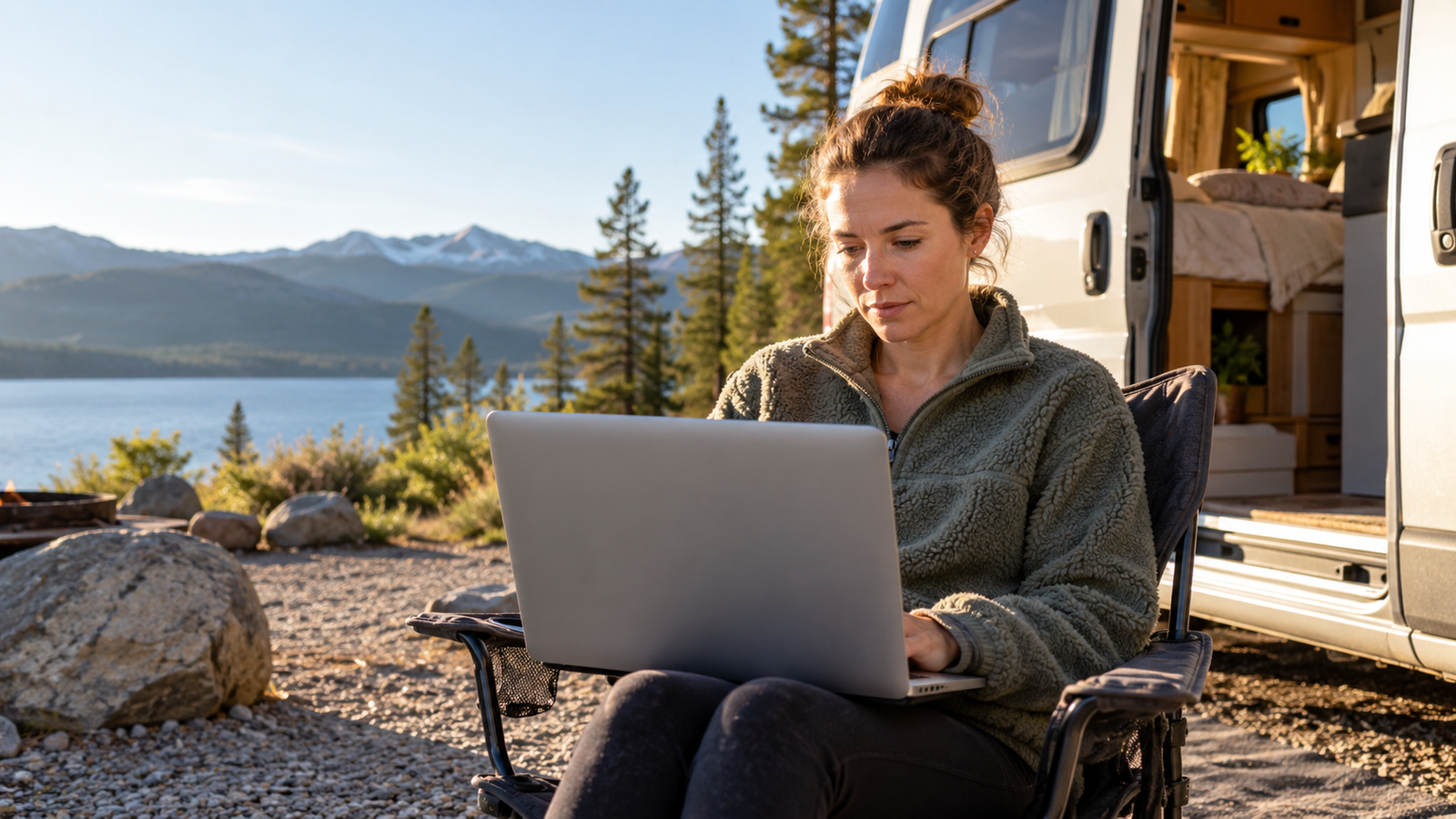
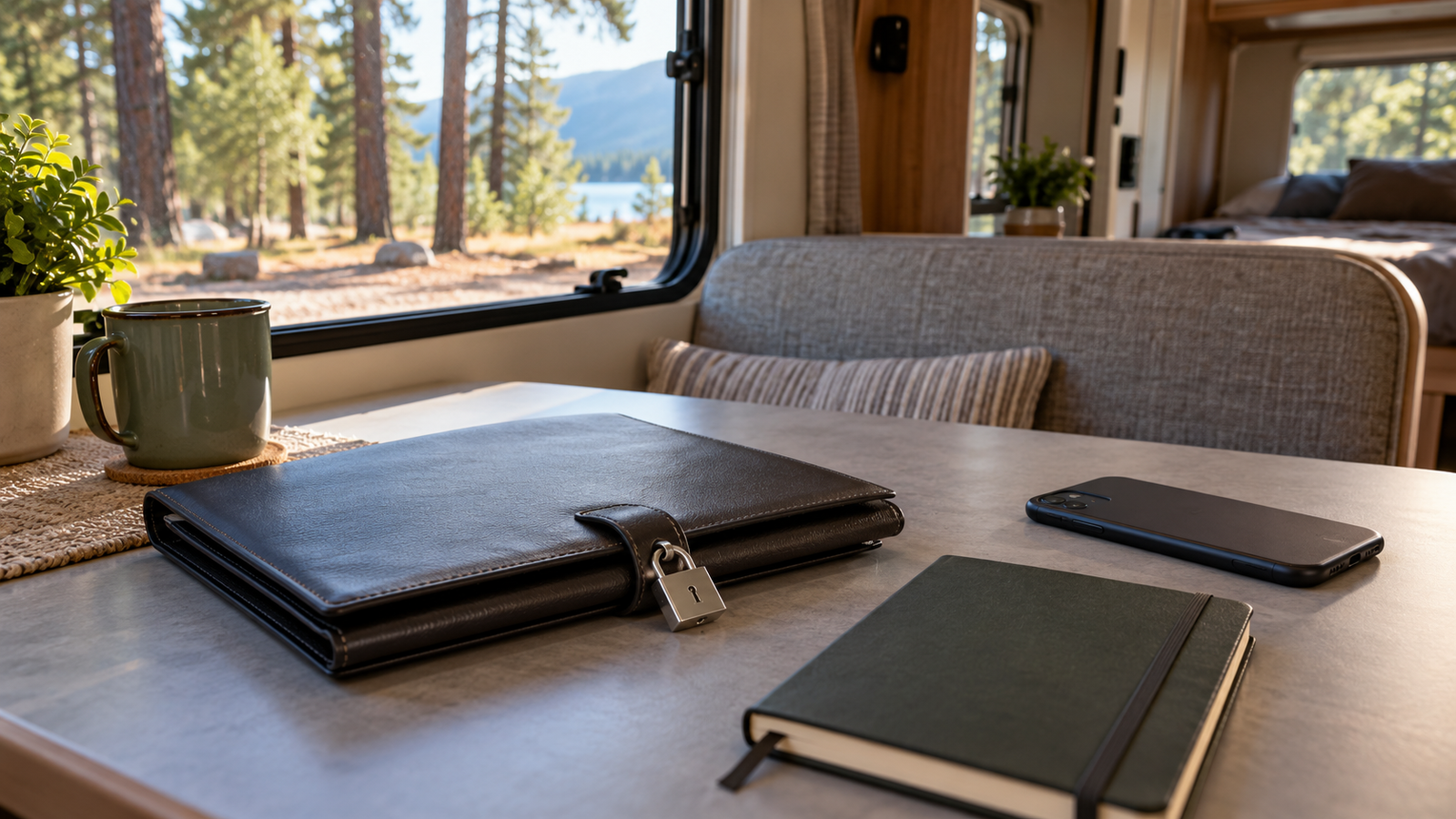
 Image by StockSnap from Pixabay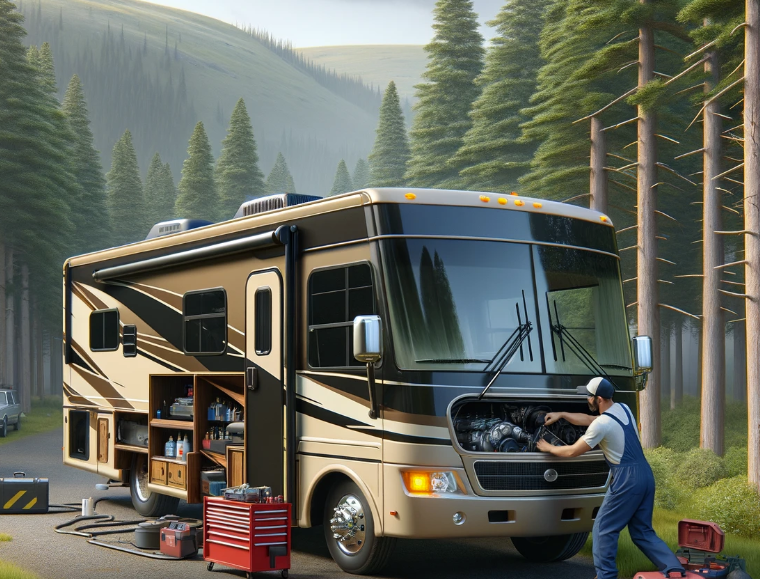
 Safety and Emergency Preparedness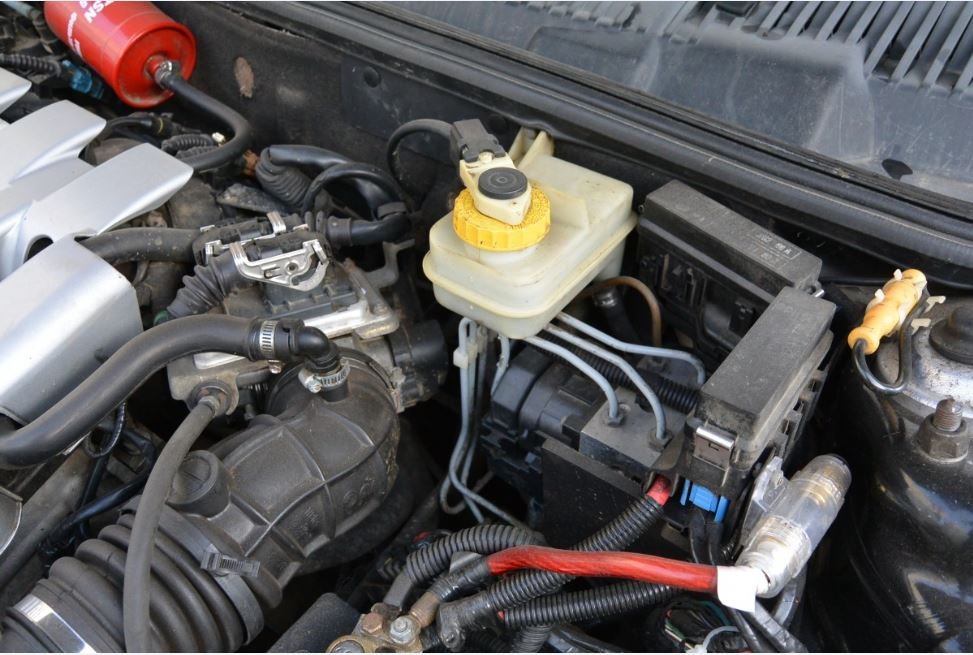
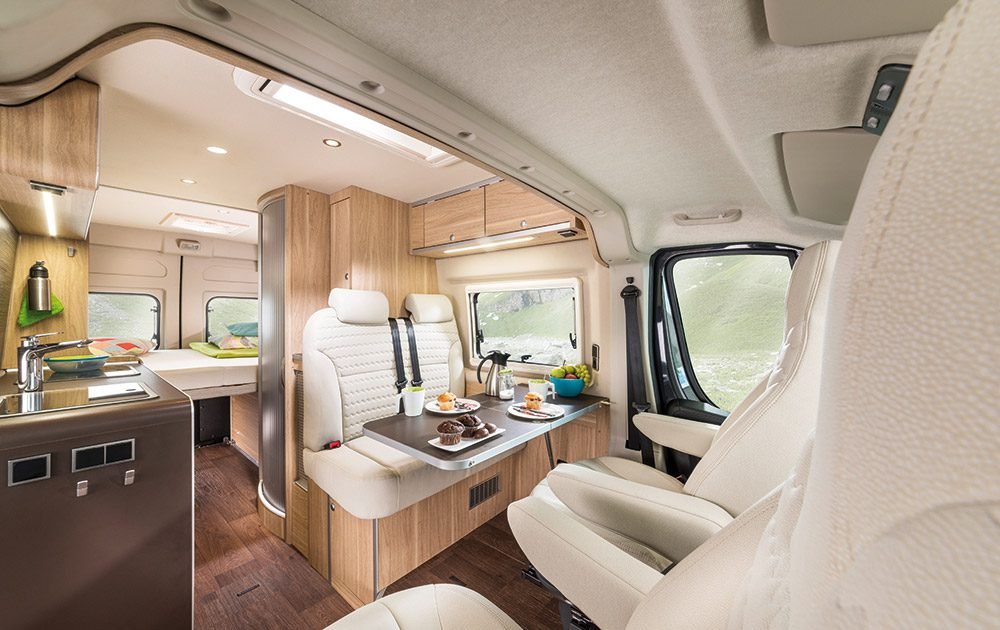

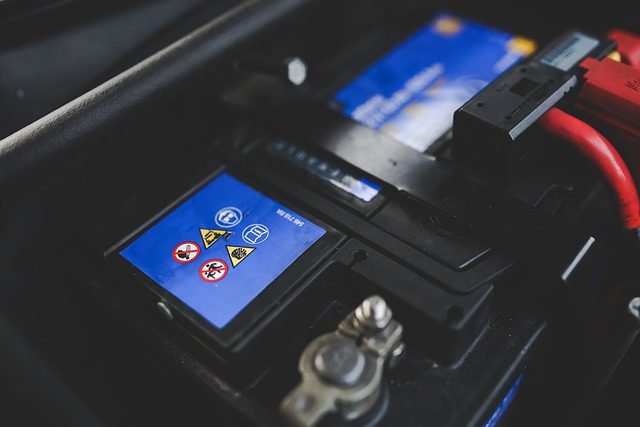 Image by