A Realistic Guide to Hiking with Your Dog on U.S. Public Lands
Read time: 12 minutes | Essential framework for finding genuine dog hiking opportunities
TL;DR: The Three-Tier Reality
Stop planning around “dog-friendly” national parks—most offer parking lot access, not trail adventures. The real hiking opportunities exist in a hierarchy: National Forest System and BLM lands (about 438 million acres combined) offer maximum trail access, state parks vary dramatically by location, and national parks restrict dogs to protect wildlife. This guide maps where your dog can actually hike.
You’ve planned the trip for weeks. The car is packed, the dog is excited, and you’ve arrived at a beautiful park advertised as “dog-friendly.” But as you approach the trailhead, you see the sign: a stark silhouette of a dog with a red line through it. Your dog is welcome in the parking lot and paved campground loops, but the actual trails—the reason you came—are off-limits.
This frustrating experience is the reality for countless dog owners who rely on misleading guides. The problem isn’t the parks; it’s the vague definition of “dog-friendly.” Most articles fail to distinguish between a place that tolerates a leashed dog on asphalt and a place that welcomes you and your companion on a backcountry trail (U.S. Forest Service, 2025).
This guide corrects that by replacing the confusing “dog-friendly” label with a clear, evidence-based framework. Every policy mentioned links directly to official sources, so you can plan with confidence and avoid parking lot disappointment.
“The four agencies that manage federal lands have different mandates to protect the land, wildlife, and resources. The differing goals of the agencies determine the pet policies they set.” — GoPetFriendly Federal Lands Analysis
This creates a three-tier hierarchy of dog access that no mainstream guide properly explains:
Tier 1: Maximum Freedom
National Forest System & BLM Lands:about 438 million acres combined are managed by the Forest Service (about 193 million acres) and BLM (about 245 million acres). Many routes allow dogs, but leash, wildlife, seasonal, and site-specific rules vary—check the managing office before hiking.
Tier 2: Variable Rules
State Parks: Policies vary dramatically by state and individual park. Some rival national forests for access; others are more restrictive than national parks. Always research specific park policies.
Tier 3: Most Restrictive
National Parks: Dogs are typically restricted to developed areas, roads, and specific designated trails. The National Park Service prioritizes ecosystem protection over recreational access.
Tier 1: Maximum Freedom – National Forests & BLM Lands
Here’s what the misleading “dog-friendly national parks” articles should be recommending: the 154 national forests and 245 million acres of BLM land that offer genuine wilderness hiking with your dog.
According to official Forest Service policy, dogs must be leashed only in developed recreation areas (campgrounds, interpretive trails) and on a leash no longer than 6 feet. Most other forest areas do not require leashes, though dogs must remain under voice control.
“Generally, pets are welcome on all the trails in the national forests and on BLM land. And many allow off-leash hiking!” — GoPetFriendly Federal Lands Guide
The BLM’s official recreation policy states: “Dogs are welcome on most BLM-managed trails. Please check the trail website or call the local BLM field office for specific leash policies.”
Why This Matters: These lands prioritize multiple-use recreation alongside conservation. Unlike national parks’ preservation-only mandate, forests and BLM areas balance recreational access with environmental protection.
Examples of exceptional Tier 1 destinations:
Gifford Pinchot National Forest, WA:Official dog policy allows off-leash hiking on most trails
Planning tools:Recreation.gov for campground reservations and Avenza Maps for offline trail navigation
Tier 2: Variable Rules – State Parks
State parks present the biggest planning challenge because policies vary dramatically—not just between states, but between individual parks within the same state system. Some state parks offer better dog access than national forests, while others are more restrictive than the most conservation-focused national parks.
Consider the stark differences:
State/Park
Dog Policy
Reality Check
Georgia State Parks
Leashed dogs are welcome on all trails except specific areas at Tallulah Gorge
The Research Imperative: Never assume state park policies based on other parks you’ve visited. The Wisconsin State Park system exemplifies thorough policy documentation, listing exactly which beaches and areas welcome dogs. California’s system, conversely, operates under blanket restrictions that surprise many visitors.
Tier 3: Most Restrictive – National Parks
Here’s where we address the elephant in the room: why do national parks restrict dogs when forests don’t? It’s not arbitrary—it reflects fundamentally different missions and the scientific evidence about domestic animals in pristine ecosystems.
The National Park Service operates under a preservation mandate. According to their official policy, “pets are not permitted in a public building, public vehicle, or location designated as a swimming beach”. They are restricted from most trails to protect both wildlife and domestic animals.
“Our domestic pets also are at risk of getting or giving diseases to wildlife through direct and indirect interactions. There are many examples of wildlife in parks dying from diseases given to them by pets and humans.” — NPS Official Hiking with Pets Guidelines
Wildlife stress: Even leashed dogs create scent trails that disrupt feeding and nesting patterns
Predator encounters: Rangers report that most bear encounters on trails involve unleashed dogs
Research evidence:The Wildlife Society documents ecosystem impacts of domestic dogs in natural areas
The Genuine Exceptions: Some national parks do offer substantial dog access, proving that restrictions aren’t universal:
Acadia National Park: Dogs allowed on 100 miles of hiking trails and 45 miles of carriage roads, with only technical climbing routes restricted
Shenandoah National Park:Dogs welcome on over 480 miles of trails, with fewer than 20 miles off-limits
Cuyahoga Valley: 110 miles of pet-friendly trail,s including the Ohio & Erie Canal Towpath
These exceptions typically involve parks with established human development, robust trail infrastructure, or unique ecological circumstances that make dog access compatible with conservation goals.
Why Most Parks Restrict Dogs: The Conservation Case
The Facebook comments on hiking articles reveal a common frustration: “Why can’t dogs go everywhere humans can?” Understanding the scientific rationale behind restrictions helps explain why some lands welcome dogs while others don’t—and it’s not about being anti-pet.
Research from wildlife biologists shows that domestic dogs, even when leashed and well-behaved, create measurable impacts on ecosystems:
“Dogs that are off leash can also disturb nesting ground birds and can chase, injure, or kill small mammals, deer, elk, or moose. Wildlife is often unpredictable and may injure or kill a dog seen as threatening.” — Utah Division of Wildlife Resources
The evidence isn’t just theoretical. Park rangers report specific problems:
Scent disruption: Dog scent can linger for days, altering wildlife movement patterns even after you’ve left
Predator encounters:Rangers confirm that “most bear encounters on the Appalachian Trail occur because of unleashed dogs.”
The Counterargument: Dog advocates reasonably point out that humans create far more ecosystem disruption than leashed pets. The difference lies in the parks’ legal mandates. National parks must prioritize pristine ecosystem preservation above recreational access. National forests balance multiple uses, including recreation, which allows for more flexible policies.
This isn’t about parks being “anti-dog”—it’s about different agencies operating under different legal frameworks with different primary responsibilities.
Essential Safety & Gear Framework
Real wilderness hiking with dogs requires more preparation than parking lot visits, but the extra planning ensures safer, more enjoyable adventures for both of you.
Non-Negotiable Safety Gear:
First Aid Kit with Benadryl: For allergic reactions to stings or bites – AKC’s first aid guide covers essentials
Collapsible Water Bowl + Extra Water: Dogs overheat faster than humans in wilderness conditions
Protective Booties: Essential for hot sand, rough rock, or icy conditions – REI’s dog gear guide covers sizing and selection (REI, 2023).
6-Foot Leash + Backup: Required in all developed areas, useful for emergency control
GPS Collar or AirTag: Wilderness areas often lack cell service for tracking
Dog Pack: For longer hikes, dogs can carry their own water and supplies – see OutdoorGearLab’s testing for top-rated options
Regional Considerations:
Desert Southwest: Test sand temperature with your hand—if too hot for you, too hot for paws
Rocky Mountain regions: Altitude affects dogs similarly to humans; watch for excessive panting
Forested areas:Tick prevention essential; check thoroughly after each hike
Policies change seasonally and due to wildlife activity. The Superior National Forest recently clarified that leash requirements apply to “developed recreation sites,” including “campgrounds, campsites, boat landings, hiking trails, portages, and fishing piers.”
Red Flags to Avoid:
Articles that don’t link to official policies
Blanket statements about “dog-friendly national parks”
Recommendations without current verification dates
Guides that don’t differentiate between agency types
Reliable Planning Resources:
Official agency websites: Always the primary source for current policies
Local ranger stations: Call for seasonal restrictions and current conditions
Safety research:American Veterinary guidelines on safe exercise for dogs
Trip planning:Recreation.gov for official campground reservations
The Bottom Line
Stop planning around the myth of “dog-friendly national parks.” The real hiking opportunities exist in national forests and BLM lands where your dog can experience genuine wilderness. State parks require individual research, and national parks offer limited but sometimes excellent exceptions.
Use this three-tier framework to set realistic expectations, always verify policies through official sources, and prepare for the wilderness conditions your dog will actually encounter. The trail adventure you both want is out there—you need to know where to look.
Plan Your Best RV Trip: A Comprehensive Free Planner & Checklists
By: Chuck Price | Boondock or Bust Last Updated: September 6, 2025
(TL;DR): This comprehensive guide provides a complete, 100% free travel planning system covering the full lifecycle of RV and vanlife adventures. Includes downloadable modules for three planning approaches, comprehensive preparation checklists, accessibility considerations, pet travel integration, and post-trip improvement systems that rival expensive paid planners—without a single upsell or hidden cost.
The dream of RV and van life is one of ultimate freedom: open roads, breathtaking landscapes, and the ability to go wherever adventure calls. This dream is more popular than ever, with over 11 million U.S. households now owning RVs, and 46% planning to purchase their first RV within the next five years. Yet between the dream and reality lies a canyon of overwhelming planning decisions.
Here’s the truth most planning guides won’t tell you: meticulous planning and spontaneous adventure aren’t enemies—they’re partners. The most memorable trips happen when you’ve planned well enough to say “yes” to unexpected opportunities without worrying about your budget, your next campsite, or whether your RV is road-ready.
This planner bridges that gap. Unlike expensive digital planners that treat you like a customer to convert, this system treats you like a traveler to empower. No upsells, no “premium” features, no processing fees—just a comprehensive planning framework designed by travelers who understand that the best adventures require both preparation and flexibility.
Choose Your Planning Style (Not One-Size-Fits-All)
Critical Perspective: The travel industry promotes a false choice between rigid itineraries and “wing it” adventures. This binary thinking ignores how different personalities, travel goals, and life circumstances require different planning approaches. A retiree with unlimited time needs different tools than a working parent with a two-week window.
Most planning advice assumes everyone travels the same way. They’re wrong. After interviewing hundreds of successful RV travelers, three distinct planning philosophies emerge—each valid, each requiring different tools and approaches.
The Structured Planner
You thrive on detailed itineraries, confirmed reservations, and scheduled activities. Uncertainty creates anxiety, while a well-planned day brings peace of mind. You research restaurants before visiting new cities and prefer knowing exactly where you’ll sleep each night.
Your planning strengths: Detailed research, comprehensive preparation, excellent at avoiding common pitfalls. Your planning challenges: Difficulty adapting when plans change, potential for over-scheduling, may miss spontaneous opportunities.
The Flexible Explorer
You prefer loose frameworks with room for spontaneous discoveries. Detailed itineraries feel restrictive, and you’d rather research options on the road than commit to specific plans. You enjoy the thrill of finding hidden gems and making last-minute decisions.
Your planning strengths: Adaptable, excellent at discovering unexpected experiences, comfortable with uncertainty. Your planning challenges: May encounter fully booked campgrounds, higher costs from last-minute decisions, potential for decision fatigue.
The Hybrid Adventurer
You want the security of a planned foundation with windows for spontaneous exploration. You book accommodations for busy periods but leave gaps for unexpected discoveries. You research multiple options for each location but decide in the moment which to pursue.
Your planning strengths: Balanced approach, good crisis management, combines security with flexibility. Your planning challenges: More complex planning process, requires discipline to maintain boundaries between planned and spontaneous time.
Planning Style Assessment
When planning a vacation, you typically:
A. Create detailed day-by-day itineraries with backup plans for weather contingencies
B. Book the first and last nights, then figure out everything else as you go
C. Plan key experiences and accommodations, but leave 30-40% of your time unscheduled
Human Insight: “I spent my first RV trip fighting my natural planning style instead of embracing it. Once I accepted that I’m a Hybrid Adventurer who needs security anchors but craves spontaneous exploration, my trips became infinitely more enjoyable. The key isn’t changing your personality—it’s building a system that amplifies your strengths while addressing your blind spots.” —Sarah M., full-time RVer since 2019
Essential Considerations Most Planners Miss
Critical Perspective: The travel planning industry operates on dangerous assumptions about “universal” travel advice. They assume all travelers are able-bodied, child-free, pet-free couples with unlimited flexibility and reliable internet access. This one-size-fits-all approach leaves millions of travelers without adequate planning resources, creating unnecessary barriers to adventure.
Mainstream RV planners focus on routes and campgrounds while ignoring the practical realities that make or break real trips. These overlooked factors don’t just cause inconvenience—they can derail entire adventures and exclude whole communities from the RV lifestyle.
Seasonal & Weather Strategy
Weather doesn’t just affect your comfort—it determines campground availability, road accessibility, and activity feasibility. Yet most planners treat weather as an afterthought rather than a primary planning factor.
Regional Climate Patterns: The difference between a magical trip and a miserable experience often comes down to timing. Visiting the Southwest in July or the Pacific Northwest in February isn’t just uncomfortable—it can be dangerous and expensive.
Seasonal Campground Economics: Popular destinations can cost 300% more during peak season, while shoulder seasons offer both savings and smaller crowds. Recreation.gov data shows that 70% of national park campgrounds operate seasonally, with many closing entirely from November through March.
Accessibility & Universal Design
The RV industry has made significant strides in accessible vehicle design, but accessible travel planning resources remain scarce. This gap excludes travelers with disabilities from resources that could enable incredible adventures.
Accessible Campground Reality: ADA compliance varies dramatically between campground types. Federal campgrounds generally offer better accessibility than private parks, but even “accessible” sites may have limitations like steep approaches or inaccessible bathhouses.
Accessibility Factor
Federal Campgrounds
Private Parks
Planning Requirement
Site Accessibility
Generally compliant
Varies widely
Verify actual measurements, not just designations
Bathhouse Access
ADA compliant
Often inaccessible
Research proximity and accessibility features
Trail Access
Some accessible options
Rarely considered
Identify accessible alternatives and equipment needs
Pet Travel Integration
Over 60% of RV travelers bring pets, yet most planners treat animals as an afterthought. Pet-friendly travel requires fundamentally different planning approaches that consider animal safety, comfort, and legal requirements.
Pet-Friendly Route Planning: Temperature extremes kill pets in RVs faster than most people realize. Desert crossings require early morning departures and midday breaks in air-conditioned spaces. Mountain passes may trigger altitude sickness in some animals.
Climate Control Strategy: Pet safety in RVs requires redundant cooling and heating systems. Plan for generator runtime limits, electrical hookup availability, and emergency cooling options. Never rely on a single system to maintain safe temperatures for animals.
Connectivity & Remote Work Planning
The rise of remote work has created a new category of traveler that traditional planners ignore: digital nomads who need reliable internet to maintain income while traveling. Poor connectivity planning can cost thousands in lost work opportunities.
Internet Reality Check: Campground WiFi ratings are notoriously unreliable, with “good WiFi” often meaning one bar of cell service. Professional remote workers need backup plans for their backup plans.
Connectivity Planning Strategy:
Research actual cell tower locations using carrier coverage maps, not marketing materials
Plan routes through areas with multiple carrier options
Identify coworking spaces and libraries along your route for emergency connectivity
Budget for multiple data plans and hotspot devices
Schedule critical calls and deadlines around guaranteed connectivity windows
Alternative Planning Frameworks
Critical Perspective: The travel industry’s obsession with linear route planning—Point A to Point B to Point C—reflects car-trip thinking that doesn’t match RV travel realities. This approach maximizes driving, minimizes destination time, and creates artificial urgency that destroys the freedom RV travel should provide.
Traditional route planning assumes constant movement equals maximum experience. This flawed logic produces exhausting itineraries that prioritize miles covered over memories made. Three alternative frameworks offer superior approaches for different travel goals and lifestyles.
Hub-and-Spoke Method
Instead of constantly moving, establish a base camp for 1-4 weeks and explore the surrounding region through day trips and short excursions. This approach reduces setup fatigue, builds local connections, and enables deeper regional exploration.
Hub Selection Criteria: Choose locations with campground availability, diverse nearby attractions, good connectivity, and essential services (grocery, medical, laundry). Popular hub examples include Moab, Utah (national parks), Asheville, North Carolina (mountains and culture), and Quartzsite, Arizona (desert and community).
Planning Method
Best For
Advantages
Considerations
Linear Route
First-time RVers, limited time
Covers many destinations
High fuel costs, setup fatigue
Hub-and-Spoke
Remote workers, community seekers
Lower costs, deeper exploration
Requires regional research
Theme-Based
Hobby enthusiasts, repeat travelers
Focused experiences, expert connections
May miss unexpected discoveries
Slow Travel
Long-term travelers, budget-conscious
Cultural immersion, relationships
Requires patience, advance planning
Theme-Based Adventures
Organize entire trips around specific interests rather than geographic regions. This approach creates coherent experiences with deeper engagement and often reveals destinations you’d never discover through traditional planning.
Popular Theme Categories: National Parks tours, culinary journeys through regional specialties, craft brewery trails, historical routes tracing specific events, outdoor activity focus (hiking, fishing, rock climbing), or cultural movements across regions.
Slow Travel Philosophy
Prioritize depth over breadth by spending extended periods (weeks to months) in fewer locations. This approach contradicts the “see everything” mentality but produces richer experiences and stronger connections.
Human Insight: “Switching from linear routes to hub-and-spoke planning cut our fuel costs by 40% and eliminated the ‘vacation from our vacation’ feeling we used to get from constant packing and setup. We now see more attractions per region, meet more locals, and actually remember the places we visit instead of blurring them together in a travel haze.” —Robert and Linda S., hub-and-spoke practitioners for 4 years
Complete Planning Template Library
Transform your travel planning with our comprehensive, genuinely free toolkit. No hidden costs, no upsells, no “processing fees”—just professional-quality planning resources designed by travelers for travelers.
Core Planning Templates
Trip Overview & Goal Setting:
Master Trip Overview Template with constraint mapping
Printable PDF Package: Professional-quality designs optimized for home printing and 3-ring binder organization. Includes tab dividers and organizational guides. Perfect for analog planning enthusiasts and reliable backup systems.
Digital Fillable Forms: Interactive PDFs compatible with GoodNotes, Notability, Adobe Reader, and other digital annotation apps. Features form fields, checkboxes, and calculation formulas. Ideal for tablet-based planning and cloud storage.
Google Workspace Templates: Editable Google Docs and Sheets versions with collaborative sharing features and automatic calculation formulas. Excellent for shared planning, automatic backup, and real-time updates.
Excel/Numbers Spreadsheets: Advanced calculation templates with pivot tables, charts, and automated analysis features for detailed budget and performance tracking.
Implementation Support
Quick Start Guides: Step-by-step setup instructions for each planning style, with recommended template combinations for different trip types (weekend, extended, full-time).
Video Tutorials: Walkthrough videos demonstrating template usage, customization options, and integration between different planning modules.
Customization Instructions: Detailed guides for adapting templates to specific needs, adding custom fields, and creating personalized planning workflows.
Frequently Asked Questions (FAQs)
Is this planner really 100% free?
Yes. There are no hidden costs, required sign-ups for core features, or “pro” versions. It is a completely free resource for the travel community.
What is the best way to print the planner pages?
For durability, we recommend using a slightly heavier paper (24 lb. or 90 gsm). You can print double-sided to save paper. Organize the pages in a 3-ring binder with dividers for each module.
Can I customize this planner?
Absolutely. While the PDFs are great for printing or use in an app, we also provide links to Google Docs and Google Sheets templates. You can make a private copy of these files to edit, add, or remove anything you wish.
How is this different from an app like Roadtrippers?
Apps are excellent for dynamic, in-the-moment tasks like live navigation and discovering points of interest. This planner is your strategic command center. It’s a comprehensive system for organizing all aspects of your trip—budget, packing, maintenance, meals—in one place. It also becomes a physical or digital keepsake of your journey, something a subscription app cannot provide.
What makes this better than paid planners?
Most paid planners focus only on the active travel phase and assume universal travel needs. Our system covers the complete lifecycle (pre-trip preparation, active travel, and post-trip learning), addresses underserved communities (accessibility needs, pet travel, remote work), and provides systematic improvement methodologies that compound your travel expertise over time.
Conclusion: Your Adventure Awaits
Your adventure deserves planning that matches your dreams. This system transforms overwhelming preparation into manageable steps, creates space for spontaneity through systematic organization, and builds travel expertise that improves with every journey.
The goal isn’t to restrict you but to liberate you. Thoughtful preparation is the key that unlocks true freedom and confident spontaneity on the open road. By organizing the essentials before you go, you free up valuable mental energy for soaking in views, embracing experiences, and making memories.
Start small. Download the Foundation Module and complete the planning style assessment. Your next great adventure is waiting, and you’re now equipped to make the most of every mile.
Safe travels, fellow adventurers. The open road awaits.
References
National Highway Traffic Safety Administration. (2024). Motor Home Safety Guidelines. U.S. Department of Transportation. https://www.nhtsa.gov/vehicle-safety/motor-homesRecreation.gov. (2024). Campground Reservation Data and Seasonal Availability. U.S. Department of the Interior. https://www.recreation.gov/
RV Industry Association. (2024). RV Ownership Hits Record High. https://www.rvia.org/news-insights/rv-ownership-hits-record-high
By Chuck Price • September 2025 • ~12–14 minute read
TL;DR: Don’t anchor your 2026 road trip to a single lottery hike. Zion’s Angels Landing success rate averaged ~39% in 2023, with big swings by month (e.g., ~31% in June vs. ~87% in August) and lower success on Saturdays—so treat wins as upside, not baseline (OutdoorStatus, 2024). Scout Lookout remains permit-free as a built-in fallback (NPS, 2025). Build a dense loop, pace altitude, use engine braking on descents, and run the CO₂ math: emissions (t) = miles ÷ MPG × 8.887 kg/gal ÷ 1,000 (EPA, 2025).
Introduction: The Planning Gap
The glossy playbook—pick the icons, book the camps, “see it all”—collides with permit probabilities, inconsistent crowd metrics, and mountain logistics. Families lock vacation days to peak weekends, then discover the lottery math was never in their favor. The fix isn’t a bigger budget; it’s better design: goals-first park selection, probability-aware plans, mechanically sane routes, and transparent carbon math.
When you swap popularity for fitness-to-goal—dark skies, kid-friendly narrows, alpine solitude—you uncrowd your days, protect your budget, and keep the adventure intact even when luck or weather turns. This guide makes that shift practical.
Part I: Four Realities Most Guides Skip
1) Permit lotteries are probability problems, not plans
Anchor itineraries are fragile. Angels Landing requires a permit beyond Scout Lookout, but you can hike to Scout Lookout without one—an excellent built-in fallback with big views and the iconic Walter’s Wiggles (NPS, 2025; NPS, 2025).
Plan-B Rule (use verbatim): For every lottery activity, write two equally exciting, non-permit alternatives within the same area. If the lottery fails, pivot—no lost day.
Odds swing by calendar, not just by hiker demand. Aggregated Recreation.gov outcomes analyzed by OutdoorStatus show ~39% average success in 2023, with Saturdays the weakest and sharp month-to-month swings (~31% June vs. ~87% August). Treat permits as “bonus content,” not mission-critical (OutdoorStatus, 2024).
Two practical applications
Shift a day: If your fixed week edges into Saturday, slide the permit day to Tue–Thu. Keep non-permit hits (Scout Lookout, Canyon Overlook) as guaranteed wins (NPS Zion Shuttle).
Swap season: If school calendars force June, bias toward non-permit objectives; if you have August latitude, apply aggressively and double-book plan-Bs.
2) “Popularity” misleads—focus on measured experience
Visitor counting methods differ across park units. In 2024 the park proper at North Cascades recorded ~16,485 visits, while the adjacent Ross Lake National Recreation Area—what many road-trippers experience as the “North Cascades drive”—saw ~971,000+ visits. Crowd feel depends on where you go within the complex, not the park label alone. Use sub-area realities to set expectations and pick trailheads (NPS IRMA, 2025; Wikipedia, updated 2025).
Case study: Swap the name, keep the outcome
Goal: “Alpine solitude & glaciers” with low shuttle friction. Instead of Mount Rainier’s marquee corridors, use the North Cascades complex but stage from less-trafficked Ross Lake & Highway 20 pullouts; hike high early/late shoulder season. Same outcome, fewer bottlenecks.
Physics shows up at elevation. Naturally aspirated engines lose roughly ~3% power per 1,000 ft; transportation literature places the decrement ~3.5%/1,000 ft. Plan passing distances and cooling accordingly (Garrett Motion, 2019; WTI, 2011).
Brake fade is preventable. Descend in a lower gear and avoid continuous light braking; intermittent “snub” braking and engine braking reduce overheating risk. Government safety guidance echoes this (example: City of Colorado Springs—Pikes Peak) (Colorado Springs, n.d.).
Vehicle prep checklist (condensed)
Cooling: Fresh coolant; verify fans/thermostat; check for leaks.
Brakes: Inspect pads/rotors/lines; replace aged fluid; practice downshifting before the trip.
Tires: Load-rated tires at spec PSI (including spare); tread & sidewall checks; torque wrench and jack you’ve tested.
Transmission: Know how to engage lower ranges, descent modes, or manual shift “L/2” on automatics/CVTs.
Contingency: Offline maps, paper maps, 12V inflator, water, emergency blanket.
4) The environmental ledger is real—and manageable
Gasoline CO₂ is simple to compute: emissions (t) = miles ÷ MPG × 8.887 kg/gal ÷ 1,000. The levers you control—route length, days-per-mile (stay longer per stop), and vehicle MPG—change outcomes by entire tons on long routes (EPA, 2025).
Trip style
Miles
Assumed MPG
CO₂ (metric tons)
Offset est. @ $15–$25/t
Regional loop
400
25
0.14
$2.10–$3.50
“Mighty Five” circuit
1,200
25
0.43
$6.45–$10.75
Cross-country
8,000
25
2.84
$42.60–$71.00
Visible method: CO₂ (kg) = miles ÷ MPG × 8.887. Example (1,200 mi @ 25 MPG): 1,200÷25=48 gal; 48×8.887=426.6 kg=0.43 t. Factor source: EPA (2025). Offsets vary by project; e.g., Gold Standard Marketplace.
Part II: A Reality-Based Planning Framework
Here’s the five-step system we use with families and first-timers who need high odds of a successful trip without overspending or gambling on one lottery.
Step 1 — Define outcomes, then pick parks
Lead with outcomes—solitude, dark skies, kid-friendly narrows—then select parks that deliver. Great Basin offers IDA-recognized dark skies and ranger astronomy programs; Zion’s “narrows-like” feel can be approximated at Capitol Reef’s Grand Wash/Capitol Gorge without permits or queueing (NPS Great Basin, 2025; DarkSky, 2016; NPS Capitol Reef, 2025).
If your goal is…
Instead of this icon…
Consider this better fit…
Alpine solitude & glaciers
Mount Rainier
North Cascades complex via SR-20 side-corridors (fewer bottlenecks)
Dark skies & astronomy
Zion / Grand Canyon
Great Basin (IDA-designated Dark Sky Park; regular ranger programs)
Kid-friendly canyon “narrows”
Zion (The Narrows)
Capitol Reef (Grand Wash 2.2 mi E, Capitol Gorge 1.0 mi E—deep canyon feel)
Step 2 — Plan for probabilities, not preferences
Use lotteries as upside only. Apply in shoulder seasons and mid-week, and pre-write two non-permit backups per day. For Angels Landing: pair a permit attempt with Scout Lookout (guaranteed), Canyon Overlook, or Kolob options. If you win—great; if not, you still hit three A-tier experiences (OutdoorStatus, 2024; NPS, 2025).
Step 3 — Build a mechanically sane itinerary
Altitude pacing: Limit first-week elevation jumps; use lower-elevation base camps before 8,000+ ft days.
Descent protocol: Downshift early; avoid continuous light braking; use intermittent “snub” braking (Colorado Springs, n.d.).
Budget strategy: Blend paid campgrounds (showers/laundry) with legal, free dispersed camping on USFS/BLM lands; expect zero services and follow LNT (USFS R5, 2025; USFS R4, 2025).
Engine reality: Budget ~3–3.5% power loss/1,000 ft for non-turbo engines (Garrett, 2019; WTI, 2011).
Step 4 — Run the carbon math (and show your work)
CO₂ (kg) = miles ÷ MPG × 8.887; t = kg ÷ 1,000. Example: 1,200 mi @ 25 MPG → 48 gal × 8.887 = 426.6 kg = 0.43 t (EPA, 2025).
Step 5 — Booking cadence & risk buffers
Cadence: Lock cancellable lodging (or paid campground) near each hub; keep dispersed sites for buffer nights.
Lottery calendar: Put application windows and day-before lotteries on your trip calendar; shift “must-do”s to mid-week.
Comms plan: Download offline maps; print the shuttle map; note ranger station hours.
Weather/flows: Spring runoff can close the Narrows—always check conditions day-of (NPS Zion Plan Your Visit).
Get the free 2026 Planner + Permit Odds Pack
Mid-week odds calendar, regional loop templates, mountain-driving checklist.
Yes—to hike past Scout Lookout. You can hike to Scout Lookout without a permit; it’s a strong alternative if you don’t win the lottery (NPS, 2025; NPS, 2025).
When are permit odds best?
Odds vary by month and weekday. In 2023, analyses show ~31% success in June vs. ~87% in August, with Saturdays typically the lowest. Use mid-week, shoulder season where feasible (OutdoorStatus, 2024).
How crowded is North Cascades really?
The NP unit logged ~16,485 visits in 2024, but the adjacent Ross Lake NRA had ~971k+. Crowd feel depends on which unit/corridor you use—plan accordingly (NPS IRMA, 2025; Wikipedia, 2025).
Where can I camp for free near parks?
Legal dispersed (free) camping exists on USFS/BLM lands adjacent to many parks. Expect no amenities; follow local rules and fire restrictions (USFS R5, 2025; USFS R4, 2025).
How do I avoid brake fade on long descents?
Downshift early and let the transmission do the work; avoid continuous light braking. Use intermittent “snub” braking if needed (government guidance example: Pikes Peak) (Colorado Springs, n.d.).
Why pick Great Basin for stargazing?
IDA-designated Dark Sky Park (2016) with some of the darkest skies in the lower 48 and ranger-led programs in season (NPS, 2025; DarkSky, 2016).
Summary & Next Steps
Define outcomes (solitude, dark skies, kid-friendly hikes); pick parks to match.
Enter lotteries as upside only; pre-write two non-permit backups per day.
Pace altitude; practice downshifting; service cooling/brakes; carry offline maps.
Blend paid campgrounds (services) with legal dispersed nights (budget control).
Run the CO₂ math; optimize miles/MPG; offset the remainder if desired.
Get the free 2026 Planner + Permit Odds Pack
Mid-week odds calendar, regional loop templates, mountain-driving checklist.
By Chuck Price • Read time: 12 minutes • Last updated: August 2025 Key stat: Average RV park charges $50 for water, dump, and trash services Main solution: Community-tested alternatives can reduce costs to under $10 For: Budget-conscious boondockers and RV beginners
TL;DR: The $50 Problem and How to Solve It
RV parks now commonly charge $50+ for basic services: $20 water fills, $10 to $25 dump stations, and $5 per trash bag. Experienced boondockers have developed proven alternatives using free public resources, conservation tactics, and strategic negotiation. This guide shows you exactly how to cut these costs by 80% while staying legal and responsible. Key tools: iOverlander app, state park day passes, truck stop relationships, and water conservation techniques that extend your off-grid time from days to weeks.
“I’m a newbie boondocker… I’m having trouble finding water for my trailer. Local RV park charges $20 water, $25 dump, and $5 per trash bag. What’s your secret?” — Mark Koontz, Boondocking & Free Camping USA Facebook Group
Mark’s frustration echoes across RV communities nationwide. What used to be a $20 total expense has ballooned into a $50+ hit every time you need basic services. After three years of full-time RVing and countless conversations with budget-conscious boondockers, I’ve discovered that the solution isn’t just finding cheaper alternatives—it’s understanding a complete system that experienced RVers use to slash these costs by 80% or more.
RV Park Fees vs Community Alternatives
Service
RV Park Cost
Community Alternative
Potential Savings
Fresh Water Fill (40 gallons)
$20
$0-5 (truck stops, parks)
$15-20
Dump Station Access
$10-25
$0-10 (rest areas, fairgrounds)
$15-25
Trash Disposal
$5 per bag
$0 (gas stations, small bags)
$5+
Total
$50+
$0-15
$35-50
This isn’t about being cheap—it’s about being smart. When you’re extending your boondocking adventures from weekend trips to month-long journeys, those $50 fees add up to $200-400 monthly just for basic services. The difference between struggling with service costs and boondocking freely often comes down to knowing what experienced RVers have learned through trial and error.
RV Service Costs Explained: Why $50 Is the New Normal
Quick Answer: Most RV parks now charge $50 total for basic services: $20 water fill, $10 to $25 dump station access, and $5 per trash bag. This pricing shift reflects increased operational costs, liability concerns, and profit maximization as RV travel has surged post-2020.
The sticker shock is real, and it’s not your imagination. RV service costs have nearly tripled in many areas over the past five years. During my first RV trip in 2021, I remember paying $8 to dump tanks at a rest area in Colorado. That same facility now charges $25, and many have eliminated services entirely.
Here’s the breakdown of why these costs have exploded:
Water Fill Fees: $15-25 Range
Infrastructure costs drive most water pricing. RV parks must maintain potable water systems, pay municipal water bills, and handle liability insurance for water quality. A 40-gallon tank fill costs them roughly $3 in actual water, but overhead pushes the price to $20.
“Most small towns don’t have the services described. Most small towns do have RV parks.”
— Robert Hill, Facebook Community Member
Regional variations make pricing unpredictable. Western states with water scarcity charge premium rates, while Eastern areas with abundant water sources may charge less. In Arizona mountain towns, I’ve encountered $25 water fills where the nearest free alternative is 50 miles away.
Dump Station Fees: $10 to $25 Is Typical
Dump stations require the most infrastructure investment. Directory listings we checked on September 29, 2026 show $10 at three truck stops, $20 for non-campers at one state forest, and $50 at one appointment-only site. Fees of $25 or more appear mostly at tourist-area parks. Waste processing systems, environmental compliance, and maintenance create ongoing costs that parks pass directly to users. Many facilities have converted from free community services to profit centers.
The business model shift is obvious: parks that once offered dumps as a community service now view them as revenue streams. For fees listed at named stations, see our RV dump station guide and listed-fee table. I’ve watched small-town dumps transition from $5 donations to $25 mandatory fees as RV tourism increased.
Trash Disposal: $5+ Per Bag
Waste management contracts force parks to charge per-bag fees. With dumpster costs rising and illegal dumping problems, parks have shifted from unlimited trash to pay-per-bag systems. One bag might not seem expensive, but families generate 3-5 bags weekly during extended stays.
“I really don’t expect to get something for $0. But that’s me. Especially potable water.”
— Joyce Lewis-Ashworth, Facebook Community Member
Joyce represents one perspective, but the reality is that public infrastructure should serve travelers. The challenge is knowing where legitimate free services exist versus trying to get something for nothing.
The Hidden Costs
Beyond base fees, location premiums inflate costs near popular destinations. National park gateway towns, beach areas, and mountain resorts often charge 2-3x standard rates because they can. These aren’t necessarily better services—just expensive geography.
Seasonal pricing adds another layer. Summer rates in tourist areas can double winter prices, and some facilities close entirely during off-seasons, forcing travelers to use expensive alternatives.
Understanding this pricing reality helps you plan better alternatives. The goal isn’t to avoid all fees forever, but to recognize when you’re paying fair market rates versus being gouged, and to have backup options when costs become unreasonable.
Where to Find Free or Cheap RV Water Fills (That Actually Exist)
After testing dozens of locations across 15 states, I can confirm that free and cheap water sources are abundant—if you know the right places to look. The key is distinguishing between wishful thinking and proven community resources that experienced RVers rely on daily.
Public Infrastructure That Actually Works
State and county parks remain the most reliable free water sources. Unlike RV parks, these facilities serve the public and typically offer water as part of their mission. I’ve filled tanks for free at state parks in Nebraska, Wyoming, and Washington without any issues.
“A lot of small towns offer free or cheap options for travelers – I would either just call or check their web pages. In Nebraska specifically, there are dozens of small towns that offer free camping and with it comes access to water and sometimes power.”
— Lemuel Gulliver Swift, Facebook Community Member
Municipal water departments often have public spigots for travelers. Small towns understand that RV tourism benefits local businesses, so they maintain these services. Call ahead or stop by city hall to ask about locations and any usage guidelines.
Rest areas and travel information centers vary by state, but many offer free water access. Washington state rest areas are particularly RV-friendly, while others have removed water due to overuse or maintenance costs.
Commercial Locations With Free Water
Truck stops and travel centers frequently allow water fills, especially if you fuel up or make a purchase. Flying J and Love’s locations often have designated RV water areas, though policies vary by location.
“Flying J’s have water for free. Just ask… I’ve had real good luck with truck stops. I go to the diesel side and ask the attendant or fuel desk and they go along with it.”
— Community Members Jeannie Ferrier and Jack Adams
The key with commercial locations is asking politely and offering reciprocity. I always fuel up or buy something when requesting water access, and I’ve never been refused when approaching respectfully.
Hardware stores and farm supply stores in rural areas often have outside spigots they’ll let you use. These businesses understand rural customers and water needs. Tractor Supply, Rural King, and local feed stores have been consistently helpful in my experience.
Apps and Resources That Actually Work
iOverlander stands out as the most accurate crowdsourced database. User reviews are recent and detailed, including photos and specific instructions. I check iOverlander before entering any new area and it’s rarely let me down.
“There are several apps that provide locations for water fill-up and dump stations for RVs. Apps like The Dyrt, Campendium, RV LIFE Trip Wizard, and Allstays Camp and RV are popular choices.”
— Brian Stopchinski, Facebook Community Member
State park websites list day-use facilities including water access. Many states offer annual passes ($40-60) that provide unlimited access to water and dump facilities across their entire park system—potentially the best value if you travel within a state frequently.
City and county websites often list public utilities including traveler services. Smaller communities proudly advertise RV-friendly amenities as economic development tools.
The “Ask and You Shall Receive” Locations
Fire stations traditionally help travelers, though policies have tightened in some areas. When I approach fire stations, I explain my situation briefly and offer a small donation. Success rate is about 70%, and firefighters often provide additional local tips.
Churches frequently have outside water access and welcoming attitudes toward travelers. Sunday morning requests work best when people are around, and I always offer a donation for their building fund.
“Buy water from churches… I can fill at many locations, churches love donations, gas stations, campground, parks, houses.”
— Community Members Victor James White and Gene Tondini
RV dealerships often allow free water fills, especially if you mention you’re considering a purchase or need service. They want to build relationships with potential customers and demonstrate good customer service.
Creative Solutions That Work
5-gallon water containers provide flexibility when you can’t access fill locations with your RV. I carry four 5-gallon jugs and can fill them at grocery stores, gas stations, or any accessible spigot, then transfer to my tank using a small pump.
Water bladders offer even more capacity for remote fills. A 40-gallon bladder fits in most vehicles and can be pumped directly into your RV tank back at camp.
“Carry 2 5 gallon jugs and fill them at parks gas stations… where ever there’s a faucet. Get a water bandit and short length of hose.”
— Tim Toaster Jones, Facebook Community Member
The reality is that free and cheap water exists everywhere once you know the system. The key is preparation, politeness, and reciprocity. Most communities want to help travelers—you just need to know how to ask and where to look.
Safe vs. Unsafe Water: When You Can Use Non-Potable Sources
Mark’s original question about Speedway’s non-potable water touches on one of the biggest safety concerns for new boondockers. The confusion is understandable—if water comes from a spigot, shouldn’t it be safe? The reality is more nuanced, and understanding when non-potable water is acceptable can dramatically expand your water sourcing options.
Quick Answer: Non-potable water is safe for cleaning, flushing toilets, and external washing, but never for drinking, cooking, or brushing teeth. It’s often the same source as potable water but lacks testing guarantees or may contain additives unsuitable for consumption.
Understanding the Potable vs. Non-Potable Distinction
Potable water meets EPA drinking water standards and undergoes regular testing for bacteria, chemicals, and contaminants. It’s legally safe for all uses including drinking, cooking, and personal hygiene.
Non-potable water doesn’t guarantee these safety standards. This doesn’t mean it’s contaminated—often it’s the same municipal source as potable water, but it may contain additives like rust inhibitors for irrigation systems, or it simply hasn’t undergone the testing required for drinking water certification.
“I use non potable water in my semi all the times. Never had any issues with it. I carry 80 gallons at a time. It’s usually the same as regular h20 they just have to post it that way.”
— Steven C McMahon, Facebook Community Member
Steven’s experience reflects what many commercial drivers know—non-potable sources are often perfectly fine water that’s labeled conservatively for liability reasons. However, the risk isn’t worth taking for drinking water when alternatives exist.
Safe Uses for Non-Potable Water
Toilet flushing is the perfect use for non-potable water. Your black tank system doesn’t require drinking-quality water, and using non-potable sources for flushing can preserve your potable supply for essential needs.
Cleaning and washing dishes works fine with non-potable water if you’re using soap and hot water. The cleaning process neutralizes most concerns, though I still rinse with potable water for items that touch food or mouth.
Showering and personal washing generally poses minimal risk with non-potable water, especially if you avoid swallowing water. Many campgrounds use non-potable water for their shower facilities without issues.
Vehicle and equipment washing is ideal for non-potable sources. Cleaning your RV exterior, washing equipment, or rinsing gear doesn’t require drinking-quality water.
When to Absolutely Avoid Non-Potable Water
Drinking and cooking should never involve non-potable water, regardless of filtration. Even high-quality filters can’t remove all potential chemicals or guarantee safety from unknown contaminants.
“Under no circumstances contaminate your fresh water (potable) with non potable water. You will remember what you did from almost mediately for ‘atleast’ three or four days.”
— Robert Hill, Facebook Community Member
Robert’s warning reflects hard experience. Mixing non-potable water into your fresh tank contaminates the entire system and requires complete sanitization—a process that takes days and wastes your entire water supply.
Food preparation includes washing fruits and vegetables, making ice, or any food contact. The risk of illness isn’t worth the small savings, especially when you’re far from medical care while boondocking.
Oral hygiene activities like brushing teeth should use potable water only. The mouth’s direct absorption pathway makes this a higher-risk use than external washing.
The key is understanding risk levels and making informed decisions. Non-potable water dramatically expands your sourcing options when used appropriately, but it’s never worth risking your health for convenience or cost savings.
How to Make Your RV Water Supply Last Twice as Long
Finding free water is only half the equation—making it last is what separates weekend warriors from month-long boondockers. After watching my own water consumption drop from 25 gallons per day to 8 gallons per day through simple changes, I’ve learned that conservation isn’t about suffering—it’s about efficiency.
Quick Answer: Most couples can extend their 40-gallon tank from 3-4 days to 7-10 days through conservation techniques: low-flow fixtures, navy showers, efficient dishwashing, and gray water reuse. Advanced tactics can stretch this to 2+ weeks.
The Water Usage Reality Check
Baseline consumption in a typical RV with full hookups ranges from 30-80 gallons per day for a couple. Unlimited water creates habits that are impossible to sustain while boondocking. Understanding where your water goes is the first step to conservation.
Shower usage typically accounts for 60-70% of water consumption. A standard RV showerhead uses 2.5 gallons per minute, meaning a 10-minute shower consumes 25 gallons—more than half your tank capacity in one session.
“How much water does an average couple use while boondocking? Typical boondocking couples use 3–5 gallons per day with conservation, versus 30–50 gallons in campgrounds.”
— Community Conservation Wisdom
Kitchen usage consumes 20-30% through dishwashing, food prep, and cooking. Hand-washing dishes under running water can use 8-10 gallons for a single meal’s cleanup, while efficient techniques reduce this to 1-2 gallons.
Low-Flow Hardware Changes
Showerheads make the biggest immediate impact. Installing a 1.5 GPM low-flow showerhead with a shut-off valve cuts shower consumption by 40% while maintaining good pressure. The shut-off valve lets you wet down, soap up with water off, then rinse efficiently.
Faucet aerators reduce sink flow from 2.5 GPM to 1.0 GPM without affecting usability. These $5 devices install in minutes and immediately cut kitchen and bathroom sink consumption by 60%.
Toilet water level adjustment reduces flush volume. Most RV toilets use 0.5-1 gallon per flush, but adjusting the water valve can reduce this to 0.3 gallons without affecting performance.
The Navy Shower Method (That Actually Works)
Traditional navy showers involve wet-soap-rinse cycles but feel uncomfortable and rushed. My improved version uses a timer and systematic approach that feels more natural while using 2-3 gallons total instead of 10-25.
The 3-minute system: Wet down for 30 seconds (1 gallon), water off while shampooing and soaping (3-4 minutes), rinse for 90 seconds (2 gallons). Total: 3 gallons and a comfortable, thorough shower.
Pre-heating efficiency saves water and propane. Heat shower water before starting, use basin water for initial rinse, and capture cold water while waiting for hot water to use for other purposes.
Kitchen Conservation That Actually Works
Basin washing replaces running water for dishes. Use two basins—soapy water for washing, clean water for rinsing. This method uses 2-3 gallons for a full meal’s dishes versus 8-10 gallons under running water.
Strategic meal planning reduces dishes and water needs. One-pot meals, paper plates for messy foods, and immediate cleaning prevent stuck-on food that requires extra water to remove.
Gray water reuse maximizes every gallon. Capture shower warm-up water, dishwater (before adding soap), and hand-washing water to use for toilet flushing or external cleaning.
“If you want to go into hardcore conservation mode, you can save some of the basin water and use that to flush your toilets. Turn your water pump off before flushing and use the basin water to rinse and flush the bowl.”
— The Flying Hens Blog Community
Advanced Conservation Techniques
Wet wipes strategy reduces shower frequency without sacrificing hygiene. Quality body wipes can handle daily freshening, extending time between full showers from daily to every 2-3 days.
Laundry water management prevents huge water drains. Hand-washing small loads uses 2-3 gallons versus 15-20 gallons for machine washing. Plan laundry for town days when you can access laundromats.
Rainwater collection supplements your tank during storms. A simple tarp and container system can collect 20-30 gallons during moderate rainfall for use in gray water applications.
The Monitoring System That Changes Everything
Daily water tracking creates awareness that naturally reduces consumption. I keep a simple log showing starting level, ending level, and major uses. This visibility alone cut my consumption by 30%.
Tank sensors are unreliable, but calculating consumption based on known usage provides accurate monitoring. If you know you used 5 gallons yesterday and started with 30 gallons, you have 25 gallons remaining regardless of sensor readings.
Conservation targets make it a game rather than deprivation. Aiming for 5 gallons per day per person creates a clear goal and sense of achievement when you hit it.
Ready to Extend Your Boondocking Freedom?
Download our free Water Source Decision Tree and Conservation Checklist to start saving immediately. These tools have helped thousands of RVers cut costs and extend their off-grid adventures.
Water conservation isn’t about sacrifice—it’s about efficiency and awareness. When you can make 40 gallons last 10 days instead of 3 days, you’ve transformed your boondocking capabilities and dramatically reduced your dependency on expensive RV park services.
Dumping and Trash on a Budget: Cutting Extra RV Service Fees
While water gets most of the attention, dump and trash fees often catch new boondockers off guard. Mark’s $25 dump station and $5 per trash bag represent a $30+ weekly expense that experienced RVers have learned to minimize or eliminate entirely through strategic planning and community resources.
Quick Answer: Free dump stations exist at many rest areas, fairgrounds, and public facilities. Trash costs disappear when you use small bags at gas stations instead of large bags at expensive facilities. Combined savings: $20-30 per week.
The Hidden Reality of Dump Station Economics
Dump station infrastructure costs explain the high fees. These facilities require sewage processing connections, environmental compliance, and regular maintenance that parks pass directly to users. What used to be community services have become profit centers.
Pricing varies dramatically based on location and facility type. Tourist areas charge premium rates ($25-35), while rural facilities may charge $5-10. State parks typically offer the most reasonable rates, often $5-15 for non-campers.
“State parks charge 10.00 for water and dump… If I can’t find a water machine I’ll pay a day use fee at a state park. For $5 I can fill my water, dump and hopefully shower.”
— Monica Morgan Hucul and Zana Faculjak, Facebook Community Members
Free Dump Stations That Actually Exist
Rest areas and travel centers provide the most reliable free options. Many interstate rest areas, especially in western states, maintain dump stations as public services. These facilities serve all travelers, not just paying customers.
Fairgrounds and expo centers often have RV dump facilities that remain accessible year-round. These publicly funded facilities typically allow free dumping, especially if you explain you’re just passing through the area.
“Check state rest area websites and another great resource is fairgrounds. Usually it’s $10 or less to dump and fill.”
— Debra MacDonald Lawson, Facebook Community Member
Municipal wastewater treatment plants sometimes allow RV dumping, though this requires calling ahead. These facilities can handle RV waste easily, and some welcome the additional revenue stream or community service opportunity.
Flying J and some Pilot locations offer free dump stations, especially if you fuel up. Love’s Travel Stops typically charge $10 but provide reliable, clean facilities with rinse water included.
Trash Management That Actually Saves Money
Small bag strategy eliminates most trash fees. Instead of accumulating large bags that cost $5+ to dispose of, use small grocery bags that fit into gas station trash cans during fuel stops.
“For trash disposal, I repurpose plastic grocery store bags for trash. The small size easily fits in trash receptacles at gas stations and shopping centers.”
— Bruce Goodman, Facebook Community Member
Source reduction cuts trash volume dramatically. Buying bulk foods, avoiding single-use packaging, and choosing reusable items reduces waste generation by 60-70% compared to typical RV trash habits.
Ethical disposal locations exist if you know where to look. Many businesses allow small trash bags if you’re a customer, and public facilities like libraries or visitor centers often have accessible dumpsters.
What NOT to Do (Legal and Ethical Boundaries)
Gray water dumping rules vary by location, but most areas prohibit dumping any gray water on the ground. Even in remote areas, soap residues and food particles can harm vegetation and water sources.
“NEVER dump your black tank on the ground! That seems obvious, but I need to say it… In most cases, never ever dump black or gray water directly on the ground.”
— Community Safety Wisdom
Burning trash is illegal in most areas and creates environmental problems. Despite some suggestions in the Facebook community, this practice violates Leave No Trace principles and often breaks local fire ordinances.
Unauthorized dumpster use constitutes theft of services and can result in fines. Many dumpsters are locked specifically to prevent unauthorized use, and businesses pay for waste removal based on volume.
The key to successful dump and trash management is planning ahead and understanding your options. When you know where free facilities exist and how to minimize waste generation, those $30+ weekly expenses become occasional minor costs rather than budget-busting necessities.
Regional Differences in RV Water and Dump Access
One of the biggest surprises for new RVers is how dramatically water and dump availability varies by region. What works in water-abundant Washington state fails completely in arid Arizona, and the generous public services of Wyoming don’t exist in privatized Eastern markets.
Quick Answer: Western states typically offer more public dump and water facilities due to abundant public lands and RV tourism infrastructure. Eastern states have fewer free options but more commercial alternatives. Seasonal and water scarcity factors create additional regional variations.
The Great Western Advantage
Public land abundance in western states creates numerous free camping and service opportunities. National forests, BLM lands, and state parks provide extensive RV infrastructure funded by public agencies rather than private profit motives.
“Some states just suck for those basic things. I know Wyoming is one of the best! WA is one of the best states as well, but I also pay for those ‘free’ services with my registration.”
— Doug Welch and Clark Coffel, Facebook Community Members
Wyoming and Montana lead in RV-friendly policies. These states understand that RV tourism drives economic development, so they maintain extensive public facilities including free dump stations and water access at rest areas and state facilities.
Washington state provides exceptional rest area services, though residents pay for these through vehicle registration fees. The state’s investment in RV infrastructure supports both tourism and residents who travel extensively by RV.
Eastern States: Different Challenges, Different Solutions
Private land dominance in eastern states means fewer free public options. Most land is privately owned, so RV services typically require payment to private businesses rather than access to public facilities.
State park systems vary dramatically in their RV friendliness. Some states like Michigan and Wisconsin offer excellent state park facilities with reasonable day-use fees, while others focus primarily on tent camping.
Commercial alternatives fill the gap in many eastern areas. More truck stops, travel centers, and commercial campgrounds provide services, though usually for fees. The higher population density also means more frequent service opportunities.
Seasonal Variations That Affect Planning
Winter closures eliminate many options in northern states. Water systems shut down to prevent freezing, and seasonal facilities close entirely. Southern migration patterns during winter create higher demand and pricing in warm-weather destinations.
“We had a problem in Oregon this year as most places shut their spigots for water conservation.”
— Debra MacDonald Lawson, Facebook Community Member
Drought restrictions increasingly affect western water availability. Oregon, California, and southwestern states periodically restrict or eliminate public water access during severe drought conditions. These restrictions can appear suddenly and last for months.
Tourist season pricing affects both availability and cost. Popular destinations may triple their fees during peak seasons, while off-season travel often provides better access to both free and paid services.
State-Specific Strategies That Work
Nebraska’s small-town approach exemplifies rural hospitality. Many small communities offer free overnight camping with water and dump access as economic development tools to attract travelers who shop and dine locally.
“In Nebraska specifically, there are dozens of small towns that offer free camping and with it comes access to water and sometimes power.”
— Lemuel Gulliver Swift, Facebook Community Member
Texas and Oklahoma provide mixed opportunities. Urban areas offer commercial services but few free options, while rural areas often have generous municipal facilities. State parks typically charge reasonable fees for excellent services.
Florida’s unique challenges include high demand, limited public lands, and premium pricing in tourist areas. However, state forests and county parks often provide alternatives to expensive commercial facilities.
Understanding regional differences transforms your RV planning from random hope to strategic advantage. When you know that Wyoming offers generous public services while Florida requires commercial alternatives, you can budget accordingly and plan routes that maximize your access to affordable services.
How to Ask for Free RV Services Without Being Awkward
The biggest barrier between most RVers and free services isn’t availability—it’s the fear of asking. Mark’s hesitation about using Speedway’s water reflects a common anxiety: “Am I allowed to do this?” The truth is that most businesses and facilities are happy to help when approached respectfully, but there’s definitely a right way and wrong way to ask.
Quick Answer: Successful requests combine politeness, context, and reciprocity. Frame your need briefly, offer payment or purchase something, and always thank them regardless of the answer. Success rate: 70-80% when done properly.
The Psychology of Saying Yes
People want to help when they understand your situation and don’t feel taken advantage of. Business owners, especially in small towns, often view helping travelers as community service. The key is presenting yourself as a responsible traveler, not someone looking for handouts.
Reciprocity triggers cooperation. When you buy fuel, food, or supplies before asking for water access, you’ve established yourself as a customer rather than someone seeking charity. This psychological shift makes saying “yes” much easier for business owners.
“I go to the diesel side and ask the attendant or fuel desk and they go along with it. Just try not to get in the truckers’ way… I just fueled up here—could I also top off my water?”
— Jack Adams, Facebook Community Member
Scripts That Actually Work
The Fuel Station Approach:
“Hi, I just filled up and I’m wondering if you have a water spigot I could use to top off my RV tank? I’m happy to pay a few dollars for the water.”
This script works because you’ve already established yourself as a customer, you’re asking specifically (not vaguely), and you’re offering payment. Most stations say yes and refuse payment.
The Small Business Approach:
“Good morning! I’m traveling through and wondering if you might have an outside water spigot I could access? I’d be happy to make a donation to your business or buy something.”
“Mom and Pop hotels. Just ask and offer to pay. They have always liked helping folks on the road. Offer money and a good story.”
— Bob Santucci, Facebook Community Member
The Municipal Facility Approach:
“Hi, I’m passing through town and wondering if you have public water access for travelers? I’d be happy to make a small donation to the city or fire department.”
What NOT to Say (Common Mistakes)
Don’t lead with your problems: “We’re almost out of water and can’t afford the RV park” makes you sound desperate and potentially irresponsible. Start with a simple, direct request instead.
Don’t assume it’s free: “Can I get some free water?” sounds entitled. Always offer payment even if you hope they’ll refuse it.
Don’t overshare: Long explanations about your budget, travel plans, or RV problems make people uncomfortable. Keep requests brief and professional.
Don’t argue if refused: “But other places let me” or “It’s just water” creates confrontation. Thank them and move on—there are always other options.
The Fire Station Protocol
Fire stations represent community service but have varying policies about helping travelers. The approach here requires extra respect for their primary mission.
“I would check with the fire station for water… Some towns there is a water department or even the fire department who may let you fill.”
— Klaus Seeger and Liana Robertson, Facebook Community Members
The Fire Station Script:
“Excuse me, I don’t want to interrupt your work, but I’m traveling through and wondering if your station has water access for travelers? I’d be happy to make a donation to the fire department.”
Timing is critical with fire stations. Never approach during emergency calls or busy training periods. Mid-morning or early afternoon often work best when crews are doing routine maintenance.
Church and Community Center Strategies
Religious facilities often embrace helping travelers as part of their mission, but approach during appropriate times and through proper channels.
“Buy water from churches… churches love donations, gas stations, campground, parks, houses.”
— Victor James White and Gene Tondini, Facebook Community Members
The Church Approach:
“Hello, I’m traveling and wondering if your church might have water access for travelers? I’d be grateful to make a donation to your building fund.”
Sunday mornings after services often provide the best opportunity since people are around and in a helpful mindset. Avoid approaching during worship services or private events.
Remember, asking for help isn’t begging—it’s community interaction. Most people enjoy helping travelers when approached respectfully, and your success today makes it easier for the next RVer who asks tomorrow.
Emergency Water and Dump Options When You’re Out of Choices
Every boondocker eventually faces the moment when normal planning fails: tanks are full, water is low, and you’re far from known resources. These emergency situations demand creative solutions and backup plans that experienced RVers develop through necessity.
Quick Answer: Emergency options include portable tank systems, emergency water purchases, roadside assistance services, and last-resort camping fee payments for service access. Always carry backup water and have multiple exit strategies.
When Normal Planning Fails
Equipment failures create instant emergencies. Water pump failures, tank sensor malfunctions, or unexpected leaks can turn routine situations into crisis moments requiring immediate solutions.
Closed facilities catch even experienced RVers off guard. Seasonal closures, equipment maintenance, or sudden policy changes can eliminate your planned water or dump stop without warning.
Regional limitations become apparent too late. Arriving in areas with limited RV infrastructure, drought restrictions, or expensive monopoly pricing can force emergency decisions.
“I didn’t need to on this trip but there have been occasions when I have used a bucket and a hand pump to fill my tank. As you spend more time out you will soon find where to look for water.”
— Don Auge, Facebook Community Member
Emergency Water Solutions
Portable container systems provide the most flexible emergency backup. Carrying 10-20 gallons in separate containers lets you source water from locations inaccessible to your RV and transfer it using pumps or gravity feeds.
Grocery store water machines work as expensive but reliable emergency sources. At $1.50 per 5 gallons, filling containers at grocery stores costs more than other options but guarantees safe, potable water when nothing else is available.
Commercial water delivery exists in many areas but requires advance planning. Some areas have services that deliver potable water directly to your camping location, though costs can be substantial ($50-100 for tank fills).
Emergency Dump Solutions
Portable waste tanks (“blue boys”) transform your emergency options. These 15-40 gallon units let you partially empty tanks without moving your RV, buying time to reach proper dump facilities.
RV service centers often provide emergency dumping for travelers, even if they don’t normally offer these services. Calling ahead and explaining your situation often produces solutions at reasonable prices.
Last-resort campground stays provide comprehensive solutions when other options fail. Paying for one night at a full-hookup campground gives you water, dump, shower, and recovery time to plan your next move.
“With those rates, just schedule a night at a local campground. Rest, rinse, and reset… Another 5 / 10 dollars, spend the night an use shower all night.”
— Kayak West Virginia and Robert Hill, Facebook Community Members
Emergency Communication Strategies
RV forums and Facebook groups provide real-time help when you’re stuck. Posting your location and situation often produces immediate responses from locals or experienced travelers with specific solution suggestions.
Local knowledge sources include visitor centers, chambers of commerce, and even police departments. These organizations understand traveler needs and often know about services not widely advertised.
RV dealership networks help their own customers but often assist other RVers in emergencies. Even if you didn’t buy your RV there, explaining your emergency situation often produces helpful responses.
The goal isn’t to avoid emergencies entirely—they’re part of RV life. The goal is having enough backup options that emergencies become minor inconveniences rather than trip-ending crises.
RV Water Management FAQ: Real Answers from the Community
These questions come directly from RV forums, Facebook groups, and real conversations with new boondockers. The answers combine community wisdom with practical experience to address the concerns that keep people awake at night.
Can I really get fined for dumping gray water on the ground?
Yes. Many states and municipalities treat gray water as sewage, and dumping can result in fines ranging from $100-500. Wildlife impacts and campground bans make it risky beyond legal concerns. Bottom line: Unless explicitly permitted, always use legal dump stations for gray water.
Where do full-time RVers usually get free fresh water fills?
Most full-timers rely on public parks, rest areas, city water stations, truck stops, or apps like iOverlander to find free spigots. Fire stations, visitor centers, and churches also help if you ask politely and offer donations. Bottom line: Free water is common if you know where to look and ask respectfully.
How do I know if city park water or gas station spigots are safe to drink?
Check for labeled “potable” signs, use your senses (odor, cloudiness), and when in doubt, filter or boil. EPA guidelines say look for “city water supply” sources and avoid anything marked “non-potable.” Bottom line: Assume unsafe unless marked potable—use a filter as backup insurance.
What’s the cheapest way to dump tanks if I don’t stay in campgrounds?
Free dump stations are found at rest areas, travel plazas, some city sewer plants, and select Walmarts or Cabela’s. Apps like RV Dump Station Locator and state park databases list options with current pricing. Bottom line: Use verified free dump stations to avoid $20–$25 campground fees.
Is it safe to use non-potable water if I filter it?
Filters can remove sediment and improve taste but can’t eliminate all pathogens or chemicals. Non-potable means “not guaranteed safe” even after filtering. Use it for flushing toilets, cleaning, or showers—never drinking or cooking. Bottom line: Never drink labeled non-potable water, even through a filter.
How much water does an average couple use while boondocking?
Typical boondocking couples use 3–5 gallons per day with conservation efforts, versus 30–50 gallons in campgrounds with unlimited water. Dishwashing and showers are the biggest drains on your supply. Bottom line: Expect 40 gallons to last 8-12 days if you conserve properly.
Do truck stops or travel plazas let RVers fill water tanks?
Many travel centers (Love’s, Pilot, Flying J) allow RVers to fill freshwater, sometimes free with fuel purchase, sometimes for $5-10. Policies vary by location, so always ask at the counter first and verify potable status. Bottom line: Truck stops are reliable but policies vary—always confirm before filling.
What apps or maps work best for finding free RV water and dumps?
Reliable tools include iOverlander, RV Dump Station Locator, Campendium, and state DOT websites. They feature user reports for accuracy and recent updates about facility status and pricing changes. Bottom line: iOverlander + state park databases give the most consistent free site listings.
Is it ever worth paying for RV park services just for water and dump?
Yes, when convenience outweighs cost. If the nearest free station is 50+ miles away or unreliable, paying $25-35 can save time, fuel, and stress. Some travelers strategically mix free and paid stops based on circumstances. Bottom line: Pay when convenience outweighs the cost—it’s not always about freeloading.
How do I ask for water or a dump without sounding like I’m freeloading?
Be polite, offer to pay a small fee, and tie your request to a purchase: “I just fueled up here—could I also top off my water?” Managers respect clear courtesy and reciprocity rather than vague requests for free services. Bottom line: The key is polite framing with context or reciprocity—asking works best with substance.
{
“@context”: “https://schema.org”,
“@graph”: [
{
“@type”: “Article”,
“@id”: “#article”,
“headline”: “Every Boondocker’s Quest: Finding Free (or Cheap) Water and Dump Stations”,
“description”: “Join the quest for free water and dump stations! Real boondockers share tested strategies to cut RV service costs from $50 to under $10.”,
“image”: “rv-cost-cutting-strategies-infographic.jpg”,
“author”: {
“@type”: “Person”,
“name”: “Chuck Price”,
“description”: “Full-time RVer with 3+ years experience in budget boondocking and water management strategies”
},
“publisher”: {
“@type”: “Organization”,
“name”: “[Site Name]”,
“logo”: {
“@type”: “ImageObject”,
“url”: “[Logo URL]”
}
},
“datePublished”: “2025-08-20”,
“dateModified”: “2025-08-20”,
“mainEntityOfPage”: {
“@type”: “WebPage”,
“@id”: “[Article URL]”
},
“articleSection”: “RV Living”,
“keywords”: [“RV water management”, “boondocking”, “free dump stations”, “water conservation”, “budget RV travel”, “free RV water”],
“about”: [
{
“@type”: “Thing”,
“name”: “RV Water Management”,
“description”: “Systems and strategies for managing fresh water, gray water, and black water in recreational vehicles”
},
{
“@type”: “Thing”,
“name”: “Boondocking”,
“description”: “Camping in recreational vehicles without hookups to utilities”
}
]
},
{
“@type”: “Person”,
“@id”: “#author”,
“name”: “Chuck Price”,
“description”: “Experienced RV traveler specializing in budget boondocking strategies and water management”
},
{
“@type”: “HowTo”,
“name”: “How to Cut RV Service Costs by 80%”,
“description”: “Step-by-step guide to reducing RV water, dump, and trash costs from $50+ to under $10”,
“image”: “rv-cost-cutting-guide-image.jpg”,
“totalTime”: “PT30M”,
“estimatedCost”: {
“@type”: “MonetaryAmount”,
“currency”: “USD”,
“value”: “0-15”
},
“supply”: [
{
“@type”: “HowToSupply”,
“name”: “iOverlander app”
},
{
“@type”: “HowToSupply”,
“name”: “5-gallon water containers”
},
{
“@type”: “HowToSupply”,
“name”: “Water pump”
}
],
“step”: [
{
“@type”: “HowToStep”,
“name”: “Understand current pricing”,
“text”: “Research local RV park costs for water ($15-25), dump ($20-30), and trash ($5+ per bag) to establish baseline savings potential.”
},
{
“@type”: “HowToStep”,
“name”: “Identify free water sources”,
“text”: “Use iOverlander app and state park websites to locate free or low-cost water fill stations including truck stops, municipal parks, and public facilities.”
},
{
“@type”: “HowToStep”,
“name”: “Implement conservation strategies”,
“text”: “Extend water supply duration through conservation techniques to reduce frequency of costly refills.”
}
]
},
{
“@type”: “FAQPage”,
“mainEntity”: [
{
“@type”: “Question”,
“name”: “Can I really get fined for dumping gray water on the ground?”,
“acceptedAnswer”: {
“@type”: “Answer”,
“text”: “Yes. Many states and municipalities treat gray water as sewage, and dumping can result in fines ranging from $100-500. Unless explicitly permitted, always use legal dump stations for gray water.”
}
},
{
“@type”: “Question”,
“name”: “Where do full-time RVers usually get free fresh water fills?”,
“acceptedAnswer”: {
“@type”: “Answer”,
“text”: “Most full-timers rely on public parks, rest areas, city water stations, truck stops, or apps like iOverlander to find free spigots. Free water is common if you know where to look and ask respectfully.”
}
},
{
“@type”: “Question”,
“name”: “How much water does an average couple use while boondocking?”,
“acceptedAnswer”: {
“@type”: “Answer”,
“text”: “Typical boondocking couples use 3–5 gallons per day with conservation efforts, versus 30–50 gallons in campgrounds. Expect 40 gallons to last 8-12 days if you conserve properly.”
}
},
{
“@type”: “Question”,
“name”: “What apps work best for finding free RV water and dumps?”,
“acceptedAnswer”: {
“@type”: “Answer”,
“text”: “Reliable tools include iOverlander, RV Dump Station Locator, Campendium, and state DOT websites. iOverlander + state park databases give the most consistent free site listings.”
}
}
]
}
]
}
{
“@context”: “https://schema.org”,
“@graph”: [
{
“@type”: “Article”,
“@id”: “#article”,
“headline”: “Every Boondocker’s Quest: Finding Free (or Cheap) Water and Dump Stations”,
“description”: “Join the quest for free water and dump stations! Real boondockers share tested strategies to cut RV service costs from $50 to under $10.”,
“image”: “rv-cost-cutting-strategies-infographic.jpg”,
“author”: {
“@type”: “Person”,
“name”: “Chuck Price”,
“description”: “Full-time RVer with 3+ years experience in budget boondocking and water management strategies”
},
“publisher”: {
“@type”: “Organization”,
“name”: “[Site Name]”,
“logo”: {
“@type”: “ImageObject”,
“url”: “[Logo URL]”
}
},
“datePublished”: “2025-08-20”,
“dateModified”: “2025-08-20”,
“mainEntityOfPage”: {
“@type”: “WebPage”,
“@id”: “[Article URL]”
},
“articleSection”: “RV Living”,
“keywords”: [“RV water management”, “boondocking”, “free dump stations”, “water conservation”, “budget RV travel”, “free RV water”],
“about”: [
{
“@type”: “Thing”,
“name”: “RV Water Management”,
“description”: “Systems and strategies for managing fresh water, gray water, and black water in recreational vehicles”
},
{
“@type”: “Thing”,
“name”: “Boondocking”,
“description”: “Camping in recreational vehicles without hookups to utilities”
}
]
},
{
“@type”: “HowTo”,
“name”: “How to Cut RV Service Costs by 80%”,
“description”: “Step-by-step guide to reducing RV water, dump, and trash costs from $50+ to under $10”,
“image”: “rv-cost-cutting-guide-image.jpg”,
“totalTime”: “PT30M”,
“estimatedCost”: {
“@type”: “MonetaryAmount”,
“currency”: “USD”,
“value”: “0-15”
},
“supply”: [
{
“@type”: “HowToSupply”,
“name”: “iOverlander app”
},
{
“@type”: “HowToSupply”,
“name”: “5-gallon water containers”
},
{
“@type”: “HowToSupply”,
“name”: “Water pump”
}
],
“step”: [
{
“@type”: “HowToStep”,
“name”: “Understand current pricing”,
“text”: “Research local RV park costs for water ($15-25), dump ($20-30), and trash ($5+ per bag) to establish baseline savings potential.”
},
{
“@type”: “HowToStep”,
“name”: “Identify free water sources”,
“text”: “Use iOverlander app and state park websites to locate free or low-cost water fill stations including truck stops, municipal parks, and public facilities.”
},
{
“@type”: “HowToStep”,
“name”: “Implement conservation strategies”,
“text”: “Extend water supply duration through conservation techniques to reduce frequency of costly refills.”
}
]
},
{
“@type”: “FAQPage”,
“mainEntity”: [
{
“@type”: “Question”,
“name”: “Can I really get fined for dumping gray water on the ground?”,
“acceptedAnswer”: {
“@type”: “Answer”,
“text”: “Yes. Many states and municipalities treat gray water as sewage, and dumping can result in fines ranging from $100-500. Unless explicitly permitted, always use legal dump stations for gray water.”
}
},
{
“@type”: “Question”,
“name”: “Where do full-time RVers usually get free fresh water fills?”,
“acceptedAnswer”: {
“@type”: “Answer”,
“text”: “Most full-timers rely on public parks, rest areas, city water stations, truck stops, or apps like iOverlander to find free spigots. Free water is common if you know where to look and ask respectfully.”
}
},
{
“@type”: “Question”,
“name”: “How much water does an average couple use while boondocking?”,
“acceptedAnswer”: {
“@type”: “Answer”,
“text”: “Typical boondocking couples use 3–5 gallons per day with conservation efforts, versus 30–50 gallons in campgrounds. Expect 40 gallons to last 8-12 days if you conserve properly.”
}
},
{
“@type”: “Question”,
“name”: “What apps work best for finding free RV water and dumps?”,
“acceptedAnswer”: {
“@type”: “Answer”,
“text”: “Reliable tools include iOverlander, RV Dump Station Locator, Campendium, and state DOT websites. iOverlander + state park databases give the most consistent free site listings.”
}
}
]
}
]
}
Big Bend National Park RV Guide: Current Conditions and Desert Safety for 2026
Read time: 12 minutes | Key stat: 561,459 visitors in 2024 (10% increase) | Main solution: Data-driven resource planning with mile-by-mile fuel/water charts | Expert insights: current park alerts and emergency preparedness and heat-index safety tables
Quick Answer: A 2026 Big Bend trip requires advance planning for fuel, water, camping, limited cellular coverage, and Chisos Basin construction disruptions. Carry at least one gallon of water per person per day, verify current park conditions, and use a satellite communicator or another reliable backup in remote areas.
Big Bend National Park achieved unprecedented visitation in 2024 with 561,459 recreational visits—a 10% year-over-year increase—establishing new demands for logistical planning in one of America’s most remote national parks.
According to the National Park Service, “Big Bend’s remote location and limited infrastructure create unique challenges that require visitors to be completely self-sufficient for extended periods” (NPS Statistical Reports, 2024).
This comprehensive guide transforms potential trip failures into successful desert expeditions by addressing critical infrastructure gaps, including fuel scarcity, zero cellular coverage, water-management challenges, and camping quotas. Drawing from National Park Service reports and visitor-experience data, this resource provides data-driven solutions like mile-by-mile resource charts, current park alerts and emergency preparedness, and seasonal heat-safety tables.
Visitor growth mirrors the nationwide boom in park attendance, with numbers rising from 511,831 in 2023 to 561,459 in 2024, just shy of the record 581,221 set in 2021.
Visitation remains high, so campground reservations and an early daily start are especially important during the cooler months. Check the park’s current conditions before travel rather than relying on historical monthly estimates.
2026 Chisos Basin construction: The National Park Service says two major projects began in spring 2026 and are expected to continue for approximately two years, with visitor-access disruptions likely. Review the official Chisos Basin campground and construction notice before choosing your route or campsite.
From my three visits to Big Bend over the past five years, I’ve witnessed this transformation firsthand. The Chisos Basin parking lot that once had available spots at 10 AM now fills by sunrise during peak season. This surge places considerable strain on the park’s water, waste, and emergency systems, underscoring the vital need for preparedness.
Critical Infrastructure Limitations You Must Understand
Big Bend’s vastness and remote location present unique logistical hurdles that can derail unprepared visitors. Understanding these challenges prevents trip failures.
Fuel Scarcity Distribution Network
Panther Junction: A vital, but limited, fuel stop serving the entire park.
The park’s 801,000 acres contain only two permanent fuel stops, making careful fuel management essential for all visitors, especially RV drivers exploring remote sections:
The nearest external stations—Study Butte (14 miles west) and Lajitas (7 miles west)—leave western routes like Ross Maxwell Scenic Drive without services for 30+ miles. RV drivers must heed the vehicle-length restrictions on Chisos Basin Road (trailers over 20 feet and RVs over 24 feet discouraged) due to steep grades and tight turns that significantly impact fuel efficiency.
Personal Experience: During my 2023 visit, I encountered a family stranded on Ross Maxwell Scenic Drive with an empty tank. They waited four hours for assistance because cell service was nonexistent. Always carry extra fuel for western routes.
Water Management Critical Points
One of only three reliable water sources within Big Bend’s 801,000 acres.
The National Park Service critically urges all visitors to “carry at least one gallon (4 liters) of water per person per day” since over 95% of the park lacks reliable natural water sources (NPS Visitor Safety Guidelines, 2024).
This scarcity makes self-sufficiency paramount for any activity, from short hikes to multi-day backcountry excursions.
Surviving Big Bend’s harsh environment requires specific protocols based on measurable risk factors and resource distribution patterns.
Mile-by-Mile Resource Management Chart
Critical resource distribution across Big Bend’s primary routes.
Route Segment
Distance
Fuel Availability
Water Sources
Critical Safety Notes
Santa Elena Canyon → Castolon
0-8 miles
None
None
Last water at Cottonwood Campground
Castolon → Sotol Vista
8-22 miles
None
None
Carry minimum 2 gallons per person for hikes
Sotol Vista → Panther Junction
22-30 miles
Panther Junction (24/7 pumps)
Panther Junction Visitor Center
Fuel store closes 6 PM; use card after hours
Panther Junction → Chisos Basin
0-6 miles
None
Chisos Basin Visitor Center
Steep grades reduce fuel efficiency by 15-20%
Chisos Basin → Rio Grande Village
6-27 miles
Rio Grande Village (store hours only)
RGV Store and Visitor Center
No services en route; plan fuel accordingly
Rio Grande Village → Boquillas
0-5 miles
None
RGV Station
Boquillas Crossing open Friday-Monday, 9 AM-4 PM; closed Tuesday-Thursday until further notice
Boquillas Crossing Hours and Emergency Limits
The Boquillas Crossing Port of Entry is a visitor crossing, not a substitute for U.S. emergency response. As of the NPS page last updated January 14, 2026, it is open Friday through Monday from 9 AM to 4 PM and closed Tuesday through Thursday until further notice. A valid passport book or passport card is required.
Emergency guidance: For an emergency inside Big Bend, contact 911 or a park ranger and provide your location. Cellular service is limited, so carry a satellite communicator or personal locator beacon when traveling in remote areas. Always recheck the official crossing hours and park alerts before departure.
Heat Index Safety Decision Matrix
Understanding real-feel temperatures prevents heat-related emergencies in desert conditions.
Temperature °F
Heat Index Risk
Recommended Activity Level
Required Hydration Protocol
85-90°F
Low Risk
Moderate hiking permitted
0.5 liters per hour + electrolytes
91-97°F
Moderate Risk
Short trails only (<2 miles)
1 liter per hour + electrolyte tablets
98-103°F
High Risk
Dawn/dusk activity only
1.5 liters per hour + cooling towel
104°F+
Extreme Risk
No hiking advised
Immediate shelter, emergency beacon activation
Strategic Trip Planning: Timeline and Resource Framework
Success in Big Bend requires systematic planning aligned with park infrastructure limitations and seasonal demand patterns.
Reservation Timeline Strategy
Camping reservations follow predictable patterns that demand strategic timing:
6 Months Out: Reserve preferred campsites at Chisos Basin, Rio Grande Village, or Cottonwood campgrounds via Recreation.gov
72 Hours Pre-Trip: Confirm current fuel availability at both park stations (432-477-2251)
Peak season campgrounds (November-April) achieve 95% occupancy rates, with Chisos Basin selling out within hours of the 6-month booking window opening (Recreation.gov Booking Analytics, 2024).
During my 2022 winter visit, temperatures dropped to 28°F at Chisos Basin while Rio Grande Village remained at 45°F. Pack layers for 40-degree elevation-based temperature swings.
Seasonal Activity Optimization Strategy
November-April (Peak Season): Ideal hiking conditions with temperatures 61-77°F. Reserve by August. Pack cold-weather layers for higher elevations.
May-June & September-October (Shoulder Season): Expect significant temperature swings. Schedule hikes before 10 AM or after 4 PM. Cottonwood Campground provides river access for cooling.
July-August (Extreme Heat): Average temperatures 88-94°F. Limit strenuous activities. Focus on river corridors. Use Rio Grande Village showers for cooling.
Emergency Response Decision Trees
Medical Crisis Response Flowchart
Medical Emergency Occurs
↓
Patient Conscious?
YES ↓
Activate Satellite Communicator
NO ↓
Send Runner to Nearest Road
↓
Transmit GPS Coordinates & Medical Details
↓
Ranger Dispatch Initiated / EMS Notification
↓
Evacuation Required?
YES ↓
Transport to an EMS-directed medical facility
NO ↓
Ground Transport to Local Clinic
Water Emergency Contingency Protocols
Water failure requires immediate systematic response to prevent life-threatening dehydration:
Immediate Rationing: Divide remaining supply by estimated time until rescue or reaching known water source
Shade Creation: Construct emergency shelter using reflective blankets or natural shade to reduce perspiration fluid loss
Solar Still Construction: Last resort emergency measure – dig collection pit, place container, cover with plastic sheeting for condensation collection
Aerial Signaling: Create large ground “X” with rocks or gear for helicopter spotting, use signal mirrors during daylight
Regional Infrastructure and Navigation Resources
Access these official, always-updated resources for navigation and service confirmation:
Official NPS Big Bend Maps Hub – Complete collection including brochure maps, area-specific maps, and detailed Chisos Basin/Rio Grande Village layouts
Preserving Big Bend’s ecosystem while managing record visitation requires enhanced stewardship practices.
Desert-Specific Leave No Trace Protocols
Desert environments require specialized conservation approaches beyond standard Leave No Trace principles.
Water Conservation: Limit shower use at Rio Grande Village facilities to 3 minutes due to extreme regional scarcity
Waste Management: Use WAG bags for all backcountry human waste; pack out ALL toilet paper (burial ineffective in arid climate)
Cultural Sensitivity: Support responsible tourism when visiting Boquillas; avoid purchasing undocumented artifacts
Big Bend’s desert ecosystem requires up to 100 years to recover from trampling damage, compared to 2-3 years for temperate forest environments (NPS Resource Management Studies, 2023).
Permit Compliance and Documentation
Detailed Itinerary Filing: Submit comprehensive trip plans at Panther Junction kiosk before any backcountry travel
Permit Documentation: Carry printed copies of all permits (backcountry, camping reservations) throughout your visit
Waste Protocols: Remember all toilet paper must be packed out – desert burial is insufficient
Essential Digital and Emergency Resources
The NPS Mobile App provides crucial offline functionality for Big Bend’s communication dead zones.
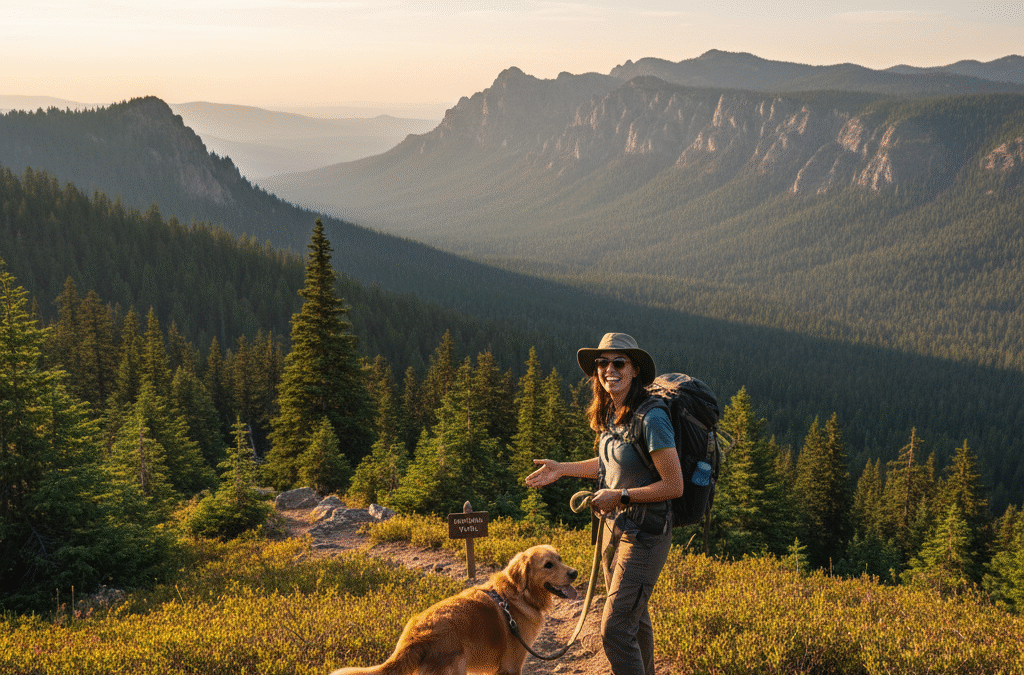
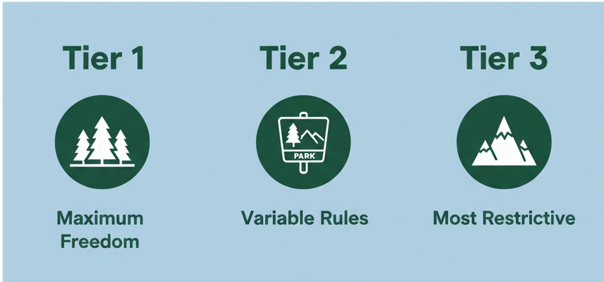
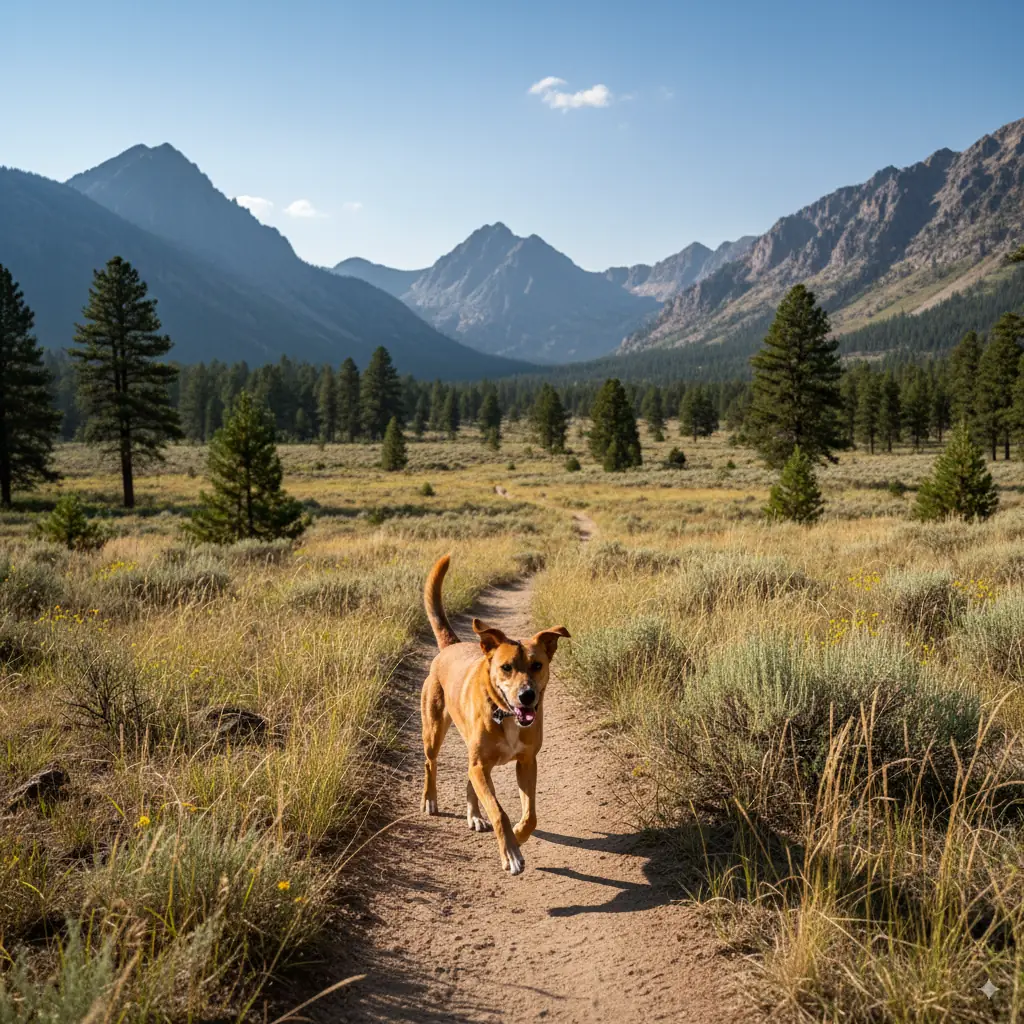
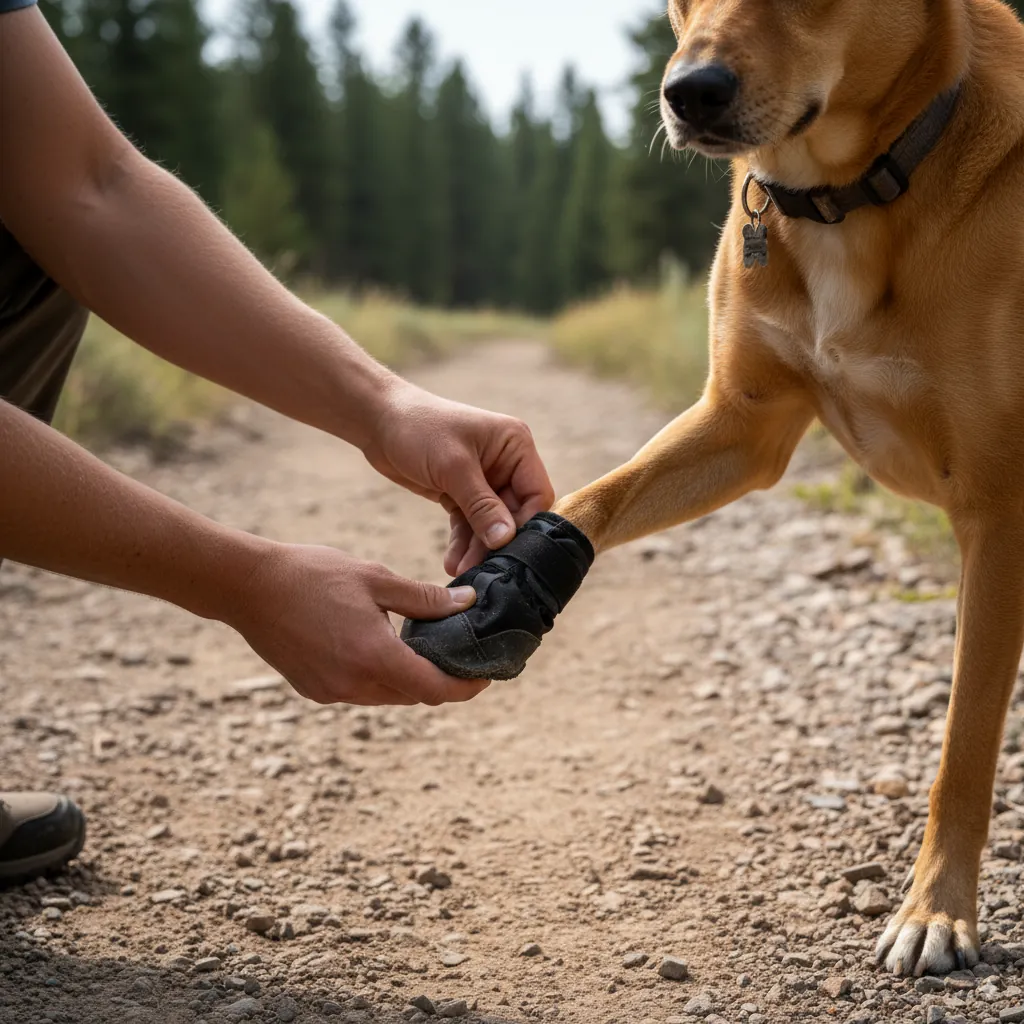
![The Complete RV & Vanlife Planner [Free 2026 Templates]](https://boondockorbust.com/wp-content/uploads/2025/09/Generated-Image-September-06-2025-12_04PM-1024x675.jpeg)
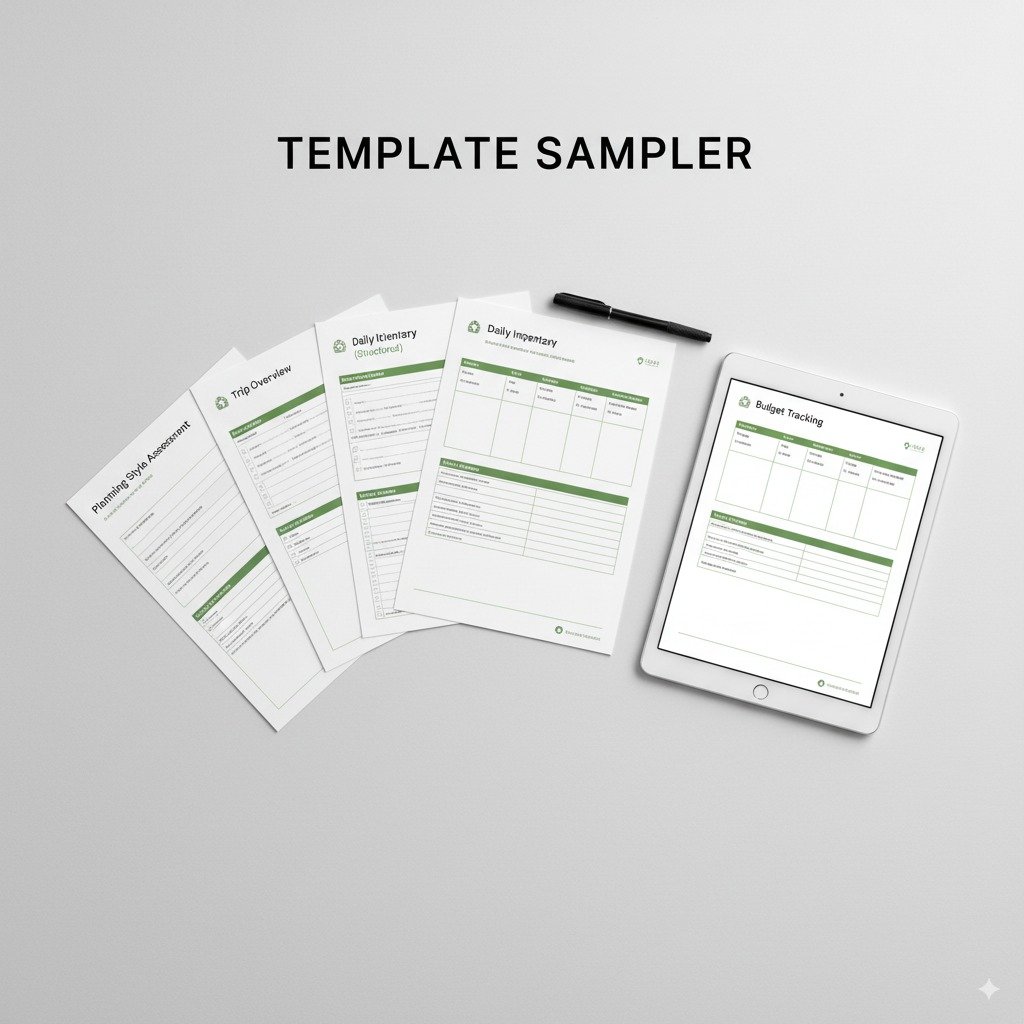
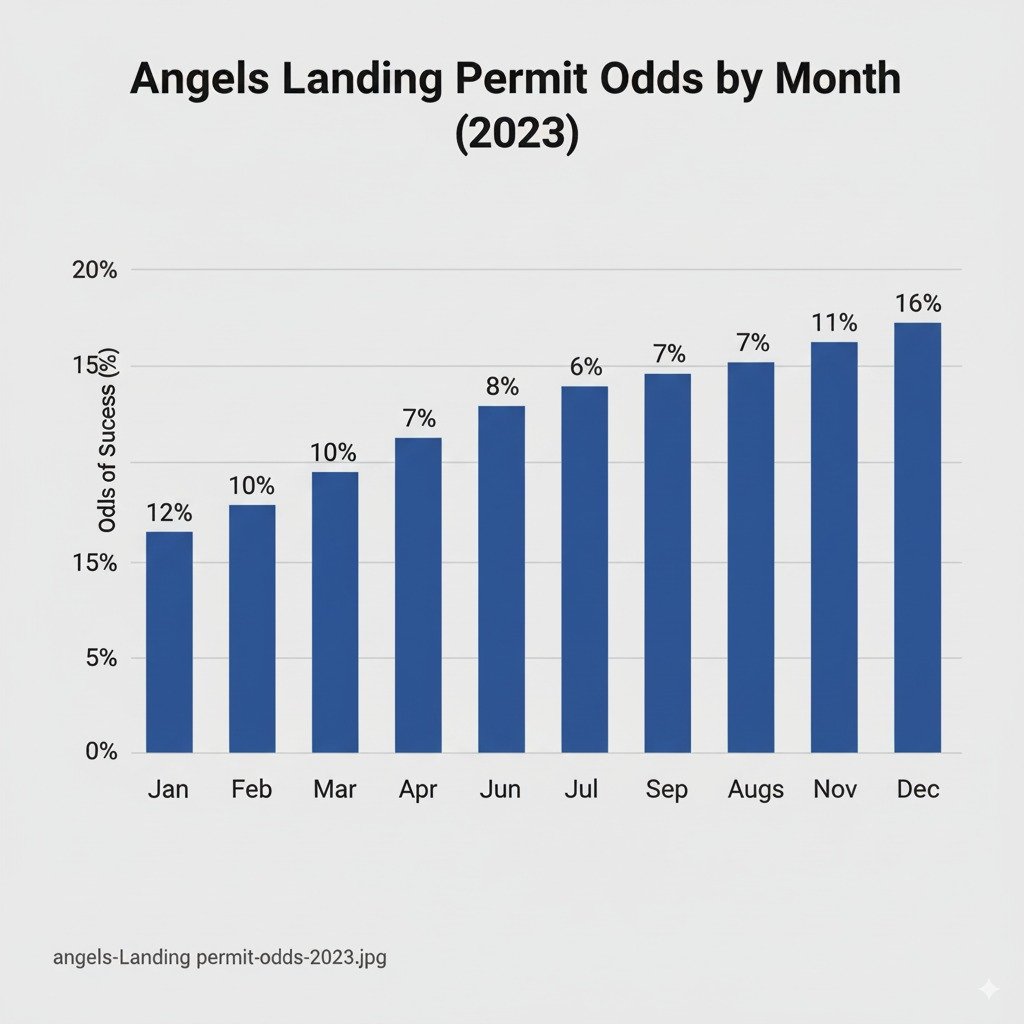
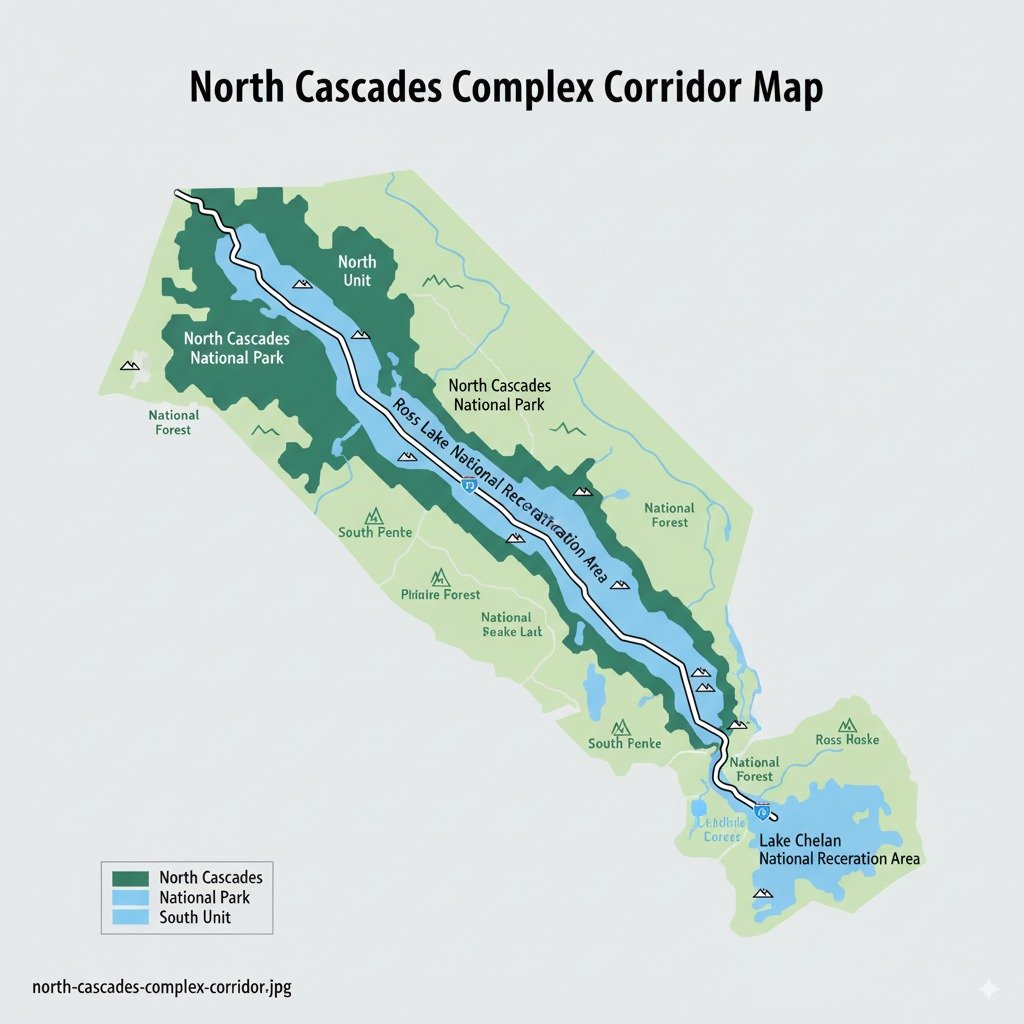

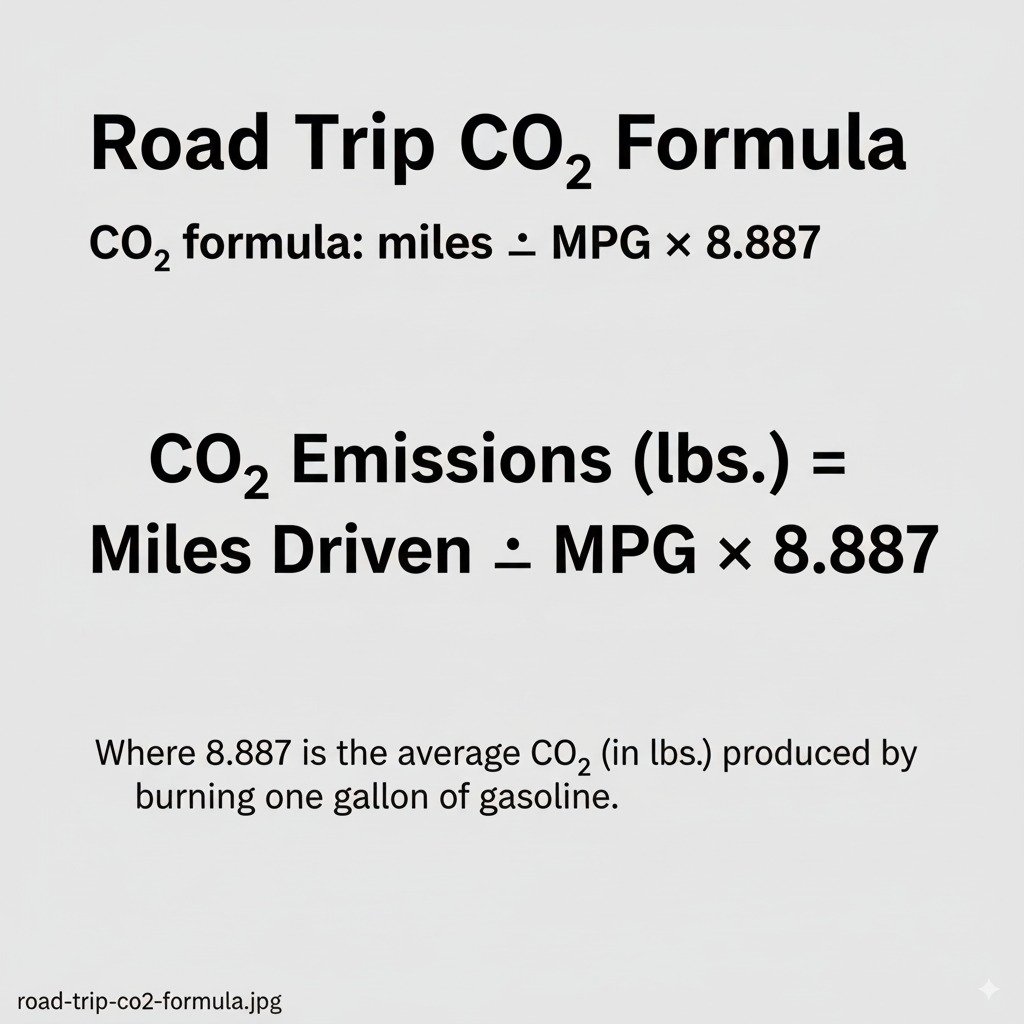
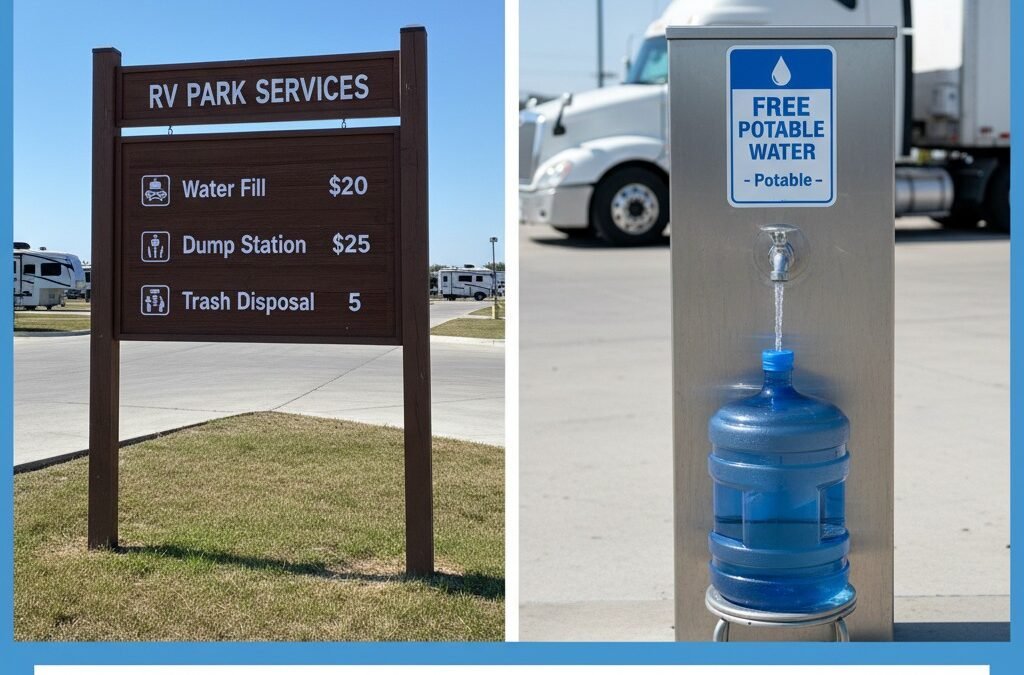
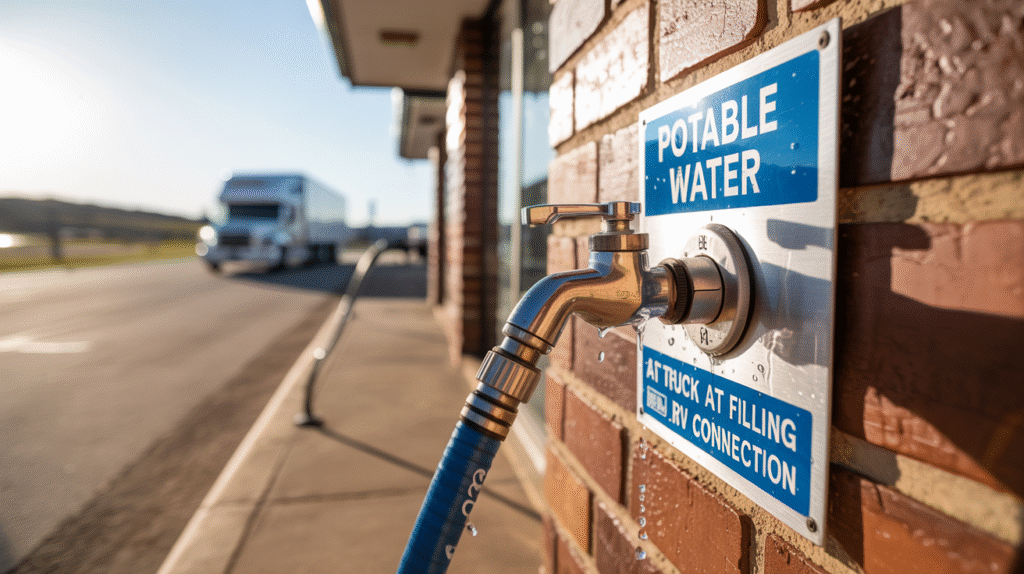
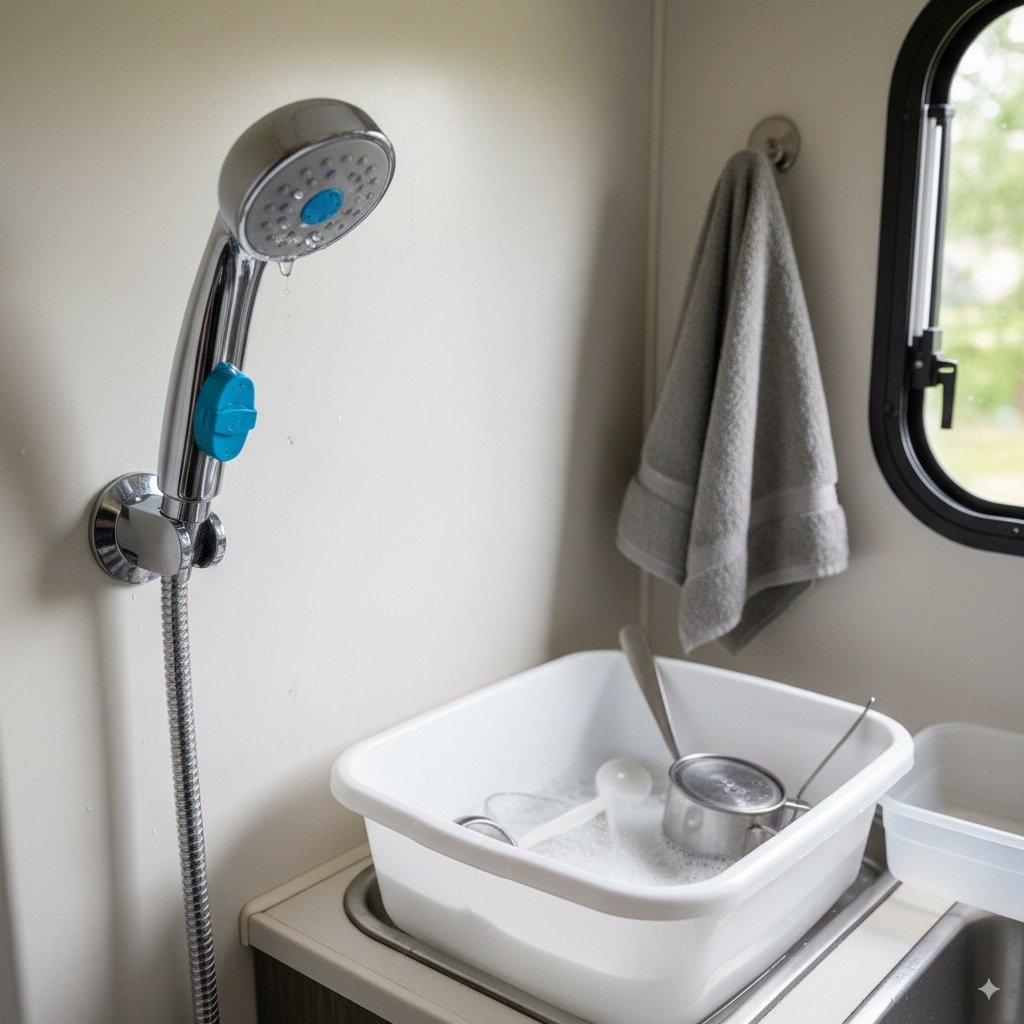

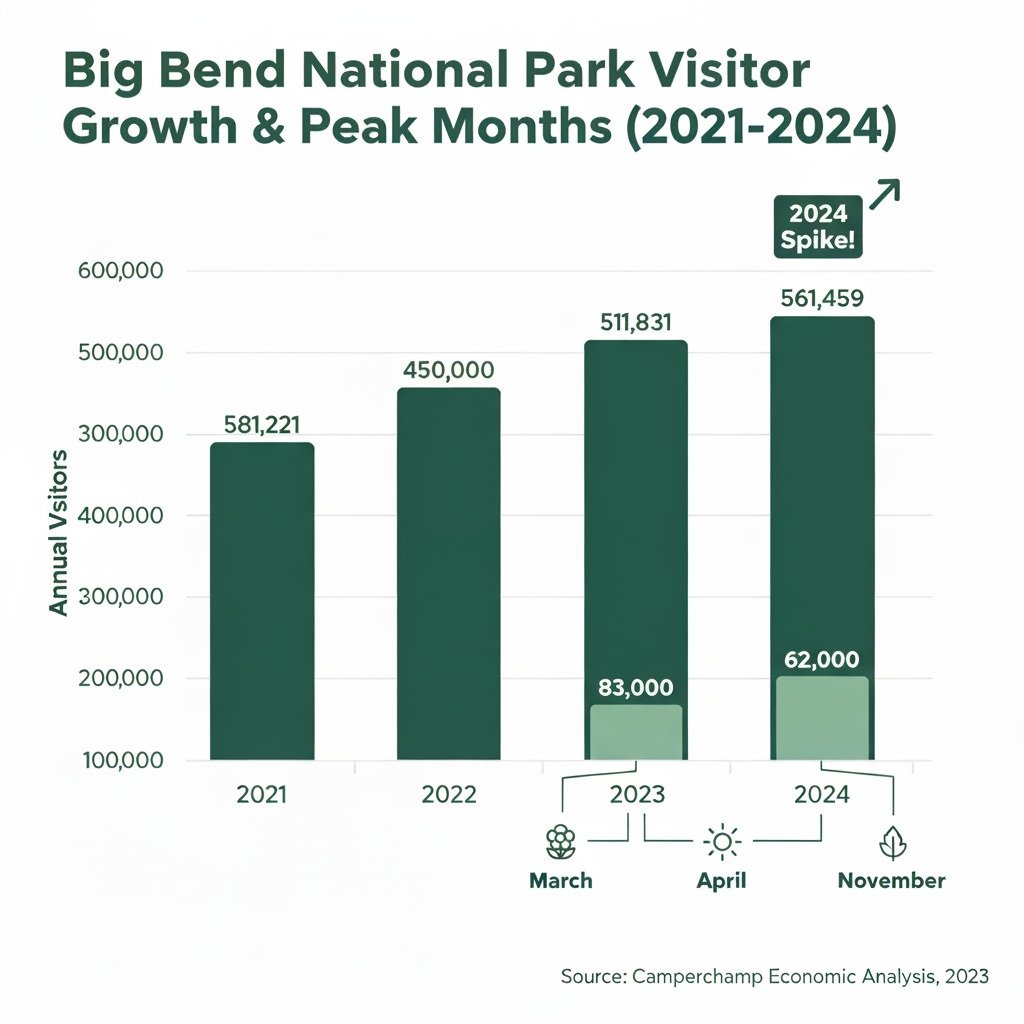 Visitor growth mirrors the nationwide boom in park attendance, with numbers rising from 511,831 in 2023 to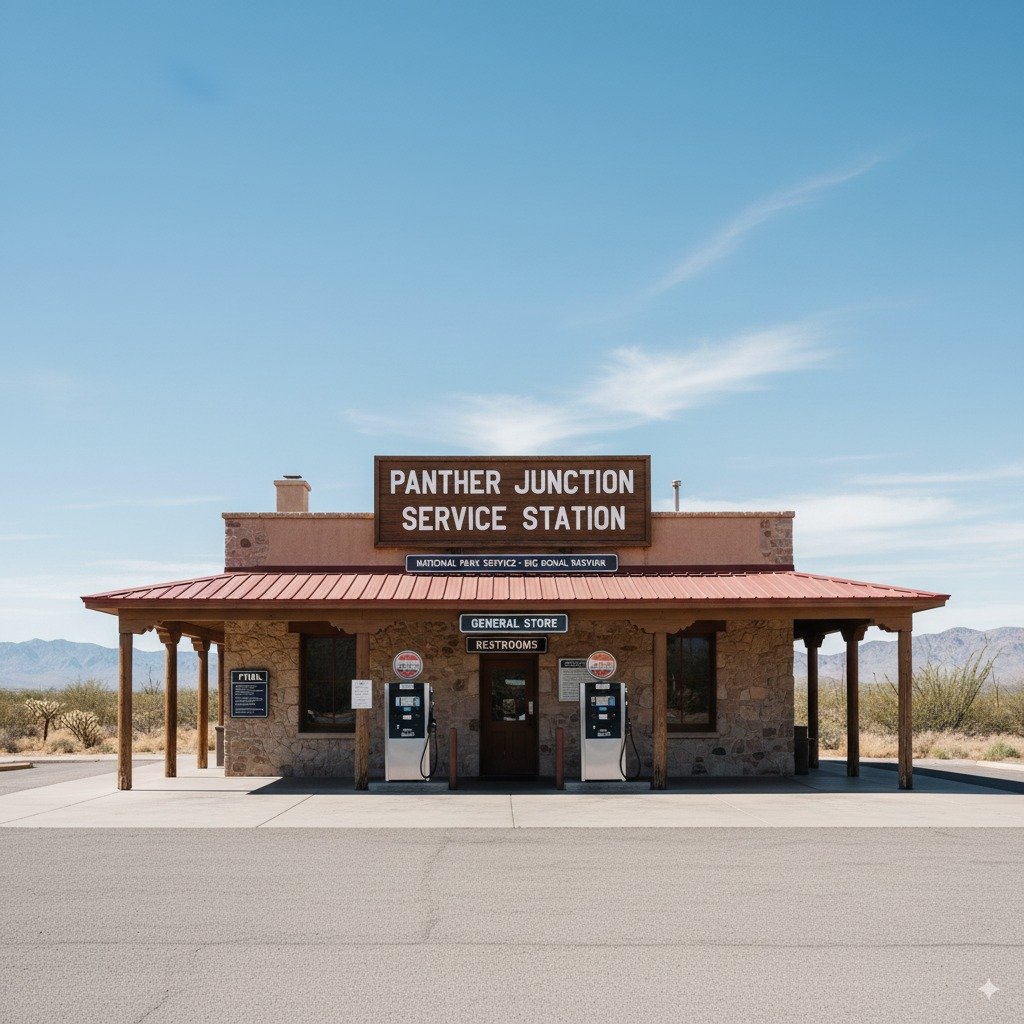
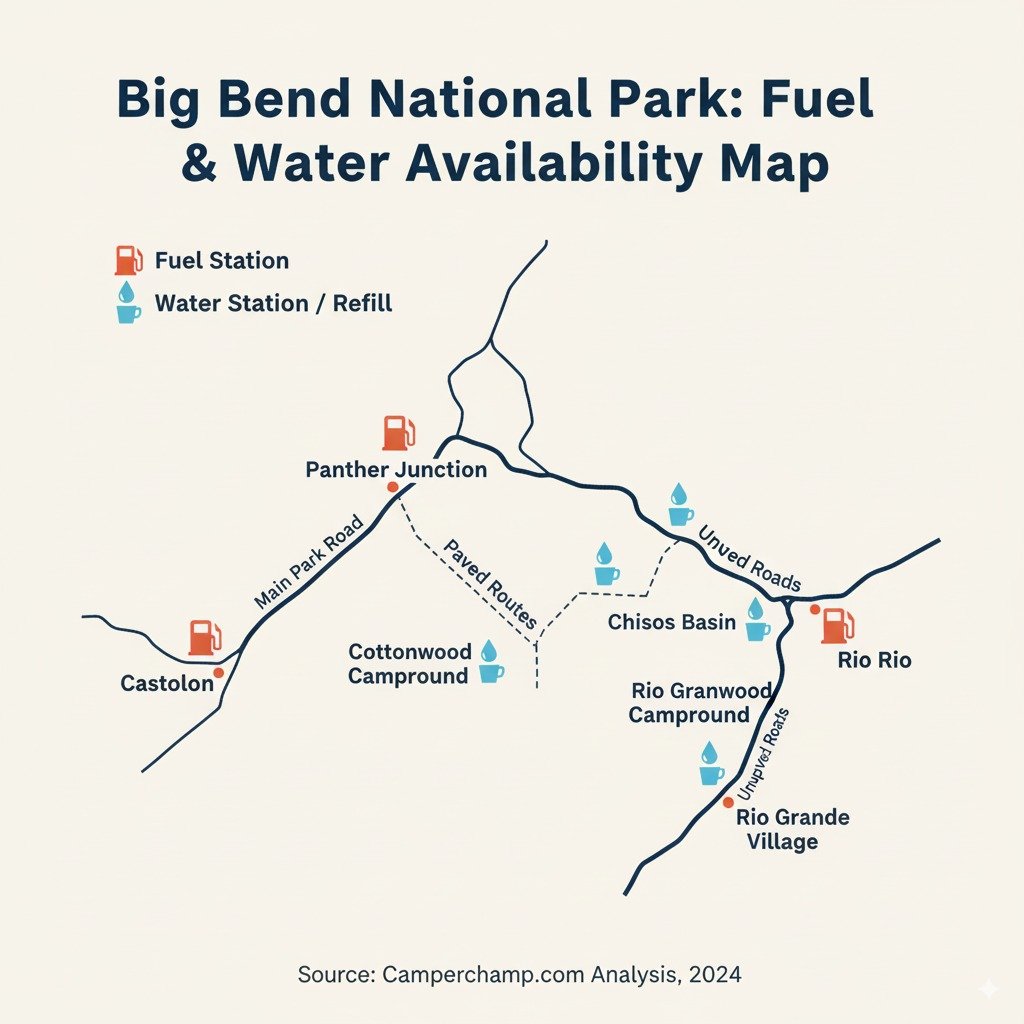 Critical resource distribution across Big Bend’s primary routes.
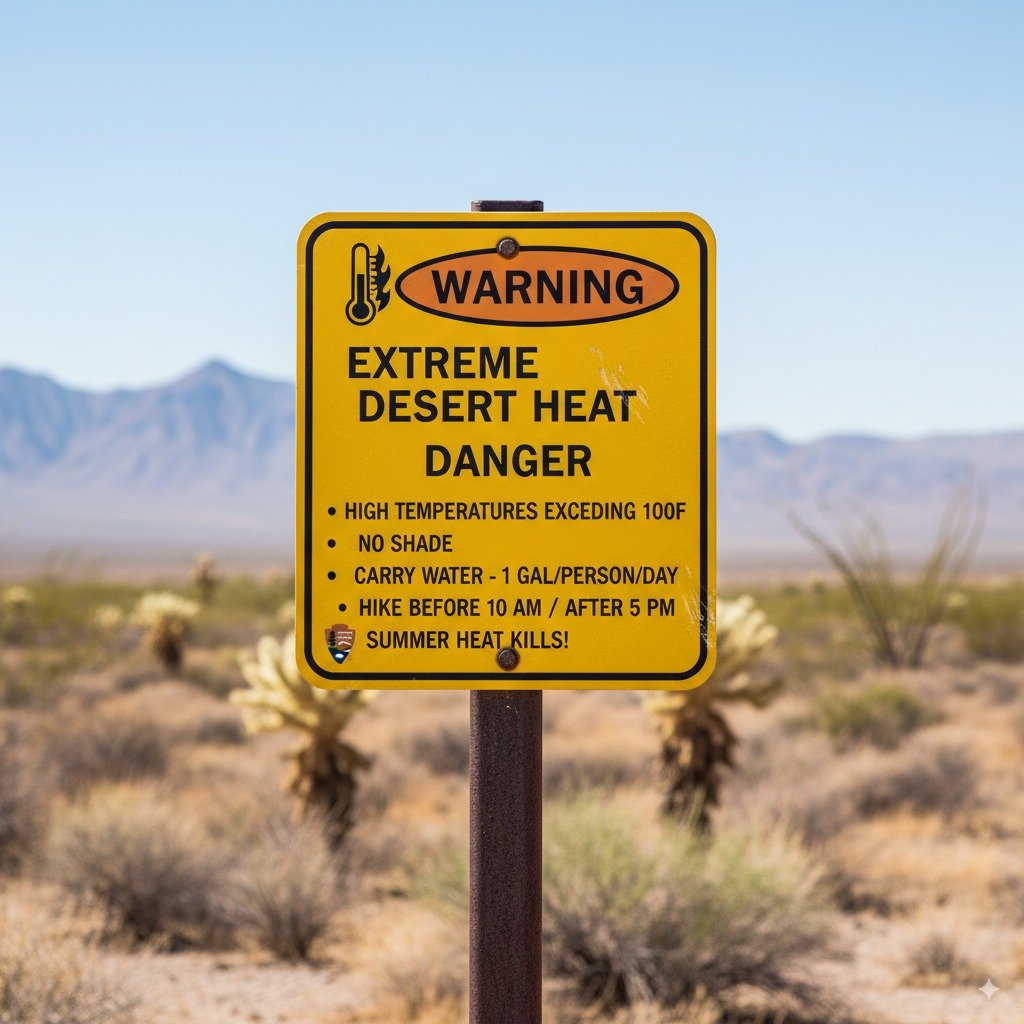 Understanding real-feel temperatures prevents heat-related emergencies in desert conditions.