
A Realistic Guide to Hiking with Your Dog on U.S. Public Lands
TL;DR: The Three-Tier Reality
Stop planning around “dog-friendly” national parks—most offer parking lot access, not trail adventures. The real hiking opportunities exist in a hierarchy: National Forest System and BLM lands (about 438 million acres combined) offer maximum trail access, state parks vary dramatically by location, and national parks restrict dogs to protect wildlife. This guide maps where your dog can actually hike.
You’ve planned the trip for weeks. The car is packed, the dog is excited, and you’ve arrived at a beautiful park advertised as “dog-friendly.” But as you approach the trailhead, you see the sign: a stark silhouette of a dog with a red line through it. Your dog is welcome in the parking lot and paved campground loops, but the actual trails—the reason you came—are off-limits.
This frustrating experience is the reality for countless dog owners who rely on misleading guides. The problem isn’t the parks; it’s the vague definition of “dog-friendly.” Most articles fail to distinguish between a place that tolerates a leashed dog on asphalt and a place that welcomes you and your companion on a backcountry trail (U.S. Forest Service, 2025).
This guide corrects that by replacing the confusing “dog-friendly” label with a clear, evidence-based framework. Every policy mentioned links directly to official sources, so you can plan with confidence and avoid parking lot disappointment.
The Truth About “Dog-Friendly” Public Lands
Not all public lands are created equal when it comes to dog access. The U.S. Forest Service, Bureau of Land Management, National Park Service, and individual state agencies operate under fundamentally different mandates that determine their pet policies.
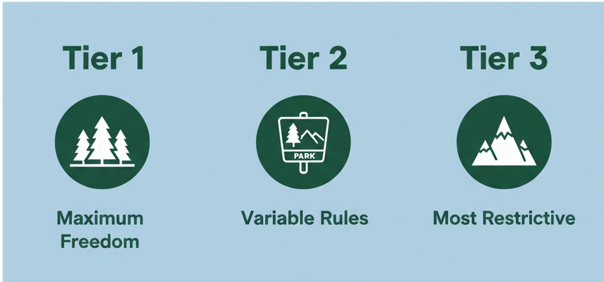
This creates a three-tier hierarchy of dog access that no mainstream guide properly explains:
Tier 1: Maximum Freedom
National Forest System & BLM Lands: about 438 million acres combined are managed by the Forest Service (about 193 million acres) and BLM (about 245 million acres). Many routes allow dogs, but leash, wildlife, seasonal, and site-specific rules vary—check the managing office before hiking.
Tier 2: Variable Rules
State Parks: Policies vary dramatically by state and individual park. Some rival national forests for access; others are more restrictive than national parks. Always research specific park policies.
Tier 3: Most Restrictive
National Parks: Dogs are typically restricted to developed areas, roads, and specific designated trails. The National Park Service prioritizes ecosystem protection over recreational access.
Tier 1: Maximum Freedom – National Forests & BLM Lands
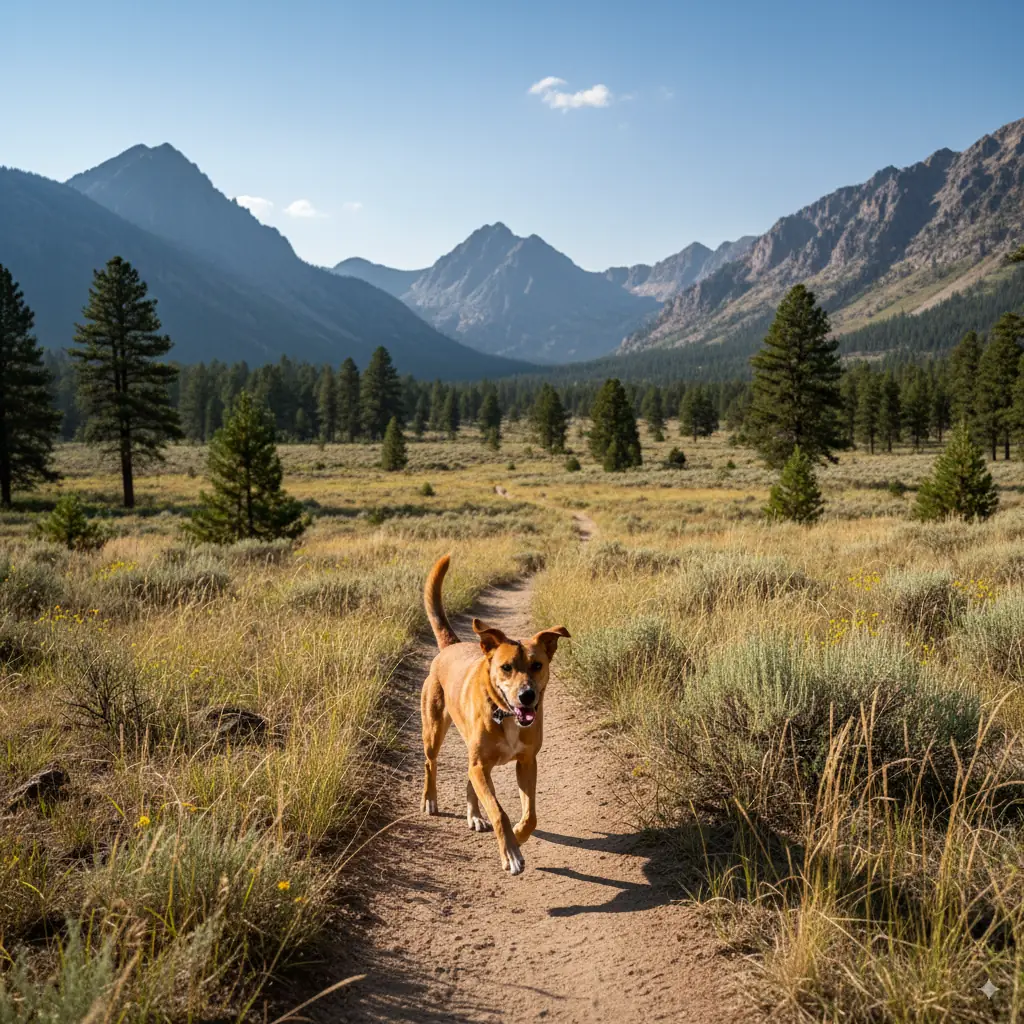
Here’s what the misleading “dog-friendly national parks” articles should be recommending: the 154 national forests and 245 million acres of BLM land that offer genuine wilderness hiking with your dog.
According to official Forest Service policy, dogs must be leashed only in developed recreation areas (campgrounds, interpretive trails) and on a leash no longer than 6 feet. Most other forest areas do not require leashes, though dogs must remain under voice control.
The BLM’s official recreation policy states: “Dogs are welcome on most BLM-managed trails. Please check the trail website or call the local BLM field office for specific leash policies.”
Why This Matters: These lands prioritize multiple-use recreation alongside conservation. Unlike national parks’ preservation-only mandate, forests and BLM areas balance recreational access with environmental protection.
Examples of exceptional Tier 1 destinations:
- Gifford Pinchot National Forest, WA: Official dog policy allows off-leash hiking on most trails
- Coronado National Forest, AZ: Permits off-leash hiking outside developed areas
- Any BLM wilderness area: Check local field office policies for specific leash requirements (Bureau of Land Management, 2024).
- Find locations near you: Use the Forest Service location finder or BLM field office directory
- Planning tools: Recreation.gov for campground reservations and Avenza Maps for offline trail navigation
Tier 2: Variable Rules – State Parks
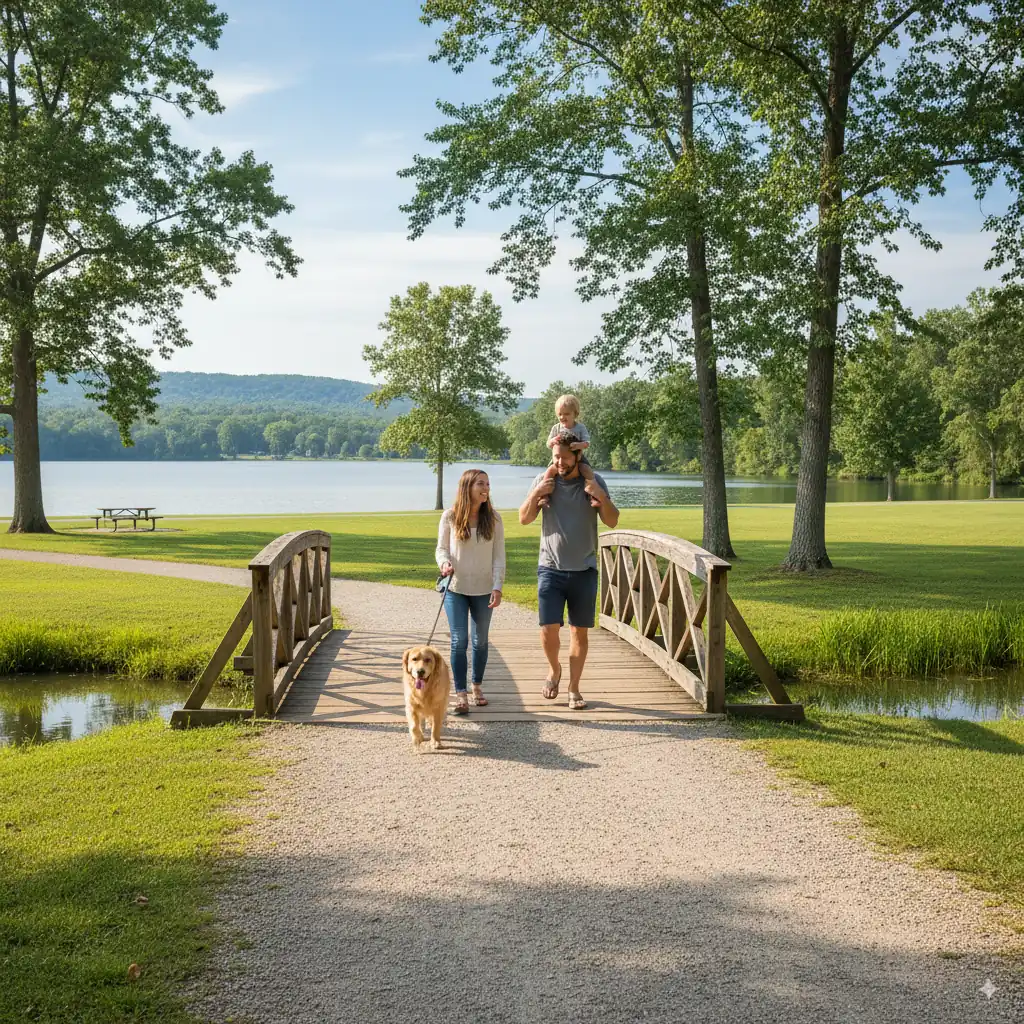
State parks present the biggest planning challenge because policies vary dramatically—not just between states, but between individual parks within the same state system. Some state parks offer better dog access than national forests, while others are more restrictive than the most conservation-focused national parks.
Consider the stark differences:
| State/Park | Dog Policy | Reality Check |
|---|---|---|
| Georgia State Parks | Leashed dogs are welcome on all trails except specific areas at Tallulah Gorge | Excellent access – rivals national forests |
| California State Parks | Dogs are generally not allowed on trails, rivers, or undeveloped areas | More restrictive than most national parks |
| Wisconsin State Parks | Permitted on most trails and designated swim areas | Good trail access plus dedicated dog beaches |
| Big Bend Ranch State Park, TX | Only allowed within ¼ mile of roads/campsites, two trails only | Extremely restrictive due to desert conditions |
The Research Imperative: Never assume state park policies based on other parks you’ve visited. The Wisconsin State Park system exemplifies thorough policy documentation, listing exactly which beaches and areas welcome dogs. California’s system, conversely, operates under blanket restrictions that surprise many visitors.
Tier 3: Most Restrictive – National Parks
Here’s where we address the elephant in the room: why do national parks restrict dogs when forests don’t? It’s not arbitrary—it reflects fundamentally different missions and the scientific evidence about domestic animals in pristine ecosystems.
The National Park Service operates under a preservation mandate. According to their official policy, “pets are not permitted in a public building, public vehicle, or location designated as a swimming beach”. They are restricted from most trails to protect both wildlife and domestic animals.
The science behind restrictions includes:
- Disease transmission: Documented cases of canine parvovirus affecting wolves, heartworm killing wildlife predators
- Wildlife stress: Even leashed dogs create scent trails that disrupt feeding and nesting patterns
- Predator encounters: Rangers report that most bear encounters on trails involve unleashed dogs
- Research evidence: The Wildlife Society documents ecosystem impacts of domestic dogs in natural areas
The Genuine Exceptions: Some national parks do offer substantial dog access, proving that restrictions aren’t universal:
- Acadia National Park: Dogs allowed on 100 miles of hiking trails and 45 miles of carriage roads, with only technical climbing routes restricted
- Shenandoah National Park: Dogs welcome on over 480 miles of trails, with fewer than 20 miles off-limits
- Cuyahoga Valley: 110 miles of pet-friendly trail,s including the Ohio & Erie Canal Towpath
These exceptions typically involve parks with established human development, robust trail infrastructure, or unique ecological circumstances that make dog access compatible with conservation goals.
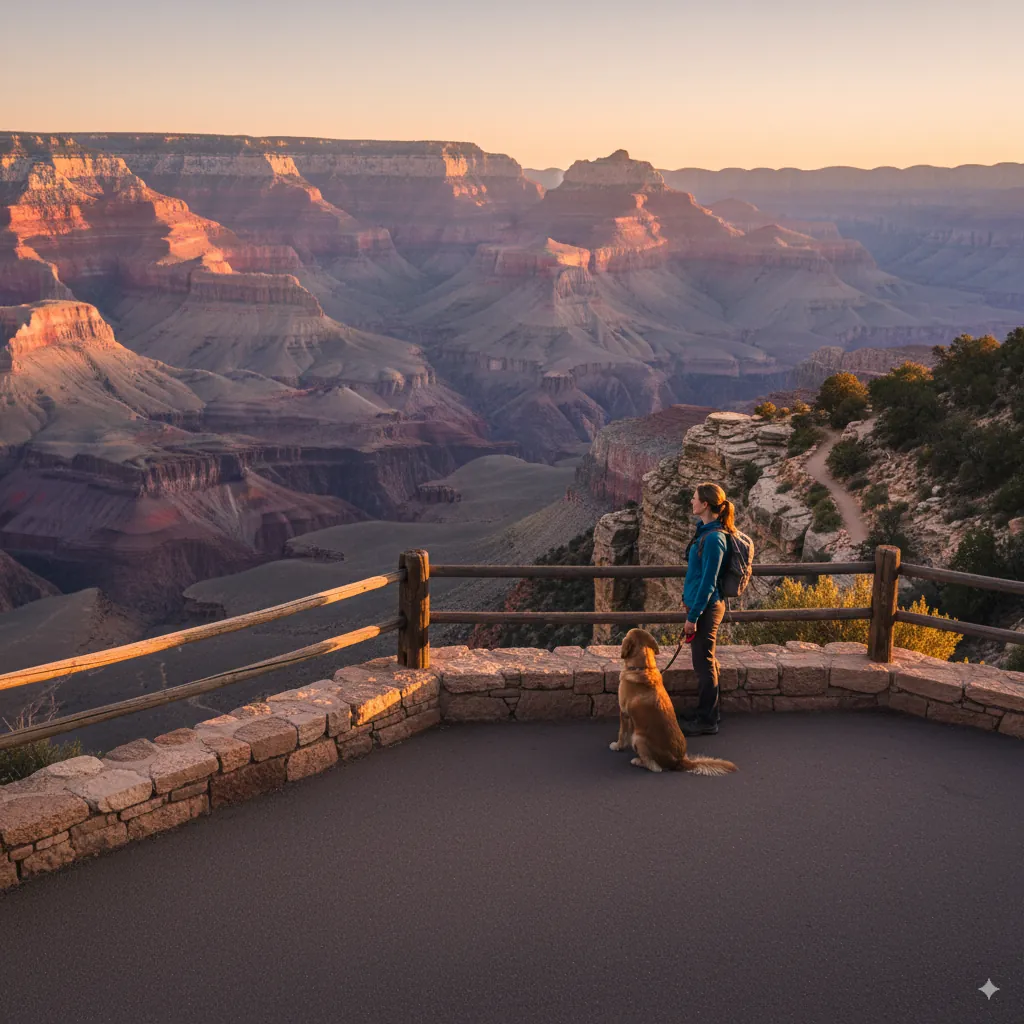
Why Most Parks Restrict Dogs: The Conservation Case
The Facebook comments on hiking articles reveal a common frustration: “Why can’t dogs go everywhere humans can?” Understanding the scientific rationale behind restrictions helps explain why some lands welcome dogs while others don’t—and it’s not about being anti-pet.
Research from wildlife biologists shows that domestic dogs, even when leashed and well-behaved, create measurable impacts on ecosystems:
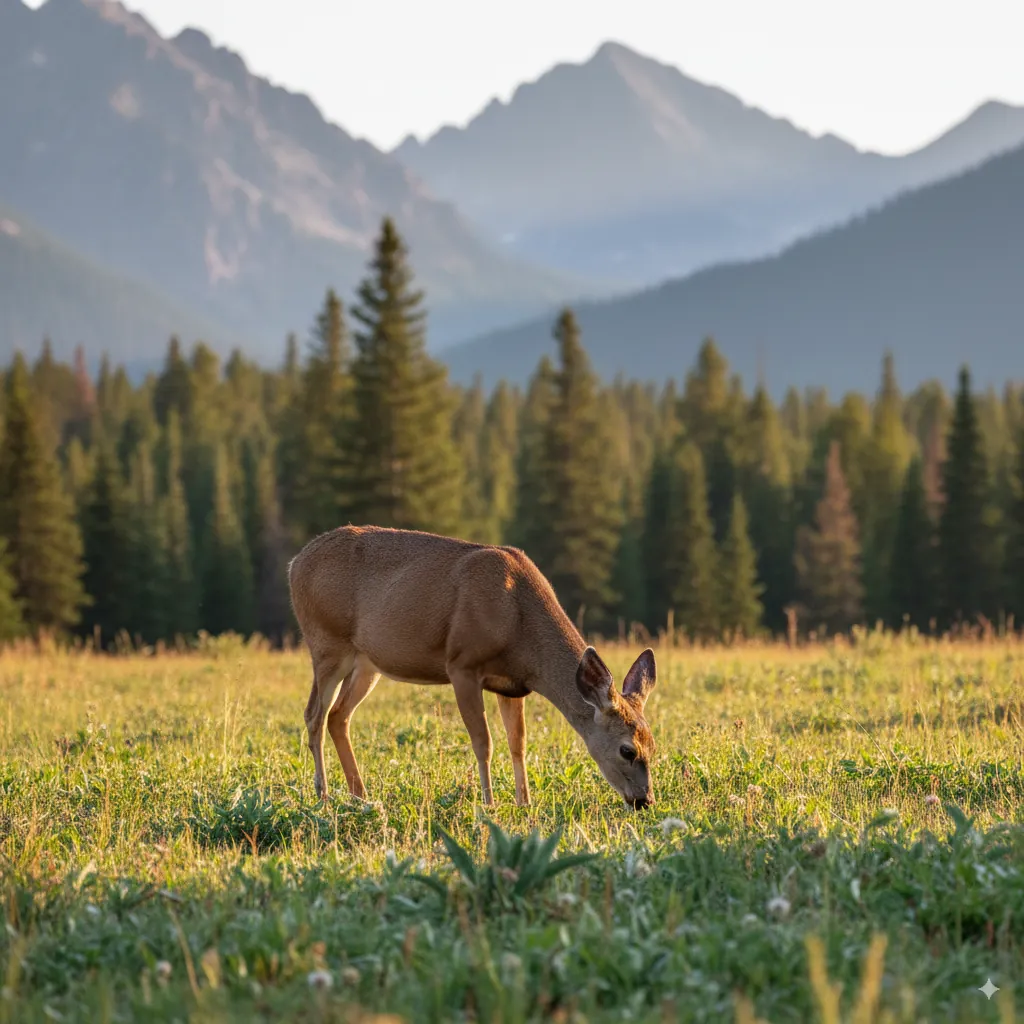
The evidence isn’t just theoretical. Park rangers report specific problems:
- Scent disruption: Dog scent can linger for days, altering wildlife movement patterns even after you’ve left
- Ground nesting birds: Dogs instinctively investigate ground-level scents, inadvertently destroying nests
- Predator encounters: Rangers confirm that “most bear encounters on the Appalachian Trail occur because of unleashed dogs.”
The Counterargument: Dog advocates reasonably point out that humans create far more ecosystem disruption than leashed pets. The difference lies in the parks’ legal mandates. National parks must prioritize pristine ecosystem preservation above recreational access. National forests balance multiple uses, including recreation, which allows for more flexible policies.
This isn’t about parks being “anti-dog”—it’s about different agencies operating under different legal frameworks with different primary responsibilities.
Essential Safety & Gear Framework
Real wilderness hiking with dogs requires more preparation than parking lot visits, but the extra planning ensures safer, more enjoyable adventures for both of you.
Non-Negotiable Safety Gear:
- First Aid Kit with Benadryl: For allergic reactions to stings or bites – AKC’s first aid guide covers essentials
- Collapsible Water Bowl + Extra Water: Dogs overheat faster than humans in wilderness conditions
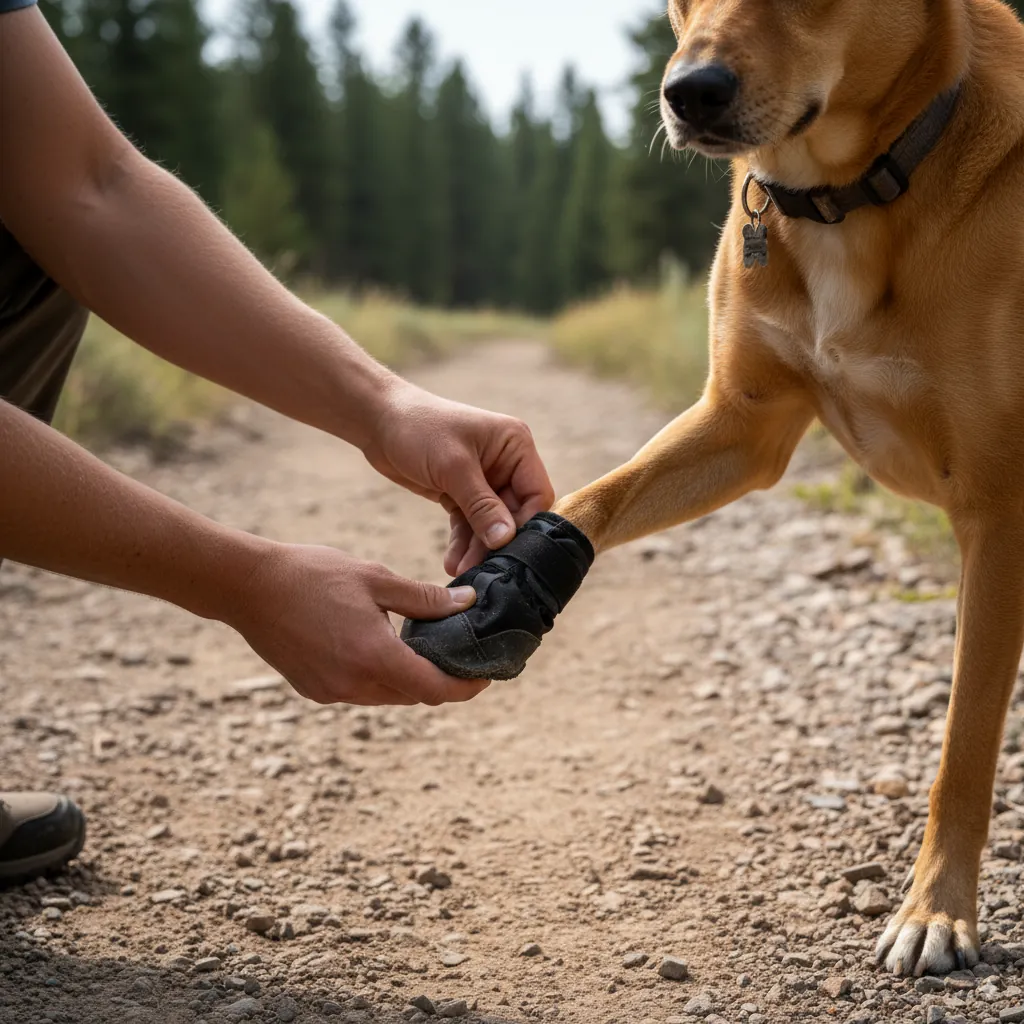
- Protective Booties: Essential for hot sand, rough rock, or icy conditions – REI’s dog gear guide covers sizing and selection (REI, 2023).
- 6-Foot Leash + Backup: Required in all developed areas, useful for emergency control
- GPS Collar or AirTag: Wilderness areas often lack cell service for tracking
- Dog Pack: For longer hikes, dogs can carry their own water and supplies – see OutdoorGearLab’s testing for top-rated options
Regional Considerations:
- Desert Southwest: Test sand temperature with your hand—if too hot for you, too hot for paws
- Rocky Mountain regions: Altitude affects dogs similarly to humans; watch for excessive panting
- Forested areas: Tick prevention essential; check thoroughly after each hike
- Bear safety: National Park Service bear safety guidelines apply to all wilderness areas
- Wildlife safety: National Park Service bear safety guidelines apply to all public lands
Planning Your Trip: A State-by-State Quick Reference
Skip the misleading “dog-friendly” listicles. Here’s the research methodology that prevents disappointment:
Step 1: Identify Land Management Agency
- National Forest: Search fs.usda.gov for official pet policies
- BLM Land: Check blm.gov local field office information
- State Park: Go directly to the state’s park system website
- National Park: Verify current policies at nps.gov
Step 2: Verify Current Policies
Policies change seasonally and due to wildlife activity. The Superior National Forest recently clarified that leash requirements apply to “developed recreation sites,” including “campgrounds, campsites, boat landings, hiking trails, portages, and fishing piers.”
Red Flags to Avoid:
-
- Articles that don’t link to official policies
- Blanket statements about “dog-friendly national parks”
- Recommendations without current verification dates
- Guides that don’t differentiate between agency types
Reliable Planning Resources:
-
-
- Official agency websites: Always the primary source for current policies
- Local ranger stations: Call for seasonal restrictions and current conditions
- GoPetFriendly.com: Links to official sources rather than making unverified claims
- Leave No Trace principles: Essential guidelines for responsible outdoor recreation with pets
- Trail conditions: Check AllTrails.com for recent user reports on trail conditions and current policies
- Gear reviews: REI’s comprehensive dog gear guide for equipment recommendations
- Safety research: American Veterinary guidelines on safe exercise for dogs
- Trip planning: Recreation.gov for official campground reservations
-
The Bottom Line
Stop planning around the myth of “dog-friendly national parks.” The real hiking opportunities exist in national forests and BLM lands where your dog can experience genuine wilderness. State parks require individual research, and national parks offer limited but sometimes excellent exceptions.
Use this three-tier framework to set realistic expectations, always verify policies through official sources, and prepare for the wilderness conditions your dog will actually encounter. The trail adventure you both want is out there—you need to know where to look.
References
Bureau of Land Management. (2024, January 31). Hiking. https://www.blm.gov/programs/recreation/hiking
Mayflower Pembroke Welsh Corgi Club. (2020, December 31). Pets in our National Forests. https://www.mayflowercorgiclub.org/pets-in-our-national-forests.html
National Park Service. (n.d.). Pets. https://www.nps.gov/subjects/pets/index.htm
REI. (2023, August 13). Expert advice: Dog hiking gear. https://www.rei.com/learn/expert-advice/dog-hiking-gear
U.S. Fish & Wildlife Service. (n.d.). Pets and other animals. https://www.fws.gov/law/pets-and-other-animals
U.S. Forest Service. (2025, April 20). Canine campers: Bringing dogs to the national forest. http://www.fs.usda.gov/r03/gila/safety-ethics/canine-campers-bringing-dogs-national-forest
Wilderness Society. (2024, December 31). Which public wildlands can I visit with my dog? https://www.wilderness.org/articles/article/which-public-wildlands-can-i-visit-my-dog-answers-here
Nature Conservancy. (2025). Visitor use rules [PDF]. https://www.nature.org/content/dam/tnc/nature/en/documents/VisitorUse.pdf
National Environmental Education Foundation. (2021, April 27). Discover safe and fun public lands adventures with your dog. https://www.neefusa.org/story/public-lands-engagement/discover-safe-and-fun-public-lands-adventures-your-dog
Last updated: September 2025. Always confirm current regulations before travel.


