How to RV Camp on a Budget

How to RV Camp on a Budget

RV Camping Hacks That Will Save You Money

RV camping has come a long way since its early beginnings with basic tents and no amenities. As interest in the RV lifestyle grows, travelers have found creative ways to camp in RVs while sticking to a budget. From boondocking to stealth camping, budget RVing has opened up nature to those without thousands to spend.

Cindy and Chuck have over 35 years of RV experience, starting with a simple tent and upgrading to a Class B camper over time. Through their website, podcast and community outreach, they share budget RV tips and favorite camping spots with fellow travelers looking to immerse themselves in nature without breaking the bank.

Benefits of Affordable RV Camping

  • RV camping on a budget offers these key advantages:
  • Financial Savings – Experience nature without draining your wallet. Camp for free with boondocking or use discounts and loyalty rewards.
  • Escape into Nature – Immerse yourself in Mother Nature, from deserts to mountains to seashores. RVing brings you closer to the great outdoors.
  • Freedom and Flexibility – Travel and explore at your own pace. With an RV, you have the flexibility to change plans to take advantage of weather, events or deals.
  • RV Community – Connect with fellow RV enthusiasts also looking to camp affordably. Share experiences and recommendations.
  • Minimal Planning – For boondocking and other free camping, there’s less need for reservations and strict scheduling.

How to Camp in an RV on a Budget

Boondocking and Free Camping

Boondocking, or free dispersed camping, is the cornerstone of budget RVing. Boondockers rely on their self-contained RVs for necessities like water, power and waste management without hookups. Popular free camping spots include:

  • BLM Public Land
    The Bureau of Land Management offers vast areas for free dispersed camping across the U.S.
  • National Forests
    Managed by the U.S. Forest Service, National Forests provide numerous camping opportunities, including free dispersed camping.
  • State Parks and Recreation Areas
    Explore camping options in state parks and recreation areas across the country.
  • Corps of Engineers Lakes
    The U.S. Army Corps of Engineers manages many lakes that offer camping opportunities, some of which are free or low-cost.
  • Parking Lots (Cabela’s, Casinos, Walmart)
    Many RVers use parking lots of establishments like Cabela’s, casinos, and Walmart for overnight stays. Always check store policies and local regulations

Membership Discounts

Look into discounts and rewards programs from clubs like Good Sam, KOA Value Kard and Thousand Trails. These can lead to significant savings at participating campgrounds. There are also often special rates for seniors, veterans, and club members.

  1. Good Sam Club
    Join the Good Sam Club for exclusive discounts, savings, and benefits at over 2,400 RV parks and campgrounds.
  2. KOA Value Kard Rewards
    Enroll in KOA’s loyalty program to earn points, get camping discounts, and enjoy exclusive offers.
  3. Thousand Trails
    Experience unlimited camping with a Thousand Trails Camping Pass. Explore their network of campgrounds and take advantage of special member benefits.

Research Camping Options

Use resources like freecampsites.net, Campendium, RV Parky and forums like boondocking.org to research free or low-cost camping spots, read reviews and view photos. Talk to fellow RVers for firsthand recommendations.

Stealth Camping

Stealth camping, or urban boondocking, involves free overnight parking in cities and towns. The goal is to avoid detection. Look for inconspicuous spots, limit generator noise, cover windows and leave no trace.

Conservation and “Leave No Trace”

When boondocking, adhere to Leave No Trace principles:

  • Dispose of Waste Properly
  • Leave Sites as Found
  • Respect Wildlife
  • Minimize Campfire Impacts
  • Avoid Damaging/Removing Vegetation

Use Cost-Saving Resources

Take advantage of deals on budget-friendly rental RVs. Search for used RV supplies and parts online and at discount or thrift stores. Keep up with maintenance to avoid major repairs. Join communities like RV Horizons for money-saving tips.

Top-Rated Budget Camping Destinations

Based on Cindy and Chuck’s extensive experience, here are some highly recommended spots for affordable RV camping:

Recommendations from Fellow RVers

In addition to expert recommendations, fellow RVers are invaluable resources for tried and true budget camping locations. User-generated content on platforms like Campendium reveals real RVers’ firsthand experiences, reviews and tips for free or low-cost overnight RV parking spots and campgrounds nationwide. Sort by price and read details like “Stayed here with our 30′ travel trailer for 2 nights, very quiet and safe boondocking for free in a casino parking lot.”

RV Travel on a Budget is Achievable

RVing is often seen as an expensive undertaking, but with savvy planning, research and creativity, travelers can explore the freedom of the open road while sticking to a budget. Boondocking, stealth camping, membership discounts and online resources open up nature to all by making RVing affordable and accessible. As Cindy and Chuck can attest, with the right approach,RV vacations don’t have to break the bank.


Resources

  1. KOA – Ways to Stay
    Discover a variety of camping options, from tents to RVs, and everything in between. KOA offers unique experiences for every type of camper.
  2. Good Sam – Campgrounds & RV Parks
    Explore top-rated campgrounds and RV parks with Good Sam’s trusted directory. Find the best spots to park and play.
  3. Camping World – RV
    Your one-stop-shop for all things RV. From purchasing to maintenance, Camping World has got you covered.
  4. RV Camping
    Dive deep into the world of RV camping with comprehensive guides, tips, and resources for the modern RVer.
  5. Campendium
    Unearth hidden gems and popular camping spots with reviews from the RV community. Campendium is your trusted source for campsite insights.

Featured Image by Unsplash

Optimize Your RV Kitchen: Tips for Efficient Cooking and Delicious Road Trip Meals

Optimize Your RV Kitchen: Tips for Efficient Cooking and Delicious Road Trip Meals

Cooking in an RV can be a fun and exciting experience, but it also poses unique challenges. With limited space, it’s important to be organized and efficient. In this article, we will share some tips and tricks to help you make the most of your RV kitchen and prepare delicious meals on the road.

Plan Your Meals in Advance

Planning your meals in advance is essential when cooking in an RV. It helps you to save time and space, and also ensures that you have all the necessary ingredients on hand. Make a grocery list before you hit the road, and be sure to include non-perishable items that can be stored easily.

Use Multi-Functional Kitchen Tools

One of the most effective ways to make the most of your limited space in the RV kitchen is to use multi-functional kitchen tools. For example, instead of having a separate blender, food processor, and juicer, consider investing in a high-quality blender that can do it all.

4074783459 d79037dcd5 c

Store Food Efficiently

When it comes to storage, it’s important to be organized and efficient. Use stackable containers to save space, and label everything to make it easy to find. Consider using a hanging fruit basket or a multi-tiered storage rack to keep your fruits and vegetables fresh and easily accessible.

Make Use of the Outdoor Grill

Most RVs come equipped with an outdoor grill, which is perfect for cooking meals that require high heat. Grilling is also a great way to cook without heating up the inside of the RV. Be sure to clean the grill after each use to prevent food from sticking and to avoid rust.

Use Space-Saving Cooking Methods

When cooking in an RV, it’s important to use space-saving cooking methods. One-pot meals, for example, are a great way to save space and make clean-up a breeze. You can also use a slow cooker to cook meals while you’re on the road. Just prep the ingredients in the morning, and you’ll have a hot meal waiting for you when you return to the RV.

Stock Up on Spices and Condiments

Stocking up on spices and condiments is a great way to add flavor to your meals without taking up too much space. Instead of buying full-sized bottles, consider purchasing small travel-sized containers. You can also use a magnetic spice rack to keep your spices organized and easily accessible.

Clean As You Go

Cleaning up as you go is essential when cooking in an RV. It helps you to save time and keeps your workspace clean and organized. Keep a container of soapy water and a small trash can nearby, and wash dishes and utensils as you use them.

Invest in High-Quality Cookware

Investing in high-quality cookware is essential when cooking in an RV. Look for cookware that is durable, non-stick, and can be used on both the stovetop and in the oven. Cast iron skillets are a great option, as they can be used to cook a wide variety of meals.

Use Kitchen Organizers

Using kitchen organizers is a great way to maximize storage space and keep your RV kitchen organized. Consider using drawer organizers, spice racks, and storage baskets to keep your utensils, spices, and pantry items neat and easily accessible.

Take Advantage of Local Farmers’ Markets

One of the best things about traveling in an RV is the opportunity to explore new places and try local cuisine. Take advantage of local farmers’ markets to stock up on fresh produce and ingredients. Not only will you be supporting local farmers, but you’ll also be able to experience the unique flavors and ingredients of the area.

Resources


  1. The Kitchn – 10 Space-Saving Tools for Tiny Kitchens: https://www.thekitchn.com/10-space-saving-tools-for-tiny-kitchens-245772
  2. Good Sam – RV Kitchen Storage Solutions: https://blog.goodsam.com/rv-kitchen-storage-solutions/
  3. RVshare – 15 Must-Have RV Kitchen Gadgets for Happy Campers: https://rvshare.com/blog/rv-kitchen-gadgets/
  4. Taste of Home – 30 One-Pot Camping Meals to Make on Your Camp Stove: https://www.tasteofhome.com/collection/one-pot-camping-meals/
  5. Fresh Off the Grid – RV Cooking Tips for Beginners: https://www.freshoffthegrid.com/rv-cooking-tips-for-beginners/

FAQs:

Q1. What kitchen appliances should I bring with me in my RV?
A: It’s important to only bring the essentials when it comes to kitchen appliances in an RV. Consider bringing a high-quality blender, slow cooker, and cast iron skillet. These versatile items can be used for a variety of meals and take up minimal space.

Q2. How can I cook healthy meals in an RV?
A: Cooking healthy meals in an RV is possible with the right ingredients and tools. Plan your meals in advance and stock up on fresh fruits and vegetables from local farmers’ markets. Use high-quality cookware and cooking methods such as grilling and one-pot meals.

Q3. How can I keep my RV kitchen organized?
A: Keeping your RV kitchen organized is essential for efficient cooking. Use kitchen organizers such as drawer dividers, spice racks, and storage baskets to maximize storage space. Clean up as you go and store food in stackable containers.

Q4. Can I bake in an RV oven?
A: Most RV ovens are smaller than standard home ovens, but they can still be used for baking. Look for recipes that are designed for smaller ovens, and be sure to monitor the temperature carefully to prevent burning.

Q5. How can I save money on food while traveling in an RV?
A: To save money on food while traveling in an RV, plan your meals in advance and stock up on non-perishable items. Use local farmers’ markets to purchase fresh produce, and cook meals in the RV instead of eating out. Consider using a slow cooker to cook meals while you’re on the road, as it uses less energy than a stovetop or oven.

Conclusion:

Cooking in an RV can be a fun and rewarding experience, but it does require some planning and organization. By following these tips and tricks, you can make the most of your limited space and prepare delicious meals on the road. Remember to plan your meals in advance, use multi-functional kitchen tools, and keep your RV kitchen organized. Don’t be afraid to explore local farmers’ markets and try new recipes that are designed for small spaces. With a little creativity and preparation, cooking in an RV can be a highlight of your travel adventures.

Featured Image credit: studio tdes via flickr

RV Campsite Setup, Cleanup, and Responsible Camping

RV Campsite Setup, Cleanup, and Responsible Camping

The open road beckons, and the allure of RV camping has never been stronger. More and more people are discovering the freedom and flexibility of exploring the outdoors in a self-contained mobile home. This trend coincides with the rise of boondocking, the practice of camping off-the-grid in public lands, which offers a chance to truly immerse yourself in nature.

However, with increased RV camping comes a responsibility to tread lightly. Sustainable practices and a commitment to Leave No Trace principles are essential to ensure that future generations can enjoy these pristine environments.

This comprehensive guide aims to equip you, the RV adventurer, with the knowledge and skills to navigate the world of campsite setup, breakdown, and responsible camping. We’ll guide you through efficient practices for setting up your RV campsite, minimizing your environmental impact, and leaving the outdoors as you found them – or even better! Our goal is to empower you to enjoy the beauty of nature while ensuring its continued health for years to come.

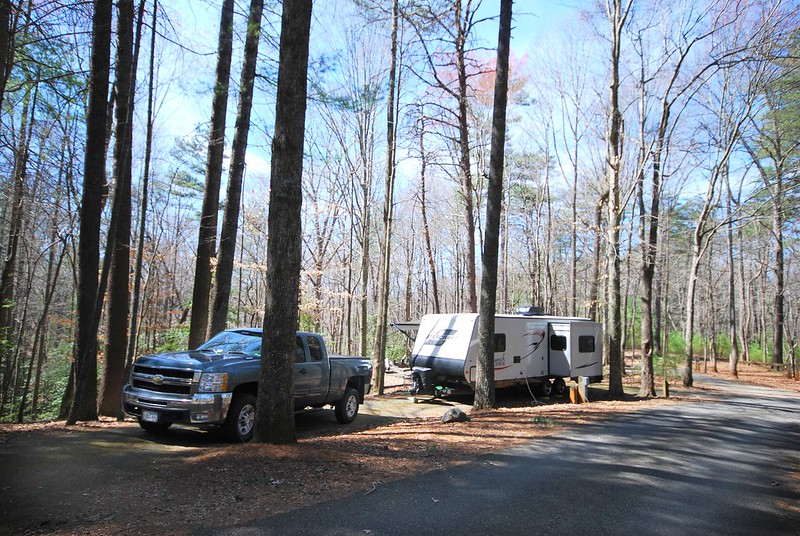
RV CampingRV Camping at Fairy Stone State Park” by vastateparksstaff is licensed under CC BY 2.0.

Preparing for Your RV Adventure


Choosing the Right Campsite

The foundation of a fantastic RV adventure lies in selecting the perfect campsite. Here are some key factors to consider:

  • Location: Do you crave breathtaking scenery, proximity to hiking trails, or the convenience of nearby amenities? Consider your priorities and research campsites that align with your vision.
  • Accessibility: Can your RV comfortably navigate the access road? Is the site large enough to accommodate your RV and additional vehicles? Think about your RV’s size and turning radius when evaluating accessibility.
  • Amenities: Do you require full hookups (water, sewer, electricity) or are you comfortable with dry camping (no hookups)? Consider the amenities offered by different campsites and choose based on your needs and preferences.
  • Environmental Impact: Opt for established campsites whenever possible to minimize disruption to natural habitats. If boondocking, choose dispersed camping areas designated for RV use. Be mindful of fire restrictions and leave no trace principles.

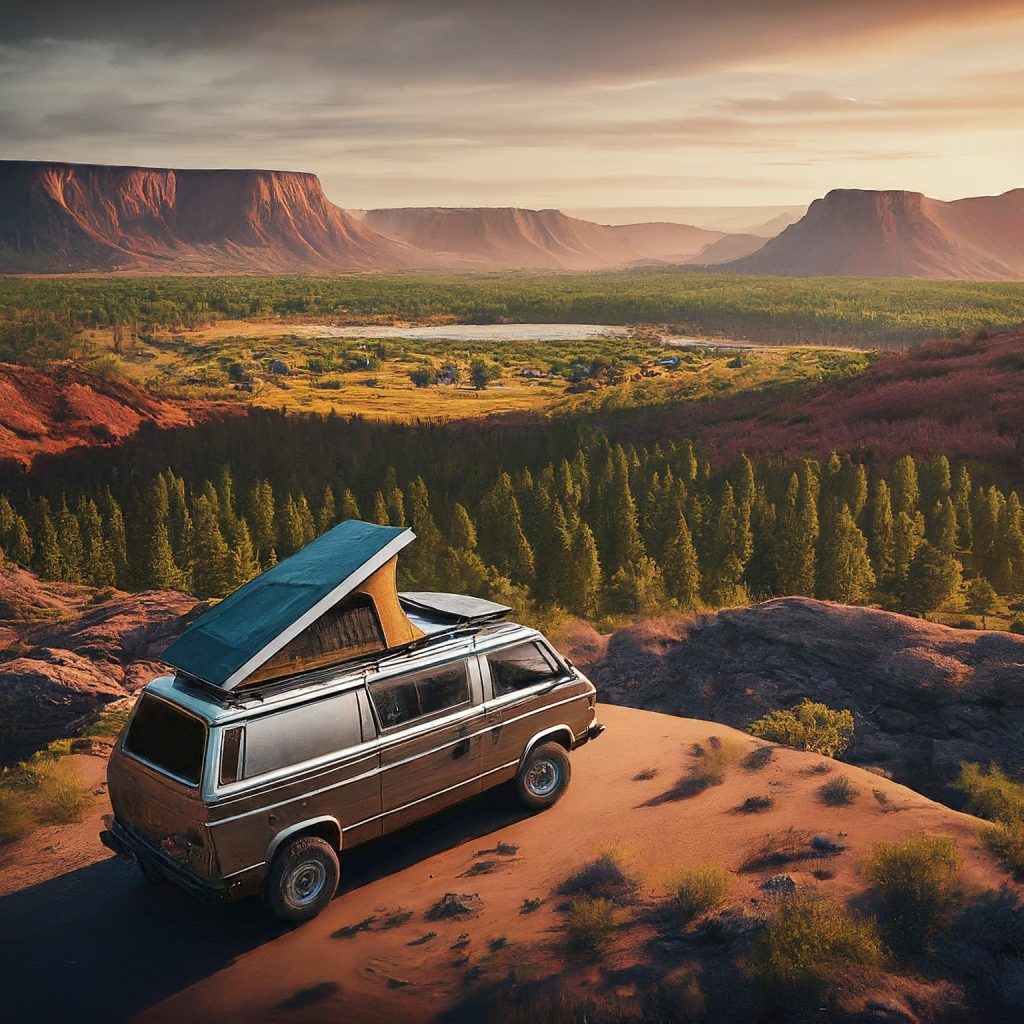
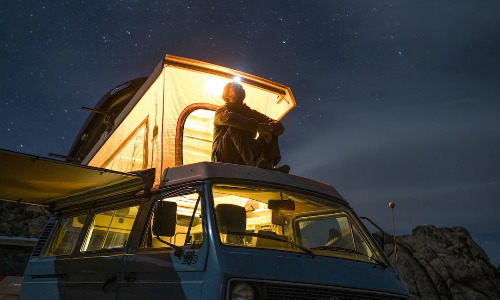
Camper Van overlooking Canyon

Boondocking vs. Traditional Campsites

Now that you understand the campsite selection factors, let’s explore the two main camping styles:

  • Boondocking: Embrace the spirit of self-reliance and immerse yourself in nature by boondocking on public lands.
    • Pros: Seclusion, tranquility, and often, free camping!
    • Cons: Limited or no amenities, potential challenges with finding level ground, and following stricter waste disposal regulations.
  • Traditional Campsites: Enjoy the convenience of established campgrounds with amenities like hookups, restrooms, and sometimes even laundry facilities.
    • Pros: Convenience, access to amenities, often have designated RV spots, and sometimes offer organized activities.
    • Cons: Can be crowded and noisy, fees associated with camping, and may have restrictions on fire use or generator use.

Deciding Between Boondocking and Campsites:

The best choice depends on your preferences and RV setup. If you prioritize solitude and self-sufficiency, and your RV is equipped for dry camping, then boondocking might be ideal. However, if you value amenities and a more structured camping experience, a traditional campsite may be the better option.

Essential RV Camping Gear

Preparation is key to a smooth RV camping experience. Here’s a comprehensive checklist to get you started, with a focus on eco-friendly alternatives:

  • Basic RV Equipment: Leveling blocks, wheel chocks, extension cords, hoses, electrical adapters, surge protector.
  • Eco-Friendly Options: Solar panels or a portable wind turbine for alternative power, reusable water containers, biodegradable dish soap, camp chairs made from recycled materials.
  • Lightweight and Multi-Use Gear: Opt for compact, multifunctional items to minimize space usage. Folding camp tables and chairs, a spork instead of separate utensils, and a camp blanket that doubles as a picnic blanket are all space-saving choices.

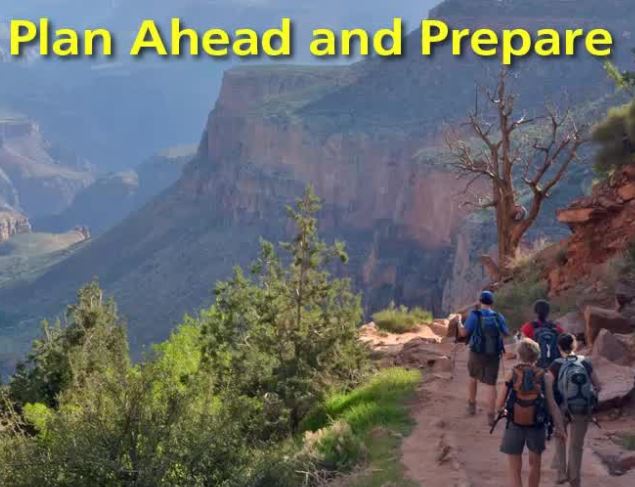
Leave no TraceGrand Canyon National Park via flickr

Understanding Leave No Trace Principles

Leave No Trace (LNT) is a set of seven principles designed to minimize human impact on the outdoors. Here’s how these principles translate to responsible RV camping:

  • Plan Ahead and Prepare: Choose established campsites whenever possible, research campfire restrictions, and pack out all trash, including greywater.
  • Travel and Camp on Durable Surfaces: Park your RV on designated campsites or established roads to avoid damaging vegetation.
  • Dispose of Waste Properly: Utilize designated dump stations for RV waste and properly dispose of trash in bear-proof containers.
  • Leave What You Find: Respect natural and cultural resources. Leave rocks, plants, and historical artifacts undisturbed.
  • Minimize Campfire Impacts: Only use designated fire rings and extinguish fires completely before leaving your campsite.
  • Respect Wildlife: Store food properly to avoid attracting animals. Never approach or feed wildlife.
  • Be Considerate of Other Visitors: Respect the privacy of fellow campers and maintain a reasonable noise level.


Real-World Applications of LNT

By following LNT principles, you can significantly reduce your environmental impact. Here are some real-world examples:

  • Reduce Waste: Plan meals to minimize food waste, use reusable dishware, and recycle or compost whenever possible.
  • Wildlife Protection: Store food in airtight containers inside your RV and never leave unattended food scraps outdoors.
  • Minimize Campfire Impact: Only use existing fire rings, gather firewood responsibly from designated areas, and extinguish your campfire with water until cool to the touch.

By adopting these practices, you’ll ensure that future generations can enjoy the beauty of the outdoors just as you do.

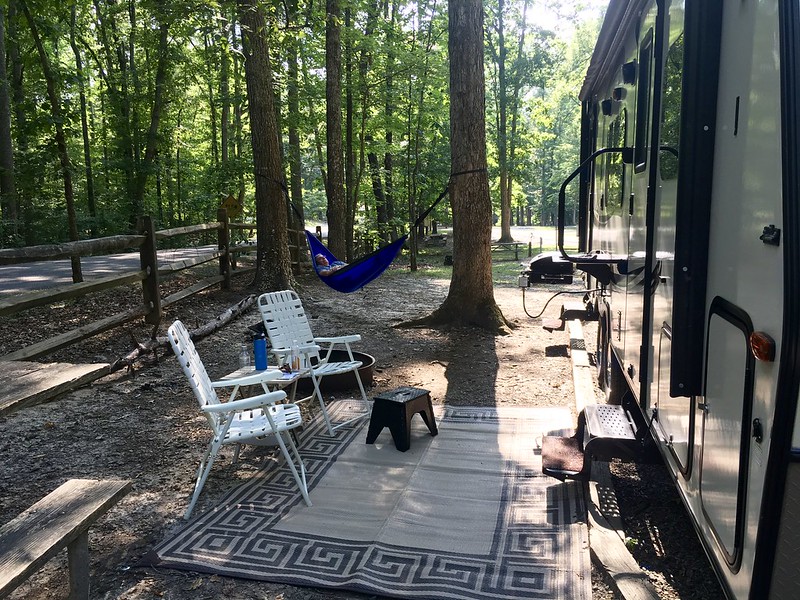
Bear Creek Lake State ParkVirginia State Parks via flickr

RV Campsite Setup


Arrival and Assessment

Congratulations! You’ve reached your chosen campsite. Before diving into setup, take a moment to assess the area:

  • Identify Hazards: Look for overhead power lines, low-hanging branches, or uneven terrain that could pose risks.
  • Assess the Terrain: Is the ground level or slightly sloped? Identifying the slope is crucial for proper leveling.
  • Respect Boundaries: Familiarize yourself with campsite boundaries and park your RV within designated areas.

Positioning Your RV

Now it’s time to position your RV for a comfortable and safe stay. Here’s how:

  • Leveling: Use leveling blocks and jacks to ensure your RV sits level. A slightly off-level RV can cause drainage issues and discomfort.
  • Orienting: Consider the sun’s position. Park your RV with the awning facing away from the afternoon sun for optimal shade.
  • Stabilizing: Deploy wheel chocks on both sides of each drive wheel to prevent your RV from rolling.

Establishing Camp: An Eco-Friendly Approach

With your RV positioned, it’s time to create your campsite haven. Here’s a step-by-step guide with a focus on sustainability:

  1. Unroll Awning (Optional): If using an awning, extend it carefully, considering wind conditions. Opt for a solar-powered awning light for a touch of eco-friendly ambiance.
  2. Set Up Furniture: Unfold your lightweight camp chairs and table, prioritizing items made from recycled materials.
  3. Unroll Flooring: Consider using a recycled plastic camping mat under your furniture to protect the ground and minimize dirt tracked into your RV.
  4. Connect Utilities (Optional): If your campsite offers hookups, connect your water hose, sewer hose, and electrical cord while ensuring proper connections to prevent leaks.

Energy Management: Powering Your Adventure

RV camping doesn’t have to come at the expense of the environment. Here are some tips for efficient energy management:

  • Harness the Sun’s Power: If you have solar panels, utilize them to their full potential. Aim the panels directly towards the sun for optimal energy generation.
  • Conserve Battery Power: Turn off appliances and lights when not in use. Invest in LED lighting for lower energy consumption.
  • Generator Etiquette (if necessary): Only use your generator when absolutely necessary and run it during designated hours, being mindful of noise levels for fellow campers.

Water Usage and Conservation: Every Drop Counts

Water is a precious resource, especially when boondocking. Here are some strategies for responsible water use:

  • Reduce Consumption: Take shorter showers, use a water-saving faucet aerator, and wash dishes in a pan of water instead of running water continuously.
  • Greywater Recycling (if allowed): If your campsite permits, consider using greywater (used water from sinks and showers) for non-potable purposes like watering plants.

Safe Water Disposal:

Never dump greywater directly on the ground. Utilize designated dump stations at campgrounds or find a responsible disposal method specific to your location. Blackwater (toilet waste) should always be disposed of at designated dump stations.


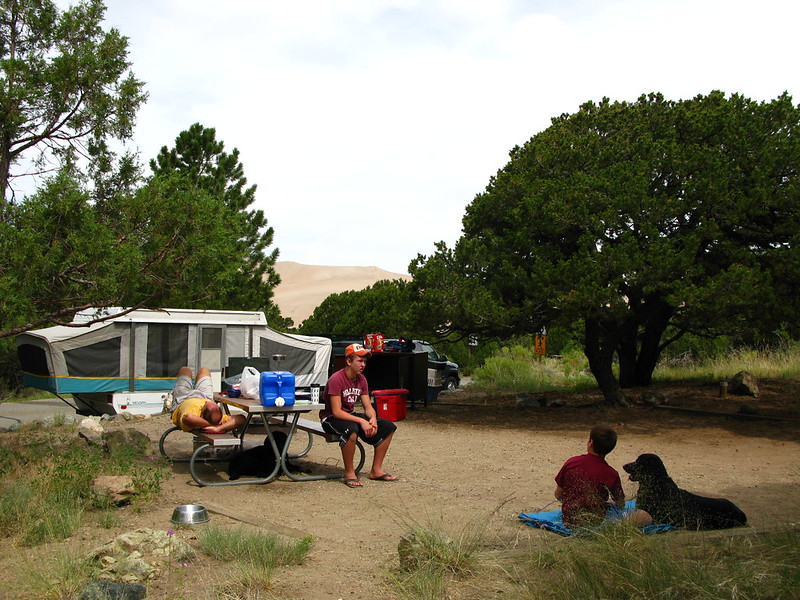
Camping at the DunesImage by OakleyOriginals via flickr

Living Responsibly While Camping


Minimizing Your Environmental Impact

Living responsibly while RV camping goes beyond just setting up camp. Here’s how you can minimize your environmental footprint:

  • Waste Management: A core principle of Leave No Trace. Sort your waste into recyclable, compostable (if facilities allow), and landfill-bound items. Pack out all trash, including food scraps and used tissues.
  • Reduce, Reuse, Recycle: Plan meals to minimize food waste. Opt for reusable containers and utensils whenever possible. Recycle at designated stations if available at your campsite.
  • Leave No Trace: Respect the natural environment. Avoid disturbing wildlife habitats, stay on designated trails, and leave rocks, plants, and historical artifacts undisturbed.

Wildlife Etiquette: Sharing the Outdoors

Wildlife encounters can be magical, but it’s crucial to maintain a safe distance for both you and the animals. Here are some key points:

  • Keep a Safe Distance: Admire wildlife from afar and avoid approaching or attempting to feed them.
  • Secure Your Food: Store food in airtight containers inside your RV and never leave unattended food scraps outdoors. This will help prevent attracting animals to your campsite.
  • Properly Dispose of Food Scrapes: Utilize designated bear-proof bins or dispose of food scraps in a way that discourages wildlife from scavenging.

Campsite Safety and Security

Safety and security are paramount for a relaxing camping experience. Here are some best practices:

  • Be Aware of Your Surroundings: Keep an eye on your belongings and valuables. Lock your RV when you leave the campsite.
  • Fire Safety: Only use designated fire rings and build campfires responsibly. Always extinguish fires completely before leaving your campsite.
  • Weather Awareness: Stay informed about weather forecasts and be prepared for potential changes.
  • First-Aid Kit: Pack a well-stocked first-aid kit to address minor injuries.

Fire Safety: Responsible Campfire Enjoyment

Campfires are a quintessential part of the camping experience. However, fire safety is essential to prevent wildfires and protect the natural environment.

  • Build Responsibly: Use designated fire rings and keep your campfire a manageable size.
  • Never Leave a Fire Unattended: Always have a responsible adult supervising the fire.
  • Extinguish Properly: Douse your campfire with water until cool to the touch. Stir the ashes to ensure no embers remain.By following these responsible practices, you’ll ensure a safe and enjoyable camping experience for yourself and your fellow campers, while leaving a minimal impact on the environment

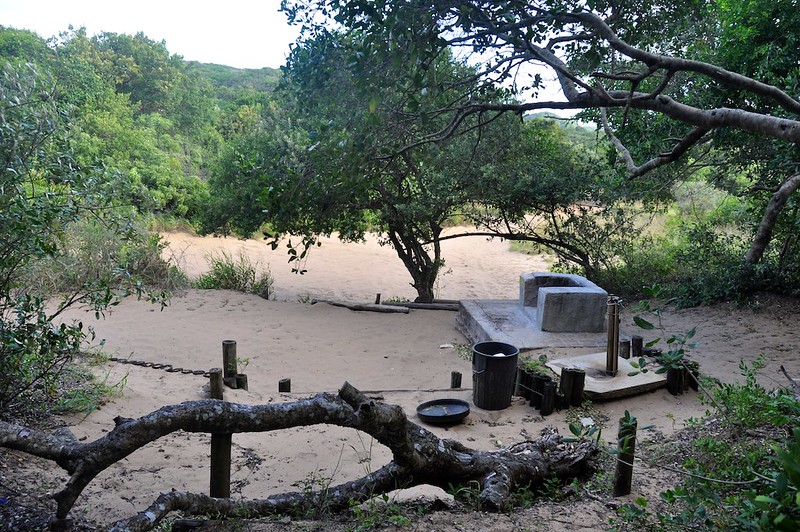
Image by Jeroen Looyé via flickr

Cleanup and Campsite Restoration


Leaving No Trace Behind: The Final Act

A responsible RV adventurer leaves the campsite as pristine as they found it. Here’s a checklist to ensure a smooth and minimal-impact breakdown:

  • Disconnect Utilities: Carefully disconnect and stow away electrical cords, water hoses, and sewer hoses (if applicable).
  • Secure Belongings: Pack up all your gear and ensure nothing is left behind. Double-check under furniture and awnings for any forgotten items.
  • Dispose of Waste Properly: Pack out all trash, including food scraps, and dispose of it responsibly at designated dumpsters or recycling bins.

Natural Restoration: Erasing Your Footprint

Leaving a truly invisible footprint goes beyond simply removing your belongings. Here are some ways to go the extra mile:

  • Scatter Scatter Rugs: If you used a recycled plastic camping mat, loosen and scatter any compacted soil underneath to promote natural regrowth.
  • Scatter Fire Ring Debris: If using a designated fire ring, carefully scatter the cooled ashes within the ring to help them decompose naturally. (Note: Always check local regulations regarding fire ring debris disposal).
  • Minimize Tire Marks: If possible, try to erase any visible tire marks left on soft ground by gently raking the area with a stick or trowel. (Note: This should only be done if it doesn’t cause further damage to the vegetation).

Post-Trip Reflection and Improvement

The journey doesn’t end when you leave the campsite. Here’s how to make the most of your experience:

  • Reflect on Your Practices: Think about what worked well and identify areas for improvement. Did you pack efficiently? Could you have minimized waste further?
  • Continual Learning: Research new techniques and tips for responsible RV camping.

Community Engagement: Sharing the Knowledge

The RV community thrives on sharing experiences and knowledge. Here’s how you can contribute:

  • Share Your Adventures: Connect with other RV campers online or at campgrounds. Share stories, tips, and responsible camping practices.
  • Support Sustainability Initiatives: Look for opportunities to get involved with organizations promoting responsible RV camping and environmental conservation.

By following these final steps, you’ll not only leave your campsite pristine but also contribute to a more sustainable future for RV camping and the natural world we cherish.

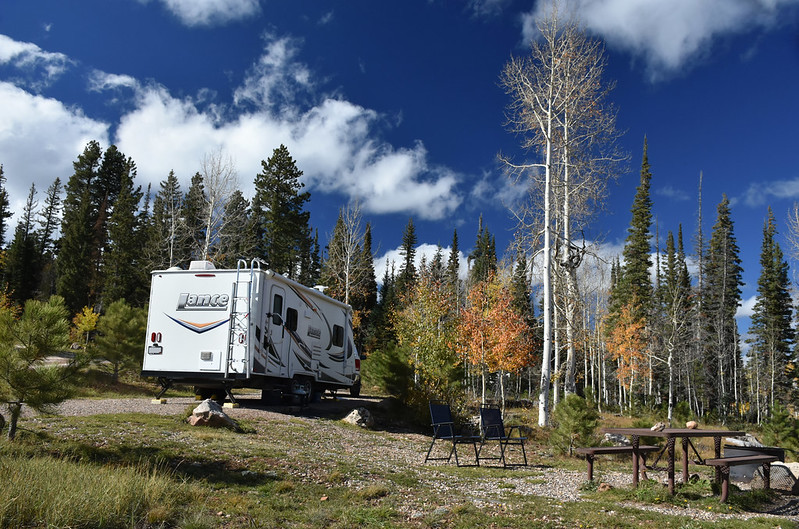
Kaibab National Forest
Kaibab National Forest, AZ via flickr

Conclusion

The open road beckons, and with this comprehensive guide, you’re now equipped to navigate the world of RV camping responsibly. We’ve emphasized the importance of preparation, from choosing the right campsite to packing eco-friendly gear. Responsibility is at the heart of every step, from minimizing your environmental impact to ensuring campsite safety. Remember, minimal impact is the key to preserving the beauty of nature for generations to come.

Embrace the freedom and flexibility of RV camping, but do so with a commitment to protecting the natural world. By following these principles, you can truly experience the magic of the outdoors while leaving only footprints – and perhaps some inspiration for others to follow suit.

The call to action is twofold:

  • Engage with the RV community: Share your responsible camping experiences, tips, and stories online or at campgrounds. Together, we can foster a culture of sustainable RVing.
  • Promote responsible camping: Advocate for responsible practices and support organizations dedicated to environmental conservation.

Let’s explore the wonders of our natural world with respect and leave it a little better than we found it. Happy and responsible RV camping!

Appendices


Appendix A: Recommended Eco-Friendly Products

  • Expandable Solar Panel Kits (100W – 200W)
    • Description: Perfect for powering lights, small appliances, and charging batteries, these kits are essential for off-grid camping. They’re easily expandable, allowing you to increase capacity as needed.
    • Environmental Benefit: Reduces reliance on fossil fuels, lowers carbon footprint.
    • Where to Buy: Renogy

Water Conservation Tools

  • Low-Flow Showerhead
    • Description: This showerhead significantly reduces water usage without sacrificing water pressure, making it ideal for conserving water in your RV.
    • Environmental Benefit: Saves gallons of water over a single trip, conserving precious natural resources.
    • Where to Buy: EcoCamel

Biodegradable Cleaning Supplies

  • Plant-Based Dish Soap and Cleaning Wipes
    • Description: Made from natural ingredients, these cleaning supplies offer effective cleaning power without the harmful environmental impact of chemical-based products.
    • Environmental Benefit: Biodegradable, reducing pollution in waterways.
    • Where to Buy: Eco-Me

Recycled Camp Furniture

  • Folding Camp Chairs and Table Made from Recycled Plastic
    • Description: Durable and stylish, this furniture is perfect for eco-conscious campers looking to minimize their environmental impact.
    • Environmental Benefit: Utilizes recycled materials, reducing waste and demand for new plastic production.
    • Where to Buy: Trex Outdoor Furniture

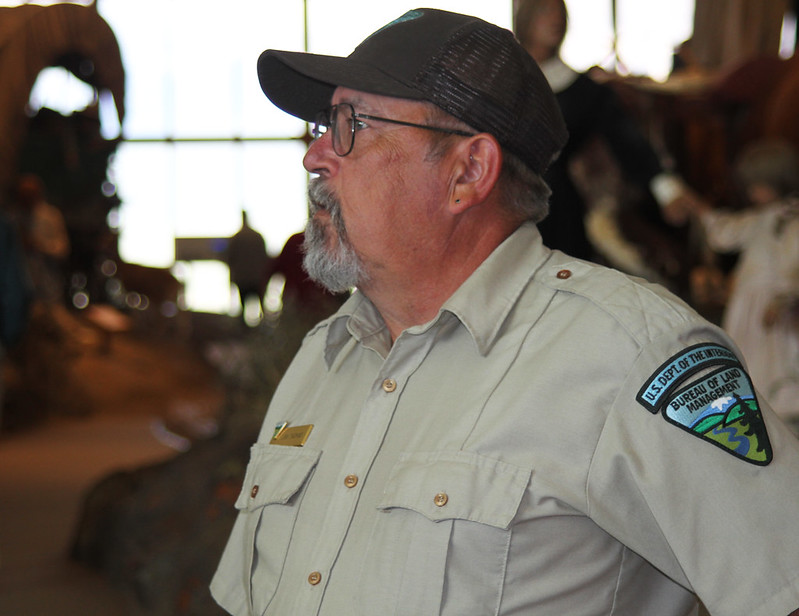
BLM RangerBureau of Land Managemment via flickr 

Appendix B: Legal Considerations and Permissions

Focus on User Location

Regulations and permit requirements for boondocking on public lands vary by region. It’s essential to check with the specific land management agency responsible for your chosen location.

Permit Application Resources

  • Bureau of Land Management (BLM)
    • Website: BLM.gov
    • Permit Info: Offers guidelines for land use and necessary permits for boondocking.
  • National Forest Service
    • Website: USDA Forest Service
    • Permit Info: Provides information on camping permits and regulations in national forests.
  • Comprehensive Permit Guide
    • Website: Recreation.gov
    • Overview: A resource for finding and applying for permits across various federal lands.

Appendix C: Resource List

Further Reading

Books

  • “The Camper’s Guide to Outdoor Pursuits” by Jack Gordon: Essential reading for those new to RV camping and veterans alike, focusing on sustainable practices.
  • “Boondocking: Finding the Perfect Campsite on America’s Public Lands” by Bob Difley: A comprehensive guide to boondocking responsibly in the U.S.

Websites

  • Leave No Trace: Offers principles and practices for minimizing impact while enjoying the outdoors.
  • RVing Planet: Provides tips, gear recommendations, and guides for RV campers.

Forums & Communities

  • RVillage: An online community connecting RVers across the globe. Share experiences, tips, and join groups with similar interests.

Contact Information

Environmental Organizations

  • The Nature Conservancy
    • Website: nature.org
    • Focus: Conservation of natural areas and water resources.
  • Sierra Club
    • Website: sierraclub.org
    • Focus: Advocates for the protection of the environment and wild places.

National & State Camping Associations

  • RV Industry Association (RVIA)
    • Website: rvia.org
    • Focus: Represents RV manufacturers and component suppliers, providing industry standards and educational resources.
  • State Camping Associations: Many states have their own camping associations, which can be found through a quick online search or by visiting RVIA for links to state associations.
Travel Trailer Pre-Trip Checklist: Be Road-Ready

Travel Trailer Pre-Trip Checklist: Be Road-Ready

Embark on Your Adventure with Confidence and Comfort

Hit the open road with confidence! This comprehensive pre-trip checklist equips you to ensure your RV, whether a motorhome or travel trailer, is perfectly primed for adventure. Focusing on safety, preparedness, and comfort, this guide empowers you to embark on your journey with peace of mind and excitement.

Engine Smarts: Stay Fueled Up and Ready to Roll

Keep your RV purring smoothly with these essential tips:

  • Regular TLC: Consult your owner’s manual for a schedule of vital fluid checks and hose/belt inspections. Preventing breakdowns starts with proactive care.
  • Pre-purchase Power: For pre-owned RVs, consider a professional inspection to identify potential engine issues upfront. Learning the basics about your specific engine empowers you to tackle minor concerns or communicate effectively with mechanics.
  • Peace of Mind on the Road: Roadside assistance provides a safety net in case of unexpected hiccups. It’s like having a guardian angel on wheels!

Key Companions for Smooth Travels:

  • Extra Engine Oil: Pack a few additional quarts based on your engine’s capacity. Regular oil changes are crucial, and being prepared is key.
  • Backup Fuel: Carry an empty gas can. Misjudging mileage happens, and having extra fuel ensures you won’t be stranded.
  • Jumpstart Independence: Invest in an RV battery starter. Avoid the hassle of relying on others or tow trucks for a simple jumpstart.
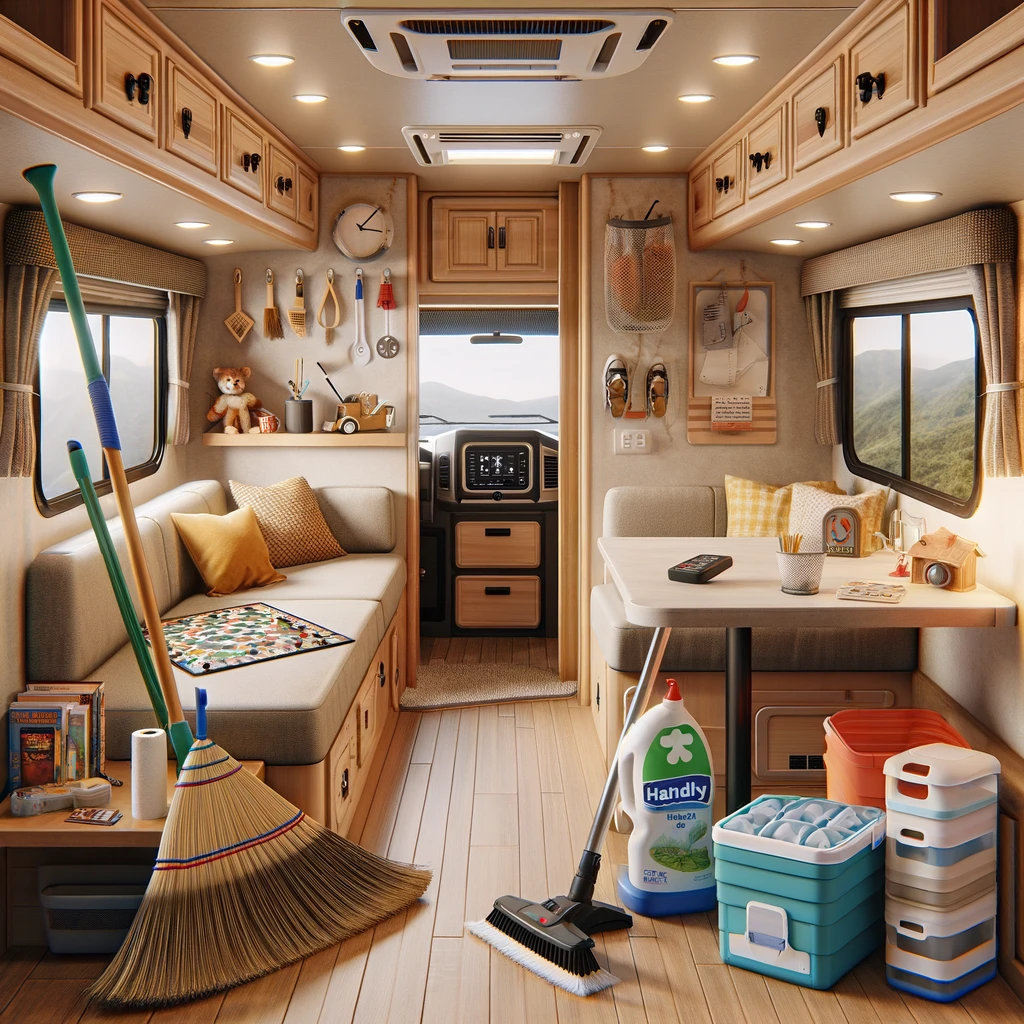
Cleaning supplies in RV

Cleaning supplies in RV

Cozy Haven on Wheels: Keeping Your RV Organized

Transform your RV’s interior into a haven of comfort and organization with these simple tips:

Cleanliness is Key:

  • Dust Bunnies Be Gone: Arm yourself with a trusty broom and mop to conquer dusty floors and keep your living space sparkling clean.
  • Spill Buster Brigade: Pack convenient handy wipes for quick cleanup of unexpected messes. Remember, securing your belongings (see “Travel-Proofing Your Interior” below) helps prevent spills in the first place!

Entertainment for Everyone:

  • Game On!: Pack your favorite board games or puzzles for rainy days or evenings of laughter and friendly competition. Remember those epic Catan battles? Relive them on the road!
  • Stay Connected, Anywhere: Don’t let limited access to Wi-Fi dampen your spirits. A portable wireless router keeps you connected, allowing you to work remotely, stay in touch with loved ones, and access entertainment on the go.

Additional Recommendations:

  • Shoe Savior: Keep footwear contained and prevent clutter with a hanging shoe organizer.
  • Crumb Catcher: Tackle crumbs and dust bunnies with a compact vacuum cleaner. Perfect for those hard-to-reach spaces!
  • Storage Solutions: Maximize space and keep belongings organized with collapsible containers, hanging organizers, and under-bed storage.
  • Fresh Air First: Combat musty smells and allergens with a portable air purifier, especially for extended trips.

By incorporating these tips and tailoring them to your specific needs, you can create a personalized and comfortable haven within your RV, ready to embrace every moment of your adventure.

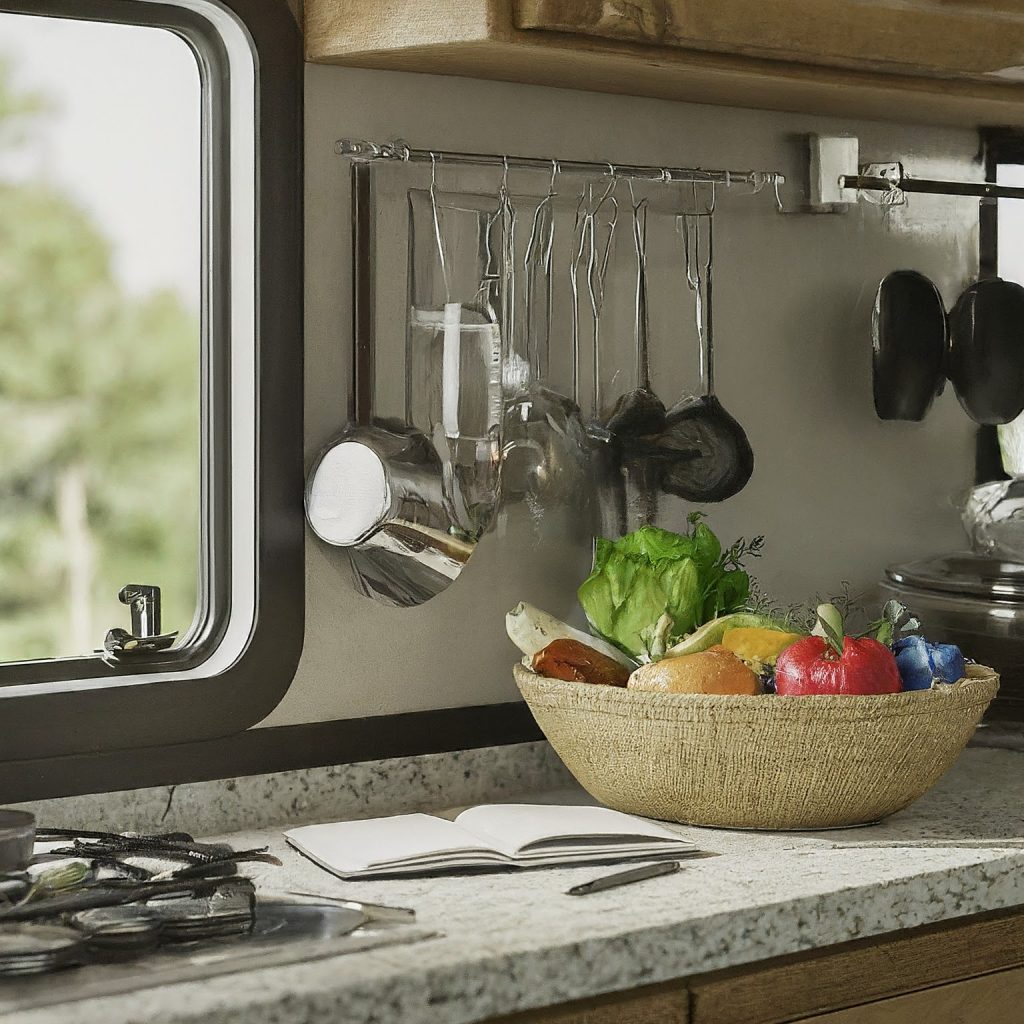
RV Kitchen

Culinary Capers on the Road: Your RV Kitchen

Whip up delicious meals and memories in your RV kitchen with these handy tips:

Space-Saving Chefs:

  • Compact Cookware: Ditch bulky pots and pans. Invest in nesting cookware sets or stackable options that maximize storage without sacrificing functionality. Every inch counts in an RV kitchen!
  • Meal Planning Mastery: Plan your meals beforehand and create a grocery list to avoid unnecessary purchases and overstocking. Pre-portioning ingredients into containers minimizes prep time and food waste on the road.

Outdoor Eats:

  • Portable Grill Power: Pack a portable grill to expand your culinary horizons and enjoy the great outdoors. Imagine sizzling steaks and smoky burgers under the stars!

Storage and Cleanup Champions:

  • Nesting Savvy: Utilize nesting storage containers for food and leftovers. They stack neatly, saving precious counter space.
  • Eco-Conscious Cleaning: Opt for biodegradable soap to minimize your environmental impact and keep your RV fresh and clean. Remember, many campgrounds have strict regulations regarding wastewater disposal, so eco-friendly choices are essential.

Bonus Tips:

  • Spice Up Your Life: Pack a well-stocked spice rack to add flavor and variety to your RV meals. Think beyond salt and pepper!
  • Utilize Leftovers: Get creative with leftovers! Transform them into new dishes to avoid food waste and add some culinary flair to your trip.
  • Invest in a Cooler: A reliable cooler keeps your perishables fresh, especially if you’re venturing off the beaten path where grocery stores might be scarce.

By following these tips and adapting them to your culinary preferences, you can transform your RV kitchen into a space that fosters delicious meals, shared laughter, and lasting memories.
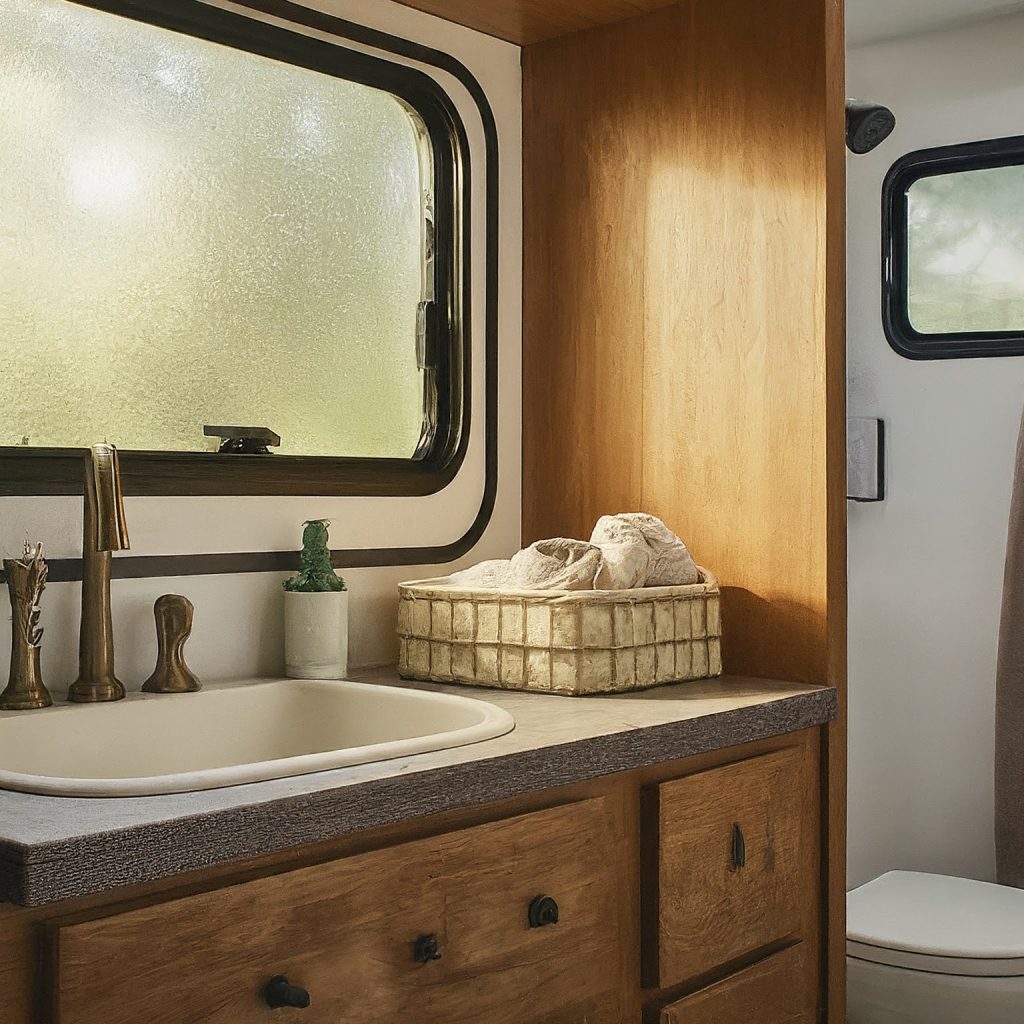
RV Bathroom

RV Restroom: Maintaining a Clean Oasis

While “bathroom” isn’t the most glamorous topic, keeping your RV’s restroom clean and comfortable is crucial for a hygienic and enjoyable journey. Here’s how to create a spa-like experience on the go:

Essentials for Freshness:

  • Biodegradable Bliss: Stock up on biodegradable toilet paper that’s gentle on your plumbing and the environment. Remember, not all toilet paper is created equal in an RV!
  • Quick-Dry Delights: Invest in quick-drying towels to avoid dampness and mildew. Microfiber towels are your best friends here!
  • Compact Cleanliness: Utilize a small, dedicated trash can to keep waste contained and prevent odors.

Waste Management Wisdom:

  • Eco-Friendly Sanitation: Opt for holding tank chemicals specifically designed for RVs and formulated with eco-friendly ingredients. Harsh chemicals can harm the environment and damage your plumbing system.
  • Cleaning Kit Crusader: Pack a dedicated bathroom cleaning kit with eco-friendly cleaners and disinfectants. Keeping your surfaces sanitized is key to prevent bacteria and unpleasant odors.

Bonus Tips:

  • Ventilation Ventilation Ventilation: Open windows or use a vent fan whenever possible to promote air circulation and combat moisture buildup.
  • Shower with Purpose: Take quick showers to conserve water and minimize tank usage. Remember, every drop counts on the road!
  • Footwear Frenzy: Consider having designated “bathroom shoes” to avoid tracking dirt and debris into the shower area.
  • Natural Fragrance Solutions: Ditch harsh air fresheners and opt for natural solutions like diffusers with essential oils or bowls of potpourri.

By following these tips and prioritizing eco-friendly choices, you can ensure your RV’s bathroom remains a clean, comfortable, and sustainable haven throughout your adventures.\
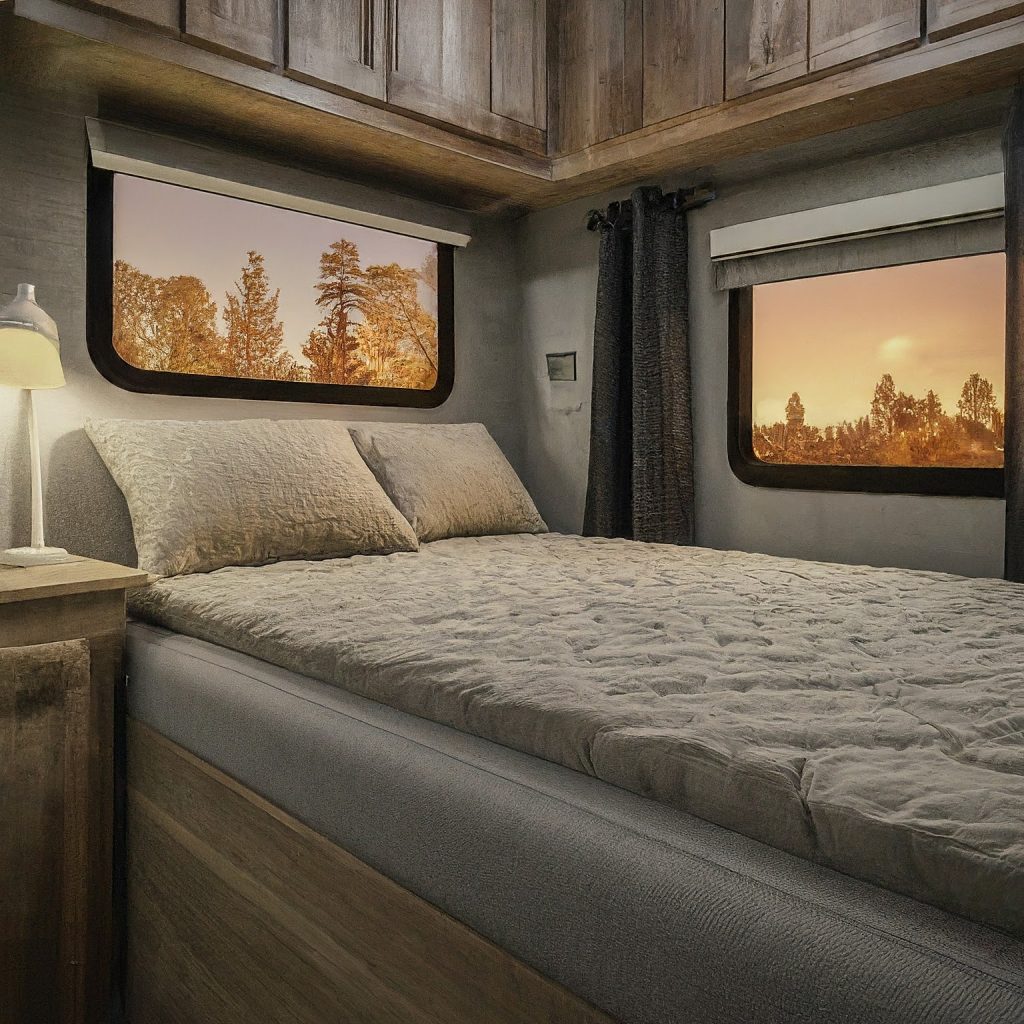
RV Bed

Sweet Dreams on the Road: Restful & Secure Sleep

A good night’s sleep is essential for enjoying your RV adventures to the fullest. Here’s how to transform your sleeping quarters into a cozy and secure sanctuary:

Comfort is King (or Queen):

  • Slumber Sanctuary: Invest in a high-quality mattress specifically designed for RVs. Remember, a comfortable sleep surface makes all the difference, especially on uneven terrain.
  • Light Out, Stars Out: Block out unwanted light with blackout curtains or blinds. Embrace the peaceful darkness (and maybe catch a glimpse of the starry night sky!).
  • Temperature Tamer: Pack a portable fan for hot summer nights and a small heater for chilly evenings. Maintaining a comfortable temperature is key to restful sleep.

Privacy and Security: Sleep Soundly, Worry-Free

  • Fortress on Wheels: Consider upgrading your door lock for enhanced security and peace of mind. Look for options with additional deadbolts or keypad entry.
  • Peace of Mind with a Peep: Install security cameras outside your RV to monitor your surroundings, especially if you’re parked in unfamiliar locations.

Bonus Tips:

  • Ear Plugs and Eye Masks: Pack ear plugs to block out noise and an eye mask for complete darkness, especially if you’re camping near bright lights.
  • White Noise Machine: A white noise machine can mask distracting sounds and lull you into a peaceful sleep.
  • Fresh Air Flow: Open windows whenever possible (weather permitting) for ventilation and a refreshing sleep environment.
  • Declutter for Clarity: Minimize clutter in your sleeping area to create a calm and relaxing atmosphere.

By prioritizing comfort, privacy, and security, you can transform your RV’s sleeping quarters into a haven for rejuvenation and sweet dreams, setting the stage for unforgettable adventures each day.
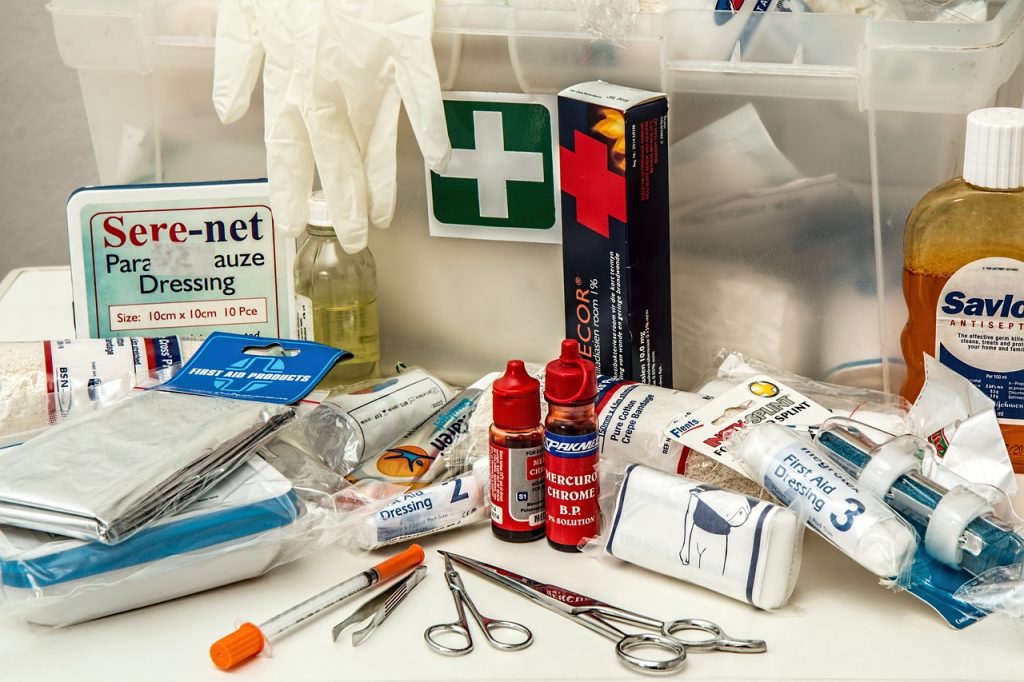
First AidImage by Steve Buissinne from Pixabay

Stay Safe and Sound on the Road: Essential Safety Measures

Embarking on an RV adventure should be filled with excitement and joy, but prioritizing safety is paramount. Here are some key measures to ensure a smooth and worry-free journey:

Be Prepared:

  • Protect Your Power: Pack a surge protector to safeguard your RV’s electrical system from unexpected voltage fluctuations. Think of it as a shield against potential damage.
  • First-Aid For All: Assemble a comprehensive first-aid kit equipped to handle minor injuries and emergencies. Bandages, antiseptic wipes, and over-the-counter medications are essential companions.
  • Fire at Bay: Always carry a reliable fire extinguisher and familiarize yourself with its proper use. Remember, an ounce of prevention is worth a pound of cure.

Knowledge is Power:

  • Tire Talk: Develop a routine for regularly checking your tire pressure and tread depth. Worn-out tires can pose a serious safety hazard.
  • Power Down for Travel: Before hitting the road, ensure your propane system is completely off to prevent leaks and potential danger. Safety first, always!

Bonus Tips:

  • Weather Woes: Stay informed about weather conditions on your travel route and be prepared to adjust your plans if necessary. Don’t underestimate the power of Mother Nature!
  • Emergency Communication: Carry a charged portable phone charger and consider investing in a satellite communicator for areas with limited cell service. Having a way to call for help in case of emergencies is crucial.
  • Share Your Plans: Inform trusted friends or family about your travel itinerary and estimated arrival times. Knowing someone is looking out for you adds an extra layer of security.
  • Lock It Up: Secure your belongings and your RV itself whenever you leave it unattended. Deter potential theft and ensure your peace of mind.

By incorporating these safety measures into your RV adventure planning, you can embark on your journey with confidence and focus on creating lasting memories with your loved ones.
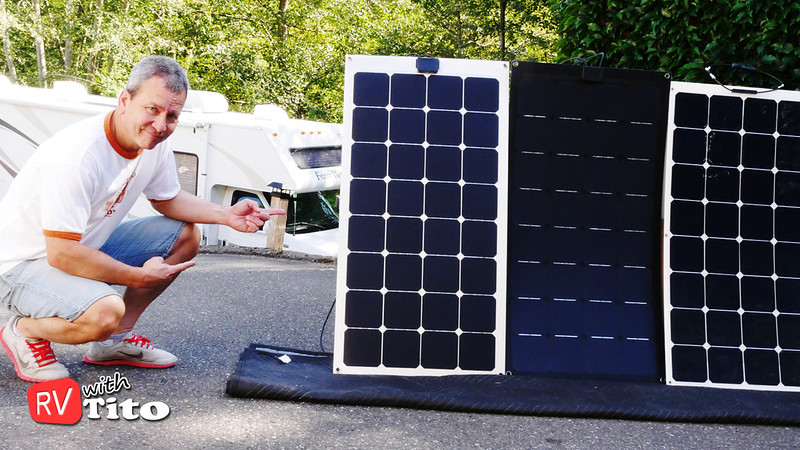
RV Solar PanelsImage by RVWithTito.com

Off-Grid Essentials: Gearing Up for an Unplugged Adventure

Planning an off-grid RV adventure promises freedom, connection with nature, and unique experiences. But venturing away from the grid requires specific gear to ensure both comfort and self-sufficiency. Here’s your guide to the essentials:

Self-Sufficiency Savvy:

  • Level Up Your Stability: Uneven terrain is common off-grid. Pack leveling blocks to ensure your RV remains stable and wobble-free, preventing potential damage.
  • Harness the Sun’s Power: Embrace renewable energy with a solar panel kit. It allows you to generate your own electricity, extending your off-grid stay without relying on shore power.
  • Food Security: A reliable cooler supplements your RV’s refrigerator, providing extra food storage when venturing far from resupply points.

Unwind and Enjoy:

  • Hammock Haven: Imagine swaying gently in a hammock under a canopy of stars. It’s the perfect way to relax, take in the scenery, and reconnect with nature.
  • Culinary Creations Under the Stars: A camping grill unlocks endless possibilities for outdoor dining. Savor delicious meals cooked over an open flame, creating memories that will last a lifetime.

Bonus Tips:

  • Water Wizardry: Invest in a water filtration system to transform natural water sources into safe drinking water. Stay hydrated and avoid relying on bottled water.
  • Waste Wise: Pack biodegradable camp soap and designated waste disposal containers to minimize your environmental impact and leave no trace.
  • Light Up the Night: Solar-powered lanterns or string lights provide illumination without draining your RV’s battery. Plus, they create a magical ambiance for off-grid evenings.
  • Navigation Know-How: Pack offline maps and consider a GPS device for reliable navigation, especially in remote areas.
  • Stay Connected (if desired): A satellite communicator allows you to send and receive messages even without cell service, providing peace of mind for loved ones and a safety net in emergencies.

Remember, off-grid adventures are all about embracing nature and self-reliance. By carefully selecting your gear and planning ahead, you can create an unforgettable experience filled with freedom, exploration, and connection with the outdoors.
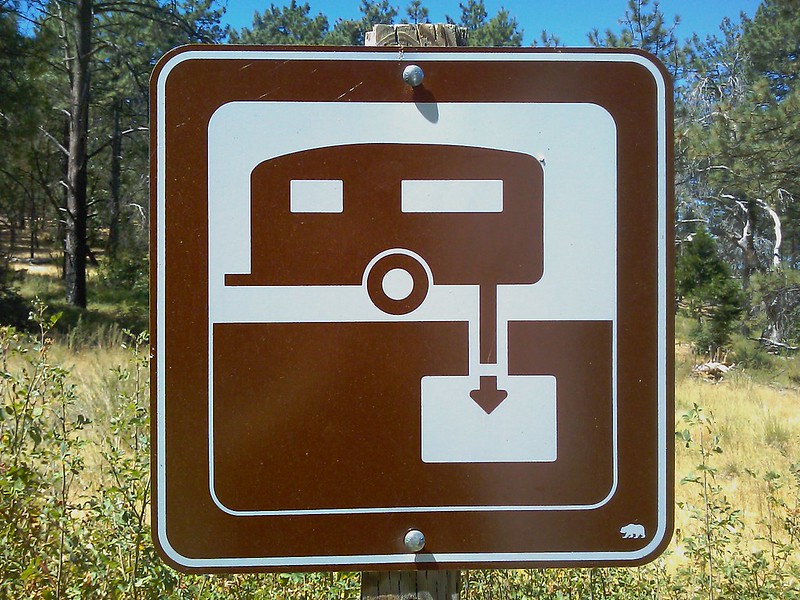
Dumping Station SignImage by Kevin

Disposing of Waste with Dignity: Your Essential Guide

Let’s face it, waste disposal isn’t the most glamorous aspect of RV life, but it’s essential for a responsible and enjoyable journey. Here’s what you need to ensure safe, hygienic, and environmentally friendly waste management:

Tools of the Trade:

  • Sewer Hose Hero: Invest in a high-quality, durable RV sewer hose that meets all length and connection requirements. Remember, leaks pose risks to you and the environment.
  • Gloved Up for Safety: Protect your hands from potential contaminants with disposable gloves. Sanitation is key!
  • Organic Options: Opt for environmentally friendly holding tank chemicals and cleaning products. Harsh chemicals can harm your plumbing system and the delicate ecosystems you visit.

Bonus Tips:

  • Practice Makes Perfect: Familiarize yourself with your RV’s waste disposal system and the proper dumping protocol before hitting the road. Practice makes perfect!
  • Dump Station Etiquette: Be respectful and courteous at dump stations. Follow all posted rules and dispose of waste responsibly. Remember, everyone shares these facilities.
  • Conserve Water: Minimize water usage in your tanks to extend the time between dumping. Utilize water-saving practices in the kitchen, bathroom, and when flushing the toilet.
  • Think Biodegradable: Consider using biodegradable toilet paper and other RV-specific products that break down more easily, reducing environmental impact.
  • Find a Dump Station: Utilize apps and online resources to locate dump stations along your route and plan your stops accordingly. Some campgrounds, truck stops, and RV dealerships offer dumping services for a fee.

By equipping yourself with the right tools and knowledge, you can handle waste disposal responsibly and seamlessly, ensuring a smooth and enjoyable journey for yourself and the environment.

FAQs and Tips:

Ready to roll on your personalized RV adventure? Here’s some extra guidance to fine-tune your checklist and maximize your enjoyment:

Tailoring Your Checklist:

  • RV Quirks: Consider your RV’s specific features and equipment needs. Do you have a generator? Does your toilet require special chemicals? Anpass the checklist accordingly.
  • Destination Dilemmas: Adjust your preparations based on your itinerary. Headed to the mountains? Pack extra blankets and winter gear. Beach bound? Sunscreen and beach essentials are your must-haves.
  • Dietary Delights: Are you planning outdoor cooking adventures, relying on campgrounds, or sticking to your RV’s kitchen? Tailor your food and supplies accordingly.

Safety and Enjoyment: The Winning Combination:

  • Prepare and Be Flexible: While thorough planning is crucial, embrace the unexpected detours and spontaneous discoveries that enhance the adventure.
  • Safety First, Always: Double-check tire pressure, secure belongings, and prioritize safe driving practices. A smooth and worry-free journey sets the stage for enjoyment.
  • Connect with the Community: Seek out fellow RV enthusiasts online or at campgrounds. Share tips, recommendations, and build a network of support for your travels.
  • Celebrate the Journey: Embrace the unique moments, breathtaking landscapes, and the freedom of the open road. Create lasting memories and cherish the experience.

Remember: This checklist is just a starting point. Customize it, embrace flexibility, and prioritize safety and enjoyment for an unforgettable RV adventure!

Additional Tips:

  • Invest in RV-specific resources: Guidebooks, online forums, and apps can provide valuable information and tips tailored to RV travel.
  • Download offline maps and apps: Ensure you have reliable navigation, even in areas with limited cell service.
  • Leave No Trace: Be a responsible traveler and minimize your environmental impact by following Leave No Trace principles.
  • Share your adventures: Document your journey with photos, videos, or blog posts, inspiring others and reliving the memories.

Embark on Your Unforgettable RV Adventure!

With these comprehensive pre-trip checklists and essential tips in hand, you’re now well-equipped to embark on your thrilling RV adventure! From ensuring your engine purrs perfectly to creating a cozy haven on wheels, this guide has empowered you to tackle every aspect of RV travel with confidence and preparation.

Remember, the key to a successful and enjoyable RV adventure lies in planning, organization, and a touch of flexibility. Embrace the unexpected, savor the unique experiences, and create lasting memories with your loved ones as you explore the open road.

 

Resources

  1. The Good Sam Club’s RV Maintenance Checklist: https://www.goodsam.com/rv-maintenance-checklist/ This comprehensive checklist covers various aspects of RV maintenance, including engine care, tire checks, and generator maintenance, ensuring that your motorhome or travel trailer is in top condition before you hit the road.
  2. GoRVing’s Pre-Trip Inspection Tips: https://www.gorving.com/blog/pre-trip-inspection-tips/ GoRVing offers valuable pre-trip inspection tips to help RV owners identify potential issues before setting off on their journey, including checking tire pressure, fluid levels, and ensuring all safety equipment is in place.
  3. RV Life’s Guide to Off-Grid RV Living: https://rvlife.com/off-grid-rv-living/ This guide offers practical advice and recommendations for off-grid RV living, including tips on solar power, water conservation, and finding the right camping spots to make the most of your off-grid experience.
  4. Camp Addict’s RV Sewer Hose Guide: https://campaddict.com/rv-sewer-hose-guide/ Camp Addict’s guide provides essential information on selecting the best RV sewer hose, proper usage, and maintenance to ensure a hassle-free and sanitary RV waste management experience.
  5. The Wandering RV’s Guide to RV Leveling: https://www.thewanderingrv.com/rv-leveling/ This guide offers insights into the importance of leveling your RV, various leveling methods, and the best leveling products available, ensuring a comfortable and safe stay in your motorhome or travel trailer.

Next Topic…

Finding the Perfect Campsite

A: Boondocking: A Comprehensive Guide to Rules, Regulations, and Responsible Camping

A: Boondocking: A Comprehensive Guide to Rules, Regulations, and Responsible Camping

Boondocking is an increasingly popular way to explore the great outdoors, and for good reason. This off-grid camping style allows you to enjoy nature in its purest form without the constraints of traditional campsites. However, with this freedom comes responsibility, and it’s important to be aware of the rules and regulations that govern boondocking. In this comprehensive guide, we’ll provide everything you need to know to enjoy your boondocking adventure with peace of mind.

What is Boondocking?

Boondocking, also known as dry camping or off-grid camping, is the practice of camping in remote or undeveloped areas without the use of hookups or other facilities. Boondocking locations can range from public lands managed by government agencies to private property with permission from the landowner. Boondocking is becoming increasingly popular among outdoor enthusiasts because it offers a more intimate and authentic camping experience.

Boondocking Rules and Regulations

Arizona National Scenic Trail in Arizona
Trails to Blaze on BLM’s National Conservation Lands” by mypubliclands is licensed under CC BY 2.0.

National Forest Service

The National Forest Service (NFS) oversees many public lands where boondocking is permitted. When boondocking on NFS lands, it’s important to follow the rules and regulations, which can vary depending on the specific area. Some common rules include obtaining a permit, adhering to fire restrictions, and properly disposing of waste. It’s also important to be aware of any seasonal closures or restrictions that may be in place.

Bureau of Land Management

The Bureau of Land Management (BLM) is another agency that manages public lands where boondocking is allowed. Boondocking on BLM lands comes with its own set of rules and regulations, including obtaining a permit and adhering to camping restrictions. It’s also important to be aware of any specific recreation opportunities that may be available, such as hiking or fishing.

State and Local Regulations

In addition to federal regulations, it’s important to be aware of any state and local regulations that may apply when boondocking. These can include obtaining a permit, adhering to fire restrictions, and observing vehicle restrictions. It’s important to research the specific regulations for your chosen boondocking location to ensure that you are following all applicable rules.

Leave No Trace Principles

Boondocking is all about enjoying nature, but it’s important to do so responsibly. The Leave No Trace principles are a set of guidelines for minimizing your impact on the environment while boondocking. These principles include things like packing out all trash, minimizing campfire impact, and respecting wildlife.

Safety and Security

Boondocking can be a safe and enjoyable experience, but it’s important to take some basic precautions to ensure your safety and security. These precautions include staying aware of your surroundings, avoiding dangerous areas, and being prepared for emergencies.

Resources

  1. Dispersed Camping Guidelines – U.S. Forest Service Description: A comprehensive resource for dispersed camping (boondocking) guidelines, rules, and regulations on U.S. Forest Service lands. URL: https://www.fs.usda.gov/visit/know-before-you-go/dispersed-camping
  2. Boondocking on Public Lands – Bureau of Land Management Description: An official resource from the Bureau of Land Management (BLM) providing information about boondocking on BLM lands, including rules and regulations. URL: https://www.blm.gov/programs/recreation/camping/boondocking
  3. Leave No Trace Principles – Leave No Trace Center for Outdoor Ethics Description: The official website of the Leave No Trace Center for Outdoor Ethics, featuring information on the seven Leave No Trace principles and how to apply them during your boondocking experience. URL: https://lnt.org/why/7-principles/
  4. Boondocking Safety Tips and Guidelines – RVshare Description: An article from RVshare discussing safety and security tips for boondocking, including how to stay aware of your surroundings and be prepared for emergencies. URL: https://rvshare.com/blog/boondocking-safety-tips/
  5. Campendium – Discover the Best Camping Description: A popular website and app for finding boondocking spots, featuring user-submitted reviews, photos, and tips for boondocking locations across the United States. URL: https://www.campendium.com/

FAQ

Q: What permits do I need to go boondocking?
A: The permits required for boondocking can vary depending on the location. Be sure to research the specific regulations for your chosen boondocking area to determine if a permit is required.

Q: Are there any restrictions on the length of my stay while boondocking?
A: The length of your stay may be restricted depending on the specific regulations for your chosen boondocking area. Be sure to research the regulations to determine if any restrictions apply.

Q: Can I have a campfire while boondocking?
A: Campfire regulations can vary depending on the location and the time of year. Some areas may prohibit campfires altogether, while others may require a permit or restrict the use of certain types of firewood. It’s important to research the specific regulations for your chosen boondocking area to determine if campfires are allowed, and if so, what restrictions may apply.

Q: How do I dispose of my waste while boondocking?
A: Proper waste disposal is a critical part of responsible boondocking. Be sure to pack out all trash and dispose of human waste properly, using techniques such as digging catholes or using portable toilets.

Q: What do I do if I encounter wildlife while boondocking?
A: When encountering wildlife while boondocking, it’s important to keep a safe distance and avoid disturbing the animals. Be sure to research any specific wildlife regulations that may apply to your chosen boondocking area.

Q: What are the best practices for boondocking?
A: Some of the best practices for boondocking include researching your chosen location, obtaining any necessary permits, adhering to all rules and regulations, respecting the environment, and practicing good safety habits.

Q: How do I find good boondocking spots?
A: Finding good boondocking spots can be a challenge, but there are many resources available to help. Some popular options include online forums, mobile apps, and guidebooks specifically dedicated to boondocking.

Conclusion

Boondocking offers a unique and rewarding way to explore the great outdoors, but it’s important to do so responsibly and in compliance with all rules and regulations. By following the guidelines outlined in this guide, you can enjoy your boondocking adventure with peace of mind and ensure that these remote and undeveloped areas remain pristine for future generations.

Featured Image Credit: “Nelson Creek Recreation Area – Boondocking Camping/RV Spot” by Tony Webster is licensed under CC BY-SA 2.0.

Best Boondocking Apps and Websites: Comprehensive Guide to Finding Free Camping Spots

Best Boondocking Apps and Websites: Comprehensive Guide to Finding Free Camping Spots

Boondocking, also known as free camping, is an ideal way for outdoor enthusiasts to explore nature without paying camping fees. With the advancements in technology, numerous boondocking apps and websites are available to assist campers in finding the perfect spot. In this article, we will delve into the world of boondocking and provide a comprehensive guide on how to use boondocking apps and websites to find your ideal spot.

Boondocking has been a popular camping style for several years now. The term refers to free camping, typically done in remote, undeveloped areas, and off the grid. The primary benefit of boondocking is the cost savings, privacy, and the opportunity to connect with nature.

With the rise of technology, camping enthusiasts have access to numerous apps and websites that can help them locate the ideal boondocking spot. These tools are designed to provide a seamless and stress-free camping experience, and we’ll be covering the best of them in this article.

2871651698 6d85f69454 o

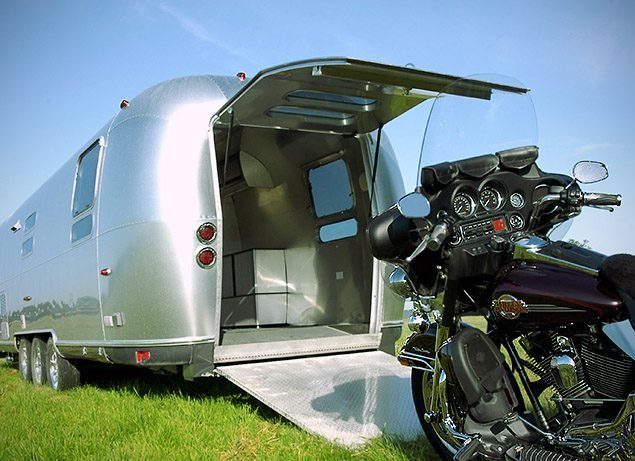
                          “Airstream Panamerica” by squob.com is licensed under CC BY-SA 2.0.

Understanding Boondocking

Boondocking is a camping style that involves camping without access to facilities such as electricity, water, and sewer. It is typically done in remote areas such as public lands, state parks, and forests. Dispersed camping and stealth camping are two of the most popular boondocking styles.

Responsible boondocking requires campers to abide by certain rules and etiquette. For example, campers should pack out all trash, not disturb the wildlife, and respect other campers’ privacy.

Boondocking offers several benefits, including the ability to camp for free, the opportunity to explore remote locations, and the chance to connect with nature.

How Boondocking Apps and Websites Work

Boondocking apps and websites provide valuable information to campers looking for a suitable location. They feature reviews, photos, and location information that helps campers make an informed decision. Additionally, they allow users to search for specific amenities such as showers, toilets, and fire pits.

These apps and websites feature search filters that allow users to find the perfect spot. Filters such as location, distance, and amenities make it easier to find an ideal camping spot.

When using boondocking apps and websites, it’s crucial to read reviews and interpret location information properly. Reading reviews can provide insight into what other campers have experienced while camping in a particular spot. Location information such as topography, weather conditions, and nearby attractions can also impact your camping experience.

Popular Boondocking Apps and Websites

Several boondocking apps and websites can help you locate your perfect spot. Here are some of the most popular ones:

  1. Free Campsites – This app provides access to over 50,000 campsites across the United States, Canada, and Mexico.
  2. Campendium – This website features reviews, photos, and location information for campsites across the United States.
  3. iOverlander – This app provides access to a comprehensive database of campsites and amenities worldwide.
  4. Hipcamp – This website features campsites on private property and offers unique camping experiences such as glamping.
  5. Boondocking.org – This website provides a comprehensive guide to boondocking, including a map of boondocking locations across the United States.Each app and website has its pros and cons. Campers should try a few and see which one best suits their needs.

Allstays Camp & RV also belongs on this list. Our Allstays Camp & RV review covers what it does and what it costs.

Finding the Perfect Boondocking Spot

When looking for the perfect boondocking spot, several factors must be considered. These include safety, accessibility, amenities, and views.

Safety is a crucial consideration when boondocking. Campers should ensure that the area is safe and free of dangerous wildlife, such as bears and snakes. Accessibility is also an important factor to consider. Campers should ensure that the location is easily accessible, especially if they are traveling with an RV or trailer.

Amenities such as water, toilets, and showers are also essential when boondocking. Campers should decide which amenities they require and search for a location that offers them. Lastly, the view is an important consideration for most campers. Many boondocking spots offer breathtaking views of the surrounding landscape, and campers should consider this when choosing a location.

Google Maps and other online tools can be helpful when assessing a potential camping spot. By checking the location on Google Maps, campers can see the topography, nearby attractions, and other important details that can impact their experience.

FAQs

  1. Q: What should I bring with me when boondocking?
    A: When boondocking, you should bring essentials such as water, food, a first aid kit, warm clothing, and camping gear. It’s also important to pack out all trash and leave the campsite as you found it.

    Q: Are there any rules or regulations I need to be aware of when boondocking?
    A: Each area has its own rules and regulations. Research the area you plan to camp in and ensure that you are following all regulations.

    Q: How do I leave a review for a boondocking spot on an app or website?
    A: To leave a review, simply navigate to the campsite’s page on the app or website and follow the instructions for leaving a review.

    Q: Is boondocking safe?
    A: Boondocking can be safe if campers take the necessary precautions. Research the area, check for potential hazards, and follow all rules and regulations.

    Q: Can I boondock with an RV?
    A: Yes, many boondocking locations are accessible with an RV or trailer. However, it’s essential to ensure that the location is easily accessible and suitable for your specific type of vehicle.

Takeaway

In conclusion, boondocking is an excellent way to explore nature and camp for free. With the availability of boondocking apps and websites, it’s now easier than ever to find the perfect spot. However, responsible boondocking is essential, and campers should follow all rules and regulations to ensure a safe and enjoyable experience.

We’ve covered several popular boondocking apps and websites, provided tips for finding the perfect boondocking spot, and discussed important considerations when boondocking. We hope that this guide has been helpful in planning your next boondocking adventure.

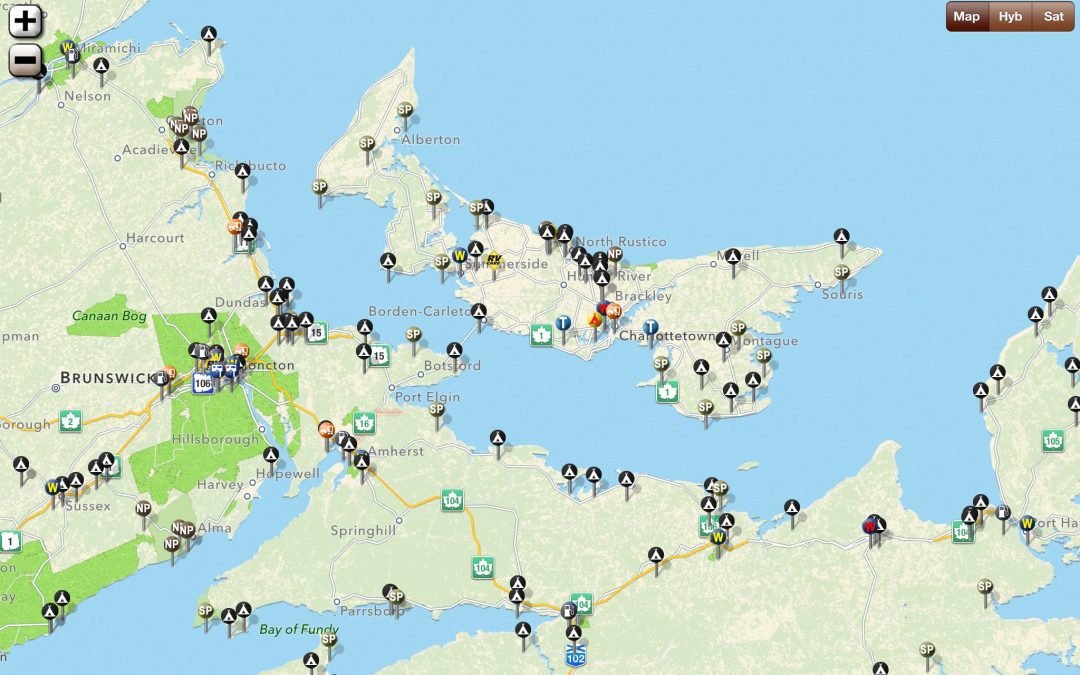
Featured Image Credit: “Camp and RV app” by Andreas Duess is licensed under CC BY 2.0.