by Chuck Price | Mar 11, 2023 | Boondocking-Guide
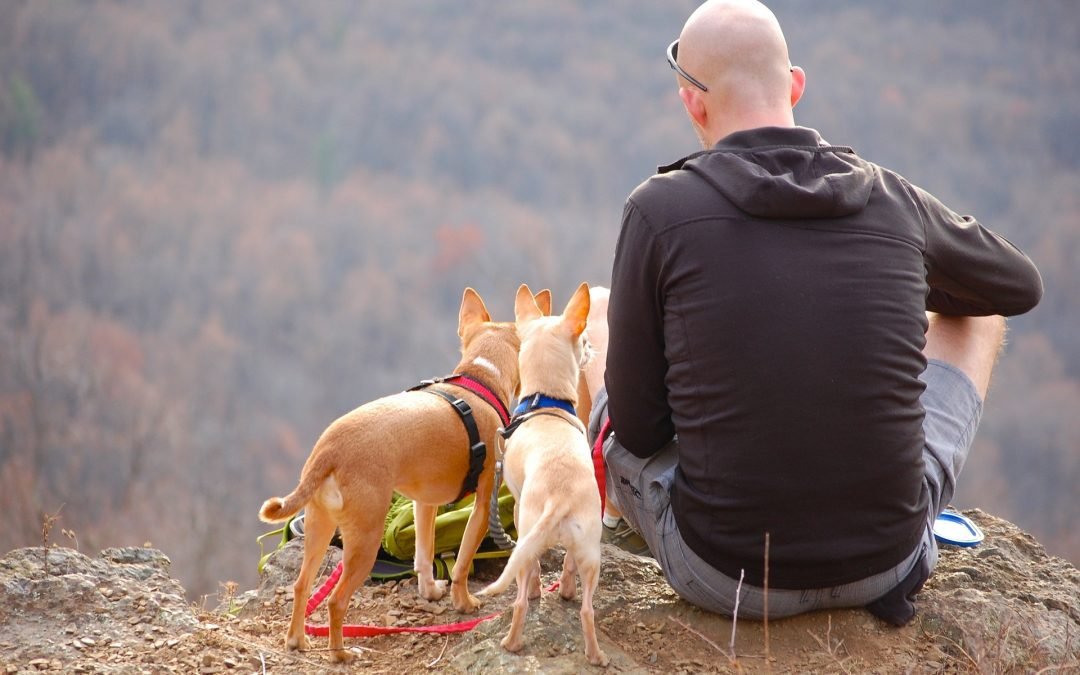
RV camping with your dog is a fantastic way to explore the great outdoors and make lasting memories with your furry friend. However, camping with dogs can present its own unique set of challenges. In this article, we’ll share five useful tips to help make your RV camping trip with your dog a success.
Table of Contents
- Make your dog feel at home in the RV before you go camping
- Don’t change your dog’s routine
- Keep your dog on a leash, tethered or contained
- Bring the same food they eat at home
- Keep them happy when you leave the RV
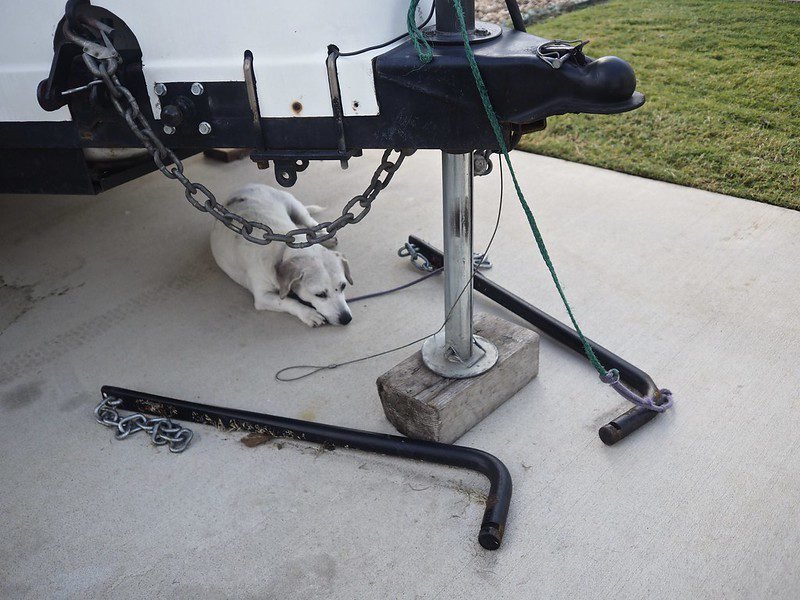
Image by Mark Ittleman via flickr
Make Your Dog Feel at Home in the RV Before You Go Camping
- Introduce your dog to the RV before your camping trip
- Feed your dog in the RV to make it a positive experience
- Spend a few nights “camping” with your dog in the RV at home
Before you set out on your RV camping trip, it’s a good idea to make sure your dog is comfortable in the RV. You can do this by introducing your dog to the RV before your trip and letting them explore the space. Try to make the RV a positive experience for your dog by feeding them in the RV and spending a few nights “camping” with your dog in the RV at home. This will help your dog feel at home in the RV and make the transition to camping easier.
Don’t Change Your Dog’s Routine
- Stick to your dog’s normal routine
- Bring your dog’s favorite bed from home
- Bring the same food and snacks they eat at home
Dogs thrive on routine, and camping should be no exception. Try to stick to your dog’s normal routine as much as possible, including their feeding schedule, walks, and naps. Bring your dog’s favorite bed from home to make them feel more comfortable and secure. It’s also important to bring the same food and snacks that they eat at home to avoid any digestive upsets.
Keep Your Dog on a Leash, Tethered or Contained
- Keep your dog confined with a leash or exercise pens
- Supervise your dog at all times
- Don’t let your dog off-leash in an unfamiliar campground
Even if your dog is normally off-leash at home, it’s important to keep them confined while camping in an RV. A campground is full of new and exciting smells that can be irresistible to your dog, and it’s easy for them to get lost while you’re busy with other tasks. Keep your dog on a leash or exercise pens and supervise them at all times. Never let your dog off-leash in an unfamiliar campground.
Bring the Same Food They Eat at Home
- Bring enough food for your dog’s entire trip
- Don’t switch your dog’s food while camping
- Avoid giving your dog table scraps or unfamiliar foods
When camping with your dog, it’s important to bring enough food for their entire trip. Don’t switch your dog’s food while camping, as new foods can cause digestive upsets and diarrhea. Avoid giving your dog table scraps or unfamiliar foods, as this can upset their stomachs and lead to health problems.
Keep Them Happy When You Leave the RV
- Practice leaving your dog in the RV for increasing increments of time
- Take your dog for a long walk before leaving them alone
- Leave a radio or TV on for ambiance
- Keep the RV temperature comfortable
- Leave your dog with a puzzle toy or bones to keep them occupied
At some point, you may need to leave your dog alone in the RV. To avoid separation anxiety and excessive barking, it’s important to prepare your dog for this by practicing leaving them in the RV for increasing increments of time before your trip. Take your dog for a long walk before leaving them alone, and leave a radio or TV on for ambiance to help mask outside noises. Keep the RV temperature comfortable for your dog, and leave them with a puzzle toy or bones to keep them occupied while you’re gone.
Overall, camping with your dog in an RV can be a fun and rewarding experience for both you and your furry friend. By following these five tips, you can help ensure that your dog is happy, healthy, and comfortable on your next RV camping adventure.
Conclusion
Camping with your dog can be an amazing experience, but it’s important to take some extra steps to ensure their safety and happiness while RVing. By making your dog feel at home in the RV before you go camping, sticking to their routine, keeping them on a leash or contained, bringing the same food they eat at home, and keeping them happy when you leave the RV, you can enjoy a stress-free and enjoyable camping trip with your furry best friend.
FAQs
- Can I let my dog off-leash in a campground?
No, it’s not a good idea to let your dog off-leash in an unfamiliar campground. Your dog can easily get lost or injured, and there may be other dogs or wildlife in the area that could pose a danger to your pet.
- How do I keep my dog calm during RV travel?
You can keep your dog calm during RV travel by providing them with a comfortable and secure place to rest, such as a crate or dog bed. You can also give them toys or treats to keep them occupied during the trip.
- Can I switch my dog’s food while camping?
No, it’s not recommended to switch your dog’s food while camping. New foods can cause digestive upsets and diarrhea, which can be uncomfortable and unpleasant for your pet.
- How can I prepare my dog for RV camping?
You can prepare your dog for RV camping by introducing them to the RV before your trip, practicing leaving them alone in the RV, and bringing their favorite bed, toys, and food from home.
- How can I find pet-friendly RV parks?
To find pet-friendly RV parks, you can use online resources such as GoPetFriendly.com or bringfido.com, which allow you to search for pet-friendly campgrounds and RV parks in your desired location. You can also check with the individual parks directly to confirm their pet policies and any additional fees. Additionally, many RV club memberships offer a directory of pet-friendly parks and campgrounds.
Featured Image by Marybeth from Pixabay
by Chuck Price | Mar 9, 2023 | Boondocking-Guide
Exploring the Joys of RVing with Dogs
The open road stretches before you, the wind whispers through the pines, and beside you sits your furry copilot, tail wagging in anticipation. RVing with your dog has become an increasingly popular way to explore the country, offering adventure, bonding, and unforgettable memories.
This guide equips you with the knowledge and resources to ensure a safe and joyful journey for both you and your canine companion. Whether you’re seasoned RVers or embarking on your first furry road trip, we’ll cover essential aspects like choosing the right RV, preparing your dog for the adventure, ensuring their comfort on the road, and finding dog-friendly destinations.
So, buckle up and get ready to explore the magic of RVing with your four-legged best friend!
Charting Your Course: Choosing the Perfect RV for Your Pup
Before embarking on your epic pup-tastic adventure, finding the ideal RV is crucial. Here’s where size, dog-friendly features, and budget play a pawsome role:
Sizing Up Your Options:
- Cozy Compact: Ideal for solo travelers or small pups, Class B vans offer nimble maneuverability and easy parking. Consider the Roadtrek Simplicity or Winnebago Solis.
- Spacious Spread: Traveling with multiple dogs or larger breeds? Class C motorhomes like the Jayco Redhawk or Entegra Journey provide ample space for both humans and furry explorers.
- Luxurious Livin’: Class A behemoths like the Newmar Dutch Star or Thor Palazzo offer the ultimate in comfort and space, complete with features like dedicated pet areas and outdoor dog showers.
Dog-Gone Delightful Features:
- Easy Clean-Up: Opt for durable, stain-resistant flooring like vinyl or linoleum to handle muddy paws and adventurous accidents.
- Safety First: Secure tie-downs for crates or harnesses, fire extinguishers, and carbon monoxide detectors ensure peace of mind.
- Creature Comforts: Look for features like built-in pet feeders, dog-washing stations, and designated sleeping areas to create a home away from home for your furry friend.
Budgeting for Your Woof-derful Trip:
- New vs. Used: Decide if a brand-new RV with the latest features fits your budget, or if a well-maintained used model offers cost savings.
- Rental vs. Purchase: Consider renting an RV for shorter trips to test the waters before committing to a purchase.
- Hidden Costs: Factor in fuel, campground fees, pet-related expenses, and potential maintenance costs when budgeting.
Remember: Research and compare different RV models to find the perfect fit for your pup’s needs and your travel style. Don’t forget to take your furry friend along for a test “paw”-duction to ensure their comfort and approval!
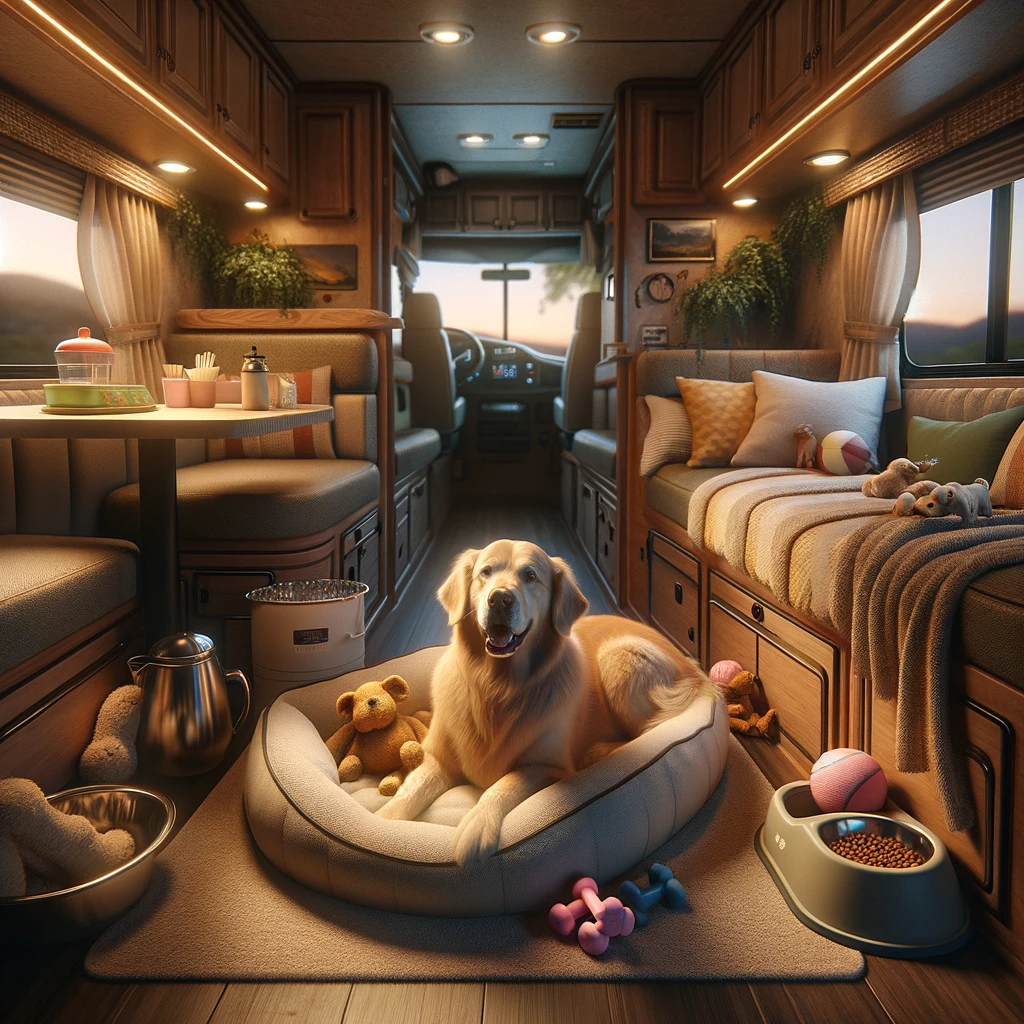
Prepping Your Pup for the Road: Building Confidence & Comfort
The key to a stress-free journey starts with a well-prepared pup. Here’s how to ensure your furry co-pilot embarks on the adventure with wagging confidence:
Introducing Your RV:
- Start slow: Let your dog explore the RV at their own pace. Use treats and positive reinforcement to create positive associations.
- Make it familiar: Bring their favorite bed, toys, and blankets to create a sense of comfort in their new temporary home.
- Practice makes perfect: Take short “test drives” around the block to get your dog used to the movement and sounds of the RV.
Essential Routines On-the-Go:
- Practice crate training: If using a crate, ensure your dog feels comfortable and secure inside. Train them to spend time there willingly.
- Potty training reinforcement: Maintain their regular potty schedule and make frequent stops during travel. Reward successes generously.
- Feeding on the move: Stick to their usual feeding routine to avoid digestive upset. Consider smaller meals more frequently if traveling long distances.
Health & Documentation:
- Veterinary Checkup: Schedule a pre-trip visit to ensure your dog’s vaccinations are up-to-date and discuss any travel medications needed.
- Identification is key: Ensure your dog wears a collar with current ID tags and consider microchipping them for added security.
- Travel documents: Research and obtain any necessary permits or health certificates required for specific destinations.
Remember: Patience and positive reinforcement are key! Start preparation early, address any anxieties, and create a positive experience for your dog. Their happy spirit will make the journey even more enjoyable for everyone.
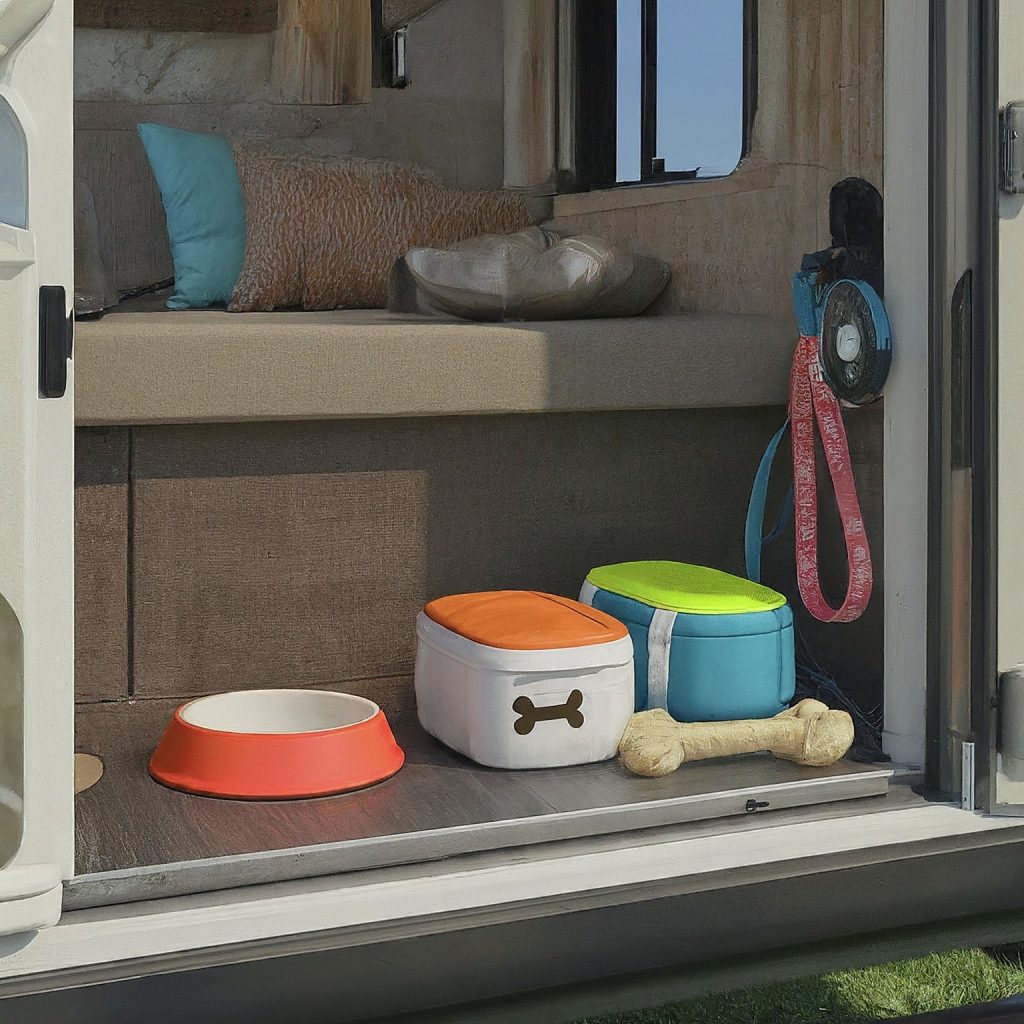
Building a Safe & Comfortable Haven for Your Pup: Packing & Preparing the RV
While “Packing Essentials” is important, let’s focus on creating a seamless flow and avoid redundancy. Here’s a combined section that addresses both packing and creating a comfortable space within the RV:
Transforming Your RV into a Pup Paradise:
Essential Gear:
- Packing for Safety & Hygiene: Ensure responsible pet ownership with leashes, harnesses, waste bags, and a first-aid kit tailored to your dog’s needs. Pack cleaning supplies (enzymatic cleaners, odor neutralizers) for accidents.
- Food & Water Essentials: Pack familiar food, bowls, and ensure easy access to fresh water throughout the journey. Consider portable water dispensers for on-the-go convenience.
- Cozy Comforts: Create a designated sleeping area with a comfy bed, crate, or familiar blankets. Pack their favorite toys for entertainment and mental stimulation.
Creating a Canine Corner:
- Dedicated Sleep Station: Utilize a crate, designated bed, or a comfortable spot with familiar items for peaceful snoozing.
- Feeding & Hydration Hub: Set up a designated area for their bowls, ensuring easy access to fresh water throughout the journey.
- Portable Potty Solutions: Consider options like pee pads or portable potties for situations where immediate outdoor access isn’t possible.
Keeping Your Pup Entertained:
- Variety is Key: Pack a variety of chew toys, puzzle toys, and interactive toys to prevent boredom and keep them mentally stimulated.
- Travel Games & Treats: Hide treats or use puzzle toys to provide mental stimulation during long stretches.
- Sniff & Seek Adventures: Allow controlled exploration at dog-friendly rest stops and destinations using leashes and harnesses.
Remember: Tailor your packing and preparations to your dog’s individual needs and preferences. Don’t forget their medications, favorite treats, and any comfort items that bring them joy!
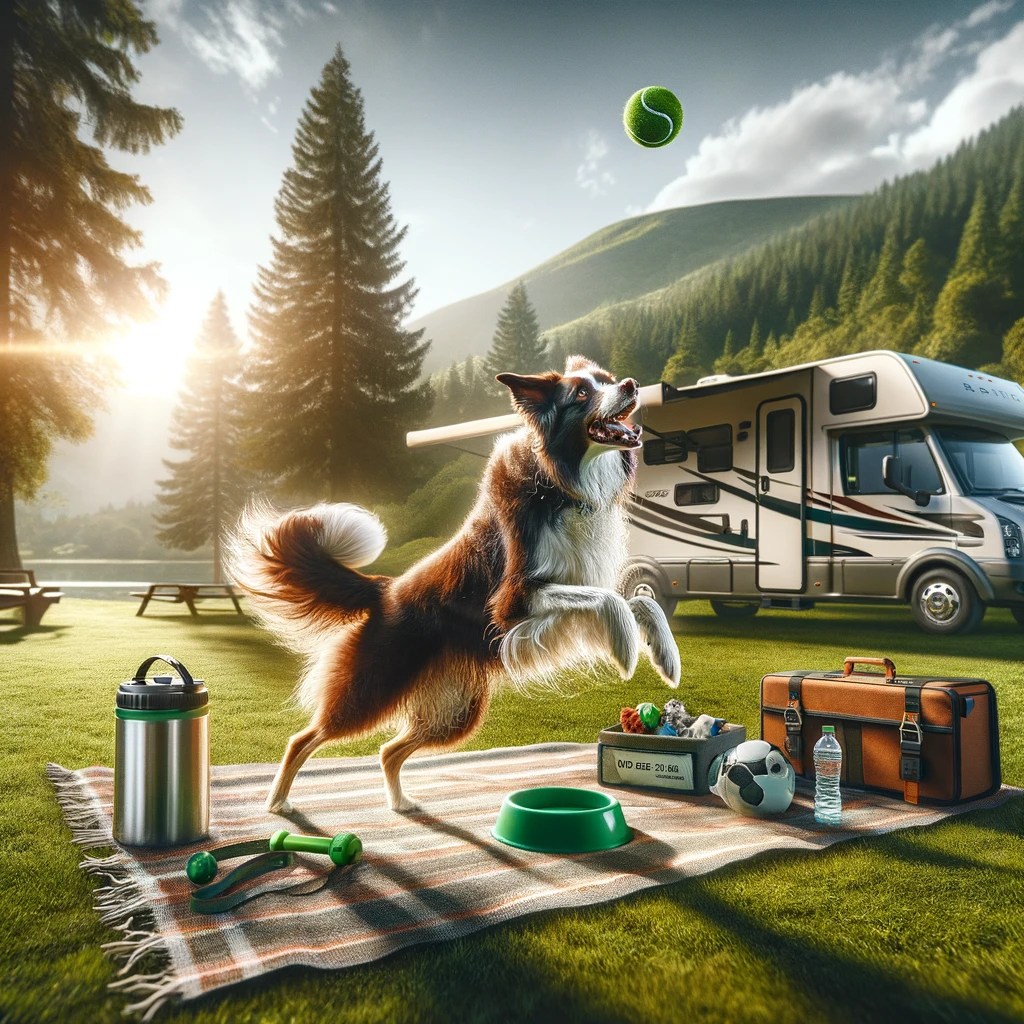
Unleashing Adventure: Exploring Dog-Friendly Destinations
Now that your RV is a pup paradise and your furry co-pilot is prepped for the journey, it’s time to chart your course! Here’s how to find pawsome destinations that welcome both you and your canine companion:
Unlocking the Perfect Pit Stop:
- Research is key: Utilize online resources like BringFido, Rover, and Kampgrounds of America to filter campgrounds and attractions by pet-friendly policies and amenities.
- Amenities that wag your tail: Look for campgrounds with designated dog parks, walking trails, pet-washing stations, and even dog-friendly cafes.
- Beyond the campground: Research dog-friendly beaches, hiking trails, national parks, and local attractions that welcome furry explorers. Remember leash laws and responsible pet ownership.
Pawsome Places Across the US:
- Coastal Delights: Unleash the joy of beach adventures in California’s Huntington Dog Beach, Florida’s Jupiter Off-Leash Dog Beach, or North Carolina’s Crystal Coast beaches.
- Mountain Majesty: Explore the dog-friendly trails of Rocky Mountain National Park in Colorado, Mount Rainier National Park in Washington, or Shenandoah National Park in Virginia.
- Urban Oasis: Discover hidden gems like Central Park’s unleashed dog runs in New York City, Millennium Park’s dog park in Chicago, or the many dog-friendly cafes and shops in San Francisco.
Remember: This is just a starting point! Research destinations specific to your travel plans and interests. Consider your dog’s breed, energy level, and preferences when choosing activities and locations.
Tail-Wagging Tips & Resources for a Pawsome Journey
Now that you’re equipped with the essentials, let’s explore some bonus tips and resources for a truly unforgettable RVing adventure with your dog:
Conquering Canine Worries:
- Recognizing Separation Anxiety: Watch for signs like pacing, whining, or destructive behavior when left alone. Consult your veterinarian or a certified animal behaviorist for personalized guidance.
- Training for Tranquility: Gradually acclimate your dog to spending time alone in the RV through positive reinforcement and desensitization techniques. Consider crate training for comfort and security.
- Calming Aids: Consult your veterinarian about natural calming aids like calming chews or pheromone diffusers as additional support.
Building a Pack on the Road:
- Connect with Fellow Dog-Loving RVers: Online forums, social media groups, and RVing clubs dedicated to pet-friendly travel offer a wealth of information, support, and potential travel buddies.
- Join Dog-Friendly Events & Gatherings: Many campgrounds and destinations host dog-friendly events like hikes, meet-and-greets, and agility courses, fostering socialization and fun.
A World of Resources:
Remember: Always research specific regulations and pet policies before visiting any destination. Pack responsibly, prioritize your dog’s safety and comfort, and most importantly, create lasting memories filled with wags and wonder!
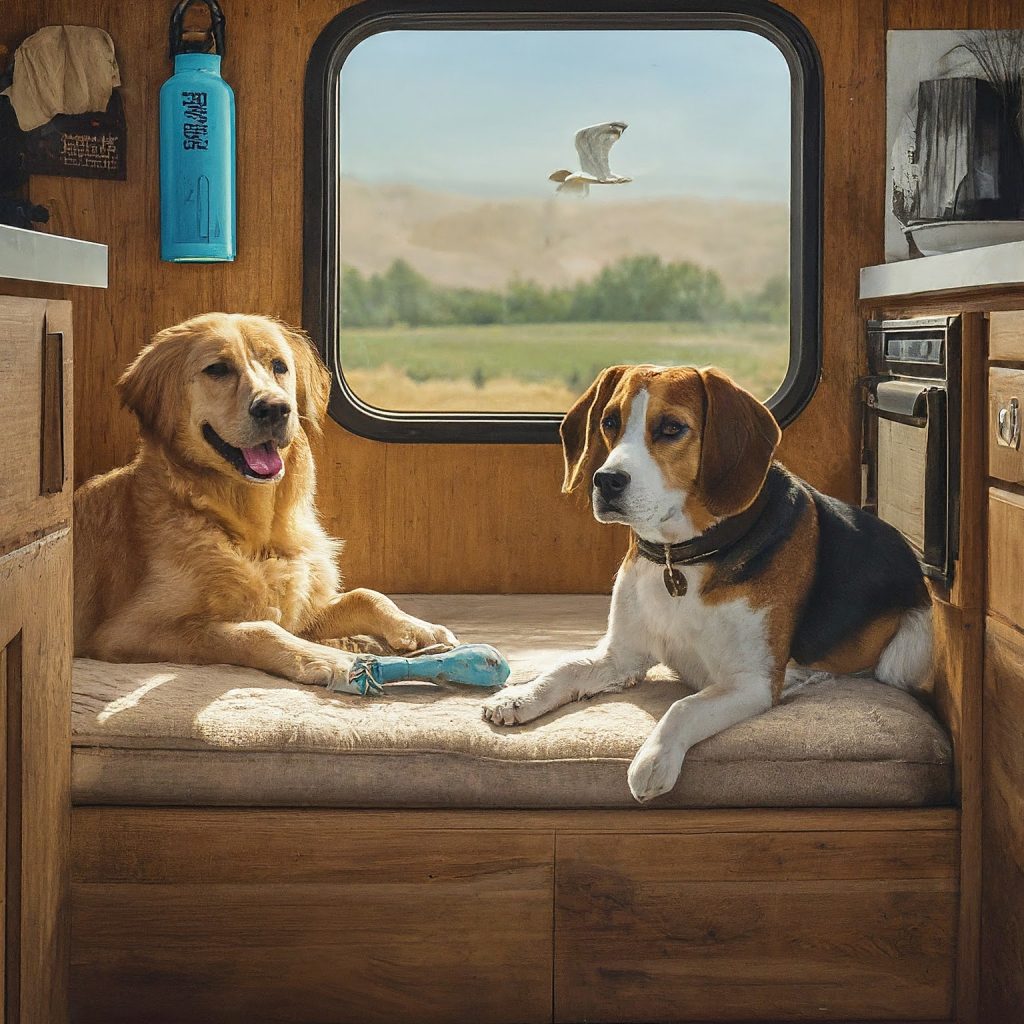
Unleashing a Lifetime of Adventures with Your Best Friend
As the sun sets on this guide, let the spirit of adventure rise! RVing with your dog isn’t just a trip; it’s the start of a unique bond forged on open roads, shared experiences, and tail-wagging joy. You’ve got the tools, the tips, and the inspiration – now it’s time to chart your course and embark on your very own pawsome adventure.
Remember, the journey is just as important as the destination. Soak in the wind in your fur, the sun on your noses, and the laughter that fills the RV. Capture moments big and small, witness breathtaking landscapes together, and create memories that will last a lifetime. So, buckle up, furry copilot, and get ready to unleash a world of adventure!
Don’t forget to share your journey! Use the hashtag #WaggingRVAdventures to connect with other dog-loving travelers, showcase your experiences, and inspire others to hit the road with their own furry companions.
by Chuck Price | Feb 25, 2023 | Boondocking-Guide
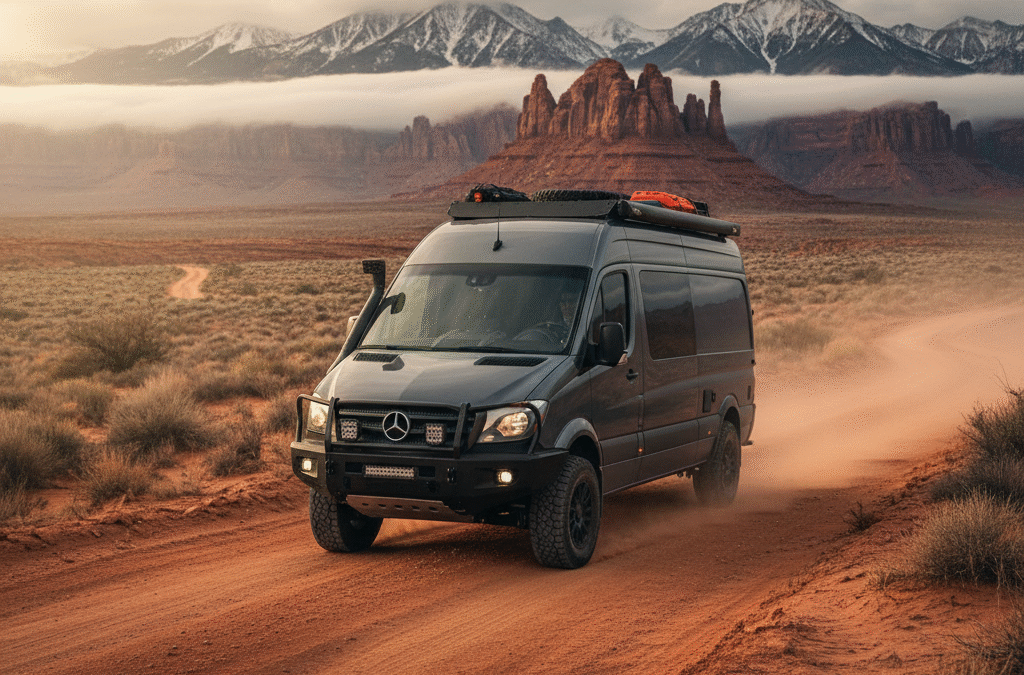
If you’re an adventurous RVer looking for an exciting way to explore nature, off-road boondocking might be the perfect solution for you. With off-road boondocking, you can camp in the wilderness, away from traditional campsites and RV parks, and experience nature up close and personal.
However, off-road boondocking requires careful planning, preparation, and consideration. In this ultimate guide to off-road RV boondocking, we will provide you with essential tips and considerations to make your next off-road boondocking adventure a success.
Off-road RV boondocking is a form of camping where you camp in the wilderness, away from traditional campsites and RV parks. It allows you to experience nature up close and personal and is a great way to escape the crowds and noise of traditional camping areas.
Before you hit the road for your next off-road boondocking adventure, it is crucial to plan and prepare carefully. In this article, we will provide you with essential tips and considerations for a successful off-road boondocking experience.
Pre-Trip Planning
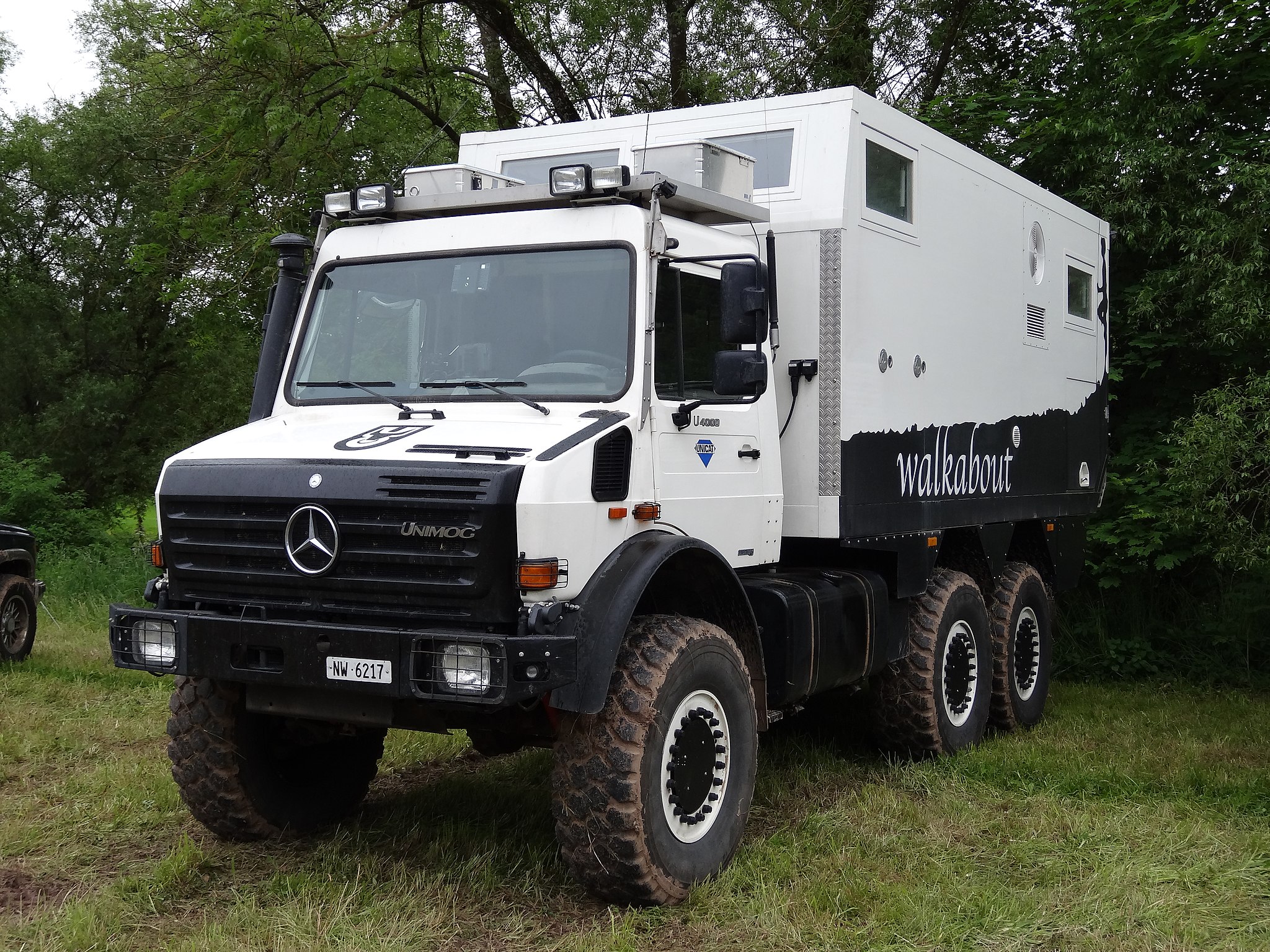 Image by: Klaus Nahr from Germany, CC BY-SA 2.0, via Wikimedia Commons
Choosing the Right RV for Off-Road Boondocking
When it comes to off-road boondocking, your choice of RV can make or break your experience. Off-road boondocking requires an RV that is sturdy, durable, and capable of handling rough terrain. Consider investing in an off-road or four-wheel-drive RV that can handle the challenges of off-road boondocking.
Researching Off-Road Boondocking Destinations
Before heading out, do your research and find off-road boondocking destinations that fit your preferences and needs. Research the terrain, weather, and wildlife to help you prepare better. Consider using online resources to find the best off-road boondocking spots in your area.
Understanding the Rules and Regulations of Boondocking
It is essential to understand the rules and regulations of boondocking in the area you plan to visit. Some areas may have restrictions on camping, while others may require a permit or have specific rules for waste disposal. Ensure that you follow the rules to avoid any legal or environmental issues.
Packing Essentials for Off-Road Boondocking
When packing for off-road boondocking, you must consider your needs, comfort, and safety. Pack enough food, water, and clothing for your trip, and ensure that you have a first-aid kit, navigation tools, and communication devices. Don’t forget to bring essential camping equipment such as a tent, sleeping bags, and camp chairs.
Essential Off-Road RV Boondocking Tips
Choosing the Best Campsite
Choosing the right campsite is crucial for an enjoyable off-road boondocking experience. Look for a flat and level site away from hazards such as rocks, steep slopes, and flood-prone areas. Consider the proximity to water sources, hiking trails, and other attractions, as well as privacy and noise level.
Setting Up Camp
When setting up camp, ensure that you follow Leave No Trace principles and leave the area as you found it. Be respectful of the environment and wildlife, and avoid disturbing the natural habitat. Set up your RV and camping equipment carefully to prevent damage to the surroundings.
Dealing with Waste Disposal
Off-road boondocking requires careful management of waste disposal to minimize your impact on the environment. Bring a portable toilet or use a hole dug at least six inches deep for human waste disposal. For gray water, use a portable holding tank or dispose ofit away from water sources and other sensitive areas. Pack out all your trash and dispose of it properly at the designated sites.
Staying Safe in the Wilderness
When off-road boondocking, you are away from traditional amenities and emergency services. Therefore, it’s crucial to stay safe by being prepared and aware of your surroundings. Carry a first-aid kit, navigation tools, and communication devices, and be prepared for changes in weather conditions. Learn basic survival skills and avoid risky activities that can put you in danger.
Finding Water Sources
Off-road boondocking requires careful management of your water supply. Before you hit the road, research the availability of water sources in the area you plan to visit. Consider bringing a portable water filtration system, water containers, and water treatment tablets. Also, learn how to conserve water to avoid running out of it.
Managing Power Consumption
Off-road boondocking requires managing your power supply carefully. Consider investing in solar panels, generators, or batteries to power your RV. Learn how to conserve power by using energy-efficient appliances and turning off unnecessary electronics when not in use.
Considerations for Off-Road RV Boondocking
Understanding the Impact of Off-Road Boondocking on the Environment
Off-road boondocking has an impact on the environment, and it’s essential to minimize that impact. Follow Leave No Trace principles, avoid disturbing the natural habitat, and dispose of waste properly. Also, be aware of the effect of noise pollution on wildlife and other campers.
Ensuring Vehicle Maintenance
Off-road boondocking requires a well-maintained RV that can handle rough terrain. Ensure that your RV is in good condition and that all its components are working correctly. Check the tires, brakes, and suspension, and make any necessary repairs before heading out.
Preparing for Emergencies
Off-road boondocking requires being prepared for emergencies. Carry a first-aid kit, navigation tools, and communication devices, and learn basic survival skills. Also, know the location of the nearest emergency services and have a plan in case of an emergency.
Finding a Balance Between Adventure and Comfort
Off-road boondocking requires finding a balance between adventure and comfort. Plan your trip to include both adventure activities and comfortable amenities. Don’t sacrifice comfort for adventure or vice versa, and ensure that you have an enjoyable experience.
Resources
- RV Off-Roading Basics: Choosing the Right Vehicle and Gear URL: https://www.reddit.com/r/Offroad/comments/14nkos2/advice_for_beginner_offroading/ This article from Outside Online provides insights into choosing the right off-road RV and essential gear for a successful boondocking experience.
- The Best Boondocking Locations: Tips and Recommendations URL: https://www.campendium.com/camping/boondocking/ Campendium offers a comprehensive guide to finding the best off-road boondocking locations, including user-submitted reviews and recommendations.
- Leave No Trace: Principles for Off-Road Boondocking URL: https://lnt.org/why/7-principles/ The Leave No Trace Center for Outdoor Ethics provides the seven principles to follow while off-road boondocking to minimize your impact on the environment.
- Essential Off-Road Boondocking Safety Tips and Emergency Preparedness URL: https://www.offgridweb.com/preparation/off-road-emergency-preparedness/ OffGrid provides a guide to essential safety tips and emergency preparedness for off-road boondocking, including survival skills and emergency planning.
- Managing Resources and Waste While Boondocking URL: https://www.rvtravel.com/rv-boondocking-managing-resources-waste/ RV Travel offers advice on how to manage resources and waste while off-road boondocking, including tips for conserving water and power and proper waste disposal.
Frequently Asked Questions
Q: What is the difference between boondocking and camping?
A: Boondocking refers to camping in the wilderness, away from traditional campsites and RV parks, while camping refers to staying in a designated camping area.
Q: How do I find the best off-road boondocking spots?
A: You can research online, ask for recommendations from experienced off-road boondockers, and visit off-road boondocking forums and groups to find the best spots.
Q: Is it safe to boondock alone?
A: Boondocking alone can be safe, but it requires being prepared and aware of your surroundings. Carry a first-aid kit, navigation tools, and communication devices, and avoid risky activities.
Q: Can I use a generator while boondocking?
A: Yes, you can use a generator while boondocking, but ensure that you follow the rules and regulations of the area you plan to visit.
Q: How do I dispose of waste while boondocking?
A: Use a portable toilet or a hole dug at least six inches deep for human waste disposal and a portable holding tank or designated site for gray water disposal. Pack out all trash and dispose of it properly.
Conclusion
Off-road RV boondocking can be a thrilling and unforgettable experience, but it requires careful planning, preparation, and consideration. Follow the essential tips and considerations we have provided to make your next off-road boondocking adventure a success.
Remember to choose the right RV, research off-road boondocking destinations, understand the rules and regulations, pack essentials, choose the best campsite, set up camp carefully, manage waste disposal and water sources, stay safe, and find a balance between adventure and comfort.
By following these tips and considerations, you can enjoy off-road RV boondocking while minimizing your impact on the environment and staying safe. Remember to follow Leave No Trace principles, respect the environment and wildlife, and always be prepared for emergencies.
Featured Image by Daniel Schwen, CC BY-SA 4.0, via Wikimedia Commons
by Chuck Price | Feb 25, 2023 | Boondocking-Guide
RV boondocking is a popular activity for those who love to travel and explore nature. Boondocking provides a unique opportunity to experience the great outdoors, but it comes with a challenge: managing and conserving water in remote locations. In this comprehensive guide, we will provide you with the best water management and conservation techniques for RV boondocking.
RV boondocking refers to camping in remote locations that are not connected to public utilities such as water, electricity, or sewer systems. As a result, it is crucial to manage and conserve resources such as water, which is a finite resource in such remote locations. In this guide, we will explore water management and conservation techniques to help you make the most of your boondocking experience.
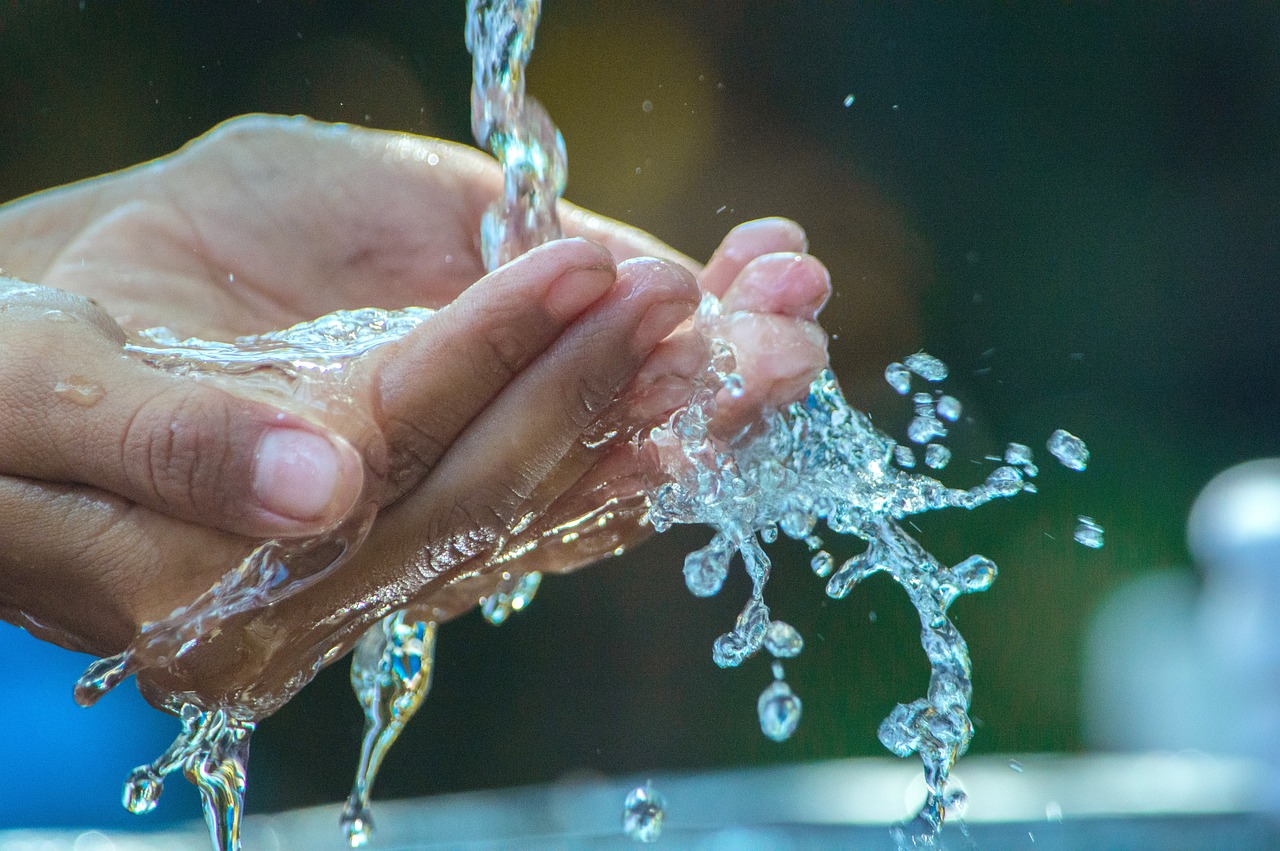 Image by Manuel Darío Fuentes Hernández from Pixabay
Understanding Water Sources and Usage
RV boondocking offers three primary sources of water: potable water, non-potable water, and greywater. Potable water is the freshwater you bring with you, while non-potable water can be found in natural sources such as rivers and lakes. Greywater is the wastewater from your sinks and showers.
Understanding your water usage needs is critical. The average person uses about 80-100 gallons of water per day, but in RV boondocking, it is recommended to use no more than 5-10 gallons of water per day per person.
Water Conservation Techniques
Water conservation is the practice of using water efficiently and reducing wastage. Here are some water conservation techniques for RV boondocking:
- Using low-flow faucets and showerheads to reduce water usage.
- Capturing and reusing greywater for tasks such as flushing toilets or watering plants.
- Reducing water usage in laundry and dishes by using minimal amounts of water.
- Using water-efficient appliances such as dishwashers and washing machines.
- Tips for reducing water usage in daily activities such as using a bucket to collect water while waiting for hot water to come out of the faucet.
Water Management Techniques
Water management involves understanding your water storage capacity, distribution, and monitoring your water levels and usage. Here are some tips for proper water management in RV boondocking:
- Understanding water storage capacity in your RV and carrying extra water if needed.
- Tips for proper water storage and distribution include using a water pressure regulator and ensuring equal water distribution throughout the RV.
- Monitoring water levels and usage by installing a water level indicator.
- Choosing the right water filtration system to ensure the quality of the water you consume.
- Managing and maintaining your RV’s plumbing system to prevent water wastage.
Environmental Impact of Water Usage in RV Boondocking
Minimizing the environmental impact of water usage in RV boondocking is crucial. Here are some tips for minimizing your impact:
- Minimize the use of chemicals and use environmentally friendly soaps and detergents.
- Properly dispose of greywater by not disposing of it within 200 feet of water bodies.
- Use a portable toilet to avoid contaminating water bodies and disturbing wildlife.
- Leave no trace by always leaving your campsite as you found it and not leaving any trash or waste behind.
- Respect wildlife by not disturbing them and keeping your distance from them.
Resources
- U.S. Environmental Protection Agency (EPA) – WaterSense URL: https://www.epa.gov/watersense This government website offers information and tips on water conservation for various purposes, including RV use.
- The RV Geeks – Water Conservation Tips for RV Boondocking URL: https://www.thervgeeks.com/water-conservation-tips-for-rv-boondocking/ This popular RV blog provides practical tips and advice on conserving water while boondocking.
- Leave No Trace Center for Outdoor Ethics – Principles URL: https://lnt.org/why/7-principles/ This website offers guidelines for responsible outdoor recreation, including minimizing the environmental impact of water usage during RV boondocking.
- DoItYourselfRV – Boondocking Water Conservation Tips URL: https://www.doityourselfrv.com/boondocking-water-conservation-tips/ This website offers practical advice and tips for conserving water while RV boondocking, including water usage calculations and management techniques.
- GoRVing – Water Conservation and Management for RVers URL: https://www.gorving.com/tips-inspiration/maintenance-technical/water-conservation-and-management-for-rvers This comprehensive resource offers information on water conservation and management, covering water storage, distribution, and monitoring for RV boondocking.
FAQs
- Q: What is RV boondocking, and why is water management essential in this activity?
A: RV boondocking is camping in remote locations without access to public utilities such as water, electricity, and sewer systems. Water management is essential in RV boondocking because water is a finite resource in remote locations, and it is necessary to conserve water to ensure a successful and enjoyable experience.
- Q: How can I estimate my water needs for RV boondocking, and what factors should I consider?
A: To estimate your water needs, consider the number of people in your RV, the length of your trip, and your planned activities. A general rule of thumb is to use no more than 5-10 gallons of water per person per day. However, it’s always best to carry extra water to avoid running out.
- Q: What is greywater, and how can I reuse it in RV boondocking?
A: Greywater is wastewater from your sinks and showers. You can reuse it for tasks such as flushing toilets or watering plants by using a greywater capture system.
- Q: Can I use a water filtration system for RV boondocking, and what type of system should I choose?
A: Yes, using a water filtration system is highly recommended for RV boondocking. There are different types of water filtration systems available for RVers, such as carbon filters, ceramic filters, and reverse osmosis systems.
Each type of system has its own advantages and disadvantages.
-
- Carbon filters are the most common type of water filtration system for RVs. They are affordable and effective at removing unpleasant tastes and odors from water.
- Ceramic filters are another option that removes bacteria and sediments from water.
- Reverse osmosis systems are the most advanced and effective type of water filtration system, as they can remove up to 99% of all contaminants from water.
When choosing a water filtration system, it is essential to consider the quality of the water in the boondocking location and your specific needs. A water testing kit can help determine the type of system needed for your RV.
- Q: What are some common mistakes to avoid in water management and conservation in RV boondocking?
A: There are several common mistakes to avoid in water management and conservation in RV boondocking, such as:
- Underestimating your water needs:
- It’s essential to calculate your water needs accurately to ensure you have enough water for your trip.
- Leaving faucets running: Turning off the water when not in use can save a significant amount of water.
- Using too much water in dishwashing and laundry: Using a minimal amount of water while washing dishes and laundry can save a lot of water.
- Dumping wastewater near water sources: This can contaminate the local ecosystem and harm wildlife.
- Not maintaining your RV’s plumbing system: Regular maintenance can prevent leaks and other plumbing issues, which can lead to water waste.
- Q: Are there any water conservation and management tools or apps that can help me in RV boondocking?
A: Yes, there are many water conservation and management tools and apps available for RV boondocking. These tools can help you track your water usage, estimate your water needs, and identify water-saving opportunities. Some popular water management tools for RVers include TankTechsRx, WaterLog, and Flowie. Water usage trackers, tank level indicators, and greywater capture systems are also useful tools for water management and conservation.
Conclusion
Managing and conserving water is essential for RV boondocking, where access to public utilities is limited or non-existent. Understanding your water sources and usage, implementing effective water conservation techniques, and properly managing your water storage and distribution can help you make the most of your boondocking experience while minimizing your impact on the environment. Additionally, by minimizing the environmental impact of water usage, we can protect the natural resources and habitats we are visiting.
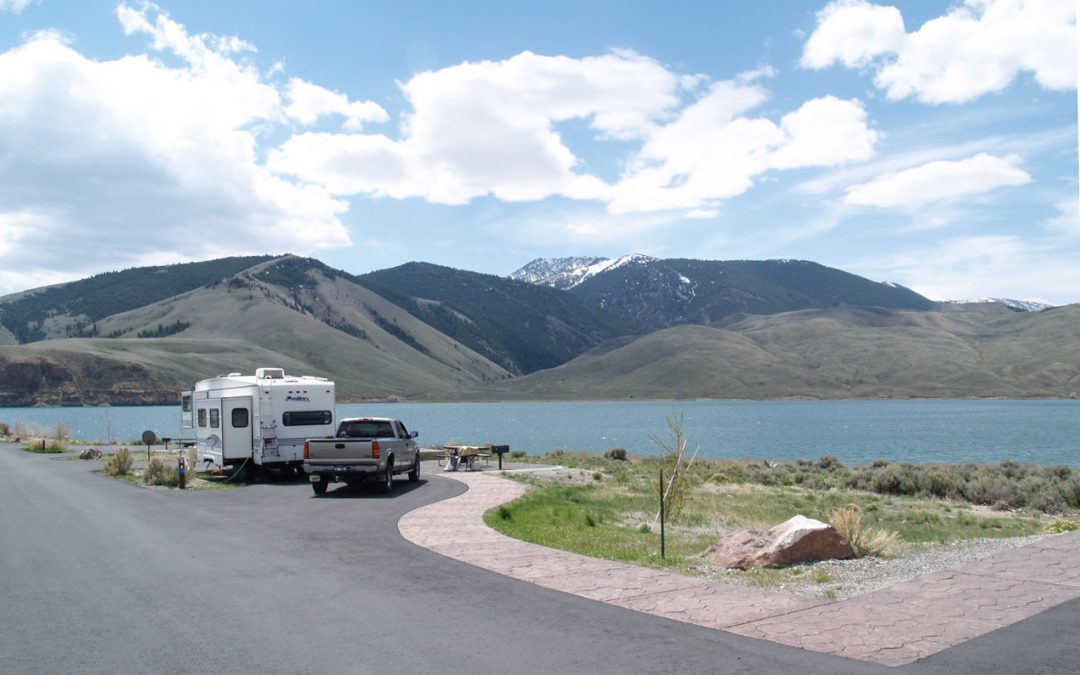
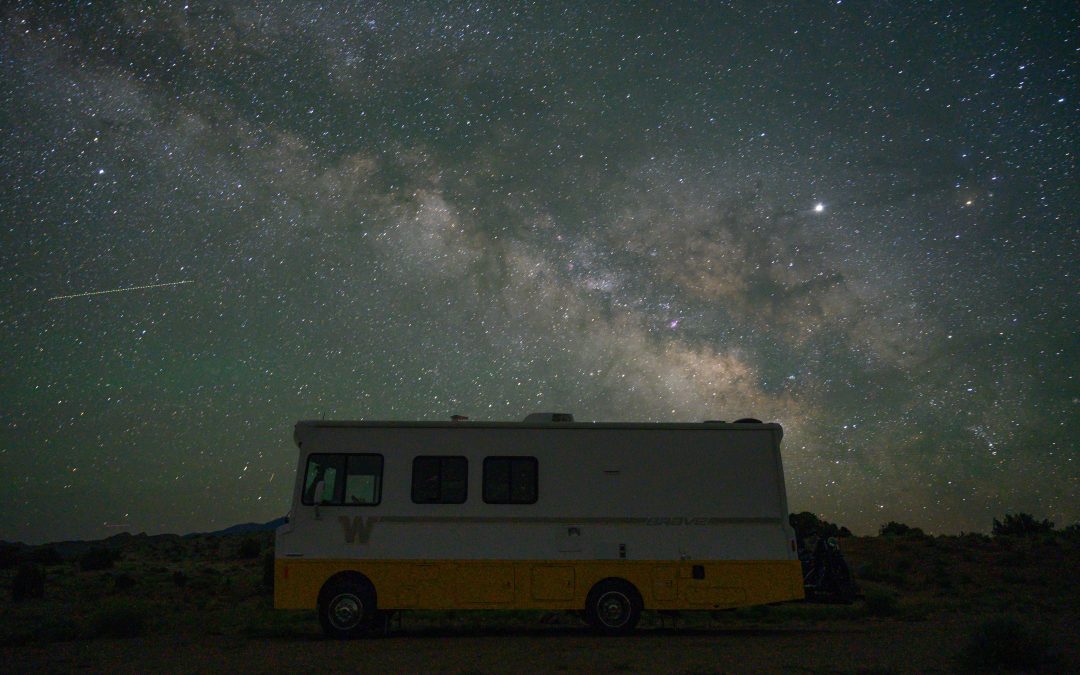
Featured Image Joe T. Fallini Campground by Bureau of Land Management via flickr
by Chuck Price | Feb 25, 2023 | Boondocking-Guide
Boondocking, or camping off-the-grid without hookups, is a popular way to explore the wilderness and disconnect from the hustle and bustle of everyday life. However, it comes with its own set of risks and challenges, especially when it comes to emergency preparedness. As a boondocker, it’s important to be prepared for any emergency that may arise, including injuries, illnesses, and natural disasters.
In this article, we’ll cover the essential emergency preparedness strategies for boondockers, including first aid and survival skills. We’ll also provide tips on how to prepare for boondocking emergencies, such as creating an emergency plan and packing the right gear. By following the tips and advice in this article, you’ll be better equipped to handle any emergency that may arise while boondocking.
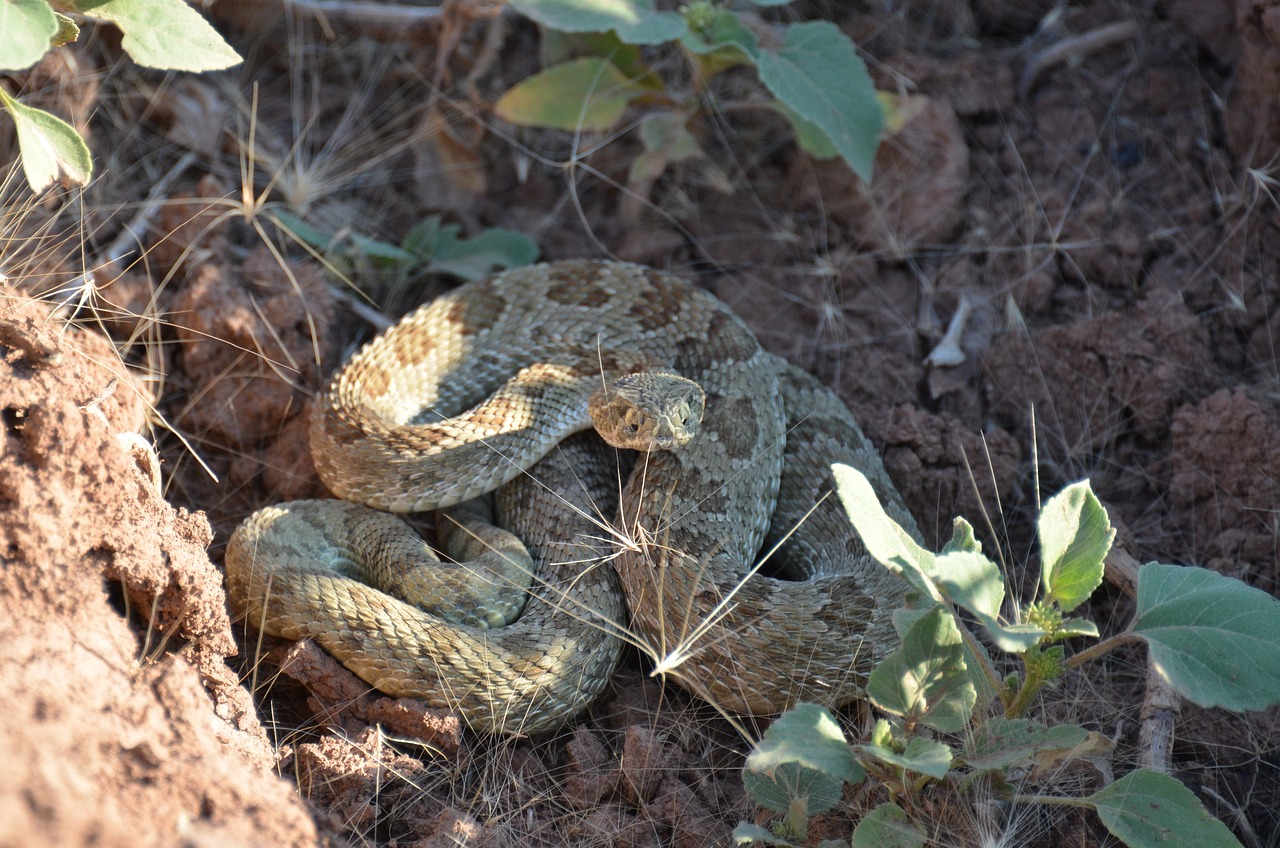 Image by mdimock from Pixabay
Understanding the Risks of Boondocking
Boondocking comes with its own set of risks and challenges, including natural disasters, injuries, and illnesses. While it’s impossible to anticipate every possible emergency, it’s important to understand the most common risks associated with boondocking and how to prepare for them.
One of the biggest risks of boondocking is the lack of access to medical care. Injuries, illnesses, and emergencies can happen at any time, and it may take hours or even days to reach the nearest hospital or medical facility. Other risks include extreme weather conditions, such as high winds, lightning, and flash floods, as well as encounters with wild animals, such as bears and snakes.
First Aid Essentials for Boondocking
In an emergency, having a well-stocked first aid kit and the knowledge to use it can make all the difference. When preparing a first aid kit for boondocking, it’s important to include all the essentials, such as bandages, gauze, adhesive tape, and antiseptic wipes. Other important items include pain relievers, allergy medicine, and a thermometer.
It’s also essential to know how to recognize and treat common wilderness injuries and illnesses. This includes knowing how to splint a broken bone, treat a burn, and care for cuts and scrapes. It’s also important to know how to recognize the symptoms of heat stroke, hypothermia, and dehydration, as well as how to treat them.
Survival Skills for Boondocking Emergencies
In addition to first aid, boondockers should also have the survival skills necessary to handle emergencies in the wilderness. This includes knowing how to build a shelter, start a fire, and purify water. It’s also important to know how to navigate and signal for help, as well as what to do if you get lost or stranded in the wilderness.
When building a shelter, it’s important to find a location that’s dry, protected from the wind, and close to a water source. Starting a fire can be a lifesaving skill, as it provides warmth and can help signal for help. To start a fire, gather dry kindling and small sticks, then use a fire starter or matches to light it. Boondockers should also know how to purify water using methods such as boiling or using water purification tablets.
Preparing for Boondocking Emergencies
In addition to first aid and survival skills, boondockers should also take steps to prepare for emergencies before they happen. This includes investing in emergency communication devices, such as a satellite phone or emergency radio. Boondockers should also create an emergency plan and share it with friends or family members who know your itinerary and route.
Preparing your vehicle and gear for emergencies is also essential. Make sure your vehicle is in good working condition and has a full tank of gas before embarking on your trip. It’s also important to pack extra food, water, and warm clothing in case of an emergency.
Resources
- American Red Cross – First Aid: https://www.redcross.org/take-a-class/first-aid This resource offers comprehensive first aid training, including online courses, in-person classes, and certification programs.
- REI – Wilderness First Aid Basics: https://www.rei.com/learn/expert-advice/wilderness-first-aid.html REI is a reputable outdoor retailer, and their wilderness first aid guide covers essential skills and recommendations for outdoor enthusiasts.
- National Park Service – Outdoor Safety: https://www.nps.gov/articles/nps-outdoor-safety.htm The National Park Service provides outdoor safety tips, including guidance on encountering wildlife, preventing hypothermia, and responding to emergencies.
- Leave No Trace Center for Outdoor Ethics – Campfire Safety: https://lnt.org/why/7-principles/minimize-campfire-impact/ This resource offers guidelines on safe and responsible campfire practices, as well as environmental considerations when starting a fire.
- Ready.gov – Emergency Communication Plan: https://www.ready.gov/plan Ready.gov, a service of the U.S. Department of Homeland Security, provides information on creating an emergency communication plan, which can be adapted for boondocking emergencies.
FAQs
- What should be in a boondocking first aid kit?
A well-stocked boondocking first aid kit should include bandages, gauze, adhesive tape, antiseptic wipes, pain relievers, allergy medicine, a thermometer, and other essentials. It’s also important to know how to use these items in an emergency.
- How can I learn essential first aid skills?
There are many resources available for learning essential first aid skills, including online courses, books, and local classes. It’s also a good idea to practice your skills regularly so that you feel confident and prepared in an emergency.
- What is the best way to start a fire in the wilderness?
To start a fire in the wilderness, gather dry kindling and small sticks, then use a fire starter or matches to light it. Make sure to choose a safe location for your fire and follow all fire safety guidelines.
- What should I do if I encounter a wild animal while boondocking?
If you encounter a wild animal while boondocking, it’s important to stay calm and avoid making sudden movements. Make noise to alert the animal of your presence, and slowly back away while keeping an eye on the animal. Never approach or feed wild animals.
- How can I protect myself from extreme weather conditions while boondocking?
To protect yourself from extreme weather conditions while boondocking, pack warm clothing, rain gear, and a reliable shelter. It’s also important to check the weather forecast before embarking on your trip and be prepared to change your plans if necessary.
Conclusion
Boondocking is a great way to experience the beauty of nature and disconnect from the stresses of everyday life. However, it’s important to be prepared for emergencies that may arise while in the wilderness. By following the tips and advice in this article, including preparing a well-stocked first aid kit, knowing essential survival skills, and creating an emergency plan, you’ll be better equipped to handle any emergency that may come your way. Remember, when it comes to emergency preparedness while boondocking, it’s always better to be safe than sorry.
Featured Photo by Evan Chasteen via Pexels
by Chuck Price | Feb 25, 2023 | Boondocking-Guide
Boondocking, or camping off-the-grid, is becoming increasingly popular as people seek to escape the hustle and bustle of city life and immerse themselves in nature. Public lands, such as national forests and Bureau of Land Management (BLM) areas, provide an abundance of opportunities for boondocking. However, before embarking on a camping trip in the wilderness, it’s important to understand the regulations and permits that govern camping on public lands. In this guide, we’ll provide an overview of the key regulations and permits for boondocking on public lands, as well as tips for navigating these requirements and finding the perfect campsite.
Understanding Public Lands Regulations
Public lands encompass a wide range of areas, including national forests, BLM lands, and state parks. Each of these areas has its own set of regulations governing camping and other activities. It’s crucial to research and understand these regulations before embarking on a boondocking trip. Failure to comply with these regulations can result in fines and even criminal charges.
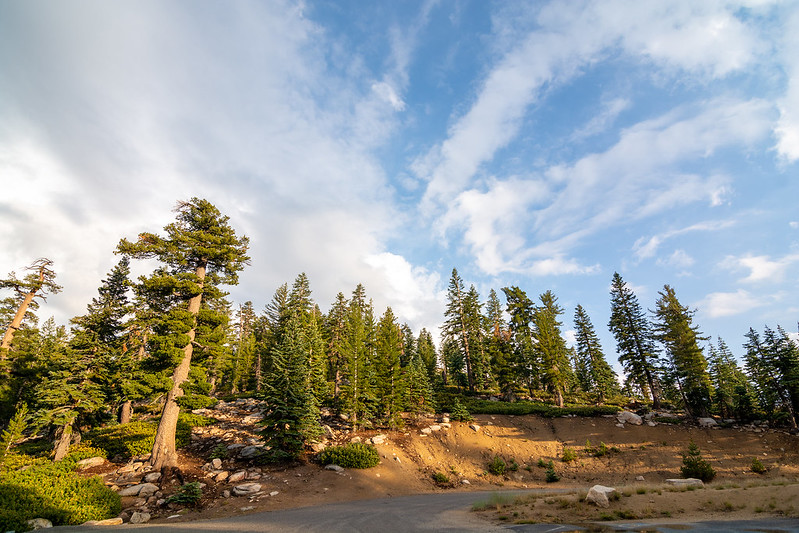
Sequoia National Forest Image by Matthew Dillon via flickr
National Forests
National forests are managed by the United States Forest Service and provide ample opportunities for boondocking. However, camping is not allowed in all areas of a national forest. Some areas may be designated for day use only, while others may require a permit for camping. In addition, certain areas may have restrictions on campfires, fishing, and hunting.
Bureau of Land Management Lands
The Bureau of Land Management (BLM) manages vast tracts of land throughout the United States, much of which is open for boondocking. However, similar to national forests, there are regulations governing camping on BLM lands. Some areas may be closed to camping, while others may require a permit. It’s important to research these regulations and obtain any necessary permits before camping on BLM lands.
State Parks
State parks are managed by individual states and may have their own regulations governing camping. In some cases, camping may only be allowed in designated campsites, while in other cases, dispersed camping may be permitted. It’s important to research the regulations for each state park before embarking on a boondocking trip.
Boondocking Permits and Reservations
Depending on the public land you plan to visit, you may need a permit to boondock. In this section, we’ll cover when and where permits are required for boondocking, how to obtain permits for public lands, and the different types of permits available.
When and Where Permits are Required
Permits are typically required for camping in designated campgrounds or areas where camping is regulated. In addition, certain areas may require a permit for dispersed camping. It’s important to research the regulations for the public land you plan to visit and obtain any necessary permits before embarking on your trip.
How to Obtain Permits
Permits can typically be obtained online or in person at the local ranger station or visitor center. Some permits may be free, while others may have a fee. It’s important to research the permit requirements and fees for the public land you plan to visit and obtain the necessary permits before your trip.
Types of Permits
There are several types of permits available for boondocking on public lands. These include:
- Overnight camping permits: These permits allow for camping in designated campgrounds or areas where camping is regulated.
- Dispersed camping permits: These permits allow for camping in undeveloped areas outside of designated campgrounds.
- Special use permits: These permits are required for activities that may have an impact on the land, such as group camping or commercial filming.
Planning Your Boondocking Trip
Planning is key to a successful and safe boondocking trip. In this section
Researching Public Lands
When planning a boondocking trip, it’s important to research the public lands in the area you plan to visit. This can help you find the best campsites and ensure that you comply with all regulations and permit requirements.
Some helpful resources for researching public lands include:
- United States Forest Service website: This website provides information on national forests and their regulations.
- Bureau of Land Management website: This website provides information on BLM lands and their regulations.
- State park websites: These websites provide information on state parks and their regulations.
Choosing a Campsite
When choosing a campsite for boondocking, there are several factors to consider. These include:
- Access: Can you reach the campsite with your vehicle? Is the road suitable for your vehicle?
- Terrain: Is the campsite level? Is there enough space for your vehicle and camping equipment?
- Water: Is there a water source nearby?
- Privacy: Is the campsite secluded, or will you be camping near other people?
- Regulations: Does the campsite comply with all regulations and permit requirements?
Navigating Dispersed Camping
Dispersed camping, or camping outside of designated campgrounds, can be a great way to experience nature and avoid crowds. However, it’s important to do so responsibly and comply with all regulations and permit requirements.
Some tips for navigating dispersed camping include:
- Look for existing campsites: Camping in established campsites can help minimize your impact on the environment.
- Avoid sensitive areas: Avoid camping in areas that are sensitive to damage, such as wetlands or meadows.
- Practice Leave No Trace: This means packing out all trash and leaving the campsite in the same condition you found it.
- Follow fire regulations: Campfires may be prohibited in certain areas, so it’s important to research the regulations and obtain any necessary permits before starting a fire.
Tips for Boondocking Responsibly
Responsible boondocking is essential for preserving public lands and ensuring that this unique camping style remains accessible to future generations. In this section, we’ll cover tips for minimizing impact, including campsite selection, waste disposal, and campfire safety.
Campsite Selection
When selecting a campsite, it’s important to choose a site that has already been impacted by camping or other activities. This can help minimize your impact on the environment. In addition, it’s important to follow all regulations and permit requirements.
Waste Disposal
Proper waste disposal is crucial for preserving public lands and minimizing your impact on the environment. This includes packing out all trash, disposing of human waste properly, and avoiding dumping gray water on the ground.
Campfire Safety
Campfires can be a great way to stay warm and cook food while boondocking. However, it’s important to follow all fire regulations and ensure that your campfire is safe. This includes using a fire ring or building a fire pit, keeping the fire small, and making sure the fire is completely extinguished before leaving the campsite.
Resources
- United States Forest Service website: https://www.fs.usda.gov/ This website provides information on national forests and their regulations.
- Bureau of Land Management website: https://www.blm.gov/ This website provides information on BLM lands and their regulations.
- National Park Service website: https://www.nps.gov/ This website provides information on national parks and their regulations, which can complement your coverage of state parks.
- Leave No Trace Center for Outdoor Ethics: https://lnt.org/ This website provides guidelines and principles for minimizing impact while camping and enjoying the outdoors.
- Recreation.gov: https://www.recreation.gov/ This website allows users to reserve campsites, obtain permits, and access information about recreational activities on federal lands.
Conclusion
Boondocking on public lands can be a rewarding and memorable experience, but it’s important to understand the regulations and permits that govern camping in these areas. By following the tips and advice provided in this guide, you can plan a safe, enjoyable, and responsible boondocking trip that will leave a minimal impact on the environment.
FAQs
- Do I need a permit to boondock on public lands?
- It depends on the public land you plan to visit. Some areas may require a permit for boondocking, while others may not.
- Can I camp anywhere on public lands?
- No, there are regulations governing camping on public lands. It’s important to research these regulations and comply with them to avoid fines or criminal charges.
- What should I do with my trash when boondocking?
- It’s important to pack out all trash and dispose of it properly. This means taking it with you when you leave the campsite and disposing of it in a trash receptacle.
- Can I have a campfire while boondocking?
- Campfires may be allowed in certain areas, but it’s important to research the fire regulations for the public land you plan to visit and follow them to ensure that your campfire is safe.
- How do I find a good campsite for boondocking?
- Researching public lands and considering factors such as access, terrain, water, privacy, and regulations can help you find a good campsite for boondocking.
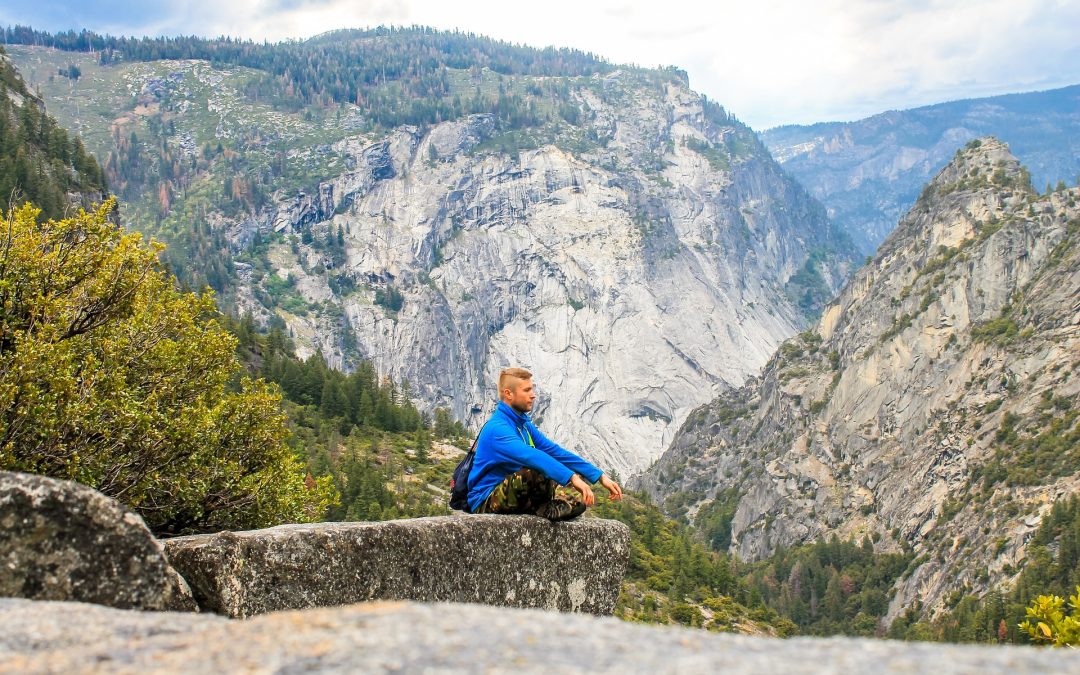
Featured Image by Egor Shitikov from Pixabay
