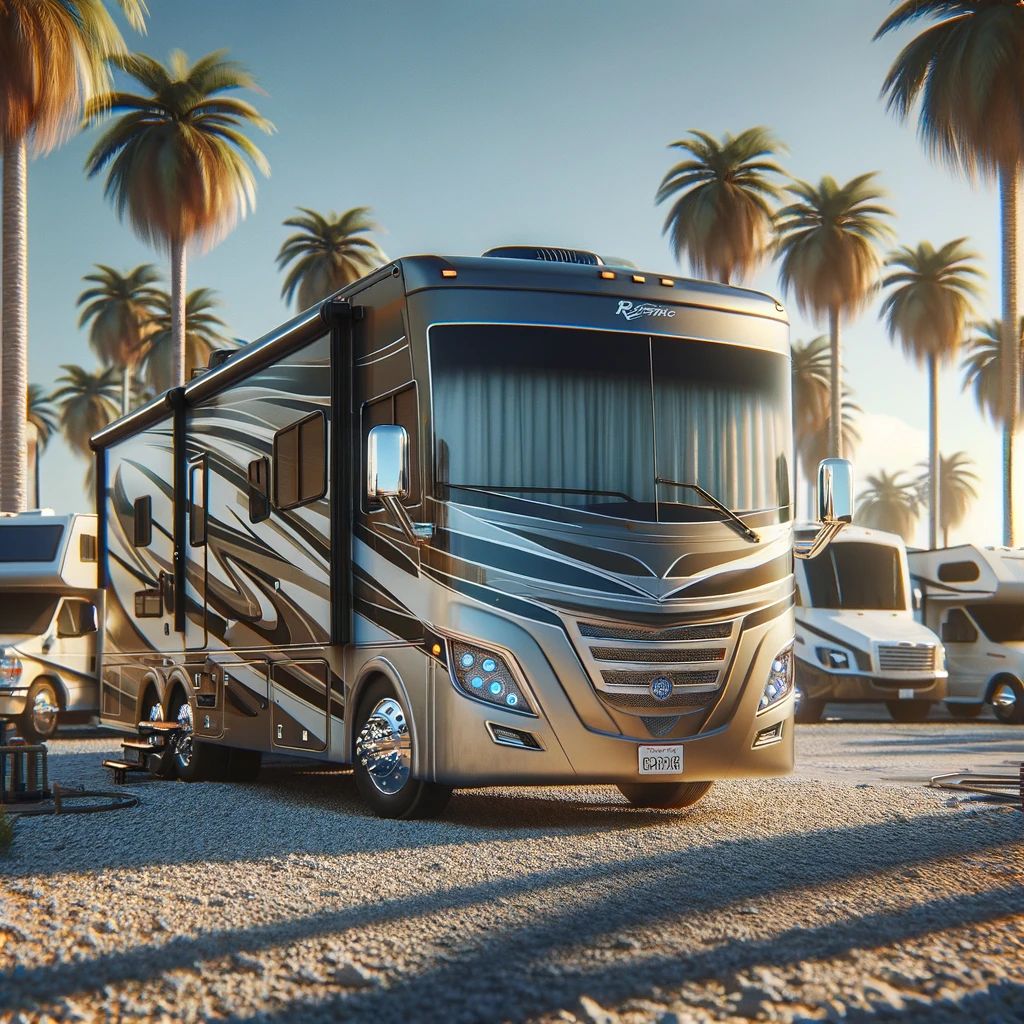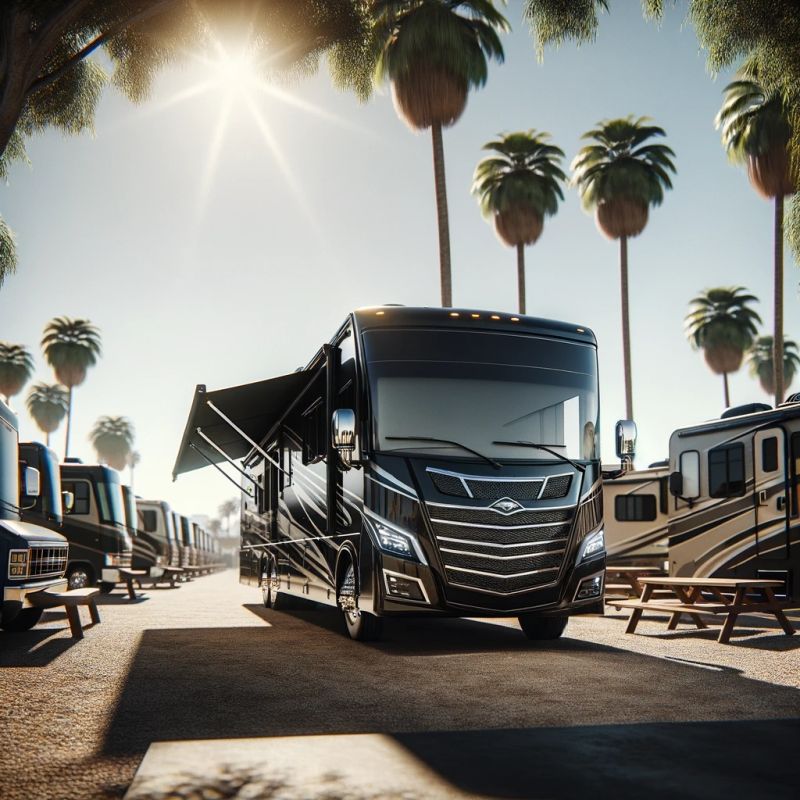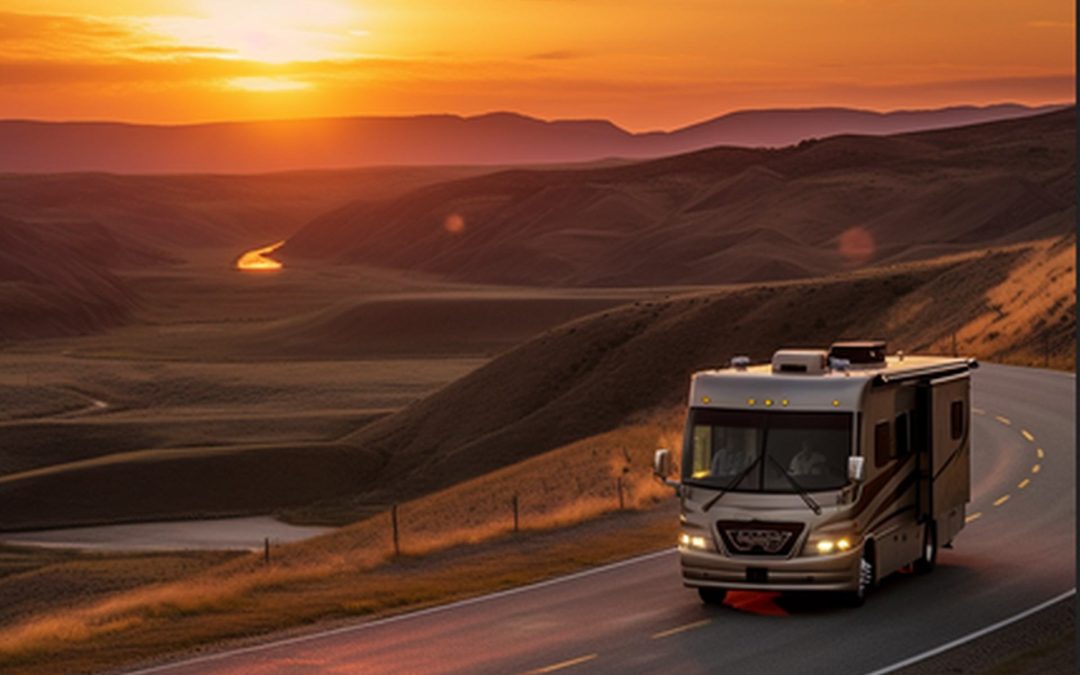
Mastering RV Driving and Towing

Mastering RV Driving and Towing

The open road beckons, and the spirit of adventure whispers. But before embarking on your RV journey, remember: it’s more than just cruising towards picturesque landscapes. RVing demands mastery of driving dynamics, towing fundamentals, and a well-considered choice of your perfect motorhome or trailer. This comprehensive guide unlocks the essentials of RV driving and towing, empowering you with the knowledge to ensure a safe, enjoyable, and unforgettable experience.

Here’s what you’ll discover:

  • Selecting your ideal RV: Learn how to choose the perfect match for your lifestyle, driving preferences, and specific needs.
  • Getting comfortable: Familiarize yourself with your RV’s controls, adjust for optimal comfort and visibility, and adopt safe driving practices.
  • Towing tips for trailers: Master the art of trailer selection, connection, weight distribution, and braking for a smooth and confident towing experience.
  • Parking and maneuvering: Practice your skills in parking and reversing, and navigate tight spaces with ease.
  • The ultimate RV towing guide collection: Delve into a wealth of resources packed with expert advice, vehicle-specific recommendations, and essential tips for towing across any distance.

Selecting Your Ideal Motorhome

Whether you’re a seasoned RVer or a budding adventurer, this guide equips you with the knowledge and confidence to turn your RV dreams into reality. So, buckle up, explore, and make memories that last a lifetime!

Whether you’re a seasoned RVer or a budding adventurer, this guide equips you with the knowledge and confidence to turn your RV dreams into reality. So, buckle up, explore, and make memories that last a lifetime!

Choosing the right RV isn’t just about picking the shiniest model on the lot. It’s about finding a mobile haven that perfectly complements your travel dreams and lifestyle. Here’s what to consider before you take the plunge:

1. Size & Weight: Maneuverability Matters

Imagine navigating charming towns and scenic byways. Will your chosen RV feel like a nimble explorer or a cumbersome behemoth? Ensure its size matches your comfort level behind the wheel and fits comfortably in your planned destinations (think campgrounds, parking lots, narrow roads). Remember, weight matters too! Don’t exceed your tow vehicle’s capacity if you’re planning to bring your own chariot along.

2. Layout & Amenities: Your Home Sweet Home Away

Picture yourself whipping up meals in a compact galley or enjoying family movie nights in a spacious living area. Think about how many people will be traveling, their sleeping arrangements, and the amenities you can’t live without (full bath, outdoor kitchen, bunk beds?). Choose a layout that feels like home, not a cramped apartment on wheels.

3. License to Roam: Don’t Get Caught Short

Knowledge is power, especially when it comes to driver’s licenses. Research if your dream RV requires a special license class. Getting caught unprepared could put a damper on your adventure. Be proactive and ensure you’re legally equipped to hit the road with confidence.

Getting Comfortable with Your Motorhome

Before embarking on your adventure, it’s time to transform your RV’s driver’s seat into your personal command center. Take some time to familiarize yourself with its unique features and controls, ensuring both maximum comfort and optimal visibility.

1. Mirror, Mirror on the Wall: Eliminate Blind Spots Like a Pro

Those bulky side mirrors aren’t just for decoration! Learning to adjust them properly is mission-critical for eliminating blind spots and seeing everything happening around you. Here’s the key:

  • Flat Mirrors: Adjust them to see just a sliver of your RV’s edge along the bottom. This way, you capture the road behind you and alongside your RV in one glance.
  • Convex Mirrors: Extend your vision further by angling them down and out, maximizing your view of traffic alongside your RV.

2. The Perfect Fit: Find Your Driving Zen

Imagine cruising down the highway with relaxed shoulders and confident control. Adjust your driver’s seat so you can easily reach all pedals and controls. Don’t forget the steering wheel! Position it for slightly bent arms, ensuring comfortable and fatigue-free driving.

Remember: Taking the time to personalize your RV’s controls before hitting the road can make a world of difference in your driving experience.

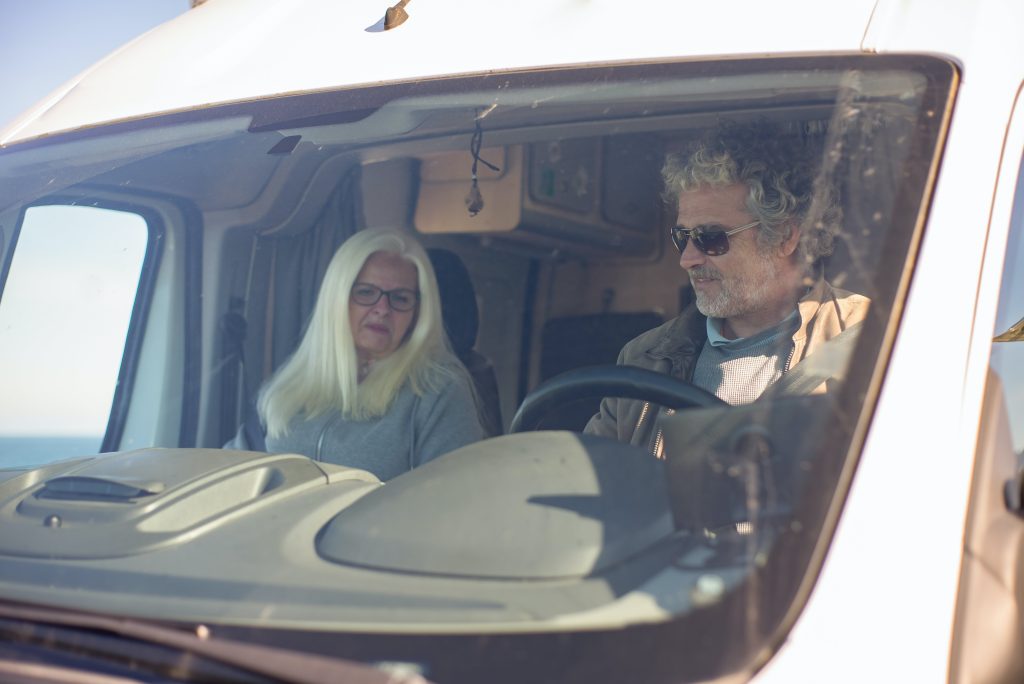
Driving RVPhoto by KoolShooters

Safe Driving Practices

Now that you’re comfortable at the helm, let’s talk about mastering safe driving practices in your RV. Remember, these behemoths handle differently than your everyday car, so buckle up for some essential tips:

1. Brake Like a Feather, Not a Brick:

Forget about slamming on the brakes! Due to their size and weight, RVs require significantly longer stopping distances. Here’s the key:

  • Maintain Safe Speed: Adjust your speed based on road conditions, weather, and traffic. Think slower is smoother and safer for everyone.
  • Increase Following Distance: Leave ample space between you and the vehicle ahead. Double the distance you’d normally use in your car, especially on hills and downhill stretches.
  • Anticipate and Brake Gently: Apply brakes gradually and smoothly, avoiding sudden stops that could destabilize your RV. Remember, gentle feathering is key!

2. Merging and Lane Changes: Be Seen, Be Safe:

Joining the highway flow or changing lanes requires extra caution in an RV. Here’s how to do it like a pro:

  • Plan Ahead: Check mirrors and blind spots well in advance, ensuring a clear path before initiating any maneuvers.
  • Signal Early and Often: Use your turn signals consistently and well beforehand, giving other drivers ample warning of your intentions.
  • Shoulder Check, Don’t Just Mirror: Don’t rely solely on mirrors! Glance over your shoulder for a final confirmation before merging or changing lanes.
  • Take Your Time: Don’t feel pressured to rush. Wait for a safe opening and complete your maneuver calmly and confidently.

Remember: By adopting these safe driving practices, you’ll ensure a smooth and enjoyable journey for yourself and others on the road.
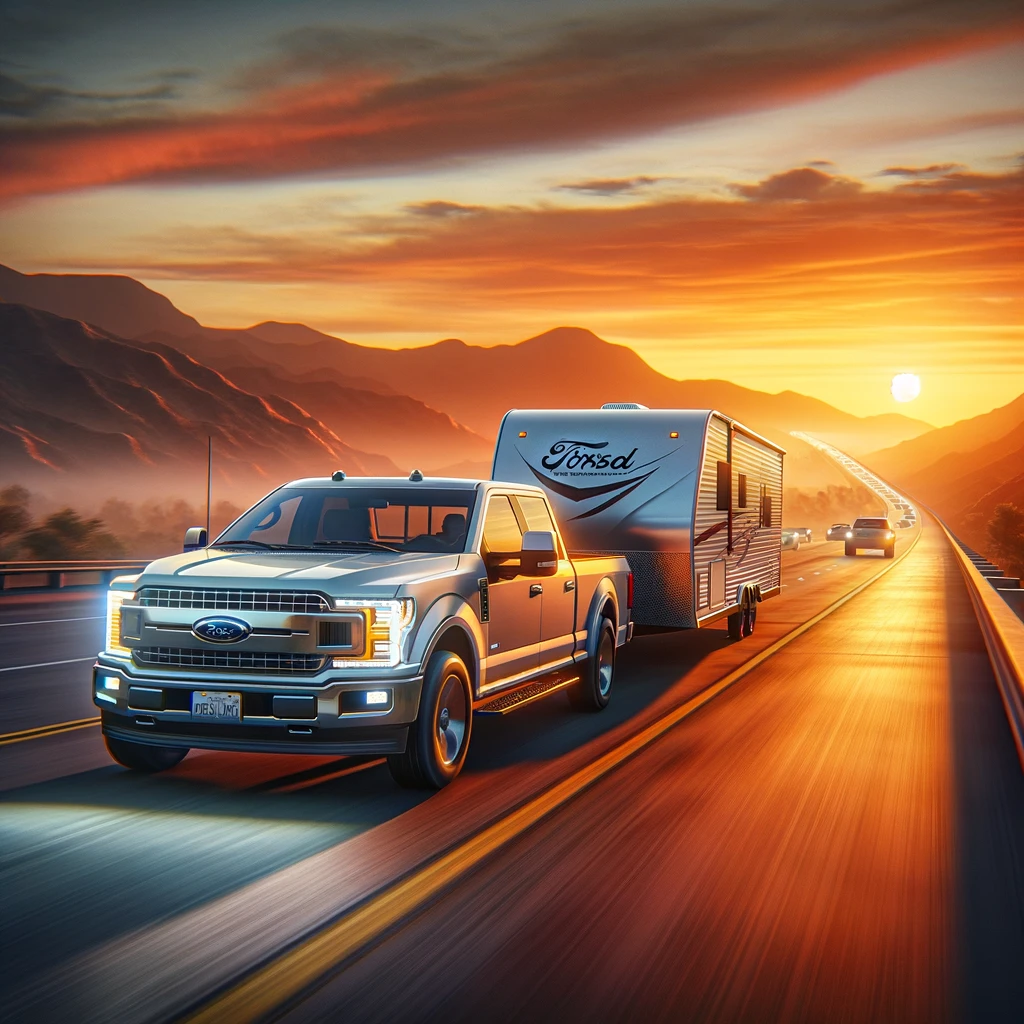
Ford Pickup towing 5th wheel

Towing Tips for Trailers

Towing a trailer adds a whole new dimension to your RV adventure. But fear not! With the right knowledge and practices, you can confidently conquer the open road with your trailer in tow.

1. Trailer Matchmaker: Find Your Perfect Pair

Choosing the right trailer is like finding your soulmate – it needs to perfectly complement your tow vehicle. Don’t get starry-eyed by the biggest, fanciest model. Instead, focus on finding one that matches your tow vehicle’s capacity (weight and size) like a hand in glove. Remember, exceeding capacity is a safety hazard and a recipe for disaster.

2. Connect with Confidence: Double-Check Everything

Connecting your trailer isn’t child’s play. Treat it like a pre-flight checklist:

  • Hitch Up Right: Ensure the hitch is properly aligned and secured, leaving no room for wobble.
  • Chain of Command: Double-check your safety chains are securely attached to both the trailer and your tow vehicle, crisscrossing underneath for added security.
  • Electricity Flow: Make sure the electrical connection between your vehicle and trailer is functioning properly, powering lights and signals.

3. Brake Like a Boss: Don’t Leave Stopping to Chance

Not all trailers are created equal, and some require a dedicated brake controller to ensure synchronized braking with your tow vehicle. If your trailer has electric brakes, installing a brake controller is a must.

4. Balance is Key: Prevent the Sway

Imagine your trailer gracefully following your lead, not dancing wildly behind you. To achieve this harmony, ensure even weight distribution within your trailer. Load heavier items closer to the axle and distribute weight evenly across both sides. This prevents trailer sway, making your towing experience smoother and safer.

Remember: Towing requires extra attention and practice. Start with short distances in controlled environments to get comfortable before hitting the highway on your grand adventure.

Mastering Parking and Maneuvering

Parking and maneuvering your RV might seem daunting at first, but with practice and the right techniques, you’ll be navigating tight spaces like a pro. Remember, practice makes perfect, so don’t be shy about finding empty parking lots to hone your skills before tackling real-world challenges.

1. Parking Proficiency: Angle, Parallel, and Beyond

Whether you’re facing a head-on angle parking situation or attempting a parallel parking feat, mastering different techniques is key. Here’s what to remember:

  • Angle Parking: Take it slow and wide, using your mirrors and turning points strategically to avoid clipping curbs or neighboring vehicles. Think “slow and steady wins the race”!
  • Parallel Parking: This can be tricky, but with practice and the right strategy, you’ll be a pro. Utilize landmarks and turning points to guide your RV into the space, and don’t be afraid to pull forward and back up multiple times to get it just right.
  • Remember: Always adjust your approach based on your RV’s size and the available space. Don’t be afraid to ask for help from a spotter if needed.

2. Taming Tight Spaces: Navigate Like a Ninja

Cramped campsites and narrow streets can test your RV maneuvering skills. Here’s how to navigate them like a ninja:

  • Go Slow and Steady: Patience is key! Rushing will only increase the risk of mishaps. Take your time, assess the situation, and plan your maneuvers carefully.
  • Mirror Magic: Your mirrors are your best friends in tight spaces. Use them diligently to monitor clearance on both sides and behind your RV.
  • Spotter Power: If possible, enlist the help of a trusted spotter to guide you through particularly tight squeezes. Their extra eyes can make all the difference.
  • Remember: Don’t be afraid to get out and walk around your RV to assess the situation before making any moves. An extra minute of planning can save you a lot of trouble later.

Bonus Tip: Practice reversing your RV in controlled environments. This skill will come in handy when maneuvering in tight spaces or backing into campsites.

Resources

      • RV Driving School – https://www.rvschool.com/ This website offers RV driving courses and provides tips for safe and efficient RV driving.
      • National Highway Traffic Safety Administration (NHTSA) Towing Guide – https://www.nhtsa.gov/road-safety/towing NHTSA’s towing guide offers valuable information on towing safety, regulations, and equipment.
      • RV Travel – https://www.rvtravel.com/ RV Travel is a popular online magazine and blog that covers various RV-related topics, including driving tips, maintenance, and camping.
      • Good Sam Club – https://www.goodsam.com/ The Good Sam Club is a well-known RV club that provides a wealth of resources and information on RVing, including driving tips, campground recommendations, and community forums.

Driving or towing an RV can be an enjoyable and rewarding experience, but it requires patience, practice, and an understanding of safe driving techniques.
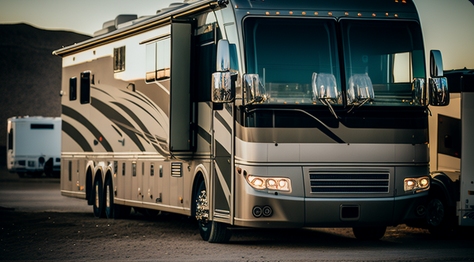
 

How to Buy or Rent the Perfect RV

How to Buy or Rent the Perfect RV

Your Guide to the Ideal RV Experience

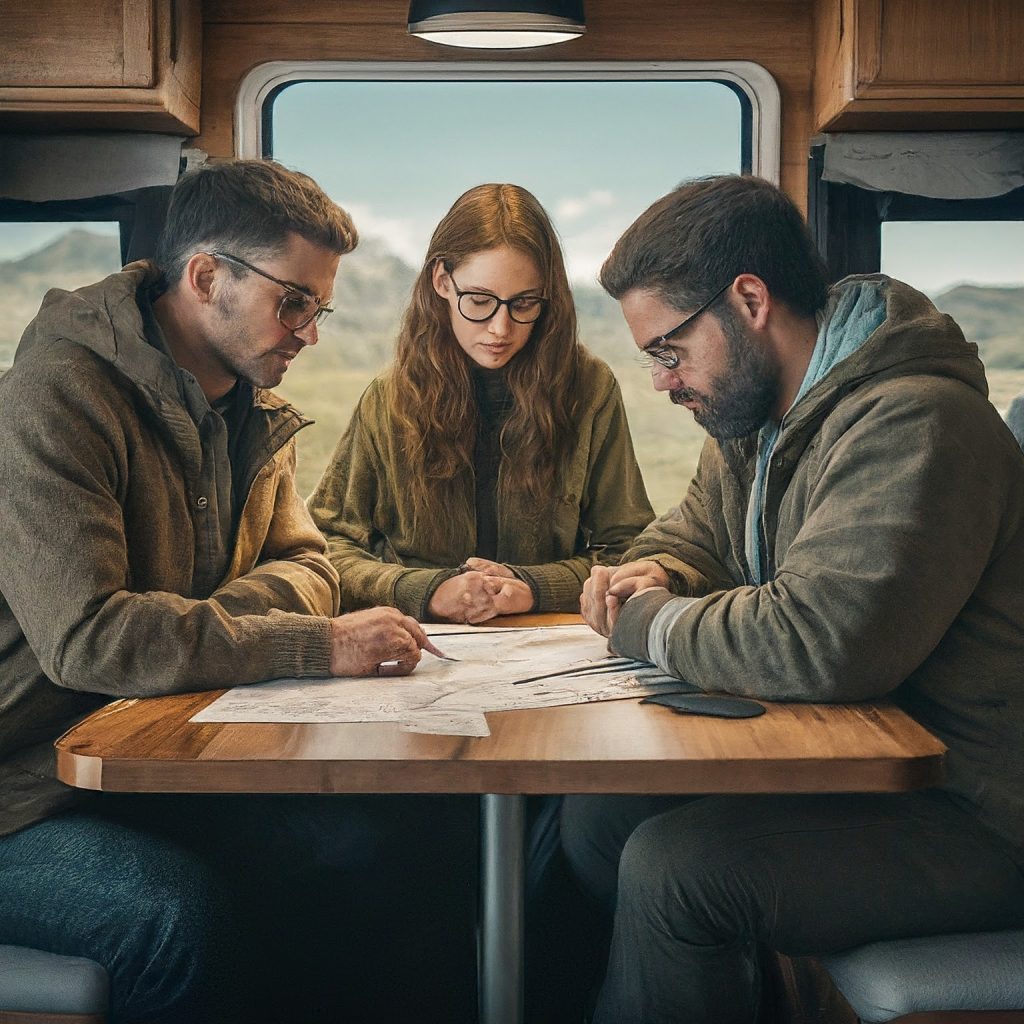
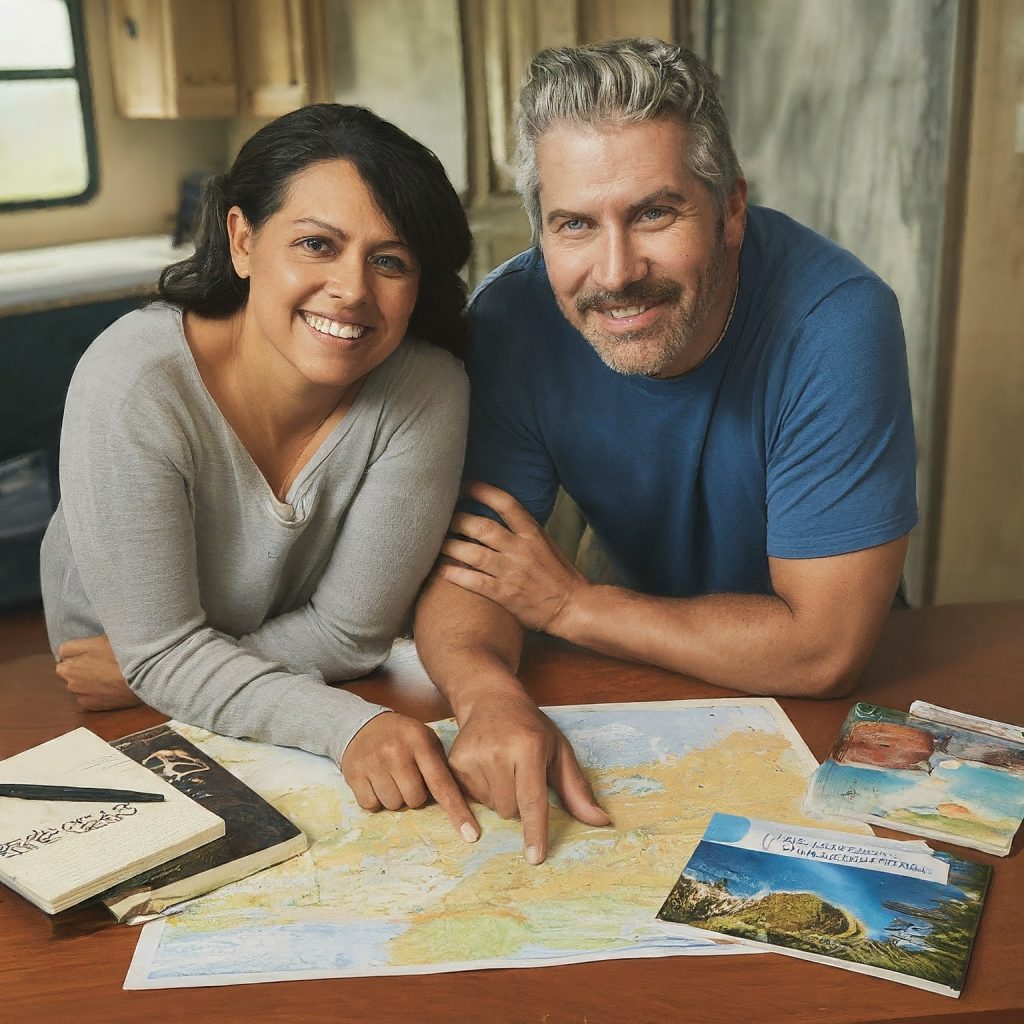
couple planning their RV trip

If you’re considering joining the world of RVing, you might be feeling overwhelmed by the numerous options, types, and features available. In this article, we’ll guide you through the process of shopping for and buying an RV that’s perfect for your needs and budget.

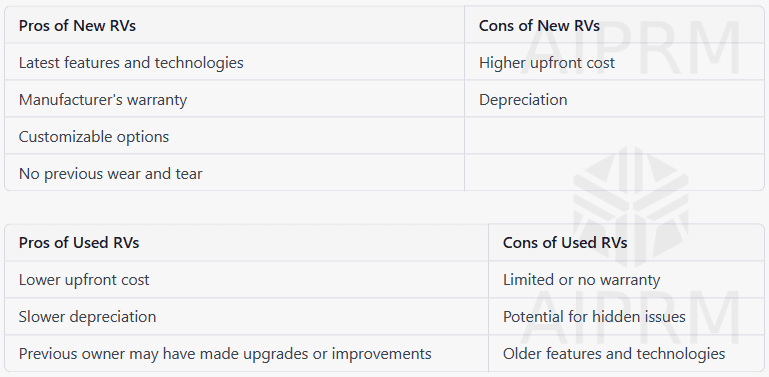
New vs. Used RVs

Before you start your search, it’s important to determine whether you want to purchase a new or used RV.

new v used rv

Couple-shopping-for-RV

Factors to Consider When Buying an RV

There are several important factors to consider when deciding on the right RV for your needs and preferences.

  • Size and Space Think about how much space you’ll need for your travels, including sleeping arrangements, storage, and living areas.
  • RV Types Research the different types of RVs available, such as Class A, B, and C motorhomes, travel trailers, fifth wheels, and pop-up campers, to determine which is best for your needs.
  • RV Floor Plans Examine different floor plans to find one that meets your requirements for functionality and comfort.
  • Towable or Motorized RVs Determine whether you prefer a towable RV, which requires a separate vehicle for towing, or a motorized RV, which combines the living quarters and the driving component in one unit.
  • Durability and Construction Quality Investigate the construction quality and materials used in the RVs you’re considering to ensure they’ll stand up to your intended use and travel conditions.
  • Features and Amenities Make a list of must-have features and amenities, such as a full kitchen, bathroom, entertainment system, or solar panels, and prioritize them during your search.

Financing and Budgeting for an RV

  • It’s crucial to create a budget and consider financing options before making an RV purchase.
  • Determine Your Budget Establish a budget based on your financial situation, keeping in mind that the cost of an RV can range from tens of thousands to hundreds of thousands of dollars.
  • Cost of Ownership Consider the ongoing costs of owning an RV, such as maintenance, fuel, insurance, registration, and campground fees, when determining your budget.
  • Financing Options Explore various financing options, including loans from banks, credit unions, or specialized RV lenders, and compare interest rates and terms to find the best deal.
  • Insurance and Extended Warranties Research insurance coverage and costs, and consider purchasing an extended warranty to protect your investment, especially if you’re buying a used RV.
  • Depreciation and Resale Value Keep in mind that new RVs typically depreciate faster than used ones, which may affect your decision-making process. Consider the potential resale value of the RV you’re interested in, as this can impact your overall investment

Financingan RV

RV Financing Options

RV financing is the process of borrowing money to purchase an RV. There are many different financing options available, each with its own advantages and disadvantages.

An Overview

  • What is RV financing?
    • RV financing is the process of borrowing money to purchase an RV.
    • The money borrowed is used to pay for the RV, and the borrower agrees to repay the loan over a period of time, typically with interest.
    • RV financing can be a good option for people who do not have enough money saved to purchase an RV outright.
  • Why is it important to consider RV financing?
    • RVs can be expensive, so financing may be necessary for many people.
    • Financing can also help borrowers spread out the cost of the RV over time, making it more affordable.
    • However, it is important to compare different financing options carefully before choosing one, as the terms and conditions can vary significantly.

Different types of RV financing

  • Bank loans
    • Bank loans are a common type of RV financing.
    • Banks typically offer competitive interest rates and terms, but they may require a good credit score.
  • Credit union loans
    • Credit union loans can be a good option for people with good credit.
    • Credit unions often offer lower interest rates than banks, but they may have more restrictive lending requirements.
  • RV dealership loans
    • RV dealerships often offer financing options through their own in-house lending programs.
    • These programs can be a convenient option, but they may have higher interest rates than other financing options.
  • Online lenders
    • There are also a number of online lenders that offer RV loans.
    • Online lenders typically have more flexible lending requirements than banks and credit unions, but they may also have higher interest rates.

Interest rates, terms, and fees

  • Interest rates
    • The interest rate is the cost of borrowing money.
    • The interest rate will vary depending on the type of financing, the borrower’s credit score, and other factors.
  • Terms
    • The terms of a loan are the length of time it takes to repay the loan.
    • The terms will vary depending on the type of financing and the borrower’s financial situation.
  • Fees
    • There are often fees associated with RV financing, such as origination fees and closing costs.
    • It is important to factor these fees into the overall cost of the loan.

Tips for financing an RV

  • Get pre-approved for a loan before you start shopping for an RV.
    • This will give you an idea of how much you can afford to borrow and will help you negotiate a better price on the RV.
  • Shop around for the best interest rate.
    • Interest rates can vary depending on the lender, so it is important to compare rates from different lenders.
  • Consider a loan with a fixed interest rate.
    • This will help you budget for your monthly payments, as the interest rate will not change over the life of the loan.
  • Be prepared to make a down payment.
    • A down payment will lower the amount of money you need to borrow and will also lower your monthly payments.
  • Ask about any available discounts or incentives.
    • Some lenders offer discounts for military members, first-time RV buyers, or those who finance through their RV dealership.

RV financing can be a complex process, but it is important to do your research and compare different options carefully before choosing one. By following the tips above, you can find the best financing option for your RV purchase.

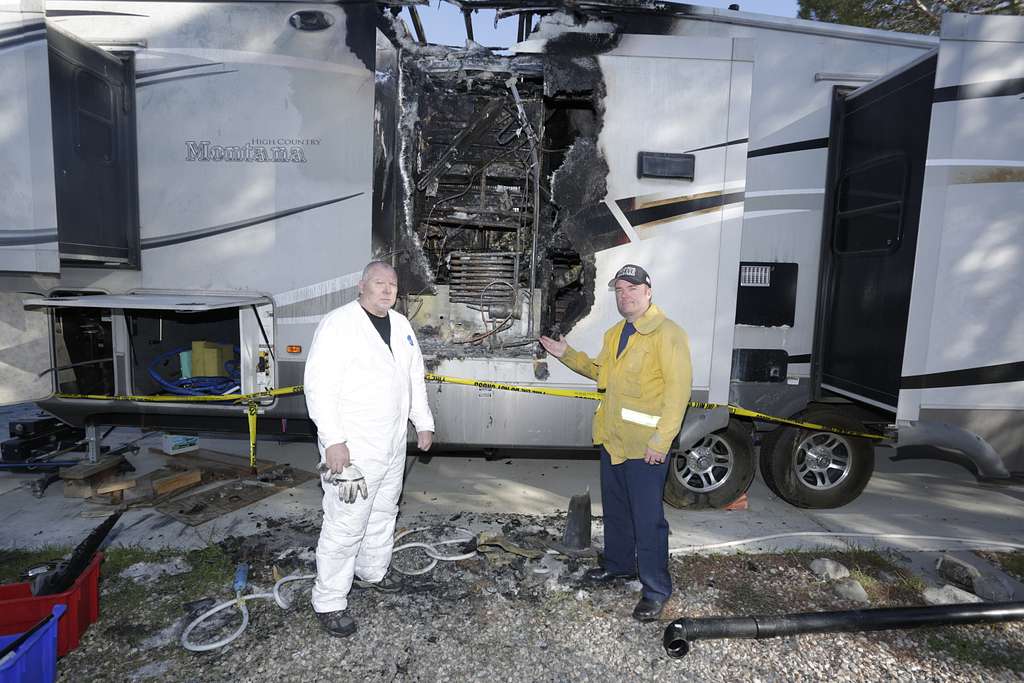
Fire Damaged RVPublic Domain Image

RV Insurance Coverage

RV insurance is important to protect your investment and liability in case of an accident. There are many different types of RV insurance coverage available, each with its own advantages and disadvantages.

Overview

  • What is RV insurance?
    • RV insurance is a type of property insurance that protects your RV from damage or theft.
    • It can also provide liability coverage in case you are responsible for an accident.
    • RV insurance is not required by law in most states, but it is a good idea to have it, as it can help protect you financially in the event of an accident or other loss.

Different types of RV insurance coverage

  • Liability insurance
    • Liability insurance covers the cost of damages you cause to others in an accident.
    • This is the most important type of RV insurance to have, as it can protect you from financial ruin if you are responsible for a serious accident.
  • Comprehensive insurance
    • Comprehensive insurance covers damage to your RV from events other than a collision, such as fire, theft, vandalism, and falling objects.
  • Collision insurance
    • Collision insurance covers damage to your RV in a collision with another vehicle.
    • Collision insurance typically has a deductible, which is the amount of money you are responsible for paying out of pocket in the event of a collision.
  • Rental reimbursement insurance
    • Rental reimbursement insurance covers the cost of renting a substitute RV if your RV is damaged or stolen.
  • Medical payments insurance
    • Medical payments insurance covers the cost of medical expenses for people injured in an accident involving your RV.
  • Towing and labor insurance
    • Towing and labor insurance covers the cost of towing your RV to a repair shop and the labor costs associated with repairs.

Tips for choosing RV insurance

  • Get quotes from multiple insurers.
    • The cost of RV insurance can vary significantly from insurer to insurer, so it is important to get quotes from multiple insurers before making a decision.
  • Consider your needs.
    • Think about the type of RV you have, how you will be using it, and your financial situation when choosing RV insurance.
  • Read the policy carefully.
    • Make sure you understand the terms of the policy before you sign it.
  • Ask questions.
    • If you have any questions about RV insurance, don’t hesitate to ask your insurer.

RV insurance can be a complex topic, but it is important to do your research and choose the right coverage for your needs. By following the tips above, you can find the best RV insurance for your peace of mind.

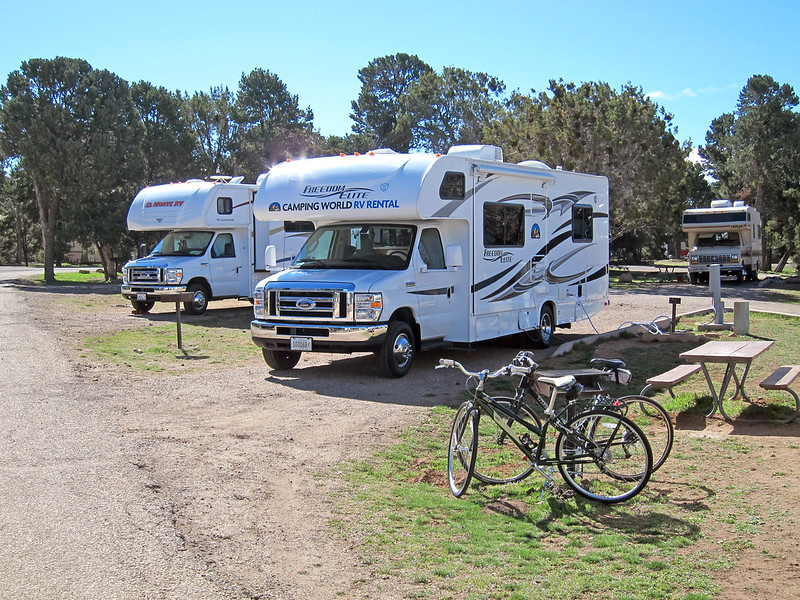
 Grand Canyon National Park

How to Rent an RV

Renting an RV can be a fun and exciting way to travel and explore new places. To ensure you have a smooth and enjoyable experience, it’s important to understand the rental process, insurance, and costs involved, as well as choosing the right RV for your needs. In this guide, we will discuss the following topics:

Rental Platforms and Services

There are several platforms and services available to help you rent an RV. Here are some popular options:

  • Online RV rental marketplaces: Websites like Outdoorsy, RVshare, and Cruise America offer a wide selection of RVs available for rent from private owners and dealerships. You can search for an RV based on factors like location, price, size, and amenities.
  • Local RV dealerships: Many RV dealerships also provide rental services. Search online or check your local Yellow Pages to find an RV dealership near you. Renting from a dealership can offer the advantage of professional support and maintenance throughout your trip.
  • Peer-to-peer RV rentals: Similar to Airbnb for homes, websites like Outdoorsy and RVshare also offer peer-to-peer rental options, connecting private RV owners with renters. This can be an excellent way to find unique RVs at potentially lower prices.

Rental Insurance and Costs

Before renting an RV, it’s important to understand the associated costs and insurance requirements:

  • Rental fees: The rental fee for an RV typically depends on factors like the RV’s size, age, amenities, and the duration of your trip. Be sure to budget for additional expenses like fuel, campsite fees, and any optional extras (e.g., bedding, kitchenware, etc.).
  • Insurance: Most RV rental platforms and dealerships require renters to have insurance coverage. Some platforms, like Outdoorsy and RVshare, offer insurance policies directly through their websites. Alternatively, you can check with your auto insurance provider to see if they offer RV rental coverage.
  • Security deposit: Renters are usually required to pay a security deposit, which is refundable if the RV is returned in good condition. The amount varies depending on the RV and rental platform, so be sure to check the specific terms and conditions.

Choosing the Right RV for Your Trip

To ensure an enjoyable experience, it’s crucial to select an RV that suits your needs and preferences:

  • Size: Consider the number of people in your travel party and the amount of space you require for sleeping, cooking, and relaxing. RVs come in various sizes, from compact camper vans to large motorhomes.
  • Amenities: Think about the amenities you need, such as a bathroom, kitchen, air conditioning, or heating. Also, consider any specific requirements like pet-friendliness or wheelchair accessibility.
  • Driving experience: If you have never driven an RV before, you might want to start with a smaller, more manageable vehicle. Be sure to check the driving license requirements for the RV you are interested in, as some larger vehicles may require a special license.
  • Budget: Set a realistic budget that includes the rental fees, insurance, fuel, campsite fees, and any additional expenses you may incur during your trip.

By considering these factors and researching your options, you can find the perfect RV for your adventure and enjoy a memorable trip.

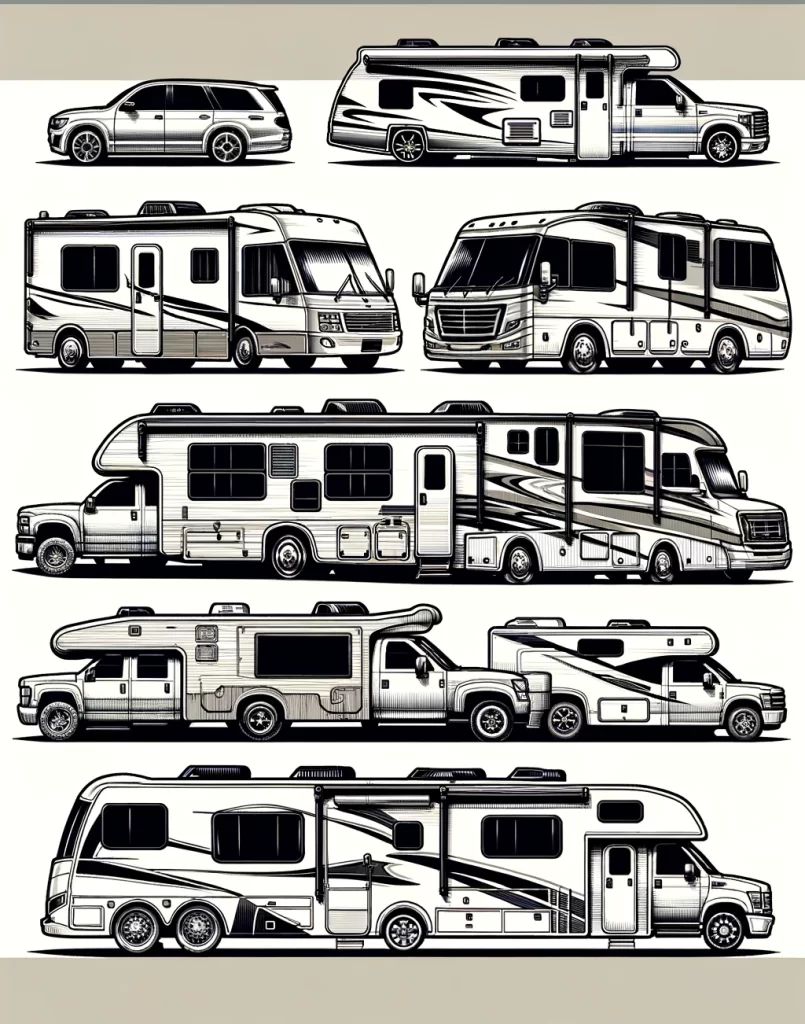
illustration-of-various-types-of-recreational-vehicles-RV

A Tour of RV Types (or “Classes”)

Recreational vehicles (RVs) come in various shapes and sizes, each designed to cater to a specific need or preference. The following is an overview of the different types of RVs, commonly referred to as “classes”:

Class A Motorhomes

Class A motorhomes are the largest and most luxurious of the motorized RV classes. They are built on a specially designed chassis and often resemble a bus in appearance. These motorhomes offer a spacious interior with ample living space, a full kitchen, bathroom, and bedroom. They often feature high-end amenities such as slide-outs, air conditioning, and sophisticated entertainment systems. Due to their size, Class A motorhomes can be more challenging to drive and park, and they also have lower fuel efficiency compared to smaller RVs.

Class B Motorhomes

Class B motorhomes, also known as camper vans or van conversions, are the smallest and most maneuverable of the motorized RV classes. They are built on a standard full-sized van chassis, with a raised roof to provide more headroom. These compact RVs typically offer basic amenities such as a small kitchenette, a sleeping area, and a compact bathroom. Class B motorhomes are ideal for solo travelers or couples, as they are easier to drive and park and offer better fuel economy than larger motorhomes.

Class C Motorhomes

Class C motorhomes are a mid-sized option, built on a truck or van chassis with an attached cab. They usually feature a distinctive over-cab sleeping area, in addition to a living area, kitchen, and bathroom. Class C motorhomes offer more space and amenities than Class B motorhomes, while still being more manageable and fuel-efficient than Class A motorhomes. They are a popular choice for families or groups who require more space than a camper van but do not want the size and expense of a Class A motorhome.

Travel Trailers

Travel trailers are towable RVs that come in a wide range of sizes and styles. They are designed to be towed behind a vehicle, such as a truck, SUV, or even some cars, using a bumper or frame hitch. Travel trailers typically include a living area, kitchen, bathroom, and one or more sleeping areas. They offer the convenience of being detachable from the towing vehicle, which can be used for sightseeing or running errands without the need to pack up the entire RV.

Fifth Wheel Trailers

Fifth wheel trailers are a type of towable RV that is designed to be towed by a pickup truck using a special hitch mounted in the truck bed. These trailers are known for their distinctive bi-level design, with the master bedroom typically located in the raised section over the truck bed. Fifth wheel trailers offer more living space than travel trailers and often feature slide-outs and luxurious amenities. They also provide greater stability while towing, due to the hitch’s position in the truck bed.

Truck Campers

Truck campers are compact, portable living units designed to be mounted on the bed of a pickup truck. They offer basic amenities such as a sleeping area, a small kitchenette, and sometimes a compact bathroom. Truck campers are a convenient option for those who already own a pickup truck and are looking for an affordable, easy-to-drive RV option.

Pop-Up Campers

Pop-up campers, also known as folding or tent trailers, are lightweight, towable RVs that can be collapsed for easy storage and transport. They consist of a low-profile trailer base with a collapsible upper section made of canvas or other durable materials. Pop-up campers typically include basic amenities such as sleeping areas, a small kitchenette, and a dining area. Some models may also have a compact bathroom. When expanded, pop-up campers provide a comfortable camping experience with more protection from the elements than a traditional tent. They are a popular choice among those who want an affordable, easy-to-tow RV option that offers more comfort than traditional tent camping.

Driving RVPhoto by Kampus Production:

Tips for Driving and Towing an RV Safely

RVs are large and complex vehicles, so it is important to be aware of the safety risks involved in driving and towing them. Here are some tips to help you stay safe on the road:

  • Get training.
    • If you are new to driving or towing an RV, it is important to get training from a qualified instructor.
  • Practice driving and towing in a safe environment.
    • Once you have received training, it is important to practice driving and towing in a safe environment, such as an empty parking lot.
  • Be aware of your surroundings.
    • When driving or towing an RV, it is important to be aware of your surroundings and be prepared to take evasive action if necessary.
  • Obey the speed limit.
    • RVs are larger and heavier than cars, so it is important to obey the speed limit and avoid sudden braking or acceleration.
  • Allow extra space when driving and towing.
    • RVs take up more space on the road, so it is important to allow extra space when driving and towing.
  • Be prepared to stop in a long distance.
    • RVs take longer to stop than cars, so it is important to be prepared to stop in a long distance.
  • Use turn signals early and often.
    • When changing lanes or turning, it is important to use your turn signals early and often to alert other drivers of your intentions.
  • Be aware of wind conditions.
    • RVs can be affected by wind, so it is important to be aware of wind conditions and take precautions, such as slowing down or taking a wider turning radius, when necessary.
  • Never drive or tow an RV if you are tired or under the influence of alcohol or drugs.

These are just a few tips for driving and towing an RV safely. By following these tips, you can help reduce the risk of accidents and injuries.

RV Campgrounds and RV-Friendly Destinations

RV campgrounds and RV-friendly destinations come in all shapes and sizes, so it is important to do your research and choose the right one for your needs. Here are some of the different types of RV campgrounds and RV-friendly destinations to consider:

  • Full-service campgrounds: These campgrounds typically offer a variety of amenities, such as RV hookups, showers, laundry facilities, and dump stations. Some full-service campgrounds also offer amenities such as swimming pools, playgrounds, and game rooms.
  • RV parks: RV parks are similar to full-service campgrounds, but they typically offer fewer amenities. Some RV parks may not have showers or laundry facilities.
  • Boondocking sites: Boondocking sites are undeveloped campsites that do not offer any amenities. Boondocking can be a challenge, but it can also be a more affordable way to camp.
  • National parks: National parks are a great place to camp if you want to enjoy the outdoors. Many national parks have RV campgrounds with a variety of amenities.
  • National forests: National forests typically have less developed campgrounds than national parks, but they can be a more affordable option.
  • State parks: State parks offer a variety of camping options, including RV campgrounds. State parks typically have a good balance of amenities and affordability.

When choosing an RV campground or RV-friendly destination, it is important to consider the following factors:

  • Your needs: What amenities are important to you? How much are you willing to spend?
  • Your RV: What size RV do you have? Do you need a site with full hookups?
  • The time of year: Some campgrounds are more popular during certain times of year, so it is important to book early if you are traveling during peak season.
  • The location: Where do you want to go? Some campgrounds are located in more popular tourist destinations, while others are more remote.
  • Read reviews: Read reviews of different campgrounds before you book. This can help you get a sense of what other campers have experienced.
  • Contact the campground: Once you have found a few campgrounds that you are interested in, contact them to ask questions. This is a good way to get more information about the campground and its amenities.
  • Book early: If you are traveling during peak season, it is important to book your campground early. This will help you ensure that you get the spot you want.

Once you have considered these factors, you can start your search for the perfect RV campground or RV-friendly destination. There are many resources available to help you find the right place to camp, such as online directories, RV magazines, and travel blogs.

Conclusion

Choosing the right RV campground or RV-friendly destination can be a daunting task, but it is important to do your research and choose the right one for your needs. By considering your needs, your RV, the time of year, and the location, you can find the perfect place to camp and enjoy your RV trip.

Here are some additional tips for planning your RV trip:

  • Start planning early: The earlier you start planning, the more time you will have to research destinations and campgrounds, book reservations, and get organized.
  • Be flexible: Things don’t always go according to plan, so it is important to be flexible when you are traveling in an RV. Be prepared to change your plans if necessary.
  • Have fun: RVing is a great way to see the country and experience new things. So relax, enjoy the journey, and make memories that will last a lifetime.

I hope this post has been helpful. If you have any further questions, please feel free to ask.

Resources

  1. RV Consumer Group: https://rv.org/ This nonprofit organization offers unbiased RV ratings, reviews, and buying advice, which can help your readers make informed decisions about purchasing or renting an RV.
  2. Go RVing: https://gorving.com/ Go RVing is a comprehensive resource for RV enthusiasts, providing information on RV types, how to choose an RV, and tips for RV travel. They offer a wealth of knowledge that can be useful.
  3. RVIA (Recreational Vehicle Industry Association): https://www.rvia.org/ As the national trade association representing the RV industry, RVIA provides information on industry standards, regulations, and market data.
  4. Good Sam: https://www.goodsam.com/ Good Sam is a well-known organization in the RV community, offering resources such as campground directories, RV insurance, and extended warranties.
  5. Escapees RV Club: https://www.escapees.com/ Escapees RV Club is a popular membership organization for RV enthusiasts, offering support, community, and resources for full-time and part-time RVers. They have a wealth of knowledge on various RV-related topics, including boondocking, campgrounds, and RV maintenance.

When choosing the right RV for you, consider factors such as size, amenities, ease of driving and parking, and fuel efficiency to make an informed decision.


Next Topic…

How to Drive (or Tow) an RV

Ultimate Guide to Boise National Forest: Hiking, Water Activities, Wildlife, and Camping Adventures

Ultimate Guide to Boise National Forest: Hiking, Water Activities, Wildlife, and Camping Adventures

Welcome to Boise National Forest, an outdoor lover’s paradise that offers endless opportunities for adventure and exploration. In this comprehensive guide, we’ll take you on a journey through the hidden gems of Boise National Forest, from its towering mountain peaks to its tranquil lakeshores. We’ll show you the best places to hike, fish, camp, and explore, and provide you with everything you need to plan your perfect adventure in this spectacular wilderness.

Discover the Natural Beauty of Boise National Forest

Boise National Forest is a true wonderland of natural beauty, with stunning vistas, crystal clear lakes, and towering mountains that will take your breath away.

Hiking Trails in Boise National Forest

Boise National Forest is home to over 350 miles of trails that range from easy strolls to challenging multi-day hikes. Here are some of the best hiking trails in the forest:

Sawtooth Wilderness

The Sawtooth Wilderness is a popular destination for hikers, with over 300 miles of trails to explore. This area offers unique rewards for each trail, from stunning mountain views to hidden waterfalls.

Ridge to Rivers Trail System

The Ridge to Rivers Trail System is a network of over 190 miles of trails located in the foothills surrounding Boise. These trails are open to hiking, mountain biking, and horseback riding, and offer stunning views of the city and surrounding landscape.

Bear Valley Creek Trail

The Bear Valley Creek Trail is an easy hike along a creek with beautiful scenery and wildflowers. Hikers also have the option to extend the hike to Bear Valley Lakes.

Water Activities in Boise National Forest

Boise National Forest offers a variety of water activities for visitors to enjoy. Here are some of the best places to experience water activities in the forest:

Payette River

The Payette River is known for its world-class whitewater rafting and kayaking, with rapids for different skill levels. This river is suitable for seasoned pros and first-time paddlers alike.

Lucky Peak Reservoir

Lucky Peak Reservoir is a popular destination for boating, fishing, and swimming. The reservoir offers stunning views of the Boise foothills, sandy beaches, and picnic areas.

Wildlife Watching in Boise National Forest

Boise National Forest is home to a variety of wildlife, including elk herds, moose, mule deer, black bears, mountain lions, and eagles. Visitors can enjoy wildlife watching throughout the forest.

Experience the Rich Cultural Heritage of Boise National Forest

Boise National Forest is also rich in cultural heritage, with a fascinating history that dates back thousands of years. Here are some of the best places to experience the cultural heritage of the forest:

Idaho City Historical Museum

The Idaho City Historical Museum is located in the historic mining town of Idaho City and offers exhibits on Native American tribes, gold rush pioneers, mining equipment, and photographs that document the history of the region.

Hot Springs

Boise National Forest is home to several natural hot springs that offer stunning views and a relaxing soak in natural pools surrounded by rocks and trees. Here are some of the best hot springs in the forest:

Kirkham Hot Springs

Kirkham Hot Springs is a natural hot springs in the forest that offers stunning views of the Payette River. Visitors can soak in natural pools surrounded by rocks and trees.

Rocky Canyon Hot Springs

Rocky Canyon Hot Springs is a natural hot springs located near Boise that offers multiple pools with varying temperatures, beautiful scenery, and wildlife.

Camping and RVing in Boise National Forest

Boise National Forest offers a variety of camping options for visitors, including campgrounds, backcountry camping, and RV camping. Here are some of the best camping and RVing options in the forest:

Campgrounds in Boise National Forest

Boise National Forest offers several campgrounds for visitors to choose from. Here are some of the best options:

Ponderosa Campground

Ponderosa Campground offers spacious campsites with stunning views and easy access to hiking trails.

Bad Bear Campground

Bad Bear Campground offers full hookups, picnic tables, and fire rings, making it the perfect option for RVers.

Deadwood Reservoir Campground

Deadwood Reservoir Campground offers campsites with lake views, as well as fishing, kayaking, paddleboarding, hiking trails, and scenic drives.

Backcountry Camping

Boise National Forest also offers primitive camping options for visitors looking to get off the beaten path. Permits are required for certain areas, and visitors are expected to follow leave no trace principles.

RVing in Boise National Forest

Boise National Forest offers several options for RVers, including campgrounds with full hookups and amenities.

More Camping Options

In addition to the campgrounds mentioned above, Boise National Forest also offers dispersed camping areas and group campsites for visitors.

Scenic Drives

Boise National Forest is home to several scenic drives that offer stunning views of the forest and surrounding landscapes. Here are some of the best scenic drives in the forest:

Banks-Lowman Road

The Banks-Lowman Road is a scenic drive that offers stunning views of the Payette River and surrounding landscape.

Ponderosa Pine Scenic Byway

The Ponderosa Pine Scenic Byway is a 130-mile drive that winds through the forest, offering stunning views of the mountains and valleys.

Boise River Scenic Byway

The Boise River Scenic Byway is a 70-mile drive that follows the Boise River, offering stunning views of the river and surrounding landscape.

Hunting

Hunting is a popular activity in Boise National Forest, with opportunities for big game hunting, bird hunting, and small game hunting. Hunters are required to follow Idaho state hunting regulations.

ATV and Off-Road Vehicle Trails

Boise National Forest offers several ATV and off-road vehicle trails for visitors to explore. Some popular trails include the Little Weiser River Trail, Elk Creek Trail, and Bull Creek Trail.

Safety Tips and Precautions

Visitors to Boise National Forest should be aware of the following safety tips and precautions:

  • Check weather conditions and be prepared for changing weather
  • Be aware of wildlife and follow bear safety guidelines
  • Know your limits and stay on designated trails
  • Bring plenty of water and stay hydrated
  • Let someone know your itinerary and expected return time

What to Bring for Your Adventure in Boise National Forest

When visiting Boise National Forest, it’s important to be prepared. Here are some essentials to bring for your adventure:

  • Hiking boots or sturdy shoes
  • Backpack with water and snacks
  • Map and compass or GPS device
  • First aid kit
  • Sunscreen and insect repellent
  • Warm and waterproof clothing
  • Camping gear (if camping)

How to Get to Boise National Forest

Boise Airport is the closest major airport to Boise National Forest, with car rentals available at the airport. Boise National Forest is accessible by car via several highways and roads.

Best Time to Visit Boise National Forest

The best time to visit Boise National Forest is late spring through early fall, with summer being the peak season for outdoor activities. Fall offers beautiful foliage and cooler temperatures, while winter activities include skiing and snowshoeing.


Resources

  1. USDA Forest Service – Boise National Forest Official Site: https://www.fs.usda.gov/boise
  2. Sawtooth Wilderness Information: https://www.fs.usda.gov/detail/sawtooth/specialplaces/?cid=stelprdb5246842
  3. Ridge to Rivers Trail System: https://www.ridgetorivers.org/
  4. Idaho City Historical Museum: http://www.idahocityhf.org/
  5. Idaho Department of Fish and Game – Hunting Information: https://idfg.idaho.gov/hunt

Conclusion

Boise National Forest is a truly magical place that offers something for everyone. Whether you’re hiking in the Sawtooth Wilderness, soaking in natural hot springs, camping under the stars, or enjoying water activities like whitewater rafting and kayaking, you’re sure to have an unforgettable experience in this wilderness wonderland. With its stunning natural beauty, rich cultural heritage, and diverse wildlife, Boise National Forest is truly a one-of-a-kind destination. So pack your bags, plan your trip, and get ready to discover the hidden gems of Idaho’s wilderness.


FAQs

  1. Is there a fee to enter Boise National Forest?
    • There is no fee to enter the forest, but fees may apply for camping and other activities.
  2. Can I bring my dog to Boise National Forest?
    • Yes, dogs are allowed in the forest, but they must be on a leash at all times.
  3. Are there any restrictions on fishing in Boise National Forest?
    • Fishing regulations vary by location and species. Check with the Idaho Department of Fish and Game for more information.
  4. Are there any guided tours available in Boise National Forest?
    • Yes, there are several outfitters and guides that offer hiking, fishing, and rafting tours in the forest.
  5. What are the best hiking trails in Boise National Forest for beginners?
    • Some easy hiking trails for beginners include Bear Valley Creek Trail, Shafer Butte Trail, and Stack Rock Trail.

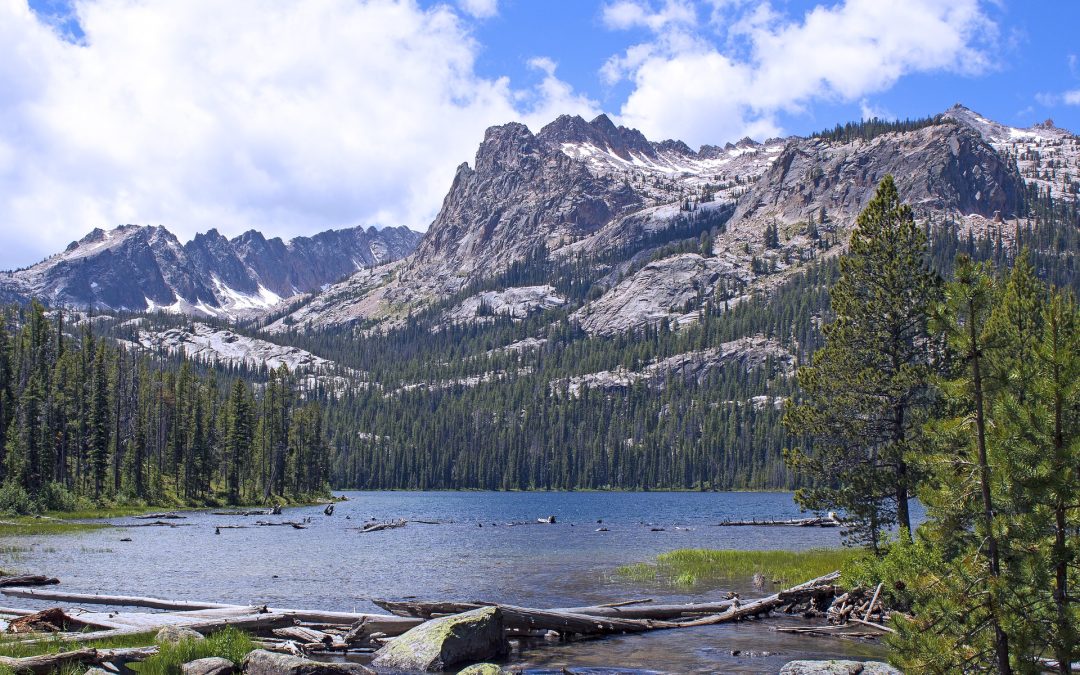
Featured Image by Amy Spielmaker from Pixabay

Echo Island: Ultimate RV Camping Destination with Adventure Activities, Natural Wonders, and Vibrant Nightlife

Echo Island: Ultimate RV Camping Destination with Adventure Activities, Natural Wonders, and Vibrant Nightlife

Echo Island is a fantastic destination for RV camping, offering a wide range of campsites to choose from. One of the best campsites is located within Echo Island National Park, providing stunning views of the island’s natural beauty and equipped with all necessary amenities such as electricity, water, and dump stations. Additionally, there are several other RV campsites located throughout the island, each with their unique charm and amenities.

Adventure Activities on Echo Island

When planning an RV camping trip to Echo Island, it’s important to pack appropriate clothing and gear for the activities planned. The island offers a variety of adventure activities, such as hiking trails that take visitors through beautiful landscapes and natural wonders. Visitors can also go surfing, snorkeling, or diving in the crystal clear waters surrounding the island. Fishing is another popular activity, with visitors able to catch a wide range of fish, including marlin, tuna, and barracuda.

Exploring Echo Island National Park

Visitors can start their adventure by exploring Echo Island National Park. The park offers an excellent opportunity for hiking and enjoying breathtaking views of the island’s natural beauty. The trails take visitors through lush vegetation and up to stunning vistas that offer a panoramic view of the island. Birdwatchers will appreciate the many species of birds that call the park home, such as the endangered Echo Island parrot.

Aquatic Adventures on Echo Island

For those looking for an aquatic adventure, Echo Island is the perfect destination. The island’s crystal-clear waters are ideal for snorkeling, diving, and surfing. Visitors can explore the colorful coral reefs and the diverse marine life that inhabits the waters surrounding the island. The island is also home to many shipwrecks, adding an element of mystery and intrigue to any diving excursion.

Fishing on Echo Island

Fishing is another popular activity on Echo Island, with anglers able to catch a wide range of fish. The island’s waters are home to many species, including marlin, tuna, and barracuda. Fishing charters are available for those who want to venture further out to sea for a chance to catch larger fish.

Culture and History of Echo Island

When planning a trip to Echo Island, it’s also essential to explore the island’s culture and history. The island’s people have a rich history, and visitors can explore the museums and historical sites that showcase the island’s past. The Echo Island Cultural Center offers visitors an opportunity to learn about the island’s traditions, customs, and history. Visitors can also experience the island’s local cuisine, which includes fresh seafood and exotic fruits.

Relaxation and Nightlife on Echo Island

For visitors looking to relax and unwind, Echo Island offers many tranquil spots to enjoy. The island’s white sandy beaches are the perfect place to soak up the sun and enjoy the island’s laid-back atmosphere. The island also offers many parks and gardens, such as the Echo Island Botanical Gardens, which provide visitors with a peaceful escape from the hustle and bustle of daily life.

For those interested in more adrenaline-fueled activities, Echo Island offers many options as well. Visitors can go zip-lining through the lush jungle, take a helicopter tour of the island, or go parasailing for a bird’s eye view of the island.

Finally, visitors should not miss the opportunity to experience Echo Island’s vibrant nightlife. The island offers many bars, restaurants, and nightclubs, where visitors can dance the night away to the sound of local music and enjoy the island’s festive atmosphere.

Resources

  1. Echo Island Campground Information on Recreation.gov: find accurate and up-to-date information on the campground, its facilities, and any regulations that might be in place.
  2. TripAdvisor page for Echo Island and surrounding attractions: discover comprehensive information about Echo Island, its attractions, and accommodations.
  3. Utah State Parks website for information on outdoor activities in the region: get details on nearby state parks, outdoor recreation opportunities, and relevant regulations for various activities.
  4. Utah Division of Wildlife Resources for fishing and wildlife information: learn information about fishing opportunities, regulations, and species found in the region, as well as details on wildlife conservation and management.


FAQs

Q1. What are the camping facilities offered on Echo Island?
A1. Echo Island offers a wide range of campsites for RV camping. One of the best campsites is located within Echo Island National Park, which provides stunning views of the island’s natural beauty and comes equipped with all necessary amenities such as electricity, water, and dump stations. There are also several other RV campsites located throughout the island, each with their unique charm and amenities.

Q2. What adventure activities can be done on Echo Island?
A2. Echo Island offers a variety of adventure activities such as hiking, surfing, snorkeling, diving, and fishing. Visitors can explore hiking trails that take them through beautiful landscapes and natural wonders. They can also catch a wide range of fish, including marlin, tuna, and barracuda. The island’s crystal-clear waters are ideal for snorkeling, diving, and surfing, with colorful coral reefs and diverse marine life that inhabit the waters surrounding the island.

Q3. What are the popular tourist attractions in Echo Island?
A3. Echo Island offers several popular tourist attractions such as Echo Island National Park, which offers an excellent opportunity for hiking and enjoying breathtaking views of the island’s natural beauty. Visitors can also explore the island’s culture and history by visiting the Echo Island Cultural Center, museums, and historical sites that showcase the island’s past. For those interested in relaxation and unwinding, Echo Island offers white sandy beaches, parks, and gardens such as the Echo Island Botanical Gardens.

Q4. What adrenaline-fueled activities can be done on Echo Island?
A4. For those interested in adrenaline-fueled activities, Echo Island offers many options such as zip-lining through the lush jungle, taking a helicopter tour of the island, and parasailing for a bird’s eye view of the island. These activities provide visitors with a unique and exciting perspective of Echo Island.

Q5. What is the nightlife like on Echo Island?
A5. Echo Island offers a vibrant nightlife with many bars, restaurants, and nightclubs where visitors can dance the night away to the sound of local music and enjoy the island’s festive atmosphere. The island’s nightlife scene provides visitors with an opportunity to experience the local culture and socialize with locals and other tourists.

In summary, Echo Island is a truly exceptional destination that offers something for everyone. From RV camping to adventure activities, history and culture to relaxation and nightlife, Echo Island is a must-visit destination. So pack your bags

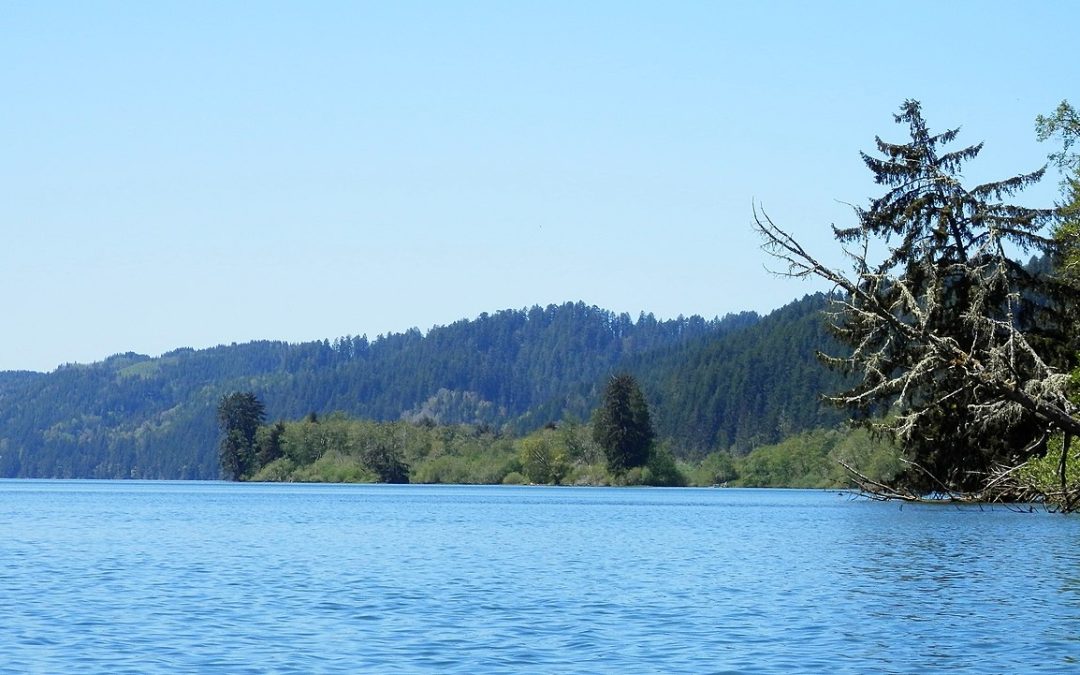
Featured Image Credit: A’eron Blackman, CC BY 3.0, via Wikimedia Commons


The Best RV Resorts in Arizona

The Best RV Resorts in Arizona

Explore Arizona

Imagine waking up to a breathtaking desert sunrise, followed by a day of exploring ancient ruins, scenic hikes, or vibrant city life. Then, as night falls, witness a dazzling display of stars under a dark, unpolluted sky – all from the comfort of your own RV.

Arizona: Where Stargazing Meets Adventure

Arizona offers a unique blend of natural beauty, cultural richness, and outdoor adventure, making it the perfect destination for an unforgettable RV trip. This state boasts some of the darkest night skies in the US, ideal for stargazers. But Arizona caters to all interests, with options for history buffs, hikers, and city explorers alike.

Discover Your Perfect Arizona RV Escape

In this article, we’ll guide you through some of the top RV resorts in Arizona, each offering a unique experience and top-notch amenities to make your RV adventure truly exceptional. Ready to start planning? Explore a directory of Arizona RV Resorts to find your perfect match!

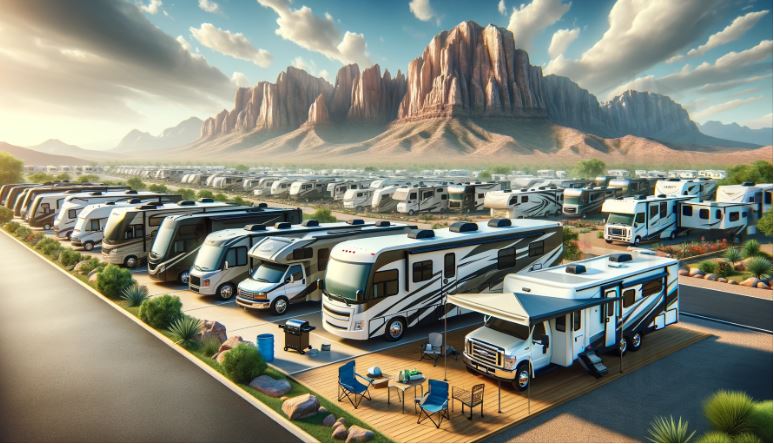
Pueblo El Mirage RV Resort

Pueblo El Mirage RV Resort & Country Club

Nestled amidst the stunning Sonoran Desert, Pueblo El Mirage RV Resort & Country Club elevates RV living to an art form. This 5-star resort caters to those seeking a luxurious escape, boasting spacious RV sites, many with private patios or even deluxe packages including grills and sheds. Imagine unwinding on your private patio after a day of adventure, taking in the breathtaking desert sunsets.

Beyond Luxurious Accommodations Awaits a Playground of Activities:

Pueblo El Mirage offers a playground of activities to complement your luxurious stay. Tee off on their renowned 18-hole championship golf course designed by 10-time PGA Tour winner Fuzzy Zoeller. Perfect your backhand on one of the 26 pickleball courts, the most in Arizona, or enjoy a refreshing dip in one of the two sparkling swimming pools. The resort also features amenities like tennis courts, shuffleboard, a state-of-the-art fitness center, and an on-site restaurant serving delicious meals.

Unwind, Explore, Experience Luxury: Book Your Pueblo El Mirage Escape Today!

Canyon Vistas RV Resort

Canyon Vistas RV Resort

Craving an RV adventure surrounded by scenic splendor? Look no further than Canyon Vistas RV Resort. Nestled amidst the majestic Superstition Mountains, this resort offers a haven for outdoor enthusiasts. Imagine waking up to breathtaking panoramic mountain vistas and stepping out of your RV onto a network of scenic hiking and biking trails.

Unleash Your Inner Adventurer:

Canyon Vistas caters to your active spirit with a 9-hole golf course, perfect for honing your skills or a casual game with friends. After a day of exploring the Superstition Mountains, unwind in one of the two refreshing swimming pools or soothe your muscles in the relaxing hot tub. The resort also boasts a large clubhouse buzzing with social events and activities, perfect for connecting with fellow nature lovers and sharing stories of your adventures.

Canyon Vistas RV Resort: Your Basecamp for Arizona Exploration. Book Your Adventure Today!

Sunflower RV Resort

Sunflower RV Resort

Seeking a vibrant social scene and a relaxing atmosphere for your next RV adventure? Look no further than Sunflower RV Resort, exclusively for guests 55 and over. Nestled in Surprise, Arizona, Sunflower offers the perfect blend of activity and tranquility to create lasting memories.

Unwind, Reconnect, and Enjoy:

Unwind by the sparkling swimming pool, rejuvenate in the state-of-the-art fitness center, or explore your creative side with engaging crafts classes. Sunflower fosters a strong sense of community with a calendar packed with social events and activities like billiards, card games, and lively gatherings in the spacious clubhouse. Imagine evenings spent laughing with friends over board games or sharing stories during social gatherings.

More Than a Resort, It’s Your Social Sanctuary:

Sunflower provides a welcoming environment to connect with like-minded individuals and forge lasting friendships. Whether you’re looking for a game of cards, a friendly chat, or to participate in exciting social events, Sunflower offers something for everyone.

Book Your Escape to Friendship and Fun at Sunflower RV Resort Today!

Palm Creek Golf & RV Resort

Palm Creek Golf & RV Resort

For discerning golfers seeking an unparalleled RV experience, look no further than Palm Creek Golf & RV Resort in Casa Grande. This luxurious resort caters to your every whim, offering spacious RV sites and top-notch amenities designed to elevate your Arizona golf getaway.

Immerse Yourself in a Golfer’s Paradise:

Step onto the meticulously maintained 18-hole championship golf course, designed by renowned golf course architect [Name of Architect]. Hone your skills on the practice putting green or challenge friends to a match on this golfer’s paradise.

Beyond the Fairway, Awaits Relaxation & Recreation:

Beyond the green, Palm Creek offers a haven of relaxation and recreation. Take a refreshing dip in one of the sparkling swimming pools, rejuvenate in the soothing hot tub, or engage in a friendly game of pickleball, tennis, or shuffleboard. The state-of-the-art fitness center caters to your wellness needs, while the on-site restaurant tantalizes your taste buds with delicious cuisine.

Indulge, Relax, and Experience World-Class Golf: Book Your Palm Creek Escape Today!

Mesa Spirit RV Resort

Mesa Spirit RV Resort

Planning an unforgettable Arizona adventure with the whole crew? Look no further than Mesa Spirit RV Resort in Mesa, Arizona! This vibrant resort offers a fun-filled atmosphere, jam-packed with activities to keep everyone entertained and create lasting memories.

Splash, Relax, and Reconnect:

Cool off and splash around in one of the two sparkling swimming pools, unwind in the relaxing hot tub, or get active in the on-site fitness center. Mesa Spirit fosters a strong sense of community with engaging activities like crafts, card games, and billiards, ensuring there’s something for everyone to enjoy. Imagine evenings spent laughing over board games or creating masterpieces during family craft sessions.

Endless Fun Beyond the Resort:

Mesa Spirit boasts a convenient location near a variety of restaurants and shopping centers, offering endless options for dining and exploring. Spend a thrilling day at nearby Medieval Times for an interactive dinner experience, or embark on an underwater adventure at the OdySea Aquarium. The possibilities for family fun are endless!

Mesa Spirit RV Resort: Your Perfect Basecamp for Arizona Family Adventures! Book Your Escape Today!

The Benefits of Staying at an RV Resort in Arizona

Arizona RV resorts offer a unique blend of benefits that traditional hotels and resorts simply can’t match. Immerse yourself in the state’s stunning natural beauty, whether you’re exploring the otherworldly desert landscapes, conquering majestic mountains on a hike, or simply relaxing by the pool under a canopy of stars – Arizona’s RV resorts put you right in the heart of the action.

Here are just a few reasons to choose an Arizona RV resort for your next adventure:

  • Endless Activities: Arizona RV resorts cater to all interests, from world-class golfing and exhilarating hikes to refreshing swims and exciting horseback riding adventures. Many resorts also boast on-site amenities like fitness centers, spas, and restaurants, ensuring you have everything you need for a relaxing or action-packed getaway.
  • Social Connections: RV resorts create a welcoming atmosphere where you can connect with fellow travel enthusiasts. Many resorts host social events and activities, providing opportunities to build new friendships and share unforgettable experiences.
  • Home on the Road: RVs offer all the comforts of home on wheels, with amenities like kitchens, bathrooms, comfortable beds, and living spaces. This allows you to enjoy the flexibility of exploring Arizona at your own pace and creating a personalized itinerary.
  • Dark Sky Paradise: Arizona boasts some of the darkest night skies in the US, making it a haven for stargazers. Many RV resorts are located away from light pollution, offering breathtaking views of the Milky Way and celestial wonders.

Arizona Sunset

Choosing the Right RV Resort for You

With Arizona’s vast landscapes and diverse offerings, choosing the right RV resort becomes an exciting part of planning your adventure. Consider these factors to ensure your RV experience perfectly aligns with your travel style and preferences:

Location, Location, Location!

Arizona boasts diverse regions, from vibrant cities to ancient ruins, majestic mountains to stunning deserts. Families with young adventurers might seek resorts near kid-friendly attractions or water activities. Hikers and mountain bikers might prioritize resorts close to trailheads, while history buffs could target locations near national parks or historical sites. Pinpoint the areas you want to explore and choose a resort that serves as your perfect basecamp.

Amenities for Every Interest

Arizona RV resorts cater to a variety of interests. Do you envision teeing off on a championship golf course or relaxing by sparkling swimming pools? Families might prioritize resorts with splash pads or playgrounds, while fitness enthusiasts might seek resorts with state-of-the-art gyms. Consider the amenities that will elevate your experience and narrow down your search.

Budgeting for Your Dream Getaway

Arizona RV resorts offer options for every budget, from budget-friendly campgrounds to luxurious resorts with all the trimmings. Determine your spending limit upfront and choose a resort that provides exceptional value within your price range.

Reading Reviews & Building Trust

Before booking, invest some time in reading reviews from past guests and researching the resort’s online reputation. This allows you to get a sense of the atmosphere, amenities, and overall guest experience, helping you avoid any unexpected surprises.

By considering these factors, you’ll be well on your way to selecting the perfect Arizona RV resort for your unforgettable adventure. Now you can delve deeper into exploring specific resorts that cater to your preferences and start planning your dream escape!

Explore Arizona in Comfort and Style

Arizona beckons with its stunning natural beauty, rich cultural heritage, and diverse activities. RV resorts throughout the state offer a unique blend of comfort, convenience, and adventure, making them the perfect choice for your next exploration. Whether you seek luxurious amenities, family-friendly fun, or a peaceful retreat amidst nature, there’s an Arizona RV resort waiting to exceed your expectations.

Imagine waking up to breathtaking desert views or stargazing under a blanket of stars – the possibilities are endless! Start planning your unforgettable escape today. Research the resorts that appeal to you and confirm current rates, amenities, and availability directly before booking your RV site.

Resources

  • Arizona Office of Tourism: This official website provides comprehensive information about Arizona, its attractions, and resources for visitors.
  • Good Sam RV Travel Guide: is a reputable organization in the RV community, and their travel guide offers a list of highly-rated RV parks and resorts in Arizona, along with user reviews and ratings.
  • Trailer Life Directory:  is a well-known source for RV enthusiasts, and their directory offers a searchable database of RV parks and campgrounds, including detailed information and reviews on Arizona RV resorts.
  • RV Park Reviews: This website is a trustworthy source of user-generated reviews for RV parks and campgrounds in Arizona.
  • Campendium: is a popular resource for RVers and campers, offering extensive information on RV parks, campgrounds, and boondocking sites in Arizona, along with user reviews and ratings.


Related post: Top Beach RV Parks in Texas, Florida & Arizona

BLM Land in Louisiana: A Complete Guide

BLM Land in Louisiana: A Complete Guide

Louisiana, a state renowned for its diverse landscapes from swamps and bayous to rolling hills and forests, is also home to vast areas managed by the Bureau of Land Management (BLM). Dive into this comprehensive guide to understand the significance, history, and recreational opportunities of BLM land in Louisiana.


Louisiana Swamps
Image by Bureau of Land Managemt via flickr

What is BLM Land?

BLM land encompasses vast areas of public land overseen by the Bureau of Land Management. Spread across the United States, these lands span over 245 million acres. Their management ensures a balance between public utility and environmental conservation.

BLM Land in Louisiana: A Snapshot

In Louisiana, BLM oversees more than 29,000 acres, predominantly in the northern region. These lands, rich in forests, wetlands, and grasslands, play a pivotal role in the state’s ecological balance and economic structure.

Interactive Map of BLM Lands in Louisiana

Explore the various BLM lands spread across the state, and get a visual representation of their locations.

Spotlight: Louisiana Pine Snake Habitat

The Louisiana Pine Snake, a species listed as threatened under the Endangered Species Act, finds sanctuary in BLM lands. Found exclusively in Louisiana and eastern Texas, efforts are in place to ensure its survival and contribution to the local ecosystem.

Recreational Opportunities

From hunting and fishing to camping, BLM lands in Louisiana offer a plethora of recreational activities. Open to the public, these lands invite visitors to immerse in their natural splendor. Additionally, permits are available for both commercial and personal land use, including grazing and timber harvesting.

A Glimpse into the Past: History of BLM Land in Louisiana

Since 1946, BLM has been at the forefront of managing Louisiana’s public lands. With a focus on multi-faceted uses like recreation, timber, and wildlife habitat, BLM has consistently collaborated with local communities to ensure beneficial land management.

Management and Partnerships

Through various programs and collaborations, BLM has forged partnerships with entities like the Louisiana Department of Wildlife and Fisheries. Together, they’ve crafted management plans, especially for the Louisiana Pine Snake habitat, balancing preservation with recreational activities.

Conservation Initiatives

From prescribed burns for vegetation management to controlling invasive species and promoting healthy forests, BLM’s conservation efforts ensure the land’s vitality for both the public and the environment.

Economic Significance

Beyond its ecological importance, BLM land in Louisiana bolsters the economy. Activities like grazing, timber harvesting, and mineral production generate revenue, benefiting both the state and local communities.

Conclusion

In conclusion, the BLM land in Louisiana is a vital part of the state’s environment and economy. These lands are managed by the Bureau of Land Management, which works to ensure that they are used in a way that benefits both the public and the environment. From providing habitat for endangered species to offering recreational opportunities for visitors, the BLM land in Louisiana plays an essential role in the state’s natural resources and economy.

FAQs

  1. Can anyone visit BLM land in Louisiana?
    Yes, BLM land in Louisiana is open to the public for recreational use.
  2. What kind of wildlife can be found on BLM land in Louisiana?
    The BLM land in Louisiana provides habitat for a variety of wildlife species, including the Louisiana pine snake, the red-cockaded woodpecker, and the Louisiana black bear.
  3. How does the BLM manage its land in Louisiana?
    The BLM manages its land in Louisiana through partnerships with local communities, non-profit organizations, and other government agencies. The agency also works closely with stakeholders to develop management plans that ensure the lands are used in a way that benefits the public and the environment.
  4. Can I hunt and fish on BLM land in Louisiana?
    Yes, hunting and fishing are allowed on BLM land in Louisiana, but regulations and restrictions may apply.
  5. How does the BLM contribute to Louisiana’s economy?
    The BLM land in Louisiana supports grazing, timber harvesting, oil and gas development, and mineral production, which generate revenue for the state and local communities and support jobs in the natural resources sector. Additionally, the land provides recreational opportunities that support Louisiana’s tourism industry.

Resources

  1. BLM Louisiana State Office Description: Official website of the Bureau of Land Management’s Louisiana State Office, providing information on BLM-managed lands, programs, and activities in the state. URL: https://www.blm.gov/office/louisiana-state-office
  2. Louisiana Department of Wildlife and Fisheries Description: The official website of the Louisiana Department of Wildlife and Fisheries, responsible for managing and protecting the state’s wildlife resources and habitats. URL: https://www.wlf.louisiana.gov/
  3. Louisiana Pine Snake Recovery Plan Description: A comprehensive report on the Louisiana Pine Snake’s recovery plan, prepared by the U.S. Fish and Wildlife Service, detailing conservation efforts, habitat management, and partnerships. URL: https://ecos.fws.gov/docs/recovery_plan/Louisiana%20Pine%20Snake%20Final%20Recovery%20Plan.pdf
  4. Red-cockaded Woodpecker and Louisiana Black Bear in Louisiana Description: An article by the U.S. Fish and Wildlife Service discussing the habitat, conservation efforts, and status of the red-cockaded woodpecker and Louisiana black bear in Louisiana. URL: https://www.fws.gov/southeast/news/2021/04/blm-lands-in-louisiana-support-red-cockaded-woodpecker-and-louisiana-black-bear/
  5. Recreational Activities on BLM Land in Louisiana Description: A guide to recreational activities, including hunting, fishing, and camping, on BLM-managed lands in Louisiana, provided by the Bureau of Land Management. URL: https://www.blm.gov/programs/recreation/recreation-activities/louisiana

Featured image by U.S. Fish and Wildlife Service via flickr