No Address, No Problem!

No Address, No Problem!

Embrace the Open Road with Ease

Embarking on an RV adventure promises a life filled with breathtaking landscapes and boundless freedom. Yet, the thrill of exploring the open road comes with its set of logistical challenges, notably managing mail and packages. This guide is your compass to navigating these challenges, offering strategies to efficiently handle your postal needs. From selecting the ideal mail forwarding service to ensuring your packages reach you wherever you may roam, we provide all the tools you need. Prepare to turn what seems like a logistical nightmare into a seamless aspect of your adventure, allowing you to fully immerse yourself in the joys of RV living.

Key Takeaways:

    • RVing brings unique challenges in managing mail and packages.
    • Efficient strategies exist for handling postal needs on the road.
    • This guide offers comprehensive tools to streamline your mail and package management.


RV Mail and Package delivery

Conquering the Mail Maze

The essence of RV living is freedom and adventure. However, without a permanent address, navigating mail and package delivery can quickly become overwhelming. This section demystifies the process, ensuring you stay connected to essential services, loved ones, and important documents. We’ll guide you through selecting a mail forwarding service that suits your nomadic lifestyle, ensuring you never miss a beat.

Staying Connected on the Road

In the heart of RV travel is the need to maintain connections—financial, personal, and legal. Effective mail management is the cornerstone of this connection, allowing you to manage bills, stay on top of legal notices, and keep in touch with loved ones. This guide simplifies the process, ensuring that even amidst constant movement, your postal logistics are seamless and stress-free.

Key Takeaways:

  • The absence of a permanent address presents unique challenges for RVers.
  • Staying connected is crucial for managing financial, personal, and legal matters.
  • Selecting the right mail forwarding service is essential for seamless mail management.

Finding Your Perfect Mail Forwarding Match

Selecting a mail forwarding service that aligns with your nomadic lifestyle is a pivotal step towards seamless RV living. The ideal service should cater to your unique needs, considering factors like the length of your travels, the volume of mail you receive, and your specific package handling requirements. Let’s explore the top choices for RVers seeking reliable mail forwarding solutions:

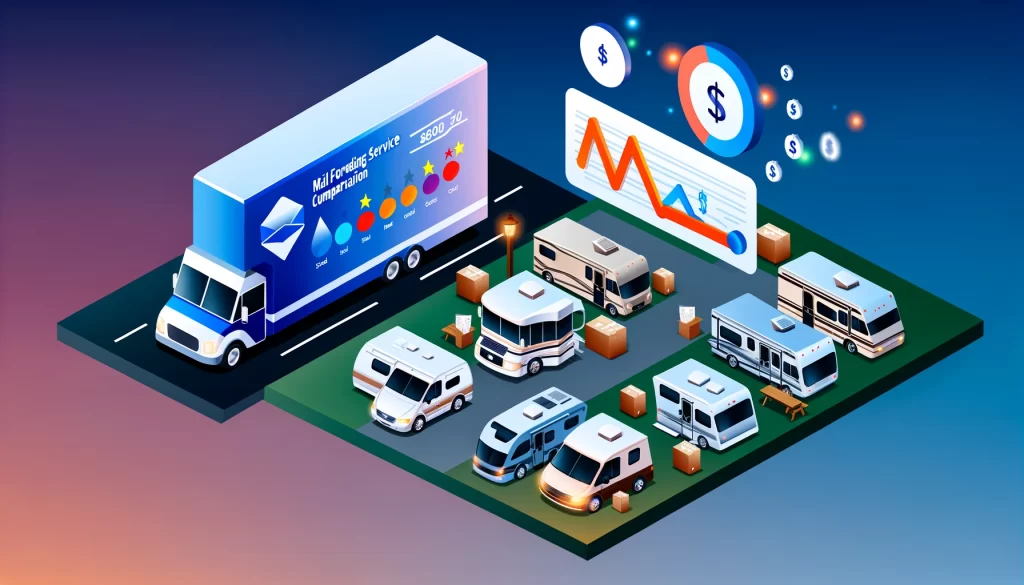
Mail Forwarding Service Comparison for RVers

Mail Forwarding Service Comparison for RVers

  • Escapees RV Club: Offers comprehensive services tailored for long-term travelers, including online mail management, making it an ideal choice for those seeking a blend of reliability and convenience. Escapees RV Club Mail Service
  • MyDakotaAddress: A budget-friendly solution with straightforward setup processes, perfect for RVers planning shorter excursions or those looking to minimize costs. Unfortunately, the specific page for MyDakotaAddress mentioned is not available, indicating a possible closure or change. For updated information, visiting iRV2 Forums can provide community insights and alternatives.
  • St. Brendan’s Isle: For those prioritizing security and privacy, St. Brendan’s Isle provides enhanced options like mail shredding and secure forwarding, ensuring your sensitive information remains protected. St. Brendan’s Isle Mail Service
Feature Escapees RV Club MyDakotaAddress St. Brendan’s Isle
Target Audience Long-term RVers Short-term RVers, Budget-conscious Privacy-focused RVers
Pricing Tiered pricing based on features and mail volume Starts at $5/month Starts at $19.95/month
Physical Address Yes (multiple locations) Yes (South Dakota) Yes (Florida)
Package Forwarding Yes Yes Yes
Mail Scanning Yes Yes Yes
Mail Shredding Yes (additional fee) No Yes
Digital Mail Management Yes Yes Yes
Mobile App Yes Yes Yes
Customer Support Phone, email, online chat Email, online chat Phone, email
Website Escapees RV Club MyDajotaAddress St Brendans Isle


Additional Considerations for Choosing a Mail Forwarding Service

  • Residency Assistance: Escapees RV Club is renowned for assisting with establishing residency in certain states, offering invaluable support for RVers looking to navigate this complex process.
  • Security: For those prioritizing security in their mail handling, St. Brendan’s Isle emphasizes secure mail handling with features like shredding and secure forwarding to protect your sensitive information.
  • Contract Length: Flexibility is key for many RVers, and MyDakotaAddress caters to this need with month-to-month plans, offering a contrast to the longer commitments required by Escapees RV Club and St. Brendan’s Isle.
  • International Mail: It’s important to check with each service regarding their international mail forwarding options and fees to ensure they meet your global travel needs.

Disclaimer: This comparison is for informational purposes only and does not constitute an endorsement of any particular service. Always conduct your own research, comparing features, pricing, and customer reviews before making a decision.

Given the structure and requirements of your request, let’s proceed with formatting and adding relevant hyperlinks where helpful to the sections provided, ensuring a clear, concise, and informative guide for RV mail and package management.

Gear Up for Seamless Mail Handling

After pinpointing the service that aligns with your RV lifestyle, embark on setting up your account. This process involves choosing between digital and physical mail handling options, ensuring your important documents and communications are always within reach.

Key Takeaways:

  • Evaluate your needs to select the most fitting mail forwarding service.
  • Key considerations include the duration of your travels, volume of mail, and specific security needs.
  • Begin by registering with your chosen service, opting for the address that best suits your requirements, and customizing your mail handling preferences for maximum convenience

Package Prowess: Secure and Convenient Deliveries

Anticipating package arrivals necessitates strategic planning. When expecting deliveries, assess the size, weight, and most practical pick-up locations. Services like UPS My Choice or Amazon Locker can significantly enhance the security and convenience of your package deliveries.

Key Takeaways:

  • Plan your package deliveries focusing on security and convenience.
  • Use digital tools to stay connected with your community and loved ones.
  • Leverage technology to foster communication and enrich your RVing experience.

Given the structure and requirements of your request, let’s proceed with formatting and adding relevant hyperlinks where helpful to the sections provided, ensuring a clear, concise, and informative guide for RV mail and package management.

Conquer Paper Clutter in Your RV Oasis

Managing paperwork efficiently is essential in a compact RV space. Implement a system for sorting mail as soon as it arrives, prioritizing items that require immediate attention. Transitioning to digital formats for bills, statements, and subscriptions helps minimize physical clutter. Utilize technology, such as portable scanners or smartphone apps, to digitize and easily access essential documents. Apps like Evernote or Adobe Scan can transform your paperwork into organized digital files, making them easily retrievable and reducing the need for physical storage.

Key Takeaways:

  • Immediately sort incoming mail to prevent clutter.
  • Shift to digital formats to lessen physical paperwork.
  • Digitize crucial documents for organized, easy access during your travels.

Reimagine Your Nomadic Journey: Legal & Practical Essentials

Embracing RV freedom involves understanding and managing legal and practical matters. From selecting a domicile state to consulting with tax professionals, preparation is key. Ensure your mail forwarding service is up-to-date with your location and preferences, and digitize important documents for emergency access. Websites like LegalZoom or Rocket Lawyer can provide guidance on legal matters related to RV living, including establishing residency and handling taxes.

Key Takeaways:

  • Understand residency and tax implications in your chosen domicile state.
  • Keep your mail forwarding service informed for emergency preparedness.
  • Digitally store important documents for secure, easy access.

Mastering RV Mail and Package Management

By integrating these strategies, you’re well-equipped to manage mail and package logistics, freeing you to fully enjoy the RV lifestyle. With proactive planning and the right services, you can navigate postal challenges confidently.

Embrace RV Freedom: Confidence in Mail Management

Armed with this comprehensive guide, you’re ready to tackle the intricacies of mail and package management as an RVer. By adopting these strategies and embracing organization and technology, you can embark on your journey knowing your postal needs are handled, allowing you to focus on the adventures that lie ahead.

Additional Resources

  1. Family RV Association (FRVA), formerly Family Motor Coach Association (FMCA) – As an internationally recognized organization that supports RV lifestyles, FRVA can offer valuable information on RVing essentials, including mail forwarding services for travelers.
  2. AARP – Given its broad audience, AARP provides advice that can benefit RVers, especially older adults who are exploring the RV lifestyle. They may offer articles or resources on managing mail or staying connected while traveling.
  3. Consumer Affairs – A platform that offers reviews and comparisons of various services, including mail forwarding services. This could provide your readers with third-party evaluations of the services you mention.
  4. US Global Mail – A service that offers mail forwarding with a focus on international travelers, providing solutions for those with global mail forwarding needs. This could be particularly relevant for the section on international mail.
  5. Digital Nomad Communities (such as Nomad List) – While not a single URL, linking to discussions or resources within digital nomad communities can provide real-life insights and tips on managing mail and packages from a community actively living a nomadic lifestyle.


Next Topic


Guide to RV Club Memberships

Travel Safety & Preparedness

Travel Safety & Preparedness

Hit the road with confidence and peace of mind! RV travel offers the freedom to explore breathtaking destinations and create lasting memories. But venturing out in your mobile home also necessitates careful preparation to ensure a safe and enjoyable journey. Whether you’re a seasoned RV enthusiast or a curious first-timer, being equipped with the right knowledge and gear can significantly enhance your travel experience.

This article delves into three crucial aspects of RV travel safety and preparedness:

  • Emergency Kits and Tools: We’ll guide you on assembling essential supplies to handle unexpected situations, from minor mishaps to potential emergencies.
  • RV Maintenance and Inspections: Learn how to properly maintain your RV to minimize the risk of breakdowns and ensure your vehicle is in top condition for your adventures.
  • Weather and Road Conditions: Discover resources and tips to stay informed about weather forecasts and road closures, so you can navigate the elements and potential hazards with confidence.

By following these comprehensive tips and insights, you can transform your RV trip into a worry-free adventure, allowing you to fully embrace the excitement of exploring the open road.

Photo by Roger Brown

Emergency Kits and Tools

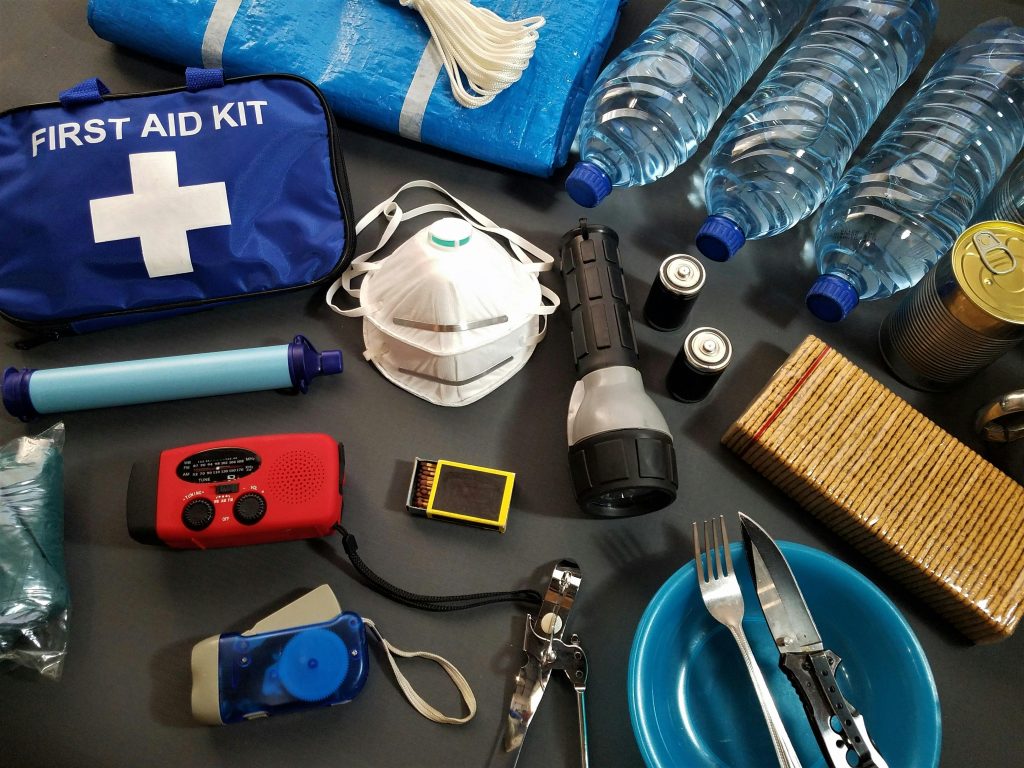
Hitting the road in your RV is an exciting adventure, but being prepared for unexpected situations is crucial for a safe and enjoyable journey. Assembling a well-stocked emergency kit is your first line of defense against minor mishaps or emergencies.

Essential Items:

These core items should form the foundation of your RV emergency kit:

  • First-Aid Kit: A well-stocked first-aid kit is vital for addressing minor injuries and illnesses on the road. Ensure it contains bandages, antiseptic wipes, pain relievers, and any personal medications you or your travel companions require. Labeling the contents of your kit can save precious time in an emergency when finding specific supplies is critical.

  • Flashlights and Extra Batteries: Reliable light is essential in emergencies. Pack a flashlight and plenty of extra batteries to navigate darkness or unexpected breakdowns.

  • Non-Perishable Food and Water: Having a supply of non-perishable food and water can sustain you if you become stranded or encounter delays. A general guideline is to pack one gallon of water per person, per day, and enough non-perishable food to last for at least 3 days.

  • Portable Phone Charger: A portable phone charger ensures you can stay connected and call for help if your vehicle’s battery dies or you’re unable to access a power source.

  • Maps and Compass: Technology can fail, so having a physical map and compass as a backup is essential. Knowing how to use a map and compass can be a valuable skill, especially in remote areas.

Additional Tools and Equipment:

Consider adding these versatile items to your emergency kit for increased preparedness:

  • Jumper Cables: Jumper cables can revive a dead battery and get you back on the road quickly.

  • Tire Repair Kit and Inflator: Flat tires are a common occurrence. A tire repair kit and inflator allow you to address minor punctures and get back on your journey.

  • Multi-Tool: A multi-tool is a compact and versatile problem-solver. It can handle various tasks, from tightening loose screws to opening cans.

  • Emergency Blankets: These lightweight, heat-reflective blankets can help retain body heat and keep you warm in case of an unexpected night outdoors.

Customizing Your Kit:

Tailor your emergency kit to your specific travel needs and destination:

  • Destination Considerations: If traveling to areas with extreme temperatures, pack additional items like sunscreen, insect repellent, or hand warmers.
  • Family and Pet Needs: For families with young children, include diapers, baby wipes, and any necessary medications. Traveling with pets? Don’t forget pet food and a pet first-aid kit.

By assembling a comprehensive emergency kit and considering these customization tips, you can venture out with confidence, knowing you’re prepared to handle a wide range of situations on the road.

RV Tire MaintenancePhoto by Artem Podrez


RV Maintenance and Inspections

Just like any vehicle, regular maintenance is essential for keeping your RV in top shape and preventing unexpected breakdowns on the road. Here’s a breakdown of key maintenance checks and pre-trip inspections to ensure a smooth and safe journey:

Regular Maintenance:

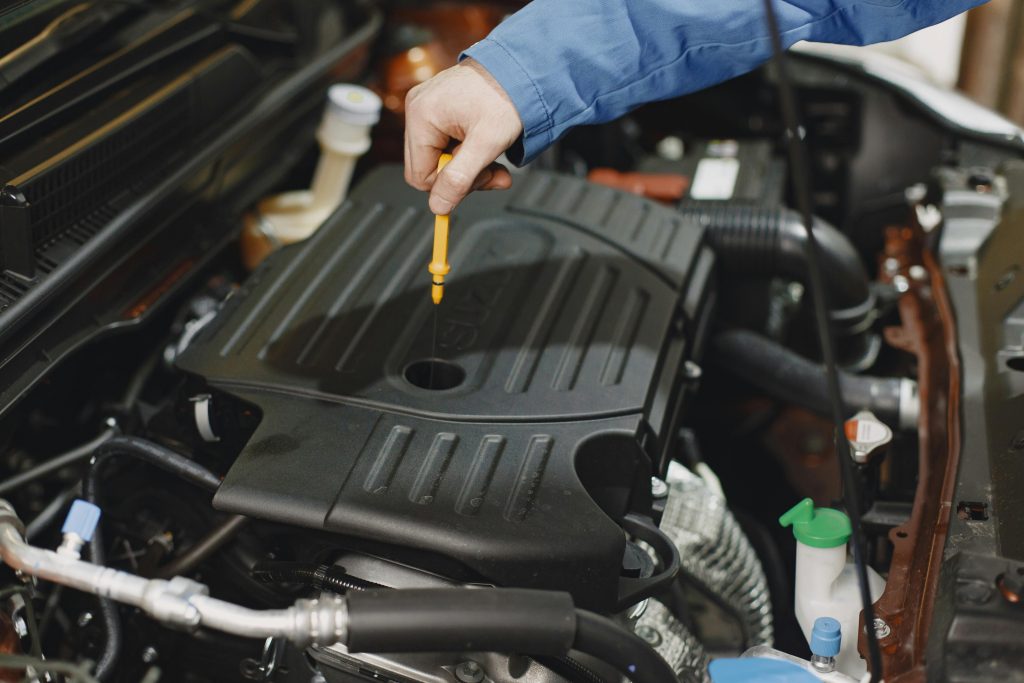
  • Engine and transmission: The recommended intervals for oil changes, fluid level checks, and filter replacements can vary depending on your RV’s make and model. Consult your owner’s manual or refer to the National Highway Traffic Safety Administration (NHTSA) website for specific recommendations: https://www.nhtsa.gov/ Following a consistent maintenance schedule can help prevent costly repairs down the road.

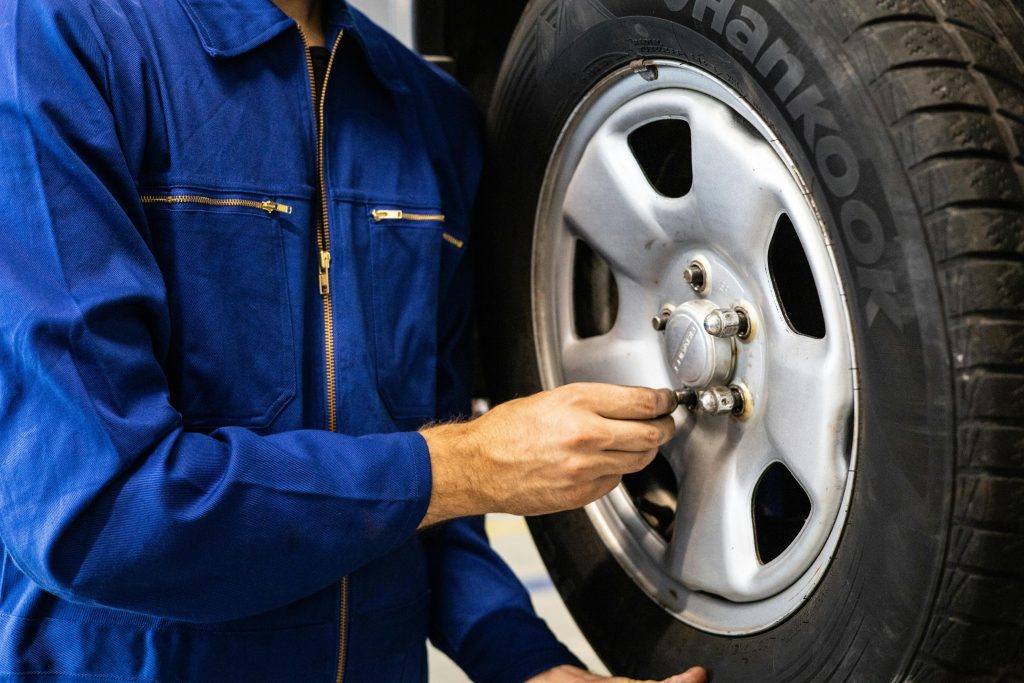
  • Brakes and tires: Regularly inspect your brakes and tires for signs of wear and tear. Ensure proper tire inflation according to the manufacturer’s recommendations on the placard typically located on the driver’s door jamb. Replace any worn or damaged brake pads, rotors, or tires promptly.

  • Battery and electrical systems: Check your battery’s charge and clean any corrosion from the terminals. Inspect your electrical system for any damaged wiring or malfunctioning components. Addressing minor electrical issues early can prevent more extensive problems later.

Pre-trip Inspections:

Before hitting the road, take some time to thoroughly inspect your RV and ensure everything is in working order:

  • Check for leaks and damage: Look for any visible cracks in the exterior walls or roof, soft spots on the floor or walls that might indicate water damage, and discoloration on ceilings or walls that could be signs of leaks. Early detection of water leaks is crucial to prevent costly repairs.

  • Verify all lights and signals are functional: Test your headlights, brake lights, turn signals, running lights, and any other exterior lights to ensure they’re working properly. Replace any burnt-out bulbs to maintain optimal visibility and safety on the road.

  • Inspect and secure all doors, windows, and hatches: Make sure all doors, windows, and hatches are securely closed and locked to prevent them from bouncing open while driving. Double-check all latches and locking mechanisms to ensure everything is secure.

Importance of Routine Professional Inspections:

While regular self-inspections are crucial, having your RV professionally inspected by a qualified technician at least once a year is highly recommended. A professional inspection can:

  • Identify potential issues early: A trained technician can identify minor problems before they become major issues, saving you time, money, and potential headaches on the road.
  • Ensure your RV remains in optimal condition: Routine professional inspections can help maintain your RV’s performance, safety, and overall value for years to come.

By following these maintenance and inspection tips, you can ensure your RV is in top condition and ready for your next adventure!

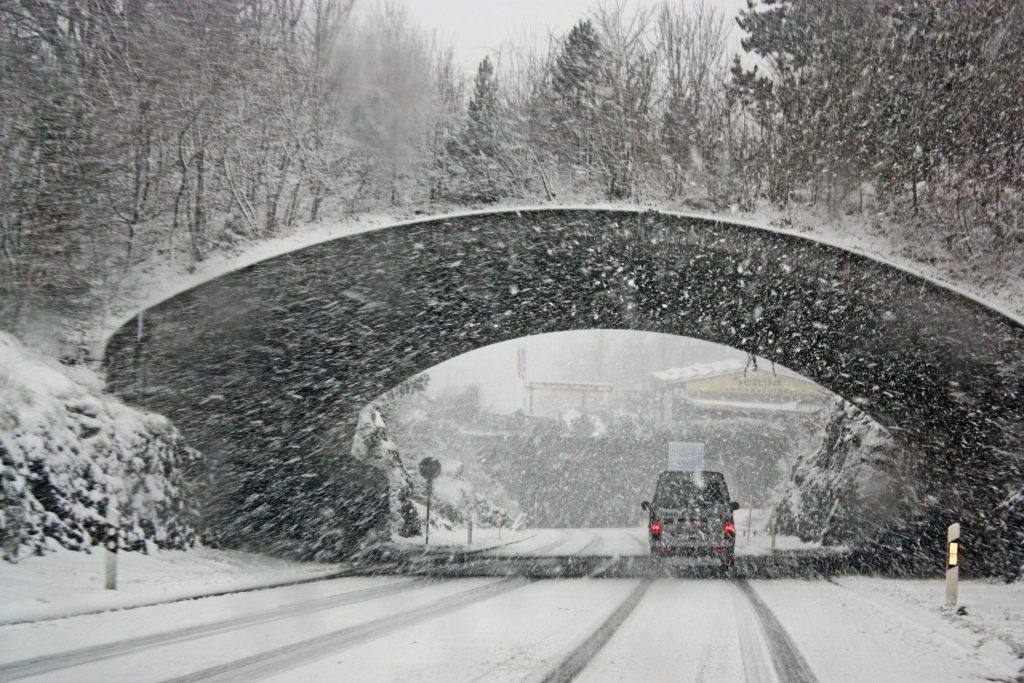
Snowy Road ConditionsPhoto by Bibhash Banerjee

Weather and Road Conditions

The text for “Weather and Road Conditions” is well-written and informative. Here are some minor suggestions for improvement:

  • Visual Aid: Consider adding an image depicting weather apps or traffic monitoring websites to illustrate the concept of using real-time resources.

  • Expand on Tips: The section on “Tips for driving in various weather conditions” could be expanded slightly to include one or two additional tips for each weather condition (rain, snow/ice, fog). For example, for rain, you could mention using windshield wipers effectively and avoiding using cruise control on wet roads.

Here’s the revised section incorporating these suggestions:

Mastering the Elements

Being prepared for the ever-changing weather is crucial for a smooth and enjoyable RV adventure. This guide equips you with the knowledge to plan, adapt, and navigate the elements confidently.

Planning for Weather Challenges:

  • Know Your Destination’s Climate: Research typical weather patterns at your stops. Pack layers for fluctuating temperatures, rain gear for wet seasons, sun protection for hot climates, and winter gear for snowy regions.
  • Identify Potential Hazards: Be aware of weather threats like flooding, high winds, or snowstorms along your route. Plan your travel schedule accordingly and adjust your route if necessary to avoid them.

Staying Informed on the Road:

  • Visual Aid: [Insert an image of a smartphone displaying a weather app or traffic monitoring website]
  • Real-time Resources: Utilize traffic apps, websites, or local radio stations to stay updated on current conditions. Be aware of potential delays, accidents, or road closures that might impact your travel time.
  • Adapt Your Route: Be prepared to adjust your itinerary if you encounter unexpected road closures, detours, or hazardous conditions. Prioritize safety; don’t hesitate to change your plans to avoid potential risks.

Conquering Different Weather Conditions:

  • Rain: Slow down significantly and increase following distance. Use windshield wipers effectively to maintain visibility. Avoid cruise control on wet roads, as it can limit your ability to react quickly.
  • Snow/Ice: Reduce speed even further and be extra cautious on slippery surfaces. Utilize low-beam headlights for better visibility in falling snow. Avoid sudden braking or sharp turns, which can cause skidding.
  • Fog: Reduce speed drastically and turn on low-beam headlights and fog lights (if equipped) to improve visibility for yourself and others. Maintain a safe following distance and avoid using high beams, which can reflect off fog and worsen visibility.
  • Knowing When to Pull Over: In severe weather with limited visibility or treacherous road conditions, prioritize safety over reaching your destination on time. Pull over to a safe location and wait for the weather to improve before continuing your journey.

By following these tips and staying informed about weather and road conditions, you can navigate the elements with confidence and make your RV adventure a truly memorable experience.

Conclusion

By following the tips and best practices outlined in this guide, you can ensure your RV trip is not only enjoyable but also safe and secure. From assembling a comprehensive emergency kit to staying informed about weather conditions, a little preparation goes a long way in creating lasting memories on the open road.

Now that you’re equipped with this valuable knowledge, it’s time to chart your course, pack your bags, and embark on the RV adventure of your dreams! Explore breathtaking landscapes, discover hidden gems, and create lasting experiences with your loved ones. Remember, the journey itself is part of the adventure, so relax, savor the moment, and enjoy the freedom and flexibility that RV travel offers.

Resources

  1. American Red Cross – First Aid Kit Supplies: This webpage from the American Red Cross provides a comprehensive list of essential items to include in a first aid kit for emergencies. It covers everything from bandages and antiseptic wipes to pain relievers and personal medications. URL: https://www.redcross.org/get-help/how-to-prepare-for-emergencies/anatomy-of-a-first-aid-kit.html
  2. Ready.gov – Emergency Kit Checklist: The Emergency Kit Checklist from Ready.gov is a valuable resource for assembling an emergency kit for your travels. It offers a detailed list of essential items, additional tools, and equipment, as well as suggestions for customizing your kit based on your specific travel needs. URL: https://www.ready.gov/kit
  3. National Highway Traffic Safety Administration (NHTSA) – Vehicle Maintenance: The NHTSA’s Vehicle Maintenance page provides valuable information on regular RV maintenance, including engine and transmission, brakes and tires, and battery and electrical systems. It highlights the importance of regular inspections to ensure optimal performance and safety. URL: https://www.nhtsa.gov/vehicle-maintenance
  4. National Weather Service – Road and Weather Safety: This Road and Weather Safety page from the National Weather Service offers tips and advice for planning and adapting to various weather conditions during your travels. It covers topics such as researching regional weather patterns, monitoring road conditions, and driving safely in different conditions. URL: https://www.weather.gov/safety/road
  5. Federal Emergency Management Agency (FEMA) – Pet Preparedness: FEMA’s Pet Preparedness webpage provides essential information for travelers with pets, including tips on assembling a pet-specific emergency kit and considerations for pet safety during emergencies. It ensures that your furry companions are well-prepared for any travel situation. URL: https://www.ready.gov/pets

In conclusion, travel safety and preparedness are vital for a secure and enjoyable journey. By assembling a well-stocked emergency kit, performing regular RV maintenance and inspections, and staying informed about weather and road conditions, you can minimize risks and protect yourself and your travel companions from potential hazards. The resources provided above offer valuable information and guidance to help you stay safe and prepared on the road.

Featured Photo by Kampus Production

Next Topic

Beginner’s Guide to Boondocking with Satellite Internet

RV Toilet Guide

RV Toilet Guide

Your Roadmap to a Smooth and Sanitary Journey

Ah, the RV toilet. Not the most glamorous topic, but undeniably crucial for a comfortable and hygienic RV experience. Whether you’re a seasoned nomad or a first-time camper, mastering the intricacies of your RV toilet system can make all the difference. That’s where this comprehensive guide comes in!

Written by Chuck Price, a passionate RV enthusiast with over 30 years of RV experience, this guide will equip you with the knowledge and confidence to navigate the world of RV toilets. We’ll cover everything from choosing the right type for your needs to mastering proper operation and maintenance, all while keeping sustainability and responsible waste management in mind.

So buckle up (or should we say, sit down?) and get ready to learn:

  • The different types of RV toilets and their pros and cons: Gravity flush, vacuum flush, cassette, macerating…we’ll explore them all to help you find the perfect fit.
  • Essential operating tips: Learn the flushing mechanisms, discover the power of RV-specific toilet paper, and understand what’s a definite “no-no” when it comes to flushing.
  • Maintenance made easy: From regular cleaning to black tank care and valve maintenance, we’ll provide practical steps and helpful tips to keep your system running smoothly.
  • Upgrade options for a personalized experience: Sprayers, macerator pumps, larger holding tanks…explore the possibilities to enhance your comfort and convenience.
  • Strategic considerations: Learn about valve placement, discover handy dump station locator apps, and find resources for sustainable waste management practices.

Remember: This guide can’t replace professional advice. If you have specific questions or concerns, consult a qualified RV technician. But with the information and insights provided here, you’ll be well on your way to conquering the RV toilet and enjoying a worry-free adventure.

Choosing the Right RV Toilet: Your Personalized Throne Awaits

The RV toilet might not be the first thing you think of when planning your adventures, but choosing the right one can significantly impact your comfort and experience. With various options available, understanding your needs and priorities is key. Let’s explore the common types and their pros and cons to help you find your perfect match:

RV Toilet Comparison Table

Feature Gravity Flush Vacuum Flush Cassette Macerating Composting
Pros Simple, affordable, widely available, easy to maintain Powerful flush, quiet operation, residential feel, water-efficient Compact, portable, ideal for vans, easy to empty Powerful flush, grinds waste for efficient tank usage, residential feel Eco-friendly, odorless operation, minimal water usage
Cons Requires more water and larger holding tanks, less powerful flush More expensive, requires professional installation, complex maintenance Limited waste storage, requires frequent emptying, potential odor concerns Expensive, requires electricity, complex installation Requires ventilation, learning curve for operation, higher upfront cost
Ideal for: Budget-conscious RVers, first-time owners, ample water access, infrequent use RVers prioritizing water conservation, desiring luxury feel, powerful flush Solo travelers, vanlifers, limited space Larger RVs, frequent boondocking, desiring powerful flush Eco-conscious RVers, off-grid camping, minimizing water usage
Water Usage: High Low Medium Medium Low
Power Source: Manual Electric Manual Electric Varies (manual or solar)
Cost: Low High Medium High High
Maintenance: Simple Complex Moderate Moderate Moderate
Weight: Light Heavy Light Heavy Varies
Space Requirements: Standard Larger Compact Larger

1. Gravity Flush Toilets:

  • Pros: Simple, affordable, and easy to maintain. Widely available and compatible with most RVs.
  • Cons: Require more water and larger holding tanks, leading to more frequent dumping. May not feel as powerful as other options.

Ideal for: Budget-conscious RVers, first-time owners, or those with ample water access and large holding tanks.

2. Vacuum Flush Toilets:

  • Pros: Powerful flush using less water, quieter operation, and a more residential feel.
  • Cons: More expensive, require professional installation, and might be complex to maintain.

Ideal for: RVers prioritizing water conservation, desiring a luxurious feel, or needing a powerful flush for specific needs.

3. Cassette Toilets:

  • Pros: Compact and portable, perfect for smaller RVs or vans. Easy to empty and clean directly.
  • Cons: Limited waste storage, requiring frequent emptying. May have odor concerns if not properly maintained.

Ideal for: Solo travelers, vanlifers, or those with limited space or infrequent use.

4. Macerating Flush Toilets:

  • Pros: Powerful flush, grinds waste for efficient tank usage, and offers a residential feel.
  • Cons: Requires electricity, expensive, and installation might involve professional help.

Ideal for: RVers with larger budgets seeking maximum convenience, powerful flushing, and a home-like experience.

Remember: Consider your RV size, water availability, budget, and personal preferences when making your choice. Consulting an RV expert or reading user reviews can also provide valuable insights.

Bonus Tip: For eco-conscious RVers, consider exploring sustainable options like composting toilets for a natural waste breakdown, water conservation, and even garden-nourishing compost! Remember, the perfect toilet balances your budget, convenience, and environmental footprint, so explore all options before choosing your throne.


RV Toilet Operation: Your Guide to a Smooth Flush

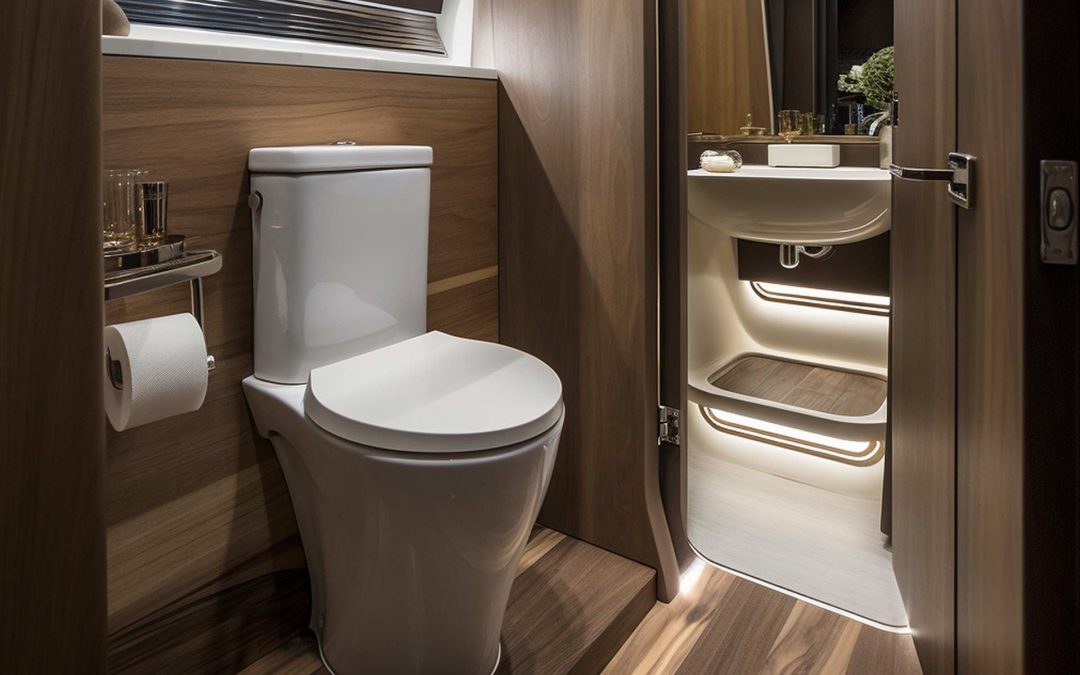
RV ToiletOperating your RV toilet isn’t rocket science, but understanding the basics goes a long way in ensuring its smooth functioning and your comfort. Let’s break it down:

Flushing Mechanisms:

  • Gravity Flush: Stomp on that foot pedal or press the lever! This releases water and opens the valve, whisking your waste away.
  • Vacuum Flush: Simply press the button, and the powerful vacuum system takes care of the rest. Remember, these might be more sensitive to paper quantity, so be mindful.

Video Tutorial: Want a visual guide? Check out this helpful video on “How to Properly Flush Your RV Toilet” (link here).

Toilet Paper Talk:

  • Amount: Resist the urge to use excessive paper, even if it’s RV-specific. Less is more to avoid clogs.
  • Type: Ditch the regular stuff! Opt for specially designed RV toilet paper that dissolves easily to prevent blockages.

What’s a No-No:

Treat your RV toilet like royalty – flush only waste and RV-specific toilet paper. Wipes, hygiene products, or even paper towels can wreak havoc on the system, causing clogs and unpleasant surprises.

Bonus Tip: Invest in a handy RV toilet brush to keep your porcelain throne sparkling clean without damaging its surface.

Additional Considerations:

  • Double flush: If you have a gravity flush toilet and things seem stuck, a second flush with a bit more water might do the trick.
  • Water conservation: For those precious water drops, consider using a water-saving showerhead or collecting rainwater for flushing.

Remember, proper operation is key to a happy RV toilet and a happy you!

RV Dumping Station

Maintenance and Troubleshooting

Maintaining your RV toilet system is like keeping your car happy – it prevents future headaches and keeps things flowing smoothly (literally!). Here’s your guide to essential maintenance tasks and troubleshooting tips:

Regular Cleaning:

  • Frequency: Give your porcelain throne some TLC at least once a week using RV-safe cleaning products. Harsh chemicals can damage the seals and components.
  • Method: Invest in a toilet brush designed for RV toilets, as its softer bristles won’t scratch the surface.
  • Bonus Tip: Regularly wipe down the exterior and surrounding area with a disinfectant wipe for added hygiene.

Black Water Tank:

  • Emptying: Don’t wait until disaster strikes! Empty your tank before it reaches 75% capacity, especially before long trips. This prevents overflows and keeps odors at bay.
  • Cleaning: Use specialized tank cleaning chemicals designed to break down waste and prevent odors. Follow the manufacturer’s instructions carefully for dosage and safety.
  • Bonus Tip: Consider adding RV-safe tank deodorizers for extra freshness between cleanings.

Valve Seals:

  • Inspection: Once a month, take a peek at your valve seals for signs of wear or damage like cracks, tears, or leaks.
  • Replacement: If you notice anything suspicious, replace the worn-out seals promptly. This prevents leaks, odors, and messy surprises.

Winterizing Your RV Toilet:

While the allure of cozy RV adventures may extend year-round, preparing your trusty throne for winter isn’t always top of mind. Fear not, fellow RVers! With a few simple steps, you can ensure your toilet survives the frosty months unscathed and ready for spring flushes.

Case Study: Don’t Be a Brand New Clogger!

Meet Tacromano, a fellow RVer whose brand new RV toilet clogged after just three days of use! Despite diligent draining and snaking, the culprit? A notorious foe – the “Pyramid of Doom.” This buildup of solids occurs when the black tank valve is left open during use, allowing waste to solidify and block the toilet’s entry point.

Forest River Forums: Help!!! Brand new RV Toilet clogged

This thread on Forest River Forums: https://www.forestriverforums.com/forums/f217/help-brand-new-rv-toilet-clogged-231886.html details the unfortunate experience of a new RVer facing a clogged toilet. Valuable insights from the community helped them diagnose the issue and avoid costly repairs.

The Takeaway:

Don’t let your RV toilet become a brand new nightmare! By understanding common pitfalls like the “Pyramid of Doom” and following proper maintenance routines, you can ensure your toilet flushes smoothly for years to come. This guide equips you with the knowledge to avoid costly mistakes and enjoy a worry-free RVing experience.

Additional Tips:

  • Always close your black tank valve after use and before traveling.
  • Use only RV-specific toilet paper that breaks down easily.
  • Avoid flushing anything besides waste and toilet paper.
  • Regularly clean your tank and use appropriate tank treatment products.


Troubleshooting Tips: Conquer Your RV Toilet Woes!

Woman holding her noseEven the best-maintained RV toilet can encounter hiccups. Here’s how to tackle common issues and keep things flowing smoothly:

Clogged Chaos:

  • First Line of Defense: Try a plunger designed for RV toilets. They have smaller cups and stronger pumps to handle the unique plumbing.
  • Snake it Out: If plunging fails, invest in an RV toilet snake. These long, flexible cables can dislodge stubborn clogs.
  • Call in the Pros: For complex clogs or peace of mind, seek help from a qualified RV technician.

Leaking Woes:

  • Be a Leak Detective: Identify the source of the leak. Check connections, seals, and valves for cracks or loose fittings.
  • Tighten Up: Use wrenches to tighten any loose connections.
  • Seal the Deal: Replace worn-out or damaged seals with RV-specific ones to prevent future leaks.
  • Seek Professional Help: If the leak persists, don’t hesitate to consult an RV technician for proper diagnosis and repair.

Odor Outrage:

  • Cleanliness is Key: Regularly clean your black tank using specialized RV tank cleaning chemicals.
  • Embrace the Deodorizers: Use RV-safe tank deodorizers to neutralize unpleasant smells.
  • Air it Out: Ensure proper ventilation in your RV bathroom to prevent odor buildup.
  • Pro Tip: Pour a small amount of baking soda down the toilet after each use to help control odors naturally.

Remember: Consistent maintenance is crucial for a happy and healthy RV toilet system. By addressing issues promptly and following our tips, you can enjoy smooth sailing and a more pleasant RVing experience.

Bonus Tips:

  • Winterize Wisely: If you plan on RVing in cold climates, properly winterize your toilet system to prevent freezing and damage.
  • Conserve Water: Consider using water-saving methods like a low-flow showerhead or collecting rainwater to reduce the frequency of tank emptying.

Additional Resources:

For troubleshooting and fixing common RV toilet problems, you can refer to detailed guides and discussions that provide a variety of solutions, from simple fixes to more involved repairs. Here’s a summary of useful tips and resources:

  • Common Problems and Fixes: RV toilets may experience issues like bubbling when flushed, indicating a blockage, or difficulties dissolving toilet paper. Solutions can range from checking and clearing vent blockages, using specific chemicals to dissolve clogs, or employing DIY fixes like boiling water or a mixture of baking soda and vinegar. Proper maintenance, such as using RV-approved toilet paper and regular tank cleaning, can prevent many of these issues. For more details, visit OuterSquad.
  • DIY Repairs and Preventative Maintenance: For those willing to tackle repairs themselves, understanding the primary components of your RV toilet and regular preventative maintenance are key. This includes replacing worn seals, ensuring smooth operation of water valves, and occasionally lubricating seals to prevent leaks. Regular maintenance and timely repairs can extend the lifespan of your RV toilet and prevent disruptive issues while on the road. Check out the guide at Getaway Couple.
  • Detailed Repair Guides: For more specific repair instructions, such as dealing with leaking toilets or replacing faulty components, comprehensive guides are available. These guides offer step-by-step instructions for diagnosing problems, performing repairs, and when necessary, replacing the entire toilet. They emphasize the importance of having the right parts on hand and taking preventive steps to avoid common issues. For step-by-step repair instructions, visit RVing Guide.

These resources cover everything from common issues and their solutions to step-by-step repair instructions, ensuring you’re well-equipped to handle any toilet troubles in your RV.

RV Toilet Supplies

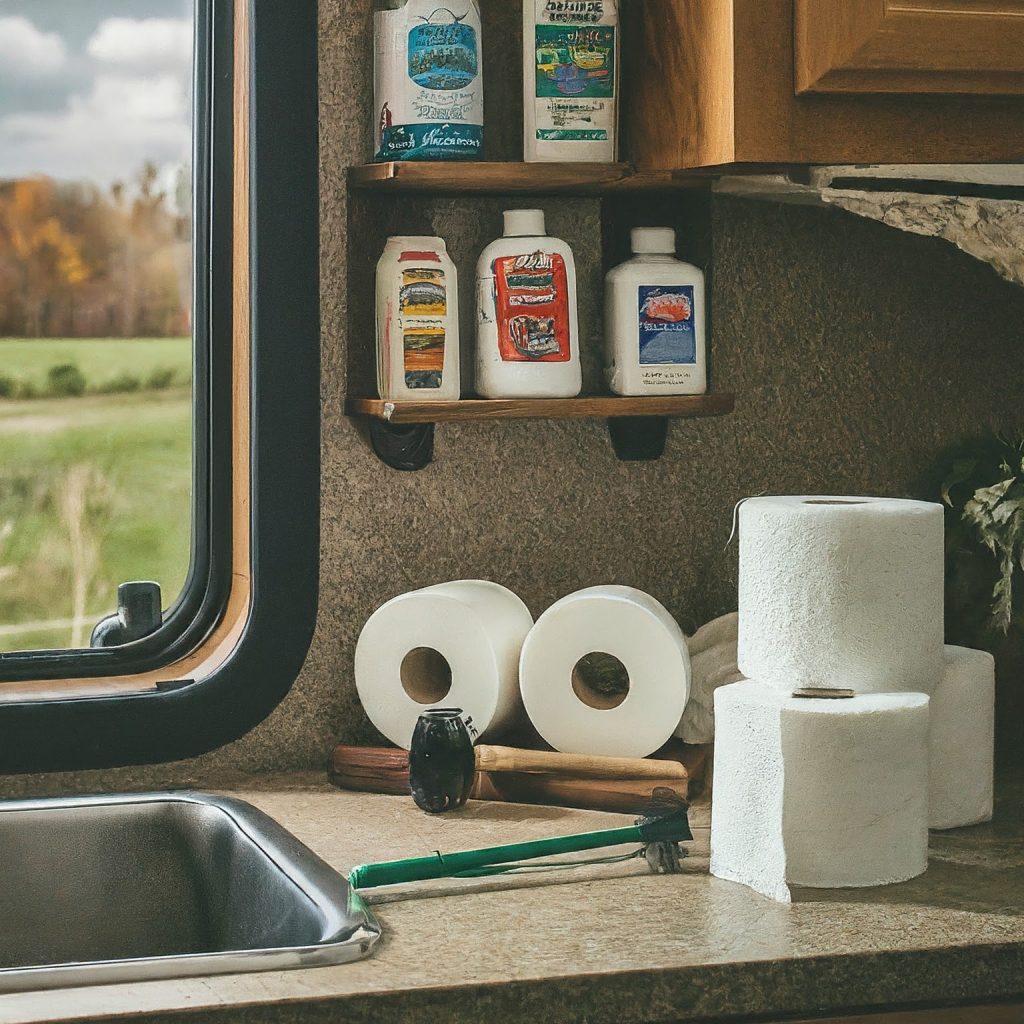
Gearing Up for Success: Must-Have RV Toilet Products

Choosing the right products is like having a pit crew for your RV toilet, ensuring smooth operation and happy travels. Here’s your essential gear list:

1. RV-Specific Toilet Paper:

  • Why: Ditch the regular stuff! This specially designed paper dissolves quickly and easily, preventing clogs and nasty surprises in your holding tank.
  • Where to Buy: Look for dedicated RV sections in supermarkets, camping stores, or online retailers like Amazon, Camping World, and Walmart. Brands like Scott Rapid-Dissolving, AmazonBasics RV Toilet Paper, and Thetford Aqua-Soft are popular choices.

2. Tank Cleaning Chemicals:

  • Why: These hardworking chemicals are your black water tank’s best friend. They break down waste, control odors, and keep things flowing smoothly.
  • Where to Buy: Find them alongside RV toilet supplies at supermarkets, camping stores, and online retailers. Opt for brands like Valterra Tank Freshener, Camco TST Plus, or Unique Tank Treatment, following dosage instructions carefully.

3. Valve Lubricants:

  • Why: Keeping your valve seals lubricated is like pampering your RV’s plumbing. It prevents leaks, extends seal life, and ensures a tight, odor-free system.
  • Where to Buy: Look for silicone-based RV valve lubricants at RV parts stores, camping stores, or online retailers. Thetford RV Valve Lubricant, Super Lube O-Ring Grease, and Camco RV Valve Lubricant are popular options.

Bonus Tip: Invest in a handy RV toilet brush with soft bristles to clean your porcelain throne without scratching the surface.

Additional Considerations:

  • Biodegradability: When choosing products, prioritize biodegradable options to minimize environmental impact.
  • Fragrance: Opt for unscented or lightly scented products to avoid overpowering fragrances in your RV.
  • Reviews: Read online reviews and compare prices before making your purchase.

By equipping yourself with these essential RV toilet products, you’ll be well on your way to a happy and hassle-free RVing experience!

Level Up Your RV Toilet: Consider These Upgrades

While your basic RV toilet might do the job, why settle for just functional when you can have fantastic? Consider these upgrades to transform your bathroom experience:

RV Toilet with sprayer1. Embrace the Sprayer:

  • Why: Ditch the toilet brush and hello to a sprayer attachment. This handy tool lets you clean the bowl more efficiently, using less water and reaching those hard-to-get spots. Plus, it’s a hygienic bonus for some!
  • Where to Buy: Find sprayer attachments online at Amazon, Camping World, or RV parts stores. Look for brands like Thetford, Dometic, or Valterra. Prices vary depending on features and materials.

2. Unleash the Power of a Macerator:

  • Why: If you crave convenience on extended trips, a macerator pump is your friend. This powerhouse grinds waste into a slurry, making it easier to pump into the holding tank and reducing the risk of clogs. Ideal for larger RVs or frequent boondocking.
  • Where to Buy: Macerator pumps require professional installation, so consult qualified RV technicians or dealerships for options and pricing. Popular brands include Sanibest, Sealand, and Thetford.

3. Expand Your Holding Tank Territory:

  • Why: Say goodbye to frequent dump station runs with a larger holding tank. This upgrade provides more freedom and convenience, especially for longer journeys or full-time RVing.
  • Where to Buy: Installing a larger tank usually requires professional expertise. Discuss options and feasibility with RV technicians or dealerships. Consider the additional weight and potential modifications needed for your specific RV model.

Bonus Tip: Invest in a heated toilet seat for ultimate comfort during chilly weather. Many models are available with adjustable temperature settings and even built-in bidets for added luxury.

Remember: Before diving into upgrades, assess your needs and budget. Consider the size and usage of your RV, frequency of travel, and desired level of comfort. With the right choices, you can transform your RV toilet experience into a throne fit for royalty!

Additional Considerations:

  • Compatibility: Ensure any upgrade is compatible with your existing RV toilet system and plumbing.
  • Installation: Some upgrades require professional installation, so factor in labor costs.
  • Weight and Space: Consider the added weight and potential space requirements of larger tanks or macerator pumps.

By carefully evaluating your needs and exploring these exciting upgrades, you can create a truly enjoyable and convenient RV toilet experience!

Dump Station App on Phone

Location Considerations: Dumping Made Easy

The black tank valve’s location can significantly impact your RV toilet experience. Here’s what to know:

Valve Placement:

  • Correct Side: Most dump stations have hoses on a specific side. Ensure your black tank valve is positioned on the same side to avoid awkward maneuvering.
  • Accessibility: Choose an easily accessible valve location for quick and hassle-free dumping. Consider valves mounted on the bumper, side, or underneath, depending on your RV model.
  • Multiple Tanks: Some RVs have separate black tanks for different areas, offering waste management flexibility on longer trips. Check your RV’s layout and valve configuration.

Dump Station Savvy:

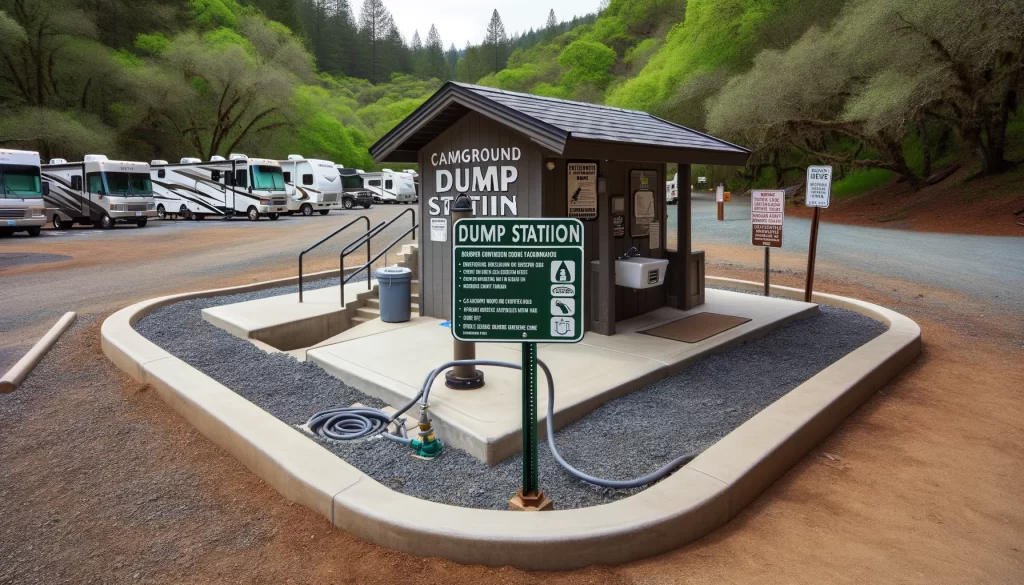
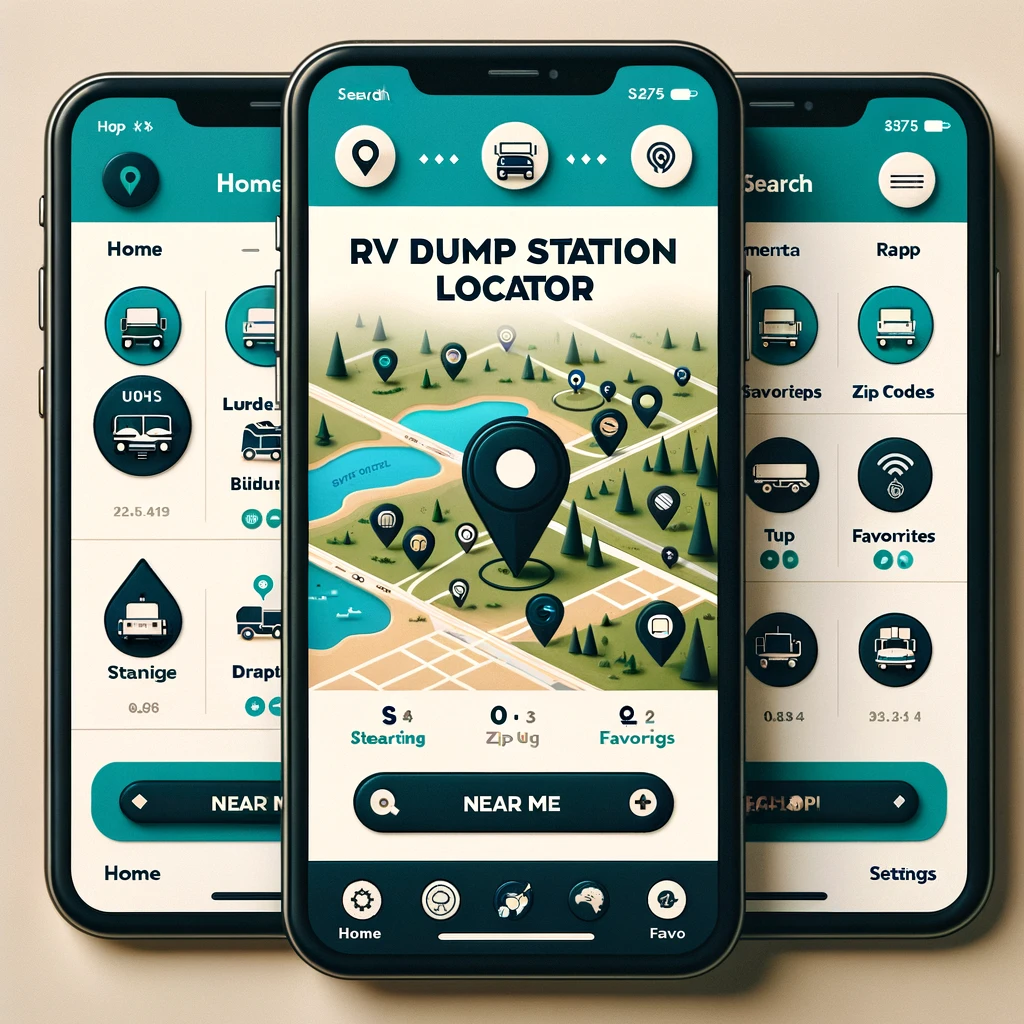
  • Apps for Convenience: Download an RV dump station locator app like “RV Dump Station Locator” to find nearby facilities and plan your route efficiently.
  • Pre-Dump Check: Before dumping, ensure all connections are secure and tighten any loose fittings to prevent leaks.
  • Responsible Disposal: Always follow dump station regulations and dispose of waste responsibly. Remember, what goes down the drain matters!

Your Next Steps:

Managing your RV toilet system is key to a comfortable and hygienic RVing experience. From choosing the right toilet type to strategic planning and responsible disposal, each step contributes to a smooth journey.

Key Takeaways:

  • Choose Wisely: Select the right toilet type based on needs and budget.
  • Operate Correctly: Master proper flushing and avoid flushing anything harmful.
  • Maintain Regularly: Stick to a maintenance schedule for trouble-free operation.
  • Use RV-Safe Products: Opt for products specifically designed for RV toilets.
  • Consider Upgrades: Enhance your system with useful features if needed.
  • Be Strategic: Pay attention to valve placement and utilize dump station locator apps.
  • Dump Responsibly: Follow regulations and dispose of waste ethically.

Bonus Resources:

  • Website for RV Toilet Maintenance: [Link to relevant website]
  • Composting Toilets: Explore eco-friendly alternatives for waste disposal.

By considering these aspects and following best practices, you can ensure your RV toilet system functions optimally, making your RV adventures even more enjoyable!

Frequently Asked Questions


  1. Can I use regular toilet paper in my RV toilet?
    • Answer: No, it’s best to use RV-specific toilet paper, as it breaks down more easily and helps prevent clogs in your holding tank.
  2. Is it safe to use household cleaning products in my RV toilet?
    • Answer: It’s advisable to use RV-specific cleaning products to avoid damaging the seals or other components of your RV toilet system.
  3. Can I use biodegradable toilet chemicals? Are they effective?
    • Answer: Biodegradable toilet chemicals are an eco-friendly option and can be effective, but it’s essential to ensure they are compatible with your specific RV toilet system.
  4. How do I clean and sanitize my black water tank?
    • Answer: Use a specialized RV tank cleaning wand and appropriate tank cleaning chemicals to clean and sanitize your black water tank. Always follow the manufacturer’s instructions and guidelines.
  5. What are the signs that my RV toilet system needs immediate maintenance?
    • Answer: Frequent clogs, persistent odors, and visible leaks are indicators that your system may need immediate attention.
  6. What should I do if my RV toilet is clogged?
    • Answer: First, try using a plunger to clear the clog. If that doesn’t work, consider using a specialized RV toilet snake or seek professional assistance to avoid damaging your system.
  7. How do different altitudes or temperatures affect my RV toilet system?
    • Answer: Changes in altitude can affect the air pressure in your holding tanks, while extreme temperatures can impact the effectiveness of cleaning chemicals and the flexibility of seals and hoses.
  8. Is it possible to retrofit my existing RV toilet for a more advanced system?
    • Answer: Yes, many RV owners upgrade from a basic gravity flush system to more advanced options like macerating or vacuum flush systems. However, these upgrades may require professional installation and additional power sources


Resources

  1. Thetford Corporation’s official website: https://www.thetford.com/ Thetford is a leading manufacturer of RV toilets and accessories, offering valuable information and product recommendations for various needs and preferences.
  2. Dometic’s official website: https://www.dometic.com/ Dometic is another well-known brand in the RV industry, offering high-quality toilets, sanitation products, and resources designed for the mobile lifestyle.
  3. The RV Geeks’ YouTube channel: https://www.youtube.com/c/RVgeeks The RV Geeks provide helpful video tutorials, tips, and tricks for RV maintenance, including information on installing and maintaining RV toilets.
  4. The Leave No Trace Center for Outdoor Ethics website: https://lnt.org/ The Leave No Trace Center for Outdoor Ethics provides guidelines on responsible waste management and minimizing environmental impact when camping or boondocking.
  5. The National Park Service’s camping guidelines: https://www.nps.gov/subjects/camping/index.htm The National Park Service offers guidelines for RV camping, including information on waste disposal and environmentally-friendly practices in national parks and public lands.

Next Topic

Travel Safety and Preparedness


RVing with Dogs: A Comprehensive Guide to Travel, Choosing the Right RV, and Pet-Friendly Destinations

RVing with Dogs: A Comprehensive Guide to Travel, Choosing the Right RV, and Pet-Friendly Destinations

Making Memories with Your Furry Friends

1.1. The growing popularity of RVing with dogs


RVing is becoming increasingly popular among dog owners who want to enjoy the freedom of the open road with their furry companions. Traveling with your dog allows you to create unforgettable memories and strengthen the bond between you and your pet. In this guide, we’ll explore everything you need to know about RVing with dogs, from choosing the right RV to finding pet-friendly destinations.

1.2. Benefits of RVing with your dog


Taking your dog on an RV adventure has numerous benefits, including:

  • Increased quality time with your pet
  • Opportunities for outdoor activities and exercise
  • Improved mental and physical well-being for both you and your dog
  • The chance to meet other dog-loving RVers and build a supportive community

2. Choosing the Right RV for You and Your Dog


2.1. Size considerations


When choosing the right RV for you and your dog, it’s essential to consider the size of the vehicle. Make sure there is enough space for your dog to move around comfortably, as well as designated areas for sleeping, eating, and playing. If you have a larger dog, you may want to opt for a more spacious RV, while smaller breeds can easily adapt to more compact living spaces.

2.2. Dog-friendly features


Look for an RV with dog-friendly features, such as:

  • Easy-to-clean flooring and upholstery
  • Windows at your dog’s eye level for optimal viewing
  • Secure storage for dog food, toys, and gear
  • Built-in pet gates or barriers to keep your dog safe while on the move

2.3. Budget considerations


Keep in mind your budget when choosing an RV. Consider factors like fuel efficiency, maintenance costs, and potential modifications to make the RV more dog-friendly. Remember that investing in a comfortable and safe environment for your dog will make your RVing experience more enjoyable.

3. Preparing Your Dog for RV Life

3.1. Acclimating your dog to the RV environment

Before hitting the road, it’s crucial to help your dog get used to the RV environment. Begin by spending time with your dog in the parked RV, allowing them to explore and become familiar with the space. Gradually increase the time spent in the RV and practice daily routines like feeding, sleeping, and playing.

3.2. Crate training and safe spaces

Crate training your dog can provide a safe and secure space for them during RV trips. A crate can also serve as a familiar environment that helps your dog feel more comfortable in the new surroundings. Ensure the crate is properly secured while traveling and that your dog has access to it when needed.

3.3. Obedience training for a smooth RV experience

Obedience training is essential for a stress-free RVing experience with your dog. Teach your dog basic commands like sit, stay, and come, as well as RV-specific commands like “in the RV” or “out of the RV.” Consistent training and positive reinforcement will help ensure your dog follows instructions during your travels.

3.4. Ensuring your dog’s health and vaccinations

Before embarking on your RV adventure, make sure your dog is up to date on vaccinations and has a clean bill of health. Schedule a visit to your veterinarian for a check-up and discuss any potential health concerns related to your travel plans. Additionally, keep a copy of your dog’s medical records and vaccination history with you during your trip.

4. Essential Dog Gear for RV Trips

4.1. Collapsible dog bowls and water bottles

Collapsible dog bowls and water bottles are space-saving essentials for RV trips. These items are lightweight and easy to pack, ensuring your dog stays hydrated and well-fed throughout your journey.

4.2. Leashes, harnesses, and tie-outs

Invest in durable leashes, harnesses, and tie-outs to keep your dog safe and secure during your RV adventure. Opt for reflective or brightly colored gear to increase visibility in low-light conditions. Additionally, consider a long tie-out for your dog to safely explore the outdoors while you’re parked at a campground.

4.3. Toys and treats for entertainment

Bring a variety of toys and treats to keep your dog entertained during your RV trip. Interactive toys and puzzle feeders can provide mental stimulation, while chew toys and bones can help relieve stress and anxiety.

4.4. Pet first-aid kit

A pet first-aid kit is an essential item for any RV trip with your dog. Ensure your kit includes items like bandages, gauze, tweezers, a digital thermometer, and a pet-safe antiseptic. Additionally, include any necessary medications your dog may need, as well as emergency contact information for your veterinarian.

5. Pet-Friendly Campgrounds and Attractions

5.1. Researching pet-friendly destinations

When planning your RV adventure with your dog, research pet-friendly destinations and attractions. Many national and state parks, as well as private campgrounds, welcome well-behaved dogs. Be sure to check each location’s pet policies and restrictions before making reservations.

5.2. Tips for choosing dog-friendly campgrounds

To ensure a great experience for both you and your dog, consider the following tips when choosing a dog-friendly campground:

  • Look for campgrounds with designated dog play areas or off-leash areas
  • Choose a site with easy access to walking trails or dog-friendly beaches
  • Read reviews from other dog owners for insights on the pet-friendliness of the campground

5.3. Popular dog-friendly attractions in the US

Some popular dog-friendly attractions in the US include:

  • Dog-friendly beaches in Florida, California, and Oregon
  • Hiking trails in national and state parks like Yosemite, Acadia, and Zion
  • Urban attractions like San Francisco’s Golden Gate Park and New York City’s Central Park

6. RV Modifications for Dogs

6.1. Installing a doggy door

A doggy door can provide your dog with easy access to the outdoors while you’re parked at a campground. This modification can offer your dog more freedom and independence, and save you the hassle of constantly opening and closing the RV door.

6.2. Creating a designated dog area

Designate a specific area in your RV for your dog’s crate, bed, and toys. This space should be comfortable, secure, and easy to clean. Having a dedicated area for your dog can help them feel more at ease in the RV environment.

6.3. Securing and organizing dog gear

Invest in storage solutions for your dog’s gear, like food containers, leashes, and toys. Keeping your dog’s belongings organized and easily accessible can help make your RV experience more enjoyable and less cluttered.

7. Maintaining Your Dog’s Health on the Road

7.1. Proper exercise and mental stimulation

Ensure your dog gets adequate exercise and mental stimulation during your RV trip. Plan daily walks, hikes, or play sessions to keep your dog physically active and mentally engaged. Regular exercise can help prevent boredom, anxiety, and destructive behavior in your dog.

7.2. Healthy diet and hydration

Maintain your dog’s regular diet while on the road and ensure they have access to fresh water at all times. Monitor your dog’s weight and adjust their food intake if needed. Avoid feeding your dog human food or scraps, as this can lead to an unhealthy diet and potential health issues.

7.3. Regular grooming and parasite prevention

Regular grooming is essential for maintaining your dog’s health during your RV adventure. Brush your dog’s coat, clean their ears, and trim their nails as needed. Additionally, ensure your dog is up to date on flea, tick, and heartworm prevention to protect them from potential health risks.

8. Safety Considerations for RVing with Dogs

8.1. Managing your dog’s temperature and environment

Monitor the temperature inside your RV to ensure your dog stays comfortable. Avoid leaving your dog alone in the RV for extended periods, especially in extreme weather conditions. Use sun shades, fans, or air conditioning to maintain a comfortable temperature for your dog.

8.2. Avoiding toxic plants and dangerous wildlife

Be aware of the local flora and fauna in the areas you’re visiting. Some plants can be toxic to dogs, and encounters with dangerous wildlife can pose risks. Keep your dog on a leash while exploring unfamiliar environments, and educate yourself on any potential hazards in the area.

8.3. Traveling with your dog’s identification and medical records

Ensure your dog has proper identification, such as a collar with ID tags and a microchip. Carry a copy of your dog’s medical records and vaccination history, as well as a recent photo, in case of emergencies or if your dog becomes lost.

9. Building a Strong Community of RV Dog Owners

9.1. Networking with other RV dog owners

Connecting with other dog-loving RVers can provide valuable support, friendship, and resources. Exchange tips, share experiences, and offer assistance to fellow RV dog owners during your travels.

9.2. Sharing experiences and tips on social media

Social media platforms like Facebook, Instagram, and Pinterest are excellent resources for sharing your RVing experiences with your dog. Post pictures, stories, and advice to inspire others and learn from fellow RV dog owners.

9.3. Attending RV events and meetups

Participate in RV events, rallies, and meetups to connect with other dog owners and build a supportive community. These gatherings offer opportunities to learn from experienced RVers, share tips and tricks, and make lasting friendships.

10. The joys and rewards of RVing with your dog

RVing with your dog can be an incredibly rewarding experience that strengthens the bond between you and your furry friend. With proper planning, preparation, and care, you and your dog can enjoy a safe and enjoyable RV adventure, creating memories that will last a lifetime.

10.1. Encouragement to plan your next pet-friendly RV adventure

Now that you have the tools and knowledge to embark on a pet-friendly RV adventure, it’s time to hit the open road and make memories with your furry friend. Embrace the journey, share your experiences, and become part of the growing community of dog-loving RVers.

Next Topic

RV Toilets

Staying Connected on the Road

Staying Connected on the Road

Your Guide to RV Internet Solutions

The open road beckons, promising adventure, freedom, and a chance to explore the beauty of the country. But for many RVers, staying connected to the internet is no longer a luxury, it’s a necessity. Whether you’re a remote worker, a social media enthusiast, or simply enjoy staying in touch with loved ones, having reliable internet access on the road is crucial.

But with so many options available, finding the “best” internet solution for your RV can be overwhelming. From satellite internet to mobile hotspots and Wi-Fi boosters, each option has its own pros and cons, making it difficult to know where to start.

This comprehensive guide will equip you with the knowledge and resources you need to navigate the world of RV internet. We’ll explore different solutions, answer frequently asked questions like “what is the best mobile internet for RV” and “how much is satellite internet for RV”, and help you choose the perfect setup to stay connected no matter where your travels take you.

So, buckle up and get ready to discover the freedom of the open road, without sacrificing your online connection!
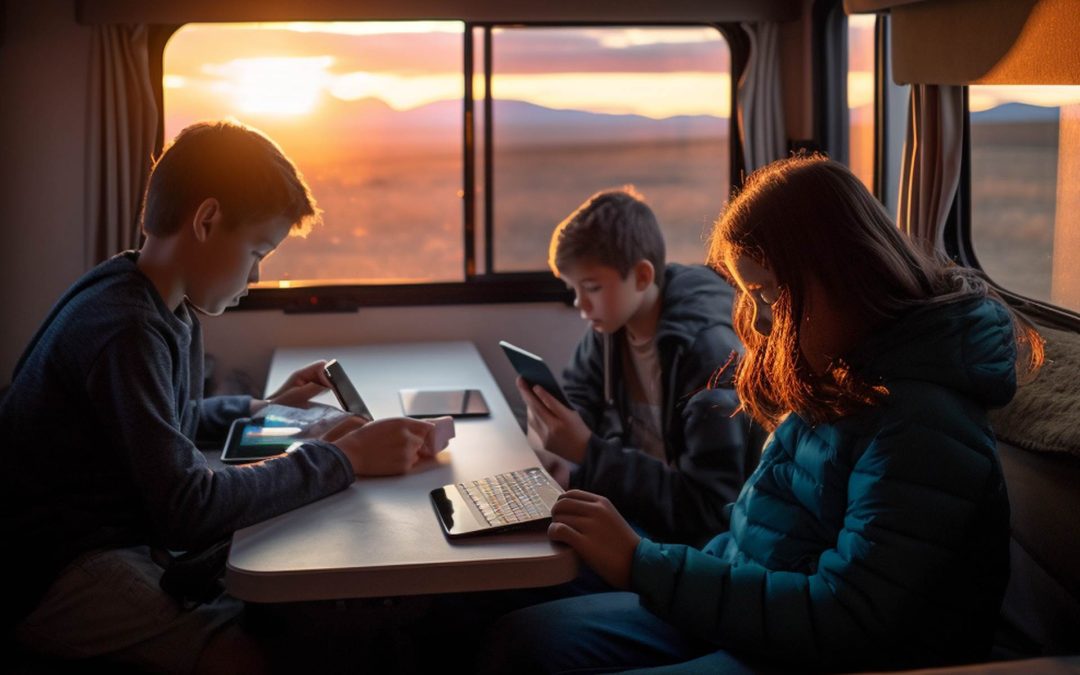
People on Computers in RV

Understanding Your RV Internet Needs

Before diving into the world of RV internet solutions, it’s crucial to understand your individual needs. Just like navigating the open road requires a map, understanding your internet usage will guide you towards the perfect solution for your RV adventures.

Think about how you plan to use the internet while on the road:

  • Work from anywhere: Remote workers and digital nomads require reliable and consistent internet for video conferencing, file sharing, and using cloud-based applications. This typically translates to needing a higher data plan and prioritizing stable connections.
  • Stay connected and entertained: Social media enthusiasts, casual web browsers, and those who enjoy streaming movies or music occasionally can opt for more moderate data plans. Downloading large files or frequent high-definition streaming might require a more robust solution, however.
  • Basic online needs: If you primarily use the internet for checking emails, browsing the web, or staying connected with loved ones on social media, a limited data plan or even relying on occasional public Wi-Fi (with caution) might suffice.

Understanding data requirements:

Each online activity consumes data at varying rates. Streaming an HD movie can devour significantly more data compared to checking emails. Familiarize yourself with the data requirements of your most frequent online activities to estimate your overall usage.

Beyond just staying connected:

Reliable internet access can truly enhance your RVing experience in several ways:

  • Stay connected with loved ones: Share your adventures and experiences with family and friends through video calls or social media.
  • Work remotely: Embrace the freedom of location independence and manage your workload from the comfort of your RV.
  • Access entertainment: Stream movies, listen to music, or catch up on your favorite shows while enjoying downtime.
  • Plan your trip: Research campsites, explore local attractions, and navigate unfamiliar roads with ease.

By understanding your specific needs and data requirements, you’ll be well-equipped to choose the most appropriate RV internet solution for your adventures.
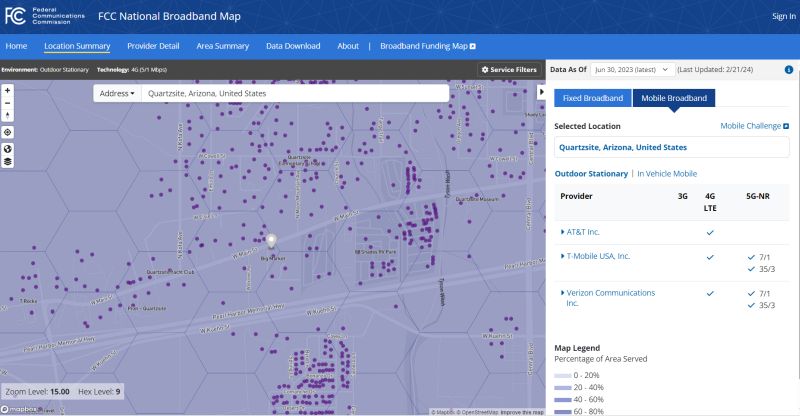
FCC-National-Broadband-MapVisit the FCC National Broadband Map

Exploring RV Internet Solutions

Now that you understand your RV internet needs, let’s delve into the various options available to keep you connected on the road. Each solution comes with its own set of advantages and limitations, so choosing the right one depends on your individual needs and travel plans.

1. Satellite Internet

  • Pros: Offers the widest coverage, even in remote locations, making it ideal for those who frequently venture off the beaten path. Low latency on modern systems like Starlink makes video calls practical.
  • Cons: Higher cost compared to other options, requires clear sky view (trees can be problematic), and power consumption can be significant for off-grid camping.
  • Key providers: Starlink, Viasat, HughesNet

⭐ Our Satellite Internet Recommendation

After 35+ years of RV travel, we rely on Starlink when camping in remote locations.

Why we recommend it:

  • ✓ Works in places traditional cellular can’t reach
  • ✓ Pause/unpause monthly (perfect for seasonal travelers)
  • ✓ Low latency for video calls and remote work
  • ✓ Multiple plan options from $50-$250/month

Best for: Full-time RVers, remote workers, and boondockers who frequently camp beyond cellular coverage.

Check Starlink Coverage in Your Area →

2. Cellular Data Plans

  • Pros: Generally more affordable than satellite internet, offers good speeds in areas with strong cellular coverage, and various providers offer flexible data plans to suit different usage needs.
  • Cons: Coverage can be limited, especially in rural areas, data usage can be capped and subject to throttling (slowed speeds) after exceeding the limit, and signal strength can vary depending on location.
  • Understanding coverage maps: It’s crucial to check the FCC coverage map of different cellular providers to ensure you’ll have a signal in the areas you plan to visit.

Recommended cellular equipment: Netgear Nighthawk M6 Pro paired with a weBoost cellular signal booster provides excellent performance in areas with moderate to good cellular coverage.

3. Public Wi-Fi

  • Pros: Often readily available in campgrounds, rest areas, and some towns, offering a free or low-cost option for occasional internet access.
  • Cons: Speeds can be unreliable and congested, security risks are high as public Wi-Fi networks are often unencrypted, making them vulnerable to data breaches and hacking.
  • Safe usage tips: If using public Wi-Fi, avoid accessing sensitive information like bank accounts or using online payment methods. Consider using a VPN (Virtual Private Network) to encrypt your internet traffic and add an extra layer of security.

Choosing the Best Option

The best RV internet solution for you depends on several factors:

  • Your budget: Satellite internet is generally the most expensive option, while public Wi-Fi can be free but comes with limitations. Cellular data plans offer a range of options at varying price points.
  • Your travel plans: If you frequent remote areas, satellite internet might be necessary. If you mostly stay in campgrounds with Wi-Fi or have good cellular coverage in your travel destinations, other options might be sufficient.
  • Your internet usage needs: High data users like remote workers might require a plan with a large data allowance, while casual internet users might be able to get by with a more limited plan.

Comparison Table

Feature Satellite Internet Cellular Data Plans Public Wi-Fi
Coverage Widest (requires clear sky) Varies by provider Available in campgrounds, rest areas, towns
Cost $50-$250/month $20-$100/month Free or low-cost
Speed 20-100+ Mbps 5-50 Mbps (with good signal) Varies, often congested
Data Limitations Plan-dependent (50GB-unlimited) Often capped with throttling Usually none
Security Generally secure Secure with proper setup Highly vulnerable
Best For Remote locations, remote work Most RV travel scenarios Casual browsing, backup option

By carefully considering your needs and evaluating the different options, you can choose the RV internet solution that keeps you connected and allows you to fully enjoy your nomadic adventures.

Mobile Hotspot

Mobile Hotspots

Hitting the road doesn’t have to mean sacrificing your internet connection. Mobile hotspots offer a convenient and portable solution for staying connected on your RV travels. But what exactly are they, and how can they benefit you?

A mobile hotspot is a small device that creates a Wi-Fi network using a cellular data connection. Think of it as a portable cell phone tower that can share its internet connection with multiple devices, like laptops, tablets, and smartphones.

Benefits for RVers

  • Convenience: Mobile hotspots are compact and easy to carry, making them ideal for on-the-go connectivity.
  • Flexibility: You can choose from various data plans offered by different carriers, allowing you to find one that fits your budget and usage needs.
  • Multiple device connectivity: Share your internet connection with all your Wi-Fi enabled devices, ensuring everyone in your RV stays connected.

Popular Mobile Hotspot Devices

Device Features Compatibility
Netgear Nighthawk M6 Pro Powerful 5G & 4G LTE connectivity, long battery life, touchscreen display Multiple carriers
Inseego MiFi M2000 Affordable 5G & 4G LTE option, supports up to 32 devices Verizon, AT&T, T-Mobile
Alcatel LINKZONE MW460 Budget-friendly 4G LTE hotspot, good for basic internet needs Multiple carriers

Choosing the Right Data Plan

Comparing data plans from different carriers is crucial for finding the best fit for your RV travels. Here are some key factors to consider:

  • Coverage: Ensure the carrier you choose offers good coverage in the areas you plan to visit. Check their coverage maps online or consult with their customer service representatives.
  • Data allowance: Choose a data plan with an allowance that meets your needs. Consider your typical data usage and factor in potential spikes from streaming or downloading large files.
  • Cost efficiency: Compare prices and data allowances offered by different carriers to find the most cost-effective option for your budget.

Compare major carrier plans: Verizon | AT&T | T-Mobile

Maximizing Hotspot Performance

  • Positioning: Place your mobile hotspot in a location with a strong cellular signal for optimal performance. Avoid keeping it in metal containers or enclosed spaces that can weaken the signal.
  • Optimize device settings: Disable unnecessary background applications and features that consume data on your connected devices.
  • Data conservation practices: Utilize data-saving features on your devices, such as lower video streaming quality and avoiding automatic downloads.
  • Consider a signal booster: A weBoost cellular booster can significantly improve performance in fringe coverage areas.

By understanding the benefits of mobile hotspots, comparing device features and data plans, and following these tips for maximizing performance, you can leverage this convenient solution to stay connected on your RV adventures.

Wi-Fi Boosters and Extenders

Wi-Fi IconWhile mobile hotspots and other solutions offer great connectivity on the road, sometimes you might encounter situations with weak Wi-Fi signals, especially in campgrounds or rest areas. This is where Wi-Fi boosters and extenders come in handy.

How do they work?

Imagine a Wi-Fi signal as a radio broadcast. Boosters and extenders act like signal amplifiers, capturing the existing Wi-Fi signal, amplifying it, and rebroadcasting it to create a stronger and wider coverage area for your devices.

Benefits for RVers

  • Improved Wi-Fi reception: Extend the reach of existing Wi-Fi networks, allowing you to connect from further distances within the campground or rest area.
  • Enhanced connection strength: Strengthen weak Wi-Fi signals, improving overall internet browsing, streaming, and download speeds.
  • Cost-effective solution: Compared to purchasing additional data plans for your mobile hotspot, boosters can be a more economical option for occasional signal strength improvements.

Top Wi-Fi Boosters for RV Use

Device Features Pros Cons
Alfa Camp Pro 2 Kit Powerful directional antenna, long-range reception, weatherproof design Excellent range, ideal for remote locations Requires setup and configuration, bulkier design
weBoost Dome Sleek, compact design, easy setup, supports multiple devices User-friendly, good for basic signal boosting Shorter range compared to directional antennas
TP-Link RE220 AC750 Budget-friendly option, easy to use, multiple connectivity options Affordable, good for small RVs Lower range compared to high-powered options

Choosing the Right Wi-Fi Booster

Consider these factors when selecting a Wi-Fi booster for your RV:

  • Range: Choose a booster with a range that covers the entire area of your RV and potentially even outside.
  • Portability: If you move locations frequently, consider a compact and lightweight design.
  • Ease of use: Opt for user-friendly options with clear instructions, especially if you’re not tech-savvy.

Installation Tips

  • Location: Place the booster in a central location within your RV with minimal obstructions between the booster and the Wi-Fi source.
  • Antenna setup: If your booster has external antennas, adjust them for optimal signal reception. Refer to the manufacturer’s instructions for proper positioning.

Real-World User Experiences

Many RVers swear by the convenience of Wi-Fi boosters. Here are some user recommendations:

  • “The Alfa Camp Pro 2 Kit was a lifesaver on our remote camping trip. We could finally enjoy some reliable internet access in the evenings.” – John S., avid RVer
  • “The TP-Link RE220 is a great budget-friendly option for occasional signal boosting in campgrounds with Wi-Fi.” – Sarah M., RV blogger

By understanding how Wi-Fi boosters work, choosing the right one for your needs, and following installation tips, you can leverage these devices to improve your internet connectivity and enhance your RVing experience.
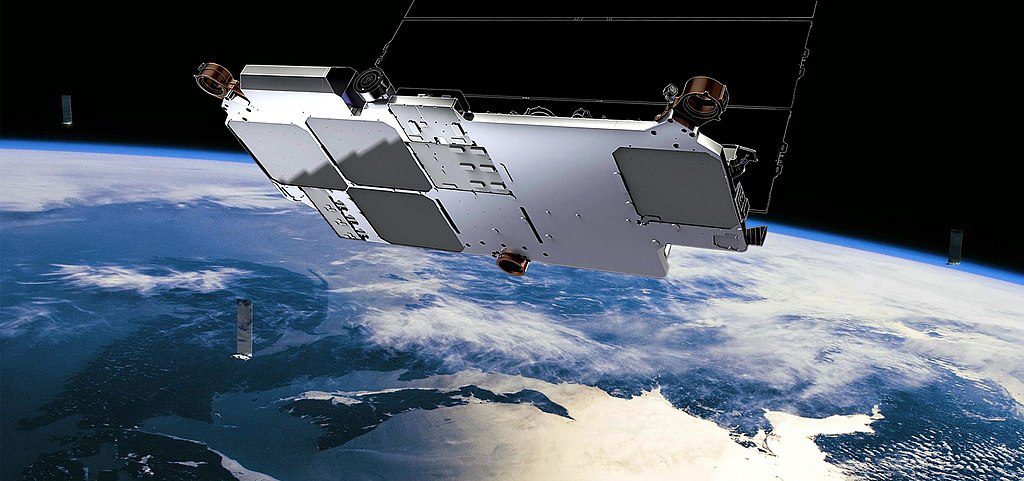
StarlinkBotnet Sky, CC BY-SA 4.0, via Wikimedia Commons

The Evolving Landscape of RV Internet

The world of RV internet connectivity is constantly evolving, with exciting new technologies emerging on the horizon. Staying informed about these advancements can help you plan for the future and potentially unlock even better internet access on your travels.

5G and Beyond

The rollout of 5G technology promises significantly faster and more reliable internet speeds compared to traditional 4G LTE networks. This has the potential to revolutionize RV internet access, offering:

  • Improved streaming and downloading: Enjoy uninterrupted streaming of movies and music, and experience faster download times for large files.
  • Enhanced video conferencing: Participate in clearer and smoother video calls for remote work or staying connected with loved ones.
  • Reduced latency: Experience faster response times for online activities, making real-time applications like gaming more enjoyable.

While 5G coverage is still expanding, it holds immense potential for future RV travel connectivity. Devices like the Netgear Nighthawk M6 Pro already support 5G networks where available.

Starlink: Game-Changing Satellite Internet

Starlink, the satellite internet service from SpaceX, has revolutionized connectivity for RVers. Unlike traditional satellite internet with high latency, Starlink offers:

  • Low-latency performance: Suitable for video calls, gaming, and other real-time applications
  • High-speed connectivity: 20-100+ Mbps even in remote wilderness areas
  • Pause/unpause flexibility: Only pay for the months you need service
  • In-motion capability: Stay connected while driving (on eligible plans)

💡 From Our Experience

We’ve been using Starlink in our 2018 Hymer Aktiv since 2023, and it’s transformed how we boondock. Being able to work from remote BLM land or file stories from national forest campgrounds has opened up possibilities that simply didn’t exist with cellular-only solutions.

The investment makes sense if: You’re a remote worker, spend significant time beyond cellular coverage, or need reliable internet for income-generating activities. For weekend warriors who stick to developed campgrounds, cellular data is usually sufficient.

Check if Starlink is right for your RV lifestyle →

Mesh Networks

These systems use multiple interconnected devices to create a blanket of Wi-Fi coverage throughout your RV, eliminating dead zones and ensuring a strong connection across all devices. Perfect for larger motorhomes and fifth wheels.

Staying Informed

Keeping an eye on industry developments and researching these emerging technologies can help you make informed decisions about your RV internet setup in the future. As these solutions become more readily available and affordable, they might offer even more robust options for staying connected on the road.
login screen

Security Matters

While exploring new landscapes and embracing the freedom of RVing, securing your digital space is crucial. Internet security becomes especially important when using public Wi-Fi networks, often readily available in campgrounds, rest areas, and some towns.

Why is security essential?

Public Wi-Fi networks are often unencrypted, making them vulnerable to hacking and data breaches. Hackers can potentially steal your personal information, login credentials, or even financial data if you’re not careful.

Protecting yourself on the road

Here are some key practices to safeguard your data and devices while using the internet on your RV travels:

  • Strong passwords: Use unique and complex passwords for all your online accounts and change them regularly. Consider using a password manager to help you create and manage strong passwords.
  • Encryption: Enable encryption on your devices whenever possible. This scrambles your data, making it unreadable even if intercepted by hackers.
  • Firewalls: Ensure your devices have firewalls enabled to act as a barrier against unauthorized access attempts.

The power of a VPN

For an extra layer of security, especially when using public Wi-Fi, consider using a VPN (Virtual Private Network). A VPN encrypts all your internet traffic, creating a secure tunnel between your device and the internet, effectively cloaking your online activity from prying eyes.

Choosing a VPN for RVers

When selecting a VPN for your RV travels, look for these features:

  • Strong encryption: Opt for a VPN that uses industry-standard encryption protocols like AES-256.
  • Fast speeds: Choose a VPN with efficient servers that offer good speeds to avoid significant slowdowns while browsing or streaming.
  • Multiple server locations: Look for a VPN with servers in various locations, allowing you to connect to the most convenient server for your current location.
  • Mobile device compatibility: Ensure the VPN service is compatible with your smartphones, tablets, and laptops used on your RV adventures.

By following these security practices and utilizing a reliable VPN, you can significantly reduce the risks associated with using public Wi-Fi networks and ensure your online activities remain secure while on the road.

Budget Triangle

Budgeting for Internet on the Road

Staying connected on the road shouldn’t come at the expense of your travel budget. Understanding the costs associated with different RV internet solutions and employing smart budgeting strategies can help you find a balance between connectivity and affordability.

Cost Breakdown

Here’s a simplified overview of the costs associated with various RV internet solutions:

Solution Typical Cost Range
Satellite Internet (Starlink) $599 hardware + $50-$250/month service
Traditional Satellite (Viasat/HughesNet) $300-700 equipment + $50-$150/month
Cellular Data Plans $20-$100/month (depending on data allowance)
Public Wi-Fi Free (but consider potential security risks)
Mobile Hotspot Devices $50-$500 (one-time cost)
Cellular Signal Boosters $200-$600 (one-time cost)

Budgeting Strategies

  • Evaluate your needs: Analyze your internet usage patterns and determine the level of connectivity you truly require. Do you need high speeds for work or streaming, or is occasional browsing sufficient?
  • Compare data plans: Research data plans offered by different cellular carriers, focusing on coverage in your intended travel destinations and data allowances that align with your needs.
  • Consider alternatives: Explore free Wi-Fi options in campgrounds or libraries, but prioritize security by using a VPN whenever connecting to public networks.
  • Utilize offline resources: Download movies, books, and music beforehand to access them offline, especially during long stretches without internet access.
  • Monitor data usage: Keep track of your data consumption to avoid exceeding plan limits and incurring overage charges.
  • Use pause features: If using Starlink, take advantage of the pause feature during months when you’re in areas with good cellular coverage to save money.

Remember: The most expensive option isn’t always the best. By carefully evaluating your needs, employing these budgeting strategies, and exploring alternative options, you can find an RV internet solution that fits your budget and keeps you connected without breaking the bank.

Real-Life Success Stories

The open road beckons, but staying connected while RVing can be a challenge. Fear not, fellow adventurers! We’ve gathered real-life stories and practical tips from seasoned RVers on using various internet solutions to conquer connectivity hurdles. For more insights, visit RV Mobile WiFi or Satellite discussions on iRV2 Forums.

Meet the Mobile Mavericks

  • The Millers: John and Sarah Miller, a retired couple full-timing across the country, rely on a combination of cellular data and park Wi-Fi. They use a mobile hotspot with a T-Mobile unlimited data plan for on-the-go connectivity, supplemented by park Wi-Fi when available. Their pro tip: “Prioritize data usage – video calls and streaming eat up data quickly. We download movies and shows beforehand for offline viewing.”
  • The Solo Adventurer: Kate, a freelance writer traveling solo, swears by Starlink satellite internet. “It keeps me connected and productive in the most remote locations,” she says. “While pricier, it’s worth it for the peace of mind and the ability to meet deadlines.” Her valuable lesson: “Research satellite internet providers thoroughly, considering data allowances and potential weather-related limitations.”
  • The Workaholic Wanderers: Mike and Emily, a remote-working duo, utilize a cellular data plan with a signal booster. “The booster significantly improves reception in remote areas,” Mike shares. “We also carry a portable Wi-Fi router to extend the signal for multiple devices.” Their practical tip: “Invest in a good quality signal booster and a reliable data plan with sufficient data allowance to avoid overage charges.”

Beyond the Stories

These are just a few examples, and the “best” solution depends on individual needs and travel style. Consider these factors:

  • Travel patterns: Frequent remote locations might favor satellite internet, while park hopping might benefit from a combination of cellular data and park Wi-Fi.
  • Data usage: If you stream regularly, prioritize unlimited data plans or park Wi-Fi access.
  • Budget: Cellular data can be cost-effective, while satellite internet comes at a premium.

Remember

  • Research: Compare plans and providers based on your needs and coverage areas.
  • Be flexible: Adapt your approach based on location and available options.
  • Prioritize: Manage data usage wisely, prioritizing essential tasks.

With the right approach and these valuable insights from fellow RVers, you can stay connected on the road and make your RVing adventures truly fulfilling!

Embracing the Connected RVing Life

Staying connected while exploring the open road is no longer a dream. As these real-life stories demonstrate, various internet solutions empower RVers like you to stay productive, connected, and informed, regardless of their travel style or location.

Remember

  • There’s no “one size fits all” solution. Consider your individual needs, data usage patterns, and budget when choosing your internet setup.
  • Research thoroughly. Compare providers, plans, and coverage areas to find the best fit for your adventures.
  • Embrace adaptability. Be prepared to adjust your approach based on location and available options.

Ready to join the thriving community of digital nomad RVers? With the right tools and resources, you can work, connect, and explore like never before.

Our Recommended Internet Setup

For most full-time RVers, we recommend a layered approach:

  1. Primary: Good cellular plan with a quality mobile hotspot
  2. Enhancement: Cellular signal booster for fringe areas
  3. Backup: Starlink for true off-grid locations (can be paused when not needed)

This combination provides redundancy and ensures you’re rarely without connectivity, regardless of where your adventures take you.

Transparency note: This guide includes affiliate links to products and services we’ve personally tested during our 35+ years of RV travel. We earn a small commission from purchases at no extra cost to you. Unlike many RV sites, we recommend solutions based on actual travel patterns—not which provider pays the highest commission. That’s why we start with free/low-cost cellular solutions before suggesting premium satellite options.

Share your story! We invite you to comment below and share your experiences with RV internet solutions. What challenges have you faced? What solutions have worked best for you?

Appendices

Appendix A: Glossary of RV Internet Terms

  • Cellular data: Internet access provided by mobile phone network towers.
  • Mobile hotspot: A device that converts your cellular data signal into a Wi-Fi network for multiple devices.
  • Satellite internet: Internet access delivered via satellites orbiting Earth.
  • Park Wi-Fi: Wi-Fi network offered by campgrounds or RV parks.
  • Data usage: The amount of data transferred over your internet connection.
  • Unlimited data plan: A cellular data plan offering a specific amount of high-speed data before potential throttling.
  • Signal booster: An amplifier that strengthens cellular signal strength.
  • Data allowance: The amount of data included in a satellite internet plan.
  • Throttling: When a provider slows down your internet speed after exceeding a certain data usage limit.
  • Low Earth Orbit (LEO) Satellite: Satellites like Starlink that orbit closer to Earth, providing lower latency than traditional geostationary satellites.

Appendix B: Resources for RV Internet

Internet Service Providers (ISPs)

Equipment

Further Reading

  1. RV Mobile Internet Resource Center (https://www.rvmobileinternet.com/): Operated by Chris Dunphy & Cherie Ve Ard, who are full-time RVers themselves, this site is a goldmine of information for anyone looking to stay connected while on the road. They offer in-depth guides, reviews, and updates on the latest in mobile internet options for RVers, including cellular data, Wi-Fi solutions, and satellite internet. The site is well-maintained with the latest information to help you make informed decisions about your mobile internet setup.
  2. The RV Geeks (https://www.thervgeeks.com/best-internet-for-rv/): Known for their practical advice and DIY RV maintenance tips, The RV Geeks also offer valuable insights into internet solutions for RVers. Their content is aimed at helping you find the best internet setup for your RVing needs, covering aspects such as mobile hotspots, signal boosting, and service providers.
  3. Technomadia (https://www.technomadia.com/connectivity): Chris Dunphy & Cherie Ve Ard, the same duo behind the RV Mobile Internet Resource Center, also run Technomadia, which shares their personal experiences and advice on RVing, including a focus on mobile connectivity. Their real-world tests and personal reviews provide an additional layer of insight into living a mobile lifestyle.
  4. Escapees RV Club (https://www.escapees.com/blog/best-rv-internet-options/): As one of the largest and oldest RV clubs in the world, Escapees provides its members with extensive resources on RV living, including how to stay connected on the road. They offer webinars, articles, and a community forum where RVers can share tips and advice on the best internet solutions for their lifestyle.
  5. RV Life Magazine (https://rvlife.com/rv-internet/): A publication dedicated to the RV lifestyle, RV Life Magazine features articles on a wide range of topics, including how to stay connected to the internet while traveling. Their content includes tips on choosing the right service providers, equipment reviews, and strategies for enhancing your online connectivity in remote locations.

Note: This is not an exhaustive list, and it is recommended to research specific providers and tools based on your needs and budget.

We encourage you to explore these resources and conduct further research to find the perfect internet solution for your RVing adventures!

Featured image by Thirdman
In Post Image 1 by Kampus Production
In Post Image 3 by Andrea Piacquadio
In Post image 6 by Achin Verma from Pixabay
In Post Image 7 by Dirk Wouters from Pixabay

RV Camping Guide

RV Camping Guide

Maintenance, Safety & the Perfect Campsite

The open road beckons, promising adventure and escape. For many, RV camping offers the ultimate way to explore the wonders of nature, combining the comforts of home with the thrill of the unknown. But before you hit the gas, a little planning goes a long way in ensuring a smooth, enjoyable, and unforgettable trip. This comprehensive guide equips you with the knowledge to tackle three crucial aspects of RV camping: finding the perfect campsite, keeping your RV in top shape, and prioritizing safety for a worry-free experience.

Ideal Campsite
Photo by neil kelly

Finding Your Ideal Campsite

The first step to a fantastic RV adventure is choosing the perfect campsite, a place that caters to your preferences and transforms your camping dreams into reality. Here’s a breakdown of key factors to consider:

Unveiling Your Camping Preferences:

  • Nature’s Playground: Do you crave the majestic rise of snow-capped mountains, the whispering serenity of a pine forest, or the tranquil lull of a lakeside view? Let your desired landscape guide your campsite selection. Imagine waking up to a breathtaking sunrise over a mountain vista, the invigorating scent of pine filling your senses, or the gentle sound of lapping water lulling you to sleep.
  • Convenience vs. Solitude: Consider your comfort level. Some campers enjoy the ease of having well-maintained restrooms, hot showers, and camp stores nearby, perfect for grabbing last-minute supplies or enjoying a delicious camp meal without the hassle of cooking. Others, however, prefer the peace and quiet of remote locations, seeking a deeper connection with nature and a chance to truly unplug from the daily grind.
  • Sprawling Oasis or Cozy Nook: Think about the ideal amount of space for your RV and how much privacy you desire. Do you envision a spacious campsite where you can spread out, relax under an awning, and enjoy outdoor games with family? Or perhaps a more intimate setting nestled amongst trees, offering a sense of seclusion and a chance to commune with nature on a deeper level? Choose a campsite that caters to your vision of the perfect RV getaway.

Locating Campsites: A Multi-Faceted Approach

  • Online Directories: Your Gateway to Endless Options: Numerous websites like Recreation.gov, Reserve America, and Campendium offer extensive listings of campgrounds across the country. These resources provide detailed descriptions of amenities and facilities, allowing you to compare and choose campsites that best suit your needs. Imagine filtering your search results to find a campsite with full hookups (water, electricity, and sewer), laundry facilities, and even a swimming pool for a luxurious camping experience!
  • Mobile Apps: Scouting on the Go: Leverage the convenience of apps to find campsites on the go, perfect for last-minute adventures or detours.
    • Boondocking Gems: For those seeking free or low-cost, off-the-grid experiences, apps like iOverlander and FreeRoam cater specifically to dispersed camping opportunities, allowing you to camp on public lands away from established campgrounds. Imagine waking up to a breathtaking vista with no campground fees – pure bliss for budget-minded adventurers!
    • General Camping Apps: Apps like Allstays, The Dyrt, and Hipcamp offer a wider range of options, including established campgrounds with various amenities, state and national park campgrounds nestled amidst stunning natural landscapes, and dispersed camping areas for those seeking a more rustic experience.

Beyond the Digital Realm: Unearthing Hidden Gems

  • Engaging with Local Knowledge: Don’t underestimate the power of local insights! Online forums or communities specific to your destination area can be a treasure trove of information. Talking to locals or park rangers can also unveil hidden gems and lesser-known campsites that may not be prominently listed online. Imagine discovering a secluded campsite by a hidden waterfall, recommended by a friendly park ranger – a unique experience you might miss with just a web search.

Evaluating Campsite Suitability

Now that you’ve identified potential campsites, it’s time to ensure they meet your practical needs and safety considerations:

  • Access Made Easy: Ensure the campsite’s terrain and access roads are suitable for your RV’s size and maneuverability. Imagine the frustration of arriving at a dream location only to find the access road too narrow or the terrain too steep for your RV. A little research beforehand can prevent such mishaps.
  • Safety First: Be mindful of potential hazards like low-hanging branches, uneven terrain, or areas prone to flooding. Research any known safety concerns in the area before booking. Nobody wants their camping trip interrupted by a fallen branch or a flash flood. Choosing a safe campsite allows you to relax and truly enjoy your surroundings.

Preparing coffee in camper van
Photo by PNW Production

Availability of Nearby Resources

  • Hookups or None?: Consider the importance of access to water, electricity, and waste disposal facilities. Choose a campsite that aligns with your needs and RV setup.

    • Full Hookups for Convenience: If you crave the comforts of home, opting for a campsite with full hookups (water, electricity, and sewer) allows you to run all your RV’s appliances and enjoy amenities like air conditioning and heating. Imagine enjoying a hot shower or whipping up a delicious meal in your RV’s kitchen without having to worry about managing water tanks or waste disposal.
    • Partial Hookups or Dry Camping: For a more rustic experience, some campsites offer partial hookups (water and electricity) or no hookups at all (dry camping). This necessitates being more self-sufficient with your water usage and managing your RV’s waste tanks. However, dry camping often comes with the benefit of lower fees and a more secluded location, allowing you to truly immerse yourself in nature.
  • Beyond the Basics: Some campgrounds offer additional amenities that can enhance your camping experience. Look for features like laundry facilities, camp stores, swimming pools, or even recreation areas with hiking trails or playgrounds, depending on your preferences. Imagine enjoying a refreshing swim in a pool after a day of exploring, or stocking up on essentials at a nearby camp store – these amenities can add a layer of convenience and enjoyment to your trip.

Minimizing Environmental Impact

  • Respecting the Outdoors: As responsible campers, it’s crucial to minimize our environmental impact and adhere to Leave No Trace principles. Look for campsites with established fire rings to minimize your footprint and avoid creating new fire pits. Imagine leaving the campsite just as beautiful as you found it, preserving the natural environment for future generations of campers.
  • Leave No Trace: Familiarize yourself with the seven Leave No Trace principles, which include planning ahead and disposing of waste properly. By following these guidelines, we can ensure that our camping activities have minimal impact on the natural world.

By following these comprehensive tips and considerations, you can transform your campsite search from a daunting task to an exciting adventure in itself. The perfect campsite awaits, ready to become the backdrop for your unforgettable RV camping experience!

check engine
Photo by Gustavo Fring

RV Maintenance and Upkeep

A well-maintained RV is like a trusty travel companion – it gets you there safely and comfortably, allowing you to focus on creating lasting memories. Here’s a comprehensive guide to keeping your RV in top shape, ensuring a smooth and enjoyable camping trip:

Consistent Inspection and Maintenance

  • Tire Care: Your Essential Connection to the Road: Tires are the only parts of your RV that directly touch the road, making them critical for safety. Regularly check tire pressure and tread wear before each trip. Uneven tread wear or improper inflation can significantly impact handling and fuel efficiency. Don’t forget to inspect the spare tire as well – you never know when you might need it!
  • Suspension Savvy: The suspension system absorbs bumps and ensures a smooth ride. During your routine inspections, pay attention to the suspension components for signs of wear and tear, such as loose bolts, leaking shocks, or cracked bushings. A well-maintained suspension not only improves comfort but also contributes to overall safety.
  • Engine and Fluids: The Lifeblood of Your RV: Just like your car, your RV’s engine relies on clean oil, coolant, and other fluids to function properly. Routinely check and change these fluids according to your RV’s maintenance schedule, typically found in the owner’s manual. Following the recommended maintenance intervals helps prevent breakdowns and extends the life of your engine.
  • Braking System: Confidence in Every Stop: The braking system is paramount for safety. Inspect brake pads, rotors, and brake fluid regularly. Worn-out brake pads or low brake fluid can significantly increase stopping distances, posing a safety hazard. Ensure all lights, including headlights, taillights, and turn signals, are functioning properly. Being visible on the road, especially at night or during bad weather, is crucial for safe driving.
  • Appliance Checkup: Keeping Your Comforts Running Smoothly: Test appliances like the refrigerator, air conditioner, and water heater before your trip to ensure they are operating efficiently. A malfunctioning refrigerator can spoil your food supply, while a faulty air conditioner can make those hot summer days unbearable. Catching minor issues early on can prevent major headaches down the road.

Preventing Problems Before They Arise

  • Organized Storage is Key: Invest in storage solutions specifically designed for RVs. Securely storing your belongings prevents them from shifting during travel, potentially causing damage to cabinets or injuring passengers.
  • Weatherproofing Your RV: Mother Nature can be unpredictable. Use RV covers to shield your vehicle from harsh weather conditions like rain, snow, and UV rays. This helps protect the exterior paint and seals from deterioration. Seal potential entry points around windows, doors, and other openings to deter pests like insects and rodents from making your RV their unwanted home.
  • Seasonal Care: Preparing for Every Adventure: As the seasons change, so should your RV maintenance routine. Winterize your water lines to prevent freezing pipes during cold weather. Inspect seals around windows, doors, and compartments for cracks or leaks that could allow moisture intrusion. Before storing your RV for extended periods, check battery health and take steps to maintain its charge. A little seasonal TLC goes a long way in ensuring your RV is ready for your next adventure.

By following these essential maintenance tips and establishing a regular inspection routine, you can ensure your RV is reliable and ready to hit the road. This translates to peace of mind on your camping trip, allowing you to focus on creating unforgettable memories with your loved ones.

snowy road conditions
Photo by Magda Ehlers

Safety Measures and Emergency Readiness

Safety should always be your top priority on an RV camping trip. By taking a few precautionary steps and being prepared for emergencies, you can ensure a stress-free and enjoyable experience.

Essential Safety Features for Your RV

  • Safeguarding Against Smoke and Carbon Monoxide: Install carbon monoxide and smoke alarms in your RV. Test them regularly according to the manufacturer’s instructions. Early detection of smoke or carbon monoxide can prevent serious hazards.
  • Fire Extinguishers: Be Ready to React: Keep readily accessible fire extinguishers in your RV. Ensure they are up-to-date and in working order. Knowing how to use a fire extinguisher properly can be critical in an emergency.
  • First-Aid Kit: Prepared for Minor Mishaps: Maintain a well-stocked first-aid kit containing essential supplies like bandages, antiseptic wipes, pain relievers, and any necessary prescription medications. Being prepared for minor injuries can prevent them from escalating into bigger problems.

Driving Securely: Arriving Safe and Sound

  • Weight Distribution: The Key to Stability: Ensure your RV’s weight is evenly distributed across the axles. Consult your owner’s manual for recommended weight limits and proper loading techniques. Uneven weight distribution can affect handling and increase the risk of accidents.
  • Adjusting to the Road Conditions: Always adapt your driving to the weather conditions. Slow down in rain, snow, or high winds. Be extra cautious on unfamiliar roads or mountainous terrain. Putting safety first is paramount.
  • Combating Driver Fatigue: Plan regular breaks to avoid fatigue behind the wheel. Take turns driving whenever possible. A well-rested driver is a safe driver.

Preparing for Emergencies

  • Crafting an Emergency Plan: Develop a plan outlining steps to take in case of emergencies, such as mechanical breakdowns, medical issues, or severe weather events. Include protocols for contacting help and evacuation procedures. Having a plan can help you stay calm and take decisive action in an emergency.
  • Stocking Up on Essentials: Store essential supplies in your RV to sustain you in case of unexpected situations. This should include a non-perishable food and water supply to last several days, any necessary medications, and a toolkit with essential tools for minor repairs. Being prepared can make a big difference in an emergency situation.

Devices for Communication and Navigation

  • Mobile Phone and Charger: Carry a fully charged mobile phone and a portable charger. This ensures you have a reliable means of communication in case of emergencies, even in areas with limited cell service.
  • Two-Way Radios: Enhancing Communication in Remote Areas: Invest in two-way radios, especially if you plan on traveling to remote locations. They can be a lifesaver for maintaining communication with your travel companions, especially if cell service is unavailable.
  • GPS Navigation Tools: Your Guiding Star: Utilize GPS devices or navigation apps to assist with route planning and provide guidance in unfamiliar territories. Having a reliable navigation system can help you avoid getting lost and ensure you reach your destination safely.

The Key to a Successful RV Camping Trip

By following the steps outlined in this comprehensive guide, you can ensure your RV camping trip is not only enjoyable but also safe and well-prepared for any situation. Remember, meticulous planning and prioritizing safety are the cornerstones of a successful RV camping adventure. With the right preparation and knowledge, you can embark on your journey with confidence, creating unforgettable memories that will last a lifetime.

Resources

  1. Recreation.gov – https://www.recreation.gov/ Recreation.gov is a comprehensive resource for discovering and booking activities, campsites, and lodging across the United States. Managed by the federal government, this website provides detailed information on national parks, forests, and other public lands.
  2. Reserve America – https://www.reserveamerica.com/ Reserve America is a popular online platform that allows users to search and reserve campsites, RV parks, and cabins throughout North America. The website offers extensive listings, including photos, descriptions, and reviews, making it a valuable resource for campers.
  3. Campendium – https://www.campendium.com/ Campendium is a user-friendly website that provides campers with comprehensive information on campgrounds, RV parks, and free camping sites. The platform offers reviews, photos, and essential details such as cell coverage and GPS coordinates to help users make informed decisions.
  4. Leave No Trace Center for Outdoor Ethics – https://lnt.org/ The Leave No Trace Center for Outdoor Ethics is a nonprofit organization dedicated to promoting responsible outdoor recreation through education and advocacy. Their website provides valuable information and guidelines on how to minimize environmental impact while camping and enjoying the outdoors.
  5. RV Safety & Education Foundation – https://www.rvsafety.com/ The RV Safety & Education Foundation is a nonprofit organization committed to providing RV owners with essential safety information, resources, and education. Their website offers articles, videos, and courses on a variety of topics, including RV maintenance, driving tips, and emergency preparedness.


Featured Image by Paul Brennan from Pixabay

Next Topic

RV Campsite Setup and Cleanup Checklist