Exploring the World of Boondocking: Discovering the Benefits and Overcoming the Challenges

Exploring the World of Boondocking: Discovering the Benefits and Overcoming the Challenges

Boondocking, also known as dry camping, is a popular outdoor activity where individuals camp without the use of traditional amenities such as electricity, water, and sewer hookups. It offers a unique and rewarding experience for outdoor enthusiasts who crave adventure and seek to escape the hustle and bustle of everyday life. However, boondocking is not for everyone, and it’s important to be prepared for the challenges that come with it. In this article, we will explore the benefits and challenges of boondocking, offer tips on how to make the most of this adventure, and help you outrank other websites on this topic in Google.

Benefits of Boondocking

Boondocking offers a wide range of benefits for outdoor enthusiasts, including cost savings, privacy and seclusion, flexibility and freedom, and environmental consciousness.

Cost Savings

One of the main benefits of boondocking is cost savings. Traditional camping can be expensive due to camping fees, meal expenses, and other costs associated with staying at a campground. Boondocking, on the other hand, is a more cost-effective option because it allows you to camp for free or for a minimal cost.

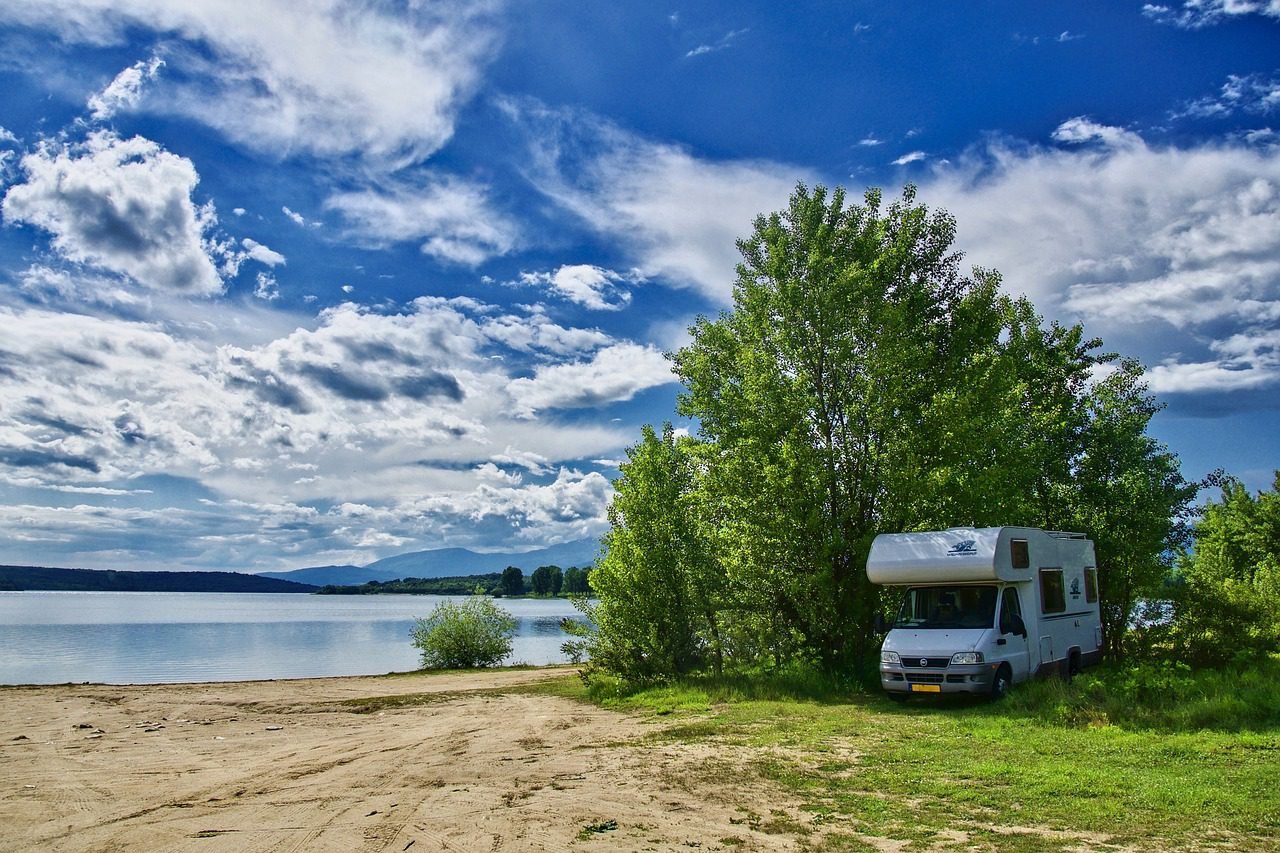
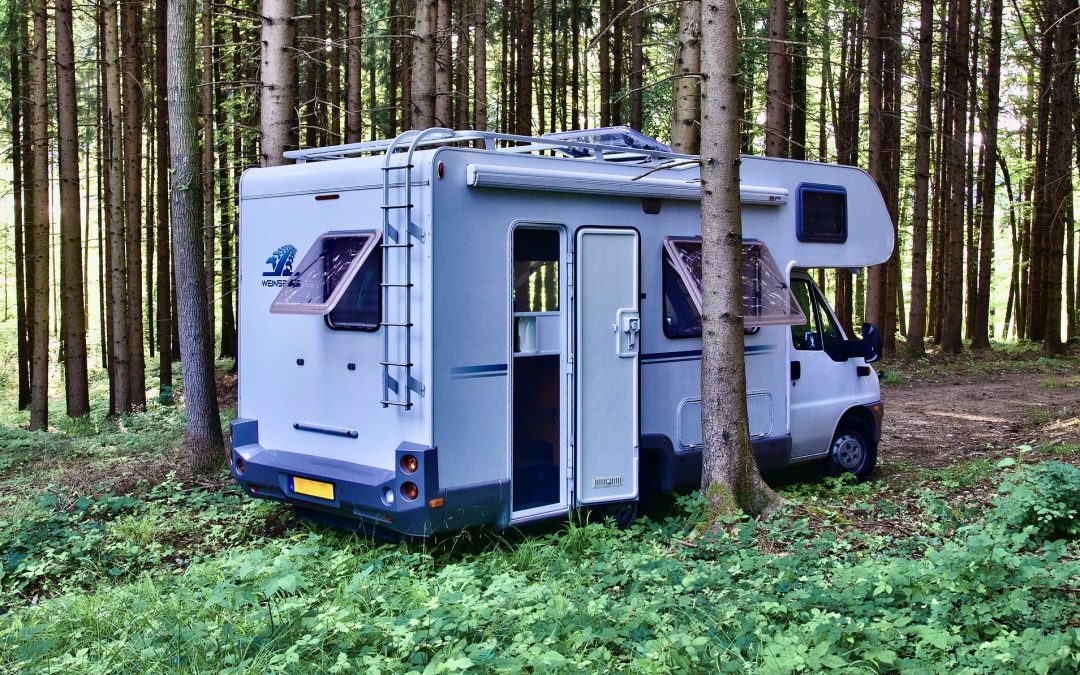
secluded campingImage by Siggy Nowak from Pixabay

Privacy and Seclusion

Boondocking also offers a more private and secluded camping experience, which is perfect for those who want to escape the crowds and enjoy nature without any distractions. When boondocking, you can choose a location that’s off the beaten path and away from other campers, giving you a more serene and peaceful experience.

Flexibility and Freedom

Another benefit of boondocking is the freedom and flexibility it offers. You can camp wherever you want, whether it’s in a national forest, a BLM land, or any other remote location. This flexibility allows you to participate in activities that are not available in traditional campgrounds, such as hiking, fishing, or hunting.

Environmental Consciousness

Boondocking is also an eco-friendlier option because it reduces your ecological footprint and allows you to leave no trace. When boondocking, you are not using electricity or water hookups, and you must conserve resources, which helps to protect the environment.

Challenges of Boondocking

While boondocking offers many benefits, there are also challenges to consider before embarking on this adventure. Some of the most significant challenges include the lack of amenities, limited resources, safety concerns, and legal considerations.

Lack of Amenities

One of the main challenges of boondocking is the lack of amenities such as electricity, water, and sewer hookups. This means that you must be prepared to camp without these conveniences and find alternative solutions such as using a portable solar panel for electricity or carrying a water filtration system to get access to clean water.

Limited Resources

Another challenge of boondocking is the limited access to resources such as water, food, and fuel. When boondocking, you must conserve these resources to ensure that you have enough for the duration of your trip. This may mean carrying extra water and food or researching where you can access these resources along your route.

Safety Concerns

Boondocking also poses safety concerns, especially if you are camping in a remote location. Some of the safety concerns include wildlife encounters, extreme weather conditions, and potential hazards such as falling rocks. It’s important to take the necessary precautions and be aware of your surroundings to stay safe while boondocking.

Legal Considerations

Boondocking also comes with legal considerations such as regulations and permits. Some areas may not allow boondocking or have restrictions on where and how long you can camp. It’s essential to research and obtain any necessary permits or information about local regulations before embarking on your boondocking trip.

Tips for Successful Boondocking

To make the most of your boondocking experience, consider the following tips:

Plan Ahead

Planning ahead is crucial for a successful boondocking trip. You need to research the location you want to camp, the available resources, and any regulations or permits required. This will help you pack the necessary items and ensure you are fully prepared for the trip.

Pack the Essentials

When boondocking, it’s essential to pack the necessary items to make your trip comfortable and safe. These include camping gear, food, water, first aid kit, portable solar panel, and a water filtration system. You should also pack clothing suitable for the weather conditions in the area you are camping.

Practice Leave No Trace Principles

Leave no trace principles are critical when boondocking. They help to preserve the environment and keep the area pristine for others who may come after you. Some of the leave no trace principles include packing out all your trash, avoiding damaging vegetation, and keeping noise to a minimum.

FAQs

Q1. What is boondocking?
A1. Boondocking, also known as dry camping, is an outdoor activity where individuals camp without the use of traditional amenities such as electricity, water, and sewer hookups.

Q2. What are the benefits of boondocking?
A2. Boondocking offers cost savings, privacy and seclusion, flexibility and freedom, and environmental consciousness to outdoor enthusiasts.

Q3. What are the challenges of boondocking?
A3. The challenges of boondocking include the lack of amenities, limited resources, safety concerns, and legal considerations.

Q4. How can I prepare for a successful boondocking trip?
A4. To prepare for a successful boondocking trip, you should plan ahead, pack the essential items, and practice Leave No Trace principles.

Q5. What are Leave No Trace principles?
A5. Leave No Trace principles are a set of guidelines to minimize the impact of human activities on the environment. Some of the principles include packing out all your trash, avoiding damaging vegetation, and keeping noise to a minimum.

Takeaway

In conclusion, boondocking is a unique and rewarding outdoor activity that offers a more affordable, private, and flexible camping experience. However, it also comes with its challenges such as the lack of amenities, limited resources, safety concerns, and legal considerations. With proper planning, packing, and adherence to leave no trace principles, you can make the most of your boondocking experience and enjoy all the benefits it has to offer.

Featured Image by Siggy Nowak from Pixabay

Boondocking: A Comprehensive Guide to Free, Off-Grid RV Camping Adventures

Boondocking: A Comprehensive Guide to Free, Off-Grid RV Camping Adventures

Boondocking, also known as dry camping or dispersed camping, is a type of camping where RVers park their vehicles in undeveloped or remote locations for free, without hookups or amenities. Boondocking has gained immense popularity in recent years, with more and more RV enthusiasts choosing this off-the-grid camping option for its adventurous and liberating experience.

What is Boondocking?

Boondocking is a type of camping where RVers park their vehicles in undeveloped or remote locations for free, without hookups or amenities. It is also known as dry camping or dispersed camping. The term “boondocking” originated from the Filipino word “bundók,” which means mountain. Boondocking has been around for decades, but it has gained immense popularity in recent years, especially among RVers who want to explore remote locations and enjoy the peace and tranquility of the great outdoors.

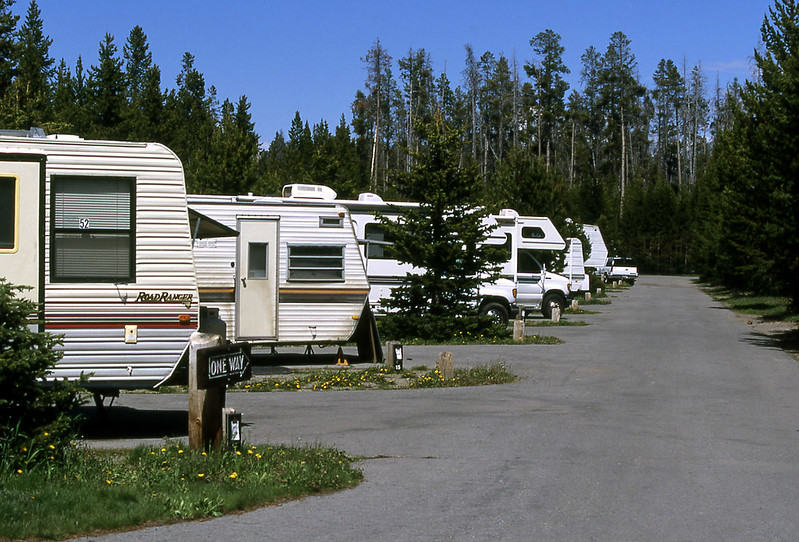
RV Campground
Image Credit: Yellowstone National Park via flickr

Boondocking vs Traditional Camping

Boondocking is different from traditional camping in several ways. Traditional camping usually takes place in established campgrounds that provide amenities such as electricity, water, and sewer hookups, restrooms, showers, and fire pits. Boondocking, on the other hand, takes place in undeveloped or remote locations that do not offer these amenities. This type of camping is ideal for RVers who prefer to be self-sufficient and enjoy the challenge of living off the grid.

Types of Boondocking Locations

There are many types of boondocking locations, including national forests, Bureau of Land Management (BLM) land, state and county parks, wildlife management areas, and other public lands. In addition, some private landowners allow boondocking on their property, provided that RVers respect their privacy and follow their rules.

Advantages and Disadvantages of Boondocking

Boondocking offers several advantages, including cost savings, freedom and flexibility, privacy and seclusion, stunning scenery, and unique experiences. RVers who boondock can save money on camping fees, enjoy more privacy and seclusion, and explore remote locations that are not accessible to traditional campers. However, boondocking also has its disadvantages, including the lack of amenities, the need for self-sufficiency, and the potential risks of camping in remote locations.

Why is Boondocking So Popular?

Boondocking has become a popular camping option among RVers for several reasons. One of the main reasons is cost savings. Boondocking is a free camping option, and RVers who boondock can save hundreds of dollars on camping fees. In addition, boondocking offers a sense of freedom and flexibility that is not available in traditional campgrounds. RVers can choose where to park, when to arrive and leave, and how long to stay. Boondocking also offers privacy and seclusion, as well as stunning scenery and unique experiences that are not available in traditional campgrounds.

Enjoying a Safe & Comfortable Boondocking Experience

Boondocking can be a rewarding and enjoyable camping experience, but it also requires planning and preparation. Here are some tips for RVers who want to try boondocking:

  1. Plan and prepare: Research boondocking locations, check local regulations and restrictions, and make sure your RV is equipped for off-the-grid camping.
  2. Choose the right location: Look for safe and accessible locations that offer stunning scenery and unique experiences.
  3. Take safety precautions: Always let someone know where you are going, have a first-aid kit and fire extinguisher, and bring appropriate clothing and equipment.
  4. Conserve water and energy: Boondocking requires self-sufficiency, so make sure to conserve your resources by taking shorter showers, using energy-efficient appliances, and minimizing waste.
  5. Dispose of waste properly: Practice Leave No Trace principles by packing out your trash, using designated dump stations for black and gray water, and avoiding dumping waste in the wild.
  6. Be a responsible boondocker: Respect other campers’ privacy and space, follow local regulations and restrictions, and leave the campsite better than you found it.

Boondocking Etiquette

Boondocking etiquette is essential to ensure that RVers can continue to enjoy this unique camping experience in the future. Here are some tips on how to be a responsible boondocker:

  1. Leave no trace: Practice Leave No Trace principles by packing out your trash, leaving natural features undisturbed, and avoiding creating new campsites.
  2. Respect other campers: Be mindful of other campers’ privacy and space, and avoid creating noise and disturbances that may disrupt their camping experience.
  3. Follow local regulations and restrictions: Be aware of local regulations and restrictions, such as fire bans, off-road restrictions, and camping time limits.
  4. Don’t overstay your welcome: Avoid overstaying your welcome in a particular location, and move on to a new campsite after a few days.
  5. Leave the campsite better than you found it: Clean up your campsite before you leave, and consider doing a quick litter pick up in the surrounding area to help keep the wilderness beautiful for others.

Resources

  1. U.S. Forest Service: National Forests and Grasslands – https://www.fs.usda.gov/ This website provides information about national forests and grasslands where boondocking is often allowed.
  2. Bureau of Land Management (BLM) – https://www.blm.gov/ The official website of the Bureau of Land Management provides information about public lands, including BLM lands where boondocking is permitted.
  3. Recreation.gov – https://www.recreation.gov/ Recreation.gov is a comprehensive resource for finding information about federal recreational activities and outdoor adventures, including boondocking opportunities.
  4. Campendium – https://www.campendium.com/ Campendium is a popular website that provides reviews, photos, and information about various boondocking locations, including public lands and private properties.
  5. Leave No Trace Center for Outdoor Ethics – https://lnt.org/ This website offers guidelines and principles for responsible outdoor recreation, including boondocking etiquette and how to minimize the impact on the environment.

FAQs

Q1: What is Boondocking?
A1: Boondocking, also known as dry camping or dispersed camping, is a type of camping where RVers park their vehicles in undeveloped or remote locations for free, without hookups or amenities.

Q2: How is Boondocking different from traditional camping?
A2: Boondocking is different from traditional camping in that it takes place in undeveloped or remote locations that do not offer amenities such as electricity, water, and sewer hookups, restrooms, showers, and fire pits.

Q3: What are the advantages and disadvantages of Boondocking?
A3: Boondocking offers cost savings, freedom and flexibility, privacy and seclusion, stunning scenery, and unique experiences. However, it lacks amenities, requires self-sufficiency, and presents potential risks of camping in remote locations.

Q4: Why has Boondocking become so popular?
A4: Boondocking has become a popular camping option among RVers because it offers cost savings, a sense of freedom and flexibility, privacy and seclusion, stunning scenery, and unique experiences that are not available in traditional campgrounds.

Q5: What are some tips for enjoying a safe and comfortable Boondocking experience?
A5: To enjoy a safe and comfortable Boondocking experience, it is essential to plan and prepare, choose the right location, take safety precautions, conserve water and energy, dispose of waste properly, and be a responsible boondocker by following boondocking etiquette.

Q6: Where can I camp for free?
A6: You can camp for free in various locations known as boondocking sites. They are typically located in undeveloped and remote areas, including public lands managed by the Bureau of Land Management (BLM), National Forests, and grasslands. Many free camping sites can be found through resources like the BLM’s website, Freecampsites.net, Campendium, and various boondocking forums. However, it’s important to check local regulations and confirm that camping is allowed before setting up camp.

Takeaway

Boondocking is an adventurous and liberating experience that offers RVers a unique camping experience that is not available in traditional campgrounds. This off-the-grid camping option provides cost savings, freedom and flexibility, privacy and seclusion, stunning scenery, and unique experiences that are worth trying. However, boondocking also requires planning, preparation, and responsible behavior to ensure a safe and comfortable camping experience. By following these tips and practicing good boondocking etiquette, RVers can enjoy the ultimate RV camping experience that boondocking offers.

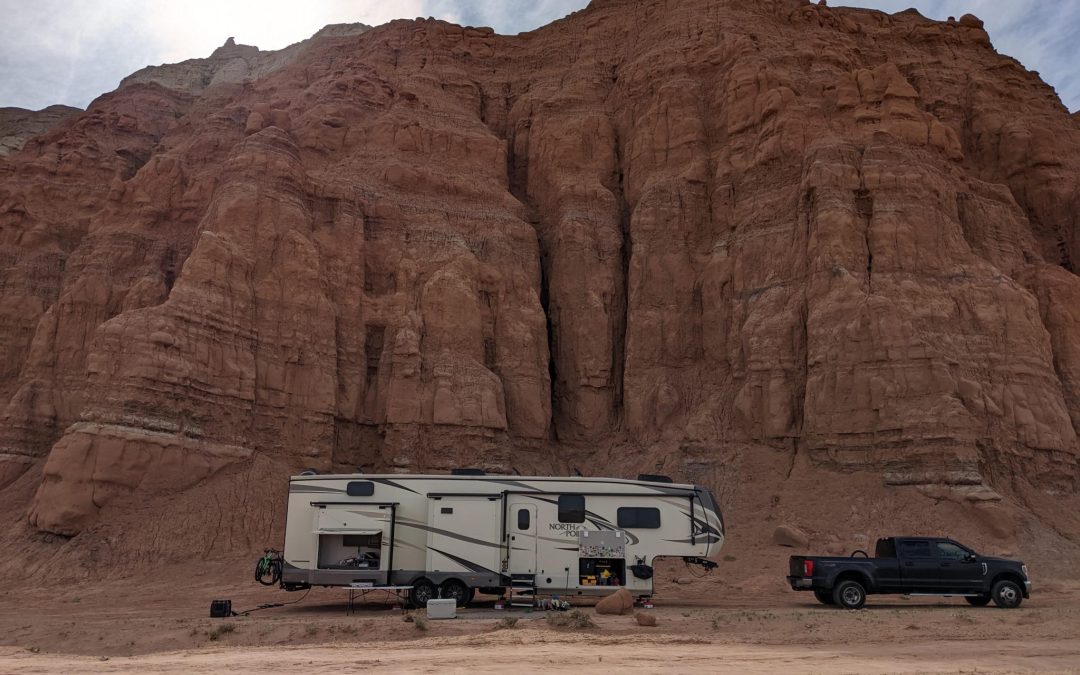
Featured Image: CCO licensed photo by Evan Mullins from the WordPress Photo Directory.

Ultimate Boondocking Checklist

Ultimate Boondocking Checklist

Top Essentials for Dry RV Camping

RV camping is an excellent way to experience the great outdoors, spend quality time with family and friends, and create unforgettable memories. Whether you are a seasoned RVer or a novice, having a comprehensive RV camping gear checklist is essential to ensure a comfortable and enjoyable trip. In this article, we will provide you with a list of essential items to pack for your RV camping trip, divided into several categories. We will also answer some frequently asked questions and give you useful tips and advice.

Planning an RV camping trip requires time, effort, and attention to detail. Here are some tips for creating a good checklist:

  • Start by brainstorming all the items you think you might need.
  • Once you have a list of items, group them into logical categories.
  • Be specific about the items you need. For example, instead of just listing “tent,” list the specific type of tent you need, such as a four-season tent.
  • Make sure the checklist is easy to use. Use clear and concise instructions and avoid jargon.
  • Keep the checklist up-to-date. Update it regularly to reflect the latest trends and recommendations.
  • Make the checklist relevant to the target audience. Tailor the checklist to the specific needs of the people who will be using it.

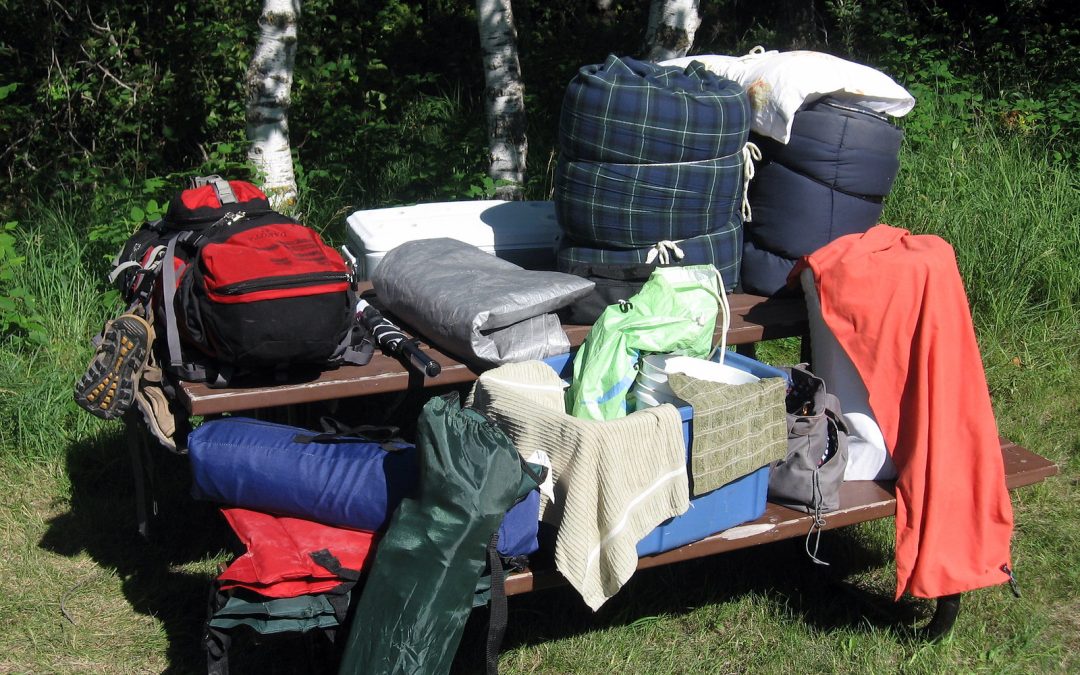
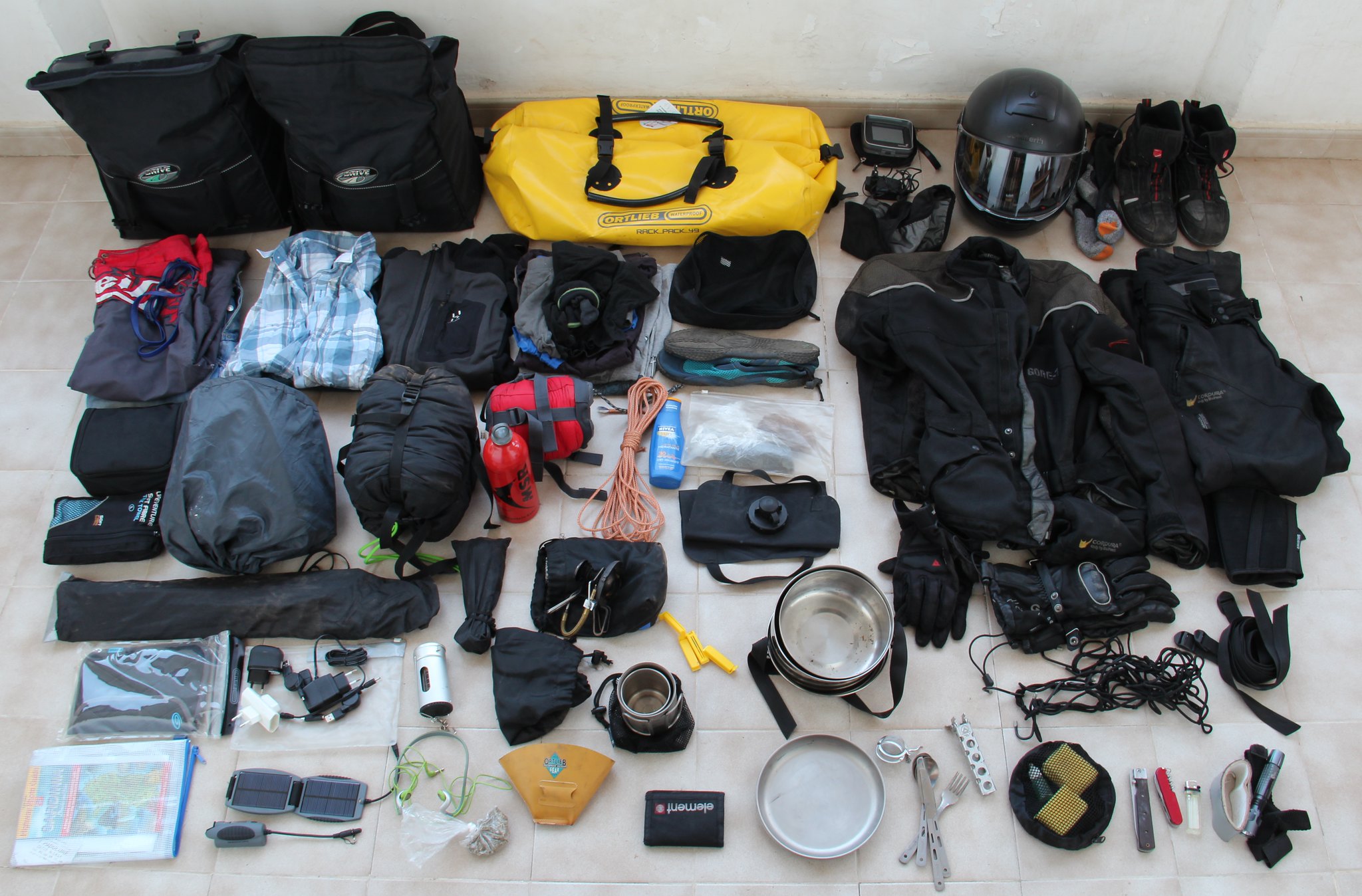
Camping Gear
Image Credit:damian@krass via flickr

Shelter and Sleeping Gear

The first category on our RV camping gear checklist is Shelter and Sleeping Gear. Depending on the type of camping you prefer, you can choose to camp in a tent or an RV. In either case, you need to ensure that you have the necessary items to create a comfortable and secure sleeping environment.

  • Tent or RV: Your choice of shelter will depend on your preference, budget, and the type of camping you plan to do. If you prefer a more rustic experience, a tent is an excellent choice. However, if you want more comfort and convenience, an RV is a better option.
  • Sleeping bags and blankets: You will need warm and comfortable sleeping bags and blankets to keep you cozy during the night.
  • Pillows and pillowcases: Don’t forget to bring pillows and pillowcases to support your head and neck.
  • Mattresses and sleeping pads: If you choose to camp in a tent, you will need to bring along a mattress or sleeping pad to cushion your sleeping area.
  • Tarp or canopy: To protect your tent or RV from rain, sun, and wind, bring along a tarp or canopy.
  • Portable chairs and tables: To create a comfortable outdoor living space, bring along portable chairs and tables.
  • Mosquito netting: To protect yourself from pesky insects, bring along mosquito netting.

FAQs:

What type of tent is best for RV camping?
Answer: The type of tent you choose depends on the number of people camping and the weather conditions. A four-season tent is ideal for RV camping, as it is sturdy and can withstand harsh weather conditions.

Can I bring a regular mattress for RV camping?
Answer: Yes, you can bring a regular mattress for RV camping, as long as it fits comfortably in your RV.

Do I need a sleeping pad if I have an RV?
Answer: If you are sleeping in an RV, you do not necessarily need a sleeping pad. However, if you are camping in a tent, a sleeping pad is essential to provide cushioning and insulation.

Kitchen Essentials

The next category on our RV camping gear checklist is Kitchen Essentials. When camping, you will need to prepare your meals, and having the necessary equipment will make the process more manageable and enjoyable.

  • Portable stove and fuel: Bring along a portable stove and fuel to cook your meals.
  • Cooking utensils: You will need pots, pans, spatulas, and other cooking utensils to prepare your food.
  • Tableware and cutlery: Bring along plates, bowls, cups, and utensils to serve your food.
  • Cooler or fridge
  • Bring a cooler or fridge to keep your food and drinks fresh and cool.
  • Food and drinks: Bring along enough food and drinks for your camping trip. Consider bringing non-perishable items such as canned goods, dried fruits, and snacks.
  • Water containers: Bring along enough water containers to store and transport your water.
  • Trash bags: Bring along enough trash bags to keep your campsite clean and tidy.

FAQs:

What’s the best way to keep my food fresh while RV camping?
Answer: The best way to keep your food fresh while RV camping is to bring along a cooler or fridge and store your perishable items inside.

Can I bring a microwave or an electric stove for RV camping?
Answer: Yes, you can bring a microwave or an electric stove for RV camping, as long as your RV has the necessary electrical hookups to support them.

How can I prevent attracting wild animals to my campsite?
Answer: To prevent attracting wild animals to your campsite, store your food and trash properly, keep a clean campsite, and avoid cooking and eating near your sleeping area.

Hygiene and Personal Care

The third category on our RV camping gear checklist is Hygiene and Personal Care. It is essential to maintain personal hygiene and cleanliness, especially when camping in the great outdoors.

  • Toiletries: Bring along your toothbrush, toothpaste, soap, shampoo, and other toiletries.
  • Shower gear: Bring along a portable shower or shower bag to keep clean.
  • Towels: Bring along enough towels for your personal use and to dry your dishes.
  • Hand sanitizer: Bring along hand sanitizer to keep your hands clean and germ-free.
  • Wet wipes: Bring along wet wipes for a quick and easy clean-up.
  • Trash bags: Bring along enough trash bags to dispose of your waste properly.

FAQs:

Can I take a shower while RV camping?
Answer: Yes, you can take a shower while RV camping. You can use a portable shower or shower bag, or you can use the shower facilities at the RV park.

Do I need a portable toilet for RV camping?
Answer: You do not necessarily need a portable toilet for RV camping, as most RVs have their own toilet. However, if you plan to camp in remote areas without access to restrooms, a portable toilet can be useful.

How can I dispose of grey and black water from my RV?
Answer: You can dispose of grey and black water from your RV at designated dump stations at RV parks or other approved areas.

Tools and Repair Items

The fourth category on our RV camping gear checklist is Tools and Repair Items. When camping, it is important to be self-sufficient and prepared for any unforeseen circumstances.

  • Flashlights and headlamps: Bring along flashlights and headlamps to navigate in the dark.
  • Batteries: Bring along extra batteries for your electronic devices.
  • Pocket knife: Bring along a pocket knife for various purposes, such as cutting ropes or opening cans.
  • Duct tape: Bring along duct tape for emergency repairs.
  • Bungee cords: Bring along bungee cords to secure items and gear.
  • Screwdrivers and pliers: Bring along basic tools such as screwdrivers and pliers for repairs.
  • RV repair kit: Bring along a repair kit for your RV, including items such as tire repair patches and duct tape.

FAQs:

What should I do if I have a flat tire on my RV?
Answer: If you have a flat tire on your RV, use your RV repair kit to patch the tire or change the tire if necessary. You can also call for roadside assistance.

How can I fix common RV problems on my own?
Answer: It is essential to know the basic maintenance and repair skills for your RV, such as how to change a tire or fix a leaky faucet. You can also find helpful resources and guides online or attend RV maintenance and repair workshops.

Can I bring a chainsaw or other power tools for RV camping?
Answer: It is generally not recommended to bring chainsaws or other power tools for RV camping, as they can be noisy and disruptive to other campers. Check with the RV park or campground to see if they allow the use of power tools.

Clothing and Personal Items

The fifth category on our RV camping gear checklist is Clothing and Personal Items. It is essential to pack appropriate clothing and personal items to ensure comfort and protection during your camping trip.

  • Comfortable clothing: Bring along comfortable and weather-appropriate clothing, such as shorts, t-shirts, and pants.
  • Footwear: Bring along comfortable and sturdy footwear, such as hiking boots or sandals.
  • Rain gear: Bring along rain gear, such as raincoats and umbrellas, to prepare for unexpected rain.
  • Sun protection: Bring along sun protection, such as hats and sunscreen, to protect yourself from the sun’s harmful rays.
  • Insect repellent: Bring along insect repellent to keep mosquitoes and other bugs at bay.
  • First aid kit: Bring along a first aid kit to treat minor injuries and illnesses.
  • Entertainment items: Bring along books, games, and other entertainment items to keep yourself and your fellow campers entertained.

FAQs:

What type of clothing is suitable for RV camping?
Answer: Suitable clothing for RV camping includes comfortable and weather-appropriate items such as shorts, t-shirts, and pants. It is also recommended to bring a jacket and rain gear to prepare for unexpected weather changes.

Can I bring a guitar or other musical instrument for RV camping?
Answer: Yes, you can bring a guitar or other musical instrument for RV camping. However, it is important to consider your fellow campers and keep noise levels at a reasonable level.

Do I need to bring sunscreen and insect repellent if I have an RV?
Answer: Yes, it is important to bring sunscreen and insect repellent regardless of whether you have an RV or not. Sunscreen protects you from harmful UV rays, while insect repellent helps keep mosquitoes and other bugs away.

Conclusion

In conclusion, having a comprehensive RV camping gear checklist is essential to ensure a comfortable and enjoyable camping trip. The checklist should include items such as shelter and sleeping gear, kitchen essentials, hygiene and personal care items, tools and repair items, and clothing and personal items. By following this checklist and packing accordingly, you can be sure that you are prepared for your next RV camping adventure.

Resources

  1. https://koa.com/blog/the-ultimate-camping-packing-list-printable-pdf-camping-checklist/ This comprehensive RV camping gear checklist from Kampgrounds of America (KOA) covers essential items for a successful trip and is relevant to the content.
  2. https://www.reserveamerica.com/outdoors/rv-packing-checklist.htm ReserveAmerica’s RV packing checklist is another reliable resource that can provide additional information on essential items for RV camping.
  3. https://www.rei.com/learn/expert-advice/family-camping-checklist.html REI’s family camping checklist provides a detailed list of items to pack for an enjoyable camping trip, including gear for RV camping.
  4. https://www.goodsam.com/trip-planner/ Good Sam’s road trip planner offers useful tools and resources for planning an RV camping trip, including campground information, checklists, and tips for first-time RV campers.
  5. https://rvshare.com/blog/rv-camping-checklist/ RVshare’s blog post on RV camping checklists provides an extensive list of items to pack for an RV camping trip, along with useful tips and advice for campers.


Featured Image by Christopher Porter via flickr

Ultimate Guide to Choosing the Right Portable Camping Toilet for Your Outdoor Adventures

Ultimate Guide to Choosing the Right Portable Camping Toilet for Your Outdoor Adventures

Camping is a wonderful way to escape from the daily grind and enjoy nature, but it can also come with its own set of challenges. One of the biggest challenges for campers is finding a reliable and comfortable place to relieve themselves. This is where a portable camping toilet comes in handy. A good portable camping toilet is an essential piece of gear for any camping trip, whether you’re camping in the backcountry or just car camping. In this article, we’ll take a look at the different types of portable camping toilets available and provide you with a quick guide to help you choose the right one for your needs.

Types of Portable Camping Toilets

There are three main types of portable camping toilets: bucket toilets, composting toilets, and chemical toilets.

Bucket Toilets

Bucket toilets are the simplest and most basic type of portable camping toilet. They consist of a plastic bucket with a seat on top. Waste is collected in the bucket, which can be disposed of later. Bucket toilets are lightweight, inexpensive, and easy to use, making them a popular choice for backpackers and other campers who need a quick and easy solution.

Composting Toilets

Composting toilets are a step up from bucket toilets in terms of both comfort and environmental impact. They work by using a mixture of natural processes and chemicals to break down waste into compost. Composting toilets are more comfortable to use than bucket toilets because they have a real seat and a lid. They are also more environmentally friendly because they don’t produce any harmful waste. However, they can be more expensive and complicated to use, so they’re not the best choice for everyone.

Chemical Toilets

Chemical toilets are the most common type of portable camping toilet. They use a mixture of chemicals and water to break down waste and control odors. Chemical toilets are typically more comfortable to use than bucket toilets and composting toilets because they have a real seat and a lid. They are also relatively inexpensive and easy to use. However, they can be messy and produce harmful waste, so they’re not the best choice for everyone.

Factors to Consider When Choosing a Portable Camping Toilet

When choosing a portable camping toilet, there are several important factors to consider, including:

Comfort

Comfort is an important factor to consider when choosing a portable camping toilet. You’ll want to make sure that the toilet you choose is comfortable to sit on and that it has a lid that closes securely. If you’re camping in a remote location, you’ll also want to make sure that the toilet is easy to set up and use.

Capacity

Capacity is another important factor to consider when choosing a portable camping toilet. You’ll want to make sure that the toilet you choose has enough capacity to hold your waste for the duration of your trip. If you’re camping for an extended period of time, you may want to consider a larger capacity toilet.

Portability

Portability is an important factor to consider when choosing a portable camping toilet. You’ll want to make sure that the toilet you choose is lightweight and compact so that it’s easy to carry with you on your camping trip.

Environmental Impact

Environmental impact is an important factor to consider when choosing a portable camping toilet. You’ll want to make sure that the toilet you choose is environmentally friendly and doesn’t produce harmful waste. If you’re camping in a remote location, you may also want to consider a toilet that is biodegradable.

Takeaway

A portable camping toilet is a necessary piece of gear for any camping trip, whether you’re backpacking in the wilderness or just car camping with friends and family. By considering the factors of comfort, capacity, portability, and environmental impact, you can choose the right portable camping toilet for your needs. Whether you opt for a simple bucket toilet, a composting toilet, or a chemical toilet, a good portable camping toilet will make your camping experience more enjoyable and stress-free. So, make sure to add a portable camping toilet to your camping gear list today and experience the comfort and convenience it brings to your next outdoor adventure.

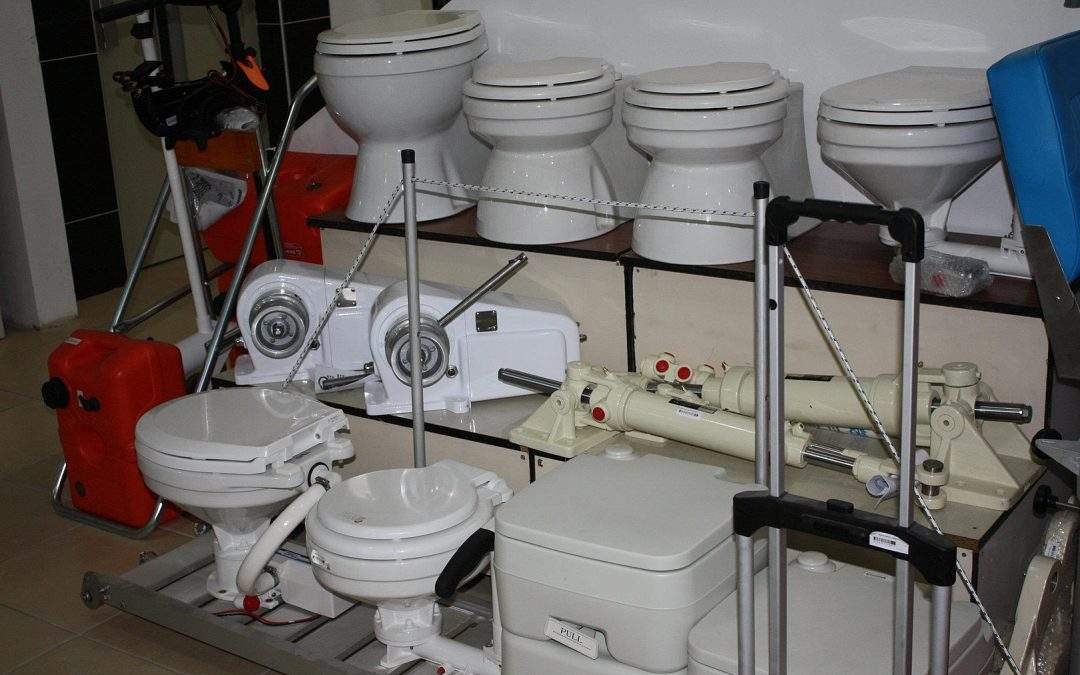
Featured Image By Colludenizcilik – Own work, CC BY-SA 3.0

Top 20 US Beach Boondocking Destinations for RV Enthusiasts

Top 20 US Beach Boondocking Destinations for RV Enthusiasts

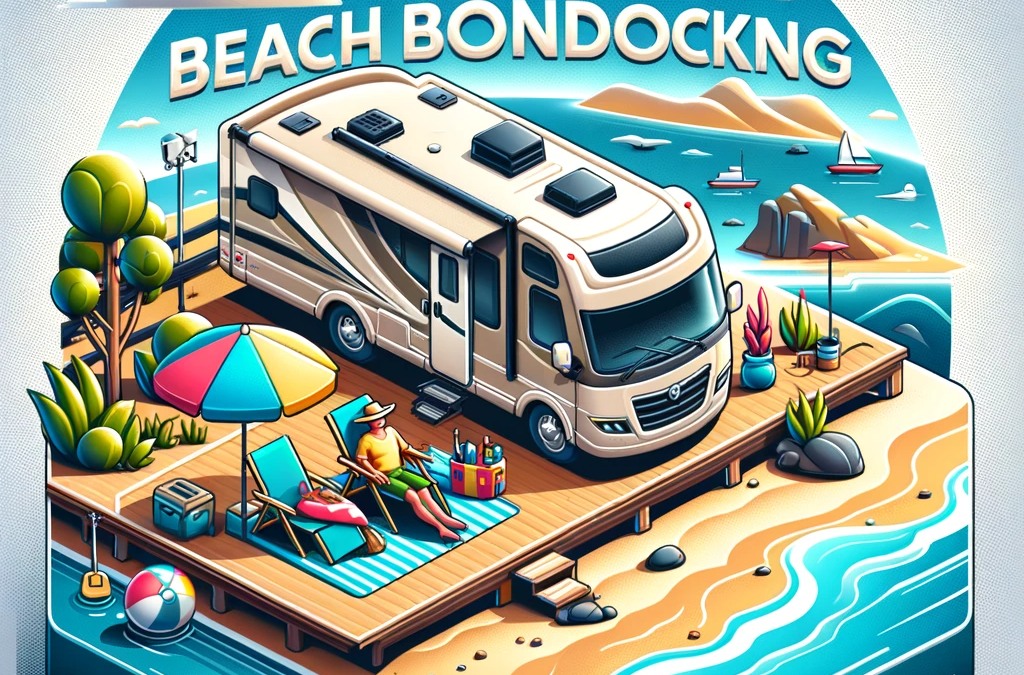
Boondocking Beachfront Map

Top 20 Beach Boondocking Spots in the United States


The appeal of beach boondocking

Beach boondocking has become increasingly popular among RV enthusiasts looking for an affordable and unique way to experience the beauty of the United States’ vast and diverse coastline. With the opportunity to park your RV just steps away from the shore, beach boondocking offers an unparalleled sense of freedom and connection to nature.

The diverse coastline of the United States

From the rugged cliffs of the Pacific Northwest to the warm, sandy beaches of the Gulf Coast, the United States boasts an impressive variety of coastal landscapes. This article will guide you through 20 of the best beach boondocking spots across the country, so you can embark on your own unforgettable seaside RV adventure.

Eastern Seaboard Beach Boondocking Spots
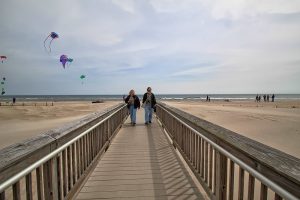
AssateagueImage by Forsaken Fotos via flickr

Assateague Island National Seashore, Maryland, and Virginia

Located off the coast of Maryland and Virginia, Assateague Island National Seashore offers picturesque beaches and the unique opportunity to spot wild horses roaming the island. There are a few boondocking locations on the island, with the most popular being the Oceanside Campground in Maryland, which provides basic amenities such as restrooms, picnic tables, and fire rings. Be prepared for a more primitive experience, as there are no hookups or dump stations available.

Wild horse sightings and other wildlife
While visiting Assateague Island, keep an eye out for the famous wild horses, as well as other wildlife such as deer, foxes, and various bird species. Remember to respect the wildlife and maintain a safe distance to ensure the wellbeing of both you and the animals.
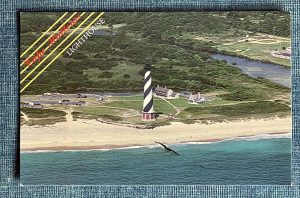
Cape Hatteras Lighthouse
Image by Bill Smith via flickr

Cape Hatteras National Seashore, North Carolina

Cape Hatteras National Seashore is a popular destination for beach boondocking, with several campgrounds offering a mix of reservation and first-come, first-serve sites. The Cape Point Campground is particularly well-regarded, with amenities such as restrooms, showers, and grills. Keep in mind that there are no hookups available, so come prepared with ample water and power supplies.

Surfing opportunities and lighthouse tours
Cape Hatteras is a haven for surfers, boasting some of the best waves on the East Coast. If you’re not into surfing, there are plenty of other activities to enjoy, such as visiting the iconic Cape Hatteras Lighthouse or exploring the area’s rich maritime history.
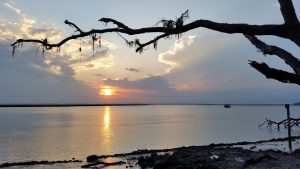
Cumberland islandImage by masgrafix from Pixabay

Cumberland Island National Seashore, Georgia

Cumberland Island National Seashore offers a remote and tranquil boondocking experience. The island is only accessible by ferry, and the Sea Camp Campground is the primary boondocking location. The campground offers restrooms, cold showers, and potable water, but no hookups. Be sure to make reservations well in advance, as spots fill up quickly.

Pristine beaches and historic ruins
Cumberland Island is known for its pristine beaches, maritime forests, and historic ruins such as the Dungeness Mansion. Enjoy the island’s unspoiled beauty by hiking its many trails or simply relaxing on the beach. Keep an eye out for wildlife, including wild horses, deer, and various bird species.
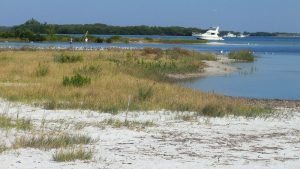
Fort de Soto Park @ St.Petersburg (Florida - Gulfcoast)
Image bt Reinhard Link via flickr

Fort De Soto Park, Florida

Fort De Soto Park, located near St. Petersburg, Florida, offers a fantastic beach boondocking experience. The park’s campground provides 238 sites, complete with water and electric hookups, restrooms, showers, and laundry facilities. While not entirely free, the reasonable rates make it an appealing option for RVers seeking a beachfront experience with modern amenities.

Fishing opportunities and birdwatching
Fort De Soto Park is a prime spot for fishing, with two fishing piers and abundant fish populations. Additionally, the park is home to a wide variety of bird species, making it a popular destination for birdwatching enthusiasts.

Gulf Coast Beach Boondocking Spots

Seagulls and Sunset at South Padre Island
Image by G. Lamar Yancy via flickr

Padre Island National Seashore, Texas

Padre Island National Seashore in Texas is the world’s longest undeveloped barrier island, offering miles of pristine beaches perfect for boondocking. The Malaquite Campground provides 48 semi-primitive sites with restrooms, cold showers, and picnic tables but no hookups. For a more secluded experience, consider boondocking along the beach, but be aware of the requirements for a beach parking permit.

Fishing and water sports
Padre Island is an ideal location for fishing, with numerous opportunities for surf fishing and wade fishing. Additionally, the calm waters of the Laguna Madre provide the perfect setting for water sports such as kayaking and windsurfing.

Gulf Islands National Seashore
Image by NPCA Photos via flickr

Gulf Islands National Seashore, Florida and Mississippi

Gulf Islands National Seashore stretches along the coastlines of Florida and Mississippi, offering several beach boondocking spots. Fort Pickens Campground in Florida and Davis Bayou Campground in Mississippi are popular options, providing basic amenities such as restrooms, showers, and picnic tables, but no hookups.

Exploring Fort Pickens and Fort Massachusetts
While boondocking at Gulf Islands National Seashore, take the time to explore historic forts such as Fort Pickens and Fort Massachusetts. These sites offer a glimpse into the area’s rich military history and provide stunning coastal views.

West Coast Beach Boondocking Spots
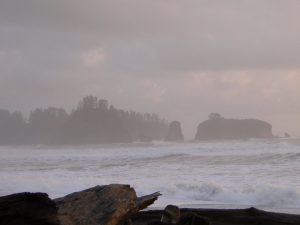
Olympic National Park: Rialto Beach Image by Amy Meredith via flickr

Olympic National Park, Washington

Olympic National Park in Washington State offers a unique beach boondocking experience, with rugged coastlines and lush rainforests. South Beach Campground and Kalaloch Campground are popular options, providing primitive sites with restrooms and picnic tables but no hookups. Be prepared for cooler temperatures and potentially wet conditions.

Wildlife viewing and scenic drives
Olympic National Park is home to diverse wildlife, including elk, bears, and whales. Enjoy scenic drives along Highway 101, which loops around the park and offers breathtaking views of the Pacific coastline.

Oregon Coast Boondocking Sites

Sea stacks and Goat Island at Harris Beach State ParkImage by Rick Obst via flickr

Harris Beach State Park, Oregon

Harris Beach State Park, located near Brookings, Oregon, offers beautiful coastal views and a variety of boondocking options. The campground provides sites with water and electric hookups, as well as restrooms and showers. For a more primitive experience, there are several first-come, first-serve sites without hookups. Reservations are recommended during peak season.

Cape Blanco State Park, Oregon
Cape Blanco State Park is another fantastic boondocking location on the Oregon coast. The park’s campground offers a mix of reservation and first-come, first-serve sites, with water and electric hookups, restrooms, and showers. Be sure to visit the Cape Blanco Lighthouse and hike the trails for stunning coastal views.

California Coast Boondocking Sites
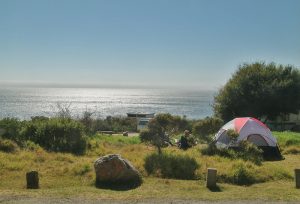
Kirk Creek CampgroundImage by Mike Goad via flickr

Kirk Creek Campground, Big Sur, California
Kirk Creek Campground in Big Sur is a sought-after beach boondocking location, offering dramatic coastal views and a peaceful atmosphere. The campground provides primitive sites with no hookups, but it does have restrooms and picnic tables. Reservations are highly recommended, as this popular spot fills up quickly.

Glass Beach, Fort Bragg, California
Glass Beach in Fort Bragg is a unique boondocking destination, known for its colorful sea glass-covered shore. While there isn’t a designated campground, boondocking is allowed at nearby Pomo Bluffs Park, which has restrooms but no hookups. Be sure to follow local regulations and pack out what you pack in.

Rincon Parkway, Ventura, California
Rincon Parkway, located along Highway 1 in Ventura, California, offers beachfront boondocking with incredible ocean views. While there are no designated campsites, RVers can park along the parkway for a nominal fee. There are no hookups or restrooms, so come prepared for a more primitive experience.

Leo Carrillo State Park, Malibu, California
Leo Carrillo State Park in Malibu provides a picturesque beach boondocking experience. The park’s campground offers sites with water and electric hookups, restrooms, and showers. While not free, the park’s location and amenities make it a popular choice for RVers seeking a coastal getaway.

Hawaii and Alaska Beach Boondocking Spots
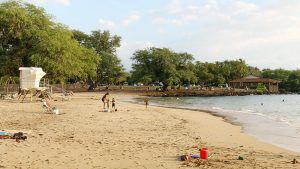
Spencer Beach, Samuel M. Spencer Beach Park, Waimea Image by Robert Linsdell via flickr

Spencer Beach Park, Big Island, Hawaii
Spencer Beach Park, located on the Big Island of Hawaii, offers a unique beach boondocking experience in a tropical paradise. The park’s campground provides basic amenities such as restrooms, showers, and picnic tables but no hookups. Be prepared for a more primitive experience and pack out what you pack in.

Snorkeling and swimming with manta rays
While visiting Spencer Beach Park, take advantage of the crystal-clear waters and abundant marine life. Snorkeling is a popular activity, and nighttime snorkeling with manta rays is a once-in-a-lifetime experience not to be missed.
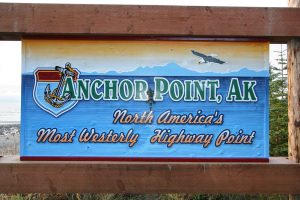
Anchor point AK sign
Image by puuikibeach via flickr

Anchor Point, Alaska

Anchor Point, located on Alaska’s Kenai Peninsula, offers a unique beach boondocking experience in the Last Frontier. The Anchor River Campground provides basic amenities, including restrooms and picnic tables, but no hookups. Be prepared for cooler temperatures and potentially wet conditions.

Fishing opportunities and wildlife viewing
Anchor Point is an angler’s paradise, with world-class salmon and halibut fishing opportunities in the nearby Anchor River. Wildlife viewing is also a popular activity, with chances to spot moose, bears, and a variety of bird species.

Choosing the Right Beach Boondocking Spot

Assessing your boondocking needs and preferences
When selecting the perfect beach boondocking spot, consider your personal preferences and the amenities you require. Determine whether you prefer a more secluded location or a campground with hookups and facilities. Additionally, consider the activities you enjoy, such as fishing, surfing, or wildlife viewing, and choose a location that caters to your interests.

Considering local regulations and permits
Before embarking on your beach boondocking adventure, research local regulations and obtain any necessary permits. Some locations may have restrictions on overnight parking, fires, or pets. Always respect local rules and regulations to ensure a safe and enjoyable experience.

Tips for Successful Beach Boondocking

Preparing your RV for beach conditions
Before hitting the beach, ensure your RV is prepared for the unique challenges of beach boondocking. Check your tires, secure loose items, and consider investing in equipment such as sand tracks or traction mats. Be aware of the risks of saltwater corrosion and rinse your RV with fresh water after your trip.

Respecting the environment and practicing Leave No Trace principles
When beach boondocking, it’s crucial to respect the environment and leave your campsite as you found it. Practice Leave No Trace principles by disposing of waste properly, minimizing your impact on wildlife, and respecting other campers. Remember, responsible boondocking helps protect these beautiful locations for future generations to enjoy.

Resources

  1. National Park Service – https://www.nps.gov/index.htm (General information about National Parks, National Seashores, and other protected areas)
  2. Assateague Island National Seashore – https://www.nps.gov/asis/index.htm (Official information about Assateague Island National Seashore)
  3. Cape Hatteras National Seashore – https://www.nps.gov/caha/index.htm (Official information about Cape Hatteras National Seashore)
  4. Cumberland Island National Seashore – https://www.nps.gov/cuis/index.htm (Official information about Cumberland Island National Seashore)
  5. Padre Island National Seashore – https://www.nps.gov/pais/index.htm (Official information about Padre Island National Seashore)

Frequently Asked Questions

A. What is boondocking and why is it popular?
Boondocking, also known as dry camping or wild camping, is the practice of camping without hookups or amenities, often in remote or undeveloped locations. It is popular among RVers for its cost savings, seclusion, and the opportunity to connect with nature.

B. Are there any safety concerns with beach boondocking?
Beach boondocking can pose unique safety concerns, such as changing tides, weather conditions, and wildlife encounters. Always research local conditions and follow safety guidelines to minimize risks.

C. How do I find beach boondocking spots?
Beach boondocking spots can be found through online resources, such as blogs, forums, and apps, as well as by word of mouth from fellow RVers. Always confirm that boondocking is permitted before setting up camp.

D. What are some essential items to pack for beach boondocking?
Essential items for beach boondocking include fresh water, extra food, a first aid kit, and tools for RV maintenance. Additionally, consider packing items specific to beach conditions, such as sunscreen, insect repellent, and beach chairs. Remember to pack out what you pack in and leave no trace.

By following these tips and considering your unique preferences, you can embark on the ultimate RV beach boondocking adventure across the United States. Explore the diverse coastlines, from the Eastern Seaboard to the Gulf Coast, and from the West Coast to Hawaii and Alaska, and experience unforgettable memories in the great outdoors.

Conclusion

Beach boondocking offers a unique and unforgettable experience for RV adventurers, with diverse and beautiful coastlines to explore across the United States. By considering your preferences, researching local regulations, and preparing your RV, you can find the perfect beach boondocking spot for your next adventure.

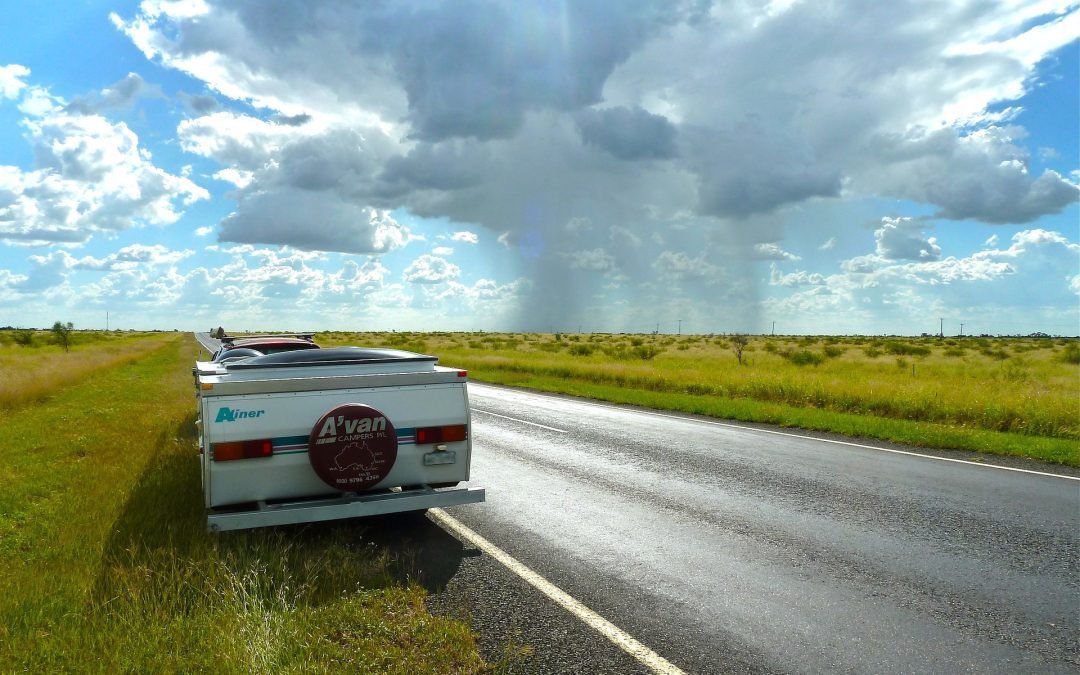


Essential Tips for Responsible Boondocking: Eco-Friendly RV Camping and Leave No Trace Principles

Essential Tips for Responsible Boondocking: Eco-Friendly RV Camping and Leave No Trace Principles


Boondocking, or camping off the grid, is a popular way for RVers to enjoy the great outdoors. It’s an adventure that allows you to immerse yourself in nature and escape the hustle and bustle of everyday life. However, with this freedom comes a responsibility to preserve the environment and maintain harmony with fellow campers. This guide will walk you through the essential tips for responsible boondocking.

Definition of boondocking

Boondocking is a term used to describe camping in an RV without access to hookups, such as electricity, water, or sewer. It’s also known as dry camping or dispersed camping, and it often takes place on public lands or remote locations.

The importance of responsible boondocking

Responsible boondocking is essential to protect the environment, maintain good relationships with other campers, and ensure that these pristine locations remain accessible to future generations. By adopting eco-friendly practices and adhering to local laws, you’ll be able to enjoy a sustainable and serene camping experience.

The Leave No Trace Principles

Overview of the Leave No Trace principles

The Leave No Trace principles are a set of guidelines that help outdoor enthusiasts minimize their impact on the environment. These seven principles include planning ahead, traveling and camping on durable surfaces, disposing of waste properly, leaving what you find, minimizing campfire impact, respecting wildlife, and being considerate of other visitors.

Importance of adhering to these principles

Adhering to the Leave No Trace principles is crucial for preserving the natural beauty and ecological health of the areas where you camp. By practicing these principles, you can minimize your impact, protect wildlife, and ensure that future generations can also enjoy these remote locations.

Practical tips for implementing Leave No Trace

  • Plan your trip and research local regulations, potential hazards, and weather conditions.
  • Use existing campsites or durable surfaces to minimize your impact on the environment.
  • Pack out all trash and dispose of human waste properly.
  • Leave natural and cultural features undisturbed, and avoid introducing non-native species.
  • Use a camp stove instead of making a fire, or follow local fire guidelines if fires are allowed.
  • Observe wildlife from a distance and store food securely to avoid attracting animals.
  • Keep noise levels down and respect the privacy of other campers.

Neighborly Etiquette

Respecting noise levels

Be mindful of your noise levels, especially during early morning and late evening hours. Keep music and generator use to a minimum, and use headphones when possible. Additionally, maintain a respectful distance from neighboring campers to allow everyone to enjoy the peace and quiet.

Proper parking and space allocation

When setting up camp, park your RV in a way that respects the space and privacy of other campers. Avoid blocking access to roads or trails and leave enough room between your campsite and others to maintain a sense of solitude.

Communicating with neighbors and resolving issues

If issues arise with fellow campers, approach them respectfully and try to resolve the situation amicably. Open communication and a willingness to compromise can go a long way in maintaining harmony at your boondocking location.

Preparing for Self-Sufficiency

Pre-trip planning and packing essentials

Before embarking on your boondocking adventure, make a checklist of essential items to pack, such as food, water, clothing, and emergency supplies. Research your destination and prepare for potential weather conditions or other challenges.


Water, food, and waste management

Carefully manage your water usage and food supplies during your trip, as access to resources may be limited. Bring enough potable water for drinking, cooking, and cleaning, and consider using a water-saving showerhead or faucet aerator. Pack non-perishable food items and plan your meals to minimize waste. Dispose of all waste properly, including grey and black water, by using designated dump stations or portable waste systems.

Energy conservation and renewable power sources

To reduce your reliance on generators, consider using solar panels or wind turbines to generate electricity for your RV. Use energy-efficient appliances and lights, and be mindful of your power usage to conserve energy. Turn off devices when not in use and unplug chargers to avoid phantom power draw.

Environmental Stewardship

Protecting flora and fauna

Be cautious of your impact on plants and animals while boondocking. Stick to established trails to avoid trampling vegetation, and avoid disturbing or removing plants or rocks. Keep a safe distance from wildlife, and never feed or approach them. Store your food securely to prevent attracting animals to your campsite.

Preventing wildfires

Take steps to prevent wildfires, especially in dry and fire-prone areas. Follow local fire regulations and restrictions, and never leave a campfire unattended. Use a camp stove instead of an open fire when possible, and ensure all fires are completely extinguished before leaving your campsite.

Participating in cleanup efforts and advocacy

Consider participating in local cleanup efforts or joining environmental groups to help preserve the areas you love to visit. Advocate for responsible camping practices and share your knowledge with other RVers to promote sustainable boondocking.


Resources

  1. Leave No Trace Center for Outdoor Ethics – 7 Principles: https://lnt.org/learn/7-principles This website provides an in-depth explanation of the seven Leave No Trace principles and how to apply them during outdoor activities, including boondocking.
  2. U.S. Forest Service – Dispersed Camping Guidelines: https://www.fs.usda.gov/visit/know-before-you-go/dispersed-camping This official U.S. Forest Service page offers guidelines for dispersed camping on public lands, including important rules and recommendations for responsible boondocking.
  3. National Park Service – Camping in National Parks: https://www.nps.gov/subjects/camping/campground.htm The National Park Service website shares information about camping in national parks, including regulations and resources for RVers and campers looking for sustainable boondocking options.
  4. RV Life – Boondocking Tips and Tricks: https://rvlife.com/boondocking-tips/ This article provides practical advice for RVers who want to boondock responsibly, including tips on water conservation, waste management, and energy efficiency.
  5. Campendium – Boondocking 101: https://www.campendium.com/camping/boondocking-101/ Campendium’s Boondocking 101 guide offers an introduction to boondocking, along with helpful resources and tips for finding free, sustainable, and responsible camping spots.

Conclusion

By following these responsible boondocking tips, you can minimize your environmental impact, maintain harmony with fellow campers, and ensure that these beautiful natural spaces remain accessible for future generations to enjoy. Boondocking can be an enriching experience that deepens your connection to nature, and with careful planning and a commitment to sustainability, you can make a positive impact on the environment and the RV community.