Boondocking, also known as dry camping, refers to RV camping without access to traditional campground amenities such as water, electricity, and sewer hookups. Instead, boondockers rely on their RV’s self-contained systems and resources. This type of camping offers a unique experience and a closer connection to nature.
Boondocking’s increasing popularity
Boondocking has gained popularity in recent years as more people seek unique, off-the-beaten-path camping experiences. Escaping crowded campgrounds and embracing the freedom of the open road has become an appealing alternative for many adventure-seekers.
What to expect from this guide
This comprehensive guide will cover the fundamentals of boondocking, how to find the perfect location, essential gear, and tips for a successful boondocking adventure. By the end of this guide, you’ll be well-prepared to embark on your own unforgettable RV boondocking experience.
Boondocking Fundamentals
Types of boondocking
Dispersed camping: Dispersed camping involves staying on public lands, such as national forests and Bureau of Land Management (BLM) areas, where no designated campsites or amenities are available. This type of boondocking provides the most freedom and solitude but requires more self-sufficiency.
Moochdocking: Moochdocking is the practice of staying on private property, usually with the permission of friends or family. While this type of boondocking may provide access to some amenities, it still requires a degree of self-reliance.
Public land boondocking: This type of boondocking involves staying at designated free or low-cost campsites on public lands. These sites often have minimal amenities, such as a fire ring or picnic table, but still require campers to be self-sufficient.
Boondocking etiquette and rules
Practicing Leave No Trace principles: It’s essential to leave your boondocking site as clean or cleaner than you found it. This means packing out all trash, minimizing your impact on the environment, and respecting wildlife.
Respecting private property boundaries: Always ensure you’re camping on public land or have permission to stay on private property. Trespassing can lead to negative interactions with landowners and damage the reputation of the boondocking community.
Managing noise and generator use: Be considerate of your neighbors and the surrounding environment by keeping noise levels low and using generators sparingly.
Essential safety tips
Thorough area research: Research your chosen boondocking location to understand any potential hazards, such as weather conditions, wildlife, and accessibility.
RV maintenance and preparedness: Ensure your RV is in good working order before embarking on a boondocking adventure. This includes checking your tires, brakes, and other essential systems.
Personal safety considerations: Be prepared for emergencies by carrying a first aid kit, knowing your location, and having a plan for contacting help if needed.
Discovering Your Ideal Boondocking Location
Tools for finding boondocking sites
Helpful websites and apps: There are numerous resources available to help you find the perfect boondocking site, such as Campendium, FreeCampsites.net, and the AllStays app.
Public land resources: Research public lands in your desired area, as they often provide free or low-cost boondocking opportunities. Websites for national forests and BLM lands can be a great starting point.
Recommendations from fellow boondockers: Connect with other RVers through online forums, social media, and RV clubs to get personal recommendations for boondocking sites.
Key factors in choosing a boondocking spot
Access and terrain: Consider the accessibility of the site, including road conditions, clearance, and the size of your RV. Some locations may not be suitable for larger rigs or those with low clearance.
Weather and environmental conditions: Research the local climate and weather patterns to ensure you’re prepared for temperature fluctuations, precipitation, and other environmental factors.
Proximity to attractions and amenities: While boondocking often means being off the grid, consider the distance to nearby attractions, grocery stores, and other amenities that may be important during your stay.
Gearing Up Your RV for Boondocking
Power management
Harnessing solar energy: Solar panels can be an efficient and environmentally friendly way to generate electricity while boondocking. Research the appropriate solar system size for your RV’s needs.
Using generators effectively: Generators can provide a reliable source of power but should be used sparingly and responsibly. Consider investing in a quiet, fuel-efficient generator to minimize noise and fuel consumption.
Efficient battery use: Monitor your battery usage and invest in a high-capacity battery system to maximize the time you can spend off the grid.
Water and waste handling
Conserving freshwater: Be mindful of your water consumption while boondocking. Use water-saving techniques, such as taking shorter showers and washing dishes with minimal water.
Proper gray and black water disposal: Ensure you have a plan for disposing of wastewater responsibly. Research nearby dump stations and follow proper procedures to avoid contaminating the environment.
Meal planning and cooking
Cooking fuel and propane considerations: Plan your meals around your available cooking fuel, such as propane or a portable stove. Keep track of your fuel levels and refill as necessary.
Smart food storage and planning: Opt for non-perishable food items when possible and store your food securely to avoid attracting wildlife. Plan meals in advance to minimize waste and save time while boondocking.
Boondocking: The Upsides and Challenges
The many benefits
Money-saving opportunities: Boondocking can be a cost-effective way to travel, as it eliminates campground fees and encourages resource conservation.
Peaceful solitude: Boondocking often provides a serene, peaceful environment away from the hustle and bustle of crowded campgrounds.
Deep connection with nature: By immersing yourself in the natural world, boondocking allows you to develop a deeper appreciation for the environment and its wonders.
Potential hurdles
Resource limitations: Boondocking requires careful resource management, as you’ll need to rely on your RV’s self-contained systems for water, power, and waste disposal.
Navigating difficult terrain: Some boondocking locations may have challenging terrain or road conditions, making them difficult to access or navigate.
Weather-related concerns: Boondocking in remote locations can make you more vulnerable to severe weather events, so it’s essential to be prepared and stay informed about local conditions.
Resources
Leave No Trace Center for Outdoor Ethics – https://lnt.org This is the official website for the Leave No Trace Center for Outdoor Ethics, providing guidelines and resources to minimize the impact of outdoor activities on the environment.
Bureau of Land Management (BLM) – https://www.blm.gov The official website of the U.S. Bureau of Land Management offers information on public lands, recreational opportunities, and regulations for camping and boondocking.
U.S. National Forest Service – https://www.fs.usda.gov This is the official website of the U.S. Forest Service, offering valuable resources on national forests, camping guidelines, and maps for finding suitable boondocking locations.
Campendium – https://www.campendium.com Campendium is a comprehensive resource for finding campsites and boondocking locations, complete with user reviews, photos, and essential information on each site.
FreeCampsites.net – https://freecampsites.net FreeCampsites.net is a community-driven resource for finding free and low-cost camping opportunities, including boondocking sites, across the United States and Canada.
Frequently Asked Questions (FAQs)
How do I find free boondocking locations?
There are numerous resources available to help you find free boondocking sites, including websites like Campendium and FreeCampsites.net, as well as apps like AllStays. Additionally, you can explore public lands, such as national forests and BLM areas, which often provide free or low-cost boondocking opportunities.
How long can I boondock in one spot?
The length of time you can stay at a boondocking site varies depending on the location and local regulations. On public lands, the typical stay limit ranges from 14 to 21 days. Be sure to research the rules for your chosen site and respect any posted stay limits.
What is the best type of RV for boondocking?
The ideal RV for boondocking depends on your personal preferences and needs. Smaller RVs, such as travel trailers and Class B motorhomes, often provide greater maneuverability and access to remote locations. However, larger RVs may offer more comfort and storage capacity. Ultimately, the best RV for boondocking is the one that meets your specific requirements and allows you to enjoy your adventures to the fullest.
Do I need a permit to boondock on public lands?
In most cases, you do not need a permit to boondock on public lands, but it’s essential to research the specific rules and regulations for the area you plan to visit. Some locations may require a special-use permit or have restrictions on camping during certain times of the year.
How can I stay connected to the internet while boondocking?
Staying connected while boondocking can be achieved through a variety of methods, such as using a cellular hotspot, a Wi-Fi booster, or satellite internet. Research the available options and choose the one that best fits your needs and budget.
What are some must-have items for boondocking?
Some essential items for a successful boondocking experience include a reliable power source (solar panels or generator), an efficient water and waste management system, a well-stocked first aid kit, proper food storage containers, and navigation tools to help you find your ideal boondocking location. Additionally, investing in a high-quality, all-weather camping gear will ensure your comfort and safety while enjoying the great outdoors.
Conclusion
In conclusion, boondocking offers a unique and immersive camping experience for those who wish to escape the crowded campgrounds and connect more deeply with nature. By understanding the fundamentals of boondocking, finding the ideal location, and equipping your RV appropriately, you can embark on a memorable adventure. To ensure a successful and responsible boondocking experience, it’s essential to follow the Leave No Trace principles, respect private property boundaries, manage noise levels, and prioritize personal safety.
Are you an RV enthusiast looking for some of the best boondocking spots in the United States? Boondocking, also known as dry camping, is a fantastic way to enjoy the great outdoors without the crowds and expenses of traditional campgrounds. It allows you to disconnect and immerse yourself in nature truly, all while traveling in the comfort of your own RV.
In this post, we will be sharing our top 10 must-see boondocking spots for RV enthusiasts. From scenic national parks to secluded forests, these spots offer something for everyone. So grab your gear, hit the road, and discover the beauty of boondocking in the United States.
Quartzsite, Arizona
Located in the Sonoran Desert, Quartzsite is a popular boondocking destination for RVers. With its clear skies and warm temperatures, it’s the perfect spot to escape the cold winters of the north. It’s also home to the Quartzsite Sports, Vacation & RV Show, which attracts thousands of visitors each year.
Slab City, California
Located in the Sonoran Desert, Slab City is a unique boondocking spot that has become a haven for artists, adventurers, and free spirits. It’s a place where people live off the grid, often in makeshift homes and RVs. It may not be for everyone, but it’s definitely worth a visit for its vibrant community and stunning desert landscape.
Big Bend National Park, Texas
Big Bend National Park is a must-see destination for any RV enthusiast. Located in southwestern Texas, it’s home to stunning landscapes, including mountains, canyons, and the Rio Grande. It’s also a great spot for hiking, bird-watching, and other outdoor activities. Just make sure to plan ahead, as the park’s remote location means limited amenities.
Padre Island National Seashore, Texas
Padre Island National Seashore is a 60-mile stretch of pristine beach located along the Gulf of Mexico. It’s the longest stretch of an undeveloped barrier island in the world, and it’s a great spot for boondocking. Just beware that the area is prone to strong winds, so make sure your RV is securely anchored.
Dispersed Camping in the National Forests, Colorado
Colorado is home to some of the most beautiful national forests in the United States. And within these forests, you’ll find plenty of opportunities for dispersed camping, also known as boondocking. Just be sure to check with the forest service for any rules and regulations, and always practice Leave No Trace principles.
The Black Rock Desert, Nevada
The Black Rock Desert is a vast and otherworldly landscape located in northwestern Nevada. It’s a popular spot for boondocking and is also home to the Burning Man festival. The area can get very hot during the day, so make sure to bring plenty of water and sunscreen.
The Everglades, Florida
The Everglades is a unique and fragile ecosystem located in southern Florida. It’s a great spot for boondocking, and it offers plenty of opportunities for hiking, bird watching, and other outdoor activities. Just be sure to be respectful of the environment and follow the park’s guidelines for camping.
The North Rim of the Grand Canyon, Arizona
The North Rim of the Grand Canyon is a lesser-known but equally stunning part of the park. It’s a great spot for boondocking, and it offers breathtaking views and plenty of opportunities for hiking and other outdoor activities. Just be aware that the area is remote.
The notion of primitive camping in wild places is not for everyone, but for adventurous, intrepid travelers that don’t mind the mystery and gentle grit of off-the-grid living, the United States offers boundless opportunities for campers and RVers to experience some of the country’s most impressive natural areas- all without dipping into your wallet. From BLM public land (Bureau of Land Management) and National Forest service roads to wildlife areas and state parks and everything in between, here’s our roundup of the best free boondocking spots in the US, including popular destinations like Anza Borrego Desert State Park, Quartzsite, Arizona, and Lake Whitney, Texas.
RV Boondocking at Anza Borrego Desert State Park, California
California is one of the most traveled-to and populous states in the country, so it’s no surprise that free dispersed campsites can be a bit harder to find. Boondockers traveling to Southern California can find solace in Anza Borrego State Park, though: the state’s largest state park, and the only one that allows permit-free and fee-free primitive camping. With hundreds of miles of slot canyon hiking trails and remote dirt roads that truly make you feel like you’re off the beaten track- and sometimes, on another planet! – it’s quite the dose of solitude, yet you’re still under two hours from the bustling San Diego coast. Our insider tip: try and go during Spring to catch the park’s rainbow carpet of wildflowers!
Anza-Borrego Desert State Park is a popular destination for RV boondocking, with several designated boondocking areas within the park. Here is a sample itinerary for RV boondocking in Anza Borrego Desert State Park:
Before you arrive, make sure to purchase a California State Parks annual pass or a single-day pass, as these are required for entry to the park.
Once you arrive at the park, head to one of the designated boondocking areas, such as the Upper Coyote Canyon Primitive Camping Area or the Yaqui Meadows Boondocking Area. These areas offer secluded campsites with beautiful views of the desert landscape.
Spend your days exploring the park’s many hiking trails and attractions. Some popular hikes include the Palm Canyon Trail, the Borrego Palm Canyon Nature Trail, and the Cactus Loop Trail.
Be sure to also visit the Anza-Borrego Desert State Park Visitor Center, where you can learn more about the park’s history and wildlife, and pick up maps and other helpful information.
In the evenings, relax at your campsite and enjoy the beautiful desert sunset. Be sure to bring plenty of water and supplies, as there are no services available in the boondocking areas.
Overall, Anza-Borrego Desert State Park is a great destination for RV boondocking, offering beautiful scenery, abundant wildlife, and plenty of opportunities for outdoor adventure.
Quartzite, a small Arizona desert town halfway between Phoenix and Palm Springs, has a bit of a legend’s lore attached to it. While there certainly may be more scenic places to boondock in Arizona, part of Quartzite’s allure is the community it attracts, especially during the winter months, when the town’s population swells tenfold, and it hosts several mineral and gem shows, quirky swap meets, and a handful of notable rendezvous geared toward those living on the road. It’s nearly all primitive camping, and you can park as close or as far away from others as you wish, but the most memorable part of your stay will probably be the conversations and connections with like-minded travelers and characterful rubber tramps, so don’t stray too far from the action
Quartzite, Arizona is a popular destination for RV boondocking, with several designated boondocking areas in and around the town. Here is a sample itinerary for RV boondocking in Quartzite:
Before you arrive, make sure to purchase a National Parks pass, as this is required for entry to many of the boondocking areas in and around Quartzite.
Once you arrive in Quartzite, head to one of the designated boondocking areas, such as the Plomosa Road Boondocking Area or the La Posa Long Term Visitor Area. These areas offer secluded campsites with stunning views of the desert landscape.
Spend your days exploring the area’s many hiking trails, off-road trails, and other outdoor attractions. Some popular hikes include the Lost Dutchman State Park, the Buckskin Mountain State Park, and the Joshua Tree Forest.
Be sure to also visit the Quartzsite Pow Wow, a popular annual event that features Native American dance competitions, crafts, and food.
In the evenings, relax at your campsite and enjoy the beautiful desert sunset. Be sure to bring plenty of water and supplies, as there are no services available in the boondocking areas.
Overall, Quartzite is a great destination for RV boondocking, offering beautiful scenery, abundant outdoor activities, and a rich cultural heritage.
Located right in the heart of Texas and less than 90 minutes from the cities of Dallas and Waco, beautiful Lake Whitney is a boondocker’s hidden treasure. Maintained by the Army Corps of Engineers, the entire lake- which is a controlled reservoir on a section of the Brazos River- offers several different areas of free primitive campsites, most of which come with a fire ring, a shaded picnic table, and a spectacular view of the water. The public access is superb, with endless opportunities for swimming, fishing, and boating, and the abundance of trees around the sites makes you feel like you have your own slice of lakefront paradise. It’s a fantastic retreat for campers looking to beat the Texas heat.
Lake Whitney is a popular destination for RV boondocking, with several designated boondocking areas around the lake. Here is a sample itinerary for RV boondocking at Lake Whitney:
Before you arrive, make sure to purchase a Texas State Parks pass, as this is required for entry to many of the boondocking areas around Lake Whitney.
Once you arrive at Lake Whitney, head to one of the designated boondocking areas, such as the Lone Star Primitive Camping Area or the Hilltop Camping Area. These areas offer secluded campsites with stunning views of the lake and surrounding landscape.
Spend your days exploring the lake and its many recreational activities, such as swimming, boating, fishing, and water sports.
Be sure to also visit the Lake Whitney State Park, where you can learn more about the lake’s history and wildlife, and pick up maps and other helpful information.
In the evenings, relax at your campsite and enjoy the beautiful lake sunset. Be sure to bring plenty of water and supplies, as there are no services available in the boondocking areas.
Overall, Lake Whitney is a great destination for RV boondocking, offering beautiful scenery, abundant water activities, and plenty of opportunities for outdoor adventure.
RV Boondocking in San Juan National Forest, Colorado
Colorado makes a strong case as one of the very top states for truly epic boondocking experiences, and for good reason: the dispersed camping is often very dispersed, and the storybook views you’ll find from many sites are hard to beat. Some of our favorite areas lay within the rugged, awe-inspiringly beautiful San Juan National Forest, close to the towns of Durango, Silverton, Ouray, and Telluride. The forest service roads you’ll have at your disposal are seemingly endless, and you can take your pick based on what your vehicle can handle.
While trickier during the snowy winter months, summer and the shoulder seasons offer crisp high elevation air, and more outdoor activities to keep you busy than you’ll know what to do with.
San Juan National Forest is a popular destination for RV boondocking, with several designated boondocking areas within the forest. Here is a sample itinerary for RV boondocking in San Juan National Forest:
Before you arrive, make sure to purchase a National Parks pass, as this is required for entry to many of the boondocking areas within San Juan National Forest.
Once you arrive at the forest, head to one of the designated boondocking areas, such as the Lemon Reservoir Primitive Camping Area or the East Canyon Primitive Camping Area. These areas offer secluded campsites with beautiful views of the forest and surrounding landscape.
Spend your days exploring the forest’s many hiking trails and attractions. Some popular hikes include the San Juan Skyway Scenic Byway, the Chicago Basin, and the Weminuche Wilderness.
Be sure to also visit the San Juan National Forest Visitor Center, where you can learn more about the forest’s history and wildlife, and pick up maps and other helpful information.
In the evenings, relax at your campsite and enjoy the beautiful forest sunset. Be sure to bring plenty of water and supplies, as there are no services available in the boondocking areas.
Overall, San Juan National Forest is a great destination for RV boondocking, offering beautiful scenery, abundant wildlife, and plenty of opportunities for outdoor adventure.
Moab leaves quite an impression with its stately red rock formations and towering desert buttes, and the boondocking options are bound to do the same. From the La Sal Loop Road in Manti La-Sal National Forest- oh, the views! – to Klondike Bluffs Road on BLM land just outside of town, places with dispersed camping are far and wide, and often offer a gateway to adventure right outside your doorstep, which is probably why you’re in Moab to begin with! Although a bit further from the city, there are plenty of accessible public land pull-offs right outside of Canyonlands National Park, too, if you’re looking for a quick gateway into the park.
Moab, Utah is a popular destination for RV boondocking, with several designated boondocking areas in and around the town. Here is a sample itinerary for RV boondocking in Moab:
Before you arrive, make sure to purchase a National Parks pass, as this is required for entry to many of the boondocking areas in and around Moab.
Once you arrive in Moab, head to one of the designated boondocking areas, such as the Kane Creek Road Boondocking Area or the Hidden Valley Boondocking Area. These areas offer secluded campsites with stunning views of the desert landscape.
Spend your days exploring the area’s many hiking trails, off-road trails, and other outdoor attractions. Some popular hikes include the Arches National Park, the Canyonlands National Park, and the Dead Horse Point State Park.
Be sure to also visit the Moab Information Center, where you can learn more about the area’s history and attractions, and pick up maps and other helpful information.
In the evenings, relax at your campsite and enjoy the beautiful desert sunset. Be sure to bring plenty of water and supplies, as there are no services available in the boondocking areas.
Overall, Moab is a great destination for RV boondocking, offering beautiful scenery, abundant outdoor activities, and a rich cultural heritage.
RV Boondocking in Coconino National Forest, Arizona
Coconino National Forest blankets an expansive area in and around the flourishing cities of Sedona and Flagstaff, and you could probably spend years trying to explore all the boondock- able service roads in the area and still not see them all. Depending on how far you’re looking to stray from the main trailheads and attractions- and more importantly, depending on the off-road capabilities of your home on wheels- you’ll find something that suits your style and comfort level. The closer to Grand Canyon National Park you get, the tougher it may be to simply pull up and snag a spot, but if you look hard enough, trust us, you’ll find something.
Coconino National Forest is a popular destination for RV boondocking, with several designated boondocking areas within the forest. Here is a sample itinerary for RV boondocking in Coconino National Forest:
Before you arrive, make sure to purchase a National Parks pass, as this is required for entry to many of the boondocking areas within Coconino National Forest.
Once you arrive at the forest, head to one of the designated boondocking areas, such as the West Clear Creek Wilderness Area or the Oak Creek Canyon Primitive Camping Area. These areas offer secluded campsites with beautiful views of the forest and surrounding landscape.
Spend your days exploring the forest’s many hiking trails and attractions. Some popular hikes include the Kachina Trail, the Mount Elden Lookout Trail, and the Humphreys Peak Trail.
Be sure to also visit the Coconino National Forest Visitor Center, where you can learn more about the forest’s history and wildlife, and pick up maps and other helpful information.
In the evenings, relax at your campsite and enjoy the beautiful forest sunset. Be sure to bring plenty of water and supplies, as there are no services available in the boondocking areas.
Overall, Coconino National Forest is a great destination for RV boondocking, offering beautiful scenery, abundant wildlife, and plenty of opportunities for outdoor adventure.
Experience RV Boondocking at Buffalo Gap National Grassland, South Dakota
It’s hard to grasp the vastness of Buffalo Gap National Grassland until you’ve spent a few days camping within the area. With sweeping prairie vistas, alienesque rock outcroppings and slingshot views of neighboring Badlands National Park, this sprawling piece of nature in southwest South Dakota is a boondocker’s delight, and camping seclusion at its finest. A couple of the most desirable areas to drop anchor are Badlands Overlook and Nomad View, sections of dusty, bumpy roads teetering alongside cliffs that offer surreal vistas of the Buffalo Gap and the distant Black Hills. It’s a great place to truly unwind and feel the scope of endless skies and grasslands on the horizon.
Buffalo Gap National Grassland is a popular destination for RV boondocking, with several designated boondocking areas within the grassland. Here is a sample itinerary for RV boondocking in Buffalo Gap National Grassland:
Before you arrive, make sure to purchase a National Parks pass, as this is required for entry to many of the boondocking areas within Buffalo Gap National Grassland.
Once you arrive at the grassland, head to one of the designated boondocking areas, such as the Fort Pierre National Grassland or the Cactus Flat Primitive Camping Area. These areas offer secluded campsites with beautiful views of the grassland and surrounding landscape.
Spend your days exploring the grassland’s many hiking trails and attractions. Some popular hikes include the Castle Trail, the Red Shirt Table Trail, and the Medicine Root Loop Trail.
Be sure to also visit the Buffalo Gap National Grassland Visitor Center, where you can learn more about the grassland’s history and wildlife, and pick up maps and other helpful information.
In the evenings, relax at your campsite and enjoy the beautiful grassland sunset. Be sure to bring plenty of water and supplies, as there are no services available in the boondocking areas.
Overall, Buffalo Gap National Grassland is a great destination for RV boondocking, offering beautiful scenery, abundant wildlife, and plenty of opportunities for outdoor adventure.
RV Boondocking in Caribou-Targhee National Forest, Idaho/Wyoming Border
Both Wyoming and Idaho have their own long lists of spectacular boondocking areas- like the Sawtooth in Idaho or the Bridger-Teton Wilderness in Wyoming, for starters- but one of our favorite under-the-radar spots is the Caribou-Targhee National Forest, which extends its sprawling woodlands, winding rivers and granite peaks into both states. The primitive campsites which straddle the Idaho-Wyoming border near Moose Creek are especially inspiring and are bound to offer a solitary wilderness experience- and perhaps even some wildlife sightings! – you won’t soon forget.
Caribou-Targhee National Forest is a popular destination for RV boondocking, with several designated boondocking areas within the forest. Here is a sample itinerary for RV boondocking in Caribou-Targhee National Forest:
Before you arrive, make sure to purchase a National Parks pass, as this is required for entry to many of the boondocking areas within Caribou-Targhee National Forest.
Once you arrive at the forest, head to one of the designated boondocking areas, such as the Greys River Ranger District or the Palisades Ranger District. These areas offer secluded campsites with beautiful views of the forest and surrounding landscape.
Spend your days exploring the forest’s many hiking trails and attractions. Some popular hikes include the Teton Crest Trail, the Table Mountain Trail, and the Jedediah Smith Wilderness.
Be sure to also visit the Caribou-Targhee National Forest Visitor Center, where you can learn more about the forest’s history and wildlife, and pick up maps and other helpful information.
In the evenings, relax at your campsite and enjoy the beautiful forest sunset. Be sure to bring plenty of water and supplies, as there are no services available in the boondocking areas.
Overall, Caribou-Targhee National Forest is a great destination for RV boondocking, offering beautiful scenery, abundant wildlife, and plenty of opportunities for outdoor adventure.
In conclusion, there are many great camping areas across the United States, and the ones mentioned in this blog post are just a few examples. The Bureau of Land Management (BLM), Anza-Borrego Desert State Park, San Juan National Forest, Lake Whitney, Coconino National Forest, Buffalo Gap National Grassland, and Caribou-Targhee National Forest all offer unique experiences for campers of all levels. From desert landscapes to grassy plains to dense forests, these areas provide opportunities for outdoor enthusiasts to connect with nature and explore the great outdoors. Whether you’re a seasoned camper or a first-time adventurer, these camping areas are definitely worth considering for your next outdoor adventure.
Traveling is a great pastime, especially when traveling by RV. No one uses paper directions anymore and the days of just winging it and hoping for the best are thankfully behind us. Technology has brought us a slew of apps designed specifically to coordinate multiple stops for gas stations, rest areas, camping spots and more.
Google Maps– Google Maps is by far the most popular app used by travelers. It informs you of traffic issues and gives estimated arrival times based on current traffic conditions. It will automatically reroute you if there is an increase in traffic, an accident, or other problematic road conditions. You can even use this app offline. A couple of things to keep in mind – the GPS requires a lot of battery power and there is no social sharing feature.
Waze– This multi-stop routing app is constantly updating to ensure the information is fresh. Based on traffic conditions, Waze will find the most efficient route. It will also inform you about accidents, construction, police, and road closures.
What sets Waze apart from other mapping apps is its social features. It allows you to:
Chat with other drivers.
Share your location.
Share your drive with others.
Send a beep beep to your friends.
Send a private message to other Wazers.
Carpool with other Wazers.
and more…
One pitfall of this app is the speeding alert obscures the speed limit icon for an extended period of time, so you can’t tell what your speed SHOULD be. Like the other GPS apps, it uses a lot of battery power.
Mapquest– has been around for years, and was originally a website that required users to print out directions. The app version offers multiple route options and allows you to use filters to set preferences. The app will alert you to slowdowns in traffic. In addition to mapping routes, this app shares gas prices and even has a function for making hotel and restaurant reservations. Some cons to using Mapquest; the map size can be small, directions are reportedly less accurate than other apps and it cannot be used offline.
Maps.Me– The main feature of this app is that it is entirely offline. This is perfect when you are in a spotty cell service area as you can still navigate to your destination. Because everything on this app can be used offline, the app uses much less battery power. Not too many complaints from users, but there have been reports that the maps load slowly after being updated and businesses on the maps are not updated frequently.
Inroute Route Planner– A benefit of this application is that you can design your trip based on weather, elevation, and road curviness. Simply drop pins where you are looking to stop, and the app compiles a route for you. You will be able to search along this route for gas stations, hotels, or restaurants. There are also special features for motorcyclists, RV’ers, and truckers. With the free version, you can specify up to 8 locations. Users have reported that it can be hard to get back on track if you go off route and that it may be difficult moving and changing pins.
Apple Maps– a rival of Google Maps comes preloaded on every iPhone. It includes turn-by-turn directions and voice navigation. It plots the fastest way to get to your destination based on traffic, location, time of day, and your schedule. Another helpful feature is that it gives guidance on which lane you should be in. On your map, you will be able to see the current weather and air quality for your location. Some users have reported that exit directions and information about businesses are not always correct. There is also no option to use this map offline. The street view function does not have images for everywhere in the US.
Mapfactor Navigator– is a free offline multiplatform GPS navigation app, with maps for over 200 countries. There is also voice navigation to assist you in your journey. Keep in mind that even though the maps are up to date, the traffic information is not. Some users have stated the maps have some inaccuracies and can be slow to load or crash. To receive premium features, you will also have to pay a yearly or monthly fee.
Roadtrippers– collaborate with your friends and family to find exciting hot spots along your planned route, such as national parks, gas stations, restaurants, and more. This app is free to use but there is an upgrade needed to use all features.
Plotaroute– is an application that allows you to plan out routes for outdoor activities. It is the perfect app for designing your perfect walk, run, or bike ride. It allows you to check out scenic routes, so it is a little different than the typical road trip app.
Scout GPS– Typical features are included in this app such as turn-by-turn navigation and real-time updates on traffic and speed. Scout prides itself in being a social destination app, as users can recommend restaurants to each other, notify their contacts of ETA, and can see in real-time when their friends will be arriving. One downfall of this app is concern over privacy because of location sharing.
When it comes to planning a trip, it is always best to have the best resources available. As much as we want everything to run smoothly, there are times that catastrophe happens, and the plan you had falls through. By downloading a few of these apps, you will have plenty of information in your arsenal to help you get to all your destinations, and find new ones along the way. Not only will you be able to get to your locations seamlessly, but you will be able to find exciting places to stay, eat, buy cheaper gas, and more.
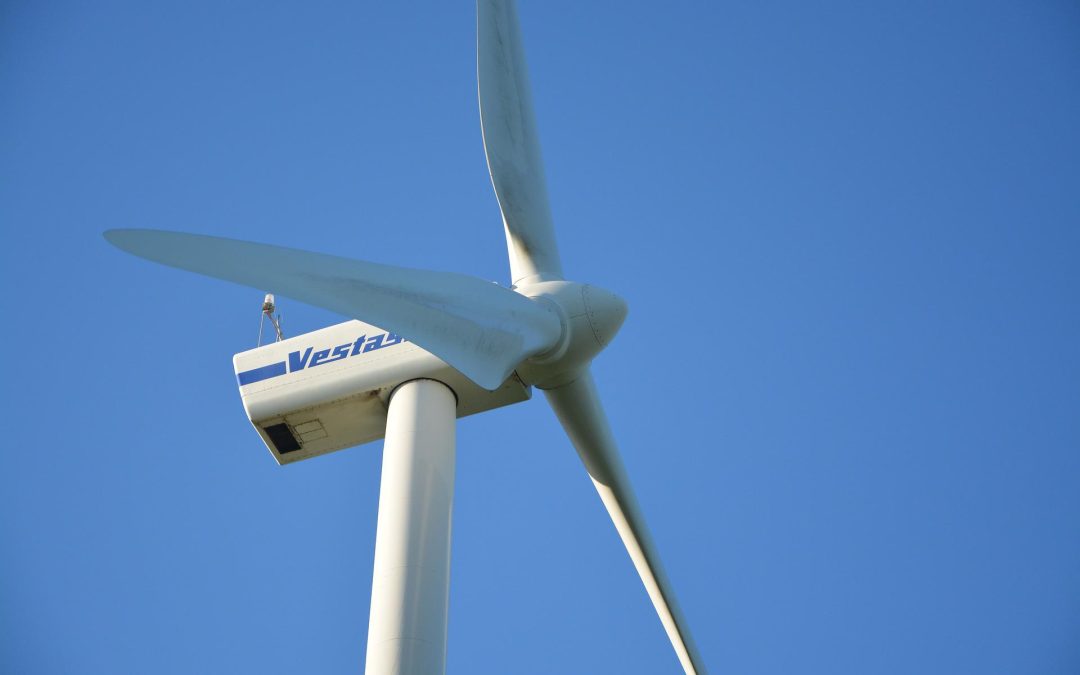
Wind turbines for RVs are a great way to generate renewable energy while you’re on the road. They can help you save money on your energy bills and reduce your reliance on fossil fuels.
If you’re considering installing a wind turbine on your RV, there are a few things you need to know. First, you need to make sure that the wind turbine is the right size for your RV. You also need to consider the cost of the wind turbine, installation, and maintenance.
In this post, we’ll discuss the pros and cons of wind turbines for RVs, as well as some of the things you need to consider when choosing a wind turbine. We’ll also provide some tips on how to install and maintain your wind turbine.
Advantages of Wind Generators
Cost-effectiveness
The cost of using a wind generator is less than 5 cents per kWh. That’s about half the cost of solar power. Installation and initial investment for an RVer are significantly less for a wind generator than for equivalent power-capable solar panels.
Environmental friendliness
As they harvest renewable resources, both solar and wind setups don’t cause damage to the environment, don’t deplete an energy source, and don’t rely on the power grid. Going off the grid is especially valuable for RVers who boondock, or those who are caught up in a natural disaster that can cause a power outage. To be able to provide your own electrical power to your RV without using shore power or a generator could be a real asset.
Off-grid living
Having both solar power, which is most efficient on bright sunny days, and wind power, which can be efficient both on sunny as well as overcast, cloudy, or stormy days, could reap an RVer the best of both worlds. With two power sources, you should be able to run just about everything in your RV and keep your battery charged.
Tax breaks
Per the Bipartisan Budget Act of 2018: “A taxpayer may claim a credit of 30 percent of qualified expenditures for a [residential renewable energy] system that serves a dwelling unit located in the United States that is owned and used as a residence by the taxpayer.” Motor homes can fall under the definition of a principal residence—if it’s actually your principal residence, of course—but check with your tax advisor to see if you qualify for an energy efficiency tax credit.
Disadvantages of Wind Generators
Dependence on wind
Some of the drawbacks to wind generators most likely to affect RVers include the need for wind. Without a consistent wind source, the turbine will not generate power.
Noise
The turbines can be noisy, which may be a disturbance to you or your neighbors at campgrounds.
Efficiency
The possibility that turbines might only operate at only 30 percent capacity depending on conditions could make them less efficient than solar panels in certain situations.
Damage from lightning storms
The potential that turbines can be damaged in lightning storms is another concern, as these events could render your wind power system inoperable.
Combining Wind Turbines with Solar Panels
Wind turbines are often best used in conjunction with solar panels, as both rely on specific atmospheric conditions. If you have both, the odds are better that one will be able to generate power at any given time. This combination can provide a more consistent and reliable source of energy for your RV, reducing your dependence on traditional power sources and giving you more flexibility in where you can travel and park.
Conclusion
In summary, wind turbines can be a valuable addition to an RV’s power system, offering cost-effective, environmentally friendly, and off-grid living opportunities. While there are disadvantages, such as the dependence on wind, noise, efficiency, and potential damage from lightning storms, combining wind turbines with solar panels can create a more dependable energy system for your RV. It’s essential to carefully consider your specific needs, location, and budget before deciding on the best renewable energy solution for your RV.
FAQs
How much wind is needed for a wind turbine to generate power for an RV?
Most small wind turbines require a minimum wind speed of 5-8 mph to start generating power. However, the turbine’s efficiency increases as wind speeds increase, so more wind generally means more power generated.
Can I install a wind turbine on my RV myself?
While it’s possible for a knowledgeable and experienced DIYer to install a wind turbine on their RV, it’s often recommended to have a professional handle the installation to ensure proper mounting and wiring.
What is the lifespan of a wind turbine?
Small wind turbines typically have a lifespan of 20-25 years. Regular maintenance, such as checking for wear and tear on moving parts and tightening bolts, can help extend the turbine’s life.
Do wind turbines require a lot of maintenance?
Wind turbines require relatively low maintenance. However, it’s essential to perform regular inspections and maintenance tasks such as lubricating moving parts, checking for corrosion, and ensuring all connections are secure.
Can I use a wind turbine in a residential area?
The feasibility of using a wind turbine in a residential area depends on local regulations and ordinances. Some areas may have restrictions on height or noise levels, so it’s essential to research and comply with any applicable regulations before installing a wind turbine.

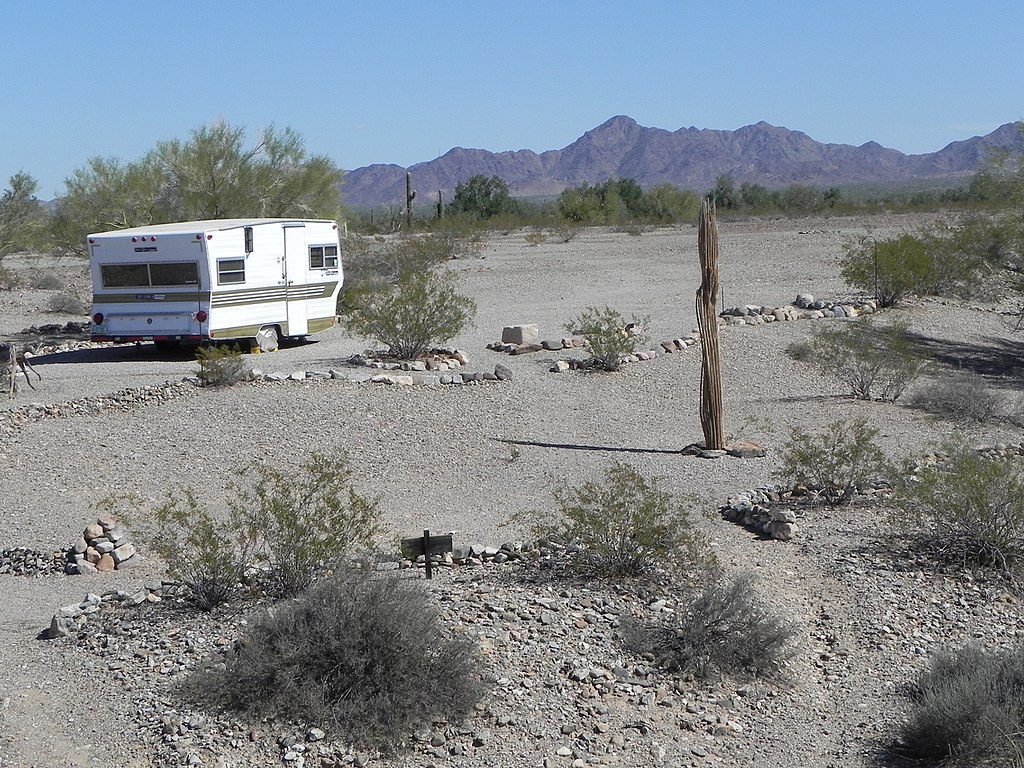
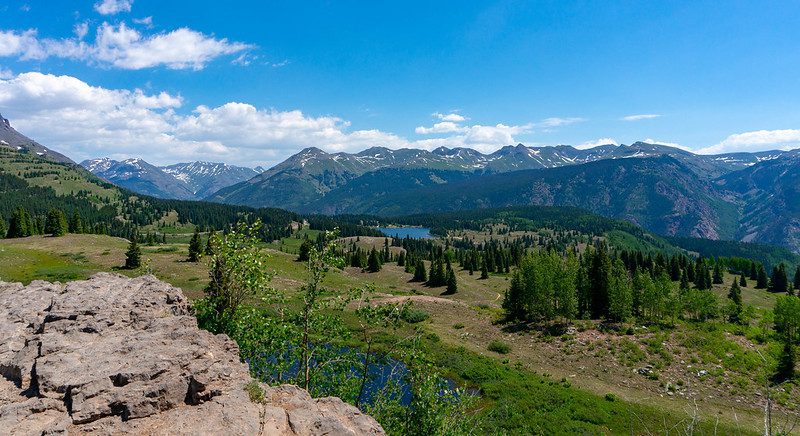
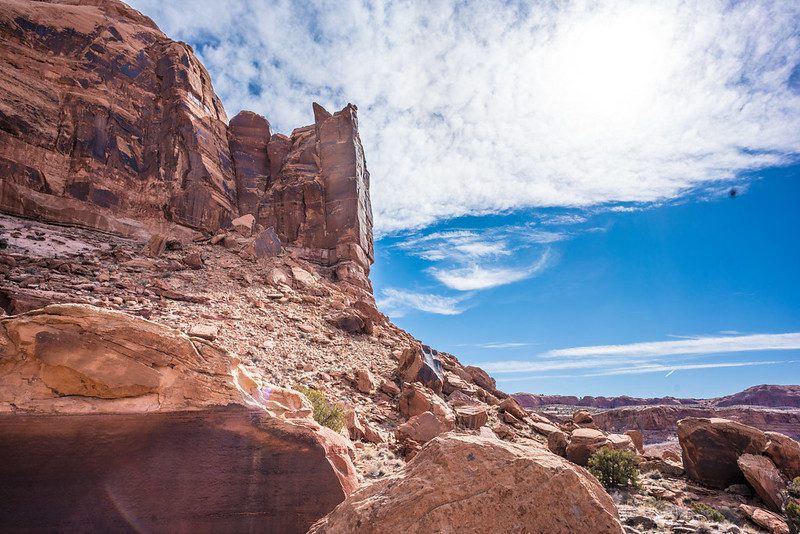
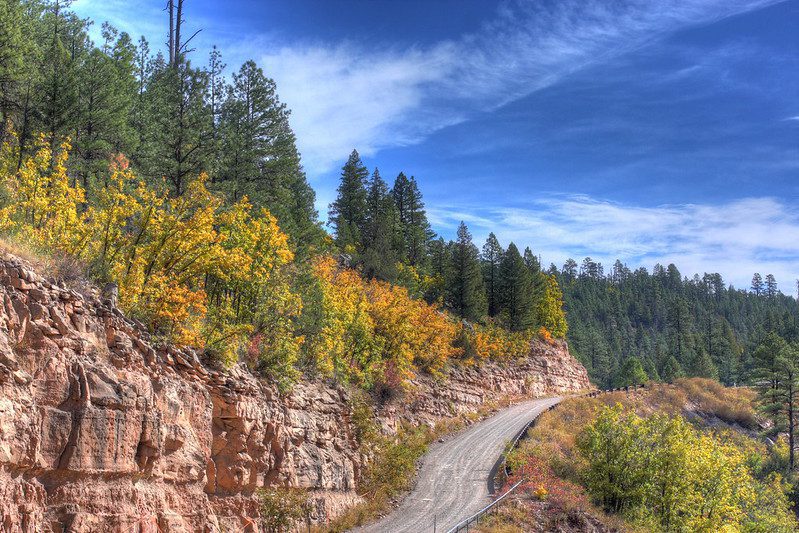
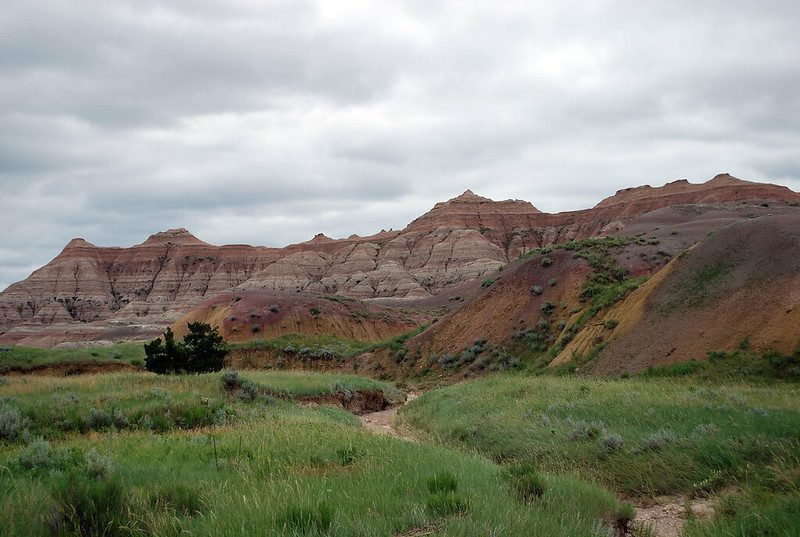
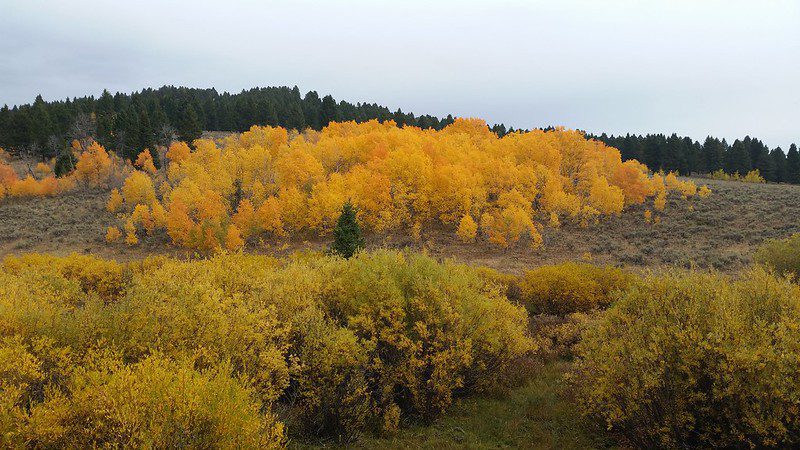
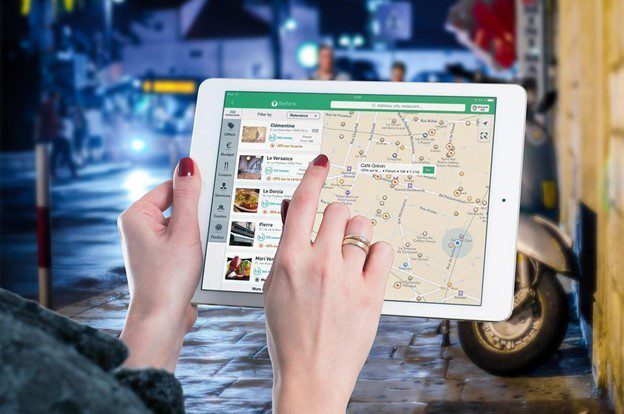
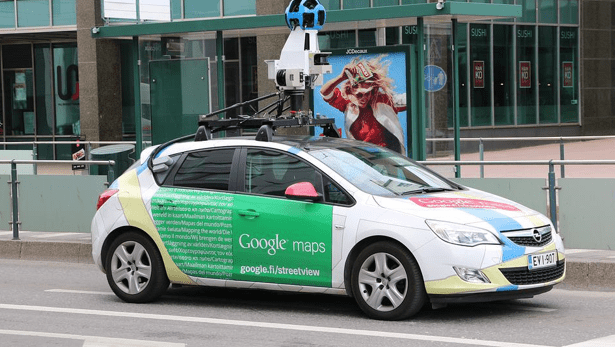
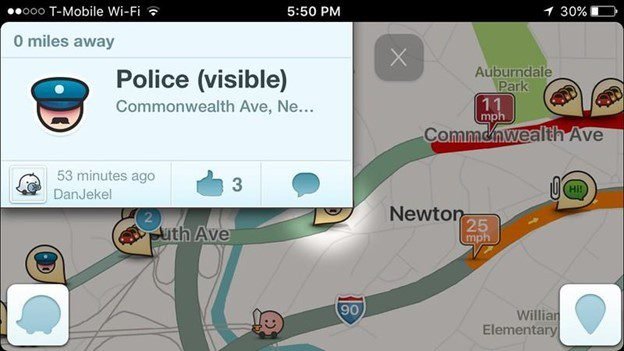
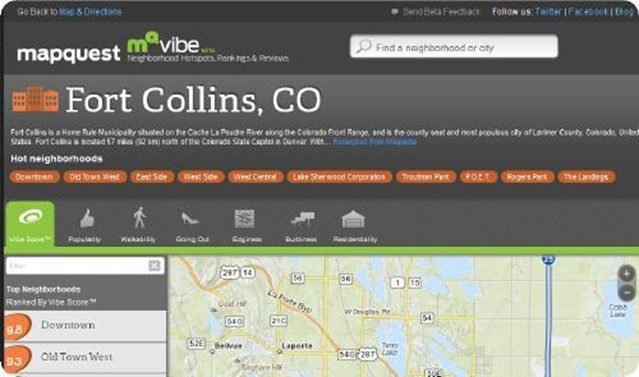 Image Credit: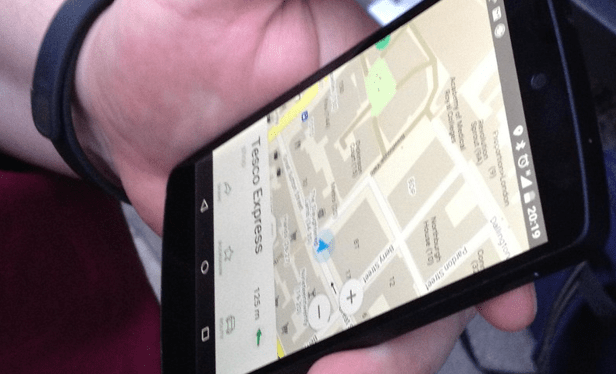
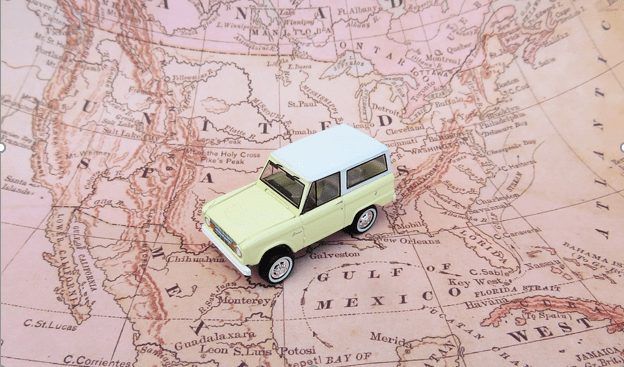 Image Credit:
  Image Credit: