A Journey of Wine and Memories at Bully Hill Vineyards in Hammondsport, New York
Hey there, fellow wine lovers and road trip enthusiasts! I’m excited to share my heartfelt journey to Bully Hill Vineyards in the charming village of Hammondsport, New York, nestled in the Finger Lakes Wine Region. If you’re anything like me—someone who enjoys discovering hidden gems while traveling in an RV—this post is for you. I’ve always believed that the best trips aren’t just about the destination, but the stories and memories you gather along the way. And let me tell you, Bully Hill served up the perfect blend of wine, scenery, and nostalgic surprises that made for an unforgettable experience.
My goal in this post is to not only share my personal encounter at Bully Hill but also to help you make the most of your own visit—whether you’re a seasoned RVer, a curious wine explorer, or a history buff eager to learn about the Taylor family legacy. We’ll chat about the delightful tastings, the panoramic views of Keuka Lake, and the unexpected connections that truly make travel special. Buckle up: we’re about to embark on a journey that began more than three decades ago and continues to create fresh memories today.
View of Keuka Lake from Bully Hill
Revisiting Memories from Over Three Decades Ago
Some trips feel more like a reunion with an old friend than a brand-new adventure. Back in the late 1980s, my partner Cindy and I rolled up to Bully Hill Vineyards for the first time. Wine tastings were much more casual (and often free) in those days, and I can still picture us standing by a wooden counter, sampling generous pours of red and white wines while chatting with the ever-hospitable Walter S. Blank (Taylor). If you know the Taylor history, you’ll understand the reference to “Blanked”—it’s a humorous nod to the legal complexities the family encountered in the wine industry, which led Walter to creatively rename himself for a time.
Walter, who was the son of the iconic Taylor family, poured more than just wine that day—he poured out stories, laughter, and a sense of belonging. That brief interaction turned into one of those golden travel memories you just never forget. It was enough to bring me back more than 30 years later, eager to see what had changed and what had remained delightfully the same.
Fast forward to July 2022, and I discovered a Bully Hill that had evolved into a full-fledged experience: from a spacious gift shop to a modernized tasting room overlooking Keuka Lake, plus a cozy on-site restaurant. And yet, that warm, welcoming feeling I remembered from decades past was still alive and well.
Bully Hill Vineyards & Its Unique Charm
Bully Hill Vineyards is more than just a winery—it’s an iconic Finger Lakes Wine Region destination that weaves together history, art, and community spirit. Located in Hammondsport, New York on the western shore of Keuka Lake, it was originally founded by members of the Taylor family, a lineage credited for pioneering the region’s modern wine movement (Dombrosky, 2018). Today, Bully Hill encompasses a wine museum, restaurant, tasting room, gift shop, and even hosts small-scale events, making it a delightful, all-inclusive spot to explore.
The winery’s brand is best recognized for its whimsical labels and the outspoken personality of its founder, Walter S. Taylor. Throughout the property, you’ll find art pieces that reflect the winery’s lighthearted spirit and a nod to Walter’s comedic response to legal hurdles—like blanked-out names on their wines. It’s this blend of artistry, humor, and quality wines that keeps visitors returning year after year.
If you’re a fan of crisp Rieslings, fruit-forward reds, or just enjoy sampling unique blends, Bully Hill has something for every palate. And let’s not forget the incredible lake views that accompany each tasting, reminding you just how special it is to immerse yourself in one of the most scenic wine regions in the United States.
Why the 2022 Visit Was Extra Special
By the time Cindy and I returned in 2022, Bully Hill had become a bona fide wine destination. The tasting room had grown into a welcoming space where visitors could enjoy five pre-selected wines for just $8, and that fee also included a souvenir wine glass. If you crave a bit more variety, you can slide over to the gift shop’s bar and grab individual pours for $2 a taste. From fruit wines to oak-aged blends, the staff showcases a range of flavors to keep both novices and wine connoisseurs happy.
I’m certainly not an expert wine taster, but I know a good vintage when I sip one. The wines I sampled that day were simply exquisite—an echo of Bully Hill’s longstanding reputation for producing quality bottles that capture the essence of the Finger Lakes terroir. According to the Finger Lakes Tourism Alliance, the region’s cool climate and glacial soils create ideal conditions for growing flavorful grapes (Finger Lakes Tourism Alliance, 2019). It’s no wonder this area has become a hotspot for American wine lovers.
But perhaps the most magical moment of my recent trip was bumping into Stephen Taylor, Walter’s son. There he was, overseeing the tasting bar with the same kind of generosity and warmth his father showed us decades ago. I recounted my fond memory of Walter pouring us those famously generous samples, and Stephen seemed genuinely touched to hear how his father’s hospitality had lingered in our hearts for all these years.
Harvest Hosts Membership and the Perfect RV Spot
On the practical side of things (because we all want to travel smart), one of the biggest highlights of this visit was discovering that Bully Hill Vineyards is now part of the Harvest Hosts program. For those who aren’t in the loop, Harvest Hosts connects RVers with unique overnight spots at wineries, farms, museums, and other fascinating venues across the country. You pay an annual membership fee, but the experiences can be priceless—imagine camping among rolling vineyards or scenic farmland without the hustle of a commercial RV park (Smith, 2021).
We learned that Bully Hill had only recently joined Harvest Hosts, making us some of their first official “pioneers.” Our designated spot was in the lower parking area, boasting the same panoramic view of Keuka Lake as the tasting room above. There was only one other camper parked beside us, and their owners seemed to be off exploring the region. With a port-a-potty on site (for those who need it), it was a fantastic balance between rustic and convenient. We run a self-contained RV, but hey, you never know when an extra restroom might come in handy!
The solitude and tranquility of sleeping under the stars, with only the gentle hum of vineyard life around us, was pure bliss. The next morning, I even ran into Stephen again while he was out walking his dog. We exchanged pleasantries, and I thanked him once more for making Bully Hill part of the Harvest Hosts network. The sense of camaraderie you experience at family-owned wineries can’t be beaten.
Try a Harvest Hosts stay and save 20%
Want to try the kind of winery overnight described here? Use BOONDOCK20 for 20% off any Harvest Hosts plan for new members, first year only. The offer link applies the code automatically. Harvest Hosts confirmed the offer on September 29, 2026. This review describes our July 2022 visit, so check Bully Hill’s current host listing, availability, rig limits, and arrival rules before planning a stay. Membership does not guarantee a reservation, and tastings, purchases, and optional host fees are separate.
Affiliate disclosure: Boondock or Bust may earn a commission at no extra cost to you. Confirm the final price and renewal terms at checkout.
Hammondsport Wineries and Local Attractions
Hammondsport isn’t just another small town—it’s been dubbed the “Coolest Small Town in America” by various travel magazines, and it’s easy to see why. Whether you’re into history, outdoor adventures, or simply want to sip wine by the lake, this spot has a bit of everything:
1. Finger Lakes Wine Country Adventures
You can create your own wine trail by hopping between nearby Hammondsport wineries, or follow the official Keuka Lake Wine Trail for a curated selection of tasting rooms. Each stop offers distinctive wines and personalities, ensuring that no two experiences are the same. According to the New York Wine & Grape Foundation, the Finger Lakes region now encompasses over 140 wineries, making it an increasingly prominent force in American wine production (NYWGF, 2020).
Beyond Bully Hill, you’ll find other noteworthy vineyards such as Dr. Konstantin Frank Winery, Heron Hill Winery, and Pleasant Valley Wine Company. If you’re tight on time, I’d recommend at least picking one or two additional spots to round out your tasting adventure.
2. Keuka Lake State Park
If you’re an outdoorsy spirit like me, you’ll love visiting Keuka Lake State Park. This park offers hiking trails, boating opportunities, swimming, and fishing. The terrain around the Finger Lakes can be surprisingly hilly, providing scenic overlooks around every bend. There’s nothing quite like a peaceful walk by the water before heading back to your RV for a lakeside sunset.
In the warmer months, families can enjoy picnicking, beach access, and well-maintained playgrounds for children. Plus, if you’re a photography aficionado, you’ll find no shortage of photogenic lake vistas to capture and share.
3. Glenn H. Curtiss Museum
For aviation fans or history buffs, the Glenn H. Curtiss Museum is a can’t-miss attraction. Glenn Curtiss was a pioneer in American aviation, and this museum spotlights his contributions alongside vintage planes, motorcycles, and local artifacts. It’s a refreshing shift from wine tasting—proving that Hammondsport offers diversity in experiences that go beyond the vine.
The museum is open year-round, which can be particularly appealing if you’re visiting the Finger Lakes in the quieter off-season. Make sure to allow at least a couple of hours to wander through the exhibits and marvel at the early days of flight.
4. Local Shops, Restaurants, and Community Events
Downtown Hammondsport might be small, but it sure packs in the charm. You’ll find boutique shops selling artisanal goods, cozy cafés for your morning latte, and quaint restaurants dishing up everything from classic American fare to gourmet cuisine. If you’re traveling during festival season, keep an eye out for local events that often feature live music, craft booths, and plenty of wine-infused fun.
Visitors looking for a bit of local color might swing by the Hammondsport Central School District Athletic Field to catch community sports events or seasonal festivals. The whole area comes alive with a tight-knit community vibe that makes you feel instantly at home.
Making the Most of Your Bully Hill Visit
Below are a few tips and insights to help ensure you have a fantastic time exploring Bully Hill Vineyards and Hammondsport as a whole:
Plan for Peak Seasons: The Finger Lakes gets busier in summer and fall, so try to book your tastings and RV spots in advance.
Designate a Driver: If you plan on sampling multiple wineries, consider having a designated driver or using a local tour service. Safety first!
Check Weather Conditions: Upstate New York weather can be unpredictable. Pack layers, and don’t forget your rain gear just in case.
Bring Extra Cash: Tastings are affordable, but you’ll likely want to bring home a few bottles—or some Bully Hill merch from the gift shop.
Extend Your Trip: Consider spending an extra day or two to explore more wineries and local attractions, like Watkins Glen State Park or Corning Museum of Glass a short drive away.
According to Travel + Leisure, “The Finger Lakes is one of the most underrated wine regions in the country, offering a blend of affordable tastings, stunning landscapes, and a welcoming community” (Morris, 2021). I couldn’t agree more!
Four Thumbs Up for Wine, History, and Scenic Bliss
In the end, my journey to Bully Hill Vineyards was about far more than swirling wine in a glass—it was about reconnecting with a place that had once shown me heartfelt hospitality and discovering that time had only enhanced its charm. From the expanded tasting room to the new on-site restaurant and the Harvest Hosts RV camping arrangement, Bully Hill continues to honor its legacy while embracing the future. Throw in the remarkable beauty of the Keuka Lake shoreline and the friendly vibe of Hammondsport, and you’ve got a recipe for lifelong memories.
If you’re searching for a wine destination where history, community, and spectacular vistas unite, look no further. Bully Hill’s blend of great wine, wonderful people, and captivating scenery has my wholehearted recommendation—4 thumbs up! Whether you’re an RV traveler like me or simply in the mood for a scenic day trip, be sure to add this gem to your itinerary. I promise you’ll leave with both a satisfied palate and stories to tell.
Ready to start planning your own wine country adventure? Drop me a comment below or share your favorite Finger Lakes memories—I’d love to hear from you. Safe travels and happy tasting!
Helpful Links
Below are some authoritative resources to deepen your exploration of Bully Hill Vineyards and the Finger Lakes region.
Hello, fellow RV enthusiasts and wine lovers! Today, I’m thrilled to share our first experience with Harvest Hosts during our stay at Cayuga Ridge Estate Winery in Ovid, New York. If you’re not yet familiar with Harvest Hosts, think of it as a unique membership program that connects travelers with overnight stays at picturesque wineries, farms, breweries, and museums. For RVers looking to add a dash of adventure to their trips, it’s a match made in heaven.
I’ve always believed travel is about those unexpected yet memorable experiences—and our night at Cayuga Ridge definitely delivered! This winery had all the charm and warmth you’d expect from the Finger Lakes Wine Country, plus a few delightful surprises. So, let’s take a virtual journey through our stay, from vintage barn welcomes to scenic lake views.
A Vintage Barn Welcome
When we first pulled into Cayuga Ridge Estate Winery, I instantly felt that laid-back, rustic vibe the Finger Lakes region is famous for. The setting was breathtaking—rolling hills that slope gently toward Cayuga Lake, dotted with rows of lush vineyards. In fact, a couple of RVs were already parked in prime spots overlooking the water, and it was a sight straight out of a postcard.
The winery directs visitors to a vintage barn, which doubles as the welcome center, gift shop, and tasting bar. It’s a one-stop shop for all things wine-related. We were greeted by a friendly young woman who had just graduated college. Not only was she knowledgeable about the wines offered at Cayuga Ridge, but she was also a service dog trainer! She introduced us to her golden lab in training—a calm, patient pup that made the entire experience feel even more welcoming.
What really stood out, though, was how down-to-earth everyone was. You could tell the staff and owners take pride in their craft, yet maintain that unpretentious, small-town warmth that makes you feel right at home. If you’ve been to a few wineries, you know that friendly service can make all the difference—especially after a day of travel.
A Chat with Tom & Tasting Highlights
As we settled in at the bar, we met Tom, the winery’s owner, who’s been running Cayuga Ridge for the past 30 years. He came over to personally say hello, chat about the land, and offer suggestions on the best place to park our RV for the night. That personal touch is something I’ve come to appreciate more and more when visiting family-run wineries; it’s not just about selling wine but about sharing a passion that spans decades.
My wife and I each sampled four wines. I’ll admit I’m no wine connoisseur, but I do enjoy discovering new favorites. Some wines suited my taste better than others—which is perfectly normal—but each pour had its own character. It’s fascinating how the Finger Lakes region’s climate influences flavor profiles, giving Finger Lakes wines their unique, crisp undertones (Finger Lakes Wine Country, 2020).
One standout was their semi-dry Riesling, which captured the region’s mineral-rich terroir. If you ever stop by, don’t be afraid to ask the staff for recommendations based on your preferences—there’s something for everyone, from sweeter whites to bolder reds. Before you leave, I highly recommend grabbing a bottle or two to remember your stay by (and maybe an extra as a gift for your fellow wine-loving friends).
Harvest Hosts & Scenic RV Camping
The main reason we were here, of course, was Harvest Hosts. This membership program (Smith, 2021) allows RVers to stay overnight at unique venues like Cayuga Ridge Estate Winery. No cramped RV parks or crowded parking lots—just rolling vineyards, quiet sunsets, and starlit skies! Our spot for the night was perched just above Cayuga Lake, granting us panoramic views of shimmering water and farmland that stretched for miles.
Harvest Hosts generally asks that RVers support the property by making a purchase—like a wine tasting or a meal—rather than paying a traditional campsite fee. Honestly, it’s a great trade. You get to savor local wine, and the winery gets some well-deserved support. We also found that meeting other RVers in such a laid-back setting fosters instant camaraderie, creating a sense of community you don’t always find at larger campgrounds.
After the tasting, we settled into our RV, with Tom’s recommended camp spot offering up a gentle breeze off the lake. The sunset was nothing short of spectacular—shades of orange and pink reflected on the water—and at night, the stars felt impossibly close. If you’re into stargazing, you’re in for a treat in this part of the Finger Lakes; light pollution is minimal, so the Milky Way practically leaps out at you.
Some Local Things to Do in Ovid
Ovid, New York may not be huge, but it packs a punch with its scenic surroundings and friendly community. If you’re planning a visit, here are some recommendations:
Experience Finger Lakes Wine Country: Sample diverse wines from local wineries set against the region’s stunning vineyards. Each winery offers its own twist, from cellar tours to live music events.
Explore Seneca Lake State Park: Located just a short drive away, it features hiking trails, boating, fishing, and picnic spots for a relaxing day outdoors. The park’s shoreline offers postcard-worthy vistas at sunrise and sunset (NY State Parks, 2022).
Willard Memorial Chapel: This beautiful Victorian-era chapel is known for its stained-glass windows and functional pipe organ. A must-see for history lovers and architecture buffs.
Shopping & Dining Downtown: Wander through unique shops, boutiques, and local restaurants in downtown Ovid. Don’t miss out on sampling locally sourced produce or artisanal cheeses often featured on restaurant menus here.
Ovid Country Club: Work on your swing at this scenic 9-hole course with outstanding views of Seneca Lake. Even if you’re new to golf, the rolling greens and fresh air make for a relaxing outing.
Ovid Public Library: A community hub offering reading programs, local exhibits, and events. Perfect for a rainy day or quiet afternoon.
Ovid-Elsie Central School District Athletic Field: If you’re timing it right, you might catch a local sports match or community event. Small-town camaraderie is alive and well here, making it a fun diversion from wine tasting.
Helpful Resources & Planning Tools
Whether you’re intrigued by Cayuga Ridge specifically or want to map out a broader Finger Lakes itinerary, these reputable sources will help you plan a memorable trip:
Cayuga Ridge Estate Winery Official Website
(http://www.cayugaridgewinery.com/
– Their official site offers up-to-date information on wines, tasting events, and contact details.
Finger Lakes Wine Country Official Website
(https://www.fingerlakeswinecountry.com/
– A hub for planning winery visits, local festivals, and accommodations throughout the region (Finger Lakes Wine Country, 2020).
Willard Memorial Chapel
(https://www.willardchapel.org/
– Get visitor info and historical context for one of the area’s architectural treasures.
Closing Thoughts
Our stay at Cayuga Ridge Estate Winery was the perfect introduction to the Harvest Hosts lifestyle, blending scenic camping with the delights of local wine. From the gracious owners and staff to the unbeatable views over Cayuga Lake, every moment felt like a mini-vacation for the senses. If you’re passing through the Finger Lakes region, do yourself a favor and swing by Cayuga Ridge. Whether you’re a seasoned wine aficionado or just looking for a peaceful retreat in nature, you won’t be disappointed.
So, what are you waiting for? Plot your course to Ovid, gather your sense of adventure, and raise a glass to new experiences. And if you’ve already visited Cayuga Ridge—or have a favorite Finger Lakes winery—drop a comment to share your own story. The best part of exploring is sharing the journey with fellow travelers. Cheers to new trails and tasty sips!
Research, Size, Storage, New vs Used, and Cost Considerations
In the market for an RV? While still in the “investigation phase”, that’s the time to think through the process of buying an RV. As with anything, there are good products and bad products. Good salespeople and unscrupulous salespeople. Here are a few considerations:
Have I done enough research?
Going out to the various RV lots is great fun IF your expectation is just to look around and kick a few tires. If you’re the type of person that can’t say “NO” to a pushy salesperson, you may want to do your online research before hitting the lots. (We think this is a good idea anyway.) If you spend the time to research your purchase prior to hitting the lot, you’ll find a plethora of resources available to help you. Camping World, RV Trader and Craigslist are awesome places to see local inventory and options. Other places to educate yourself include the Family RV Association (FRVA), formerly Family Motor Coach Association (FMCA) and the many travel blogs out there. Here’s a list of the 100 Best RV Blogs for Motorhome Travel Enthusiasts.
Do I want a motorhome or a trailer?
An RV is a vehicle that combines transportation and temporary living quarters for travel, recreation and camping. Two main categories of RVs are motorhomes (motorized) and towables (towed behind the family car, van or pickup). – prvca.org
Once you make the decision, between a motor home or a towable, then it’s on to …
Size is an important factor; Not just for storage, but where will it sit when at the house for preparations, breakdowns, or cleaning. Does your driveway have an incline? If so, larger motorhomes and trailers may have issues with scraping and/or unhooking from the hitch. A flat area with a concrete pad is ideal. Just remember – size matters and biggest isn’t always best!
Where will I store my RV when it’s not in use?
If you’re lucky enough to have storage at home (especially indoor storage) – skip to the next question. But for most of us, we need to find a place to store our RV when it’s not being used. Most HOA regulations prohibit the storage of RV’s, boats, and the like – So you need an alternative place to store it. Storage rates vary depending on 2 main factors: Whether you want to store it indoors or outdoors AND the length of your RV.
This is a very personal question, but one worth mentioning. In my opinion, it comes down to whether you trust the individual selling the used RV. The downside to buying used is that you may be buying someone else’s problem. Other issues include odors, outdated colors, and fix-it items.
There is an upside to buying used (if you trust the seller). Many, if not ALL new RV’s have minor adjustments that are made during the shakedown cruise. If you’re buying a used RV that will work to your advantage, having been broken-in and presumably ready-to-go. As in everything… Buyer beware!
Travels and/or camping in an RV can be fun for the whole family if you find the right piece of equipment for your individual needs. Make sure that you’re patient, that you’re working on your timeline (not the dealer’s), and that you’re dealing with someone you can trust. Happy camping!
Tips On Buying Your First RV – Welcome to the Club!
About “The Club”: First and foremost, there is a tremendous amount of camaraderie among RV and trailer campers. For example, when you pull into a national park or campground, you will regularly get approached to see if you’d like some help backing-in, leveling your rig, or just about anything. It’s a great feeling knowing there are lots of folks that were once rookie RV owners, and they’re happy to help out and share the knowledge.
RV Cost: How much is an RV in 2023?
Do your Homework
At first glance, calculating RV cost can seem daunting. With so many variations in design, manufacturers and even separate classes, there is much to decide.
The best path to take is to inform yourself of some very basic information about the different RV classes, and then begin dissecting the financial pros and cons in line with your particular needs. Equipping yourself with this level of information can easily transform a difficult decision into a pleasurable and rewarding experience.
Let’s start with defining the basic classes and then evaluate some of the potential and perhaps unforeseen costs of each choice.
Motorhomes
Motorhomes are the most convenient and luxurious form of travel since the occupants can enjoy the comforts of home while on the road. However, their large size can be difficult for some drivers.
Campsites can be a challenge to maneuver unless they are pull-through sites. Also, unless you tow another vehicle behind a motorhome, it is best to be prepared when you arrive on site. There are few things as inconvenient as settling into a site only to realize you forgot something important and have to leave with your RV for the nearest town store. Low gas mileage and high maintenance costs are a negative factor in this option.
These are the RVs most people notice traveling down the road with their shining chrome and exquisite paint jobs. Inside, these vehicles are better equipped than many site-built homes and can offer better amenities than some high-end hotel resorts. Class A motorhomes typically have the most room and storage of any other class of RV, but it all comes at a premium price. Expect to pay $80,000-$120,000 for a used model from the last five or ten years. The average price of a new Class A motorhomeranges from $95,000 to $120,000 and up.
If you want some of the luxuries of Class A, but are looking for a little less expensive option, or something much easier to drive, you might consider the Class B. They are typically the smaller of the motorhome classes and as such do not offer as much space but can be a good solution for the more agile motorhome buyer.
These vehicles drive similar to any normal van and can achieve much easier access to tight camping spots. The cost of a new Class B motorhome typically falls below that of Class A. Expect to pay $40,000-$80,000 for a used model from the last five or ten years. The average price of a new Class B motorhome, on average, ranges from $85,000 – $165,000.
The Class C motorhome is somewhere between the Class A and Class B. They are typically larger and roomier than the Class B, but smaller and less spacious than the Class A. As you would imagine, the maneuverability factor also falls somewhere between the other two classes as well. Expect to pay at least $60,000 for a good used model from the last five or ten years. The average price of a new Class C motorhome ranges from $75,000 – $90,000.
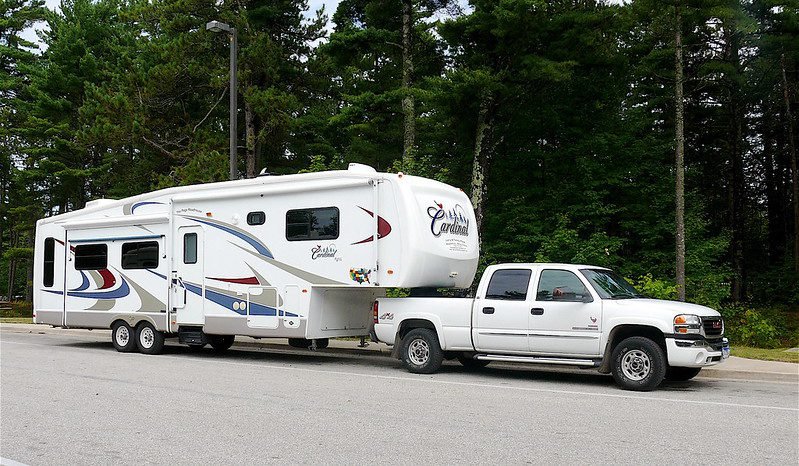
Fifth wheels are trailers that are towed behind vehicles equipped with a specialty hitch that is smaller, but similar to the type of hitch found on 18-wheelers. The main benefit of this type of hitch is that they allow for greater weight which can accommodate larger trailers.
Due to this advantage, fifth wheel campers are generally more spacious because part of the trailer can reside over the bed of the tow vehicle, which of course limits such transport to pickups or flatbed style trucks.
Additional living space is achieved through slide-outs that can be noticeably larger than those found on a travel trailer. Another advantage is that due to this type of hitch, control of the trailer – both on the road and in maneuvering into a campsite – is much more stable and manageable. You can expect to pay between $36,000 to $135,000 for a fifth-wheel trailer depending on the age, size, condition and amenities.
The costs associated with a fifth wheel often accompany the fact that these trailers, due to their extra weight, require the utility of a more powerful tow vehicle than the remainder of the trailer category.
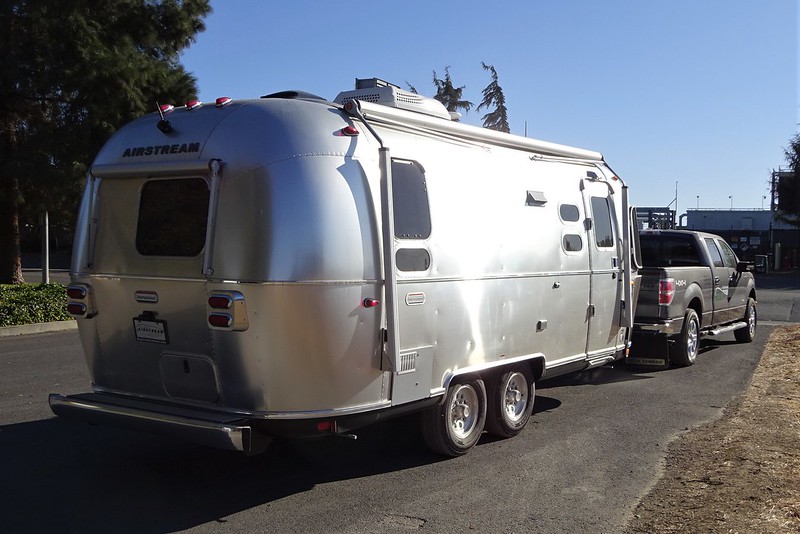
The travel trailer typically connects to a tow vehicle with the typical ball hitch making tow vehicle options quite a bit more versatile than the fifth wheel. There is a huge variety in the size of travel trailers that can accommodate just about any particular desire.
However, it is absolutely essential that you choose the appropriate tow vehicle for your trailer. Due to the smaller hitch and weight distribution, travel trailers can become very unstable at higher speeds depending on the vehicle pulling it. You can find several new models for less than $10,000. Used can be found for less, with pricing dependent on the age, size, condition and amenities.
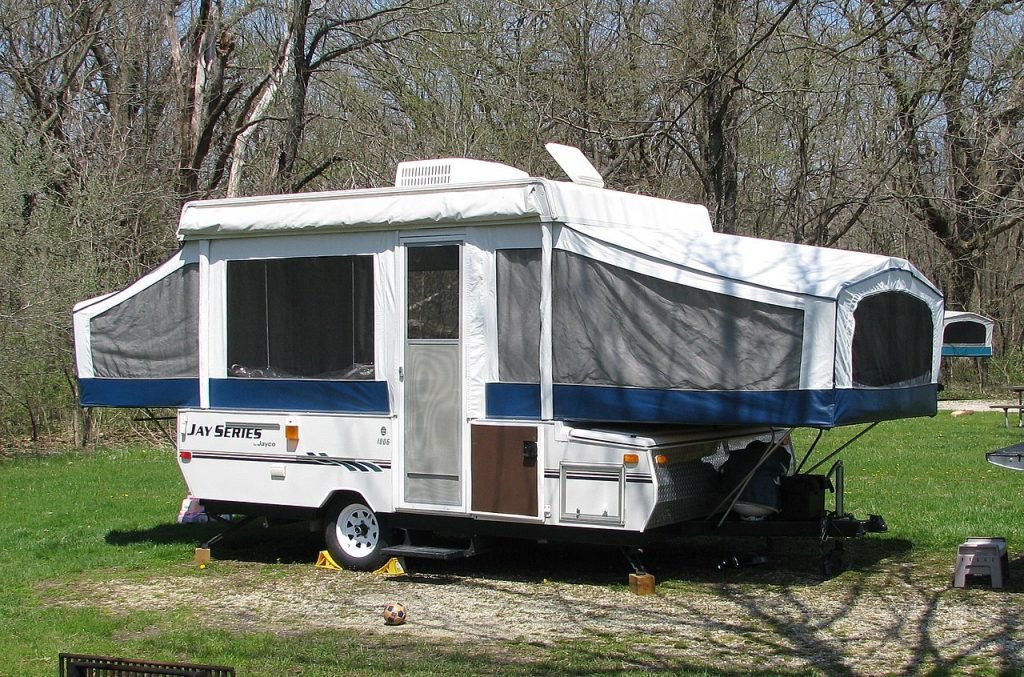
Of all the trailer RV options, the pop-up camper is typically the lightest and thus requires the least powerful tow vehicle of all the options. The compactness of the trailer when in travel mode makes them very easy to pull and maneuver into campsites.
Once on location, the canvas or vinyl tent portion of the camper is raised, and the beds slide out. There is a surprising amount of room in these small campers but be smart. The pop-up is not much more than that, a tent on wheels. You shouldn’t camp in extreme cold or extreme heat unless your particular model is adequately equipped.
It’s also not the safest option when camping in remote areas with large predators such as bears or big cats since the canvas or vinyl tent is not much of a deterrent. Pop-up campers’ MSRP is between $9,000 to $30,000 on average. Used can be found for less, with pricing dependent on the age, size, condition and amenities.
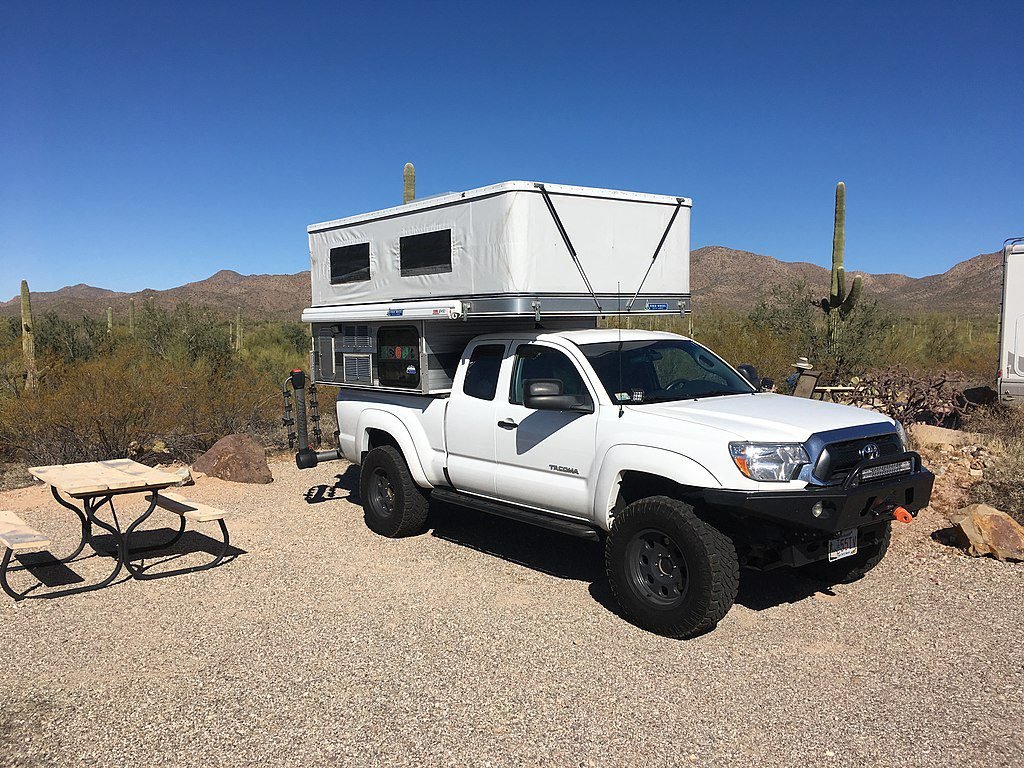
If you own a nice-sized pickup truck and don’t want to tow it behind a motorhome or use it to tow a trailer, the bed camper could be just the choice you’re looking for. Technology has come a long way in recent years and the amount of space in truck bed campers may just surprise you.
Some models even offer the option to extend legs down to the ground allowing you to pull the truck out for various excursions away from camp. Lower end truck campers can cost around $4000 and range upward to $50,000 or more, depending on the age, condition and amenities.
After You Pick Your RV
The costs don’t end when you choose the particular RV that meets your needs and requirements. Depending on how well equipped your choice is, there may be necessary additional items to acquire.
Accessories
Typical accessories include a generator or Solar Power / Lithium Batteries, storage cover, potable water hoses, propane tanks, and a multitude of outdoor equipment such as stoves, grills, chairs, and awnings. Many of the new higher-end models will come well equipped, but as the price goes down so do the added accessories.
Storage
In addition, if you don’t have room in your garage or on your own property, you will need to add a monthly storage fee to the list. If you aren’t buying with cash, you must also pay to finance your purchase.
Insurance
Unfortunately, the total RV cost will be more than the initial RV price. You should also factor in insurance to your decision process. The cost of insurance is typically in line with the value and type of the RV you choose.
Sales Tax
Let’s also not forget that your local government gets its share of the sale price through sales tax as annual fees. In most states, they come in the form of registration and inspections. These costs are of course dependent upon the type of RV you choose. The government exempts some of the smaller and lighter options from the inspection fees. It is important, however, to do the research in your area to determine what is required.
Operating Costs
Operating costs cannot be overlooked. A beautiful new RV is only a good investment if it can be used as often as possible, or if you rent it out when you aren’t using it. Due to the amount invested in this type of purchase, the less you use it or rent it, the less valuable your choice may be.
Want to try before you buy? Rent your RV first!
On the other hand, if you aren’t smart with where and how you use it, your RV cost can add up through high camping fees, excessive fuel costs, as well as maintenance and upkeep.
If after you find these options too expensive, there’s another option. There are some great RV rental options out there. For example, companies like RVshare.com connect renters with private owners similar to Airbnb.
By renting an RV for your outing, you can avoid the huge initial investment as well as the many additional costs of storing and maintaining it. You simply choose when you want to escape to the great outdoors, reserve the RV of your choice, and pick it up.
Resources
Camping World (https://www.campingworld.com/): Camping World is a leading retailer of RVs, RV accessories, and outdoor gear. Their website offers a wide variety of products and services for RV enthusiasts, making it an excellent resource for researching and purchasing RVs and related items.
RV Trader (https://www.rvtrader.com/): RV Trader is an online marketplace specializing in new and used RVs. The site allows users to search for RVs based on various criteria such as type, make, model, and price range, making it a useful tool for comparing different options and finding the perfect RV for your needs.
FRVA (https://www.frva.com/): FRVA is a membership-based organization dedicated to supporting and enhancing the RV lifestyle. Their website offers a wealth of resources, including RVing tips, travel information, and exclusive member benefits, making it a valuable resource for RV owners and enthusiasts.
RVshare (https://rvshare.com/): RVshare is a peer-to-peer RV rental platform that connects RV owners with individuals looking to rent RVs for vacations or other trips. Renting an RV through RVshare is a great way to try out different types of RVs before making a purchase and also offers a flexible option for those who do not wish to invest in owning an RV.
RV Cost Guide (https://www.rvingplanet.com/blog/rv-cost-guide/): The RV Cost Guide by RVing Planet is an informative resource that provides a comprehensive breakdown of RV costs, including purchase prices, financing, insurance, and operating expenses. This guide is helpful for those considering an RV purchase and looking to understand the various costs associated with RV ownership.
In conclusion, buying an RV can be an exciting but complex process. By leveraging the resources provided by websites like Camping World, RV Trader, FRVA, RVshare, and RV Cost Guide, you can make an informed decision that best suits your needs and preferences. Take the time to research, compare options, and even try renting an RV before making a purchase to ensure a satisfying and enjoyable RV experience. Happy camping!
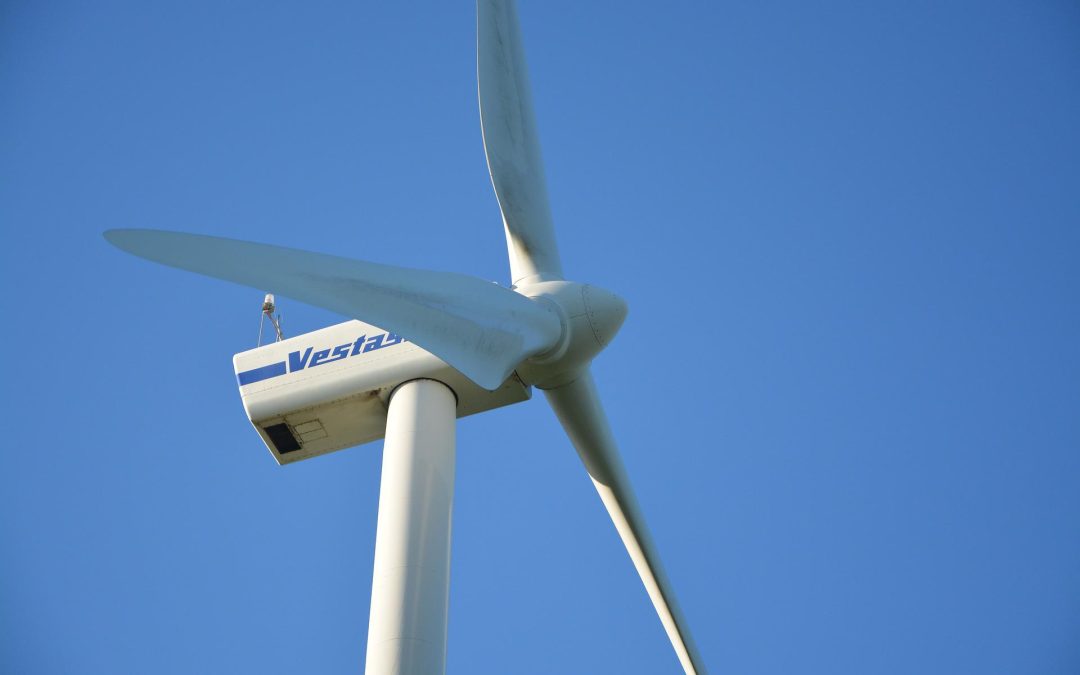
Wind turbines for RVs are a great way to generate renewable energy while you’re on the road. They can help you save money on your energy bills and reduce your reliance on fossil fuels.
If you’re considering installing a wind turbine on your RV, there are a few things you need to know. First, you need to make sure that the wind turbine is the right size for your RV. You also need to consider the cost of the wind turbine, installation, and maintenance.
In this post, we’ll discuss the pros and cons of wind turbines for RVs, as well as some of the things you need to consider when choosing a wind turbine. We’ll also provide some tips on how to install and maintain your wind turbine.
Advantages of Wind Generators
Cost-effectiveness
There is no universal per-kWh cost advantage for RV-scale wind. Total cost depends on the turbine, mast, controller, installation, wind resource, and actual energy produced. Compare expected output at the wind speeds you will realistically encounter with the cost and output of an RV solar system before buying.
Environmental friendliness
As they harvest renewable resources, both solar and wind setups don’t cause damage to the environment, don’t deplete an energy source, and don’t rely on the power grid. Going off the grid is especially valuable for RVers who boondock, or those who are caught up in a natural disaster that can cause a power outage. To be able to provide your own electrical power to your RV without using shore power or a generator could be a real asset.
Off-grid living
Having both solar power, which is most efficient on bright sunny days, and wind power, which can be efficient both on sunny as well as overcast, cloudy, or stormy days, could reap an RVer the best of both worlds. With two power sources, you should be able to run just about everything in your RV and keep your battery charged.
Tax considerations
The federal Residential Clean Energy Credit was available for qualifying wind turbines placed in service through December 31, 2025. The IRS says the credit is not available for property placed in service after that date. State, utility, and local incentives can differ, so check current programs and consult a qualified tax professional before treating an incentive as part of your purchase decision.
Disadvantages of Wind Generators
Dependence on wind
Some of the drawbacks to wind generators most likely to affect RVers include the need for wind. Without a consistent wind source, the turbine will not generate power.
Noise
The turbines can be noisy, which may be a disturbance to you or your neighbors at campgrounds.
Efficiency
The possibility that turbines might only operate at only 30 percent capacity depending on conditions could make them less efficient than solar panels in certain situations.
Damage from lightning storms
The potential that turbines can be damaged in lightning storms is another concern, as these events could render your wind power system inoperable.
Combining Wind Turbines with Solar Panels
Wind turbines are often best used in conjunction with solar panels, as both rely on specific atmospheric conditions. If you have both, the odds are better that one will be able to generate power at any given time. This combination can provide a more consistent and reliable source of energy for your RV, reducing your dependence on traditional power sources and giving you more flexibility in where you can travel and park.
Conclusion
In summary, wind turbines can be a valuable addition to an RV’s power system, offering cost-effective, environmentally friendly, and off-grid living opportunities. While there are disadvantages, such as the dependence on wind, noise, efficiency, and potential damage from lightning storms, combining wind turbines with solar panels can create a more dependable energy system for your RV. It’s essential to carefully consider your specific needs, location, and budget before deciding on the best renewable energy solution for your RV.
FAQs
How much wind is needed for a wind turbine to generate power for an RV?
Most small wind turbines require a minimum wind speed of 5-8 mph to start generating power. However, the turbine’s efficiency increases as wind speeds increase, so more wind generally means more power generated.
Can I install a wind turbine on my RV myself?
While it’s possible for a knowledgeable and experienced DIYer to install a wind turbine on their RV, it’s often recommended to have a professional handle the installation to ensure proper mounting and wiring.
What is the lifespan of a wind turbine?
Small wind turbines typically have a lifespan of 20-25 years. Regular maintenance, such as checking for wear and tear on moving parts and tightening bolts, can help extend the turbine’s life.
Do wind turbines require a lot of maintenance?
Wind turbines require relatively low maintenance. However, it’s essential to perform regular inspections and maintenance tasks such as lubricating moving parts, checking for corrosion, and ensuring all connections are secure.
Can I use a wind turbine in a residential area?
The feasibility of using a wind turbine in a residential area depends on local regulations and ordinances. Some areas may have restrictions on height or noise levels, so it’s essential to research and comply with any applicable regulations before installing a wind turbine.
The internet has made learning about RVing, travel, and road-tripping easier than ever. Whether you’re a seasoned road warrior or just starting out, there’s a wealth of information available at your fingertips. Blogs, videos, social media, and more offer a plethora of information on RVing and related topics. Regarding learning, following others’ examples and seeing how they have overcome obstacles can be incredibly beneficial.
Love Your RV: This blog is run by a Canadian couple who sold their home to travel across North America in their 5th-wheel RV. Love Your RV provides travel reports, product reviews, tips, tricks, and more. With the author’s background as an electronic technician, this blog is an excellent resource for significant modifications that readers can use to improve their RV. Check it out at https://www.loveyourrv.com/.
Everything About RVing: This blog, run by Al Wiener, provides everything an RVer needs to know online. From articles on where to go RVing to how to fix up your ride, there’s something for every level RVer here. Not finding what you need to know on the site? Alan takes questions, too! Consider submitting your question and see if it gets answered on the website. He also shares new articles, tips, and tricks on social media. Visit the blog at https://www.everything-about-rving.com/.
Technomadia: Geared towards the younger X, Y, and Millennial generations, Technomadia is run by a couple who fell in love on a Toyota Prius forum and have been on the road ever since in their converted bus. This blog focuses on current issues not addressed by many other full-time RVers, such as sustainability, minimal-impact travel, and the trials and tribulations of working in the tech sector while on the road. Technomadia’s website is an expert resource on staying connected to the web and technology, and they try to help other RVers out with their posts on solar panels and lithium-ion batteries. They have even authored The Mobile Internet Handbook and provide links to other younger-generation full-timer blogs. Check it out at https://www.technomadia.com/.
Wheeling It: This blog is brought to us by another couple who quit their jobs and hit the road full-time with their two cats and Great Dane in tow. Wheeling It stands out because it addresses critical issues for full-time RVers that some travel blogs gloss over, such as getting healthcare, pet care, and working. The blog is also mixed with an updated tips and tricks section, a modification section, and a dense section of travel stories browsed by individual states. Find it at https://wheelingit.us/.
Frugal RV Travel: This blog is a guide on how to save money while RVing, full-time or not. The blog discusses boondocking in-depth, which is the practice of RV camping without any utility hookups, often to save money by staying at free campsites. This blog also covers budgets, purchasing an RV, doing repairs on the road, and many other varieties of topics that concentrate on maximizing your dollar and adventure. The blog also includes links to buy extensive and detailed boondocking guides specializing in RVing destinations like California and Arizona. Visit it at https://frugal-rv-travel.com/.
If you’re looking for even more, TripSavvy has curated a list of five more blogs worth checking out:
RV Life Magazine: RV Life Magazine offers helpful tips and advice for RVers, including product reviews, maintenance advice, and destination ideas. Visit their website at https://rvlife.com/.
The RVing Guide: The RVing Guide covers a range of topics related to RVing, including RV buying advice, maintenance tips, and travel inspiration. You can find their blog at https://www.thervingguide.com/.
RV Lifestyle Magazine: RV Lifestyle Magazine covers all aspects of RVing, from camping and hiking to RV modifications and product reviews. The blog also features interviews with other RVers and a section dedicated to RVing with pets. Visit their website at https://rvlifestyle.com/.
RV Dreams: Run by a couple who sold their home and hit the road in an RV, RV Dreams offers a wealth of information on RVing, including tips on full-time RV living, RV maintenance and repairs, and finding the best RV parks and campgrounds. Check out their blog at https://www.rv-dreams.com/.
RV Love: Run by a couple who travel full-time in their RV, RV Love covers a range of topics related to RVing, including RV buying advice, travel tips, and product reviews. The blog also features interviews with other RVers and a helpful resources section with links to other RV-related websites and forums. Visit their website at https://rvlove.com/.
And here’s a “best RV blog list” curated from thousands of blogs on the web and ranked by traffic, social media followers, domain authority & freshness.
No matter which blog(s) you choose to follow, the important thing is to continue learning and exploring new ways to enhance your RVing experience. So before your next adventure, be sure to check out some of these fantastic resources and see how you can get the most out of your trip, no matter the destination.

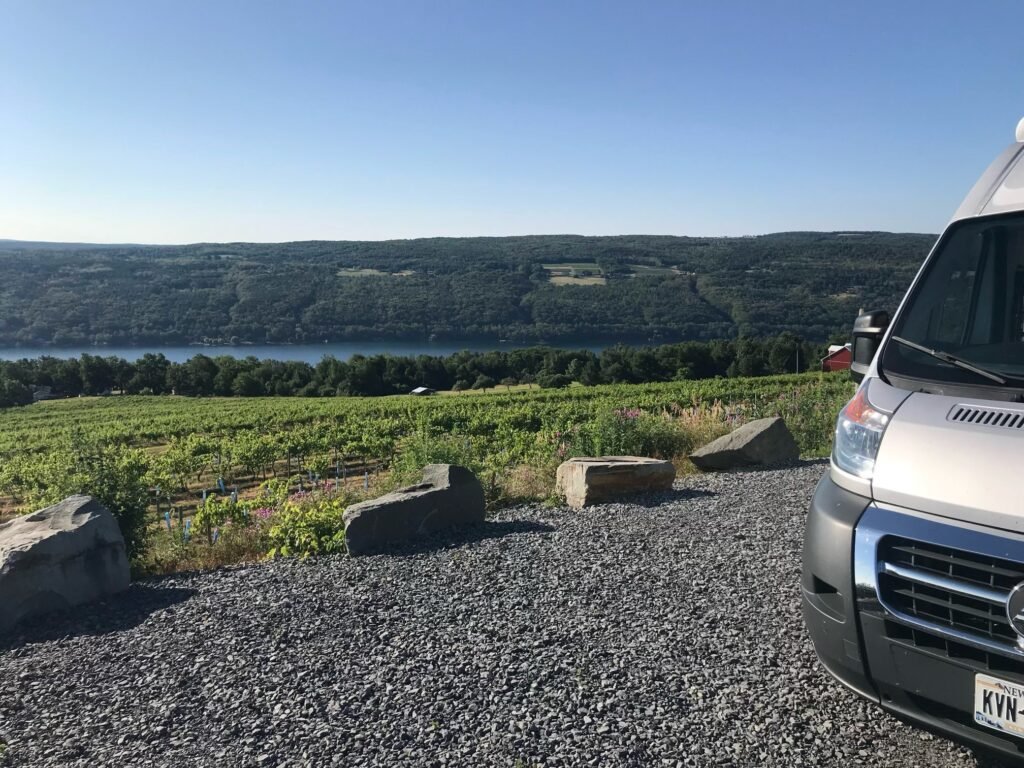 View of Keuka Lake from Bully Hill
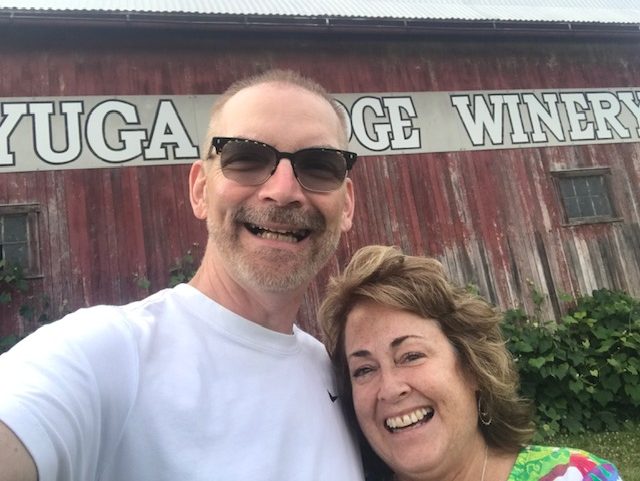
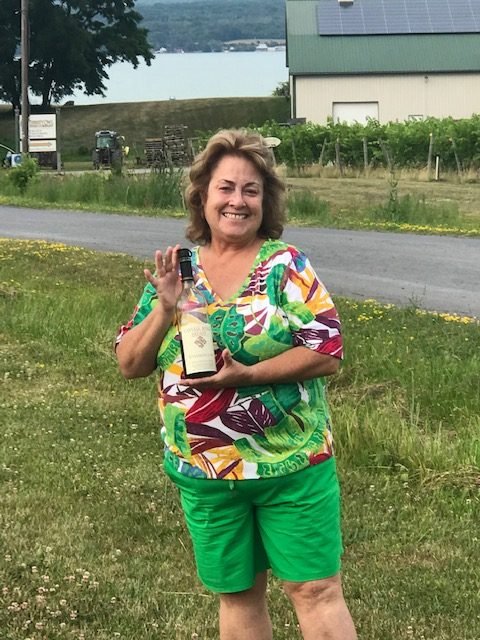 When we first pulled into Cayuga Ridge Estate Winery, I instantly felt that laid-back, rustic vibe the Finger Lakes region is famous for. The setting was breathtaking—rolling hills that slope gently toward Cayuga Lake, dotted with rows of lush vineyards. In fact, a couple of RVs were already parked in prime spots overlooking the water, and it was a sight straight out of a postcard.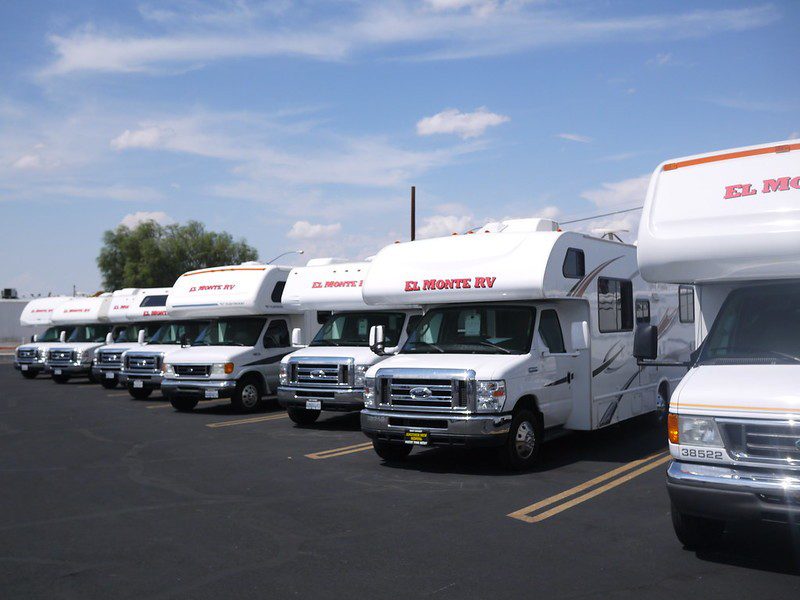
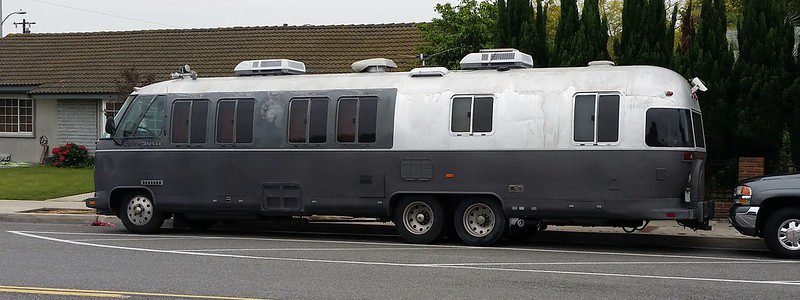
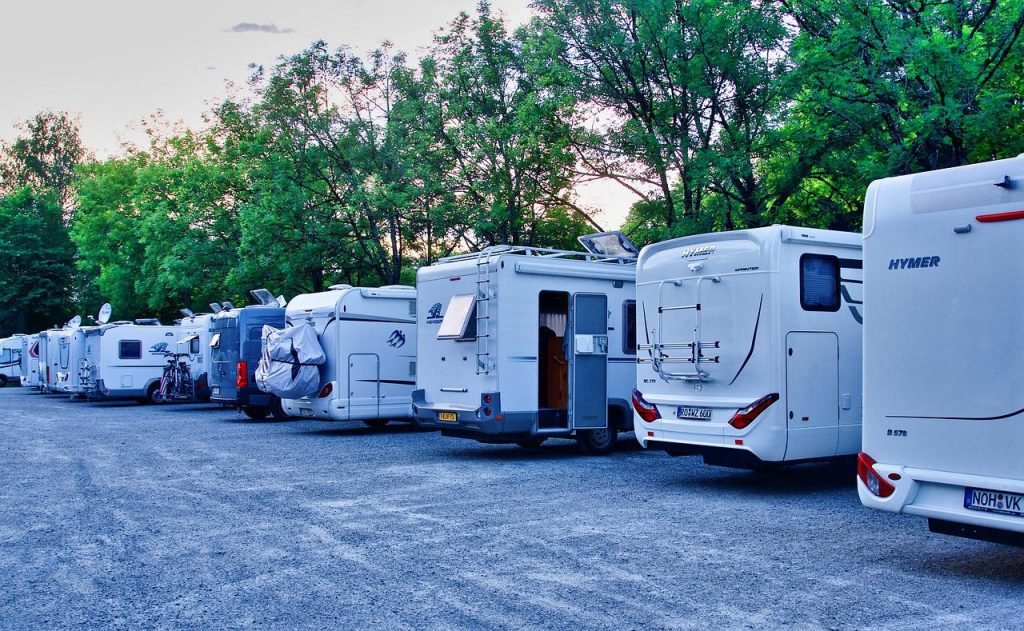 Image Credit:
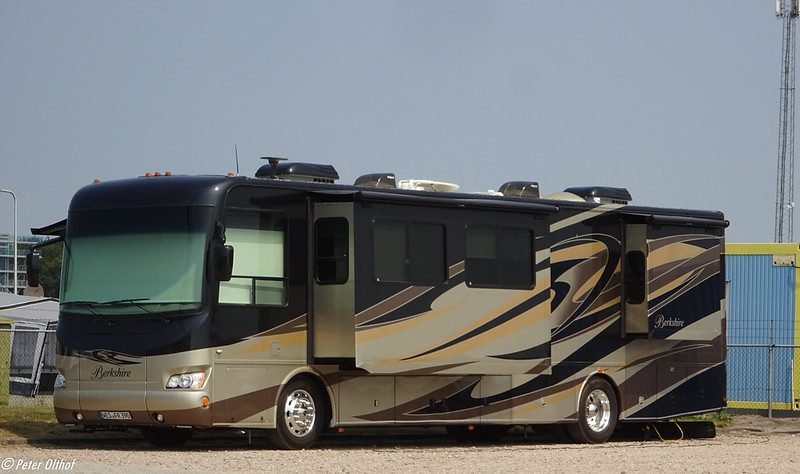
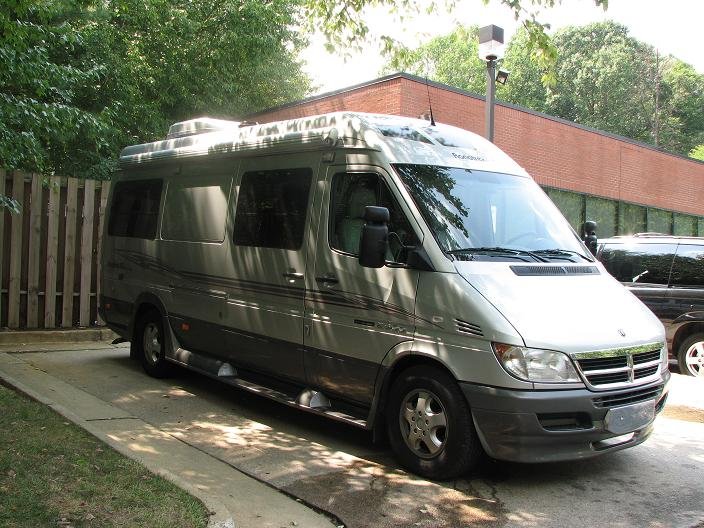
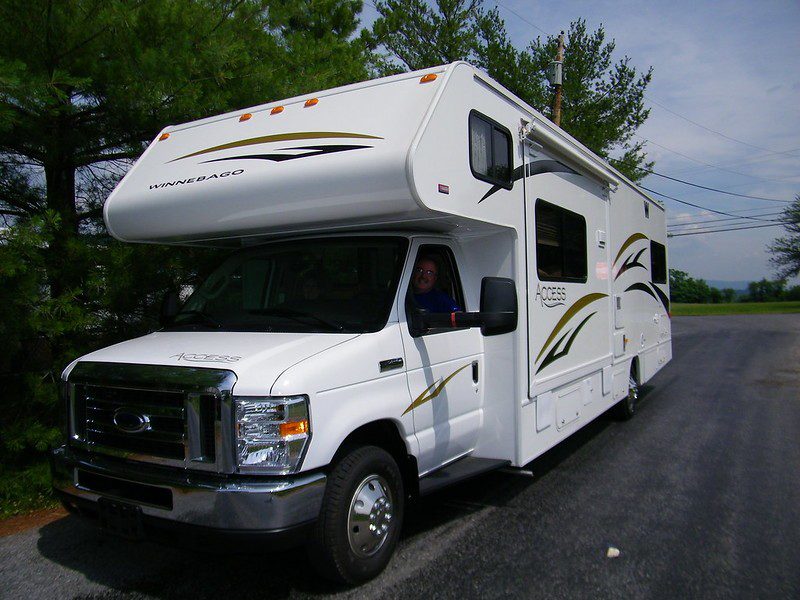 Motorhome Class C ~ Image Credit: Tony DiGirolamo / flickr