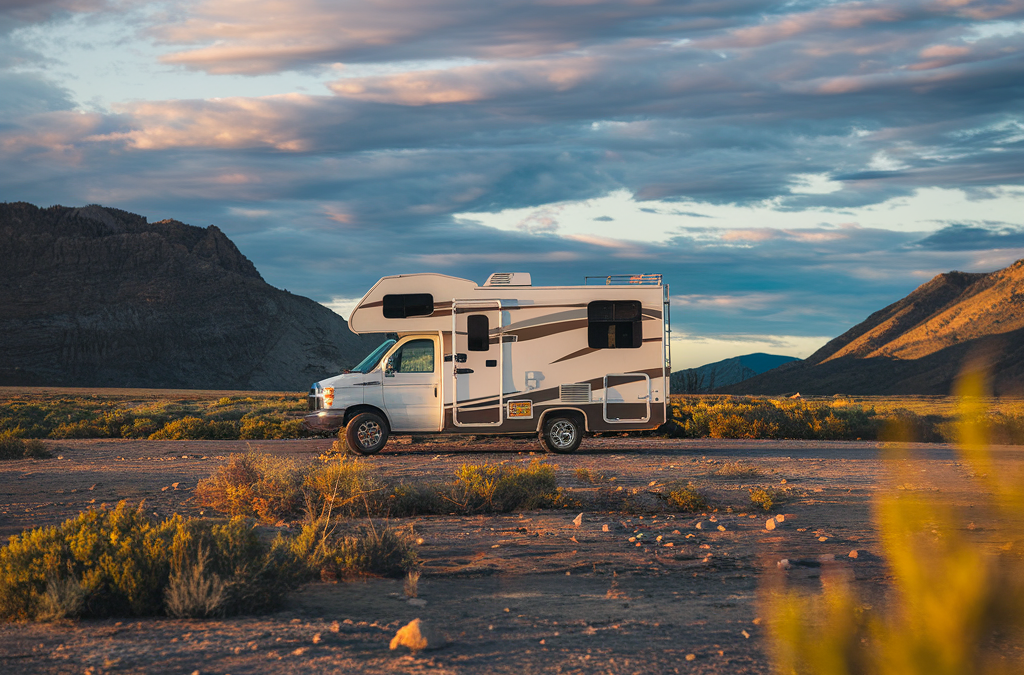
Plan Your Next UFO Encounter: The Best Boondocking Spots
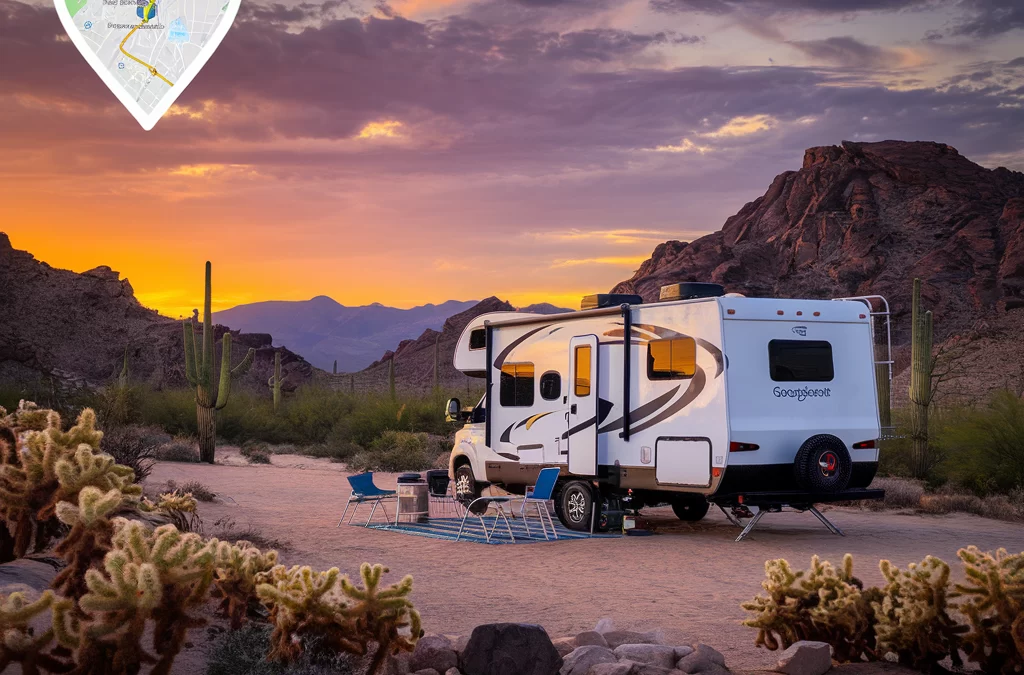
The intrigue surrounding Unidentified Aerial Phenomena (UAPs), commonly known as UFOs, has grown in recent years, fueled by declassified reports and growing public interest. With enthusiasts eager to spot these mysterious objects, RV boondockers are uniquely positioned to explore remote, dark-sky locations for the best sightings.RV boondocking — camping off-grid in secluded areas — provides a perfect opportunity to experience the night sky without urban light pollution. Imagine parking your RV in the middle of the desert or high in the mountains with an unobstructed view of the stars. These remote locations not only offer excellent stargazing opportunities but also a chance to witness unexplained aerial phenomena in their natural setting.In this guide, you’ll discover UAP hotspots across the U.S., learn how to set up a stargazing-friendly campsite, and get tips for capturing potential sightings. Whether you’re a seasoned RV traveler or new to boondocking, this guide will inspire your next adventure.
UAP Hotspots in the U.S. for RV Campers
From mysterious desert sites to areas steeped in UFO lore, the U.S. offers plenty of hotspots for RV boondockers interested in UAP observation. Below are some of the most popular locations:
Sedona, Arizona
Sedona is not just famous for its stunning red rocks but also for frequent reports of strange lights and unidentified objects in the sky. Many believe the area’s energy vortexes contribute to these phenomena. RV boondockers can find free camping options in the nearby Coconino National Forest, which offers clear, dark skies perfect for stargazing.
Pine Bush, New York
Known as the UFO Capital of the East, Pine Bush attracts visitors with its history of unexplained sightings. Boondockers can set up camp in the nearby Shawangunk Mountains, a perfect low-light environment for skywatching.
Skinwalker Ranch, Utah
Made famous by the History Channel, Skinwalker Ranch is a hotspot for paranormal enthusiasts and UAP watchers. Although the ranch itself is off-limits, the surrounding Uinta Basin offers remote camping sites where RVers can set up and enjoy the night sky.
Area 51, Nevada
Perhaps the most famous UAP hotspot, Area 51 has long been associated with extraterrestrial lore. While access to the base is strictly prohibited, boondockers can find camping spots along the Extraterrestrial Highway, a popular destination for UFO enthusiasts.
Interactive Map of Hotspots
Check out this interactive map to find UAP hotspots and nearby free camping locations. Use it to plan your next road trip and hit the best sites for UAP observation and stargazing.
Have you visited any of these locations? Share your stories in the comments or tag us on social media with your experiences!
The Stargazer’s Guide to Dark-Sky Boondocking
Dark-sky locations certified by the DarkSky International are perfect for stargazing and UAP observation. These areas have minimal light pollution, making them ideal for RV boondockers seeking clear views of the night sky.
Tools and Tips for Skywatching and UAP Observation
Whether you’re a beginner or a seasoned observer, having the right tools can enhance your experience. Here’s a guide to essential equipment and techniques:
Recommended Gear
Telescopes: Look for models with wide apertures for detailed views of the night sky.
Binoculars: Affordable and portable, ideal for spotting large celestial objects.
DSLR Cameras: Perfect for capturing long-exposure shots of the night sky.
Top Apps for Tracking Celestial Events
Sky Map: Free app for Android users to explore the night sky.
SkySafari: Advanced app for iOS and Android, featuring real-time tracking.
Photography Tips
Use a tripod to stabilise your camera for long exposures.
Experiment with ISO settings and aperture to capture clear images.
Include foreground elements (e.g., your RV or campsite) for added context.
Pro Tip: Learn to differentiate natural phenomena like satellites and meteors from potential UAPs by studying resources on Space.com.
UAP Survival Guide: Staying Safe While Boondocking
Camping in remote areas to observe UAPs can be an exhilarating experience, but safety should always come first. Here are some essential tips for staying prepared and secure during your adventures:
Keep a detailed itinerary and share it with someone you trust.
Encounters and Stories
Numerous RVers have shared their eerie experiences in UAP hotspots. Some claim to have witnessed strange lights or heard unexplained sounds. For real-life stories and encounters, check out MUFON (Mutual UFO Network), a leading organisation for UAP research and reporting.
Tip: If you experience something extraordinary, document it immediately using a journal or video, and report it to credible platforms like NUFORC (National UFO Reporting Center).
Budget-Friendly Tech for Stargazers and UAP Enthusiasts
Setting up your observation station doesn’t have to break the bank. There are plenty of affordable tools and DIY options for amateur UAP watchers and stargazers:
The fascination with UAPs is rooted in decades of sightings and stories that have captured imaginations worldwide. These tales of the unexplained are often tied to specific locations, adding an extra layer of intrigue for RV boondockers exploring these hotspots.
Historical Context
Roswell Incident (1947): The most famous UFO event in U.S. history, located near Roswell, New Mexico.
Area 51: A place shrouded in secrecy and speculation, inspiring countless legends.
Community Spotlight
RV boondockers and UAP enthusiasts form a vibrant community, sharing their sightings and stories. For real-time discussions and shared experiences, visit forums like Above Top Secret or groups on Facebook.
Interactive Content
We’d love to hear from you! Share your UAP encounters and photos with us via Instagram using the hashtag #UAPBoondocking or join the conversation in the comments below.
The Sky Awaits – Plan Your Next Adventure
UAP hotspots and dark-sky destinations offer endless opportunities for adventure and discovery. From the mystical landscapes of Sedona to the eerie lore of Area 51, there’s a destination for every curious RV boondocker. Pair these locations with the right gear and knowledge, and you’ll be set for unforgettable nights under the stars.
Don’t forget to bookmark this guide, share it with fellow enthusiasts, and follow us on social media for updates on the best UAP and stargazing spots. Have your own stories or tips? Drop them in the comments below – we’d love to feature your adventures in our next guide!
Start planning your trip today, and may your next destination lead to the discovery of the unexplained!
Explore hidden boondocking destinations perfect for Class B RV adventurers seeking solitude, stunning landscapes, and untapped natural beauty.
Saddleback Mountain, Maine
Nestled in Maine’s Rangeley Lakes region, Saddleback Mountain offers a serene boondocking experience. While the area is a hotspot for winter skiing, its off-season charm is unmatched for RVers seeking solitude.
Camping Options: Dispersed camping spots on state forest land or overnight stays in the resort’s offseason lot.
Activities: High-altitude hiking trails surrounded by dense forests.
Seasonal Considerations: Prepare for cooler temperatures, even in summer months.
Kaibab Plateau, Arizona
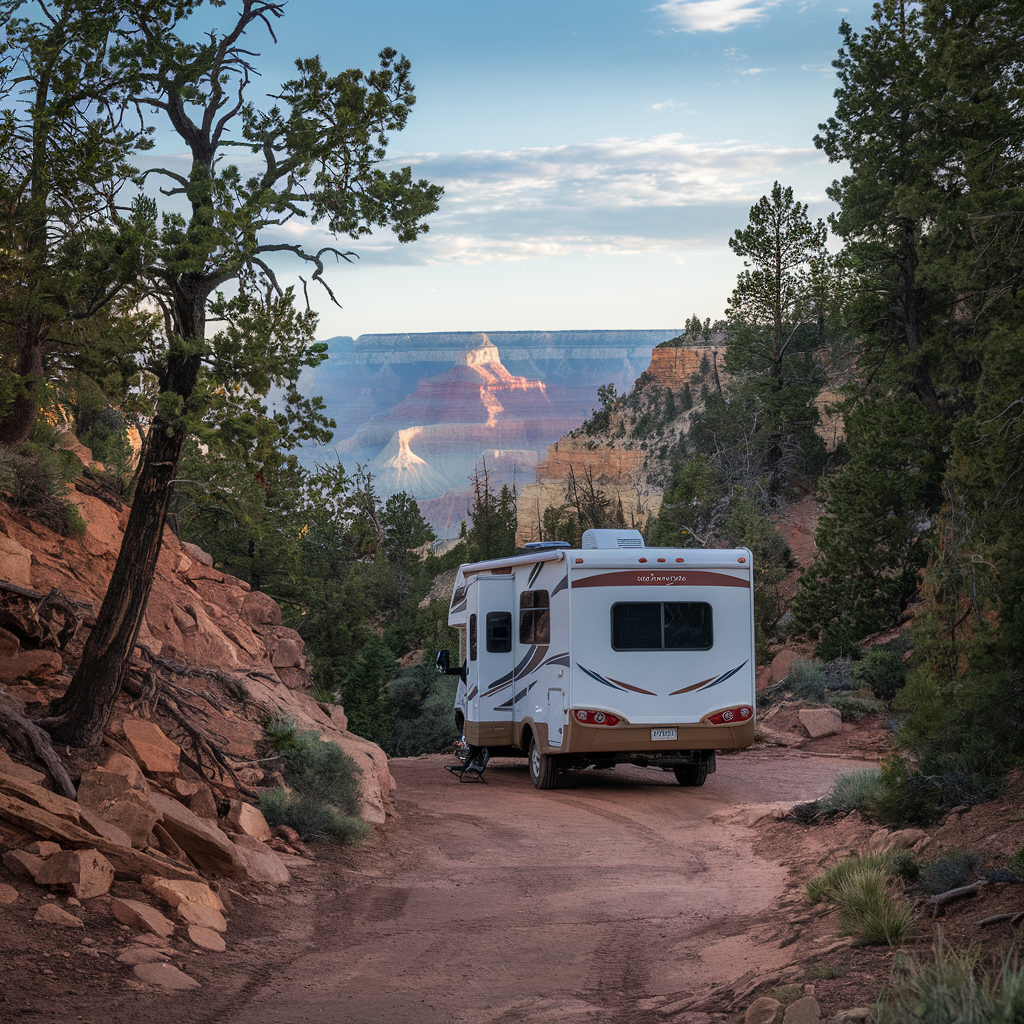
Escape the crowds at the Grand Canyon’s North Rim and explore the Kaibab Plateau. This hidden gem features secluded forest roads leading to breathtaking canyon views.
Camping Options: Dispersed camping is allowed on most forest roads.
Activities: Stargazing, wildlife watching, and hiking.
Access: Narrow forest service roads are navigable for Class B RVs with careful driving.
Fort Pierre National Grassland, South Dakota
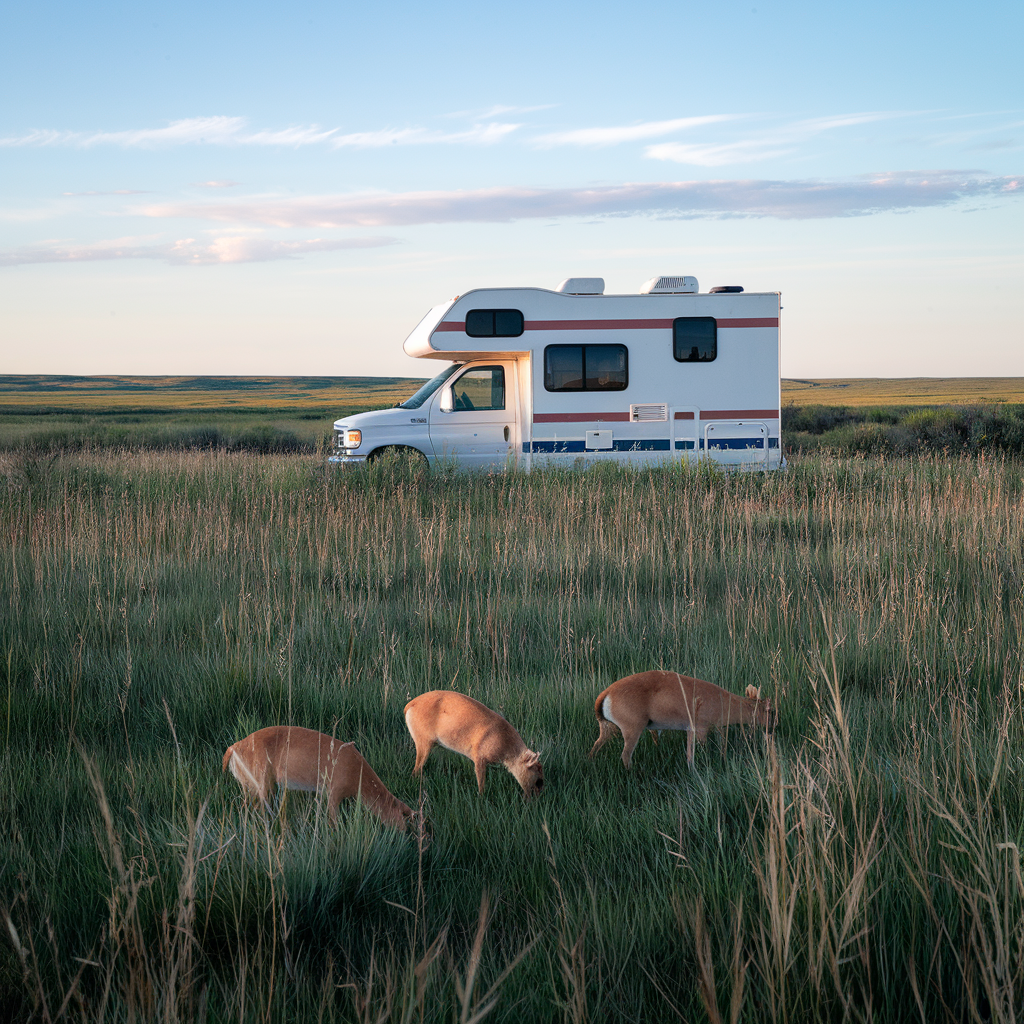
Discover the quiet beauty of South Dakota’s rolling plains. The Fort Pierre National Grassland spans over 116,000 acres, offering endless opportunities for dispersed camping.
Wildlife Encounters: Spot prairie dogs, antelope, and migratory birds.
Camping Considerations: Avoid heavy rains to prevent muddy conditions.
Accessibility: Flat, open terrain perfect for Class B RVs.
Eagle Cap Wilderness, Oregon
While Wallowa Lake garners attention, the surrounding Eagle Cap Wilderness offers untouched trails and peaceful boondocking opportunities near trailheads.
Camping Spots: Hidden pullouts near trailheads for smaller RVs.
Scenic Beauty: Towering peaks and alpine meadows.
Access: Check road conditions before venturing, as some routes can be rough.
Chequamegon-Nicolet National Forest, Wisconsin
Spanning over one million acres, the Chequamegon-Nicolet National Forest in Wisconsin is a paradise for boondockers. Its lush greenery and pristine lakes make it a hidden treasure for Class B RV adventurers.
Camping Options: Numerous secluded spots along forest roads.
Activities: Kayaking, fishing, and hiking.
Seasonal Tip: Fall offers spectacular foliage views.
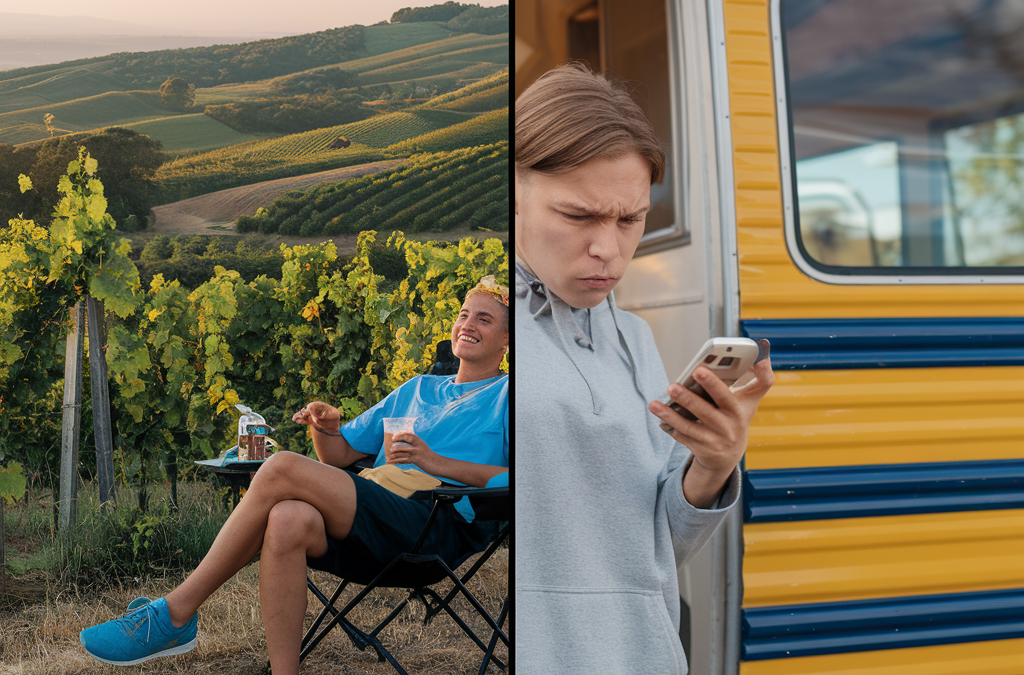
Imagine pulling into a serene vineyard after a long day of driving, expecting a peaceful, free overnight stay as part of your Harvest Hosts membership. The next morning, however, you’re confronted with a host asking for Venmo payment because you didn’t buy anything from their shop. This scenario, shared by a frustrated RVer on Reddit, highlights a recurring conflict: the gap between Harvest Hosts’ promise of “free camping” and the unwritten expectation of spending money.
This debate isn’t just about individual experiences—it touches on the larger dynamics of RV travel, host-guest relationships, and the value of alternative camping programs. So, is Harvest Hosts a genius model connecting travelers with local businesses, or a flawed system that leaves both parties dissatisfied?
Understanding Harvest Hosts: The Basics
What Is Harvest Hosts?
Harvest Hosts is a membership program offering RVers access to unique overnight parking locations at farms, wineries, museums, and more. Current annual plans range from $99 for Classic to $179 for All Access; All Access includes golf-course locations along with additional membership benefits. The program is marketed as a way to enjoy “free camping” in picturesque locations.
The Suggested Spend
While “no camping fees” is the tagline, members are encouraged to spend a minimum of $30 at each location. For hosts, this purchase is their sole benefit from participating, as they receive none of the membership fees. Learn more about this policy on the Harvest Hosts support page.
Common Misconceptions
The “Free Camping” Perception: Many members misunderstand the program as offering genuinely free stays, which can lead to disputes when spending is encouraged or expected. For clarification, check the Harvest Hosts FAQ.
No Legal Obligation: Unlike a traditional campground booking, there is no enforceable requirement for RVers to make purchases. The guidelines remain recommendations rather than mandates.
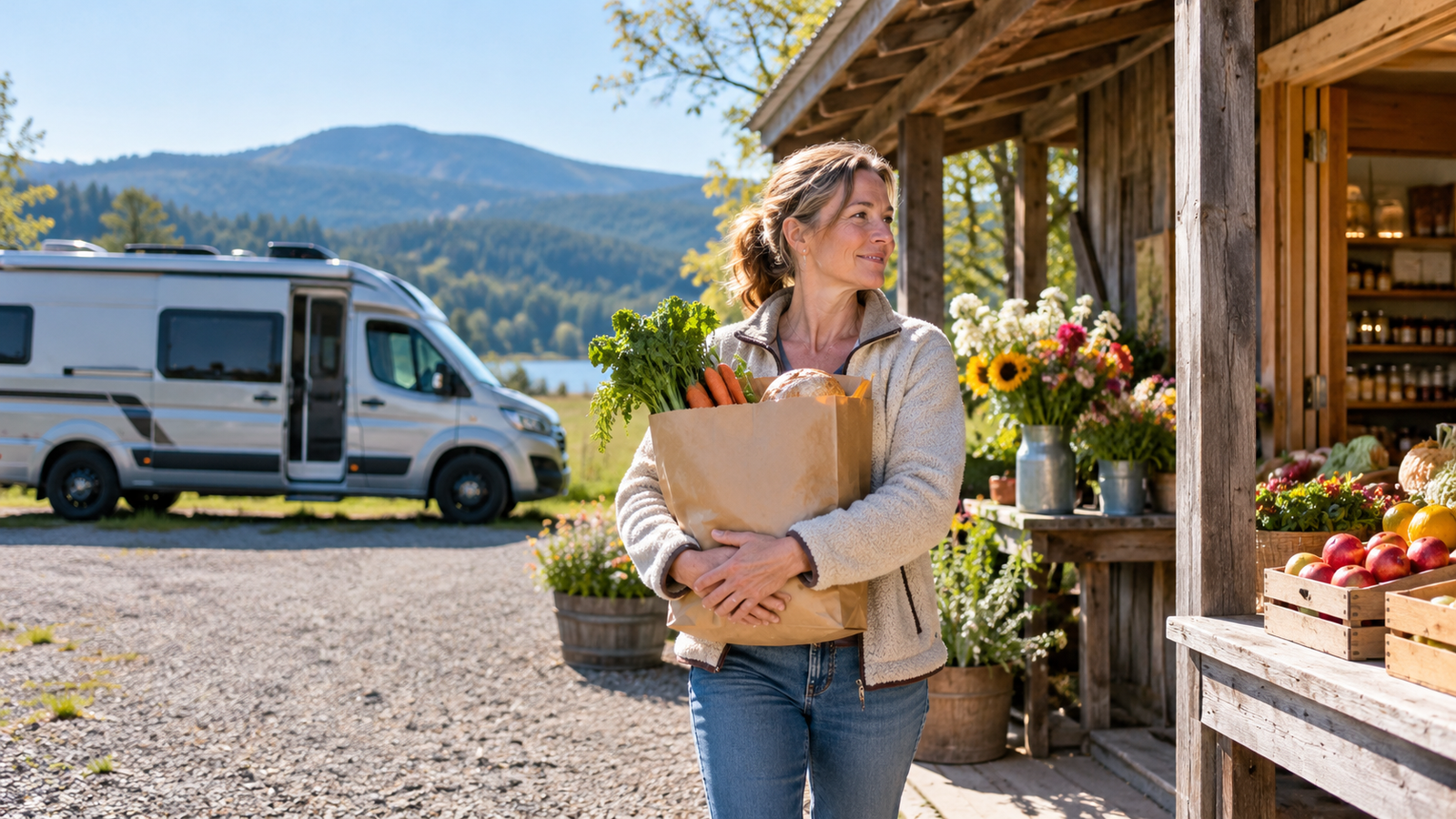
AI-generated illustration of a purchase at a host business; not a payment screen or a statement of fees.
The Reddit Debate: Should RVers Be Obligated to Spend?
A post on Reddit’s r/RVLiving detailed a heated encounter between an RVer and a Harvest Hosts host. After the RVer’s family fell ill and left without making a purchase, the host demanded a Venmo payment ranging from $30 to $100.
The $30 spend is an unspoken agreement that ensures the program works for everyone.
For the Traveler:
Some argue that purchases are voluntary and criticize hosts for being overly aggressive.
Comparisons to Walmart parking lots or campgrounds often highlight perceived discrepancies in value.
Recurring Themes:
Miscommunication: Expectations often vary depending on individual hosts and guests. Learn more about program expectations on the Harvest Hosts membership page.
Tone and Approach: Demanding payments after a stay can feel unprofessional and off-putting.
Strengths and Weaknesses of the Harvest Hosts Model
Strengths
Unique Experiences: Members gain access to exclusive locations like vineyards, museums, and farms, often in beautiful settings. Explore examples of locations on the Harvest Hosts directory.
Support for Small Businesses: Spending at these locations supports local economies, aligning with RVers’ love of community.
Flexibility: Ideal for RVers seeking one-night stays during long road trips.
Weaknesses
Misleading Marketing: The emphasis on “free camping” overshadows the reality of the expected spend. Read more on Harvest Hosts FAQs.
Inconsistent Value: Dry camping without amenities for $30+ can feel overpriced compared to full-service campgrounds.
Host-Guest Disconnect: Hosts and RVers often have differing expectations, leading to disputes.
Alternatives to Harvest Hosts
RV Overnights
RV Overnights is a rising competitor to Harvest Hosts. It offers a similar model of free stays for members but at a significantly lower annual fee of $49.99. Hosts include small businesses and private property owners who welcome RVers in exchange for optional purchases. Unlike Harvest Hosts, RV Overnights emphasizes transparency, providing an interactive map and host response times to simplify trip planning.
Hipcamp
Hipcamp operates like Airbnb for camping, allowing hosts to set prices for their sites. This creates transparency and ensures that both parties have clear expectations.
Public Lands
National forests and Bureau of Land Management (BLM) land offer free or low-cost camping for those seeking independence and solitude. For more information, visit the BLM Camping Program.
Commercial Campgrounds
With rates ranging from $30–$60 per night, campgrounds provide amenities like full hookups, showers, and laundry facilities. Explore options through the Kampgrounds of America (KOA) network.
Real-World Comparisons
Program
Cost
Amenities
Expectations
Harvest Hosts
$99–$179/year
Varies by site
$30+ suggested spend
RV Overnights
$49.99/year
Dry camping
Optional spending
Hipcamp
$20–$50/night
Varies by site
Hosts set pricing and policies
Walmart Parking
Free
No amenities
No spending required
Campgrounds
$30–$60/night
Full hookups, facilities
No extra purchases expected
Best Practices for RVers Using Harvest Hosts
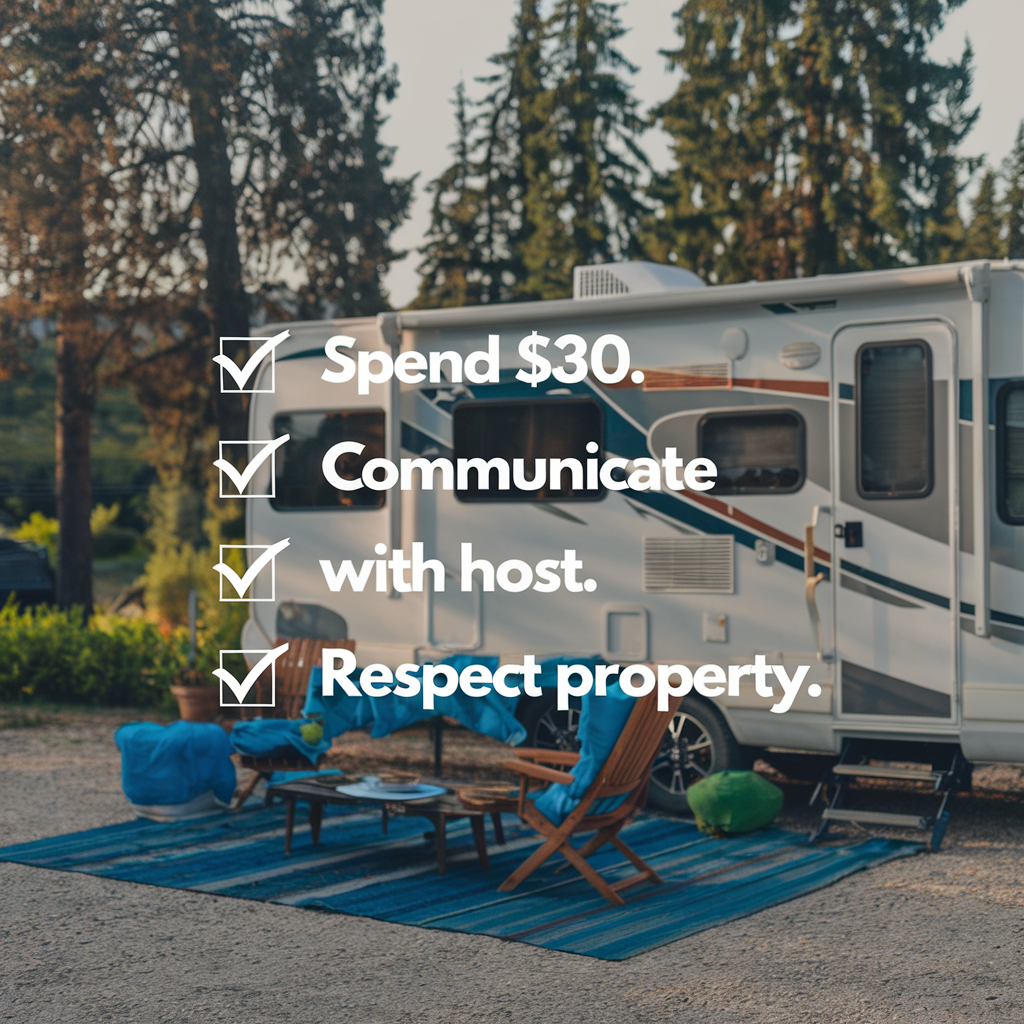
Understand the Expectations:
Plan to spend at least $30 as a courtesy to the host. Learn more about spending guidelines on the Harvest Hosts support page.
Communicate Proactively:
If unforeseen circumstances arise, notify the host and express gratitude for their hospitality. Clear communication is key to a positive experience.
Research Hosts:
Use reviews and community feedback to select locations that align with your travel goals. The Harvest Hosts directory is a good starting point.
Be Respectful:
Treat hosts’ property with care, and leave it as you found it.
Tips for Hosts in the Harvest Hosts Program
Clarify Expectations:
Use clear pre-arrival communication to set spending expectations without being overbearing.
Maintain Hospitality:
Focus on creating a positive experience to encourage repeat visits and glowing reviews.
Consider Alternative Platforms:
For hosts seeking guaranteed income, platforms like RV Overnights or Hipcamp might be a better fit.
Conclusion: Is Harvest Hosts Right for You?
Harvest Hosts remains a valuable tool for RVers seeking unique camping experiences while supporting local businesses. However, platforms like RV Overnights provide a cost-effective alternative with fewer expectations, making it worth considering for budget-conscious travelers.
The choice ultimately depends on your travel style, budget, and preference for host interactions. As always, mutual respect and clear communication are essential for a positive experience.
FAQs
1. Is spending money at Harvest Hosts locations mandatory?
No, but it is strongly encouraged to support the host. Learn more on the Harvest Hosts FAQ page.
2. Are there alternatives to Harvest Hosts?
Yes, options like RV Overnights, Hipcamp, and Walmart parking lots offer varied experiences.
AI-Powered Inspiration, Enhanced Navigation & More for Boondockers
With over 2 billion monthly users, Google Maps has become an essential tool for boondockers, bringing smarter, more intuitive features to help find that perfect off-grid camping spot. As boondocking—the art of camping without hookups—gains popularity, reliable navigation tools are key to a seamless experience. Google Maps’ latest updates, including Gemini AI, pair advanced AI capabilities with optimized location data designed for remote exploration.
The appeal of boondocking has skyrocketed, particularly with a rise in RV ownership among digital nomads and younger travelers. According to the RV Industry Association, RV ownership increased over the 20 years measured in the cited Go RVing/Ipsos study. Interest in dispersed camping is also visible across RV travel communities, but no authoritative percentage is available for how many RVers prefer it over campgrounds. In response to this shift, Google Maps has introduced features like natural language search, immersive views, and real-time weather insights to meet the needs of modern boondockers.
AI-generated travel illustration; not an app screenshot or a documented customer experience.
What’s New in Google Maps for Boondockers
Gemini AI Integration
Gemini AI enhances Google Maps by providing intuitive search and personalized recommendations that simplify finding ideal boondocking spots. With natural language queries, you can type conversational prompts without needing to guess the right keywords. For instance, searches like “quiet dispersed camping spots near Sedona” or “BLM land with cell service” bring up highly relevant, location-specific results.
Gemini’s review summaries let you gauge a location’s suitability based on user feedback, covering aspects like scenic views, cell coverage, and water access. Additionally, personalized recommendations based on your search history offer tailored suggestions, saving time and making trip planning easier.
Enhanced Navigation Features
Google Maps’ pre-trip planning tools allow RV travelers to plot essential stops, such as gas stations, rest areas, and scenic viewpoints along their routes. Key navigation features include:
Standard lane guidance: Google Maps can suggest lanes for highway merges and exits, but it does not provide RV-specific routing based on vehicle height, length, weight, or axle count.
Weather Disruption Alerts: Real-time alerts for potential flood and visibility issues add a layer of safety, especially useful in remote areas.
Parking Spot Memory: Users can log and recall parking locations, perfect for those utilizing Walmart lots or public land pull-offs.
Last-Mile Walking Directions: These directions guide you through the final stretches to secluded sites where vehicle access may be limited, such as trailheads or remote campsites.
Image suggestion: Visual comparisons of navigation views with and without enhanced lane guidance and weather alerts.
Immersive View Updates
The Immersive View expansion now covers over 150 cities, enabling users to explore destinations visually in 3D, ideal for pre-planning boondocking trips. This feature combines satellite and street view data, creating a virtual experience that’s interactive and informative.
Parking Lot Assessments: Check if parking areas can accommodate RVs, reducing maneuverability challenges upon arrival.
Route Complexity Visualization: Assess winding or steep terrain that could be challenging for RVs, especially in mountainous regions.
Terrain Visualization: Identify landscape features like slopes, vegetation, and water sources to help with informed site selection.
Weather & Traffic Predictions: Real-time weather and traffic insights allow you to plan around delays and ensure safer travel.
Image suggestion: Immersive View samples of popular boondocking areas showing parking lot sizes and terrain layout.
AI-generated travel illustration; not an app screenshot or a documented customer experience.
Practical Applications for Boondockers
Finding New Boondocking Spots
Using Gemini AI Queries allows for targeted searches, such as “remote BLM sites with cell service,” making it easier to find sites that match your preferences. Combining AI searches with Satellite View also provides a realistic sense of terrain and accessibility.
Route Planning Essentials
Google Maps does not guarantee RV-safe routes and cannot screen roads using your rig’s height, length, weight, or axle count. Use an RV-specific routing tool and verify restrictions with official road information. Gemini’s real-time weather alerts and cell service planning also help maintain connectivity and safety, allowing for smarter, more prepared travel.
Safety Considerations
Enhanced weather alerts and road condition updates keep boondockers informed, helping them avoid flood-prone or unmaintained roads. For additional peace of mind, save offline maps and establish emergency contacts before setting out.
AI-generated travel illustration; not an app screenshot or a documented customer experience.
Tips & Best Practices
Saving Offline Areas: Download maps for your destination to ensure uninterrupted navigation, even in areas without cell service.
Using Custom Markers: Mark favorite campsites and note areas to avoid, making planning and sharing locations easier.
Community Contribution: By adding reviews, photos, and tags for boondocking-friendly spots, you contribute to Google Maps’ growing database of information useful to other boondockers.
Backup Navigation: Keep a backup app or paper maps as a safeguard when navigating areas with limited connectivity.
Future Implications
Looking ahead, Google Maps may introduce customized AI filters for terrains and expanded 3D mapping. Integration with camping platforms like Campendium or iOverlander could centralize campsite details and reviews, providing a one-stop planning resource. These tools support safe and sustainable boondocking by helping users make informed site choices, respect sensitive areas, and stay safe.
FAQs: Using Google Maps for Boondocking and RV Navigation
Q: Can Google Maps help find boondocking spots?
Answer: Yes, Google Maps offers valuable tools for finding boondocking spots, including:
AI-powered natural language queries with Gemini AI: Search conversationally, such as “quiet dispersed camping near [location]” or “BLM land with cell service.”
Satellite view and terrain visualization: Assess terrain to ensure suitability for RVs and off-grid setups.
User-contributed reviews: Quick-glance reviews provide insights into site reliability, amenities, and conditions.
Real-time weather and traffic predictions: Manage hazardous conditions and traffic, essential for remote areas.
Q: How accurate is Google Maps for RV navigation?
Answer: Google Maps has tailored RV navigation with features like:
Lane guidance, with an RV limitation: Use lane prompts as a driving aid, but rely on RV-specific routing and official restriction data to avoid roads unsuitable for your rig.
Weather alerts: Get real-time alerts for floods, visibility issues, and other weather disruptions.
Parking and route complexity info: Evaluate RV-compatible parking and challenging routes, especially in remote or mountainous areas.
Offline maps: Download maps to stay on course even without cell service, essential for boondocking.
Conclusion
Google Maps has transformed how boondockers find, navigate, and enjoy off-grid camping spots by integrating AI-powered inspiration, enhanced navigation, and immersive views. These features streamline trip planning, support safe travel, and offer tools to confidently explore remote areas.
Get Involved
Share your experiences with these features! Let us know your favorite boondocking spots, contribute to our community mapping projects, and help keep the information current. Sign up for our newsletter to stay updated on the latest tech tips, boondocking updates, and new tools.
As fall approaches, RV enthusiasts are planning their next big adventure—chasing the vibrant colors of autumn and seeking the perfect boondocking spots off the beaten path. What if your trip could be more efficient, safer, and easier to plan than ever before? Thanks to the rise of artificial intelligence (AI), this is now a reality. AI-powered tools are reshaping RV travel, offering solutions that provide real-time insights to elevate the entire experience, particularly during fall when weather and crowd dynamics can be unpredictable.
Imagine setting out on your fall RV trip, not guided by paper maps or an outdated GPS system, but by intelligent AI that predicts peak foliage times, optimizes your fuel consumption, and suggests the best boondocking sites away from crowded fall festival areas. This is not just the future of travel—it’s happening now.
AI-assisted travel tools can help RVers compare routes, summarize destination information, and organize a fall trip. Their output can be incomplete or wrong, so verify road conditions, closures, weather, campground rules, and emergency information with the responsible agency before relying on a generated itinerary.
Optimizing Fall Foliage Adventures with AI
One of the most magical aspects of fall RV travel is witnessing the changing colors of leaves. But planning the perfect fall foliage tour requires precise timing and a bit of luck with the weather. Fortunately, AI tools can take much of the guesswork out of the process.
Weather forecasts and established regional foliage trackers can help you compare likely color conditions in places such as the Smoky Mountains, Vermont’s Green Mountains, and New York’s Adirondacks. Peak color is weather-dependent, so recheck official park or state tourism reports shortly before travel.
Route-planning apps such as Roadtrippers can help compare scenic alternatives. Treat suggested timing and congestion predictions as planning aids rather than guarantees, and verify road conditions with the responsible transportation or park agency.
Fall-Specific Boondocking: AI Tools for Managing Colder Weather
Fall boondocking presents unique challenges, especially with the shift in temperatures and limited daylight hours. Managing resources like water and power becomes crucial, and AI tools are making it easier to stay off-grid longer without running into supply shortages.
AI-powered apps like MyTravelPal and Harvest Hosts allow RVers to filter boondocking spots based on important fall-specific factors, such as proximity to water refill stations or locations that get ample sunlight during the shorter fall days—perfect for those relying on solar power.
For example, when traveling through Utah’s national parks or Arizona’s desert landscapes in the fall, these apps can help you find boondocking locations that offer more sunlight or protection from colder temperatures, helping you extend your stay off-grid. iOverlander can provide real-time reviews from other travelers who have faced similar fall conditions, giving you practical insights into which locations offer the best balance of resources and scenic beauty.
Safety First: Using AI to Avoid Fall Weather Hazards
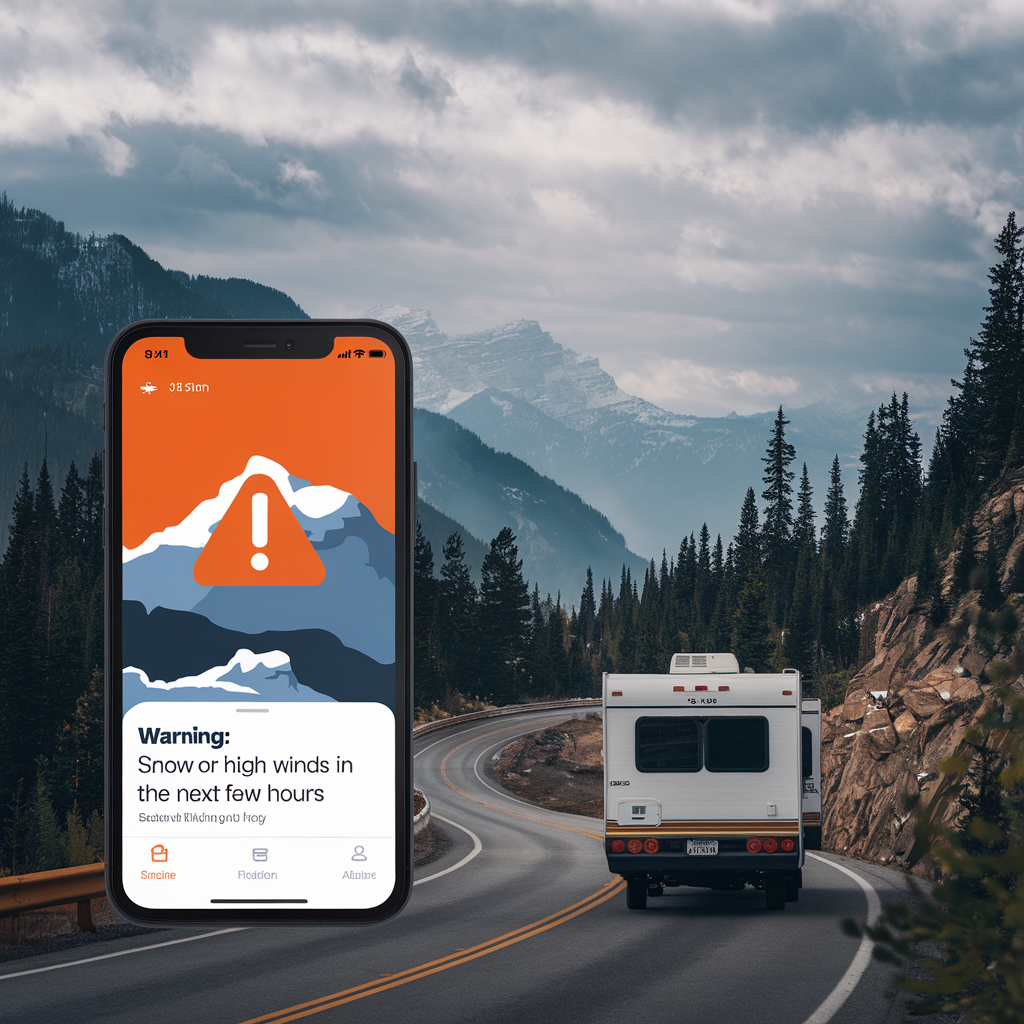
Fall weather can be unpredictable, with sudden changes ranging from early snowstorms to wildfire risks in certain regions. Fortunately, AI tools offer real-time safety updates and hazard alerts, making it easier to avoid dangerous situations while on the road.
Use the National Weather Service and enabled local emergency alerts for forecasts and warnings about high winds, snowfall, heavy rain, and other hazards. For RVers planning to travel through mountain ranges like the Rockies or Sierra Nevada, these tools are invaluable. They help you plan safe routes, avoid getting caught in unexpected snowstorms, and suggest alternate routes based on real-time data.
Additionally, for those traveling through areas prone to wildfires, AI-driven apps like Caravan RV Parky can notify you of nearby fire risks or road closures due to smoke. These tools analyze satellite data, local news, and fire department reports to ensure you’re always informed of potential hazards before you reach your destination.
To ensure you make the most of AI tools during your fall RV trip, here are some actionable tips for each stage of your journey:
Planning the Perfect Fall Route
Use Roadtrippers or RV LIFE Pro to map out scenic routes known for stunning fall foliage. These apps allow you to adjust your path based on peak foliage forecasts, ensuring you see the best colors.
Example: When planning a trip through Vermont, consult current state foliage reports and the Green Mountain National Forest for local conditions before finalizing your route.
Saving on Fuel with AI
Before hitting the road, use GasBuddy to find the cheapest fuel stations along your route. Pair this with Waze for optimized routing based on fuel efficiency, avoiding steep inclines or unnecessary detours.
Example: If traveling through the Blue Ridge Parkway, use Waze to avoid high-traffic areas and reduce fuel consumption on winding mountain roads.
Maximizing Boondocking Resources
For off-grid camping, apps like Harvest Hosts and MyTravelPal allow you to find boondocking sites that offer better solar exposure and proximity to resource stations.
Example: Boondocking in New Mexico? Use Harvest Hosts to find a winery or farm that offers free stays, complete with accessible water and power resources for longer stays.
Staying Safe with Real-Time Alerts
Keep National Weather Service forecasts and local emergency alerts available, especially in regions prone to sudden temperature drops or storms.
Example: When traveling through Montana, use National Weather Service forecasts and warnings to monitor early snowfall, ensuring you reroute or find a sheltered spot before the storm hits.
Join the Conversation: Your AI-Enhanced Fall RV Adventure
At BoondockorBust.com, we’re always eager to hear from our readers. Have you used AI tools to plan your fall RV trips? Whether it’s navigating scenic routes or finding the best boondocking spots, we’d love to know which apps have been the most helpful for your adventures. Share your tips, stories, and favorite tools in the comments below to help other RVers make the most of their fall travels.
Here’s what some of our readers have said about using AI on their fall RV journeys:
Jana A, Full-Time RVer
“My husband and I are full time RVers in a 45ft 5th wheel toy hauler. I use RV Trip Wizard to plan our route. It has made my trip planning so much easier since I can filter out campgrounds that cannot accommodate our trailer. The ability to check reviews and to go to the campgrounds’ websites from the app is also extremely useful. I recommend RV Trip Wizard to other RVers all the time.”
Public-Bake-3273 via Reddit
“Roadtrippers is for me 100% useless….. it’s for planing trips but I am not planing my trips. I am looking only for the next disperse camping spot.”
Klutzy-Dog4177 via Reddit “We have the RV life pro for $65 per year. We have been full-time traveling for 3 years. The trip wizard is definitely worth it. We use a lot of military fam camps, and they show up on the map (they don’t show on most maps, even Google). The ability to download maps for when you have no signal has come in handy as well.”
Take Your Fall RV Adventure to the Next Level
Looking to make your next fall RV trip even better? Visit our RV Travel Resources for the best tools, tips, and reviews on AI-powered apps that can help you plan, navigate, and enjoy your journey with ease.
Want more RV travel tips and insights on how to use AI for your adventures? Subscribe to our newsletter for expert advice, exclusive content, and seasonal updates, delivered right to your inbox!
Conclusion: AI’s Role in Elevating Fall RV Travel
As we’ve explored, artificial intelligence is not just a futuristic concept for RV travel—it’s already here, transforming how RVers plan, navigate, and enjoy their trips. From optimizing routes and predicting peak fall foliage times to avoiding unexpected weather hazards, AI is making RV travel smarter, safer, and more efficient, particularly during the unpredictable fall season.
By combining AI tools with user-generated content, RVers can enhance their travel experiences and tackle the unique challenges of fall adventures. Whether it’s finding the perfect leaf-peeping route or avoiding sudden weather changes, AI is an essential tool for any modern RVer.
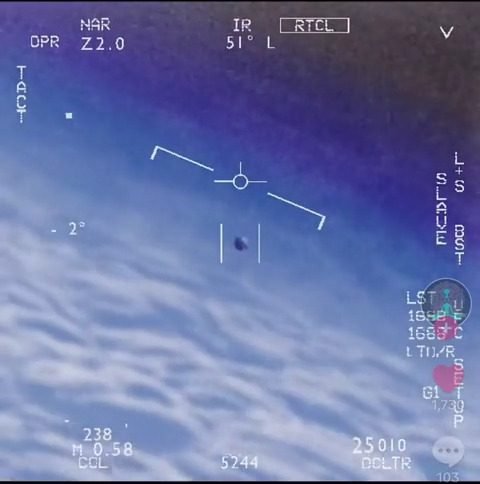
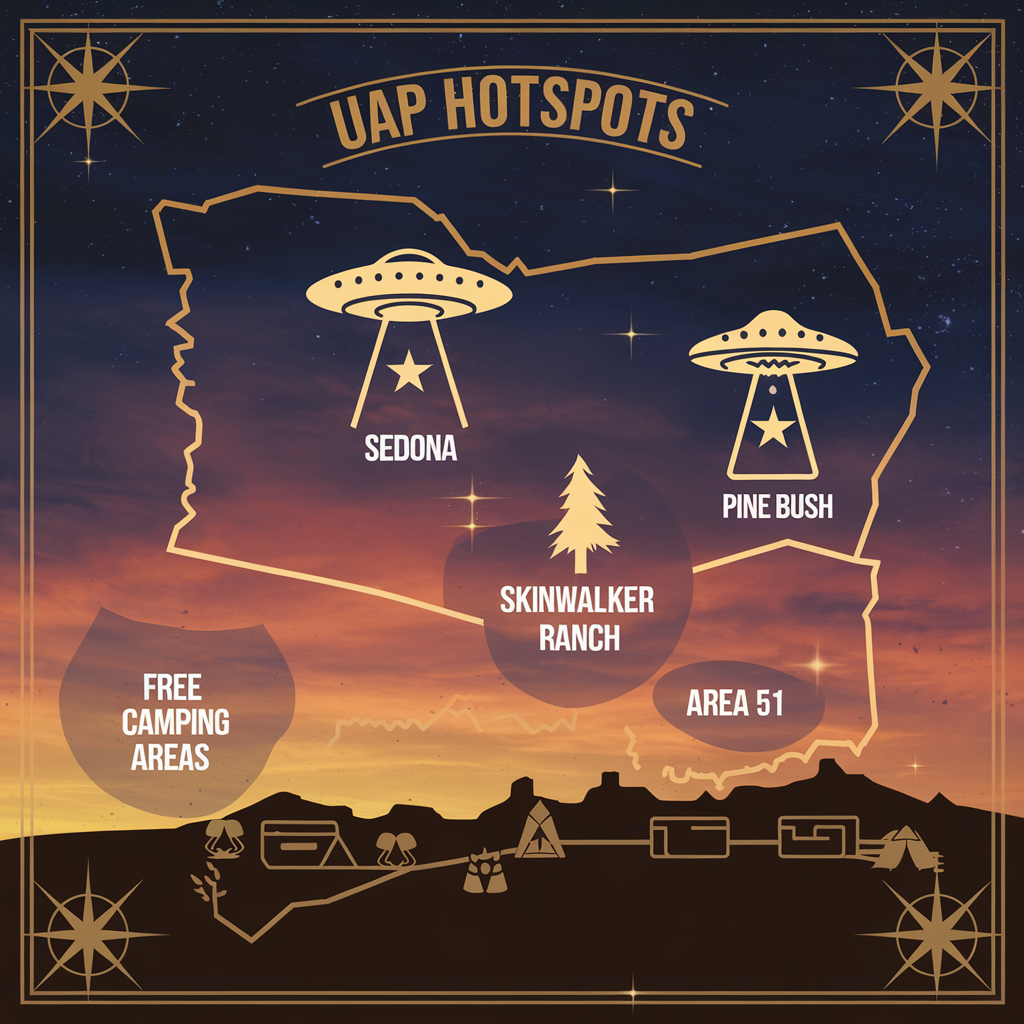
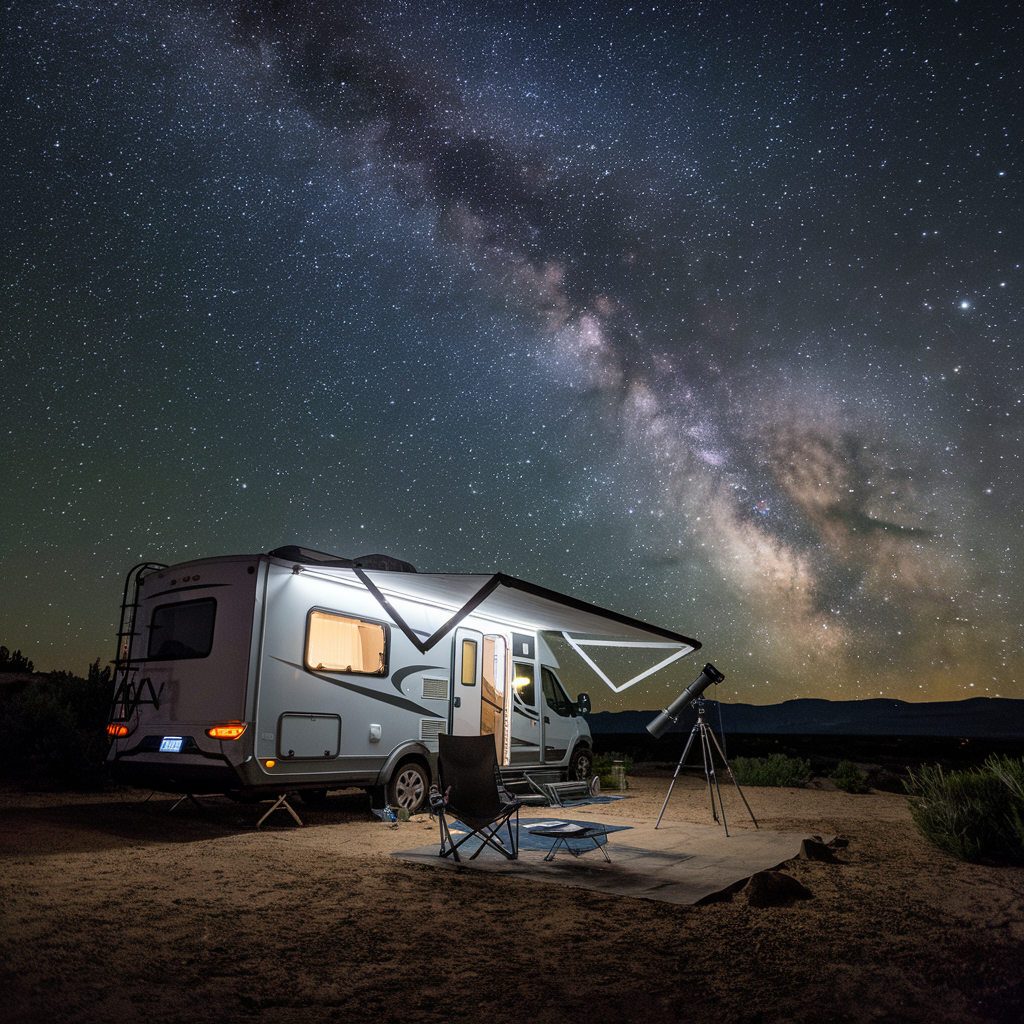
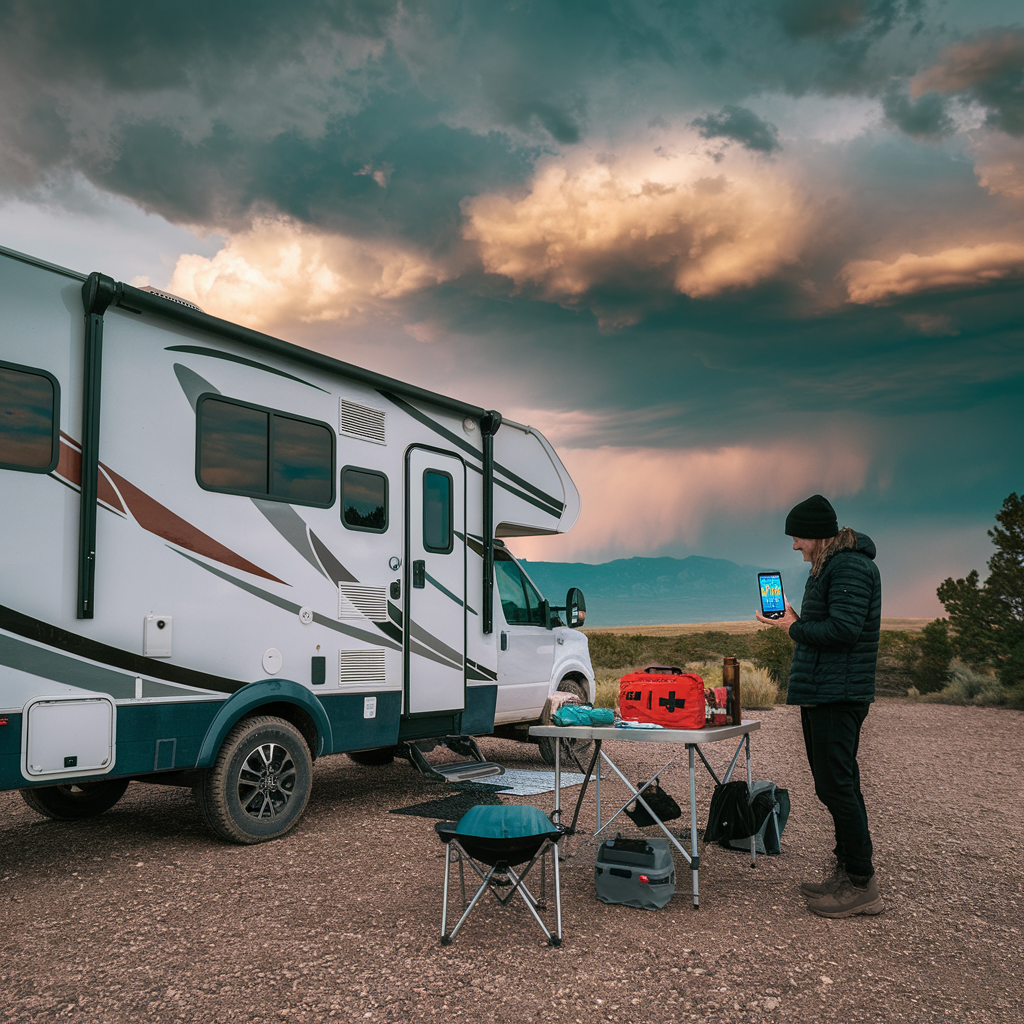
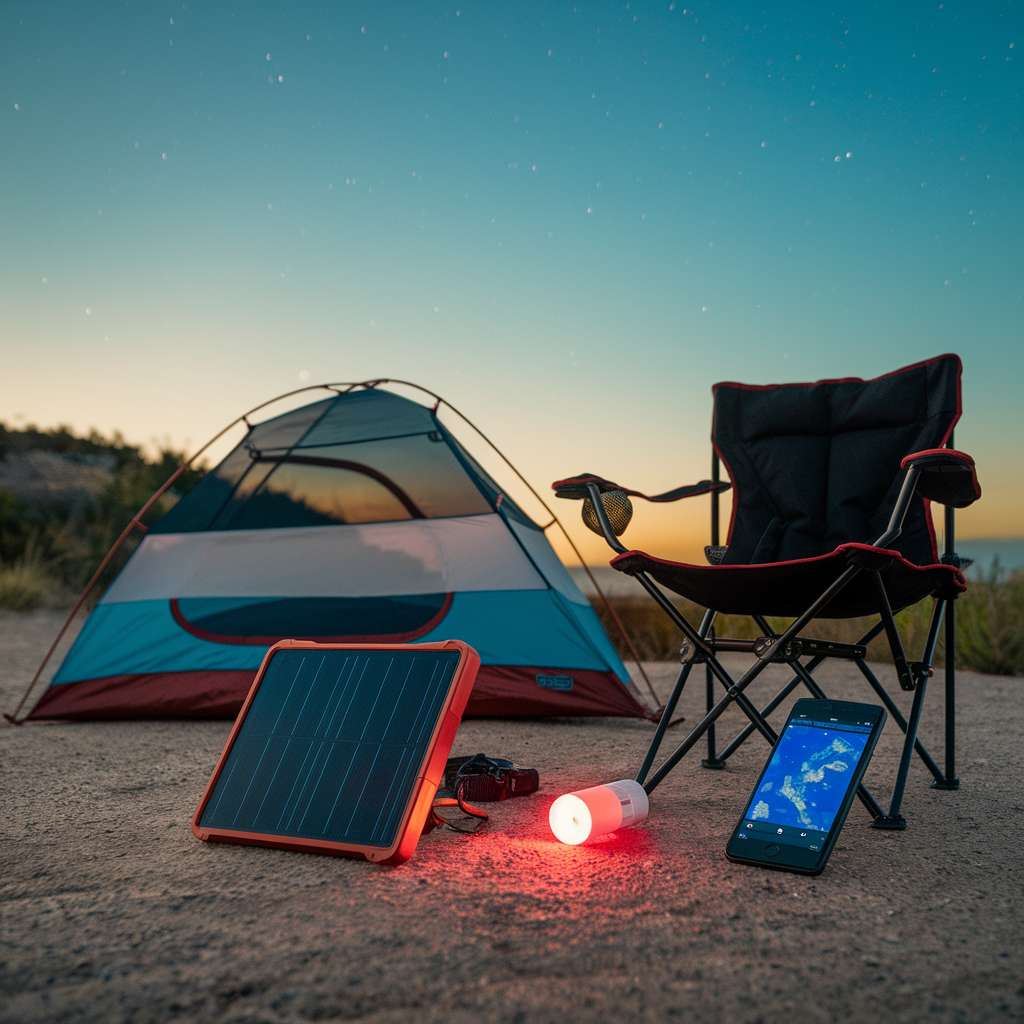
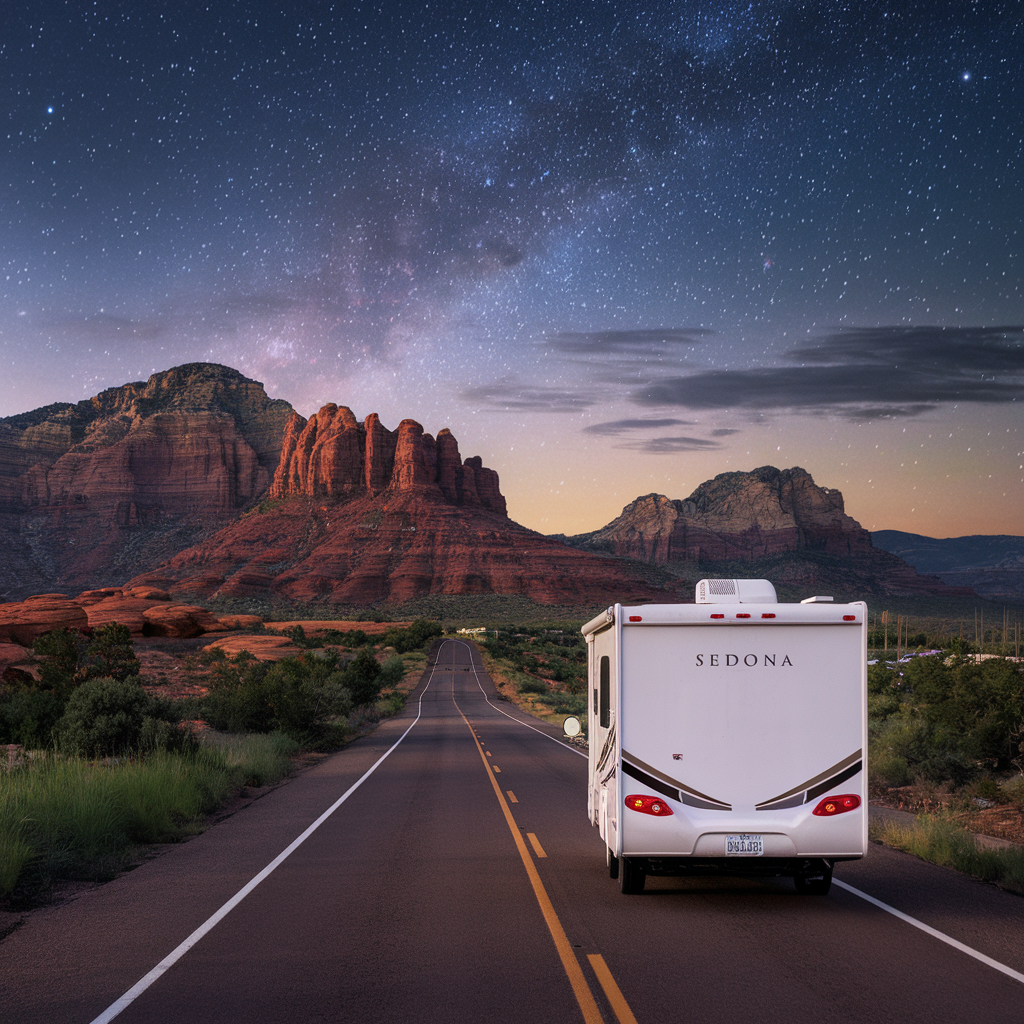
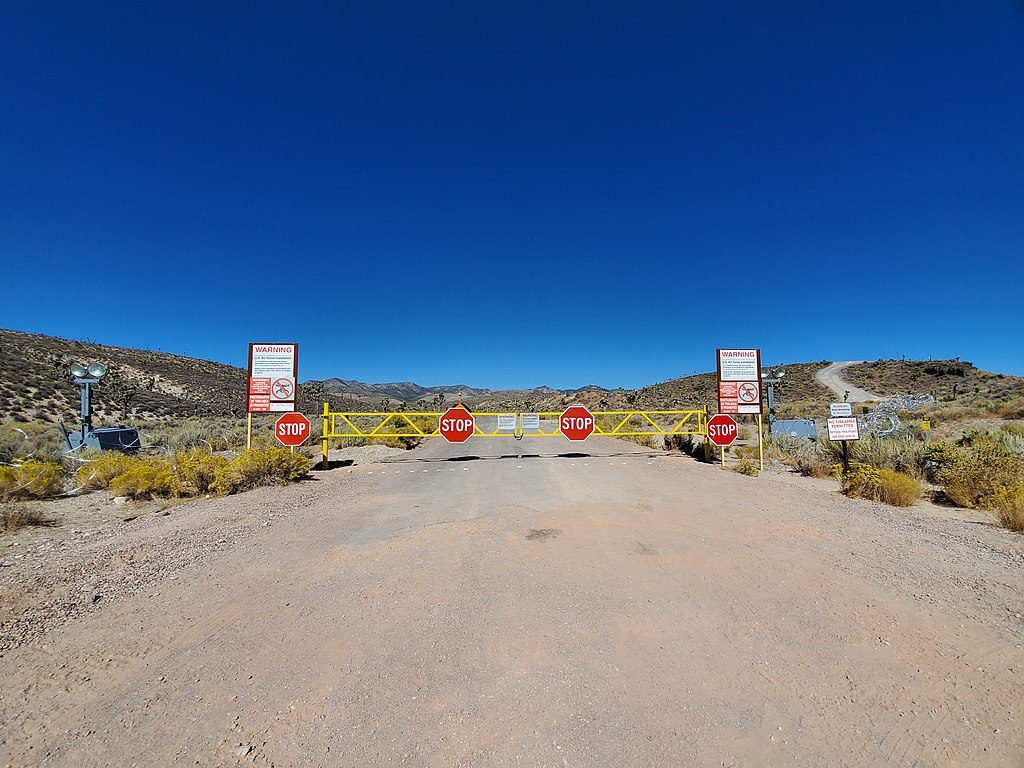 Image by David James Henry, CC BY-SA 4.0, via Wikimedia Commons