Articles by Chuck Price — Page 28
by Chuck Price | Sep 22, 2024 | Boondocking-Guide
Camping has always been a cherished way to escape the hustle and bustle of daily life, and this has only become more popular in recent years. As more people embrace the joys of outdoor living, securing a campsite, especially during peak holiday weekends like Memoriafl Day and the Fourth of July, has become increasingly competitive. The struggle is real: you log onto Reserve America as soon as the booking window opens, only to find all the prime spots already snatched up.
The frustration of missing out on that coveted waterfront site or realizing that reservations are already full can dampen the excitement of planning a trip. But don’t let the competition discourage you. With proactive planning, strategic timing, and the right tools, you can significantly improve your chances of landing the perfect spot for your next camping adventure.
This guide will walk you through practical strategies for navigating the Reserve America system, from understanding the booking rules to leveraging technology for last-minute openings. By the end of this article, you’ll be equipped with actionable tips to enhance your camping experience and reduce the stress of securing a reservation.
Understanding the Reserve America System
Which system do you need? Reserve America is a booking platform used by state, provincial, local and private park systems. It lost the federal contract to Recreation.gov in 2016, so national parks, national forests and other federal campgrounds now book on Recreation.gov. Check which system your campground uses before you plan your booking day. Source: ReserveAmerica, Wikipedia, checked September 30, 2026.
Before diving into strategies, it’s crucial to understand how Reserve America operates. Familiarizing yourself with the system’s mechanics will give you a significant advantage when booking your next campsite.
Reservation Process:
Booking windows are set by each park system and campground, and they vary. The example below assumes a nine-month window, so check your campground page for its actual window. This means if you’re planning a camping trip for July 4th, you need to be ready to make your reservation at 9 AM, nine months prior. For example, if July 4th falls on a Saturday, you would need to book on October 4th of the previous year.
Actionable Tip:
Mark your calendar or set a reminder on your phone to alert you a few days before and on the morning of your desired booking date. This ensures you don’t miss the opening time.
High Demand Periods:
Certain dates, such as holiday weekends, are in extremely high demand. Waterfront sites and campgrounds near popular attractions tend to book up within minutes. Understanding these peak times and planning accordingly is essential.
Actionable Tip:
Consider booking for less popular dates or weekdays if your schedule allows. This flexibility can increase your chances of securing a great site. For more detailed information on peak season planning, visit the Yosemite National Park reservation page.
Booking Policies:
Each campground may have specific booking policies, including minimum stay requirements during peak periods, cancellation fees, and restrictions on how far in advance you can book. Being aware of these policies can help you avoid surprises and plan your trip more effectively.
Actionable Tip:
Review the specific policies for the campground you’re interested in before the booking window opens. Some campgrounds may require a minimum stay of three nights during holiday weekends, which could impact your planning. For example, Grand Teton National Park enforces a seven-day maximum stay at Jenny Lake, while others have different policies during peak seasons.
By understanding the ins and outs of the Reserve America system, you’ll be better prepared to navigate the competitive nature of campsite bookings, particularly during peak times.
Benefits and Drawbacks of the Reserve America System
While the Reserve America system is a valuable tool for campers, it has both its strengths and weaknesses. Understanding these can help you navigate the platform more effectively and manage your expectations.
Benefits:
1. Advance Planning: The most significant benefit of the Reserve America system is the ability to plan your camping trips well in advance. Knowing that you have secured a spot months ahead of time allows for better preparation and peace of mind. According to research from Utah State University, advance planning can also reduce stress and enhance your overall camping experience.
Actionable Tip:
Use your campground’s booking window to your advantage by planning your trips early. This not only secures your spot but also allows you to arrange time off work, gather necessary camping gear, and coordinate with fellow campers.
2. Wide Selection of Campgrounds: Reserve America serves state, provincial, local and private campgrounds. Federal campgrounds, including national parks and national forests, book on Recreation.gov. This broad selection means that you can explore different regions and environments, all through one platform. National Park Service resources highlight the diversity of camping experiences available across the country, providing options for all types of outdoor enthusiasts.
Actionable Tip:
Explore campgrounds in lesser-known areas to discover hidden gems. By being open to trying new locations, you might find less crowded sites that still offer a great camping experience.
3. Convenient Online Booking: The convenience of online booking cannot be overstated. Reserve America allows you to search, compare, and reserve campsites from the comfort of your home, eliminating the need to make phone calls or visit campgrounds in person. MIT OpenCourseWare emphasizes the importance of utilizing technology efficiently, which can save time and streamline the reservation process.
Actionable Tip:
Familiarize yourself with the Reserve America website and its features. The more comfortable you are with the platform, the faster you can navigate the booking process when time is of the essence.
Drawbacks:
1. High Competition: The biggest drawback of Reserve America is the intense competition for popular sites, especially during peak holiday weekends. With so many people trying to book at the same time, securing a spot can feel like winning a lottery. As noted by the National Park Service, campgrounds can book up within minutes during these peak periods.
Actionable Tip:
Consider booking for off-peak dates or weekdays to avoid the rush. Alternatively, use tools like availability alerts or waitlists to snag cancellations at your preferred campground. The Recreation.gov platform offers these options, helping you stay ahead in the booking game.
2. Cancellations and No-Shows: A common frustration among campers is the issue of cancellations and no-shows. Some campers reserve sites for extended periods, only to cancel or not use part of their reservation, leaving sites empty that could have been booked by others. The California State Parks reservation system highlights the challenges posed by no-shows, especially during high-demand periods.
Actionable Tip:
If you find yourself in this situation, be proactive in checking for last-minute openings. Some third-party services or apps notify users when a cancellation occurs, giving you the chance to book a site that just became available. Keep a close eye on updates from Glacier National Park, which frequently updates campsite availability and cancellation policies.
3. Limited Customer Support: Although Reserve America provides online booking, customer support can sometimes be limited. If you encounter issues with your reservation or need assistance, resolving the problem may take longer than expected. According to Yellowstone National Park, contacting the campground directly can often yield faster results, especially when dealing with site-specific issues.
Actionable Tip:
If you anticipate any potential issues, contact the campground directly for assistance. They might be able to help you more quickly than the general Reserve America customer service team.
By weighing the benefits and drawbacks of the Reserve America system, you can make informed decisions that enhance your camping experience. Whether you’re a seasoned camper or new to the scene, understanding these factors will help you navigate the system with greater ease.
Effective Reservation Strategies
Securing a campsite through Reserve America, especially during peak seasons, requires more than just logging on and hoping for the best. By employing effective strategies, you can significantly increase your chances of booking the site you want.
1. Be Flexible
Alternative Dates: One of the best ways to secure a campsite is by being flexible with your dates. Instead of aiming for high-demand weekends like Memorial Day or the Fourth of July, consider camping during off-peak times. Weekdays or non-holiday weekends typically have more availability, giving you a better chance of reserving a prime spot.
Actionable Tip:
If your schedule allows, consider booking a trip during the shoulder season—early spring or late fall. These times often have fewer campers, milder weather, and greater availability. The Grand Teton National Park website provides detailed insights on camping during these less crowded times.
Different Campgrounds: If your first-choice campground is fully booked, look into nearby alternatives. Often, lesser-known campgrounds offer similar amenities and natural beauty without the same level of competition.
Actionable Tip:
Use Reserve America’s map feature to explore campgrounds within a certain radius of your desired location. This can help you find hidden gems that might have more availability. For example, Yosemite National Park offers multiple campground options that vary in popularity, helping you find a suitable alternative if your first choice is booked.
Site Preferences: While waterfront sites or sites near popular amenities are highly sought after, being open to less popular sites can increase your chances of securing a reservation. Often, these sites are just as enjoyable and can provide a more peaceful experience.
Actionable Tip:
If your main priority is simply getting a spot, consider booking a site further from the water or amenities. These sites might offer more privacy and a quieter camping experience, as seen in Glacier National Park, where some lesser-known sites provide a serene environment away from the busiest areas.
2. Book Early
Mark Your Calendar: As mentioned earlier, some systems open reservations many months in advance, and the window depends on the campground. To increase your chances of securing a spot, set multiple reminders on your calendar leading up to the booking date. This way, you’re prepared and won’t miss the window.
Actionable Tip:
Consider setting a reminder for both the exact booking date and one week prior. This gives you time to prepare and ensures you’re ready to book as soon as the window opens. The National Park Service advises synchronizing your clocks to ensure you’re on time for the reservation opening, especially for popular sites.
Time Management: Being punctual is crucial. Log into Reserve America a few minutes before the booking window opens. This allows you to navigate to your desired campsite’s page and be ready to hit the “Reserve” button the moment it becomes available.
Actionable Tip:
If you’re serious about securing a specific site, consider using multiple devices (e.g., a laptop and a smartphone) to log in simultaneously. This can reduce the risk of technical issues and improve your chances of booking quickly. For more tips, check the Recreation.gov guidelines on managing reservations effectively.
3. Utilize Online Tools
Reservation Apps: There are several third-party apps and websites designed to help campers monitor campsite availability and notify them of openings. These tools can be incredibly helpful, especially if you’re trying to book a site that’s in high demand or if you’re hoping to snag a cancellation.
Actionable Tip:
Sign up for notifications from apps like Campnab or the Campsite Assist tool on Reserve America. These services alert you when a site opens up due to a cancellation, giving you a chance to book it before someone else does. The California State Parks system also offers similar tools to help you stay ahead in the booking process.
Waitlists and Notifications: If your desired site is fully booked, consider adding yourself to a waitlist if the option is available. Some campgrounds or third-party services offer waitlists that notify you if a spot becomes available.
Staying informed and using these tools can significantly improve your chances of securing a spot at your preferred campground, even during peak seasons.
Actionable Tip:
Check Reserve America frequently, as cancellations can happen at any time. Make it a habit to log in and search for openings, particularly as your travel dates approach.
4. Join Base Camp
Membership Benefits: Base Camp is a service that allows you to monitor and snag cancellations at many DEC (Department of Environmental Conservation) and NYS (New York State) campgrounds. For a reasonable annual fee, you can receive notifications when a campsite becomes available due to a cancellation, increasing your chances of securing a site.
Actionable Tip:
Consider joining Base Camp if you frequently camp in New York State parks. The service’s alerts can give you a significant edge in booking hard-to-get sites during peak seasons. Explore more about these options on the NYS DEC Camping page.
Cost-Effective: While there’s a cost associated with Base Camp, it’s relatively low compared to the frustration and potential expense of missing out on your preferred campsite. The peace of mind it offers can be well worth the investment.
5. Communicate with Campgrounds
Direct Contact: In some cases, directly contacting the campground can provide additional opportunities or clarify questions you may have about reservations. Campground staff may offer insights into availability or suggest alternative sites that aren’t listed online.
Actionable Tip:
If you’re having trouble booking online, try calling the campground directly. They might be able to assist you with your reservation or suggest alternative dates or sites that meet your needs. The DEC Campground Finder can help you get contact details for specific locations.
Special Requests: If you have specific needs—such as requiring a site close to restrooms or with a certain type of terrain—communicate these when booking. Some campgrounds may be able to accommodate special requests if contacted in advance.
Actionable Tip:
When making a special request, be clear and specific about your needs. This increases the likelihood that the campground can meet your requirements.
By employing these effective reservation strategies, you can significantly improve your chances of securing a campsite through Reserve America, even during peak times. Flexibility, early planning, and utilizing the right tools are key to a successful and stress-free booking experience.
Additional Tips for a Successful Camping Trip
Securing a campsite is just the first step in ensuring a memorable and enjoyable camping experience. Once your reservation is set, it’s essential to prepare thoroughly so that your trip goes smoothly. Here are some additional tips to help you make the most of your camping adventure.
1. Research Campgrounds
Amenities and Facilities: Not all campgrounds are created equal. Some offer a wide range of amenities such as showers, flush toilets, electrical hookups, and even Wi-Fi, while others provide only the basics. Researching the facilities available at your chosen campground can help you pack appropriately and ensure that the site meets your needs.
Actionable Tip:
Visit the Reserve America or the campground’s official website to review available amenities before your trip. Make a list of what’s provided and what you’ll need to bring, such as extra water, portable toilets, or shower supplies. The U.S. Forest Service offers comprehensive information about the facilities and services available at various campgrounds.
Rules and Regulations: Each campground has its own set of rules regarding things like quiet hours, campfire usage, and pet policies. Understanding these regulations ahead of time can help you avoid fines and ensure that you’re respectful of both the environment and fellow campers.
Actionable Tip:
Read through the campground’s rules and regulations on their website before you arrive. Make sure everyone in your group is aware of these guidelines to avoid any issues during your stay. For example, the National Park Service provides detailed camping regulations for its various sites.
2. Pack Smart
Essential Gear: Packing the right gear is crucial for a comfortable and enjoyable camping trip. This includes not only your tent and sleeping bag but also items like a first-aid kit, cooking supplies, and appropriate clothing for varying weather conditions.
Actionable Tip:
Create a detailed packing checklist several weeks before your trip. Review and update the list as you gather your gear to ensure you don’t forget anything important. Include items such as headlamps, insect repellent, a multitool, and a portable charger for your devices. The National Park Service’s “Ten Essentials” guide is a great resource for making sure you have all the necessary items.
Food and Water: Proper meal planning can make your camping trip much more enjoyable. Consider the duration of your trip and the number of people in your group when planning meals. Make sure you bring enough food that’s easy to prepare and pack sufficient water for drinking, cooking, and cleaning.
Actionable Tip:
Prepare meals in advance that can be easily cooked or reheated over a campfire or portable stove. Pack non-perishable snacks like trail mix, granola bars, and dried fruit for quick energy boosts during hikes or other activities. For more tips, check the Yellowstone National Park camping guide.
3. Be Prepared for Weather
Check Forecasts: Weather conditions can change rapidly in outdoor settings, so it’s important to check the weather forecast regularly leading up to your trip. This will help you pack the appropriate clothing and gear to stay comfortable, regardless of the weather.
Actionable Tip:
Monitor the weather forecast for the area where you’ll be camping starting a week before your trip. Be prepared to adjust your packing list as needed, adding extra layers, rain gear, or sun protection. The National Weather Service provides accurate and timely forecasts for outdoor planning.
Appropriate Clothing: Layering is key when it comes to dressing for a camping trip. Temperatures can vary widely from day to night, so packing a variety of clothing options will help you stay comfortable.
Actionable Tip:
Pack moisture-wicking base layers, insulating mid-layers, and waterproof outer layers. Don’t forget to include a warm hat, gloves, and sturdy hiking boots, especially if you’ll be camping in cooler weather or rugged terrain. The Yellowstone National Park website offers additional guidance on dressing for the outdoors.
4. Leave No Trace
Environmental Stewardship: One of the most important principles of camping is to leave no trace. This means being mindful of your impact on the environment and ensuring that you leave your campsite as you found it—or better. This includes properly disposing of waste, minimizing campfire impact, and respecting wildlife.
Actionable Tip:
Bring biodegradable soap, reusable containers, and trash bags to pack out all waste. Make sure to clean up all food scraps and dispose of them in designated areas to avoid attracting wildlife. The U.S. Forest Service provides guidelines on responsible recreation to help you minimize your impact on the environment.
Wildlife Respect: When camping, it’s crucial to respect the local wildlife. This means keeping a safe distance from animals, storing food securely, and avoiding feeding wildlife, which can disrupt their natural behaviors and create dangerous situations.
Actionable Tip:
Use bear-proof containers or hang your food in a tree to keep it out of reach of animals. Store all scented items, including toiletries, in sealed containers and away from your sleeping area. For additional tips on wildlife safety, refer to the Yellowstone National Park wildlife safety guide.
Conclusion
Securing a campsite on Reserve America doesn’t have to be a stressful experience. By understanding the reservation system, employing effective booking strategies, and preparing thoroughly for your trip, you can greatly enhance your camping experience and avoid common pitfalls. The key is to start early, stay flexible, and use the tools and resources available to your advantage.
Remember, the joys of camping go beyond just securing the perfect spot. Whether you’re able to book a prime waterfront site or need to compromise on location, the essence of camping lies in the connection with nature, the peace of the outdoors, and the time spent with family and friends.
By being prepared and respectful of both the environment and fellow campers, you’ll not only ensure a successful trip for yourself but also contribute to a positive camping culture for everyone. So embrace the spirit of adventure, pack your gear, and get ready to enjoy the great outdoors. The perfect campsite—and the unforgettable memories that come with it—await you.
Call to Action:
We’d love to hear your camping experiences and tips for securing a great site through Reserve America. Have you found any strategies that work particularly well? Share your thoughts and stories in the comments below, and help fellow campers enjoy their trips as much as you do!
Further Reading:
by Chuck Price | Aug 11, 2024 | Blog
The Rising Threat of RV Scams
Owning an RV offers freedom and adventure, but the excitement can be overshadowed by the growing threat of scams. The Federal Trade Commission (FTC) warns consumers about online-shopping, payment, and impersonation scams. Losses vary widely, and an RV transaction can put a substantial amount of money at risk. This article sheds light on the issue by sharing real-life experiences, providing practical tips to avoid becoming a victim, and offering valuable resources for staying safe.
Common RV Scams to Watch Out For
The world of RV ownership is unfortunately rife with scams. Here are some common tactics used by scammers:
Online Scams
- Fake Customer Support: Scammers create convincing fake websites or pop-ups that direct users to fraudulent support numbers, often charging hefty fees for nonexistent services. Learn more about how to identify and avoid phishing scams.
- Phishing and Fake Websites: These scams involve tricking RV owners into revealing personal information through deceptive emails, websites, or text messages. The FTC’s guidelines on identity theft provide crucial advice on how to protect your personal information.
- Questionable Online Listings: Scammers post fake RV listings with disabled comments to avoid detection and lure potential buyers into fraudulent transactions. For more details on recognizing online scams, visit the FTC’s consumer advice page.
Repair Scams
False Repair Claims: Scammers use fear tactics and fabricated evidence to convince RV owners that their vehicles require unnecessary repairs, often at inflated prices. The FTC consumer-advice site explains common scam warning signs. If you lost money or shared sensitive information, report it at ReportFraud.ftc.gov.
Sales Scams
Suspicious Sales Offers: Scammers may offer to buy your RV sight unseen, using unusual language and pressure tactics to quickly finalize the deal. The FTC’s fraud reporting platform offers a streamlined way to report such scams and get assistance. Peer-to-peer rentals have their own risks. Read about Outdoorsy scams and complaints first.
By understanding these common scams, you can take steps to protect yourself and your investment.
How to Protect Yourself from RV Scams
Safeguarding your RV investment requires vigilance and knowledge. Here are essential steps to protect yourself:
- Verify Information Thoroughly: Always double-check support numbers, product listings, and sales offers using official channels. The Consumer Financial Protection Bureau (CFPB) offers guidance on verifying the legitimacy of offers.
- Seek Expert Opinions: When faced with unexpected repair claims, consult a trusted RV mechanic for a second opinion. The FTC advises always getting a second opinion before committing to costly repairs.
- Prioritize In-Person Transactions: Avoid buying or selling RVs without a thorough in-person inspection. The FTC’s advice on avoiding online scams emphasizes the importance of in-person verification.
- Conduct Thorough Research: Investigate both products and sellers online, paying close attention to reviews and feedback. Learn more about how to research potential sellers from the FTC’s phishing scam guidelines.
- Approach Giveaways with Caution: Verify the legitimacy of any giveaway before providing personal information. The FTC provides tips on how to avoid scams that often accompany giveaway offers.
- Enhance Online Security: Enable two-factor authentication on all online accounts for added protection. The FTC’s online security resources can help you set up stronger defenses.
- Monitor Financial Accounts Closely: Regularly review bank and credit card statements for unauthorized charges. The FTC’s identity theft resources provide advice on monitoring accounts for suspicious activity.
- Consider Credit Monitoring: Explore credit monitoring services to detect suspicious activity early. The FTC recommends using credit monitoring as a proactive measure against fraud.
- Educate Yourself and Others: Learn about common social engineering tactics and share this knowledge with family and friends. The FTC’s consumer education blog offers ongoing updates on how to recognize and avoid scams.
Expert Insights on Avoiding RV Scams
Industry experts and consumer protection agencies offer valuable advice:
- Verification of Sources: It’s crucial to verify the source of any communication, such as support calls or emails, as scammers are becoming increasingly sophisticated. Always double-check details, such as URLs and phone numbers, to avoid falling victim to scams.
- Sophisticated Scams: Oana Schneider from the Tri-State Better Business Bureau highlights that scammers are aware of what potential buyers are looking for and can create sophisticated scams to exploit this knowledge, particularly with fake websites and phishing attempts.
- Too Good to Be True Offers: Be cautious of offers that seem too good to be true. Scammers often prey on people’s desires for a great deal. This advice is echoed in various RV buying guides, which caution against deals that seem unusually favorable.
- Research and Verification: The Better Business Bureau recommends researching the seller and verifying their information, such as website creation dates, contact details, and business authenticity, to avoid falling for online RV scams.
Consumer Protection Advice
“Report any suspicious activity to authorities immediately. The sooner a scam is reported, the better the chances of preventing further victims.”
The Federal Trade Commission’s Bureau of Consumer Protection advises reporting any suspicious activity to help prevent others from falling victim to similar scams. They stress the importance of researching sellers and verifying the legitimacy of websites before making any purchase. For additional guidance, you can also report scams to the FBI, which plays a crucial role in investigating and addressing fraud-related crimes.
Real-Life Case Studies of RV Scams
- The Craigslist Bargain: In San Antonio, scammers posted fake listings for a 2003 Dutchmen Classic RV priced at only $1,200. The ad claimed the RV had new tires, a new mattress, and was “ready to camp.” This extremely low price for a seemingly well-maintained RV was a red flag for a scam.
- The eBay Gift Card Scam: In April 2019, a New Braunfels woman thought she was buying a Nissan Maxima for $1,200 through an eBay listing. The scammer provided a fake eBay invoice and convinced her to pay using eBay gift cards. Once she gave the gift card codes to the “seller,” her money was gone.
- The Military Deployment Ruse: A potential buyer encountered a listing for an RV at an unbelievably low price. The seller claimed to be in the military, about to be deployed, and unable to show the vehicle in person. This is a common script used by scammers to explain why they can’t meet in person and why the price is so low.
- The Family Tragedy Ploy: One scammer, using the name Jessica, responded to an inquiry about an RV listing by claiming her husband had died two months ago and she had moved back to her hometown. This emotional appeal was used to justify the low price and rush the sale.
These case studies highlight common red flags, including unrealistically low prices, pressure to use unconventional payment methods, and the inability of the seller to meet in person. By understanding these tactics, you can protect yourself from becoming the next victim.
Prevention Strategies for RV Owners
Protecting yourself from RV scams requires a proactive approach. Consider these essential prevention strategies:
- Verify the Legitimacy of Customer Support
- Use official contact information provided directly by the RV manufacturer or dealer. You can learn more about identifying legitimate contact details from the FTC’s guide on avoiding phishing scams.
- Carefully inspect website addresses for misspellings or unusual domains. The FBI’s internet safety tips offer advice on spotting fraudulent websites.
- Be cautious of unsolicited support offers, especially those appearing as pop-ups or in emails. Refer to the FTC’s advice on recognizing scams for more details.
- Protect Personal Information
- Never share sensitive data like Social Security numbers, bank details, or passwords unless certain of the recipient’s identity. The FTC provides guidance on how to safeguard your personal information.
- Use secure channels (indicated by “https://” and a padlock icon) when sharing sensitive information. More on secure communication can be found on the FTC’s online privacy page.
- Recognize Common Scam Tactics
- Be cautious of overpayment scams involving refund requests. The FTC’s phishing scam guidelines cover common tactics used by scammers.
- Stick to traditional payment methods like bank transfers or cash, avoiding requests for gift cards or cryptocurrency. The FTC’s warning on gift card scams is essential reading.
- Conduct Thorough Research
- Check reviews and feedback on companies and individuals involved in RV transactions. The Better Business Bureau’s Scam Tracker is a valuable tool for researching businesses.
- Request vehicle history reports and other relevant documents to verify the RV’s condition and ownership. For more tips, visit the FTC’s guide on buying vehicles.
- Insist on In-Person Transactions
- Conduct transactions face-to-face whenever possible to inspect the RV and build trust. The FTC’s advice on avoiding online scams is a helpful reference.
- Choose safe meeting locations like police station parking lots. The FTC suggests using secure locations for all in-person transactions.
- Report Suspicious Activity
By following these preventative measures, you can significantly reduce your risk of falling victim to RV scams.
Resources, Additional Tips, and Next Steps
If you believe you’ve been a victim of an RV scam, or if you encounter suspicious activity, contact these organizations:
- Federal Trade Commission (FTC): Report scams and get valuable advice on protecting yourself.
- Better Business Bureau (BBB): Check business reputations and report fraudulent activities.
- Consumer Financial Protection Bureau (CFPB): Seek resources and support for dealing with financial scams.
Additional Tips for Protecting Personal Information
Online Protection:
Offline Protection:
- Shred sensitive documents before discarding them. The FTC recommends shredding documents that contain personal information to prevent identity theft.
- Exercise caution when sharing personal information over the phone. Review tips on avoiding phone scams from the FTC.
What to Do If You Believe You’ve Been a Victim of an RV Scam
If you suspect you’ve fallen victim to an RV scam, take immediate action:
- Contact Your Bank: Notify your bank or credit card company immediately to prevent further unauthorized transactions. The Consumer Financial Protection Bureau (CFPB) offers advice on how to handle fraud.
- Report the Scam: File a report with the Federal Trade Commission (FTC) and the Better Business Bureau (BBB) to help stop the scammers and protect others.
- Monitor Your Accounts: Keep a close eye on your financial accounts for any suspicious activity. For more on monitoring your accounts, visit the FTC’s Identity Theft resource.
- Protect Your Accounts: Change passwords for all affected accounts to prevent further access. The FTC provides guidelines on securing your accounts.
Call to Action
Your experiences can help others avoid falling victim to RV scams. Share your stories and insights in the comments below. By working together, we can create a safer environment for RV enthusiasts.
Legal Disclaimer
The information provided in this article is for general knowledge and informational purposes only. It does not constitute legal or financial advice. Readers are encouraged to consult with a qualified professional for advice tailored to their specific circumstances.
by Chuck Price | Jul 22, 2024 | Resources
Discover Your Perfect Work Camping Gig: Thousands of Jobs Await
Are you looking for an adventure of a lifetime while earning a living? Work camping jobs might be your perfect solution. Whether you’re interested in RV parks, mobile home parks, campgrounds, farms, ranches, bed & breakfasts, animal sanctuaries, motels, safaris, carnivals, ghost towns, or more, there are thousands of opportunities waiting for you. This guide will provide you with all the resources you need to find these amazing work camping jobs and inspire you to consider this unique lifestyle.
The Allure of Work Camping
Work camping offers a unique blend of work and adventure, allowing you to explore new places while earning a living. Here are some of the benefits:
Travel and Explore: Work camping allows you to travel to new places and explore different regions while earning a living. Imagine waking up to a new landscape every few months! With jobs for RVers available across the country, the possibilities are endless.
Flexible Lifestyle: Many work camping jobs offer flexible schedules, allowing you to balance work with leisure activities. This flexibility is perfect for those who enjoy an active lifestyle or have other commitments. Flexible work opportunities make it easier to enjoy life on the road.
Community and Social Interaction: Work campers often become part of a close-knit community. This social aspect can be incredibly rewarding, providing opportunities to make new friends and build lasting relationships. Joining the work camping community can enhance your travel experience.
Cost Savings: Many work camping positions offer free or discounted lodging, which can significantly reduce your living expenses. This can be a major financial benefit, especially for those living the RV lifestyle. Jobs with RV hookups often include utilities, making it even more affordable.
Skill Development: Work camping can help you develop new skills and gain valuable experience in different fields. Whether it’s learning about agriculture on a farm or customer service in a campground, these skills can be beneficial for future job opportunities. Consider seasonal jobs that allow you to gain experience in multiple areas.
Diverse Work Camping Opportunities
Work camping encompasses a wide range of job opportunities, each offering unique experiences and benefits. Here are some of the different types of work camping jobs available:
RV Parks and Campgrounds: Many RV parks and campgrounds hire work campers for positions such as maintenance, housekeeping, office work, and activity coordination. These jobs often come with perks like free RV site hookups and access to park amenities. Check out RV park jobs on platforms like Indeed and Workamper.
Farms and Ranches: Work on farms and ranches can include tasks like animal care, gardening, and general maintenance. These positions may offer a combination of room, board, and a stipend. Farmhand jobs and ranch jobs provide an excellent opportunity to connect with nature.
Bed & Breakfasts and Motels: These roles can involve guest services, housekeeping, and property maintenance. Work campers in these settings often enjoy comfortable accommodations and the chance to meet travelers from all over. Jobs for RVers in hospitality can be both rewarding and enjoyable.
Animal Sanctuaries: If you have a passion for animals, working at a sanctuary can be incredibly rewarding. Duties may include feeding, cleaning, and providing care for various animals. Explore animal sanctuary jobs for a fulfilling work camping experience.
Carnivals and Fairs: These seasonal jobs can range from ticket sales and ride operation to food service and game management. They offer the chance to travel and experience different locations. Carnival jobs are perfect for those who love a dynamic and exciting work environment.
Ghost Towns and Historical Sites: These unique work camping opportunities allow you to immerse yourself in history while performing tasks such as tour guiding, maintenance, and visitor services. Historical site jobs can provide a rich cultural experience.
Finding Your Ideal Work Camping Job
Finding the right work camping job can be a straightforward process if you know where to look. Here are some resources and job boards to help you get started:
General Job Boards:
- Indeed: Explore work camping jobs on Indeed at the following links:
Specialized Job Boards:
Financial Considerations for Work Camping Jobs
Work-camping compensation varies widely by employer, location, season, duties, hours, and whether a campsite or utilities are included. Treat older hourly ranges as stale. Before accepting a position, review the current written listing and calculate the cash wage, required hours, campsite value, utility charges, taxes, and any end-of-season bonus separately.
Preparing for the Work Camping Lifestyle
Preparing for a work camping lifestyle involves several steps to ensure a smooth transition:
Research: Thoroughly research potential jobs and locations. Understand what each job entails and what the living conditions will be like. Use the resources provided in this guide to find reputable job listings. Consider joining work camper communities for firsthand insights and advice.
Budgeting: Plan your finances carefully. While many work camping jobs offer free lodging, you will still need to budget for other expenses such as food, travel, and maintenance of your RV or other living arrangements. Providing financial context, some positions may offer hourly rates ranging from $10 to $20, while others might offer a stipend or salary.
Skill Development: Consider developing skills that are in high demand for work camping jobs. This could include basic maintenance skills, customer service experience, or specialized skills relevant to the type of job you are seeking. Seasonal employment can provide diverse experiences to build your resume.
Networking: Connect with other work campers and join online communities to share experiences and advice. Networking can provide valuable insights and help you find the best job opportunities. Highlight work camper communities like forums and social media groups for support and networking.
Legal Preparations: Ensure you have all necessary documents and understand the legal requirements for the jobs you are applying for. This might include work permits, contracts, and understanding employment laws in different regions.
Work Camper Communities
Joining online forums and communities can provide valuable networking and support for work campers. Some recommended communities include:
- Escapees RV Club: Offers a platform for work campers to connect and share experiences.
- Workamper News: Provides job listings and a community for work campers.
Challenges and Rewards
While work camping can be a rewarding lifestyle, it’s important to be aware of the potential challenges:
Job Security: Work camping jobs are often seasonal, which means they may not provide year-round employment. It’s important to plan for periods when work might not be available. Adapting to different jobs and being flexible can help you navigate these gaps.
Living Conditions: Depending on the job, living conditions can vary. Some positions may offer more comfortable accommodations than others. Be sure to inquire about the specifics of lodging and amenities before accepting a job.
Physical Demands: Many work camping jobs can be physically demanding, requiring long hours and hard work. It’s important to consider your physical capabilities and be prepared for the rigors of the job.
Legal Considerations: Make sure you understand the legal aspects of work camping, such as employment laws, work permits, and any contractual obligations. It’s crucial to have clear agreements in place to avoid any misunderstandings.
Despite these challenges, the rewards of work camping—such as travel, community, and personal growth—often outweigh the difficulties.
Testimonials
Here are a few real-life testimonials:
- “We met a wonderful couple who worked for Delaware North in Yellowstone. They told us they were working 4-5 days a week, from 32-40 hours each week, and enjoyed the flexibility of their schedule.” (Source: whynotwander.com)
- “We are very grateful that you have this site and it costs us nothing! I put my ad on your site and immediately started receiving calls from work campers.” – K&J (Source: workampingjobs.com)
- “KOA Work Kampers have found the perfect balance between work and leisure, enjoying the freedom of full-time RV living while earning a steady income.” (Source: KOA.com)
Conclusion
Work camping offers a unique and adventurous lifestyle, allowing you to travel, explore, and earn a living all at once. By considering the benefits and challenges, and using the resources provided, you can find the perfect work camping job that suits your interests and skills. Embrace the journey, connect with the community, and enjoy the rewarding experiences that work camping has to offer. Remember, thousands of work camping jobs await—start your adventure today!
by Chuck Price | May 26, 2024 | Boondocking-Guide
A Beginner’s Guide to FREE Camping in New England
New England, with its picturesque landscapes and rich history, offers an ideal backdrop for outdoor enthusiasts eager to explore the concept of boondocking. Whether you’re a seasoned RVer or a novice camper, boondocking—dispersed camping without the amenities of traditional campgrounds—can be a thrilling way to experience the region’s natural beauty. This guide will walk you through everything you need to know to start your boondocking adventure in New England, from understanding the basics to finding the best spots and ensuring a safe, enjoyable trip.
What is Boondocking?
Boondocking, also known as dispersed camping or dry camping, involves setting up camp in remote areas without access to hookups for water, electricity, or sewer. In New England, this often means camping on public lands, in national forests, or on private land with permission. The key appeal of boondocking lies in its simplicity and the chance to camp for free or at a very low cost, all while enjoying a more intimate connection with nature.
Regulations and Permits
Before embarking on your boondocking journey, it’s essential to understand the regulations and permits required to camp on public lands in New England. Each state has its own rules, and it’s crucial to adhere to them to ensure a legal and respectful camping experience.
General Guidelines
- National Forests: In New England, the Green Mountain National Forest in Vermont and the White Mountain National Forest in New Hampshire and Maine offer numerous boondocking opportunities. Generally, you can camp anywhere that’s not explicitly prohibited, but make sure to follow specific guidelines such as distance from trails and water sources. Green Mountain National Forest and White Mountain National Forest websites provide detailed regulations and permit applications.
- State Forests and Parks: Rules vary by property, and many state forests do not allow dispersed camping. Do not assume that a state-forest designation permits overnight RV use. Check the specific property’s camping rules and obtain any required reservation or permit through the Vermont Department of Forests, Parks, and Recreation or the Massachusetts Department of Conservation and Recreation before arriving.
- Private Land: Boondocking on private land is an option if you have the landowner’s permission. Websites like Hipcamp can help you find private properties that welcome boondockers.
Unforgettable Boondocking Adventures in New England
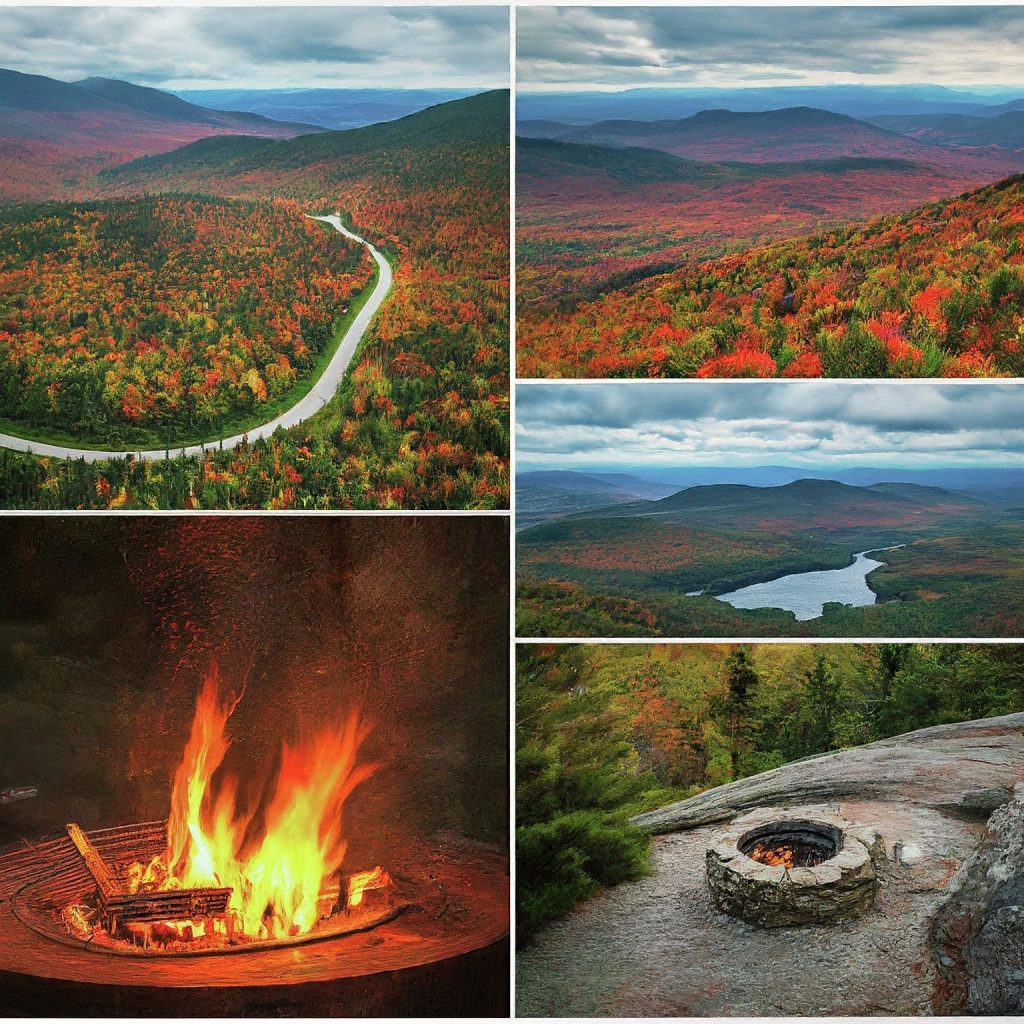
New England’s diverse landscapes offer a treasure trove of boondocking opportunities, from the towering peaks of the White Mountains to the serene lakes and forests of Vermont. Here’s a curated list of some top spots to consider, categorized by state:
Vermont
- Green Mountain National Forest: Embark on a wilderness adventure in this vast forest. Popular spots include Somerset Airfield, a scenic meadow with easy access, and Kelly Stand Road, known for its dispersed camping opportunities nestled amidst towering pines.
- Moosalamoo National Recreation Area: Nestled within the Green Mountain National Forest, this hidden gem boasts stunning hiking trails and tranquil campsites. Relax by a babbling brook or explore the area’s abundant wildlife.
New Hampshire
- White Mountain National Forest: A haven for outdoor enthusiasts, this expansive forest offers countless boondocking possibilities. Cruise down the scenic Kancamagus Highway and discover secluded campsites tucked away amidst the breathtaking scenery.
- Great North Woods: For the truly adventurous, venture north to the Great North Woods. Here, vast stretches of wilderness await, promising solitude, unparalleled stargazing, and the chance to encounter a variety of wildlife.
Maine
- North Maine Woods: Calling all wilderness seekers! This remote region offers pristine boondocking sites perfect for escaping the crowds and immersing yourself in the untouched beauty of Maine.
- Public Reserved Lands: Uncover hidden gems like Bigelow Preserve and Deboullie Public Reserved Land. These areas offer dispersed camping opportunities surrounded by stunning natural landscapes.
Massachusetts
- October Mountain State Forest: The largest state forest in Massachusetts, October Mountain boasts several designated camping areas ideal for boondockers. Hike scenic trails, explore secluded ponds, and enjoy the tranquility of the forest.
- Beartown State Forest: Escape the hustle and bustle at Beartown State Forest. Known for its peaceful campsites nestled amidst wooded landscapes, this area is perfect for those seeking a relaxing boondocking experience.
Connecticut and Rhode Island
While these states have fewer traditional boondocking options, you can still find opportunities for dispersed camping in state forests like Pachaug State Forest in Connecticut. Alternatively, consider state park campgrounds with basic amenities like bathrooms and showers, offering a more accessible introduction to dispersed camping. Connecticut State Parks and Forests and Rhode Island State Parks websites provide information on camping options.
Essential Gear and Practices for a Memorable Boondocking Experience
Boondocking offers a unique way to connect with nature, but venturing into remote areas requires careful preparation and responsible camping practices. Here are some essential tips to ensure a safe, enjoyable, and low-impact adventure:
Be Self-Sufficient
- Water Supply: Pack enough water for your entire trip, considering drinking, cooking, and cleaning needs. Portable water filters are highly recommended for extended stays or areas with questionable water sources.
- Power: Solar panels or a portable generator can provide electricity for essential appliances. Don’t forget extra batteries and chargers for your devices.
Leave No Trace
- Waste Management: Pack out all trash, leftover food, and hygiene products. Utilize portable toilets if necessary and dispose of waste properly at designated stations.
- Minimize Campfire Impact: Opt for camp stoves whenever possible to minimize your environmental footprint. If you do have a fire, use established fire rings, keep it small, and ensure it’s fully extinguished before leaving the campsite.
Safety and Navigation
- Navigation: Reliable GPS devices and detailed maps are crucial, especially in remote areas with limited cell service. Consider downloading offline maps for added peace of mind.
- Safety Equipment: A well-stocked first-aid kit, fire extinguisher, and basic tools for vehicle repair are essential for unexpected situations.
Plan and Prepare
- Stay Informed: Check the weather forecast and fire restrictions before your trip. Be prepared for changing weather conditions, especially in mountainous regions.
- Communicate Your Plans: Let someone know your itinerary, including your planned destinations and expected return date, in case of emergencies.
- Wildlife Awareness: Research local wildlife and proper food storage techniques to avoid attracting unwanted critters.
Respect for Others and the Environment
- Be Considerate: Keep noise levels down, respect other campers’ privacy, and yield to others on trails to ensure a peaceful experience for everyone.
By following these essential tips, you can ensure a safe, enjoyable, and responsible boondocking experience that minimizes your impact on the natural environment.
Advanced Boondocking Tips
For those with some boondocking experience, here are a few advanced tips to enhance your adventures:
- Extended Stays: Plan for longer trips by identifying water refill and dump stations along your route. Websites like Campendium can help you find these resources.
- Solar Power Optimization: Invest in a high-quality solar setup tailored to your energy needs. This can include larger panels, efficient charge controllers, and high-capacity batteries.
- Connectivity: Boost your cell signal with a mobile signal booster to stay connected even in remote areas. This is especially useful for digital nomads.
- Cold Weather Camping: Equip your RV with proper insulation, heated tanks, and a reliable heating system. Carry extra propane and winterize your water system to prevent freezing.
Challenges of Winter Boondocking in New England
Winter boondocking in New England can be a unique and rewarding experience, but it comes with its own set of challenges. Here are some tips to tackle cold weather camping:
- Insulation: Make sure your RV is well-insulated. Use window coverings, foam board, and RV skirting to retain heat.
- Heating: A reliable heat source is crucial. Consider portable propane heaters as a backup to your RV’s furnace.
- Water System: Winterize your water system to prevent pipes from freezing. Use heated hoses and tank heaters, and keep a supply of bottled water on hand.
- Safety: Be prepared for snow and ice. Carry snow chains, a shovel, and sand or cat litter for traction. Check weather forecasts regularly and have an emergency plan.
Conclusion
Boondocking in New England offers a unique opportunity to immerse yourself in the region’s natural beauty while enjoying the freedom and adventure of dispersed camping. By understanding the regulations, choosing the right locations, and following best practices for safety and environmental stewardship, you can ensure a memorable and responsible boondocking experience. So pack your gear, plan your route, and get ready to explore the wild and wonderful landscapes of New England. Happy camping!
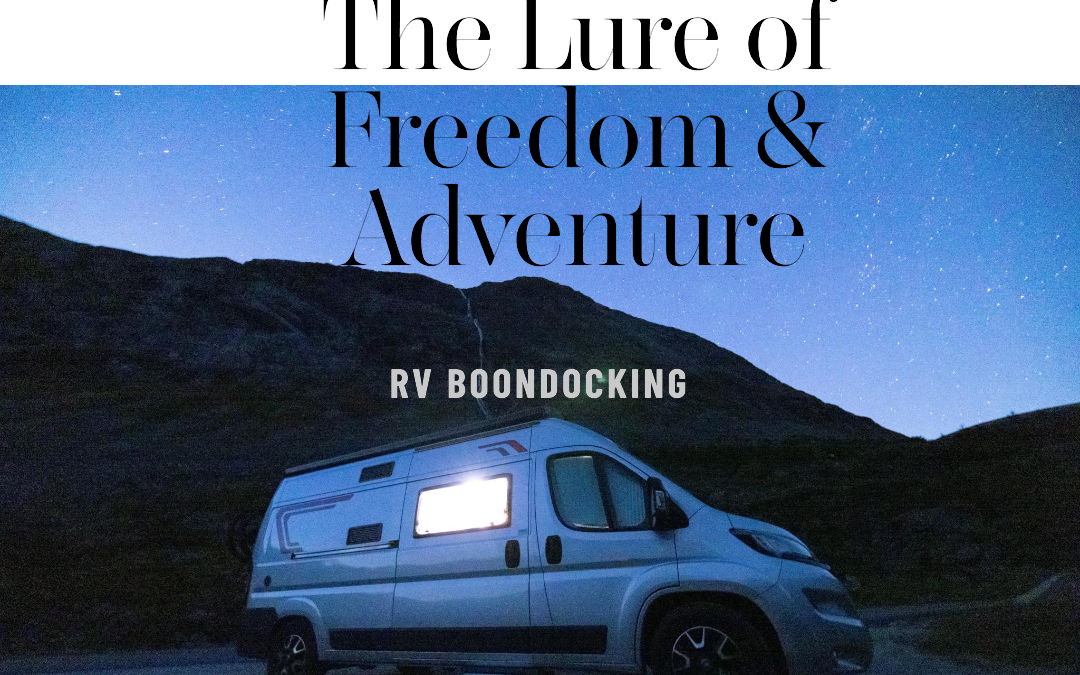
by Chuck Price | May 8, 2024 | Class B RV
Must-Have Apps for Finding Epic Boondocking Spots
The lure of freedom and adventure is calling! RV boondocking continues to attract travelers looking for low-cost, off-grid camping. For Class B RV owners, the compact size and maneuverability are perfect for exploring off-the-beaten-path locations. However, navigating unfamiliar terrain and finding essential amenities while boondocking can feel overwhelming.
This guide dives deep into the essential apps specifically chosen for Class B RV travelers, transforming your boondocking experience from stressful to seamless.
Imagine a stress-free boondocking adventure where you:
- Effortlessly navigate to hidden gems with confidence (thanks to reliable RV navigation apps).
- Locate nearby amenities like water fill stations and dump sites with ease (using our recommended campsite finder apps).
- Make informed decisions about weather conditions and potential hazards (with the help of trusted safety apps).
Stay tuned! Throughout this guide, we’ll unveil the top apps for Class B RV boondocking, providing clear explanations of their functionalities and how they can specifically benefit your off-grid escapades. We’ll also address common challenges faced by boondockers and offer practical solutions to ensure a smooth and enjoyable journey.
The Importance of Choosing the Right Apps

Imagine venturing off-grid in your Class B RV, only to get lost on winding backroads or discover the campsite you planned on is already full. Without the right apps, this scenario could turn your boondocking adventure into a stressful scramble.
Challenges of Boondocking Without the Right Apps:
- Navigation Nightmares: Unreliable maps or lack of offline functionality can leave you stranded without cell service.
- Campsite Conundrums: Finding suitable boondocking locations or last-minute campground availability becomes a guessing game.
- Logistical Headaches: Unforeseen issues like finding water, managing waste disposal, or encountering bad weather can quickly dampen your spirits.
Benefits of Using the Right Apps for Class B RV Boondocking:
The right mobile apps are your secret weapons for a smooth and enjoyable off-grid experience. Here’s how they empower you:
- Streamlined Planning: RV checklist apps help you stay organized, ensuring you don’t forget essential gear or supplies.
- Confident Navigation: RV navigation apps provide reliable directions, often with offline functionality and features specifically tailored for larger vehicles like low-clearance warnings.
- Finding Hidden Gems: Free camping apps and RV campsite finder tools unlock a world of boondocking opportunities, helping you discover scenic locations and hidden gems off the beaten path.
- Safety and Security: RV safety apps provide real-time weather updates, alerts to potential hazards, and help you locate nearby amenities like water fill stations and dump sites.
By choosing the right apps, you transform boondocking from a daunting experience to a fun and rewarding adventure. In the next section, we’ll delve into the top recommended apps for Class B RV travelers, explaining their functionalities and how they can specifically benefit your off-grid escapades.
Top Recommended Apps for Class B RV Boondockers: Your Essential Toolkit for Off-Grid Adventures
The right apps are your key to unlocking the full potential of boondocking in your Class B RV. Let’s explore some top contenders, focusing on their functionalities and how they can specifically benefit your off-grid escapades:
1. Navigation and Route Planning: Charting Your Course with Confidence (Safety & Efficiency)
Getting lost is no fun, especially when venturing into unfamiliar territory. These navigation apps ensure you reach your boondocking destination safely and efficiently:
- Google Maps (Essential apps for RV travel): A familiar choice that offers a winning combination of features. Customize your route with specific waypoints, download offline maps for areas with weak connectivity, and access real-time traffic conditions to avoid delays. While not exclusively designed for RVs, Google Maps remains a versatile tool for basic navigation. More about this on Google Maps.
- Waze (RV navigation apps): Known for its community-driven updates, Waze provides real-time traffic alerts, road closures, and even gas station prices. This allows you to adjust your route on the fly, saving time and avoiding unexpected detours while navigating to your boondocking spot. Learn more at Waze.
- RV Trip Wizard (Class B RV apps): Designed specifically for RV travelers, this app takes into account the size and weight limitations of your Class B RV when creating routes. In addition to offering standard navigation features, RV Trip Wizard boasts a wealth of campground reviews, helping you find suitable overnight locations along the way. Discover more at RV Trip Wizard.
Choosing the Right Navigation App:
Consider your priorities. If offline functionality is crucial, prioritize apps with robust offline map capabilities. For real-time traffic updates and a community-driven experience, Waze might be your perfect companion. If you value campground reviews and route optimization for RVs, RV Trip Wizard is a great option.
In the next section, we’ll explore apps that help you find the perfect boondocking location and ensure a comfortable off-grid stay.
2. Campsite and Boondocking Locations: Finding Your Off-Grid Oasis (Finding Your Perfect Spot)
Now that you have your navigation in check, it’s time to find the perfect spot to set up camp! These apps will help you discover hidden gems and suitable boondocking locations for your Class B RV:
- Campendium (RV campsite finder): This comprehensive app boasts a vast database of campgrounds across the US, with a specific focus on options suitable for smaller RVs like yours. Campendium allows you to filter campsites based on size restrictions, amenities, and user reviews, ensuring you find a location that meets your needs and preferences. More details at Campendium.
- iOverlander (Free camping apps): Embrace the spirit of adventure with iOverlander! This app thrives on crowd-sourced data, providing information on countless free boondocking locations across the globe. From dispersed campsites on public lands to unique off-grid getaways, iOverlander offers a treasure trove of potential campsites. You’ll also find valuable user tips and insights on amenities, accessibility, and potential challenges at each location. Check it out at iOverlander.
- AllStays Camp and RV (Essential apps for RV travel): Consider AllStays your one-stop shop for all things campsite related. This versatile app offers a comprehensive database that includes campgrounds, RV parks, and even dispersed camping options on public lands. With advanced filtering capabilities, you can easily narrow down your search based on location, amenities, price range, and suitability for RVs. Explore more at AllStays.
Choosing the Right Campsite Finder App:
Your ideal app depends on your boondocking preferences. If you prioritize established campgrounds with amenities, Campendium might be your best bet. For the true free-spirit adventurer seeking off-grid escapes, iOverlander is a treasure trove of possibilities. And if you crave flexibility and a broad range of options, AllStays offers a comprehensive solution.
In the next section, we’ll delve into apps that ensure a smooth and safe boondocking experience by addressing essential needs like weather monitoring and utility management.
3. Weather and Environmental Conditions: Planning for a Smooth Boondocking Adventure (Planning for Success)
Mother Nature can be unpredictable, especially when venturing off-grid. These apps provide the tools you need to stay informed about weather conditions and ensure a safe and enjoyable boondocking experience:
- Weather Underground (RV safety apps): Don’t be caught off guard by a sudden downpour or unexpected windstorm. Weather Underground provides hyper-local weather forecasts, giving you a detailed picture of the conditions at your specific boondocking location. This level of accuracy is crucial for planning outdoor activities, setting up camp securely, and making informed decisions about your overall itinerary. Visit Weather Underground for more details.
- Windy (Essential apps for RV travel): Visualize the wind! Windy goes beyond basic weather forecasts, offering intuitive visual representations of wind speed and direction. This information is invaluable for boondockers, as strong winds can affect everything from setting up camp to enjoying outdoor activities. With Windy, you can make informed decisions about choosing a sheltered campsite and avoid potential hazards. Learn more at Windy.
Staying Ahead of the Weather:
By incorporating weather forecasts into your planning process, you can ensure a smooth and enjoyable boondocking trip. Check the weather app regularly, especially in the days leading up to your departure and throughout your trip. Being prepared for any potential weather conditions will give you peace of mind and allow you to focus on enjoying the adventure.
In the next section, we’ll explore apps that help you manage essential utilities like water and waste disposal, ensuring a comfortable and self-sufficient boondocking experience.
4. Utility Management: Staying Organized and Self-Sufficient Off-Grid (Staying Organized & Self-Sufficient)
Boondocking offers a taste of freedom, but it also requires a bit of self-sufficiency. These apps will help you manage essential utilities and stay organized throughout your off-grid adventure:
- Sanidumps.com (Essential apps for RV travel): Waste disposal is a crucial aspect of responsible RV travel. Sanidumps.com takes the guesswork out of finding nearby RV dump stations. This user-friendly website allows you to search for dump stations by location, filter by amenities (like pay stations or those with potable water), and even view user reviews. With Sanidumps.com, you can ensure proper waste disposal and avoid any unpleasant surprises on your boondocking trip. More information available at Sanidumps.com.
- RV Checklist (Essential apps for RV travel): Staying organized is key to a smooth boondocking experience. A checklist app like RV Checklist allows you to create custom lists for various aspects of your trip, from packing essentials to prepping your RV for departure and setting up camp. This helps you avoid forgetting crucial items and ensures you have everything you need for a comfortable and enjoyable off-grid adventure.
The Power of Organization:
Taking some time to plan and organize can significantly enhance your boondocking experience. By utilizing a checklist app, you can ensure you have everything packed and ready to go, avoiding last-minute scrambles and unnecessary stress. Similarly, Sanidumps.com helps you plan your route with proper waste disposal in mind, contributing to a more responsible and eco-friendly boondocking adventure.
Up Next: Exploring Your Surroundings
In the next section, we’ll explore apps that help you unlock the full potential of your boondocking location by discovering nearby attractions and enriching your off-grid experience.
5. Local Exploration and Experiences: Transform Your Boondocking Trip into an Adventure (Enrich Your Adventure)
Boondocking isn’t just about the destination; it’s about the journey and the experiences you collect along the way. These apps will help you transform your boondocking trip from a simple stopover into an adventure filled with exploration and discovery:
- AllTrails (Essential apps for RV travel): Turn your boondocking location into a basecamp for outdoor exploration! AllTrails boasts a comprehensive database of hiking and biking trails across the US, complete with detailed maps, user reviews, and elevation profiles. Find the perfect trail to suit your skill level and interests, and use the app’s offline functionality to navigate with confidence even in remote areas. Discover more at AllTrails.
- Roadtrippers (Essential apps for RV travel): Go beyond the boondocking site and explore the hidden gems that surround you! Roadtrippers is a treasure trove of local attractions, quirky roadside stops, and unique dining options. Use the app to discover nearby points of interest, plan scenic detours, and support local businesses while venturing off the beaten path. With Roadtrippers, you can turn your boondocking trip into a full-fledged exploration of the region’s hidden treasures. Find out more at Roadtrippers.
Embrace the Adventure:
Boondocking offers the opportunity to escape the everyday and truly immerse yourself in nature. These apps empower you to explore your surroundings, discover new places, and create lasting memories. Whether you’re seeking a challenging hike or a charming local eatery, these tools will help you transform your boondocking trip into a truly enriching adventure.
Maximizing Your App Toolkit: Power Up Your Boondocking Adventures
Planning Phase:
- Research and Bookmark: Before your trip, research your boondocking destinations and bookmark campsites, trails, and points of interest within the apps you plan to use. This ensures you have easy access to this information, even in areas with limited connectivity.
- Create Custom Lists: Utilize the checklist app to create comprehensive lists for packing, gear organization, and pre-departure RV checks. This ensures a smooth transition from planning to execution.
- Plot Your Course: Plan your route using the navigation apps, factoring in campsite locations, gas stations, and potential detours based on weather forecasts. Download offline maps for areas with weak connectivity.
Execution Phase:
- Go Offline (Where Possible): Whenever possible, leverage offline functionalities like downloaded maps and saved lists. This conserves data and ensures you can still access crucial information even without a signal.
- Utilize Real-Time Features: When connected, take advantage of real-time traffic updates from Waze or weather forecasts from Weather Underground to adjust your plans as needed and ensure a safe and efficient journey.
- Document Your Journey: Use the campsite finder apps to document your favorite boondocking locations and share them with fellow travelers. Add photos, notes about amenities, and accessibility details to enrich the community database.
Addressing Common Challenges:
- Data Consumption: Download offline maps and content whenever possible. Consider purchasing a temporary data plan for extended boondocking trips, or invest in a mobile Wi-Fi hotspot device.
- Battery Drain: Carry a portable power bank to keep your devices charged, especially when venturing into areas with limited access to electricity. Close unnecessary apps when not in use to optimize battery life.
- Limited App Functionality: Be prepared for situations where some apps might have limited functionality. Carry physical maps as a backup and consider alternative apps with similar features in case your primary choice encounters issues.
From the Community: Real-Life Success Stories
Practical takeaway: Use campsite apps to compare recent user reports and download maps before leaving coverage. Pair them with official land-manager information and a reliable weather source; app listings and forecasts can change.
By incorporating these tips and strategies, you can turn your app toolkit into a powerful resource for maximizing your Class B RV boondocking adventures. Remember, the key is planning, utilizing both online and offline features, and being prepared for potential challenges. With the right apps and a little know-how, you’re well on your way to unforgettable off-grid experiences!
Conclusion:
By leveraging the power of these essential apps, you can transform your Class B RV boondocking experience from stressful to seamless, safe, and most importantly, unforgettable. With the right tools and a little planning, you’re well on your way to unlocking the full potential of off-grid adventures!