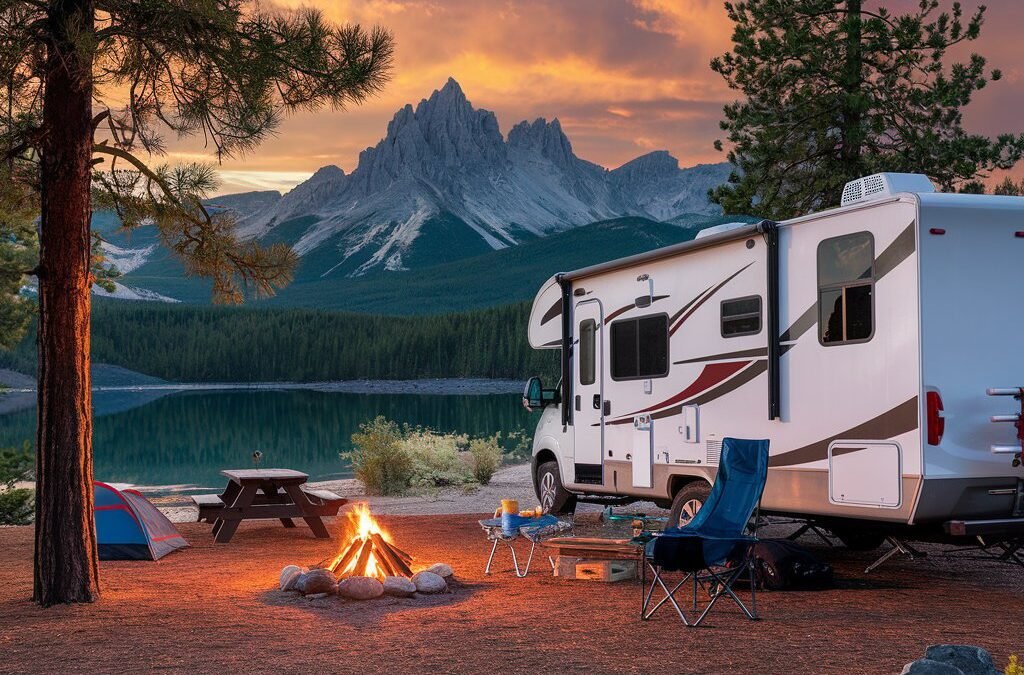
Yellowstone National Park: Known for its geysers, wildlife, and stunning landscapes, Yellowstone offers multiple RV-friendly campgrounds like Fishing Bridge RV Park. Reservations are a must due to high demand. Learn more about RV camping in Yellowstone here.
Grand Canyon National Park: With breathtaking views and hiking opportunities, the Grand Canyon has campgrounds like Trailer Village offering full hookups. Don’t miss sunrise and sunset at the South Rim! Find RV camping options at the Grand Canyon.
Acadia National Park: Located in Maine, Acadia is perfect for nature lovers. Blackwoods Campground and Seawall Campground are great RV spots close to hiking trails and coastal views. Explore RV camping in Acadia.
Hidden Gems
Quartzsite, Arizona: Every winter, Quartzsite transforms into an RVers’ paradise with boondocking opportunities and a vibrant RV show. It’s a must-visit for budget-conscious travelers. Learn more about the Quartzsite RV Show here.
Assateague Island, Maryland: Famous for its wild horses, this island offers unique RV camping experiences right on the beach. Be prepared for rustic conditions and unforgettable views. Get details on camping at Assateague Island.
Crater Lake National Park, Oregon: Featuring the deepest lake in the USA, this park offers scenic campgrounds with RV spaces. Explore the Rim Drive for panoramic views and great photo opportunities. Discover RV camping at Crater Lake.
RV-Friendly Campgrounds and Parks
Luxury RV Resorts
Motorcoach Country Club, California: Located in Indio, this resort offers upscale amenities like private docks, pools, and golf courses. Ideal for those seeking a luxurious RV experience. Check out Motorcoach Country Club.
Bluewater Key RV Resort, Florida: Near Key West, this resort provides spacious waterfront sites with private tiki huts. Enjoy fishing, kayaking, or just relaxing in paradise. Learn more about Bluewater Key RV Resort.
Hilton Head Island Motorcoach Resort, South Carolina: This beautifully landscaped resort features full hookups, a pool, and easy access to Hilton Head’s beaches and restaurants. Explore Hilton Head Island Motorcoach Resort.
Budget-Friendly Options
BLM Land, Various Locations: Bureau of Land Management areas offer free or low-cost boondocking opportunities. Popular spots include Utah’s Moab area and California’s Alabama Hills. Find camping spots on BLM land.
Walmart Parking Lots: While not a long-term option, many Walmart locations allow overnight RV parking. Always check with store management and adhere to their guidelines. Learn more about Walmart RV parking policies.
State Parks: State parks provide affordable camping with basic amenities like electric hookups and water access. Examples include Texas’s Palo Duro Canyon and Florida’s Anastasia State Park. Explore state park camping options here.
How to Find the Best RV Destinations
Planning your RV trips is easier with the right tools and resources:
Online Communities: Join Facebook groups and forums like RV.net for recommendations and travel tips.
Membership Programs: Consider memberships like Good Sam or Harvest Hosts for discounts and unique stays.
Conclusion: Your Next Adventure Awaits
From iconic national parks to off-the-beaten-path gems, the USA offers incredible RV camping destinations for every type of traveler. With the right planning and resources, your next adventure is only a drive away. Read Part 5, where we tackle common RVing challenges.
Have a favorite RV destination we didn’t mention? Share it with us on Facebook or Instagram. Happy travels!
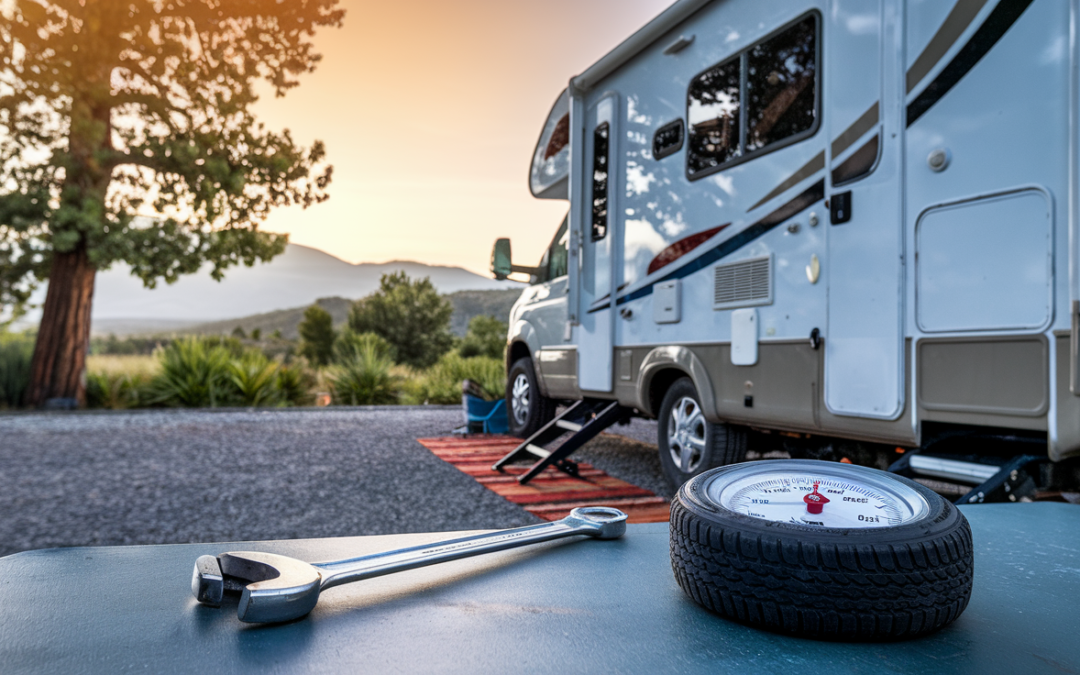
How Do I Maintain RV Tires? Inspect tires for cracks, wear, and proper inflation regularly. Underinflated tires increase the risk of blowouts. Use a tire pressure monitoring system (TPMS) for added safety, and replace tires every 5-7 years. Get detailed RV tire maintenance tips here.
Plumbing and Electrical Systems
How Do I Care for My RV’s Water System? Flush and sanitize the fresh water tank every 6 months. Use RV-safe antifreeze to winterize your system if camping in cold weather. Check for leaks in hoses and fittings to avoid water damage. Read an RV plumbing guide on The Spruce.
How Do I Maintain RV Batteries? Keep batteries fully charged and inspect terminals for corrosion. For lead-acid batteries, check water levels monthly and refill with distilled water as needed. Replace batteries every 3-5 years. Learn about battery care for RVs here.
Exterior Care
How Do I Maintain RV Roof Seals? Inspect roof seals and seams quarterly to prevent water leaks. Use a silicone or Dicor sealant for minor repairs. Consider applying a UV-protective coating to extend the roof’s lifespan. Check out RV roof maintenance tips here.
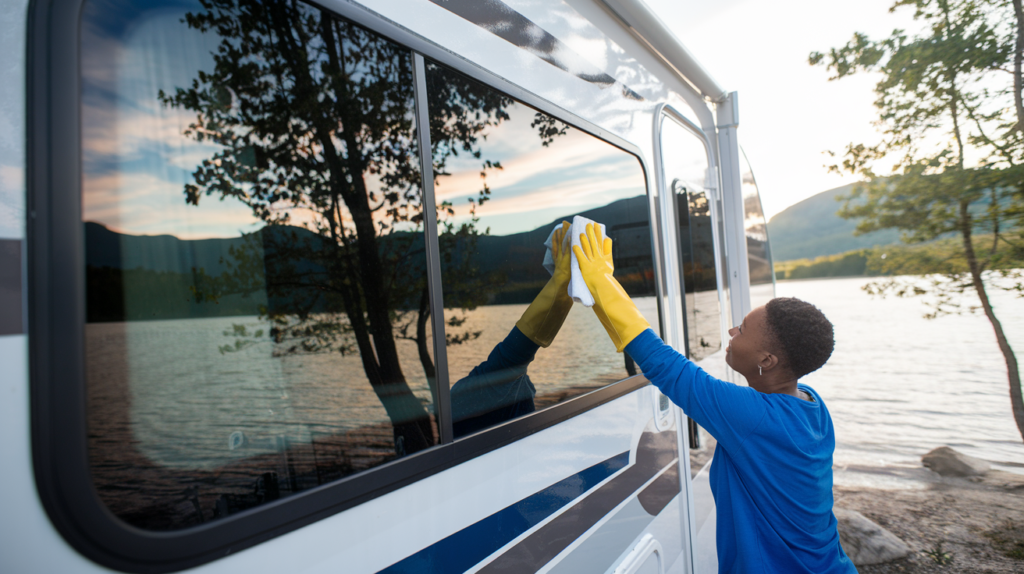
How Do I Clean My RV Exterior? Wash your RV with mild soap and water regularly to remove dirt and debris. Use a wax or protective coating to prevent sun damage and keep the paint looking fresh. Find RV exterior cleaning products and tips.
Mechanical Maintenance
How Do I Change RV Oil? Change your engine oil every 3,000-5,000 miles or according to the manufacturer’s recommendations. Always use oil suitable for your engine type and dispose of used oil at an authorized recycling center. Learn more about engine oil changes here.
How Do I Maintain RV Brakes? Inspect brake pads and rotors regularly for wear. Test brake fluid levels and replace fluid every 2 years to ensure proper brake performance. Schedule professional inspections for added safety. Explore RV brake maintenance tips.
Common Maintenance Issues and Solutions
Why Is My RV AC Not Cooling? Check the air filter for dirt and clean or replace it. Inspect the vents for blockages and ensure the thermostat is set correctly. If the issue persists, consult an HVAC technician. Visit RV Repair Club for troubleshooting help.
Why Is My RV Furnace Blowing Cold Air? Ensure the propane supply is sufficient and check for obstructions in the furnace vent. Clean or replace the furnace filter, and inspect the igniter for functionality. Read an RV furnace troubleshooting guide here.
Why Are My RV Lights Flickering? Flickering lights could indicate low battery voltage or loose connections. Test the battery charge and inspect wiring for damage or corrosion. Learn more about RV electrical issues here.
Conclusion: A Well-Maintained RV Equals Happy Travels
Regular maintenance is the key to avoiding breakdowns and costly repairs. By staying proactive, you can ensure your RV remains a reliable and comfortable home on wheels. Discover Part 4 to uncover the top RV camping destinations.
Have a maintenance tip of your own? Share it with our community on Facebook or Instagram.
By Chuck Price. Last updated: January 25, 2026 Read time: 8 minutes | Key stat: 70% of Cadillac reservations drop at 10:00 AM ET two days prior | Main solution: Strategic 3-day itinerary with tide-timed stops | RV expertise: First-hand experience navigating Acadia’s parking headaches
Quick Answer: The Boston-to-Acadia RV loop is a practical 3-day plan that pairs efficient routing from Boston with Acadia’s 2026 Cadillac Summit Road vehicle reservation rules, smart shuttle use, and tide-timed attractions so you spend your weekend exploring, not circling for parking.
What Is the Boston-to-Acadia RV Loop?
This weekend plan turns the 5-hour drive from Boston into the foundation for a smooth Mount Desert Island trip. It’s built around the biggest friction point that trips up RV travelers: the Cadillac Summit Road vehicle reservation system and the vehicle restrictions that come with it (National Park Service, 2025).
From personal experience crossing the Piscataqua River Bridge into Maine, the transition is immediate – highways open up, forests deepen, and the urban escape becomes tangible. This itinerary keeps that momentum by cutting out the usual national park bottlenecks.
The loop integrates Cadillac Summit Road reservations, tide schedules for Sand Beach and Thunder Hole, and strategic Island Explorer shuttle use to avoid parking limitations that can derail an unplanned RV weekend.
Why Your 2026 Acadia Trip Demands Strategic Planning
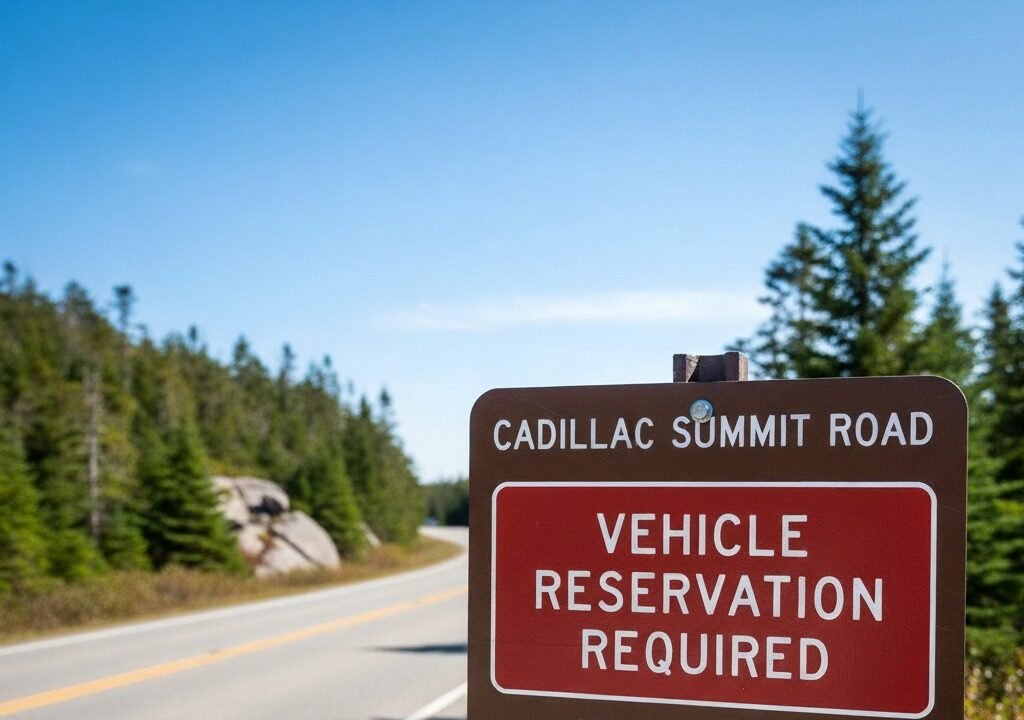
If Cadillac Mountain is on your list, you need to plan around the reservation system. For 2026, the National Park Service states vehicle reservations are required to drive Cadillac Summit Road from Wednesday, May 20 through Sunday, October 25, 2026 (National Park Service, 2025).
Booking windows matter: NPS states 30% of Cadillac Summit Road reservations release 90 days in advance, and 70% release at 10:00 AM ET two days in advance (National Park Service, 2025).
During my 2024 visit, I saw how fast it goes sideways: you blink, you miss the release window, and you’re stuck staring at “sold out” while your morning plan evaporates. Without advance planning, you can easily miss the one viewpoint most people drive to Acadia for.
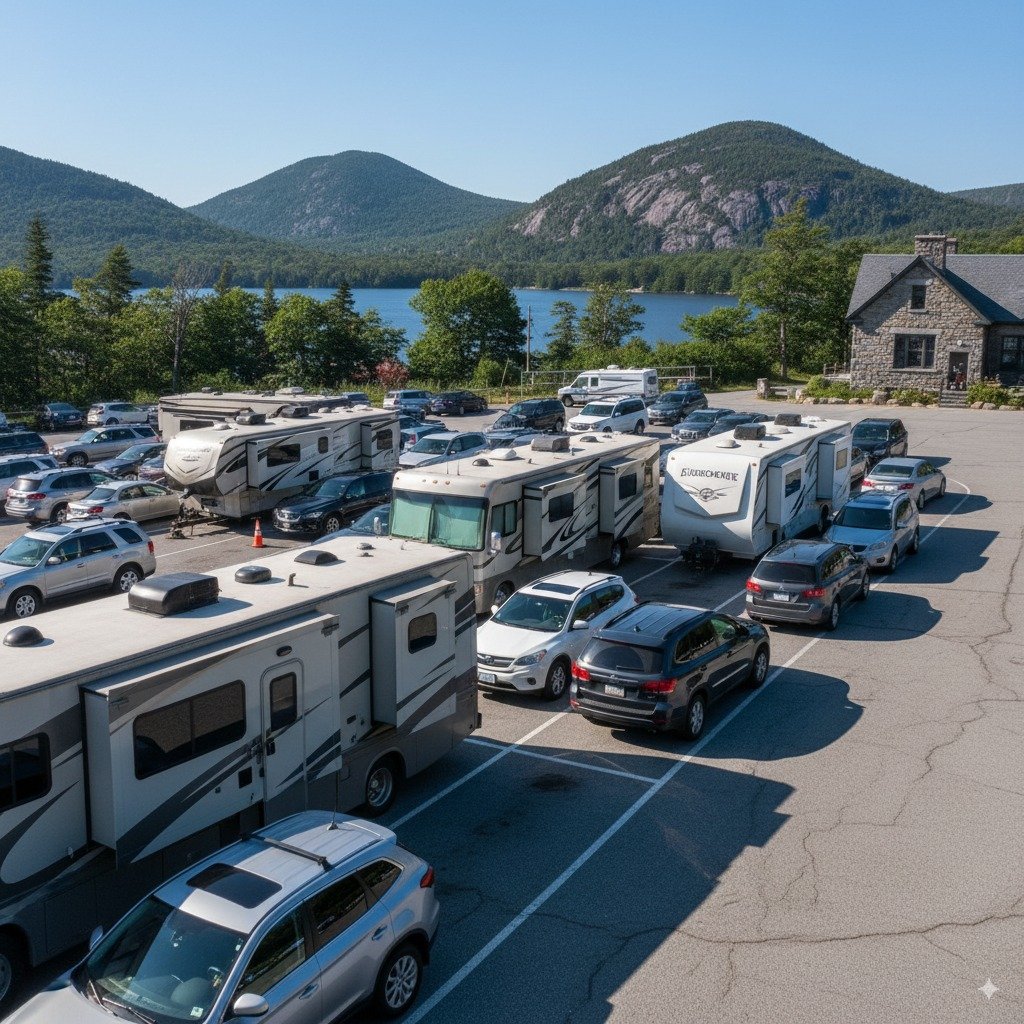
Reality Check: With limited RV-friendly parking at several headline stops, “winging it” often means you spend more time hunting for spaces than actually seeing coastal Maine.
This schedule assumes you’ve secured campsite reservations at Blackwoods or Seawall Campground well in advance and purchased your Acadia National Park Entrance Pass online.
Day 1: Boston Departure and Maine Settlement (Friday)
9:00 AM Departure: Leave Boston to avoid peak traffic. The 280-mile route typically runs 5-6 hours with meal stops
3:00 PM Arrival: Reach your campground (Blackwoods is central). Set up the rig and settle in
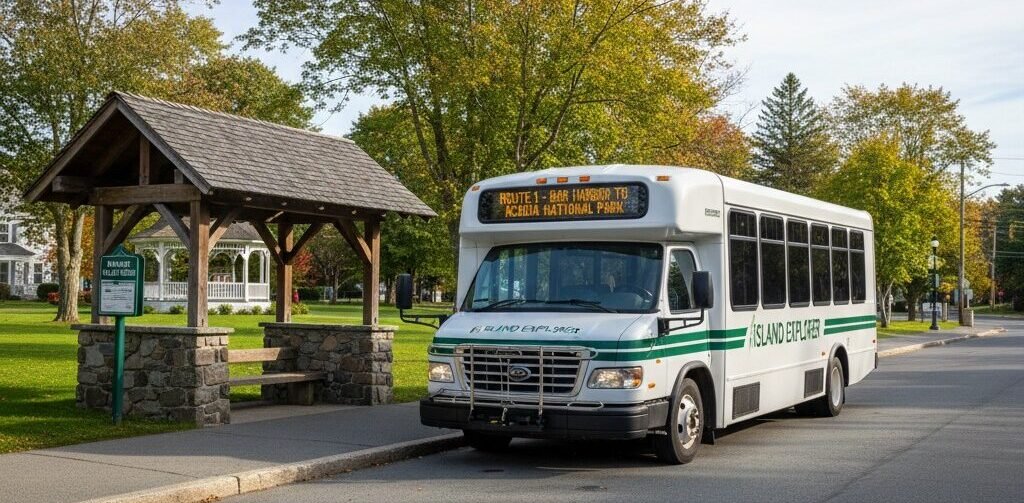
5:00 PM Shuttle Connection: Leave the RV at camp. Board fare-free Island Explorer to Bar Harbor Village Green (check the current seasonal routes/schedules)
6:00 PM Bar Harbor: Walk Shore Path, grab a lobster roll, and do one critical thing: check tide charts for tomorrow
Day 2: Park Loop Road and Tide-Synchronized Attractions (Saturday)
Today is about hitting Park Loop Road’s icons when nature is actually cooperating:
Morning (Low Tide Window): Drive to Sand Beach before 9 AM for better parking odds. Low tide opens up more walkable beach and better tide pool poking
Mid-Day (High Tide Window): Head to Thunder Hole. Timing matters: 1-2 hours before high tide is when you’re most likely to get the boom and spray
Lunch Period: Continue to Jordan Pond House. RV parking is tight. Drop passengers, then find a legal roadside spot. Popovers are the move
Afternoon Loop Completion: Finish remaining Park Loop segments via overlooks and pullouts. Get back to camp before dinner
Tide-Timing Strategic Planning Grid
Use real-time tide charts for your dates. High tides occur roughly 12 hours and 25 minutes after the prior high tide.
Attraction
Optimal Tide Timing
Why Timing Matters
Sand Beach Walk
Low Tide
More exposed beach and easier access to tide pools
Thunder Hole
1-2 Hours Before High Tide
Best odds for the signature “thunder” sound and spray
Bar Island Land Bridge
1.5 Hours Before/After Low Tide
Walkable gravel bar appears. Miss timing and you can get stranded
Day 3: Cadillac Mountain Summit and Quiet Side Exploration (Sunday)
Morning Summit Access: Use your pre-booked Cadillac Summit Road reservation (sunrise or daytime). NPS is explicit: Cadillac is not served by the Island Explorer, and recreational vehicles and trailers are prohibited. Also, vehicles over 21 feet (including racks and hitch attachments) are denied entry even with a valid reservation (National Park Service, 2025). Plan a separate vehicle under 21 feet, a taxi/rideshare, or enter by foot/bike.
Alternative/Afternoon Options: If Cadillac doesn’t work out, pivot to the “Quiet Side”: Echo Lake Beach (arrive early for parking) or Bass Harbor Head Light Station
Late Afternoon: Start the drive back to Boston
Pro Tip: Download the myStop Mobile app for real-time Island Explorer tracking. It cuts the “is it coming or not” guessing game.
Critical RV Mistakes That Derail Acadia Adventures
These errors are predictable and avoidable:
Ignoring Vehicle Restrictions: NPS prohibits RVs and trailers on Cadillac Summit Road and denies vehicles over 21 feet even with reservations. Solution: Use official NPS guidance before you commit to a route (National Park Service, 2025).
Underestimating Parking Reality: Trying to park a rig near Jordan Pond or Echo Lake from late morning through mid-afternoon is usually a grind. Solution: Arrive before 9 AM or switch to Island Explorer for the busiest zones.
Missing Tide Windows: Thunder Hole at the wrong tide is a letdown. Solution: Check tides the night before and build your day around them.
On peak-season days, bad parking decisions can burn a couple hours fast. That’s the difference between “we saw it” and “we fought it.”
Practical Crowd Escape: The Schoodic Peninsula Move
When Mount Desert Island feels jammed, the cleanest reset is simple: go to Schoodic Peninsula, Acadia’s mainland section. You get the same granite coastline vibe with fewer bodies.
If you want to make it fun (and reduce driving stress), look at seasonal passenger ferry options between Bar Harbor and Winter Harbor, then explore Schoodic from there (Downeast Windjammer Cruise Lines, n.d.).
Essential Acadia RV Questions Answered
Do I need both a park pass AND a Cadillac reservation?
Yes. The park entrance pass gets you into Acadia. The vehicle reservation is a separate requirement to drive Cadillac Summit Road during the reservation season (National Park Service, 2025).
Which campground works best for bigger rigs? Schoodic Woods Campground is generally the most big-rig-friendly and has electrical hookups. Blackwoods and Seawall are more central but can feel tighter depending on site.
Is Island Explorer really free?
Yes. It’s fare-free seasonal service funded through partnerships and park-related support. Confirm current routes and dates before you go (National Park Service, 2025; Explore Acadia, n.d.).
Are pets allowed?
Acadia is one of the more pet-friendly parks. Leashed pets are allowed on most trails and in campgrounds, with exceptions on a few strenuous routes and certain beach rules.
How much water should I carry?
For a moderate hike day, a common baseline is around 2 liters per person, then adjust up for heat, distance, and sun exposure. Coastal trails can feel deceptively drying.
Official Planning Resources
Use official sources. They’re free, accurate, and built for mobile:
Tips, Tricks, and Answers to Make Life on the Road Easier
Living in an RV: Common Questions Answered
Space Management and Organization
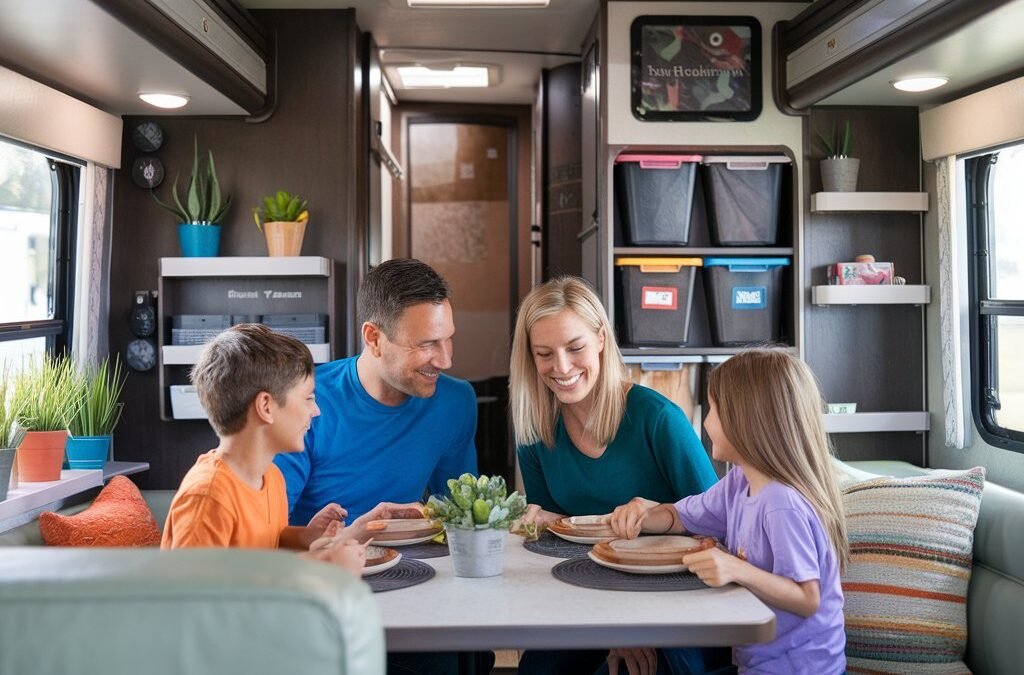
How Do I Organize My RV? Efficient organization is key to maximizing limited space. Use stackable bins, collapsible kitchenware, and over-the-door storage solutions. Label containers to make finding items easier, and routinely declutter to keep your RV functional. For tips, visit RV Life’s Organization Guide.
What Should I Pack for Full-Time RV Living? Pack only essentials to save space. Prioritize multipurpose items like convertible furniture or nesting cookware. Don’t forget tools, spare parts, and seasonal clothing. Digitalize books and documents to save room. Check out Heath & Alyssa’s RV Packing Checklist.
Comfort and Quality of Life
How Do I Stay Comfortable in Extreme Weather? In cold weather, insulate windows with reflective covers, and use space heaters or RV-safe heating options. For heat, install vent covers, use blackout curtains, and park in shaded areas. Proper ventilation is critical for both scenarios. Read more at Togo RV’s Extreme Weather Tips.
How Do I Get Internet on the Road? Options include mobile hotspots, campground Wi-Fi, and satellite internet. For reliable connectivity, consider a data plan with high coverage and invest in a signal booster for remote areas. Explore RV Mobile Internet’s Guides for detailed advice.
Full-Time RVing
Can I Live in an RV Full-Time? Yes, many people choose full-time RVing for its flexibility and adventure. Be prepared to manage mail forwarding, residency, healthcare, and finances while on the road. For insights on full-time RV life, visit Escapees RV Club.
How Do I Manage Mail and Packages? Use a mail forwarding service like Escapees Mail Service or MyRVMail. Many campgrounds and RV parks allow package deliveries, and Amazon Lockers are convenient for pickups during your travels.
What Are the Costs of Full-Time RVing? Expenses vary widely by travel pace, campsite choices, debt, rig type, maintenance, insurance, fuel, and food. Build a personal monthly budget from your own fixed costs plus a realistic route and repair reserve; a national range can be misleading. Learn more at RVshare’s Full-Time RV Cost Breakdown.
Conclusion: Make RV Life Your Own
Living in an RV offers unparalleled freedom, but it comes with unique challenges. By staying organized, prioritizing comfort, and planning ahead, you can fully embrace the RV lifestyle. Whether you’re going full-time or just starting out, the journey is what you make of it. Explore Part 3 for essential RV maintenance tips.
Looking for more insights? Check out Boondock or Bust for guides, reviews, and community discussions.
Everything You Need to Know About RVing, From the Basics to the Unexpected
Why This Guide Matters
The world of RVing is full of wonder and adventure, but it can also be a bit daunting for newcomers. Whether you’re a seasoned RVer or just starting out, there’s always something new to learn. That’s why we’ve compiled a list of the top 50 most Googled RVing questions—a one-stop shop for all your RVing queries!
Who This Guide Is For
This guide is designed to be a comprehensive resource for anyone interested in RVing, from families and couples to retirees and experienced enthusiasts. So, grab your favorite beverage, settle in, and get ready to explore the fascinating world of RVing!
What You’ll Learn
In this guide, we’ll cover a wide range of topics, including:
RV basics (e.g., different types of RVs, how to choose the right RV for you). Learn more from RV Industry Association.
Popular RV destinations and routes. Get inspiration from Campendium.
And much more!
Top 50 Googled RVing Questions: Basics and Operations
Basic RV Operations
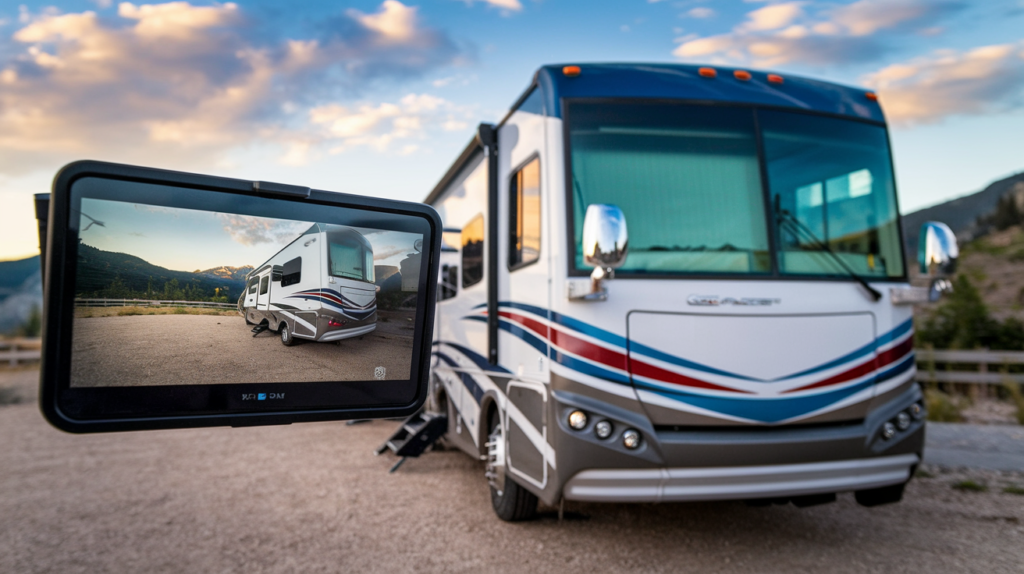
How Do I Park an RV? Parking an RV can be intimidating, especially for beginners. Use backup cameras, spotters, and practice frequently. Modern RVs often come with auto-leveling systems, but manual leveling requires leveling blocks or jacks. For in-depth instructions, visit etrailer.com.
Do I Need a Special License to Drive an RV? In most cases, no. Large RVs exceeding 26,000 pounds may require a special license in some states, so check your local regulations. For a detailed breakdown by state, refer to Changing Gears.
What Size Generator Do I Need for My RV? The size depends on your RV and power needs. A 3,000-4,000-watt generator typically suits a 30-amp RV, while larger rigs may need up to 7,000 watts. Consider the wattage required by your air conditioner and other appliances. Learn more from RV Travel’s Generator Guide.
How Do I Winterize My RV? Winterizing prevents freezing damage. Steps include draining all water from the system, adding RV-specific antifreeze, and insulating vulnerable areas. Don’t forget to seal windows and doors to block drafts. For a step-by-step guide, visit Trailer Life Magazine.
Conclusion: Next Steps
This is just Part 1 of our comprehensive guide to the top Googled RVing questions. Check out Part 2, where we dive into Tips, Tricks, and Answers to Make Life on the Road Easier
For updates and exclusive tips, subscribe to our newsletter and follow us on social media. Join the Boondock or Bust community today!