I’ve been camping for decades now, and let me tell you – the market for “camper vans” has gone wild since 2020. If you’re thinking about jumping in but don’t want to drop $150K+ on a new rig, buying used is definitely the way to go. After helping dozens of friends find their perfect road companions, I’ve put together this no-nonsense guide to navigating the used Class B market in 2025.
What Makes Class B RVs Different (And Why They’re Worth It)
Let’s get something straight – Class B RVs are expensive for what you get, space-wise. You’re essentially paying a premium for clever engineering in a compact package. Built on van chassis like the Mercedes Sprinter, RAM ProMaster, or Ford Transit,
they’re the smallest motorhome category but pack a shocking amount of functionality into limited space.
After combing thru the Class B listings on RVTrader, I can tell you the 2025 used market is WAY different than just 3-4 years ago. Many units hitting the secondary market now have lithium batteries, solar setups, and four-season insulation that would’ve cost thousands in aftermarket upgrades back in 2021.
Why am I personally impressed with Class Bs? I can actually park one at normal grocery stores without taking up 6 spots. They get decent fuel economy (around 16-18 mpg in a ProMaster-based Winnebago Travato), and they work well as both a weekend adventure rig and occasional daily driver. Try doing that with a massive Class A!
“I spent three years in a 40-foot diesel pusher before downsizing to my Pleasure-Way Lexor. Should have done it sooner. The freedom of going anywhere without planning for big rig limitations is priceless.” – Jack M., Sprinter-Life Forum
What’s Changed in the Class B World
The biggest shift I’ve noticed is energy independence. Many of the older Class B’s came with lead-acid batteries that died if you looked at them wrong. Now even basic models from 2022 forward have decent lithium setups that’ll actually run your AC for a few hours without a generator! That’s a game-changer for stealth camping. (Learn more about lithium RV battery basics here).
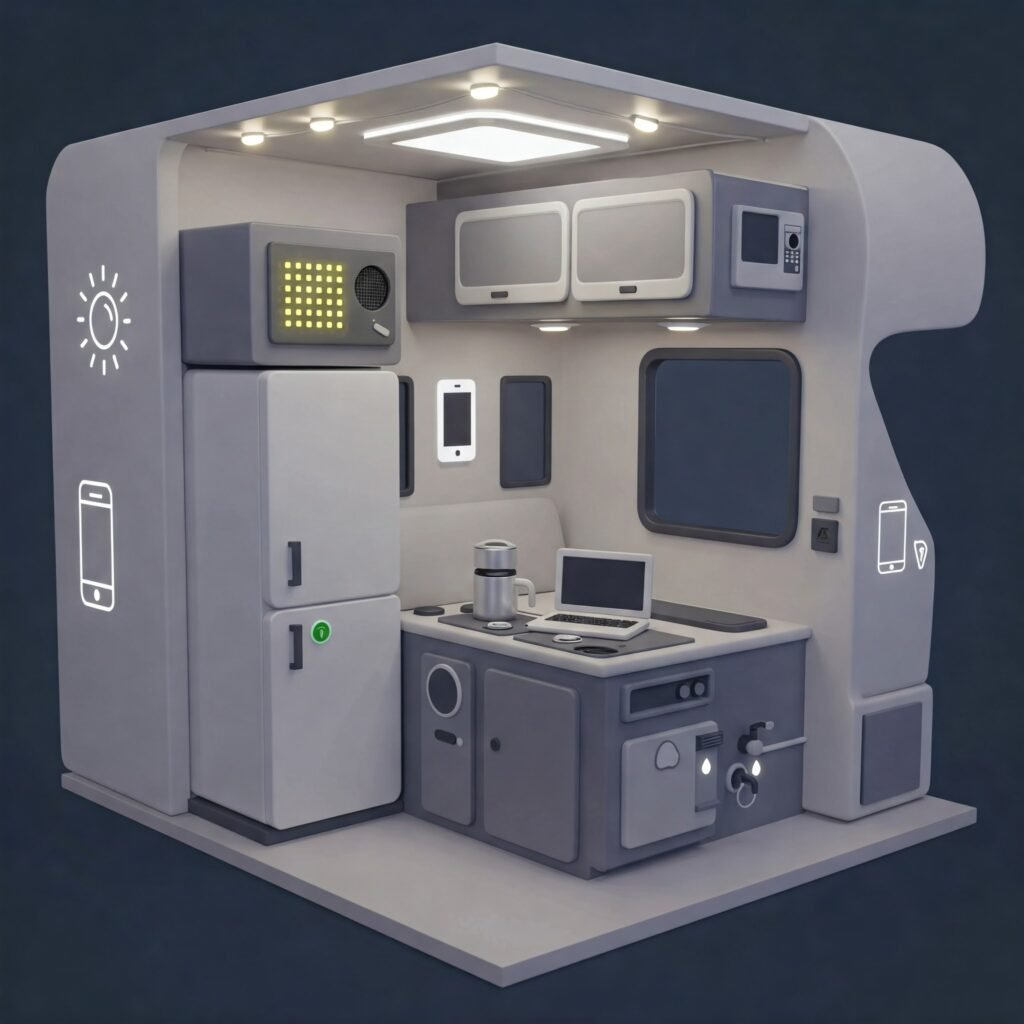
Connectivity for remote work has become standard too. I’ve seen 2022-2023 models with built-in cellular boosters, dedicated workstations, and robust enough power systems to run laptops and monitors all day. This wasn’t happening 5 years ago. If you’re setting up an RV workspace, resources like the Mobile Internet Resource Center are gold for choosing the best setup.The extended wheelbase variants that used to be unicorns? They’re everywhere now. After manufacturers ramped up production in 2021-2022, you’re seeing way more of those 22-24 foot extended models hitting the used market. More space without stepping up to a Class C is pretty sweet.
Class Bs have their own special issues beyond normal RV concerns, and the integrated design means problems tend to cascade.
Start with the vehicle itself. I won’t buy anything without maintenance records – especially Sprinters with their complex emissions systems. One missed DEF fluid change can lead to a $4,000 repair bill. Check service intervals for the specific chassis and make sure they’ve been followed religiously. (See Consumer Reports RV safety guide for Tips on Safer RV Travel).
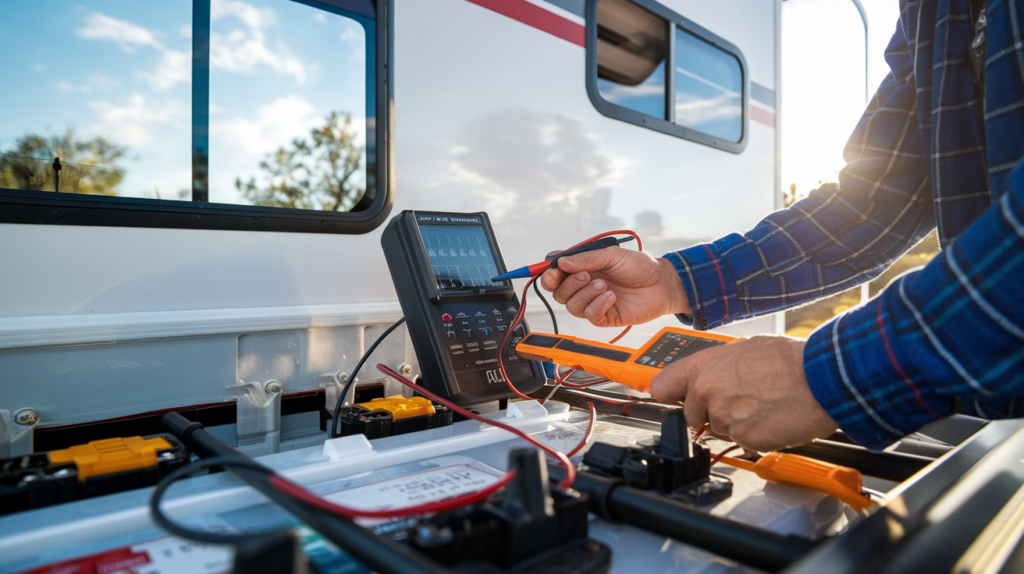
Water damage is still the #1 killer, even in these smaller units. I always carry a cheap moisture meter (like $25 on Amazon) when looking at used vans. Press it against the walls and ceiling, especially near windows, roof vents, and air conditioners. Had a seller get really upset when I found softness around their fan vent that my meter confirmed was soaking wet inside the wall. Saved myself thousands walking away from that one! (Find certified RV inspectors through NRVIA here).
The Electrical System Is Everything
Here’s something weird about Class Bs – the electrical system is way more complex than in bigger RVs because they’re cramming so much into a tiny space. I’ve seen some truly creative (read: terrifying) DIY electrical work in otherwise gorgeous vans.
Lithium batteries are amazing until they’re not. If you’re looking at a 2020+ model with lithium, make sure it has a proper battery management system (BMS) and ask about the charge cycles. Most lithium setups should last 2000-3000 cycles, but improper charging can kill them much faster. I watched a guy at a campground last summer cook his $6K lithium setup by connecting to faulty shore power without a surge protector. (Learn more about proper lithium battery management).
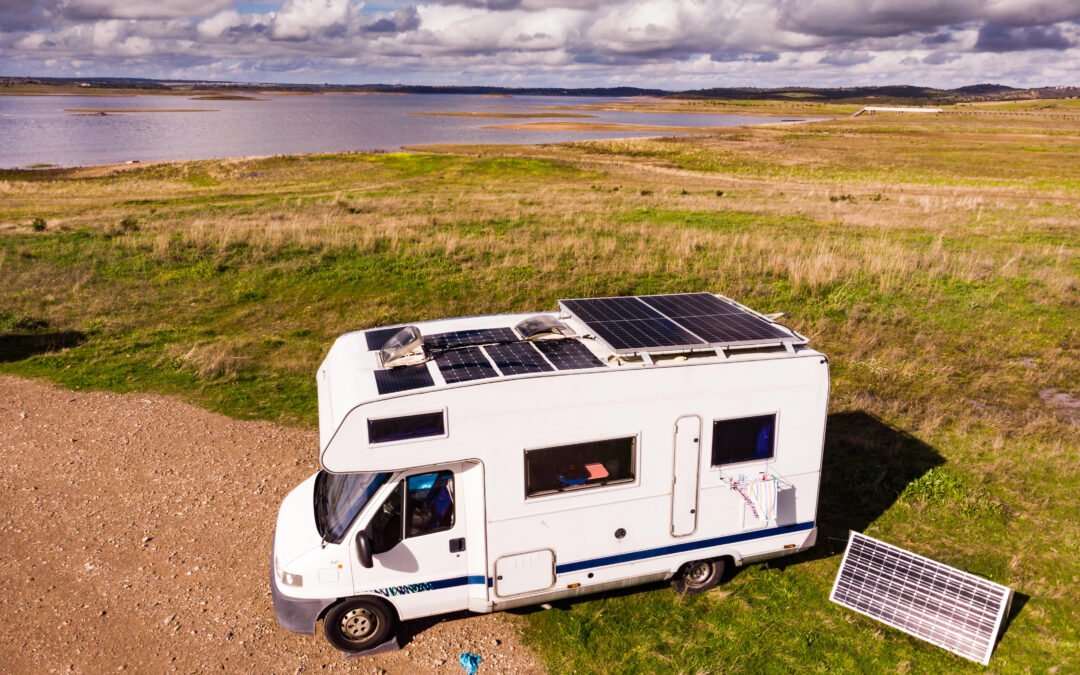
Solar is a whole other can of worms. Ask how many watts are actually installed (not just what the controller can handle), and verify the panels are securely mounted. I’ve seen too many rigs with panels that were basically hanging on by a prayer after a couple of years of highway wind vibration.
Test Everything – Twice
Convertible beds: The bed in my first van got stuck halfway converted on day three of ownership. Try every position at least twice.
Refrigeration: Run it on propane AND electric. Many units cool fine on 120V shore power but struggle on propane or 12V.
Water systems: Fill the freshwater tank and run the pump. It should be relatively quiet and maintain consistent pressure. If it rapidly cycles on/off when not in use, there’s a leak somewhere.
Climate control: Run the furnace AND the AC. The furnace should ignite without multiple tries. The AC should cool noticeably within 5-10 minutes.
Awnings and steps: Deploy them fully several times. These mechanisms fail regularly and are surprisingly expensive to fix.
One more thing: if the seller won’t let you spend at least an hour going through everything, walk away immediately. I don’t care how “hot” the market is – that’s a massive red flag.
I’ve talked to plenty of experienced RV owners, and here’s something they all seem to agree on: higher mileage can be better than lower age almost every time. One friend’s rig had 87,000 miles when they bought it (pretty high for a 4-year-old RV), but the previous owner used it constantly rather than letting it sit. Result? Every system worked flawlessly because nothing had time to dry out, gum up, or crack from disuse.
Think about it – RV systems are designed to be used. Seals in plumbing and slide mechanisms need regular operation to stay lubricated. Engines benefit from regular running to prevent gaskets from drying out. A Class B that’s been driven 15K miles annually is often in better shape than one that’s been used twice a year for weekend trips.
Of course, chassis differences matter. I’d be comfortable with a well-maintained Sprinter showing 150K+ miles, knowing it’s probably got another 150K easy in its future. A ProMaster with that mileage? I’d be more cautious, though they’re proving more durable than early skeptics predicted.
The Sweet Spot for Value in 2025
After obsessively tracking pricing for years, I’m convinced the absolute sweet spot right now is in 3-5 year old vans (2020-2022 model years). Why? They’ve already taken the steepest depreciation hit but are new enough to have the lithium batteries, solar, and modern amenities that make van life comfortable.
Many 2019-2021 models still have some factory warranty coverage on components, especially if you find one that wasn’t purchased until 2022 (very common with the production backlogs during those years). The chassis warranty is almost certainly expired by mileage, but the coach systems might still be covered. (Check current RV listings on RVTrader).
Specific example: I recently looked at a 2021 Winnebago Travato 59GL with 29,000 miles priced at $112,000. In comparison, the same dealership had a new 2024 model listed for $168,000. This represents a potential savings of $56,000 for a used model with some mileage, although it may not have all the latest features and updates included in the newer model. While finding such deals can be challenging, they can offer significant value for those willing to consider a pre-owned vehicle.
Forget the dealerships for a minute. Yes, they offer warranties and financing, but their 15-25% markup is brutal in this market. I’ve bought all my RVs private party, and while it requires more diligence, the savings can be enormous.
The absolute best place to find deals? Owner forums and Facebook groups specific to the model you want. I’m active in several Hymer / Roadtrek groups, and units often get posted there before hitting the public market. Owners selling to other enthusiasts tend to price more fairly and have usually taken better care of their rigs.
RVTrader and Facebook Marketplace are hit or miss. I’ve found gems and absolute disasters on both. The key difference is filtering – RVTrader lets you drill down to exact specs, while FB requires endless scrolling. One weird tip: search marketplace within 300-500 miles of major retirement communities. I’ve found amazing one-owner, low-mile units from seniors who decided the lifestyle wasn’t for them.
Timing Is Everything
I bought my current van on Facebook in the middle of winter. The price? About 22% below comparable units sold the previous summer. Winter purchases in cold-weather states can save you thousands as sellers face storage costs and low seasonal demand.
Conversely, NEVER shop for an RV in April or May unless you enjoy paying maximum price. Everyone starts thinking about summer trips, and the market goes nuts. September and October can also offer good values as summer users decide to sell rather than store for winter. Location hacking works too. My buddy flew one-way to Phoenix, bought a Class B for $12K under market value (compared to Seattle prices), and drove it home. The adventure was part of the fun, and even including the flight and gas, he saved about $10K. Desert states like Arizona and New Mexico not only have good inventory but also vans with minimal rust issues. (Check RV inventory in desert states on RVT.com).
RV Show Secret:
Here’s a little-known trick: Show up on the LAST day of a major RV show, about 2 hours before closing. Dealers hate shipping unsold inventory back to their lots, especially trades they took in during the show. I’ve seen them knock 5-8% off already reasonable prices just to avoid the transport hassle. This only works with smaller dealers, though – the big chains usually have efficient logistics for moving inventory between locations.
Negotiation Tactics That Actually Work in 2025
Forget NADA values – they’re consistently wrong for Class B RVs, especially in this weird post-pandemic market. Instead, I build my own pricing database by saving completed sales from eBay, Facebook Marketplace, and other sources. Knowledge is power, and showing a seller concrete examples of recent comparable sales is way more effective than quoting some generic guide.
When I find issues during inspection, I don’t just say “this is broken, lower the price.” I research the exact replacement part cost and labor time, then present it as “This water heater needs replacement which costs $897 plus about 3 hours of labor at $150/hr. I’d like to adjust our price by $1,350 to account for this.” Specific numbers are harder to argue with than vague complaints.
One tactic that’s worked surprisingly well: offer slightly ABOVE asking price with contingencies. Last year, I helped a friend offer $2K over asking on a Pleasure-Way that had multiple interested buyers, with the contingency that it pass a professional inspection at a shop of our choosing. We got the deal, the inspection found $4,800 in needed repairs, and the seller adjusted the price accordingly. We still got it below market value AND had documented issues addressed.
The Money Stuff Nobody Talks About
Getting financing for used RVs is much harder than for new ones. Credit unions consistently beat banks for RV loans, often by 1-3% on interest rates. I had a friend finance through Alliant Credit Union for her last purchase – 5.9% when dealers were quoting 8-9%.Insurance is a whole other nightmare. Regular auto policies DON’T properly cover most Class B components. I learned this the hard way when another friend’s auto policy refused to cover water damage to his van’s interior systems. You need actual RV insurance, preferably from a company that understands these hybrid vehicle/homes. (Check RV-specific insurance options at Good Sam).
Here’s a controversial opinion: I think most extended warranties are garbage, EXCEPT for the canceled manufacturer warranty transfers some companies offer. I read in one forum about a Winnebago warranty transferred to a second owner for $500, covering major components for 24 months. That’s a no-brainer. The third-party warranties that cost $3-5K? Read the exclusions carefully – they’re usually designed never to pay out.
Final Thoughts
Look, buying a used Class B is stressful. You’re dropping house-down-payment money on a complex machine that combines automotive and RV systems in the tightest possible package. Things will go wrong – that’s just RV life. But buying smart can minimize those headaches.
After helping over a dozen friends find their perfect van and learning about plenty of costly mistakes with my own purchases, my best advice is simple: buy the van that matches how you’ll ACTUALLY use it, not your fantasy usage. That 4×4 Revel looks awesome on Instagram climbing desert trails, but if you’re mainly visiting family and staying in campgrounds with hookups, you’re paying a massive premium for capabilities you’ll rarely use.
The Class B community is incredibly supportive. Before you buy, join the Facebook group or forum for the specific model you’re considering. Ask questions, learn the common issues, and maybe even find someone local who’ll let you see their rig in person. I’ve had complete strangers spend hours showing me their setups just because they love sharing the lifestyle. (Search relevant Facebook Groups and Marketplace listings here).
Questions about specific models or situations? Drop them in the comments below. I check in weekly and try to respond to everyone, especially van-shopping newbies. And if you found this guide helpful, consider sharing it with other aspiring van-lifers. The more informed buyers we have, the better the whole market becomes!
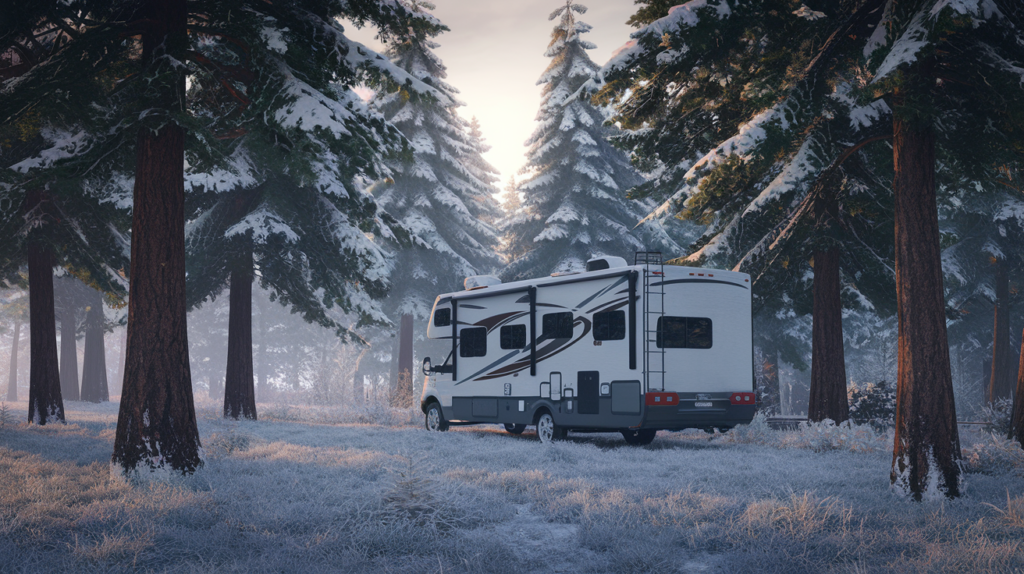
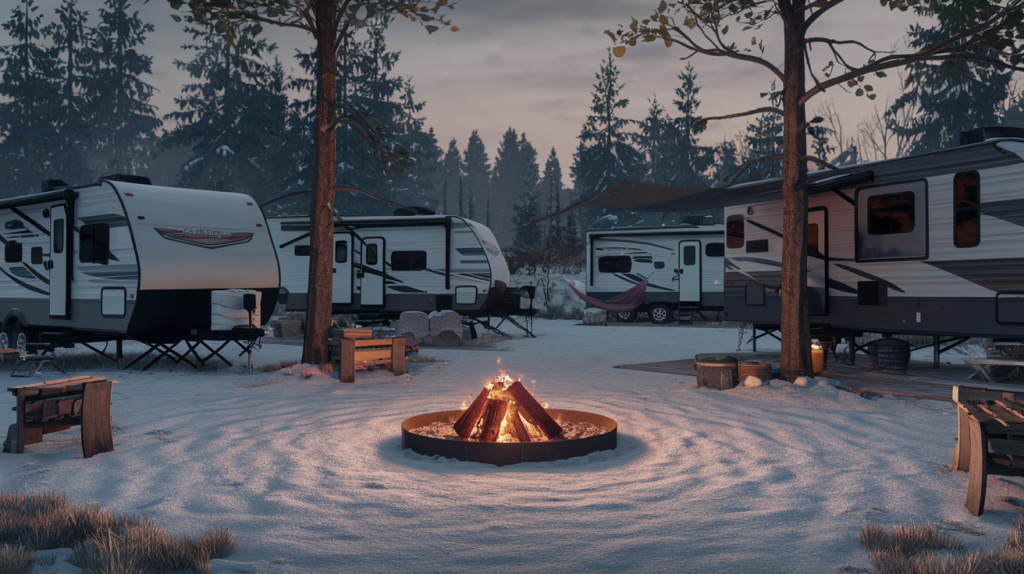
Off-season RV camping can be incredibly peaceful and picturesque, but plunging temperatures introduce unique challenges. Whether you’re navigating icy roads, bracing for sub-zero winds, or keeping your batteries charged, preparation is key. This guide focuses on the practical know-how you need for winter boondocking success, from understanding temperature ranges to troubleshooting common cold-weather issues.
1. Why Winter Boondocking?
Summer campsites can be crowded and noisy. Venturing out when temperatures dip below freezing gives you access to serene landscapes and often lower campsite fees—sometimes even free or nearly empty public land. Not only can you enjoy breathtaking winter scenery, but you also hone skills that sharpen your self-reliance in challenging conditions.
The key appeal lies in solitude and the ability to witness nature in its quiet, dormant state. Imagine waking up to crystal-clear skies and a snowy panorama, all while staying warm and comfortable in your well-prepared RV.
2. Different RV Types & Cold-Weather Performance
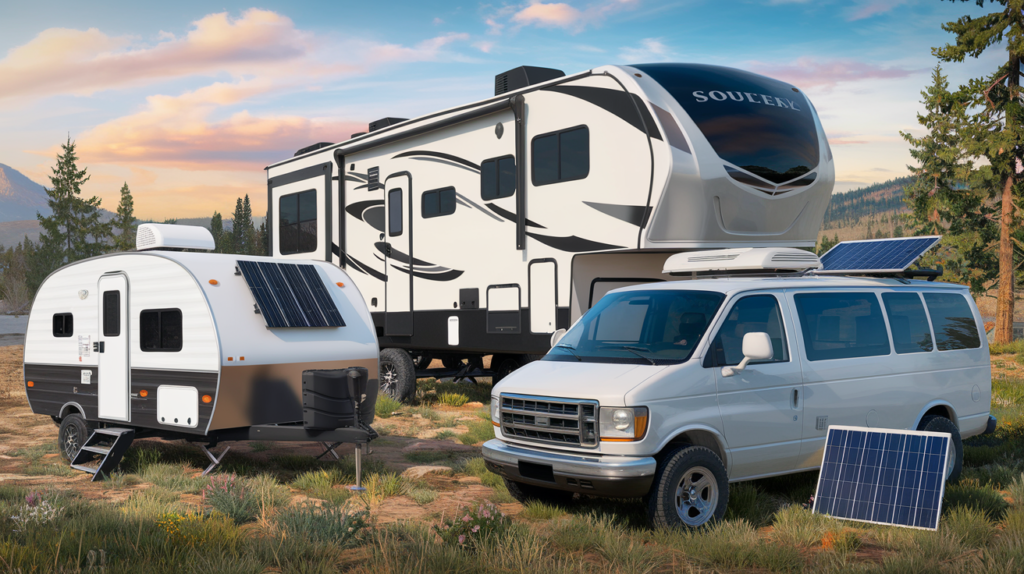
Not all RVs are created equal when it comes to winter camping. If you own a four-season RV model, you likely already have extra insulation in walls and holding tanks designed to handle below-freezing temperatures. However, if you’re camping in a standard travel trailer or older Class C, you may need additional steps to protect your plumbing and boost insulation.
Motorized RVs (Class A, B, and C)
Class A motorhomes often feature robust heating systems and can be better insulated, but they’re also bigger targets for wind and may require more fuel in extreme conditions. Class B camper vans have a smaller interior space to heat but may lack thick insulation layers. Class C units blend features from both, but older models can have under-insulated cab-over sections vulnerable to cold air.
Examples: Many Class A diesel pushers from higher-end brands include “winter packages,” but always verify the level of insulation offered. Some owners in colder states praise specific models from Tiffin or Winnebago for improved cold-weather performance.
Towables (Fifth Wheels, Travel Trailers, Pop-Ups)
Fifth wheels designed for four-season use often include heated underbellies and dual-pane windows. Standard travel trailers can be adapted with foam board insulation and tank heaters, but pop-ups or hybrids may struggle to maintain heat due to soft-side walls. If you’re in a pop-up, focus on windbreaks and insulating the fabric with additional layers or thermal blankets.
Examples: Models like the Northwood Arctic Fox or Lance travel trailers are frequently mentioned in RV forums for their better cold-weather capabilities, including enclosed underbellies and upgraded insulation.
Pro Tip: Before committing to a sub-zero trip in any RV type, research your model’s recommended operating temperatures and known problem areas. Online forums and owner groups can be gold mines for specific tips on your exact rig.
3. Understanding Temperature Ranges
“Below freezing” can mean anything from 32°F (0°C) down to well into negative territory. Your approach to insulation, heating, and water management may differ significantly depending on whether you’re hovering around the freezing mark or braving -10°F (-23°C) nights. Here’s a general breakdown:
32°F to 20°F (0°C to -7°C): Light freezing conditions. Basic insulation, heated water hoses, and a decent RV furnace can suffice if you manage moisture and drafts.
20°F to 0°F (-7°C to -18°C): Moderate freeze where you’ll need heavier insulation (e.g., foam board, thermal curtains) and possibly tank heating pads.
Below 0°F (-18°C and lower): Extreme cold. Requires robust strategies including double-insulated windows, continuous furnace operation (or supplemental heating), and careful battery monitoring to prevent outages.
Always monitor daytime highs and overnight lows. Daytime thawing and nighttime freezing can stress pipes and seals. Checking the forecast helps you anticipate fuel and power requirements.
4. Preparing Your RV for Extreme Cold
An ounce of prevention is worth a pound of repairs when it comes to winter boondocking. Start with the basics:
Seal and Insulate: Identify areas prone to leaks or drafts. Use weather-resistant caulk and foam strips on windows, vents, and door frames. Consider installing foam board around the underbelly or exposed storage compartments.
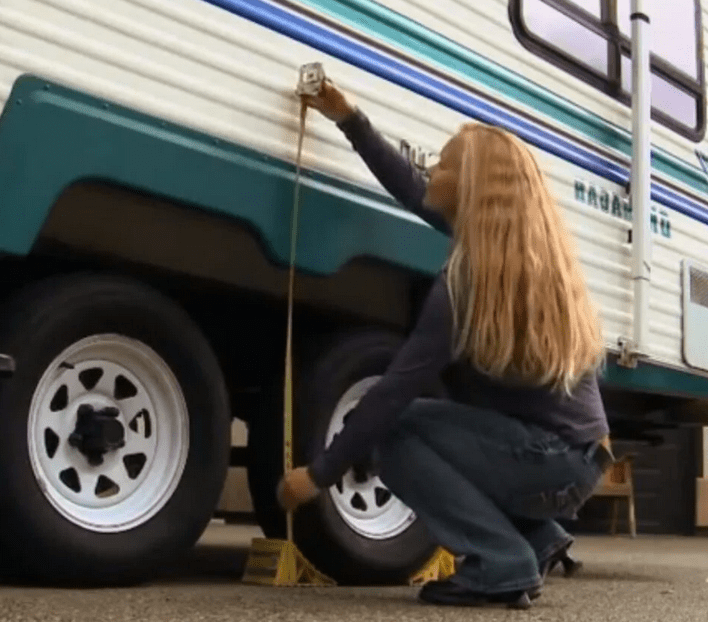
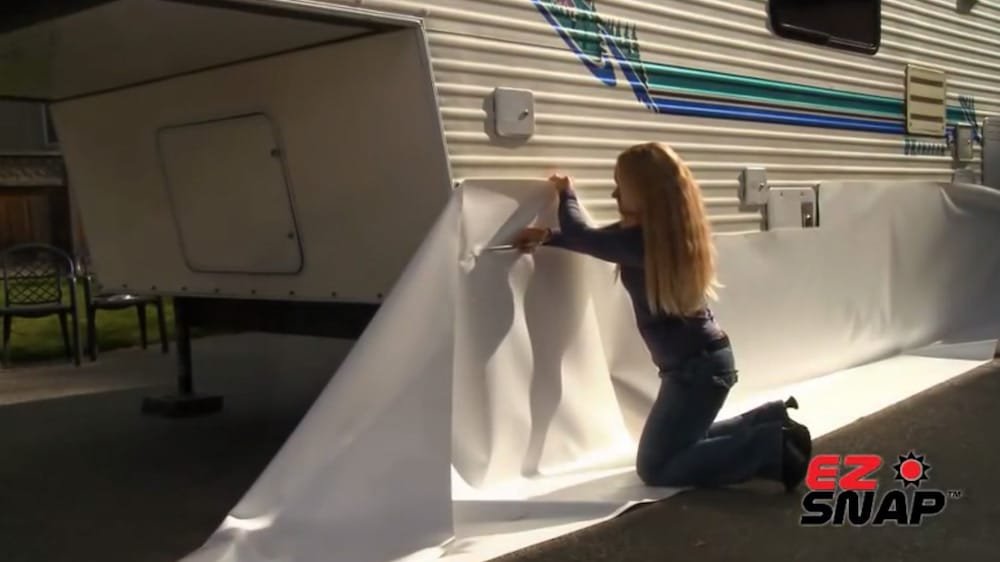
Protect Your Tanks: Adding heating pads to fresh water and gray/black tanks can prevent freezing. Skirt the bottom of your RV if possible to shield pipes and valves from windchill.
Ventilation vs. Condensation: Running your furnace in a sealed RV can create moisture. Balance heat retention with slight ventilation—like cracking a roof vent—to reduce dampness.
Comparing Common Insulation Products
Product
Pros
Cons
Foam Board (Polystyrene)
High R-value, moisture-resistant, easy to cut and fit
May need tape sealing for best results, bulkier in tight spaces
Reflective Foil (Bubble Core)
Lightweight, excellent for windows, can reflect radiant heat
Requires an air gap for best performance, less effective in extreme cold alone
Spray Foam
Fills irregular gaps perfectly, very high insulating capacity
Can be messy if DIY, may require professional application
Higher upfront cost, requires accurate measurements for best fit
5. Battery Management in Freezing Conditions
Chemical reactions in batteries slow down in cold environments, reducing capacity and recharge efficiency. If you’re relying on lead-acid batteries, their performance can drop dramatically below 32°F (0°C). Lithium batteries fare better in the cold but may need specialized heating elements or management systems to charge safely in sub-freezing temperatures.
Battery Care Tips:
Insulation Box or Wrap: Enclose batteries in an insulated compartment or use thermal wraps designed for cold-weather battery maintenance.
Monitor Voltage Regularly: Invest in a reliable battery monitor or use your RV’s built-in system to watch for drastic voltage drops overnight.
Charging Protocols: Some lithium battery packs won’t charge if internal temperatures are too low. Check your manufacturer’s guidelines for safe charging ranges.
Generator or Solar Backup: In extreme cold, your system might drain faster. Having a generator or well-placed solar panels ensures you don’t wake up with dead batteries.
If you’re considering an upgrade, many RV owners recommend low-temperature lithium batteries from brands like Battle Born or Renogy. The initial cost can be higher, but the improved cold-weather performance often justifies the investment.
6. Essential Safety Protocols
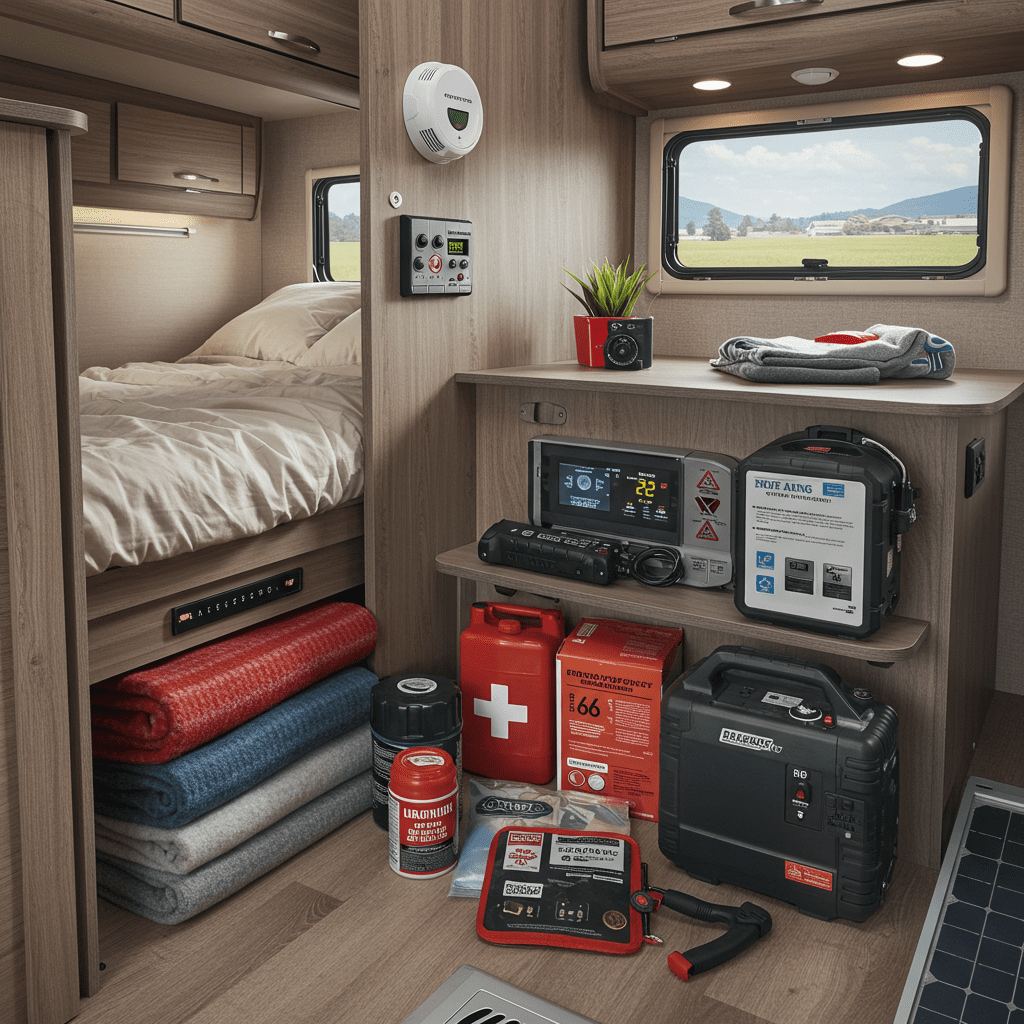
Freezing temperatures and remote locations demand heightened caution. Carbon monoxide (CO) leaks can become a serious threat when using furnaces or portable heaters in an enclosed space. Regularly test your CO detector, and never block your RV’s exhaust vents with snow or ice.
Keep a well-stocked emergency kit with:
Space blankets and hand warmers
Extra fuel for your generator or propane system
Snow shovel, traction pads, and ice melt for safe mobility around your campsite
LED lanterns, flashlights, and backup phone chargers
Always inform a friend or family member of your travel route and expected return date. In extreme weather, quick communication can be lifesaving if your RV is immobilized or if you encounter medical issues.
7. Troubleshooting Common Winter Issues
Even experienced winter boondockers encounter hiccups. Here’s a quick reference guide for common problems:
Frozen Water Lines
Symptoms: Weak or no water flow, unusual noises in pipes.
Solution: Apply gentle heat using a hairdryer or heated tape. Open faucets to encourage flow once partial thawing occurs. Insulate exposed sections to prevent recurrence.
Excessive Condensation
Symptoms: Foggy windows, dripping ceilings, or mold forming around vents.
Solution: Increase ventilation by cracking a vent or window. Use a small dehumidifier if you have the power capacity. Check for leaks that could worsen moisture buildup.
Battery Drain
Symptoms: Rapid voltage drop, furnace shutting off unexpectedly.
Solution: Warm your battery compartment, reduce electrical loads (e.g., switch to LED lighting), and recharge via generator or solar panels.
Furnace Malfunction
Symptoms: Blowing cold air, frequent cycling, or failing to ignite.
Solution: Check propane levels and furnace vents for blockages. If the issue persists, consult a certified RV technician, especially in sub-zero temperatures where timely repairs are crucial.
8. Real-World Case Studies
A Reddit user shared their experience of winter camping near Glacier National Park in temperatures as low as -5°F (-20°C). They emphasized the importance of insulating the RV’s underbelly with foam board and installing heat pads on tanks to keep everything functional. Their key takeaway was the critical need for extra propane, as sub-zero temperatures rapidly deplete fuel reserves
An RV enthusiast from Colorado reported significant improvements after upgrading to low-temperature lithium batteries. In temperatures around 15°F (-9°C), they experienced a 40% increase in usable capacity compared to their previous lead-acid batteries. The upgrade also resulted in faster recharge times when solar panels were exposed to sunligh
These real-world accounts illustrate how proper planning, the right gear, and a willingness to adapt can overcome winter’s toughest challenges.
9. Conclusion & Next Steps
Winter boondocking demands a proactive mindset: from insulating your RV against harsh winds to keeping your batteries healthy in freezing temperatures. By understanding temperature ranges, tailoring your setup to your specific RV type, and following best practices for safety, you can enjoy the quiet beauty of off-season camping without sacrificing comfort.
Ready to fine-tune your cold-weather strategy? Explore additional resources below for more in-depth guides on everything from generator maintenance to advanced solar setups. With the right preparation, winter can become your favorite season to hit the road.
This comprehensive guide is designed to help you plan, design, and install a reliable solar power system tailored to your RV’s energy needs. Whether you’re a weekend adventurer or a full-time traveler, this guide offers:
Actionable strategies
Detailed technical diagrams
Expert insights and real-world examples
…all aimed at fostering a safe, efficient, and future-ready solar installation.
1. Introduction
Embracing solar energy in your RV not only reduces dependence on traditional energy sources but also promotes sustainability and long-term cost savings. The U.S. Department of Energy notes that solar power is one of the fastest-growing renewable energy solutions, helping reduce carbon emissions and boost energy independence.
This guide covers:
System Components & Design – A look at solar panels, charge controllers, battery types, and inverters.
Technical Diagrams – Detailed visuals with wiring configurations, mounting options, and safety layouts.
Installation Guide & Safety Checklist – Step-by-step procedures and recommended best practices.
Real-World Case Studies – Diverse setups showcasing lessons learned from actual RV solar installations.
Maintenance & Troubleshooting – Proactive steps, diagnostics, and solutions.
Key Insight: “Solar energy is considered a reliable, promising and profitable energy source. It has various advantages such as pollution free, long life, low maintenance etc.” (Source: University of Nebraska – Lincoln)
For additional fundamentals of solar energy, visit the National Renewable Energy Laboratory (NREL). This guide is also mobile-optimized, so you can quickly reference important data on your phone whether you’re at home, on the road, or at your campsite.
2. Understanding Power Needs
Before designing your RV solar system, accurately assess your daily energy consumption. This “load analysis” helps determine the sizing of your solar panel array, battery bank, and charge controller—and prevents over- or under-designing your system.
Battery Depth of Discharge (DoD) – Extending battery life often means limiting DoD to 50–70%.
System Losses – Expect 10–15% losses from wiring and inverters.
2.3 Determining Solar Panel & Battery Requirements
1. Solar Panels Divide your total daily energy by the peak sun hours in your area (often 4–6 hours).
1300 Wh÷5 h≈260 W (minimum)1300text{ Wh} div 5text{ h} approx 260 text{ W (minimum)}1300 Wh÷5 h≈260 W (minimum)
Factor in inefficiencies and potential future expansion.
2. Battery Bank Choose a capacity that meets your daily needs while adhering to recommended DoD. If 50% DoD is your target, you need a 2600 Wh (2.6 kWh) battery bank for 1300 Wh of daily use.
What the Experts Say: “Regular checks and consistent maintenance can dramatically extend battery life, in many cases, by 4-5 years.” (Source: Dometic )
U.S. Department of Energy (2021) also emphasizes that a detailed load analysis is key to optimizing renewable systems and ensuring true energy independence.
3. Real-World Case Studies
These detailed setups illustrate how different configurations can meet varying power requirements, budgets, and installation challenges.
3.1 Weekend Warrior Setup
User Profile:
Camps 2–3 weekends per month
Summer usage, 19-foot travel trailer
2 occupants
Illustrative daily usage: ~1,300 Wh (sum of the listed inputs)
LED Lights (20W): 4 hours → 80 Wh
12V Refrigerator (45W): 24 hours → 1080 Wh
Water Pump (40W): 1 hour → 40 Wh
Phone Charger (25W): 4 hours → 100 Wh
Solar Solution:
200W total (2 × 100W panels)
200Ah AGM battery bank
30A PWM charge controller
1000W pure sine wave inverter
Approx. Cost: $1,200
Install Time: 4–6 hours
Lessons Learned:
PWM controllers can be cost-effective for smaller systems.
Portable panels help mitigate shading issues.
Battery monitoring is essential for longevity and efficiency tracking.
3.2 Full-Time Family Setup
User Profile:
Full-time RV living, 32-foot fifth wheel
Family of 4, travels monthly
Illustrative daily usage: ~4,060 Wh (sum of the listed inputs)
12V Refrigerator (60W): 24 hours → 1440 Wh
LED Lights (60W): 6 hours → 360 Wh
Laptops (180W): 6 hours → 1080 Wh
TV/Entertainment (120W): 4 hours → 480 Wh
Instant Pot (700W): 1 hour → 700 Wh
Solar Solution:
800W total (4 × 200W panels)
400Ah Lithium battery bank
60A MPPT charge controller
3000W pure sine wave inverter
Dedicated battery monitor system
Approx. Cost: $5,500
Install Time: 12–15 hours
Lessons Learned:
MPPT controllers typically yield 20–30% more energy capture than PWM, justifying higher cost.
Tilt mounts significantly improve panel performance in off-peak sun angles.
A dedicated inverter for high-draw appliances can prevent system overload.
3.3 Off-Grid Worker Setup
User Profile:
Single occupant, remote worker in a 24-foot van
Stays off-grid 2–3 weeks at a time
Illustrative daily usage: ~3,680 Wh (sum of the listed inputs)
12V Refrigerator (55W): 24 hours → 1320 Wh
Computer Setup (250W): 8 hours → 2000 Wh
Mobile Internet (30W): 12 hours → 360 Wh
Solar Solution:
600W total (3 × 200W panels)
300Ah Lithium battery bank
50A MPPT charge controller
2000W pure sine wave inverter
Advanced battery monitor & cellular booster
Approx. Cost: $4,200
Install Time: 8–10 hours
Lessons Learned:
A backup cellular hotspot ensures reliable connectivity in remote areas.
Additional 12V outlets improve device compatibility and system flexibility.
Industry Note: Renewable energy facilities increasingly use data analytics to optimize various processes, improving both operational efficiency and financial performance. (Souce: Gleecus technologies).
4. System Components & Design
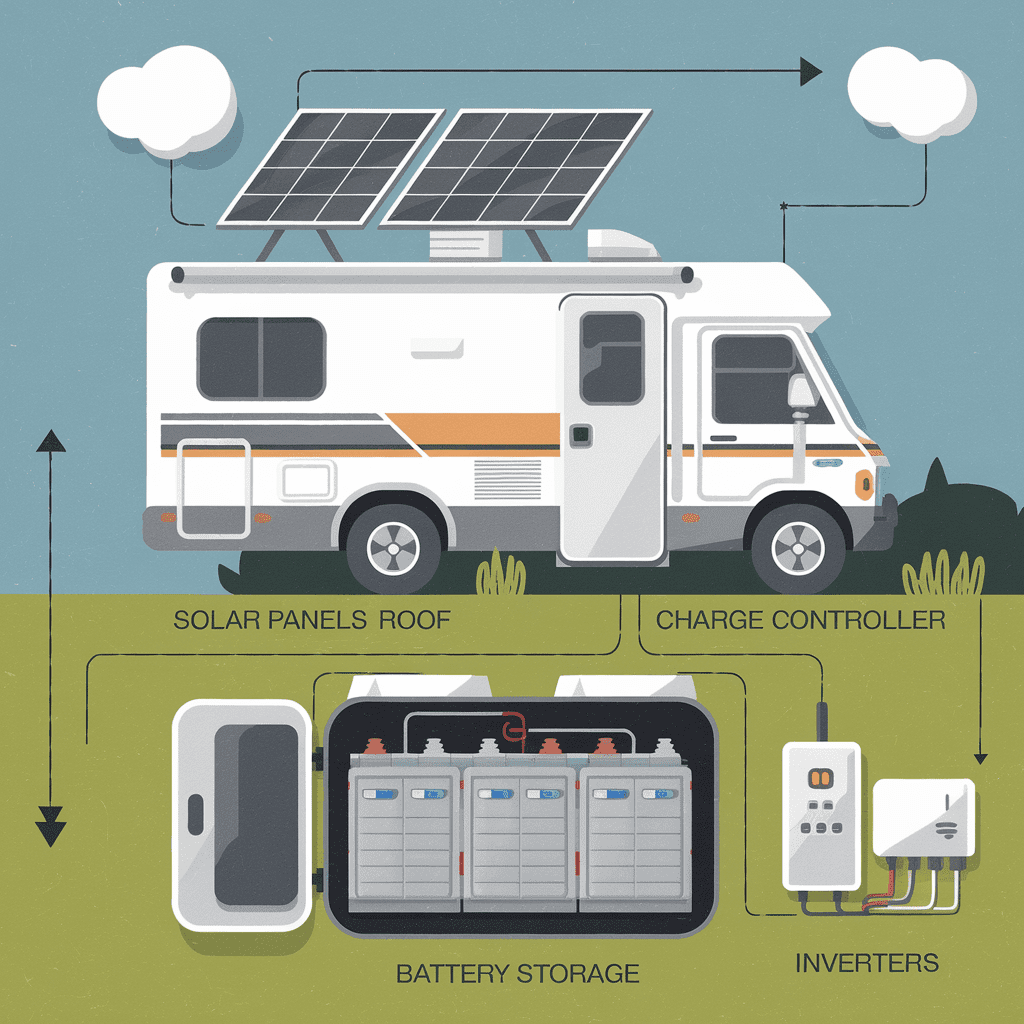
A well-designed system integrates solar panels, charge controllers, batteries, and inverters. This section explains how each part interacts and why certain components may be preferable for specific RV scenarios.
4.1 Solar Panels
Solar panels capture sunlight through photovoltaic (PV) cells. For RVs, monocrystalline panels typically offer higher efficiency but can be pricier, while polycrystalline panels are cheaper with slightly lower efficiency. Thin-film panels are lighter but usually less efficient.
Tip: If roof space is limited, opt for high-efficiency monocrystalline. For cost-sensitive setups, polycrystalline might be a budget-friendly choice.
4.2 Charge Controllers
A charge controller regulates the flow of electricity from solar panels to the battery bank.
PWM (Pulse Width Modulation): More affordable but less efficient in varying sunlight conditions.
MPPT (Maximum Power Point Tracking): Can yield up to 20–30% more energy harvest, especially in cooler temperatures or partial shade.
Recommendation: For medium-to-large systems (>200W), consider MPPT for improved performance.
4.3 Battery Bank
Batteries store the electricity generated during sunny periods for later use.
Flooded Lead Acid (FLA): Budget-friendly but require maintenance (checking water levels) and venting.
AGM (Absorbent Glass Mat): Maintenance-free with good performance, often heavier and pricier than FLA.
Lithium Iron Phosphate (LiFePO4): Higher upfront cost but lighter, deeper discharge capability, and longer lifespan.
Key Insight: If you’re boondocking for extended periods, lithium can provide significant long-term ROI despite higher costs. See how lithium batteries, power stations, and generators compare by daily amp-hour need.
4.4 Inverter
An inverter converts DC (from batteries) to AC (for appliances).
Pure Sine Wave: Delivers clean power similar to grid electricity; ideal for sensitive electronics.
Modified Sine Wave: Cheaper but can cause issues with certain devices (e.g., some chargers, laptops).
Practical Note: Choose an inverter sized to handle your largest expected load (e.g., microwave, Instant Pot).
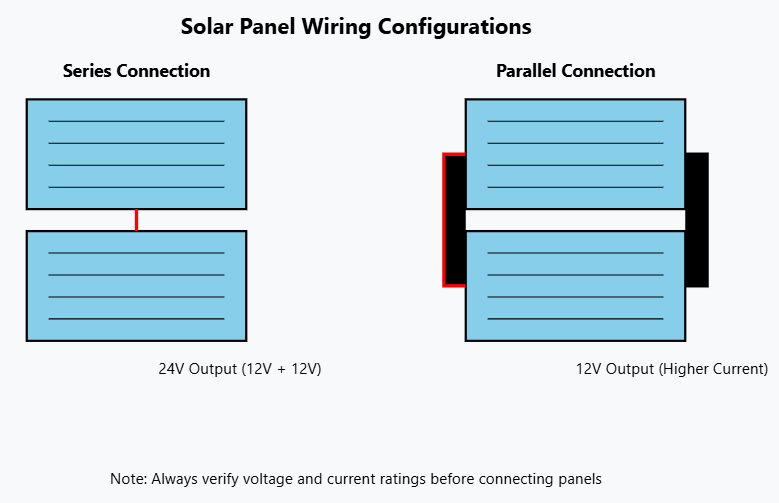
Proper wiring is key to your system’s performance and safety. Below are standard wiring configurations and guidelines on wire gauge selection.
5.1 Series vs. Parallel Wiring
Series: Increases voltage while keeping current constant. Useful for minimizing voltage drop in longer cable runs.
Parallel: Keeps voltage the same but increases current. Helpful when partial shading is common or if you need higher current for certain charge controllers.
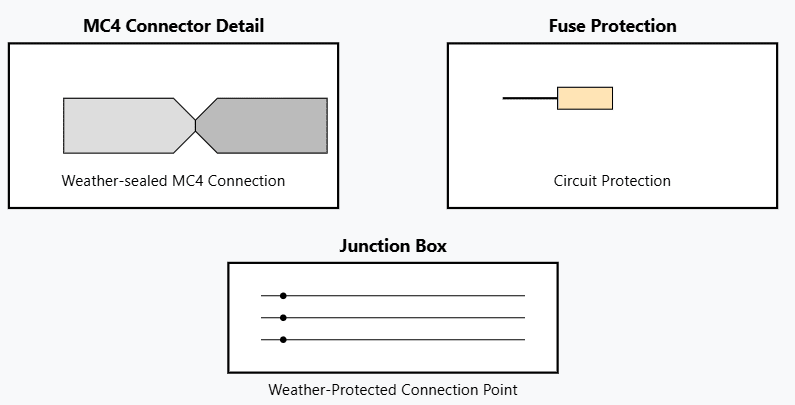
5.2 Wire Gauge & Connection Details
Choosing the right wire gauge reduces voltage drop and prevents overheating.
For short runs (<10 ft), 14–16 AWG might suffice for moderate currents.
For longer runs (>10 ft) or higher loads, 12–10 AWG is safer.
Note: Always confirm local electrical codes to ensure compliance and safety.
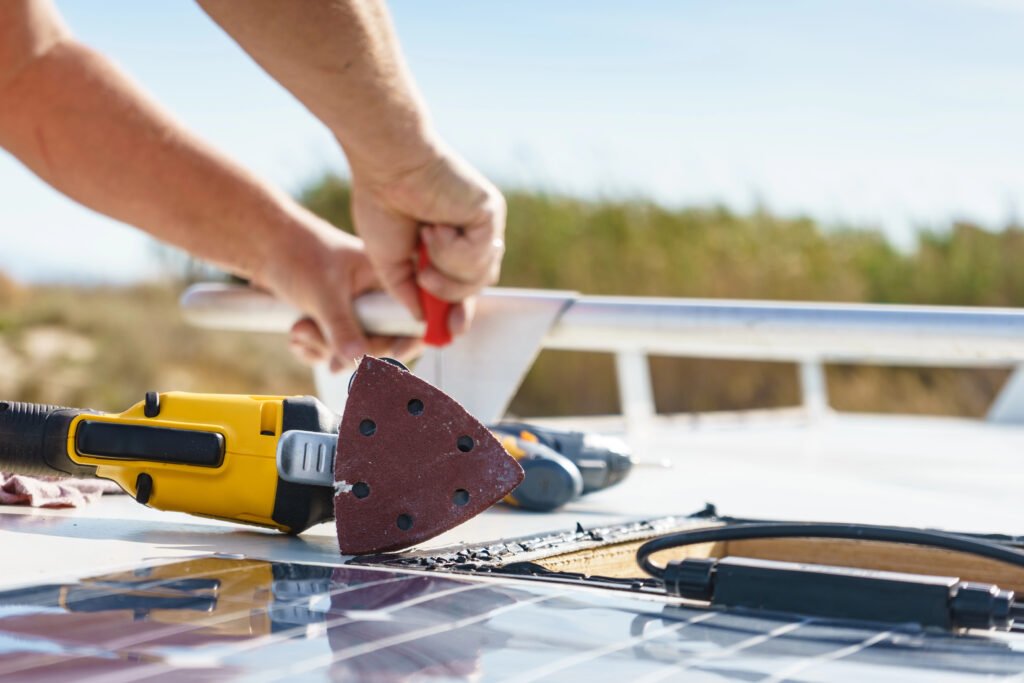
6. Installation Guide & Safety Checklist
A careful, methodical installation ensures optimal performance and longevity. Below is a high-level checklist—expand each step with photos or videos as needed.
National Renewable Energy Laboratory. (2021). Retrieved from https://www.nrel.gov
About the Author
Chuck Price is an entrepreneur with a keen focus on RV boondocking. Drawing on personal experience, Chuck has studied multiple RV solar systems that cater to different travel styles. His hands-on background reflects a passion for sustainable, innovative projects.
Disclaimer: This guide is intended for informational purposes only. Installing and maintaining an RV solar system involves electrical work that can be dangerous. Consult with a qualified electrician or solar professional before undertaking any installation or maintenance. The author and publisher assume no responsibility for any damages or injuries resulting from the use of this information. Always follow local electrical codes and safety guidelines.
Innovative Tips and Tricks to Transform Your RV Experience
RV Life Hacks: Making the Most of Limited Space
Maximizing Storage
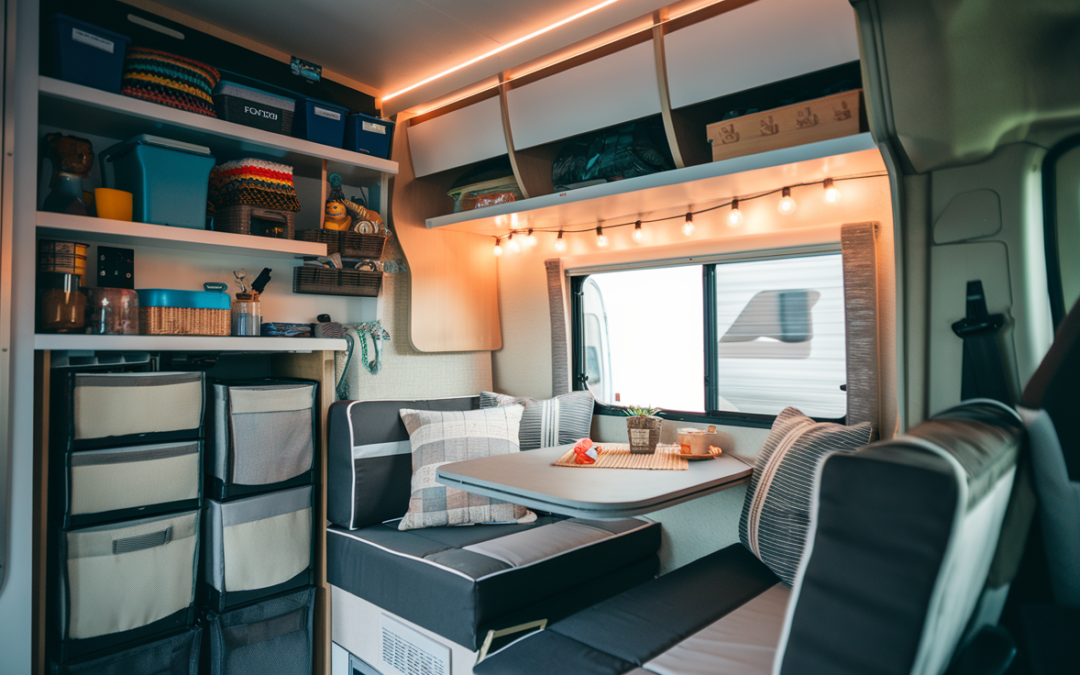
How Do I Create More Storage in My RV? Use vertical space with hanging organizers, magnetic strips, and adhesive hooks. Invest in stackable bins and collapsible items to save space. Under-seat storage compartments are also a great way to keep items out of sight but accessible. Discover creative RV storage ideas from The RV Geeks.
What Are Some Creative Kitchen Storage Ideas? Install tension rods inside cabinets to keep items secure while driving. Use nesting pots and pans to save space. Attach spice racks to the inside of cabinet doors for easy access. Find kitchen storage solutions at Camping World.
Efficient Packing
How Do I Pack for Long RV Trips? Adopt a minimalist approach by packing only versatile clothing and gear. Use packing cubes to organize items by category. Roll clothes instead of folding them to save space and reduce wrinkles. Learn RV packing tips from TripSavvy.
How Can I Keep My RV Organized During Travel? Label storage bins and designate specific areas for frequently used items. Use drawer dividers to prevent clutter. Clean up regularly to avoid a buildup of unnecessary items. Get RV organization tips from The Spruce.
How Do I Boost My RV’s Internet Signal? Invest in a Wi-Fi extender or signal booster for campgrounds with weak networks. Use a mobile hotspot and pair it with an external antenna for reliable connectivity in remote areas. Get expert advice from RV Mobile Internet.
Energy Efficiency
How Can I Conserve Power While Boondocking? Switch to LED lights, which use significantly less energy. Use solar panels to recharge your batteries and limit the use of high-wattage appliances like microwaves and air conditioners. Learn about solar power for RVs.
What’s the Best Way to Monitor RV Battery Levels? Install a battery monitor to track usage and charge levels. This ensures you’re never caught with a dead battery while off-grid. Set alerts for low voltage to prevent damage to your system. Explore RV battery monitors here.
Comfort and Convenience Hacks
Keeping Your RV Comfortable
How Do I Keep My RV Cool in the Summer? Use reflective window covers to block heat and keep blinds closed during the day. Open windows for cross-ventilation in the evening. Portable fans and rooftop vent fans can help circulate air. Learn how to keep your RV cool in summer.
How Can I Stay Warm in the Winter? Seal drafts around doors and windows using weather stripping. Add rugs and thermal curtains to insulate the interior. Use electric blankets or space heaters to stay cozy. Get winter RV tips here.
Time-Saving Tips
How Can I Reduce Setup Time at Campsites? Keep your leveling blocks and stabilizers easily accessible. Use quick-connect fittings for water and sewer hookups. Practice your setup routine to streamline the process. Read setup tips from KOA.
What’s the Fastest Way to Clean My RV? Use a cordless vacuum for quick cleanups and microfiber cloths for wiping surfaces. Keep cleaning supplies in a portable caddy for easy access. Do a quick sweep of the floors daily to maintain cleanliness. Shop RV cleaning supplies at Camping World.
Conclusion: Leveling Up Your RV Experience
These RV life hacks and advanced tips are designed to make your adventures more efficient, comfortable, and enjoyable. By implementing these strategies, you’ll spend less time worrying and more time creating unforgettable memories on the road.
Have a life hack that’s worked wonders for your RV trips? Share it with the Boondock or Bust community on Facebook or Instagram. Happy RVing!
How Do I Avoid Overloading My RV? Start by understanding your RV’s gross vehicle weight rating (GVWR) and cargo carrying capacity (CCC). Use a portable RV scale to weigh your rig after loading. Distribute weight evenly to avoid straining the suspension and tires. Learn more about RV weight safety.
What Happens if I Overload My RV? Overloading can lead to tire blowouts, reduced braking efficiency, and excessive wear on the engine and suspension. Always adhere to weight limits for safety and optimal performance. Understand your RV’s weight ratings here.
Breakdowns and Repairs
What Should I Do If My RV Breaks Down? Pull over safely, activate hazard lights, and set up reflective triangles or flares behind your RV. Contact a roadside assistance service like Good Sam or Coach-Net. Keep an emergency repair kit on hand for minor fixes. Learn about Good Sam roadside assistance.
How Do I Handle Driving in Bad Weather? Reduce speed and increase following distance in rain or snow. Use your headlights and avoid sudden movements. If conditions worsen, find a safe place to stop until the weather improves. Read RV driving tips for bad weather.
What Should I Do in Case of Severe Weather? Park your RV in a sheltered area or away from trees during high winds. For tornadoes, seek solid shelter, as RVs are not safe. Stay informed using weather apps and emergency alerts. Get tornado safety tips from NOAA.
Challenges with RV Systems
Plumbing and Water Issues
Why Is My RV Water Pump Not Working? Check if the pump switch is turned on and ensure there’s enough water in the tank. Inspect the fuse and connections for any damage. Replace the pump if it’s faulty. For Shurflo 4008 pumps, see the manufacturer’s troubleshooting manual (PDF); use the instructions for your own pump model.
How Do I Prevent Frozen Pipes? Insulate exposed pipes with foam tubing and use a heated hose in freezing temperatures. Keep the RV’s interior warm and consider running a small heater in the storage bay. Winterize your RV water system effectively.
Electrical System Failures
What Should I Do If My RV Power Goes Out? First, check the breaker panel and reset any tripped circuits. If connected to shore power, inspect the power pedestal and your RV’s power cord. Test the generator or battery backup if necessary. Read an RV power outage troubleshooting guide.
Why Won’t My RV Slide-Out Work? Check the slide-out motor and ensure the battery has enough power. Look for obstructions or debris blocking the mechanism. Consult a professional for hydraulic or electrical issues. See RV Repair Club’s Lippert slide-out motor troubleshooting demonstration.
Community Challenges
Campground Etiquette
What Are the Biggest Mistakes RVers Make at Campgrounds? Common mistakes include not respecting quiet hours, letting pets roam unsupervised, and leaving trash behind. Always follow campground rules and be considerate of fellow campers. Learn RV camping etiquette tips from KOA.
How Do I Handle a Noisy Neighbor? Approach them politely to discuss the issue. If the problem persists, inform the campground management to mediate the situation. Get advice on handling campground conflicts.
Boondocking Challenges
How Do I Find Safe Boondocking Locations? Use apps like Campendium and iOverlander to find verified boondocking spots. Avoid isolated areas and park in well-lit locations when possible. Discover safe boondocking spots on Campendium.
What Should I Do If I Feel Unsafe While Boondocking? Trust your instincts and relocate if you feel uncomfortable. Keep doors locked and invest in a security system or camera for added peace of mind. Read boondocking safety tips here.
Conclusion: Overcoming Challenges for a Smooth Journey
Every RVer faces challenges, but with preparation and knowledge, they’re manageable. Keep this guide handy to tackle common issues and make your RV adventures as stress-free as possible. Don’t miss Part 6 for RV life hacks and advanced tips.
Have a unique tip for handling RV challenges? Share it with us on Facebook or Instagram. Safe travels!

 DestinationFearFan, CC BY-SA 4.0, via Wikimedia Commons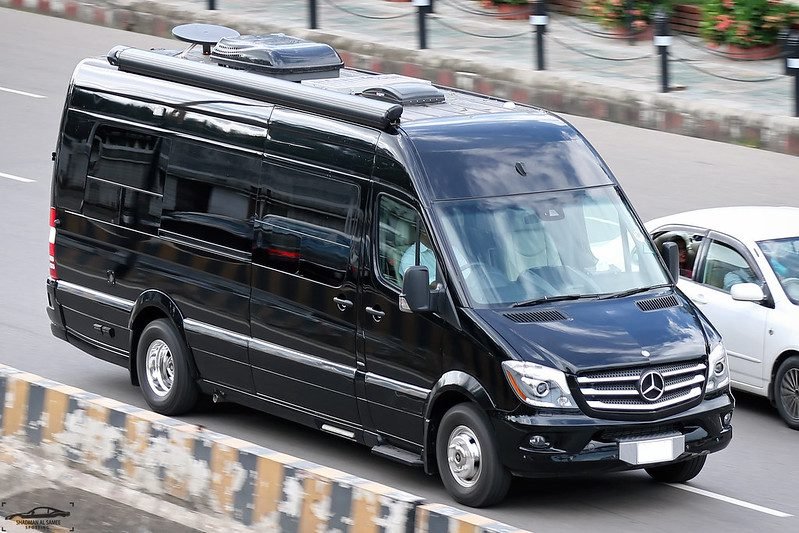
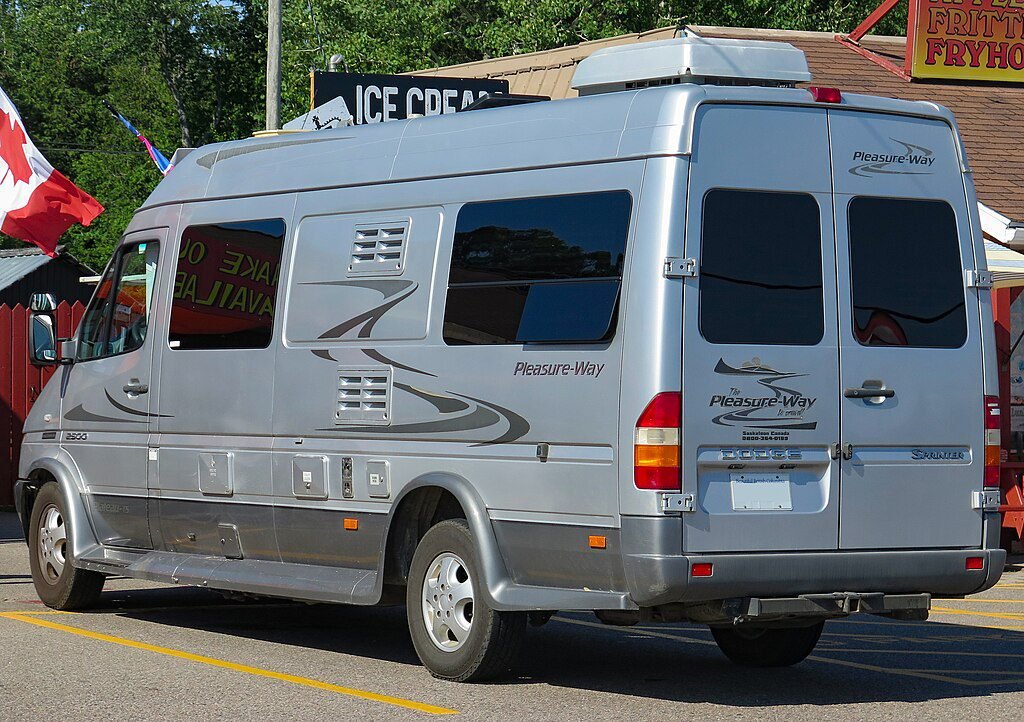
 Image via flickr