by Chuck Price | Nov 2, 2024 | Resources
AI-Powered Inspiration, Enhanced Navigation & More for Boondockers
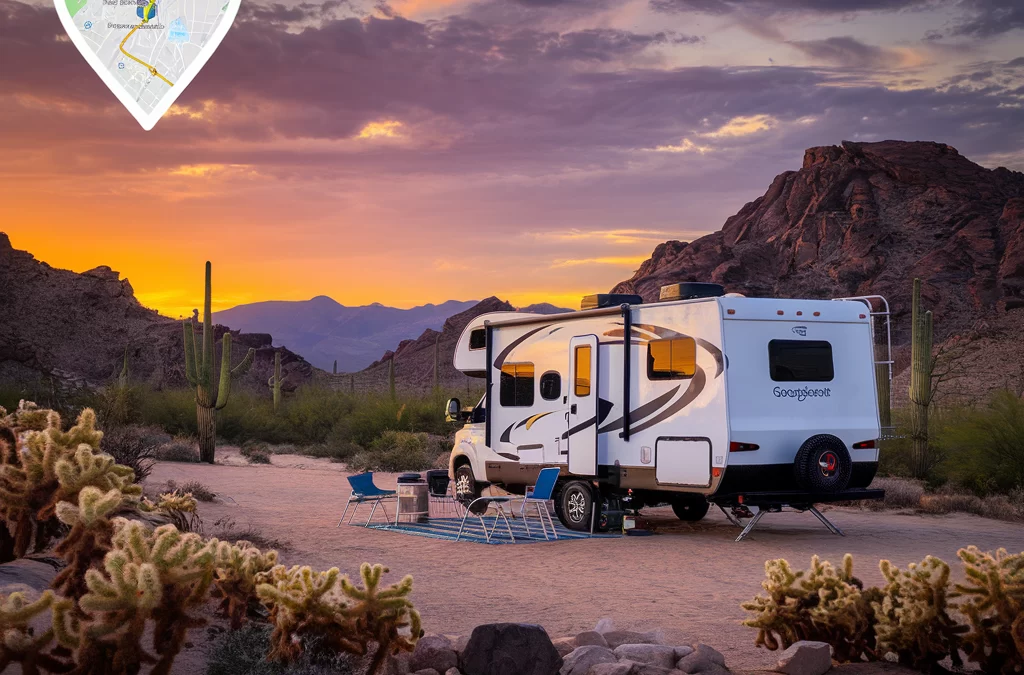
With over 2 billion monthly users, Google Maps has become an essential tool for boondockers, bringing smarter, more intuitive features to help find that perfect off-grid camping spot. As boondocking—the art of camping without hookups—gains popularity, reliable navigation tools are key to a seamless experience. Google Maps’ latest updates, including Gemini AI, pair advanced AI capabilities with optimized location data designed for remote exploration.
The appeal of boondocking has skyrocketed, particularly with a rise in RV ownership among digital nomads and younger travelers. According to the RV Industry Association, RV ownership has increased by over 60% in the last decade, with over 20% of RVers now choosing dispersed camping over traditional campsites. In response to this shift, Google Maps has introduced features like natural language search, immersive views, and real-time weather insights to meet the needs of modern boondockers.
What’s New in Google Maps for Boondockers
Gemini AI Integration
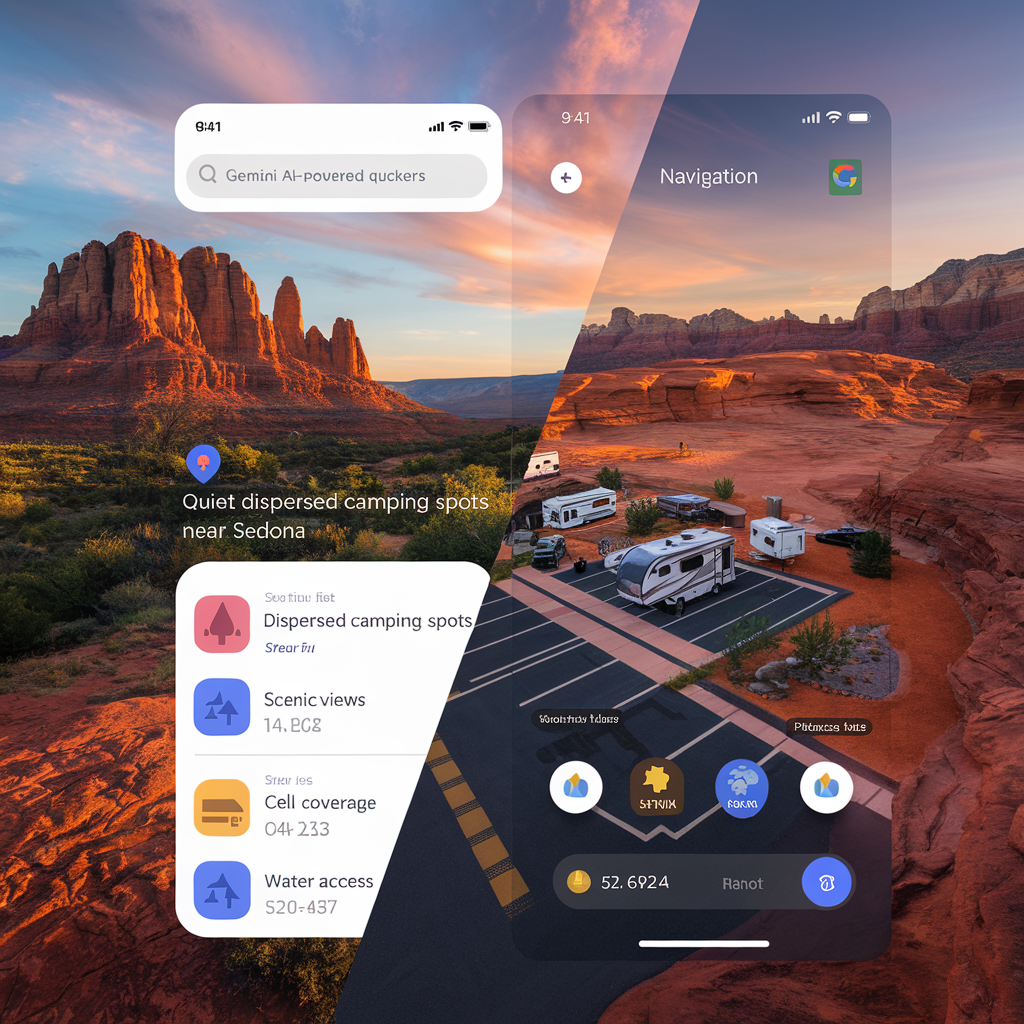
Gemini AI enhances Google Maps by providing intuitive search and personalized recommendations that simplify finding ideal boondocking spots. With natural language queries, you can type conversational prompts without needing to guess the right keywords. For instance, searches like “quiet dispersed camping spots near Sedona” or “BLM land with cell service” bring up highly relevant, location-specific results.
Gemini’s review summaries let you gauge a location’s suitability based on user feedback, covering aspects like scenic views, cell coverage, and water access. Additionally, personalized recommendations based on your search history offer tailored suggestions, saving time and making trip planning easier.
Enhanced Navigation Features
Google Maps’ pre-trip planning tools allow RV travelers to plot essential stops, such as gas stations, rest areas, and scenic viewpoints along their routes. Key navigation features include:
- Lane Guidance & Large Vehicle Navigation: Specialized lane guidance for RVs simplifies highway merging and exits, improving safety for larger vehicles.
- Weather Disruption Alerts: Real-time alerts for potential flood and visibility issues add a layer of safety, especially useful in remote areas.
- Parking Spot Memory: Users can log and recall parking locations, perfect for those utilizing Walmart lots or public land pull-offs.
- Last-Mile Walking Directions: These directions guide you through the final stretches to secluded sites where vehicle access may be limited, such as trailheads or remote campsites.
Image suggestion: Visual comparisons of navigation views with and without enhanced lane guidance and weather alerts.
Immersive View Updates
The Immersive View expansion now covers over 150 cities, enabling users to explore destinations visually in 3D, ideal for pre-planning boondocking trips. This feature combines satellite and street view data, creating a virtual experience that’s interactive and informative.
- Parking Lot Assessments: Check if parking areas can accommodate RVs, reducing maneuverability challenges upon arrival.
- Route Complexity Visualization: Assess winding or steep terrain that could be challenging for RVs, especially in mountainous regions.
- Terrain Visualization: Identify landscape features like slopes, vegetation, and water sources to help with informed site selection.
- Weather & Traffic Predictions: Real-time weather and traffic insights allow you to plan around delays and ensure safer travel.
Image suggestion: Immersive View samples of popular boondocking areas showing parking lot sizes and terrain layout.
Practical Applications for Boondockers
Finding New Boondocking Spots
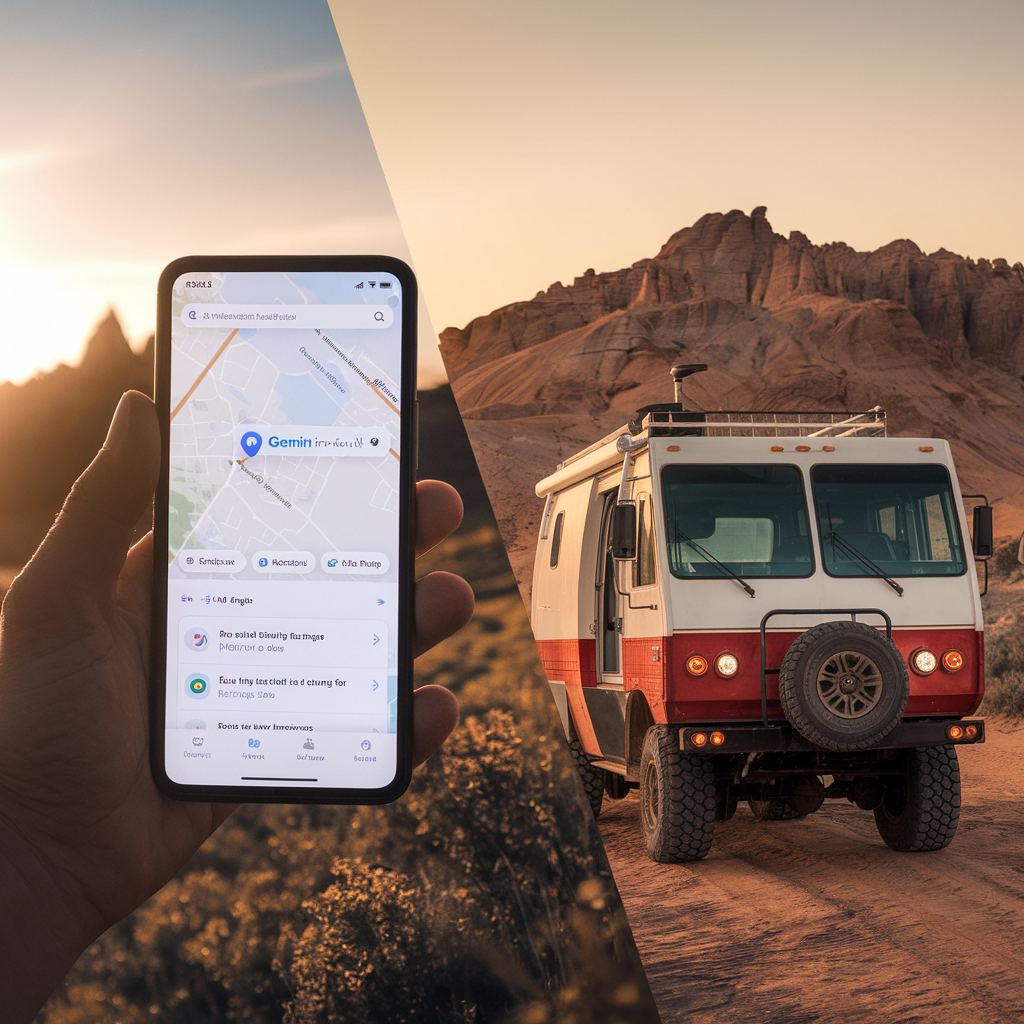
Using Gemini AI Queries allows for targeted searches, such as “remote BLM sites with cell service,” making it easier to find sites that match your preferences. Combining AI searches with Satellite View also provides a realistic sense of terrain and accessibility.
Route Planning Essentials
Google Maps’ large vehicle navigation keeps RVers on RV-friendly routes, avoiding restricted roads. Gemini’s real-time weather alerts and cell service planning also help maintain connectivity and safety, allowing for smarter, more prepared travel.
Safety Considerations
Enhanced weather alerts and road condition updates keep boondockers informed, helping them avoid flood-prone or unmaintained roads. For additional peace of mind, save offline maps and establish emergency contacts before setting out.
Tips & Best Practices
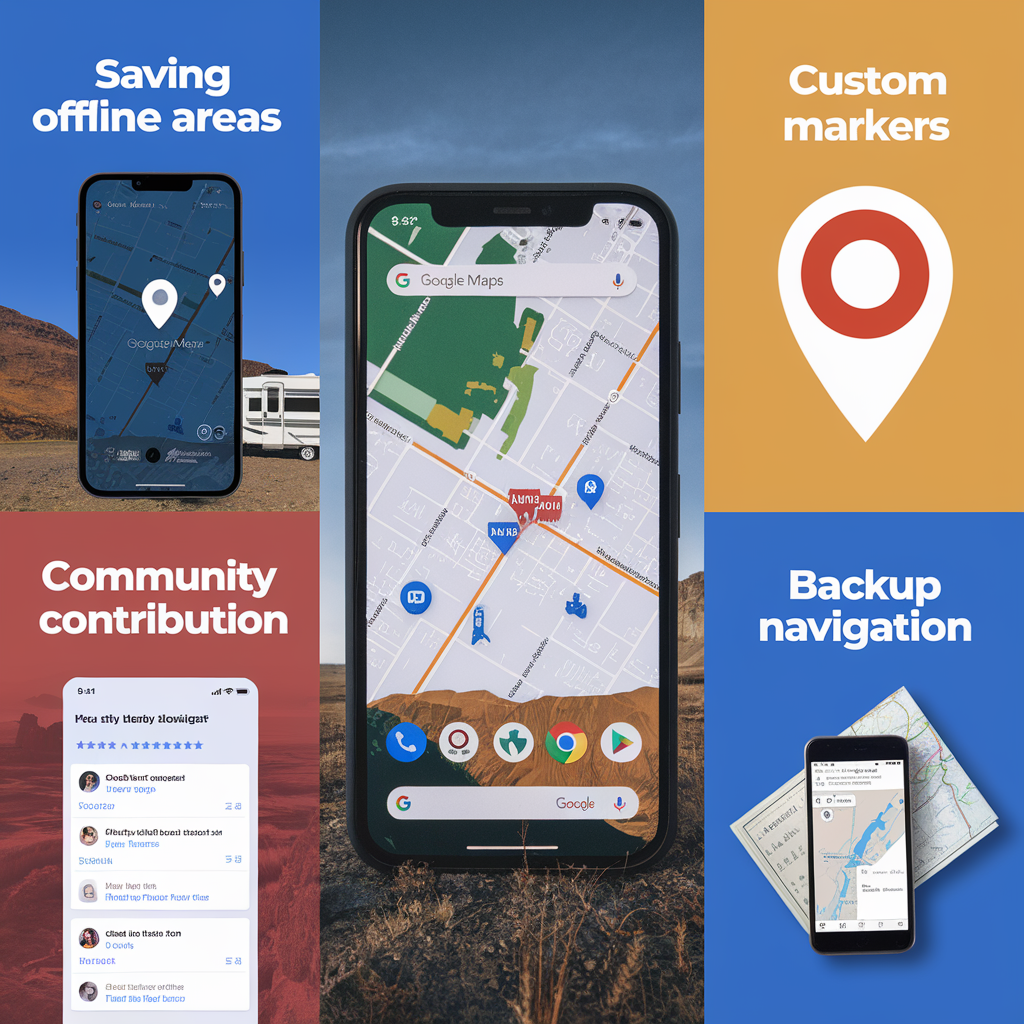
- Saving Offline Areas: Download maps for your destination to ensure uninterrupted navigation, even in areas without cell service.
- Using Custom Markers: Mark favorite campsites and note areas to avoid, making planning and sharing locations easier.
- Community Contribution: By adding reviews, photos, and tags for boondocking-friendly spots, you contribute to Google Maps’ growing database of information useful to other boondockers.
- Backup Navigation: Keep a backup app or paper maps as a safeguard when navigating areas with limited connectivity.
Future Implications
Looking ahead, Google Maps may introduce customized AI filters for terrains and expanded 3D mapping. Integration with camping platforms like Campendium or iOverlander could centralize campsite details and reviews, providing a one-stop planning resource. These tools support safe and sustainable boondocking by helping users make informed site choices, respect sensitive areas, and stay safe.
FAQs: Using Google Maps for Boondocking and RV Navigation
Q: Can Google Maps help find boondocking spots?
Answer: Yes, Google Maps offers valuable tools for finding boondocking spots, including:
- AI-powered natural language queries with Gemini AI: Search conversationally, such as “quiet dispersed camping near [location]” or “BLM land with cell service.”
- Satellite view and terrain visualization: Assess terrain to ensure suitability for RVs and off-grid setups.
- User-contributed reviews: Quick-glance reviews provide insights into site reliability, amenities, and conditions.
- Real-time weather and traffic predictions: Manage hazardous conditions and traffic, essential for remote areas.
Q: How accurate is Google Maps for RV navigation?
Answer: Google Maps has tailored RV navigation with features like:
- Enhanced lane guidance and large-vehicle routing: Avoid narrow roads with precise lane guidance for RVs.
- Weather alerts: Get real-time alerts for floods, visibility issues, and other weather disruptions.
- Parking and route complexity info: Evaluate RV-compatible parking and challenging routes, especially in remote or mountainous areas.
- Offline maps: Download maps to stay on course even without cell service, essential for boondocking.
Conclusion
Google Maps has transformed how boondockers find, navigate, and enjoy off-grid camping spots by integrating AI-powered inspiration, enhanced navigation, and immersive views. These features streamline trip planning, support safe travel, and offer tools to confidently explore remote areas.
Get Involved
Share your experiences with these features! Let us know your favorite boondocking spots, contribute to our community mapping projects, and help keep the information current. Sign up for our newsletter to stay updated on the latest tech tips, boondocking updates, and new tools.
by Chuck Price | Jul 22, 2024 | Resources
Discover Your Perfect Work Camping Gig: Thousands of Jobs Await
Are you looking for an adventure of a lifetime while earning a living? Work camping jobs might be your perfect solution. Whether you’re interested in RV parks, mobile home parks, campgrounds, farms, ranches, bed & breakfasts, animal sanctuaries, motels, safaris, carnivals, ghost towns, or more, there are thousands of opportunities waiting for you. This guide will provide you with all the resources you need to find these amazing work camping jobs and inspire you to consider this unique lifestyle.
The Allure of Work Camping
Work camping offers a unique blend of work and adventure, allowing you to explore new places while earning a living. Here are some of the benefits:
Travel and Explore: Work camping allows you to travel to new places and explore different regions while earning a living. Imagine waking up to a new landscape every few months! With jobs for RVers available across the country, the possibilities are endless.
Flexible Lifestyle: Many work camping jobs offer flexible schedules, allowing you to balance work with leisure activities. This flexibility is perfect for those who enjoy an active lifestyle or have other commitments. Flexible work opportunities make it easier to enjoy life on the road.
Community and Social Interaction: Work campers often become part of a close-knit community. This social aspect can be incredibly rewarding, providing opportunities to make new friends and build lasting relationships. Joining the work camping community can enhance your travel experience.
Cost Savings: Many work camping positions offer free or discounted lodging, which can significantly reduce your living expenses. This can be a major financial benefit, especially for those living the RV lifestyle. Jobs with RV hookups often include utilities, making it even more affordable.
Skill Development: Work camping can help you develop new skills and gain valuable experience in different fields. Whether it’s learning about agriculture on a farm or customer service in a campground, these skills can be beneficial for future job opportunities. Consider seasonal jobs that allow you to gain experience in multiple areas.
Diverse Work Camping Opportunities
Work camping encompasses a wide range of job opportunities, each offering unique experiences and benefits. Here are some of the different types of work camping jobs available:
RV Parks and Campgrounds: Many RV parks and campgrounds hire work campers for positions such as maintenance, housekeeping, office work, and activity coordination. These jobs often come with perks like free RV site hookups and access to park amenities. Check out RV park jobs on platforms like Indeed and Workamper.
Farms and Ranches: Work on farms and ranches can include tasks like animal care, gardening, and general maintenance. These positions may offer a combination of room, board, and a stipend. Farmhand jobs and ranch jobs provide an excellent opportunity to connect with nature.
Bed & Breakfasts and Motels: These roles can involve guest services, housekeeping, and property maintenance. Work campers in these settings often enjoy comfortable accommodations and the chance to meet travelers from all over. Jobs for RVers in hospitality can be both rewarding and enjoyable.
Animal Sanctuaries: If you have a passion for animals, working at a sanctuary can be incredibly rewarding. Duties may include feeding, cleaning, and providing care for various animals. Explore animal sanctuary jobs for a fulfilling work camping experience.
Carnivals and Fairs: These seasonal jobs can range from ticket sales and ride operation to food service and game management. They offer the chance to travel and experience different locations. Carnival jobs are perfect for those who love a dynamic and exciting work environment.
Ghost Towns and Historical Sites: These unique work camping opportunities allow you to immerse yourself in history while performing tasks such as tour guiding, maintenance, and visitor services. Historical site jobs can provide a rich cultural experience.
Finding Your Ideal Work Camping Job
Finding the right work camping job can be a straightforward process if you know where to look. Here are some resources and job boards to help you get started:
General Job Boards:
- Indeed: Explore work camping jobs on Indeed at the following links:
Specialized Job Boards:
Financial Considerations for Work Camping Jobs
It’s important to have an understanding of the financial aspects of work camping jobs. While these positions might not make you rich, they can help offset travel costs significantly. For instance, some work camping jobs offer hourly wages starting from around $10 to $15 per hour, with certain positions like the sugar beet harvest paying up to $19.50 per hour plus overtime. Seasonal bonuses and free campsite amenities are often included as part of the compensation package. For example, work campers at KOA locations might earn between $7.50 to $12 per hour depending on the job and location, often coupled with free or discounted campsites (Source: whynotwander.com, KOA.com).
Preparing for the Work Camping Lifestyle
Preparing for a work camping lifestyle involves several steps to ensure a smooth transition:
Research: Thoroughly research potential jobs and locations. Understand what each job entails and what the living conditions will be like. Use the resources provided in this guide to find reputable job listings. Consider joining work camper communities for firsthand insights and advice.
Budgeting: Plan your finances carefully. While many work camping jobs offer free lodging, you will still need to budget for other expenses such as food, travel, and maintenance of your RV or other living arrangements. Providing financial context, some positions may offer hourly rates ranging from $10 to $20, while others might offer a stipend or salary.
Skill Development: Consider developing skills that are in high demand for work camping jobs. This could include basic maintenance skills, customer service experience, or specialized skills relevant to the type of job you are seeking. Seasonal employment can provide diverse experiences to build your resume.
Networking: Connect with other work campers and join online communities to share experiences and advice. Networking can provide valuable insights and help you find the best job opportunities. Highlight work camper communities like forums and social media groups for support and networking.
Legal Preparations: Ensure you have all necessary documents and understand the legal requirements for the jobs you are applying for. This might include work permits, contracts, and understanding employment laws in different regions.
Work Camper Communities
Joining online forums and communities can provide valuable networking and support for work campers. Some recommended communities include:
- Escapees RV Club: Offers a platform for work campers to connect and share experiences.
- RVillage: A social network for RVers to meet and interact.
- Workamper News: Provides job listings and a community for work campers.
Challenges and Rewards
While work camping can be a rewarding lifestyle, it’s important to be aware of the potential challenges:
Job Security: Work camping jobs are often seasonal, which means they may not provide year-round employment. It’s important to plan for periods when work might not be available. Adapting to different jobs and being flexible can help you navigate these gaps.
Living Conditions: Depending on the job, living conditions can vary. Some positions may offer more comfortable accommodations than others. Be sure to inquire about the specifics of lodging and amenities before accepting a job.
Physical Demands: Many work camping jobs can be physically demanding, requiring long hours and hard work. It’s important to consider your physical capabilities and be prepared for the rigors of the job.
Legal Considerations: Make sure you understand the legal aspects of work camping, such as employment laws, work permits, and any contractual obligations. It’s crucial to have clear agreements in place to avoid any misunderstandings.
Despite these challenges, the rewards of work camping—such as travel, community, and personal growth—often outweigh the difficulties.
Testimonials
Here are a few real-life testimonials:
- “We met a wonderful couple who worked for Delaware North in Yellowstone. They told us they were working 4-5 days a week, from 32-40 hours each week, and enjoyed the flexibility of their schedule.” (Source: whynotwander.com)
- “We are very grateful that you have this site and it costs us nothing! I put my ad on your site and immediately started receiving calls from work campers.” – K&J (Source: workampingjobs.com)
- “KOA Work Kampers have found the perfect balance between work and leisure, enjoying the freedom of full-time RV living while earning a steady income.” (Source: KOA.com)
Conclusion
Work camping offers a unique and adventurous lifestyle, allowing you to travel, explore, and earn a living all at once. By considering the benefits and challenges, and using the resources provided, you can find the perfect work camping job that suits your interests and skills. Embrace the journey, connect with the community, and enjoy the rewarding experiences that work camping has to offer. Remember, thousands of work camping jobs await—start your adventure today!
by Chuck Price | Mar 28, 2024 | Resources
For adventurers at heart, RV boondocking represents the pinnacle of freedom and self-sufficiency, offering a unique blend of exploration and independence. However, the logistics of planning such a trip—finding the ideal locations, ensuring resource availability, and maintaining connectivity—pose significant challenges. Enter Google’s suite of travel tools, a game-changer for both seasoned boondockers and those new to this form of adventure. These tools are designed to simplify trip planning and enhance the boondocking experience, making it easier to discover hidden gems, manage resources efficiently, and optimize itineraries.
Google’s Travel Tools: a Boondocker’s Best Friend
Enhanced Discovery: Google’s travel tools elevate boondocking discovery from a chore to an exciting adventure. Here’s how:
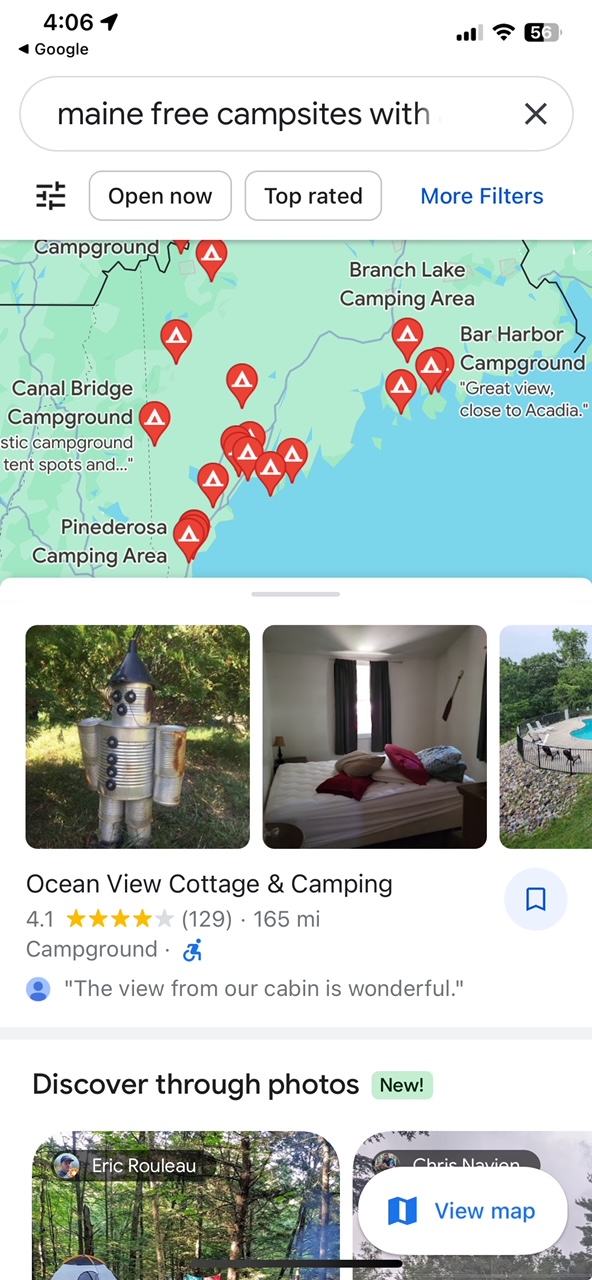
- AI-powered Search: Leverage the power of Google Search with keywords like “[target region] dispersed camping” or “[target region] free camping.” This surfaces hidden gems and unique campsites recommended by AI and potentially overlooked by traditional methods.
- Curated Lists on Maps: Explore curated recommendation lists within Google Maps. Look for sections like “Explore nearby” or “Trending in [location]” to discover interesting boondocking locations highlighted by reputable publishers and local experts.
By combining these search tactics, you can significantly reduce research time and effort, uncovering a treasure trove of potential boondocking destinations for your next off-the-grid adventure.
Improved Resource Management: The cornerstone of successful boondocking is efficiently managing water, electricity, and waste disposal. Google Maps simplifies this by allowing users to easily find essential amenities like “gas stations near me,” “dump sites near me,” and “water refill stations near me,” ensuring a smoother off-the-grid experience.
Streamlined Trip Planning: Gone are the days of juggling scattered notes and itineraries. Google Maps empowers you to:
- Create Customizable Lists: Organize your boondocking adventure with meticulous detail. Build separate lists for potential campsites, nearby attractions, and essential stops like gas stations, water refill points, and dump sites.
- Prioritize Based on Preferences: The beauty lies in customization. Arrange your lists based on your interests, ensuring you don’t miss hidden waterfalls or historical landmarks near your chosen campsites.
- Seamless Navigation: With everything conveniently placed within Google Maps, transitioning between campsites, attractions, and stops becomes effortless.
This streamlined approach to trip planning allows you to focus on the excitement of the adventure, maximizing your enjoyment and ensuring a truly unforgettable experience.
Unmatched Benefits of Google’s Travel Tools
Sure, standard navigation is great, but Google Maps offers a treasure trove of features specifically designed to elevate your RV boondocking experience. Here’s how:
Q: How do Google’s travel tools elevate the RV boondocking experience?
A: Google Maps empowers you to:
- Discover Hidden Gems: Unleash the Power of Search and Lists
- How: Instead of generic searches, try specific queries like “[target National Forest] dispersed camping” or “[target region] free campsites with a view.”
- How: Explore curated recommendation lists within Google Maps. Look for sections like “Explore nearby” or “Off the beaten path” to discover unique boondocking locations.
- Save Time & Effort: Streamline Your Research
- How: Utilize Google Search filters. Refine your campsite search by including keywords like “BLM land” or “free amenities” to narrow down options.
- How: Leverage Google Lens. Capture photos of interesting landmarks or signage near potential campsites and use Lens to identify them. This can help you discover hidden gems or research nearby attractions.
- Ease of Resource Management: Find What You Need, When You Need It
- How: Create a custom list named “Boondocking Resources” and populate it with gas stations, dump sites, and water refill stations near your planned route.
- How: Utilize the “Search Nearby” function within Google Maps. Once at your campsite, you can quickly locate essential amenities like grocery stores or hardware stores for any last-minute needs.
- Craft the Ideal Itinerary: Plan Your Perfect Adventure
- How: Build separate, customizable lists for campsites, attractions, and essential stops.
- How: Utilize the “star” feature to mark specific campsites that pique your interest. This allows for easy comparison and planning when finalizing your itinerary.
- Enjoy Stress-Free Adventures: Navigate with Confidence
- How: Download offline maps for the areas you plan to visit, especially if venturing into remote locations with limited cell service. This ensures seamless navigation even without an internet connection.
- How: Utilize the “Street View” feature to virtually scout potential campsites and assess accessibility for your RV size.
By incorporating these actionable recommendations and leveraging the functionalities of Google Maps, you can transform your RV boondocking experience from planning drudgery to an exciting adventure of discovery.
Google Maps for Boondocking Success
Finding the Ideal Spot:
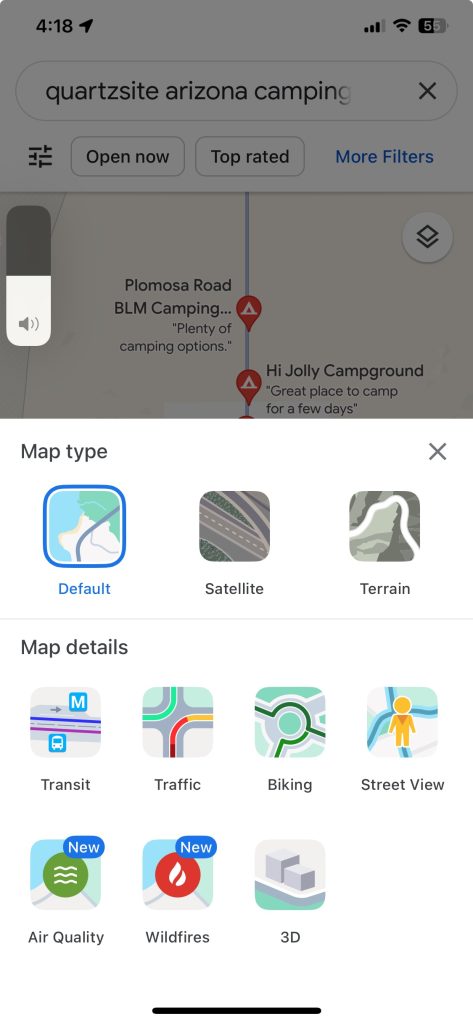
- How to Identify Public Lands: Utilize the “Layers” feature within Google Maps. Look for overlays titled “BLM Land” or “National Forest” to pinpoint areas suitable for boondocking.
- How to Assess Terrain and Accessibility: Switch to Satellite View for a more detailed look at the terrain surrounding potential campsites. This helps you evaluate road conditions, suitability for your RV size, and overall accessibility.
- How to Gauge Site Conditions: Scan for user-generated content like photos and reviews on Google Maps. While limited for off-the-grid locations, these insights can offer valuable clues about the condition and suitability of potential campsites.
Beyond Discovery:
- How to Find Essential Amenities: Once you’ve identified a promising location, leverage Google Maps’ search function or explore points of interest (POI) categories. Look for keywords like “gas stations,” “dump stations,” or “water refill stations” to locate essential amenities for a smooth boondocking experience.
- How to Ensure Offline Navigation: Venturing into remote areas often means limited cell service. To avoid getting lost, pre-download offline maps and directions for your chosen boondocking locations before your trip. This ensures you can navigate with confidence even without an internet connection.

Overcoming Boondocking Challenges
Even the most seasoned boondockers encounter hurdles. Here’s how Google Maps equips you to tackle these challenges:
Limited Cell Service: Don’t let spotty reception ruin your adventure!
- How to Navigate Offline: Utilize the magic of offline maps! Before your trip, pre-download relevant maps and driving directions for your boondocking destinations. This ensures you can navigate with confidence even in areas with limited or no cell service.
Finding Fresh Water and Other Resources: Staying hydrated and managing waste are crucial aspects of boondocking.
- How to Locate Essential Amenities: Google Maps is your one-stop resource for locating essential amenities. Search for keywords like “gas stations,” “dump stations,” or “water refill stations” near your planned campsite or use the handy “Search Nearby” function once you’ve arrived.
Navigating Unfamiliar Terrains: Venturing off the beaten path often means encountering unexpected terrain.
- How to Assess Road Conditions and Campsite Suitability: Satellite imagery in Google Maps acts as your virtual scout. Switch to Satellite View to get a detailed look at the terrain surrounding potential campsites. This allows you to assess road conditions, identify potential obstacles, and ensure the chosen location is suitable for your RV size and capabilities.
Charting Your Course with Confidence
With Google Maps as your trusted co-pilot, the world becomes your RV boondocking playground. Gone are the days of meticulous planning fueled by countless websites and scattered resources. Google Maps empowers you to:
- Discover hidden gems: Unleash the power of AI-driven search and curated lists to uncover unique campsites others might miss.
- Streamline trip planning: Create meticulous, personalized itineraries with custom lists for campsites, attractions, and essential stops.
- Navigate with confidence: Download offline maps for peace of mind, ensuring seamless navigation even in remote locations.
- Find what you need, when you need it: Locate gas stations, water refill points, and dump sites with a few clicks, eliminating resource management woes.
By embracing the functionalities within Google Maps, you can transform your RV boondocking experience. Focus on the adventure, the freedom of the open road, and the beauty of the wilderness. Let Google Maps handle the logistics, ensuring a stress-free and unforgettable journey.
Resources
- Google Travel Tools Blog: Direct insights from Google about new features and how to maximize their travel tools for trip planning.
- Bureau of Land Management (BLM) – RV Camping: Official guidelines and locations for RV camping on BLM land, crucial for boondockers looking for free camping spots.
- Recreation.gov: Resource for discovering and booking campsites, including dispersed camping areas, across the United States, providing a government-backed framework for planning boondocking adventures.
- Campendium – Boondocking Guide: A comprehensive guide offering insights and locations for boondocking, including user reviews, which adds a layer of social proof and practical advice.
- U.S. National Forest Campground Guide: Detailed information on camping in national forests, a popular choice for boondockers. This site provides guidance on dispersed camping, which is often free and offers the seclusion and nature experience boondockers seek.
by Chuck Price | Feb 3, 2024 | Resources
The world of recreational vehicles (RVs) is experiencing a renaissance, with 2024 marking a pivotal year in this exciting evolution. Fueled by a yearning for adventure and freedom, the RV industry has skyrocketed, becoming deeply intertwined with the lifestyles of modern explorers. Among the diverse RV classes, Class B RVs, renowned for their compact size and efficiency, have emerged as the darlings of the boondocking community. For those seeking an unfiltered connection with nature, boondocking, also known as dry camping, offers the thrill of parking your RV in remote locations, free from the constraints of hookups.
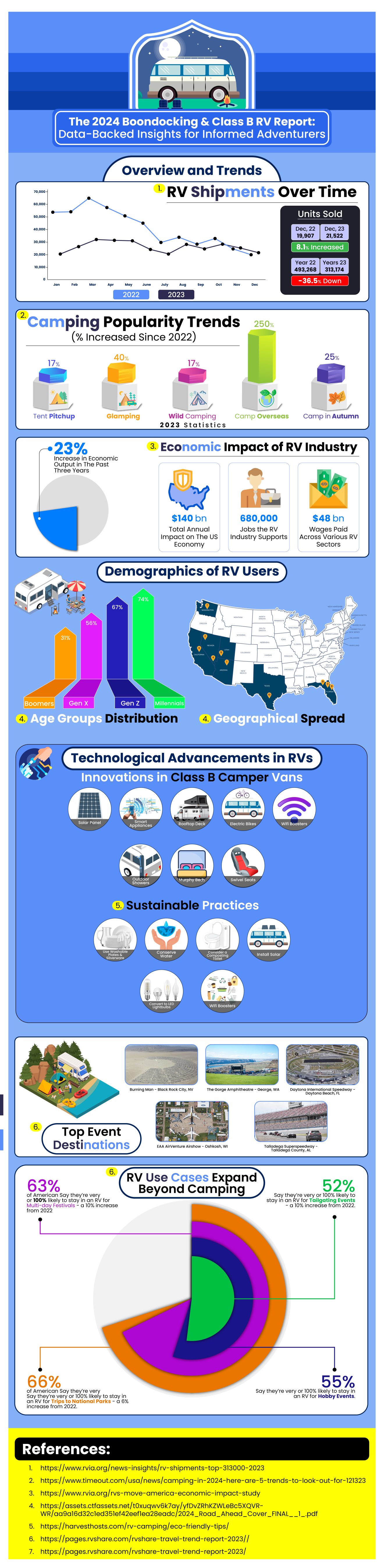
To illustrate the points discussed, let’s take a closer look at the trends, demographics, and innovations shaping the RV landscape in 2024, as detailed in the infographic below.
RV Shipments and Trends: A Steady Ascent Fueled by Mobility
Despite economic fluctuations, RV shipments have exhibited remarkable resilience in recent years, charting a clear upward trajectory. Notably, Class B motorhomes have captured a significant and growing share of the market, fueled by the rising demand for flexible and mobile lifestyles. This trend reflects a broader societal shift towards experiences and adventure, with individuals increasingly seeking living arrangements that empower them to explore and roam freely.
Camping Trends: Beyond the Tent – Embracing Diverse Adventures
Camping has shed its traditional skin, morphing into a vibrant tapestry of experiences that cater to various preferences. From the classic thrill of pitching a tent under the stars to the luxurious indulgence of glamping, every style has witnessed growth. However, the spotlight shines brightly on the surging popularity of glamping and wild camping. These trends embody a fascinating juxtaposition, where individuals seek the thrill of adventure seamlessly intertwined with the comforts of home. This desire reflects a broader cultural shift, where people yearn for unique experiences that balance exploration with a touch of pampering.
Beyond Campfires: The Booming Economic Impact of the RV Industry
The RV industry ignites much more than campfires – it’s a powerhouse driving the US economy. Clocking in at a staggering $140 billion contribution, it fuels hundreds of thousands of jobs across various sectors. From manufacturing and dealerships to campgrounds and tourism, the ripple effect of this industry extends far beyond recreational escapes. It bolsters local communities, strengthens infrastructure, and supports countless families relying on its economic engine.
Breaking the Mold: RVing Demographics Embrace Adventure Across Generations and Landscapes
Forget stereotypes – the RV community shatters them all. A peek into the demographics reveals a vibrant mix, defying limitations of age or location. Millennials and Gen Xers are leading the charge, reflecting a cultural shift towards prioritizing experiences over possessions. This wanderlust isn’t confined to specific regions; RV usage crisscrosses the nation, with certain states like [mention specific state examples with RV-friendly features] becoming hotspots for their welcoming locales and breathtaking attractions.
Tech Revolution on Wheels: Class B RVs Embrace Smarter, Greener Adventures
Class B campers have undergone a tech metamorphosis, leaving the days of basic amenities behind. Imagine harnessing the sun’s power with efficient solar panels or controlling your RV’s temperature with a voice-activated IoT device. These advancements aren’t just fancy gadgets; they’re making RVs smarter, safer, and more sustainable. By optimizing energy use and streamlining operations, technology empowers boondockers to explore deeper, further, and with a lighter footprint on the environment. It’s a win-win: enhanced travel experiences coupled with responsible practices for a healthier planet.
Embracing the Planet: Sustainable Practices Take Root in the RV Community
The RV community isn’t just hitting the road, they’re doing it with a newfound respect for the environment. A commendable shift towards eco-friendly practices is blossoming, with RVers embracing measures like:
Beyond Camping: RVs Morph into Mobile Offices and Homes
The open road beckons, but not just for leisure! The definition of “RVing” is evolving, with these versatile vehicles transforming into mobile offices and even homes. This shift is fueled by the rise of remote work, empowering individuals to embrace the nomadic lifestyle without sacrificing their professional pursuits. Imagine turning your RV into a rolling workspace, complete with high-speed internet and ergonomic setups, allowing you to work from stunning natural backdrops. Or, envision it as your tiny home on wheels, offering freedom and flexibility while providing all the comforts of home. Whether it’s chasing adventure or seeking a change of scenery, RVs are no longer just for weekend getaways; they’re becoming the ultimate tools for work-life integration and alternative living.
Beyond Destinations: Vibrant RV Communities Gather and Share
This report goes beyond simply listing scenic overlooks and national parks. It delves into the soul of the RVing experience, highlighting top destinations that have transformed into vibrant communities for RVers. These aren’t just stopovers on a map; they’re bustling hubs where ideas spark, experiences are exchanged, and stories weave together under the shared love of the open road. Imagine immersing yourself in:
- Rallying Rendezvous: Picture epic gatherings like Burning Man, where thousands of RVs converge for shared passions, workshops, and camaraderie.
- Regional Celebrations: Experience the unique flavors of local RV communities at regional festivals like [mention specific regional events], celebrating everything from craft beers to bluegrass music.
- Nature-Themed Adventures: Join fellow nature enthusiasts at events like [mention specific nature-focused events], exploring breathtaking landscapes and forging lasting connections with like-minded individuals.
These gatherings are more than just entertainment; they’re the lifeblood of the RV community, fostering friendships, knowledge exchange, and a deep sense of belonging. So, pack your bags, fuel your wanderlust, and prepare to be welcomed into a world where every destination is an opportunity to connect, share, and create memories that will last a lifetime.
The Road Ahead: A Thriving RV Industry Redefining Travel and Connection
The 2024 Boondocking and Class B RV Report isn’t just a snapshot; it’s a roadmap to a dynamic future. It paints a vibrant picture of an industry resonating with the dual forces of adventure and sustainability. This thriving ecosystem fuels economic growth, fosters vibrant communities, and inspires a harmonious relationship with nature. As we journey into the future, one thing is clear: the RV industry, particularly the segment of boondocking and Class B RVs, is not merely surviving; it’s thriving, innovating, and redefining the very contours of travel and living.
by Chuck Price | Mar 21, 2023 | Resources
Top RV Gadgets to Transform Your Travels
Whether you’re a seasoned RVer or a curious first-timer, having the right gear can make all the difference in transforming your journey from a good time to a truly exceptional experience. This article will explore six must-have RV gadgets, from reliable navigation tools to convenient kitchen appliances, to elevate your comfort and efficiency on the open road. We’ll also provide insights into the pros and cons of each product to help you make informed decisions for your RV travels. So, buckle up, get ready to explore the best RV gadgets, and turn your next road trip into an adventure you’ll never forget!
Navigation and GPS Devices
Navigating unfamiliar roads in a large RV can be a daunting task. Fortunately, reliable navigation and GPS devices can be your trusty travel companions, guiding you safely and efficiently to your destination.
RV-specific GPS
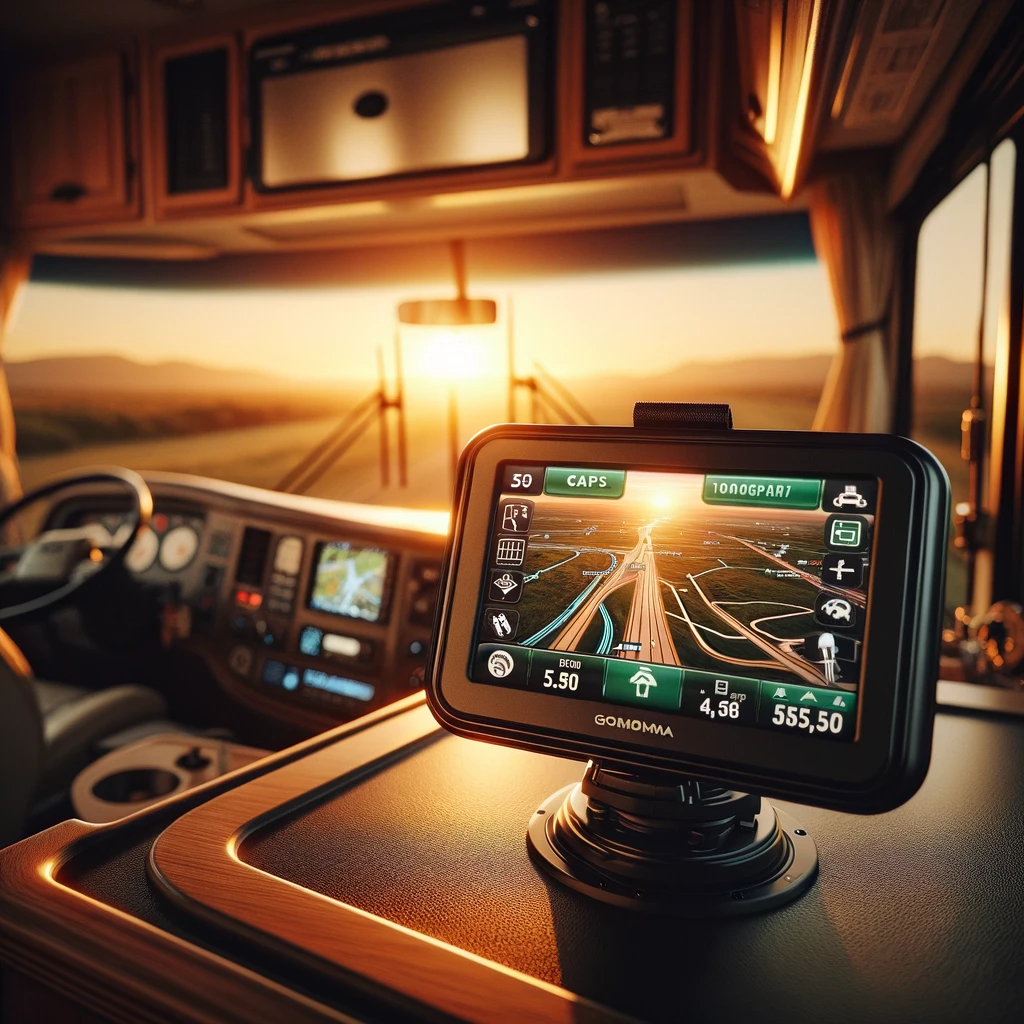
An RV-specific GPS goes beyond basic car navigation, offering features specifically tailored to the needs of RV travelers. These devices take into account the size and weight of your RV, preventing you from encountering low bridges, narrow roads, and other obstacles that could damage your vehicle or cause a frustrating detour. Additionally, they come pre-loaded with points of interest (POI) specifically relevant to RVers, such as campgrounds, RV parks, truck stops with high clearances, and even propane refill stations, making trip planning a breeze.
Pros:
Cons:
- Higher cost: RV-specific GPS devices tend to be pricier than standard car GPS units.
- Limited functionality: May not offer all the bells and whistles of a high-end tablet (games, internet browsing).
- Map updates: May require periodic paid updates to ensure accurate information.
Overall, RV-specific GPS devices are a worthwhile investment for RV travelers who prioritize safe and efficient navigation with features that cater to the unique needs of their large vehicles.
Mobile Apps
While dedicated RV GPS devices offer a robust navigation experience, don’t underestimate the power of mobile apps specifically designed for RV travel. These handy tools can transform your smartphone or tablet into a comprehensive RV travel assistant, offering a wealth of features at your fingertips.
Popular options include RV LIFE, CoPilot RV, and AllStays Camp & RV. These apps excel at route planning, campsite location, and providing vital information on road conditions and restrictions. Whether you’re searching for the perfect campground with full hookups or need real-time updates on detours due to construction, these apps can keep you informed and on track.
Here are some additional benefits of using RV travel apps:
- Cost-effective: Many apps offer free basic features, with premium subscriptions unlocking advanced functionalities.
- Up-to-date information: Regular app updates ensure you have access to the latest road conditions, campground availability, and points of interest.
- Offline functionality: Some apps allow you to download maps and essential information for areas with limited internet connectivity.
- User reviews and ratings: Gain valuable insights from other RVers on campgrounds, restaurants, and points of interest along your route.
Things to Consider:
- Data usage: Extensive app use can consume significant mobile data. Consider downloading maps and information beforehand for offline access in remote areas.
- Battery consumption: Running GPS and other features can drain your battery quickly. Invest in a portable power bank to keep your devices charged on the go.
- App overload: With so many options available, choose a few apps that cater to your specific needs and preferences to avoid information overload.
Mobile apps are a fantastic way to supplement your RV navigation strategy, offering flexibility, affordability, and a user-friendly interface. By carefully considering the available options and their functionalities, you can choose the perfect apps to enhance your RV travels.
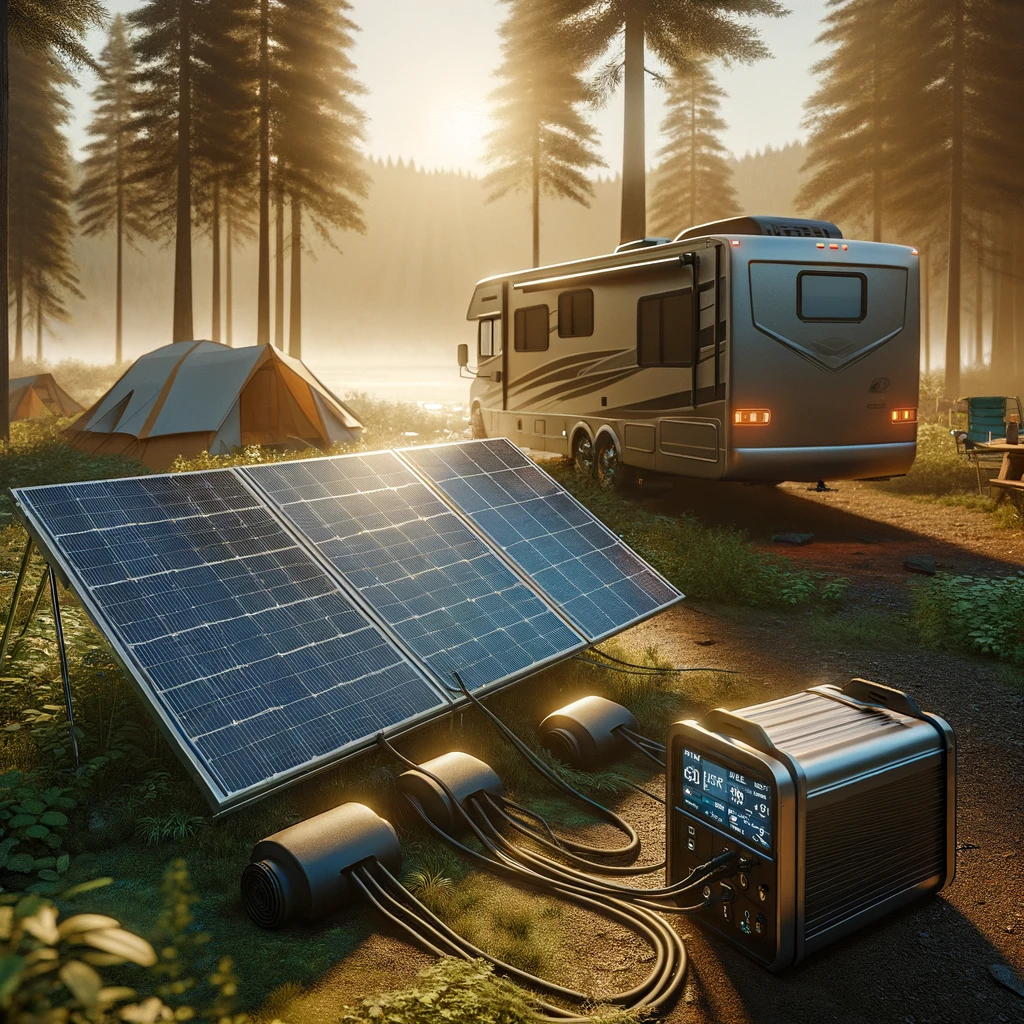
Solar Power Systems: Harnessing the Sun for Your RV Adventures
Venturing off the grid and into the great unknown is a thrilling aspect of RV travel. However, extended journeys necessitate reliable power sources to keep your essential appliances and devices functioning smoothly. Solar power systems offer an eco-friendly and sustainable solution, harnessing the sun’s rays to generate electricity for your RV.
Pros:
- Environmentally friendly: Generates clean, renewable energy with minimal noise pollution.
- Cost-effective in the long run: Once installed, the sun’s energy is your free fuel source.
- Low maintenance: Requires minimal upkeep beyond occasional cleaning.
- Quiet operation: No noisy engine hum to disrupt the serenity of your surroundings.
Cons:
- Reliant on sunlight: Efficiency can be reduced on cloudy or rainy days.
- Initial investment: Purchasing and installing a solar panel system can be expensive upfront.
- May require additional equipment: A solar charge controller is often necessary to regulate battery charging.
- Limited power for high-demand appliances: Solar panels might not be sufficient to power all your RV’s appliances, particularly high-energy ones like air conditioners.
Solar Generators: Backup Power and Increased Capacity
For extended off-grid stays or increased power needs, consider incorporating a solar generator into your system. These devices store energy from solar panels, allowing you to utilize it even during low sunlight periods.
Additional Considerations:
- Portable Solar Panels: For weekend getaways or supplementing your main solar power source, portable solar panels offer a convenient and eco-friendly way to generate additional electricity for your RV.
Choosing the Right System:
Ultimately, the best solar power solution for your RV depends on your travel style, energy needs, and budget. Solar panels are ideal for eco-conscious travelers who prioritize sustainability and are comfortable with managing their power consumption. A solar generator can further enhance your system’s capabilities by providing backup power and increased capacity.
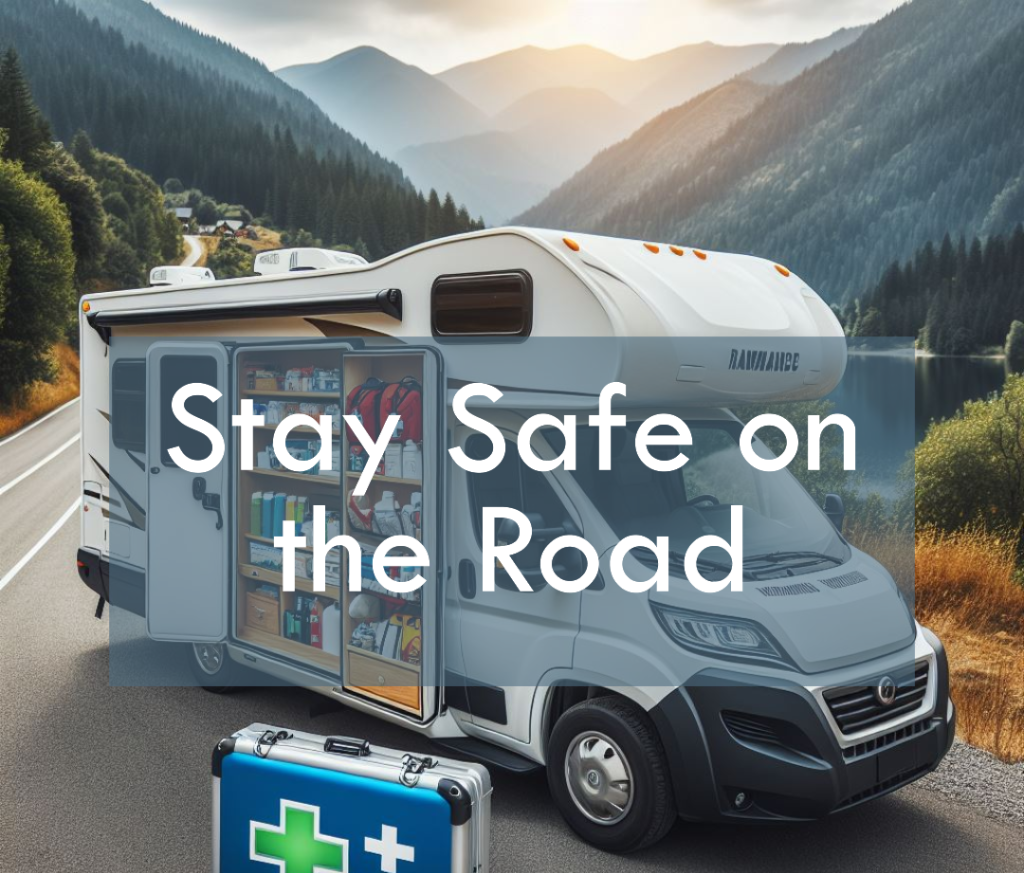
Essential Safety Equipment: Be Prepared for Anything
When you’re out on the road, it’s essential to be prepared for emergencies. Investing in some essential safety equipment can make all the difference in the event of an accident or unexpected situation.
Fire Extinguishers
Having a fire extinguisher on board is a must for any RV owner. Ensure you have one that’s rated for Class A, B, and C fires, as these are the most common types of fires that can occur in an RV. Knowing how to use a fire extinguisher properly is crucial in case of an emergency. Regularly check the expiry date and replace it when necessary. See a demonstration here: How to Use a Fire Extinguisher.
Carbon Monoxide Detectors
Carbon monoxide is a colorless, odorless gas that can be lethal if inhaled in large quantities. Since it’s a byproduct of burning fuel from generators or stoves, it’s crucial to have a carbon monoxide detector installed in your RV. This device will alert you if carbon monoxide levels become dangerous, allowing you to take immediate action to ensure your safety. For optimal protection, consider installing carbon monoxide detectors in multiple locations throughout your RV, especially near sleeping areas.
First Aid Kits
A well-stocked first aid kit is an essential item for any RV traveler. Accidents can happen at any time, and having the necessary supplies on hand can make all the difference. Ensure your first aid kit includes items such as bandages, gauze, adhesive tape, antiseptic wipes, pain relievers, and any personal medications you may need. Consider creating a customized first-aid kit based on the specific needs of those traveling in the RV. For instance, including medications for allergies or any pre-existing conditions will ensure you are prepared for a wider range of situations.

Kitchen and Cooking Appliances
One of the joys of RV travel is the freedom to explore new destinations and cultures, but it also means preparing your meals on the go. Equipping your RV with the right kitchen and cooking appliances can transform meal prep into a fun and efficient experience, allowing you to whip up delicious dishes wherever your travels take you.
Compact Refrigerator
A compact refrigerator is a cornerstone appliance in any RV kitchen. It allows you to store a variety of perishable food items, from fresh fruits and vegetables to dairy products and proteins, ensuring you have healthy and delicious ingredients on hand for your meals. When choosing a compact RV refrigerator, consider factors like size, energy efficiency, and features.
- Size: Select a refrigerator with a capacity that meets your needs. Do you plan on short weekend getaways or extended adventures? How many people will you be traveling with? Matching the size to your RV’s layout and travel style will optimize both storage space and energy consumption.
- Energy Efficiency: Look for an RV refrigerator with a high Energy Star rating to minimize your impact on the environment and conserve battery power, especially if you plan on boondocking (camping without hookups).
- Features: Some compact RV refrigerators come with additional features like freezers, ice makers, and vegetable crispers. While these features can be convenient, they tend to consume more energy. Decide which features are most important to you and choose accordingly.
Portable Induction Cooktop
A portable induction cooktop is a fantastic space-saving and versatile option for your RV kitchen. Here’s why induction cooktops are a great choice for RVers:
- Energy-efficient: Induction cooktops transfer heat directly to your cookware, resulting in minimal wasted energy. This translates to quicker cooking times and reduced strain on your RV’s electrical system.
- Precise temperature control: Induction cooktops offer exceptional temperature control, allowing you to simmer sauces or sear steaks with precision, just like on a conventional stovetop.
- Easy to clean: The smooth, glass surface of an induction cooktop wipes clean effortlessly, making post-meal cleanup a breeze.
Collapsible Cookware
Space is always at a premium in an RV, and that’s where collapsible cookware comes in. These ingenious space-saving tools are designed to fold or condense, transforming from full-size pots and pans into compact units for easy storage and transportation. Look for collapsible options for essential items like pots, pans, colanders, and even measuring cups to free up precious cabinet space in your RV kitchen.
By carefully selecting these essential kitchen and cooking appliances, you can create a functional and efficient cooking space in your RV, empowering you to prepare delicious meals and savor the culinary adventures that await on the open road.
Conclusion
Equipping your RV with the right gadgets and appliances doesn’t just ensure a smooth journey, it elevates your entire RV experience. From navigating unfamiliar roads to preparing delicious meals on the go, having the tools you need allows you to explore new destinations with confidence and comfort. So, stock up on these essentials, chart your course, and get ready to create unforgettable memories on the open road!
Next Topic

by Chuck Price | Mar 11, 2023 | Resources
Introduction
If you’re a vintage trailer enthusiast living in California, you’re in luck! California has a thriving vintage trailer community with numerous clubs and events throughout the state. In this guide, we’ll cover everything you need to know about vintage trailer clubs in California, including their history, membership benefits, and upcoming events.
Vintage trailer clubs have been around for several decades, and California has been at the forefront of the movement. The first vintage trailer club in California was founded in the early 1980s, and since then, numerous clubs have sprung up all over the state. These clubs are dedicated to preserving and restoring vintage trailers, as well as providing a community for enthusiasts to connect and share their love for these unique and historical vehicles.
Benefits of Joining a Vintage Trailer Club
There are numerous benefits to joining a vintage trailer club in California. First and foremost, you’ll become part of a community of like-minded enthusiasts who share your passion for vintage trailers. You’ll have the opportunity to attend events and rallies where you can show off your trailer, meet other owners, and participate in fun activities. Additionally, many clubs offer resources and support for trailer restoration and maintenance, as well as discounts on parts and accessories.
Popular Vintage Trailer Clubs in California
There are several vintage trailer clubs in California, each with its own unique history and culture. Here are a few of the most popular clubs:
- Tin Can Tourists of Southern California The Tin Can Tourists is one of the oldest vintage trailer clubs in the country, founded in 1919. The Southern California chapter is particularly active, with regular events and rallies throughout the year. Membership is open to anyone who shares the club’s mission of promoting vintage trailers and RVs.
- Vintage Trailer Club of Northern California The Vintage Trailer Club of Northern California is another popular club with a long history. Founded in 1982, the club has over 200 members and hosts several rallies and events each year. Members enjoy access to a wide range of resources and benefits, including discounts on parts and accessories.
- California Route 66 Museum Vintage Trailer Club The California Route 66 Museum Vintage Trailer Club is a newer club, founded in 2012. The club is based in Victorville, California and has a focus on preserving vintage trailers and RVs associated with Route 66. Members enjoy access to exclusive events and resources, as well as discounts on museum admission.
Upcoming Vintage Trailer Events in California
If you’re looking to attend a vintage trailer event in California, there are plenty of options to choose from. Here are a few upcoming events to put on your calendar:
- Palm Springs Vintage Trailer Show The Palm Springs Vintage Trailer Show is one of the largest vintage trailer events in the country, attracting enthusiasts from all over California and beyond. The event features a wide range of vintage trailers and RVs, as well as vendors, live music, and food. This year’s event will take place in February.
- Trail Along to Pismo Rally 2026 is scheduled for November 12–15, 2026, at Pismo Coast Village RV Resort. The organizer, VCT Trailerfest Rallies, lists vintage-trailer gatherings, social activities, and a Saturday public open house. Check the organizer’s event page for registration and schedule updates.
- Tin Can Tourists Western Regional Rally The Tin Can Tourists Western Regional Rally is a multi-day event that takes place in May. The rally features vintage trailers and RVs, as well as activities such as a potluck dinner, open house tours, and a vintage fashion show.
Tips for Restoring and Maintaining Your Vintage Trailer
If you’re new to vintage trailer ownership, it’s important to understand that these vehicles require special care and maintenance. Here are a few tips for restoring and maintaining your vintage trailer:
- Do your research before you buy. Make sure you understand the specific make and model you’re interested in, as well as any common issues or maintenance requirements. This will help you make an informed purchase and avoid costly surprises down the road.
- Create a maintenance schedule. Once you’ve purchased your vintage trailer, create a maintenance schedule to keep it in top condition. This should include regular checks for leaks, tire pressure, and propane levels, as well as routine cleaning and upkeep.
- Use the right products. When it comes to restoring and maintaining your vintage trailer, it’s important to use the right products. This includes using appropriate cleaning products for different surfaces, as well as using sealants and coatings specifically designed for vintage trailers.
- Join a vintage trailer club. Finally, joining a vintage trailer club can be an invaluable resource for restoration and maintenance tips. Members can share their knowledge and experience, as well as provide recommendations for trusted mechanics and parts suppliers.
Conclusion
California has a rich history of vintage trailer culture, and there are numerous clubs and events throughout the state dedicated to preserving and celebrating these unique vehicles. Whether you’re a seasoned enthusiast or a new owner, joining a vintage trailer club can provide a sense of community and support, as well as resources for restoration and maintenance. We hope this guide, with its links to clubs, rallies, shows, and other resources, has been helpful in introducing you to the world of vintage trailer clubs in California. Happy trails!
Featured Image by Ruben Porras from Pixabay