Canadian Camping Memberships 2026: Exchange Rate Impact, Province Coverage, and ROI Analysis
By: Chuck Price | Last updated: February 9, 2026
Analysis by Chuck Price
Camping publisher and trip-planning analyst. This page focuses on decision math and verification steps, not park-by-park reviews.
Method:
Pricing and coverage checks should be verified directly inside each program’s official directory and pricing pages right before purchase.
This page links you to the primary sources and shows the exact evaluation protocol.
Executive Summary:
If you buy a U.S.-priced membership from Canada, your real cost is the USD price converted to CAD at today’s exchange rate, plus any taxes and renewal changes.
Your ROI depends less on marketing maps and more on two things you can verify in minutes: coverage density in the provinces you actually travel, and whether hosts are open during your season.
Financial Decision Notice
Membership pricing and directories change. Verify the current price and your province coverage in the official program directory before you pay.
Guide Scope and Boundaries
Included
CAD-adjusted membership cost math using Bank of Canada FX data
Coverage verification steps by province and route
Break-even night estimates you can re-run with your own numbers
Seasonality checks and availability filters you should apply
Not included
Individual campground quality reviews
Hookup tutorials and RV sizing advice
Provincial park pass walkthroughs
Qualification Criteria: Who Should Skip Memberships
Before you compare programs, run a fast “financial utility” check. Memberships are optional tools. If your travel pattern does not support repeat usage, you are likely better off paying nightly rates when you need them.
Misfit Boundaries: Skip This If…
You camp fewer than 10 nights per year. You will struggle to break even against annual dues.
You travel mostly in SK, MB, or the Territories. Coverage can be thin for many private programs. Verify density before you buy.
You require full hookups every night. Some programs are designed around dry camping or discounts with restrictions that can erase savings.
Geographic Density: The 15-Location Rule
Core Decision Rule:
A membership is usually only useful in Canada if it has enough locations in the provinces you actually travel to avoid long detours.
As a practical minimum, look for at least 15 locations within your primary travel province or along your core routes.
How to verify:
Open the official directory, filter by your province, then count locations that are actually bookable for your season. Citations: Add direct directory links for each program below once verified.
Passport America directory: (PASTE VERIFIED URL HERE)
Financial Analysis: CAD Conversion and the Exchange Rate Barrier
Core Decision Rule:
Convert every USD price to CAD using today’s Bank of Canada rate. Then divide the CAD cost by the number of nights you will realistically use the program.
Fix required by council:
Do not hard-code 1.37 unless you have a dated citation for that exact rate. Use a “rate as of” line and link to the Bank of Canada page.
CAD-Adjusted Pricing Table (update after verification)
Program
USD Base
CAD Cost
Break-even Nights
Harvest Hosts
$99 (verify)
(CALCULATE WITH CURRENT FX)
6 nights per year (example)
Passport America
$44 (verify)
(CALCULATE WITH CURRENT FX)
3 nights per year (example)
Good Sam
$29 (verify)
(CALCULATE WITH CURRENT FX)
4 nights per year (example)
Pricing source links (paste the verified URLs)
Harvest Hosts pricing: (PASTE VERIFIED URL HERE)
Passport America pricing: (PASTE VERIFIED URL HERE)
Good Sam pricing: (PASTE VERIFIED URL HERE)
Bank of Canada exchange rate used: (PASTE VERIFIED URL HERE)
Seasonal Boundaries: The Winter Filter
If you camp in Canada between November and April, you must treat many private-host directories as seasonally constrained.
Do not assume “pins on a map” represent year-round availability.
Core Decision Rule:
Apply a winter availability filter inside the official directory (if available) and remove any hosts that are closed for your dates.
If the program does not support season filters, spot-check listings one by one along your route.
Council fix required:
Do not publish numeric closure percentages (example: “85% closed”) unless you can cite how you measured it.
If you do not have hard data, rephrase as a qualitative constraint and show the exact verification steps.
The 2026 Membership Selection Protocol (4 Steps)
1
Run a Night Audit
Look at your 2025 notes or receipts. If most of your stays were Crown land, public parks, or boondocking, a paid membership may not match your real pattern.
2
Verify Province Density
Open the official directory. Filter by your home province. If you cannot find at least 15 usable locations for your season, the program fails the utility test.
3
Calculate the Exchange Penalty
Convert the USD price to CAD using the Bank of Canada rate on the day you buy. Divide by your realistic nights used. If the per-night cost is too high, skip it.
4
Apply the Winter Filter
If you camp in Canada during winter months, treat availability as limited unless you can confirm open hosts on your route for your dates.
2026 Verified Next Steps
Use the official directories to verify your province density before you pay.
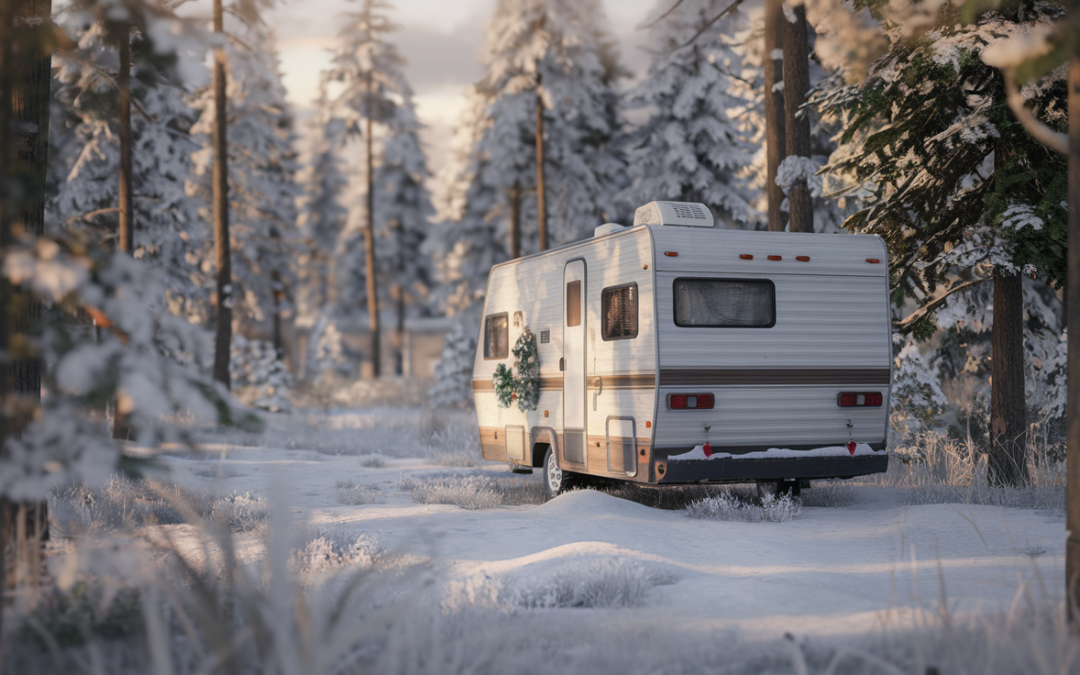
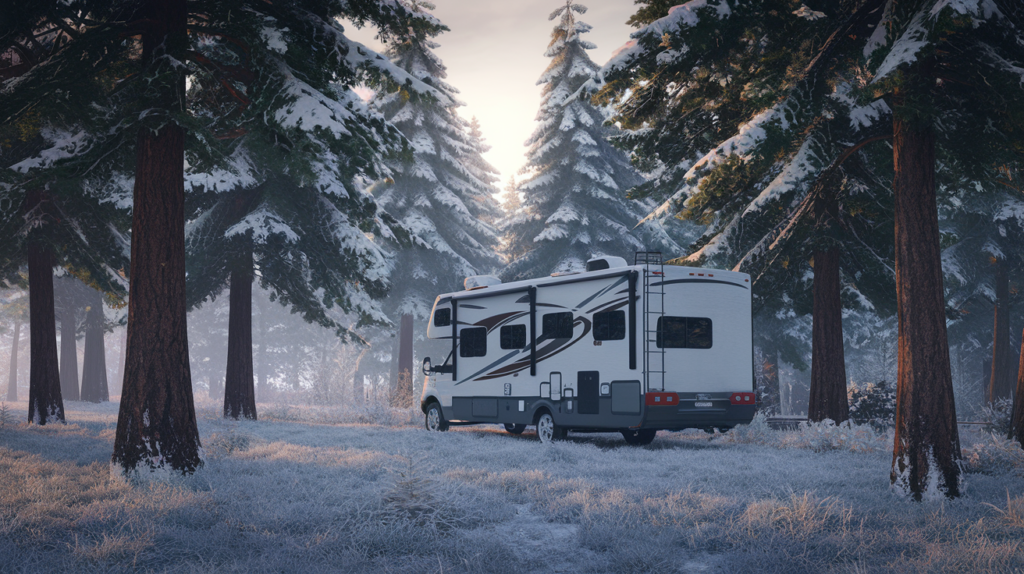
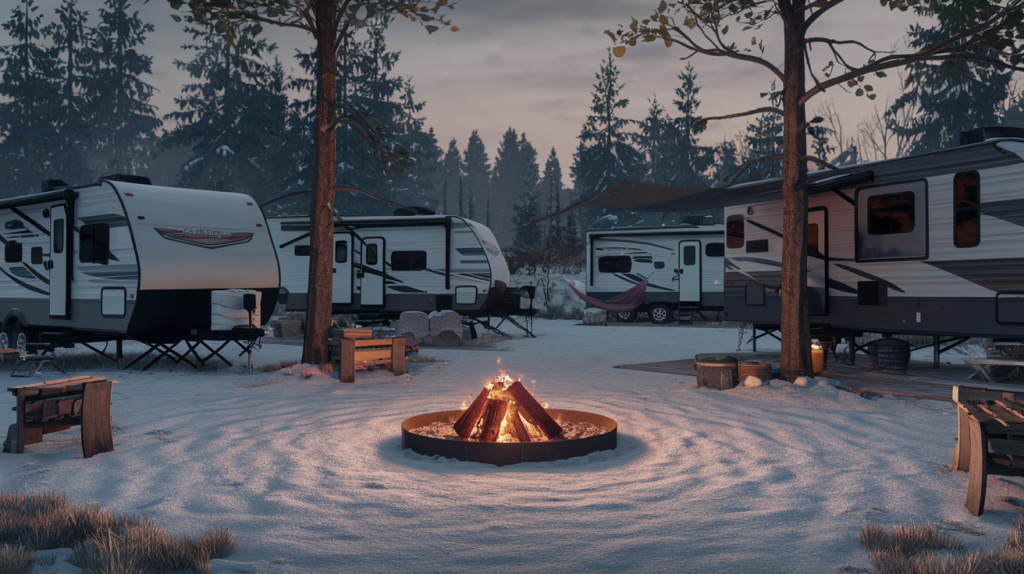
Off-season RV camping can be incredibly peaceful and picturesque, but plunging temperatures introduce unique challenges. Whether you’re navigating icy roads, bracing for sub-zero winds, or keeping your batteries charged, preparation is key. This guide focuses on the practical know-how you need for winter boondocking success, from understanding temperature ranges to troubleshooting common cold-weather issues.
1. Why Winter Boondocking?
Summer campsites can be crowded and noisy. Venturing out when temperatures dip below freezing gives you access to serene landscapes and often lower campsite fees—sometimes even free or nearly empty public land. Not only can you enjoy breathtaking winter scenery, but you also hone skills that sharpen your self-reliance in challenging conditions.
The key appeal lies in solitude and the ability to witness nature in its quiet, dormant state. Imagine waking up to crystal-clear skies and a snowy panorama, all while staying warm and comfortable in your well-prepared RV.
2. Different RV Types & Cold-Weather Performance
Not all RVs are created equal when it comes to winter camping. If you own a four-season RV model, you likely already have extra insulation in walls and holding tanks designed to handle below-freezing temperatures. However, if you’re camping in a standard travel trailer or older Class C, you may need additional steps to protect your plumbing and boost insulation.
Motorized RVs (Class A, B, and C)
Class A motorhomes often feature robust heating systems and can be better insulated, but they’re also bigger targets for wind and may require more fuel in extreme conditions. Class B camper vans have a smaller interior space to heat but may lack thick insulation layers. Class C units blend features from both, but older models can have under-insulated cab-over sections vulnerable to cold air.
Examples: Many Class A diesel pushers from higher-end brands include “winter packages,” but always verify the level of insulation offered. Some owners in colder states praise specific models from Tiffin or Winnebago for improved cold-weather performance.
Towables (Fifth Wheels, Travel Trailers, Pop-Ups)
Fifth wheels designed for four-season use often include heated underbellies and dual-pane windows. Standard travel trailers can be adapted with foam board insulation and tank heaters, but pop-ups or hybrids may struggle to maintain heat due to soft-side walls. If you’re in a pop-up, focus on windbreaks and insulating the fabric with additional layers or thermal blankets.
Examples: Models like the Northwood Arctic Fox or Lance travel trailers are frequently mentioned in RV forums for their better cold-weather capabilities, including enclosed underbellies and upgraded insulation.
Pro Tip: Before committing to a sub-zero trip in any RV type, research your model’s recommended operating temperatures and known problem areas. Online forums and owner groups can be gold mines for specific tips on your exact rig.
3. Understanding Temperature Ranges
“Below freezing” can mean anything from 32°F (0°C) down to well into negative territory. Your approach to insulation, heating, and water management may differ significantly depending on whether you’re hovering around the freezing mark or braving -10°F (-23°C) nights. Here’s a general breakdown:
32°F to 20°F (0°C to -7°C): Light freezing conditions. Basic insulation, heated water hoses, and a decent RV furnace can suffice if you manage moisture and drafts.
20°F to 0°F (-7°C to -18°C): Moderate freeze where you’ll need heavier insulation (e.g., foam board, thermal curtains) and possibly tank heating pads.
Below 0°F (-18°C and lower): Extreme cold. Requires robust strategies including double-insulated windows, continuous furnace operation (or supplemental heating), and careful battery monitoring to prevent outages.
Always monitor daytime highs and overnight lows. Daytime thawing and nighttime freezing can stress pipes and seals. Checking the forecast helps you anticipate fuel and power requirements.
4. Preparing Your RV for Extreme Cold
An ounce of prevention is worth a pound of repairs when it comes to winter boondocking. Start with the basics:
Seal and Insulate: Identify areas prone to leaks or drafts. Use weather-resistant caulk and foam strips on windows, vents, and door frames. Consider installing foam board around the underbelly or exposed storage compartments.
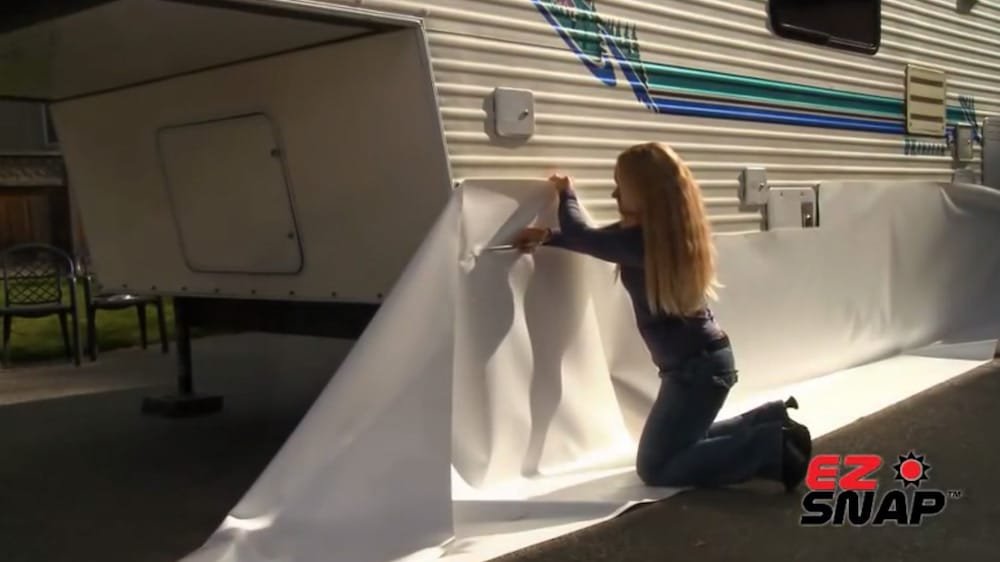
Protect Your Tanks: Adding heating pads to fresh water and gray/black tanks can prevent freezing. Skirt the bottom of your RV if possible to shield pipes and valves from windchill.
Ventilation vs. Condensation: Running your furnace in a sealed RV can create moisture. Balance heat retention with slight ventilation—like cracking a roof vent—to reduce dampness.
Comparing Common Insulation Products
Product
Pros
Cons
Foam Board (Polystyrene)
High R-value, moisture-resistant, easy to cut and fit
May need tape sealing for best results, bulkier in tight spaces
Reflective Foil (Bubble Core)
Lightweight, excellent for windows, can reflect radiant heat
Requires an air gap for best performance, less effective in extreme cold alone
Spray Foam
Fills irregular gaps perfectly, very high insulating capacity
Can be messy if DIY, may require professional application
Higher upfront cost, requires accurate measurements for best fit
5. Battery Management in Freezing Conditions
Chemical reactions in batteries slow down in cold environments, reducing capacity and recharge efficiency. If you’re relying on lead-acid batteries, their performance can drop dramatically below 32°F (0°C). Lithium batteries fare better in the cold but may need specialized heating elements or management systems to charge safely in sub-freezing temperatures.
Battery Care Tips:
Insulation Box or Wrap: Enclose batteries in an insulated compartment or use thermal wraps designed for cold-weather battery maintenance.
Monitor Voltage Regularly: Invest in a reliable battery monitor or use your RV’s built-in system to watch for drastic voltage drops overnight.
Charging Protocols: Some lithium battery packs won’t charge if internal temperatures are too low. Check your manufacturer’s guidelines for safe charging ranges.
Generator or Solar Backup: In extreme cold, your system might drain faster. Having a generator or well-placed solar panels ensures you don’t wake up with dead batteries.
If you’re considering an upgrade, many RV owners recommend low-temperature lithium batteries from brands like Battle Born or Renogy. The initial cost can be higher, but the improved cold-weather performance often justifies the investment.
6. Essential Safety Protocols
Freezing temperatures and remote locations demand heightened caution. Carbon monoxide (CO) leaks can become a serious threat when using furnaces or portable heaters in an enclosed space. Regularly test your CO detector, and never block your RV’s exhaust vents with snow or ice.
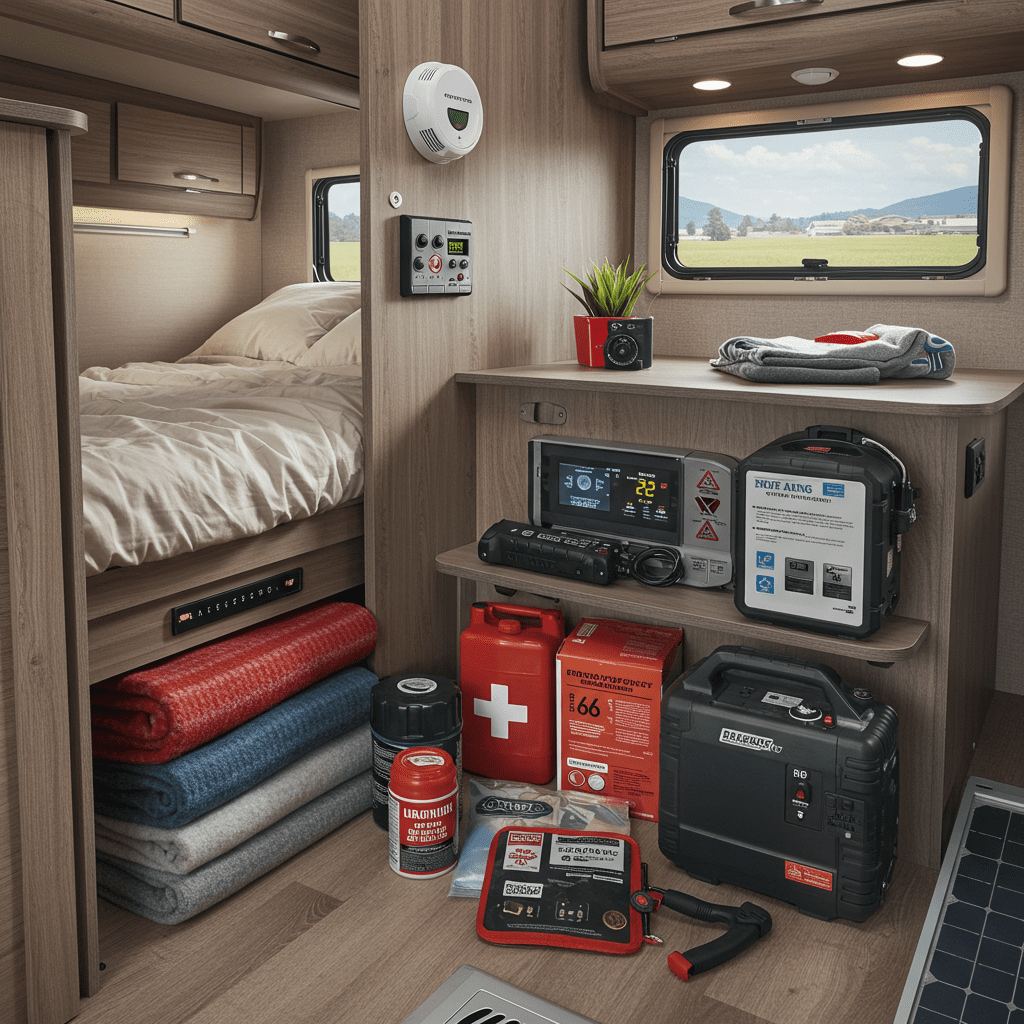
Keep a well-stocked emergency kit with:
Space blankets and hand warmers
Extra fuel for your generator or propane system
Snow shovel, traction pads, and ice melt for safe mobility around your campsite
LED lanterns, flashlights, and backup phone chargers
Always inform a friend or family member of your travel route and expected return date. In extreme weather, quick communication can be lifesaving if your RV is immobilized or if you encounter medical issues.
7. Troubleshooting Common Winter Issues
Even experienced winter boondockers encounter hiccups. Here’s a quick reference guide for common problems:
Frozen Water Lines
Symptoms: Weak or no water flow, unusual noises in pipes.
Solution: Apply gentle heat using a hairdryer or heated tape. Open faucets to encourage flow once partial thawing occurs. Insulate exposed sections to prevent recurrence.
Excessive Condensation
Symptoms: Foggy windows, dripping ceilings, or mold forming around vents.
Solution: Increase ventilation by cracking a vent or window. Use a small dehumidifier if you have the power capacity. Check for leaks that could worsen moisture buildup.
Battery Drain
Symptoms: Rapid voltage drop, furnace shutting off unexpectedly.
Solution: Warm your battery compartment, reduce electrical loads (e.g., switch to LED lighting), and recharge via generator or solar panels.
Furnace Malfunction
Symptoms: Blowing cold air, frequent cycling, or failing to ignite.
Solution: Check propane levels and furnace vents for blockages. If the issue persists, consult a certified RV technician, especially in sub-zero temperatures where timely repairs are crucial.
8. Real-World Case Studies
A Reddit user shared their experience of winter camping near Glacier National Park in temperatures as low as -5°F (-20°C). They emphasized the importance of insulating the RV’s underbelly with foam board and installing heat pads on tanks to keep everything functional. Their key takeaway was the critical need for extra propane, as sub-zero temperatures rapidly deplete fuel reserves
An RV enthusiast from Colorado reported significant improvements after upgrading to low-temperature lithium batteries. In temperatures around 15°F (-9°C), they experienced a 40% increase in usable capacity compared to their previous lead-acid batteries. The upgrade also resulted in faster recharge times when solar panels were exposed to sunligh
These real-world accounts illustrate how proper planning, the right gear, and a willingness to adapt can overcome winter’s toughest challenges.
9. Conclusion & Next Steps
Winter boondocking demands a proactive mindset: from insulating your RV against harsh winds to keeping your batteries healthy in freezing temperatures. By understanding temperature ranges, tailoring your setup to your specific RV type, and following best practices for safety, you can enjoy the quiet beauty of off-season camping without sacrificing comfort.
Ready to fine-tune your cold-weather strategy? Explore additional resources below for more in-depth guides on everything from generator maintenance to advanced solar setups. With the right preparation, winter can become your favorite season to hit the road.
Boston to Acadia RV Loop: Your 2026 Weekend Escape Guide
By Chuck Price. Last updated: January 25, 2026 Read time: 8 minutes | Key stat: 70% of Cadillac reservations drop at 10:00 AM ET two days prior | Main solution: Strategic 3-day itinerary with tide-timed stops | RV expertise: First-hand experience navigating Acadia’s parking headaches
Quick Answer: The Boston-to-Acadia RV loop is a practical 3-day plan that pairs efficient routing from Boston with Acadia’s 2026 Cadillac Summit Road vehicle reservation rules, smart shuttle use, and tide-timed attractions so you spend your weekend exploring, not circling for parking.
What Is the Boston-to-Acadia RV Loop?
This weekend plan turns the 5-hour drive from Boston into the foundation for a smooth Mount Desert Island trip. It’s built around the biggest friction point that trips up RV travelers: the Cadillac Summit Road vehicle reservation system and the vehicle restrictions that come with it (National Park Service, 2025).
From personal experience crossing the Piscataqua River Bridge into Maine, the transition is immediate – highways open up, forests deepen, and the urban escape becomes tangible. This itinerary keeps that momentum by cutting out the usual national park bottlenecks.
The loop integrates Cadillac Summit Road reservations, tide schedules for Sand Beach and Thunder Hole, and strategic Island Explorer shuttle use to avoid parking limitations that can derail an unplanned RV weekend.
Why Your 2026 Acadia Trip Demands Strategic Planning
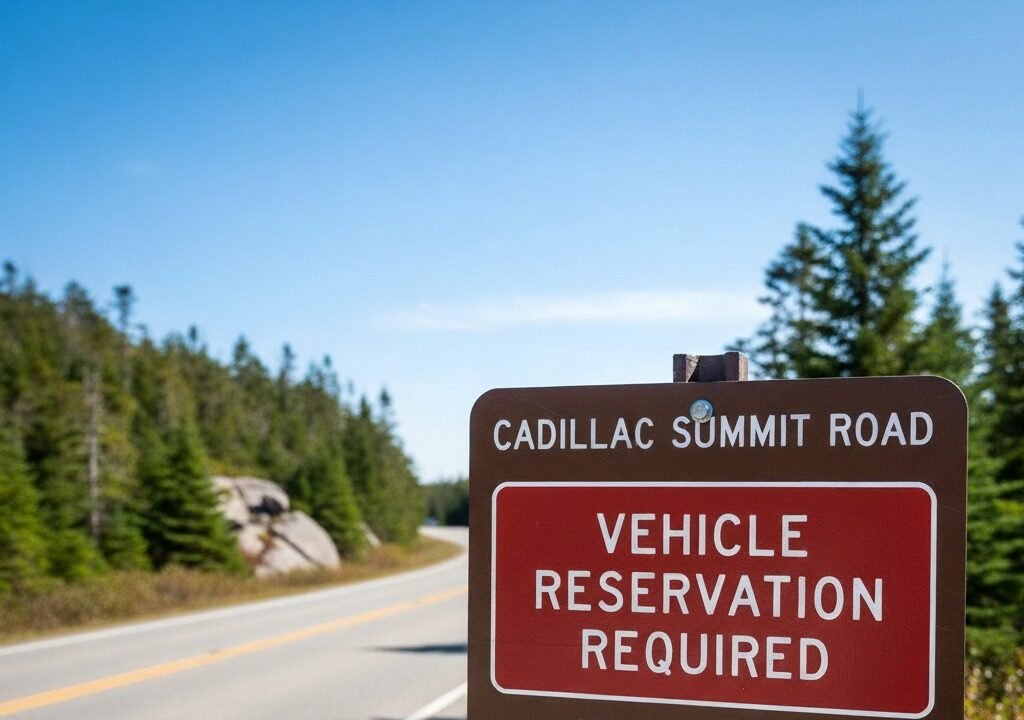
If Cadillac Mountain is on your list, you need to plan around the reservation system. For 2026, the National Park Service states vehicle reservations are required to drive Cadillac Summit Road from Wednesday, May 20 through Sunday, October 25, 2026 (National Park Service, 2025).
Booking windows matter: NPS states 30% of Cadillac Summit Road reservations release 90 days in advance, and 70% release at 10:00 AM ET two days in advance (National Park Service, 2025).
During my 2024 visit, I saw how fast it goes sideways: you blink, you miss the release window, and you’re stuck staring at “sold out” while your morning plan evaporates. Without advance planning, you can easily miss the one viewpoint most people drive to Acadia for.
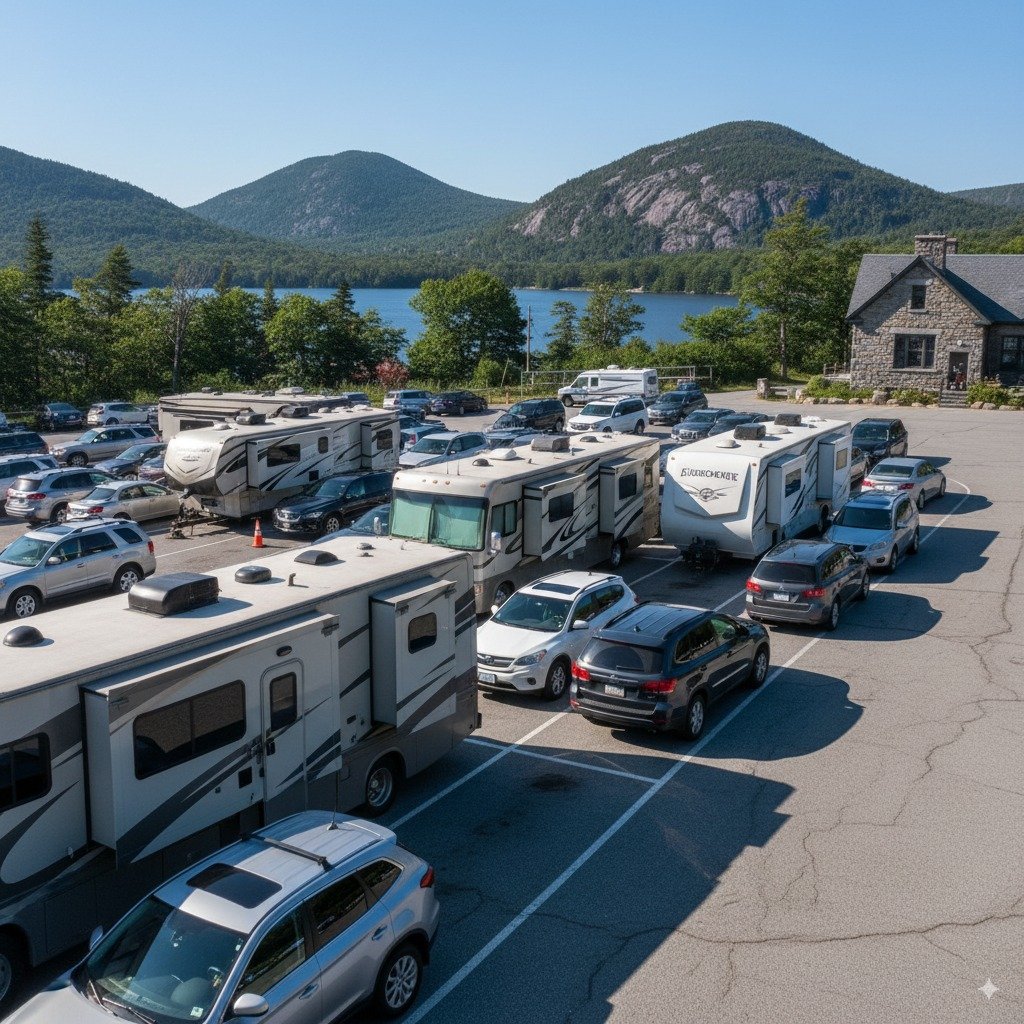
Reality Check: With limited RV-friendly parking at several headline stops, “winging it” often means you spend more time hunting for spaces than actually seeing coastal Maine.
This schedule assumes you’ve secured campsite reservations at Blackwoods or Seawall Campground well in advance and purchased your Acadia National Park Entrance Pass online.
Day 1: Boston Departure and Maine Settlement (Friday)
9:00 AM Departure: Leave Boston to avoid peak traffic. The 280-mile route typically runs 5-6 hours with meal stops
3:00 PM Arrival: Reach your campground (Blackwoods is central). Set up the rig and settle in
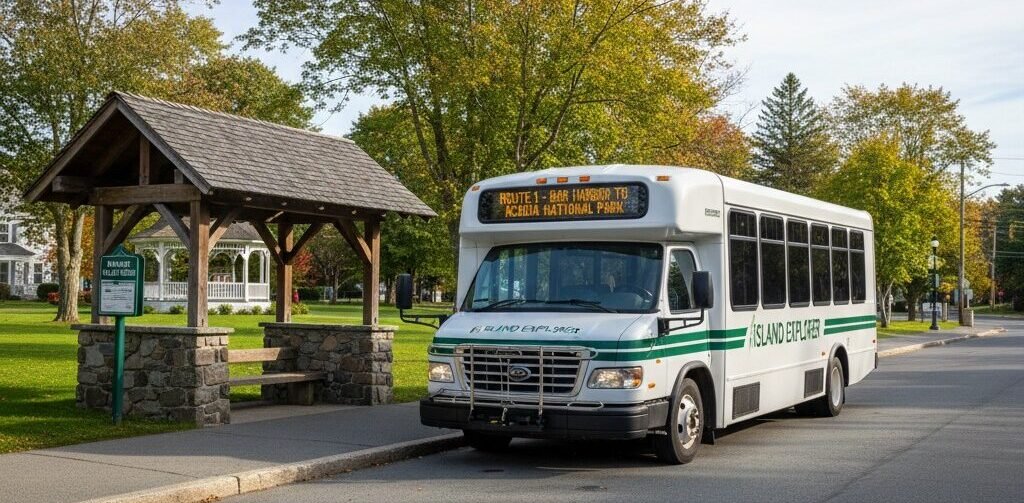
5:00 PM Shuttle Connection: Leave the RV at camp. Board fare-free Island Explorer to Bar Harbor Village Green (check the current seasonal routes/schedules)
6:00 PM Bar Harbor: Walk Shore Path, grab a lobster roll, and do one critical thing: check tide charts for tomorrow
Day 2: Park Loop Road and Tide-Synchronized Attractions (Saturday)
Today is about hitting Park Loop Road’s icons when nature is actually cooperating:
Morning (Low Tide Window): Drive to Sand Beach before 9 AM for better parking odds. Low tide opens up more walkable beach and better tide pool poking
Mid-Day (High Tide Window): Head to Thunder Hole. Timing matters: 1-2 hours before high tide is when you’re most likely to get the boom and spray
Lunch Period: Continue to Jordan Pond House. RV parking is tight. Drop passengers, then find a legal roadside spot. Popovers are the move
Afternoon Loop Completion: Finish remaining Park Loop segments via overlooks and pullouts. Get back to camp before dinner
Tide-Timing Strategic Planning Grid
Use real-time tide charts for your dates. High tides occur roughly 12 hours and 25 minutes after the prior high tide.
Attraction
Optimal Tide Timing
Why Timing Matters
Sand Beach Walk
Low Tide
More exposed beach and easier access to tide pools
Thunder Hole
1-2 Hours Before High Tide
Best odds for the signature “thunder” sound and spray
Bar Island Land Bridge
1.5 Hours Before/After Low Tide
Walkable gravel bar appears. Miss timing and you can get stranded
Day 3: Cadillac Mountain Summit and Quiet Side Exploration (Sunday)
Morning Summit Access: Use your pre-booked Cadillac Summit Road reservation (sunrise or daytime). NPS is explicit: Cadillac is not served by the Island Explorer, and recreational vehicles and trailers are prohibited. Also, vehicles over 21 feet (including racks and hitch attachments) are denied entry even with a valid reservation (National Park Service, 2025). Plan a separate vehicle under 21 feet, a taxi/rideshare, or enter by foot/bike.
Alternative/Afternoon Options: If Cadillac doesn’t work out, pivot to the “Quiet Side”: Echo Lake Beach (arrive early for parking) or Bass Harbor Head Light Station
Late Afternoon: Start the drive back to Boston
Pro Tip: Download the myStop Mobile app for real-time Island Explorer tracking. It cuts the “is it coming or not” guessing game.
Critical RV Mistakes That Derail Acadia Adventures
These errors are predictable and avoidable:
Ignoring Vehicle Restrictions: NPS prohibits RVs and trailers on Cadillac Summit Road and denies vehicles over 21 feet even with reservations. Solution: Use official NPS guidance before you commit to a route (National Park Service, 2025).
Underestimating Parking Reality: Trying to park a rig near Jordan Pond or Echo Lake from late morning through mid-afternoon is usually a grind. Solution: Arrive before 9 AM or switch to Island Explorer for the busiest zones.
Missing Tide Windows: Thunder Hole at the wrong tide is a letdown. Solution: Check tides the night before and build your day around them.
On peak-season days, bad parking decisions can burn a couple hours fast. That’s the difference between “we saw it” and “we fought it.”
Practical Crowd Escape: The Schoodic Peninsula Move
When Mount Desert Island feels jammed, the cleanest reset is simple: go to Schoodic Peninsula, Acadia’s mainland section. You get the same granite coastline vibe with fewer bodies.
If you want to make it fun (and reduce driving stress), look at seasonal passenger ferry options between Bar Harbor and Winter Harbor, then explore Schoodic from there (Downeast Windjammer Cruise Lines, n.d.).
Essential Acadia RV Questions Answered
Do I need both a park pass AND a Cadillac reservation?
Yes. The park entrance pass gets you into Acadia. The vehicle reservation is a separate requirement to drive Cadillac Summit Road during the reservation season (National Park Service, 2025).
Which campground works best for bigger rigs? Schoodic Woods Campground is generally the most big-rig-friendly and has electrical hookups. Blackwoods and Seawall are more central but can feel tighter depending on site.
Is Island Explorer really free?
Yes. It’s fare-free seasonal service funded through partnerships and park-related support. Confirm current routes and dates before you go (National Park Service, 2025; Explore Acadia, n.d.).
Are pets allowed?
Acadia is one of the more pet-friendly parks. Leashed pets are allowed on most trails and in campgrounds, with exceptions on a few strenuous routes and certain beach rules.
How much water should I carry?
For a moderate hike day, a common baseline is around 2 liters per person, then adjust up for heat, distance, and sun exposure. Coastal trails can feel deceptively drying.
Official Planning Resources
Use official sources. They’re free, accurate, and built for mobile:
The Ultimate Guide to Sustainable Off-Grid Camping (2025)
Last Updated: December 24, 2024
By The Boondock or Bust Team
Boondocking, also known as dispersed camping, offers a unique opportunity to experience nature while minimizing environmental impact. According to the U.S. Forest Service, dispersed camping visits increased by 68% between 2019 and 2023, highlighting the growing need for sustainable practices.
Boondocking Basics & Environmental Impact
The Bureau of Land Management (BLM) defines boondocking as camping on public lands outside of designated campgrounds. This practice requires careful attention to environmental stewardship and adherence to Leave No Trace principles.
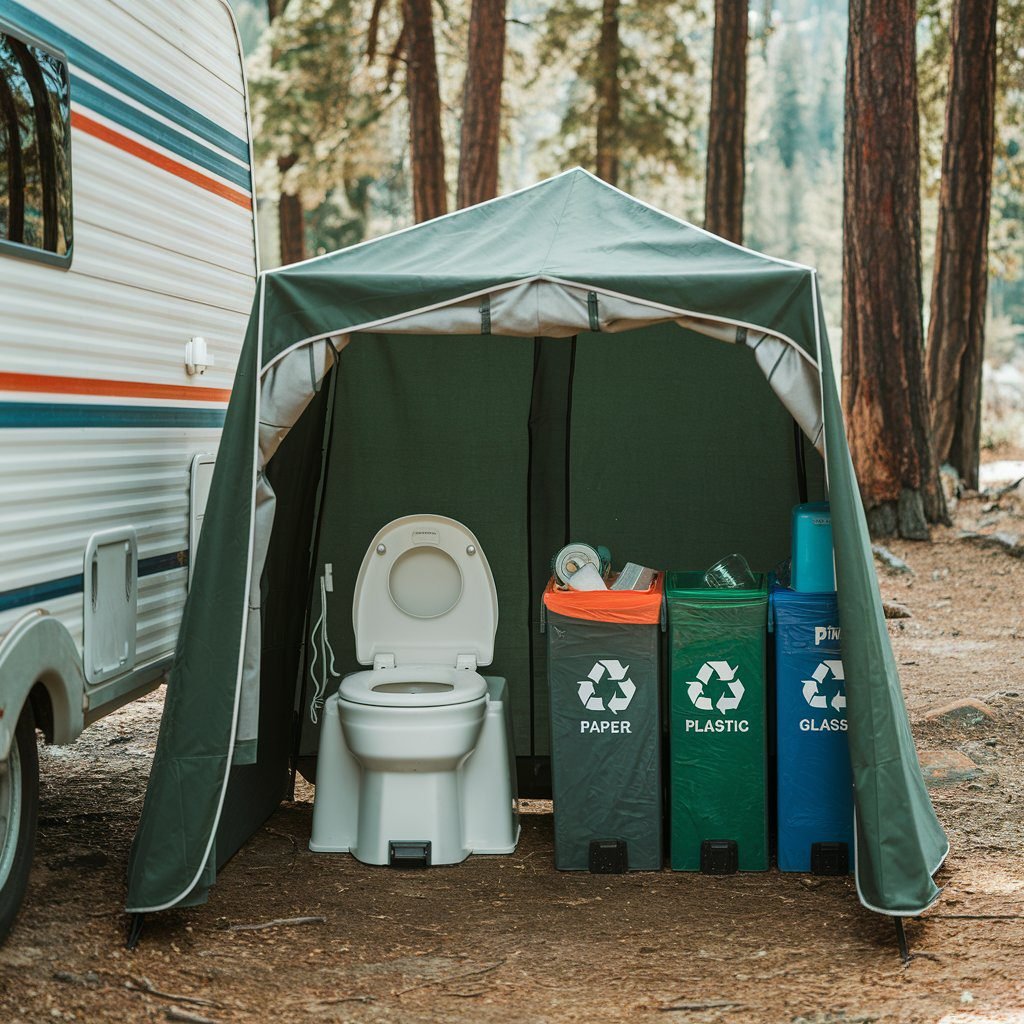
Proper boondocking setup following BLM guidelines. Photo: Boondock or Bust
Sustainable boondocking requires careful planning, proper equipment, and a commitment to environmental stewardship. By following the guidelines provided by federal land management agencies and adopting eco-friendly practices, we can preserve these natural spaces for future generations.
I’ll never forget the first time I parked my RV miles away from civilization—just me, my trusty rig, and a sea of quiet wilderness. It was equal parts thrilling and nerve-racking, but that leap of faith led me to discover the exhilarating freedom of solo RVing. If you’re dreaming of hitting the open road alone (or simply craving solitude on your next trip), these are the real-life tips and tricks that keep me safe, happy, and eager for more.
This topic is timely because more people than ever are embracing digital nomad lifestyles, remote work, and a craving for meaningful experiences in nature. Surprisingly, solo RV travel content still doesn’t get as much spotlight as family or couple travel, so here’s a deep dive into how to boondock solo with confidence. Whether you’re looking to monetize by blogging about your travels or simply want the satisfaction of conquering the wild on your own, boondocking tips can help you tap into an underserved audience of independent adventurers.
Why I’m Hooked on Solo RVing (and Why It’s Booming)
Let’s face it: group camping has its perks, but if you’ve ever craved the freedom of rolling into remote public lands without waiting for the crew to agree, solo RVing might be your jam. I first noticed this trend while scrolling through RV forums—more folks were ditching the caravan mentality in favor of solo journeys. According to the RV Industry Association, RV ownership has been steadily increasing in the U.S., in part due to easier access to remote work opportunities (RV Industry Association, 2023). For many, that means no more rigid 9-to-5 schedules and a chance to roam wherever the signal bars still exist.
Personally, I’m hooked on the minimalist, off-grid living vibe. No more full-hookup restrictions and busy campgrounds—I can simply roll up to a slice of nature and call it home for a while. Plus, if you’ve ever dreamed about sipping your coffee in total silence as the sun peeks over a mountaintop, there’s no substitute. It’s no wonder that solo RVers, especially women traveling alone, are one of the fastest-growing segments of the road life community (U.S. Bureau of Labor Statistics, 2023).
Another reason boondocking is becoming so popular is its affordability. Without paying nightly campground fees, I’ve saved a ton on my journeys—and that’s money I can reinvest in gear, experiences, or even my next big road trip.
Safety First: My Go-To Tactics for Peace of Mind
Trusting My Gut (a.k.a. The Intuition Radar)
If there’s one rule I never break, it’s listening to that little voice inside my head that says, “Nope, not feeling this place.” I remember pulling into a rest area late at night that seemed oddly deserted. Every bone in my body told me to move on, so I did—and found a safer spot down the road. Whenever possible, I do a quick background check by browsing apps like Campendium or FreeCampsites.net to see what other travelers are saying.
Before setting off, I text my friend Sarah my itinerary—just the basics of where I plan to spend the night and when I’ll check in. If I go off-grid for a few days, I make sure she knows that as well. Knowing someone’s got my back in the “real world” reduces a ton of stress.
Finally, if a spot feels sketchy or if I sense an uneasy vibe, I pack up and leave without a second thought. Peace of mind is everything when you’re flying solo.
Picking the Right Campsite
My second golden rule: If I’m boondocking, I try to arrive with daylight to spare. That way I can scout for hazards, see how flat the terrain is, and find an exit route in case I need a quick getaway. I avoid setting up near main roads where I might become a target for curious passersby, but I also don’t venture too deep into remote areas unless I’m absolutely sure I can handle them.
Over time, I’ve learned it’s really helpful to scope out places with decent cell service—or at least have a backup communication plan. One of my favorite gadgets is the Garmin inReach Mini—a satellite communicator that lets me send messages or calls for help even when my phone is in “No Service” mode (Garmin, n.d.).
Last but not least, I never park my RV at a downward slope if rain is forecasted. Trust me: getting stuck in mud, alone, is about as fun as stepping on a Lego barefoot.
Staying Connected (And Powered Up)
I used to think a single cell phone was enough. Then I realized there are spots where my poor phone basically turns into a brick. Now, I always carry a backup battery bank, a car charger, and sometimes a portable solar charger to keep things juiced up. Additionally, a satellite communicator is a major lifeline for emergencies.
For daily check-ins, I use Life360 or Google Maps’ Location Sharing so my close friends can see if I’m still chilling in the desert or if I decided to spontaneously move to the mountains. Let’s be real: traveling alone doesn’t mean I want to be lost to the world entirely!
If you’re serious about your boondocking independence, consider a cell signal booster too. This gadget can amplify a weak cell signal just enough to get important texts and emails through.
Lights, Locks, and Little Alarms
When I first started solo boondocking, I added a couple of motion-activated lights around my RV’s exterior. They’re solar-powered, so I don’t have to worry about batteries, and they light up like a stadium if something—or someone—approaches. Simple but effective.
On top of that, cheap magnetic alarms on windows and doors can make a huge difference. If an unwanted visitor tries to slide my RV window open, the alarm emits a high-pitched screech that would wake the entire forest. Plus, valuables stay hidden inside cabinets or locked away—no reason to invite mischief, right?
Call me paranoid, but I always double-check locks before I settle in for the night. It’s a small habit that’s saved me a lot of restless tossing and turning.
Self-Sufficiency Hacks for Off-Grid Living
Power Up with Solar and Generators
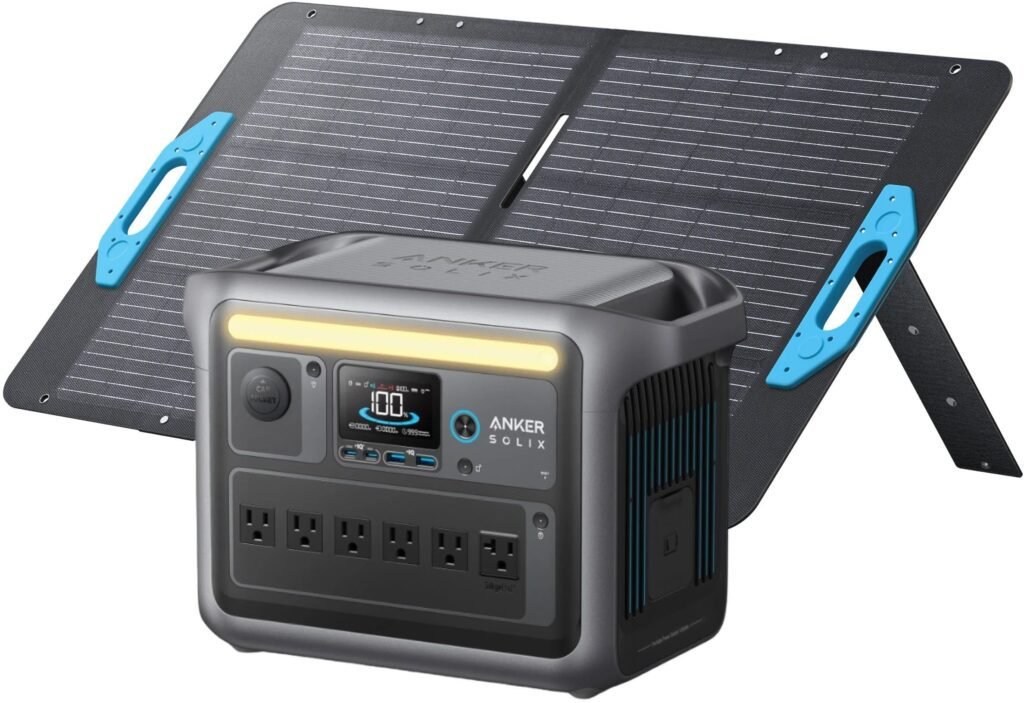
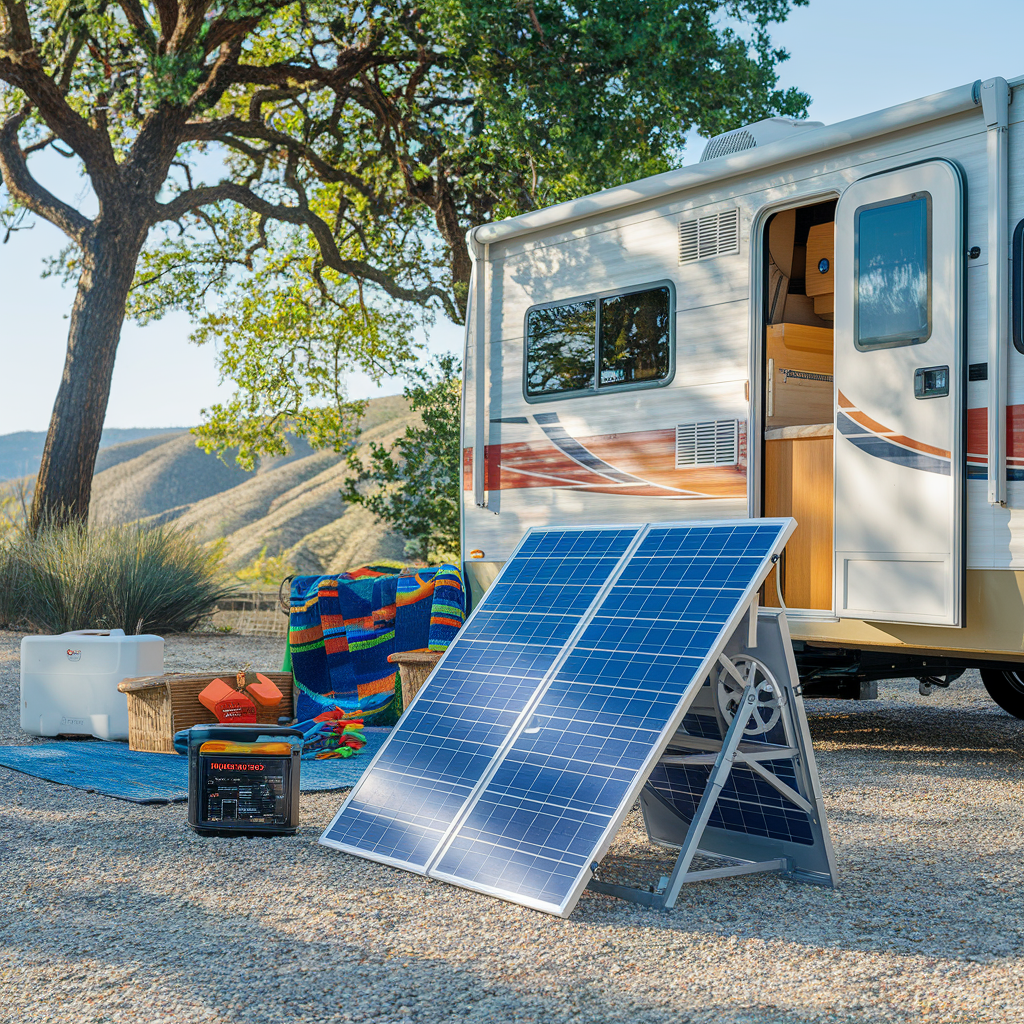
The game-changer in my off-grid living setup has been a portable solar kit. I personally started with the Renogy 200W Starter Kit (Renogy, n.d.), but there are many brands out there. Even on cloudy days, I get enough juice to keep my lights and fridge running. If I want extra assurance, I bring along a small generator, just in case the weather decides to get extra moody.
Fun tip: Monitor your usage by turning off what you’re not actively using. I once forgot my electric water heater on all day—oops. Let’s just say my battery bank was about as lifeless as a Monday morning pre-coffee.
I also replaced most of my old bulbs with LED ones, which use significantly less power. That one switch alone has saved me hours of generator time and a nice chunk of change on fuel.
Water Storage and Easy Meals
When I roll solo, I treat my water supply like gold. I carry collapsible water jugs that give me extra reserves without hogging precious space. My rule of thumb? Keep enough H2O for at least a week if you’re truly going off-grid. You’d be surprised how fast you can use up water when washing dishes or cleaning your dusty self after a hike.
In the food department, I’m all about non-perishable goods like rice, beans, pasta, and a stash of protein bars. I learned the hard way that fresh produce can wilt faster than I can eat it, especially in warm climates. Now, I keep a healthy mix of dried and canned goods that stay good for months.
Of course, I still indulge in fresh veggies and fruits—I just plan my meals so they’re consumed in the first few days. It’s a small detail that keeps me from making unnecessary trips back into town.
Organization Is Everything
Picture me rummaging under my bed storage for that one specific wrench at midnight—been there, done that, no thank you. I now rely on labeled storage bins for my tools, cooking gear, and first-aid supplies. Having a “home” for every item is clutch when you’re alone and can’t just ask a buddy to grab your flashlight from the glove box.
I also keep a laminated checklist of essential items: generator fuel, extension cords, first-aid kit, multi-tool, and so on. Before hitting the road, I cross-check every single thing. Trust me, it’s less about being obsessive and more about dodging that dreadful “I forgot something super important” moment.
Lastly, cleaning up regularly keeps me sane. My tiny RV feels ten times more spacious when I’m not tripping over shoes, water jugs, or half-finished coffee mugs (yes, I have that problem, too).
RV Maintenance: My Secret Weapon Against Breakdown Panic
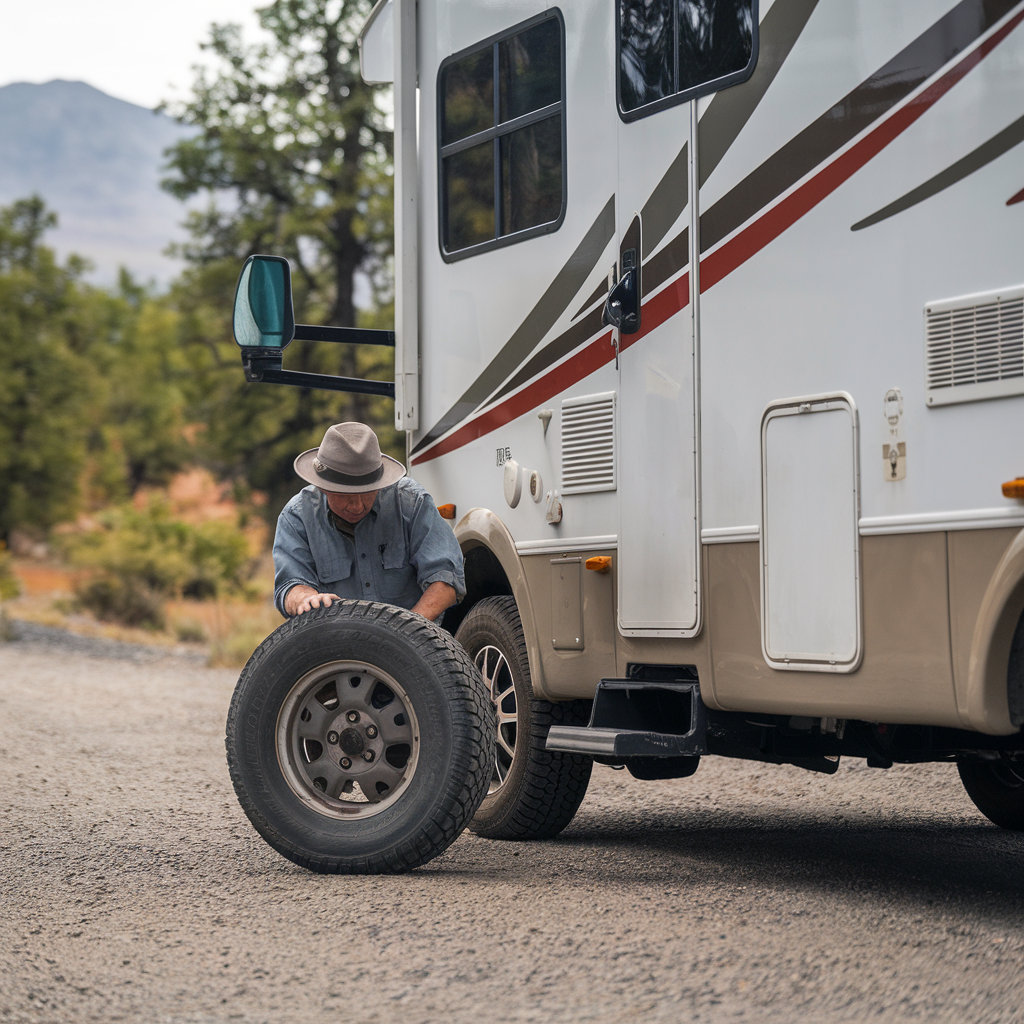
There’s nothing like a sudden mechanical issue to ruin a gorgeous off-grid sunset. I’ve learned—sometimes the hard way—that regular RV maintenance is a solo RVer’s best friend. Before each trip, I check my tire pressure, brakes, batteries, and overall engine health. I keep a stash of basic repair tools: duct tape (for quick hose fixes), a tire patch kit, jumper cables, and a small air compressor.
If you’re new to tinkering, YouTube is your buddy. I’ve fixed minor issues like a leaky faucet and replaced a blown fuse just by watching quick tutorials. Even if you’re not mechanically inclined, having a rough idea of how things work will save you stress—and potentially money—when something goes sideways.
Also, don’t forget to give your generator a monthly run, if you have one, so it doesn’t get cranky from disuse. Same goes for your solar system—make sure the panels are clear of debris and the charge controller is reading normal levels.
Staying Sane in Solitude: Mental Health on the Road
I’ll be honest: while I adore the peace and quiet, there have been moments of loneliness when I’m hundreds of miles away from the nearest friendly face. So I make sure to bring along activities that feed my soul. For me, that’s an acoustic guitar, a stack of books, and my sketchpad. If I start feeling that cabin fever creeping in, I pick one and let my creative juices flow.
Another tip? Join online RV communities like iRV2 and Boondockers Welcome. I’ve actually met up with fellow travelers who turned into close friends. Plus, swapping stories with people who “get it” can be super refreshing.
Finally, don’t forget self-care. I like to start my mornings with a quick stretch or light yoga, even if it’s just 5 minutes. And yes, I talk to myself (or my dog, if I’m traveling with one). It’s weirdly comforting, and at least out here, no one’s around to judge!
Emergency Preparedness: Because Sometimes Stuff Happens
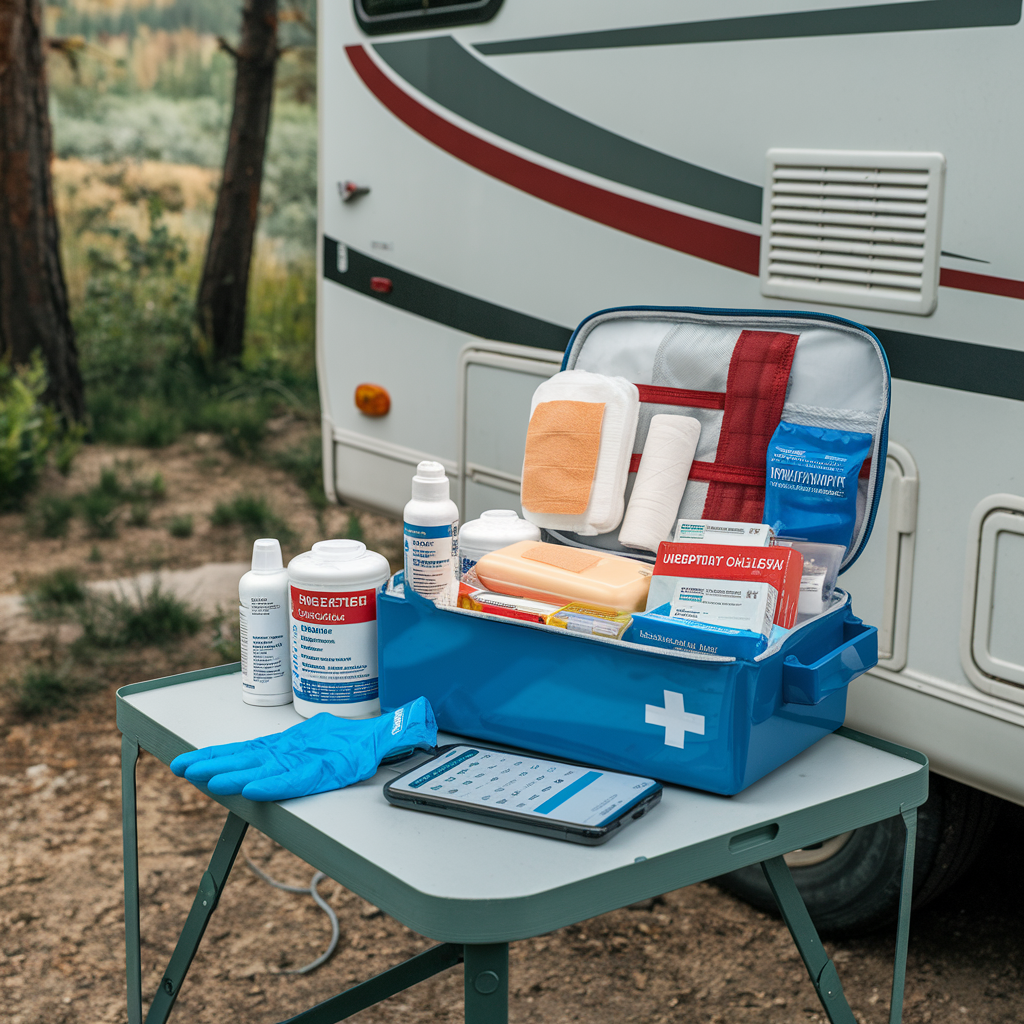
When you’re alone out there, you can’t rely on someone else to handle emergencies. I stock a well-equipped first-aid kit with bandages, antiseptics, pain relievers, and even a quick reference guide for basic medical procedures (American Red Cross, 2022). In my phone, I keep a list of nearby clinics or hospitals along my planned route, just in case.
I also share my travel plans with a close friend or family member. If I deviate from my route, I let them know immediately. This might sound like overkill, but if something does go sideways, at least someone knows my general whereabouts.
Finally, investing in roadside assistance that covers RVs is a major plus. I can’t count how many times I’ve seen new solo RVers scramble when they realize their standard policy doesn’t cover a 25-foot rig. Better safe than sorry!
My Favorite Tools & Gadgets for Going It Alone
Not gonna lie, I’m a bit of a gadget geek. Over time, I’ve discovered a few must-haves that make solo travel a breeze:
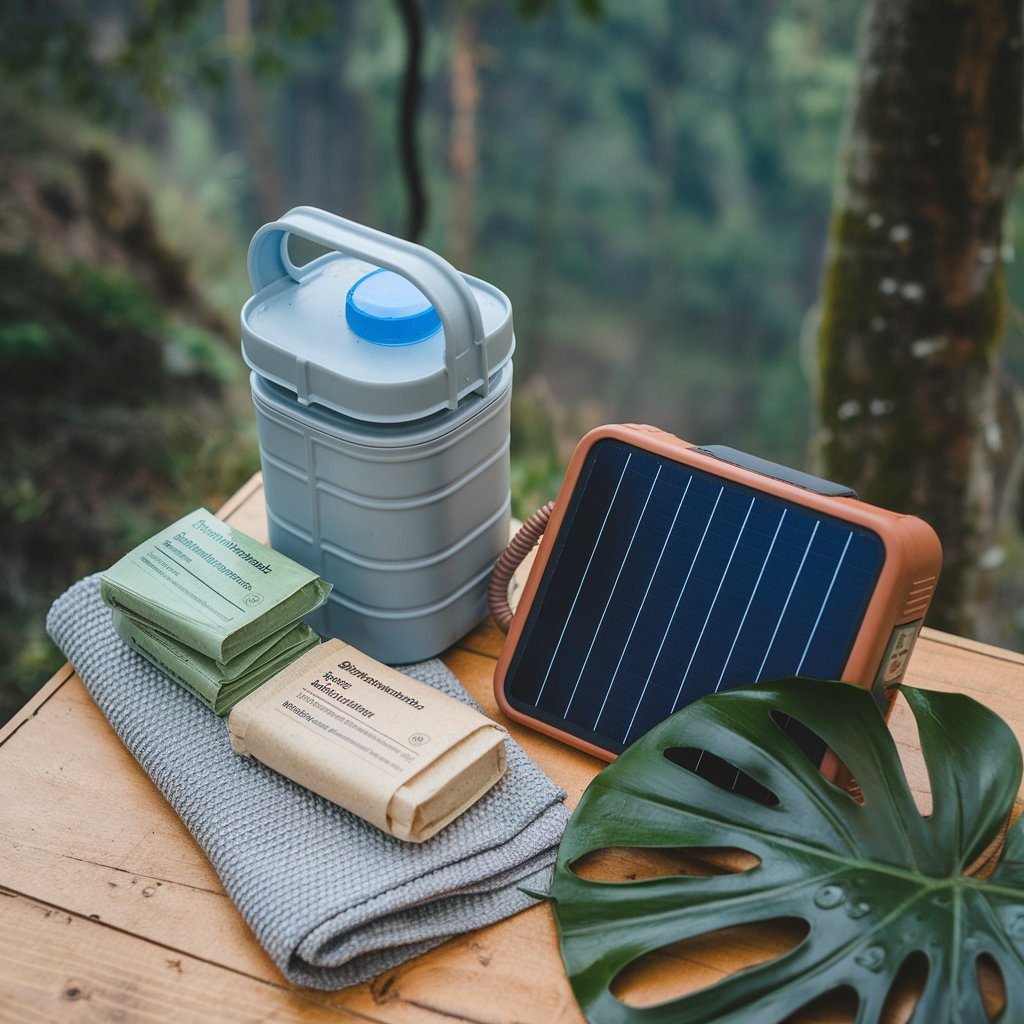
Portable Solar Panels: Essential for powering my lights and small appliances without constant generator use. I prefer folding panels for easy storage.
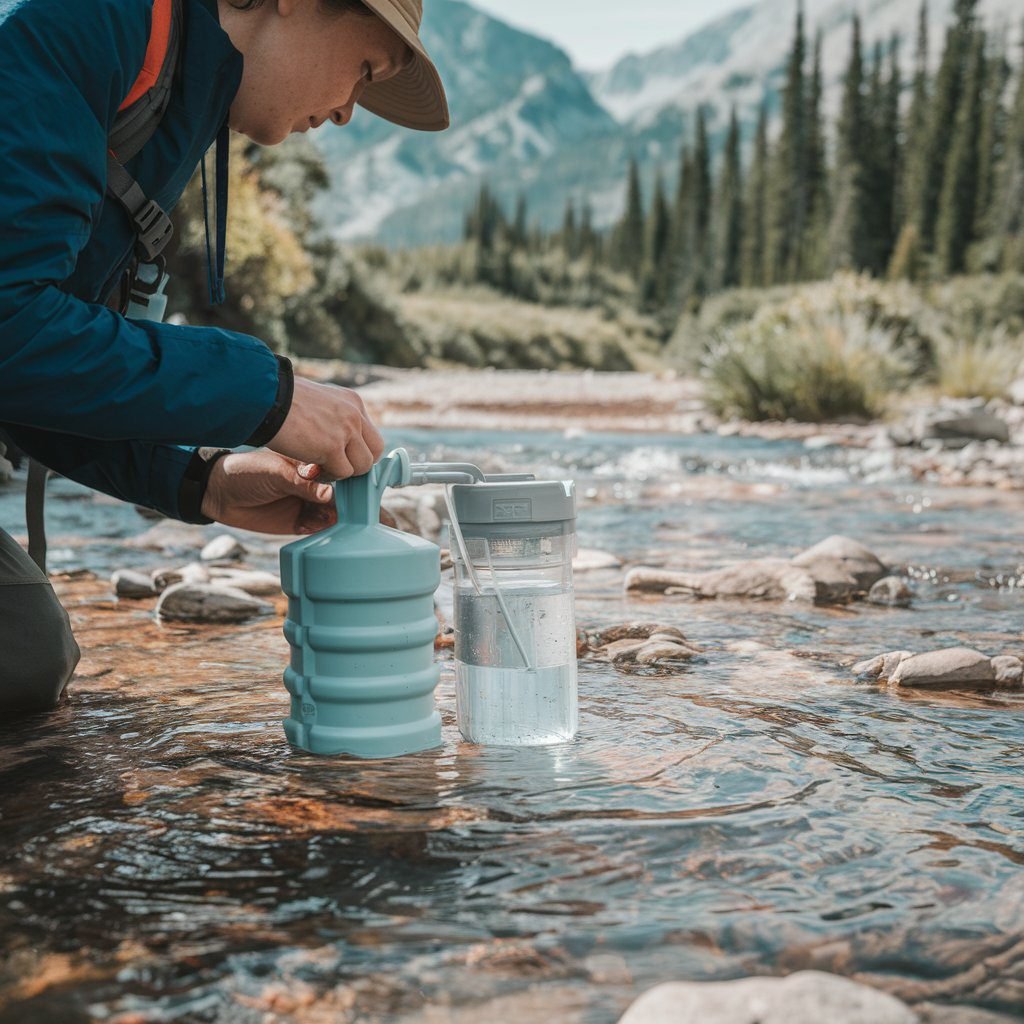
Water Filtration System: I use a LifeStraw for quick sips on hikes and a Berkey at camp for clean, worry-free drinking water.
Backup GPS Device: When cell service disappears, a dedicated GPS is gold. Google Maps offline is helpful, but it’s not foolproof.
Headlamp: Because juggling a flashlight while fixing a tire is basically a circus act. A bright LED headlamp leaves my hands free.
Multi-tool Kit: I can’t live without my trusty Leatherman. From slicing duct tape to tightening screws, it’s a one-stop shop.
These are small additions, but they make a world of difference in how prepared (and calm) I feel when I’m miles from anywhere.
Conclusion: Your Solo RV Adventure Awaits
Diving into solo RVing isn’t just about ditching the crowds; it’s about embracing self-reliance, soaking in nature’s raw beauty, and discovering that—hey, you can totally handle this! From RV safety measures like motion-activated lights to boondocking tips like carefully planning your campsite, each step is a confidence boost. Sure, there are moments of doubt and those random noises at 2 a.m. that will have you grabbing a flashlight, but the sense of freedom and fulfillment is truly next-level.
So if you’re itching to escape the ordinary, start small. Pick a nearby public land area, arrive early, and see how it feels. Odds are, you’ll find yourself craving the quiet, starry nights sooner than you think. Ready to join me in the wild? I’ll be out there—coffee in hand, sunrise on the horizon, and not a single regret.
Got any personal boondocking tales or secret hacks? Share them below so we can all learn from each other’s adventures. See you off the beaten path!
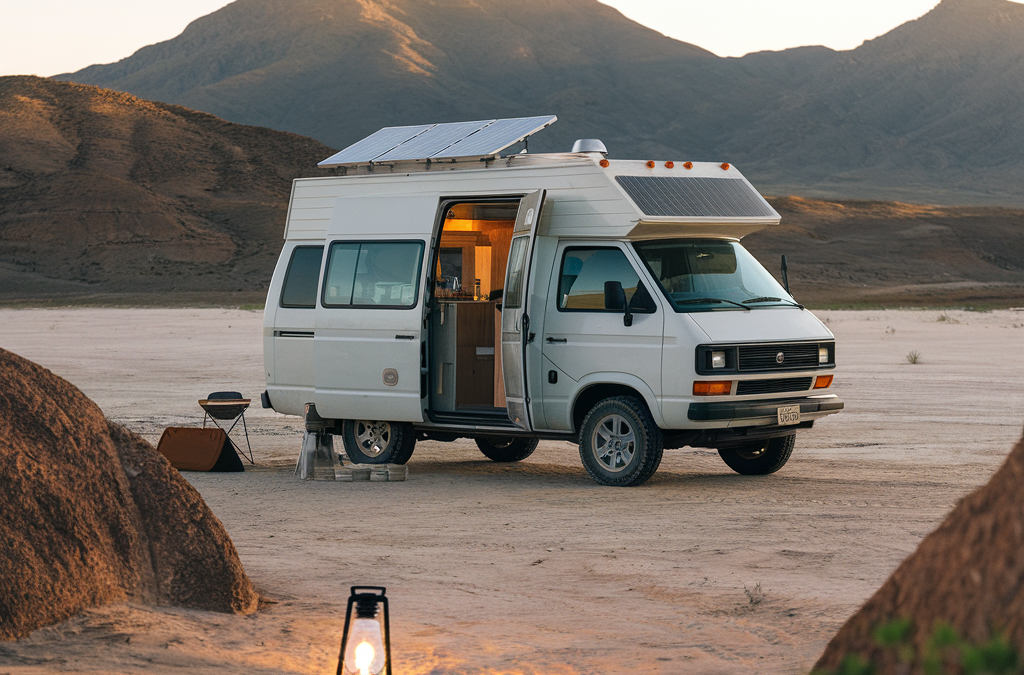
I still remember my very first experience boondocking solo: I’d pulled up to a remote patch of desert in my RV, watching the sun set over the endless horizon. The quiet felt simultaneously thrilling and a little unnerving, but I was determined to prove that solo women boondocking could be both empowering and safe. Over time, I collected a wealth of insights—some from my own mishaps, others from talking with fellow travelers and scouring RV Hacking Camping Ideas forums—on how to stay vigilant while still relishing the freedom of the wild.
In this post, I’ll walk you through my top female RV safety strategies, gleaned from firsthand experiences and helpful online boondocking communities. Whether you’re a seasoned traveler or planning your very first off-grid adventure, these off-grid camping tips will help you navigate new territories with confidence. The key is to strike a balance: embrace the thrill of exploration while cultivating the situational awareness needed to ensure you’re never caught off guard.
So grab your sense of wanderlust, charge up your navigation devices, and let’s dive into how you can stay secure and self-assured on the open road. From planning your routes to maintaining a confident presence in unfamiliar places, here are the practical, real-world steps that have kept me safe—and beyond that, fiercely independent.
Why I Choose Solo Boondocking (and What Makes It Safe)
Boondocking alone didn’t always seem like a no-brainer. Initially, friends and family wondered if a woman traveling solo might be too big a risk—especially while camping off-grid. Yet what I discovered is that by taking calculated precautions, I could enjoy a stronger sense of independence and connection to nature than I ever felt in a crowded RV park.
Part of what makes solo women boondocking appealing is the capacity for self-reliance. Everything from choosing your campsite to deciding when and how you move is under your control, which means you can adjust plans at a moment’s notice if something feels off. In many ways, traveling alone can be safer than traveling in a large group, because you’re hyper-aware of everything and everyone around you.
I also find that the boondocking community itself is surprisingly supportive, both online and on the road. As the U.S. Bureau of Labor Statistics (2023) shows, more people are working remotely and traveling full-time, creating an ever-growing network of like-minded nomads. So, if you do need an extra set of eyes or an emergency contact, you’ll often find help among fellow travelers who understand exactly what you’re doing and why.
Scouting Your Campsite with Multiple Routes
Before setting up your rig, scout the area thoroughly and map out more than one way in and out. I learned this the hard way when I discovered my original escape route was blocked by a downed tree after a storm, leaving me scrambling to find another way out.
Nowadays, I run a quick check on apps like Google Maps or Location Sharing Tools from boondocking forums, so I can identify alternate roads or trails. It gives me peace of mind to know that if anything—or anyone—makes me uncomfortable, I can leave at a moment’s notice without feeling trapped.
A tip I gleaned from the RV Hacking Camping Ideas Facebook group was to vary walking paths around camp. If you’re out hiking or exploring, avoid forming a predictable routine. As one group member shared, “Switch up your routes daily, so it’s not obvious where or when you’ll be outside.” Doing so helps ensure that you remain a moving target, less likely to be tracked by strangers or wildlife.
Share Your Location & Stay Connected
I get it—part of the allure of boondocking is escaping into solitude and unplugging from the daily grind. But maintaining a lifeline to someone you trust is non-negotiable. I always message my cousin my GPS coordinates or share a pinned location via text so she knows exactly where I am.
If I plan to go entirely off-grid, I opt for a satellite communicator like Garmin inReach. No cell service? No problem. With the inReach, I can send out an SOS if something goes seriously wrong, which is a big load off my mind.
Jerry Newcomb in the RV Hacking Camping Ideas group had a brilliant tip: “Change your voicemail to say where you’re boondocking if you have to vanish for a while.” That way, if anyone tries to call me and I can’t pick up, they’ll get an update on my last known location—and that can save crucial time if an emergency arises.
Make Your Protective Measures Visible
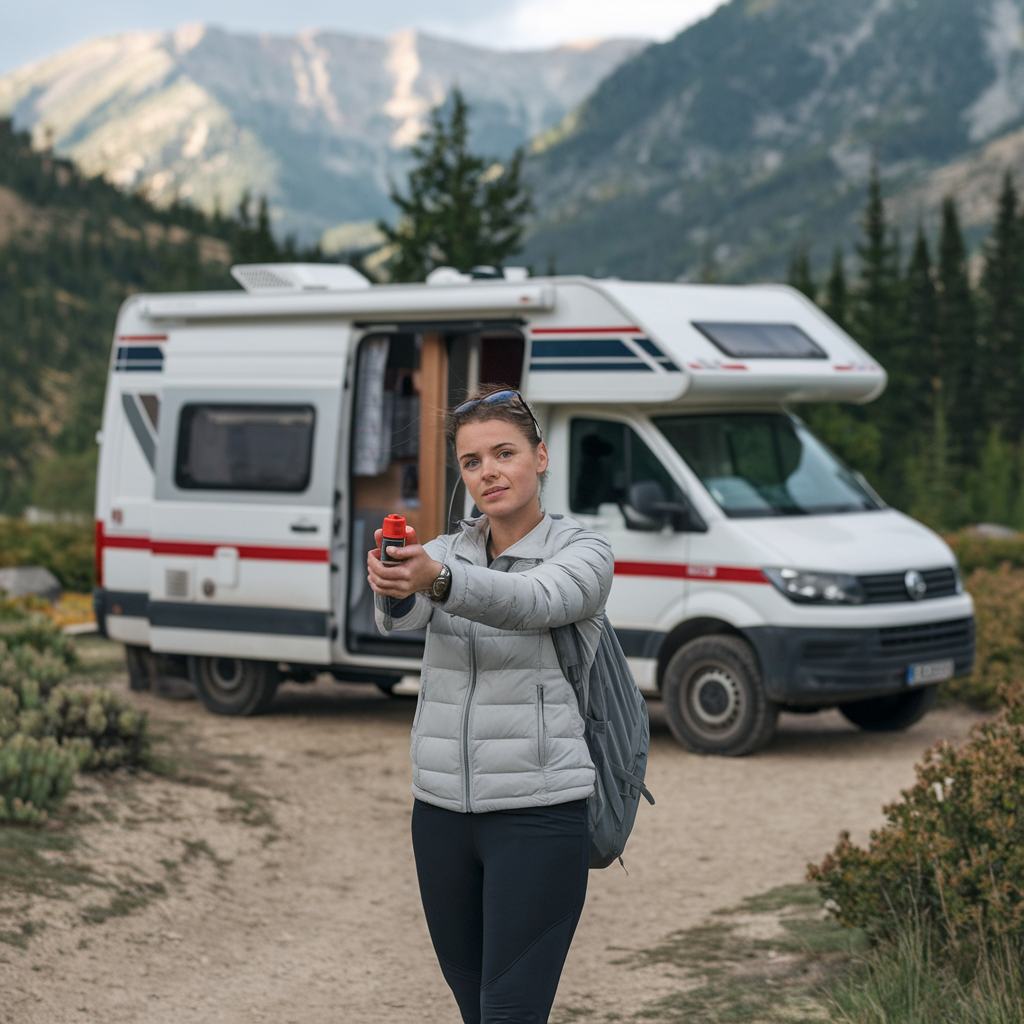
Anyone who stumbles upon my campsite will quickly notice a bright dog bowl, my “Beware of Dog” sign, and a large can of bear spray near the entrance of my RV. The truth is, while I do sometimes travel with a dog, most people don’t know if he’s actually inside. The mere suggestion that I have a big, protective animal on board is enough to deter curious trespassers.
Some travelers prefer firearms, but I always tell people to choose what they’re most comfortable handling responsibly—and that can be pepper spray, a stun gun, or a personal alarm. The important thing is to project an image of readiness. If someone believes you’re armed or prepared to defend yourself, they’re far less likely to test that assumption.
A group member once advised me, “I carry a Glock, and I know how to use it,” while another suggested having a large flashlight that doubles as a baton. Whether lethal or non-lethal, your best defense is the clear message that you’re not an easy target.
Minimizing Nighttime Risks
One of my strict personal rules is: Don’t travel after dark unless absolutely necessary. There’s something about unfamiliar roads and limited visibility that amplifies your vulnerability, especially when you’re alone.
If it’s getting late, I’ll use a membership-based site like Harvest Hosts or Boondockers Welcome to find a safe spot. These platforms connect you with vetted locations—farms, wineries, private properties—where you can park overnight with peace of mind.
At the same time, I avoid wearing headphones or immersing myself in loud music once the sun goes down. I want to remain fully aware of my environment so I can pick up on any strange noises or approaching vehicles. Sometimes it’s the simplest precaution—like keeping your ears open—that proves the most vital to female RV safety.
Social Media Delay: Protecting Your Whereabouts
We all love posting that epic sunset shot in the moment, but doing so in real time can broadcast your exact location to the world—something you might not want if you’re traveling alone. I learned from an experienced boondocker named Laura Jones that waiting at least a few days, if not a full week, before sharing your location is a safer bet.
Turning off geotags on platforms like Instagram, Snapchat, or Facebook is also essential. This simple setting change can stop random folks from pinpointing where your photo was taken. Sure, it’s fun to share the journey as it happens, but playing it cool for a few days is well worth the added protection.
If you’re on the fence, remember that once your travels are done, you can always post your entire trip retrospectively. For me, the main goal is ensuring I’m not giving strangers a roadmap to my immediate whereabouts.
Vehicle Maintenance & Emergency Essentials
One cardinal rule of off-grid camping tips: keep your vehicle in tip-top shape. I can’t emphasize enough how a flat tire or dead battery in the middle of nowhere can turn a dream trip into a nightmare. That’s why I do a pre-departure inspection every time—checking fluids, tire pressure, and batteries—to avoid getting blindsided on a lonely highway.
I keep an emergency toolkit with the basics: jumper cables, tire repair kit, duct tape, and a compact air compressor. It’s also wise to know your rig’s limitations, especially if you’re headed to steep mountain passes or deep forest roads. If your gut says “This slope is too intense,” trust that instinct.
Lastly, I have a robust first aid kit and a stash of freeze-dried food, extra water, and a small generator or solar power bank. According to the American Red Cross (2022), preparing for accidents or natural disasters can drastically improve outcomes in an emergency. Self-reliance is critical when you’re far from help, so never skimp on safety essentials.
Dealing with Unwanted Attention or Harassment
Over the years, I’ve had my share of awkward run-ins—like the time a stranger circled my campsite in his truck, trying to chat me up in the middle of nowhere. In these moments, maintaining a calm but assertive demeanor is everything. I stood tall, made direct eye contact, and politely made it clear I wasn’t interested in conversation.
Sometimes, a firm “I’m not comfortable with this, please leave,” will suffice. If that doesn’t work, I have my personal alarm within reach. The screech alone can scare off even the most persistent individuals.
If you ever feel threatened, pack up and move. Seriously. The beauty of boondocking is that you can drive away from trouble. As a fellow traveler advised me, “Your wheels are your best defense—use them.”
Special Considerations for Different Environments
What you pack and how you prepare can vary widely based on your location. For instance, desert boondocking might call for extra water, reflectors for intense sunlight, and a thorough check of your cooling systems. Forest camping, on the other hand, might require bear-proof food storage, sturdy bug nets, and heightened alertness for larger wildlife.
In urban areas, ironically, I’m even more cautious. I try to park under well-lit spaces near 24-hour establishments, so there’s always a baseline of foot traffic and security cameras. Meanwhile, in mountainous regions, you’ll want to keep an eye on your brakes and engine temperature, as steep climbs can stress your vehicle.
Regardless of terrain, always research local regulations and potential hazards ahead of time. A few minutes of detective work can spare you from major headaches, especially if you’re venturing into places with limited medical facilities or spotty cell service.
Conclusion: Trusting Yourself and Embracing the Journey
Solo boondocking as a woman can sometimes feel like juggling caution and wanderlust—two energies that don’t naturally go together. Yet after countless miles of dusty roads and starlit nights, I can attest that the balance is absolutely doable. You just have to blend a fierce desire for adventure with a healthy respect for the unknown.
Whether you rely on a visible dog dish as a deterrent, post your photos a week late, or carry a Garmin inReach for remote check-ins, each layer of preparedness fortifies your sense of safety on the road. Over time, these safety habits become second nature, freeing up more of your mental space to focus on the things that really matter—like the awe of a desert sunrise or the cozy warmth of your RV on a rainy afternoon.
I’d love to hear how you navigate female RV safety in your own travels. What tactics work best for you, and what lessons have you learned from fellow boondocking communities? Drop your stories in the comments below so we can inspire and empower each other to keep exploring safely. Here’s to the open road, the thrill of possibility, and the bold women who dare to take it on—one off-grid campsite at a time!