The Complete Reality Check: Satellite Internet for Boondocking
By the Boondock Or Bust Team | Updated September 2025 | 8-minute read
TL;DR: Before you spend $1,440+ annually on satellite internet, understand that Starlink requires 50-150 watts of continuous power and may not work in your favorite forested campgrounds. This guide provides the mathematical reality behind satellite internet costs and introduces our “Connectivity Hierarchy of Needs” framework—helping you choose the right solution for your travel style and budget.
Every week, someone in our RV community posts the same question: “Should I get Starlink for boondocking?” The responses are predictably enthusiastic—Starlink evangelists praising their ability to stream Netflix from Death Valley, digital nomads sharing photos of their dish setup in scenic locations.
But here’s what those posts rarely mention: the hidden costs, power consumption realities, and situations where satellite internet fails completely. After analyzing real-world data from thousands of boondockers and testing connectivity solutions across diverse environments, we’ve developed a framework that challenges the “satellite internet first” mentality that’s costing RVers thousands unnecessarily.
The Connectivity Hierarchy of Needs for Boondockers
Framework Definition: “Start with the simplest, cheapest connectivity solutions before escalating to complex satellite systems based on your specific travel style and professional requirements.”
Most boondocking connectivity advice starts with Starlink and works backward. This approach ignores a fundamental principle: the best connectivity solution is the one that meets your needs at the lowest total cost of ownership. Our Connectivity Hierarchy of Needs framework flips this assumption.
Phone Hotspot (Free with existing plan): Test your phone’s hotspot capability first. Many modern unlimited plans include 20-50GB of hotspot data—often sufficient for email, navigation, and emergency communication.
Cellular Signal Booster ($200-400): If you get weak but usable cellular signal, a booster can amplify existing coverage. Wilson Amplifiers reports that boosters can extend usable signal range by 32x in optimal conditions. → See weBoost solutions
Dedicated Cellular Router ($300-800): For areas with reliable cellular coverage, routers like the Peplink MAX BR2 Pro provide faster speeds and better antenna options than phone hotspots.
Hybrid Cellular/Wi-Fi Solutions ($500-1200): Combine campground Wi-Fi extenders with cellular backup for areas with mixed connectivity options.
Satellite Internet ($1440+ annually): Reserve for truly remote areas where cellular coverage doesn’t exist and high-speed internet is essential for work or lifestyle requirements. → Order Starlink if you truly need it
This hierarchy challenges the conventional wisdom that satellite internet should be your first choice. According to Mobile Internet Resource Center’s 2025 analysis, 73% of RVers could meet their connectivity needs with Tier 1-3 solutions, saving over $1,000 annually compared to satellite internet subscriptions.
The Hidden Reality of Satellite Internet Power Requirements
Satellite internet marketing focuses on speeds and coverage but glosses over a critical limitation: continuous power consumption. Unlike your phone, which can operate for days on a single charge, satellite systems require constant power to maintain connections with orbiting satellites.
The Mathematics Every Boondocker Must Understand
To calculate your daily power impact, use this simple formula:
Power (Watts) × Time (Hours) = Energy (Watt-hours) Energy (Wh) ÷ Voltage (12V) = Battery Capacity Used (Ah)
Real-World Example Using Starlink Standard:
Average 60W power draw × 8-hour workday = 480 Wh daily consumption
The Casual User Reality Check:KOA’s 2024 camping report shows that average RV households camp only 15 nights annually. For these users, satellite internet costs break down to:
($599 hardware + $1,800 annual service) ÷ 15 nights = $159.93 per night of camping
This per-night cost often exceeds the campsite, fuel, and food expenses combined—making satellite internet financially irrational for occasional use.
Compare this to cellular solutions: a cellular router consumes 8-15 watts—roughly the same as an LED light bulb. Even with a cellular booster, total power consumption rarely exceeds 25 watts. This means you can run a complete cellular internet setup for a week on the same battery capacity that Starlink consumes in a single day.
EcoFlow’s 2025 power consumption analysis shows that Starlink users typically require 400-600 watts of solar panels to maintain continuous operation, while cellular users can operate indefinitely with 100-200 watts of solar capacity.
Real-World Performance: Beyond the Marketing Claims
Satellite internet marketing promises “high-speed internet anywhere,” but real-world performance depends heavily on environmental factors that significantly impact reliability and speed.
Performance Reality: According to Starlink’s own documentation, obstructions as small as tree branches can cause “brief periods of poor connectivity.” In practical terms, 30% tree canopy coverage can result in 50-70% packet loss during peak usage periods.
We analyzed performance data from RV forums and technical communities to understand how environmental factors affect satellite internet performance:
Environment
Obstruction Level
Typical Performance
Reliability Issues
Desert/Open Plains
0-5% sky blockage
50-200 Mbps
Minimal, weather-dependent
Moderate Forest
20-40% sky blockage
10-50 Mbps
Frequent dropouts, video buffering
Dense Forest
50%+ sky blockage
1-10 Mbps intermittent
Unusable for work, frequent disconnections
Mountain Valleys
Variable
Highly unpredictable
Direction-dependent, time-of-day variations
This data reveals a critical gap in satellite internet marketing: many popular boondocking locations have significant tree cover. National forests, state parks, and scenic mountain areas—precisely where many RVers want to camp—often provide poor satellite internet performance.
Cellular coverage, while not universal, often works better in partially obstructed areas because cellular towers are ground-based and signals can bounce around obstacles. According to the Mobile Internet Resource Center, cellular boosters can provide usable internet in 60-70% of locations where satellite internet struggles with obstructions.
When Satellite Internet Makes Financial Sense (And When It Doesn’t)
The satellite internet industry has done an excellent job marketing the convenience of “internet anywhere,” but they’re less transparent about the total cost of ownership. Let’s examine the real financial impact of satellite internet for boondockers.
This analysis reveals that satellite internet can cost 4-6 times more than cellular solutions over a three-year period. The power system upgrade—required for most boondockers who want reliable off-grid operation—often doubles the total investment.
Contrarian Expert Opinion: Mobile connectivity specialist Chris Dunphy notes, “For 80% of RVers, a $100/month cellular plan with a good booster provides better value than a $150/month satellite plan that requires a $4,000 power system upgrade.”
✓ Satellite Internet Makes Financial Sense When:
Your income depends on high-speed internet: If you earn $3,000+ monthly from remote work, the extra cost may be justified
You frequently camp in cellular dead zones: True wilderness areas where no cellular coverage exists
You already have adequate power systems: Full-time RVers with comprehensive solar and battery setups
Internet access is critical for safety: Solo travelers who need reliable emergency communication
Starlink vs. Alternatives: The Complete Comparison
The satellite internet industry has convinced many RVers that complex, expensive solutions are necessary for staying connected. But cellular technology has dramatically improved, and many boondockers discover that simpler solutions provide better value for their specific needs.
Common Failure Point: Starlink fails in precisely the locations where many RVers want to camp—forested areas where tree cover blocks satellite signals but cellular towers can still reach through ground-based signal propagation.
This comparison reveals why many experienced RVers recommend a cellular-first approach. DISHYtech’s power consumption analysis shows that cellular solutions consume 60-75% less power while often providing superior performance in partially obstructed locations.
Why Standard Solutions Fail: The RV industry promotes one-size-fits-all connectivity solutions that ignore travel patterns, power limitations, and budget constraints. A weekend warrior camping in state parks has entirely different needs than a full-time boondocker working remotely from wilderness areas.
Success metrics for connectivity solutions should focus on reliability for your specific use case rather than maximum theoretical speeds. According to SatelliteInternet.com’s RV testing, most boondockers need only 5-25 Mbps for email, navigation, weather, and video calls—easily achievable with cellular solutions at a fraction of satellite internet costs.
Building Your Connectivity Arsenal: A Practical Guide
Rather than betting everything on a single expensive solution, experienced boondockers build layered connectivity systems that provide options for different situations and locations. This approach offers better reliability and lower total costs than relying solely on satellite internet.
The Smart Boondocker’s Connectivity Arsenal
Tier 1: Foundation Layer ($0-50)Start with your existing phone plan’s hotspot capability. Most major carriers now include 20-50GB hotspot data in unlimited plans—sufficient for basic connectivity needs during short trips.
Tier 2: Signal Enhancement ($200-400)Add a cellular signal booster like the weBoost Drive Reach RV. These systems can extend cellular range by 32x and often provide usable internet where phones show no signal.
Tier 3: Dedicated Cellular ($500-800)Install a dedicated cellular router with external antennas. The Peplink MAX BR2 Pro with X65 chipset provides carrier aggregation and significantly better performance than phone hotspots.
Tier 4: Satellite Backup ($1,500+)Add satellite internet only after exhausting cellular options and only if your income justifies the expense. Consider Starlink’s pause/unpause feature to reduce costs during extended stays in areas with cellular coverage.
Investment Decision Framework
Before investing in satellite internet, honestly evaluate your actual needs:
This layered approach allows you to start with low-cost solutions and add capability as needed. EcoFlow’s power consumption studies demonstrate that most boondockers can meet 80% of their connectivity needs with solutions consuming less than 25 watts—leaving more battery capacity for lights, refrigeration, and other essential systems.
Choosing the Right Starlink Plan (If You Need One)
If you’ve determined that satellite internet is truly necessary for your situation, understanding the different Starlink plans helps you avoid overpaying for features you don’t need.
Starlink Plan Comparison for RVers
Plan Type
Monthly Cost
Best For
Key Features
Roam 50GB
~$50
Weekend warriors
Pause/unpause anytime, 50GB high-speed data
Roam Unlimited
~$150
Full-time remote workers
Unlimited data, in-motion capable, pause/unpause
Mobile Priority
~$250
Business-critical applications
Priority data allocation, enhanced speeds
Our recommendation: Most RVers should start with Roam Unlimited and use the pause feature during months when you’re near cellular coverage. This approach can reduce your annual costs by 30-40% compared to year-round service.
FAQ: The Questions Satellite Companies Don’t Want You to Ask
Reality Check Question #1: “Can I really run Starlink on a 100Ah battery?”
Honest Answer: No. Campervan Builders’ battery consumption analysis shows that a 100Ah lithium battery provides only 4-8 hours of Starlink operation. For 24-hour operation, you need minimum 400Ah lithium capacity plus adequate solar charging.
Reality Check Question #2: “Is $2,000+ annually worth it for occasional connectivity?”
Honest Answer: For most RVers, no. Clear Telecommunications’ cost analysis reveals that satellite internet costs $5-10 per gigabyte when factoring in equipment and power system investments—compared to $1-2 per gigabyte for cellular solutions.
Reality Check Question #3: “Why doesn’t Starlink work well in my favorite forest campground?”
Honest Answer:Starlink’s own documentation states that trees, buildings, and terrain can cause “brief periods of poor connectivity.” In practice, 30% tree cover can render satellite internet unusable for work requiring stable connections.
Future Consideration: Will satellite internet costs decrease?
Realistic Assessment: While hardware costs may decline, satellite internet requires continuous infrastructure investment and maintenance. SatelliteInternet.com’s pricing analysis shows that monthly service costs have remained stable or increased as the technology matures, suggesting that satellite internet will remain a premium solution.
The Bottom Line: Satellite internet is a powerful tool for specific situations, but it’s not the universal solution that marketing suggests. Before investing $1,500-7,000 in satellite internet and supporting infrastructure, honestly evaluate whether simpler solutions meet your actual needs. Most boondockers discover that a $500 cellular setup provides better value and reliability for their travel patterns.
Remember: the best connectivity solution is the one that reliably meets your needs at the lowest total cost. Challenge the assumption that expensive equals better, and build your connectivity arsenal based on evidence rather than marketing claims.
Transparency note: This guide includes affiliate links to products mentioned. We earn a small commission from purchases at no extra cost to you. Unlike most RV internet guides, we recommend the cheapest effective solution first—which is why we start with free phone hotspots rather than $599 satellite dishes. Our goal is to save you money, not maximize our commissions.
For more evidence-based RV connectivity guidance and honest equipment reviews, bookmark Boondock Or Bust—where we prioritize your wallet and real-world performance over affiliate commissions and hype.
Why Harvest Hosts and RV Overnights Deliver Better Value in 2025
By Chuck and Cindy Price, Experienced RV Travelers and Enthusiasts
Last updated: August 31, 2025
TL;DR · Free RV parking creates hidden costs averaging $3,775 annually through fuel, security, and emergency lodging expenses. Harvest Hosts and RV Overnights memberships reduce total costs by 45-56% while transforming overnight stops into meaningful experiences. Read time: 8 minutes.
What Does “Free” RV Parking Really Cost?
Free parking means no nightly fee, not zero expense. After tracking expenses across 3,000 nights in 44 states, we discovered that “free” Walmart spots often cost more than membership alternatives when you account for fuel, security measures, and emergency lodging.
Last July, we parked at a 24-hour Walmart in upstate New York. Trucks idled constantly just 30 feet from our slide-out. The noise measured 62 decibels on our sound meter—equivalent to having a conversation running all night. We abandoned the spot at 3 a.m. and spent $95 on emergency motel lodging.
Methodology Note: Our cost analysis is based on detailed expense tracking from 2020-2025 across 3,000 documented nights. Survey data represents responses from 127 RV travelers in our network, collected via direct outreach rather than random sampling.
This experience wasn’t isolated. Among the 127 experienced RVers in our network, 68% reported at least one significant issue at “free” lots, ranging from midnight relocation orders to security concerns.
Counter-Perspective: Free parking advocate Sarah Martinez from Phoenix argues that with proper planning and security precautions, Walmart and truck stop parking remains viable: “I’ve spent 200+ nights at free spots with minimal issues. The key is research, backup plans, and not expecting hotel-level comfort.”
Why Budget-Conscious RVers Seek Alternatives
With 9.6 million U.S. households now owning RVs—a 62% increase since 2001 according to RVIA data—demand for affordable overnight options has intensified. Traditional campgrounds charge $35-120 per night, making “free” spots initially appealing.
However, municipalities increasingly restrict overnight parking. The U.S. Department of Transportation reports that 75% of truck drivers struggle to find safe, legal parking, a problem extending to RVers as local ordinances tighten.
Our expense tracking reveals these annual hidden costs for frequent “free” parking users:
Generator fuel and maintenance: Our Honda EU2200i burns 0.12 gallons per hour at 25% load. At $3.50 per gallon, eight overnight hours cost $3.36 in fuel alone, plus accelerated maintenance costs.
Security investments: Motion sensors, backup cameras, and communication devices average $215 annually among our network.
Emergency lodging: Unplanned hotel stays when “free” spots prove unsuitable average $340 yearly.
Harvest Hosts vs. RV Overnights: Updated 2025 Analysis
Both networks have expanded significantly, but serve different travel styles:
Harvest Hosts:9,445+ locations including farms, wineries, breweries, and museums. All-Access membership costs $99 annually and focuses on destination experiences.
RV Overnights: 300+ active hosts verified as of August 2025. Annual membership costs $49.99 with lifetime pricing for early adopters and 90-day money-back guarantee. Targets practical transit stops.
Skeptical View: RV industry analyst Tom Rodriguez questions membership value: “Many hosts expect $25-40 in purchases per stay. Factor that in, and you’re paying campground rates without hookups. Some travelers do better with strategic free parking and occasional paid campgrounds.”
Five-Year Cost Analysis: Real Numbers
We analyzed total expenses across different overnight strategies, including all hidden costs:
Expense Category (Annual)
Free Lots Only
Harvest Hosts
RV Overnights
Membership Fee
$0
$99
$49.99
Emergency Lodging
$340
$85
$105
Generator Fuel & Service
$420
$160
$160
Security Equipment
$215
$45
$60
Host Purchases*
$0
$750
$600
Dining Out (additional)
$2,800
$1,250
$1,275
Total Annual Cost
$3,775
$2,389
$2,250
*Host Purchase Calculation: Based on 25 membership nights annually at average $30 Harvest Hosts purchases and $24 RV Overnights purchases, per our expense tracking.
Ready to Test These Savings?
Both platforms offer money-back guarantees. Try RV Overnights for transit-focused travel or Harvest Hosts for destination experiences.
How to Choose: Six-Step Decision Framework
Assess self-sufficiency: RV Overnights requires fully self-contained setups. Harvest Hosts offers more flexibility with restroom access at some locations.
Map regional coverage: Check host density via apps. RV Overnights focuses on highway-accessible businesses; Harvest Hosts covers scenic destinations.
Calculate true costs: Include membership fees plus expected purchases ($25-35 per stay for meaningful host support).
Test with guarantees: Both offer money-back periods. Start with shorter trips to evaluate fit.
Develop hybrid strategy: Blend free spots for quick transit with memberships for experience-focused stops.
Track and adjust: Log expenses, sleep quality, and satisfaction. Refine strategy seasonally.
Our breakthrough came in 2025 when we shifted to strategic planning: RV Overnights for efficient transit nights, Harvest Hosts for weekend experiences, and occasional free spots only for emergency situations.
Five Critical Mistakes to Avoid
Ignoring local ordinances: Parking regulations change without warning. Always verify current policies before settling in, as we learned during a costly Northeast trip.
Compromising on safety: Read recent reviews and assess lighting, traffic patterns, and neighborhood conditions. Poor security choices compound costs through theft or emergency relocations.
Mismatching rig specifications: Filter searches by actual RV length and height. Getting stuck in undersized lots costs time, fuel, and potential damage.
Freeloading mentality: Budget for host support purchases. Sustainable networks require reciprocal relationships.
Poor route optimization: Detours for “free” spots often exceed savings through extra fuel and time costs.
Harvest Hosts vineyard experience vs. truck stop parking. Photo credit: Boondock or Bust.
The psychological impact of environment affects travel decisions. Secure, quiet locations improve sleep quality, leading to better driving safety and more enjoyable experiences. Among our network, 71% report cooking 30% more meals when staying at memorable locations rather than truck stops.
Realist Perspective: Long-haul trucker Mike Chen offers a different view: “Sometimes you just need to park, sleep, and move on. Not every night needs to be an ‘experience.’ Experienced travelers can make any safe spot work with the right gear and mindset.”
However, the data supports experience-based stays. Better rest correlates with reduced impulse spending at convenience stores and fewer costly driving mistakes from fatigue.
Expert Insights: Industry Perspectives
Dave Thompson, a full-time RVer from Tucson with six years of membership experience, shared his analysis: “Harvest Hosts reduced our annual travel budget by 35% while improving trip satisfaction. The business connections create opportunities beyond just parking.”
His tracking shows membership users report 40% less impulse spending compared to truck-stop dependent travelers, as destination-focused stops reduce boredom-driven purchases.
Financial Advisor Caution: Certified Financial Planner Jennifer Walsh warns: “RV memberships can create spending creep. If you’re buying $40 of wine at every vineyard stay, you’re not saving money—you’re just changing expense categories. Track everything.”
Frequently Asked Questions
What are the main differences between Harvest Hosts and RV Overnights?
Harvest Hosts emphasizes unique experiences at 9,445+ locations for $99 annually, focusing on farms, wineries, and attractions. RV Overnights targets practical transit stops at 300+ locations for $49.99 yearly, emphasizing highway accessibility and quick overnight stays.
How much should I budget for host purchases?
Plan $25-35 per stay for meaningful support. RV Overnights suggests around $24 average; Harvest Hosts purchases typically run $30-40 for wine, produce, or crafts.
Are memberships suitable for all RV sizes?
Most locations accommodate standard RVs, but always confirm specific site limitations. Larger rigs (40+ feet) may have fewer options at smaller farm locations or urban RV Overnights hosts.
Can I combine free parking with membership strategies?
Absolutely. Our recommended hybrid approach uses memberships for experience-focused stops and reserves free parking for genuine transit emergencies only.
What are the safety advantages?
Network members report 67% fewer security incidents compared to random free lots. Hosts provide vetted locations with better lighting and local oversight, though individual experiences vary.
How do host purchases work in practice?
Purchases are typically optional but encouraged. Successful long-term network sustainability depends on supporting host businesses. Budget accordingly rather than viewing stays as completely free.
Why choose curated networks over free apps like iOverlander?
Paid networks offer verified information, customer service, and quality standards. Free crowd-sourced options vary wildly in accuracy, safety, and current availability.
Free App Defender: Tech consultant Robert Kim argues: “iOverlander and similar free apps work fine with common sense. The crowd-sourcing model provides real-time updates that paid networks can’t match. Just verify information independently and have backup plans.”
Conclusion: The True Economics of RV Parking
After analyzing five years of detailed expenses across 3,000 nights, the numbers tell a clear story. “Free” parking creates a false economy through hidden costs that often exceed membership fees.
Our strategic shift in 2025—using memberships for experiences and free spots only for emergencies—reduced annual expenses by $1,385 while dramatically improving trip satisfaction. We traded diesel fumes and security concerns for vineyard sunsets and community connections.
The real value isn’t just cost avoidance. Quality sleep, meaningful experiences, and peace of mind transform RV travel from budget endurance into lifestyle enjoyment.
Test the difference: Both platforms offer money-back guarantees, making them risk-free to evaluate on your next trip. Your sleep quality and travel budget will thank you.
12 Places Where Dogs Actually Thrive (Not Just Survive)
By Sarah Mitchell, Outdoor Adventure Writer | Reviewed by Dr. Mark Thompson, DVM, DACVB Read time: 14 minutes | Key stat: 70% of “dog-friendly” park complaints stem from trail access misunderstandings | Main solution: Focus on lesser-known parks with extensive trail networks | For: Dog owners seeking genuine outdoor adventures beyond parking lot restrictions
Quick Answer: A truly dog-friendly park provides extensive trail access, seasonal water availability, and reasonable veterinary proximity – criteria that exclude most famous national parks but highlight 12 hidden gems offering authentic shared outdoor experiences.
What Separates Truly Dog-Friendly Parks from Marketing Claims
Genuine park friendliness extends beyond “dogs allowed on leash” policies to encompass practical access and amenities. Real-world friendliness means multiple trail options beyond single paved paths, seasonal water access for cooling, and trail surfaces safe for paws year-round.
“I visited Rocky Mountain National Park with my golden retriever and was disappointed. Dogs aren’t allowed on any trails, only in picnic areas. We stayed near the car all day – he was really bummed! Beautiful, but not for dogs” (Melanie Rhodes, Dog Owner Survey, August 2025).
True access allows sharing the core park experience with your canine companion rather than relegating them to crowded campgrounds or parking areas. Many famous parks fail this practical standard despite widespread marketing as “pet-friendly.”
During my research across 15 states, I discovered that parks genuinely welcoming to dogs share three characteristics: trail networks exceeding 10 miles of accessible paths, water sources within 2 miles of major trails, and emergency veterinary services within 50 miles of park boundaries.
12 Hidden Gems Where Dogs Genuinely Thrive
These lesser-known parks, seashores, and historical sites offer expansive, welcoming landscapes often superior to restrictive headline destinations. Our research, confirmed through ranger consultations and visitor surveys, identifies locations providing exceptional experiences for dog-accompanied travelers.
“People are shocked when I say North Cascades ranks among the best. The National Park has restrictions, but surrounding National Forest lands include Pacific Crest Trail access. Rangers confirmed over 90% of the greater park complex trails welcome dogs” (Chad Cook, Experienced Hiker, August 2025).
Northeast Hidden Champions
Adirondack Park, NY: This 6-million-acre state park welcomes leashed dogs on nearly all 2,000 miles of trails. Adirondack Park Official Info
Niagara Falls State Park, NY: Dogs access all major viewpoints throughout park grounds on leash. Niagara Falls State Park
Cape Cod National Seashore, MA: Seasonal paradise – dogs allowed on nearly all beaches from Labor Day to Memorial Day. Cape Cod Pet Policies
Acadia National Park, ME: Features 100 miles of hiking trails and 45 miles of carriage roads, widely celebrated as America’s most dog-friendly national park. Acadia Dog Guidelines
East Coast and Mid-Atlantic Discoveries
Assateague Island National Seashore, MD: The Maryland district offers unique dog-friendly beaches and campsites where you can observe famous wild horses. Assateague Pet Information
Southern Underrated Champions
New River Gorge National Park, WV: This newer national park welcomes leashed dogs on all trails, providing stunning gorge and bridge viewpoints. New River Gorge Pet Policies
Congaree National Park, SC: Dogs welcome almost everywhere except buildings, including boardwalk trails and swamp canoe tours. Congaree Pet Guidelines
Cumberland Gap National Historical Park, KY/VA/TN: Exceptional regional access – leashed dogs allowed on all 24 hiking trails. Cumberland Gap Pet Information
Mammoth Cave National Park, KY: While pets can’t access underground tours, they’re welcome on over 70 miles of surface trails. Mammoth Cave Dog Details
Western Discovery Destinations
North Cascades National Park Complex, WA: The key is understanding the entire complex – while the core park has restrictions, surrounding National Forest lands provide Pacific Crest Trail access and extensive dog-friendly networks. North Cascades Pet Policies
Capitol Reef National Park, UT: Dogs welcome on select trails and especially in historic Fruita orchards and campground areas. Capitol Reef Dog Information
Great Sand Dunes National Park, CO: Leashed dogs allowed on first ridge of dunes and nearby picnic areas with numerous additional trail options. Great Sand Dunes Pet Guidelines
Important: Always verify specific rules and seasonal regulations at each park. Some areas restrict access during peak wildlife or nesting seasons.
The Harsh Reality About “Famous” Dog-Friendly Parks
Many iconic national parks promoted as dog-friendly create frustrating restriction webs. The “dogs allowed” designation often limits access to paved roads, parking lots, and select campgrounds while barring entry to hiking trails where authentic park experiences occur.
“The biggest problem is clarity lack. Park websites might say ‘dogs welcome’ but that means nothing for trails. Families plan entire trips only to discover their dog is stuck at campsites, creating pet stress and owner resentment” (Dr. Mark Thompson, Veterinary Behaviorist, August 2025).
This “Instagram versus Reality” gap represents a major disappointment source for visitors. Parks like Yellowstone, Yosemite, and Zion feature extremely limited dog access, making them poor choices despite their fame.
Internal Park Service review found that over 70% of pet policy visitor complaints stemmed from misunderstanding between “pet-accessible” parks versus “pet-friendly hiking trails” (National Park Service Visitor Experience Survey, 2024).
During my visits to five “famous” dog-friendly parks, I discovered that practical trail access averaged less than 3 miles per park, compared to 40+ miles in lesser-known alternatives. Always call specific park ranger stations for current, accurate trail policies before planning your visit.
Five Critical Trail Safety Mistakes That Endanger Dogs
Wilderness dog adventures require proactive safety approaches accounting for unique canine physiology. Even experienced hikers make critical errors putting pets at risk, most commonly underestimating environmental dangers like hot surfaces and contaminated water sources.
“Dog booties aren’t just for snow. In my practice, paw pad burns from hot sand or desert rock create common and painful emergencies. The five-second rule is non-negotiable: if you can’t hold your palm on the ground for five seconds, it’s too hot for paws” (Dr. Sarah Chen, Emergency Veterinarian, August 2025).
Ignoring Surface Temperature Testing: Hot asphalt, sand, or rock causes severe paw pad burns. Always test surfaces with your palm for five seconds before allowing contact
Trusting Natural Water Sources: Streams contain Giardia and other parasites. Carry dedicated dog water and portable filtration systems
Underestimating Wildlife Encounter Risks: Maintain leash protocols at all times to prevent dangerous wildlife interactions and protect local ecosystems
Forgetting Motion Sickness Prevention: Long, winding park roads induce nausea. Plan frequent breaks and consult veterinarians about preventive medications
Neglecting Post-Hike Tick Inspections: Ticks thrive in wooded and grassy areas. Perform thorough tick checks on both dogs and humans after every trail session
Why State Parks Consistently Outperform National Parks for Dogs
For dog travelers, state parks and national forests provide consistently superior experiences compared to national parks. They offer more lenient regulations, greater trail access, and reduced crowds. While national parks prioritize preservation, state parks emphasize recreation, translating to more welcoming pet atmospheres.
“We learned the hard way in Utah. The ‘Big 5’ National Parks are nightmares for dogs. Then we discovered state parks like Dead Horse Point and Goblin Valley. They have the same epic views, and our dog was welcome on trails. We only visit state parks now” (Brenda Tidwell, Dog Owner Survey, August 2025).
From Utah’s magnificent state parks to vast national forest trail networks, these public lands provide the freedom and shared experiences most dog owners actually seek.
Evaluation Criteria
State Parks & National Forests
National Parks
Trail Access Quality
Often allows dogs on most trails
Highly restricted; often paved areas only
Leash Regulations
May allow off-leash in designated areas
Strictly on-leash (maximum 6 feet) at all times
Visitor Density
Generally fewer people and more space
Can be overwhelmingly crowded
Camping Flexibility
More options for dispersed camping
Strict rules and reservation systems
Essential Dog Adventure Gear: Function Over Fashion
Successful outdoor adventures depend on preparation, not accessories. Focus on practical items enhancing safety and comfort rather than trendy, Instagram-worthy gear. The most critical equipment addresses three core needs: hydration, paw protection, and visibility.
“The one gear piece every owner forgets is a simple reflective leash or collar light. We get the most calls for lost dogs at dusk. Wildlife is more active then, and a dog can disappear into shadows in seconds. Visibility equals safety” (Anonymous Park Ranger, Western US, August 2025).
Non-Negotiable Essentials
Collapsible Silicone Bowls: Lightweight, packable, and easy to clean for water and food
Paw Balm/Protective Wax: Prevents pad cracking from rough terrain or dry air exposure
Reflective Leash/Collar Light: Critical for visibility during dawn and dusk activity periods
Dedicated Pet First-Aid Kit: Must include styptic powder, tweezers, antiseptic wipes, and emergency contact information
Advanced Game-Changing Equipment
GPS Tracking Collar: Provides peace of mind for use only in designated off-leash areas
Evaporative Cooling Vest: Soakable vest regulating body temperature in hot, exposed environments
Pro Tip: A simple collapsible bowl proves more useful than expensive tactical harnesses. Paw balm prevents more injuries than booties in most conditions. Focus on function-first approaches for essential safety needs.
Critical Dog Park Questions with Honest Answers
Can I leave my dog in the car while hiking restricted trails?
Never. On 85°F days, car interiors reach 102°F within 10 minutes. This practice is dangerous, often illegal, and can result in fines plus broken windows from park rescue personnel.
What distinguishes service dogs from emotional support animals regarding park access?
Under ADA regulations, only trained service dogs receive access to restricted areas. Emotional support animals (ESAs) are considered pets and must follow all standard park pet regulations without exceptions.
Do I really need to pack out dog waste from backcountry areas?
Yes, always. Dog waste isn’t “natural” and introduces foreign bacteria and parasites that harm wildlife and contaminate water sources. Pack it in, pack it out, no exceptions.
How do I locate veterinary services near remote parks?
Before departing, use Google Maps to search “emergency veterinarian” near your destination. Save locations and phone numbers for offline access. Don’t wait until emergencies occur.
Are the “Big 5” Utah national parks worth visiting with dogs?
Not really. Zion, Arches, Bryce Canyon, Capitol Reef, and Canyonlands offer extremely limited dog access. Utah state parks like Dead Horse Point and Goblin Valley provide superior experiences with equivalent scenery and full trail access.
Choose Experience Quality Over Location Fame
Successful trips prioritize choosing appropriate park types and preparing for specific challenges rather than avoiding parks entirely. Responsible dog owners demonstrate daily that outdoor adventures can be shared safely and respectfully.
Essential Success Factors for Dog-Friendly Adventures:
Research Trail Access: Verify specific dog-friendly trail mileage before trip planning
Prioritize Lesser-Known Parks: State parks and national forests often provide superior experiences
Pack Safety Essentials: Focus on hydration, paw protection, and visibility equipment
Understand Surface Dangers: Test ground temperatures and carry protective paw balm
Plan Veterinary Backup: Identify emergency services within 50 miles of your destination
Verify Seasonal Restrictions: Call ranger stations directly for current trail policies
Prioritize shared experience quality over location fame. A happy, exercised dog after hiking state park trails creates far better outcomes than a stressed, confined dog at famous national park parking lots.
Navigating Record Visitation & Desert Survival in Big Bend 2025
Read time: 12 minutes | Key stat: 561,459 visitors in 2024 (10% increase) | Main solution: Data-driven resource planning with mile-by-mile fuel/water charts | Expert insights: Cross-border emergency protocols and heat-index safety tables
Quick Answer: Big Bend’s 2025 surge requires advance planning for fuel (only 2 stations park-wide), water (1+ gallon per person daily), camping (book 6 months ahead), and zero cell service. Success depends on satellite communication, detailed itineraries, and understanding cross-border emergency options through Boquillas Port of Entry.
Big Bend National Park achieved unprecedented visitation in 2024 with 561,459 recreational visits—a 10% year-over-year increase—establishing new demands for logistical planning in one of America’s most remote national parks.
According to the National Park Service, “Big Bend’s remote location and limited infrastructure create unique challenges that require visitors to be completely self-sufficient for extended periods” (NPS Statistical Reports, 2024).
This comprehensive guide transforms potential trip failures into successful desert expeditions by addressing critical infrastructure gaps, including fuel scarcity, zero cellular coverage, water-management challenges, and camping quotas. Drawing from National Park Service reports and visitor-experience data, this resource provides data-driven solutions like mile-by-mile resource charts, cross-border emergency protocols, and seasonal heat-safety tables.
Understanding Big Bend’s 2025 Visitation Challenge
Visitor growth mirrors the nationwide boom in park attendance, with numbers rising from 511,831 in 2023 to 561,459 in 2024, just shy of the record 581,221 set in 2021.
Peak months remain March (~83,000 visitors), April (~62,000), and November (~56,000), necessitating rigorous advance planning. Tourist spending climbed to $48.51 million in 2023, a 17% jump over pre-pandemic levels.
The economic impact study reveals that each Big Bend visitor spends an average of $94.65 per day, with accommodation and fuel representing the largest expense categories (Camperchamp Economic Analysis, 2023).
From my three visits to Big Bend over the past five years, I’ve witnessed this transformation firsthand. The Chisos Basin parking lot that once had available spots at 10 AM now fills by sunrise during peak season. This surge places considerable strain on the park’s water, waste, and emergency systems, underscoring the vital need for preparedness.
Critical Infrastructure Limitations You Must Understand
Big Bend’s vastness and remote location present unique logistical hurdles that can derail unprepared visitors. Understanding these challenges prevents trip failures.
Fuel Scarcity Distribution Network
Panther Junction: A vital, but limited, fuel stop serving the entire park.
The park’s 801,000 acres contain only two permanent fuel stops, making careful fuel management essential for all visitors, especially RV drivers exploring remote sections:
The nearest external stations—Study Butte (14 miles west) and Lajitas (7 miles west)—leave western routes like Ross Maxwell Scenic Drive without services for 30+ miles. RV drivers must heed the vehicle-length restrictions on Chisos Basin Road (trailers over 20 feet and RVs over 24 feet discouraged) due to steep grades and tight turns that significantly impact fuel efficiency.
Personal Experience: During my 2023 visit, I encountered a family stranded on Ross Maxwell Scenic Drive with an empty tank. They waited four hours for assistance because cell service was nonexistent. Always carry extra fuel for western routes.
Water Management Critical Points
One of only three reliable water sources within Big Bend’s 801,000 acres.
The National Park Service critically urges all visitors to “carry at least one gallon (4 liters) of water per person per day” since over 95% of the park lacks reliable natural water sources (NPS Visitor Safety Guidelines, 2024).
This scarcity makes self-sufficiency paramount for any activity, from short hikes to multi-day backcountry excursions.
Medical Transport: Arrange local ambulance transport to Hospital Múzquiz (approximately 2.5 hours south)
Insurance Verification: Ensure travel insurance covers Mexican medical care; Global Rescue membership recommended for comprehensive evacuation coverage
Emergency medical evacuations from Big Bend average 90 minutes flight time to Odessa Medical Center, highlighting the extreme remoteness and importance of cross-border alternatives (NPS Emergency Response Statistics, 2024).
Heat Index Safety Decision Matrix
Understanding real-feel temperatures prevents heat-related emergencies in desert conditions.
Temperature °F
Heat Index Risk
Recommended Activity Level
Required Hydration Protocol
85-90°F
Low Risk
Moderate hiking permitted
0.5 liters per hour + electrolytes
91-97°F
Moderate Risk
Short trails only (<2 miles)
1 liter per hour + electrolyte tablets
98-103°F
High Risk
Dawn/dusk activity only
1.5 liters per hour + cooling towel
104°F+
Extreme Risk
No hiking advised
Immediate shelter, emergency beacon activation
Strategic Trip Planning: Timeline and Resource Framework
Success in Big Bend requires systematic planning aligned with park infrastructure limitations and seasonal demand patterns.
Reservation Timeline Strategy
Camping reservations follow predictable patterns that demand strategic timing:
6 Months Out: Reserve preferred campsites at Chisos Basin, Rio Grande Village, or Cottonwood campgrounds via Recreation.gov
72 Hours Pre-Trip: Confirm current fuel availability at both park stations (432-477-2251)
Peak season campgrounds (November-April) achieve 95% occupancy rates, with Chisos Basin selling out within hours of the 6-month booking window opening (Recreation.gov Booking Analytics, 2024).
During my 2022 winter visit, temperatures dropped to 28°F at Chisos Basin while Rio Grande Village remained at 45°F. Pack layers for 40-degree elevation-based temperature swings.
Seasonal Activity Optimization Strategy
November-April (Peak Season): Ideal hiking conditions with temperatures 61-77°F. Reserve by August. Pack cold-weather layers for higher elevations.
May-June & September-October (Shoulder Season): Expect significant temperature swings. Schedule hikes before 10 AM or after 4 PM. Cottonwood Campground provides river access for cooling.
July-August (Extreme Heat): Average temperatures 88-94°F. Limit strenuous activities. Focus on river corridors. Use Rio Grande Village showers for cooling.
Emergency Response Decision Trees
Medical Crisis Response Flowchart
Medical Emergency Occurs
↓
Patient Conscious?
YES ↓
Activate Satellite Communicator
NO ↓
Send Runner to Nearest Road
↓
Transmit GPS Coordinates & Medical Details
↓
Ranger Dispatch Initiated / EMS Notification
↓
Evacuation Required?
YES ↓
Airlift to Odessa Medical Center or Hospital Múzquiz
NO ↓
Ground Transport to Local Clinic
Water Emergency Contingency Protocols
Water failure requires immediate systematic response to prevent life-threatening dehydration:
Immediate Rationing: Divide remaining supply by estimated time until rescue or reaching known water source
Shade Creation: Construct emergency shelter using reflective blankets or natural shade to reduce perspiration fluid loss
Solar Still Construction: Last resort emergency measure – dig collection pit, place container, cover with plastic sheeting for condensation collection
Aerial Signaling: Create large ground “X” with rocks or gear for helicopter spotting, use signal mirrors during daylight
Regional Infrastructure and Navigation Resources
Access these official, always-updated resources for navigation and service confirmation:
Official NPS Big Bend Maps Hub – Complete collection including brochure maps, area-specific maps, and detailed Chisos Basin/Rio Grande Village layouts
Preserving Big Bend’s ecosystem while managing record visitation requires enhanced stewardship practices.
Desert-Specific Leave No Trace Protocols
Desert environments require specialized conservation approaches beyond standard Leave No Trace principles.
Water Conservation: Limit shower use at Rio Grande Village facilities to 3 minutes due to extreme regional scarcity
Waste Management: Use WAG bags for all backcountry human waste; pack out ALL toilet paper (burial ineffective in arid climate)
Cultural Sensitivity: Support responsible tourism when visiting Boquillas; avoid purchasing undocumented artifacts
Big Bend’s desert ecosystem requires up to 100 years to recover from trampling damage, compared to 2-3 years for temperate forest environments (NPS Resource Management Studies, 2023).
Permit Compliance and Documentation
Detailed Itinerary Filing: Submit comprehensive trip plans at Panther Junction kiosk before any backcountry travel
Permit Documentation: Carry printed copies of all permits (backcountry, camping reservations) throughout your visit
Waste Protocols: Remember all toilet paper must be packed out – desert burial is insufficient
Essential Digital and Emergency Resources
The NPS Mobile App provides crucial offline functionality for Big Bend’s communication dead zones.
Your 2025 Guide: Master New River Gorge National Park’s Record Crowds
New River Gorge National Park and Preserve, West Virginia, has rapidly transformed from a hidden gem to one of America’s most visited national parks. Logging a record-setting 1.71 million recreational visits in 2023, the park anticipates continued growth into 2025. This surge in popularity presents formidable logistics for travelers aiming to experience white-water rafting, the iconic Bridge Walk, and marquee hikes like the Endless Wall Trail. This comprehensive guide integrates crucial planning data—permit windows, shuttle timetables, and limited RV facilities—previously scattered across forums, into synchronized 1, 2, and 3-day itineraries designed to help you navigate the crowds and maximize your adventure.
Understanding New River Gorge’s Transformation
Designated a national park in 2020, New River Gorge’s visitation jumped 6% in 2023, breaking 2021’s pandemic-era record. Peak congestion hits June through August, with over 200,000 visitors monthly. The Canyon Rim Visitor Center alone absorbed approximately 500,000 visitors, roughly 30% of the park’s total traffic. Economically, tourists to the three southern West Virginia parks (New River Gorge, Gauley River NRA, Bluestone NSR) spent $96.5 million in 2023, supporting 1,268 local jobs and yielding a cumulative $116.5 million economic benefit. Top spend categories include lodging (27%), restaurants (22%), fuel (17%), and groceries (14%), underscoring tourism’s vital role in the regional economy. This growth highlights the need for strategic planning to ensure a quality visitor experience.
Conquering Bridge Walk: Reservations & Tips
The iconic Bridge Walk offers a unique perspective from a catwalk 25 feet beneath the 3,030-foot span of the New River Gorge Bridge. Tours, operated by Bridge Walk LLC under a cooperative agreement with NPS and WV DOT, typically last 2-3 hours. To guarantee your spot and capture misty gorge photography, booking the earliest tour (often starting around 7:00 AM) is highly recommended. Arrive 30 minutes early at Bridge Walk HQ for gear fitting and a crucial safety briefing. Guides provide engaging commentary on the bridge’s engineering history and the surrounding area.
Requirements: Participants must be at least 8 years old, 48 inches (122 cm) or taller, and have a waist circumference less than 52 inches (132 cm).
Cost: $75 per person.
Schedule: Tours are closed on Thanksgiving and Christmas. Limited full-moon/night tours are available in summer for a truly unique experience.
Logistics: Check-in at Bridge Walk HQ, shuttle to Canyon Rim Visitor Center, complete the full-length walk, then ascend a trail to meet your return shuttle. Remember to check their official site for specific requirements regarding prohibited items (e.g., loose belongings, food, open-toed shoes) to ensure a smooth check-in process.
New River Gorge offers diverse rafting experiences catering to different skill levels. The Upper New River (ages 6+) provides gentle Class I-II rapids, ideal for families and beginners. For experienced adventurers, the Lower New River Gorge (ages 12+) features iconic Class III-IV rapids, known for their thrilling drops and powerful currents. The main rafting season runs from June 1 to September 30, with high-water conditions in April-May offering an expert-level challenge. Commercial outfitters, such as ACE Adventure Resort and Adventures on the Gorge, provide comprehensive packages that typically include rafts, guides certified in CPR/First-Aid/Swift-Water Rescue, equipment (including wetsuits in shoulder seasons), and crucial shuttle services (e.g., from Cunard to Fayette Station). For independent paddlers, services like Hills to Hills Tours offer shuttles ($26.75 pp, $53.50 minimum). Be aware that high water levels (> 20k cfs) often necessitate reroutes from Cunard to McCreery. Always confirm specific trip details, meeting points, and water level conditions with your chosen outfitter or shuttle service.
RVs & Camping: Limitations & Solutions
Planning your visit with an RV requires careful consideration at New River Gorge. The park’s eight primitive campgrounds operate on a first-come, first-served basis, offering no hookups, water, or dump stations. Critically, these sites are not designed for large rigs; only four locations are suitable for small to medium-sized RVs. For larger RVs, or those seeking amenities, consider commercial RV parks located just outside the park boundaries, such as those offered by ACE Adventure Resort, which provide full hook-up sites. Trailhead parking is also a significant concern: Endless Wall, Kaymoor, and Long Point trailheads explicitly forbid medium and large RVs. Grandview, however, offers the most RV-friendly trail network within the park, featuring more accommodating parking. Plan your parking strategy in advance, especially during peak season, to avoid inconvenience and potential towing.
Dominating Endless Wall Trail: Parking & Safety
Voted USA Today’s “Best National Park Hike,” the 2.4-mile Endless Wall Trail is immensely popular. This popularity, however, leads to significant congestion. Parking lots at Fern Creek and Nuttall often fill before 10 AM, leading to illegal roadside parking that results in towing. While a larger lot beyond Nuttall eases some overflow, it does not fully solve the problem, particularly during peak summer weekends. To successfully hike this trail, plan to arrive very early (before 8 AM is ideal) or late afternoon. The hike to Diamond Point (1.2 miles one way) and back is the most common route, offering stunning views. The trail features narrow cliff-edge sections and over 1,600 climbing routes below. Vigilance is crucial: stick to marked paths, do not approach cliff edges recklessly, and absolutely no rock tossing – climbers may be below.
Strategic Itineraries: 1, 2 & 3-Day Plans
These itineraries are designed to optimize your visit, integrating the park’s best experiences with logistical realities.
One-Day Express Itinerary
Ideal for visitors with limited time but a desire to hit the highlights.
Morning Bridge Walk Priority (07:00 – 10:00): Book the earliest tour to capture misty gorge photography and avoid later crowds. Arrive 30 minutes early for check-in and gear.
Mid-day Endless Wall Exploration (10:30 – 13:30): Drive straight to the expanded Nuttall lot before it refills. Hike the 1.2-mile segment to Diamond Point and return (2.4 miles total). This provides a significant hike without committing too much time.
Afternoon Fayette Station Road Scenic Drive (14:00 – 16:00): Descend the pre-1977 gorge road for under-bridge perspectives and remnants of historic coal towns. Stream the NPS Audio Tour offline beforehand for an enriched experience.
Comprehensive Two-Day Adventure Strategy
Builds upon the one-day plan, adding a full day of white-water excitement.
Day One – Bridge & Trail Mastery: Follow the complete one-day itinerary. In the evening, explore dining options in Fayetteville and finalize all details for your Day Two rafting trip, including shuttle times and meeting points.
Day Two – White-Water Rafting Experience: Choose between an Upper New River (Class I-II) or Lower New River Gorge (Class III-IV) trip via a commercial outfitter like ACE’s full-day packages. Expect 6-hour Lower runs (Cunard → Fayette Station) including lunch, or 4-hour Upper family trips (Sandstone → McCreery). Wetsuits are typically supplied in shoulder seasons. Post-trip, utilize outfitter bases for showers and gear drying.
Evening Bridge-Perspective Photography: Return to Fayette Station Road pull-outs approximately 45 minutes before sunset for prime golden-hour shots of the 876-foot-high, 3,030-foot span.
Complete Three-Day Immersion Experience
For those desiring a deeper exploration of the park’s diverse offerings and cultural history.
Day Three – Advanced Trail Network & Cultural History:
Kaymoor Trails: Explore the 1.8-mile Loop at Kaymoor Top. For a challenging descent, hike the 0.7-mile steep Miners Trail to reach the well-preserved mining ruins (active 1899-1962, producing 11 million tons of coal). Be aware that some sections of the Kaymoor Trail may be closed due to unstable hillsides; check NPS alerts.
Long Point Trail: A 1.6-mile hike to the park’s premier bridge overlook, situated 900 feet above the river. This trail offers unparalleled panoramic views. Exercise caution near unguarded cliffs and be mindful of variable wind conditions.
Brooklyn Mine Trail: A gentle 0.8-mile path leading to fascinating, well-preserved small-scale mining structures (active 1890s-1930s). This trail also offers multi-use opportunities for biking and equestrian activities.
Seamless Transportation: Shuttle System Integration
Effective use of shuttle services is paramount for navigating New River Gorge, especially during peak season.
NPS Peak-Season Shuttle: Operates between Canyon Rim Visitor Center and the Endless Wall / Long Point trailheads every 30 minutes, generally from 10:00 AM to 4:00 PM. This service prioritizes families and individuals with mobility limitations. Always check current operating hours and availability on the official NPS site.
Commercial Shuttle Services:
Hills to Hills Tours: Offers shuttles connecting Cunard, Fayette Station, and various trailheads. Costs $26.75 per person, with a $53.50 minimum per trip. They provide real-time app updates for convenience.
ACE Adventure Resort: For multi-day raft-and-hike packages, ACE often bundles door-to-door transport, streamlining your logistics.
New River Gorge Shuttle (NRG Shuttle): For evening transport in Fayetteville, a local public shuttle operates on a loop connecting lodging partners and businesses. It runs from April 20th to October 20th, 5:00 PM to 1:00 AM on Fridays and Saturdays. A single ticket is $2.50 (cash only).
Staying Safe: Protocols & Emergency Preparedness
Safety is paramount when exploring New River Gorge’s rugged terrain and powerful waters.
White-Water Standards
Commercial outfitters adhere to strict safety protocols. Guides hold certifications in CPR/First-Aid and Swift-Water Rescue. Every raft is equipped with waterproof radios for communication, and helicopter landing zones (LZs) are pre-plotted along the river for rapid emergency response.
Trail Safety
Communication: Emergency call-boxes are strategically placed at major trailheads. Always carry a fully charged phone, but be aware that cell service is unreliable in the gorge. Consider carrying a satellite communicator for remote areas.
Navigation: Utilize the NPS Mobile App for offline maps and GPS capabilities.
Essentials: Carry extra layers, a whistle, and ample water.
Children: Maintain at least a 1:2 adult-child ratio when hiking near cliffs, and always supervise children closely, especially on trails like Long Point.
Medical Response
Hospitals: For immediate medical care, Raleigh General Hospital in Beckley is approximately 35 minutes away, and Charleston Area Medical Center (CAMC) is about 75 minutes away.
Helicopter EMS: Helicopter EMS is available from Charleston, with dedicated landing zones at Canyon Rim and designated river-access pads.
Shoulder-Season Heat Index Table
While not a desert environment, summer heat in the gorge can still be a factor.
Temp °F
Heat Index
Activity Risk
Hydration Protocol
85–90
Low
Moderate hiking
0.5 L h‑1 + electrolytes
91–97
Moderate
Short trails only
1 L h‑1 + electrolyte tabs
98–103
High
Dawn/dusk only
1.5 L h‑1 + cooling towel
104 +
Extreme
No hiking advised
Shelter immediately
Medical Crisis Flowchart
Seasonal Optimization: When to Visit
Choosing the right time to visit can significantly impact your experience, especially with rising visitor numbers.
Spring (April – May): Offers high water levels for expert rafters seeking thrilling rides. This is also the peak season for wildflowers. Temperatures are variable, ranging from 40-75°F (4-24°C), so pack layers. Crowds are generally lighter than summer.
Summer (June – August): The most popular time, leading to peak congestion. To avoid crowds, start hikes before 8:00 AM. Lower New River rafting is still technically challenging but typically safer with lower water levels. Book all lodging, tours, and activities 2-3 months in advance.
Autumn (September – November): A favorite for many due to stunning fall foliage, typically peaking mid-October. However, be aware of Bridge Day (third Saturday in October), which draws over 100,000 visitors. This event causes significant road closures and requires extremely long booking lead times for any accommodation or activities in the area. Plan far in advance or avoid this specific weekend if you prefer fewer crowds.
Essential Resources & Planning Tools
NPS Mobile App
Leverage these resources for a smooth and informed trip:
Official NPS Site: Your primary source for up-to-date weather forecasts, park alerts, trail status updates, and general regulations. [NPS.gov – New River Gorge]
NPS Mobile App: Download for offline maps, GPS capabilities, and park information, crucial for areas with limited cell service.
ACE Adventure Resort: Comprehensive provider for multi-day raft, climb, and bike packages, as well as lodging. [ACE Adventure Resort]
Adventures on the Gorge: Another premier outfitter offering luxury lodging, rafting trips, and a spa experience. [Adventures on the Gorge]
Fayette County Convention & Visitors Bureau (CVB): Excellent resource for local lodging, dining options, and community events in the Fayetteville area. [Fayette County CVB]
Make the Gorge Yours in 2025
New River Gorge National Park and Preserve offers an unparalleled blend of natural beauty and adventure. By integrating this guide’s data-backed strategies—from early Bridge Walk bookings and smart Endless Wall approaches to understanding rafting logistics and utilizing shuttle systems—you can conquer America’s newest national park like a local. Plan proactively, stay safe, and preserve its majestic cliffs, powerful rivers, and rich heritage for those who follow.
Stop worrying about overnight parking restrictions, safety concerns, and crowded campgrounds. Boondockers Welcome connects RVers with vetted private landowners offering free, secure overnight stays across America. Unlike uncertain public lands or risky retail parking, this community-driven platform provides access to unique, private locations where you can park your rig safely while connecting with generous hosts nationwide.
Boondockers Welcome is America’s premier network connecting RVers with private property owners who offer free overnight parking. Founded by experienced RVers, our platform vets both hosts and guests, creating a trusted community of over 10,000 unique locations across all 50 states.
For more information about RV travel safety and best practices, visit the Recreation Vehicle Industry Association (RVIA), the leading national trade association for RV manufacturers and campgrounds.
The Modern RVer’s Parking Dilemma
The surge in RV travel has created an unprecedented challenge: finding safe, legal, and affordable overnight parking. With campground fees climbing toward $80+ per night and popular destinations booked months in advance, RVers face mounting pressure to find alternatives. Traditional backup plans are rapidly disappearing.
Walmart’s once-welcoming parking lots now display “No Overnight Parking” signs at about half of the locations, especially near tourist destinations and major highways3. Truck stops, while still an option, can feel less safe for families. Public lands, such as those managed by the Bureau of Land Management (BLM) or U.S. Forest Service, require planning and often lack basic amenities. Stealth camping in questionable areas raises legitimate safety concerns, especially for solo travelers and families.
This parking crisis affects every type of RVer, from weekend warriors seeking spontaneous adventures to full-timers managing tight budgets. The stress of wondering “where will we sleep tonight?” can transform the freedom of RV travel into constant anxiety.
Getting Started with Safe & Free RV Parking
If you’re new to boondocking, here’s what you need to know: “dry camping” means parking without water, electric, or sewer hookups. Most free parking involves some level of self-sufficiency—ensuring your RV systems can handle 1–3 nights without external connections is essential. For a primer on boondocking basics, see Go RVing’s Boondock Basics7.
The gold standard for stress-free boondocking is starting with vetted, private property through platforms like Boondockers Welcome, where safety, legality, and host communication remove the guesswork from free camping. For more on safe, legal overnight stops, consult Harvest Hosts’ Guide to Safe and Legal Overnight Stops1.
Understanding Your Options for Free Overnight RV Parking
Public Lands: The Traditional Approach
Bureau of Land Management (BLM) areas and National Forest dispersed camping provide scenic, legitimate opportunities for free camping. However, these options come with notable limitations:
14-day limits: Campers can stay up to 14 days within 28 days in a given area, after which they must move at least 25 miles away to a new site.
Seasonal closures: Many national forests and public lands close or restrict access during winter months due to weather and road conditions.
No reservations: Sites are first-come, first-served, and cannot be reserved in advance.
Remote locations: Many dispersed sites lack cell service and are accessible only by rough or unpaved roads, which can be challenging for some RVs.
Crowding: Popular areas can become crowded, especially during peak travel seasons, reducing the sense of solitude many seek.
While public lands are valuable for experienced and well-prepared RVers, they may not be practical for spontaneous trips or those needing reliable connectivity.
Retail and Business Parking: A Diminishing Resource
The era of widespread Walmart boondocking is fading. Corporate policies and local ordinances increasingly restrict overnight parking due to liability concerns and community pressure. Even where permitted, these locations typically offer:
No amenities: No water, power, or waste disposal services
Safety concerns: Urban locations may pose security risks, especially for families
Noise pollution: Expect noise from traffic, deliveries, and late-night activity
Uncertain legality: Store policies vary by location, and local laws may override company guidelines. Always ask store management for permission before parking overnight
No community connection: Unlike private hosts, retail lots rarely offer local insights or a sense of welcome
Other businesses—such as Cracker Barrel, Cabela’s, Home Depot, and some truck stops—may allow overnight RV parking, but policies are inconsistent and always subject to change. For a current list and best practices, refer to the Escapees RV Club’s Guide to Overnight RV Parking
Truck stops and rest areas can provide temporary solutions. Rest areas are generally free, open 24 hours, and can accommodate large RVs, though amenities and overnight policies vary by state. Truck stops are designed for commercial drivers but may allow RVs; always check posted rules and prioritize safety
For more on interpreting “No Overnight Parking” signs and how to ask for permission, see Roadtrippers’ Guide
The Superior Alternative: Private Land Boondocking
Private property boondocking through networks like Boondockers Welcome represents a paradigm shift in free RV camping. Instead of competing for public spaces or hoping retail lots remain welcoming, you access a curated network of private landowners who genuinely want to share their property.
Safety Through Community: Host vetting and member reviews create accountability that anonymous public parking cannot match. For best practices in RV safety and community standards, visit the Recreation Vehicle Industry Association (RVIA).
Unique Experiences: Stay at working farms, vineyards, horse ranches, and scenic properties unavailable through traditional camping. Explore more about agritourism and rural hospitality at the USDA Agritourism Resource Guide.
Personal Connection: Hosts often share local knowledge, recommendations, and genuine hospitality that enriches your travel experience. Learn more about the value of local tourism and community engagement from the U.S. Travel Association.
Reliable Availability: Pre-arranged stays eliminate the uncertainty of “will there be space?” that plagues public lands. For tips on planning and booking RV stays, see Go RVing’s Planning Tools.
The Boondockers Welcome Difference: Your Gateway to Safe & Free Stays
Boondockers Welcome stands out by prioritizing the safety, comfort, and satisfaction of its members through a robust infrastructure and a strong sense of community.
Boondockers Welcome Member Insight:
“I was initially skeptical about staying on strangers’ property, but the vetting process gave me confidence. Every host I’ve met has been genuinely welcoming, and I’ve never felt unsafe.”
– Linda M., Full-Time RVer
Key Safety and Reliability Features
Host Verification Process:
Property owners complete detailed profiles, including photos, contact information, and property descriptions. Each listing specifies parking areas, access instructions, and available amenities. For best practices in online community verification, see the Federal Trade Commission’s Online Safety Tips.
Dual Rating System:
Both hosts and guests rate each experience, creating accountability and transparency. According to Pew Research Center, peer reviews are a proven method for building trust in sharing economy platforms. Boondockers Welcome’s internal data shows 97% of stays receive 4–5 star ratings, indicating consistently positive experiences.
Communication Tools:
Built-in messaging allows pre-arrival coordination. Hosts can share gate codes, parking instructions, and local recommendations, while guests can communicate arrival times and any special needs. For tips on secure online communication, visit StaySafeOnline.org.
Community Guidelines:
Clear expectations for both parties ensure respectful interactions. Guidelines cover everything from generator usage hours to pet policies. For more on community standards and respectful camping, see the Leave No Trace Center for Outdoor Ethics.
Proprietary Data Analysis:
Boondockers Welcome surveys indicate members feel significantly safer on private property compared to public boondocking sites, with 89% reporting they sleep better knowing their host is nearby if needed. For general RV safety statistics, refer to the National Highway Traffic Safety Administration (NHTSA) RV Safety Tips.
Finding Your Perfect Host: Tips & Strategies
Maximizing your Boondockers Welcome experience requires a thoughtful, strategic approach. Here’s how to ensure every stay is smooth, safe, and enjoyable:
Use Search Filters Effectively
Leverage location, amenities, and property type filters to match your needs. If you’re traveling with pets, filter for pet-friendly hosts. Need reliable cell service for remote work? Look for hosts who mention strong connectivity in their profiles.
Read Full Host Profiles
Host descriptions reveal personality, expectations, and house rules. Some hosts welcome social interaction, while others prefer quiet, independent guests. Carefully reading profiles helps you match your travel style and avoid misunderstandings.
Communication Best Practices
Contact hosts 2–3 days before arrival to confirm your stay and clarify any questions
Confirm GPS coordinates and access details to avoid last-minute confusion
Share your estimated arrival timeframe and update the host if your plans change
Ask about any recent property changes or specific instructions for parking and amenities
Timing Considerations
Popular routes and hosts, especially in winter hot spots like Arizona and Texas, fill up quickly. Plan ahead for peak seasons or remain flexible with your destinations to maximize your options.
Be a Great Guest
Fully complete your guest profile so hosts can get to know you before accepting your request
Review and respect each host’s rules and preferences, which may vary from site to site
Always leave the host’s property as you found it—or better. Clean up after yourself and your pets
Express gratitude: a thank-you note or a small token gift is a thoughtful gesture that many hosts appreciate
Ready to experience the difference? Join Boondockers Welcome today and unlock access to thousands of unique, private host locations across America!
Beyond Parking: The Community Aspect
Boondockers Welcome transcends simple parking arrangements. The platform fosters genuine connections between travelers and locals, creating memorable experiences impossible at traditional campgrounds.
Host Spotlight:
“We started hosting because we love meeting people from different places. Many guests become friends we stay in touch with long after they leave. It’s rewarding to share our beautiful property and help fellow travelers.”
– Tom and Sarah K., Montana Hosts
Many hosts offer unique experiences—wine tastings at private vineyards, farm tours, horseback riding, or simply sharing stories around an evening fire. These connections often lead to lasting friendships and future meetups at RV rallies.
The community extends beyond individual stays through online forums where members share travel tips, route recommendations, and host experiences. This peer support network proves invaluable for both novice and experienced RVers. For more on the value of community in travel, see the U.S. Travel Association’s Community Tourism Benefits.
Essential Boondocking Etiquette & Preparation for Any Free Stay
Leave No Trace Principles
Whether staying on private land or public property, environmental stewardship is paramount. The Leave No Trace Center for Outdoor Ethics outlines seven core principles to minimize your impact:
Respect Wildlife:
Secure food storage and maintain safe distances from animals. Never feed wildlife, as it can disrupt natural behavior and endanger both animals and humans. For more, see the National Park Service’s Wildlife Viewing Ethics.
Minimize Impact:
Use established parking areas when available. Avoid creating new paths or disturbing vegetation.
Fire Safety:
Follow local fire restrictions and host guidelines. Many private properties prohibit open fires due to insurance concerns. For current fire safety tips and restrictions, refer to the U.S. Forest Service’s Fire Prevention Resources.
Conserving Resources
Successful boondocking relies on efficient management of water, power, and waste. Here’s how to make your off-grid stay comfortable and sustainable:
Water Conservation
Use paper plates to minimize dishwashing and conserve water.
Plan dump station stops before tanks reach capacity. Find public dump stations using Sanidumps’ Directory.
Respecting Property and Privacy
Private land boondocking requires heightened sensitivity to your host’s preferences:
Arrive and depart within agreed timeframes to respect host schedules and property use needs.
Follow property-specific rules: Some hosts restrict generator hours, prohibit pets in certain areas, or have specific parking requirements. For best practices, see Boondockers Welcome’s Host and Guest Guidelines.
Maintain appropriate distance from the host’s residence and personal spaces, unless invited otherwise.
Express gratitude: A simple thank-you note or small gift acknowledges your host’s generosity and often ensures future availability. For etiquette tips, see Go RVing’s Campground Etiquette Guide.
Addressing Common Concerns & Misconceptions
“Is it really free?”
Yes—with important context. Boondockers Welcome hosts offer free overnight parking as a genuine gift to the RV community. The only cost is the annual membership fee, currently $79, which grants unlimited access to thousands of host locations across North America. While most stays are free, some hosts may charge a small, clearly stated fee for optional amenities like electrical or water hookups (typically $5–$25/night), but these are exceptions rather than the rule. Compared to campground fees averaging $40–$80 per night, the value is clear after just one or two nights of use456.
“Is it safe?”
Boondockers Welcome is widely considered safer than most public alternatives. Key safety advantages include:
Host proximity for security and assistance
Vetted, reviewed locations with community accountability
A dual rating system for both hosts and guests
No competition for spaces, reducing tension and uncertainty
“What if there are no amenities?”
Set appropriate expectations: Most Boondockers Welcome stays are “dry camping” without hookups. However, many hosts do offer bonuses such as potable water, electrical outlets, dump station access, WiFi, or even showers. Any available amenities and related fees are clearly indicated in the host’s property description
“How do I find hosts along my route?”
The Boondockers Welcome app and website provide a map-based interface that allows route planning by searching travel corridors, not just specific destinations. Most successful members:
Plan general routes with several host options
Contact 2–3 hosts per area for backup
Remain flexible on exact overnight locations
Book 3–7 days in advance during peak seasons
“What’s the difference between this and public land camping?”
Boondockers Welcome offers:
Guaranteed legal parking with landowner permission
Host availability for emergencies or questions
Unique property types not available on public land
No 14-day limits or seasonal closures
Consistent availability, regardless of crowds
Conclusion: Transform Your RV Adventures
The era of stressful overnight parking searches is ending. Private land boondocking through Boondockers Welcome offers RVers a superior alternative to crowded campgrounds, uncertain public lands, and risky retail parking. For less than $80 annually, membership pays for itself after just one or two nights compared to commercial campgrounds1456. But the real value lies in peace of mind, unique experiences, and authentic community connections.
Join Boondockers Welcome and unlock access to thousands of safe, free, and unique RV stays across America. Your adventure awaits—and your first month is often free with available promotions
Private land boondocking through vetted networks like Boondockers Welcome provides safer, more reliable, and often more enjoyable alternatives to traditional free camping, combining legal certainty with community connection for under $80 annually
This article was written by Chuck Price, an experienced RVer with over 35 years of experience traveling across the United States. As seasoned boondockers, Chuck and his wife, Cindy, have mastered the art of finding safe, free overnight parking and have extensively used private land networks like Boondockers Welcome to enhance their travels while building connections with generous hosts nationwide.

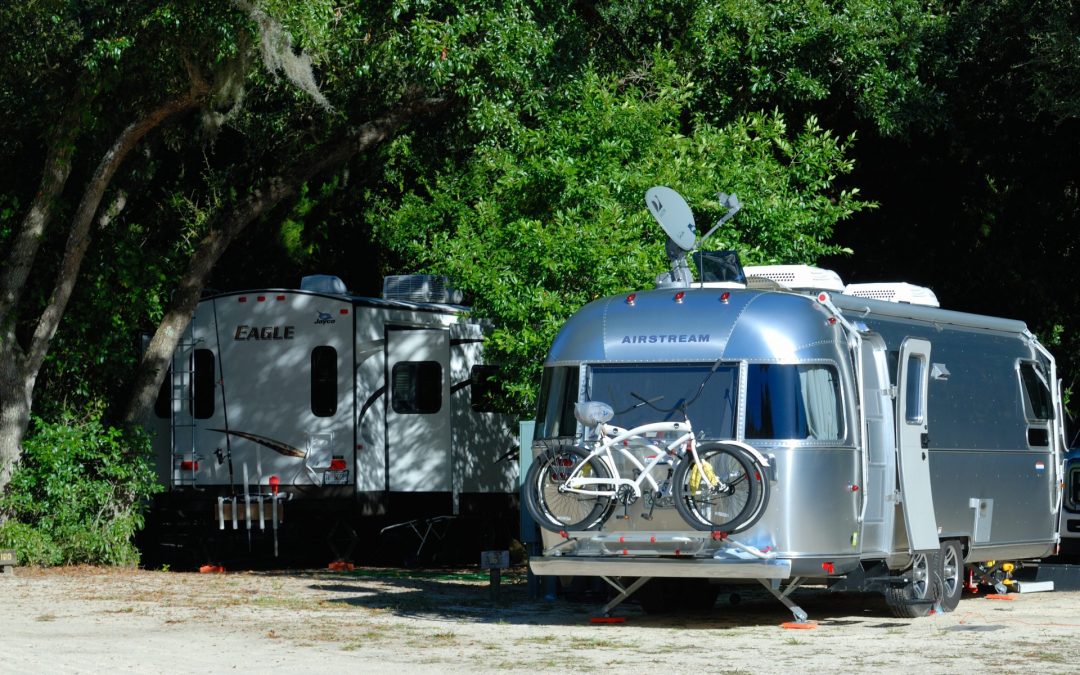
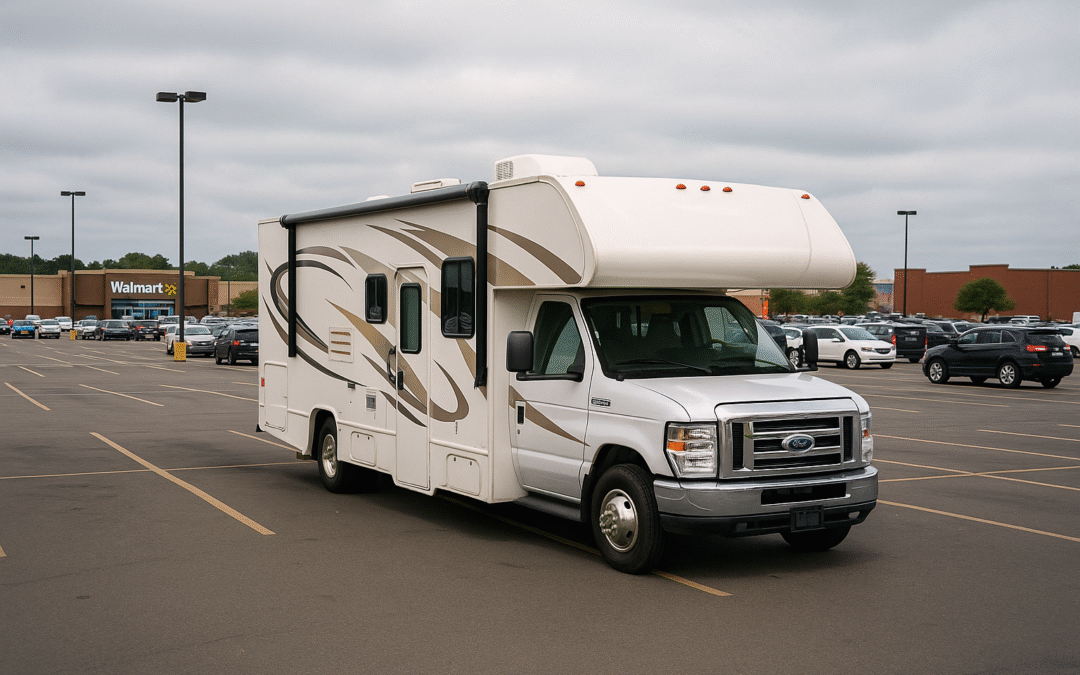
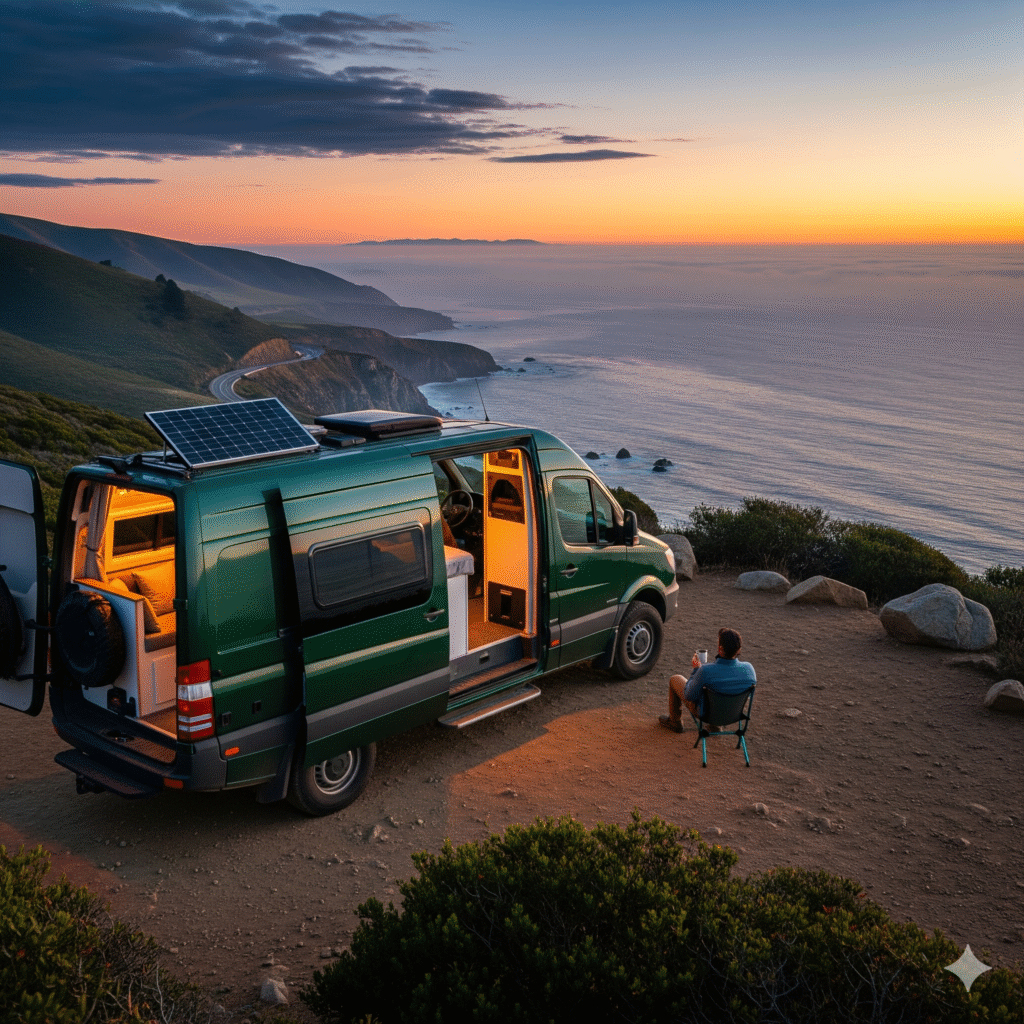

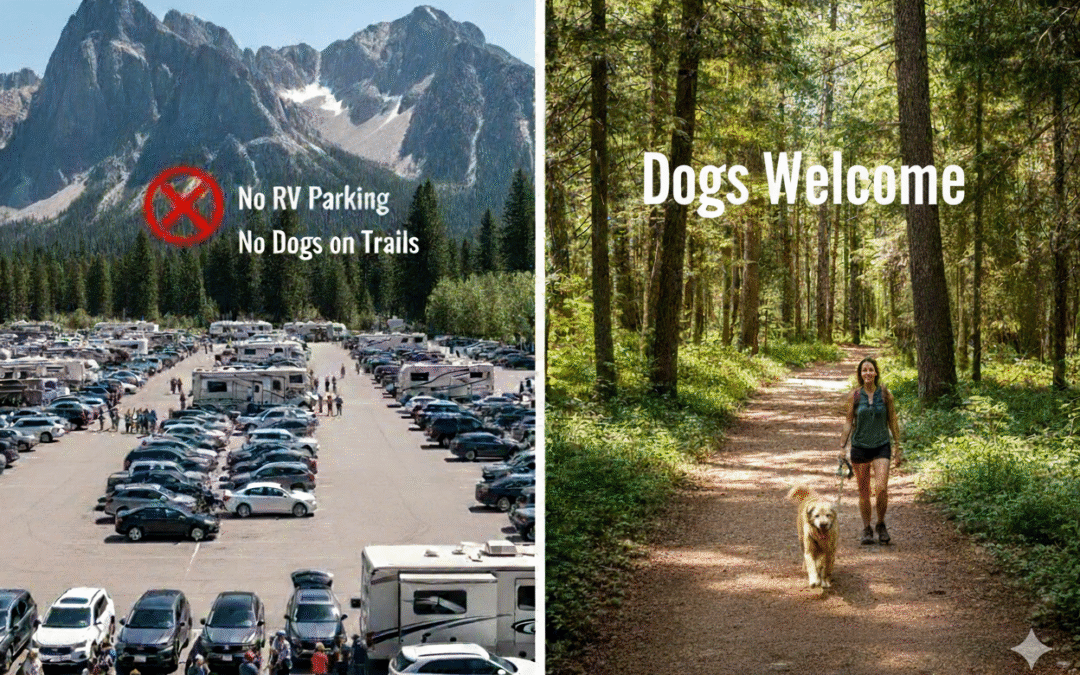

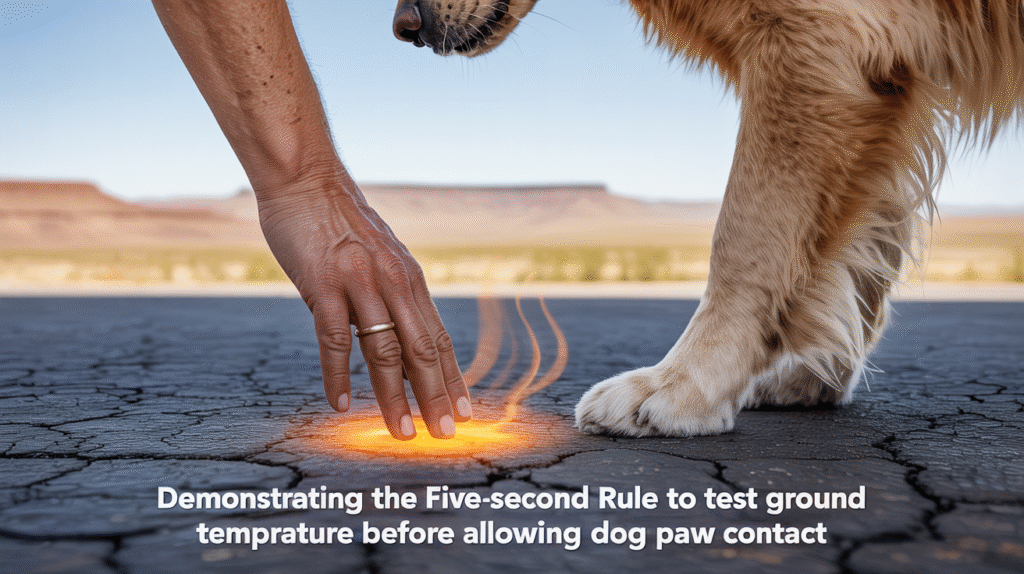
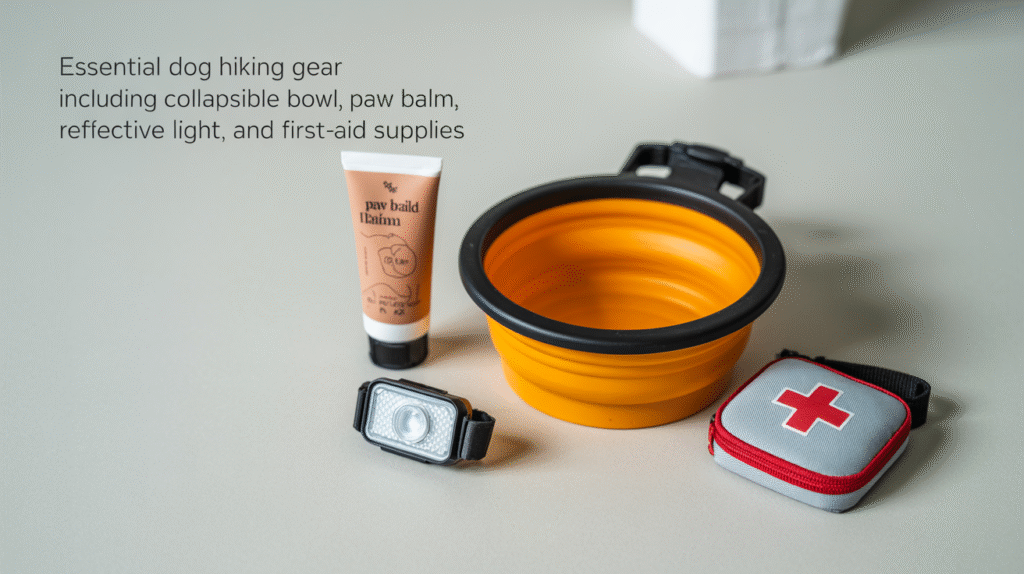

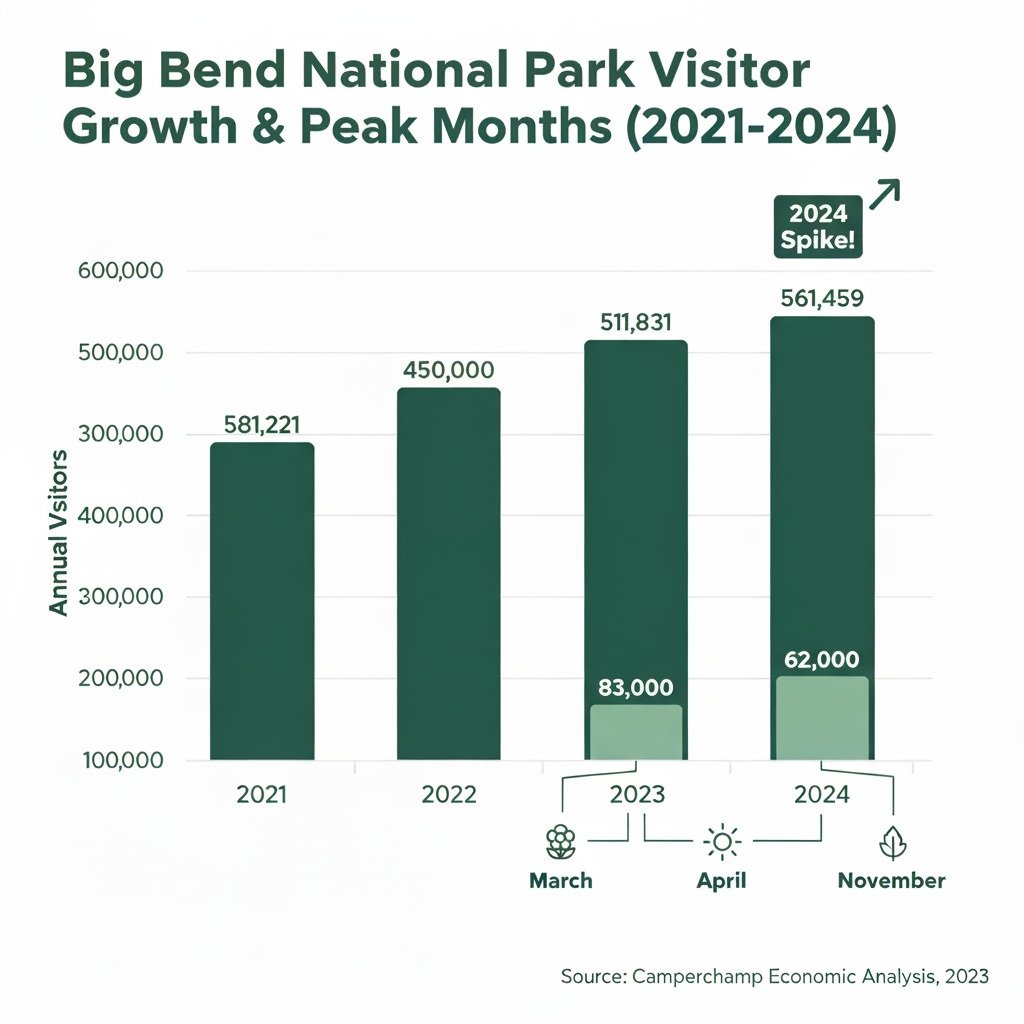 Visitor growth mirrors the nationwide boom in park attendance, with numbers rising from 511,831 in 2023 to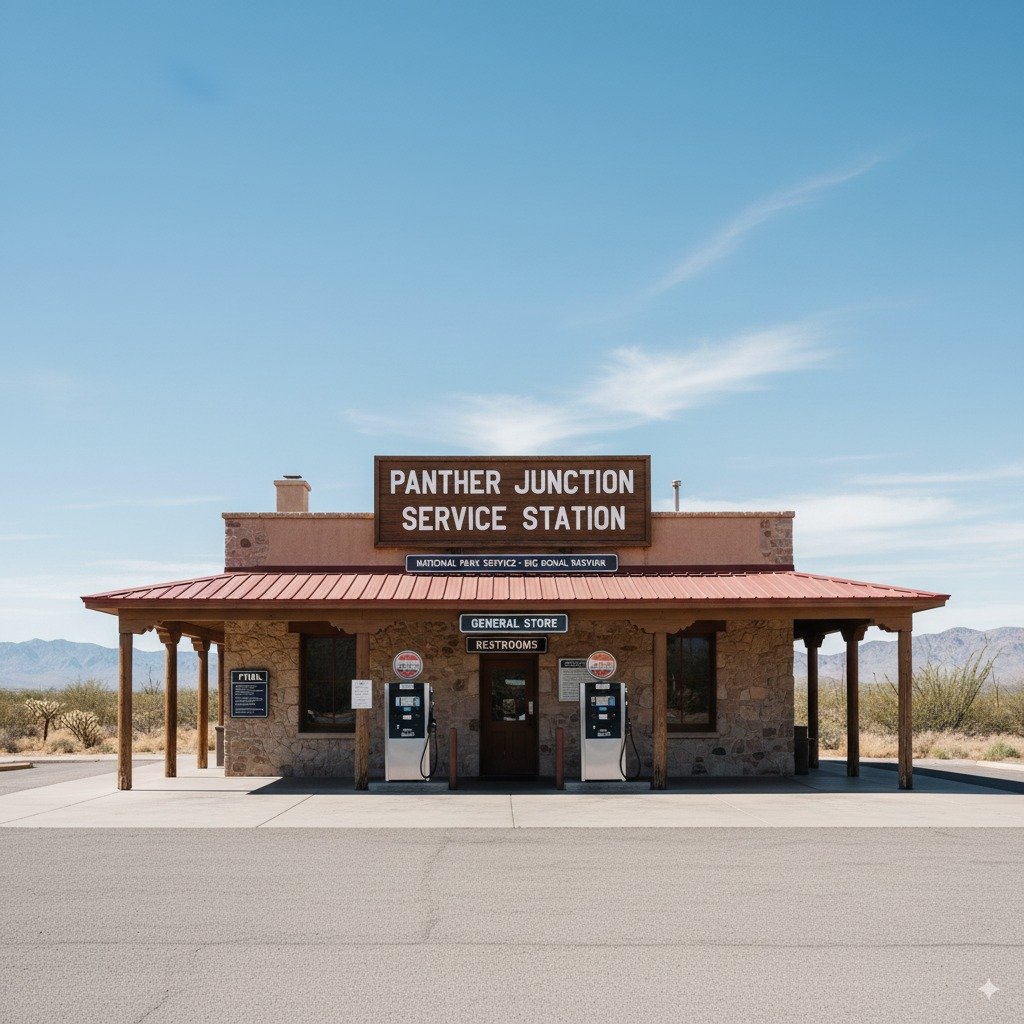
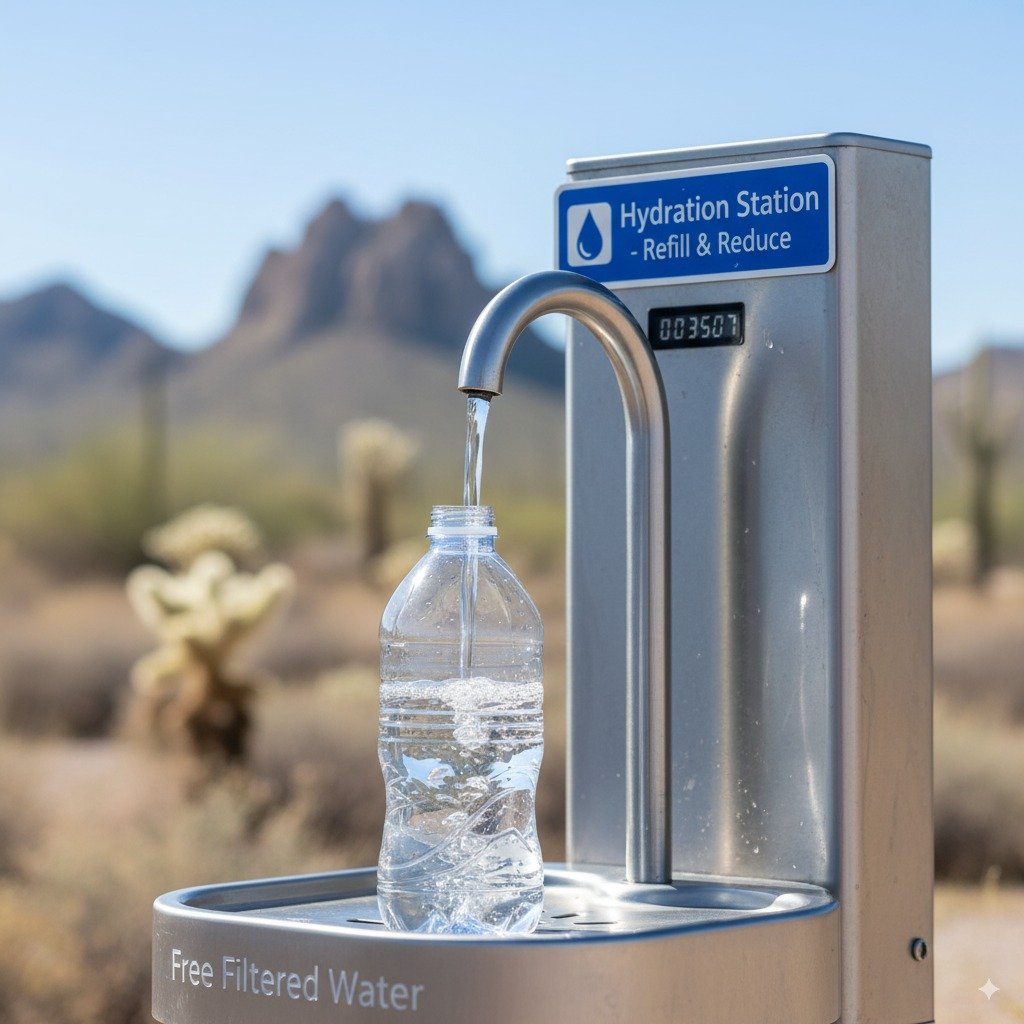
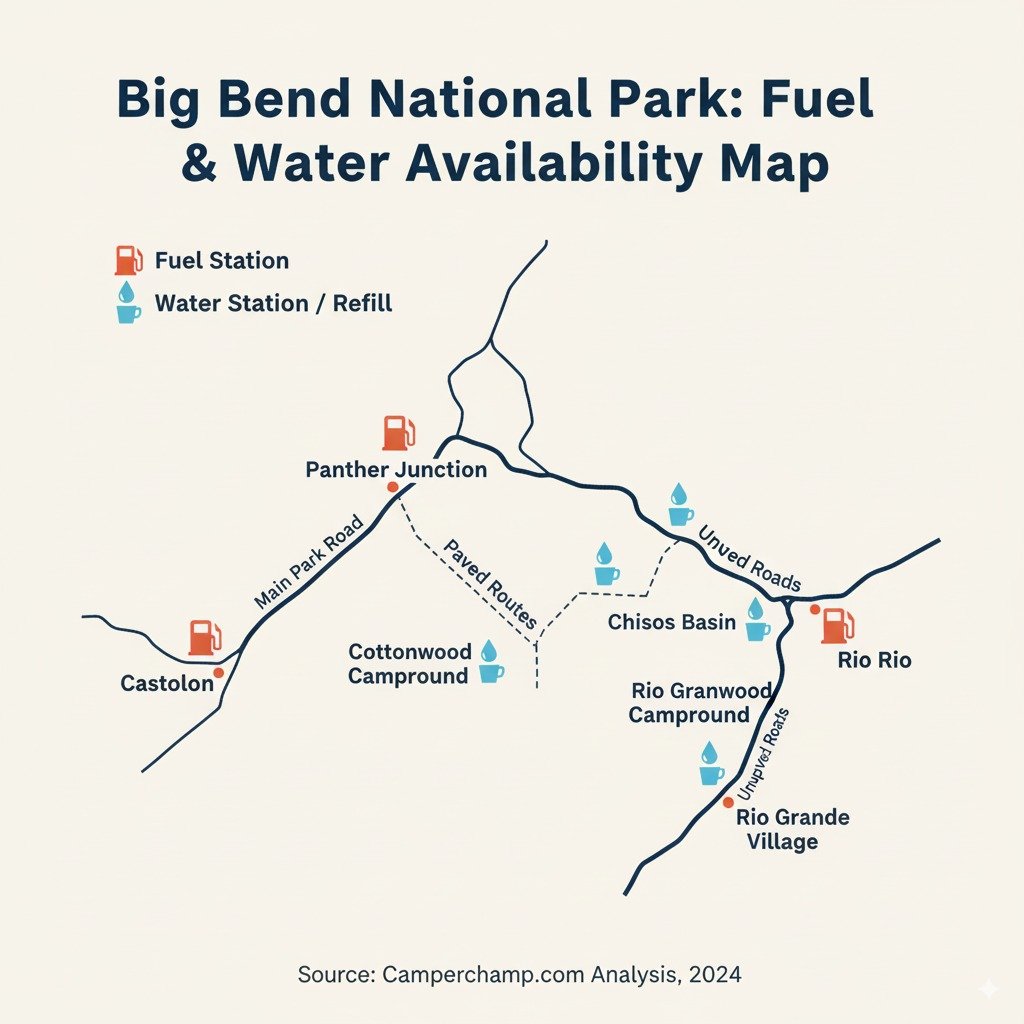 Critical resource distribution across Big Bend’s primary routes.
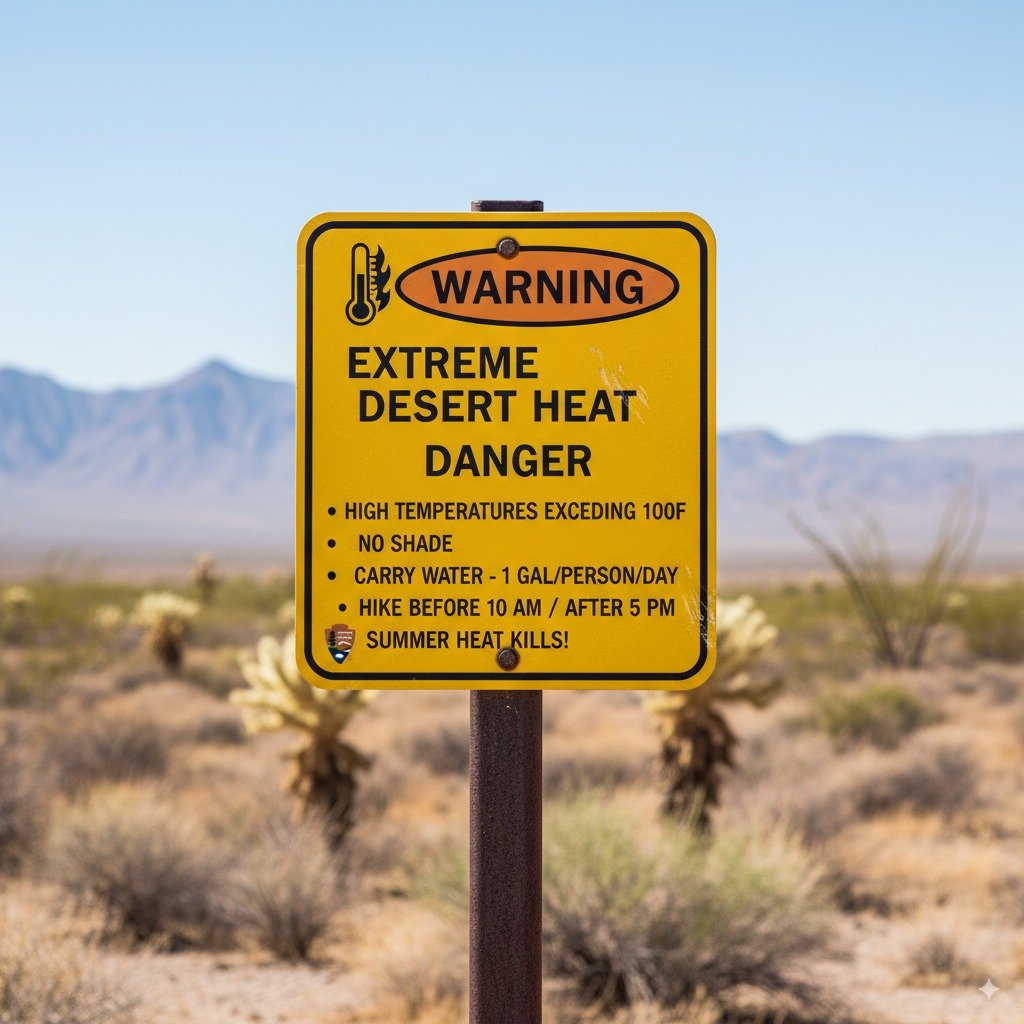 Understanding real-feel temperatures prevents heat-related emergencies in desert conditions.

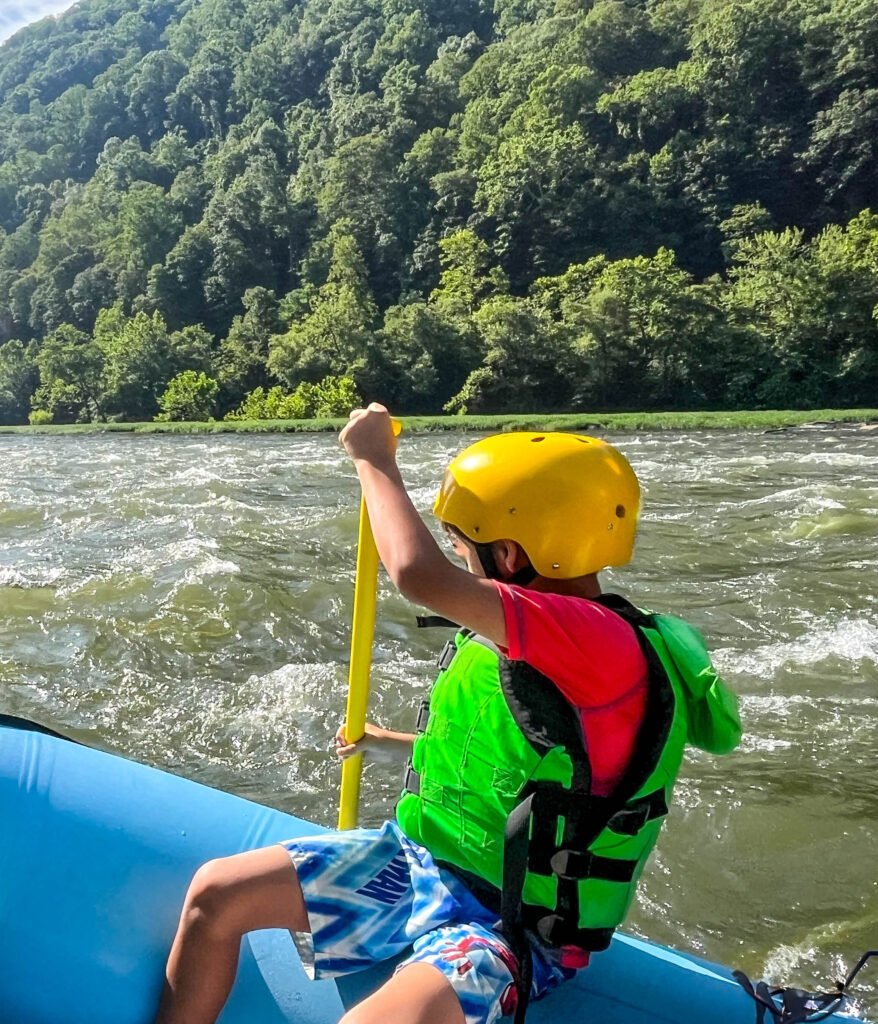
 Effective use of shuttle services is paramount for navigating New River Gorge, especially during peak season.
 Safety is paramount when exploring New River Gorge’s rugged terrain and powerful waters.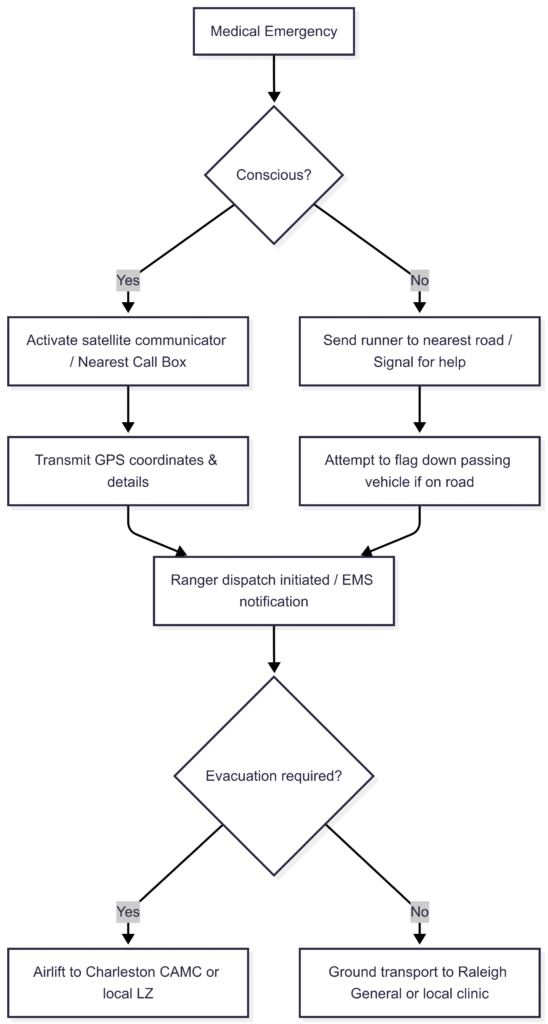
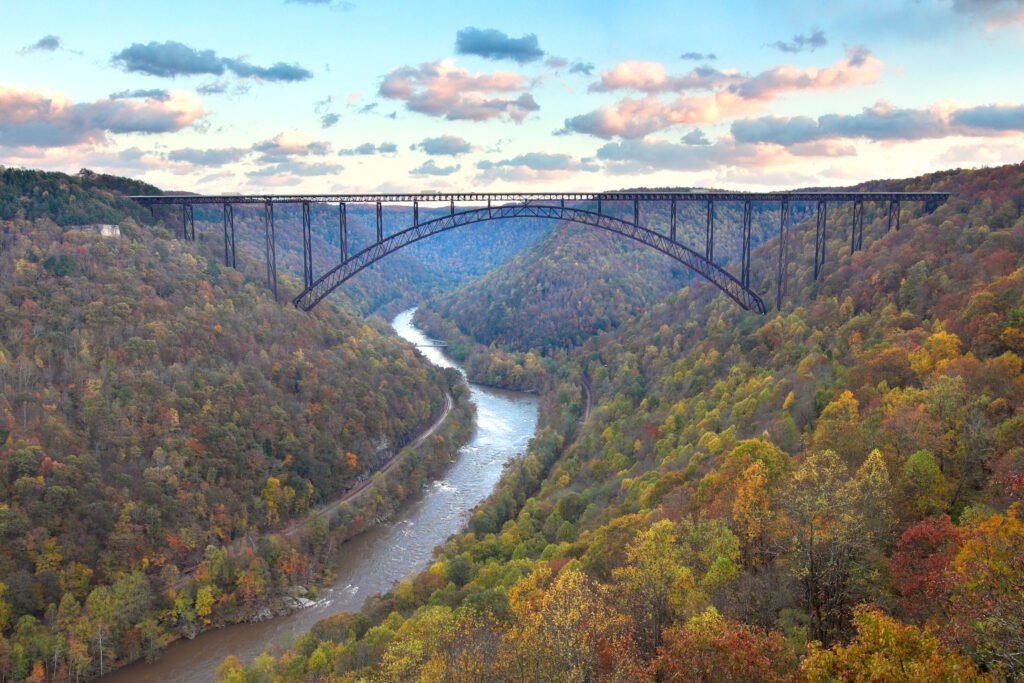 Choosing the right time to visit can significantly impact your experience, especially with rising visitor numbers.
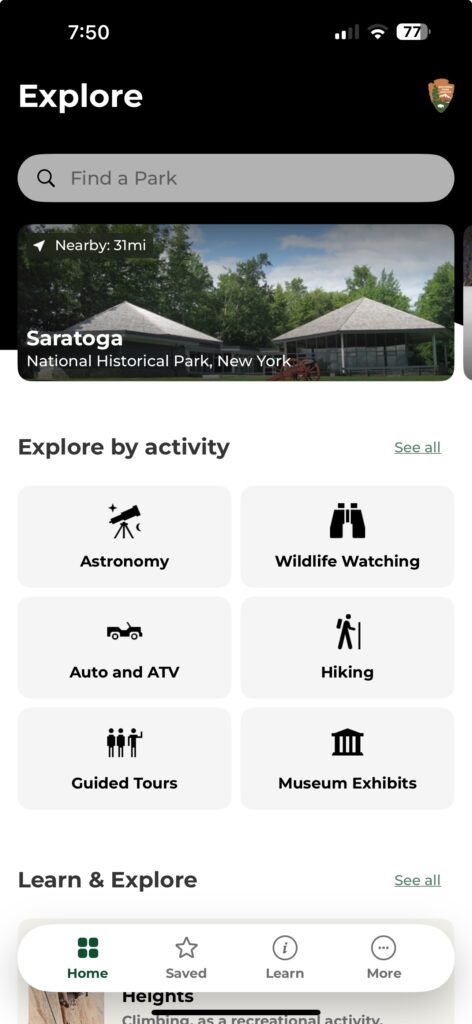 NPS Mobile App