Articles by Chuck Price — Page 38

Ultimate Guide to Off-Road RV Boondocking: Tips for a Successful Adventure in Nature

Ultimate Guide to Off-Road RV Boondocking: Tips for a Successful Adventure in Nature

If you’re an adventurous RVer looking for an exciting way to explore nature, off-road boondocking might be the perfect solution for you. With off-road boondocking, you can camp in the wilderness, away from traditional campsites and RV parks, and experience nature up close and personal.

However, off-road boondocking requires careful planning, preparation, and consideration. In this ultimate guide to off-road RV boondocking, we will provide you with essential tips and considerations to make your next off-road boondocking adventure a success.

Off-road RV boondocking is a form of camping where you camp in the wilderness, away from traditional campsites and RV parks. It allows you to experience nature up close and personal and is a great way to escape the crowds and noise of traditional camping areas.

Before you hit the road for your next off-road boondocking adventure, it is crucial to plan and prepare carefully. In this article, we will provide you with essential tips and considerations for a successful off-road boondocking experience.

Pre-Trip Planning
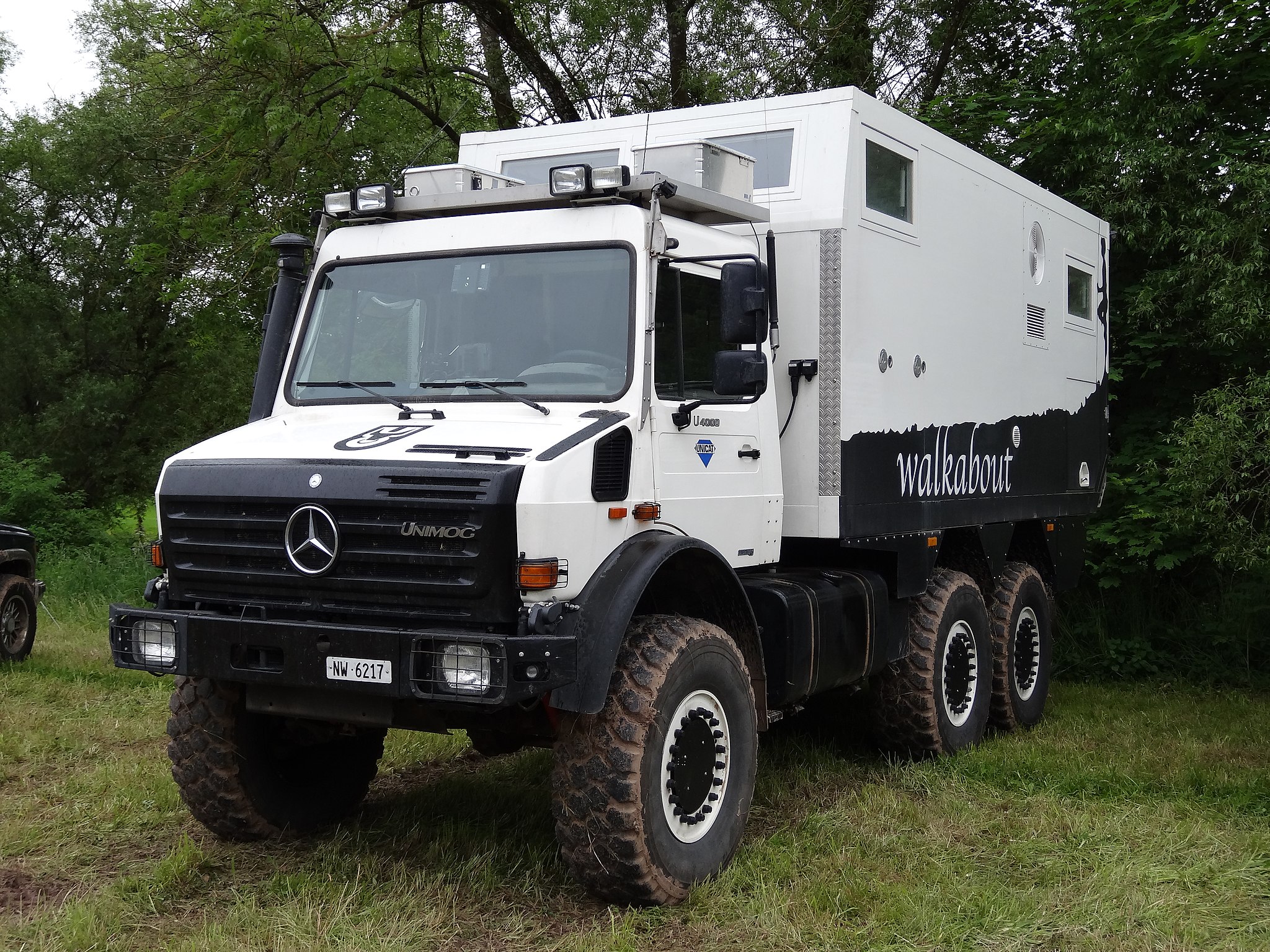
UnimogImage by: Klaus Nahr from Germany, CC BY-SA 2.0, via Wikimedia Commons

Choosing the Right RV for Off-Road Boondocking

When it comes to off-road boondocking, your choice of RV can make or break your experience. Off-road boondocking requires an RV that is sturdy, durable, and capable of handling rough terrain. Consider investing in an off-road or four-wheel-drive RV that can handle the challenges of off-road boondocking.

Researching Off-Road Boondocking Destinations

Before heading out, do your research and find off-road boondocking destinations that fit your preferences and needs. Research the terrain, weather, and wildlife to help you prepare better. Consider using online resources to find the best off-road boondocking spots in your area.

Understanding the Rules and Regulations of Boondocking

It is essential to understand the rules and regulations of boondocking in the area you plan to visit. Some areas may have restrictions on camping, while others may require a permit or have specific rules for waste disposal. Ensure that you follow the rules to avoid any legal or environmental issues.

Packing Essentials for Off-Road Boondocking

When packing for off-road boondocking, you must consider your needs, comfort, and safety. Pack enough food, water, and clothing for your trip, and ensure that you have a first-aid kit, navigation tools, and communication devices. Don’t forget to bring essential camping equipment such as a tent, sleeping bags, and camp chairs.

Essential Off-Road RV Boondocking Tips


Choosing the Best Campsite

Choosing the right campsite is crucial for an enjoyable off-road boondocking experience. Look for a flat and level site away from hazards such as rocks, steep slopes, and flood-prone areas. Consider the proximity to water sources, hiking trails, and other attractions, as well as privacy and noise level.

Setting Up Camp

When setting up camp, ensure that you follow Leave No Trace principles and leave the area as you found it. Be respectful of the environment and wildlife, and avoid disturbing the natural habitat. Set up your RV and camping equipment carefully to prevent damage to the surroundings.

Dealing with Waste Disposal

Off-road boondocking requires careful management of waste disposal to minimize your impact on the environment. Bring a portable toilet or use a hole dug at least six inches deep for human waste disposal. For gray water, use a portable holding tank or dispose ofit away from water sources and other sensitive areas. Pack out all your trash and dispose of it properly at the designated sites.

Staying Safe in the Wilderness

When off-road boondocking, you are away from traditional amenities and emergency services. Therefore, it’s crucial to stay safe by being prepared and aware of your surroundings. Carry a first-aid kit, navigation tools, and communication devices, and be prepared for changes in weather conditions. Learn basic survival skills and avoid risky activities that can put you in danger.

Finding Water Sources

Off-road boondocking requires careful management of your water supply. Before you hit the road, research the availability of water sources in the area you plan to visit. Consider bringing a portable water filtration system, water containers, and water treatment tablets. Also, learn how to conserve water to avoid running out of it.

Managing Power Consumption

Off-road boondocking requires managing your power supply carefully. Consider investing in solar panels, generators, or batteries to power your RV. Learn how to conserve power by using energy-efficient appliances and turning off unnecessary electronics when not in use.

Considerations for Off-Road RV Boondocking


Understanding the Impact of Off-Road Boondocking on the Environment

Off-road boondocking has an impact on the environment, and it’s essential to minimize that impact. Follow Leave No Trace principles, avoid disturbing the natural habitat, and dispose of waste properly. Also, be aware of the effect of noise pollution on wildlife and other campers.

Ensuring Vehicle Maintenance

Off-road boondocking requires a well-maintained RV that can handle rough terrain. Ensure that your RV is in good condition and that all its components are working correctly. Check the tires, brakes, and suspension, and make any necessary repairs before heading out.

Preparing for Emergencies

Off-road boondocking requires being prepared for emergencies. Carry a first-aid kit, navigation tools, and communication devices, and learn basic survival skills. Also, know the location of the nearest emergency services and have a plan in case of an emergency.

Finding a Balance Between Adventure and Comfort

Off-road boondocking requires finding a balance between adventure and comfort. Plan your trip to include both adventure activities and comfortable amenities. Don’t sacrifice comfort for adventure or vice versa, and ensure that you have an enjoyable experience.

Resources

  1. RV Off-Roading Basics: Choosing the Right Vehicle and Gear URL: https://www.reddit.com/r/Offroad/comments/14nkos2/advice_for_beginner_offroading/ This article from Outside Online provides insights into choosing the right off-road RV and essential gear for a successful boondocking experience.
  2. The Best Boondocking Locations: Tips and Recommendations URL: https://www.campendium.com/camping/boondocking/  Campendium offers a comprehensive guide to finding the best off-road boondocking locations, including user-submitted reviews and recommendations.
  3. Leave No Trace: Principles for Off-Road Boondocking URL: https://lnt.org/why/7-principles/ The Leave No Trace Center for Outdoor Ethics provides the seven principles to follow while off-road boondocking to minimize your impact on the environment.
  4. Essential Off-Road Boondocking Safety Tips and Emergency Preparedness URL: https://www.offgridweb.com/preparation/off-road-emergency-preparedness/ OffGrid provides a guide to essential safety tips and emergency preparedness for off-road boondocking, including survival skills and emergency planning.
  5. Managing Resources and Waste While Boondocking URL: https://www.rvtravel.com/rv-boondocking-managing-resources-waste/   RV Travel offers advice on how to manage resources and waste while off-road boondocking, including tips for conserving water and power and proper waste disposal.

Frequently Asked Questions

Q: What is the difference between boondocking and camping?
A: Boondocking refers to camping in the wilderness, away from traditional campsites and RV parks, while camping refers to staying in a designated camping area.

Q: How do I find the best off-road boondocking spots?
A: You can research online, ask for recommendations from experienced off-road boondockers, and visit off-road boondocking forums and groups to find the best spots.

Q: Is it safe to boondock alone?
A: Boondocking alone can be safe, but it requires being prepared and aware of your surroundings. Carry a first-aid kit, navigation tools, and communication devices, and avoid risky activities.

Q: Can I use a generator while boondocking?
A: Yes, you can use a generator while boondocking, but ensure that you follow the rules and regulations of the area you plan to visit.

Q: How do I dispose of waste while boondocking?
A: Use a portable toilet or a hole dug at least six inches deep for human waste disposal and a portable holding tank or designated site for gray water disposal. Pack out all trash and dispose of it properly.

Conclusion

Off-road RV boondocking can be a thrilling and unforgettable experience, but it requires careful planning, preparation, and consideration. Follow the essential tips and considerations we have provided to make your next off-road boondocking adventure a success.

Remember to choose the right RV, research off-road boondocking destinations, understand the rules and regulations, pack essentials, choose the best campsite, set up camp carefully, manage waste disposal and water sources, stay safe, and find a balance between adventure and comfort.

By following these tips and considerations, you can enjoy off-road RV boondocking while minimizing your impact on the environment and staying safe. Remember to follow Leave No Trace principles, respect the environment and wildlife, and always be prepared for emergencies.

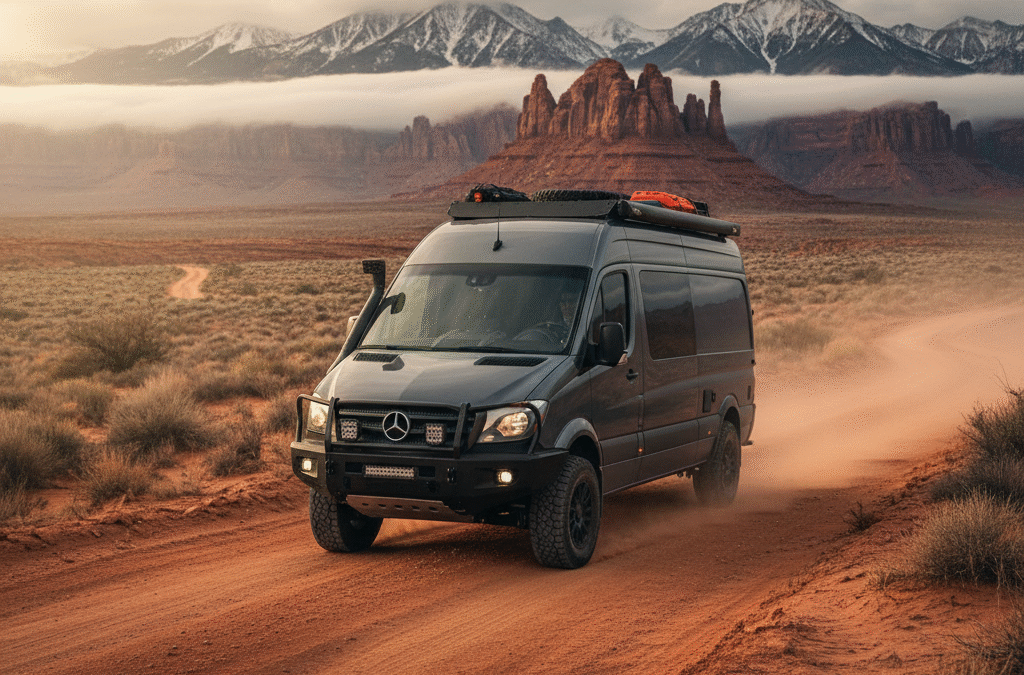
Featured Image by Daniel Schwen, CC BY-SA 4.0, via Wikimedia Commons
Emergency Preparedness for Boondocking: First Aid, Survival Skills, and Tips

Emergency Preparedness for Boondocking: First Aid, Survival Skills, and Tips

Boondocking, or camping off-the-grid without hookups, is a popular way to explore the wilderness and disconnect from the hustle and bustle of everyday life. However, it comes with its own set of risks and challenges, especially when it comes to emergency preparedness. As a boondocker, it’s important to be prepared for any emergency that may arise, including injuries, illnesses, and natural disasters.

In this article, we’ll cover the essential emergency preparedness strategies for boondockers, including first aid and survival skills. We’ll also provide tips on how to prepare for boondocking emergencies, such as creating an emergency plan and packing the right gear. By following the tips and advice in this article, you’ll be better equipped to handle any emergency that may arise while boondocking.

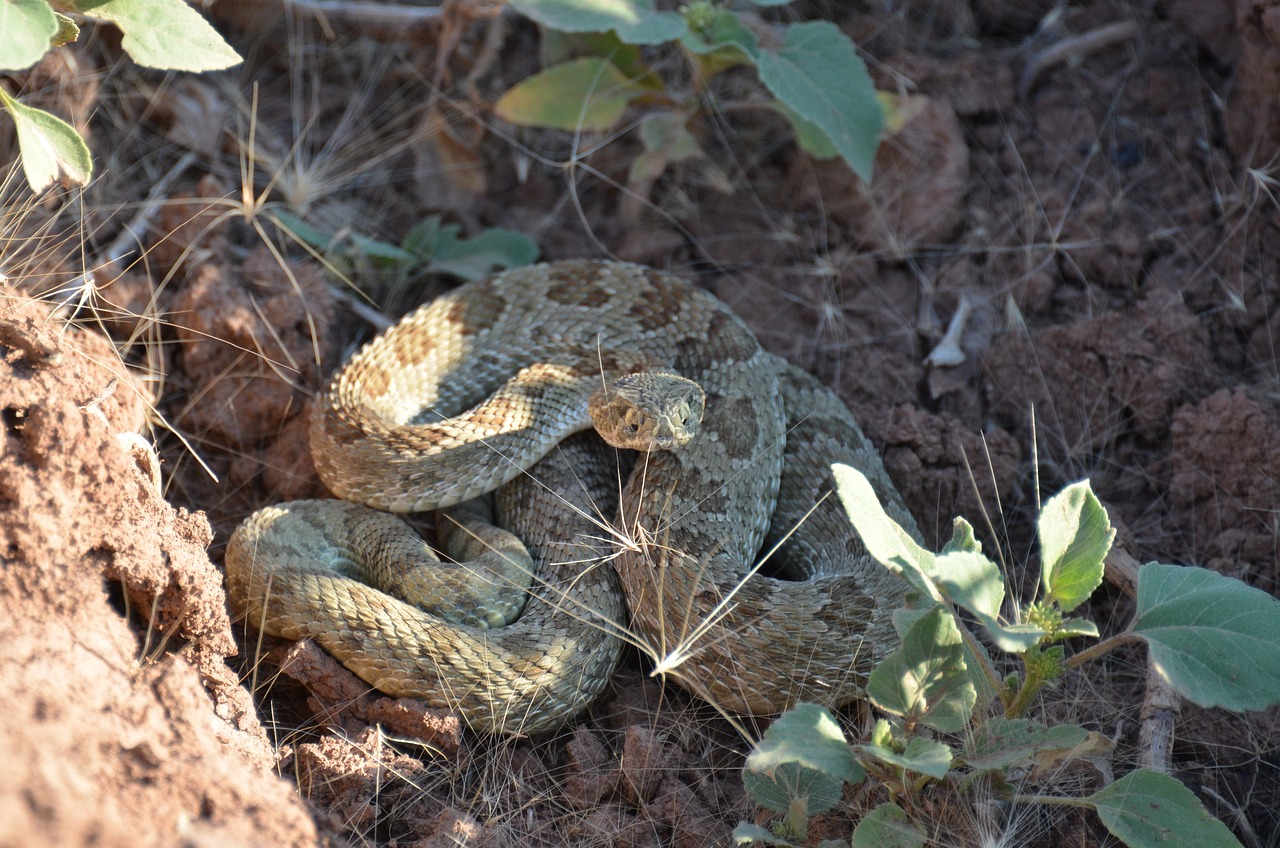
rattlesnakeImage by mdimock from Pixabay

Understanding the Risks of Boondocking

Boondocking comes with its own set of risks and challenges, including natural disasters, injuries, and illnesses. While it’s impossible to anticipate every possible emergency, it’s important to understand the most common risks associated with boondocking and how to prepare for them.

One of the biggest risks of boondocking is the lack of access to medical care. Injuries, illnesses, and emergencies can happen at any time, and it may take hours or even days to reach the nearest hospital or medical facility. Other risks include extreme weather conditions, such as high winds, lightning, and flash floods, as well as encounters with wild animals, such as bears and snakes.

First Aid Essentials for Boondocking

In an emergency, having a well-stocked first aid kit and the knowledge to use it can make all the difference. When preparing a first aid kit for boondocking, it’s important to include all the essentials, such as bandages, gauze, adhesive tape, and antiseptic wipes. Other important items include pain relievers, allergy medicine, and a thermometer.

It’s also essential to know how to recognize and treat common wilderness injuries and illnesses. This includes knowing how to splint a broken bone, treat a burn, and care for cuts and scrapes. It’s also important to know how to recognize the symptoms of heat stroke, hypothermia, and dehydration, as well as how to treat them.

Survival Skills for Boondocking Emergencies

In addition to first aid, boondockers should also have the survival skills necessary to handle emergencies in the wilderness. This includes knowing how to build a shelter, start a fire, and purify water. It’s also important to know how to navigate and signal for help, as well as what to do if you get lost or stranded in the wilderness.

When building a shelter, it’s important to find a location that’s dry, protected from the wind, and close to a water source. Starting a fire can be a lifesaving skill, as it provides warmth and can help signal for help. To start a fire, gather dry kindling and small sticks, then use a fire starter or matches to light it. Boondockers should also know how to purify water using methods such as boiling or using water purification tablets.

Preparing for Boondocking Emergencies

In addition to first aid and survival skills, boondockers should also take steps to prepare for emergencies before they happen. This includes investing in emergency communication devices, such as a satellite phone or emergency radio. Boondockers should also create an emergency plan and share it with friends or family members who know your itinerary and route.

Preparing your vehicle and gear for emergencies is also essential. Make sure your vehicle is in good working condition and has a full tank of gas before embarking on your trip. It’s also important to pack extra food, water, and warm clothing in case of an emergency.


Resources

  1. American Red Cross – First Aid: https://www.redcross.org/take-a-class/first-aid This resource offers comprehensive first aid training, including online courses, in-person classes, and certification programs.
  2. REI – Wilderness First Aid Basics: https://www.rei.com/learn/expert-advice/wilderness-first-aid.html REI is a reputable outdoor retailer, and their wilderness first aid guide covers essential skills and recommendations for outdoor enthusiasts.
  3. National Park Service – Outdoor Safety: https://www.nps.gov/articles/nps-outdoor-safety.htm The National Park Service provides outdoor safety tips, including guidance on encountering wildlife, preventing hypothermia, and responding to emergencies.
  4. Leave No Trace Center for Outdoor Ethics – Campfire Safety: https://lnt.org/why/7-principles/minimize-campfire-impact/ This resource offers guidelines on safe and responsible campfire practices, as well as environmental considerations when starting a fire.
  5. Ready.gov – Emergency Communication Plan: https://www.ready.gov/plan Ready.gov, a service of the U.S. Department of Homeland Security, provides information on creating an emergency communication plan, which can be adapted for boondocking emergencies.

FAQs

  • What should be in a boondocking first aid kit?
    A well-stocked boondocking first aid kit should include bandages, gauze, adhesive tape, antiseptic wipes, pain relievers, allergy medicine, a thermometer, and other essentials. It’s also important to know how to use these items in an emergency.
  • How can I learn essential first aid skills?
    There are many resources available for learning essential first aid skills, including online courses, books, and local classes. It’s also a good idea to practice your skills regularly so that you feel confident and prepared in an emergency.
  • What is the best way to start a fire in the wilderness?
    To start a fire in the wilderness, gather dry kindling and small sticks, then use a fire starter or matches to light it. Make sure to choose a safe location for your fire and follow all fire safety guidelines.
  • What should I do if I encounter a wild animal while boondocking?
    If you encounter a wild animal while boondocking, it’s important to stay calm and avoid making sudden movements. Make noise to alert the animal of your presence, and slowly back away while keeping an eye on the animal. Never approach or feed wild animals.
  • How can I protect myself from extreme weather conditions while boondocking?
    To protect yourself from extreme weather conditions while boondocking, pack warm clothing, rain gear, and a reliable shelter. It’s also important to check the weather forecast before embarking on your trip and be prepared to change your plans if necessary.

Conclusion

Boondocking is a great way to experience the beauty of nature and disconnect from the stresses of everyday life. However, it’s important to be prepared for emergencies that may arise while in the wilderness. By following the tips and advice in this article, including preparing a well-stocked first aid kit, knowing essential survival skills, and creating an emergency plan, you’ll be better equipped to handle any emergency that may come your way. Remember, when it comes to emergency preparedness while boondocking, it’s always better to be safe than sorry.

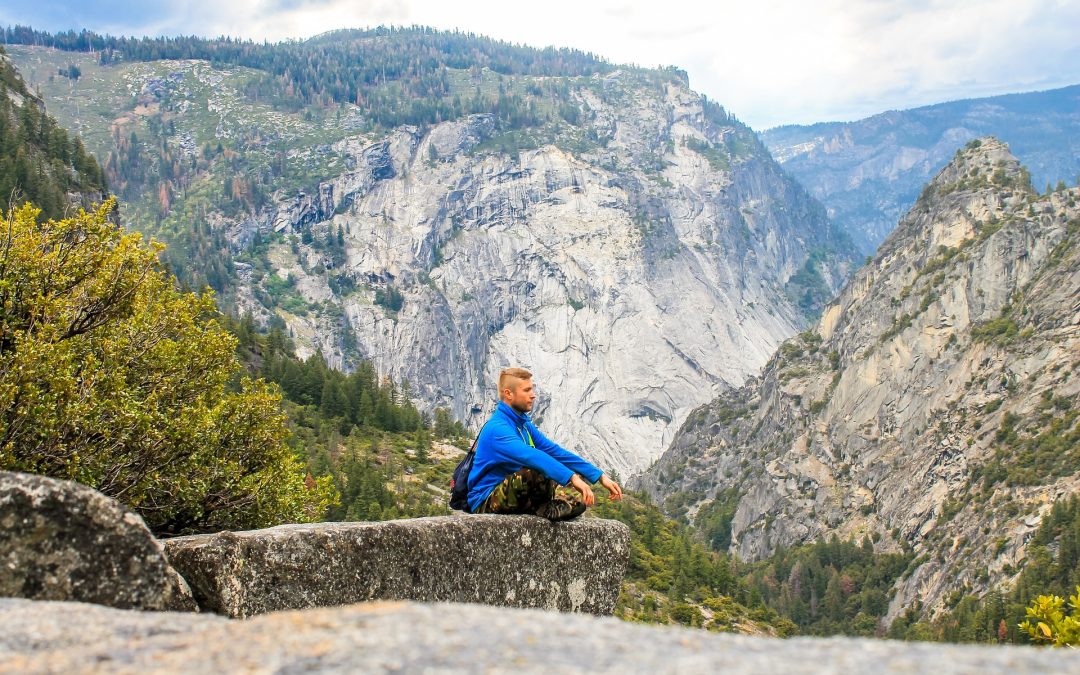
Featured Photo by Evan Chasteen via Pexels

Boondocking Guide: Public Land Regulations, Permits, and Finding the Perfect Campsite

Boondocking Guide: Public Land Regulations, Permits, and Finding the Perfect Campsite

Boondocking, or camping off-the-grid, is becoming increasingly popular as people seek to escape the hustle and bustle of city life and immerse themselves in nature. Public lands, such as national forests and Bureau of Land Management (BLM) areas, provide an abundance of opportunities for boondocking. However, before embarking on a camping trip in the wilderness, it’s important to understand the regulations and permits that govern camping on public lands. In this guide, we’ll provide an overview of the key regulations and permits for boondocking on public lands, as well as tips for navigating these requirements and finding the perfect campsite.

Understanding Public Lands Regulations

Public lands encompass a wide range of areas, including national forests, BLM lands, and state parks. Each of these areas has its own set of regulations governing camping and other activities. It’s crucial to research and understand these regulations before embarking on a boondocking trip. Failure to comply with these regulations can result in fines and even criminal charges.

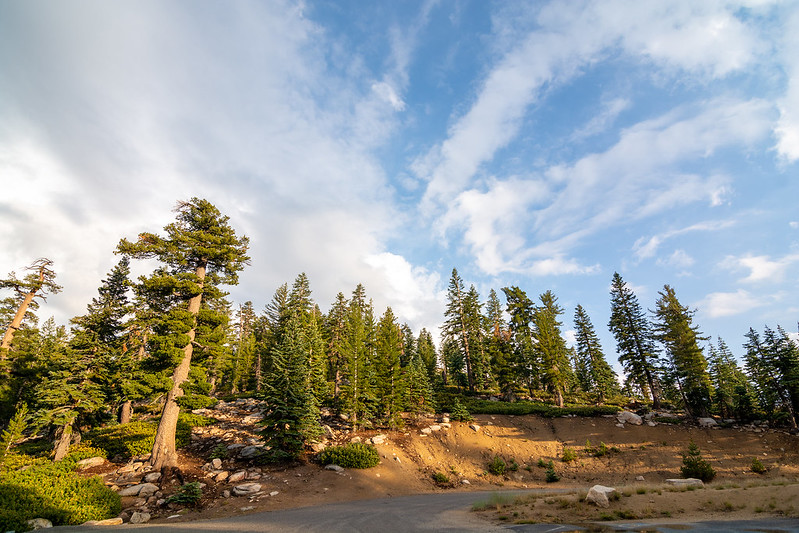
Sequoia National Forest
Sequoia National Forest Image by Matthew Dillon via flickr

National Forests

National forests are managed by the United States Forest Service and provide ample opportunities for boondocking. However, camping is not allowed in all areas of a national forest. Some areas may be designated for day use only, while others may require a permit for camping. In addition, certain areas may have restrictions on campfires, fishing, and hunting.

Bureau of Land Management Lands

The Bureau of Land Management (BLM) manages vast tracts of land throughout the United States, much of which is open for boondocking. However, similar to national forests, there are regulations governing camping on BLM lands. Some areas may be closed to camping, while others may require a permit. It’s important to research these regulations and obtain any necessary permits before camping on BLM lands.

State Parks

State parks are managed by individual states and may have their own regulations governing camping. In some cases, camping may only be allowed in designated campsites, while in other cases, dispersed camping may be permitted. It’s important to research the regulations for each state park before embarking on a boondocking trip.

Boondocking Permits and Reservations

Depending on the public land you plan to visit, you may need a permit to boondock. In this section, we’ll cover when and where permits are required for boondocking, how to obtain permits for public lands, and the different types of permits available.

When and Where Permits are Required

Permits are typically required for camping in designated campgrounds or areas where camping is regulated. In addition, certain areas may require a permit for dispersed camping. It’s important to research the regulations for the public land you plan to visit and obtain any necessary permits before embarking on your trip.

How to Obtain Permits

Permits can typically be obtained online or in person at the local ranger station or visitor center. Some permits may be free, while others may have a fee. It’s important to research the permit requirements and fees for the public land you plan to visit and obtain the necessary permits before your trip.

Types of Permits

There are several types of permits available for boondocking on public lands. These include:

  • Overnight camping permits: These permits allow for camping in designated campgrounds or areas where camping is regulated.
  • Dispersed camping permits: These permits allow for camping in undeveloped areas outside of designated campgrounds.
  • Special use permits: These permits are required for activities that may have an impact on the land, such as group camping or commercial filming.

Planning Your Boondocking Trip

Planning is key to a successful and safe boondocking trip. In this section


Researching Public Lands

When planning a boondocking trip, it’s important to research the public lands in the area you plan to visit. This can help you find the best campsites and ensure that you comply with all regulations and permit requirements.

Some helpful resources for researching public lands include:

  • United States Forest Service website: This website provides information on national forests and their regulations.
  • Bureau of Land Management website: This website provides information on BLM lands and their regulations.
  • State park websites: These websites provide information on state parks and their regulations.

Choosing a Campsite

When choosing a campsite for boondocking, there are several factors to consider. These include:

  • Access: Can you reach the campsite with your vehicle? Is the road suitable for your vehicle?
  • Terrain: Is the campsite level? Is there enough space for your vehicle and camping equipment?
  • Water: Is there a water source nearby?
  • Privacy: Is the campsite secluded, or will you be camping near other people?
  • Regulations: Does the campsite comply with all regulations and permit requirements?

Navigating Dispersed Camping

Dispersed camping, or camping outside of designated campgrounds, can be a great way to experience nature and avoid crowds. However, it’s important to do so responsibly and comply with all regulations and permit requirements.

Some tips for navigating dispersed camping include:

  • Look for existing campsites: Camping in established campsites can help minimize your impact on the environment.
  • Avoid sensitive areas: Avoid camping in areas that are sensitive to damage, such as wetlands or meadows.
  • Practice Leave No Trace: This means packing out all trash and leaving the campsite in the same condition you found it.
  • Follow fire regulations: Campfires may be prohibited in certain areas, so it’s important to research the regulations and obtain any necessary permits before starting a fire.

Tips for Boondocking Responsibly

Responsible boondocking is essential for preserving public lands and ensuring that this unique camping style remains accessible to future generations. In this section, we’ll cover tips for minimizing impact, including campsite selection, waste disposal, and campfire safety.

Campsite Selection

When selecting a campsite, it’s important to choose a site that has already been impacted by camping or other activities. This can help minimize your impact on the environment. In addition, it’s important to follow all regulations and permit requirements.

Waste Disposal

Proper waste disposal is crucial for preserving public lands and minimizing your impact on the environment. This includes packing out all trash, disposing of human waste properly, and avoiding dumping gray water on the ground.

Campfire Safety

Campfires can be a great way to stay warm and cook food while boondocking. However, it’s important to follow all fire regulations and ensure that your campfire is safe. This includes using a fire ring or building a fire pit, keeping the fire small, and making sure the fire is completely extinguished before leaving the campsite.

Resources

  1. United States Forest Service website: https://www.fs.usda.gov/ This website provides information on national forests and their regulations.
  2. Bureau of Land Management website: https://www.blm.gov/ This website provides information on BLM lands and their regulations.
  3. National Park Service website: https://www.nps.gov/ This website provides information on national parks and their regulations, which can complement your coverage of state parks.
  4. Leave No Trace Center for Outdoor Ethics: https://lnt.org/ This website provides guidelines and principles for minimizing impact while camping and enjoying the outdoors.
  5. Recreation.gov: https://www.recreation.gov/ This website allows users to reserve campsites, obtain permits, and access information about recreational activities on federal lands.

Conclusion

Boondocking on public lands can be a rewarding and memorable experience, but it’s important to understand the regulations and permits that govern camping in these areas. By following the tips and advice provided in this guide, you can plan a safe, enjoyable, and responsible boondocking trip that will leave a minimal impact on the environment.


FAQs

  1. Do I need a permit to boondock on public lands?
  • It depends on the public land you plan to visit. Some areas may require a permit for boondocking, while others may not.
  1. Can I camp anywhere on public lands?
  • No, there are regulations governing camping on public lands. It’s important to research these regulations and comply with them to avoid fines or criminal charges.
  1. What should I do with my trash when boondocking?
  • It’s important to pack out all trash and dispose of it properly. This means taking it with you when you leave the campsite and disposing of it in a trash receptacle.
  1. Can I have a campfire while boondocking?
  • Campfires may be allowed in certain areas, but it’s important to research the fire regulations for the public land you plan to visit and follow them to ensure that your campfire is safe.
  1. How do I find a good campsite for boondocking?
  • Researching public lands and considering factors such as access, terrain, water, privacy, and regulations can help you find a good campsite for boondocking.

Featured Image by Egor Shitikov from Pixabay

How to RV Camp on a Budget

How to RV Camp on a Budget

RV Camping Hacks That Will Save You Money

RV camping has come a long way since its early beginnings with basic tents and no amenities. As interest in the RV lifestyle grows, travelers have found creative ways to camp in RVs while sticking to a budget. From boondocking to stealth camping, budget RVing has opened up nature to those without thousands to spend.

Cindy and Chuck have over 35 years of RV experience, starting with a simple tent and upgrading to a Class B camper over time. Through their website, podcast and community outreach, they share budget RV tips and favorite camping spots with fellow travelers looking to immerse themselves in nature without breaking the bank.

Benefits of Affordable RV Camping

  • RV camping on a budget offers these key advantages:
  • Financial Savings – Experience nature without draining your wallet. Camp for free with boondocking or use discounts and loyalty rewards.
  • Escape into Nature – Immerse yourself in Mother Nature, from deserts to mountains to seashores. RVing brings you closer to the great outdoors.
  • Freedom and Flexibility – Travel and explore at your own pace. With an RV, you have the flexibility to change plans to take advantage of weather, events or deals.
  • RV Community – Connect with fellow RV enthusiasts also looking to camp affordably. Share experiences and recommendations.
  • Minimal Planning – For boondocking and other free camping, there’s less need for reservations and strict scheduling.

How to Camp in an RV on a Budget

Boondocking and Free Camping

Boondocking, or free dispersed camping, is the cornerstone of budget RVing. Boondockers rely on their self-contained RVs for necessities like water, power and waste management without hookups. Popular free camping spots include:

  • BLM Public Land
    The Bureau of Land Management offers vast areas for free dispersed camping across the U.S.
  • National Forests
    Managed by the U.S. Forest Service, National Forests provide numerous camping opportunities, including free dispersed camping.
  • State Parks and Recreation Areas
    Explore camping options in state parks and recreation areas across the country.
  • Corps of Engineers Lakes
    The U.S. Army Corps of Engineers manages many lakes that offer camping opportunities, some of which are free or low-cost.
  • Parking Lots (Cabela’s, Casinos, Walmart)
    Many RVers use parking lots of establishments like Cabela’s, casinos, and Walmart for overnight stays. Always check store policies and local regulations

Membership Discounts

Look into discounts and rewards programs from clubs like Good Sam, KOA Value Kard and Thousand Trails. These can lead to significant savings at participating campgrounds. There are also often special rates for seniors, veterans, and club members. Some senior RV discounts beat the club rates outright.

  1. Good Sam Club
    Join the Good Sam Club for exclusive discounts, savings, and benefits at over 2,400 RV parks and campgrounds.
  2. KOA Value Kard Rewards
    Enroll in KOA’s loyalty program to earn points, get camping discounts, and enjoy exclusive offers.
  3. Thousand Trails
    Experience unlimited camping with a Thousand Trails Camping Pass. Explore their network of campgrounds and take advantage of special member benefits.

Research Camping Options

Use resources like freecampsites.net, Campendium, RV Parky and forums like boondocking.org to research free or low-cost camping spots, read reviews and view photos. Talk to fellow RVers for firsthand recommendations.

Stealth Camping

Stealth camping, or urban boondocking, involves free overnight parking in cities and towns. The goal is to avoid detection. Look for inconspicuous spots, limit generator noise, cover windows and leave no trace.

Conservation and “Leave No Trace”

When boondocking, adhere to Leave No Trace principles:

  • Dispose of Waste Properly
  • Leave Sites as Found
  • Respect Wildlife
  • Minimize Campfire Impacts
  • Avoid Damaging/Removing Vegetation

Use Cost-Saving Resources

Take advantage of deals on budget-friendly rental RVs. Search for used RV supplies and parts online and at discount or thrift stores. Keep up with maintenance to avoid major repairs. Join communities like RV Horizons for money-saving tips.

Top-Rated Budget Camping Destinations

Based on Cindy and Chuck’s extensive experience, here are some highly recommended spots for affordable RV camping:

Recommendations from Fellow RVers

In addition to expert recommendations, fellow RVers are invaluable resources for tried and true budget camping locations. User-generated content on platforms like Campendium reveals real RVers’ firsthand experiences, reviews and tips for free or low-cost overnight RV parking spots and campgrounds nationwide. Sort by price and read details like “Stayed here with our 30′ travel trailer for 2 nights, very quiet and safe boondocking for free in a casino parking lot.”

RV Travel on a Budget is Achievable

RVing is often seen as an expensive undertaking, but with savvy planning, research and creativity, travelers can explore the freedom of the open road while sticking to a budget. Boondocking, stealth camping, membership discounts and online resources open up nature to all by making RVing affordable and accessible. As Cindy and Chuck can attest, with the right approach,RV vacations don’t have to break the bank.


Resources

  1. KOA – Ways to Stay
    Discover a variety of camping options, from tents to RVs, and everything in between. KOA offers unique experiences for every type of camper.
  2. Good Sam – Campgrounds & RV Parks
    Explore top-rated campgrounds and RV parks with Good Sam’s trusted directory. Find the best spots to park and play.
  3. Camping World – RV
    Your one-stop-shop for all things RV. From purchasing to maintenance, Camping World has got you covered.
  4. RV Camping
    Dive deep into the world of RV camping with comprehensive guides, tips, and resources for the modern RVer.
  5. Campendium
    Unearth hidden gems and popular camping spots with reviews from the RV community. Campendium is your trusted source for campsite insights.

Featured Image by Unsplash

Optimize Your RV Kitchen: Tips for Efficient Cooking and Delicious Road Trip Meals

Optimize Your RV Kitchen: Tips for Efficient Cooking and Delicious Road Trip Meals

Cooking in an RV can be a fun and exciting experience, but it also poses unique challenges. With limited space, it’s important to be organized and efficient. In this article, we will share some tips and tricks to help you make the most of your RV kitchen and prepare delicious meals on the road.

Plan Your Meals in Advance

Planning your meals in advance is essential when cooking in an RV. It helps you to save time and space, and also ensures that you have all the necessary ingredients on hand. Make a grocery list before you hit the road, and be sure to include non-perishable items that can be stored easily.

Use Multi-Functional Kitchen Tools

One of the most effective ways to make the most of your limited space in the RV kitchen is to use multi-functional kitchen tools. For example, instead of having a separate blender, food processor, and juicer, consider investing in a high-quality blender that can do it all.

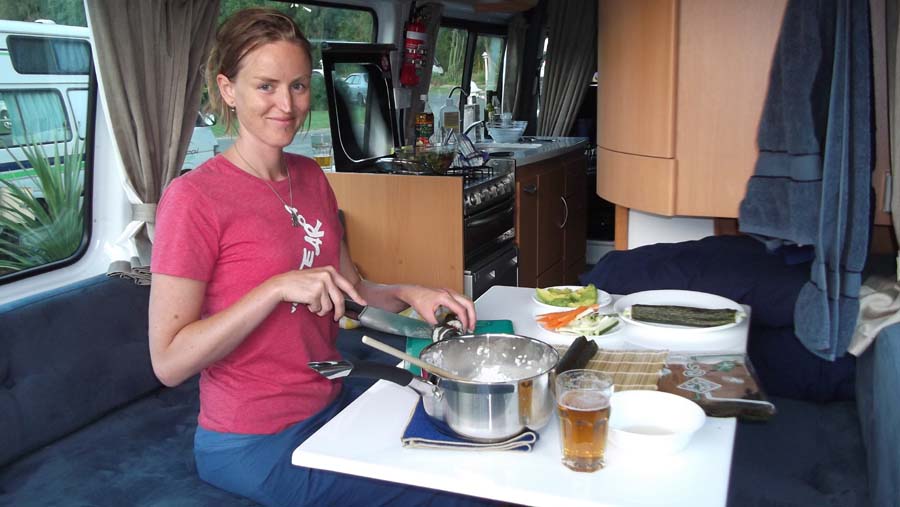
4074783459 d79037dcd5 c

Store Food Efficiently

When it comes to storage, it’s important to be organized and efficient. Use stackable containers to save space, and label everything to make it easy to find. Consider using a hanging fruit basket or a multi-tiered storage rack to keep your fruits and vegetables fresh and easily accessible.

Make Use of the Outdoor Grill

Most RVs come equipped with an outdoor grill, which is perfect for cooking meals that require high heat. Grilling is also a great way to cook without heating up the inside of the RV. Be sure to clean the grill after each use to prevent food from sticking and to avoid rust.

Use Space-Saving Cooking Methods

When cooking in an RV, it’s important to use space-saving cooking methods. One-pot meals, for example, are a great way to save space and make clean-up a breeze. You can also use a slow cooker to cook meals while you’re on the road. Just prep the ingredients in the morning, and you’ll have a hot meal waiting for you when you return to the RV.

Stock Up on Spices and Condiments

Stocking up on spices and condiments is a great way to add flavor to your meals without taking up too much space. Instead of buying full-sized bottles, consider purchasing small travel-sized containers. You can also use a magnetic spice rack to keep your spices organized and easily accessible.

Clean As You Go

Cleaning up as you go is essential when cooking in an RV. It helps you to save time and keeps your workspace clean and organized. Keep a container of soapy water and a small trash can nearby, and wash dishes and utensils as you use them.

Invest in High-Quality Cookware

Investing in high-quality cookware is essential when cooking in an RV. Look for cookware that is durable, non-stick, and can be used on both the stovetop and in the oven. Cast iron skillets are a great option, as they can be used to cook a wide variety of meals.

Use Kitchen Organizers

Using kitchen organizers is a great way to maximize storage space and keep your RV kitchen organized. Consider using drawer organizers, spice racks, and storage baskets to keep your utensils, spices, and pantry items neat and easily accessible.

Take Advantage of Local Farmers’ Markets

One of the best things about traveling in an RV is the opportunity to explore new places and try local cuisine. Take advantage of local farmers’ markets to stock up on fresh produce and ingredients. Not only will you be supporting local farmers, but you’ll also be able to experience the unique flavors and ingredients of the area.

Resources


  1. The Kitchn – 10 Space-Saving Tools for Tiny Kitchens: https://www.thekitchn.com/10-space-saving-tools-for-tiny-kitchens-245772
  2. Good Sam – RV Kitchen Storage Solutions: https://blog.goodsam.com/rv-kitchen-storage-solutions/
  3. RVshare – 15 Must-Have RV Kitchen Gadgets for Happy Campers: https://rvshare.com/blog/rv-kitchen-gadgets/
  4. Taste of Home – 30 One-Pot Camping Meals to Make on Your Camp Stove: https://www.tasteofhome.com/collection/one-pot-camping-meals/
  5. Fresh Off the Grid – RV Cooking Tips for Beginners: https://www.freshoffthegrid.com/rv-cooking-tips-for-beginners/

FAQs:

Q1. What kitchen appliances should I bring with me in my RV?
A: It’s important to only bring the essentials when it comes to kitchen appliances in an RV. Consider bringing a high-quality blender, slow cooker, and cast iron skillet. These versatile items can be used for a variety of meals and take up minimal space.

Q2. How can I cook healthy meals in an RV?
A: Cooking healthy meals in an RV is possible with the right ingredients and tools. Plan your meals in advance and stock up on fresh fruits and vegetables from local farmers’ markets. Use high-quality cookware and cooking methods such as grilling and one-pot meals.

Q3. How can I keep my RV kitchen organized?
A: Keeping your RV kitchen organized is essential for efficient cooking. Use kitchen organizers such as drawer dividers, spice racks, and storage baskets to maximize storage space. Clean up as you go and store food in stackable containers.

Q4. Can I bake in an RV oven?
A: Most RV ovens are smaller than standard home ovens, but they can still be used for baking. Look for recipes that are designed for smaller ovens, and be sure to monitor the temperature carefully to prevent burning.

Q5. How can I save money on food while traveling in an RV?
A: To save money on food while traveling in an RV, plan your meals in advance and stock up on non-perishable items. Use local farmers’ markets to purchase fresh produce, and cook meals in the RV instead of eating out. Consider using a slow cooker to cook meals while you’re on the road, as it uses less energy than a stovetop or oven.

Conclusion:

Cooking in an RV can be a fun and rewarding experience, but it does require some planning and organization. By following these tips and tricks, you can make the most of your limited space and prepare delicious meals on the road. Remember to plan your meals in advance, use multi-functional kitchen tools, and keep your RV kitchen organized. Don’t be afraid to explore local farmers’ markets and try new recipes that are designed for small spaces. With a little creativity and preparation, cooking in an RV can be a highlight of your travel adventures.

Featured Image credit: studio tdes via flickr