Louisiana has extensive public recreation lands, but it does not have the broad, contiguous BLM camping landscape familiar in the West. BLM’s Eastern States office manages limited, scattered surface parcels and much larger subsurface mineral interests across the states east of the Mississippi. Confirm the owner, surface-management agency, legal access, and current recreation rules for any specific parcel before traveling.
BLM land encompasses vast areas of public land overseen by the Bureau of Land Management. Spread across the United States, these lands span over 245 million acres. Their management ensures a balance between public utility and environmental conservation.
BLM Land in Louisiana: A Snapshot
The often-repeated “29,000 acres in Louisiana” figure is not supported by BLM’s published Eastern States surface-acreage totals and may confuse surface ownership with subsurface mineral interests. Use official BLM maps and contact the Eastern States office to verify whether a specific Louisiana parcel is BLM-managed surface land and open to the activity you plan.
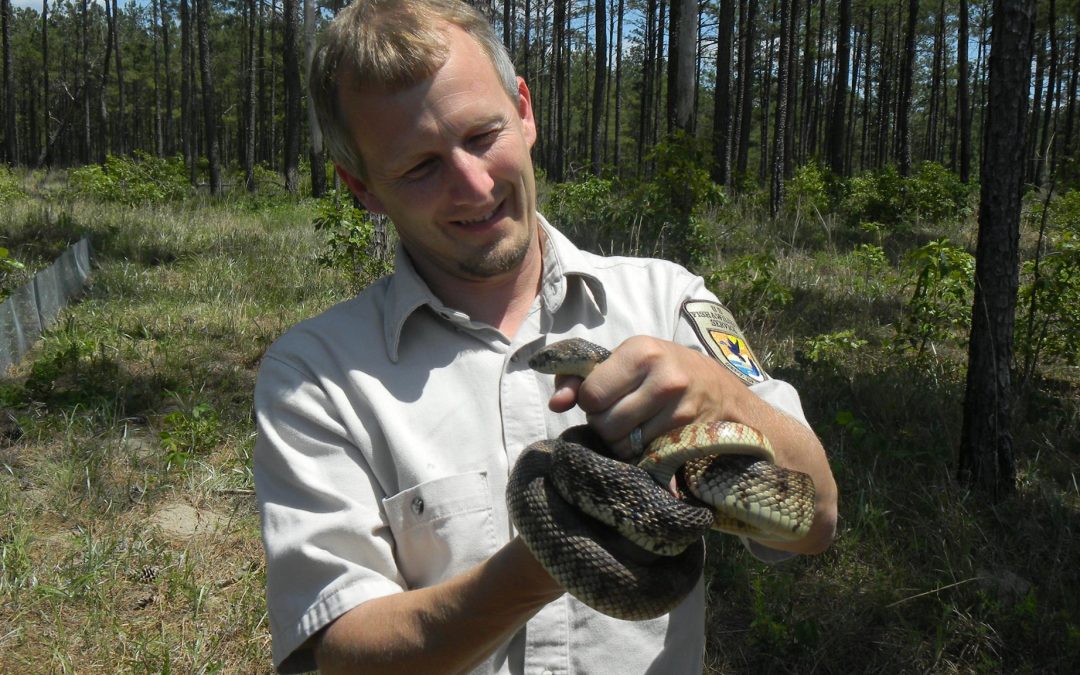
The Louisiana Pine Snake, a species listed as threatened under the Endangered Species Act, finds sanctuary in BLM lands. Found exclusively in Louisiana and eastern Texas, efforts are in place to ensure its survival and contribution to the local ecosystem.
Recreational Opportunities
Do not assume a parcel associated with BLM records is open for camping, hunting, or vehicle access. BLM may manage only the subsurface mineral estate, while another public agency or a private owner controls the surface. Verify surface ownership, legal access, and activity-specific rules with the responsible office; Louisiana hunting and fishing licenses and regulations still apply.
A Glimpse into the Past: History of BLM Land in Louisiana
Since 1946, BLM has been at the forefront of managing Louisiana’s public lands. With a focus on multi-faceted uses like recreation, timber, and wildlife habitat, BLM has consistently collaborated with local communities to ensure beneficial land management.
Management and Partnerships
Through various programs and collaborations, BLM has forged partnerships with entities like the Louisiana Department of Wildlife and Fisheries. Together, they’ve crafted management plans, especially for the Louisiana Pine Snake habitat, balancing preservation with recreational activities.
Conservation Initiatives
From prescribed burns for vegetation management to controlling invasive species and promoting healthy forests, BLM’s conservation efforts ensure the land’s vitality for both the public and the environment.
Economic Significance
Beyond its ecological importance, BLM land in Louisiana bolsters the economy. Activities like grazing, timber harvesting, and mineral production generate revenue, benefiting both the state and local communities.
Conclusion
In Louisiana, BLM’s role is limited and parcel-specific. For ordinary public camping and recreation, state parks, wildlife-management areas, and National Forest lands are usually clearer starting points. Use official maps and agency contacts rather than treating “BLM land” as blanket permission to camp.
FAQs
Can anyone visit BLM land in Louisiana?
Not automatically. Verify that BLM manages the surface estate, that public access is legal, and that the specific activity is allowed. Mineral-interest records alone do not create public recreation access.
What kind of wildlife can be found on BLM land in Louisiana?
The BLM land in Louisiana provides habitat for a variety of wildlife species, including the Louisiana pine snake, the red-cockaded woodpecker, and the Louisiana black bear.
How does the BLM manage its land in Louisiana?
The BLM manages its land in Louisiana through partnerships with local communities, non-profit organizations, and other government agencies. The agency also works closely with stakeholders to develop management plans that ensure the lands are used in a way that benefits the public and the environment.
Can I hunt and fish on BLM land in Louisiana?
Yes, hunting and fishing are allowed on BLM land in Louisiana, but regulations and restrictions may apply.
How does the BLM contribute to Louisiana’s economy?
The BLM land in Louisiana supports grazing, timber harvesting, oil and gas development, and mineral production, which generate revenue for the state and local communities and support jobs in the natural resources sector. Additionally, the land provides recreational opportunities that support Louisiana’s tourism industry.
Resources
BLM Louisiana State Office Description: Official website of the Bureau of Land Management’s Louisiana State Office, providing information on BLM-managed lands, programs, and activities in the state. URL: https://www.blm.gov/office/louisiana-state-office
Louisiana Department of Wildlife and Fisheries Description: The official website of the Louisiana Department of Wildlife and Fisheries, responsible for managing and protecting the state’s wildlife resources and habitats. URL: https://www.wlf.louisiana.gov/
Recreational Activities on BLM Land in Louisiana Description: A guide to recreational activities, including hunting, fishing, and camping, on BLM-managed lands in Louisiana, provided by the Bureau of Land Management. URL: https://www.blm.gov/programs/recreation/recreation-activities/louisiana
The Rise of RV Popularity and the Increased Risk of Scams
The RV lifestyle has seen a surge in popularity in recent years, attracting millions of enthusiasts. However, this boom has also made the RV community a prime target for scams. From Outdoorsy scams to scams on RVshare, the risks are real and growing., the risks are real and growing. The Federal Trade Commission reported that consumers lost nearly $8.8 billion to all types of fraud in 2022, more than 30% above 2021; the FTC did not report a 30% increase specific to RV scams.
Some of the most common RV scams include:
Fake RV rental companies: Scammers create fake websites and social media pages for RV rental companies. They then list RVs that they do not actually own or have access to. When someone books an RV through one of these fake companies, they are often left stranded with no RV and no refund.
RV warranty scams: Scammers sell fake RV warranties or offer to extend existing warranties for a fee. These warranties are often worthless, and scammers will often refuse to pay out on claims.
Predatory RV financing: Some lenders offer to finance RV purchases at predatory interest rates. These loans can trap borrowers in debt for years.
It is important to be aware of these scams and to take steps to protect yourself. Here are a few tips:
Do your research: Before booking an RV rental or purchasing an RV warranty, research the company carefully. Read reviews from other customers and make sure that the company is legitimate.
Be wary of deals that seem too good to be true: If a deal seems too good to be true, it probably is. Scammers often offer RVs at below-market prices or offer extended warranties for free.
Read the fine print: Before signing any contract, read the fine print carefully. Make sure that you understand all of the terms and conditions, including the cancellation policy and the refund policy.
If you are a victim of an RV scam, there are steps you can take to protect yourself. First, report the scam to the authorities. You can also file a complaint with the Better Business Bureau or the Consumer Financial Protection Bureau.
By being aware of various RV scams, like rental and warranty scams, and taking steps to protect yourself, you can avoid becoming a victim.
Essential Awareness: Common RV Scams to Watch Out For
While RVing and camping offer incredible opportunities to explore the great outdoors and create lasting memories, their increasing popularity has led to a corresponding rise in fraudulent activities. Scammers are becoming increasingly sophisticated, employing a range of tactics from fake rental listings to phishing scams aimed at stealing money and personal information.
Here are some examples of common RVing and camping scams:
Fake rental listings: Scammers create fake websites and social media pages for RV rental companies and campgrounds. They then list RVs and campsites that they do not actually own or have access to. When someone books an RV or campsite through one of these fake companies, they are often left stranded with no RV or campsite and no refund.
Counterfeit camping gear: Scammers sell counterfeit camping gear that is often poorly made and unsafe. This gear can fail, causing injuries or property damage.
Phishing scams: Scammers send phishing emails or text messages that appear to be from legitimate companies such as RV rental companies, campgrounds, or credit card companies. These messages often contain links to fake websites or ask for personal information such as credit card numbers or Social Security numbers.
Hidden fees: Scammers may advertise RVs or campsites at low prices, but then charge hidden fees such as cleaning fees, insurance fees, or damage fees.
It is important to be aware of these scams and to take steps to protect yourself. Here are a few tips:
Do your research: Before booking an RV or campsite, research the company carefully. Read reviews from other customers and make sure that the company is legitimate.
Be wary of deals that seem too good to be true: If a deal seems too good to be true, it probably is. Scammers often offer RVs and campsites at below-market prices or offer hidden fees.
Read the fine print: Before signing any contract, read the fine print carefully. Make sure that you understand all of the terms and conditions, including the cancellation policy and the refund policy.
Be careful about clicking on links in emails or text messages: If you receive an email or text message from a company that you do not recognize, or that contains a link to an unfamiliar website, do not click on it. Instead, contact the company directly to verify the message.
If you are a victim of an RVing or camping scam, there are steps you can take to protect yourself. First, report the scam to the authorities. You can also file a complaint with the Better Business Bureau or the Consumer Financial Protection Bureau.
By being aware of RVing and camping scams and taking steps to protect yourself, you can avoid becoming a victim.
Safeguarding Yourself During Buying and Selling: Red Flags to Identify Scams
Buying an RV: Be Wary of Sellers Who:
Are unwilling to meet in person or allow a physical inspection of the RV.
Offer prices significantly below market value.
Ask for a large deposit upfront before you have seen the RV in person.
Pressure you to make a quick decision.
Request payment via wire transfer or other untraceable methods.
Selling an RV: Don’t Fall Prey to These Buyer Tactics
Overpay and request a refund of the excess amount.
Ask for you to ship the RV before they have paid for it.
Want to use a third-party intermediary to handle the transaction.
Request that you sign any documents without first reviewing them carefully.
It is important to do your research and take steps to protect yourself when buying or selling an RV. Here are a few tips:
Meet in person: It is important to meet the buyer or seller in person before making a deal. This will give you a chance to inspect the RV and ask any questions you have.
Get everything in writing: Be sure to get all of the terms of the agreement in writing before signing anything. This includes the price, the condition of the RV, and the payment terms.
Use a trusted payment method: Avoid using cash or wire transfers, as these payment methods are difficult to trace if something goes wrong. Instead, use a trusted payment method such as a cashier’s check or a money order.
Be patient: Don’t feel pressured to make a quick decision. Take your time and do your research to make sure you are getting a good deal.
If you are unsure about anything, it is always best to consult with a qualified professional
Additional tips for buyers:
Get a Vehicle History Report: This will tell you if the RV has been in any accidents or has any other liens on it. You can get a comprehensive report from services like Carfax or AutoCheck.
Have the RV Inspected by a Qualified Mechanic: This will help you identify any potential problems with the RV before you buy it. Websites like YourMechanic offer mobile RV inspection services that come to you.
Additional tips for sellers:
Get the buyer’s name and contact information: This will help you track down the buyer if there is a problem after the sale.
Keep a copy of all paperwork: This includes the bill of sale, the vehicle history report, and any other documentation related to the sale.
By being aware of RV scams and taking steps to protect yourself, you can avoid becoming a victim.
The Dark Side of Online Marketplaces: Unveiling Online RV Scams
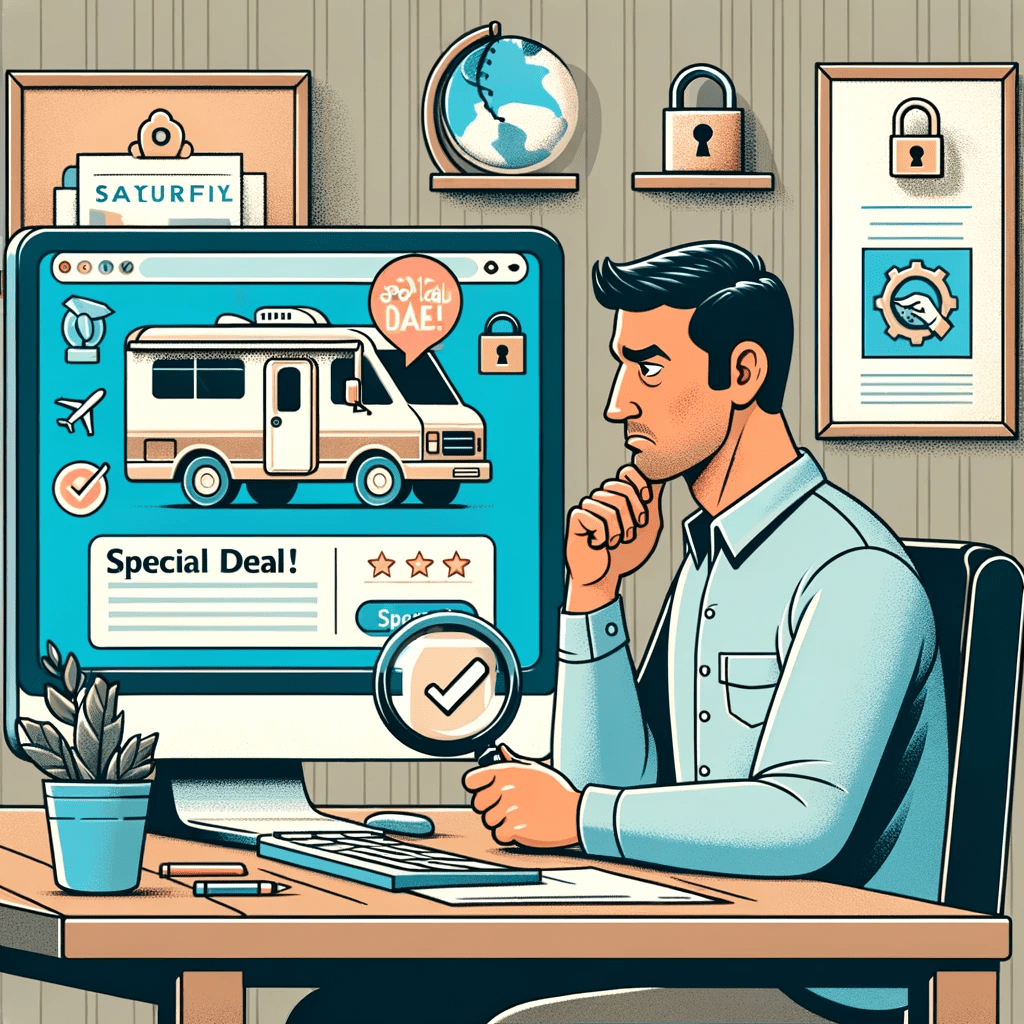
Platforms like Craigslist and Facebook Marketplace can be a great place to find deals on RVs, but they can also be a breeding ground for scammers. It is important to be aware of the risks and to take steps to protect yourself when buying or selling an RV online.
Here are a few tips to avoid online RV scams:
Be wary of listings that seem too good to be true. If an RV is listed for a significantly lower price than similar RVs, it is likely a scam.
Do your research. Before contacting the seller, research the RV and the seller. Make sure that the RV is listed at a fair price and that the seller is legitimate.
Never buy an RV without meeting the seller in person and inspecting the RV in person.
Use a secure payment method. Avoid using cash or wire transfers. Instead, use a trusted payment method such as a cashier’s check or a money order.
Never share your personal financial information online. Do not share your credit card number, Social Security number, or other personal financial information with the seller online.
If you are unsure about anything, it is always best to consult with a qualified professional.
Fake RV Rental Listings: A Web of Deception
Fake rental listings are a prevalent issue in the RV rental space. Scammers often use stolen photos and information from legitimate listings to create these fake ads. Once payment is sent, usually via non-traceable methods like wire transfer or gift cards, the scammer vanishes. The FTC’s 2022 fraud data covers all fraud categories and does not quantify an RV-specific increase.
How to Protect Yourself from Rental Platform Scams (Outdoorsy, RVshare etc.)
To mitigate risks from Outdoorsy scams or RVshare, scams, use only the official platforms as they offer fraud protection and verify the identity of renters and owners.
Fake RV Rental Companies: The Mirage of a Perfect Getaway
Fake RV rental companies are a growing concern in the RV community. These scammers create convincing websites and social media pages, listing RVs they don’t own. Unsuspecting renters pay upfront, only to find themselves stranded and out of pocket.
How to Spot and Avoid Fake RV Rental Companies
Do your due diligence. Always research the company before booking. Look for reviews, testimonials, and any red flags, such as a newly created social media page or a lack of contact information.
Use secure payment methods. Avoid using cash, wire transfers, or gift cards. Instead, use a credit card or a verified online payment platform that offers fraud protection.
Verify the RV and the company. If possible, visit the rental location to inspect the RV and confirm the legitimacy of the company.
Here are some additional tips to help you avoid fake RV rental companies:
Beware of deals that seem too good to be true. If a rental price is significantly lower than similar rentals, it is likely a scam.
Be wary of high-pressure sales tactics. Scammers may try to rush you into booking a rental without giving you time to research the company.
Be wary of companies that ask for a large deposit upfront. Legitimate rental companies typically require a deposit, but it should not be more than 30% of the total rental price.
If you are unsure about a rental company, it is best to err on the side of caution and book with a reputable company.
Bogus RV Warranties: The Illusion of Security
RV warranty scams prey on the desire for peace of mind. Scammers sell fake warranties or offer to extend existing ones for a fee. When it’s time to make a claim, these fraudulent companies are nowhere to be found.
How to Dodge RV Warranty Scams
Verify the provider. Check if the warranty provider is accredited by relevant industry organizations, such as the Better Business Bureau or the Recreation Vehicle Dealers Association (RVDA).
Read the fine print. Always read the terms and conditions of the warranty carefully before purchasing it. Scam warranties often have clauses that make it difficult or impossible to file a claim.
Consult trusted sources. Seek recommendations from trusted RV communities or forums. You can also ask your RV dealer for recommendations.
Here are some additional tips to help you avoid RV warranty scams:
Be wary of unsolicited calls or emails. Scammers often contact RV owners by phone or email to offer warranties. If you receive an unsolicited offer, do not give out any personal or financial information.
Beware of high-pressure sales tactics. Scammers may try to pressure you into buying a warranty without giving you time to research the company or the warranty.
Beware of deals that seem too good to be true. If a warranty is significantly cheaper than similar warranties, it is likely a scam.
If you are unsure about a warranty provider or a warranty offer, it is best to err on the side of caution and walk away.
The Debt Trap: How to Avoid Predatory RV Financing
Predatory RV financing is another pitfall. Lenders offer seemingly attractive financing options for RV purchases, but at exorbitant interest rates, trapping borrowers in a cycle of debt.
How to Navigate RV Financing Safely
Shop around. Always compare interest rates and terms from multiple lenders before taking out an RV loan.
Understand the terms. Make sure you fully understand all of the terms of the loan, including the interest rate, the repayment terms, and any penalties for early repayment.
Consult a financial advisor. Before taking out any RV loan, it is wise to consult with a financial advisor who is familiar with RV financing. They can help you assess your financial situation and find the best financing option for you.
Here are some additional tips to help you avoid predatory RV financing:
Be wary of lenders who offer to approve you for a loan quickly, without checking your credit history or income. These lenders are likely to offer you high-interest loans with unfavorable terms.
Be wary of lenders who pressure you to sign a loan agreement without giving you time to read and understand the terms.
Be wary of lenders who ask for a large down payment or upfront fees. Legitimate lenders typically do not require large down payments or upfront fees for RV loans.
If you are unsure about an RV lender or a loan offer, then walk away.
Best Practices for Scam-Free Camping and RVing
While awareness is the first step, implementing best practices can significantly reduce the risk of falling victim to scams. Platforms like Outdoorsy and RVshare offer fraud protection and customer support, making them safer options for rentals.
Actionable Tips
Use trusted platforms. Stick to well-known, reputable platforms that offer fraud protection.
Be skeptical of suspicious emails. Phishing scams are rampant. Always verify the sender’s email address before clicking any links.
Safeguard personal information. Be cautious when sharing personal information, especially on social media or unknown websites.
Here are some additional tips to help you avoid scams when camping and RVing:
Meet in person before booking a rental. Never book an RV or campsite without meeting the owner or representative in person. This will give you a chance to inspect the RV or campsite and ask any questions you have.
Be wary of deals that seem too good to be true. If an RV or campsite is listed at a significantly lower price than similar rentals, it is likely a scam.
Use a secure payment method. Avoid using cash or wire transfers. Instead, use a credit card or a verified online payment platform that offers fraud protection.
Be careful about clicking on links in emails or text messages. If you receive an email or text message from a company that you do not recognize, or that contains a link to an unfamiliar website, do not click on it. Instead, contact the company directly to verify the message.
If you are unsure about anything, it is always best to err on the side of caution and walk away.
Stay Informed: Your Ultimate Defense Against Scams
Camping and RVing offer a unique way to connect with nature, but the rising scams in this sector make it crucial for enthusiasts to stay informed and vigilant. By following the tips and best practices outlined in this guide, you can enjoy the great outdoors without falling prey to scams.
In the age of information, staying informed is your best defense against scams in the RV and camping sector. Remember to:
Use trusted platforms.
Scrutinize every detail of a rental or warranty offer.
Safeguard your personal information.
By following these best practices, you can protect yourself and your RV adventures, and contribute to a safer and more trustworthy community for all outdoor enthusiasts.
Additional Resources to Enhance Your Safe RV Experience
General Cybersecurity and Consumer Protection Resources
National Cyber Security Alliance: Offers a comprehensive guide on phishing and online scams. Learn everything from identifying phishing emails to protecting your online accounts. Staying Safe Online
USA.gov: Provides an Identity Theft Prevention guide with comprehensive tips on safeguarding personal information and recovery steps if victimized. Tips to Protect Your Identity
Federal Trade Commission (FTC): A hub for consumer protection, including a section on scams. Learn how to avoid, report, and get help for scams. Consumer Information on Scams
Internet Crime Complaint Center (IC3): A partnership between the FBI and the National White Collar Crime Center, this platform allows you to report scams and other internet crimes. Official Website
Better Business Bureau: A non-profit that provides information on businesses, including reviews and ratings. Ideal for researching RV rentals or warranties. BBB Website
RV-Specific Resources
Federal Trade Commission: Provides valuable information on rental listing scams, warning signs, and protection tips. Rental Listing Scams
Outdoorsy: Offers insights into common RV rental scams, including fake listings and phishing. Learn how to spot and avoid them. How to Spot and Avoid RV Rental Scams
RVshare: Presents a comprehensive guide on avoiding RV rental scams, with detailed explanations and tips for safe rental experiences. How to Avoid RV Rental Scams
Dispute Charges: Contact your credit card company or bank to dispute the charges.
How to Report Fraudulent Activity
FTC and IC3: File a complaint with the Federal Trade Commission or the Internet Crime Complaint Center.
Local Law Enforcement: Don’t underestimate the power of local authorities; they can be more helpful than you think.
Additional Resources to Enhance Your Safe RV Experience
Too-Good-to-Be-True Prices: If it looks too good, it probably is.
Vague or Missing Information: Scammers often avoid details.
Payment Methods: Be wary of non-traceable payment methods like wire transfers or gift cards.
Can You Recover Your Money?
While there’s no guarantee, taking immediate action increases your chances of recovering your money. Contact your bank and the rental platform as your first steps.
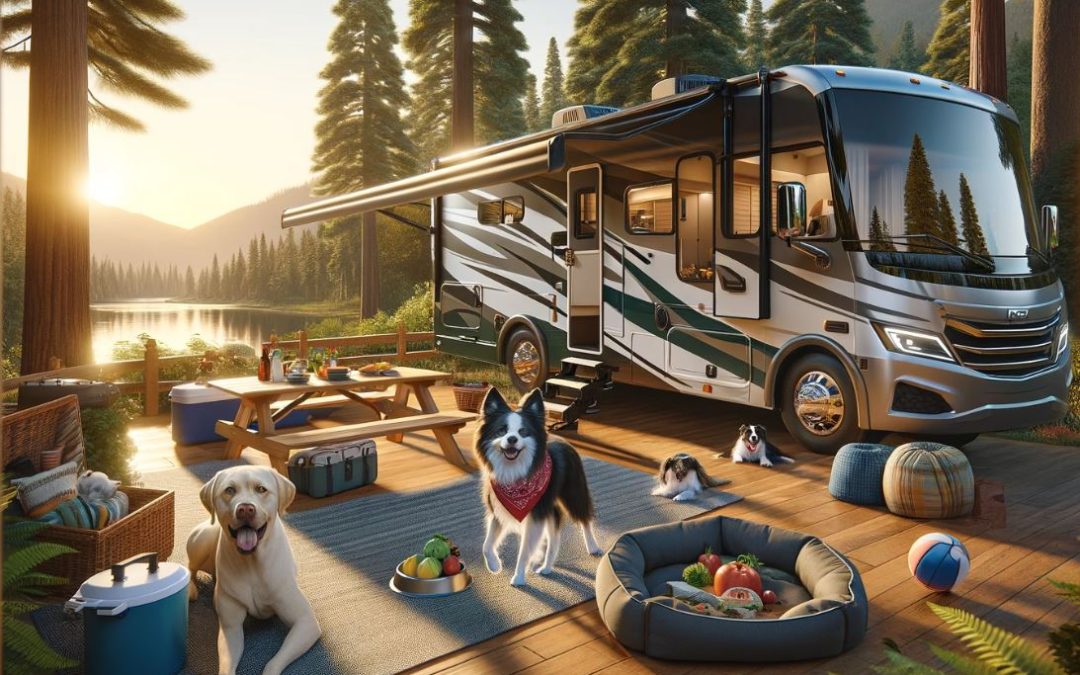
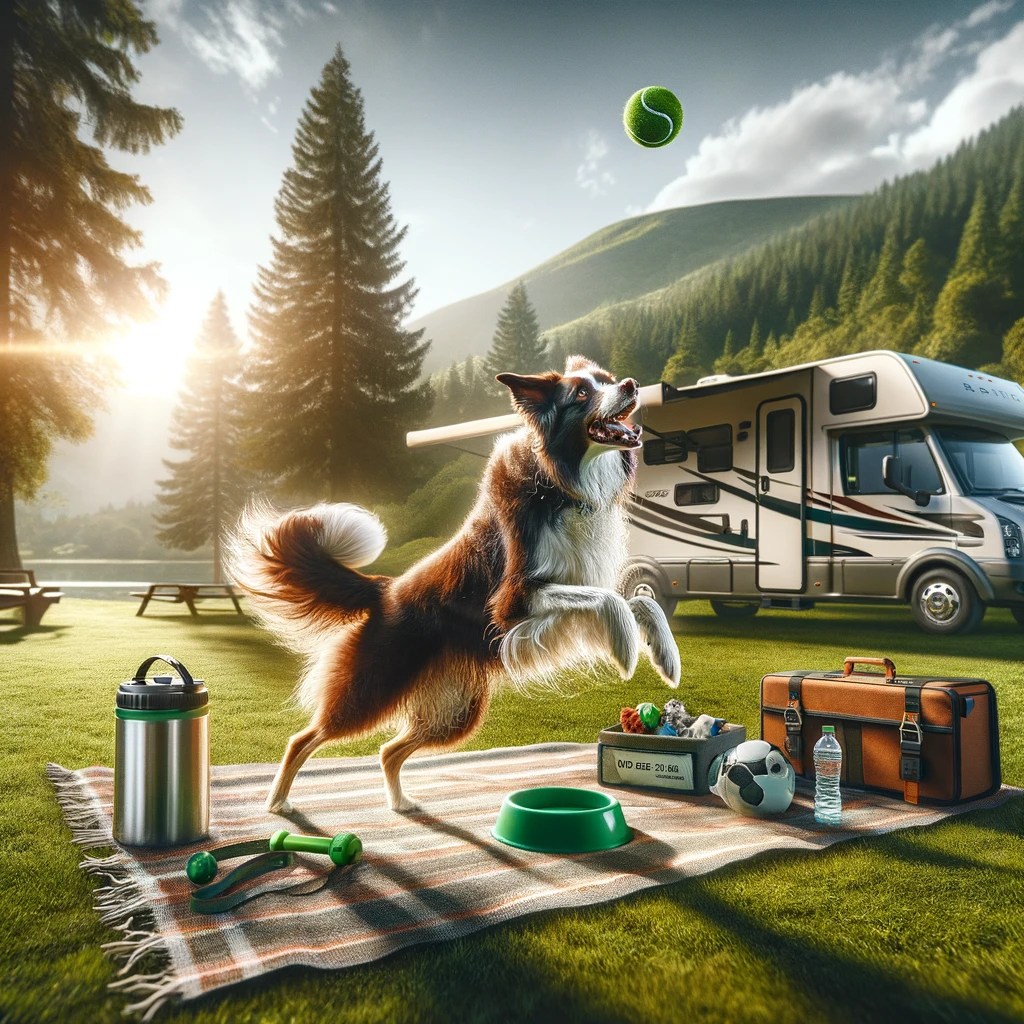
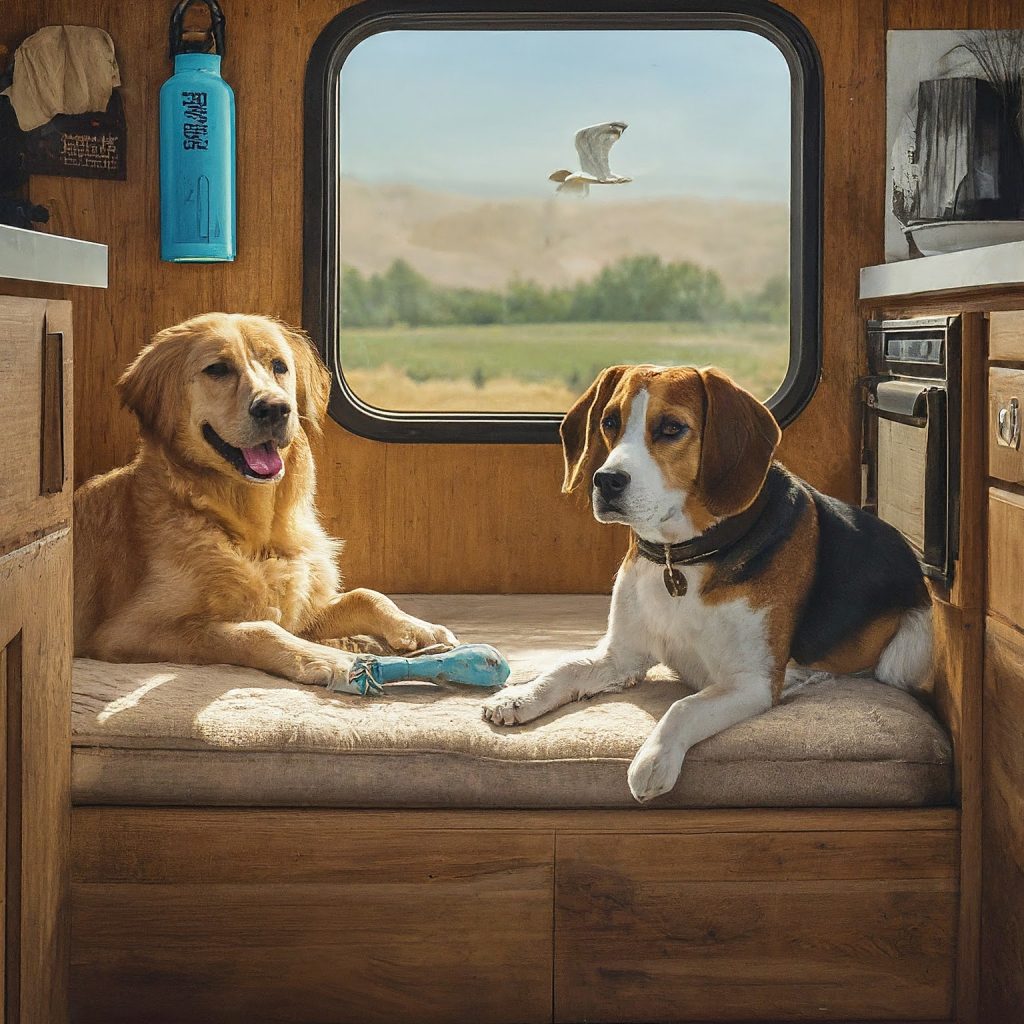
The open road stretches before you, the wind whispers through the pines, and beside you sits your furry copilot, tail wagging in anticipation. RVing with your dog has become an increasingly popular way to explore the country, offering adventure, bonding, and unforgettable memories.
This guide equips you with the knowledge and resources to ensure a safe and joyful journey for both you and your canine companion. Whether you’re seasoned RVers or embarking on your first furry road trip, we’ll cover essential aspects like choosing the right RV, preparing your dog for the adventure, ensuring their comfort on the road, and finding dog-friendly destinations.
So, buckle up and get ready to explore the magic of RVing with your four-legged best friend!
Charting Your Course: Choosing the Perfect RV for Your Pup
Before embarking on your epic pup-tastic adventure, finding the ideal RV is crucial. Here’s where size, dog-friendly features, and budget play a pawsome role:
Sizing Up Your Options:
Cozy Compact: Ideal for solo travelers or small pups, Class B vans offer nimble maneuverability and easy parking. Consider the Roadtrek Simplicity or Winnebago Solis.
Spacious Spread: Traveling with multiple dogs or larger breeds? Class C motorhomes like the Jayco Redhawk or Entegra Journey provide ample space for both humans and furry explorers.
Luxurious Livin’: Class A behemoths like the Newmar Dutch Star or Thor Palazzo offer the ultimate in comfort and space, complete with features like dedicated pet areas and outdoor dog showers.
Dog-Gone Delightful Features:
Easy Clean-Up: Opt for durable, stain-resistant flooring like vinyl or linoleum to handle muddy paws and adventurous accidents.
Safety First: Secure tie-downs for crates or harnesses, fire extinguishers, and carbon monoxide detectors ensure peace of mind.
Creature Comforts: Look for features like built-in pet feeders, dog-washing stations, and designated sleeping areas to create a home away from home for your furry friend.
Budgeting for Your Woof-derful Trip:
New vs. Used: Decide if a brand-new RV with the latest features fits your budget, or if a well-maintained used model offers cost savings.
Rental vs. Purchase: Consider renting an RV for shorter trips to test the waters before committing to a purchase.
Hidden Costs: Factor in fuel, campground fees, pet-related expenses, and potential maintenance costs when budgeting.
Remember: Research and compare different RV models to find the perfect fit for your pup’s needs and your travel style. Don’t forget to take your furry friend along for a test “paw”-duction to ensure their comfort and approval!
Prepping Your Pup for the Road: Building Confidence & Comfort
The key to a stress-free journey starts with a well-prepared pup. Here’s how to ensure your furry co-pilot embarks on the adventure with wagging confidence:
Introducing Your RV:
Start slow: Let your dog explore the RV at their own pace. Use treats and positive reinforcement to create positive associations.
Make it familiar: Bring their favorite bed, toys, and blankets to create a sense of comfort in their new temporary home.
Practice makes perfect: Take short “test drives” around the block to get your dog used to the movement and sounds of the RV.
Essential Routines On-the-Go:
Practice crate training: If using a crate, ensure your dog feels comfortable and secure inside. Train them to spend time there willingly.
Potty training reinforcement: Maintain their regular potty schedule and make frequent stops during travel. Reward successes generously.
Feeding on the move: Stick to their usual feeding routine to avoid digestive upset. Consider smaller meals more frequently if traveling long distances.
Health & Documentation:
Veterinary Checkup: Schedule a pre-trip visit to ensure your dog’s vaccinations are up-to-date and discuss any travel medications needed.
Identification is key: Ensure your dog wears a collar with current ID tags and consider microchipping them for added security.
Travel documents: Research and obtain any necessary permits or health certificates required for specific destinations.
Remember: Patience and positive reinforcement are key! Start preparation early, address any anxieties, and create a positive experience for your dog. Their happy spirit will make the journey even more enjoyable for everyone.
Building a Safe & Comfortable Haven for Your Pup: Packing & Preparing the RV
While “Packing Essentials” is important, let’s focus on creating a seamless flow and avoid redundancy. Here’s a combined section that addresses both packing and creating a comfortable space within the RV:
Transforming Your RV into a Pup Paradise:
Essential Gear:
Packing for Safety & Hygiene: Ensure responsible pet ownership with leashes, harnesses, waste bags, and a first-aid kit tailored to your dog’s needs. Pack cleaning supplies (enzymatic cleaners, odor neutralizers) for accidents.
Food & Water Essentials: Pack familiar food, bowls, and ensure easy access to fresh water throughout the journey. Consider portable water dispensers for on-the-go convenience.
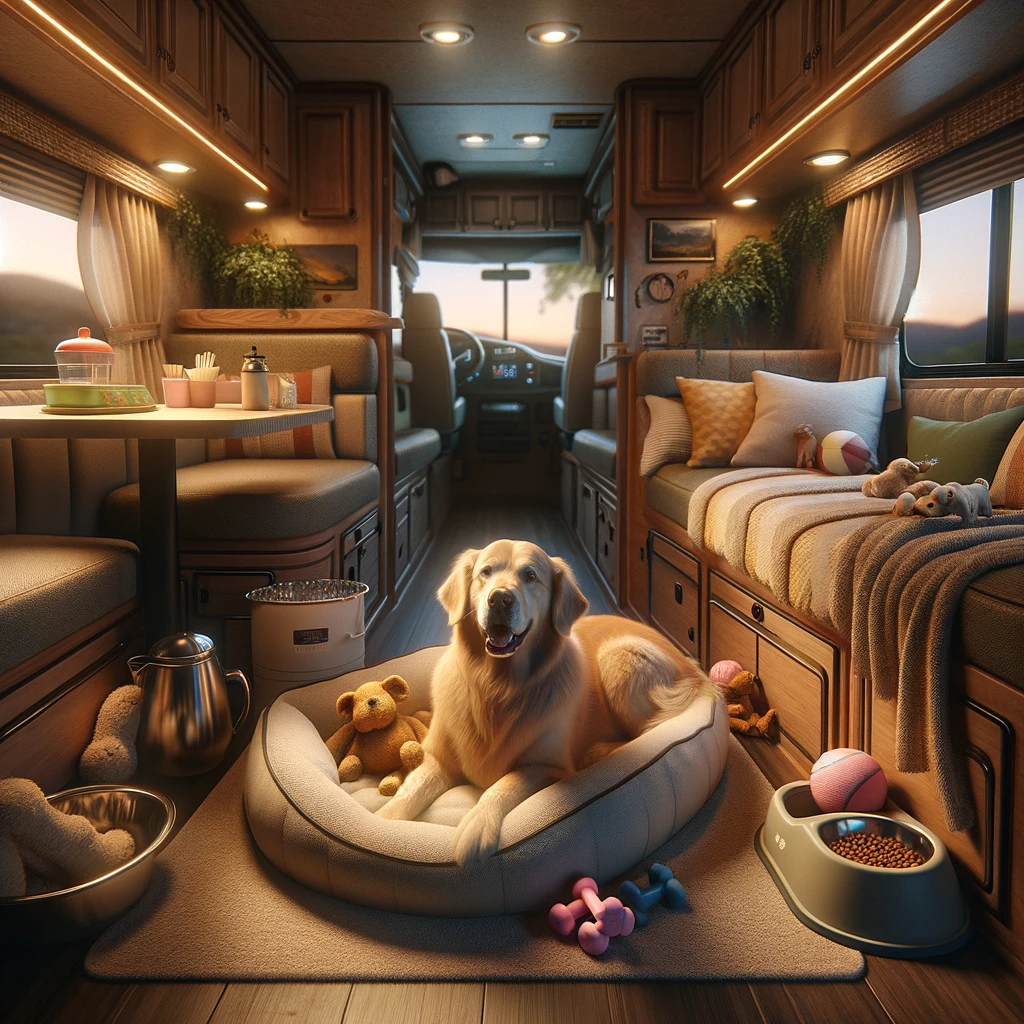
Cozy Comforts: Create a designated sleeping area with a comfy bed, crate, or familiar blankets. Pack their favorite toys for entertainment and mental stimulation.
Creating a Canine Corner:
Dedicated Sleep Station: Utilize a crate, designated bed, or a comfortable spot with familiar items for peaceful snoozing.
Feeding & Hydration Hub: Set up a designated area for their bowls, ensuring easy access to fresh water throughout the journey.
Portable Potty Solutions: Consider options like pee pads or portable potties for situations where immediate outdoor access isn’t possible.
Keeping Your Pup Entertained:
Variety is Key: Pack a variety of chew toys, puzzle toys, and interactive toys to prevent boredom and keep them mentally stimulated.
Travel Games & Treats: Hide treats or use puzzle toys to provide mental stimulation during long stretches.
Sniff & Seek Adventures: Allow controlled exploration at dog-friendly rest stops and destinations using leashes and harnesses.
Remember: Tailor your packing and preparations to your dog’s individual needs and preferences. Don’t forget their medications, favorite treats, and any comfort items that bring them joy!
Now that your RV is a pup paradise and your furry co-pilot is prepped for the journey, it’s time to chart your course! Here’s how to find pawsome destinations that welcome both you and your canine companion:
Unlocking the Perfect Pit Stop:
Research is key: Utilize online resources like BringFido, Rover, and Kampgrounds of America to filter campgrounds and attractions by pet-friendly policies and amenities.
Amenities that wag your tail: Look for campgrounds with designated dog parks, walking trails, pet-washing stations, and even dog-friendly cafes.
Beyond the campground: Research dog-friendly beaches, hiking trails, national parks, and local attractions that welcome furry explorers. Remember leash laws and responsible pet ownership.
Pawsome Places Across the US:
Coastal Delights: Unleash the joy of beach adventures in California’s Huntington Dog Beach, Florida’s Jupiter Off-Leash Dog Beach, or North Carolina’s Crystal Coast beaches.
Mountain Majesty: Explore the dog-friendly trails of Shenandoah National Park in Virginia. Rocky Mountain National Park prohibits pets on trails, tundra, and meadows; Mount Rainier generally prohibits pets on trails and wilderness areas. Check each park’s current pet rules before you go.
Urban Oasis: Discover hidden gems like Central Park’s unleashed dog runs in New York City, Millennium Park’s dog park in Chicago, or the many dog-friendly cafes and shops in San Francisco.
Remember: This is just a starting point! Research destinations specific to your travel plans and interests. Consider your dog’s breed, energy level, and preferences when choosing activities and locations.
Tail-Wagging Tips & Resources for a Pawsome Journey
Now that you’re equipped with the essentials, let’s explore some bonus tips and resources for a truly unforgettable RVing adventure with your dog:
Conquering Canine Worries:
Recognizing Separation Anxiety: Watch for signs like pacing, whining, or destructive behavior when left alone. Consult your veterinarian or a certified animal behaviorist for personalized guidance.
Training for Tranquility: Gradually acclimate your dog to spending time alone in the RV through positive reinforcement and desensitization techniques. Consider crate training for comfort and security.
Calming Aids: Consult your veterinarian about natural calming aids like calming chews or pheromone diffusers as additional support.
Building a Pack on the Road:
Connect with Fellow Dog-Loving RVers: Online forums, social media groups, and RVing clubs dedicated to pet-friendly travel offer a wealth of information, support, and potential travel buddies.
Join Dog-Friendly Events & Gatherings: Many campgrounds and destinations host dog-friendly events like hikes, meet-and-greets, and agility courses, fostering socialization and fun.
A World of Resources:
American Kennel Club (AKC):https://www.akc.org/ (Traveling with Dogs, Pet-Friendly Hotels & Destinations)
Kampgrounds of America (KOA):https://koa.com/ (Pet-friendly campgrounds across the US & Canada)
Remember: Always research specific regulations and pet policies before visiting any destination. Pack responsibly, prioritize your dog’s safety and comfort, and most importantly, create lasting memories filled with wags and wonder!
Unleashing a Lifetime of Adventures with Your Best Friend
As the sun sets on this guide, let the spirit of adventure rise! RVing with your dog isn’t just a trip; it’s the start of a unique bond forged on open roads, shared experiences, and tail-wagging joy. You’ve got the tools, the tips, and the inspiration – now it’s time to chart your course and embark on your very own pawsome adventure.
Remember, the journey is just as important as the destination. Soak in the wind in your fur, the sun on your noses, and the laughter that fills the RV. Capture moments big and small, witness breathtaking landscapes together, and create memories that will last a lifetime. So, buckle up, furry copilot, and get ready to unleash a world of adventure!
Don’t forget to share your journey! Use the hashtag #WaggingRVAdventures to connect with other dog-loving travelers, showcase your experiences, and inspire others to hit the road with their own furry companions.
Tips for Pet-Friendly Campgrounds, Travel Preparation & On-the-Road Care
Are you an animal lover looking to explore the open road with your furry companion? RVing with companion animals is becoming more and more popular.and for a good reason! With an RV, you can bring your pets along on your adventures, ensuring they are comfortable and safe throughout your journey.
To make your RVing experience with your pet a successful one, we have combined two articles to create the ultimate guide to RVing with your pets. We will cover everything you need to know, from finding companion animal-friendly campgrounds to preparing your pet for travel and accessing pet care resources on the road.
Pet-Friendly Campgrounds
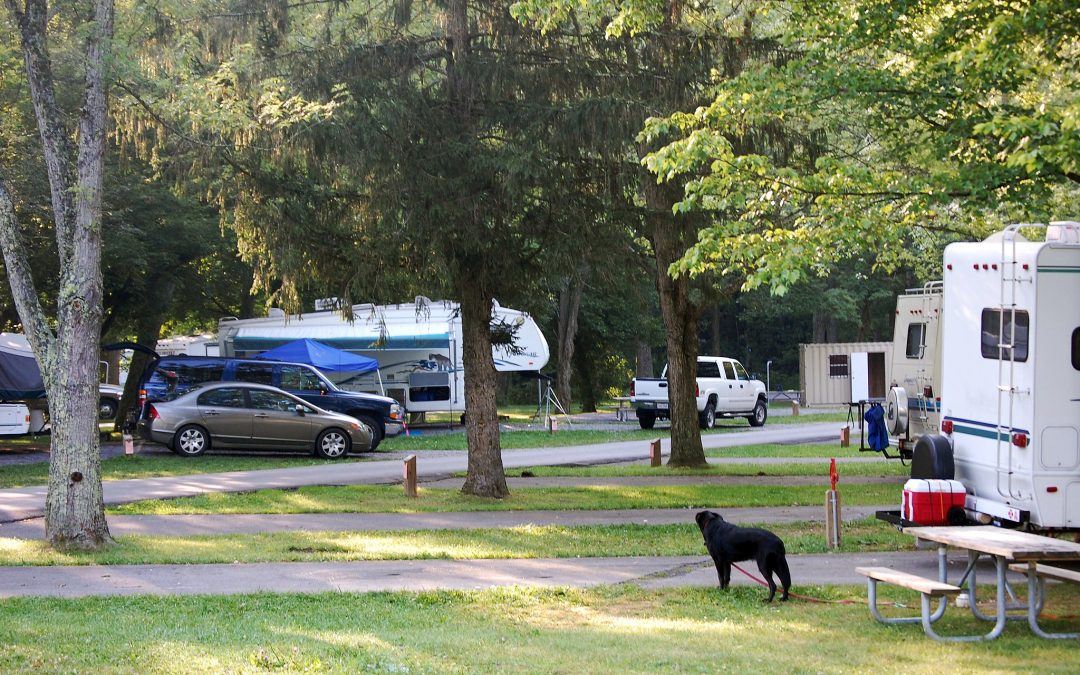
Before we dive into the best pet-friendly campgrounds across the US, let’s understand what makes a campground “companion animal-friendly. A pet-friendly campground allows pets on their property, has designated pet areas, and provides pet-friendly amenities such as waste disposal stations and off-leash areas. It’s essential to note any companion animal policies, such as breed or size restrictions, leash rules, and additional fees.
There are many pet-friendly campgrounds across the US, but some stand out above the rest. Here are a few examples:
Yosemite National Park, California: This park allows pets in designated areas, and there are plenty of pet-friendly trails for you and your furry friend to explore.
Lake Rudolph Campground & RV Resort, Indiana: This resort features a dog park, dog walking services, and a dog wash station.
KOA Campgrounds, nationwide: KOA is known for being pet-friendly and even has a “Kamp K9” dog park at many locations.
When booking a pet-friendly campground, be sure to ask about their pet policies, including fees, leash rules, and designated pet areas. It’s also a good idea to reserve a site near a grassy area for your pet’s convenience. Additionally, it’s crucial to book early, especially during peak camping season, as many pet-friendly sites fill up quickly.
Before hitting the road, it’s essential to prepare your pet for the journey. This includes making sure they’re up to date on vaccinations, packing their favorite toys and bedding, and ensuring they’re comfortable in their carrier or restraint. It’s also a good idea to take them on short trips in the RV to get them acclimated to the space.
Once you’re on the road, it’s important to keep your pet safe and comfortable. This includes using a pet restraint, providing plenty of water and food, and taking frequent breaks to let your pet stretch their legs and use the bathroom. You should also avoid leaving your pet alone in the RV for long periods and never leave them in a parked RV without ventilation or air conditioning.
RV travel can be stressful for pets, leading to common issues like motion sickness, anxiety, and boredom. To combat these issues, consider using natural remedies like calming supplements, taking frequent breaks to let your pet walk and play, and providing them with interactive toys to keep them entertained.
If your pet suffers from motion sickness, try feeding them a small meal a few hours before travel and avoid feeding them while on the road. You can also talk to your veterinarian about medication options to help prevent motion sickness.
Anxiety is another common issue for pets during RV travel. To help your pet feel more relaxed, consider bringing along their favorite blanket or toy and using calming scents like lavender or chamomile. You can also try playing soothing music or using a pheromone spray designed to reduce anxiety in pets.
Boredom can also be a problem for pets during long RV trips. To keep your pet entertained, provide them with interactive toys like puzzle feeders or treat dispensers. You can also take
them on short walks or hikes to explore the new surroundings and get some exercise. It’s important to remember that pets need mental and physical stimulation, so incorporating interactive activities throughout the trip can help keep them happy and healthy. Additionally, providing them with a comfortable and familiar space in the RV, such as their own bed or blanket, can help ease any anxiety they may feel in new environments.
In case of emergencies, it’s essential to know about the pet care resources available on the road. This includes emergency services like mobile vets, animal hospitals, and pet ambulance services. It’s also important to know where to find pet stores and supplies like food, toys, and medication. There are many apps and websites that can help you find pet-friendly businesses and services on the road, such as BringFido, a website and app that allows you to search for pet-friendly hotels, restaurants, and activities in your area, and Rover, a website and app that connects pet owners with local pet sitters and dog walkers.
If you experience a pet emergency on the road, it’s important to remain calm and contact a mobile vet or animal hospital immediately. It’s also a good idea to have your pet’s medical records and medication on hand in case of an emergency. You can get your pet’s medication while on the road by asking your regular veterinarian to prescribe enough medication to last for your entire trip or finding a local veterinarian to prescribe medication for your pet. Alternatively, you can use an online pet pharmacy that delivers medication to your RV.
Tips for Traveling with Pets
How to prepare your companion animal for RV travel
Before hitting the road, it’s essential to prepare your pet for the journey. This includes making sure they’re up to date on vaccinations, packing their favorite toys and bedding, and ensuring they’re comfortable in their carrier or restraint. It’s also a good idea to take them on short trips in the RV to get them acclimated to the space.
When it comes to packing for your pet, you should bring plenty of food, water, and any necessary medication. Additionally, you should pack their regular food and water bowls, a leash, a collar with identification tags, and waste bags. You may also want to bring along their favorite bed or blanket and toys to keep them comfortable and entertained during the trip.
It’s important to note that some pets may need more time to adjust to RV travel than others. If your pet is prone to motion sickness or anxiety, you may want to consult with your veterinarian about natural remedies or medication to make the journey more comfortable for them.
Tips for keeping your companion animal safe and comfortable on the road
Once you’re on the road, it’s important to keep your pet safe and comfortable. This includes using a pet restraint or carrier while driving, providing plenty of water and food, and taking frequent breaks to let your pet stretch their legs and use the bathroom.
It’s also important to never leave your pet alone in a parked RV without ventilation or air conditioning. Temperatures can quickly rise inside a parked RV, leading to heat stroke or even death for your pet.
If you’re planning to explore the outdoors with your pet, be sure to check for any pet restrictions in the area you’re visiting. National parks, for example, may have designated pet areas or leash rules.
Resources for companion animal care on the road
Even with careful planning, emergencies can happen. That’s why it’s important to know about the pet care resources available on the road. These resources include emergency services like mobile vets, animal hospitals, and pet ambulance services. It’s also important to know where to find pet stores and supplies like food, toys, and medication.
There are many apps and websites that can help you find pet-friendly businesses and services on the road. These include:
BringFido: A website and app that allows you to search for pet-friendly hotels, restaurants, and activities in your area.
Rover: A website and app that connects pet owners with local pet sitters and dog walkers.
Vets on Wheels: A mobile veterinary service that provides on-site care for pets in need.
If you experience a companion animal emergency on the road, it’s important to remain calm and contact a mobile vet or animal hospital immediately. It’s also a good idea to have your pet’s medical records and medication on hand in case of an emergency.
FAQs
Q1: What makes a campground companion animal-friendly?
A1: A pet-friendly campground allows pets on their property, has designated pet areas, and provides pet-friendly amenities such as waste disposal stations and off-leash areas. It’s essential to note any pet policies, such as breed or size restrictions, leash rules, and additional fees.
Q2: Can you recommend some pet-friendly campgrounds in the US?
A2: Yes, here are a few examples: Yosemite National Park in California, Lake Rudolph Campground & RV Resort in Indiana, and KOA Campgrounds nationwide. When booking a companion animal-friendly campground, be sure to ask about their pet policies, including fees, leash rules, and designated pet areas. It’s also a good idea to reserve a site near a grassy area for your pet’s convenience.
Q3: How do I prepare my pet for RV travel?
A3: Before hitting the road, it’s essential to prepare your companion animal for the journey. This includes making sure they’re up to date on vaccinations, packing their favorite toys and bedding, and ensuring they’re comfortable in their carrier or restraint. It’s also a good idea to take them on short trips in the RV to get them acclimated to the space.
Q4: What are some tips for keeping my pet safe and comfortable on the road?
A4: Once you’re on the road, it’s important to keep your companion animal safe and comfortable. This includes using a pet restraint or carrier while driving, providing plenty of water and food, and taking frequent breaks to let your pet stretch their legs and use the bathroom. It’s also important to never leave your pet alone in a parked RV without ventilation or air conditioning. If you’re planning to explore the outdoors with your pet, be sure to check for any pet restrictions in the area you’re visiting.
Q5: What resources are available for pet care on the road?
A5: There are many apps and websites that can help you find pet-friendly businesses and services on the road, such as BringFido, Rover, and Vets on Wheels. If you experience a pet emergency on the road, it’s important to remain calm and contact a mobile vet or animal hospital immediately. It’s also a good idea to have your pet’s medical records and medication on hand in case of an emergency.
Resources
PetFriendlyTravel.com: https://petfriendlytravel.com/pet-friendly-campgrounds-us/ This website offers a comprehensive list of pet-friendly campgrounds across the United States, sorted by state, which can help RV travelers find suitable locations for their trip.
BringFido: https://www.bringfido.com/lodging/campgrounds/ BringFido offers a searchable database of pet-friendly campgrounds, as well as hotels, restaurants, and activities for pet owners.
KOA Pet Policies: https://koa.com/blog/koa-pet-policies/ KOA is known for being pet-friendly, and this page provides information on their pet policies, as well as tips for traveling with pets at KOA campgrounds.
Takeaway
RVing with pets can be a fun and rewarding experience, but it’s important to plan ahead to ensure your pet’s safety and comfort on the road. By researching pet-friendly campgrounds, preparing your pet for travel, and accessing pet care resources on the road, you can enjoy a successful RV trip with your furry friend.
Final tips for a successful RV trip with your furry friends:
Pack plenty of food, water, and medication for your companion animal
Use a companion animal restraint or carrier to keep your companion animal safe while traveling.
Take frequent breaks to let your pet stretch their legs and use the bathroom.
Use natural remedies or medication to combat common issues like motion sickness and anxiety.
Know where to find pet care resources in case of emergency.
Make sure your pet is up to date on vaccinations and has a current ID tag.
Research and book pet-friendly campgrounds well in advance.
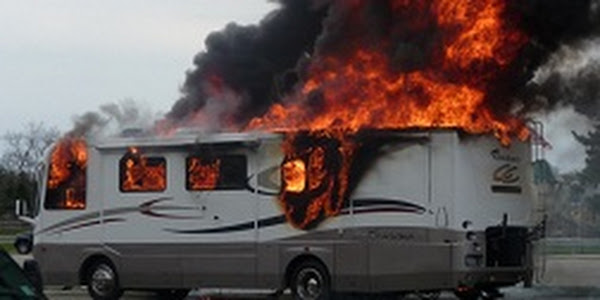
As RVs become more popular for travel and recreation, it’s important to understand the potential fire risks and how to prevent them. RVs are at a higher risk of fires due to their smaller space, propane appliances, and electrical systems. It is crucial to take preventative measures and know how to respond to a fire emergency.
In this article, we will provide you with a comprehensive guide on how to stay safe and prepared on the road. Plus, we’ll introduce you to some essential RV safety equipment and services that can further enhance your safety.
Understanding Fire Risks in RVs
RV fires can spread quickly and cause injury, death, and property damage. Common causes of RV fires include overheated electrical systems, propane leaks, and cooking accidents.
Electrical Systems
The electrical system in your RV can be a major source of fire risk. Overloaded circuits, frayed wires, and damaged electrical systems can all contribute to fires. To prevent electrical fires, make sure to conduct regular maintenance checks on your RV’s electrical system. This should include checking for frayed wires, damaged outlets, and overloaded circuits. Be sure to only use extension cords that are rated for outdoor use and never overload circuits or use damaged electrical cords.
Propane Appliances
Propane is commonly used as a fuel source for RV appliances, such as stoves, refrigerators, and water heaters. While propane is an efficient fuel source, it can also be dangerous if not handled properly. Propane leaks can lead to fires or explosions. To prevent propane-related accidents, it is important to follow proper safety guidelines for propane storage and usage. This includes regular inspections of propane tanks and lines, proper storage of propane tanks when not in use, and using propane appliances correctly.
Cooking Accidents
Cooking accidents are a leading cause of RV fires. To prevent cooking-related fires, make sure to follow safe cooking practices. This includes never leaving cooking appliances unattended, keeping flammable materials away from the stove, and ensuring that all cooking appliances are turned off before leaving the RV.
Taking regular maintenance checks and avoiding overloaded electrical systems can prevent RV fires. Proper storage of flammable liquids, cooking safety tips, and having smoke alarms and fire extinguishers installed can also minimize the risk of fires.
Regular Maintenance
Regular maintenance checks of your RV’s electrical, propane, and heating systems are essential to prevent fires. This should include checking for frayed wires, damaged outlets, and overloaded circuits. It is also important to have your propane system inspected for leaks and to replace any damaged or worn-out components. For those who prefer professional assistance, consider partnering with RV maintenance service providers who can ensure your RV is in top condition.
Proper Storage
Proper storage of flammable liquids, such as gasoline or propane, is critical for fire safety. These items should always be stored in sealed containers, away from any heat sources, and in a well-ventilated area.
Cooking Safety
Cooking safety is a key element of fire prevention in RVs. Make sure to follow safe cooking practices, such as never leaving cooking appliances unattended, keeping flammable materials away from the stove, and ensuring that all cooking appliances are turned off before leaving the RV.
Smoke Alarms and Fire Extinguishers
Smoke alarms and fire extinguishers are essential tools for fire safety in RVs. Smoke alarms should be installed in every sleeping area, and fire extinguishers should be located in easy-to-reach areas, such as near the door. It is also important to know how to use a fire extinguisher in case of an emergency. For top-rated fire safety equipment, check out our recommended RV safety equipment.
Fire Emergency Preparedness
In case of a fire, it is essential to have a fire evacuation plan and to know how to use a fire extinguisher. Identifying two exits and ensuring they’re not blocked by furniture or other objects can help you be better prepared for emergencies. Create a fire evacuation plan and practice it with your family or travel companions. Make sure everyone knows where the exits are and how to safely evacuate the RV in case of a fire. Keep a fire extinguisher handy and know how to use it. Remember to evacuate the RV first and only attempt to put out the fire if it is safe to do so.
Essential RV Safety Equipment and Services
Ensuring your RV is equipped with the best safety tools and services is paramount for a safe journey. Here are some recommendations:
RV Safety Equipment: Equip your RV with top-notch safety tools. From smoke alarms to carbon monoxide detectors, and fire extinguishers, this online store offers a wide range of RV safety equipment to keep you protected on the road.
RV Maintenance Services: Regular check-ups can prevent many potential hazards. This trusted RV maintenance service offers comprehensive inspections to ensure your vehicle is road-ready.
RV Accessories and Parts: Upgrade your RV with the latest safety accessories and parts. Whether it’s electrical systems, propane storage, or other components, this retailer has it all.
RV Safety Courses: Enhance your knowledge with these RV safety courses. From propane handling to fire safety, these courses cover everything you need to know.
Carbon Monoxide Detectors
Carbon monoxide (CO) is a poisonous gas that can be deadly if it builds up in an RV. Understanding carbon monoxide risks and the importance of carbon monoxide detectors can prevent accidents and injuries.
Carbon Monoxide Risks
Carbon monoxide is produced when fuel is burned incompletely. This can happen with any fuel-burning appliance in an RV, including:
Furnaces
Water heaters
Stoves
Generators
If these appliances are not properly vented or maintained, carbon monoxide can build up in the RV and pose a serious health risk. Symptoms of carbon monoxide poisoning include:
Headache
Dizziness
Nausea
Vomiting
Confusion
Loss of consciousness
To ensure you’re protected from these risks, consider investing in a high-quality carbon monoxide detector specifically designed for RVs.
Preventative Measures for Carbon Monoxide Safety
Carbon monoxide (CO) is a colorless, odorless gas that can be deadly if it builds up in an RV. Understanding carbon monoxide risks and the importance of carbon monoxide detectors can prevent accidents and injuries.
The best way to prevent carbon monoxide poisoning in an RV is to:
Install carbon monoxide detectors in every sleeping area. Test carbon monoxide detectors monthly and replace the batteries annually. For reliable detectors, check out this recommended brand.
Properly vent all fuel-burning appliances. Follow the manufacturer’s instructions for venting your furnace, water heater, stove, and generator.
Keep fuel-burning appliances clean and in good working order. Regularly inspect your appliances for any signs of damage or wear.
Never operate a fuel-burning appliance in an enclosed space. This includes the RV’s bathroom, bedroom, or storage compartments.
By following these simple steps, you can help to keep yourself and your family safe from carbon monoxide poisoning.
Propane Safety
Propane is a common fuel source for RVs, but it can be dangerous if not handled properly. Understanding the risks associated with propane and taking preventative measures can ensure propane safety.
Propane is a common fuel source for RVs, but it can be dangerous if not handled properly. Understanding the risks associated with propane and taking preventative measures can ensure propane safety.
Propane Risks:
Propane leaks can lead to fires or explosions.
Propane gas is also a poisonous gas that can be deadly if inhaled in high concentrations.
Preventative Measures for Propane Safety:
Regular inspections, proper storage, and turning off propane tanks when not in use can prevent propane-related accidents. For professional inspections, consider this trusted service.
Make sure to have your propane system inspected annually by a professional and replace any damaged or worn-out components.
Always store propane tanks in an upright position, in a well-ventilated area away from heat sources.
If you suspect a propane leak, turn off the gas immediately and evacuate the RV.
By following these simple steps, you can help to keep yourself and your family safe from propane-related accidents.
Conclusion
Traveling in an RV offers a unique blend of adventure and comfort, allowing you to explore the open road while carrying the conveniences of home with you. However, with these comforts come responsibilities. Ensuring the safety of your RV isn’t just about maintaining the vehicle; it’s about safeguarding the lives of those inside it.
From understanding the intricacies of fire risks to being prepared for emergencies with carbon monoxide or propane, every RV owner should be equipped with the knowledge and tools to handle potential hazards. The resources and products mentioned in this guide are not just recommendations; they are essential components in ensuring a safe journey.
Remember, an informed RVer is a safe RVer. Regular maintenance checks, proper equipment, and a commitment to safety can make all the difference. Whether you’re a seasoned traveler or new to the world of RVing, always prioritize safety. Equip your RV with the best tools, stay updated with the latest safety guidelines, and ensure that every trip you embark on is as safe as it is memorable.
Takeaways for RV safety:
Install carbon monoxide detectors in every sleeping area and test them monthly.
Properly vent all fuel-burning appliances.
Keep fuel-burning appliances clean and in good working order.
Never operate a fuel-burning appliance in an enclosed space.
Have your propane system inspected annually by a professional.
Always store propane tanks in an upright position, in a well-ventilated area away from heat sources.
If you suspect a propane leak, turn off the gas immediately and evacuate the RV.
Evacuate immediately and call 911 if your RV catches fire.
Have your RV inspected for safety annually or before each trip.
Travel with propane tanks in your RV, but follow safety guidelines for propane storage and usage.
Tow a car behind your RV as long as you follow proper towing procedures and safety guidelines.
FAQs:
What should I do if my RV catches fire?
Evacuate immediately and call 911.
How often should I have my RV inspected for safety?
It’s recommended to have your RV inspected for safety annually or before each trip.
Can I travel with propane tanks in my RV?
Yes, you can travel with propane tanks in your RV. However, it’s essential to follow safety guidelines for propane storage and usage. Always turn off propane tanks when not in use and store them in a well-ventilated area away from heat sources.
Is it safe to tow a car behind my RV?
Yes, it’s safe to tow a car behind your RV as long as you follow proper towing procedures and safety guidelines. Make sure to consult your RV owner’s manual for recommended towing procedures and weight limits. Additionally, always ensure that your towed vehicle has proper brake and lighting systems.
By following these tips, you can help to keep yourself and your family safe while RVing.
Federal Emergency Management Agency (FEMA) – RV Fire Safety Tips: FEMA’s resource on RV fire safety offers practical tips and guidelines to minimize the risk of fires in RVs, including information on smoke alarms, fire extinguishers, and general fire safety precautions. https://www.usfa.fema.gov/downloads/pdf/publications/rv-fire-safety-handout.pdf
RV Safety & Education Foundation – Fire & Life Safety: The RV Safety & Education Foundation offers a comprehensive guide on fire and life safety, including advice on how to handle propane, electrical systems, and fire extinguishers in RVs, ensuring a safe and enjoyable RV experience. https://rvsafety.com/
Centers for Disease Control and Prevention (CDC) – Carbon Monoxide Poisoning: The CDC provides crucial information on the dangers of carbon monoxide poisoning, its symptoms, and prevention measures, such as proper installation and maintenance of carbon monoxide detectors. https://www.cdc.gov/co/default.htm
RV Travel – RV Water System Safety Tips: This article offers practical advice on maintaining safe and clean water systems in RVs, including tips on water filtration, storage, and proper disposal of wastewater to prevent contamination and related health issues. https://www.doityourselfrv.com/sanitize-rvs-water-system/
RV safety is essential when traveling on the road. By taking necessary precautions, such as fire safety, carbon monoxide detection, emergency preparedness, and safe driving practices, you can protect yourself, your passengers, and your vehicle.
Affiliate Disclosure: Some of the links above are affiliate links, meaning, at no additional cost to you, we may earn a commission if you click through and make a purchase.