
What It Is and How to Do It Right
Stealth camping means parking your van or RV in an urban or suburban area overnight without drawing attention. You arrive late, leave early, and leave no trace. It costs nothing when done in legal spots and puts you within walking distance of city attractions where RV parks rarely exist.
Quick Answer
- Stealth camping = overnight vehicle parking designed to go unnoticed. It is not the same as boondocking on public land.
- Legality varies by city and state. Check local overnight parking ordinances before you park anywhere.
- Most reliable spots: Walmart, truck stops, 24-hour businesses, and metered streets after pay hours end.
- The rule of 3: arrive after 9 p.m., leave before 7 a.m., leave zero trace behind.

Stealth Camping vs. Boondocking: What Is the Difference?
Stealth camping and boondocking are related but not interchangeable terms. Stealth camping means spending the night in your vehicle in an urban or suburban location where camping is not explicitly permitted, relying on discretion to avoid notice. Boondocking means dry camping at a legally accessible site, typically on Bureau of Land Management (BLM) land, where overnight stays are allowed without hookups. The key distinction is permission: boondocking carries it, stealth camping typically does not. This matters because the consequences of each are very different if you get it wrong.
Urban stealth campers in a van on a city street face potential parking citations or a request to move. A boondocker who overstays the 14-day BLM limit faces federal enforcement. Knowing which situation you’re in prevents surprises.
Is Stealth Camping Legal?
Legality depends on where you park, not what you are doing inside the vehicle. Most U.S. cities regulate overnight parking through local municipal ordinances, not state law. In cities like Denver, Colorado, an ordinance prohibits sleeping in vehicles on public streets — an enforcement mechanism originally targeting homeless encampments that applies equally to van lifers. Los Angeles and San Francisco have similar restrictions. Smaller towns and rural areas tend to be more permissive. The same van parked overnight on a side street in Bozeman, Montana, may draw zero attention; the same spot in Santa Monica, California, could result in a citation before sunrise.
Before you park anywhere unfamiliar, check the city or county municipal code for overnight parking or vehicle habitation restrictions. Apps like iOverlander, Campendium, and Freecampsites.net include community-verified spots with notes on enforcement frequency. When in doubt, asking a business owner for permission is faster and safer than hoping to go unnoticed.
On federally managed public land — BLM, national forests, and national grasslands — dispersed overnight camping is generally legal and free for up to 14 days. The BLM’s Recreation and Visitor Services guidelines require campsites to be at least 200 feet from roads and 100 feet from water sources. That is the legal version of stealth camping in the wilderness, and it carries none of the risk of urban overnight parking.

How to Prepare Your Van or RV for Stealth Camping
Your vehicle does most of the work before you even park. A low-profile setup reduces attention from neighbors, security patrols, and law enforcement, and makes a quick departure possible if you need to move at 2 a.m. The preparation that matters most happens before your first night out. These modifications apply most directly to vans and Class B motorhomes; Class A coaches and travel trailers are difficult to conceal in urban settings regardless of modifications.
- Window coverings: Blackout curtains or Reflectix cut-to-fit panels block interior light from leaking out. Light is the single biggest giveaway that someone is inside a parked vehicle after midnight. Install coverings that go up fast — a stick-and-peel magnetic system works better than curtain rods when you need speed.
- Window tint: Legal tint limits vary by state. Tint your rear and side windows to the maximum legal level for your state. Tinting below legal limits draws traffic stops that defeat the purpose entirely. Confirm your state’s Visible Light Transmission (VLT) percentage before installing.
- Roof vent fan: Running an engine or cracking a window to manage heat signals occupancy. A low-draw roof vent fan (Maxxair and Fan-Tastic Vent are two well-reviewed options) moves air quietly without external noise.
- Solar power: Running a generator in a parking lot ends your stealth immediately. A roof-mounted solar array with a battery bank powers a 12V fan, phone charging, and LED lighting with no noise and no exhaust.
- Vehicle appearance: Plain white or gray vans blend into commercial and residential areas. Roof racks, bike mounts, exterior storage boxes, and stickers signal van life to anyone looking. Remove or minimize exterior gear when stealth is the goal.
10 Reliable Stealth Camping Locations (With Tactics)
Location quality for stealth camping depends on three factors: lighting, traffic pattern, and enforcement frequency. A well-lit lot with consistent overnight foot traffic and no posted restrictions is more reliable than a dark, quiet street that might trigger a neighbor’s call to police. The 10 locations below are ranked by general reliability based on community reports across RV forums and apps like Campendium and iOverlander. Check conditions for your specific city before relying on any of them.
| Location | Reliability | Best Use Case | Watch Out For |
|---|---|---|---|
| Walmart parking lots | High — corporate policy generally permits overnight RV parking where local law allows | Single night transit stops; availability across most regions | Individual store managers can restrict it; check with store management first |
| Truck stops (Pilot, Love’s, Flying J) | High — designed for extended vehicle stays | Long-haul travel nights; access to bathrooms, showers, food | Stay out of designated semi-truck lanes; noise from idling trucks |
| 24-hour gym parking lots | High — constant traffic masks overnight presence | Urban areas; bonus if you hold a membership for shower access | Some locations use camera monitoring or patrol; rotate spots |
| Metered street parking after hours | Moderate-high — legal once pay period ends | City centers near attractions; early departure required | Confirm meter hours; some streets switch to street cleaning before 7 a.m. |
| Hotel overflow lots | Moderate — high turnover means vans blend in | Short one-night stays near attractions | Gated or patrolled lots are a hard stop; verify before committing |
| Big-box store lots (Home Depot, Lowe’s) | Moderate — policy varies by store and state | Suburban locations with minimal overnight foot traffic | Some state laws override store permission; call ahead |
| Cabela’s and Bass Pro lots | Moderate — many locations actively welcome RVs | Look for trailer parking areas as a positive signal | Rules differ by store; confirm with staff on arrival |
| Casino parking lots | Moderate — 24-hour operations, high traffic | Single nights in areas near tribal or commercial casinos | Some casinos require registration or purchase; check policy |
| Metered street parking after hours | Moderate — legal once pay period ends | City centers near attractions; early departure required | Confirm meter hours and street cleaning schedules |
| Church lots (with permission) | Low-moderate — permission changes everything | Best when you call ahead and offer a small donation | Parking without permission is trespassing; do not assume |
Locations to avoid: Government buildings (heavy surveillance, zero tolerance), residential neighborhoods (unfamiliar vehicles draw police calls), and airport parking (fees, noise, and active security make it impractical for overnight stays).
Core Stealth Camping Tactics That Prevent Knock Scenarios
Experienced stealth campers are rarely asked to move because they follow a consistent set of behaviors that eliminate the cues that trigger complaints or enforcement. The tactics below apply most directly to urban overnight parking; wilderness stealth camping has its own separate considerations. For vehicle-based urban stealth, these five behaviors account for most of the difference between a peaceful night and a 2 a.m. knock.
- Arrive after 9 p.m., leave before 7 a.m. Arriving while a neighborhood is still active draws attention. Leaving before the morning dog-walking crowd keeps your spot off the neighborhood’s radar.
- No light after dark. Cover all windows before turning on any interior light. A blackout curtain that takes 30 seconds to install is worth the effort.
- No noise at all. No music, no phone calls on speaker, no generator. Noise is the primary reason stealth campers get reported to authorities.
- Keep external gear inside. Folding chairs, bikes, and cooking equipment left outside a parked van announce habitation. Everything goes inside before you sleep.
- Have 2 to 3 backup spots pre-scouted. If your first choice falls through — full lot, posted restrictions, bad gut feeling — drive to your backup without wasting time. Spot research happens before dark, not after.

What to Do When Someone Knocks
A knock on your van at night does not automatically mean you are in trouble, but how you respond determines how the situation ends. Security guards, police officers, and curious strangers each warrant a different response. In all cases, your first priority is your own safety, and your second is staying calm enough to communicate clearly. Arguing or stalling escalates every situation faster than compliance does. In most U.S. jurisdictions, a first encounter ends with a verbal request to move, not a citation — as long as you cooperate promptly.
- If law enforcement knocks: Crack a window before opening the door. Confirm it is an officer. Open the door, acknowledge the officer politely, and say you will move right away. Do not explain at length or debate the situation. Note the location and avoid returning.
- If it is a security guard: Same approach. Security guards cannot detain you; they can only ask you to leave private property. Thank them and move.
- If the identity is unclear: Do not open the door. Crack a window a few inches and ask who it is. For an unknown individual in an isolated area at night, drive away if the exchange feels wrong. Your safety takes priority over courtesy.
Log every location where you are asked to leave. Returning to a known enforcement location increases your risk of a citation on a second visit. A rotating list of 8 to 10 vetted spots in any metro area gives you enough variety to avoid repeat visits and reduces the chance of any single location banning you.
Wilderness Stealth Camping: What Changes in Remote Areas
Wilderness stealth camping operates under different rules than urban overnight parking. On Bureau of Land Management (BLM) land, dispersed camping is federally legal for up to 14 consecutive days per location, after which you must move at least 25 miles before returning. This makes wilderness stealth camping the lowest-risk form of the practice — you have legal permission to be there, no one is patrolling the lot, and the primary concerns shift from enforcement to safety and Leave No Trace ethics. The risks that matter in the wilderness are navigation, wildlife, and self-rescue capability, not noise complaints.
- Navigation: Download offline maps before you lose cell coverage. Apps like Gaia GPS and OnX Offroad work without a signal. Note landmarks and the route back to pavement before you get out of the vehicle.
- Leave No Trace: BLM guidelines require camping at least 200 feet from roads, trails, and water sources. Pack out all waste including food scraps. Fire rings are acceptable where fires are permitted; leave them intact for the next camper.
- Bear and wildlife awareness: Store food in hard-sided containers or bear canisters, not in coolers left outside the vehicle. The National Park Service and BLM both publish region-specific guidance on bear encounters. Black bear and brown/grizzly bear protocols differ — know which species is present before you set up camp.
- Safety first: Keep cell coverage status in mind. If you are in a coverage dead zone and something goes wrong — a medical issue, a vehicle problem — you need a plan to reach help. A SPOT or Garmin inReach satellite communicator resolves this entirely for extended remote trips.

FAQ: Stealth Camping Questions Answered
What is stealth camping?
Stealth camping is the practice of parking a van or RV overnight in an urban or suburban location without drawing attention. The goal is to leave no trace you were there. Campers typically arrive after dark and leave before business hours to avoid notice and, in some locations, legal consequences for sleeping in a vehicle on public or private property.
Is stealth camping legal in the United States?
Legality depends entirely on location. Many U.S. cities have overnight parking or vehicle habitation ordinances that prohibit sleeping in vehicles on public streets. Denver, Los Angeles, and San Francisco have active enforcement. Rural areas and private business lots (such as Walmart, where corporate policy generally permits overnight RV parking where local law allows) are more permissive. Always check local municipal codes before you park.
What is the difference between stealth camping and boondocking?
Boondocking means dry camping on legally accessible public land, such as Bureau of Land Management (BLM) areas, where overnight stays are permitted for up to 14 days. Stealth camping refers to overnight parking in urban or suburban spots where camping is not explicitly allowed. Boondocking carries implicit legal permission; stealth camping generally does not.
What vehicle is best for stealth camping?
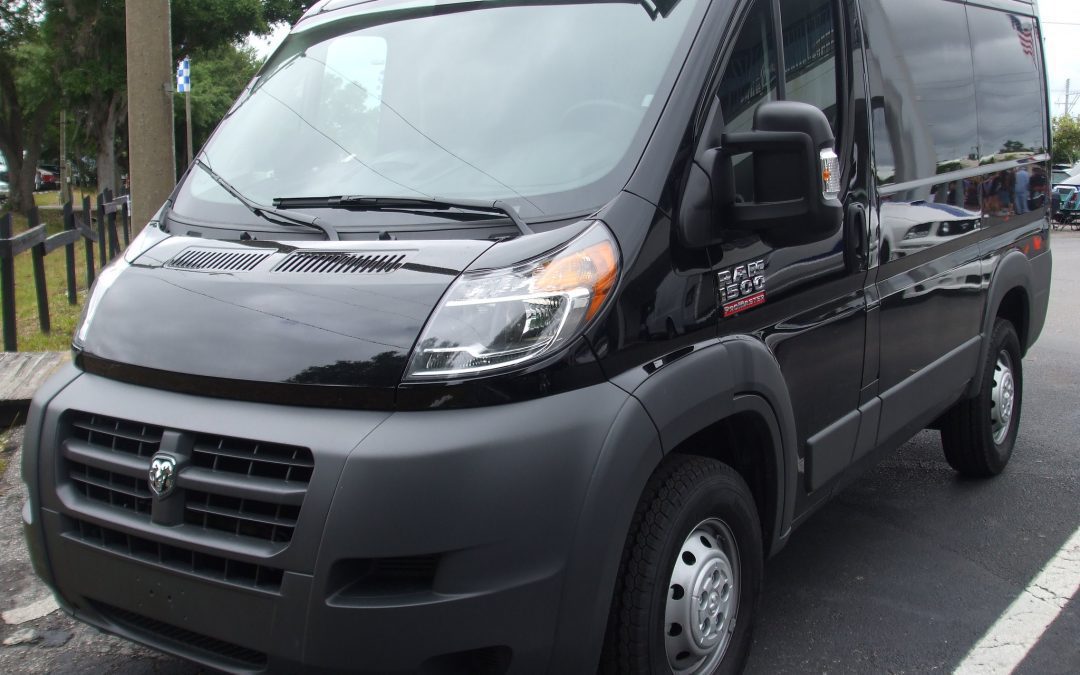
Compact, non-descript vans work best for urban stealth camping. Cargo vans and Class B motorhomes blend into parking lots better than Class A coaches or travel trailers. A plain white or gray van with no exterior gear racks, roof boxes, or branding attracts the least attention in most urban and suburban environments. The Hymer Aktiv and similar Class B vans are a good example of the ideal profile.
How do you find good stealth camping spots?
Apps built for van lifers are the fastest method. iOverlander, Campendium, and Freecampsites.net include community-verified urban overnight spots with notes on enforcement history. Google Maps satellite view lets you scout parking areas before arrival. For any business lot, calling ahead to ask permission is both safer and more reliable than hoping to go unnoticed.
Can you stealth camp at Walmart?
Walmart’s corporate policy permits overnight RV parking in store lots where local laws allow it. Individual store managers have discretion to restrict it, and some municipalities ban overnight parking regardless of business policy. Before assuming a Walmart lot is available, check for posted signs and confirm with store management when you arrive — it takes 90 seconds and prevents a 2 a.m. knock.
What should you do if you are asked to leave while stealth camping?
Comply promptly and without argument. If law enforcement or security knocks, open a window, confirm their identity, speak politely, and say you will move immediately. Do not open the door fully to an unidentified person at night. Log the location so you avoid returning. In most jurisdictions, a first encounter results in a request to move, not a citation, as long as you cooperate.


