
RV Boondocking Water Management: Fresh and Potable Water
How to store, find, filter, and conserve fresh water while camping off-grid.
Last Updated: | Reading Time: ~22 min | Author: Chuck Price, Boondock or Bust
Quick Answer: How much fresh water do you need for boondocking?
Two adults can use a 90-gallon RV fresh water tank for about 9 days with normal habits, 18 to 20 days with basic conservation, and about 30 days with strict water discipline, backup jugs, and careful reuse of non-potable rinse water for non-drinking tasks. Your real number depends on tank size, weather, shower habits, cooking style, pets, and how often you can refill with potable water.
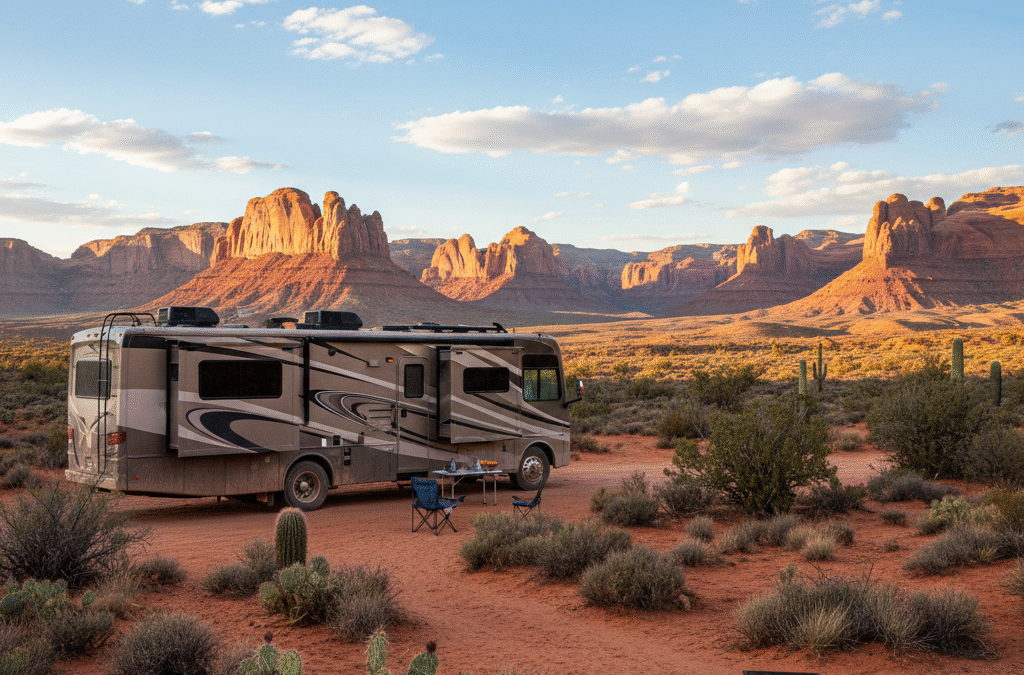
The Shurflo 4008 pump died on day three. Not a slow leak, not a warning drip, just a high-pitched whine and silence. We were camped deep on Willow Springs Trail north of Moab, about forty minutes of washboard from town, with more than a week left in the trip.
Most RVers would have packed up. We stayed because our fresh water plan did not depend on one electric pump, one hose, or one nearby refill point. We had emergency jugs, a hand pump, measured daily usage, water-saving habits, and a clear rule: potable water is for drinking, cooking, hygiene, and safe system fills first.
This guide is focused on fresh water and potable water management only. It covers how to estimate water use, stretch a tank, choose refill sources, filter questionable water, store backup containers, protect the RV system, and avoid running dry while boondocking on public land or remote private land.
Field-use note: Potable water access, posted permissions, seasonal closures, hours, and fill costs change. Verify the source directly before you build a route around it, especially in desert towns, winter conditions, or high-demand snowbird areas.
In This Guide
- How the RV fresh water system works off-grid
- Fresh water consumption benchmarks
- 15 water conservation techniques ranked by impact
- Fresh water storage and containment setup
- Filtration and potable water safety checks
- What to do when your water pump fails
- Where to find potable water while boondocking
- Boondocking fresh water calculator
- Hydration for hikes and off-RV excursions
- Frequently asked questions
How the RV fresh water system works off-grid
The rule: Your boondocking water runway starts with fresh tank capacity, but it is controlled by daily use. Why it matters: A large tank disappears quickly when showers, dish washing, and open faucets are unmanaged. Boundary: These numbers apply to self-contained RV camping without hookups, not campground use with unlimited spigots. Example: A 90-gallon tank can last 9 days or about 30 days depending on habits.
An RV fresh water system has four practical parts: the fresh tank, the pump, the plumbing lines, and the faucets or fixtures where water is used. When you are connected to a campground spigot, pressure comes from the outside source. When you are boondocking, pressure usually comes from your 12-volt pump pulling water from your onboard tank.
That shift changes everything. Every faucet run, every dish rinse, every shower, every hand wash, and every pot of coffee comes from a finite supply you carried in. A 40-gallon Class B tank and a 100-gallon Class A tank feel very different, but both fail the same way when daily habits do not match the amount of water available.
Most factory tank gauges are too vague for serious boondocking. A display that moves in thirds gives you very little warning. A better monitor, such as a SeeLevel II tank monitoring system, gives percentage-based readings and makes it easier to connect habits with actual consumption.
The first upgrade is not always hardware. The first upgrade is measurement. Fill your tank, write down the starting percentage, camp normally for 24 hours, and check the reading again at the same time the next day. Do that for three days. Your own number beats every generic RV water estimate online.
Fresh water priority order
Protect drinking water first, cooking water second, hygiene water third, and convenience water last. When supplies tighten, drop convenience tasks before you reduce drinking water. That means fewer dish-heavy meals, fewer long rinses, and no unnecessary faucet running.
Fresh water consumption benchmarks from real boondocking
The baseline: Two adults using basic conservation usually need about 4 to 5 gallons of fresh water per day. Why it matters: Published estimates often reflect RV park habits, not remote camping. Boundary: Hot weather, pets, children, medical needs, and dish-heavy cooking increase the number. Example: A 40-gallon tank gives roughly 8 days at 5 gallons per day.
Our fresh water use falls into three practical tiers. Standard use runs about 9 to 10 gallons per day for two people. Basic conservation drops that to about 4 to 5 gallons per day. Strict conservation can bring net fresh water demand close to 2.5 to 3 gallons per day when you capture clean warm-up water, use spray bottles, skip faucet waste, and keep stored potable water separate from utility water.
| Activity | Strict Use | Notes |
|---|---|---|
| Drinking and cooking | 1.5 gal/day | Assumes moderate weather and simple meals. |
| Navy showers and hygiene | 1.5 gal/day | Based on short showers and faucets off between uses. |
| Dish washing | 0.5 gal/day | Uses basin washing and spray bottle rinsing. |
| Hands, teeth, small rinses | 0.3 gal/day | Assumes taps are turned off between actions. |
| Dog water, 40 to 80 lbs | 0.2 gal/day | Increase this in heat, wind, or long hiking days. |
| Strict fresh water baseline | 4.0 gal/day | This is the practical planning number before weather adjustments. |
Heat changes the math. Above 90°F, add at least 25% for drinking, cooling towels, pet water, and extra hand rinses. Above 95°F, plan higher. Wind and low humidity also increase water needs because you dehydrate faster while feeling less sweaty.
Cold weather creates different problems. You may drink less, but you also risk frozen hoses, stiff fittings, and delayed fills. In shoulder season, we still top off whenever a safe potable source is convenient because weather can make the next refill harder than planned.
15 fresh water conservation techniques ranked by impact
The ranking: The largest savings come from showers, dishes, and faucet behavior. Why it matters: Small daily leaks in habits beat big tanks over time. Boundary: Savings below assume two adults in a self-contained RV with moderate weather. Example: Switching from running-water dishes to basin washing can save several gallons per day.
1. Navy showers (Save: 4 to 14 gallons per shower)
Turn water on long enough to wet down. Turn it off. Soap everything. Turn it back on only long enough to rinse. A short navy shower can use under one gallon when you are disciplined. A casual RV shower can burn through many times that.
2. Basin dish washing (Save: 3 to 5 gallons per day)
Fill a small collapsible basin with hot soapy water. Wash all dishes there. Use a spray bottle for the final rinse. Running water over each plate feels normal at home, but it is one of the fastest ways to drain an RV fresh tank off-grid.
3. Capture cold water while waiting for hot water (Save: 0.5 to 1 gallon per day)
Put a clean container under the faucet or showerhead while the line warms up. Use that captured clean water for dishes, hand washing, dog bowls, or first-pass cleaning. This is the easiest reuse habit because the water never touches a dirty surface.
4. Turn off taps between actions (Save: 1 to 2 gallons per day)
Do not let water run while soaping hands, brushing teeth, shaving, rinsing cookware, or waiting for someone else. Watch yourself for one full day. Most people waste more water from short unconscious faucet runs than from one obvious mistake.
5. Use spray bottles for rinsing (Save: 2 to 3 gallons per day)
Keep labeled spray bottles for dishes, counters, and hands. A spray bottle gives ounce-level control. A faucet gives you gallons unless you pay close attention.
6. Drink from a dedicated jug (Save: 0.5 to 1 gallon per day)
Fill a drinking jug in the morning and pour from it all day. This prevents the habit of running the faucet until water feels cold. It also shows whether you are drinking enough in heat.
7. Plan simple meals (Save: 1 to 2 gallons per meal)
One-pot meals, foil packet meals, and meals with fewer pans reduce wash water. Cast iron, silicone spatulas, and quick wipe-downs help more than elaborate camp cooking when water is tight.
8. Scrape before washing (Save: 0.5 gallons per day)
Use a silicone spatula or paper towel to remove food residue before dishes hit the basin. Cleaner basin water lasts longer and requires less rinse water.
9. Use wipes between shower days (Save: 0.5 to 0.75 gallons per day)
Body wipes are not a permanent shower replacement, but they work for face, hands, feet, and quick cleanup between shower days. Pack out used wipes and never leave them at camp.
10. Install low-flow faucet aerators (Save: 1 to 2 gallons per day)
A low-flow aerator reduces water volume while keeping enough pressure for hand washing and dish rinsing. This is cheap, simple, and easy to reverse if you dislike the feel.
11. Use a hand pump as a backup faucet (Save: behavior change)
When you manually pump water from a jug, you use less because effort replaces habit. A hand pump also keeps your camp functional if the electric pump fails.
12. Heat water once for multiple jobs (Save: 0.3 to 0.5 gallons per day)
Heat water for coffee, then use the remaining hot water for dish prep or wipe-downs. Repeatedly running a tap while waiting for hot water wastes more than most people expect.
13. Pre-clean greasy cookware (Save: 0.5 to 1 gallon per meal)
Grease forces more hot water use. Wipe pans before adding water. For messy meals, paper plates may be the practical choice when the next refill is far away.
14. Do laundry in town (Save: 20 to 30 gallons per avoided load)
In-rig laundry can overwhelm a fresh water plan. Stretch clothing with spot cleaning and schedule laundromat stops when you are already refilling water, buying groceries, or getting fuel.
15. Refill before you think you need to (Save: the trip)
Top off on every town run. The difference between 60% and 100% does not matter when the spigot is in front of you. It matters later when wind, road closures, crowds, or broken pumps change the plan.

Fresh water storage and containment setup
The setup: Carry onboard tank water plus separate potable backup jugs. Why it matters: A pump failure or bad refill source should not end the trip immediately. Boundary: Use food-grade containers only, and label any non-drinking container clearly. Example: Two 7-gallon Aqua-Tainers add 14 gallons of manually accessible reserve water.
Your onboard tank is the main supply, but it should not be the only supply. We carry two 7-gallon Aqua-Tainer jugs as reserve potable water. They are stored separately and are not used for daily convenience. Their job is to keep the trip safe when the main system fails or the next refill takes longer than expected.
Use food-grade containers for drinking water. Do not repurpose chemical, fuel, cleaner, or mystery jugs. Water stored in bad containers can pick up taste, odor, or residue. For camping, the container is part of the water system, not just a storage box.
Label containers by use. We use separate labels for potable drinking water, utility rinse water, and captured clean warm-up water. Labeling sounds fussy until you are tired, dusty, and reaching for a jug in the dark. Clear labels prevent mistakes.
| Item | Purpose | Why it matters |
|---|---|---|
| Two 7-gallon food-grade jugs | Backup potable water | Adds 14 gallons outside the onboard system. |
| Manual hand pump | Access water without RV pump | Keeps drinking and cooking water available during pump failure. |
| White potable water hose | Safe system fill | Avoids taste and contamination issues from non-potable hoses. |
| Hose filter | Sediment and taste reduction | Useful at parks, fairgrounds, town fills, and older spigots. |
| TDS test strips or meter | Water quality screening | Helps identify mineral-heavy sources before filling the tank. |

Filtration and potable water safety checks
The rule: Treat unknown water as untrusted until it passes your checks. Why it matters: Clear water can still carry sediment, taste problems, bacteria, or high mineral content. Boundary: A basic inline RV filter improves taste and sediment, but it is not a full purification system. Example: Natural water should be filtered and disinfected before drinking.
Potable does not always mean pleasant. Some municipal sources are safe but mineral-heavy. Some campground spigots taste like rubber hose. Some rural fills produce sediment after a long dry period. Filtering at the hose reduces risk and improves taste, but you still need judgment.
We use a layered approach. First, inspect the spigot and surrounding area. Second, run the water briefly before connecting the hose. Third, use a drinking-water-safe hose and inline filter. Fourth, test questionable sources with a TDS meter or strips. Fifth, avoid filling the whole tank from a source that smells, looks, or tests wrong.
Natural water sources require more caution. Desert rivers, springs, and seeps can carry pathogens, agricultural runoff, dead animal contamination, or heavy minerals. A Sawyer Mini filter can remove many biological contaminants when used correctly, but natural water should still be treated as a backup source, not a casual tank fill.
Potable water check before filling
- Use only a safe drinking water hose.
- Confirm the spigot is intended for drinking water.
- Run the water briefly before attaching your hose.
- Smell and visually inspect the water before filling.
- Use a filter when the source is older, rural, or questionable.
- Stop the fill if water changes color, odor, or pressure suddenly.
What to do when your water pump fails
The protocol: Switch from the onboard pump to manual water access immediately. Why it matters: A dead pump does not mean you are out of water. Boundary: This plan works only if you already carry separate potable jugs and a hand pump. Example: Our Moab pump failure became a parts delay, not a trip-ending emergency.
Day three on Willow Springs Trail, the RV pump stopped. We still had water in the tank, but the faucet could not access it. That is the difference between having water and being able to use water. Your emergency plan needs to solve access, not just capacity.
Step 1: Protect drinking water. Switch to your sealed potable reserve jugs. Do not use those jugs for cleaning, gear rinsing, or convenience tasks until you know how long the repair will take.
Step 2: Install the hand pump. A basic hand pump on a 7-gallon jug gives you usable water for coffee, cooking, teeth brushing, and basin washing. It is slower than the RV pump, which is exactly why it saves water.
Step 3: Cut usage hard. Delay showers, use wipes, cook simple meals, and use spray bottles for rinses. When a pump fails, your goal is not comfort. Your goal is staying safe and buying time.
Step 4: Identify the part before you leave home. Write down your pump model, fuse size, hose fitting size, and access panel location. A common pump such as the Shurflo 4008 is easier to replace quickly than an obscure model you cannot identify from camp.
Test the backup before it matters
Once a month, turn off the RV pump and operate from your backup jug for one normal meal cycle. You will quickly learn whether your pump fits, whether the jug is accessible, and whether your backup plan is realistic.
Where to find potable water while boondocking
The rule: Public land usually provides land access, not drinking water. Why it matters: New boondockers often assume public land includes public facilities. Boundary: Potable water availability changes by town, season, freeze risk, maintenance, and local rules. Example: Quartzsite and Moab both have water options, but timing and season affect reliability.
The safest potable water sources are usually municipal fills, RV parks that allow paid fills, campgrounds with posted drinking water, visitor centers with public spigots, truck stops with RV lanes, and grocery stores or fuel stations that clearly allow RV water fills. Always confirm the spigot is meant for drinking water before connecting your hose.
| Source Type | Typical Cost | Reliability Notes |
|---|---|---|
| Municipal water fill | Free to low cost | Often reliable, but hours and access rules can change. |
| RV park paid fill | Often $5 to $15 | Usually simple if the office allows outside fills. |
| Campground potable spigot | Free with stay or day access | Confirm day-use access before planning around it. |
| Truck stop or travel center | Varies | Look for RV lanes and clearly marked drinking water. |
| Grocery or fuel station spigot | Usually permission-based | Ask first and buy something when appropriate. |
Quartzsite, Arizona has historically been one of the easier winter water towns for RVers, but lines can form during peak snowbird season. Moab, Utah has more limited fill options near popular dispersed camping areas, and outdoor spigots may be seasonal because of freezing. The lesson is simple: do not wait until you are low to research water.
Cross-check water sources before you drive. Apps such as iOverlander, Campendium, and AllStays Camp & RV can help, but user reports get stale. Use recent comments, official town pages, campground websites, and phone calls when the refill is mission-critical.
Water planning is one part of planning extended public land stays. For broader camp setup, permit, and stay-limit guidance, see our guide to LTVA camping and extended public land stays.
Boondocking fresh water calculator
How to use this table: Find your fresh tank size and read across by conservation level. Why it matters: Days off-grid are easier to plan when tank size and daily gallons are visible. Boundary: This table assumes two adults in moderate weather. Example: A 60-gallon tank can support about 12 days at basic conservation.
| Fresh Tank Size | Standard Use 10 gal/day |
Basic Conservation 5 gal/day |
Strict Conservation 3 gal/day |
|---|---|---|---|
| 30 gallons | 3 days | 6 days | 10 days |
| 40 gallons | 4 days | 8 days | 13 days |
| 50 gallons | 5 days | 10 days | 16 days |
| 60 gallons | 6 days | 12 days | 20 days |
| 75 gallons | 7 days | 15 days | 25 days |
| 90 gallons | 9 days | 18 days | 30 days |
| 100 gallons | 10 days | 20 days | 33 days |
| 120 gallons | 12 days | 24 days | 40 days |
Quick adjustment guide
- Add one dog: subtract about 10% from your result.
- Hot weather above 90°F: subtract about 25% from your result.
- Cold weather below 40°F: add about 10% only if freezing does not limit refills.
- Three adults: divide by 3 instead of 2.
- Dish-heavy cooking: subtract 10% to 20% unless you use basin washing.
Hydration for hikes and off-RV excursions
The baseline: Desert hiking can require 1 to 1.5 liters of water per hour in moderate temperatures, and more in high heat. Why it matters: Low humidity hides sweat loss. Boundary: Kids, dogs, heat, altitude, and exposed routes increase demand. Example: A four-hour hot hike can require far more water than a casual campground walk.
Boondocking water planning does not stop at the RV door. A day hike can use more drinking water than an entire low-activity camp day. We plan hiking water separately so the RV tank estimate does not quietly collapse after one hot trail day.
Our normal hiking setup is a 3-liter CamelBak reservoir plus two 1-liter backup bottles. For moderate hikes, that gives 5 liters of carry capacity. One liter stays untouched as the “get home” reserve unless conditions turn serious.
Pre-hydration matters. Drink before you leave camp. Starting thirsty means you are already behind, and it is hard to catch up in dry heat. On long or hot hikes, add electrolytes after the first hour. Headache, cramps, nausea, confusion, or chills in heat are not normal trail discomfort. Stop, cool down, and reassess.
Dogs need their own water budget. A dog cannot tell you it is getting behind. Panting, slowing down, seeking shade, or refusing to continue are warning signs. Carry a collapsible bowl and do not count on natural sources along the route.
Frequently asked questions
How long can I boondock with a 40-gallon fresh tank?
A 40-gallon fresh tank supports about 4 days for two adults with standard water use, about 8 days with basic conservation, and about 13 days with strict conservation. Adjust down for hot weather, pets, extra people, dish-heavy meals, and long hikes.
How much drinking water should I carry separately?
Carry at least several days of potable drinking water outside the main tank. For two adults, two 7-gallon food-grade jugs provide 14 gallons of manually accessible reserve. That reserve matters if the pump fails, the next refill is closed, or the tank water tastes wrong.
Can I drink water from a campground or public spigot?
Only drink from a spigot that is clearly intended for potable water. Use a drinking-water-safe hose, run the spigot briefly before filling, and filter questionable sources. If the water smells, looks cloudy, or comes from an unmarked source, do not fill your tank without additional verification.
What is the easiest way to save RV water while boondocking?
The easiest high-impact changes are navy showers, basin dish washing, turning off taps between actions, and using spray bottles for rinsing. These changes require little gear and directly reduce the biggest daily water drains.
What should I do if my RV water pump stops working?
Switch to stored potable jugs and a manual hand pump. Protect drinking water first, pause showers, cook simple meals, and use basin washing. Know your pump model before the trip so you can find parts faster if a replacement is needed.
Should I fill my fresh tank every time I go to town?
Yes, if the source is safe and access is easy. A partial tank feels fine until weather, crowds, closures, or mechanical problems change the plan. Top off when the opportunity is convenient, especially before returning to remote public land.
How do I keep stored RV water from tasting bad?
Use food-grade containers, keep them clean, store them away from heat when possible, and avoid old hoses. Flush questionable water, use an inline filter, and do not store drinking water in containers previously used for fuel, cleaners, or unknown liquids.
Fresh water is what extends the trip
Boondocking water management is not about suffering through a trip. It is about knowing the math. A 90-gallon fresh tank can last 9 days with normal habits or about 30 days with strict conservation, smart storage, and a refill plan that does not depend on luck.
Start with measurement. Track your daily water use for three days. Switch to navy showers and basin dish washing. Carry separate potable reserve jugs. Test your hand pump before you need it. Top off whenever a safe refill is easy.
The Moab pump failure could have ended our trip on day three. Instead, it became a delay because the fresh water plan had backups. That is the goal: keep drinking, cooking, hygiene, and safe system fills protected even when one part of the system fails.
Want field-tested boondocking systems like this?
Practical RV camping advice from real trips, real constraints, and real mistakes.
Need to Empty Your Waste Tanks?
If your holding tanks are full, read our quick guide to finding RV dump stations.


