Articles by Chuck Price — Page 42

Car Camping Guide: Privacy, Comfort, Safety, and Cooking Tips for a Great Outdoor Experience

Car Camping Guide: Privacy, Comfort, Safety, and Cooking Tips for a Great Outdoor Experience

As more people are embracing #vanlife, the internet is filled with inspiration for new setups and ideas. But if you’re not ready to fully commit to van life, car camping is a great alternative. Here’s a guide to car camping, complete with safety tips and ideas for creating a comfortable home away from home in your vehicle.

Privacy Is Key

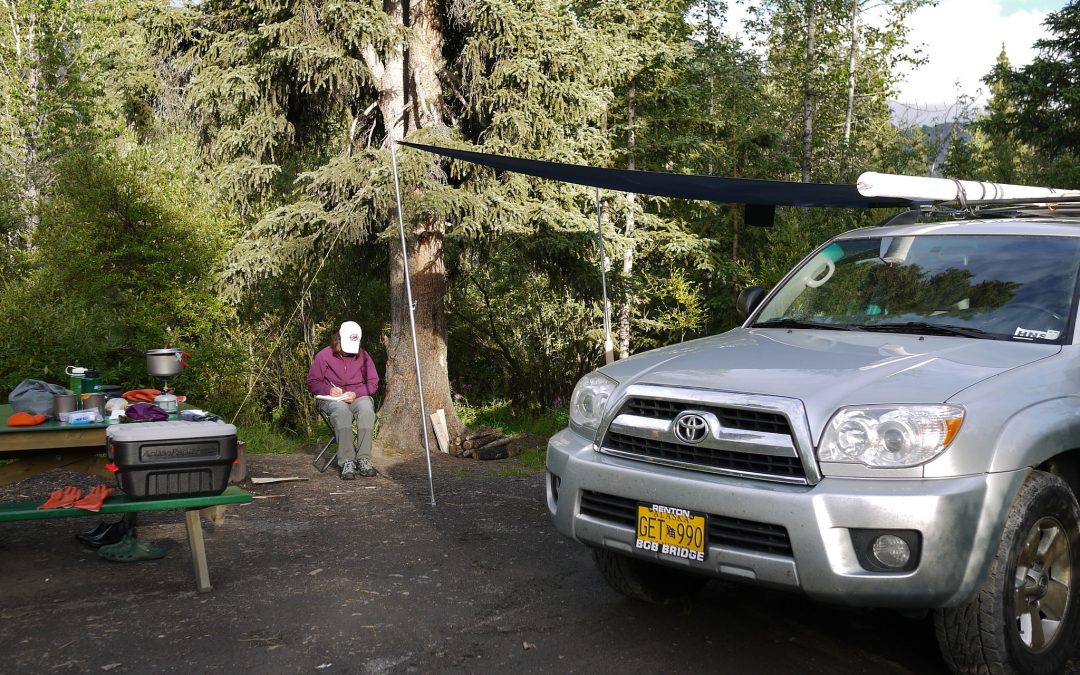
One important aspect of car camping is ensuring privacy. This can help you relax and enjoy your time in the great outdoors. To create a private space, consider making a DIY window shade or setting up a wind tarp outside your tent.

Additionally, make sure your sleeping area is comfortable. With a car, you have more space to bring a     larger tent and air mattress, so take advantage of this to create a luxurious camping experience. Choose your location wisely and have a solid safety plan in place, including emergency supplies and a first aid kit

Your Bed, Your Sanctuary

If you’re used to backpacking, car camping can feel luxurious because you have more space to make your sleeping area comfortable. With a car, you can bring your biggest and nicest tent and your cushiest air mattress, allowing you to truly relax and get comfortable at night. The extra room a car provides means you can bring all the necessary items to make your camping experience enjoyable.
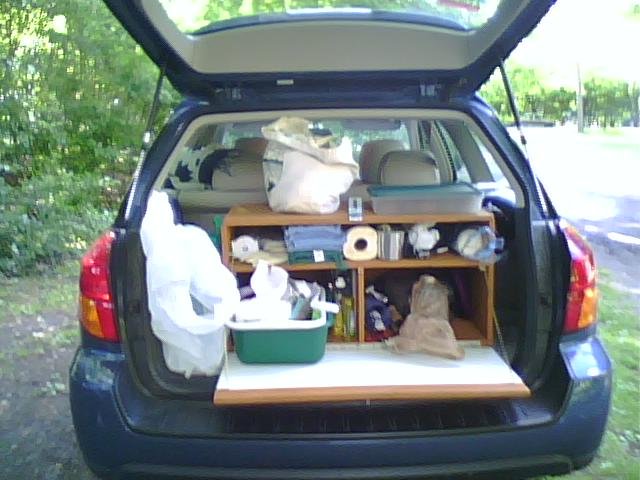
Car Camping

Car Sleeping

If you are committed to sleeping in your car, make sure your vehicle is well- equipped for it. Test out different sleeping arrangements to ensure you will be comfortable. Choose a location where you will not be disturbed and consider using an app like The Dyrt to find the best camping spots. If you end up parking on an incline, arrange yourself so that your head is at the highest point of the car to prevent discomfort and illness.

Tent Sleeping

When camping in a tent, bring more blankets and pillows than you think you’ll need. If it ends up being warmer than expected, you can use them for extra cushioning underneath your sleeping surface. Also, be sure to test your air mattress or sleeping pad before your trip to ensure it doesn’t have any holes. This will save you the frustration of having to inflate it every night only to end up on the ground in the morning.

Staying Safe

It’s important to have a solid safety plan in place while camping, especially if you’re alone. Make sure to download offline maps of the area you’re camping in, bring a paper map as a backup, and share your live location with loved ones. Keep your phone charged and bring an extra set of car keys in case of emergencies. By being prepared, you can ensure a safe and enjoyable camping trip.

The Nitty-Gritty of Keeping Clean

Maintaining personal hygiene while camping can be challenging, especially if you’re far from modern amenities. One option is to take a baby wipe shower or visit a nearby campsite to use their facilities. Make sure to bring a small shovel and plenty of toilet paper and consider using a menstrual cup or period-proof underwear instead of traditional period products. By being prepared and staying clean, you can enjoy your camping trip without worrying about hygiene.

Finding a Place to Park

When looking for the perfect spot to park for the night, consider factors such as distance from civilization, accessibility, and special permits or fire bans. Do your research ahead of time and check in with the local ranger station for advice. It’s also best to arrive during the day to avoid setting up camp in the dark. By carefully choosing your location, you can ensure a safe and enjoyable camping experience.

Cooking Like a Pro

With car camping, you have the luxury of bringing all the gear you need to make your meals delicious and satisfying. Here are a few tips to help you plan and prepare your meals like a pro:

Bring nonperishable foods: Since you won’t have access to refrigeration while camping, it’s important to bring nonperishable foods that will last throughout your trip. This includes dried, freeze-dried, canned, or vacuum-sealed foods that don’t require refrigeration. You can even find powdered foods like potatoes that just need water to rehydrate them.

Test your food before your trip: Before you leave for your camping trip, it’s a good idea to test out the meals you plan to bring. This will help you avoid any unpleasant surprises when you’re in the middle of nowhere.

Plan your meals carefully: If you do bring perishable items, make sure to eat them first before they spoil. This is where a cooler comes in handy, as it can keep your food fresh for the first few days of your trip. Know how you’ll cook your meals: It’s important to check your campsite ahead of time to see if you’ll be able to have a fire for cooking. Even if you’re planning to cook over an open flame, you should still bring a camping stove and backup fuel just in case it rains or you’re unable to start a fire.

Bring plenty of water: Having your vehicle with you means you have plenty of room to bring more than enough water for cooking and hydration. This is an essential item to have on any camping trip.

Packing

Consider bringing a pair of comfortable walking shoes or hiking boots, depending on the type of terrain you will be exploring. It’s also a good idea to pack a hat, sunglasses, and sunscreen to protect yourself       from the sun. And do not forget insect repellent, especially if you are camping in an area with mosquitoes. Finally, be sure to pack any essential medications or first aid supplies that you might need.

Leave No Trace

Leaving no trace behind is an essential part of enjoying the great outdoors on a camping trip. It means finding a spot that looks untouched, without trash, fire pits, or graffiti. Follow these tips to ensure that your campsite is clean and pristine when you leave:

Avoid creating trash in the first place: Before you start thinking about how to avoid leaving trash behind, consider how to avoid creating it in the first place. There are many reusable options for items like straws, cutlery, and storage bags. As the #zerowaste movement has grown, more companies are offering reusable alternatives to single-use items.

Stock up on these before your trip. Separate organic and inorganic waste: If you compost at home, you know what I mean. Separate fruit and vegetable scraps from plastics, paper, and other inorganic waste. Collect your compost in a separate container and dispose of it properly. You can even bury it under at least 8 inches of dirt, if it’s far from your campsite. Pack it in, pack it out: This is a common phrase that means whatever you bring with you, you take when you leave. This includes trash. Keep it in a bag or bin and take it with you until you can find a proper place to dispose of it. Before you leave your campsite, check for stray stakes or anything else you might have accidentally left behind.

In conclusion, car camping is a great way to enjoy the great outdoors without committing to a full-blown van life. With proper planning and preparation, you can have a safe, comfortable, and enjoyable experience. Remember to plan for privacy, safety, cleanliness, and leaving no trace of your presence. With these tips in mind, you’ll be ready to hit the road and enjoy your car camping adventure.

Resources

  1. REI’s Expert Advice on Car Camping: (https://www.rei.com/learn/expert-advice/car-camping.html) This comprehensive guide from REI, a well-known outdoor gear retailer, covers the essentials of car camping, from choosing the right gear to setting up camp and cooking.
  2. The Dyrt’s Top Car Camping Sites: (https://thedyrt.com/magazine/local/top-car-camping-sites/) The Dyrt is a popular camping app that helps users find the best campsites. This article lists some of the top car camping spots in the United States, complete with pictures and detailed descriptions.
  3. Leave No Trace’s Seven Principles: (https://lnt.org/why/7-principles/) Leave No Trace is a non-profit organization focused on promoting responsible outdoor recreation. Their seven principles provide guidance on how to minimize your impact on the environment while camping.
  4. Outdoor Project’s Car Camping Checklist: (https://www.outdoorproject.com/gear/car-camping-checklist) Outdoor Project is a website dedicated to providing information on outdoor adventures. This car camping checklist helps campers make sure they have all the necessary gear and supplies for a successful trip.
  5. Fresh Off the Grid’s Camp Cooking Tips: (https://www.freshoffthegrid.com/camp-cooking-tips/) Fresh Off the Grid is a website specializing in outdoor cooking and camping recipes. This article offers helpful tips for cooking delicious meals while car camping, including meal planning and food storage ideas.

In conclusion, linking to these authoritative and trustworthy resources will enhance the credibility of your car camping guide and provide your readers with valuable information to help them plan and enjoy their car camping adventures. By including these links and descriptions in your content, you are promoting a well-rounded and informative resource for car camping enthusiasts.
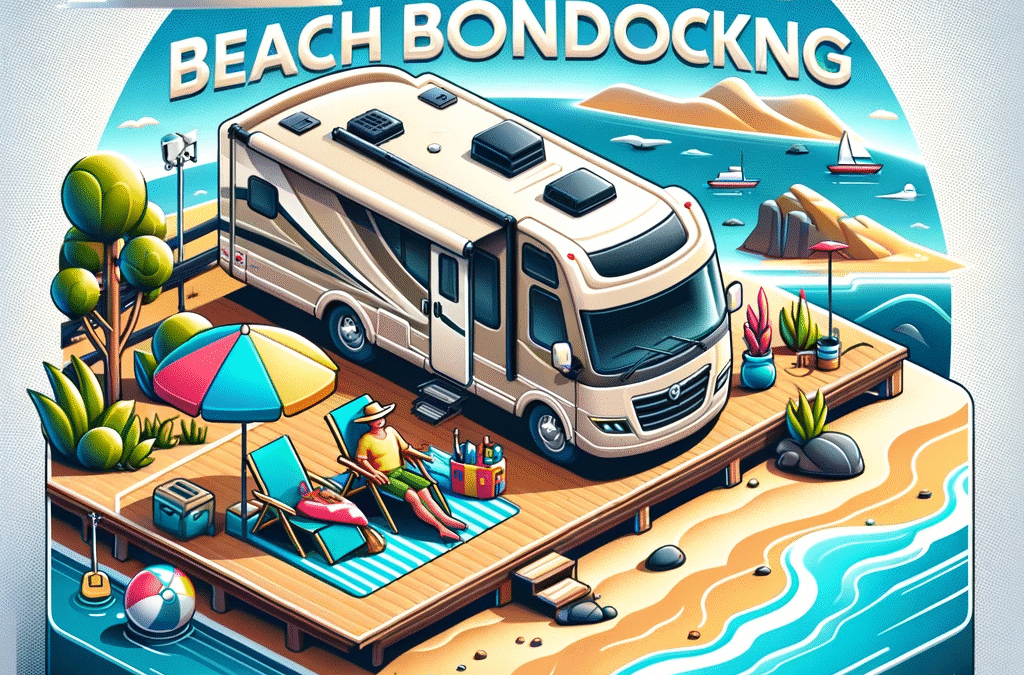
 

Featured Image Credit: Joseph/ flickr
In Post Image Credit: Brad P / flickr

Top 20 US Beach Boondocking Destinations for RV Enthusiasts

Top 20 US Beach Boondocking Destinations for RV Enthusiasts

Boondocking Beachfront Map

Top 20 Beach Boondocking Spots in the United States


The appeal of beach boondocking

Beach boondocking has become increasingly popular among RV enthusiasts looking for an affordable and unique way to experience the beauty of the United States’ vast and diverse coastline. With the opportunity to park your RV just steps away from the shore, beach boondocking offers an unparalleled sense of freedom and connection to nature.

The diverse coastline of the United States

From the rugged cliffs of the Pacific Northwest to the warm, sandy beaches of the Gulf Coast, the United States boasts an impressive variety of coastal landscapes. This article will guide you through 20 of the best beach boondocking spots across the country, so you can embark on your own unforgettable seaside RV adventure.

Eastern Seaboard Beach Boondocking Spots

AssateagueImage by Forsaken Fotos via flickr

Assateague Island National Seashore, Maryland, and Virginia

Located off the coast of Maryland and Virginia, Assateague Island National Seashore offers picturesque beaches and the unique opportunity to spot wild horses roaming the island. There are a few boondocking locations on the island, with the most popular being the Oceanside Campground in Maryland, which provides basic amenities such as restrooms, picnic tables, and fire rings. Be prepared for a more primitive experience, as there are no hookups or dump stations available.

Wild horse sightings and other wildlife
While visiting Assateague Island, keep an eye out for the famous wild horses, as well as other wildlife such as deer, foxes, and various bird species. Remember to respect the wildlife and maintain a safe distance to ensure the wellbeing of both you and the animals.

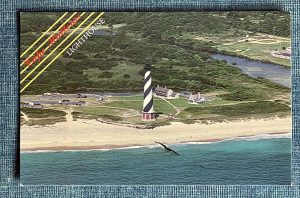
Cape Hatteras Lighthouse
Image by Bill Smith via flickr

Cape Hatteras National Seashore, North Carolina

Cape Hatteras National Seashore is a popular destination for beach boondocking, with several campgrounds offering a mix of reservation and first-come, first-serve sites. The Cape Point Campground is particularly well-regarded, with amenities such as restrooms, showers, and grills. Keep in mind that there are no hookups available, so come prepared with ample water and power supplies.

Surfing opportunities and lighthouse tours
Cape Hatteras is a haven for surfers, boasting some of the best waves on the East Coast. If you’re not into surfing, there are plenty of other activities to enjoy, such as visiting the iconic Cape Hatteras Lighthouse or exploring the area’s rich maritime history.

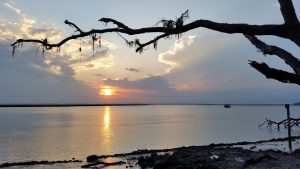
Cumberland islandImage by masgrafix from Pixabay

Cumberland Island National Seashore, Georgia

Cumberland Island National Seashore offers a remote and tranquil boondocking experience. The island is only accessible by ferry, and the Sea Camp Campground is the primary boondocking location. The campground offers restrooms, cold showers, and potable water, but no hookups. Be sure to make reservations well in advance, as spots fill up quickly.

Pristine beaches and historic ruins
Cumberland Island is known for its pristine beaches, maritime forests, and historic ruins such as the Dungeness Mansion. Enjoy the island’s unspoiled beauty by hiking its many trails or simply relaxing on the beach. Keep an eye out for wildlife, including wild horses, deer, and various bird species.

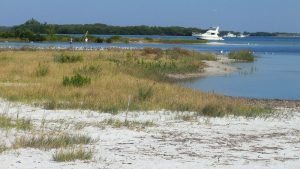
Fort de Soto Park @ St.Petersburg (Florida - Gulfcoast)
Image bt Reinhard Link via flickr

Fort De Soto Park, Florida

Fort De Soto Park, located near St. Petersburg, Florida, offers a fantastic beach boondocking experience. The park’s campground provides 238 sites, complete with water and electric hookups, restrooms, showers, and laundry facilities. While not entirely free, the reasonable rates make it an appealing option for RVers seeking a beachfront experience with modern amenities.

Fishing opportunities and birdwatching
Fort De Soto Park is a prime spot for fishing, with two fishing piers and abundant fish populations. Additionally, the park is home to a wide variety of bird species, making it a popular destination for birdwatching enthusiasts.

Gulf Coast Beach Boondocking Spots

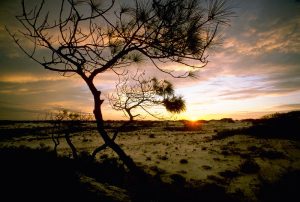
Seagulls and Sunset at South Padre Island
Image by G. Lamar Yancy via flickr

Padre Island National Seashore, Texas

Padre Island National Seashore in Texas is the world’s longest undeveloped barrier island, offering miles of pristine beaches perfect for boondocking. The Malaquite Campground provides 48 semi-primitive sites with restrooms, cold showers, and picnic tables but no hookups. For a more secluded experience, consider boondocking along the beach, but be aware of the requirements for a beach parking permit.

Fishing and water sports
Padre Island is an ideal location for fishing, with numerous opportunities for surf fishing and wade fishing. Additionally, the calm waters of the Laguna Madre provide the perfect setting for water sports such as kayaking and windsurfing.

Gulf Islands National Seashore
Image by NPCA Photos via flickr

Gulf Islands National Seashore, Florida and Mississippi

Gulf Islands National Seashore stretches along the coastlines of Florida and Mississippi, offering several beach boondocking spots. Fort Pickens Campground in Florida and Davis Bayou Campground in Mississippi are popular options, providing basic amenities such as restrooms, showers, and picnic tables, but no hookups.

Exploring Fort Pickens and Fort Massachusetts
While boondocking at Gulf Islands National Seashore, take the time to explore historic forts such as Fort Pickens and Fort Massachusetts. These sites offer a glimpse into the area’s rich military history and provide stunning coastal views.

West Coast Beach Boondocking Spots

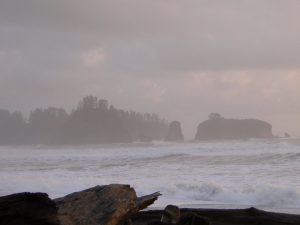
Olympic National Park: Rialto Beach Image by Amy Meredith via flickr

Olympic National Park, Washington

Olympic National Park in Washington State offers a unique beach boondocking experience, with rugged coastlines and lush rainforests. South Beach Campground and Kalaloch Campground are popular options, providing primitive sites with restrooms and picnic tables but no hookups. Be prepared for cooler temperatures and potentially wet conditions.

Wildlife viewing and scenic drives
Olympic National Park is home to diverse wildlife, including elk, bears, and whales. Enjoy scenic drives along Highway 101, which loops around the park and offers breathtaking views of the Pacific coastline.

Oregon Coast Boondocking Sites

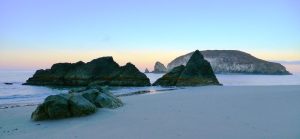
Sea stacks and Goat Island at Harris Beach State ParkImage by Rick Obst via flickr

Harris Beach State Park, Oregon

Harris Beach State Park, located near Brookings, Oregon, offers beautiful coastal views and a variety of boondocking options. The campground provides sites with water and electric hookups, as well as restrooms and showers. For a more primitive experience, there are several first-come, first-serve sites without hookups. Reservations are recommended during peak season.

Cape Blanco State Park, Oregon
Cape Blanco State Park is another fantastic boondocking location on the Oregon coast. The park’s campground offers a mix of reservation and first-come, first-serve sites, with water and electric hookups, restrooms, and showers. Be sure to visit the Cape Blanco Lighthouse and hike the trails for stunning coastal views.

California Coast Boondocking Sites

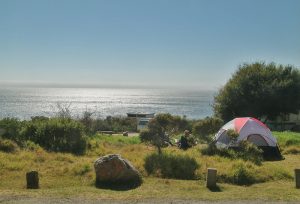
Kirk Creek CampgroundImage by Mike Goad via flickr

Kirk Creek Campground, Big Sur, California
Kirk Creek Campground in Big Sur is a sought-after beach boondocking location, offering dramatic coastal views and a peaceful atmosphere. The campground provides primitive sites with no hookups, but it does have restrooms and picnic tables. Reservations are highly recommended, as this popular spot fills up quickly.

Glass Beach, Fort Bragg, California
Glass Beach in Fort Bragg is a day-use beach known for its colorful sea glass—not a boondocking stop. Do not camp or park overnight at Glass Beach or Pomo Bluffs Park. Use a legal campground nearby and confirm current local rules before your trip.

Rincon Parkway, Ventura, California
Rincon Parkway, located along Highway 1 in Ventura, California, offers beachfront boondocking with incredible ocean views. While there are no designated campsites, RVers can park along the parkway for a nominal fee. There are no hookups or restrooms, so come prepared for a more primitive experience.

Leo Carrillo State Park, Malibu, California
Leo Carrillo State Park in Malibu provides a picturesque beach boondocking experience. The park’s campground offers sites with water and electric hookups, restrooms, and showers. While not free, the park’s location and amenities make it a popular choice for RVers seeking a coastal getaway.

Hawaii and Alaska Beach Boondocking Spots

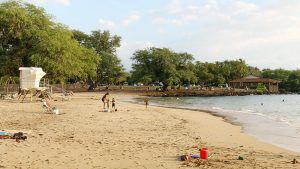
Spencer Beach, Samuel M. Spencer Beach Park, Waimea Image by Robert Linsdell via flickr

Spencer Beach Park, Big Island, Hawaii
Spencer Beach Park, located on the Big Island of Hawaii, offers a unique beach boondocking experience in a tropical paradise. The park’s campground provides basic amenities such as restrooms, showers, and picnic tables but no hookups. Be prepared for a more primitive experience and pack out what you pack in.

Snorkeling and swimming with manta rays
While visiting Spencer Beach Park, take advantage of the crystal-clear waters and abundant marine life. Snorkeling is a popular activity, and nighttime snorkeling with manta rays is a once-in-a-lifetime experience not to be missed.

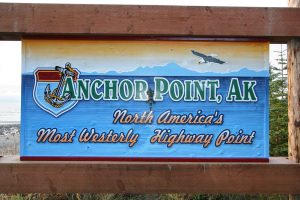
Anchor point AK sign
Image by puuikibeach via flickr

Anchor Point, Alaska

Anchor Point, located on Alaska’s Kenai Peninsula, offers a unique beach boondocking experience in the Last Frontier. The Anchor River Campground provides basic amenities, including restrooms and picnic tables, but no hookups. Be prepared for cooler temperatures and potentially wet conditions.

Fishing opportunities and wildlife viewing
Anchor Point is an angler’s paradise, with world-class salmon and halibut fishing opportunities in the nearby Anchor River. Wildlife viewing is also a popular activity, with chances to spot moose, bears, and a variety of bird species.

Choosing the Right Beach Boondocking Spot

Assessing your boondocking needs and preferences
When selecting the perfect beach boondocking spot, consider your personal preferences and the amenities you require. Determine whether you prefer a more secluded location or a campground with hookups and facilities. Additionally, consider the activities you enjoy, such as fishing, surfing, or wildlife viewing, and choose a location that caters to your interests.

Considering local regulations and permits
Before embarking on your beach boondocking adventure, research local regulations and obtain any necessary permits. Some locations may have restrictions on overnight parking, fires, or pets. Always respect local rules and regulations to ensure a safe and enjoyable experience.

Tips for Successful Beach Boondocking

Preparing your RV for beach conditions
Before hitting the beach, ensure your RV is prepared for the unique challenges of beach boondocking. Check your tires, secure loose items, and consider investing in equipment such as sand tracks or traction mats. Be aware of the risks of saltwater corrosion and rinse your RV with fresh water after your trip.

Respecting the environment and practicing Leave No Trace principles
When beach boondocking, it’s crucial to respect the environment and leave your campsite as you found it. Practice Leave No Trace principles by disposing of waste properly, minimizing your impact on wildlife, and respecting other campers. Remember, responsible boondocking helps protect these beautiful locations for future generations to enjoy.

Resources

  1. National Park Service – https://www.nps.gov/index.htm (General information about National Parks, National Seashores, and other protected areas)
  2. Assateague Island National Seashore – https://www.nps.gov/asis/index.htm (Official information about Assateague Island National Seashore)
  3. Cape Hatteras National Seashore – https://www.nps.gov/caha/index.htm (Official information about Cape Hatteras National Seashore)
  4. Cumberland Island National Seashore – https://www.nps.gov/cuis/index.htm (Official information about Cumberland Island National Seashore)
  5. Padre Island National Seashore – https://www.nps.gov/pais/index.htm (Official information about Padre Island National Seashore)

Frequently Asked Questions

A. What is boondocking and why is it popular?
Boondocking, also known as dry camping or wild camping, is the practice of camping without hookups or amenities, often in remote or undeveloped locations. It is popular among RVers for its cost savings, seclusion, and the opportunity to connect with nature.

B. Are there any safety concerns with beach boondocking?
Beach boondocking can pose unique safety concerns, such as changing tides, weather conditions, and wildlife encounters. Always research local conditions and follow safety guidelines to minimize risks.

C. How do I find beach boondocking spots?
Beach boondocking spots can be found through online resources, such as blogs, forums, and apps, as well as by word of mouth from fellow RVers. Always confirm that boondocking is permitted before setting up camp.

D. What are some essential items to pack for beach boondocking?
Essential items for beach boondocking include fresh water, extra food, a first aid kit, and tools for RV maintenance. Additionally, consider packing items specific to beach conditions, such as sunscreen, insect repellent, and beach chairs. Remember to pack out what you pack in and leave no trace.

By following these tips and considering your unique preferences, you can embark on the ultimate RV beach boondocking adventure across the United States. Explore the diverse coastlines, from the Eastern Seaboard to the Gulf Coast, and from the West Coast to Hawaii and Alaska, and experience unforgettable memories in the great outdoors.

Conclusion

Beach boondocking offers a unique and unforgettable experience for RV adventurers, with diverse and beautiful coastlines to explore across the United States. By considering your preferences, researching local regulations, and preparing your RV, you can find the perfect beach boondocking spot for your next adventure.


Essential Tips for Responsible Boondocking: Eco-Friendly RV Camping and Leave No Trace Principles

Essential Tips for Responsible Boondocking: Eco-Friendly RV Camping and Leave No Trace Principles


body {
font-family: Arial, sans-serif;
line-height: 1.6;
margin: 0;
padding: 0;
background-color: #f4f4f4;
}
header {
background-color: #35424a;
color: #ffffff;
text-align: center;
padding: 1em;
}
img {
display: block;
margin: 0 auto;
max-width: 100%;
}
main {
width: 80%;
margin: 1em auto;
background-color: #ffffff;
padding: 2em;
box-shadow: 0px 2px 10px rgba(0, 0, 0, 0.1);
}
h1, h2, h3, h4, h5, h6 {
color: #35424a;
}
p {
font-size: 1em;
}
ul, ol {
padding-left: 1.5em;
}
a {
color: #1c8adb;
text-decoration: none;
}
a:hover {
text-decoration: underline;
}
.faq-question {
font-weight: bold;
}
.faq-answer {
margin-bottom: 1em;
}
footer {
background-color: #35424a;
color: #ffffff;
text-align: center;
padding: 1em;
margin-top: 2em;
}


Boondocking, or camping off the grid, is a popular way for RVers to enjoy the great outdoors. It’s an adventure that allows you to immerse yourself in nature and escape the hustle and bustle of everyday life. However, with this freedom comes a responsibility to preserve the environment and maintain harmony with fellow campers. This guide will walk you through the essential tips for responsible boondocking.

Definition of boondocking

Boondocking is a term used to describe camping in an RV without access to hookups, such as electricity, water, or sewer. It’s also known as dry camping or dispersed camping, and it often takes place on public lands or remote locations.

The importance of responsible boondocking

Responsible boondocking is essential to protect the environment, maintain good relationships with other campers, and ensure that these pristine locations remain accessible to future generations. By adopting eco-friendly practices and adhering to local laws, you’ll be able to enjoy a sustainable and serene camping experience.

The Leave No Trace Principles

Overview of the Leave No Trace principles

The Leave No Trace principles are a set of guidelines that help outdoor enthusiasts minimize their impact on the environment. These seven principles include planning ahead, traveling and camping on durable surfaces, disposing of waste properly, leaving what you find, minimizing campfire impact, respecting wildlife, and being considerate of other visitors.

Importance of adhering to these principles

Adhering to the Leave No Trace principles is crucial for preserving the natural beauty and ecological health of the areas where you camp. By practicing these principles, you can minimize your impact, protect wildlife, and ensure that future generations can also enjoy these remote locations.

Practical tips for implementing Leave No Trace

  • Plan your trip and research local regulations, potential hazards, and weather conditions.
  • Use existing campsites or durable surfaces to minimize your impact on the environment.
  • Pack out all trash and dispose of human waste properly.
  • Leave natural and cultural features undisturbed, and avoid introducing non-native species.
  • Use a camp stove instead of making a fire, or follow local fire guidelines if fires are allowed.
  • Observe wildlife from a distance and store food securely to avoid attracting animals.
  • Keep noise levels down and respect the privacy of other campers.

Neighborly Etiquette

Respecting noise levels

Be mindful of your noise levels, especially during early morning and late evening hours. Keep music and generator use to a minimum, and use headphones when possible. Additionally, maintain a respectful distance from neighboring campers to allow everyone to enjoy the peace and quiet.

Proper parking and space allocation

When setting up camp, park your RV in a way that respects the space and privacy of other campers. Avoid blocking access to roads or trails and leave enough room between your campsite and others to maintain a sense of solitude.

Communicating with neighbors and resolving issues

If issues arise with fellow campers, approach them respectfully and try to resolve the situation amicably. Open communication and a willingness to compromise can go a long way in maintaining harmony at your boondocking location.

Preparing for Self-Sufficiency

Pre-trip planning and packing essentials

Before embarking on your boondocking adventure, make a checklist of essential items to pack, such as food, water, clothing, and emergency supplies. Research your destination and prepare for potential weather conditions or other challenges.


Water, food, and waste management

Carefully manage your water usage and food supplies during your trip, as access to resources may be limited. Bring enough potable water for drinking, cooking, and cleaning, and consider using a water-saving showerhead or faucet aerator. Pack non-perishable food items and plan your meals to minimize waste. Dispose of all waste properly, including grey and black water, by using designated dump stations or portable waste systems.

Energy conservation and renewable power sources

To reduce your reliance on generators, consider using solar panels or wind turbines to generate electricity for your RV. Use energy-efficient appliances and lights, and be mindful of your power usage to conserve energy. Turn off devices when not in use and unplug chargers to avoid phantom power draw.

Environmental Stewardship

Protecting flora and fauna

Be cautious of your impact on plants and animals while boondocking. Stick to established trails to avoid trampling vegetation, and avoid disturbing or removing plants or rocks. Keep a safe distance from wildlife, and never feed or approach them. Store your food securely to prevent attracting animals to your campsite.

Preventing wildfires

Take steps to prevent wildfires, especially in dry and fire-prone areas. Follow local fire regulations and restrictions, and never leave a campfire unattended. Use a camp stove instead of an open fire when possible, and ensure all fires are completely extinguished before leaving your campsite.

Participating in cleanup efforts and advocacy

Consider participating in local cleanup efforts or joining environmental groups to help preserve the areas you love to visit. Advocate for responsible camping practices and share your knowledge with other RVers to promote sustainable boondocking.


Resources

  1. Leave No Trace Center for Outdoor Ethics – 7 Principles: https://lnt.org/learn/7-principles This website provides an in-depth explanation of the seven Leave No Trace principles and how to apply them during outdoor activities, including boondocking.
  2. U.S. Forest Service – Dispersed Camping Guidelines: https://www.fs.usda.gov/visit/know-before-you-go/dispersed-camping This official U.S. Forest Service page offers guidelines for dispersed camping on public lands, including important rules and recommendations for responsible boondocking.
  3. National Park Service – Camping in National Parks: https://www.nps.gov/subjects/camping/campground.htm The National Park Service website shares information about camping in national parks, including regulations and resources for RVers and campers looking for sustainable boondocking options.
  4. RV Life – Boondocking Tips and Tricks: https://rvlife.com/boondocking-tips/ This article provides practical advice for RVers who want to boondock responsibly, including tips on water conservation, waste management, and energy efficiency.
  5. Campendium – Boondocking 101: https://www.campendium.com/camping/boondocking-101/ Campendium’s Boondocking 101 guide offers an introduction to boondocking, along with helpful resources and tips for finding free, sustainable, and responsible camping spots.

Conclusion

By following these responsible boondocking tips, you can minimize your environmental impact, maintain harmony with fellow campers, and ensure that these beautiful natural spaces remain accessible for future generations to enjoy. Boondocking can be an enriching experience that deepens your connection to nature, and with careful planning and a commitment to sustainability, you can make a positive impact on the environment and the RV community.

Ultimate Guide to RV Boondocking: Tips, Locations, and Essential Gear for Off-Grid Camping

Ultimate Guide to RV Boondocking: Tips, Locations, and Essential Gear for Off-Grid Camping

Defining boondocking

Boondocking, also known as dry camping, refers to RV camping without access to traditional campground amenities such as water, electricity, and sewer hookups. Instead, boondockers rely on their RV’s self-contained systems and resources. This type of camping offers a unique experience and a closer connection to nature.

Boondocking’s increasing popularity

Boondocking has gained popularity in recent years as more people seek unique, off-the-beaten-path camping experiences. Escaping crowded campgrounds and embracing the freedom of the open road has become an appealing alternative for many adventure-seekers.

What to expect from this guide

This comprehensive guide will cover the fundamentals of boondocking, how to find the perfect location, essential gear, and tips for a successful boondocking adventure. By the end of this guide, you’ll be well-prepared to embark on your own unforgettable RV boondocking experience.

Boondocking Fundamentals

Types of boondocking

  1. Dispersed camping: Dispersed camping involves staying on public lands, such as national forests and Bureau of Land Management (BLM) areas, where no designated campsites or amenities are available. This type of boondocking provides the most freedom and solitude but requires more self-sufficiency.
  2. Moochdocking: Moochdocking is the practice of staying on private property, usually with the permission of friends or family. While this type of boondocking may provide access to some amenities, it still requires a degree of self-reliance.
  3. Public land boondocking: This type of boondocking involves staying at designated free or low-cost campsites on public lands. These sites often have minimal amenities, such as a fire ring or picnic table, but still require campers to be self-sufficient.

Boondocking etiquette and rules

  1. Practicing Leave No Trace principles: It’s essential to leave your boondocking site as clean or cleaner than you found it. This means packing out all trash, minimizing your impact on the environment, and respecting wildlife.
  2. Respecting private property boundaries: Always ensure you’re camping on public land or have permission to stay on private property. Trespassing can lead to negative interactions with landowners and damage the reputation of the boondocking community.
  3. Managing noise and generator use: Be considerate of your neighbors and the surrounding environment by keeping noise levels low and using generators sparingly.

Essential safety tips

  1. Thorough area research: Research your chosen boondocking location to understand any potential hazards, such as weather conditions, wildlife, and accessibility.
  2. RV maintenance and preparedness: Ensure your RV is in good working order before embarking on a boondocking adventure. This includes checking your tires, brakes, and other essential systems.
  3. Personal safety considerations: Be prepared for emergencies by carrying a first aid kit, knowing your location, and having a plan for contacting help if needed.

Discovering Your Ideal Boondocking Location

Tools for finding boondocking sites

  1. Helpful websites and apps: There are numerous resources available to help you find the perfect boondocking site, such as Campendium, FreeCampsites.net, and the AllStays app.
  2. Public land resources: Research public lands in your desired area, as they often provide free or low-cost boondocking opportunities. Websites for national forests and BLM lands can be a great starting point.
  1. Recommendations from fellow boondockers: Connect with other RVers through online forums, social media, and RV clubs to get personal recommendations for boondocking sites.

Key factors in choosing a boondocking spot

  1. Access and terrain: Consider the accessibility of the site, including road conditions, clearance, and the size of your RV. Some locations may not be suitable for larger rigs or those with low clearance.
  2. Weather and environmental conditions: Research the local climate and weather patterns to ensure you’re prepared for temperature fluctuations, precipitation, and other environmental factors.
  3. Proximity to attractions and amenities: While boondocking often means being off the grid, consider the distance to nearby attractions, grocery stores, and other amenities that may be important during your stay.

Gearing Up Your RV for Boondocking

Power management

  1. Harnessing solar energy: Solar panels can be an efficient and environmentally friendly way to generate electricity while boondocking. Research the appropriate solar system size for your RV’s needs.
  2. Using generators effectively: Generators can provide a reliable source of power but should be used sparingly and responsibly. Consider investing in a quiet, fuel-efficient generator to minimize noise and fuel consumption.
  3. Efficient battery use: Monitor your battery usage and invest in a high-capacity battery system to maximize the time you can spend off the grid.

Water and waste handling

  1. Conserving freshwater: Be mindful of your water consumption while boondocking. Use water-saving techniques, such as taking shorter showers and washing dishes with minimal water.
  2. Proper gray and black water disposal: Ensure you have a plan for disposing of wastewater responsibly. Research nearby dump stations and follow proper procedures to avoid contaminating the environment.

Meal planning and cooking

  1. Cooking fuel and propane considerations: Plan your meals around your available cooking fuel, such as propane or a portable stove. Keep track of your fuel levels and refill as necessary.
  2. Smart food storage and planning: Opt for non-perishable food items when possible and store your food securely to avoid attracting wildlife. Plan meals in advance to minimize waste and save time while boondocking.

Boondocking: The Upsides and Challenges

The many benefits

  1. Money-saving opportunities: Boondocking can be a cost-effective way to travel, as it eliminates campground fees and encourages resource conservation.
  2. Peaceful solitude: Boondocking often provides a serene, peaceful environment away from the hustle and bustle of crowded campgrounds.
  3. Deep connection with nature: By immersing yourself in the natural world, boondocking allows you to develop a deeper appreciation for the environment and its wonders.

Potential hurdles

  1. Resource limitations: Boondocking requires careful resource management, as you’ll need to rely on your RV’s self-contained systems for water, power, and waste disposal.
  2. Navigating difficult terrain: Some boondocking locations may have challenging terrain or road conditions, making them difficult to access or navigate.
  3. Weather-related concerns: Boondocking in remote locations can make you more vulnerable to severe weather events, so it’s essential to be prepared and stay informed about local conditions.

Resources


  1. Leave No Trace Center for Outdoor Ethics – https://lnt.org This is the official website for the Leave No Trace Center for Outdoor Ethics, providing guidelines and resources to minimize the impact of outdoor activities on the environment.
  2. Bureau of Land Management (BLM) – https://www.blm.gov The official website of the U.S. Bureau of Land Management offers information on public lands, recreational opportunities, and regulations for camping and boondocking.
  3. U.S. National Forest Service – https://www.fs.usda.gov This is the official website of the U.S. Forest Service, offering valuable resources on national forests, camping guidelines, and maps for finding suitable boondocking locations.
  4. Campendium – https://www.campendium.com Campendium is a comprehensive resource for finding campsites and boondocking locations, complete with user reviews, photos, and essential information on each site.
  5. FreeCampsites.net – https://freecampsites.net FreeCampsites.net is a community-driven resource for finding free and low-cost camping opportunities, including boondocking sites, across the United States and Canada.

Frequently Asked Questions (FAQs)

How do I find free boondocking locations?

There are numerous resources available to help you find free boondocking sites, including websites like Campendium and FreeCampsites.net, as well as apps like AllStays. Additionally, you can explore public lands, such as national forests and BLM areas, which often provide free or low-cost boondocking opportunities.

How long can I boondock in one spot?

The length of time you can stay at a boondocking site varies depending on the location and local regulations. On public lands, the typical stay limit ranges from 14 to 21 days. Be sure to research the rules for your chosen site and respect any posted stay limits.

What is the best type of RV for boondocking?

The ideal RV for boondocking depends on your personal preferences and needs. Smaller RVs, such as travel trailers and Class B motorhomes, often provide greater maneuverability and access to remote locations. However, larger RVs may offer more comfort and storage capacity. Ultimately, the best RV for boondocking is the one that meets your specific requirements and allows you to enjoy your adventures to the fullest.

Do I need a permit to boondock on public lands?

In most cases, you do not need a permit to boondock on public lands, but it’s essential to research the specific rules and regulations for the area you plan to visit. Some locations may require a special-use permit or have restrictions on camping during certain times of the year.

How can I stay connected to the internet while boondocking?

Staying connected while boondocking can be achieved through a variety of methods, such as using a cellular hotspot, a Wi-Fi booster, or satellite internet. Research the available options and choose the one that best fits your needs and budget.

What are some must-have items for boondocking?

Some essential items for a successful boondocking experience include a reliable power source (solar panels or generator), an efficient water and waste management system, a well-stocked first aid kit, proper food storage containers, and navigation tools to help you find your ideal boondocking location. Additionally, investing in a high-quality, all-weather camping gear will ensure your comfort and safety while enjoying the great outdoors.

Conclusion

In conclusion, boondocking offers a unique and immersive camping experience for those who wish to escape the crowded campgrounds and connect more deeply with nature. By understanding the fundamentals of boondocking, finding the ideal location, and equipping your RV appropriately, you can embark on a memorable adventure. To ensure a successful and responsible boondocking experience, it’s essential to follow the Leave No Trace principles, respect private property boundaries, manage noise levels, and prioritize personal safety.

Best Road Trip Apps for Cheap Gas, Hotels, Parking and More

Best Road Trip Apps for Cheap Gas, Hotels, Parking and More

body {
font-family: Arial, sans-serif;
line-height: 1.6;
margin: 0;
padding: 0;
background-color: #f4f4f4;
}
header {
background-color: #35424a;
color: #ffffff;
text-align: center;
padding: 1em;
}
img {
display: block;
margin: 0 auto;
max-width: 100%;
}
main {
width: 80%;
margin: 1em auto;
background-color: #ffffff;
padding: 2em;
box-shadow: 0px 2px 10px rgba(0, 0, 0, 0.1);
}
h1, h2, h3, h4, h5, h6 {
color: #35424a;
}
p {
font-size: 1em;
}
ul, ol {
padding-left: 1.5em;
}
a {
color: #1c8adb;
text-decoration: none;
}
a:hover {
text-decoration: underline;
}
.faq-question {
font-weight: bold;
}
.faq-answer {
margin-bottom: 1em;
}
footer {
background-color: #35424a;
color: #ffffff;
text-align: center;
padding: 1em;
margin-top: 2em;
}

Gas Buddy Logo

Image Credit: Wikimedia Commons

GasBuddy– When it comes to fuel, we are all looking for a way to save money. This social app allows users to share the prices they are paying at the pump.  This makes it easier to find the best value in a given area. This is also a great resource for finding the closest gas station and nearby parking.

Travel photo accompanying the GasBuddy fuel-finder recommendation
Image Credit: TJ DeGroat/ flicker

Hotel Tonight Logo

HotelTonight– Usually when planning a trip, the destinations and stops are usually predetermined. There are times, though, that you could find yourself needing to stop to rest to avoid falling asleep behind the wheel. This app is designed to allow you to book discounted rooms in just a few minutes at the last minute.

TripAdvisor LogoImage Credit: Wikimedia Commons

TripAdvisor– TripAdvisor is a great app that has countless recommendations for different things such as hotels, restaurants, attractions, and more. This is perfect for those on a road trip as it is easy to not be aware of what’s around you if you aren’t familiar with the area. In addition to giving you recommendations, it allows you to book tables and restaurants in the app and compare prices for hotels and flights.

ParkMe Logo

ParkMe Parking– Designed to help users search for parking, compare posted prices, and review availability where supported. Coverage and accuracy vary by location. Through the app you will be able to compare prices and buy your parking spot. It includes street parking and meter rates and parking lots. Real-time updates will be given to you on parking spots. The only thing to keep in mind is that the rates and hours may be inaccurate in some locations. This is a beneficial app to use when taking a road trip in the US, Canada or Europe.

Open Table Logo

Image Credit: Wikipedia

OpenTable– If you are looking for somewhere to eat while on the road that isn’t a well-known fast-food chain, this is the app to use. It allows you to search local restaurants, check out the reviews and make reservations all within the app. There are filters for you to choose your preferred settings and you will be able to access images of the dishes as well to help you make your decision.

Travel photo accompanying the OpenTable restaurant-booking recommendation

Image Credit: Sean MacEntee  / flickr

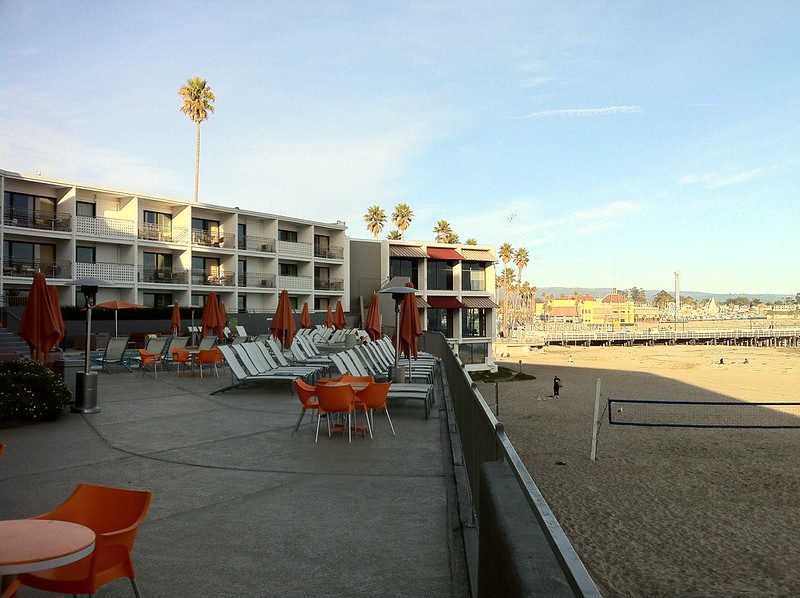
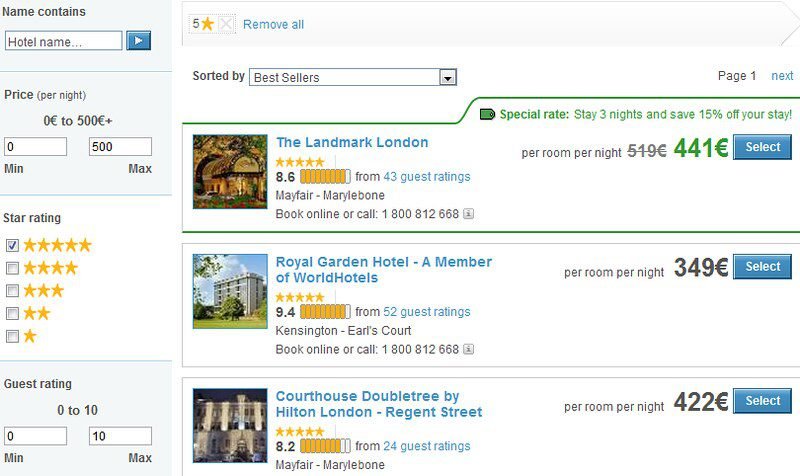
Hotels.com– This is another great app to help you look for a last-minute stay. Perfect for when your plans change unexpectedly, you will be able to find and book somewhere while you are on the go. You will be able to filter through hotels and see what amenities they have included as well as compare prices and see what rooms are available.

Travel photo accompanying the Hotels.com lodging recommendation
Image Credit: Dominic Alves  / flickr

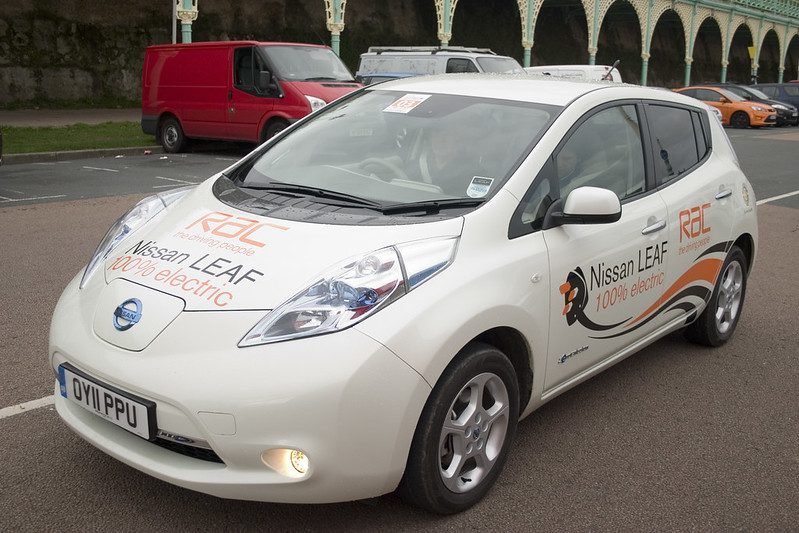
RAC’S Motoring Service- Safest driving routes is the name of the game with this app. They believe safety is the top priority and assists you in helping to avoid accidents. It is also extremely conscious of current weather conditions. You will be able to find hotels, and it has a fuel cost calculator included to ensure you aren’t overspending on gas. Unlimited stops are possible without a subscription in this app unlike some of their competitors.

TravelSpeed

Image Credit: OpenClipart-Vectors / Pixabay

TravelSpend– This app allows you to keep track of your budget. Simply input your budget and expenses for the length of your trip to keep yourself accountable to avoid overspending. If you are travelling with friends, you will be able to pay debts, split bills and check balances all within your app. TravelSpend is perfect to keep you accountable while you are out having fun.