Articles by Chuck Price — Page 40

Ultimate Guide to Reserving an RV Site

Ultimate Guide to Reserving an RV Site

body {
font-family: Arial, sans-serif;
line-height: 1.6;
margin: 0;
padding: 0;
background-color: #f4f4f4;
}
header {
background-color: #35424a;
color: #ffffff;
text-align: center;
padding: 1em;
}
img {
display: block;
margin: 0 auto;
max-width: 100%;
}
main {
width: 80%;
margin: 1em auto;
background-color: #ffffff;
padding: 2em;
box-shadow: 0px 2px 10px rgba(0, 0, 0, 0.1);
}
h1, h2, h3, h4, h5, h6 {
color: #35424a;
}
p {
font-size: 1em;
}
ul, ol {
padding-left: 1.5em;
}
a {
color: #1c8adb;
text-decoration: none;
}
a:hover {
text-decoration: underline;
}
.faq-question {
font-weight: bold;
}
.faq-answer {
margin-bottom: 1em;
}
footer {
background-color: #35424a;
color: #ffffff;
text-align: center;
padding: 1em;
margin-top: 2em;
}

Tips for a Stress-Free Trip and Choosing the Perfect Campground

If you are planning a trip in your RV, reserving a site ahead of time is crucial to ensure a smooth and stress-free journey. With the popularity of RV travel on the rise, it’s become more important than ever to make a reservation at an RV park or campground. In this ultimate guide, we’ll walk you through the process of reserving an RV site, including the types of RV parks that don’t take reservations, how to make a reservation, confirm your reservation, and what to do if you’re running late.

Not All RV Parks Reserve Sites

When it comes to RV parks and campgrounds, not all of them take reservations. Some may operate on a first-come, first-served basis, while others only reserve a portion of their sites for advanced reservations. It’s important to research the park or campground you’re planning to stay at ahead of time, so you know what to expect. Additionally, not making a reservation in advance can lead to the risk of not finding a suitable parking space upon arrival. It’s important to have a backup plan in case you are unable to secure a spot at your first-choice location.

Understanding Your RV Camping Needs

Before reserving an RV campsite, it is important to define your RV camping needs and preferences. You should identify your budget, camping style, preferred location, and amenities. Research RV campgrounds and campsites that meet your requirements. By understanding your RV camping needs, you can narrow down your choices and find the perfect campsite for your trip.

man making reservation
Image by Jess Foami from Pixabay

Reserving an RV Site

The first step in reserving an RV site is to locate and choose an RV park or campground that meets your needs. There are many factors to consider, including location, amenities, and the type of site you require. You may want to consider calling the RV park or campground directly to make a reservation. Speaking to someone over the phone can help answer any questions you may have and can help ensure you get the site that best suits your needs. Additionally, some RV parks offer online reservations, which can be convenient for those who prefer to book online. When making a reservation, be sure to ask about any additional fees, amenities, and what is included in your site rental.

Confirming an RV Site Reservation

After making a reservation, it’s important to confirm it before hitting the road. This can help avoid any issues or confusion when you arrive at the RV park or campground. Confirming a reservation is easy and can be done over the phone or through the park’s website. In the event that there is an issue with your reservation, be sure to contact the RV park or campground as soon as possible to resolve the issue.

How to Make a Reservation at an RV Campsite

Learn the different ways to make a reservation (online, phone, walk-in), and understand the booking process and requirements. Choose the right campsite for your RV size and needs, review the reservation details and policies, and confirm your reservation and payment. By following these steps, you can ensure a smooth and hassle-free reservation process.

You’re Late to the RV Park, Now What?

If you’re running late for your check-in, it’s important to call the RV park or campground and let them know. This can help ensure that your spot is held for you, and can also prevent any confusion or miscommunication. Additionally, it’s important to be courteous and polite when calling the RV park or campground, as this can go a long way in ensuring a positive experience.

Preparing for Your RV Camping Trip

Preparing for your RV camping trip is essential to ensure a safe and enjoyable experience. You should create a checklist of essential items to pack, know the RV and camping regulations and safety guidelines, plan your route, and check the weather forecast. Arrive at the campsite and check-in process and set up your RV and campsite. By preparing ahead of time, you can avoid any unnecessary stress and enjoy your RV camping experience to the fullest.

Enjoying Your RV Camping Experience

Now that you have arrived at your RV campsite, it’s time to enjoy your experience. Explore the campsite and nearby attractions, participate in outdoor activities and events, and meet and socialize with fellow RV campers. Many RV campsites offer a variety of amenities, such as swimming pools, playgrounds, hiking trails, and more. Take advantage of these amenities to enhance your camping experience and create unforgettable memories.

Campground rules on flags and signs

Private campgrounds set their own rules on what you can display at your site, so read the park rules before you book. Thousand Trails states, “Flags and signs that display the Confederate flag, politicians, political candidates or contain vulgarity or profanity are not allowed to be displayed at your campsite or throughout the campground/resort” (Thousand Trails). Guests who break that rule are asked to remove the flag or sign, and anyone who refuses is asked to leave.

KOA bans display of the Confederate battle flag symbol on all properties it owns, operates or franchises, and guests who do not remove or cover it are asked to vacate (KOA). Some independent parks restrict political displays directly. Wagon Trail Campground in Ellison Bay, Wisconsin, asks guests, “Please refrain from displaying any Political signs, banners, or flags at your campsite” (Wagon Trail Campground).

These are individual operators’ rules, not a law or an industry standard. Check the rules page for each park on your route before you reserve.

Resources

  1. ReserveAmerica’s RV Camping Guide: A comprehensive resource for RV camping tips, trip planning, and finding and reserving campsites across the United States (https://www.reserveamerica.com/outdoors/rv-camping.htm).
  2. GoRVing’s Guide to Choosing the Best RV Park or Campground: Offers expert advice on selecting the right RV park or campground based on your preferences and needs (https://www.gorving.com/tips-inspiration/trip-planning/where-camp-guide-rv-resorts )
  3. Good Sam’s RV Park and Campground Directory: A reliable directory of RV parks and campgrounds with detailed information, ratings, and reviews (https://www.goodsam.com/campgrounds-rv-parks/).
  4. Campendium’s RV Park Reviews: A platform featuring user-generated reviews and insights on RV parks and campgrounds across the United States (https://www.campendium.com/rv-park-reviews).
  5. RVshare’s Tips for Reserving RV Parks and Campgrounds: Provides helpful tips and advice for successfully reserving RV parks and campgrounds for your next adventure (https://rvshare.com/blog/rv-park-reservations/).

Frequently Asked Questions

Q: What are the benefits of RV camping?
A: RV camping offers the convenience of having your own living space, while still being able to experience the beauty of nature. It allows you to save money on lodging and dining expenses, while still having access to all the amenities you need.

Q: Why is RV camping popular?
A: RV camping is popular because it provides an affordable and flexible way to travel and explore new destinations. It allows you to travel at your own pace, and have your own space to relax and unwind at the end of the day.

Q: Is RV camping cheaper than other types of camping?
A: RV camping can be cheaper than other types of camping because it allows you to save money on lodging and dining expenses. Additionally, RV camping allows you to have access to all the amenities you need, without having to pay for expensive hotels or restaurants.

Q: How far in advance should I book an RV campsite?
A: It is recommended that you book an RV campsite at least 1-2 months in advance, especially during peak season. This will help ensure that you have the best selection of campsites and the best chance of securing a spot at your preferred location.

Q: How early can you reserve an RV campsite?
A: The earliest you can reserve an RV campsite depends on the individual RV park or campground. Some may allow reservations up to a year in advance, while others may only allow reservations a few months in advance.

Q: Are there peak seasons for RV camping?
A: Yes, peak season for RV camping varies depending on the location and time of year. Typically, peak season for RV camping is during the summer months and major holidays.

Q: Can I bring my pets to an RV campsite?
A: Yes, many RV campsites allow pets. However, it’s important to check the pet policies and restrictions before making a reservation.

Q: What are the pet policies at RV campsites?
A: The pet policies at RV campsites vary depending on the individual park or campground. Some may allow pets on a leash, while others may have restrictions on the size or breed of the pet.

Q: Are there pet-friendly RV campsites?
A: Yes, there are many pet-friendly RV campsites that allow pets and offer amenities for pets, such as dog parks and walking trails.

Q: What amenities are typically available at RV campsites?
A: The amenities available at RV campsites vary depending on the individual park or campground. Some may offer full hookups, laundry facilities, showers, and recreational activities, while others may have more limited amenities.

Q: What is included in a full hookup RV site?
A: A full hookup RV site typically includes access to electricity, water, and sewer hookups. This allows you to have all the necessary amenities for a comfortable stay.

Q: Do RV campsites have Wi-Fi and cable TV?
A: Many RV campsites offer Wi-Fi and cable TV, but it’s important to check with the individual park or campground before making a reservation.

Q: What should I do if I need to cancel or modify my reservation?
A: If you need to cancel or modify your reservation, it’s important to contact the RV park or campground as soon as possible. Many RV parks have cancellation policies that require a certain amount of notice before a reservation can be cancelled. It’s important to be aware of these policies and to communicate any changes in your plans with the park as soon as possible.

Q: Is there a cancellation fee for RV campsites?
A: The cancellation fee for RV campsites varies depending on the individual park or campground. Some may have a flat fee, while others may charge a percentage of the reservation cost. It’s important to be aware of these fees before making a reservation


Takeaway

In conclusion, reserving an RV campsite is an essential step to ensure a successful and enjoyable camping experience. By understanding your RV camping needs, making a reservation, and preparing for your trip, you can avoid any unnecessary stress and fully enjoy your time outdoors. Remember to always be courteous and respectful to other campers and to follow all park and campground rules and regulations. With proper planning and preparation, RV camping can be an unforgettable experience for you and your loved ones.
Guide to RV Campsite Amenities: Choosing and Maximizing Your Camping Experience

Guide to RV Campsite Amenities: Choosing and Maximizing Your Camping Experience

body {
font-family: Arial, sans-serif;
line-height: 1.6;
margin: 0;
padding: 0;
background-color: #f4f4f4;
}
header {
background-color: #35424a;
color: #ffffff;
text-align: center;
padding: 1em;
}
img {
display: block;
margin: 0 auto;
max-width: 100%;
}
main {
width: 80%;
margin: 1em auto;
background-color: #ffffff;
padding: 2em;
box-shadow: 0px 2px 10px rgba(0, 0, 0, 0.1);
}
h1, h2, h3, h4, h5, h6 {
color: #35424a;
}
p {
font-size: 1em;
}
ul, ol {
padding-left: 1.5em;
}
a {
color: #1c8adb;
text-decoration: none;
}
a:hover {
text-decoration: underline;
}
.faq-question {
font-weight: bold;
}
.faq-answer {
margin-bottom: 1em;
}
footer {
background-color: #35424a;
color: #ffffff;
text-align: center;
padding: 1em;
margin-top: 2em;
}

RV camping has become increasingly popular in recent years, and for a good reason. It’s a cost-effective way to travel and explore new places without sacrificing comfort and convenience. One of the essential factors to consider when choosing an RV campsite is the amenities they offer. In this article, we’ll cover everything you need to know about RV campsite amenities, from the basics to the more advanced ones, how to choose a campsite based on amenities, and tips for making the most out of them.

RV Campsite Amenities: The Basics

When it comes to RV campsite amenities, there are several basic ones that you should expect to find in most campsites. These amenities are essential for a comfortable and enjoyable camping experience.

  1. Water and Sewer Hookups – These are essential for access to clean water and a place to dump your gray and black water tanks.
  2. Electrical Hookups – These are necessary for powering your RV’s appliances, devices, and other electronics.
  3. Picnic Tables and Fire Pits – These are useful for outdoor cooking and dining, as well as for creating a cozy ambiance.
  4. Dump Stations – These are provided for guests who need to empty their tanks during their stay or before leaving the campsite.
  5. Restrooms and Showers – Most RVers prefer to use the ones in their own RVs, but having access to restrooms and showers in the campsite can be useful, especially if you’re staying for an extended period.
  6. Laundry Facilities – These are great for longer stays, as it allows you to do laundry without leaving the campsite.
  7. Trash and Recycling – It’s essential to dispose of your waste responsibly, and most campsites have designated areas for trash and recycling.

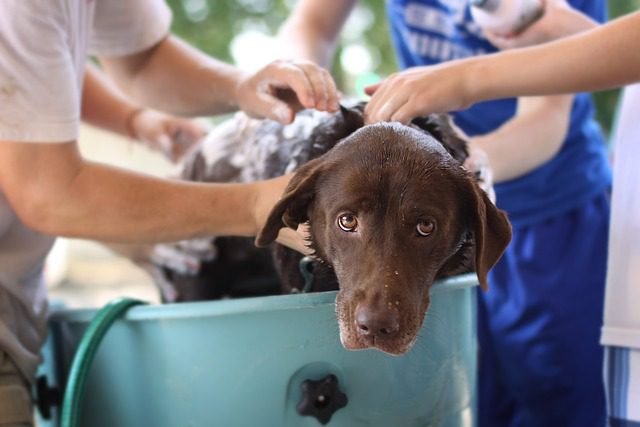
dog wash

Image by Angel from Pixabay

Advanced RV Campsite Amenities

In addition to the basic amenities, many RV campsites offer advanced amenities that can enhance your camping experience.

  1. Wi-Fi – In today’s connected world, having access to Wi-Fi can be very useful, especially for those who work remotely or need to stay in touch with family and friends.
  2. Cable TV – For those who enjoy watching TV, having cable TV can be a great option to keep up with news and entertainment.
  3. Swimming Pools and Hot Tubs – These are great for relaxing and unwinding after a long day of exploring or hiking.
  4. Playgrounds and Game Rooms – For families with kids, having access to playgrounds and game rooms can be a great way to keep them entertained.
  5. Convenience Stores and Gift Shops – These are convenient for those who need to purchase supplies or souvenirs during their stay.
  6. Pet-Friendly Amenities – Many RV campers bring their pets along with them, and having pet-friendly amenities such as dog parks or pet washing stations can be very helpful.
  7. On-Site Restaurants and Cafes – For those who prefer not to cook, having access to on-site restaurants and cafes can be a great option.

Choosing an RV Campsite Based on Amenities

Choosing an RV campsite based on amenities can be a daunting task, especially if you’re new to RV camping. Here are some tips to help you choose the best campsite for your needs.

  1. Identify Your Needs – Make a list of the amenities that are essential for your comfort and convenience.
  2. Researching Amenities at Potential Campsites – Check the campsite’s website for information on the amenities they offer. You can also read reviews from other RVers to get an idea of what to expect.
  1. Understanding the Cost of Amenities – Some campsites charge additional fees for certain amenities, while others may include them in their nightly rate. It’s essential to factor in the cost of amenities when budgeting for your trip.
  2. Balancing Amenities with Other Factors – While amenities are important, they shouldn’t be the only factor in choosing a campsite. You should also consider factors such as location, scenery, and accessibility.

Tips for Making the Most of RV Campsite Amenities

Once you’ve chosen your campsite and settled in, it’s essential to make the most out of the amenities offered. Here are some tips to help you get the most out of your camping experience.

  1. Planning Ahead – Before you arrive at the campsite, make a list of the amenities you want to use and plan accordingly.
  2. Bringing the Right Gear – Make sure you bring the appropriate gear for the amenities you plan to use, such as swimwear for the pool or a BBQ grill for outdoor cooking.
  3. Following Campsite Rules and Etiquette – Be respectful of the campsite’s rules and regulations, such as quiet hours and designated areas for pets.
  4. Engaging with Other Campers – RV camping is a great way to meet new people and make new friends. Engage with other campers and participate in activities offered by the campsite.

Resources


  1. Good Sam Club Campground Directory: https://www.goodsam.com/campgrounds-rv-parks/ This comprehensive directory of campgrounds and RV parks is a valuable resource for RV campers, providing detailed information on amenities and facilities.
  2. Kampgrounds of America (KOA): https://koa.com/ KOA is a well-known network of campgrounds across North America, offering a wide range of amenities and services for RV campers.
  3. RV Park Reviews: https://www.rvparkreviews.com/ This website offers user-generated reviews of RV parks and campgrounds, which can provide insight into the amenities and experiences at various sites.
  4. National Park Service Camping Guide: https://www.nps.gov/subjects/camping/index.htm This official guide from the U.S. National Park Service provides information on camping in national parks, including details on amenities and facilities available at campgrounds.
  5. Go RVing: https://gorving.com/ Go RVing is a comprehensive resource for RV enthusiasts, offering helpful tips, destination guides, and information on campgrounds and RV parks, including amenities and services.


FAQs

  1. What are the most common RV campsite amenities? The most common RV campsite amenities include water and sewer hookups, electrical hookups, picnic tables and fire pits, dump stations, restrooms and showers, laundry facilities, and trash and recycling.
  2. How do I know what amenities a campsite offers? You can find information on the amenities offered by the campsite on their website or by reading reviews from other RVers.
  3. Are all RV campsites pet-friendly? No, not all RV campsites are pet-friendly. It’s essential to check the campsite’s website or call ahead to confirm their pet policy.
  4. Can I use RV campsite amenities if I’m not staying at the campsite? Some campsites may allow non-guests to use their amenities for a fee, but it’s best to check with the campsite beforehand.
  5. Do I need to make reservations for RV campsite amenities? It depends on the campsite and the amenity. Some amenities may require reservations, while others may be available on a first-come, first-served basis.

Takeaway

RV camping is a great way to explore new places and enjoy the great outdoors. Choosing the right RV campsite with the right amenities can enhance your camping experience and make your trip more comfortable and enjoyable. From the basic amenities like water and electrical hookups to advanced amenities like swimming pools and pet-friendly amenities, there’s an RV campsite for every need and preference. By following the tips and advice in this article, you’ll be able to make the most out of your RV camping experience and enjoy all the amenities that the campsite has to offer.

Featured Image by mrgsimon from Pixabay

Ultimate Boondocking Checklist

Ultimate Boondocking Checklist

Top Essentials for Dry RV Camping

RV camping is an excellent way to experience the great outdoors, spend quality time with family and friends, and create unforgettable memories. Whether you are a seasoned RVer or a novice, having a comprehensive RV camping gear checklist is essential to ensure a comfortable and enjoyable trip. In this article, we will provide you with a list of essential items to pack for your RV camping trip, divided into several categories. We will also answer some frequently asked questions and give you useful tips and advice.

Planning an RV camping trip requires time, effort, and attention to detail. Here are some tips for creating a good checklist:

  • Start by brainstorming all the items you think you might need.
  • Once you have a list of items, group them into logical categories.
  • Be specific about the items you need. For example, instead of just listing “tent,” list the specific type of tent you need, such as a four-season tent.
  • Make sure the checklist is easy to use. Use clear and concise instructions and avoid jargon.
  • Keep the checklist up-to-date. Update it regularly to reflect the latest trends and recommendations.
  • Make the checklist relevant to the target audience. Tailor the checklist to the specific needs of the people who will be using it.

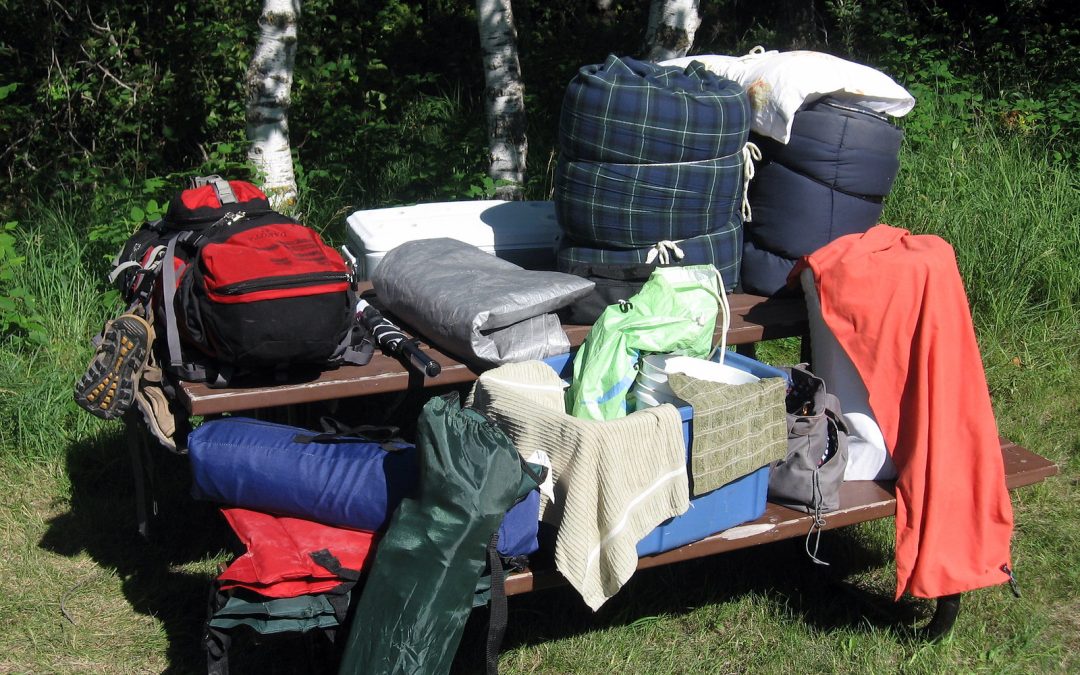
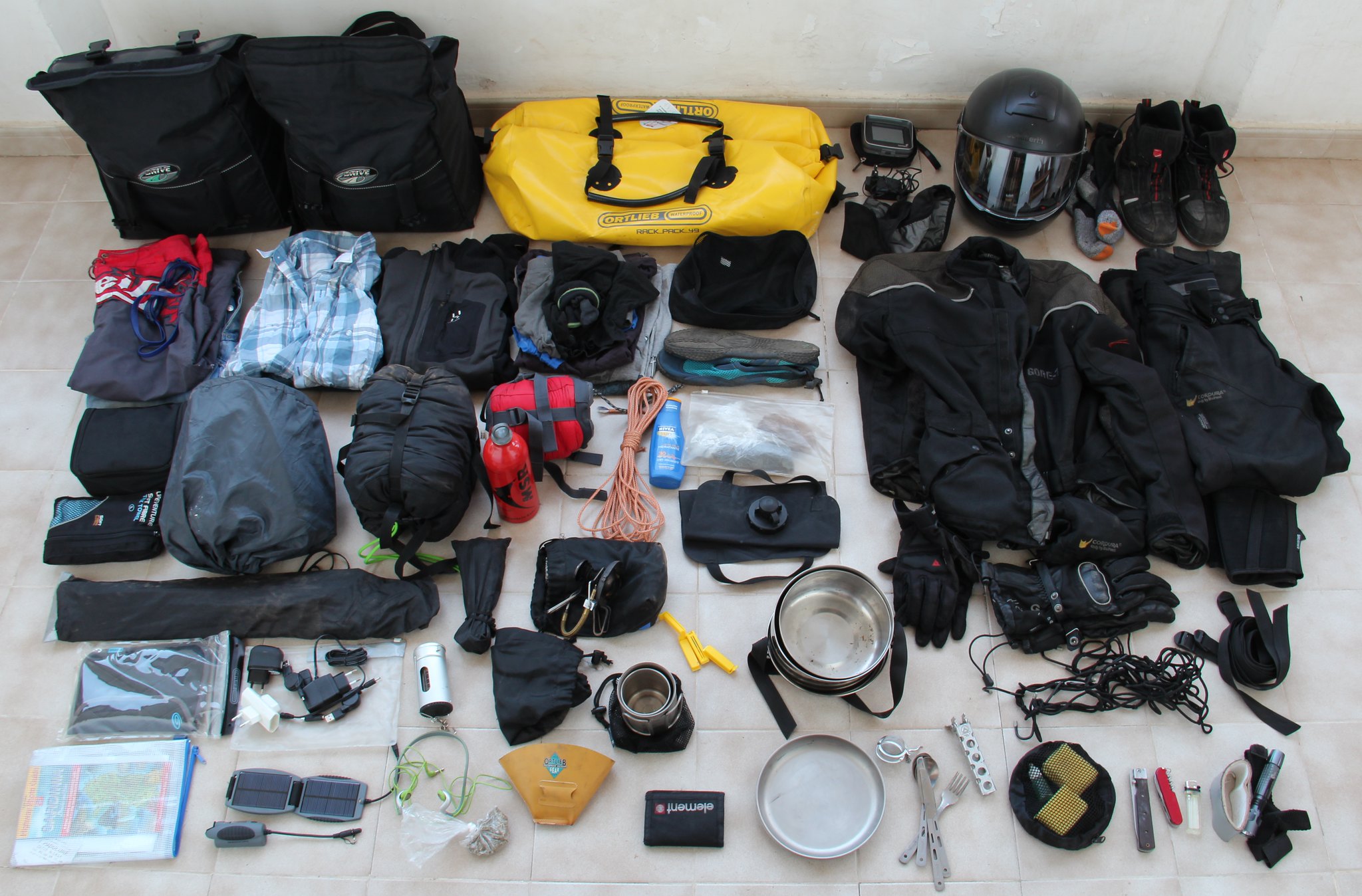
Camping Gear
Image Credit:damian@krass via flickr

Shelter and Sleeping Gear

The first category on our RV camping gear checklist is Shelter and Sleeping Gear. Depending on the type of camping you prefer, you can choose to camp in a tent or an RV. In either case, you need to ensure that you have the necessary items to create a comfortable and secure sleeping environment.

  • Tent or RV: Your choice of shelter will depend on your preference, budget, and the type of camping you plan to do. If you prefer a more rustic experience, a tent is an excellent choice. However, if you want more comfort and convenience, an RV is a better option.
  • Sleeping bags and blankets: You will need warm and comfortable sleeping bags and blankets to keep you cozy during the night.
  • Pillows and pillowcases: Don’t forget to bring pillows and pillowcases to support your head and neck.
  • Mattresses and sleeping pads: If you choose to camp in a tent, you will need to bring along a mattress or sleeping pad to cushion your sleeping area.
  • Tarp or canopy: To protect your tent or RV from rain, sun, and wind, bring along a tarp or canopy.
  • Portable chairs and tables: To create a comfortable outdoor living space, bring along portable chairs and tables.
  • Mosquito netting: To protect yourself from pesky insects, bring along mosquito netting.

FAQs:

What type of tent is best for RV camping?
Answer: The type of tent you choose depends on the number of people camping and the weather conditions. A four-season tent is ideal for RV camping, as it is sturdy and can withstand harsh weather conditions.

Can I bring a regular mattress for RV camping?
Answer: Yes, you can bring a regular mattress for RV camping, as long as it fits comfortably in your RV.

Do I need a sleeping pad if I have an RV?
Answer: If you are sleeping in an RV, you do not necessarily need a sleeping pad. However, if you are camping in a tent, a sleeping pad is essential to provide cushioning and insulation.

Kitchen Essentials

The next category on our RV camping gear checklist is Kitchen Essentials. When camping, you will need to prepare your meals, and having the necessary equipment will make the process more manageable and enjoyable.

  • Portable stove and fuel: Bring along a portable stove and fuel to cook your meals.
  • Cooking utensils: You will need pots, pans, spatulas, and other cooking utensils to prepare your food.
  • Tableware and cutlery: Bring along plates, bowls, cups, and utensils to serve your food.
  • Cooler or fridge
  • Bring a cooler or fridge to keep your food and drinks fresh and cool.
  • Food and drinks: Bring along enough food and drinks for your camping trip. Consider bringing non-perishable items such as canned goods, dried fruits, and snacks.
  • Water containers: Bring along enough water containers to store and transport your water.
  • Trash bags: Bring along enough trash bags to keep your campsite clean and tidy.

FAQs:

What’s the best way to keep my food fresh while RV camping?
Answer: The best way to keep your food fresh while RV camping is to bring along a cooler or fridge and store your perishable items inside.

Can I bring a microwave or an electric stove for RV camping?
Answer: Yes, you can bring a microwave or an electric stove for RV camping, as long as your RV has the necessary electrical hookups to support them.

How can I prevent attracting wild animals to my campsite?
Answer: To prevent attracting wild animals to your campsite, store your food and trash properly, keep a clean campsite, and avoid cooking and eating near your sleeping area.

Hygiene and Personal Care

The third category on our RV camping gear checklist is Hygiene and Personal Care. It is essential to maintain personal hygiene and cleanliness, especially when camping in the great outdoors.

  • Toiletries: Bring along your toothbrush, toothpaste, soap, shampoo, and other toiletries.
  • Shower gear: Bring along a portable shower or shower bag to keep clean.
  • Towels: Bring along enough towels for your personal use and to dry your dishes.
  • Hand sanitizer: Bring along hand sanitizer to keep your hands clean and germ-free.
  • Wet wipes: Bring along wet wipes for a quick and easy clean-up.
  • Trash bags: Bring along enough trash bags to dispose of your waste properly.

FAQs:

Can I take a shower while RV camping?
Answer: Yes, you can take a shower while RV camping. You can use a portable shower or shower bag, or you can use the shower facilities at the RV park.

Do I need a portable toilet for RV camping?
Answer: You do not necessarily need a portable toilet for RV camping, as most RVs have their own toilet. However, if you plan to camp in remote areas without access to restrooms, a portable toilet can be useful.

How can I dispose of grey and black water from my RV?
Answer: You can dispose of grey and black water from your RV at designated dump stations at RV parks or other approved areas.

Tools and Repair Items

The fourth category on our RV camping gear checklist is Tools and Repair Items. When camping, it is important to be self-sufficient and prepared for any unforeseen circumstances.

  • Flashlights and headlamps: Bring along flashlights and headlamps to navigate in the dark.
  • Batteries: Bring along extra batteries for your electronic devices.
  • Pocket knife: Bring along a pocket knife for various purposes, such as cutting ropes or opening cans.
  • Duct tape: Bring along duct tape for emergency repairs.
  • Bungee cords: Bring along bungee cords to secure items and gear.
  • Screwdrivers and pliers: Bring along basic tools such as screwdrivers and pliers for repairs.
  • RV repair kit: Bring along a repair kit for your RV, including items such as tire repair patches and duct tape.

FAQs:

What should I do if I have a flat tire on my RV?
Answer: If you have a flat tire on your RV, use your RV repair kit to patch the tire or change the tire if necessary. You can also call for roadside assistance.

How can I fix common RV problems on my own?
Answer: It is essential to know the basic maintenance and repair skills for your RV, such as how to change a tire or fix a leaky faucet. You can also find helpful resources and guides online or attend RV maintenance and repair workshops.

Can I bring a chainsaw or other power tools for RV camping?
Answer: It is generally not recommended to bring chainsaws or other power tools for RV camping, as they can be noisy and disruptive to other campers. Check with the RV park or campground to see if they allow the use of power tools.

Clothing and Personal Items

The fifth category on our RV camping gear checklist is Clothing and Personal Items. It is essential to pack appropriate clothing and personal items to ensure comfort and protection during your camping trip.

  • Comfortable clothing: Bring along comfortable and weather-appropriate clothing, such as shorts, t-shirts, and pants.
  • Footwear: Bring along comfortable and sturdy footwear, such as hiking boots or sandals.
  • Rain gear: Bring along rain gear, such as raincoats and umbrellas, to prepare for unexpected rain.
  • Sun protection: Bring along sun protection, such as hats and sunscreen, to protect yourself from the sun’s harmful rays.
  • Insect repellent: Bring along insect repellent to keep mosquitoes and other bugs at bay.
  • First aid kit: Bring along a first aid kit to treat minor injuries and illnesses.
  • Entertainment items: Bring along books, games, and other entertainment items to keep yourself and your fellow campers entertained.

FAQs:

What type of clothing is suitable for RV camping?
Answer: Suitable clothing for RV camping includes comfortable and weather-appropriate items such as shorts, t-shirts, and pants. It is also recommended to bring a jacket and rain gear to prepare for unexpected weather changes.

Can I bring a guitar or other musical instrument for RV camping?
Answer: Yes, you can bring a guitar or other musical instrument for RV camping. However, it is important to consider your fellow campers and keep noise levels at a reasonable level.

Do I need to bring sunscreen and insect repellent if I have an RV?
Answer: Yes, it is important to bring sunscreen and insect repellent regardless of whether you have an RV or not. Sunscreen protects you from harmful UV rays, while insect repellent helps keep mosquitoes and other bugs away.

Conclusion

In conclusion, having a comprehensive RV camping gear checklist is essential to ensure a comfortable and enjoyable camping trip. The checklist should include items such as shelter and sleeping gear, kitchen essentials, hygiene and personal care items, tools and repair items, and clothing and personal items. By following this checklist and packing accordingly, you can be sure that you are prepared for your next RV camping adventure.

Resources

  1. https://koa.com/blog/the-ultimate-camping-packing-list-printable-pdf-camping-checklist/ This comprehensive RV camping gear checklist from Kampgrounds of America (KOA) covers essential items for a successful trip and is relevant to the content.
  2. https://www.reserveamerica.com/outdoors/rv-packing-checklist.htm ReserveAmerica’s RV packing checklist is another reliable resource that can provide additional information on essential items for RV camping.
  3. https://www.rei.com/learn/expert-advice/family-camping-checklist.html REI’s family camping checklist provides a detailed list of items to pack for an enjoyable camping trip, including gear for RV camping.
  4. https://www.goodsam.com/trip-planner/ Good Sam’s road trip planner offers useful tools and resources for planning an RV camping trip, including campground information, checklists, and tips for first-time RV campers.
  5. https://rvshare.com/blog/rv-camping-checklist/ RVshare’s blog post on RV camping checklists provides an extensive list of items to pack for an RV camping trip, along with useful tips and advice for campers.


Featured Image by Christopher Porter via flickr

First-Time RV Camping: Step-by-Step Guide to Choosing the Perfect Campsite

First-Time RV Camping: Step-by-Step Guide to Choosing the Perfect Campsite

body {
font-family: Arial, sans-serif;
line-height: 1.6;
margin: 0;
padding: 0;
background-color: #f4f4f4;
}
header {
background-color: #35424a;
color: #ffffff;
text-align: center;
padding: 1em;
}
img {
display: block;
margin: 0 auto;
max-width: 100%;
}
main {
width: 80%;
margin: 1em auto;
background-color: #ffffff;
padding: 2em;
box-shadow: 0px 2px 10px rgba(0, 0, 0, 0.1);
}
h1, h2, h3, h4, h5, h6 {
color: #35424a;
}
p {
font-size: 1em;
}
ul, ol {
padding-left: 1.5em;
}
a {
color: #1c8adb;
text-decoration: none;
}
a:hover {
text-decoration: underline;
}
.faq-question {
font-weight: bold;
}
.faq-answer {
margin-bottom: 1em;
}
footer {
background-color: #35424a;
color: #ffffff;
text-align: center;
padding: 1em;
margin-top: 2em;
}

A Step-by-Step Guide

Are you a first-time RV camper and feeling overwhelmed by the number of campsites available? With so many options, it can be challenging to find the perfect spot for your RV. In this guide, we’ll provide a step-by-step approach to help you select the right campsite for your needs.

Understanding Your Needs

Before you start your search, it’s essential to consider your camping preferences and requirements. This section will help you identify the factors that will impact your campsite selection.

Identify Your RV Size

One of the most important factors to consider when selecting a campsite is the size of your RV. Different campsites cater to various RV sizes, so it’s crucial to understand your RV’s dimensions before you start your search. Knowing your RV’s size will help you narrow down your options and prevent any last-minute surprises when you arrive at the campsite.

Determine Your Budget

Campsite prices can vary widely, so it’s crucial to set a budget before you start your search. Determine how much you’re willing to spend on camping fees, and don’t forget to factor in other expenses, such as food, gas, and activities. Keep in mind that some campsites offer discounts for longer stays, so if you plan to camp for an extended period, be sure to ask about any available discounts.

Choose Your Ideal Location

Different campsites offer different landscapes and views, so it’s essential to consider what type of scenery you prefer. Do you prefer to camp near a lake, in the mountains, or in a wooded area? Consider the activities you plan to do during your trip and select a campsite that is conveniently located to those activities.

Identify Your Preferred Campsite Amenities

Different campsites offer different amenities, such as hookups, Wi-Fi, and showers. Knowing your preferred amenities will help you find a campsite that suits your needs. For example, if you plan to camp in a remote area, you may need a campsite with hookups, while if you plan to work remotely during your trip, you may need a campsite with reliable Wi-Fi.

Finding Your Ideal Campsite

Once you’ve identified your needs, it’s time to find your ideal campsite. This section will provide a step-by-step approach to finding the perfect spot for your RV.

Research Campsite Options

The first step is to research campsites that fit your criteria. Start by looking at campsite directories, such as Good Sam Club, and online reviews to find potential campsites that meet your needs.

Review Campsite Features

Once you’ve identified potential campsites, it’s time to review their features. Look for features that meet your requirements, such as RV hookups, showers, laundry facilities, and pet-friendly policies. Pay attention to the campsite’s location and proximity to nearby attractions.

Check Campsite Availability

After reviewing the features, it’s time to check the campsite availability. Call or check online to see if your preferred campsite has availability during your desired dates. If the campsite is not available, ask about nearby campsites that meet your criteria.

Consider Alternative Options

If your ideal campsite is unavailable, or you can’t find a campsite that meets your needs, it’s time to consider alternative options. Consider alternative camping options, such as boondocking and dispersed camping. These options offer more flexibility and may be a good alternative if you can’t find a traditional campsite that meets your needs.

Preparing for Your RV Camping Trip

Once you’ve found your ideal campsite, it’s time to prepare for your RV camping trip. This section will provide tips on how to prepare for your trip and ensure that everything goes smoothly.

Create a Packing Checklist

Before you start packing, it’s crucial to create a packing checklist. A comprehensive packing checklist should include all the essential gear you’ll need for your trip, such as cooking supplies, bedding, and outdoor gear. It’s also a good idea to bring a first aid kit and emergency supplies, such as a flashlight and extra batteries. Check off each item as you pack to ensure that you don’t forget anything.

Prepare Your RV

Preparing your RV for your trip is essential. Make sure your RV is in good working condition by checking all systems, including the electrical, plumbing, and HVAC systems. Fill up the gas tank and check the tires for proper inflation. Pack all necessary tools and spare parts in case of an emergency. It’s also essential to ensure that your RV’s weight is distributed evenly and within safe limits.

Plan Your Route

Planning your route is essential to ensure that you arrive at your campsite safely and on time. Use a GPS or a map to plan your route and avoid roads that may be unsuitable for your RV, such as low-clearance bridges or narrow roads. Plan for frequent stops and rest breaks, and consider alternate routes in case of road closures or heavy traffic.

Resources

  1. Good Sam Club Campground Directory – https://www.goodsam.com/campgrounds-rv-parks/ This directory provides a comprehensive list of RV campgrounds.
  2. Reserve America – https://www.reserveamerica.com/ Reserve America is a popular platform for booking campsites in state and federal parks across the United States.
  3. RVIA – Recreational Vehicle Industry Association – https://www.rvia.org/ The RVIA is a reputable organization that represents the RV industry and can provide valuable information about RV specifications, safety, and maintenance.
  4. Leave No Trace Center for Outdoor Ethics – https://lnt.org/ This organization promotes responsible outdoor recreation, and their principles are important for RV campers, especially those considering boondocking.
  5. National Park Service – https://www.nps.gov/index.htm The National Park Service manages national parks in the United States, and many campers will want to visit these parks during their RV trips. This website provides essential information about park amenities, regulations, and campgrounds.

Takeaway

Selecting the right RV campsite is crucial to ensure a comfortable and enjoyable camping experience. By understanding your needs, researching campsite options, preparing for your trip, and considering alternative options, you can find the perfect spot for your RV. We hope that this guide has provided you with a step-by-step approach to help you select the right campsite for your needs. If you have any further questions, please refer to the FAQs section below, where we address some of the most commonly asked questions related to RV campsite selection.

Frequently Asked Questions

How do I find a campsite that fits my RV size?
When researching potential campsites, be sure to check their RV size limits to ensure that your RV can fit in the campsites available. You can also filter your search by RV size when using online camping directories.

What amenities should I look for in a campsite?
The amenities you should look for in a campsite depend on your needs and preferences. Consider what type of hookups you need, if any, and what amenities you require for a comfortable stay, such as showers, laundry facilities, and Wi-Fi.

What should I do if my ideal campsite is not available?
If your ideal campsite is not available, look for nearby campsites that meet your criteria. You can also consider alternative camping options, such as boondocking and dispersed camping.

What is boondocking, and is it safe?
Boondocking is camping in undeveloped areas, such as national forests or BLM land, without hookups or amenities. Boondocking can be a safe and rewarding experience, but it’s essential to practice Leave No Trace principles and respect the environment.

How do I prepare my RV for camping?
To prepare your RV for camping, make sure it is in good working condition and all systems are functioning properly. Fill up the gas tank and check the tires for proper inflation. Pack all necessary tools and spare parts in case of an emergency.

What should I include in my packing checklist?
Your packing checklist should include all the essential gear you’ll need for your trip, such as cooking supplies, bedding, and outdoor gear. It’s also a good idea to bring a first aid kit and emergency supplies, such as a flashlight and extra batteries.

What should I consider when planning my route?
When planning your route, consider roads that may be unsuitable for your RV and plan for frequent stops and rest breaks. Consider alternate routes in case of road closures or heavy traffic.

Featured Image Credit: Unsplash

Ultimate Guide to Planning Your First RV Camping Trip: Tips and Steps for a Successful Adventure

Ultimate Guide to Planning Your First RV Camping Trip: Tips and Steps for a Successful Adventure

If you’re an avid camper or traveler, you may have heard about the growing trend of RV camping. RV camping involves traveling in a recreational vehicle or motorhome that serves as both transportation and living quarters. It’s a great way to explore the outdoors while still enjoying the comforts of home. In this guide, we’ll provide a comprehensive overview of the steps you should take to plan your first RV camping trip.

Why RV Camping is a Great Way to Travel

RV camping is an excellent way to experience the great outdoors. Unlike traditional camping, RV camping provides a comfortable and convenient way to explore different regions and attractions. You have the freedom to travel at your own pace, and you can easily move from one campsite to the next without having to pack up and unpack your gear each time.

Importance of Planning Your First RV Camping Trip

Planning is essential to ensure a successful and enjoyable RV camping trip. There are many factors to consider, including choosing the right RV, finding the perfect campsite, planning your route, packing for your trip, setting up camp, and enjoying the great outdoors. With proper planning, you can avoid common mistakes and make the most of your RV camping experience.

Step 1: Choosing Your RV

Choosing the right RV is essential to a successful RV camping trip. There are several types of RVs available, including motorhomes, travel trailers, and fifth wheels. Each type has its own unique features and advantages, and you should choose the one that best suits your needs and preferences. Factors to consider when choosing an RV include size, weight, towing capacity, and amenities. You should also decide whether to rent or buy an RV, based on your budget and long-term plans.

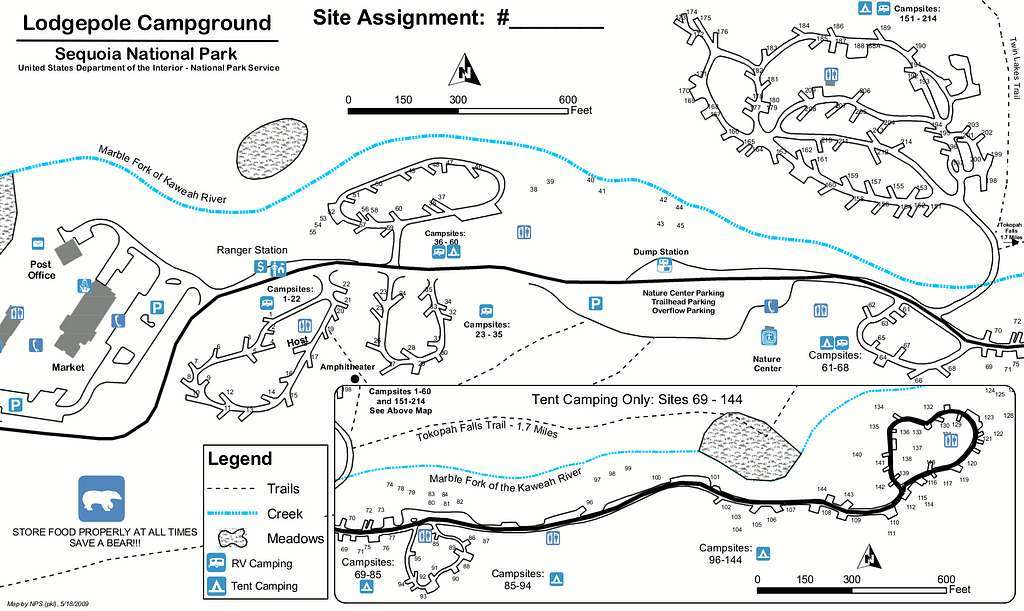
nps sequoia kings canyon lodgepole campground map 74a679 1024

Step 2: Finding the Perfect Campsite

Choosing the right campsite is critical to a successful RV camping trip. There are many different types of campsites available, ranging from national parks and state parks to private campgrounds and RV resorts. Each campsite has its own unique amenities, such as electricity, water, and sewer hookups, as well as recreational activities and attractions. You should research different campsite options and choose one that fits your preferences and needs.

Step 3: Planning Your Route

Planning your RV route is essential to a successful trip. Factors to consider when planning your route include distance, travel time, fuel costs, and traffic. You should also research mapping tools and resources, such as GPS navigation systems and online trip planners, to help you plan your route. It’s also essential to plan for stops and detours along the way, to explore attractions and activities along your route.

Step 4: Packing for Your Trip

Packing for your RV camping trip requires careful planning and organization. You should pack essential RV camping gear and supplies, such as bedding, kitchen utensils, and toiletries, as well as outdoor gear, such as hiking boots and fishing rods. You should also pack efficiently, using storage containers and space-saving techniques to make the most of the limited storage space in an RV. Finally, you should plan your meals and food supplies for your trip, taking into account storage space, refrigeration, and cooking facilities.

Step 5: Setting Up Camp

Setting up camp is an essential part of your RV camping trip. You should have a clear understanding of how to set up your RV at the campsite, including hooking up utilities, such as water and electricity, and managing waste, such as sewage and trash. You should also follow safety tips for setting up camp, such as using wheel chocks and leveling jacks, and ensuring that your RV is properly secured.

Step 6: Enjoying the Great Outdoors

One of the best things about RV camping is the opportunity to explore the great outdoors. There are many fun outdoor activities you can enjoy while RV camping, such as hiking, biking, fishing, and kayaking. You can also explore the area around your campsite, by visiting nearby attractions and landmarks, such as national parks, historic sites, and scenic vistas. Finally, it’s essential to make the most of your RV camping experience, by relaxing, socializing with other campers, and enjoying the beauty of nature.

Resources

  1. Go RVing – https://www.gorving.com/ A comprehensive resource for RV enthusiasts, Go RVing provides information on RV types, trip planning, campgrounds, and useful tips for first-time RV campers.
  2. KOA Blog: RV Camping for Beginners – https://koa.com/blog/rv-camping-for-beginners/ Kampgrounds of America (KOA) offers a range of informative articles about camping, including this beginner’s guide to RV camping, covering essential tips, recommendations, and insights.
  3. Recreation.gov – https://www.recreation.gov/ The official online portal for discovering and reserving campsites in the United States, Recreation.gov is an authoritative and reliable source for finding campgrounds, making reservations, and obtaining information about campsite amenities and regulations.
  4. Good Sam – https://www.goodsam.com/ A popular membership club for RV enthusiasts, Good Sam offers discounts on campgrounds, fuel, and other RV-related services. Their website provides valuable resources such as campground reviews, trip planning tools, and a blog with helpful articles and tips for RV camping.
  5. RV Travel – https://www.rvtravel.com/ An online magazine and community for RV enthusiasts, RV Travel features informative articles, tips, and advice on RV camping, maintenance, and travel, making it an authoritative and trustworthy resource for various aspects of RV camping.


FAQs

  1. What is the best time of year for RV camping? The best time of year for RV camping depends on your location and preferences. Generally, the peak season for RV camping is during the summer months, from June to August. However, spring and fall can be great times to RV camp, as the weather is milder and the crowds are thinner.
  2. Do I need a special license to drive an RV? The requirements for an RV license vary by state and by the size and weight of the RV. In most states, you do not need a special license to drive an RV if it weighs less than 26,000 pounds. However, if your RV is larger or heavier than this, you may need a commercial driver’s license or a special endorsement on your regular driver’s license.
  3. How much does it cost to rent an RV? The cost of renting an RV depends on several factors, including the type and size of the RV, the rental company, and the location and time of year. On average, you can expect to pay between $75 and $250 per night to rent an RV, with additional fees for mileage, insurance, and other services.
  4. What amenities are typically included at an RV campsite? The amenities at an RV campsite can vary, but most sites offer basic utilities, such as water, electricity, and sewage hookups. Some sites also offer additional amenities, such as Wi-Fi, cable TV, swimming pools, and recreational facilities.
  5. Can I bring my pets on an RV camping trip? Yes, many RV campsites are pet-friendly and allow pets on their grounds. However, you should check with the campsite in advance to ensure that they allow pets and to find out about any restrictions or fees.
  6. How do I find RV-friendly gas stations? There are several online resources and apps that can help you find RV-friendly gas stations, such as GasBuddy, RV Trip Wizard, and Pilot Flying J. These resources can help you locate gas stations with large, easy-to-access fuel pumps and plenty of space for maneuvering your RV.
  7. What should I pack for my first RV camping trip? Packing for your first RV camping trip can be a challenge, as you have limited storage space and need to bring everything you need for an extended trip. Some essential items to pack include bedding, kitchen supplies, toiletries, and outdoor gear. You should also plan your meals and food supplies, and bring plenty of water and snacks for the road.
  8. How do I plan my RV camping trip route? Planning your RV camping trip route requires careful research and planning. You should consider factors such as distance, travel time, fuel costs, and traffic, and use mapping tools and resources to help you plan your route. It’s also essential to plan for stops and detours along the way, to explore local attractions and activities.
  9. Are there any RV camping etiquette rules I should know? Yes, there are several RV camping etiquette rules that you should follow to ensure a pleasant and enjoyable experience for everyone. Some of these rules include respecting quiet hours, keeping your campsite clean and tidy, and following campground rules and regulations.
  10. How do I maintain my RV during a long trip? Maintaining your RV during a long trip

Takeaway

Planning your first RV camping trip can be a bit intimidating, but with a little preparation, it can be a great experience. Choosing the right RV, selecting the right campground, and packing the essentials are all important steps in the planning process. Staying safe on the road and setting up your campsite are also important considerations. With these tips in mind, you will be ready to hit the road and start your RV camping adventure.