

5 Retiree Regrets to Avoid (2026)
Dreaming of trading your house keys for an RV key and cruising down scenic highways on endless adventures? You’re not alone. In Progressive’s 2022 survey of 501 Americans living full- or part-time in RVs, 46% of the traditional-retiree respondents saw no end in sight to their RV lifestyle.
The allure is undeniable: freedom of the open road, exploring new places at your own pace, and the chance to simplify your life. However, the romanticized vision often clashes with reality. Many aspiring retirees underestimate the financial impact of RV depreciation, the relentless maintenance demands, and the challenge of building community while constantly moving.
This guide covers financial, maintenance, healthcare, and lifestyle questions to consider before full-time RV retirement. Use it as a planning checklist and obtain current costs for your own circumstances.
By the end of this article, you’ll have access to three comprehensive comparison tables showing RV living costs versus traditional retirement, a breakdown of different RV types for retirees, and a downloadable budget worksheet to help you make an informed decision. Whether you’re ready to sell your home or just exploring the possibility, this reality check will prepare you for what full-time RV retirement truly entails.
Regret #1: The Financial Burden of RV Depreciation
RV resale values depend on the model, age, condition, and market. Before committing, compare current prices for similar used RVs and build a budget that includes depreciation and ownership costs. Home values also vary by location and period; neither asset has a guaranteed future value.
Do not assume that an RV will retain value like a home. Before buying, compare recent prices for similar used models and allow for a lower resale value in your long-term budget.
This doesn’t mean RV retirement is financially irresponsible, but it requires a fundamentally different cost-benefit analysis than traditional homeownership. You’re paying for mobility, freedom, and experiences rather than building equity. The key is entering this lifestyle with your eyes wide open to the depreciation reality, not expecting your RV to serve as a financial asset the way a home might. Budget for the RV as an expense that enables your retirement adventure, not as an investment that will protect your wealth.
Regret #2: Underestimating the Ongoing Costs and Maintenance
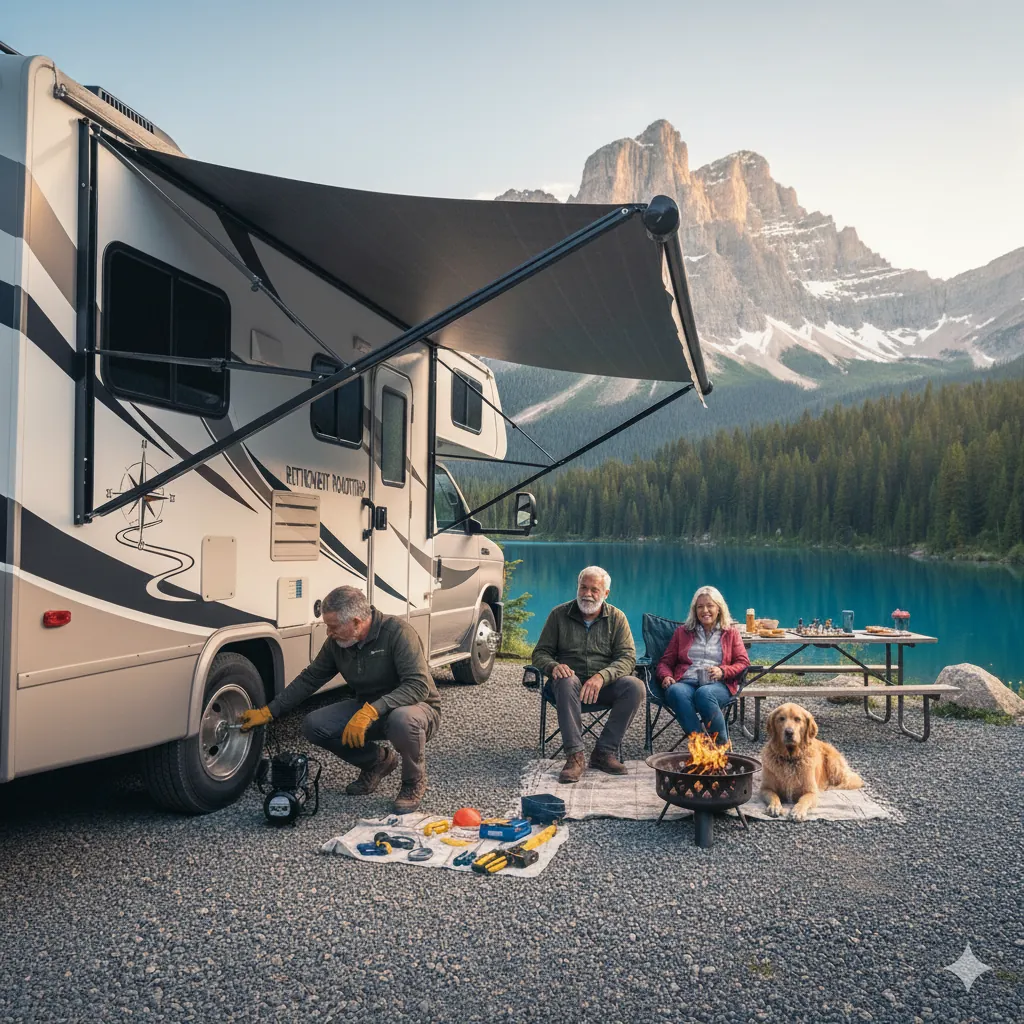
Maintenance costs vary by vehicle, equipment, use, and condition. Budget for both scheduled servicing and unexpected repairs, and follow the maintenance intervals specified by the manufacturers.
Mike Thomas, a veteran RV mechanic with over 20 years of experience, explains the reality: “The biggest surprise for many new RVers is the sheer amount of upkeep involved. From routine maintenance like oil changes and tire rotations to unexpected repairs like plumbing leaks or appliance breakdowns, there’s always something that needs attention” (Thomas, 2024).
Set aside a repair reserve for unexpected problems with appliances, roof seals, batteries, and other systems. Ask a qualified inspector about the vehicle’s condition and obtain local repair estimates rather than relying on another owner’s costs.
Build a Vehicle-Specific Maintenance Budget
Use the service schedules for your chassis, RV, and installed equipment. Request current local quotes and include the following categories where applicable:
- Oil, filters, and chassis servicing
- Tire inspection, rotation where specified, and replacement
- Generator servicing
- Roof and seal inspection
- Plumbing and water-system maintenance
- Appliance servicing or replacement
- Brake inspection and servicing
- Awning and slide-out servicing
Keep a separate reserve for unexpected repairs. The amount should reflect your vehicle’s condition, warranty coverage, inspection findings, and access to repair services.
Beyond the financial costs, there are the time and logistical challenges. Finding qualified RV technicians can be difficult, especially in remote areas. According to industry forum discussions, service availability varies by location and season; contact repair providers directly. When major repairs are needed, you may have to find temporary housing for weeks or even months while your home is in the shop.
The good news is that many routine tasks can be handled yourself with basic tools and knowledge, where permitted by the manufacturer and within your skills. The RV Repair Club offers excellent video tutorials for DIY maintenance, from changing air filters to troubleshooting electrical systems (RV Repair Club, 2024). We’ve learned to handle most routine checks ourselves, reserving professional service for major engine work and specialized repairs.
Review your maintenance budget as you collect actual invoices and learn more about your vehicle. Include a contingency rather than assuming scheduled service will be your only expense.
Regret #3: Health and Accessibility Challenges on the Road
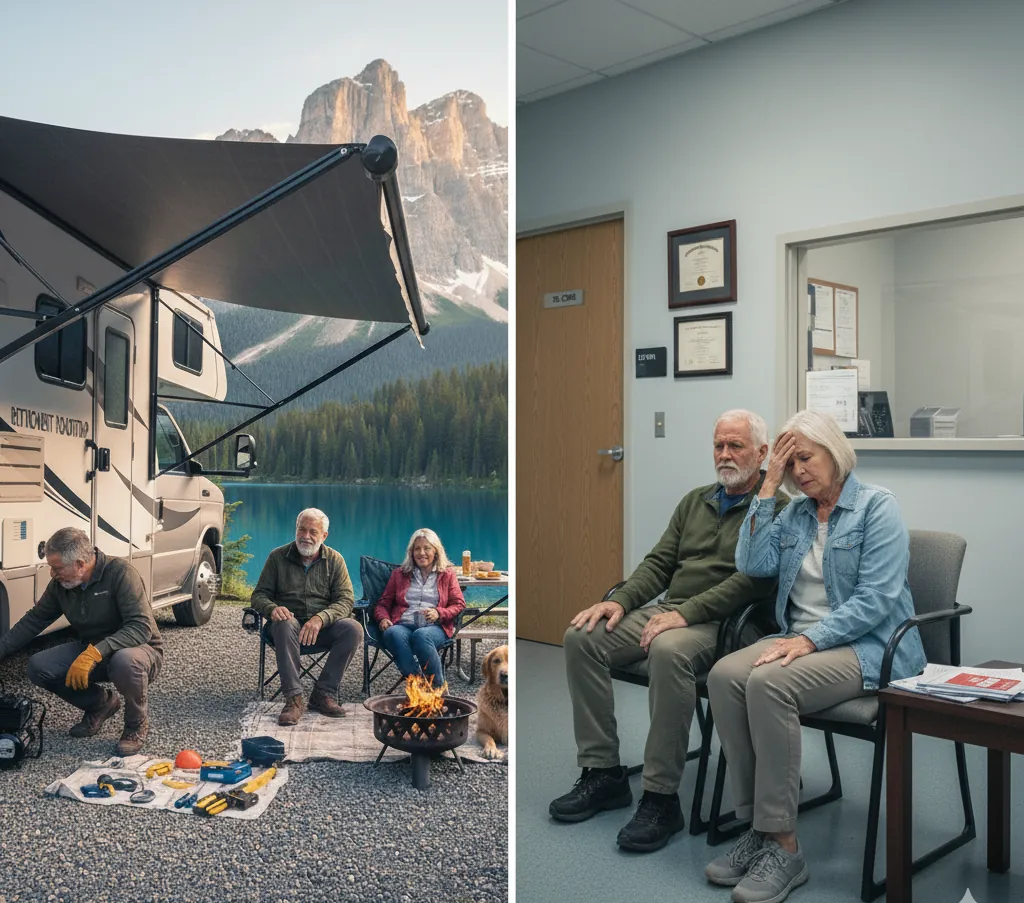
Accessing specialized healthcare while RVing full-time requires careful planning that many retirees overlook until they face a medical crisis far from home. Original Medicare covers care in any state, but Medicare Advantage plans often restrict out-of-network coverage to emergencies only, leaving you with limited options when you need routine care or specialist appointments hundreds of miles from your plan’s network (Medicare.gov, 2024).
Dr. William Lee, a geriatric care specialist, shares his perspective on the challenges: “While RV living can be an exciting adventure for some retirees, it’s crucial to consider potential health challenges. Limited access to specific medical professionals and the potential for chronic health flare-ups due to stress or unfamiliar environments require careful planning” (Lee, 2024).
Before traveling, ask your health plan which routine and specialist services are covered along your route, and identify suitable providers in advance.
Here’s how different Medicare options stack up for full-time RV travelers:
| Plan Type | Coverage Area | Out-of-Network Care | Avg. Monthly Cost | Best For |
|---|---|---|---|---|
| Original Medicare (Parts A & B) | Nationwide | Covered anywhere | $202.90 (2026 standard Part B premium) | Full-time travelers |
| Medicare Advantage (Part C) | Regional network | Emergency only | Check the specific plan premium | Home-base RVers |
| Medigap + Original Medicare | Nationwide | Covered anywhere | Obtain a Medigap quote | Frequent travelers |
| Pre-65 Private Insurance | Often state-specific | Very limited | Obtain a quote for your location and coverage | Not ideal for RVers |
Sources: CMS 2026 Medicare Parts A & B premiums and deductibles; Medicare.gov coverage guidance; plan costs vary by ZIP code and enrollment choices.
For retirees under 65, the healthcare challenge becomes even more complex. Most private insurance plans are state-specific, creating significant coverage gaps when you cross state lines (Medicare.gov, 2024). Your options include expensive nationwide plans, ACA marketplace coverage with limited networks, or health-sharing ministries that may not cover pre-existing conditions.
Mobility and accessibility present another layer of challenges. Navigating the smaller living quarters and potentially uneven terrain around campsites can be difficult for those with mobility limitations. Check out this comprehensive guide created by two camping experts who use wheelchairs, offering practical tips for accessible RV travel (REI, 2024).
Our advice: Before committing to RV retirement, verify your current healthcare coverage’s travel provisions, identify accessible RV parks along your planned routes, and establish relationships with telehealth providers who can manage routine care remotely. The freedom of the road shouldn’t come at the cost of your health and well-being. See our roundup of RV camping discounts for seniors in 2026.
Regret #4: Lack of Community and Social Isolation

The transient nature of RV life can lead to profound social isolation that catches many retirees by surprise. While the scenery changes constantly, building lasting friendships becomes challenging when you’re never in one place long enough to develop deep connections. Unlike a traditional home where you see the same neighbors and attend the same community events week after week, RV living requires intentional effort to combat loneliness.
Consider how you will maintain relationships while traveling. Longer stays, regular calls, and planned visits can help you keep in touch with friends and family.
Being near other campers does not automatically create lasting friendships. If community matters to you, consider longer stays, shared activities, or returning to familiar destinations.
Here are proven strategies for fostering meaningful connections while living the RV lifestyle:
- RV clubs and rallies: check membership fees, event costs, and dates.
- Longer campground or resort stays: ask about site rates, activities, and minimum stays.
- Workamping or volunteering: review duties, compensation, site arrangements, and commitment length.
- Online communities and boondocking groups: review participation rules and opportunities to meet.
Community options to explore; confirm current membership terms, activities, and volunteer requirements directly with each organization.
The key strategies that ended our isolation included joining brand-specific RV clubs where we’d see the same faces at multiple rallies throughout the year, volunteering at state parks through programs like VolunteerMatch, which provided both community and purpose, and establishing a winter home base in Arizona where we returned annually (VolunteerMatch, 2024).
We also discovered the value of organized campground activities—potlucks, game nights, and group hikes—which create natural opportunities for connection (Reddit Camping Community, 2024). Many RV resorts specifically cater to retirees with planned social events, pickleball courts, and community centers designed to facilitate friendships.
Online communities serve as a valuable supplement, though they shouldn’t replace in-person connections. Facebook groups dedicated to specific RV brands, full-timing lifestyles, or regional travel provide ongoing support and advice. We’ve maintained friendships with RVers we met years ago through these online channels, coordinating meetups when our travel paths cross.
The reality is that RV life doesn’t have to be lonely, but it won’t naturally provide the community you had in a traditional neighborhood. You must be proactive, open to new friendships that may be temporary, and willing to put yourself in situations where connections can develop. The freedom of the road comes with the responsibility of actively building your social world rather than passively receiving it.
Regret #5: Not Everyone Is Cut Out for Full-Time RVing
Full-time RV living requires significant lifestyle adjustments that don’t suit everyone, regardless of how appealing the concept seems. Downsizing to the specific RV’s living space, managing constant travel logistics, and handling unpredictable challenges demand flexibility and resilience that many retirees underestimate until they’re living the reality. The romanticized vision of endless adventure often collides with the day-to-day stress of finding campgrounds, dealing with mechanical issues, and missing familiar comforts.
Before committing to full-time RVing, consider how driving time, maintenance, internet access, and distance from friends and family would affect your daily life.
Take extended trips before making a permanent housing decision. Assess your tolerance for small spaces, record actual maintenance and travel expenses, and make sure everyone in your household wants the lifestyle.
Consider exploring part-time RV travel as a middle ground. This approach allows you to experience the joys of RVing without the full-time commitment. Keeping a home base can make it easier to try RV travel before making a full-time commitment. You can take shorter trips closer to home, return to familiar surroundings when needed, and test your appetite for the lifestyle without burning your bridges to traditional retirement.
Here’s a comprehensive comparison to help you assess which retirement path aligns with your needs:
| Factor | Full-Time RVing | Part-Time RVing | Traditional Retirement |
|---|---|---|---|
| Freedom/Flexibility | Maximum (go anywhere) | High (seasonal travel) | Low (location fixed) |
| Community Stability | Low (constantly changing) | High (home base + travel) | Very High (established) |
| Maintenance Burden | High (RV only) | Very High (RV + home) | Moderate (home only) |
| Healthcare Complexity | High (multi-state) | Low (home network) | Very Low (local providers) |
| Family Proximity | Variable (must plan) | Good (seasonal visits) | Excellent (always nearby) |
| Space/Storage | Limited; varies by vehicle | Full home + RV | Full home space |
| Best For | Adventurous, minimalist, healthy, flexible | Best of both worlds seekers | Community-focused, health concerns, homebodies |
If full-time RVing doesn’t resonate after honest self-assessment, consider alternative retirement adventures. The Peace Corps actively recruits volunteers age 50+, offering meaningful service opportunities with housing and healthcare provided (Peace Corps, 2024). House sitting through platforms like TrustedHousesitters allows extended travel without RV ownership costs. Extended cruises designed for retirees provide adventure with less logistical burden than RV life.
Before making any irreversible decisions, ask yourself these five critical questions: Can I comfortably share the chosen RV’s living space for extended trips? Am I willing to handle unexpected mechanical and plumbing issues myself or pay premium rates for emergency repairs? Does my health condition allow for limited access to specialized medical care? Can I build new friendships quickly and accept their temporary nature? Do I genuinely enjoy driving and navigating large vehicles, or does it stress me out?
The perfect retirement is the one you’ve planned for and that aligns with your authentic values and needs—not the one that looks appealing in glossy RV magazines or social media feeds. There’s no shame in choosing traditional retirement after exploring RV living. The shame would be committing to a lifestyle that makes you miserable simply because you felt you “should” want the adventure.
The Real Cost: RV Living vs. Traditional Retirement
One of the most critical decisions you’ll make is understanding the true financial picture of RV retirement versus staying in a traditional home. Many retirees assume RV living is automatically cheaper, but the reality depends heavily on your specific situation, travel frequency, and the type of home you’re comparing against. Build a comparison using these expense categories:
- Housing or campsite fees, including any retained home costs
- Utilities, internet, and phone service
- Insurance, registration, and applicable taxes
- Maintenance, repairs, and replacement reserves
- Fuel, other transport, and storage
- Loan payments and interest, if applicable
Compare the same expense categories for each option using current quotes and your household’s bills. Convert annual expenses to monthly amounts by dividing by 12, and keep one-time purchase costs and expected resale value visible separately.
The comparison reveals that RV living can be more expensive than staying in a paid-off home but potentially comparable to or slightly cheaper than renting. However, these numbers don’t tell the complete story. Conversely, if you’re downsizing from a high-cost area or eliminating a mortgage payment, RV living could provide substantial savings.
The wildcard in RV budgets is fuel costs. Estimate fuel costs by dividing planned miles by expected miles per gallon, then multiplying by fuel price. Staying in one location for extended periods (snowbirding) dramatically reduces this expense. Traveling less frequently can reduce driving costs; choose a pace that fits your budget and preferences.
Choosing the Right RV for Retirement
The type of RV you choose dramatically impacts your retirement experience, from initial investment to daily livability. Here’s what you need to know about the three most popular options for retirees:
- Class A motorhomes: assess actual driving dimensions, entry steps, interior access, storage, and service needs.
- Class C motorhomes: compare specific floorplans, cab access, sleeping arrangements, and payload.
- Fifth-wheel trailers: verify tow-vehicle compatibility, loaded weights, hitch equipment, and access steps.
Compare current purchase quotes, insurance, maintenance, fuel estimates, and accessibility for the exact vehicles. Class labels alone do not establish price, ease of driving, or suitability.
Our recommendation for most retirees is to start with a Class C motorhome if you’re new to RVing. The lower entry price, easier driving characteristics, and moderate maintenance costs provide a gentler introduction to the lifestyle. If you discover you love full-time RV living after a year or two, you can upgrade to a Class A or fifth wheel. If you find it’s not for you, you’ll have less capital tied up in depreciation.
For couples with mobility concerns or those planning to age in place in their RV, Class A motorhomes offer the best accessibility with flat entries, wider doorways, and more maneuvering space for walkers or wheelchairs. The higher cost is worthwhile if physical limitations are a primary concern.
Frequently Asked Questions About RV Retirement
Can you live in an RV full-time after retirement?
Yes, retirees can live in an RV full-time. However, success requires careful financial planning, healthcare logistics coordination, and honest assessment of lifestyle compatibility. Many retirees thrive in RV life, but it’s not suitable for everyone.
Is RV living cheaper than traditional retirement?
It depends on your vehicle, travel frequency, housing situation, and household expenses. Compare current campsite or housing costs, insurance, maintenance, transport, utilities, financing, and applicable taxes. Include purchase costs and expected resale value separately.
How do I get healthcare while RVing across state lines?
Original Medicare provides nationwide coverage, making it ideal for full-time RVers. Medicare Advantage plans often restrict out-of-network care to emergency situations only, severely limiting options when traveling. According to Medicare.gov, you should verify your plan’s coverage area before committing to RV retirement (Medicare.gov, 2024). Consider Medigap supplemental insurance for additional nationwide coverage.
Should I try part-time RV living before going full-time?
Absolutely. Renting an RV for extended periods (3-6 months) or taking multiple long trips in your own RV helps assess lifestyle fit without the commitment of selling your home. Keeping a home base can make it easier to try RV travel before making a full-time commitment. Many retirees find part-time RVing offers the ideal balance of freedom and stability.
Making the Right Decision for Your Retirement
RV retirement offers unparalleled adventure and freedom, but it demands careful planning across financial, healthcare, social, and lifestyle dimensions. The five regrets we’ve explored—depreciation blindness, maintenance shock, healthcare hurdles, social isolation, and lifestyle mismatch—are entirely avoidable with proper preparation and honest self-assessment before you sell your home and hit the road.
Before making your decision, consider these critical factors: Can you afford the ongoing expenses and potential depreciation shown in your own vehicle-specific budget? Have you verified your healthcare coverage works nationwide, or are you willing to switch to Original Medicare? Are you prepared to actively build community rather than passively receiving it? Does the chosen RV’s living space suit your daily needs?
Remember that part-time RV travel offers a middle ground that many retirees find ideal. You can explore 3-6 months annually while maintaining a home base for community, healthcare continuity, and family proximity. This approach eliminates the pressure of full-time commitment while still providing substantial adventure and freedom.
📊 Ready to Plan Your RV Retirement?
Review the monthly budget comparison in this guide, then adjust the estimates for your RV, travel plans, and household expenses.
For additional planning resources, explore our guides on RV maintenance fundamentals, getting started with boondocking, and comparing RV insurance options. If you’re still deciding whether RV life is right for you, consider renting an RV for an extended trial period before making any permanent commitments.
The perfect retirement is the one that brings you genuine fulfillment and aligns with your authentic needs—not the one that looks appealing in marketing materials. Whether you choose full-time RVing, part-time adventure, or traditional retirement, make the decision based on thorough research, honest self-assessment, and realistic financial planning. Your retirement should enhance your life, not complicate it.


