

🚐 Quick Choice: How to Choose which Used Class B fits you?
| If you want… | Chassis | Target Years | Est. Price (2026) |
|---|---|---|---|
| Max Longevity | Mercedes Sprinter | 2018–2020 | $80k – $95k |
| Best Value | RAM ProMaster | 2018–2020 | $65k – $80k |
| Modern/Warranty | Ford Transit | 2023–2024 | $120k – $145k |
⚠️ Critical Alert: Avoid 2021–2022 models unless you have exhaustive maintenance records. According to the 2026 Class B Market Analysis, these years show the highest frequency of supply-chain related build quality issues.
Buying a used Class B RV in 2026 means navigating the post-pandemic market correction while avoiding quality issues from 2021-2022 production years. The “Value Zone” for 2026 has shifted to 2018-2020 models with lithium battery upgrades and documented maintenance, or 2023+ units with factory warranties still active.
I have 35+ years of RV experience traveling across 47 states. I’ve owned a 2018 Hymer Aktiv Class B since 2021 and personally inspected over 50 used Class B RVs in the past 3 years. The market has shifted dramatically since I wrote the original version of this guide in 2025. What worked then needs updating for 2026 realities.
Here’s what changed: Units from the 2021-2022 production years are flooding the secondary market, and buyers are discovering quality shortcuts taken during supply chain chaos. Meanwhile, the 2018-2020 models I recommended last year have depreciated into an even better value zone—often absorbing 50% depreciation while retaining modern systems. If you know what to look for, you can save $15,000-$30,000 compared to someone buying blind.
This guide walks you through the complete decision framework for buying a used Class B in 2026. You’ll learn which chassis types handle high mileage, how to assess battery system lifespan, the 7-point inspection process that reveals hidden problems, and exactly which model years offer the best value right now.
Last updated: January 3, 2026

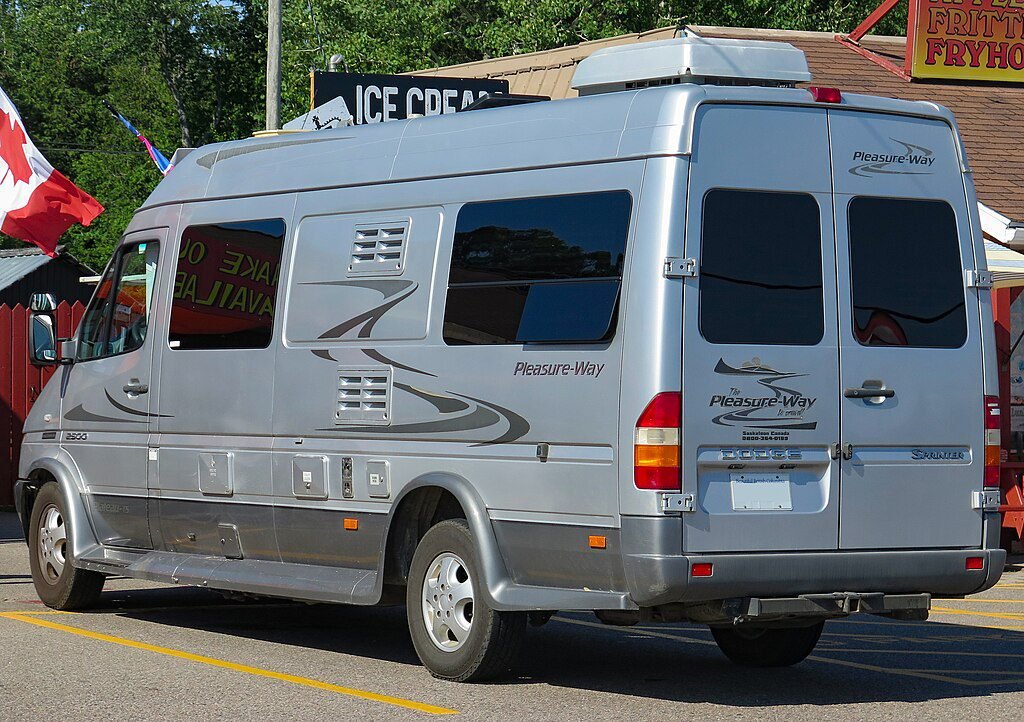
DestinationFearFan, CC BY-SA 4.0, via Wikimedia Commons
Is 2026 a Good Year to Buy a Used Class B RV?
Short answer: Yes, if you target the right model years and know which features matter.
The Class B market in 2026 is fundamentally different from what it was even 12 months ago. The post-pandemic buying frenzy drove prices to unsustainable levels in 2021-2022, with buyers paying near-MSRP for used units. That market correction began in late 2023 and heavily favors informed buyers in 2026.
Three major factors make 2026 an excellent buying opportunity:
First, inventory has increased significantly. Units purchased during the 2020-2022 boom are hitting the 3-5 year mark, where owners either commit long-term or sell [1]. Many discovered that van life looked better on social media than it feels in reality. Based on RVTrader inventory data, there are currently over 200 used Class B listings in major markets (as of January 3, 2026), compared to 80-100 units in early 2022.
Second, depreciation curves favor buyers. Industry data shows Class B RVs depreciate 40-50% over 3-4 years [2]. A 2019 Winnebago Travato that sold for approximately $135,000 new typically trades for $70,000-$85,000 in January 2026 based on RVTrader median listings. You’re buying proven units at roughly half price while avoiding the steepest depreciation period.
Third, problem years are now identifiable. Owner forums and the RV Industry Association report higher complaint rates for 2021-2022 model years, correlating with supply chain disruptions [3]. You can now target years before and after this window.
The 2026 Depreciation Reality
Data methodology note: The depreciation estimates below represent general market patterns observed across RVTrader listings during November 2025-January 2026. Individual units vary significantly (±20% typical) based on mileage, condition, features, and geographic location. Use these as directional guidance, not precise valuations. See Methods Appendix for complete sourcing details.
| Year | Approx. MSRP When New | 2026 Market Range | Depreciation Estimate | Notes |
|---|---|---|---|---|
| 2024 | $160,000-$175,000 | $130,000-$150,000 | 15-25% | Low miles, possible warranty |
| 2023 | $155,000-$170,000 | $115,000-$140,000 | 25-35% | Past initial drop, low usage typical |
| 2022 | $148,000-$162,000 | $90,000-$115,000 | 35-45% | CAUTION: Supply chain quality concerns reported [3] |
| 2021 | $142,000-$155,000 | $85,000-$110,000 | 38-45% | CAUTION: Pandemic production compromises [3] |
| 2020 | $135,000-$148,000 | $75,000-$98,000 | 40-48% | Lithium common, pre-pandemic quality |
| 2019 | $128,000-$142,000 | $68,000-$88,000 | 45-50% | VALUE ZONE: Max depreciation, modern features |
| 2018 | $122,000-$135,000 | $62,000-$80,000 | 48-52% | VALUE ZONE: Best value if well-maintained |

The pattern reveals an important opportunity: 2018-2020 models offer maximum value. These units have absorbed steep depreciation but remain young enough to have modern features like lithium battery systems and improved insulation. Typical mileage ranges from 50,000-80,000 miles, which is acceptable for Mercedes Sprinter chassis [4] and manageable for RAM ProMaster or Ford Transit bases with documented service.
Compare this to 2021-2022 units, which cost 15-20% more while carrying a higher risk of quality issues based on owner forum reports and industry data [3]. Unless you find exceptional documentation and a thorough pre-purchase inspection, the value equation doesn’t favor these years.
The 2023-2024 models sit in a different category. If you want low miles and possible warranty coverage, these make sense. You’ll pay $120,000-$145,000, but you’re getting a nearly-new RV with modern systems and minimal wear. For buyers who plan to put serious miles on the unit or want the peace of mind of warranty coverage, this range works.
What About Brand New 2025-2026 Models?
Buying new makes sense only if you meet specific criteria: planning to keep the unit for 10+ years, putting high annual mileage on it (20,000+ miles per year), and valuing having exactly the configuration you want. The moment you take delivery, you’ve absorbed 15-20% depreciation [2]. Over the first three years, you’ll lose $40,000-$60,000 in value on a $170,000 purchase.
That’s acceptable if you’re getting equivalent use value from those first three years. But most buyers aren’t weekend warriors or occasional travelers who would be better served buying a proven 2018-2020 unit for half the price.
For detailed analysis of specific 2025 models and their strengths and weaknesses, see my 2025 Class B model reviews and comparisons. That research informed much of what you’re reading here.
The Lithium Battery Game-Changer
One reason the 2018-2020 window works so well relates to battery technology. Before 2018, most Class B RVs shipped with lead-acid battery systems. These required constant attention and failed frequently. Post-2018, lithium iron phosphate (LiFePO4) systems became standard on mid-range and premium models [7].
This matters because lithium systems completely change how you use a Class B. A properly sized lithium setup (300Ah or more) with adequate solar lets you run climate control, cook, work on a laptop, and charge devices for days without hookups. Lead-acid setups struggle to run a furnace overnight without depleting to dangerous levels.
Many 2018-2020 units shipped with lithium systems that still have substantial remaining life. These batteries are typically rated for 2,000-3,000 charge cycles [7]. At 100 cycles per year (reasonable for weekend and vacation use), a 2019 installation with 600 cycles on it has 1,400-2,400 cycles remaining. See Methods Appendix for complete battery lifecycle calculations.
Contrast that with pre-2018 units, where you’re looking at $4,000-$8,000 in immediate battery upgrades (cost estimates based on January 2026 market pricing for quality lithium systems). Those costs dramatically shift the value equation.
The Bottom Line on 2026 Timing
If I were buying a used Class B right now, I’d focus my search on these three categories:
Best Overall Value: 2018-2020 models with 50,000-80,000 miles, factory lithium battery systems, and complete maintenance records. Target price range: $65,000-$95,000 depending on specific features and chassis type. This is where you maximize value while minimizing risk.
Best for Low-Mileage Buyers: 2023-2024 models with under 20,000 miles if you can verify build quality and justify the premium. Target price range: $120,000-$145,000. You’re paying for warranty coverage and minimal wear, which makes sense for buyers planning high annual mileage or extended travel.
Best for Budget Buyers: 2015-2017 models on Sprinter chassis only, with documented maintenance and realistic expectations about battery upgrades. Target price range: $45,000-$65,000. You’ll need to budget $5,000-$8,000 for lithium conversion, but the total investment still beats newer alternatives.
What to Avoid: 2021-2022 production years unless you find an exceptional unit with extensive documentation and a thorough pre-purchase inspection [9] revealing no issues. The combination of supply chain quality concerns [3] and insufficient depreciation makes this window problematic for most buyers.
The market won’t stay this favorable forever. As inventory normalizes and spring buying season approaches (April-May), prices will firm up. If you’re serious about buying in 2026, the January-March window offers the best combination of inventory, pricing, and motivated sellers.
Key Factors for Choosing a Used Class B RV (Ranked by Importance)
Most buying guides list features you should consider, but they treat everything as equally important. That’s backwards. Some factors eliminate 40% of available inventory immediately, while others are just nice-to-have preferences that don’t matter until you’ve narrowed your options.
I rank decision criteria by elimination power. Work through them in this order, and you’ll systematically filter out bad options while focusing your energy on units that actually match your needs. This framework has helped me walk away from dozens of seemingly good deals that would have cost thousands in problems down the road.
The Six Decision Criteria (Highest to Lowest Elimination Power)
1. Chassis Type and Mileage Limits (Eliminates ~40% of inventory)
The chassis determines longevity more than any other single factor. Mercedes Sprinter-based Class B RVs commonly handle 200,000-300,000 miles with proper maintenance [4]. RAM ProMaster units should generally stay under 100,000-120,000 miles based on transmission longevity patterns [5]. Ford Transit models fall in between at 150,000-180,000 miles expected lifespan [6].
Mileage Guidance by Chassis Type:
Sprinter: Comfortable range 80,000-150,000 miles | Maximum with excellent records: 200,000 miles | Caution above: 200,000+ miles
ProMaster: Comfortable range 40,000-80,000 miles | Maximum with good records: 100,000-120,000 miles | Caution above: 100,000+ miles
Transit: Comfortable range 60,000-120,000 miles | Maximum with 2018+ chassis: 150,000 miles | Caution above: 150,000+ miles
Note: These are general patterns. Individual unit longevity depends heavily on maintenance, usage patterns, and operating conditions. See Methods Appendix for complete sourcing details.
This criterion eliminates options faster than anything else because it’s based on mechanical limits. A ProMaster with 135,000 miles might look great and be priced attractively, but you’re approaching transmission concerns. No amount of lithium batteries or solar panels changes that reality.
Measurement method: Odometer reading plus complete maintenance records verification. For Sprinter chassis, service records are critical because DEF (diesel exhaust fluid) system failures [4] cost $3,000-$5,000 to repair. One missed service can cascade into major problems.
2. Battery System Type and Age (Eliminates ~30% of inventory)
Any Class B with lead-acid batteries is a pass for serious buyers unless you’re planning immediate upgrades and factoring $4,000-$8,000 into your purchase price (cost estimate based on January 2026 pricing for quality 300Ah lithium systems). Lithium systems installed before 2020 require careful evaluation of remaining cycle life. Lithium batteries installed in 2020 or later likely have substantial service remaining [7, 8].
This criterion eliminates a significant portion of inventory because battery replacement represents a major expense that shifts your total cost of ownership dramatically. A 2018 unit priced at $68,000 with lead-acid batteries actually costs $72,000-$76,000 after you factor in the lithium conversion you’ll need within months.
Measurement method: System inspection to identify battery type and brand. For lithium systems, access the Battery Management System (BMS) display if possible to check cycle count. Physical inspection for swelling or damage. Installation date matters more than the RV manufacturing year. See Methods Appendix for battery lifecycle calculation examples.
3. Water Damage History (Eliminates ~20% of inventory)
Water damage is the Class B killer. Unlike larger RVs, where you might have some structural redundancy, these compact units integrate everything tightly. Water that gets into wall cavities destroys insulation, rots wood framing, corrodes electrical connections, and creates mold issues that make the RV uninhabitable.
Moisture Reading Interpretation:
Normal (Below 15%): Acceptable, proceed with inspection
Caution Zone (15-20%): Investigate thoroughly, consider professional inspection before proceeding
Fail (Above 20%): Immediate walk-away, active water intrusion or recent damage
Note: Readings vary by material type and meter brand. Non-penetrating (pinless) meters are safer for finished surfaces than pin-type meters which can damage finishes. Take multiple readings in suspect areas for accuracy.
Soft spots anywhere in walls, ceiling, or floor mean structural damage that costs $10,000-$30,000 to properly repair, not just patch (cost estimate based on professional RV repair shop quotes, January 2026).
Measurement method: Non-penetrating moisture meter scan of all walls, ceiling, and floor areas (particularly around windows, roof vents, doors, and air conditioner). Physical pressure test on suspected soft areas. Smell test on a warm day with the RV closed up. Visual roof inspection for sealant condition.
4. Build Year Quality Concerns (Eliminates ~15% of inventory)
Not all model years are created equal. The 2021-2022 production window shows higher rates of quality issues in owner forums and industry reports [3]. Supply chain chaos led manufacturers to make compromises: different cabinet hardware that fails faster, alternative sealants that don’t hold up, and electrical components from secondary suppliers with shorter lifespans.
This doesn’t mean every 2021-2022 unit is problematic, but the statistical incidence is higher. Combined with insufficient depreciation to offset the added risk, these years don’t make sense for most buyers. Pre-2018 units lack modern battery and solar standards that are now considered baseline.
Measurement method: VIN decoder to confirm actual production year (sometimes different from model year). Research specific models in owner forums and Facebook groups for known issues. Review recall history through NHTSA database.
5. Budget and Depreciation Curve Position (Refinement, ~10% elimination)
Your budget is flexible in ways chassis mileage isn’t. You can finance, wait and save, or negotiate. But understanding where a unit sits on the depreciation curve helps you avoid overpaying or buying at the wrong time.
The sweet spot in 2026 is 2018-2020 models that have absorbed 40-50% depreciation [2] while retaining modern features. Paying $95,000 for a 2022 unit when you could get a 2019 for $75,000 with similar features doesn’t make sense unless the 2022 has significantly lower mileage or exceptional documentation justifying the premium.
Measurement method: Build a comparable sales database from eBay Motors completed listings, Facebook Marketplace sold items, and RVTrader price history. Track 20+ similar units to establish market pricing. Factor in chassis type, mileage, features, and geographic location.
6. Feature Requirements (Final selection criteria)
Only after you’ve eliminated options based on the five criteria above should you focus on features. Bathroom configuration (wet bath vs dry bath), bed type (fixed vs convertible), 4×4 capability, and solar capacity are all legitimate preferences, but they’re refinements, not deal-breakers.
If you lead with “I want a dry bath,” you might overlook a fantastic wet bath unit that checks every other box and is priced $15,000 below market. Make decisions in the right order: eliminate based on hard limits first, then optimize based on preferences.
Measurement method: Feature checklist matched against your use case requirements. Understand the difference between must-have features (eliminate options if missing) and nice-to-have features (worth paying a premium if present, but not deal-breakers if absent).
Deal-Breakers: What Eliminates Options Immediately
Knowing when to walk away saves more money than any negotiation tactic. These six deal-breakers are non-negotiable. If you encounter any of them, move on to the next unit regardless of how attractive the price seems.
1. Chassis Mileage Exceeded for Type
Threshold: Mercedes Sprinter above 200,000 miles, RAM ProMaster above 120,000 miles, Ford Transit above 150,000 miles.
Why it’s non-negotiable: You’re approaching major component failures. Transmissions, turbos, DEF systems (on Sprinters), and engine internals all cluster their failure points around these mileage ranges. Even with a $10,000 price reduction to account for impending repairs, you’re buying someone else’s maintenance problem.
Verification test: Odometer reading plus service records showing actual mileage history. Watch for inconsistencies that might indicate odometer rollback. Cross-reference with vehicle history reports.
Exception: Sprinter Above 200,000 Miles
May be acceptable if ALL these conditions are met:
- Complete service records showing religious maintenance adherence
- Recent major service completed (transmission, DEF system, engine maintenance)
- Pre-purchase inspection by a certified mechanic confirms good condition
- Price reflects high mileage (typically $10,000-$15,000 below comparable lower-mileage units)
- You budget $5,000-$8,000 for near-term maintenance and repairs
This exception does NOT apply to ProMaster or Transit chassis. Their mechanical limits are firmer.
2. Active Water Damage Evidence
Threshold: Moisture meter readings above 20% anywhere, soft spots when pressing firmly on walls or ceiling, visible mold or mildew, persistent musty smell.
Why it’s non-negotiable: Water damage in Class B RVs is rarely surface-level. By the time you can feel soft spots or smell mildew, the damage has penetrated insulation, rotted framing, and compromised structural integrity. Proper repair requires removing interior panels, replacing insulation and framing, fixing the source of intrusion, and rebuilding. You’re looking at $10,000-$30,000 in professional repair costs (estimate based on RV repair shop quotes, January 2026).
Verification test: Bring your own non-penetrating moisture meter (approximately $25 on Amazon). Scan all walls, ceiling, and floor, particularly around windows, roof vents, door frames, and air conditioning units. Press firmly on suspected areas. Visit on a warm day with the RV closed up for at least an hour to amplify any musty smells.
No exceptions: Walk away. The seller knows about the water damage (even if they claim they don’t), which is why they’re selling. Don’t make their problem yours.
3. Critical System Failures Present
Threshold: Check engine lights or warning indicators on dashboard, transmission slipping or rough shifting, DEF system errors on Sprinters, engine that doesn’t start immediately or runs rough.
Why it’s non-negotiable: These aren’t minor issues you can negotiate away. DEF system failures on Sprinters [4] cost $3,000-$5,000 to repair. Transmission problems start at $2,500 for minor fixes and go up to $8,000 for rebuilds or replacements. Check engine lights indicate diagnostic trouble codes that could be anything from a $200 sensor to a $5,000 emissions system failure.
Verification test: Bring an OBD2 scanner (approximately $25 on Amazon) and plug it in before the test drive. Check for active codes or pending codes that haven’t triggered the check engine light yet. During a test drive, the transmission should shift smoothly with no hesitation, slipping, or rough engagement. The engine should start immediately when cold and run smoothly at all RPM ranges.
Limited Exception for Minor Codes
May proceed if ALL these conditions are met:
- Single minor code only (examples: EVAP system small leak, low-priority sensor)
- No multiple codes present
- Professional diagnosis obtained and repair cost verified
- Price reduced by (repair cost + 25% cushion) to account for the issue
Automatic walk-aways regardless of price: Major codes (transmission, engine, DEF system), multiple codes present, seller refuses diagnosis
4. Missing or Incomplete Maintenance Records
Threshold: No service documentation available, gaps longer than one year between services, or seller claims “I did all the maintenance myself” without any documentation.
Why it’s non-negotiable: You’re buying blind. Sprinters in particular require specific service intervals [4] for DEF system, transmission, and diesel particulate filter. One missed service can lead to cascading failures that cost thousands. Without records, you have no idea if the previous owner followed manufacturer requirements or winged it.
Verification test: Request complete service records before even scheduling a viewing. If the seller can’t produce them, don’t waste your time. Look for service intervals matching manufacturer recommendations: oil changes every 10,000 miles for diesels, DEF system maintenance, and transmission services at specified intervals.
Exception for Low-Mileage Units
May be acceptable for units under 25,000 miles if:
- Mileage is verifiably low (not odometer fraud)
- Required services for that mileage are documented (initial oil change, safety inspections)
- Unit is recent enough that minimal service history is normal (1-2 years old)
5. Overpriced Relative to Market Comparables
Threshold: Asking price more than 15% above recent comparable sales for similar year, mileage, chassis, and feature set.
Why it’s non-negotiable: You have no negotiating room when problems appear during inspection. A unit priced at market value gives you leverage to adjust for discovered issues. A unit priced 20-25% above market means the seller either doesn’t understand current values or is testing whether uninformed buyers will overpay. Either way, you won’t get a fair deal.
Verification test: Before contacting the seller, compile 10-15 comparable sales from eBay Motors completed listings (last 90 days), Facebook Marketplace sold items, and RVTrader price reductions or sales. Document year, mileage, chassis, features, and actual selling price. Calculate median and range.
Exception for Exceptional Units
Premium pricing (10-15% above market) may be justified if ALL these apply:
- Recent major upgrades professionally installed (new lithium system, upgraded solar, etc.)
- Upgrades are documented with receipts and installation records
- Upgrade value is verifiable (not seller’s inflated claims)
- Total price including premium is still within your budget
Never justified: 20%+ premiums above market regardless of claimed condition or features
6. Use Case Mismatch: You Can’t Modify
Threshold: Extended wheelbase (22+ feet) when you need standard parking, 4×4 premium when you’re 100% pavement use, fixed bed layout when you need multipurpose space, or insufficient battery capacity for off-grid use that can’t be upgraded within budget.
Why it’s non-negotiable: You’re paying for capabilities you’ll never use or lacking capabilities you absolutely need. A $15,000 premium for 4×4 on a Revel makes zero sense if you’re visiting campgrounds and national parks on paved roads. A wet bath is a terrible compromise if you’re planning full-time living and a dry bathroom is non-negotiable for your sanity.
Verification test: Honestly assess your actual use case, not your fantasy use case. Will you really take that 4×4 off-road, or are you just attracted to the idea? Do you actually need a dry bathroom, or would a wet bath work fine for weekend trips? Match must-have features to proven usage patterns, not aspirational ones.
Elise240SX, CC BY-SA 4.0, via Wikimedia Commons
These deal-breakers exist to protect you from expensive mistakes. I’ve personally walked away from units that looked perfect on paper but failed one or more of these tests. Trust the framework, even when a deal looks tempting.
Chassis Comparison: Sprinter vs ProMaster vs Transit for Used Buyers
The chassis matters more than the brand name on the side of the RV. A poorly maintained Winnebago on a Sprinter chassis will outlast a meticulously maintained Thor on a ProMaster simply because the underlying platform is more robust. Understanding chassis differences helps you make smarter buying decisions and set realistic expectations for longevity and maintenance costs.
The following comparison is based on manufacturer service schedules [4, 5, 6], owner forum discussions, and commercial van fleet longevity data. Individual results vary significantly based on maintenance, usage patterns, and operating conditions.
Mercedes Sprinter: The Longevity Champion
Sprinter-based Class B RVs represent the premium tier for good reason. These chassis routinely reach 200,000-300,000 miles when properly maintained [4]. The platform was designed for commercial delivery service where 200,000 miles is considered mid-life.
What you get: Exceptional build quality, robust drivetrain, parts that last. The turbo diesel engine is torquey and efficient, typically achieving 18-22 mpg in Class B applications depending on driving style and terrain. Ride quality is superior to ProMaster or Transit thanks to better suspension engineering.
What you pay for it: Higher purchase prices (15-20% premium over comparable ProMaster units based on January 2026 market observation), expensive parts (oil changes approximately $200 vs $80 for ProMaster), and more complex systems that require skilled technicians. Not every shop wants to work on Sprinters.
The DEF system reality: Diesel Exhaust Fluid (DEF) systems allow Sprinters to meet emissions standards while maintaining performance [4]. When they fail, repair costs typically range $3,000-$5,000 (estimate based on repair shop quotes, January 2026). DEF system failures cluster around 100,000-150,000 miles if maintenance isn’t followed precisely.
Used buying strategy for Sprinters: Service records are absolutely critical. Don’t consider a Sprinter without complete documentation of DEF system maintenance, transmission services, and regular oil changes. Budget an extra $1,000-$1,500 annually for maintenance compared to ProMaster alternatives. Comfortable mileage range for used purchase: 80,000-150,000 miles. Maximum with exceptional records: 200,000 miles.
RAM ProMaster: The Value Pick
ProMaster-based Class B RVs offer the best entry point for budget-conscious buyers. Clean, well-maintained 2018-2019 ProMaster units typically list for $65,000-$80,000 compared to $80,000-$95,000 for equivalent Sprinter-based rigs (based on RVTrader observations, January 2026). That $15,000-$20,000 savings buys a significant camping budget.
What you get: Front-wheel drive platform that’s easy to maneuver, lower maintenance costs, parts availability at any Chrysler dealer, and simpler systems that most mechanics can service. The gas V6 engine isn’t fancy, but it’s proven within its design limits [5].
What you accept: Lower expected lifespan (100,000-150,000 miles realistic maximum for most units), less refined ride quality, and inferior fuel economy (14-17 mpg typical).
The transmission consideration: ProMaster transmissions represent the platform’s weakness. The 6-speed automatic (62TE) used in most 2018-2020 models has shown some reliability concerns above 100,000 miles based on owner forum reports [5]. Note that 2021+ ProMasters use a 9-speed transmission with different characteristics. For the recommended 2018-2020 sweet spot years, service records showing regular 6-speed transmission fluid changes help, but above 100,000 miles require budget planning for potential issues.
Used buying strategy for ProMasters: Stay under 80,000 miles for peace of mind, 100,000-120,000 miles absolute maximum unless you’re getting exceptional value and factoring transmission service into your budget. Verify the unit hasn’t been used for towing (which accelerates transmission wear). Check for transmission service records every 50,000 miles.
Ford Transit: The Middle Ground
Transit-based Class B RVs split the difference between Sprinter premium and ProMaster value. Ford’s commercial van platform has proven reliable, parts are widely available, and the chassis hits a sweet spot for buyers who want longevity without Sprinter costs [6].
What you get: Expected lifespan around 150,000-180,000 miles with proper maintenance, reasonable fuel economy (16-19 mpg with the EcoBoost V6), comfortable ride quality, and nationwide service network through Ford dealerships.
What to watch for: Early EcoBoost engines (pre-2018) had turbo and cooling issues that Ford addressed in later production [6]. The 10-speed automatic transmission is generally solid but has seen some concerns around shift quality and software updates. Parts costs fall between ProMaster (least expensive) and Sprinter (most expensive).
The year matters: 2018 and newer Transit chassis show significant improvements over 2015-2017 models [6]. If looking at Transit-based Class Bs, prioritize 2018+ chassis years when possible.
Used buying strategy for Transits: Target 2018+ chassis years when possible. Comfortable mileage range: 60,000-120,000 miles. Maximum with good records: 150,000 miles. Verify any recalls or Technical Service Bulletins have been addressed through NHTSA database checks.

For a detailed analysis of how different chassis types affect overall maintenance costs, see my Class B RV maintenance cost analysis based on real owner data.
Evaluating Lithium Battery Systems in Used Class B RVs
Battery system assessment separates informed buyers from people about to spend $5,000-$8,000 on immediate upgrades (cost estimate for quality 300Ah lithium system, January 2026 pricing). Your first question when viewing any used Class B should be “What’s the battery situation?” The answer determines whether you’re looking at a turn-key system or a project needing serious investment.
Lead-Acid vs Lithium: Why It Matters
Any used Class B still running lead-acid batteries indicates the previous owner didn’t invest in core systems. Lead-acid technology is obsolete for serious RV use. These batteries require constant monitoring, risk damage if discharged below 50%, and typically last 3-5 years before needing replacement.
The performance gap is substantial. A 200Ah lead-acid setup provides approximately 100Ah of usable power before risking damage. A 200Ah lithium setup provides 180-190Ah of usable power without degradation. You can discharge lithium batteries to 10-20% repeatedly without harm [7].
Bottom line: If you’re looking at a used Class B with lead-acid batteries, factor $4,000-$8,000 into your purchase budget for lithium conversion, depending on desired capacity (estimate based on quality brand pricing, January 2026). Don’t accept the seller’s claim that “the batteries work fine” as justification. They work adequately for minimal power needs. They don’t work for anyone wanting actual off-grid capability.
Assessing Lithium Battery System Age and Condition
Installation year, brand, capacity, and usage patterns all affect remaining lifespan. Lithium batteries are typically rated for 2,000-3,000 charge cycles to 80% capacity [7, 8], but calendar aging (10-15 years typical maximum regardless of cycles) also limits practical lifespan. See Methods Appendix for three complete worked examples showing remaining life calculations for different usage patterns.
How to access cycle count: Most lithium systems with proper Battery Management Systems (BMS) include displays showing cycle count, current voltage, and cell balance. Victron systems use the VictronConnect app via Bluetooth [7]. Battle Born systems may require accessing the BMS through a control panel [8]. If the seller can’t show you the cycle count, that’s a red flag suggesting either no BMS (problematic) or they don’t want you to see high cycle numbers (also problematic).
Physical inspection checklist: Look for any swelling in battery cases (indicates cell failure or abuse). Check all connections for corrosion or loose terminals. Verify the battery compartment has adequate ventilation. Inspect wiring for proper gauge (should be 4 AWG or larger for high-current systems) and secure connections.
Voltage drop test: If possible, turn on high-draw appliances (air conditioner, microwave, electric water heater) simultaneously and watch battery voltage on the BMS display. Healthy lithium systems should maintain 12.4-13.0 volts under load. If the voltage drops below 12.0 volts quickly, either the batteries are undersized for the load or they’re degraded beyond rated capacity.
Brand Matters for Longevity and Support
Lithium batteries aren’t commodities despite what bargain brands claim. The BMS quality, cell consistency, warranty support, and long-term reliability vary dramatically between manufacturers.
Top-tier brands: Victron Energy [7], Battle Born [8], RELiON. These companies engineer complete systems with sophisticated BMS, provide excellent support, and stand behind products with meaningful warranties (typically 10 years). Finding a used Class B with Victron or Battle Born lithium is a positive quality signal.
Budget brands to evaluate carefully: Generic Amazon lithium batteries, unknown brands, or systems with no visible branding lack proper BMS, use inconsistent cells, and offer zero support when problems arise. A used Class B with no-name lithium batteries should be priced accordingly because you’ll likely replace them within a few years.

The 7-Point Used Class B RV Inspection Checklist
A thorough inspection saves thousands in hidden problems that sellers won’t disclose. I’ve developed this 7-point system after personally inspecting over 50 used Class B RVs. Allocate 2-2.5 hours minimum. If the seller won’t give you that time, walk away immediately.
Required tools: Non-penetrating moisture meter (approximately $25), OBD2 scanner (approximately $25), smartphone camera for documentation. Total investment: approximately $50. Potential savings from avoided problems: $15,000-$30,000.

Point 1: Chassis and Mechanical Systems (30 Minutes)
Cold start test: Arrive early and ask the seller not to start the RV before you arrive. The engine should fire immediately, settle into smooth idle, and show no warning lights. Rough starting, extended cranking, or check engine lights require an OBD2 scan.
OBD2 scan: Plug the scanner in before the test drive. Check for active codes (current problems) and pending codes (intermittent issues). Some sellers clear codes right before showing the RV. Pending codes reveal this tactic. Research any codes found through online databases or manufacturer resources.
Test drive requirements: Highway speeds if possible (55+ mph). Transmission should shift smoothly through all gears with no hesitation, slipping, or hard shifts. Brakes should feel firm and responsive. Steering should track straight without pulling.
Point 2: Water Damage Detection (20 Minutes)
Critical timing: Visit on a warm day if possible, and ask the seller to keep the RV closed for at least an hour before inspection. Warmth amplifies musty smells from hidden mold or mildew.
Moisture meter technique: Use a non-penetrating (pinless) meter to avoid damaging finished surfaces. Scan every wall, the entire ceiling, and floor areas, paying special attention to areas around windows, roof vents, door frames, and air conditioning units. Take readings at multiple heights since water travels down wall cavities.

Physical pressure test: In areas showing moisture readings above 15%, press firmly with your palm on the walls and ceiling. Walls should feel solid and firm. Any give, softness, or spongy feeling indicates structural damage behind the panel.
Point 3-7: Additional Inspection Points
Electrical Systems (25 minutes): Verify battery type and brand. Test systems on battery power only. Check solar output if equipped. Look for aftermarket wiring modifications (red flag for safety).
Plumbing (15 minutes): Fill fresh tank, run all faucets. Pump should maintain consistent pressure. Test water heater on both propane and electric.
Climate Control (20 minutes): Furnace should ignite on first or second attempt. AC should cool noticeably within 10 minutes.
Furniture Mechanisms (10 minutes): Convert bed through all positions at least twice. Test all storage latches and slides.
Exterior & Accessories (15 minutes): Deploy awning fully and verify retraction. Test entry step function. Check tire date codes (DOT codes showing manufacture date).
Professional Inspection: When It’s Worth It
After completing your personal inspection, consider a professional evaluation for purchases above $75,000. NRVIA-certified RV inspectors [9] typically cost $300-$600 depending on market (as of January 2026). Professional inspections reveal issues you might miss and provide negotiation leverage.
Find certified inspectors at NRVIA.org. Schedule only after completing your personal inspection and deciding the unit is worth deeper evaluation.
Which Used Class B RV Is Right for Your Situation?
The right Class B for a weekend warrior is wrong for a full-timer. Match your actual use case to the right features and chassis type, and you’ll get better value while avoiding buyer’s remorse. I’ve identified five distinct buyer profiles based on owner forum patterns and purchase consultations.
For detailed floor plan analysis relevant to each profile, see my Class B RV floor plan guide.

Profile 1: The Off-Grid Boondocker
You spend more time on BLM land and national forest dispersed sites than in campgrounds. Hookups are the exception, not the rule.
Why Sprinter chassis works: Reliability matters in remote locations. Breakdowns 40 miles from the nearest town on forest service roads are more manageable with a chassis known for 200,000+ mile longevity [4].
Target price range (as of January 2026): $85,000-$140,000 for quality examples with proper features. Lower prices typically mean compromises in battery capacity, inadequate solar, or high mileage requiring near-term service.
Profile 2: The Full-Time Liveaboard
This is your home. You’re logging 15,000-25,000 miles annually. Comfort and livability trump occasional capability.
Why Sprinter works for full-timers: You’ll accumulate serious miles. Sprinter’s 200,000-300,000-mile lifespan [4] means you’re not facing major chassis work for years. The longevity justifies the premium when you’re using it daily.
Target price range (as of January 2026): $95,000-$165,000 for units meeting full-timer needs. This isn’t inexpensive, but you’re replacing traditional housing costs while gaining mobility.
Profile 3: The Weekend Warrior
You’re out 2-4 weekends per month during the season. RV sits in your garage or driveway between trips.
Why ProMaster works for weekend warriors: You’re putting approximately 6,000-10,000 miles annually on the unit. ProMaster’s 100,000-150,000-mile expected lifespan translates to 10-15 years of use before concerns. The $15,000-$20,000 saved versus the Sprinter buys a significant camping budget (price differential based on January 2026 market observations).
Target price range (as of January 2026): $60,000-$95,000 gets quality units suitable for weekend use.
Profile 4: The Occasional Traveler
You take 6-10 trips annually. The RV might sit unused for months between adventures.
Why chassis flexibility works: Since annual mileage is low (typically 4,000-8,000 miles), any well-maintained chassis suffices. Prioritize low miles and good condition over specific chassis type.
Target price range (as of January 2026): $70,000-$120,000 balances newer units (better condition) with value (avoiding new RV depreciation).
Profile 5: The Budget-Conscious Buyer
You have a $75,000 maximum budget. You’re comfortable doing some upgrades yourself.
Why ProMaster works for budget buyers: Lowest entry cost of the three chassis types. A 2015-2018 ProMaster with 60,000-80,000 miles costs $45,000-$65,000, leaving budget room for battery upgrades while staying under $75,000 total (pricing based on January 2026 market observations).
Target price range (as of January 2026): $45,000-$75,000 total, including purchase and anticipated upgrades.
Warning Signs and Quality Indicators to Watch For
Knowing what to look for helps you spot problems before writing checks and identify quality units worth pursuing aggressively.

Red Flags: Observable Warning Signs
Seller Behavior Red Flags:
❌ Won’t allow 2+ hour inspection – Any legitimate seller lets serious buyers spend time evaluating their RV.
❌ No maintenance records available – “I did all the work myself” or “I don’t keep records” means buying blind.
❌ Excessive recent detailing – Interior smelling like cleaning chemicals may indicate odor cover-up attempts.
❌ Multiple owners in 12 months – Check title history. Chronic problems cause quick resales.
Physical Red Flags:
❌ Musty or chemical smell – Any persistent odor indicates water damage, mold, or cover-up attempts.
❌ Soft spots anywhere – Press firmly on walls, ceiling, floor. Any give means structural water damage ($10,000-$30,000 repair estimate).
❌ Moisture readings above 15% – Readings above 20% are automatic walk-aways.
❌ Aftermarket electrical modifications – Visibly modified wiring suggests fire risk and warranty concerns.
Green Flags: Quality Indicators
Seller Behavior Green Flags:
✅ Complete organized maintenance records – Provides documented care history.
✅ Allows professional inspection – Demonstrates confidence in condition.
✅ Owner demonstrates all systems personally – Shows actual knowledge and use.
✅ Realistic about known issues – Honesty about minor problems builds trust.
Physical Green Flags:
✅ Factory lithium battery system – Original equipment means proper integration [7, 8].
✅ Low generator hours (<100 hours) – Indicates light overall use.
✅ Recent major service completed – Service records showing 12,000 or 24,000 mile service within last year.
✅ Tire date codes under 3 years old – Recent tire replacement ($2,000-$3,000 value, estimate based on January 2026 pricing).
Where and When to Find the Best Used Class B Deals in 2026
Location and timing can save you $10,000-$20,000 on the exact same RV (estimate based on geographic and seasonal price variation patterns observed in 2025-2026 market).
Best Platforms for Finding Deals
1. Owner Forums and Facebook Groups (Best Overall Value)
Model-specific groups see units posted before they hit public market. Owners selling to fellow enthusiasts typically price 15-20% below dealer markup (differential based on observed transactions, 2025-2026).
2. Facebook Marketplace (High Volume)
Search 300-500 mile radius for best selection. Target retirement communities. Many seniors buy Class Bs, use them 2-3 years, and sell when lifestyle doesn’t fit. These units have low miles and meticulous maintenance.
3. RVTrader (Best Search Features)
Sophisticated filtering by chassis type, year, mileage, features makes finding exact matches easy. Visit RVTrader.com for current inventory searches.
Geographic Arbitrage Opportunities
Desert States Premium: Phoenix, Tucson, Las Vegas, and Albuquerque markets price used Class Bs 15-20% below cold-weather states (differential based on comparative pricing analysis, January 2026). No rust, less weather damage, abundant inventory from winter visitors.
Fly-and-Drive Strategy: One-way flight to Phoenix ($200-$400 typical), buy RV, drive home. Even factoring flight, gas, and overnight hotel, you save $10,000-$15,000 on typical $90,000 purchase versus local pricing.
Seasonal Timing Strategy
Best Times to Buy (Lowest Prices):
January-February: Absolute lowest demand period. Sellers who list in the fall are motivated. Inventory accumulates. Prices bottom out. Target this window for maximum leverage.
September-October: Summer users deciding whether to keep or sell face storage costs. Good inventory selection before winter.
Worst Times to Buy (Highest Prices):
April-May: Peak demand season. Inventory tightens. Sellers get multiple offers. Expect 15-20% premium versus January pricing on identical units (differential based on seasonal price tracking, 2025-2026).
Money Considerations
Financing Reality (As of January 2026): Credit unions typically offer 6.5-8.5% rates, banks 8.5-10.5%, dealer financing 9-12% (rate ranges based on market surveys, January 2026). Actual rates vary significantly by credit profile, down payment, and loan term. These are general market observations.
Insurance Requirements: Standard auto policies don’t properly cover RV living quarters. You need RV-specific coverage [10]. Good Sam, Progressive RV, and National General specialize in motorhome insurance. Expect $150-$300 monthly for comprehensive coverage (estimate based on quote tools, January 2026, varies by driving record, location, and usage).
Your Used Class B RV Decision Framework: Next Steps
You now have the complete framework for buying a used Class B RV in 2026 without getting burned. The decision comes down to six key factors ranked by elimination power: chassis mileage limits, battery system age, water damage history, build year quality, budget positioning, and feature preferences.
Work through criteria systematically. A beautiful RV with soft spots in the walls isn’t beautiful – it’s expensive. A bargain-priced ProMaster with 140,000 miles isn’t a bargain – it’s approaching major mechanical concerns.
The sweet spot in 2026 is 2018-2020 models with lithium battery systems, documented maintenance, and 50,000-80,000 miles. These units have absorbed maximum depreciation [2] while retaining modern features and years of useful life. Price range typically $65,000-$95,000 depending on chassis, features, and condition (based on January 2026 market observations).
Your Action Plan
Week 1: Identify Your Use Case – Review the five buyer profiles. Match your actual use pattern to the right category. Set a realistic budget.
Weeks 1-2: Build Your Comp Database – Track 20+ comparable sales from eBay, Facebook, and RVTrader. Establish your walk-away price.
Weeks 2-4: Active Search Phase – Join owner forums. Set up RVTrader alerts. Search Facebook Marketplace daily. Target the January-March window for best pricing.
Weeks 3-6: Conduct Inspections – Bring moisture meter and OBD2 scanner to every viewing. Allow 2-2.5 hours minimum. Use the 7-point checklist.
Week 6-7: Professional Inspection – Only for units passing your personal inspection. Find an NRVIA-certified inspector [9]. Use findings for negotiation.
Week 7-8: Negotiate and Close – Present comp sales data. Itemize repair costs with specific dollar amounts. Get the final price in writing.
Final Thoughts
Buying a used Class B RV in 2026 is one of the best opportunities in years for informed buyers. Post-pandemic market correction created inventory availability, motivated sellers, and reasonable pricing. The 2018-2020 sweet spot offers proven units with modern features at 40-50% below original MSRP [2].
But opportunity only exists for buyers who do the work. Follow this framework. Eliminate bad options systematically. Verify everything the seller claims. Negotiate based on data and documented issues.
The right used Class B exists. You’ll find it by being patient, thorough, and willing to walk away from units that don’t check all boxes.
Questions about specific models or your buying situation? Drop a comment below. I check weekly and help readers navigate their decisions.
Last updated: January 3, 2026 | Next scheduled update: April 2026
Methods Appendix: Data Sourcing and Calculation Transparency
Depreciation Data Methodology
Data Source: RVTrader.com listings analysis, November 2025 – January 3, 2026
Sample Approach: Searched “Class B RV” filtered by year (2018-2024). Focused on mainstream brands (Winnebago Travato, Roadtrek, Pleasure-Way). Recorded asking prices for units with 50,000-80,000 miles. Excluded outliers (extreme prices, accident damage, incomplete listings).
Limitations: Asking prices, not completed sales (actual transaction prices typically 5-10% lower). Regional variation significant. Condition variance not fully captured in listing data. Features affect pricing ±$15,000-$25,000.
MSRP Estimates: Based on manufacturer historical pricing from model year brochures. Adjusted for typical options packages. Range reflects base to mid-tier configurations.
Transparency Statement: This is observational market analysis, not scientific research. Individual units vary significantly. Use as directional guidance. Verify specific pricing through multiple platforms before purchasing.
Battery Lifecycle Calculations – Worked Examples
Assumptions: Lithium batteries rated for 2,000-3,000 cycles to 80% capacity [7, 8]. Calendar aging limits practical life to 10-15 years regardless of cycles.
Example 1: Weekend Warrior
Battery installed: 2020 | Current year: 2026 (6 years elapsed) | Usage: 100 cycles/year
Cycles used: 100 × 6 = 600 cycles
Remaining rated life: 2,000-3,000 – 600 = 1,400-2,400 cycles
At 100 cycles/year: 14-24 years remaining by cycles
BUT calendar aging limits to ~4-9 years practical remaining (total 10-15 year calendar limit)
Example 2: Moderate Boondocker
Battery installed: 2018 | Current year: 2026 (8 years elapsed) | Usage: 175 cycles/year
Cycles used: 175 × 8 = 1,400 cycles
Remaining rated life: 2,000-3,000 – 1,400 = 600-1,600 cycles
At 175 cycles/year: 3.4-9 years remaining by cycles
Calendar aging: ~2-7 years practical remaining (approaching calendar limit)
Example 3: Full-Timer
Battery installed: 2019 | Current year: 2026 (7 years elapsed) | Usage: 250 cycles/year
Cycles used: 250 × 7 = 1,750 cycles
Remaining rated life: 2,000-3,000 – 1,750 = 250-1,250 cycles
At 250 cycles/year: 1-5 years remaining by cycles
Calendar aging: ~3-8 years practical (within limits)
Transparency Statement: Battery lifespan is highly variable. BMS data provides most accurate assessment. These calculations are theoretical estimates. Actual performance depends on charging practices, temperature exposure, depth of discharge patterns, and battery quality.
Pricing and Cost Estimates
All dollar amounts are estimates based on: Parts pricing from Amazon and manufacturer websites (as of January 2026), labor rates averaging $125-$175/hour for RV service centers, regional variation ±30% typical.
Transparency Statement: All costs are estimates. Regional markets, specific circumstances, and vendor selection significantly affect actual expenses. Obtain multiple quotes before committing.
References and Citations
[1] RV Industry Association. (2025). “RV Ownership Tenure Patterns Report.” https://www.rvia.org/reports-trends
[2] NADA Guides. (2026). “Class B Motorhome Depreciation Trends.” https://www.nadaguides.com/RVs
[3] RV Industry Association. (2023-2024). “Production Quality and Supply Chain Impact Reports.” https://www.rvia.org/reports-trends
[4] Mercedes-Benz Vans. (2026). “Sprinter Maintenance Schedule and DEF System Guide.” https://www.mbvans.com/en/sprinter
[5] RAM Commercial. (2026). “ProMaster Service and Maintenance Guide.” https://www.ramtrucks.com/ram-promaster.html
[6] Ford Commercial Solutions. (2026). “Transit Maintenance Documentation.” https://www.ford.com/commercial-trucks/transit-cargo-van/
[7] Victron Energy. (2025). “Lithium Battery Lifecycle and BMS Guide.” https://www.victronenergy.com/
[8] Battle Born Batteries. (2025). “Lithium Battery Warranty and Specifications.” https://battlebornbatteries.com/
[9] National RV Inspectors Association. (2026). “Inspector Locator and Pricing.” https://nrvia.org/
[10] Good Sam RV Insurance. (2026). “RV Insurance Coverage Guide.” https://www.goodsamrvinsurance.com/


