This guide provides easy RV camping recipes designed for small kitchens, focusing on one-pot wonders, make-ahead meals, and smart tips to simplify cooking on the road.
Effortless RV Cooking Guide
RV cooking can be enjoyable with the right recipes and strategies, allowing for delicious, home-cooked meals without extensive kitchen time. This guide emphasizes recipes that minimize water usage, maximize small spaces, and keep the RV cool.
Meal Planning for RV Adventures: Your Stress-Free Guide
Effective meal planning involves planning meals in advance, creating a shopping list, and prepping ingredients before travel to save time, money, and reduce frustration.
Conclusion: Enjoying Delicious Meals on Every Journey
With the right recipes, tools, and strategies, RV cooking can be a fun and rewarding experience. Embracing one-pot meals, make-ahead dishes, and outdoor cooking allows for delicious meals on every journey.
FAQs
Q1: What is RV camping?
A1: RV camping is a type of travel where people use recreational vehicles (RVs) to explore different destinations.
Q2: What are the benefits of RV camping?
A2: The benefits of RV camping include the freedom to travel at your own pace, cost-effectiveness, and the ability to bring your home with you on wheels.
Q3: What are some easy breakfast recipes for RV camping?
A3: Some easy breakfast recipes for RV camping include breakfast burritos, overnight oats, yogurt parfaits, and veggie frittatas.
Q4: What are some easy snack recipes for RV camping?
A4: Some easy snack recipes for RV camping include trail mix, homemade granola bars, popcorn, and apple slices with peanut butter.
Q5: What are some tips for RV camping cooking?
A5: Some tips for RV camping cooking include packing the right equipment, planning and preparing meals ahead of time, making the most of local ingredients, and storing and handling food safely.
Conclusion
In conclusion, cooking on the road can be a fun and easy experience with the right recipes and equipment. We hope that these delicious and easy RV camping recipes have inspired you to try new recipes and enjoy your RV camping adventures to the fullest.
A Comprehensive Guide to Safety, Practicalities, and Community
This guide offers a comprehensive approach to solo RV travel, focusing on freedom, self-discovery, safety, practical planning, and community engagement. It aims to equip individuals with the knowledge and tools for a fulfilling and safe journey.
The Allure of Solo RV Travel
Solo RV travel appeals to those seeking freedom, self-discovery, and the ability to explore on their own terms. Recent statistics indicate a growing trend in solo travel, with approximately 50% of Americans planning to travel alone (Radical Storage, 2024). This guide covers essential aspects from rig selection and safety protocols to community building and well-being.
Meticulous planning is the foundation for a successful solo RV adventure.
Choosing Your Perfect Solo Rig
Selecting the right RV involves balancing space, comfort, maneuverability, and budget.
Motorhomes vs. Travel Trailers:
Motorhomes: Offer convenience and an all-in-one living/driving experience. Pros include ease of use and self-containment. Cons include higher cost, less flexibility at the campsite, and potential maneuverability challenges.
Travel Trailers: Require a separate tow vehicle but offer more flexibility at the campsite. Pros include affordability and detachment. Cons include the need for a tow vehicle, more setup at the campsite, and potential towing challenges when alone.
Essential Features for One: Prioritize a well-equipped kitchen, comfortable sleeping area, ample storage, a reliable climate control system, and a user-friendly control panel. Layouts that minimize wasted space and maximize functionality are key.
Pre-Trip Preparation: Setting Up for Success
Thorough preparation before departure is crucial.
Budgeting for the Road: Factor in fuel, campsite fees, food, entertainment, and potential maintenance/repair costs. Research average fuel prices and explore various campsite options (boondocking to paid campgrounds). A contingency fund for unforeseen expenses is recommended.
Packing Smart: Prioritize essentials for safety, comfort, and well-being: versatile clothing, a comprehensive first-aid kit, essential tools, and navigation equipment. Avoid overpacking to save space and weight.
RV Maintenance Basics: Conduct a thorough inspection of all RV systems (engine, tires, brakes, electrical, plumbing, appliances) before leaving. Check fluid levels, belts, hoses, and test all lights and signals.
Route Planning & Navigation Tools: Research routes, considering road conditions, elevation, and hazards. Utilize RV-specific navigation tools for bridge heights, weight restrictions, and campground locations. Always have a backup plan and share your itinerary with a trusted contact.
Hard-Nosed Safety Protocols for Solo RVers
Safety is paramount, requiring a proactive and vigilant approach.
On-Road Safety: Driving and Vehicle Security
Defensive Driving Techniques for RVs: RVs require more space for braking and maneuvering. Practice maintaining safe following distances, anticipating hazards, avoiding distractions, and being aware of blind spots. RV driving courses are recommended.
Securing Your RV: Invest in high-quality locks for doors and windows, consider an alarm system, use wheel chocks, and park in well-lit areas. Visible security cameras can deter theft.
Emergency Roadside Preparedness: Assemble an emergency kit (jumper cables, tire repair kit, flashlight, first-aid kit, tools). Subscribe to a roadside assistance service and familiarize yourself with basic RV repair procedures.
Campsite Safety: Choosing and Setting Up Securely
Researching Safe Campgrounds & Boondocking Spots: Read online reviews and check campground ratings. Look for security patrols, well-lit areas, and gated access. For boondocking, choose locations with good visibility and away from high-traffic areas.
Situational Awareness: Pay attention to surroundings and trust your instincts. Remove yourself from unsafe or uncomfortable situations immediately. Be cautious of strangers and avoid walking alone at night in poorly lit areas.
Personal Safety Gear: Carry pepper spray or a personal alarm for self-defense. A satellite messenger is invaluable for areas with limited cell service. A loud whistle can attract attention.
Dealing with Wildlife Encounters: Store food properly to avoid attracting animals. Maintain a safe distance and never feed wildlife. Make noise to scare away bears and carry bear spray in bear country.
Health & Wellness on the Road
First Aid & Medical Preparedness: Carry a well-stocked first-aid kit with bandages, antiseptic wipes, pain relievers, allergy medication, and prescription medications. Consider taking a first-aid and CPR course. Keep a list of medical conditions, allergies, and medications accessible.
Staying Healthy: Plan meals with nutritious foods. Incorporate regular exercise (hiking, biking, yoga). Prioritize mental well-being through mindfulness, hobbies, and staying connected with loved ones.
Emergency Contacts and Communication Plans: Create a list of emergency contacts and share it with a trusted person. Establish a regular check-in schedule, especially in remote areas. Use a satellite phone or messenger for areas with limited cell service.
RV Fire Safety: Protecting Your Home on Wheels
RV fires can spread rapidly due to confined spaces and flammable materials.
Common Fire Hazards: Propane leaks, electrical malfunctions (overloaded circuits, frayed wiring), cooking mishaps (grease fires, unattended stovetops), and heating appliances.
Essential Fire Safety Equipment: A working smoke detector, a carbon monoxide detector, and a fire extinguisher (Class ABC recommended, accessible near entrances and cooking areas). Test detectors regularly and practice using the extinguisher. Conduct regular fire drills.
Prevention Tips and Emergency Response: Regularly inspect propane systems for leaks. Avoid overloading electrical circuits and use surge protectors. Never leave cooking unattended and keep flammable materials away from heat sources. In case of fire, evacuate immediately and call 911.
The Social Aspect – Connecting and Combating Loneliness
While solitude is a benefit, connecting with others enhances the solo RV experience.
Finding Community on the Road
RV Clubs and Online Forums: Join clubs like Escapees and Good Sam for benefits and online forums for information sharing and connection.
Meeting Fellow Travelers: Be open to conversations at campgrounds and participate in activities. Practice good campground etiquette to foster positive relationships.
Volunteer Opportunities & Workamping: Engage in volunteer work or workamping at campgrounds or businesses in exchange for camping or compensation.
Maintaining Connections with Home
Staying in Touch: Utilize video calls, emails, and social media. Establish a regular check-in schedule with a trusted contact.
Inviting Friends/Family: Share your adventures by inviting loved ones to join for portions of your trip. Plan activities together and be flexible.
Embracing Solitude and Personal Growth
Journaling, Hobbies, and Self-Reflection: Dedicate time for journaling thoughts and experiences. Engage in hobbies for joy and relaxation.
Overcoming Loneliness: Stay connected with friends and family, engage in social activities, and practice self-care. Focus on the positive aspects of freedom and independence.
FAQs
How do I find safe parking spots while on the road alone?
Ans: It is essential to research your destination and plan your route in advance. Consider staying at established campsites, rest areas, or Walmart parking lots, as these places are generally safe for RV travelers.
What should I do if my RV breaks down in the middle of nowhere?
Ans: In case of a breakdown, stay calm and assess the situation. Call for roadside assistance if needed, and make sure to have a backup plan in place in case of an emergency.
Can solo RV travel be cheaper than traveling with a partner or group?
Ans: Solo RV travel can be more cost-effective than traveling with a partner or group, as you only have to bear the expenses of one person. Additionally, solo travelers can take advantage of cost-saving measures such as free campsites and cooking their meals.
What are some tips for cooking and eating healthy while on the road?
Ans: Cooking and eating healthy while on the road can be challenging but not impossible. Consider bringing a portable stove or grill, and stock up on healthy food items such as fruits, vegetables, and lean proteins. Additionally, plan your meals in advance and invest in good-quality storage containers.
How can I stay connected with family and friends while on the road?
Ans: Staying connected with your loved ones while on the road is essential. Consider investing in a mobile hotspot or purchasing a data plan for your phone. Additionally, use social media platforms or video chat apps such as Skype or FaceTime to stay in touch with your family and friends.
Conclusion: Your Empowered Solo RV Journey Awaits
Solo RV travel is a rewarding endeavor. By utilizing the knowledge and resources in this guide, individuals can confidently navigate the open road, embrace challenges, and create lasting memories, experiencing the world on their own terms.
RVillage – https://www.rvillage.com/ RVillage is a popular online community where RVers can connect with each other, ask questions, and share experiences, making it a trustworthy resource for meeting other RVers on the road.
Escapees RV Club – https://www.escapees.com/ Escapees RV Club is a well-known RV club that offers support, resources, and a sense of community for RVers, including solo travelers.
Good Sam Club – https://www.goodsam.com/ Good Sam Club is another popular RV club that provides resources, discounts, and a community for RV enthusiasts.
iRV2 Forum – https://www.irv2.com/forums/ iRV2 is a widely-used forum where RVers can discuss various topics related to RVing, making it a valuable resource for connecting with other RVers and finding relevant information.
This guide outlines a systematic approach to comfortable and safe cold-weather RV boondocking, focusing on “The 4 Pillars”: warmth, water, power, and safety. Winter boondocking offers solitude and serene landscapes, achievable with proper preparation.
Pillar 1: Generating & Retaining Heat
Effective heating and insulation are crucial for maintaining warmth.
Primary Heating Solutions:
RV Furnaces: High BTU output but consume significant propane and battery power for the fan.
Catalytic Heaters (e.g., Buddy Heater): More efficient propane use but require critical safety considerations, including adequate ventilation to prevent carbon monoxide buildup.
Diesel Heaters: Fuel-efficient, using the vehicle’s diesel supply, but require professional installation.
Electric Heaters: Provide quick heat but have a high power draw, necessitating a generator or shore power.
Advanced Insulation & Draft Blocking:
Windows and Vents: Mitigate heat loss with Reflectix or custom foam inserts.
RV Skirting: (e.g., AirSkirts, DIY plywood/tarps) protects the undercarriage and prevents air exchange.
Sealing Gaps: Use weather stripping or foam tape around doors, windows, and slide-outs.
Thermal Curtains and Rugs: Add insulation to windows and floors.
Personal Warmth Hacks:
Layered Clothing: Wool socks and hats are essential.
12V Electric Blankets: Low-power alternative to space heaters.
Hot Water Bottles & Warm Beverages: Provide additional comfort.
Indoor Cooking/Baking: Contributes to ambient heat.
Fighting Condensation:
Ventilation: Slightly crack windows or vents to reduce moisture.
Dehumidifiers: 12V options or desiccant packs can remove excess moisture.
Wiping Surfaces: Regularly dry windows and walls to prevent accumulation.
Understanding Winter Boondocking Challenges
Embarking on winter boondocking presents unique challenges that require thorough preparation and adaptability. From managing extreme temperatures to conserving resources, staying comfortable and safe in cold weather demands careful planning.
1. Temperature Management
Maintaining a comfortable interior temperature is crucial for both safety and comfort. Extreme cold can lead to increased energy consumption and condensation issues, which may affect the integrity of your RV. According to the RV Industry Association, proper insulation and heating system maintenance are essential to manage these challenges effectively. Additionally, resources like the National Park Service provide helpful guidelines for cold-weather camping preparations.
2. Resource Conservation
Winter camping requires careful management of critical resources, including propane, battery power, water, and solar energy:
Propane Usage: Heating needs can cause propane consumption to double or triple compared to warmer months. Consider monitoring consumption with tools recommended by the Escapees RV Club.
Battery Efficiency: Cold temperatures can reduce battery capacity by up to 40%, significantly impacting your power supply. Lithium batteries, such as those certified by UL Standards, perform better in freezing conditions.
Water Systems: Preventing water lines and tanks from freezing is essential for functionality. Use tips from the U.S. Forest Service for insulating and protecting plumbing systems.
Solar Power: Shorter days and lower sun angles in winter can decrease solar panel efficiency by 20–30%. The Department of Energy provides strategies for optimizing solar energy use in colder months.
3. Accessibility and Safety
Navigating snowy or icy terrains increases the risk of accidents, and limited daylight hours can affect travel plans and emergency preparedness. Winter boondockers should monitor road and weather conditions through trusted sources like the National Oceanic and Atmospheric Administration (NOAA) and ensure their vehicles are equipped with essential recovery tools.
Pillar 2: Safeguarding Your Plumbing
Preventing frozen pipes and managing water supply are key to avoiding damage and inconvenience.
Preparing Your RV’s Water System:
Winterizing vs. Four-Season Use: Winterizing removes water and adds antifreeze; four-season use prevents freezing while maintaining functionality.
Heated Hoses/Spigots: Prevent freezing at the source if hookups are available.
Insulation: Protect exposed pipes and dump valves.
Tank Heaters: May be necessary for water tanks in extremely cold temperatures.
Water Conservation & Resupply:
Conservation: Minimize water use (e.g., sponge baths, efficient dishwashing).
Resupply: Carry extra water in portable containers/bladders. Identify potential sources (RV parks, dump stations, laundromats).
Tank Management: Proper grey and black tank management prevents freeze-ups.
Pillar 3: Energy Management
Efficient energy use is critical during shorter winter days.
Solar Power in Winter:
Reduced Output: Lower sun angles and shorter days decrease effectiveness.
Maximizing Output: Adjust panel angles and keep them clear of snow and ice.
Generator Use:
Purpose: Recharges batteries and runs high-draw appliances.
Types: Inverter generators offer quiet operation.
Strategy: Strategic run times balance charging with noise.
Maintenance: Crucial for reliable operation in cold weather.
Battery Performance & Management:
Cold Temperature Effects: Lithium batteries have cold-weather charging cut-offs.
Insulation: Insulate battery banks to maintain optimal temperatures.
Monitoring: Track voltage and state of charge to maximize life and avoid depletion.
Phantom Loads: Unplug chargers and appliances that draw power when off.
Pillar 4: Staying Safe
Emergency preparedness and hazard mitigation are paramount.
Fire Safety:
Heating Systems: Ensure proper clearances from combustibles for catalytic/propane heaters; never leave unattended.
Ventilation: Crucial to prevent carbon monoxide buildup.
Propane System Checks: Regularly check for leaks (soap solution test), hose condition, and proper cylinder storage.
Electrical System: Avoid overloading; inspect wiring for damage.
Cooking: Never leave unattended; keep flammables away from heat sources.
Detectors: Test smoke and CO detectors regularly; replace batteries.
Fire Extinguishers: Have accessible, charged ABC dry chemical extinguishers (at least two recommended: kitchen, bedroom/exit path); know how to use them.
Escape Plan: Have two clear exits and practice the plan.
Carbon Monoxide (CO):
Detection: CO is deadly; CO detectors are essential, tested monthly with regular battery replacement.
Symptoms: Headache, dizziness, nausea, confusion.
Prevention: Ensure adequate ventilation when using fuel-burning appliances.
Emergency Kits & Communication:
Winter Additions: Extra blankets, food, water, shovel, traction aids.
First Aid: Comprehensive kit.
Communication: Satellite messenger or PLB for remote areas; charged cell phone and power bank.
Navigation & Weather Monitoring:
Navigation: Use offline maps.
Weather: Monitor forecasts for extreme conditions; know when to relocate.
Regulations: Understand local stay limits and fire restrictions.
Connecting with the Community:
Online Forums & Social Groups: Ask questions, share experiences.
Meetups & Convergences: (e.g., Xscapers) provide supported entry points.
Mastering the 4 Pillars enables confident and safe winter boondocking, allowing enjoyment of its unique rewards.
Comparative Analysis: Popular RV Heating Solutions for Winter Boondocking
Feature
RV Propane Furnace
Portable Catalytic Heater (e.g., Buddy Heater)
12V Electric Blanket
Diesel Heater (Aftermarket)
Heat Source
RV propane
Small propane cylinders / Bulk propane
RV 12V battery
Diesel fuel (from vehicle tank)
Installation
Built-in
Portable, no installation
Plug-and-play
Complex, permanent installation
Power Draw
High (fan motor)
Very Low (ignition)
Low (direct heat)
Moderate (fan, fuel pump)
Propane Use
High
Moderate (efficient)
None
None
Ventilation Req.
Vented outside
CRITICAL: Indoor ventilation required
None
Vented outside
CO Risk
Low (vented)
High (if unvented/malfunctioning)
None
Low (vented)
Primary Benefit
Whole-rig heating
Efficient spot/small space heat
Personal warmth, low power
Very efficient, consistent heat
Drawback
High resource consumption
CO risk, humidity buildup
Localized heat only
High initial cost, complex install
Best Use Case
Intermittent whole-rig warmth
Supplemental, directed heat, emergency
Targeted personal warmth
Primary, long-term heating
Frequently Asked Questions
Q: Is it safe to use a catalytic propane heater like a ‘Buddy Heater’ inside my RV overnight?
A: Extreme caution is advised. They consume oxygen and produce carbon monoxide and moisture. Ensure adequate ventilation (e.g., cracking a window), maintain proper clearances from combustibles, and have a working carbon monoxide detector and smoke alarm. Never leave them unattended, especially overnight.
Q: How can I prevent my RV water pipes from freezing when boondocking in sub-zero temperatures?
A: Key strategies include adding RV skirting, insulating exposed pipes and dump valves, using tank heaters, and keeping the fresh water tank as full as possible. For extreme cold, consider temporarily dripping a faucet or fully winterizing if stationary.
Q: What’s the most effective way to manage RV battery power during short winter days with limited solar charging?
A: Prioritize power-hungry appliances. Maximize solar by angling panels towards the winter sun and keeping them clear of snow. Use a quiet inverter generator for bulk charging during daylight hours. Invest in efficient 12V appliances (like electric blankets) and monitor battery state of charge, especially for lithium batteries.
Q: Are there any less-obvious hacks to stay warm or conserve resources while winter boondocking?
A: Consider a 12V electric blanket for personal warmth. An AirSkirts system offers superior undercarriage insulation. A small dehumidifier combats condensation, which can make the RV feel colder. Cooking and baking indoors also add ambient heat.
Q: What essential emergency gear should I carry specifically for winter boondocking?
A: In addition to a standard kit, pack extra warm blankets/sleeping bags, a collapsible shovel, traction boards or chains, a robust first aid kit, and an emergency communication device (satellite messenger or PLB). Ensure ample extra food, water, and fuel.
Final Thoughts
Winter boondocking is both challenging and rewarding, offering a unique way to connect with nature in its quietest season. By following these guidelines and preparing diligently, you can transform potential obstacles into memorable adventures. Ready to get started? Share your own tips or ask questions in the comments below, and check out additional resources from the RV Industry Association and the Escapees RV Club to make your journey safe and enjoyable.
This guide provides a comprehensive overview of boondocking (also known as dry camping), an RVing practice that involves camping without connections to external utilities like water, electricity, or sewer. It aims to offer a balanced perspective for beginners, detailing the advantages, disadvantages, essential tips, and realistic expectations for this off-grid lifestyle.
Introduction: What is Boondocking?
Boondocking, or dry camping, is RVing without utility hookups. It appeals to RVers for its offering of freedom, immersion in nature, and potential cost savings.
The Allure of Off-Grid: Pros of Boondocking
Boondocking offers several compelling advantages:
Unparalleled Freedom & Solitude:
Grants access to remote and scenic locations, often on Bureau of Land Management (BLM) land and in National Forests, where developed campgrounds are scarce.
Allows RVers to escape crowded campgrounds and enjoy solitude.
Provides opportunities to wake up to stunning views without other people present and experience nature’s quiet.
Cost Savings:
Boondocking is often free or requires only a low-cost permit, significantly reducing camping expenses.
This budget-friendly approach makes travel more accessible and enables longer adventures.
Deeper Connection with Nature:
Offers an immersive outdoor experience, fostering a deeper connection with nature.
Exceptional stargazing due to less light pollution.
Abundant wildlife viewing opportunities.
Provides a chance to disconnect from modern life’s distractions and appreciate the natural world.
Self-Sufficiency & Skill Development:
Encourages self-sufficiency and the development of valuable skills.
RVers learn to manage resources carefully, conserve water and power, and troubleshoot problems independently.
Fosters a sense of accomplishment and resilience, echoing principles from “RV Fire Safety Guide.”
The Realities of Roughing It: Cons of Boondocking
Boondocking also presents challenges that require careful consideration:
Limited Resources (Water, Power, Waste):
Primary challenge is limited availability of water, power, and waste disposal.
Strict conservation is essential to extend stays, often requiring creative solutions.
Finding dump stations and fresh water refills requires planning.
No hookups for electricity or sewer necessitate reliance on generators or solar power.
Increased Planning & Preparation:
Demands more planning and preparation than traditional campground stays.
Route planning is critical, requiring scouting of locations in advance for accessibility and suitability.
Stocking adequate supplies of food, water, and fuel is crucial.
Comfort & Convenience Trade-offs:
Less luxurious than full-hookup sites, requiring acceptance of certain inconveniences.
Dealing with dust is common.
Showers may be less frequent due to water conservation efforts.
Safety & Security Considerations:
Paramount in remote locations with potential isolation.
Wildlife encounters are possible, requiring awareness and caution.
Emergency preparedness is crucial due to unreliable cell service, necessitating alternative communication methods (echoing advice from “RV Fire Safety Guide”).
Importance of fire extinguishers, safe cooking practices, awareness of local fire bans, and safe generator use is emphasized.
Essential Boondocking Tips for Beginners
To ensure a comfortable and responsible off-grid adventure, beginners should consider these tips:
Consult official Bureau of Land Management (BLM) and National Forest websites for up-to-date regulations.
Scout locations ahead of time, especially for larger RVs, to ensure accessibility and suitability.
Master Resource Management:
Water Conservation: Implement strategies like “navy showers” (turning off water while soaping), efficient dishwashing (scraping food, wiping dishes, minimal water with biodegradable soap), and potentially using grey water for toilet flushing.
Power Management: Consider solar panels for renewable energy. Propane generators are often preferred for efficiency. Use LED lighting to minimize energy consumption and diligently monitor battery levels. Reduce reliance on electronics.
Waste Management: Embrace the “pack it in, pack it out” principle. Reduce trash by removing excess packaging before the trip. Use small, sealable bags for daily waste for easy disposal at appropriate bins.
Practice Leave No Trace Principles:
Minimize environmental impact by properly disposing of waste, respecting wildlife, and leaving areas as found or better.
Ensure Safety & Security:
Have a reliable communication method (e.g., satellite messenger) if cell service is unreliable.
Carry an emergency kit with first aid supplies, a weather radio, and extra fuel/water.
Secure the RV by locking doors and hiding valuables.
Inform someone of your itinerary.
Keep a fully charged fire extinguisher accessible.
Inspect propane lines and appliances regularly.
Be aware of local fire danger levels and restrictions for campfires or generators.
Never leave a campfire unattended.
Have a shovel and water nearby for campfires.
Know Your Rig:
Understand your RV’s capabilities, including tank capacities (fresh, grey, black water).
Test your off-grid setup before long trips to identify potential issues.
Consider modifications like a composting toilet or larger battery bank to extend boondocking capabilities.
Boondocking vs. Dispersed Camping: What’s the Difference?
Boondocking: A broad term for RVing without hookups in undeveloped areas.
Dispersed Camping: Specifically refers to camping on public lands outside designated campgrounds, typically without amenities.
Relationship: All dispersed camping is boondocking, but not all boondocking is dispersed camping (e.g., parking overnight at a Wal-Mart is boondocking but not dispersed camping).
Conclusion: Is Boondocking for You?
Boondocking offers a unique and rewarding RV lifestyle, but it requires careful consideration of its pros and cons. With proper planning, preparation, and a spirit of self-sufficiency, beginners can enjoy the freedom, cost savings, and connection with nature that boondocking provides.
Boondocking: Pros and Cons Table
Feature
Pros
Cons
Location Freedom
Access to unique, scenic, and secluded spots; less crowded.
Limited access for larger rigs; can be remote and isolated.
Cost
Often free or very low-cost camping.
Initial investment in gear (solar, larger tanks) may be needed.
Resources
Encourages self-sufficiency and resourcefulness.
Limited water, power, and waste capacity; requires strict conservation.
Privacy & Solitude
High levels of peace, quiet, and personal space.
Can feel isolated; potential for reduced security.
Planning
Spontaneity once set up; unique adventure potential.
Requires extensive pre-trip planning and research.
Comfort
Authentic outdoor experience.
Fewer amenities (no hookups, limited showers); dealing with elements (dust).
Safety
(Potentially) less exposure to crowds.
Remote locations can mean limited cell service and slower emergency response; Fire Risk.
Frequently Asked Questions
What is the difference between boondocking and dispersed camping? Is boondocking legal?
Boondocking refers to camping without hookups in undeveloped areas. Dispersed camping is a specific type of boondocking on public lands such as BLM and National Forest land, outside designated campsites and with no amenities.
Boondocking is legal where permitted, but rules vary by agency. Always check stay limits, fire restrictions, closures, and road conditions before setting up.
How can I find safe and legal boondocking spots?
Reliable resources include Campendium, iOverlander, FreeCampsites.net, The Dyrt, and official BLM/USFS websites.
Look for recent reviews, local regulations, fire danger levels, and weather advisories before choosing a site.
Do I need a special RV for boondocking?
No special RV is required, but some features make off-grid camping easier, including:
– Larger fresh water and waste tank capacity
– Solar power or a generator
– Efficient lighting (LED)
– Good batteries (AGM or lithium)
– Higher clearance for rougher roads (optional)
What resources are most important to conserve while boondocking?
You’ll be limited by three things:
– Fresh water
– Battery power
– Grey/black tank capacity
Using navy showers, efficient dishwashing, LED lights, and mindful electronics use can extend your stay dramatically.
How should I handle trash and waste when boondocking?
Follow “pack it in, pack it out.” Remove packaging before your trip, store daily waste in sealed bags, and never burn or bury trash.
Human waste should go into the RV’s black tank and be dumped at a proper station.
Greywater rules vary—check local regulations before draining anything.
Is boondocking safe?
Boondocking is generally safe when using good judgment. Park in visible, level areas, trust your instincts, lock doors at night, and remain aware of wildlife and terrain hazards.
Most boondockers report quiet, peaceful experiences.
What are the key fire safety tips for boondocking?
Carry a working fire extinguisher, follow local fire restrictions, keep generator exhaust clear, inspect propane lines regularly, and keep campfires small, contained, and attended.
Always fully extinguish fires before leaving or going to sleep.
For many seasoned tent campers, the allure of the open road eventually leads to a new consideration: RV life. This article is crafted for those contemplating the transition, offering an honest perspective on the pros, cons, and essential preparations for making the shift from canvas to comfort. Drawing from personal experience, we’ll navigate the challenges and joys of embracing a new way to explore the wilderness.
As a tent camper, you’ve likely built your own mental picture of “real camping”: sleeping on the ground, waking up to the sounds of nature, cooking over an open fire, and relaxing in the woods. An RV doesn’t replace that magic—but it does completely change how you experience it.
Moving from the raw simplicity of tent camping to the relative luxury of an RV involves significant emotional and lifestyle adjustments. Initially, you might feel a perceived loss of connection with raw nature, but this quickly gives way to new freedoms. RVing allows for longer explorations, the joy of home-cooked meals in remote settings, and the comfort of a real bed.
Be prepared for gear accumulation; RV life often means acquiring more equipment for enhanced comfort and convenience, redefining what it means to “rough it.” Your “camp box” becomes a rolling tiny home—complete with systems, storage, and a lot more responsibility.
Selecting the right RV is critical. Key considerations include towing requirements, driveability, and overall convenience. RVs come in various types:
Travel Trailers & Fifth Wheels: Offer spacious living and often require a separate, capable tow vehicle.
Motorhomes (Class A, B, C): Provide all-in-one convenience, with varying levels of luxury and maneuverability.
Niche Options: Pop-ups, hybrids, and truck campers cater to specific needs, such as lightweight towing or minimalist camping.
Matching your RV to your camping style—whether prioritizing boondocking, campground amenities, or family space—is paramount for a satisfying experience.
A significant adjustment for new RVers is understanding the complex onboard systems. No matter how “turnkey” a rig looks on the lot, you’ll eventually become part driver, part caretaker, and part mobile facilities manager. Mastering water management, electrical systems, and propane usage is crucial for a smooth and enjoyable RV experience.
Water Management: Fresh, Grey, and Black Tanks (Oh My!)
Your RV’s water system includes a fresh water tank for potable water, grey water tanks for sinks and showers, and black water tanks for the toilet. Water conservation is essential, especially when boondocking, because tank capacity—not your thirst—often dictates how long you can stay.
Proper disposal at designated dump stations is a fundamental skill. Additionally, vital maintenance tasks like winterizing and de-winterizing are necessary to prevent freezing damage. For more safety information, refer to an RV fire safety guide and your manufacturer’s manuals.
Electrical Systems: Powering Your Adventures
RV power comes from several sources:
Shore Power: 30 or 50 amp connections at campgrounds power appliances and charge batteries.
Off-Grid: Batteries, inverters, and solar panels provide power when not connected to shore power.
Generators: Can supplement off-grid systems for higher power demands.
Developing basic electrical troubleshooting skills will prove invaluable on the road. Consider investing in an RV surge protector for shore power connections so a bad pedestal doesn’t fry your system.
Propane & Appliances: Heating, Cooking, and Cooling
Propane powers essential RV appliances like the water heater, furnace, and stove. Propane safety is paramount, requiring constant awareness of leaks and proper usage. RV refrigerators, water heaters, and furnaces demand regular maintenance and inspection. Air conditioning units are crucial for cooling but have significant power demands, especially when off-grid.
Driving or towing an RV is vastly different from a car and requires practice and patience. Understanding towing fundamentals—hitches, weight distribution, and braking systems—is crucial. Maneuvering, especially backing up, requires careful planning and practice in safe, open areas.
Route planning must account for your RV’s height, weight, and width to avoid narrow roads and low clearances. Consider vehicle accessories like extended towing mirrors, brake controllers, and upgraded suspension components if you’re towing near your vehicle’s limits.
Finding Your Campsite: Beyond the Familiar Tent Spots
RVing necessitates a different campsite selection strategy than tent camping. Options range from well-equipped campgrounds to dispersed camping on public lands. Key aspects include advance planning, understanding campground reservations, and embracing boondocking when it fits your style.
Campground Reservations: The New Reality
Booking campsites often requires months of advance planning, especially for popular spots or during peak seasons. You’ll encounter various campground types (public vs. private) and hookup options. Full hookups (water, sewer, electric) offer maximum convenience, while dry camping sites lack utility connections.
Not all “RV parks” feel like nature escapes. Some are essentially paved parking lots with hookups. If you’re coming from tent camping and craving scenery, read reviews and check photos before you book.
Embracing Boondocking: Free Camping with a Wild Side
Boondocking, or dispersed camping, offers solitude and a deep connection with nature, much like primitive tent camping but with RV comforts. You can find free spots on BLM (Bureau of Land Management) and National Forest land. Apps like Campendium, iOverlander, and The Dyrt are invaluable resources.
Essential skills include water conservation, power management (consider solar kits), and proper waste disposal. Adhering to Leave No Trace principles is crucial if you want these places to remain open and beautiful.
Note: This is a general map for trip planning. Always verify specific boondocking regulations, road conditions, and stay limits with local land management agencies (BLM, National Forest, state lands) before you go.
RV Maintenance & Hidden Costs: More Than Just Fuel
Beyond the initial purchase price and fuel, RV ownership involves ongoing expenses. Routine maintenance—checking tires, roof, seals, and appliances—is vital to prevent major issues. Unexpected repairs are inevitable, so a dedicated budget is essential.
Also factor in storage costs, especially during the off-season. Insurance, registration, taxes, and optional extended warranties all represent recurring expenses that add up over time.
Prioritizing safety is paramount for peace of mind and a safe travel experience. This includes fire prevention, diligent tire care, wildlife awareness, and preparedness for roadside emergencies.
RV Fire Safety: Prevention and Preparedness
RVs present unique fire risks due to flammable materials, propane, and complex electrical systems. Essential safety devices include smoke detectors and carbon monoxide detectors, which must be tested regularly. Propane safety, including leak detection and safe appliance operation, is paramount.
Electrical safety involves avoiding overloads and inspecting for faulty wiring. Emergency preparedness requires clearly marked exits and a rehearsed escape plan. According to the National Fire Protection Association (NFPA), RV fires resulted in an estimated 15 civilian deaths, 125 civilian injuries, and $60.3 million in property loss annually between 2018–2020. Always have a working RV fire extinguisher readily accessible.
Tire Care: Regular inspection and proper inflation are crucial for blow-out prevention.
Wildlife Awareness: Practice bear safety and proper food storage in bear country.
Roadside Emergencies: Be prepared to handle breakdowns and have a plan for roadside assistance.
Making it Home: Customization and Comforts
One of the joys of RV ownership is personalizing your living space to reflect your style and needs. Interior modifications can enhance practicality and comfort, from better mattresses and storage solutions to upgraded lighting and seating. Outdoor living spaces, created with awnings, mats, and camp kitchens, effectively extend your living area.
For families, kid-friendly RVing involves creating fun, safe, and comfortable environments for everyone. Think bunk spaces, organizing bins, blackout curtains, and a few “bad weather” activities stored away for rainy days.
Resources
RVIA (Recreational Vehicle Industry Association) – https://www.rvia.org/
This organization represents the RV industry and provides industry statistics, research, and other resources.
GoRVing – https://www.gorving.com/
GoRVing is a well-known platform for RV enthusiasts that provides helpful tips, information, and resources on RVing.
Good Sam Club – https://www.goodsam.com/
The Good Sam Club is a popular RV club in the United States, offering discounts on campgrounds, fuel, and other services.
RV Life – https://rvlife.com/
RV Life is a popular online magazine focused on RVing and the RV lifestyle. They provide comprehensive articles, reviews, and resources.
National Park Service (NPS) – https://www.nps.gov/
The NPS website provides information about national parks and camping regulations, which may be useful for RV campers.
This guide outlines three primary camping options in and around Death Valley National Park: National Park Service (NPS) campgrounds, private RV parks, and dispersed camping on Bureau of Land Management (BLM) land.
Path 1: Developed Camping (NPS Campgrounds)
Death Valley National Park features nine developed campgrounds with varying amenities.
Campground Details:
Furnace Creek Campground
Type:
Developed
Season:
Year-round
Sites:
136
Reservations:
Required during peak season (Oct 15 – Apr 15), made up to 6 months in advance via Recreation.gov or 1-877-444-6777. FCFS from Apr 16 – Oct 14.
Max RV Length:
35 ft
Amenities:
Water, flush toilets, dump station, tables, fire rings. Full hookups available.
Cost:
Approx. $30-$44
Notes:
Closest to visitor center, busiest campground.
Texas Spring Campground
Type:
Developed
Season:
Fall-Spring
Sites:
106
Reservations:
FCFS
Max RV Length:
35 ft
Amenities:
Water, flush toilets, tables, fire rings
Cost:
Approx. $16
Notes:
Near Furnace Creek, seasonal. Generators not allowed.
Sunset Campground
Type:
Developed
Season:
Fall-Spring
Sites:
230
Reservations:
FCFS
Max RV Length:
Any
Amenities:
Water, flush toilets, dump station
Cost:
Approx. $18
Notes:
Paved lot, open area, overflow for Furnace Creek.
Stovepipe Wells Campground
Type:
Developed
Season:
Year-round
Sites:
190
Reservations:
FCFS
Max RV Length:
25 ft (RV)
Amenities:
Water, flush toilets, dump station (paid nearby)
Cost:
Approx. $18
Notes:
Near Stovepipe Wells Village.
Mesquite Spring Campground Free
Type:
Developed
Season:
Year-round
Sites:
40
Reservations:
FCFS
Max RV Length:
35 ft
Amenities:
Water, flush toilets, tables, fire rings
Cost:
Free
Notes:
Northern part of park, quieter.
Emigrant Campground Closed
Type:
Developed
Season:
Year-round
Sites:
10
Reservations:
FCFS
Max RV Length:
No RVs
Amenities:
Water, pit toilets
Cost:
Free
Notes:
Tent only, small, no fires. *Campground, water, and restrooms are closed due to flood damage as of late August 2025.*
Wildrose Campground Free
Type:
Developed
Season:
Year-round
Sites:
23
Reservations:
FCFS
Max RV Length:
25 ft
Amenities:
Pit toilets, water (seasonal)
Cost:
Free
Notes:
High elevation, cooler, rough road access. Prone to high winds.
Thorndike Campground Free
Type:
Developed
Season:
Seasonal
Sites:
6
Reservations:
FCFS
Max RV Length:
No RVs
Amenities:
Pit toilets, no water
Cost:
Free
Notes:
High elevation, cooler, tent/small rig.
Mahogany Flat Campground Free
Type:
Developed
Season:
Seasonal
Sites:
9
Reservations:
FCFS
Max RV Length:
No RVs
Amenities:
Pit toilets, no water
Cost:
Free
Notes:
Highest elevation, 4WD recommended.
Key Regulations:
Campfires permitted only in designated fire rings.
Quiet hours enforced.
Pets must be leashed and restricted to developed areas.
Generator operating hours may be limited.
Getting a Campsite:
Furnace Creek Campground accepts reservations (highly recommended) during its peak season (Oct 15 – Apr 15). All other NPS campgrounds are FCFS, requiring early arrival, especially during peak season. Visitor center or ranger station updates can aid in finding spots. These campgrounds are less busy during the hottest months.
Path 2: Private Campgrounds (RV & Hookup Guide)
Private RV parks offer enhanced amenities like full hookups (water, electricity, sewer), restrooms with showers, laundry, and recreational facilities.
The Ranch at Death Valley RV Park
Formerly Furnace Creek Ranch. Offers RV camping with access to resort amenities.
Oasis RV Resort is slated to open in 2026.
Currently, RVs can use Fiddler’s Campground adjacent to the Furnace Creek Golf Course.
Services:
Sites without hookups, but guests access resort amenities (water, restrooms, nearby dump stations).
Seasonality:
Year-round, but summer is extremely hot.
Reservations:
Accepted year-round, booking in advance is advisable.
Stovepipe Wells Village RV Park
Offers 14 full-hookup sites for RVs up to 40 feet.
Services:
Electrical (30/50 amps), sewer, and water hookups.
Seasonality:
Year-round.
Reservations:
Recommended due to limited sites.
Amenities:
Access to Stovepipe Wells Village amenities (swimming pool, showers, Wi-Fi in hotel lobby, Toll Road Restaurant, general store).
Cost:
One of the pricier options.
Nearby Private Options Outside the Park:
Panamint Springs Resort: Located west of the park, offering tent cabins, tent sites, RV dry sites, and full hookup RV sites.
Path 3: Dispersed Camping (Boondocker’s Guide)
Dispersed camping (boondocking) allows free camping outside established campgrounds, typically without amenities, requiring self-sufficiency and Leave No Trace principles.
Dispersed Camping Inside Death Valley National Park:
Permitted in specific areas along designated backcountry roads.
Regulations:
Allowed only on designated backcountry roads.
Parking often required within a certain distance of the road.
Prohibited within one mile of any developed area or water source.
Campfires may be restricted or prohibited; use existing fire rings where allowed.
Designated Backcountry Road Camping:
Popular roads include Titus Canyon Road, Echo Canyon Road, and Cottonwood Canyon Road, often requiring high-clearance or 4WD vehicles. Always check road conditions.
Dispersed Camping Outside the Park on BLM Land:
Vast BLM land surrounds Death Valley NP, offering more extensive and flexible dispersed camping.
Generally fewer restrictions than within the park.
Popular BLM Areas:
Alabama Hills Recreation Area (near Lone Pine)
Ballarat Ghost Town (western boundary)
Areas along Minnietta Road
Facilities are typically non-existent.
Essential Boondocking Tips:
Leave No Trace Principles: Pack out everything, dispose of waste properly, avoid disturbing vegetation/wildlife.
Self-Sufficiency: Carry ample water (at least 1 gallon/person/day, more is better), consider portable power (solar, generator), plan for waste disposal.
Research: Thoroughly research road conditions and access; many roads require high-clearance/4WD. Check with NPS or BLM for advisories.
Safety: Be aware of extreme heat, carry a reliable communication device (satellite phone, PLB), let someone know your itinerary.
When to Visit: Death Valley’s Camping Seasons
Best Times for Camping: Late October through April, offering moderate temperatures for outdoor activities and comfortable sleeping.
Winter & Shoulder Seasons: Offer the most pleasant camping conditions with mild daytime and cool nighttime temperatures.
Important General Tips for All Death Valley Campers
Water: Carry at least one gallon per person per day; more is recommended. Water sources are limited.
Waste Management: Pack out everything you pack in, including trash and food scraps. Use designated toilets; if none available, bury human waste 6 inches deep and 200 feet from water sources.
Wildlife Awareness: Store food properly in airtight containers to avoid attracting animals. Never feed wildlife.
Cell Service: Limited and unreliable. Do not rely on cell phones for navigation or communication. Consider a satellite device. Inform someone of your itinerary.
Emergency Preparedness: Carry a first-aid kit, map, compass, flashlight. Know how to treat heatstroke and dehydration. In case of vehicle breakdown, stay with your vehicle.
Death Valley National Park provides a remarkable camping experience for those who prepare adequately, plan carefully, and respect the environment.
Resources
National Park Service – Death Valley National Park https://www.nps.gov/deva/index.htm
Official website for Death Valley National Park with direct access to accurate, reliable information about the park, its rules, and its amenities.
Recreation.gov – Furnace Creek Campground https://www.recreation.gov/camping/campgrounds/232496
Official site for making campground reservations in the United States, including for Furnace Creek Campground in Death Valley.
Leave No Trace Center for Outdoor Ethics https://lnt.org/
The most trusted source for information on practicing “Leave No Trace” principles while camping or enjoying other outdoor activities.
Bureau of Land Management – Camping on Public Lands near Death Valley https://www.blm.gov/programs/recreation/camping
Authoritative information about camping on BLM lands near Death Valley.



 Image by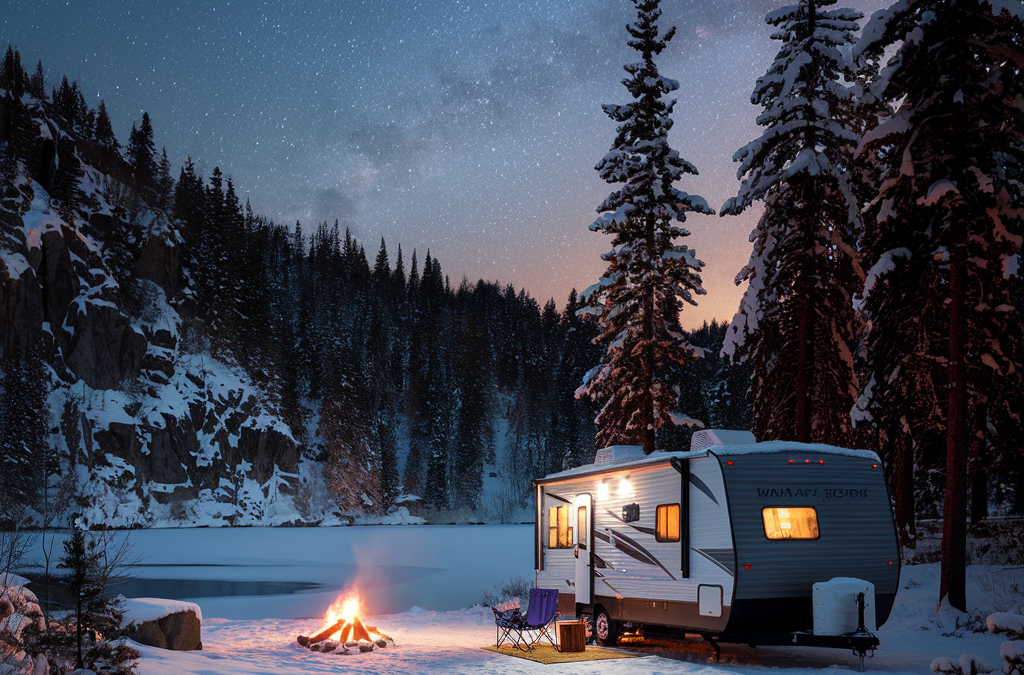
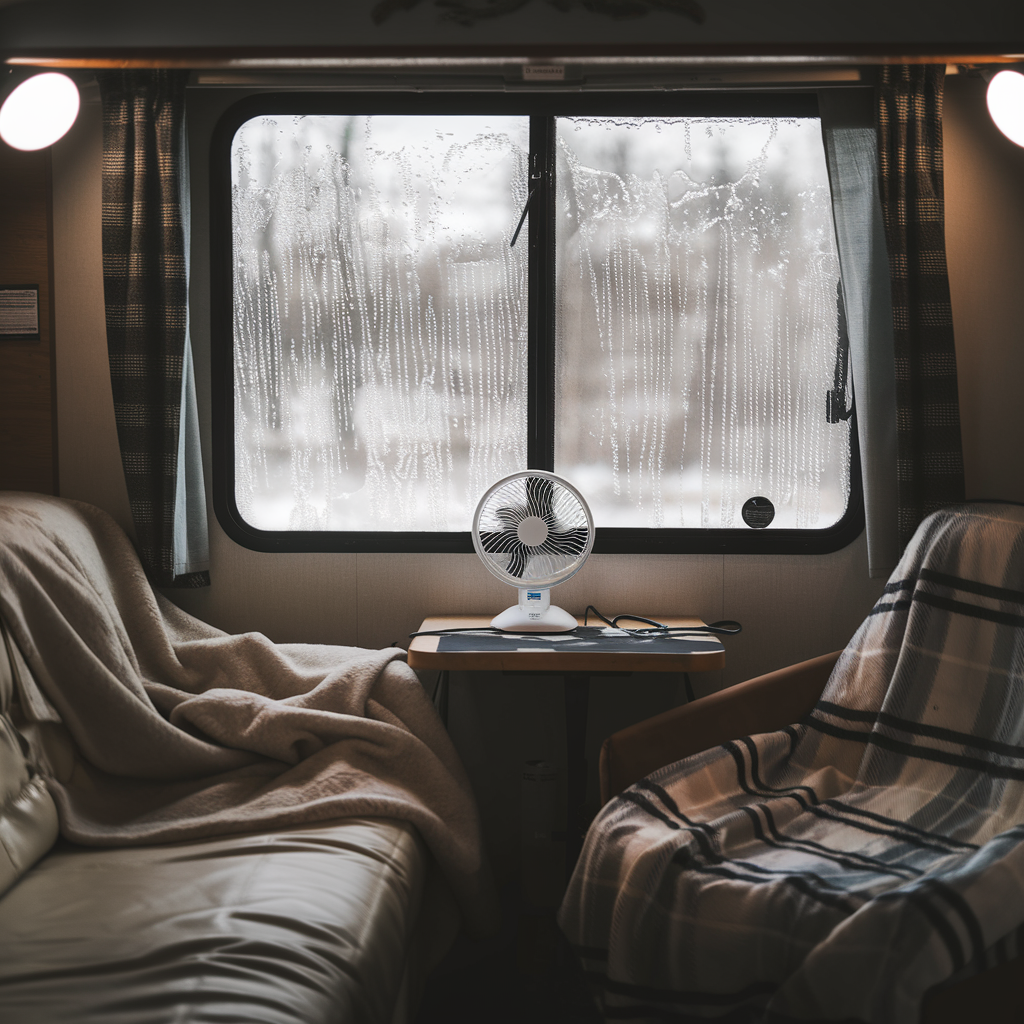
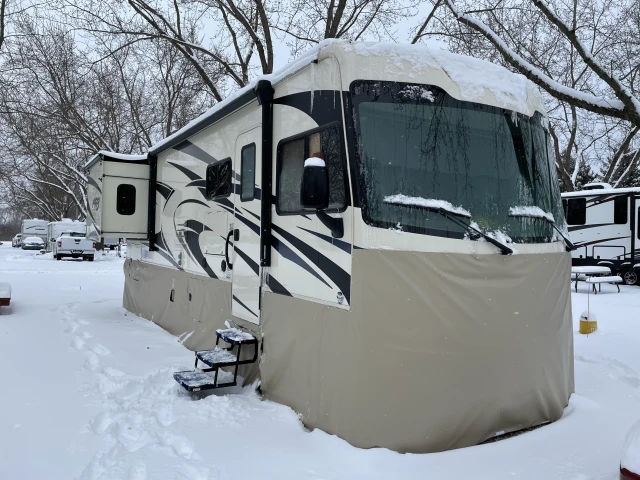
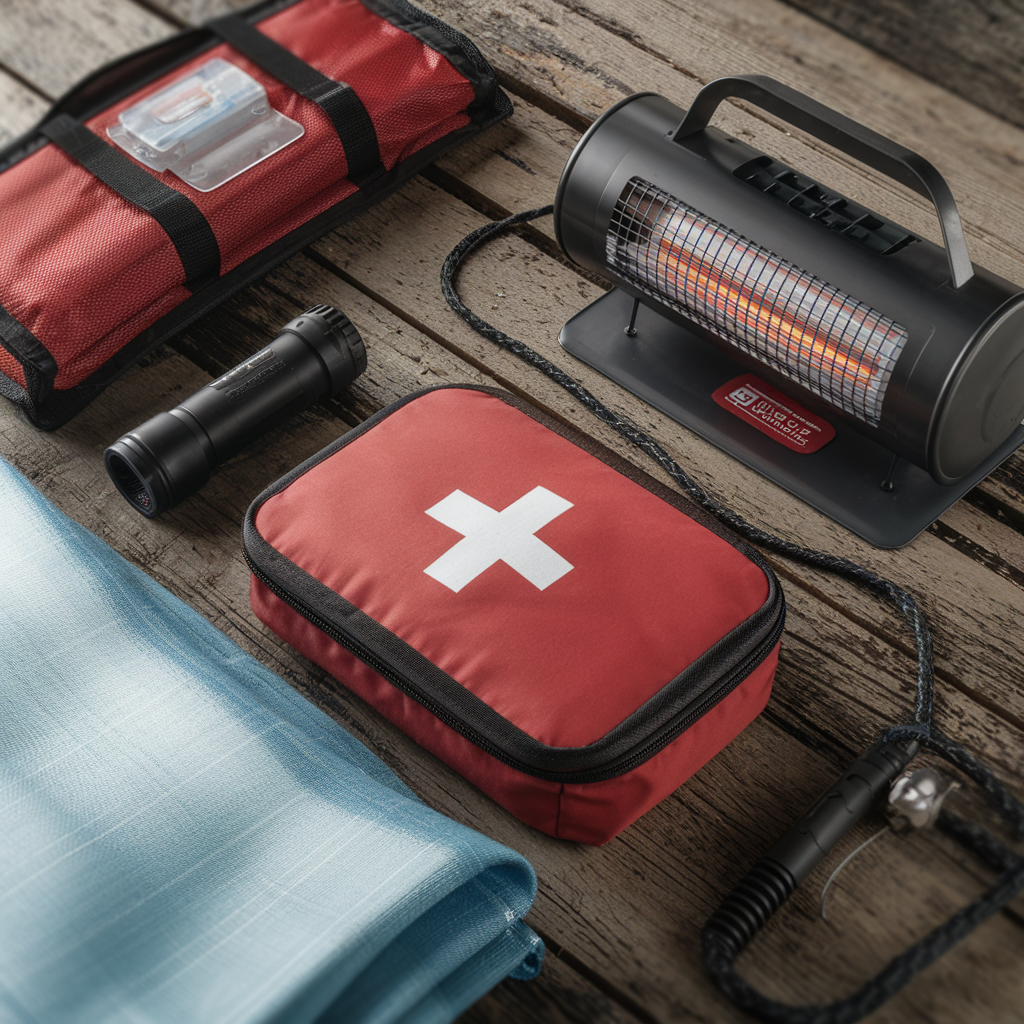
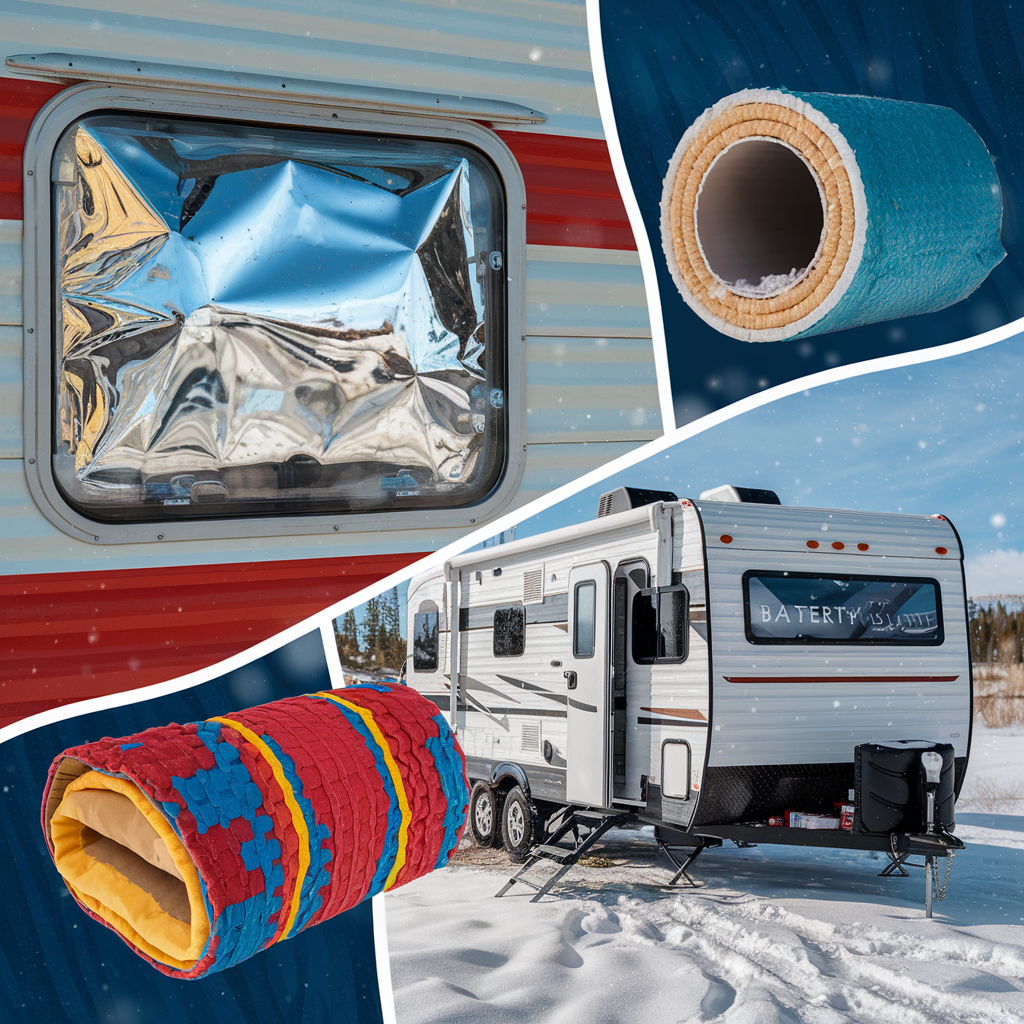


 Image Credit:
 Image Credit: