
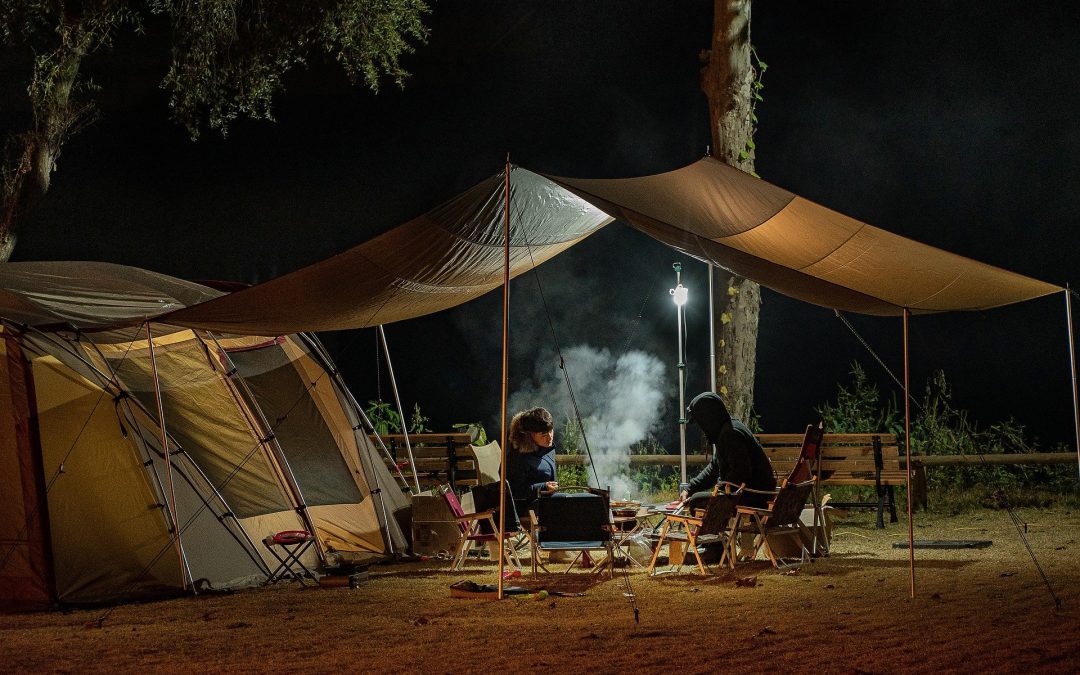
The Call of the Open Road (and a Real Bed)
For many seasoned tent campers, the allure of the open road eventually leads to a new consideration: RV life. This article is crafted for those contemplating the transition, offering an honest perspective on the pros, cons, and essential preparations for making the shift from canvas to comfort. Drawing from personal experience, we’ll navigate the challenges and joys of embracing a new way to explore the wilderness.
As a tent camper, you’ve likely built your own mental picture of “real camping”: sleeping on the ground, waking up to the sounds of nature, cooking over an open fire, and relaxing in the woods. An RV doesn’t replace that magic—but it does completely change how you experience it.
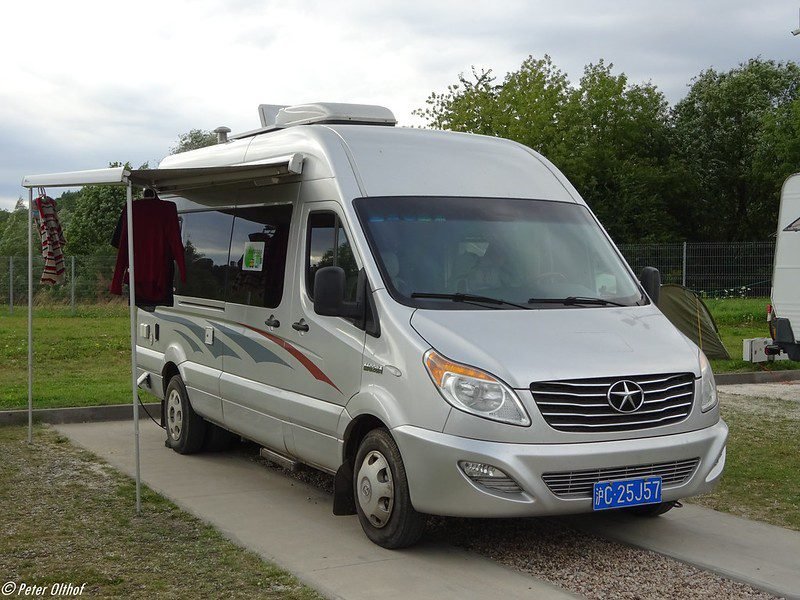 Image Credit:peterolthof /flickr
The Big Shift: Emotional & Lifestyle Adjustments
Moving from the raw simplicity of tent camping to the relative luxury of an RV involves significant emotional and lifestyle adjustments. Initially, you might feel a perceived loss of connection with raw nature, but this quickly gives way to new freedoms. RVing allows for longer explorations, the joy of home-cooked meals in remote settings, and the comfort of a real bed.
Be prepared for gear accumulation; RV life often means acquiring more equipment for enhanced comfort and convenience, redefining what it means to “rough it.” Your “camp box” becomes a rolling tiny home—complete with systems, storage, and a lot more responsibility.
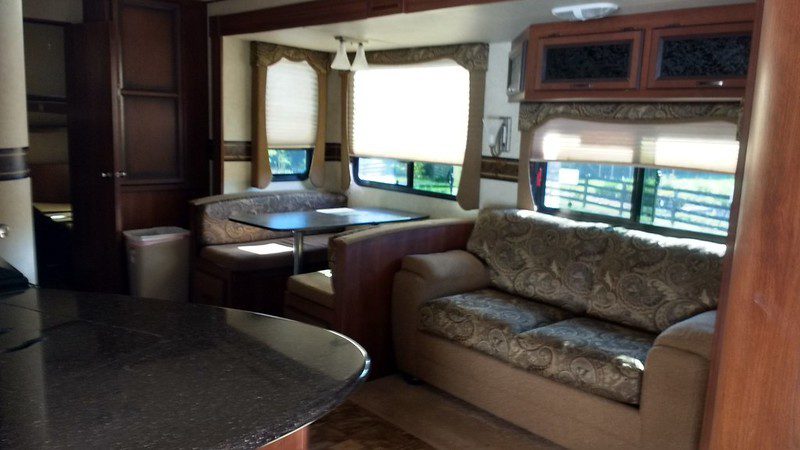
Image Credit:Willing Warriors /flickr
RV Types: Choosing Your New Home on Wheels
Selecting the right RV is critical. Key considerations include towing requirements, driveability, and overall convenience. RVs come in various types:
- Travel Trailers & Fifth Wheels: Offer spacious living and often require a separate, capable tow vehicle.
- Motorhomes (Class A, B, C): Provide all-in-one convenience, with varying levels of luxury and maneuverability.
- Niche Options: Pop-ups, hybrids, and truck campers cater to specific needs, such as lightweight towing or minimalist camping.
Matching your RV to your camping style—whether prioritizing boondocking, campground amenities, or family space—is paramount for a satisfying experience.
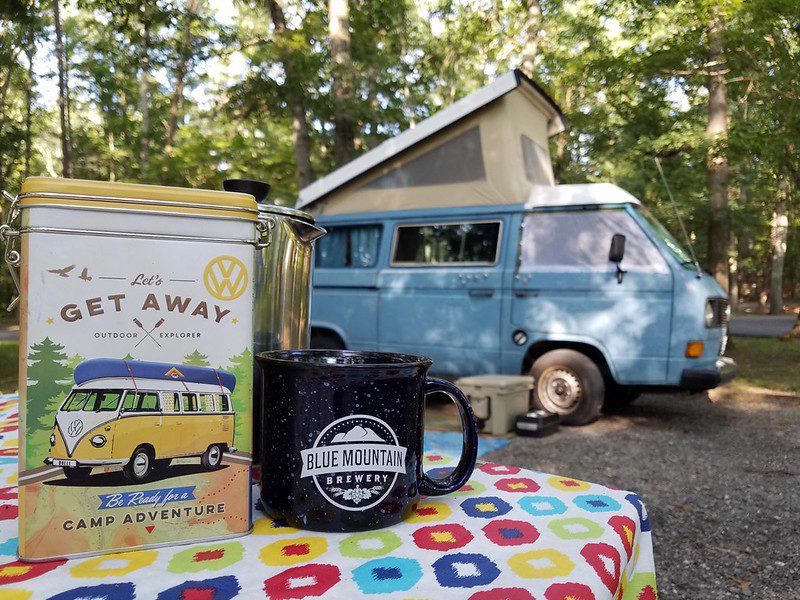 Image Credit:Virginia State Parks /flickr
Systems Shock: Becoming Your Own RV Technician
A significant adjustment for new RVers is understanding the complex onboard systems. No matter how “turnkey” a rig looks on the lot, you’ll eventually become part driver, part caretaker, and part mobile facilities manager. Mastering water management, electrical systems, and propane usage is crucial for a smooth and enjoyable RV experience.
Water Management: Fresh, Grey, and Black Tanks (Oh My!)
Your RV’s water system includes a fresh water tank for potable water, grey water tanks for sinks and showers, and black water tanks for the toilet. Water conservation is essential, especially when boondocking, because tank capacity—not your thirst—often dictates how long you can stay.
Proper disposal at designated dump stations is a fundamental skill. Additionally, vital maintenance tasks like winterizing and de-winterizing are necessary to prevent freezing damage. For more safety information, refer to an RV fire safety guide and your manufacturer’s manuals.
Electrical Systems: Powering Your Adventures
RV power comes from several sources:
- Shore Power: 30 or 50 amp connections at campgrounds power appliances and charge batteries.
- Off-Grid: Batteries, inverters, and solar panels provide power when not connected to shore power.
- Generators: Can supplement off-grid systems for higher power demands.
Developing basic electrical troubleshooting skills will prove invaluable on the road. Consider investing in an RV surge protector for shore power connections so a bad pedestal doesn’t fry your system.
Propane & Appliances: Heating, Cooking, and Cooling
Propane powers essential RV appliances like the water heater, furnace, and stove. Propane safety is paramount, requiring constant awareness of leaks and proper usage. RV refrigerators, water heaters, and furnaces demand regular maintenance and inspection. Air conditioning units are crucial for cooling but have significant power demands, especially when off-grid.
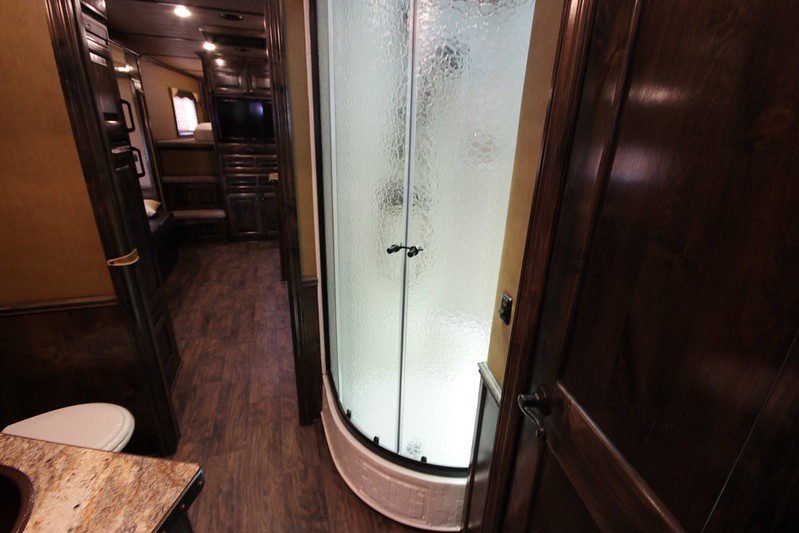
Image Credit:Trailers of the East Coast /flickr
Navigating the Road: Driving & Towing Your RV
Driving or towing an RV is vastly different from a car and requires practice and patience. Understanding towing fundamentals—hitches, weight distribution, and braking systems—is crucial. Maneuvering, especially backing up, requires careful planning and practice in safe, open areas.
Route planning must account for your RV’s height, weight, and width to avoid narrow roads and low clearances. Consider vehicle accessories like extended towing mirrors, brake controllers, and upgraded suspension components if you’re towing near your vehicle’s limits.
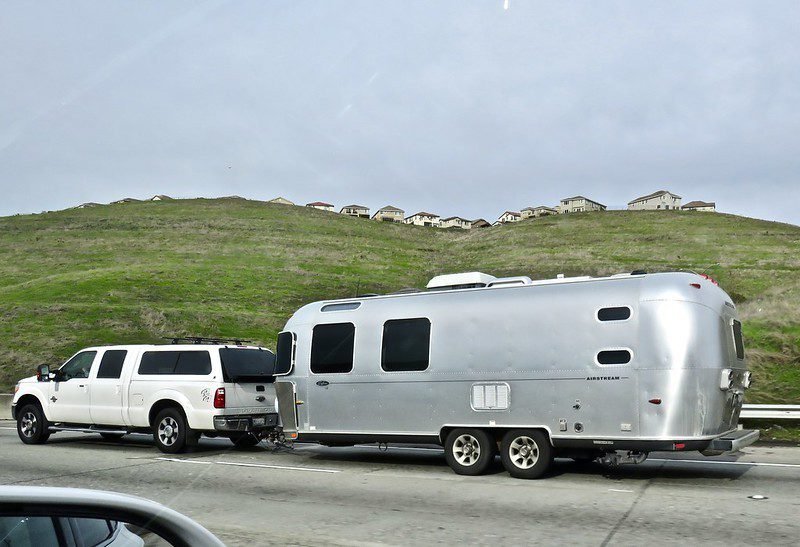
Image Credit:rulenumberone2 /flickr
Finding Your Campsite: Beyond the Familiar Tent Spots
RVing necessitates a different campsite selection strategy than tent camping. Options range from well-equipped campgrounds to dispersed camping on public lands. Key aspects include advance planning, understanding campground reservations, and embracing boondocking when it fits your style.
Campground Reservations: The New Reality
Booking campsites often requires months of advance planning, especially for popular spots or during peak seasons. You’ll encounter various campground types (public vs. private) and hookup options. Full hookups (water, sewer, electric) offer maximum convenience, while dry camping sites lack utility connections.
Not all “RV parks” feel like nature escapes. Some are essentially paved parking lots with hookups. If you’re coming from tent camping and craving scenery, read reviews and check photos before you book.
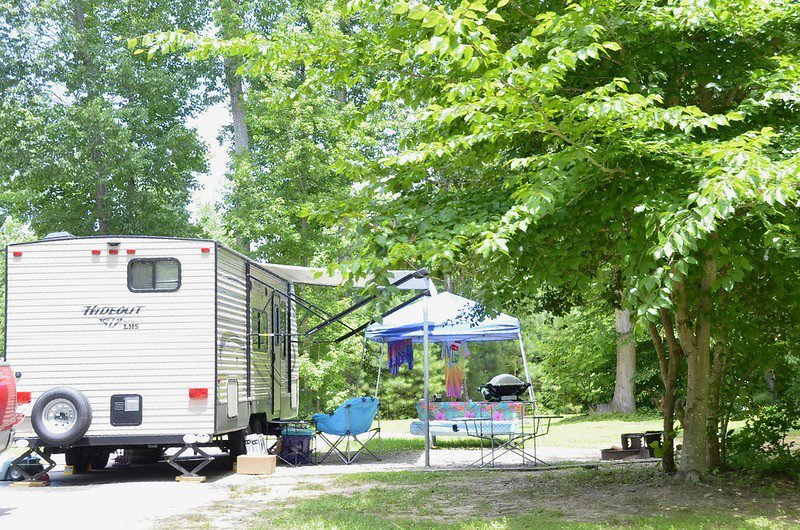
Image Credit:Virginia State Parks /flickr
Embracing Boondocking: Free Camping with a Wild Side
Boondocking, or dispersed camping, offers solitude and a deep connection with nature, much like primitive tent camping but with RV comforts. You can find free spots on BLM (Bureau of Land Management) and National Forest land. Apps like Campendium, iOverlander, and The Dyrt are invaluable resources.
Essential skills include water conservation, power management (consider solar kits), and proper waste disposal. Adhering to Leave No Trace principles is crucial if you want these places to remain open and beautiful.
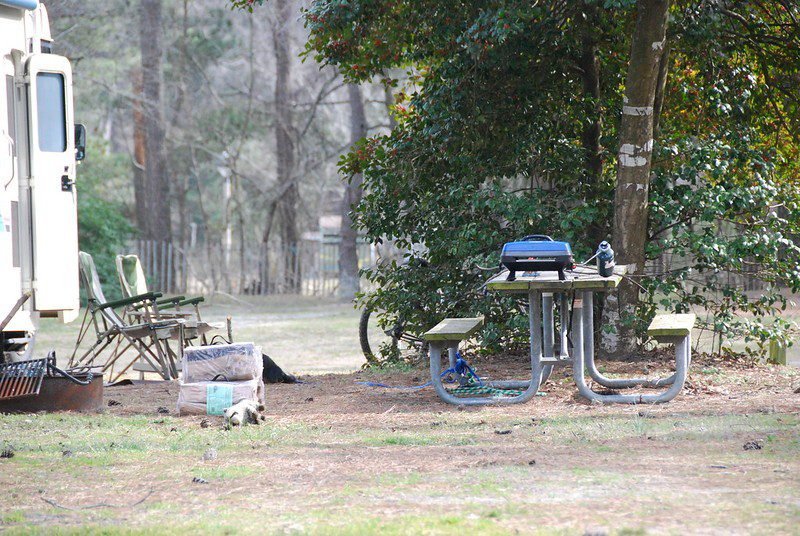
Image Credit:Virginia State Parks /flickr
Explore Boondocking Locations
Use this interactive map to find potential boondocking spots on public lands. Zoom in, pan around, and switch between areas as you plan your route.
Note: This is a general map for trip planning. Always verify specific boondocking regulations, road conditions, and stay limits with local land management agencies (BLM, National Forest, state lands) before you go.
RV Maintenance & Hidden Costs: More Than Just Fuel
Beyond the initial purchase price and fuel, RV ownership involves ongoing expenses. Routine maintenance—checking tires, roof, seals, and appliances—is vital to prevent major issues. Unexpected repairs are inevitable, so a dedicated budget is essential.
Also factor in storage costs, especially during the off-season. Insurance, registration, taxes, and optional extended warranties all represent recurring expenses that add up over time.
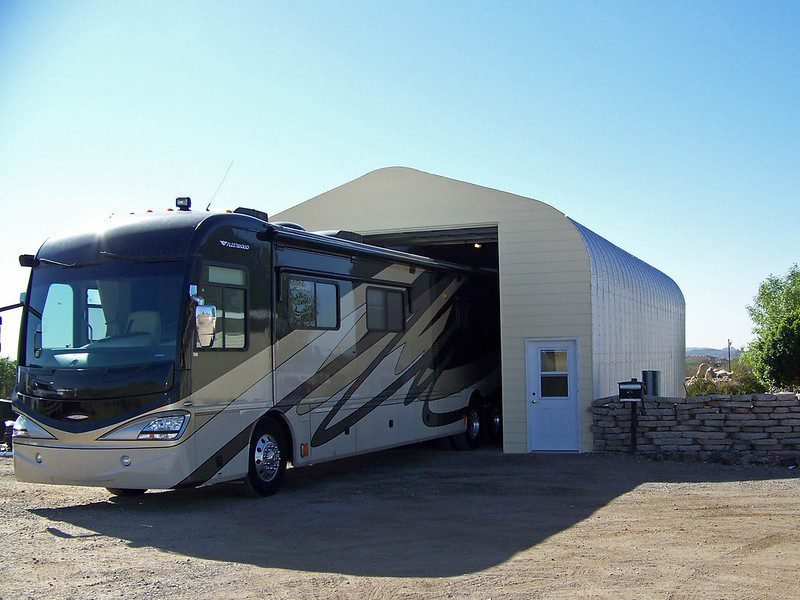
Image Credit:SteelMaster Buildings /flickr
Safety First: Essential RV Practices
Prioritizing safety is paramount for peace of mind and a safe travel experience. This includes fire prevention, diligent tire care, wildlife awareness, and preparedness for roadside emergencies.
RV Fire Safety: Prevention and Preparedness
RVs present unique fire risks due to flammable materials, propane, and complex electrical systems. Essential safety devices include smoke detectors and carbon monoxide detectors, which must be tested regularly. Propane safety, including leak detection and safe appliance operation, is paramount.
Electrical safety involves avoiding overloads and inspecting for faulty wiring. Emergency preparedness requires clearly marked exits and a rehearsed escape plan. According to the U.S. Fire Administration’s Data Snapshot on recreational-vehicle fires, an estimated 4,200 RV fires annually between 2018 and 2020 resulted in 15 civilian deaths, 125 civilian injuries, and $60.3 million in property loss. Always have a working RV fire extinguisher readily accessible.
Image Credit:Crystal Collins / flickr
Other Safety Aspects
- Tire Care: Regular inspection and proper inflation are crucial for blow-out prevention.
- Wildlife Awareness: Practice bear safety and proper food storage in bear country.
- Roadside Emergencies: Be prepared to handle breakdowns and have a plan for roadside assistance.
Making it Home: Customization and Comforts
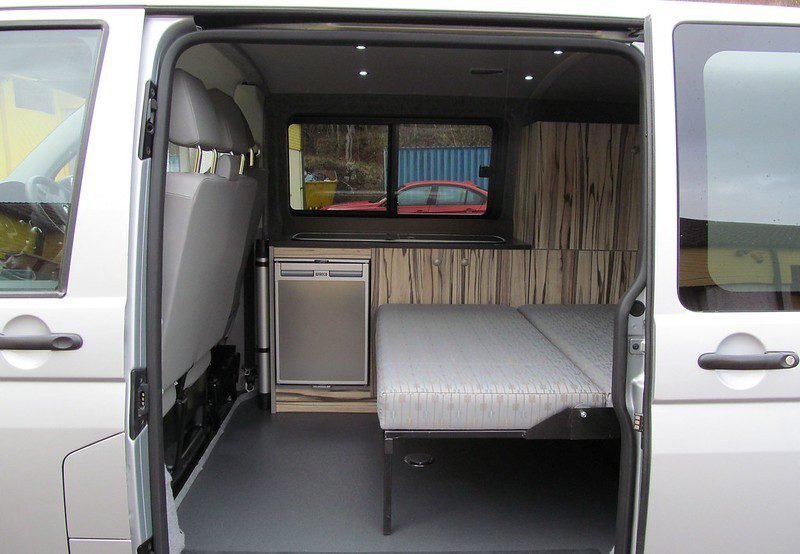
One of the joys of RV ownership is personalizing your living space to reflect your style and needs. Interior modifications can enhance practicality and comfort, from better mattresses and storage solutions to upgraded lighting and seating. Outdoor living spaces, created with awnings, mats, and camp kitchens, effectively extend your living area.
For families, kid-friendly RVing involves creating fun, safe, and comfortable environments for everyone. Think bunk spaces, organizing bins, blackout curtains, and a few “bad weather” activities stored away for rainy days.
Resources
RVIA (Recreational Vehicle Industry Association) – https://www.rvia.org/
This organization represents the RV industry and provides industry statistics, research, and other resources.
GoRVing – https://www.gorving.com/
GoRVing is a well-known platform for RV enthusiasts that provides helpful tips, information, and resources on RVing.
Good Sam Club – https://www.goodsam.com/
The Good Sam Club is a popular RV club in the United States, offering discounts on campgrounds, fuel, and other services.
RV Life – https://rvlife.com/
RV Life is a popular online magazine focused on RVing and the RV lifestyle. They provide comprehensive articles, reviews, and resources.
National Park Service (NPS) – https://www.nps.gov/
The NPS website provides information about national parks and camping regulations, which may be useful for RV campers.


