
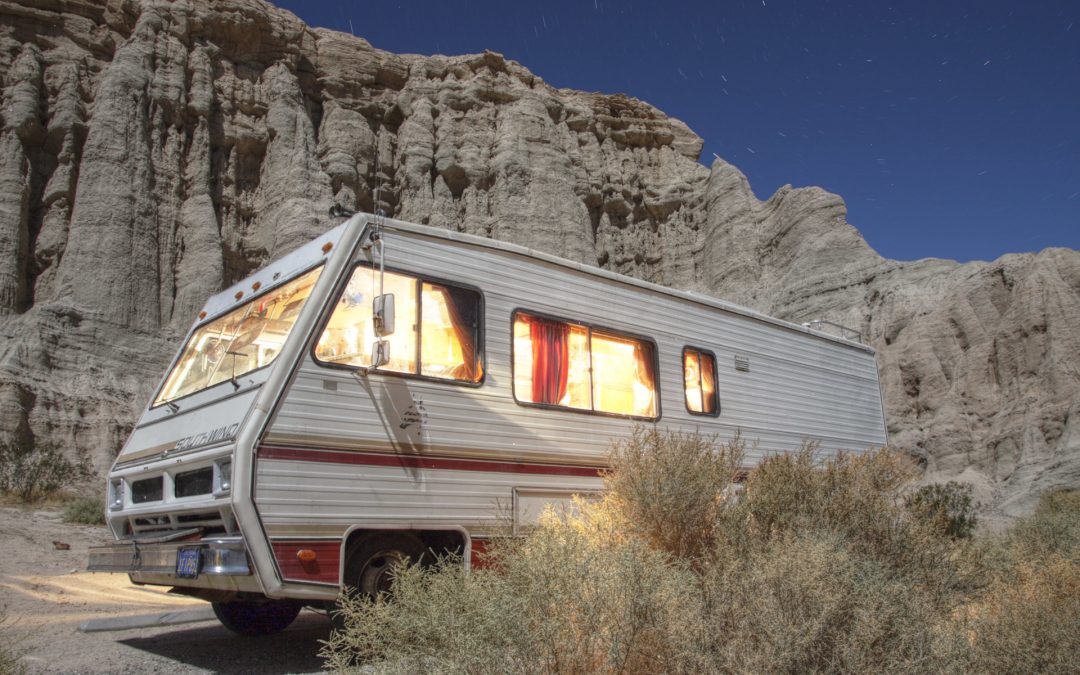
This guide provides a comprehensive overview of boondocking (also known as dry camping), an RVing practice that involves camping without connections to external utilities like water, electricity, or sewer. It aims to offer a balanced perspective for beginners, detailing the advantages, disadvantages, essential tips, and realistic expectations for this off-grid lifestyle.
Introduction: What is Boondocking?
Boondocking, or dry camping, is RVing without utility hookups. It appeals to RVers for its offering of freedom, immersion in nature, and potential cost savings.

The Allure of Off-Grid: Pros of Boondocking
Boondocking offers several compelling advantages:
- Unparalleled Freedom & Solitude:
- Grants access to remote and scenic locations, often on Bureau of Land Management (BLM) land and in National Forests, where developed campgrounds are scarce.
- Allows RVers to escape crowded campgrounds and enjoy solitude.
- Provides opportunities to wake up to stunning views without other people present and experience nature’s quiet.
- Cost Savings:
- Boondocking is often free or requires only a low-cost permit, significantly reducing camping expenses.
- This budget-friendly approach makes travel more accessible and enables longer adventures.
- Deeper Connection with Nature:
- Offers an immersive outdoor experience, fostering a deeper connection with nature.
- Exceptional stargazing due to less light pollution.
- Abundant wildlife viewing opportunities.
- Provides a chance to disconnect from modern life’s distractions and appreciate the natural world.
- Self-Sufficiency & Skill Development:
- Encourages self-sufficiency and the development of valuable skills.
- RVers learn to manage resources carefully, conserve water and power, and troubleshoot problems independently.
- Fosters a sense of accomplishment and resilience, echoing principles from “RV Fire Safety Guide.”
The Realities of Roughing It: Cons of Boondocking
Boondocking also presents challenges that require careful consideration:
- Limited Resources (Water, Power, Waste):
- Primary challenge is limited availability of water, power, and waste disposal.
- Strict conservation is essential to extend stays, often requiring creative solutions.
- Finding dump stations and fresh water refills requires planning.
- No hookups for electricity or sewer necessitate reliance on generators or solar power.
- Increased Planning & Preparation:
- Demands more planning and preparation than traditional campground stays.
- Route planning is critical, requiring scouting of locations in advance for accessibility and suitability.
- Stocking adequate supplies of food, water, and fuel is crucial.
- Comfort & Convenience Trade-offs:
- Less luxurious than full-hookup sites, requiring acceptance of certain inconveniences.
- Dealing with dust is common.
- Showers may be less frequent due to water conservation efforts.
- Safety & Security Considerations:
- Paramount in remote locations with potential isolation.
- Wildlife encounters are possible, requiring awareness and caution.
- Emergency preparedness is crucial due to unreliable cell service, necessitating alternative communication methods (echoing advice from “RV Fire Safety Guide”).
- Importance of fire extinguishers, safe cooking practices, awareness of local fire bans, and safe generator use is emphasized.
Essential Boondocking Tips for Beginners
To ensure a comfortable and responsible off-grid adventure, beginners should consider these tips:
- Plan Ahead Like a Pro:
- Utilize apps and websites like Campendium, FreeCampsites.net, and iOverlander to discover potential locations.
- Consult official Bureau of Land Management (BLM) and National Forest websites for up-to-date regulations.
- Scout locations ahead of time, especially for larger RVs, to ensure accessibility and suitability.
- Master Resource Management:
- Water Conservation: Implement strategies like “navy showers” (turning off water while soaping), efficient dishwashing (scraping food, wiping dishes, minimal water with biodegradable soap), and potentially using grey water for toilet flushing.
- Power Management: Consider solar panels for renewable energy. Propane generators are often preferred for efficiency. Use LED lighting to minimize energy consumption and diligently monitor battery levels. Reduce reliance on electronics.
- Waste Management: Embrace the “pack it in, pack it out” principle. Reduce trash by removing excess packaging before the trip. Use small, sealable bags for daily waste for easy disposal at appropriate bins.
- Practice Leave No Trace Principles:
- Minimize environmental impact by properly disposing of waste, respecting wildlife, and leaving areas as found or better.
- Ensure Safety & Security:
- Have a reliable communication method (e.g., satellite messenger) if cell service is unreliable.
- Carry an emergency kit with first aid supplies, a weather radio, and extra fuel/water.
- Secure the RV by locking doors and hiding valuables.
- Inform someone of your itinerary.
- Keep a fully charged fire extinguisher accessible.
- Inspect propane lines and appliances regularly.
- Be aware of local fire danger levels and restrictions for campfires or generators.
- Never leave a campfire unattended.
- Have a shovel and water nearby for campfires.
- Know Your Rig:
- Understand your RV’s capabilities, including tank capacities (fresh, grey, black water).
- Test your off-grid setup before long trips to identify potential issues.
- Consider modifications like a composting toilet or larger battery bank to extend boondocking capabilities.
Boondocking vs. Dispersed Camping: What’s the Difference?
- Boondocking: A broad term for RVing without hookups in undeveloped areas.
- Dispersed Camping: Specifically refers to camping on public lands outside designated campgrounds, typically without amenities.
- Relationship: All dispersed camping is boondocking, but not all boondocking is dispersed camping (e.g., parking overnight at a Wal-Mart is boondocking but not dispersed camping).
Conclusion: Is Boondocking for You?
Boondocking offers a unique and rewarding RV lifestyle, but it requires careful consideration of its pros and cons. With proper planning, preparation, and a spirit of self-sufficiency, beginners can enjoy the freedom, cost savings, and connection with nature that boondocking provides.
Boondocking: Pros and Cons Table
| Feature | Pros | Cons |
|---|---|---|
| Location Freedom | Access to unique, scenic, and secluded spots; less crowded. | Limited access for larger rigs; can be remote and isolated. |
| Cost | Often free or very low-cost camping. | Initial investment in gear (solar, larger tanks) may be needed. |
| Resources | Encourages self-sufficiency and resourcefulness. | Limited water, power, and waste capacity; requires strict conservation. |
| Privacy & Solitude | High levels of peace, quiet, and personal space. | Can feel isolated; potential for reduced security. |
| Planning | Spontaneity once set up; unique adventure potential. | Requires extensive pre-trip planning and research. |
| Comfort | Authentic outdoor experience. | Fewer amenities (no hookups, limited showers); dealing with elements (dust). |
| Safety | (Potentially) less exposure to crowds. | Remote locations can mean limited cell service and slower emergency response; Fire Risk. |
Frequently Asked Questions
What is the difference between boondocking and dispersed camping? Is boondocking legal?
Boondocking refers to camping without hookups in undeveloped areas. Dispersed camping is a specific type of boondocking on public lands such as BLM and National Forest land, outside designated campsites and with no amenities.
Boondocking is legal where permitted, but rules vary by agency. Always check stay limits, fire restrictions, closures, and road conditions before setting up.
How can I find safe and legal boondocking spots?
Reliable resources include Campendium, iOverlander, FreeCampsites.net, The Dyrt, and official BLM/USFS websites.
Look for recent reviews, local regulations, fire danger levels, and weather advisories before choosing a site.
Do I need a special RV for boondocking?
No special RV is required, but some features make off-grid camping easier, including:
– Larger fresh water and waste tank capacity
– Solar power or a generator
– Efficient lighting (LED)
– Good batteries (AGM or lithium)
– Higher clearance for rougher roads (optional)
What resources are most important to conserve while boondocking?
You’ll be limited by three things:
– Fresh water
– Battery power
– Grey/black tank capacity
Using navy showers, efficient dishwashing, LED lights, and mindful electronics use can extend your stay dramatically.
How should I handle trash and waste when boondocking?
Follow “pack it in, pack it out.” Remove packaging before your trip, store daily waste in sealed bags, and never burn or bury trash.
Human waste should go into the RV’s black tank and be dumped at a proper station.
Greywater rules vary—check local regulations before draining anything.
Is boondocking safe?
Boondocking is generally safe when using good judgment. Park in visible, level areas, trust your instincts, lock doors at night, and remain aware of wildlife and terrain hazards.
Most boondockers report quiet, peaceful experiences.
What are the key fire safety tips for boondocking?
Carry a working fire extinguisher, follow local fire restrictions, keep generator exhaust clear, inspect propane lines regularly, and keep campfires small, contained, and attended.
Always fully extinguish fires before leaving or going to sleep.


