
RVs are an excellent way to explore the country while still having the comforts of home. However, owning an RV also means being responsible for its upkeep and maintenance to ensure it stays in top shape. To make sure you get the most out of your RV, we’ve created a comprehensive guide that covers all the necessary maintenance and upkeep tasks you need to perform to keep your home on wheels running smoothly.
I. Mechanical Maintenance
Mechanical maintenance is essential to keep the RV’s engine, transmission, and other moving parts functioning correctly. Here are some important mechanical maintenance tasks to keep in mind:
A. Oil Change and Fluids
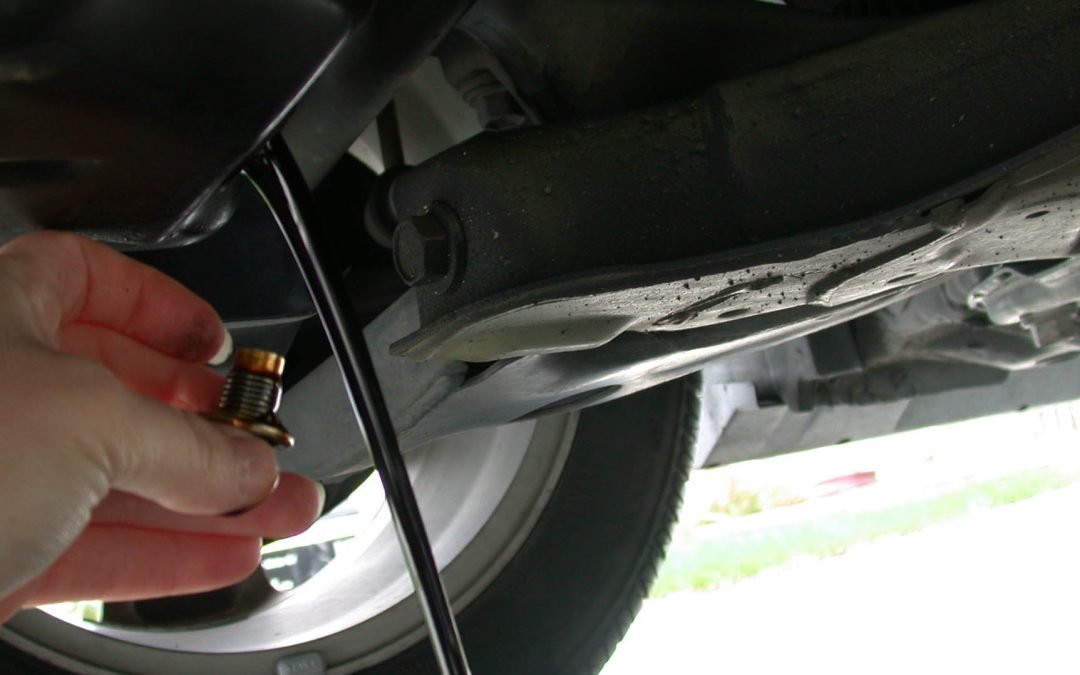
One of the most crucial things you can do for your RV is to keep up with regular oil changes and fluid checks. This will help keep your engine running smoothly and prevent any damage. It’s important to check your oil levels regularly and change your oil and other fluids according to your RV manufacturer’s recommendations.
B. Battery Maintenance
The battery is an essential component of your RV’s electrical system. To ensure your RV’s battery is always in good condition, you should check the battery’s voltage regularly and make sure it’s fully charged. You should also clean the battery terminals to prevent corrosion and ensure a solid connection.
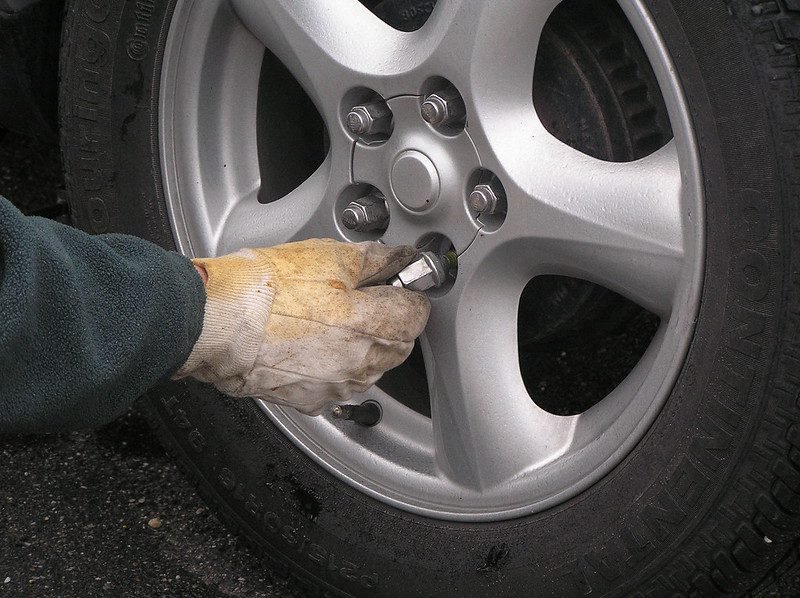 image by
 C. Tire Maintenance
Proper tire maintenance is crucial to the safety and performance of your RV. You should check your tire pressure regularly and make sure it’s within the manufacturer’s recommended range. It’s also important to inspect your tires for any signs of wear or damage and replace them as needed.
D. Brake Maintenance
The brakes on your RV are one of the most critical safety components, so it’s essential to keep them in good condition. You should have your brakes inspected regularly and replace them when they start to show signs of wear or damage.
FAQs:
Q1: How often should I change the oil in my RV?
A1: The general recommendation is to change the oil in your RV every 3,000 to 5,000 miles or every six months, whichever comes first. However, you should always refer to your RV owner’s manual for the manufacturer’s recommended oil change intervals.
Q2: How do I check the battery life of my RV?
A2: You can check the battery life of your RV by using a multimeter to test the voltage. A fully charged battery should read around 12.6 volts. If the voltage is lower than 12 volts, it’s time to recharge the battery or replace it if it’s beyond repair.
Q3: What is the correct tire pressure for my RV?
A3: The correct tire pressure for your RV depends on the make and model of your vehicle, as well as the weight it carries. You can find the recommended tire pressure for your RV in the owner’s manual or on a sticker located on the driver’s side doorjamb. It’s essential to maintain the recommended tire pressure to ensure proper handling and safety on the road.
Q4: When should I replace my RV brakes?
A4: RV brakes should be replaced when they start to wear down to 1/8th of an inch or less. However, it’s essential to pay attention to any signs of brake problems, such as noise, vibration, or reduced stopping power. If you experience any of these issues, it’s best to have your RV brakes inspected by a professional mechanic immediately.
Q5: How can I increase the fuel efficiency of my RV?
A5: You can increase the fuel efficiency of your RV by keeping the weight down, reducing wind resistance, and maintaining a steady speed. Additionally, you can check and replace the air filter, keep the tires inflated to the recommended pressure, and perform regular engine maintenance. It’s also a good idea to use high-quality gasoline and plan your routes to avoid traffic congestion and road construction.
II. Electrical Maintenance
Electrical maintenance is another crucial aspect of maintaining an RV. Here are some important electrical maintenance tasks to keep in mind:
A. Electrical System Inspection
The electrical system in your RV is complex and includes wiring, outlets, and switches. Regular inspections of your electrical system will help ensure everything is functioning correctly and prevent any electrical problems from occurring.
B. Battery Maintenance
In addition to the maintenance tasks listed above, you should also keep your RV’s battery in good condition by regularly checking its voltage and making sure it’s fully charged.
C. Generator Maintenance
If your RV has a generator, it’s essential to keep it in good working condition. Regular maintenance tasks for your generator include changing the oil, cleaning the air filter, and inspecting the spark plugs.
FAQs:
Q1: How do I know if my RV’s electrical system is working correctly?
A1: To know if your RV’s electrical system is working correctly, you should check if all the electrical appliances, lights, and outlets are functioning correctly. Additionally, you can use a multimeter to check the voltage of your battery and ensure it’s charging properly. If you’re experiencing any electrical problems, it’s best to have your RV inspected by a professional mechanic.
Q2: How do I maintain my RV battery?
A2: To maintain your RV battery, you should keep it clean and dry, regularly check the water levels, and ensure it’s fully charged. Additionally, you should avoid discharging the battery completely and use a battery maintainer to keep it charged when not in use. It’s also essential to have your battery inspected by a professional mechanic periodically to check for any issues.
Q3: How often should I service my RV’s generator?
A3: The frequency of servicing your RV’s generator depends on the manufacturer’s recommendations, the usage of the generator, and the age of the generator. However, most manufacturers recommend servicing the generator every 100 to 150 hours of use or at least once a year. The service typically involves changing the oil, air filter, fuel filter, and spark plugs, among other maintenance tasks. It’s essential to refer to your RV owner’s manual for the recommended service intervals and procedures.
III. Interior Maintenance
Keeping the living quarters of your RV in good condition is essential for a comfortable and safe trip. Here are some important interior maintenance tasks to keep in mind:
A. Cleaning and Sanitation
Regular cleaning and sanitation are essential to maintaining a healthy and comfortable living space in your RV. You should clean your RV’s interior regularly, including floors, walls, and surfaces. You should also empty your holding tanks regularly to prevent any odors and keep your RV’s plumbing system working properly.
B. Plumbing Maintenance
RV plumbing systems are unique and require proper maintenance to function correctly. It’s essential to keep your RV’s plumbing system clean and prevent clogs by using the appropriate products. You should also check for any leaks or other plumbing issues regularly and address them promptly.
C. HVAC Maintenance
Your RV’s heating, ventilation, and air conditioning (HVAC) system is responsible for keeping you comfortable in all weather conditions. Regular maintenance tasks for your RV’s HVAC system include cleaning the air filters, checking for any leaks, and ensuring the system is working correctly.
FAQs:
Q1: How do I clean and sanitize my RV’s interior?
A1: To clean and sanitize your RV’s interior, you should start by removing all the items from the RV and then clean all the surfaces with a mild cleaner. You can use a disinfectant to sanitize the surfaces, paying particular attention to high-touch areas such as doorknobs, handles, and countertops. Additionally, you should clean the fabrics, including the curtains, bedding, and cushions, by washing them in hot water. It’s also essential to clean the ventilation system and air ducts.
Q2: How do I prevent and fix plumbing issues in my RV?
A2: To prevent plumbing issues in your RV, you should avoid flushing anything other than toilet paper down the toilet, and you should use a sewer hose that is the appropriate size for your RV. Additionally, you should inspect the water lines and valves regularly and ensure that there are no leaks. If you experience any plumbing issues, such as clogs or leaks, you should turn off the water supply, diagnose the problem, and either fix it yourself or seek the help of a professional plumber.
Q3: How do I maintain my RV’s air conditioning and heating systems?
A3: To maintain your RV’s air conditioning and heating systems, you should regularly clean or replace the air filters to ensure proper airflow. Additionally, you should inspect the air ducts and vents for any obstructions and clean them as needed. It’s also essential to have the system inspected by a professional technician at least once a year to check for any issues and ensure that it’s working efficiently. Finally, you should always use your air conditioning and heating systems according to the manufacturer’s instructions and avoid overuse, which can cause damage and reduce the lifespan of the system.
IV. Exterior Maintenance
Exterior maintenance is essential to keep your RV looking and functioning its best. Here are some important exterior maintenance tasks to keep in mind:
A. Washing and Waxing
Regular washing and waxing will help keep your RV looking its best and prevent any damage to the exterior. You should also inspect your RV’s exterior for any signs of damage, such as cracks, dents, or leaks, and address them promptly.
B. Roof Maintenance
The roof is one of the most critical parts of your RV and requires regular maintenance to prevent leaks and other issues. You should inspect your roof regularly and keep it clean to prevent any damage. You should also check for any signs of wear or damage, such as cracks or tears, and address them promptly.
FAQs:
Q1: How often should I wash and wax my RV?
A1: You should wash your RV regularly to remove dirt, dust, and other debris that can damage the exterior. The frequency of washing and waxing your RV depends on how often you use it and the conditions it’s exposed to. As a general rule, it’s recommended to wash your RV every three months and wax it every six months to protect the exterior from sun damage, oxidation, and other environmental factors.
Q2: How do I maintain my RV’s roof?
A2: To maintain your RV’s roof, you should inspect it regularly for any damage, such as cracks, holes, or tears, and repair them promptly. Additionally, you should clean the roof regularly to remove any dirt, leaves, or debris that can accumulate and cause damage. It’s also essential to use the right type of cleaner for your RV’s roof material, as using the wrong one can cause damage. Finally, you should apply a roof protectant to prevent UV damage and extend the life of the roof. It’s recommended to have your RV’s roof inspected by a professional technician at least once a year to identify any potential issues and ensure that it’s in good condition.
V. Safety Tips and Precautions
Your safety is a top priority when traveling in your RV, so it’s essential to take precautions to ensure you stay safe on the road. Here are some important safety tips to keep in mind:
A. Driving Safety Tips
Safe driving is crucial when traveling in an RV. You should always obey traffic laws, wear your seatbelt, and avoid distractions while driving. You should also make sure your RV is in good working condition and inspect it before each trip.
B. Emergency Preparedness
It’s essential to be prepared for emergencies while traveling in your RV. You should always carry a well-stocked emergency kit that includes first-aid supplies, a fire extinguisher, and other essentials. You should also make sure you have a way to contact emergency services and let someone know your travel plans.
FAQs:
Q1: How can I make sure my RV is safe to drive?
A1: To make sure your RV is safe to drive, you should perform regular inspections, including checking the tires for proper inflation and wear, inspecting the brakes for wear and damage, and checking the steering and suspension systems. Additionally, you should inspect the exterior lights to ensure they’re working correctly, including the headlights, brake lights, turn signals, and running lights. It’s also essential to secure all items inside the RV before driving to prevent them from becoming dangerous projectiles in the event of an accident. Finally, you should always drive your RV at a safe speed, obey traffic laws, and adjust your driving for the road conditions and weather.
Q2: What emergency supplies should I carry in my RV?
A2: It’s important to have emergency supplies in your RV in case of unexpected situations. You should have a well-stocked first aid kit, including supplies such as bandages, antiseptic, and pain relievers. Additionally, you should carry a fire extinguisher, a flashlight with extra batteries, and a tool kit. Other essential items to include are a tire pressure gauge, jumper cables, a basic repair kit for the RV, and a fully charged cell phone or two-way radio. It’s also a good idea to carry a supply of non-perishable food, bottled water, and extra clothing and blankets in case you’re stranded or have to shelter in place. Finally, you should have a map or GPS, so you can navigate in case of road closures or other issues.
Takeaway
Owning an RV can be a great way to explore the country and enjoy the comforts of home on the road. To ensure your RV remains in excellent condition, it’s essential to perform regular maintenance and upkeep tasks. By following the tips and guidelines in this article, you can enjoy your travels with peace of mind, knowing your RV is in top condition.


