
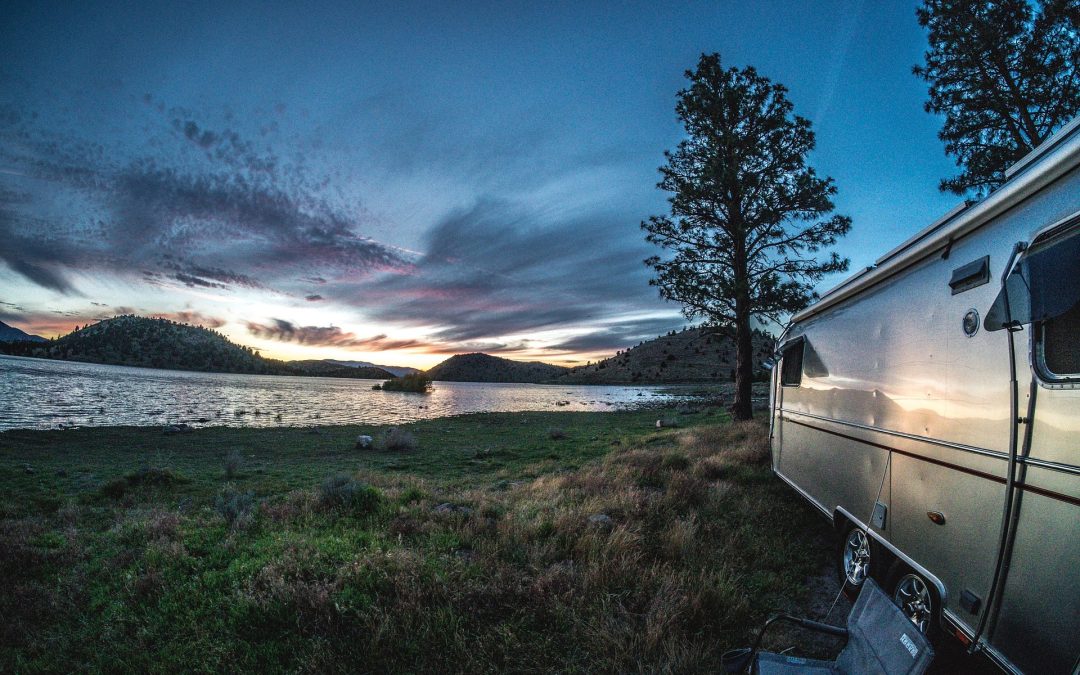
Camp Free, Save Big, Explore More
What is Boondocking and Why Go Budget?
Boondocking is camping in an RV on undeveloped land without hookups, while budget boondocking emphasizes doing so affordably. Boondocking, also known as dry camping or dispersed camping, allows RVers to experience nature away from crowded campgrounds (Roadtrippers.com). This guide explores how to embrace budget boondocking, balancing adventure with financial savings.
Understanding the Basics: Your Budget-Friendly Boondocking Foundation

Is Boondocking Legal? Understanding the Rules & Regulations
Boondocking is legal on many public lands, but understanding the specific rules and regulations is crucial. The Bureau of Land Management (BLM) and National Forest Service (NFS) often allow dispersed camping, but restrictions may apply (BLM.gov). Always check for stay limits, permit requirements, and fire restrictions before setting up camp. The “Leave No Trace” principles are essential to protecting these free spots for everyone.
Types of Free & Low-Cost RV Camping
There are several types of free and low-cost RV camping, each offering a unique experience. Dispersed camping provides true wilderness freedom, while roadside overnighting (Wallydocking, rest stops) offers convenient, though less scenic, options. Membership programs like Harvest Hosts and Boondockers Welcome provide unique stays on private properties for a yearly fee (Boondockerswelcome.com). Initial Membership Cost: ~$50-100/year USD
Finding Your Free Campsite: Tools and Strategies for Budget Travelers
Essential Apps & Websites for Spotting Free Sites
Several apps and websites can help you discover free campsites. Campendium, iOverlander, and FreeCampsites.net are popular resources for finding boondocking locations. Google Maps satellite view can be invaluable for scouting potential spots, assessing accessibility, and identifying potential hazards.
Local Knowledge: Ranger Stations & Fellow RVers
Ranger stations and fellow RVers are invaluable sources of local knowledge for finding boondocking spots. Rangers can provide information on current conditions, restrictions, and hidden gems in the area. Fellow RVers often share their experiences and recommendations on forums and social media groups.
Choosing the Right Spot: Accessibility, Safety, and Connectivity
Choosing the right boondocking spot involves considering accessibility, safety, and connectivity. Rig size considerations are paramount; ensure your RV can safely navigate the roads and terrain leading to the site. Cell signal and satellite internet access may be important for staying connected and safe.
Preparing Your RV for Off-Grid Living: Smart Gear for Saving Money
Water Wisdom: Conserving Your Most Precious Resource
Conserving water is crucial for extending your boondocking stays. Fresh water capacity and management are key; know how much water your RV holds and plan your usage accordingly. Grey & black tank management is also important, portable waste tanks can provide extra capacity. Cost: ~$100-250 USD. Adopting water-saving habits like navy showers can significantly reduce water consumption. Water filters & purification systems help ensure access to safe drinking water. Cost: ~$20-150 USD
Powering Your Adventure: Budget-Conscious Energy Solutions
Budget-conscious energy solutions are essential for powering your boondocking adventures. Battery systems are the foundation; house batteries store power for later use, and upgrades can increase capacity. Solar power offers a renewable energy source, and even a basic portable panel can make a difference. Generators provide a reliable backup power source, but use them wisely to conserve fuel and minimize noise. LED lighting upgrades are a simple way to reduce energy consumption. Cost: ~$5-50 USD
Solar Power Basics: Getting Started Affordably
Getting started with solar power affordably is easier than you might think. Portable solar panels are a great entry point, offering flexibility and ease of setup. Cost: ~$200-500 USD. Inverters convert DC power from your batteries or solar panels to AC power for running household appliances. Cost: ~$100-400 USD.
Packing Smart: Food, Essentials, and Emergency Preparedness
Packing smart is crucial for a successful and safe boondocking trip. Meal planning and cooking on-board can save money and reduce waste. An Instant Pot or grill can be versatile cooking tools. An emergency kit and roadside assistance plan are essential for dealing with unexpected situations. Basic Kit Cost: ~$50-150 USD
Boondocking Etiquette: Being a Good Steward of Free Spaces
Quiet Hours & Generator Use
Respecting quiet hours and using generators responsibly is essential for maintaining good boondocking etiquette. Be mindful of noise levels, especially during established quiet hours. Limit generator use to necessary times and consider using quieter models.
Waste Disposal: Pack It In, Pack It Out
Proper waste disposal is crucial for preserving the natural beauty of boondocking locations. The “pack it in, pack it out” principle is fundamental; take all trash and waste with you when you leave. Dispose of waste properly at designated facilities.
Respecting Other Campers & Wildlife
Respecting other campers and wildlife ensures a harmonious boondocking experience. Maintain a safe distance from other campsites and avoid disturbing their privacy. Observe wildlife from a distance and never feed them.
Maximizing Your Budget Boondocking Experience: Advanced Tips
Slow Travel: Save on Fuel, Savor the Journey
Slow travel can significantly reduce fuel consumption and enhance your boondocking experience. Driving at slower speeds improves fuel efficiency. Savoring the journey allows you to explore hidden gems and connect with the local environment.
Finding Free or Low-Cost Activities
Many free or low-cost activities can enrich your boondocking adventures. Hiking, biking, and nature photography are excellent ways to explore the outdoors. Visiting local museums, parks, and historical sites can provide cultural experiences without breaking the bank.
Seasonal Considerations: Chasing Good Weather to Save on HVAC
Chasing good weather can reduce your reliance on heating and cooling systems, saving energy and money. Boondocking in milder climates minimizes the need for HVAC. Consider seasonal migrations to optimize your comfort and minimize energy consumption.
Common Boondocking Mistakes to Avoid (and How to Save Money by Avoiding Them)
Underestimating Resource Needs (Water, Power)
Underestimating your resource needs is a common boondocking mistake that can lead to discomfort and unnecessary expenses. Carefully calculate your water and power consumption based on your planned activities and climate. Bring extra supplies and have backup plans in case of unexpected shortages.
Poor Trip Planning (Fuel, Supplies)
Poor trip planning can result in wasted fuel, missed opportunities, and potential safety hazards. Plan your route carefully, taking into account road conditions, fuel stops, and supply availability. Check weather forecasts and be prepared for changing conditions.
Ignoring RV Maintenance
Ignoring RV maintenance can lead to costly repairs and downtime. Regularly inspect your RV’s systems, including tires, brakes, batteries, and plumbing. Address minor issues promptly to prevent them from escalating into major problems.
Conclusion: Your Path to Affordable RV Adventures
Recap of Key Budget Boondocking Principles
Budget boondocking combines the freedom of RV travel with the financial benefits of free camping. By understanding the rules and regulations, conserving resources, and planning carefully, you can enjoy incredible adventures without breaking the bank.
Embrace the Journey, Not the Expense
Embrace the journey and not the expense and discover the joys of affordable RV travel.
FAQs
Q: What are the best free camping spots in the US?
A: National Forests and BLM land are great options for free camping in the US.
Q: What gear do I need for boondocking?
A: Necessary gear for boondocking can include a tent or RV, sleeping bags, cooking equipment, and more. We estimate that the necessary equipment cost will be around 200-300 USD.
Q: Are there any permits or fees required for boondocking?
A: Some areas may require permits or have fees for boondocking. It’s important to research local regulations and restrictions before you go.
Q: How much solar power do I need for boondocking?
A: The amount of solar power you need for boondocking will depend on your energy usage. A 100-watt solar panel is a good starting point for most boondockers.
Q: Can I use a portable generator while boondocking?
A: Yes, you can use a portable generator while boondocking, but it’s important to be aware of noise regulations and fuel usage.
Takeaway
Boondocking on a budget can be a rewarding and cost-effective way to experience the great outdoors. By following the tips and advice in this ultimate guide, you can plan your trip, conserve resources, and dispose of waste in an environmentally-friendly way. We encourage you to try boondocking for yourself, and to share your experiences with other outdoor enthusiasts.
Resources
-
- United States Forest Service (USFS) Dispersed Camping Guidelines: The United States Forest Service (USFS) provides guidelines for dispersed camping (https://www.fs.usda.gov/visit/know-before-you-go/dispersed-camping), which is camping outside of designated campgrounds in national forests. The guidelines cover topics such as choosing a campsite, setting up camp, and practicing Leave No Trace principles to minimize impact on the environment.
-
- Bureau of Land Management (BLM) Camping Information: This website (https://www.blm.gov/programs/recreation/camping) provides information about camping on public lands managed by the Bureau of Land Management (BLM) in the United States. It includes information on campgrounds, fees, permits, and other regulations to help visitors plan their camping trip.
-
- Campendium’s Comprehensive Guide to Free Camping in the US: This comprehensive guide (https://www.campendium.com/free-camping) provides information on free camping options across the United States, including national forests, Bureau of Land Management lands, and other public lands. The guide includes details on amenities, accessibility, and nearby attractions.
-
- Solar Power for Boondocking and RV Camping: This website (https://www.parkedinparadise.com/rv-solar/) offers information on using solar power for boondocking and RV camping, including tips on selecting solar panels, installing a solar power system, and maintaining it. It also includes information on battery systems and inverters to help campers stay powered up while off the grid.
-
- Waste Disposal Tips and Regulations for Boondocking: This website (https://www.thewanderingrv.com/rv-waste-disposal/) provides guidance on how to properly dispose of waste while boondocking or camping off the grid. It includes information on black water and gray water tanks, composting toilets, and other waste disposal methods. The website also highlights regulations and best practices to help campers minimize their impact on the environment.


