
A Comprehensive Guide to Safety, Practicalities, and Community
This guide offers a comprehensive approach to solo RV travel, focusing on freedom, self-discovery, safety, practical planning, and community engagement. It aims to equip individuals with the knowledge and tools for a fulfilling and safe journey.
The Allure of Solo RV Travel
Solo RV travel appeals to those seeking freedom, self-discovery, and the ability to explore on their own terms. Radical Storage’s 2024 statistics reported that 25% of Americans were considering a solo trip and 16% had taken one; the often-repeated 50% figure comes from a different survey and should not be attributed to Radical Storage. This guide covers essential aspects from rig selection and safety protocols to community building and well-being.
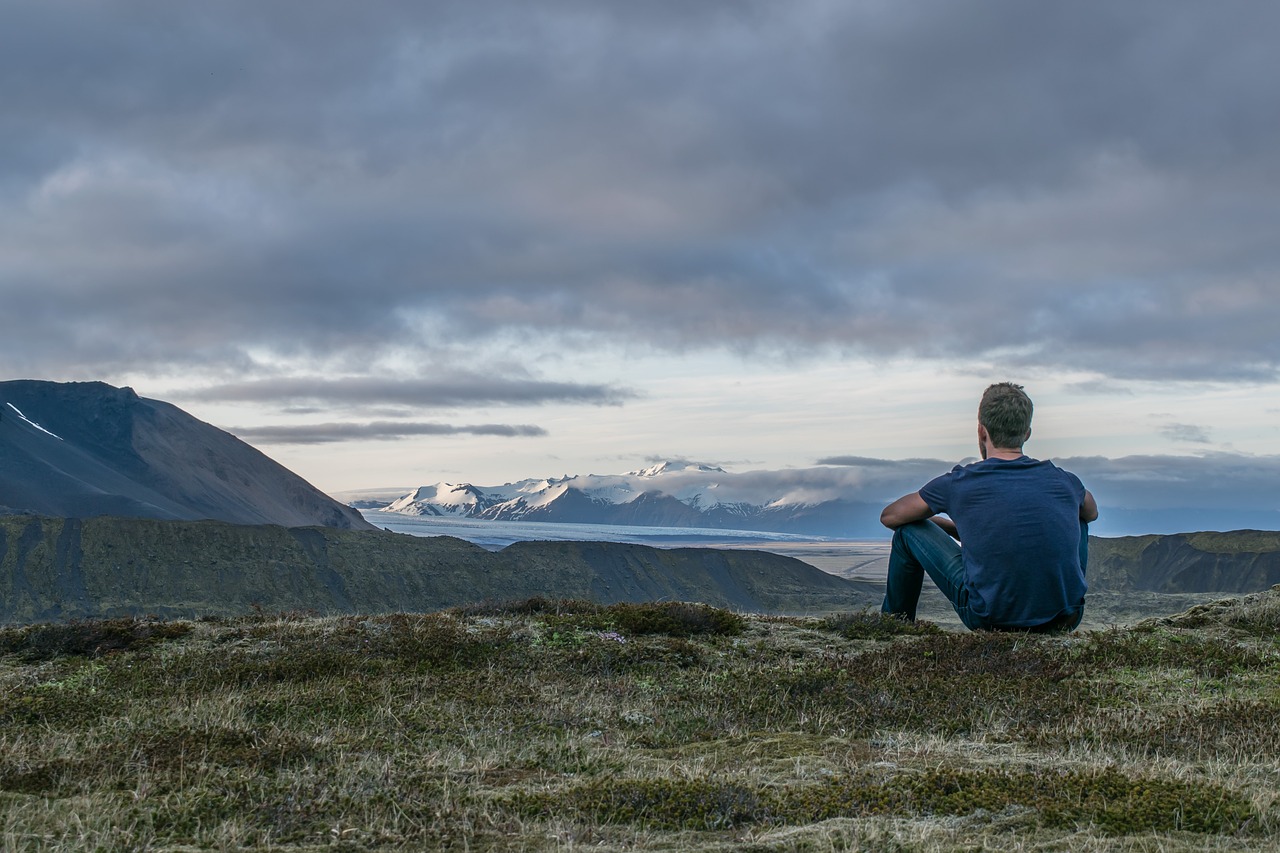 Image by
 Practical Planning for Your Solo Journey
Meticulous planning is the foundation for a successful solo RV adventure.
Choosing Your Perfect Solo Rig
Selecting the right RV involves balancing space, comfort, maneuverability, and budget.
- Motorhomes vs. Travel Trailers:
- Motorhomes: Offer convenience and an all-in-one living/driving experience. Pros include ease of use and self-containment. Cons include higher cost, less flexibility at the campsite, and potential maneuverability challenges.
- Travel Trailers: Require a separate tow vehicle but offer more flexibility at the campsite. Pros include affordability and detachment. Cons include the need for a tow vehicle, more setup at the campsite, and potential towing challenges when alone.
- Essential Features for One: Prioritize a well-equipped kitchen, comfortable sleeping area, ample storage, a reliable climate control system, and a user-friendly control panel. Layouts that minimize wasted space and maximize functionality are key.
Pre-Trip Preparation: Setting Up for Success
Thorough preparation before departure is crucial.
- Budgeting for the Road: Factor in fuel, campsite fees, food, entertainment, and potential maintenance/repair costs. Research average fuel prices and explore various campsite options (boondocking to paid campgrounds). A contingency fund for unforeseen expenses is recommended.
- Packing Smart: Prioritize essentials for safety, comfort, and well-being: versatile clothing, a comprehensive first-aid kit, essential tools, and navigation equipment. Avoid overpacking to save space and weight.
- RV Maintenance Basics: Conduct a thorough inspection of all RV systems (engine, tires, brakes, electrical, plumbing, appliances) before leaving. Check fluid levels, belts, hoses, and test all lights and signals.
- Route Planning & Navigation Tools: Research routes, considering road conditions, elevation, and hazards. Utilize RV-specific navigation tools for bridge heights, weight restrictions, and campground locations. Always have a backup plan and share your itinerary with a trusted contact.
Hard-Nosed Safety Protocols for Solo RVers
Safety is paramount, requiring a proactive and vigilant approach.
On-Road Safety: Driving and Vehicle Security
- Defensive Driving Techniques for RVs: RVs require more space for braking and maneuvering. Practice maintaining safe following distances, anticipating hazards, avoiding distractions, and being aware of blind spots. RV driving courses are recommended.
- Securing Your RV: Invest in high-quality locks for doors and windows, consider an alarm system, use wheel chocks, and park in well-lit areas. Visible security cameras can deter theft.
- Emergency Roadside Preparedness: Assemble an emergency kit (jumper cables, tire repair kit, flashlight, first-aid kit, tools). Subscribe to a roadside assistance service and familiarize yourself with basic RV repair procedures.
Campsite Safety: Choosing and Setting Up Securely
- Researching Safe Campgrounds & Boondocking Spots: Read online reviews and check campground ratings. Look for security patrols, well-lit areas, and gated access. For boondocking, choose locations with good visibility and away from high-traffic areas.
- Situational Awareness: Pay attention to surroundings and trust your instincts. Remove yourself from unsafe or uncomfortable situations immediately. Be cautious of strangers and avoid walking alone at night in poorly lit areas.
- Personal Safety Gear: Carry pepper spray or a personal alarm for self-defense. A satellite messenger is invaluable for areas with limited cell service. A loud whistle can attract attention.
- Dealing with Wildlife Encounters: Store food properly to avoid attracting animals. Maintain a safe distance and never feed wildlife. Make noise to scare away bears and carry bear spray in bear country.
Health & Wellness on the Road
- First Aid & Medical Preparedness: Carry a well-stocked first-aid kit with bandages, antiseptic wipes, pain relievers, allergy medication, and prescription medications. Consider taking a first-aid and CPR course. Keep a list of medical conditions, allergies, and medications accessible.
- Staying Healthy: Plan meals with nutritious foods. Incorporate regular exercise (hiking, biking, yoga). Prioritize mental well-being through mindfulness, hobbies, and staying connected with loved ones.
- Emergency Contacts and Communication Plans: Create a list of emergency contacts and share it with a trusted person. Establish a regular check-in schedule, especially in remote areas. Use a satellite phone or messenger for areas with limited cell service.
RV Fire Safety: Protecting Your Home on Wheels
RV fires can spread rapidly due to confined spaces and flammable materials.
- Common Fire Hazards: Propane leaks, electrical malfunctions (overloaded circuits, frayed wiring), cooking mishaps (grease fires, unattended stovetops), and heating appliances.
- Essential Fire Safety Equipment: A working smoke detector, a carbon monoxide detector, and a fire extinguisher (Class ABC recommended, accessible near entrances and cooking areas). Test detectors regularly and practice using the extinguisher. Conduct regular fire drills.
- Prevention Tips and Emergency Response: Regularly inspect propane systems for leaks. Avoid overloading electrical circuits and use surge protectors. Never leave cooking unattended and keep flammable materials away from heat sources. In case of fire, evacuate immediately and call 911.
The Social Aspect – Connecting and Combating Loneliness
While solitude is a benefit, connecting with others enhances the solo RV experience.
Finding Community on the Road
- RV Clubs and Online Forums: Join clubs like Escapees and Good Sam for benefits and online forums for information sharing and connection.
- Meeting Fellow Travelers: Be open to conversations at campgrounds and participate in activities. Practice good campground etiquette to foster positive relationships.
- Volunteer Opportunities & Workamping: Engage in volunteer work or workamping at campgrounds or businesses in exchange for camping or compensation.
Maintaining Connections with Home
- Staying in Touch: Utilize video calls, emails, and social media. Establish a regular check-in schedule with a trusted contact.
- Inviting Friends/Family: Share your adventures by inviting loved ones to join for portions of your trip. Plan activities together and be flexible.
Embracing Solitude and Personal Growth
- Journaling, Hobbies, and Self-Reflection: Dedicate time for journaling thoughts and experiences. Engage in hobbies for joy and relaxation.
- Overcoming Loneliness: Stay connected with friends and family, engage in social activities, and practice self-care. Focus on the positive aspects of freedom and independence.
FAQs
- How do I find safe parking spots while on the road alone?
Ans: It is essential to research your destination and plan your route in advance. Consider staying at established campsites, rest areas, or Walmart parking lots, as these places are generally safe for RV travelers. - What should I do if my RV breaks down in the middle of nowhere?
Ans: In case of a breakdown, stay calm and assess the situation. Call for roadside assistance if needed, and make sure to have a backup plan in place in case of an emergency. - Can solo RV travel be cheaper than traveling with a partner or group?
Ans: Solo RV travel can be more cost-effective than traveling with a partner or group, as you only have to bear the expenses of one person. Additionally, solo travelers can take advantage of cost-saving measures such as free campsites and cooking their meals. - What are some tips for cooking and eating healthy while on the road?
Ans: Cooking and eating healthy while on the road can be challenging but not impossible. Consider bringing a portable stove or grill, and stock up on healthy food items such as fruits, vegetables, and lean proteins. Additionally, plan your meals in advance and invest in good-quality storage containers. - How can I stay connected with family and friends while on the road?
Ans: Staying connected with your loved ones while on the road is essential. Consider investing in a mobile hotspot or purchasing a data plan for your phone. Additionally, use social media platforms or video chat apps such as Skype or FaceTime to stay in touch with your family and friends.
Conclusion: Your Empowered Solo RV Journey Awaits
Solo RV travel is a rewarding endeavor. By utilizing the knowledge and resources in this guide, individuals can confidently navigate the open road, embrace challenges, and create lasting memories, experiencing the world on their own terms.
Resources
- RV Travel Safety – https://www.rvtravel.com/safety-tips-for-solo-rv-travelers/ This page offers advice and tips for solo RV travelers.
- Escapees RV Club – https://www.escapees.com/ Escapees RV Club is a well-known RV club that offers support, resources, and a sense of community for RVers, including solo travelers.
- Good Sam Club – https://www.goodsam.com/ Good Sam Club is another popular RV club that provides resources, discounts, and a community for RV enthusiasts.
- iRV2 Forum – https://www.irv2.com/forums/ iRV2 is a widely-used forum where RVers can discuss various topics related to RVing, making it a valuable resource for connecting with other RVers and finding relevant information.
Featured Image by Guy Goddard from Pixabay


